

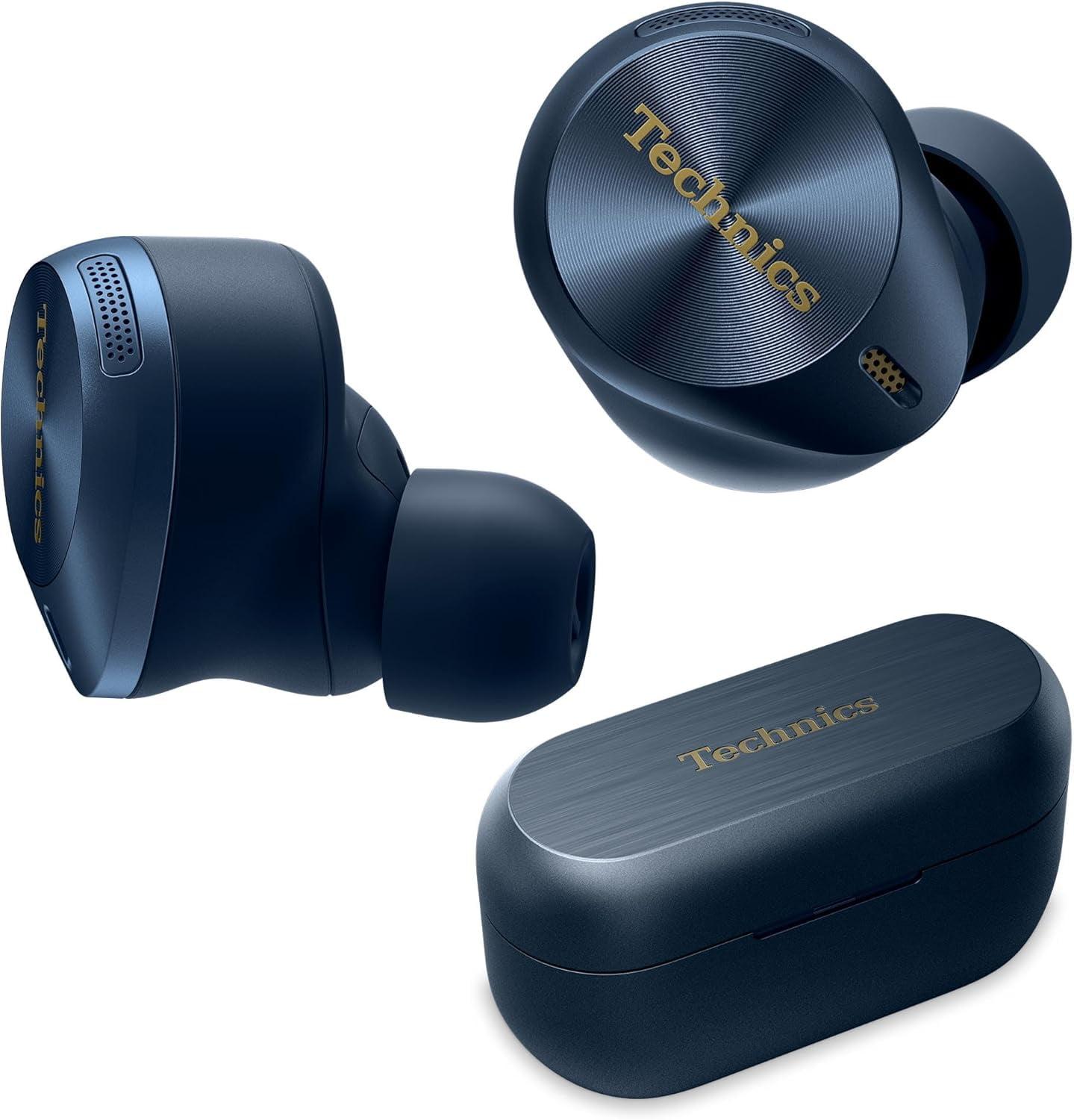
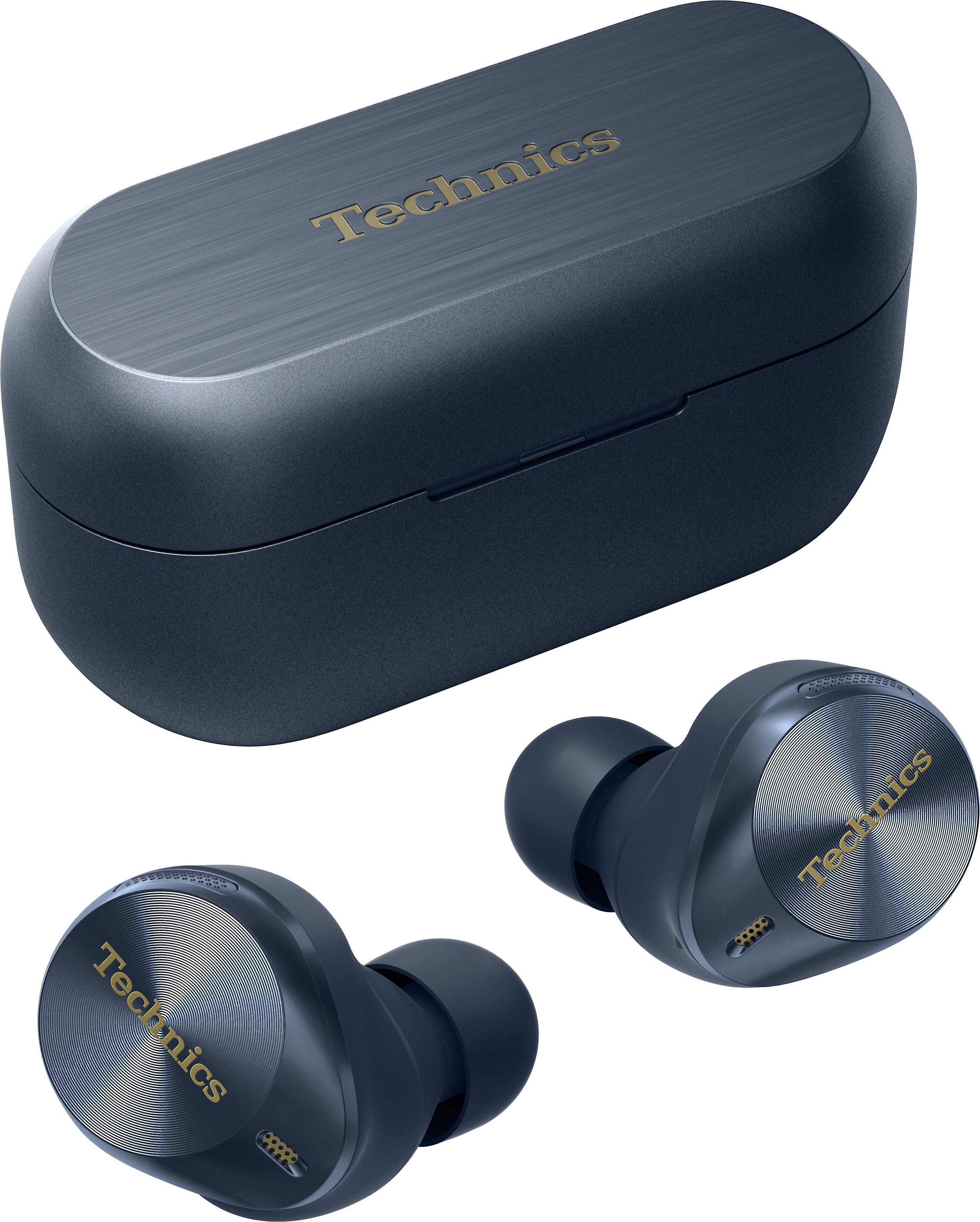
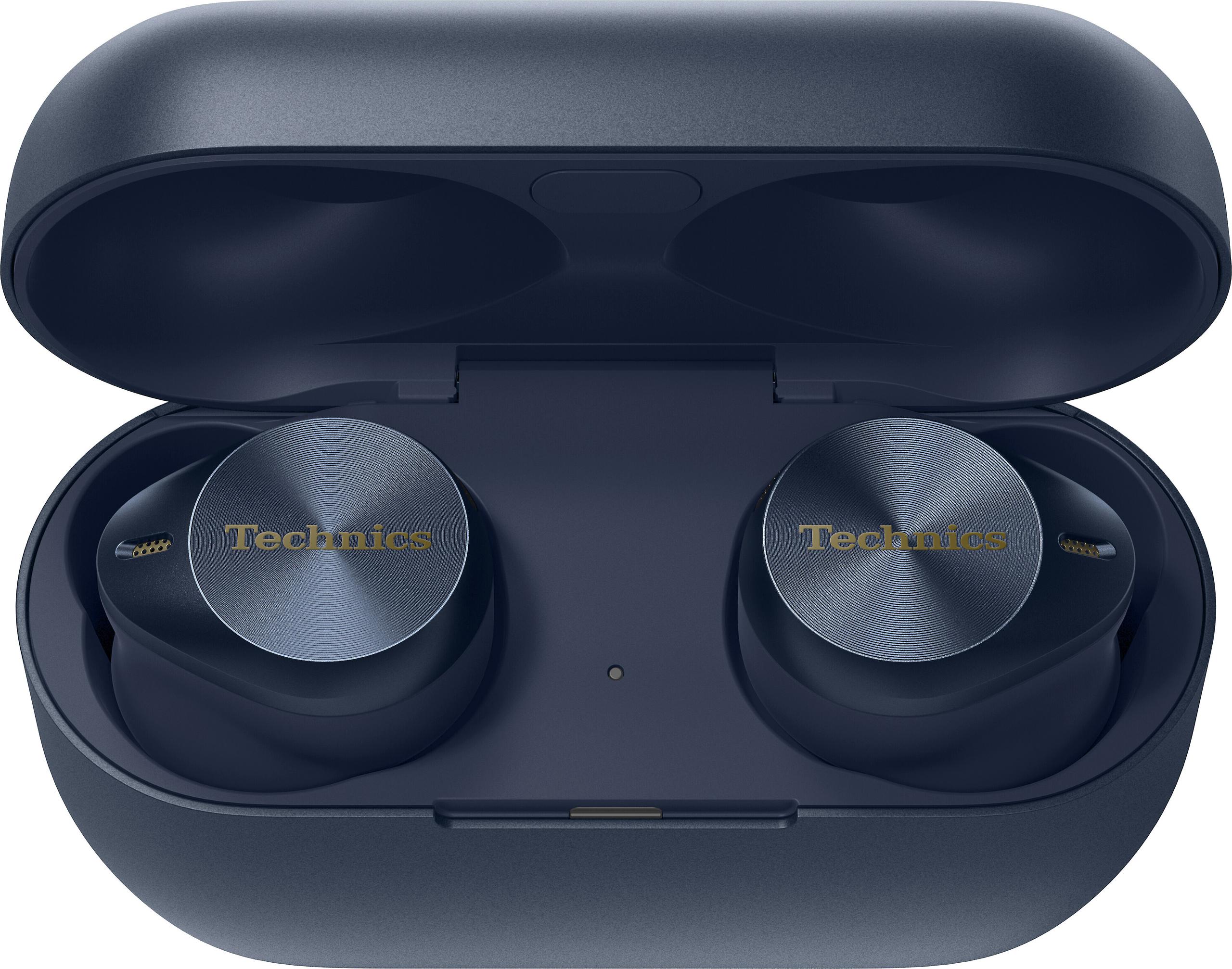
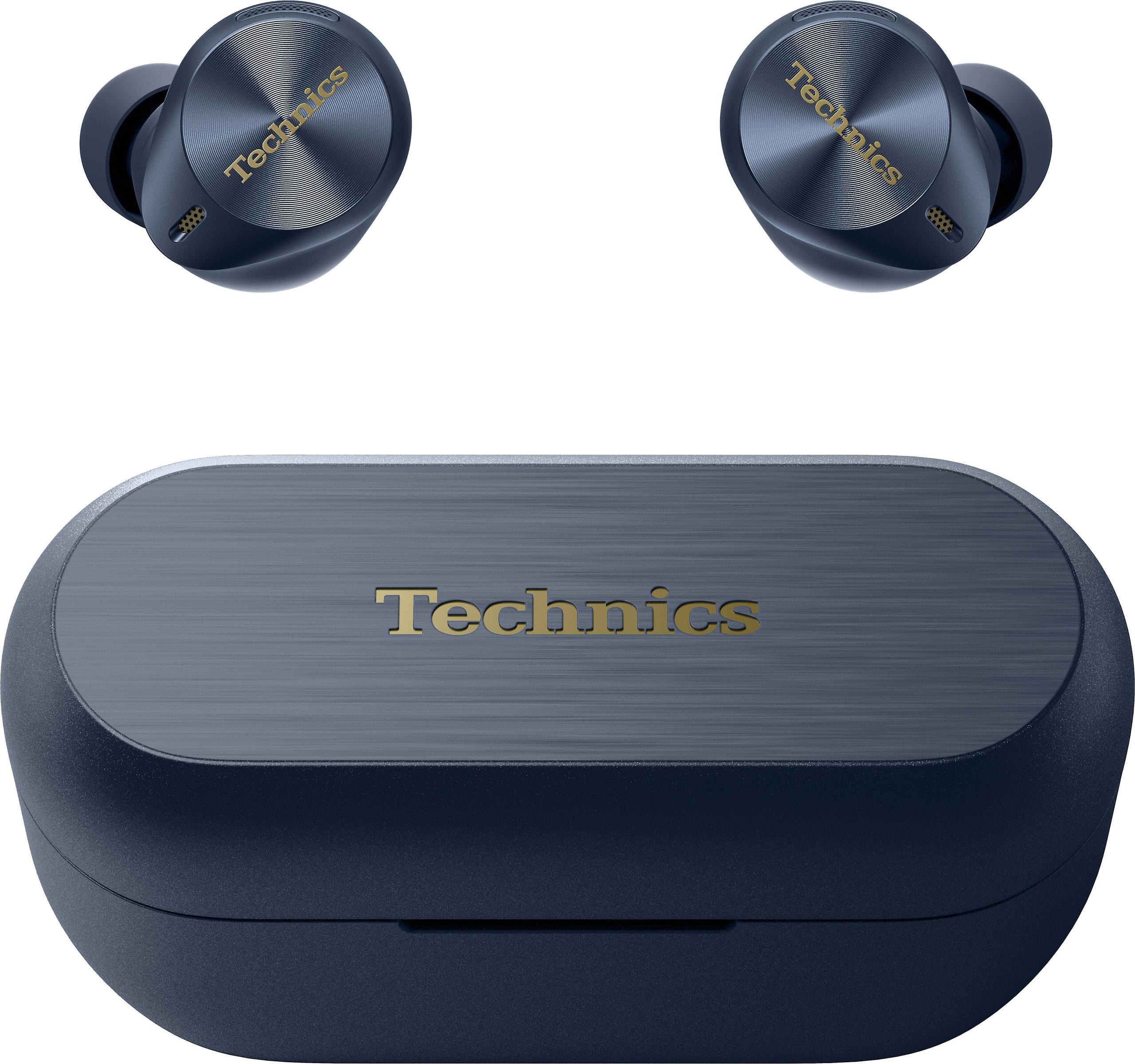

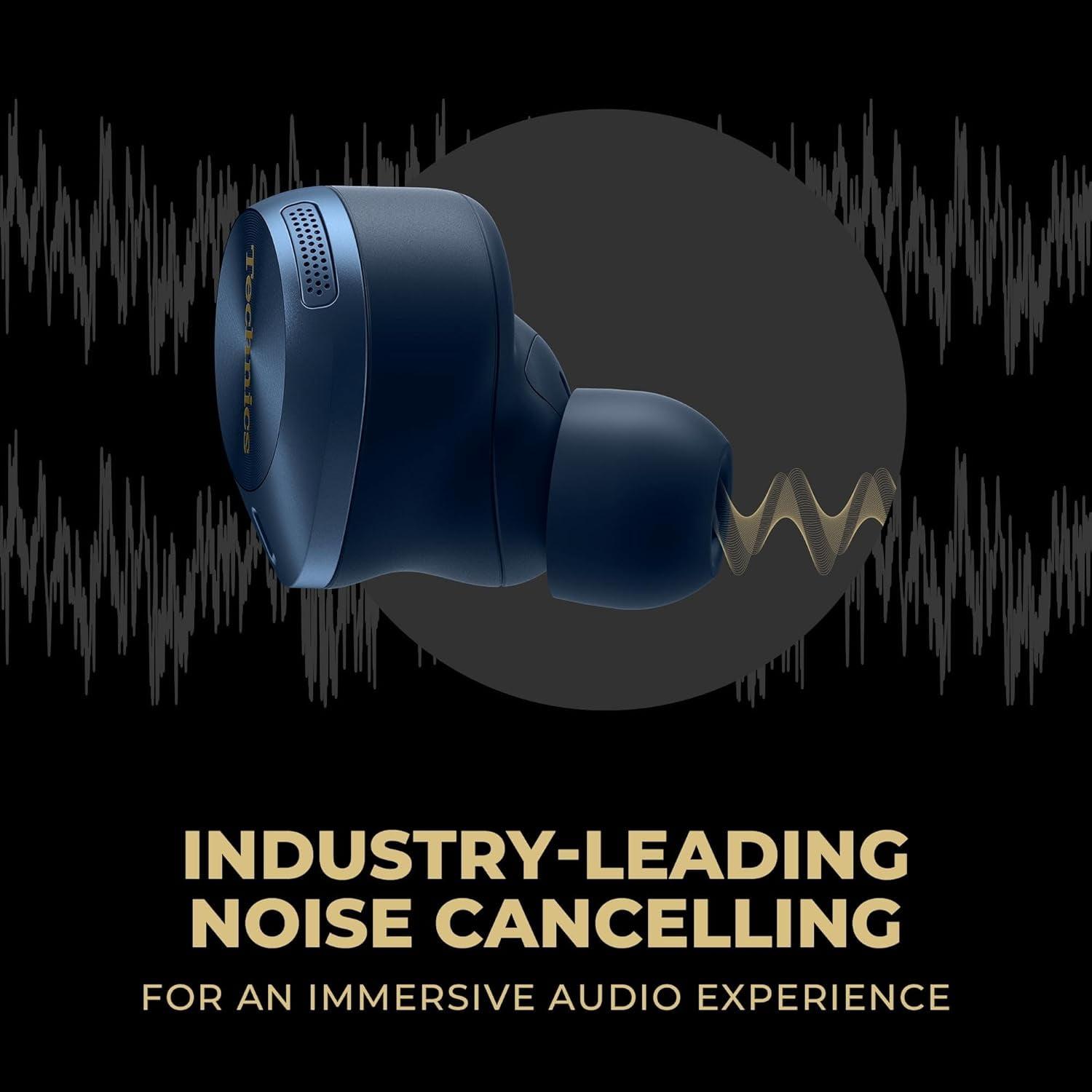

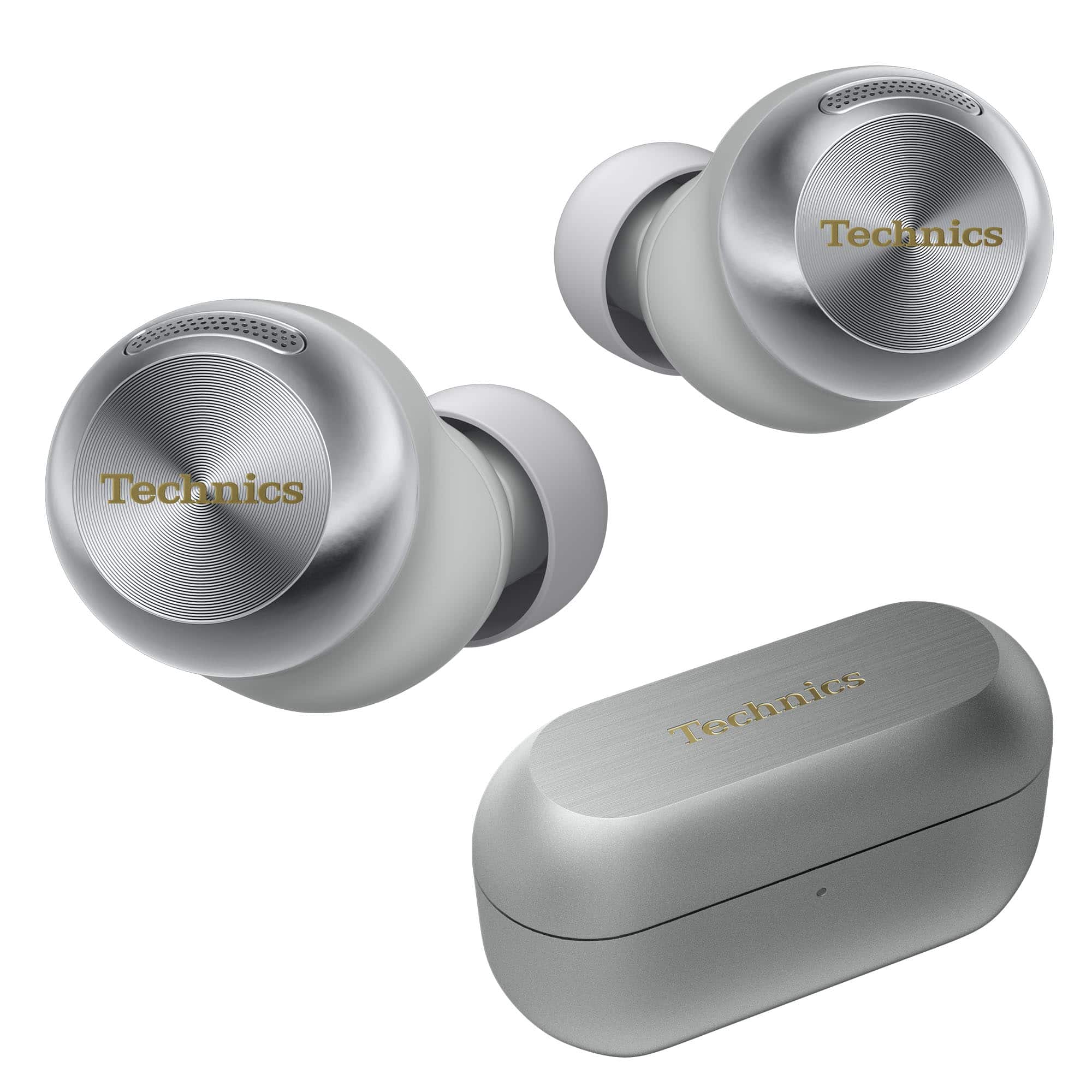
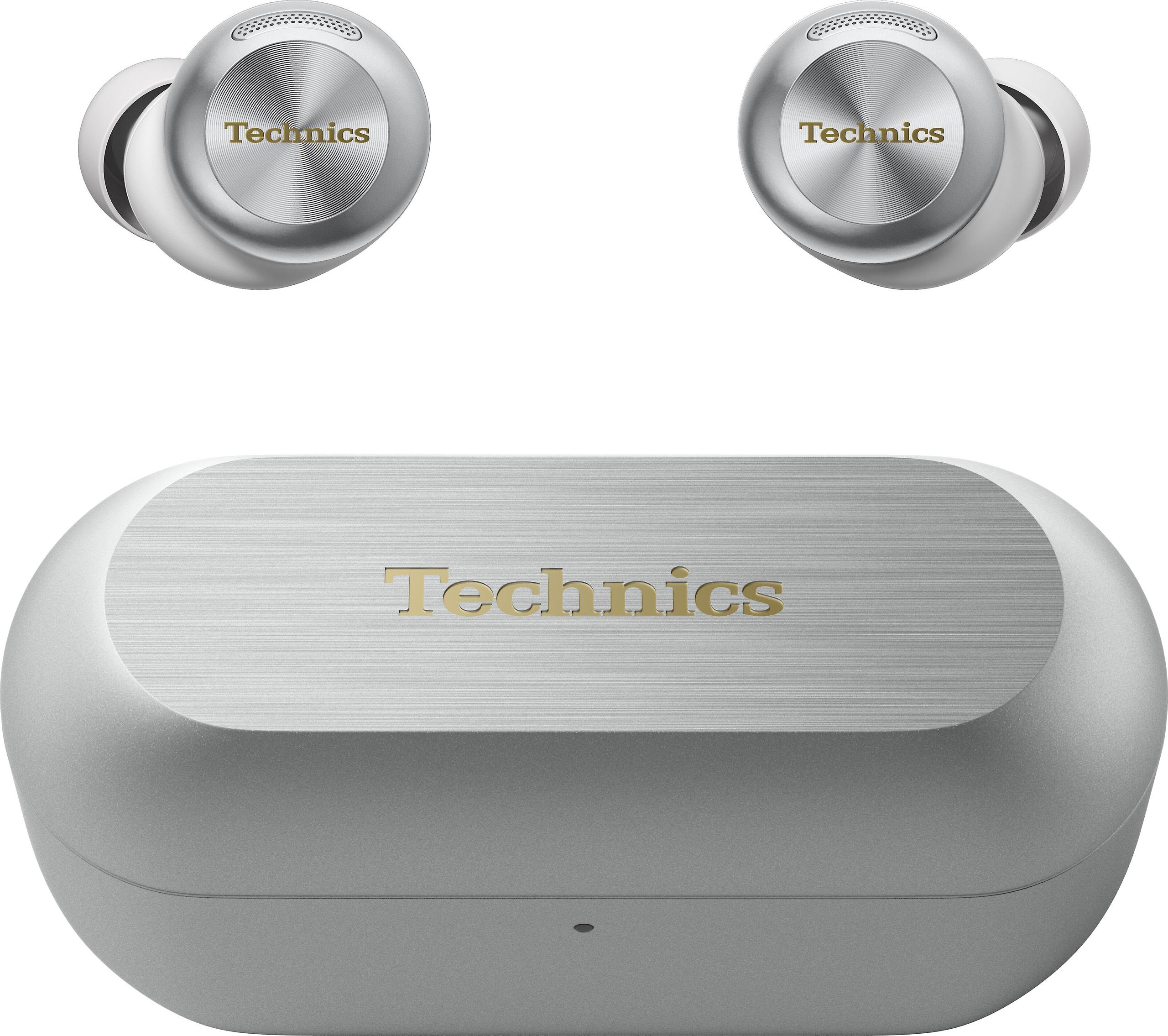

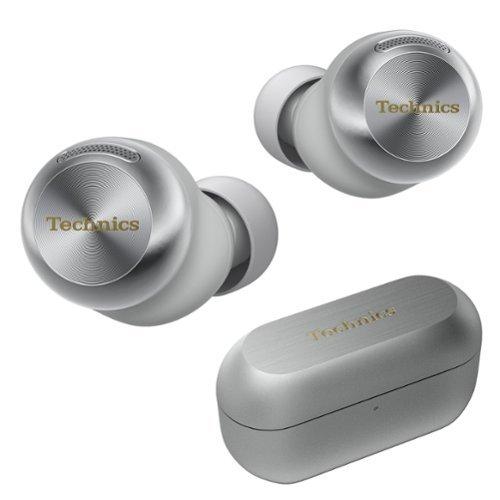
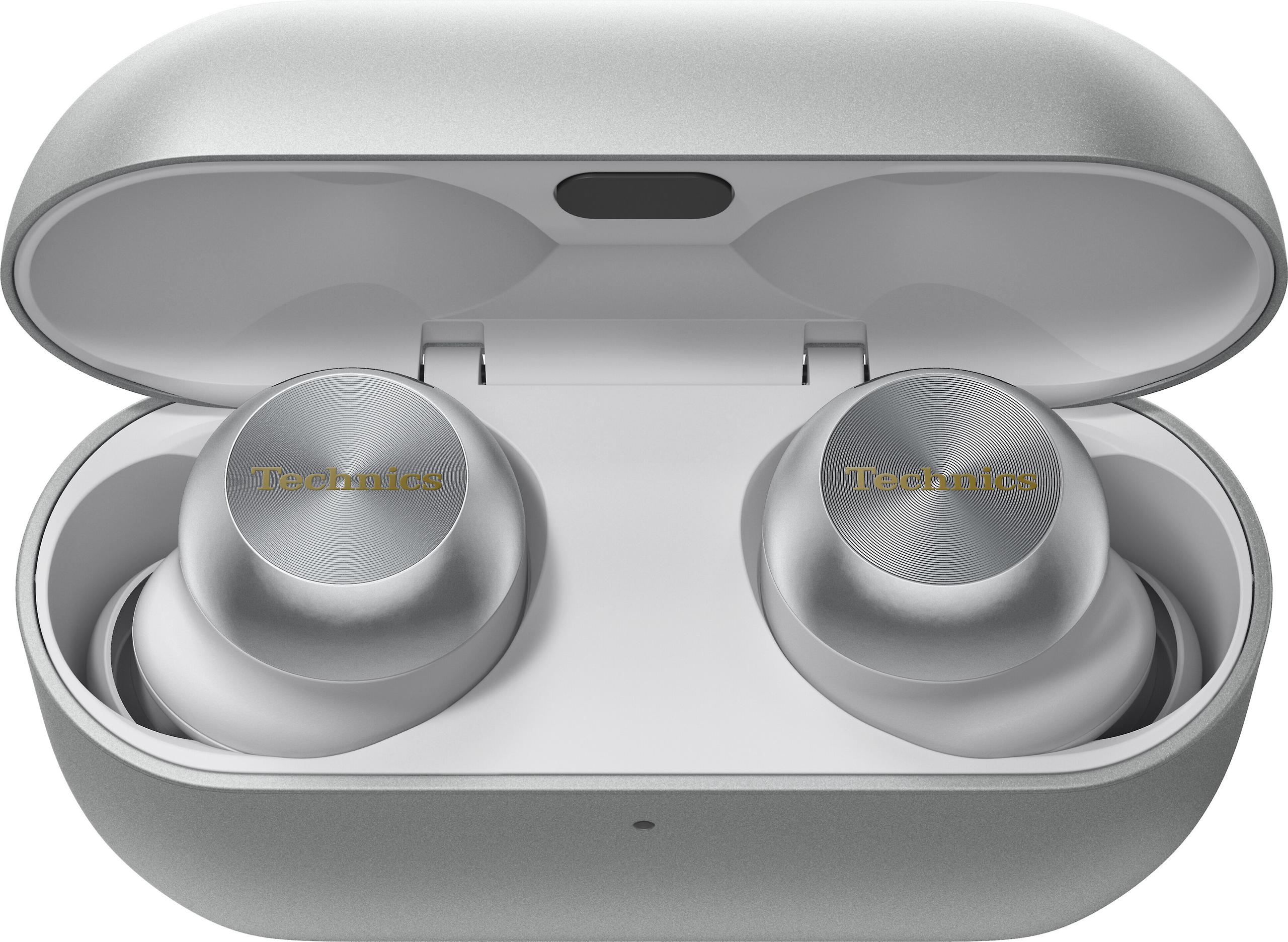

If you're shopping for premium true wireless earbuds, Technics has positioned itself as a serious contender with two compelling options: the AZ80 and the newer AZ100. Both promise high-end audio quality with active noise cancellation, but they represent different approaches to achieving excellence. The question isn't whether these are good earbuds—they both are—but which one makes the most sense for your needs and budget.
Premium earbuds have evolved far beyond simply cutting the cord. Today's top-tier models combine multiple technologies to create a complete audio ecosystem. Active noise cancellation uses microphones and processing to eliminate external sounds, while advanced drivers (the tiny speakers inside each earbud) reproduce audio with incredible detail. Codec support determines how much audio information can be transmitted wirelessly—think of it as the difference between a compressed MP3 and a high-quality studio recording.
The most critical factors when evaluating these earbuds include audio quality (how good they sound), noise cancellation effectiveness (how well they block outside noise), battery life, comfort for extended wear, and increasingly, smart features that adapt to your listening environment. Value becomes crucial at this price point, where small improvements can carry significant premiums.
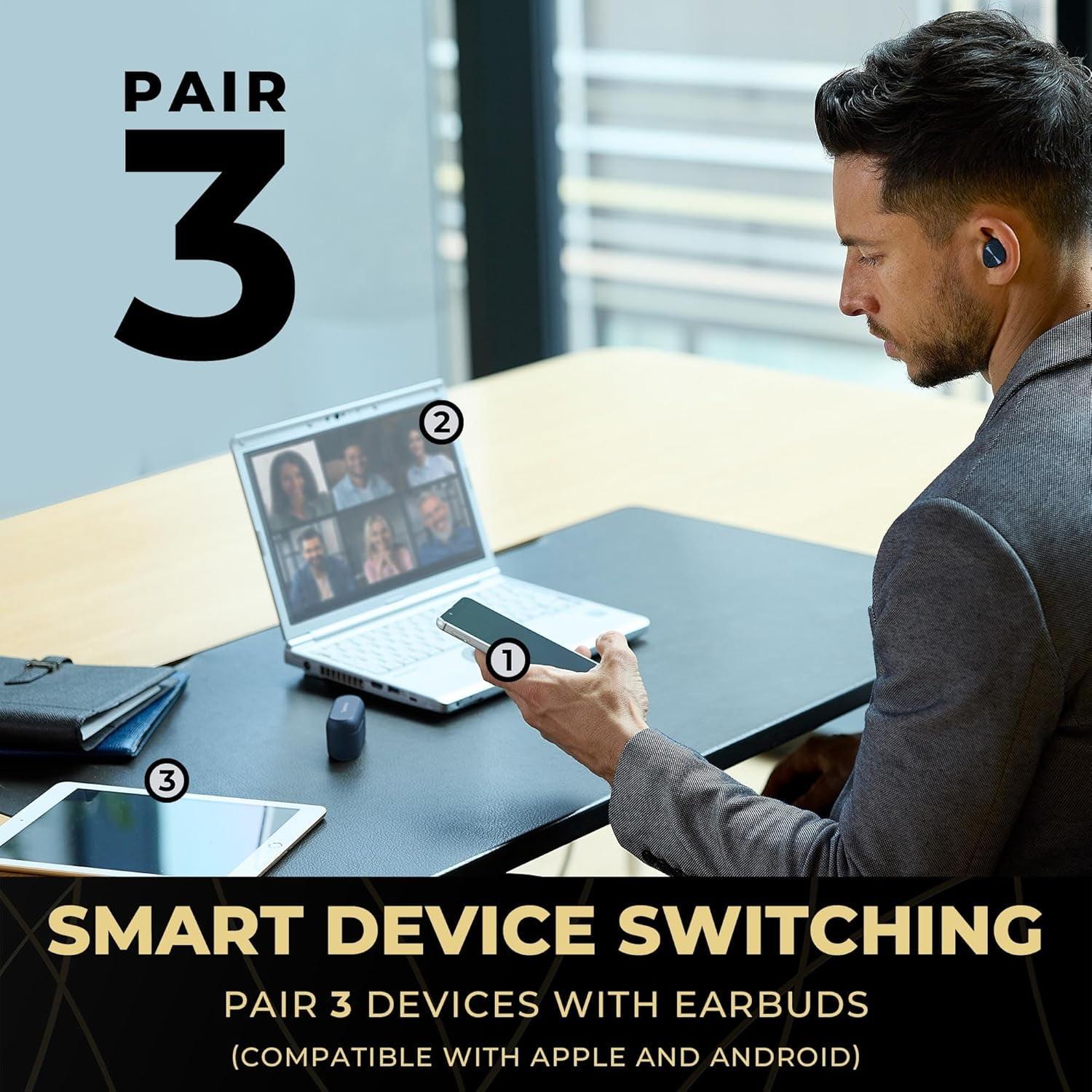
The Technics AZ80 launched in 2023 as the company's flagship true wireless earbuds, establishing Technics as a serious player in the premium market. Built on proven dynamic driver technology, they delivered impressive Hi-Res Audio certification and three-device multipoint connectivity—meaning you could seamlessly switch between your phone, laptop, and tablet without manual reconnection.
Fast forward to 2025, and the AZ100 represents a significant technological leap. Rather than simply refining the existing formula, Technics introduced breakthrough magnetic fluid driver technology and adaptive AI features that respond to your environment. At the time of writing, the price gap between these models has widened considerably, with the older AZ80 available at substantial discounts while the AZ100 commands full premium pricing.
The AZ80 uses 10mm dynamic drivers with aluminum alloy diaphragms—essentially tiny speakers optimized for detailed sound reproduction. These drivers excel at delivering the kind of resolution that makes you notice instruments you've never heard before in familiar songs. With LDAC codec support, they can handle high-resolution audio files that contain more musical information than standard Bluetooth transmission allows.
However, the AZ80's Achilles heel is its bass response. Many users find the low-end overly prominent and boomy, requiring significant equalization adjustments through the companion app. It's like having a sports car with an overly sensitive accelerator—the performance is there, but it requires careful handling to avoid fatigue during longer listening sessions.
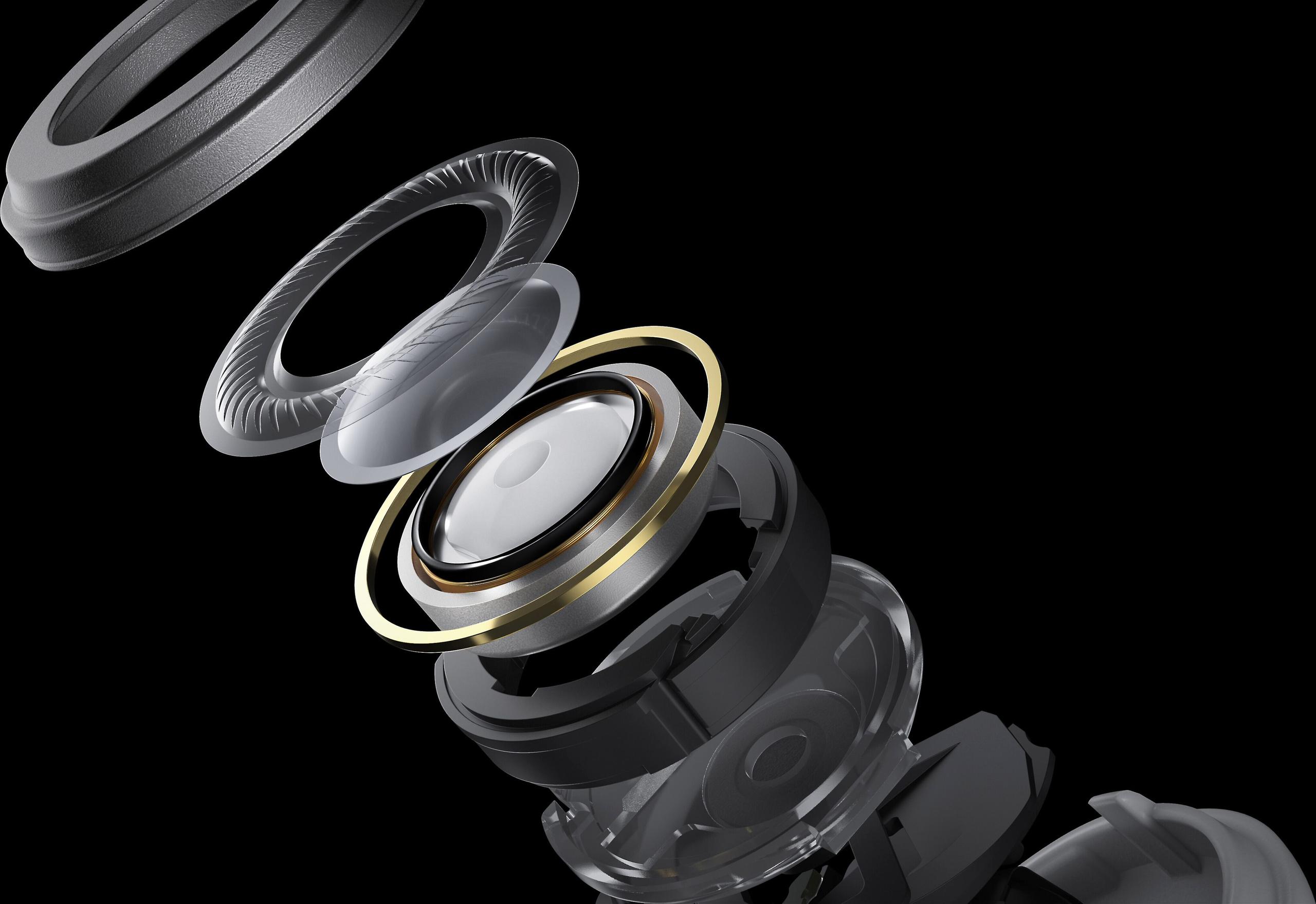
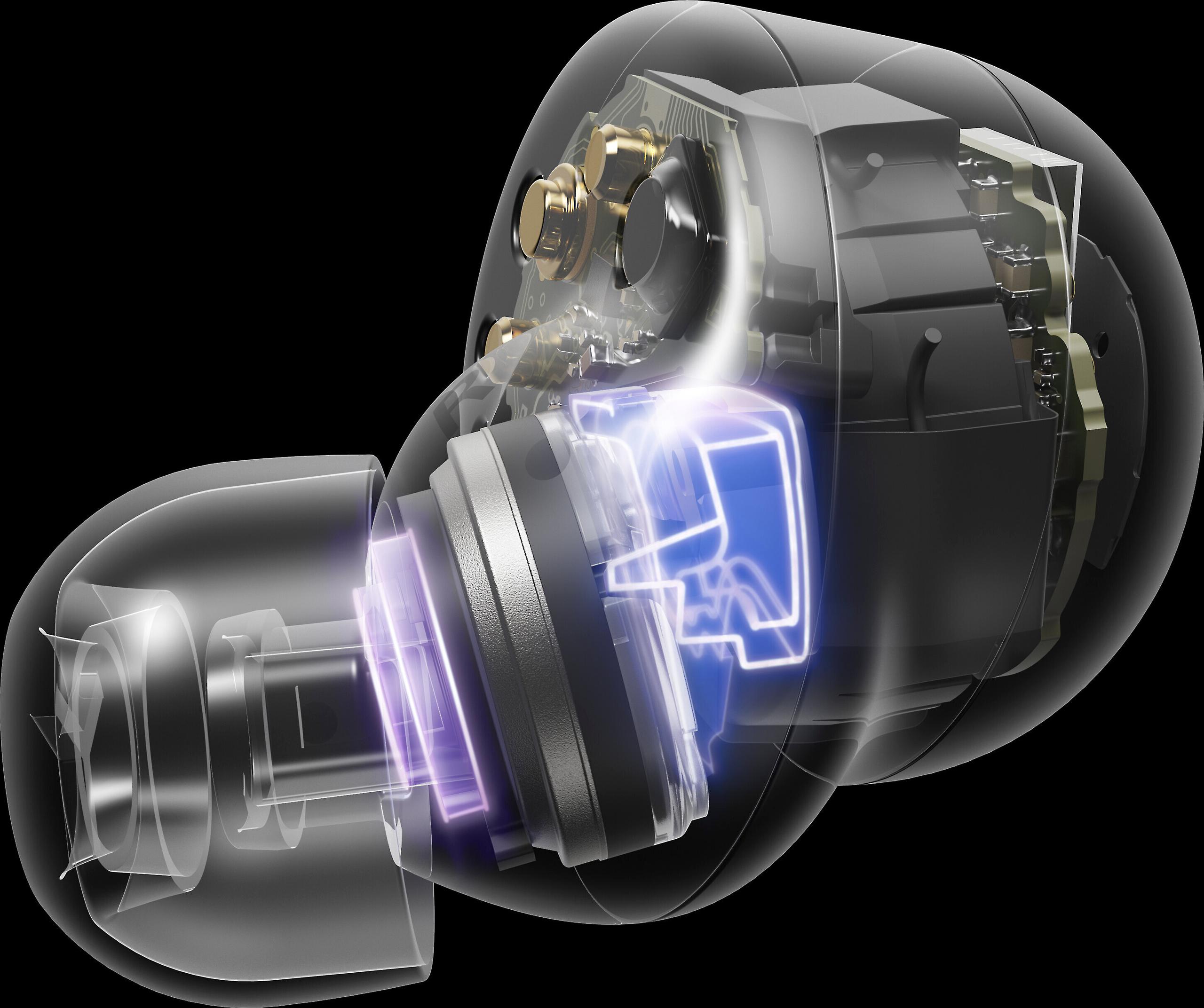
The AZ100 introduces magnetic fluid drivers—a technology previously reserved for Technics' high-end wired monitors. This system uses ferrofluid, a liquid containing microscopic magnetic particles, positioned between the driver's magnet and voice coil. The result is incredibly precise driver movement with reduced distortion and a lower noise floor.
In practical terms, this translates to cleaner, more controlled bass that doesn't overwhelm the midrange frequencies where vocals live. The overall sound signature is more balanced out of the box, requiring less user intervention to achieve optimal performance. It's the difference between a rough diamond and a polished gem—both valuable, but one requires significantly more work to reveal its beauty.
The AZ100 also introduces spatial audio processing with Dolby Atmos support and head tracking. When watching movies or listening to compatible content, the earbuds create a sense of three-dimensional sound that follows your head movement, similar to wearing high-end over-ear headphones in a dedicated listening room.
Effective noise cancellation has become essential for premium earbuds, particularly for travelers and commuters dealing with constant engine noise, air conditioning hum, and urban soundscapes.
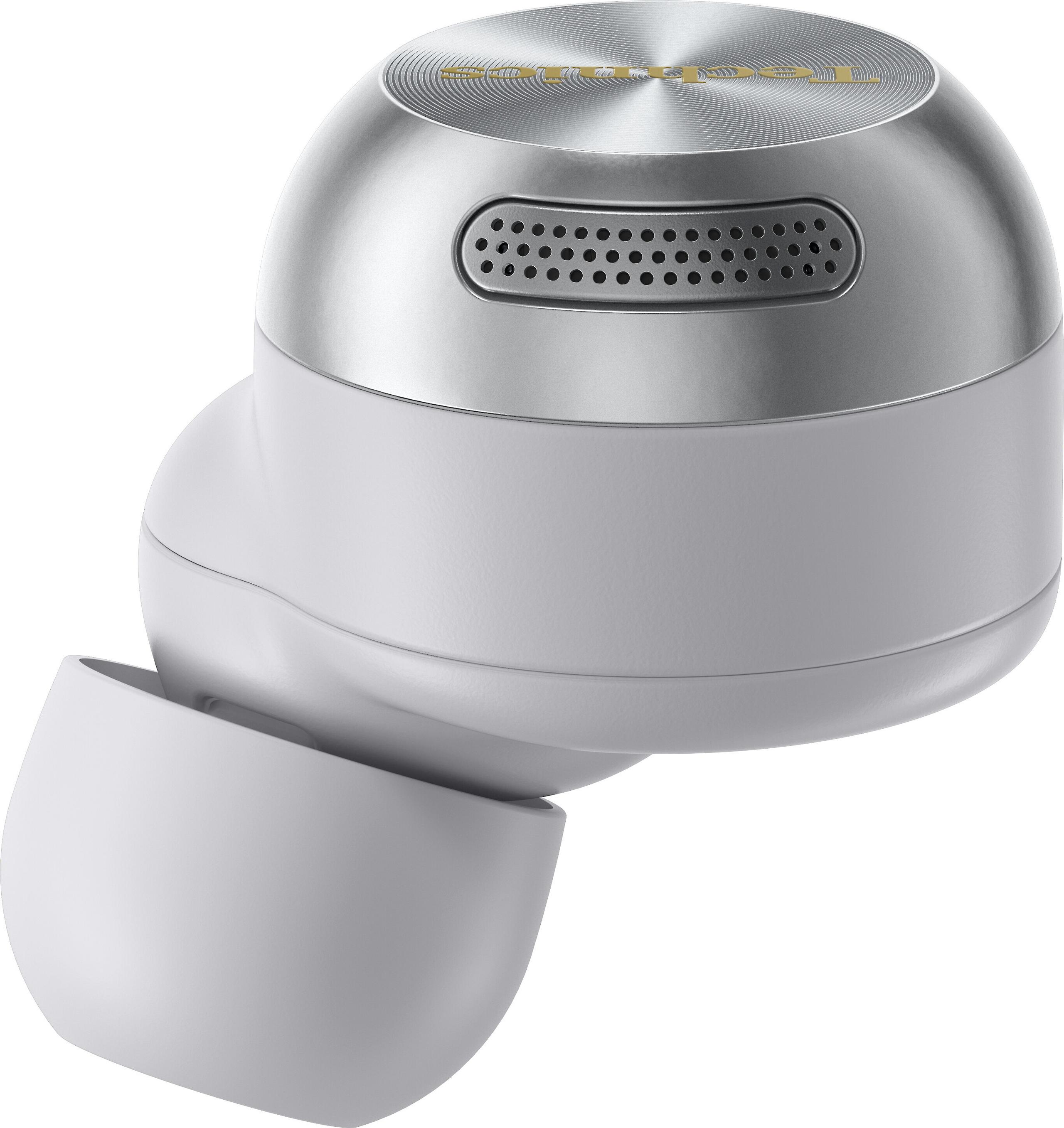
The AZ80 employs dual hybrid active noise cancellation, using both feedforward and feedback microphones to detect and counter external sounds. It performs admirably with mid-range frequencies—conversations, office noise, and moderate environmental sounds—but struggles with consistent low-frequency rumble like airplane engines or subway trains.
The AZ100 takes a more sophisticated approach with adaptive noise cancellation that automatically adjusts based on your environment and ear shape. This isn't just marketing speak—the system actively monitors your surroundings and optimizes its cancellation algorithms accordingly. The improvement in bass-range noise suppression is particularly noticeable, making these significantly more effective for travel and commuting scenarios.
During testing, the difference becomes apparent on flights or trains where constant, low-frequency noise dominates. The AZ100 creates a more complete sense of isolation, allowing you to enjoy music at lower volumes and reducing the fatigue that comes from fighting background noise.
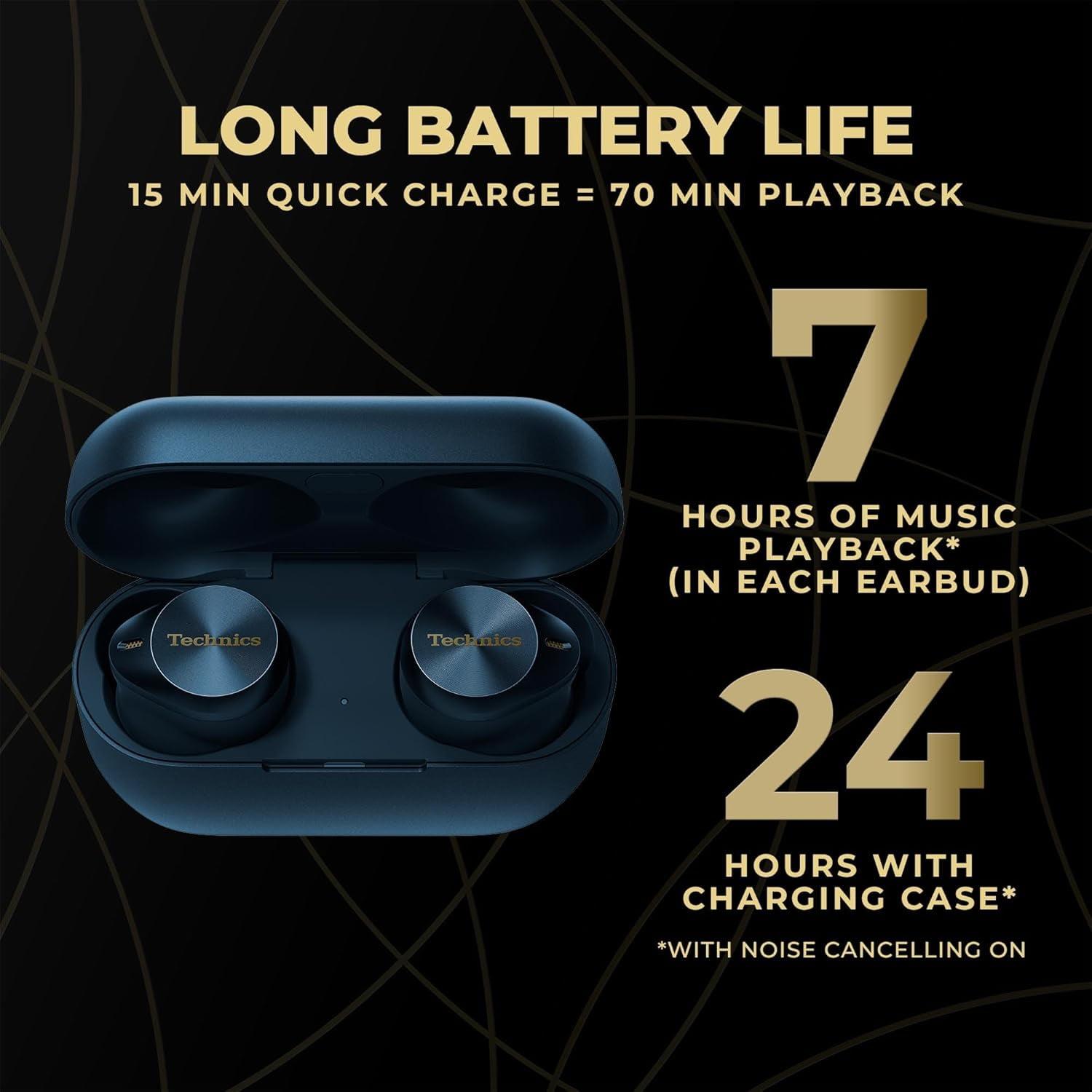
Battery performance often determines real-world usability more than any other specification. The AZ80 provides approximately 7 hours of playback with noise cancellation enabled, extending to 24 hours with the charging case. While respectable, this can feel limiting during long travel days or extended work sessions.
The AZ100 delivers a substantial 43% improvement with 10 hours of ANC-enabled playback and 28 hours total with the case. Perhaps more importantly, the quick-charge feature provides 90 minutes of playback from just 15 minutes of charging—perfect for those "forgot to charge" moments before an important call or flight.
This improved battery life stems from more efficient processing and optimized power management. The difference between 7 and 10 hours might seem modest on paper, but it represents the gap between needing to recharge during a workday versus lasting from morning to evening.
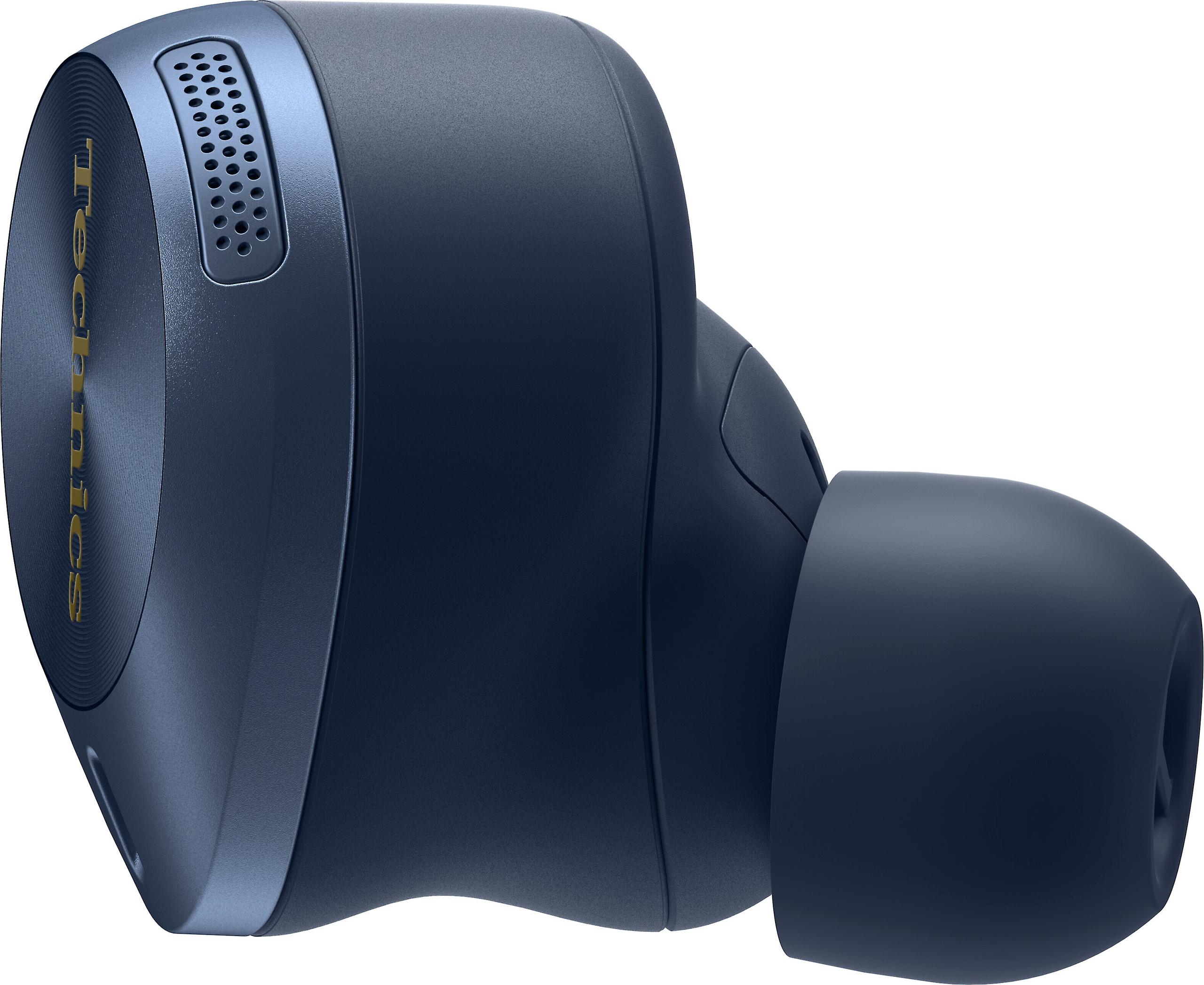
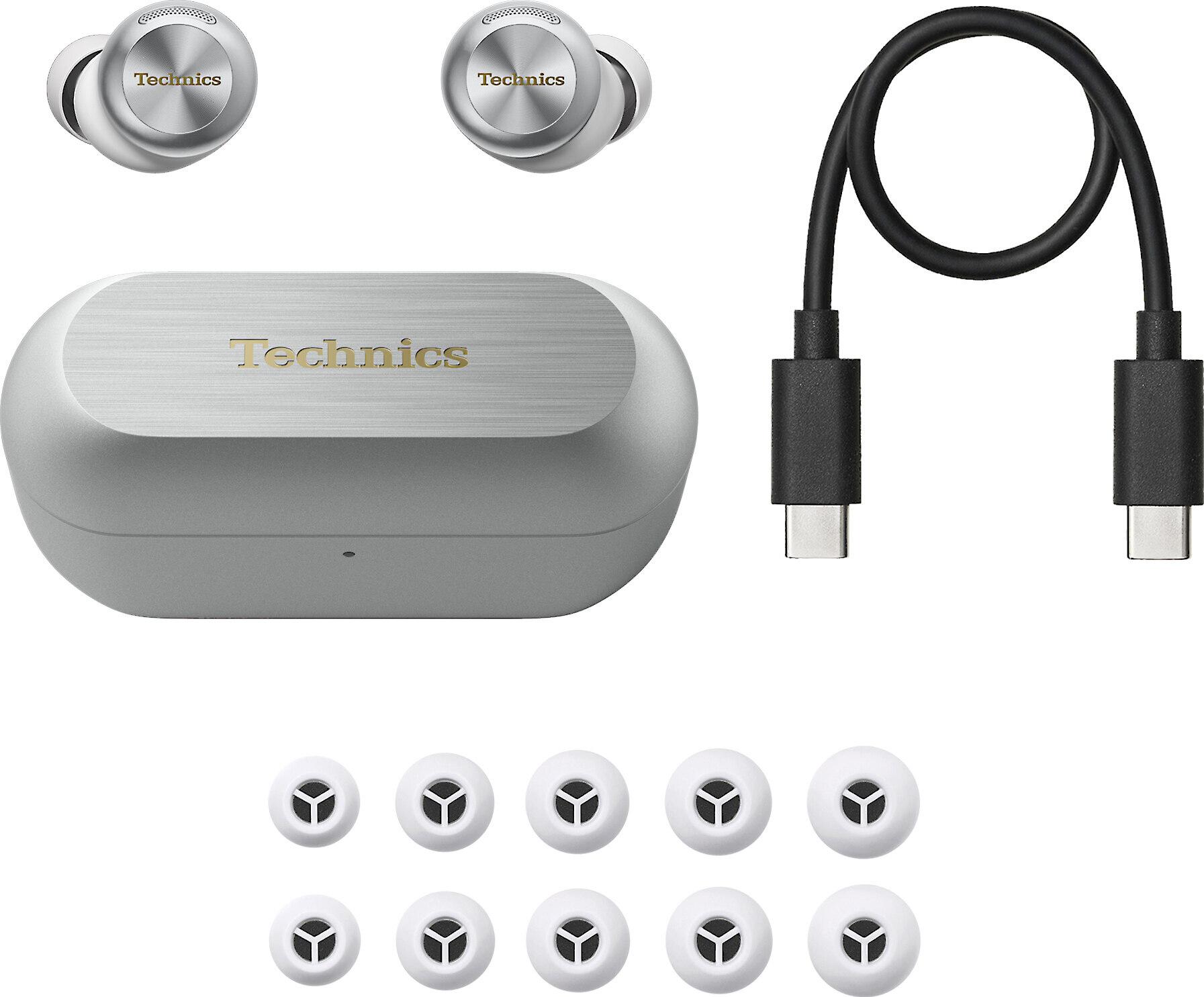
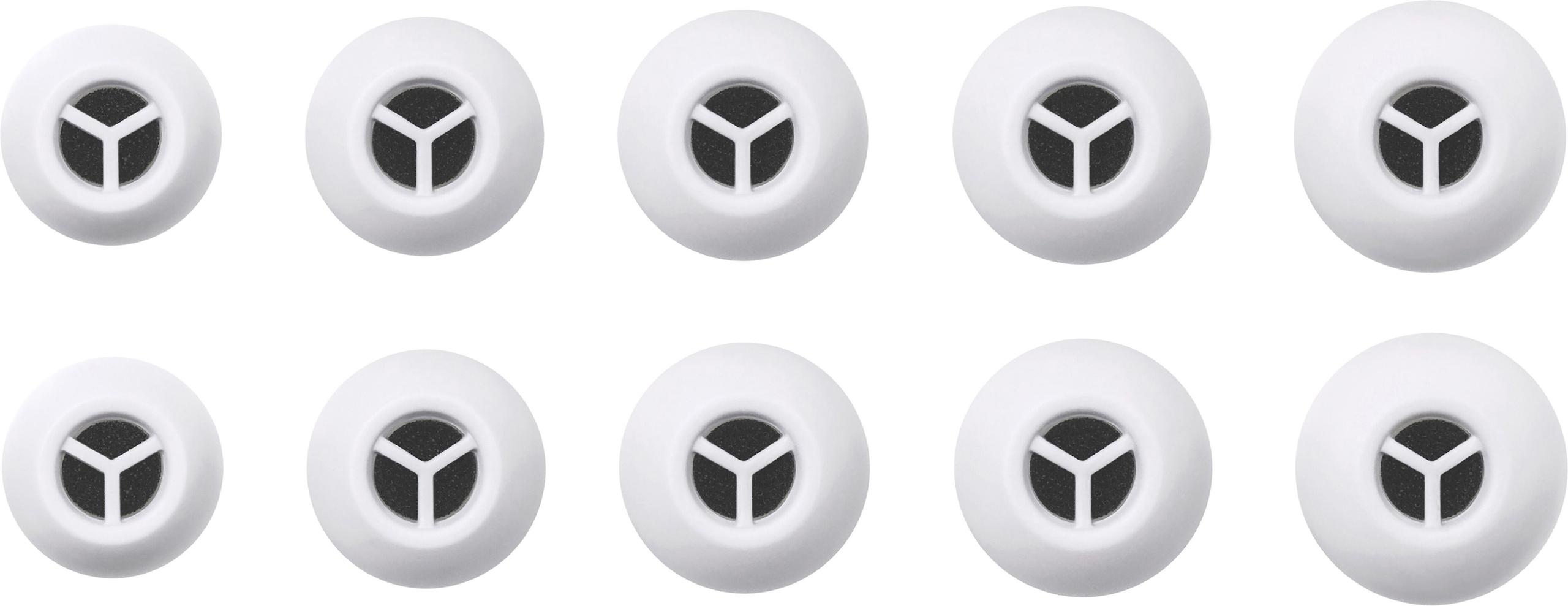
Even the best-sounding earbuds become useless if they don't fit comfortably. The AZ80 suffers from a somewhat bulky design that can be problematic for users with smaller ears. Despite including seven different ear tip sizes, the overall form factor limits compatibility with certain ear shapes.
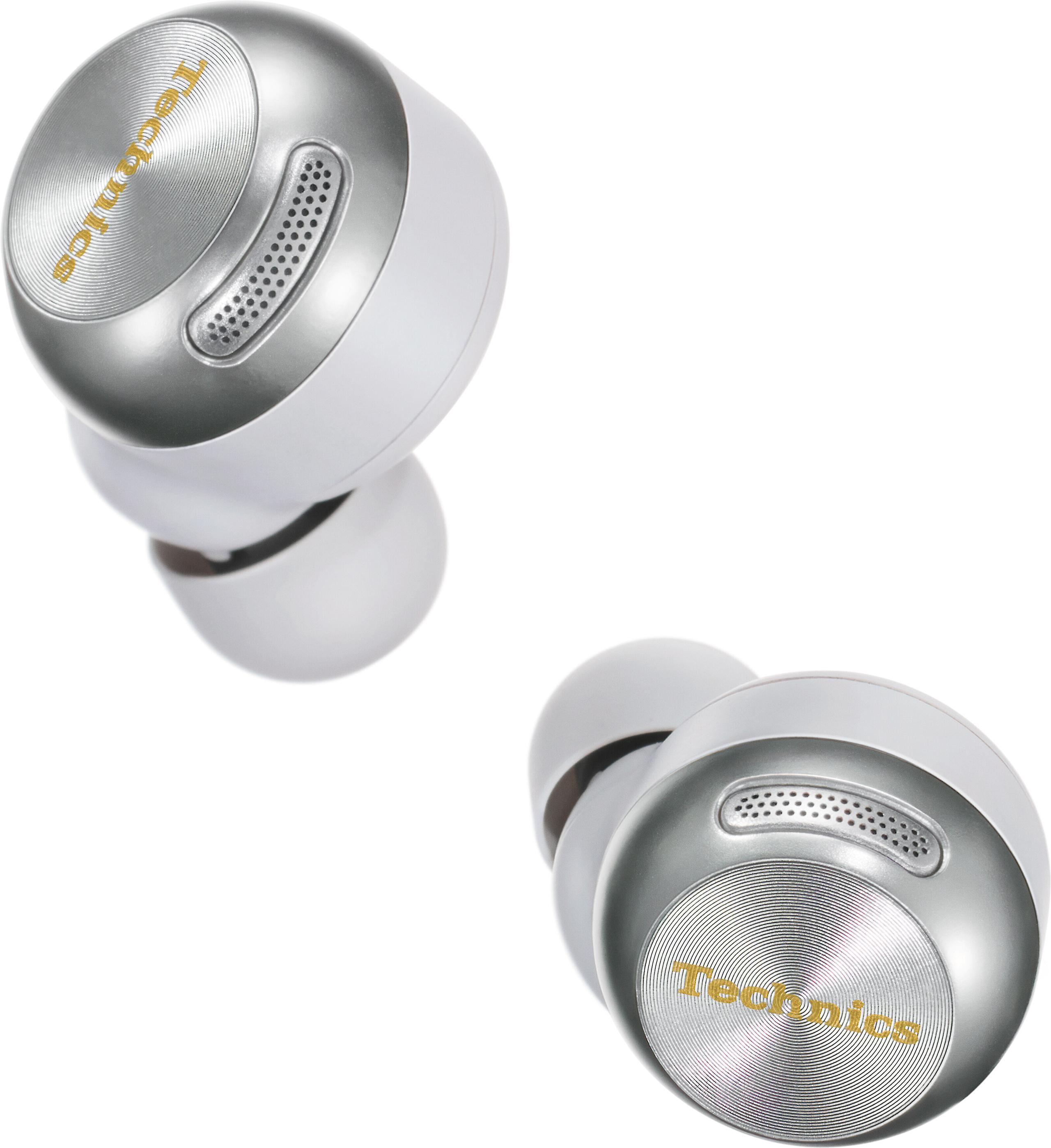
Recognizing this limitation, Technics redesigned the AZ100 to be 10% smaller and 16% lighter while maintaining all functionality. The new concha-fit shape better follows the natural contours of the ear, and the addition of an "ML" size ear tip addresses the gap between medium and large options.
This isn't just about initial comfort—it affects long-term wearability and acoustic seal quality. A proper seal is crucial for both noise cancellation effectiveness and bass response. Poor fit leads to sound leakage and reduced performance across all metrics.
Modern premium earbuds incorporate increasing amounts of artificial intelligence to enhance the user experience. The AZ80 includes JustMyVoice technology, which uses multiple microphones and processing to improve call clarity for the person you're speaking with.
The AZ100 advances this concept with Voice Focus AI, which benefits both parties in a conversation. The system analyzes incoming audio and applies real-time noise reduction and enhancement, though some users report it can make voices sound slightly robotic during calls—a trade-off between clarity and naturalness.
Both models support three-device multipoint connectivity, allowing seamless switching between your phone, computer, and tablet. This feature has become increasingly important as our work and entertainment involve multiple devices throughout the day.
The AZ100 also includes support for LC3 codec and future Auracast compatibility—forward-thinking features that will become more relevant as the technology ecosystem evolves. It's like buying a car with 5G connectivity before 5G networks were widespread—not immediately useful, but valuable for longevity.
While primarily designed for mobile use, both earbuds can enhance home entertainment experiences. The AZ80 provides excellent detail for movie dialogue and music, though the bass-heavy signature can overwhelm subtle audio cues in complex film soundtracks.
The AZ100's spatial audio capabilities shine in home theater applications. With Dolby Atmos content, the head tracking creates an immersive experience that rivals dedicated headphone systems. This is particularly valuable for late-night viewing when traditional speakers aren't practical, or for those living in apartments where sound isolation is important.
The improved noise cancellation also benefits home use by eliminating HVAC noise, appliances, and external traffic sounds that can interfere with quiet dialogue scenes.
At the time of writing, the AZ80 represents exceptional value in the premium earbud market. The substantial price reduction from its original launch makes it one of the most cost-effective ways to access Technics' audio expertise, despite requiring some bass EQ adjustment to reach optimal performance.
The AZ100 commands full premium pricing but justifies it with genuine technological advancement. The magnetic fluid drivers alone represent a significant engineering achievement, while the comprehensive feature set addresses most criticisms of the previous generation.
For budget-conscious buyers who don't mind tweaking EQ settings, the AZ80 delivers roughly 80-85% of the AZ100's performance at a significantly lower cost. However, users who prefer optimal performance out of the box, need superior noise cancellation, or want cutting-edge features will find the AZ100 worth the premium.
Choose the AZ80 if you're comfortable with some audio customization and want proven premium performance at a substantial discount. They're ideal for users with larger ears who primarily listen to music and don't require the absolute best noise cancellation for travel.
The AZ100 makes sense for users who want the latest technology, need superior noise cancellation for commuting or travel, have smaller ears that require the improved fit, or frequently consume spatial audio content. The balanced sound signature also appeals to users who prefer minimal EQ adjustment.
Both represent excellent choices within their respective value propositions. The AZ80 proves that "last generation" doesn't mean "obsolete," while the AZ100 demonstrates that meaningful technological advancement still exists in the mature earbud market. Your decision ultimately depends on whether you prioritize maximum value or maximum performance—both are legitimate approaches to finding your ideal audio companion.
The earbuds market continues evolving rapidly, but both the AZ80 and AZ100 represent solid investments that will serve users well for years to come. Technics has established itself as a serious premium audio brand, and both models reinforce that reputation while serving different segments of the demanding audiophile market.
| Technics AZ80 Premium Hi-Fi True Wireless Noise Cancelling Earbuds | Technics Reference Class AZ100 True Wireless Noise Cancelling Earbuds |
|---|---|
| Driver Technology - Core component determining sound quality and accuracy | |
| 10mm dynamic drivers with aluminum alloy diaphragm | 10mm Magnetic Fluid Drivers with ferrofluid technology |
| Sound Signature - How balanced the audio sounds out of the box | |
| Bass-heavy, requires EQ adjustment for most listeners | Balanced signature, minimal EQ needed |
| Battery Life (ANC On) - Critical for all-day use and travel | |
| 7 hours earbuds + 24 hours case | 10 hours earbuds + 28 hours case |
| Noise Cancellation Type - Effectiveness at blocking external sounds | |
| Dual Hybrid ANC (good for mid-range noise) | Adaptive ANC (superior low-frequency blocking) |
| Size and Weight - Impacts comfort and fit compatibility | |
| Larger, bulkier design (can be problematic for smaller ears) | 10% smaller, 16% lighter with improved concha-fit shape |
| Spatial Audio Support - Immersive experience for movies and compatible content | |
| Not supported | Dolby Atmos with head tracking technology |
| Call Quality Enhancement - How well your voice comes through on calls | |
| JustMyVoice technology (improves your voice only) | Voice Focus AI (benefits both caller and listener) |
| Codec Support - Maximum audio quality over Bluetooth | |
| SBC, AAC, LDAC | SBC, AAC, LDAC, LC3 (future-ready) |
| Quick Charge - Emergency power when you forgot to charge | |
| Standard charging speeds | 15 minutes = 90 minutes playback |
| Water Resistance - Protection during workouts and weather | |
| IPX4 (earbuds only) | IPX4 (earbuds only) |
| Multipoint Connectivity - Seamless switching between devices | |
| 3-device simultaneous connection | 3-device simultaneous connection |
| Value Proposition - Performance per dollar at time of writing | |
| Exceptional value with significant price reduction from launch | Premium pricing for cutting-edge technology |
The Technics AZ100 offers superior technology with magnetic fluid drivers, adaptive noise cancellation, and spatial audio features, making it the better choice for those wanting cutting-edge performance. However, the Technics AZ80 provides excellent value with proven Hi-Res audio quality at a significantly lower price point, making it ideal for budget-conscious buyers who don't mind adjusting EQ settings.
The biggest difference is the driver technology. The AZ100 features revolutionary magnetic fluid drivers that use ferrofluid for more precise sound reproduction, while the AZ80 uses traditional dynamic drivers. The AZ100 also includes adaptive noise cancellation and Dolby Atmos spatial audio, which the AZ80 lacks.
The AZ100 has significantly better noise cancellation with its adaptive system that adjusts to your environment. It's particularly superior at blocking low-frequency sounds like airplane engines. The AZ80 uses standard dual hybrid ANC that works well for mid-range noise but struggles with consistent low-frequency rumble.
The AZ100 is significantly better for home theater use with Dolby Atmos support and head tracking that creates immersive spatial audio for compatible content. The AZ80 provides good detail for dialogue but lacks spatial audio features and its bass-heavy signature can overwhelm subtle movie soundtrack details.
Choose the AZ80 if you want proven premium audio quality at a significant discount and don't need the latest features. Go with the AZ100 if you want the absolute best performance, need superior noise cancellation for travel, have smaller ears requiring better fit, or frequently consume spatial audio content like movies with Dolby Atmos.
We've done our best to create useful and informative comparisons to help you decide what product to buy. Our research uses advanced automated methods to create this comparison and perfection is not possible - please contact us for corrections or questions. These are the sites we've researched in the creation of this article: stereonet.com - us.technics.com - us.technics.com - rtings.com - head-fi.org - bestbuy.com - soundguys.com - head-fi.org - youtube.com - loudnwireless.com - youtube.com - cnet.com - technics.com - technics.com - bestbuy.com - target.com - us.technics.com - technics.com - youtube.com - head-fi.org - nnty.fun - us.technics.com - bhphotovideo.com - bestbuy.com - us.technics.com - audiosciencereview.com - youtube.com - head-fi.org - head-fi.org - jbhifi.com.au - whathifi.com - digitaltrends.com - techradar.com - popsci.com - stuff.tv - us.technics.com - instylehifi.com.au - techradar.com - youtube.com - head-fi.org - whathifi.com - ecoustics.com - crutchfield.com - head-fi.org - treoo.com - youtube.com - bestbuy.com - us.technics.com - crutchfield.com - cnet.com - us.technics.com - us.technics.com - na.panasonic.com - us.technics.com - help.na.panasonic.com - bestbuy.com - bhphotovideo.com - technics.com - technics.com - us.technics.com - twitteringmachines.com - stupiddope.com - bhphotovideo.com - techdogs.com - technics.com - techradar.com - yumpu.com - youtube.com

Privacy Policy
Terms and Conditions - Affiliate Policy
Home Security
© Copyright 2008-2026.
11816 Inwood Rd #1211, Dallas, TX 75244