




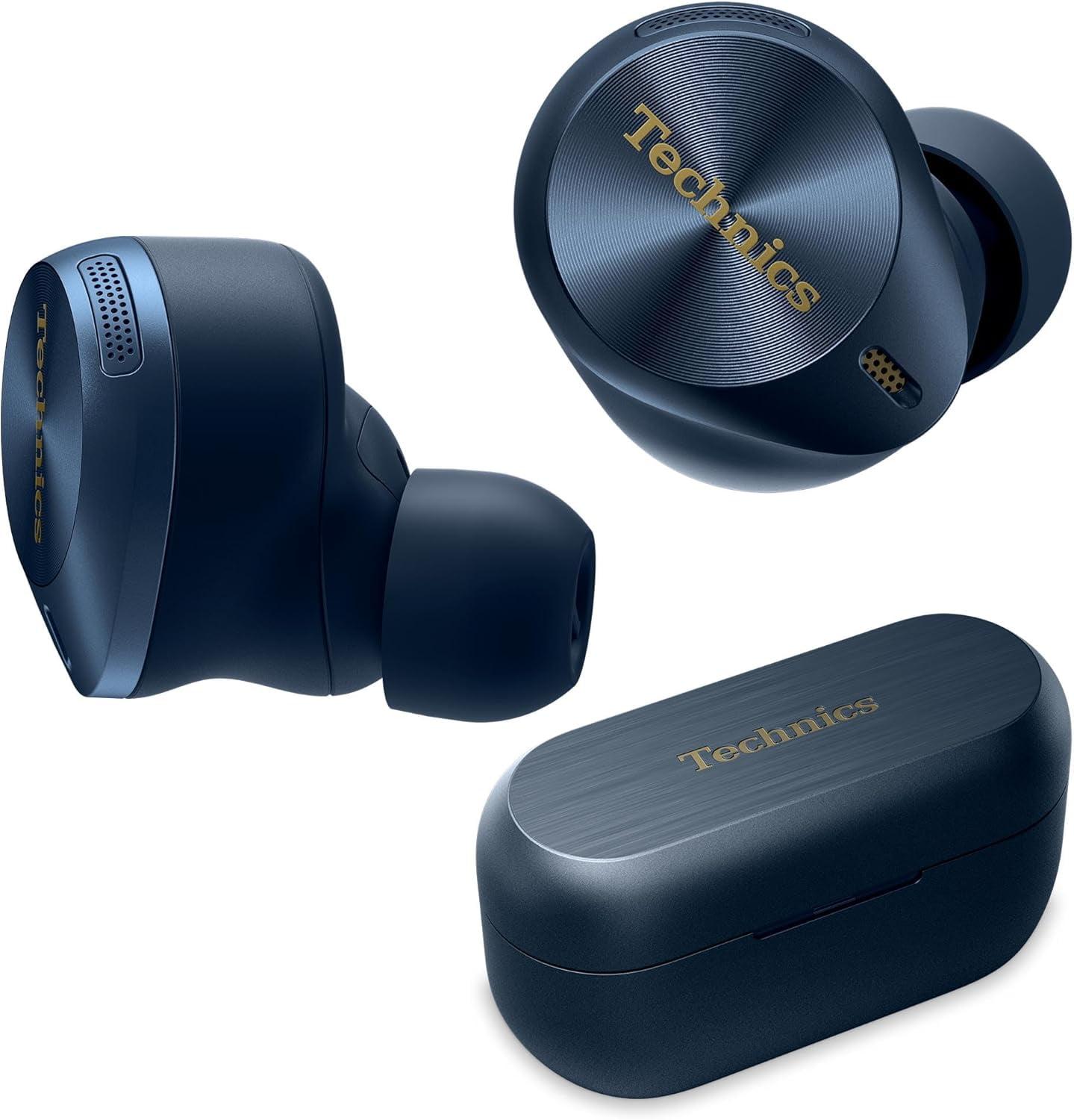
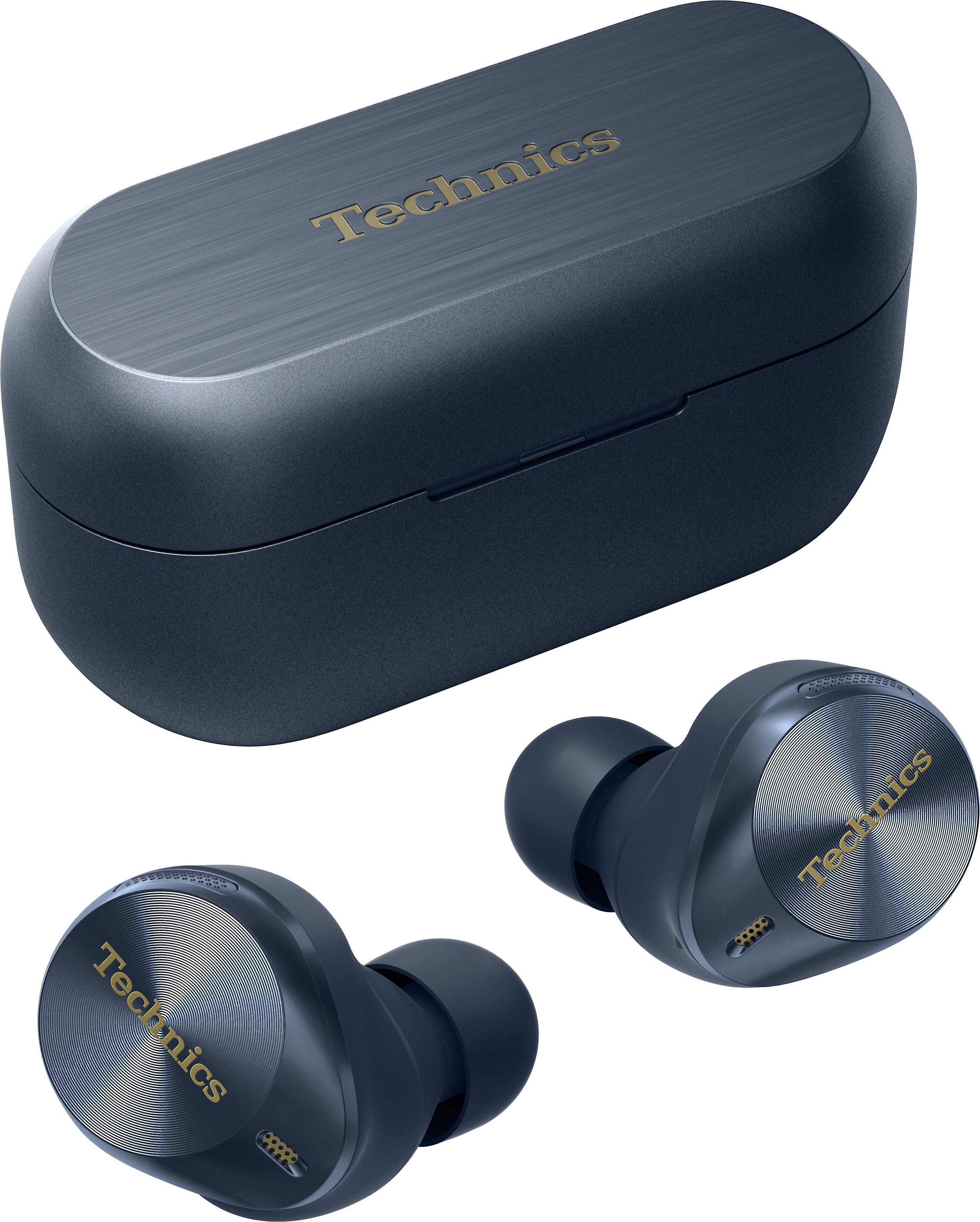


When I first started researching wireless earbuds seriously, the price ranges seemed absolutely wild. You could spend less than the cost of a fast-food meal on some models, while others commanded prices rivaling high-end headphones. The JLab Go Pop+ and Technics AZ80 perfectly illustrate this massive spectrum—at the time of writing, they represent budget and premium tiers that differ by roughly 1,200% in price.
Both released their current generations around 2022-2024, but they embody completely different philosophies about what wireless earbuds should do and who they should serve. After diving deep into user reviews, expert analyses, and technical specifications, I've found that while the price gap is dramatic, the performance differences tell a more nuanced story.
The true wireless earbud market has exploded since Apple popularized the concept with AirPods in 2016. What started as a simple "cut the cord" solution has evolved into a sophisticated ecosystem of audio technologies, each targeting specific user needs and budgets.
The fundamental challenge with wireless earbuds lies in cramming quality audio drivers, battery systems, wireless chips, and often noise-canceling technology into something smaller than a walnut. This miniaturization creates inevitable trade-offs—you're balancing sound quality, battery life, features, and cost within severe space constraints.
Modern earbuds need to handle multiple responsibilities: music playback, phone calls, potentially noise cancellation, device switching, and increasingly, smart assistant integration. The JLab Go Pop+ and Technics AZ80 approach these challenges from opposite directions, creating an interesting case study in engineering priorities.
The most fundamental difference between these earbuds starts with their drivers—the tiny speakers that actually produce sound. The JLab Go Pop+ uses 6mm dynamic drivers, which are perfectly adequate for casual listening but represent the smaller end of the spectrum. Dynamic drivers work by moving a diaphragm (think of it as a tiny drum skin) back and forth to create sound waves.
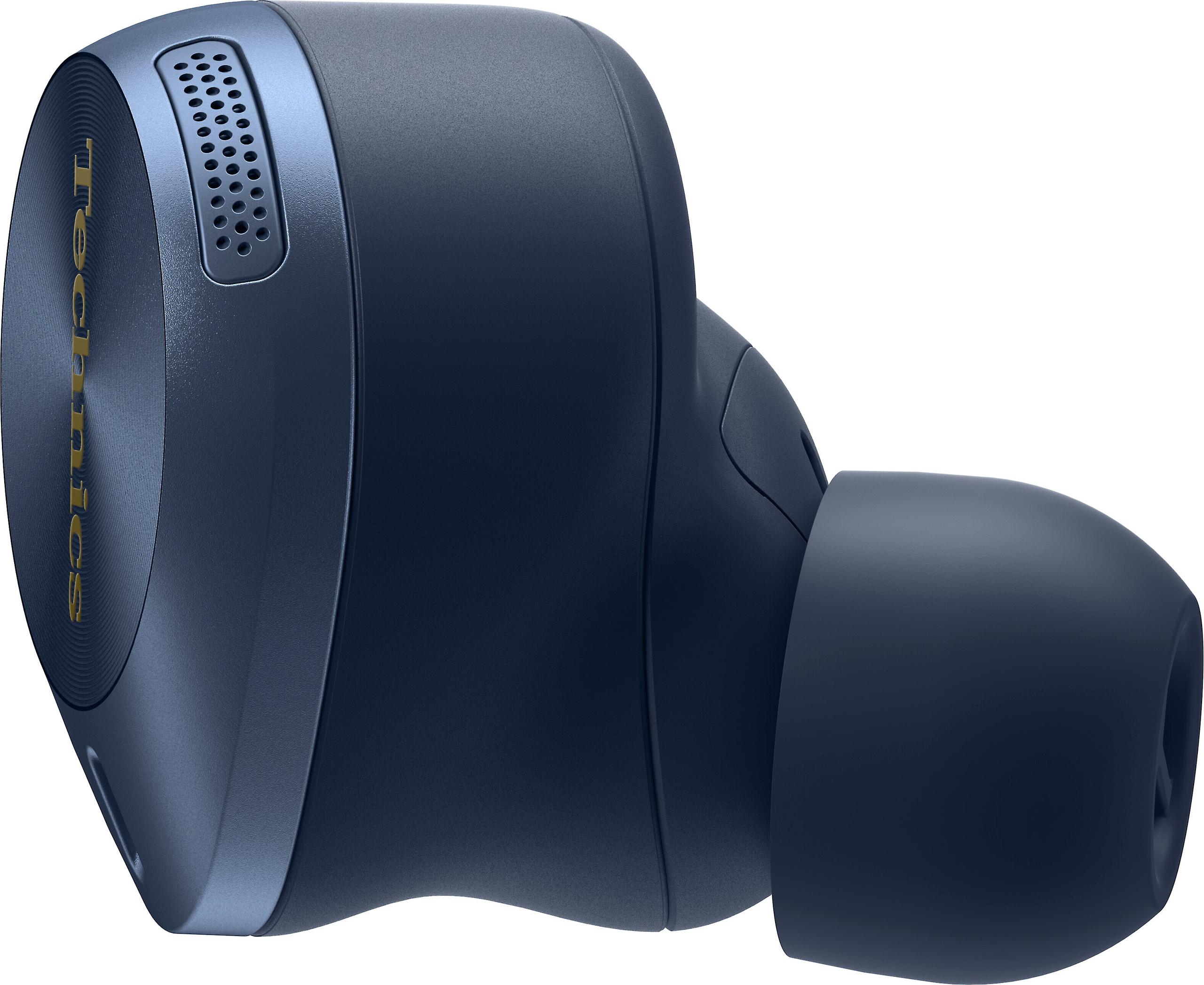
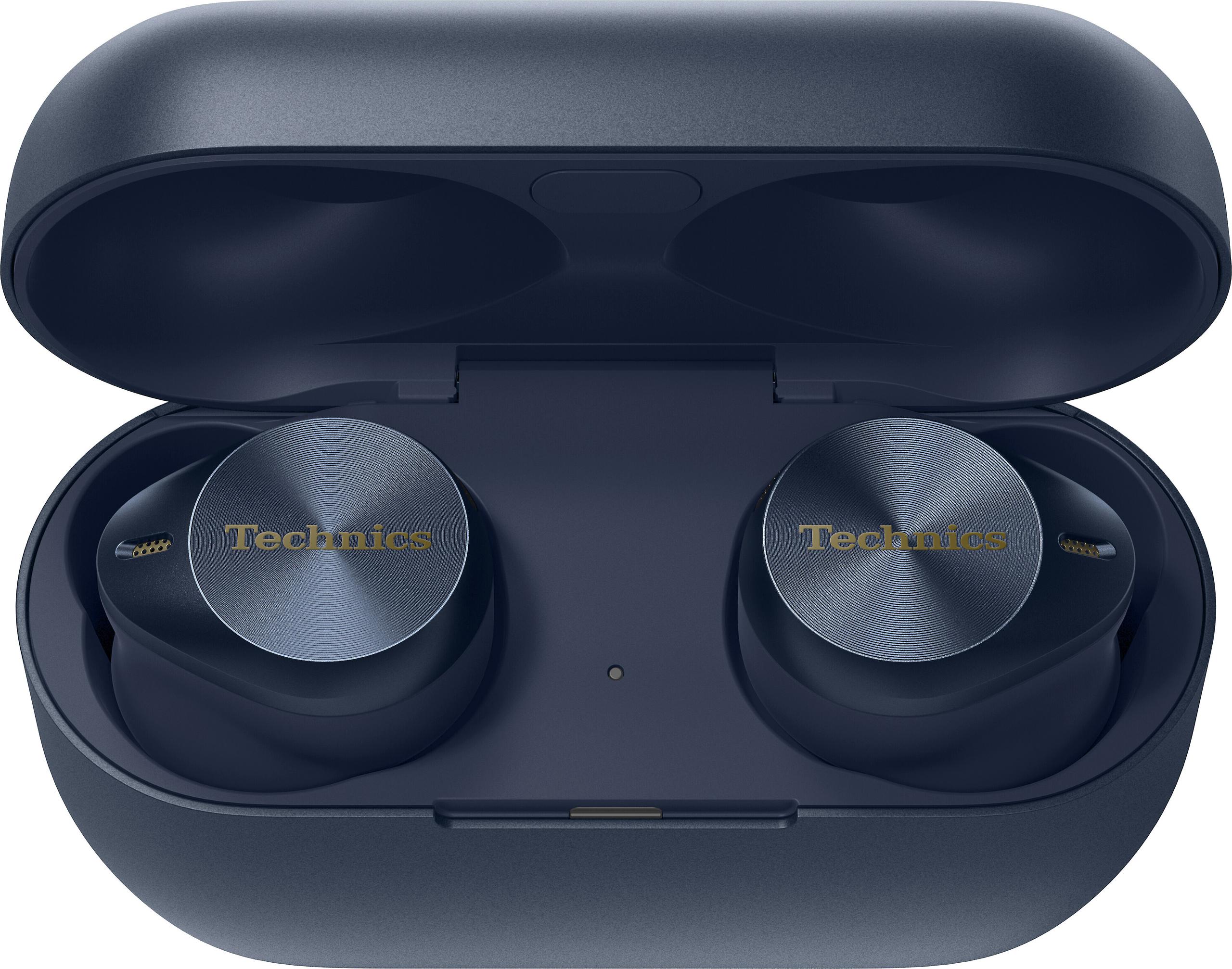
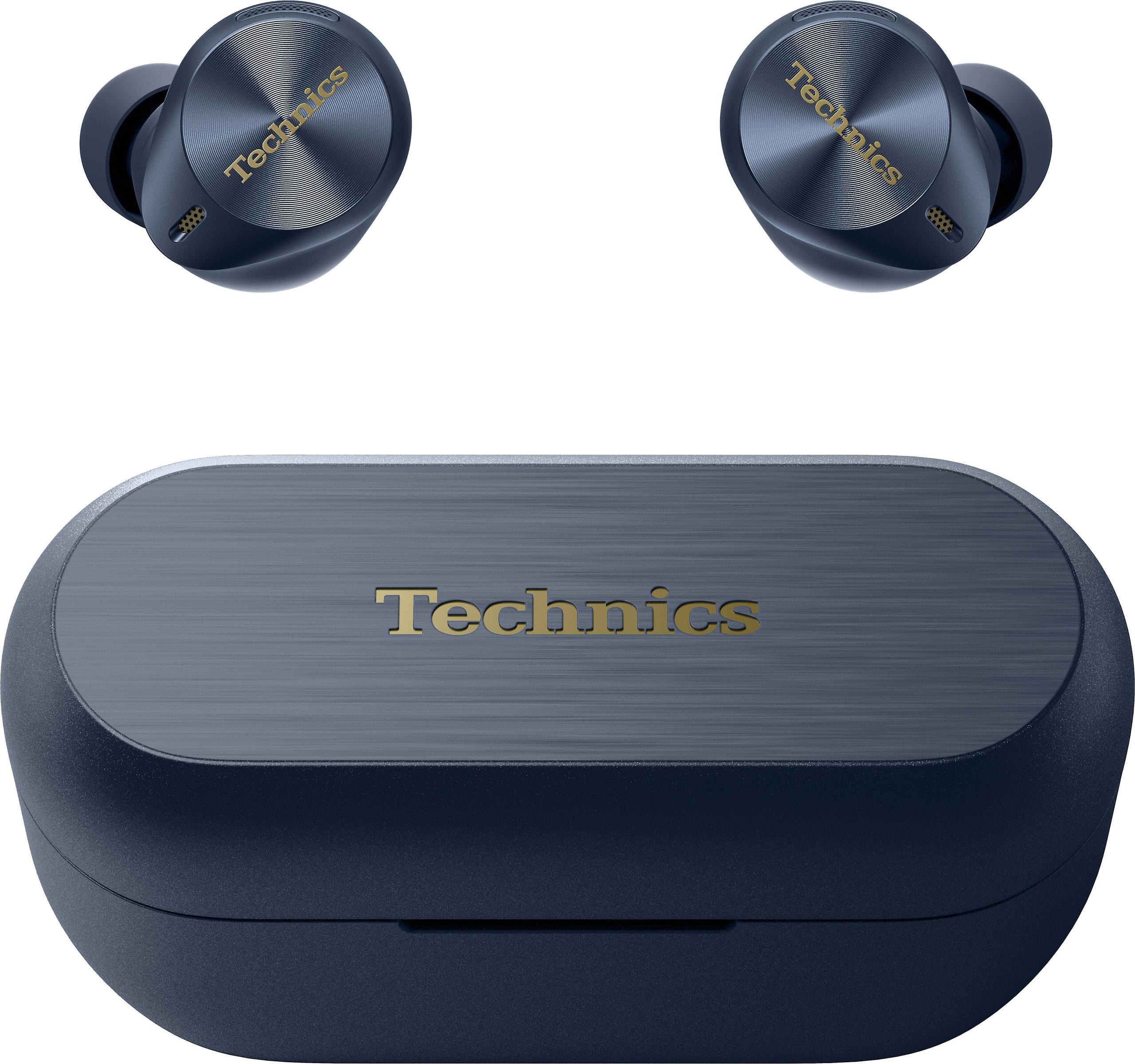
The Technics AZ80, meanwhile, employs 10mm dynamic drivers with what Technics calls a "free-edge aluminum alloy diaphragm." This isn't just marketing speak—larger drivers can typically move more air and reproduce lower frequencies more effectively. The aluminum alloy construction helps reduce unwanted resonances that can muddy the sound, while the "free-edge" design allows the diaphragm to move more freely for better detail reproduction.
Based on user reviews and technical analysis, this driver difference translates into real-world performance gaps. The Go Pop+ delivers what most describe as "clear but hard-edged" sound that works well for podcasts, calls, and casual music listening. However, complex orchestral pieces or bass-heavy electronic music can sound thin and compressed.
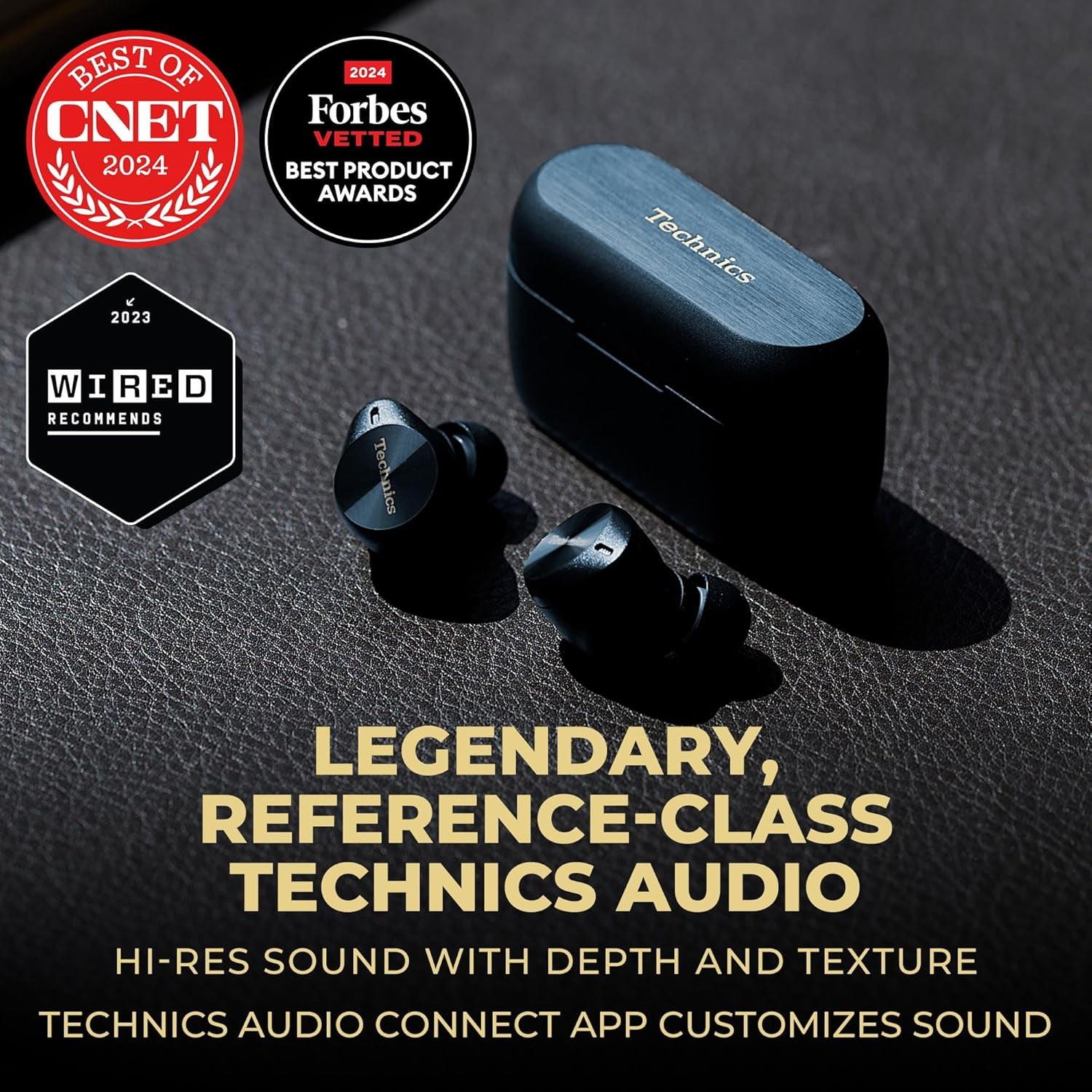
The AZ80, conversely, receives consistent praise for its "reference-quality" sound reproduction. Users report hearing details in familiar songs they'd never noticed before, with better instrument separation and more natural-sounding vocals. This isn't surprising—Technics has been building high-end audio equipment since the 1960s, and that expertise shows.
Here's where things get technical, but it's crucial for understanding performance differences. Audio codecs are basically compression algorithms that squeeze music data down to sizes that can travel wirelessly without delays. Think of them as different quality levels for streaming your music from phone to earbuds.
The JLab Go Pop+ supports SBC (Sub-Band Coding) and AAC (Advanced Audio Coding). SBC is the basic Bluetooth audio standard—it works with everything but isn't particularly high-quality. AAC is better, especially with Apple devices, offering cleaner sound with decent compression efficiency.
The Technics AZ80 adds LDAC (Lossless Digital Audio Codec) to this mix, and this is where audiophiles get excited. LDAC, developed by Sony but licensed to other manufacturers, can transmit roughly three times more data than standard Bluetooth audio. This means less compression, more detail, and sound quality approaching wired headphones.
In practical terms, if you're streaming from Spotify or Apple Music at standard quality, the codec differences might be subtle. But if you're playing high-resolution audio files or using services like Tidal HiFi, the AZ80 will deliver noticeably better sound quality.
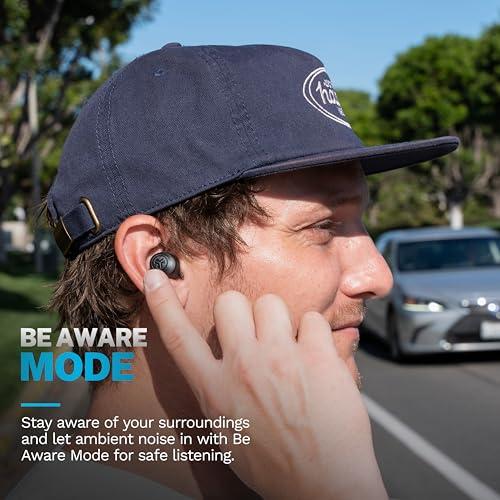
This represents perhaps the biggest functional difference between these earbuds. The JLab Go Pop+ relies entirely on passive noise isolation—basically, how well the ear tips seal in your ears to block outside sound. It's the same principle as sticking your fingers in your ears, just more comfortable and effective.
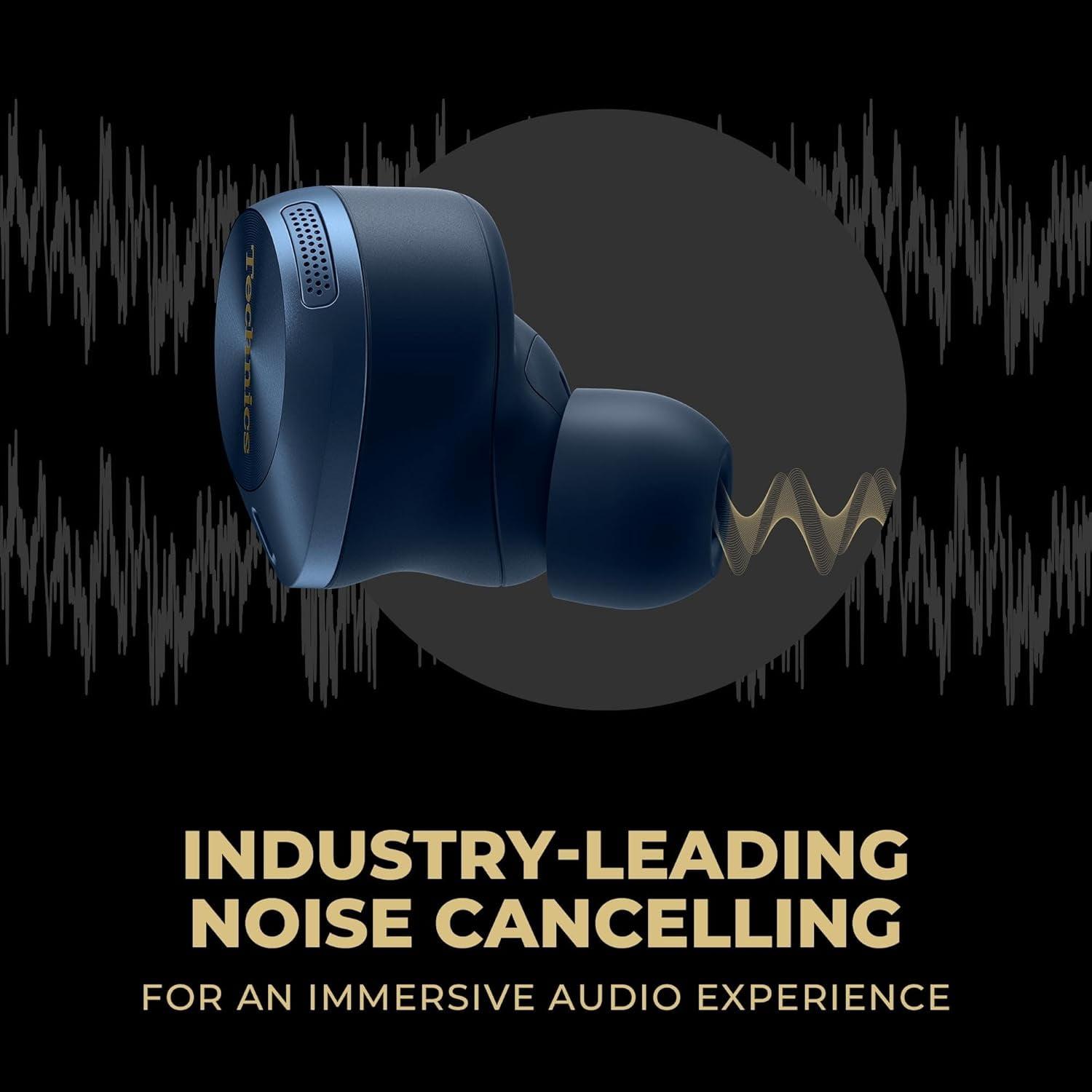
The Technics AZ80 employs what's called "Dual Hybrid Active Noise Cancelling." This system uses multiple microphones to detect outside noise, then generates inverse sound waves to cancel it out. Imagine someone shouting at you, and a second person shouting back with the exact opposite sound wave—they'd cancel each other out, leaving silence.
The "dual hybrid" part means the AZ80 uses both feedforward microphones (on the outside of the earbuds, listening to environmental noise) and feedback microphones (inside, monitoring what's actually reaching your ears). This creates more effective cancellation across a wider range of frequencies.
Based on user consensus, the Go Pop+ provides decent isolation if you get a good ear tip seal, but struggles with constant background noise like airplane engines or office chatter. The AZ80, meanwhile, receives praise for significantly reducing these consistent, droning noises, though like all ANC systems, it's less effective against sudden, sharp sounds like someone dropping something.
For home theater use, this difference becomes particularly relevant. If you're watching late-night movies and want to avoid disturbing others, the Go Pop+ will provide some isolation but won't actively block household noises. The AZ80 creates a more immersive, distraction-free experience that can genuinely enhance movie watching.
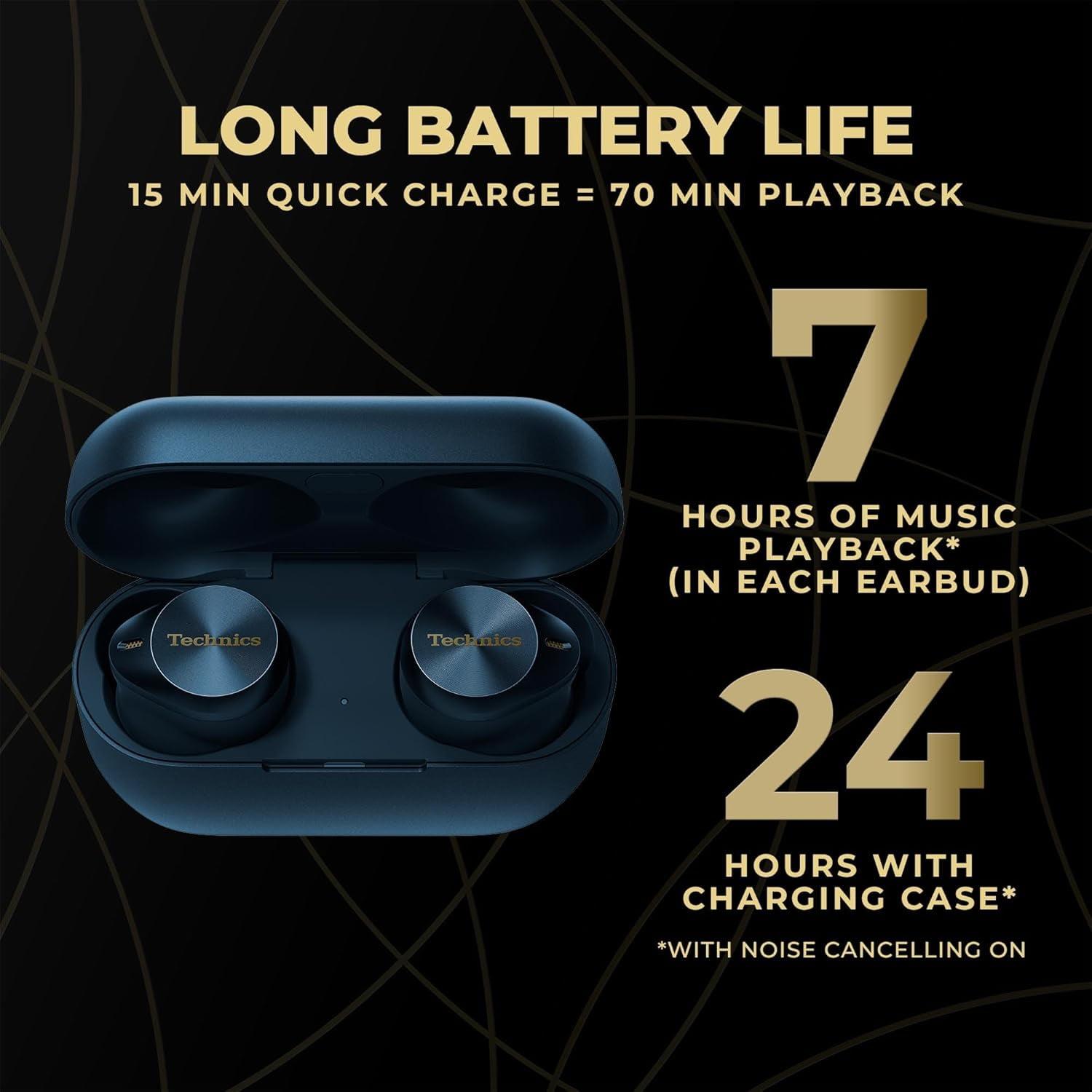
Here's where the budget option delivers a genuine surprise. The JLab Go Pop+ claims over 35 hours of total playtime (9 hours per earbud, with additional charges from the case), while the Technics AZ80 manages about 24 hours total (7 hours per charge with noise cancellation enabled).
This difference stems from engineering priorities. The Go Pop+ dedicates most of its internal space to battery, with simpler electronics that consume less power. The AZ80 packs in power-hungry features like active noise cancellation, more sophisticated audio processing, and multi-device connectivity that drain batteries faster.
For daily use, this creates interesting trade-offs. If you're someone who forgets to charge devices regularly, the Go Pop+ might go several days between charges. The AZ80 requires more frequent charging but offers wireless charging convenience—just drop the case on a Qi charging pad.
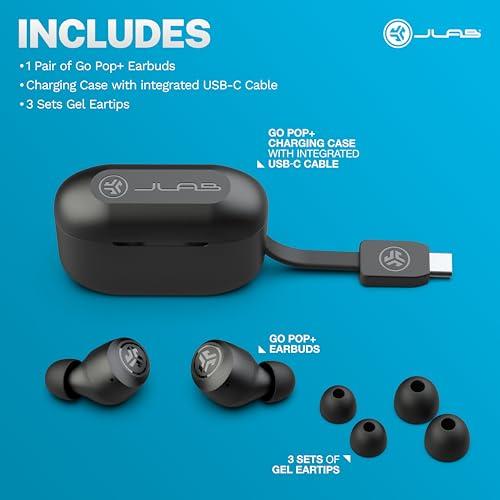
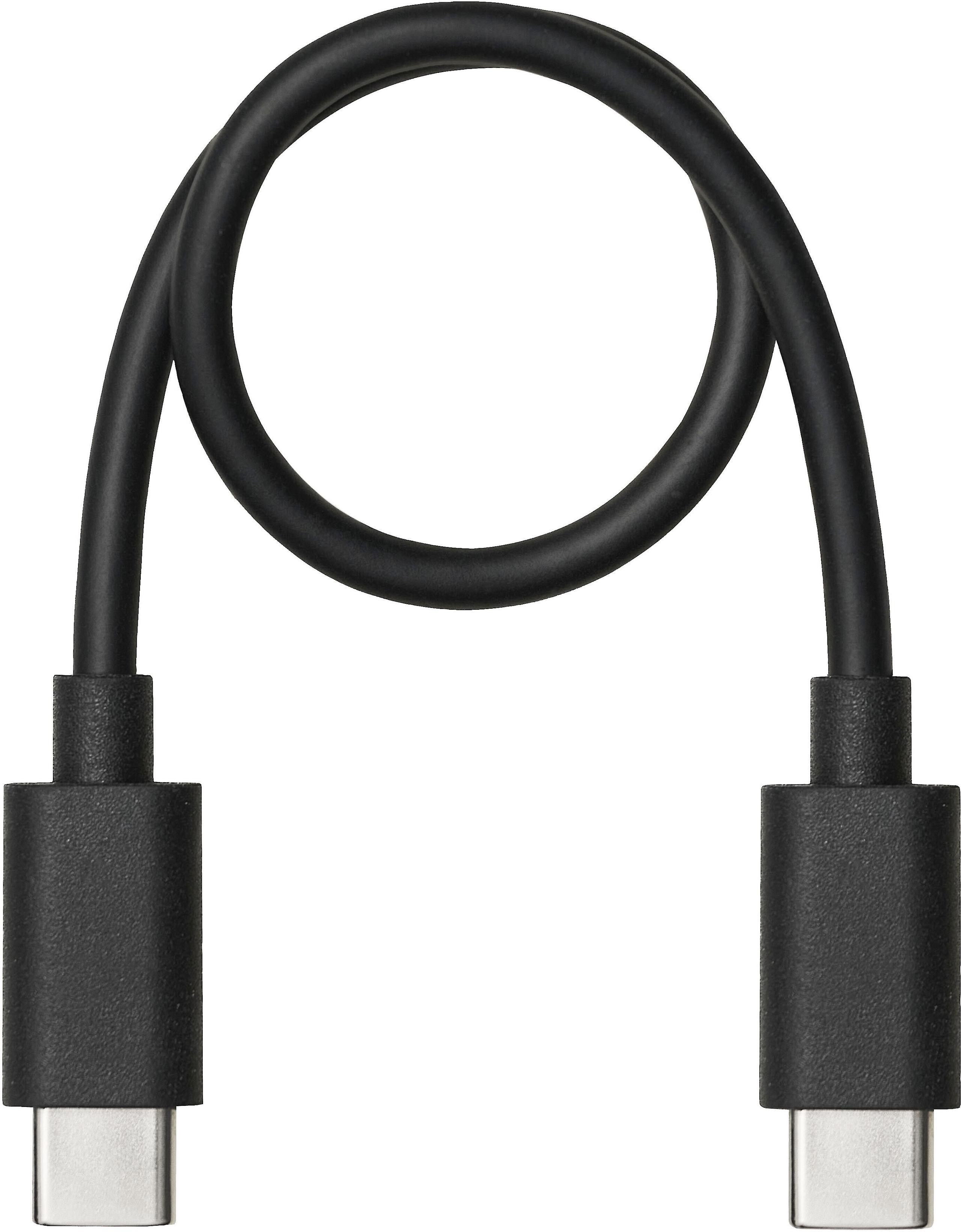
The Go Pop+ also includes a clever feature: an integrated USB-C cable built into the case. No more hunting for charging cables or carrying extras. It's a small touch that shows thoughtful design despite the budget constraints.
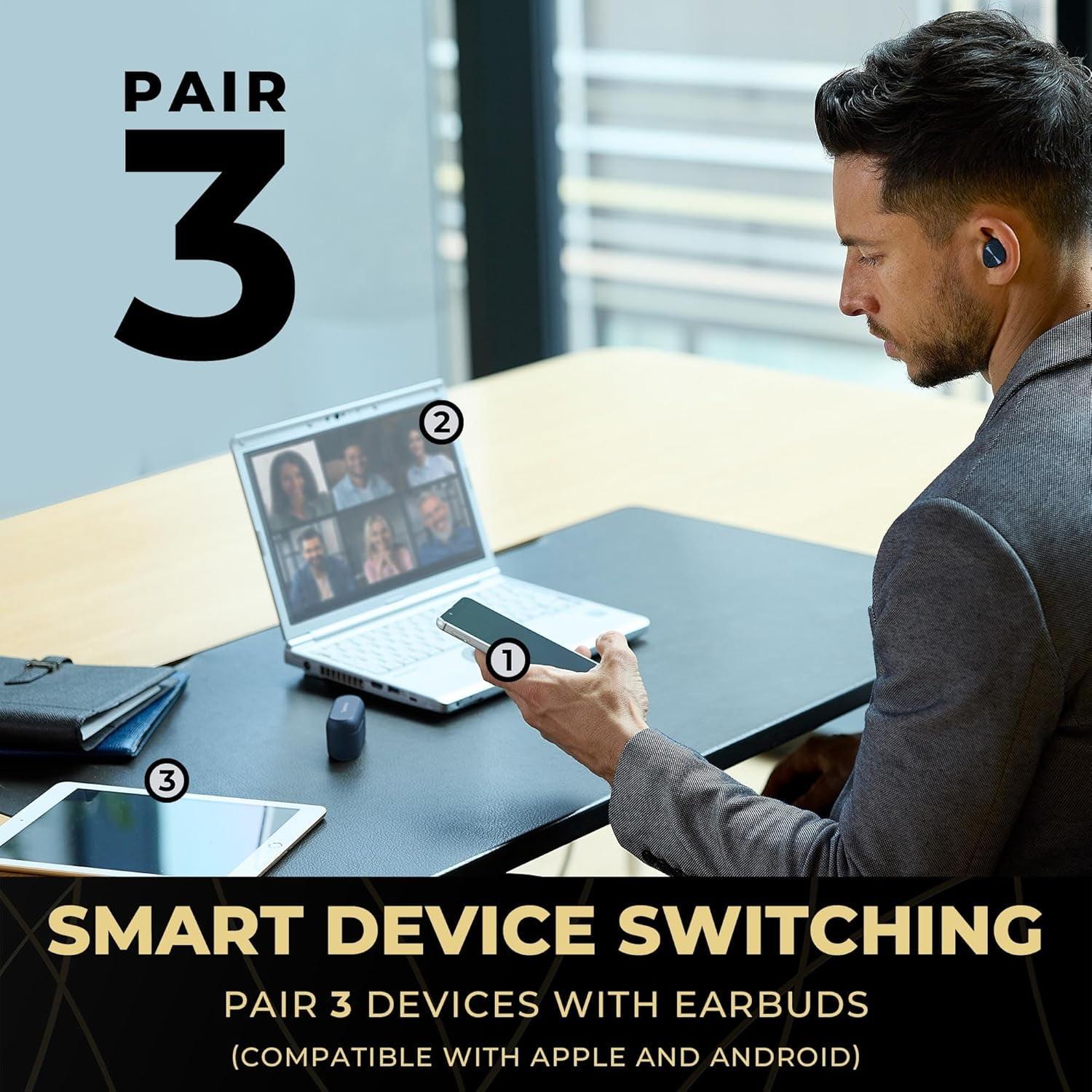
Modern life often involves juggling multiple devices, and this is where the Technics AZ80 shows its professional aspirations. It supports simultaneous connection to three devices—say, your laptop, phone, and tablet—and can intelligently switch between them as needed.
The JLab Go Pop+ handles two-device connectivity, which covers most people's needs (phone plus computer), but lacks the seamless switching sophistication of the premium model.
For someone working from home who might be on a video call on their laptop while expecting important phone calls, this difference becomes meaningful. The AZ80 can pause your computer audio when a call comes in, then resume seamlessly afterward.
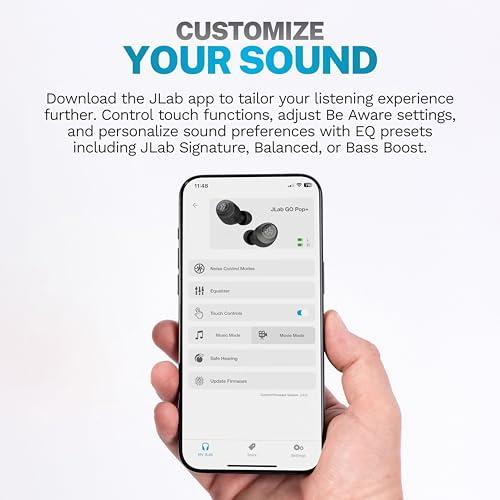
Both earbuds offer smartphone apps for customization, but with different levels of sophistication. The JLab Go Pop+ provides the JLab App with surprisingly comprehensive features for a budget product: custom equalizer settings, touch control customization, and even a "Movie Mode" that reduces audio latency for video watching.
The Technics AZ80 offers the Audio Connect app with more advanced audio tuning options and noise cancellation adjustments. Given Technics' audio heritage, these controls tend to be more precise and offer finer adjustments.
This category shows perhaps the starkest performance difference. The JLab Go Pop+ uses two MEMS (Micro-Electro-Mechanical Systems) microphones per earbud with basic environmental noise canceling. MEMS microphones are tiny, power-efficient, and decent for casual calls.
The Technics AZ80 employs eight MEMS microphones total with what Technics calls "JustMyVoice" technology. This system uses advanced algorithms to isolate your voice from background noise, resulting in dramatically clearer calls according to user reviews.
If you're someone who takes important business calls or participates in frequent video conferences, this difference justifies significant consideration. The Go Pop+ works fine for casual calls, but the AZ80 delivers professional-grade call clarity.
Both earbuds carry IPX4 water resistance ratings, meaning they can handle sweat and light rain but shouldn't be submerged. However, their construction approaches differ significantly.
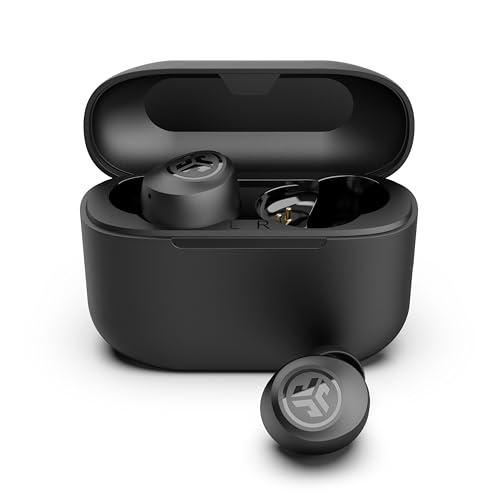
The JLab Go Pop+ focuses on compact, lightweight design—the entire case is smaller than a credit card and weighs less than an ounce. It comes in 14 different colors, appealing to users who want personal expression along with functionality.
The Technics AZ80 emphasizes premium materials and precise engineering. The aluminum alloy drivers aren't just about sound quality—they represent a more robust, long-term approach to construction.
The JLab Go Pop+ makes sense for several specific scenarios. If you're a student managing tight finances but need reliable wireless earbuds for classes and casual listening, it delivers remarkable value. The exceptional battery life means fewer charging interruptions during long study sessions.
Fitness enthusiasts who need sweat-resistant earbuds for workouts might find the Go Pop+ ideal—it's light, secure, and if they get damaged or lost, replacement won't break the bank. The integrated charging cable is particularly clever for gym bags where loose cables get tangled or lost.
For someone wanting backup earbuds for travel or emergency use, the Go Pop+ provides peace of mind without significant investment. Its compact case slips easily into any bag, and the long battery life means it'll work even after months of neglect.
The Technics AZ80 targets users with specific, demanding needs. Audio professionals or serious music enthusiasts who can hear the difference LDAC makes will appreciate the investment. If you're someone who notices compression artifacts in streaming music or owns high-resolution audio files, this difference matters.
Business travelers represent another ideal user group. The active noise cancellation makes flights more bearable, the superior call quality ensures professional communications, and the three-device connectivity handles the complex device juggling modern business requires.
For home theater enthusiasts, the AZ80 creates a more immersive experience. The better drivers reproduce movie soundtracks with more detail, while the noise cancellation helps maintain immersion even with household activities happening around you.
At the time of writing, choosing between these earbuds isn't really about direct comparison—it's about matching capabilities to needs. The JLab Go Pop+ delivers about 80% of what most people need from wireless earbuds at roughly 8% of the premium price. That's exceptional value if your needs align with its capabilities.
The Technics AZ80 costs dramatically more but provides genuinely superior performance in audio quality, noise cancellation, and professional features. For users who need these capabilities, the premium pays for technology that the budget option simply cannot match.
The question isn't whether the AZ80 sounds twelve times better than the Go Pop+—it doesn't. But it does provide specific capabilities that justify the premium for users who need them: professional-grade audio reproduction, effective noise cancellation, and sophisticated connectivity management.
Consider the JLab Go Pop+ if your priority is getting reliable wireless audio functionality without spending significant money. It excels at the basics: music, calls, portability, and exceptional battery life. For casual listening, exercise, or as backup earbuds, it's genuinely impressive.
Choose the Technics AZ80 if audio quality matters deeply to you, if you need active noise cancellation for focus or travel, or if you're managing complex multi-device workflows. It's a professional tool disguised as consumer electronics.
The beauty of the modern earbud market is that both approaches work—there's genuine room for budget excellence alongside premium sophistication. Your choice should align with your specific needs, usage patterns, and budget priorities rather than any assumption that more expensive automatically means better for everyone.
| JLab Go Pop+ | Technics AZ80 |
|---|---|
| Driver Size - Larger drivers typically produce fuller, more detailed sound | |
| 6mm dynamic drivers (adequate for casual listening) | 10mm aluminum alloy drivers (significantly better audio quality) |
| Audio Codecs - Higher quality codecs preserve more musical detail | |
| SBC, AAC (standard quality, works with all devices) | SBC, AAC, LDAC (high-resolution audio for audiophiles) |
| Active Noise Cancellation - Essential for blocking consistent background noise | |
| None (passive isolation only) | Dual Hybrid ANC (excellent for travel and focus) |
| Battery Life - Total playtime including charging case | |
| 35+ hours total (exceptional for any price range) | 24 hours total (good but ANC reduces runtime) |
| Single Charge Playtime - How long before needing the case | |
| 9 hours per charge (outstanding endurance) | 7 hours with ANC (typical for premium earbuds) |
| Multi-Device Connectivity - Connect to multiple devices simultaneously | |
| 2 devices (covers most users' needs) | 3 devices (ideal for professionals managing multiple devices) |
| Call Quality Microphones - More mics generally mean clearer calls | |
| 2 MEMS mics with basic noise reduction | 8 MEMS mics with JustMyVoice technology |
| Water Resistance - Protection against sweat and rain | |
| IPX4 (sweat and splash resistant) | IPX4 earbuds only (same basic protection) |
| Charging Convenience - How you power up the earbuds | |
| Integrated USB-C cable in case (no lost cables) | Wireless Qi charging + wired (premium convenience) |
| Weight and Portability - Important for comfort and travel | |
| 7.8g total, case smaller than credit card | Professional build, larger premium case |
| App Features - Customization and control options | |
| JLab App with EQ, custom controls, Movie Mode | Technics Audio Connect with advanced audio tuning |
| Best Use Cases - Who should choose each product | |
| Budget users, fitness, backup earbuds, students | Audiophiles, business travelers, multi-device professionals |
The JLab Go Pop+ offers exceptional value for budget-conscious buyers, delivering reliable wireless audio with impressive 35+ hour battery life at an ultra-affordable price point. The Technics AZ80 justifies its premium pricing with audiophile-quality sound, active noise cancellation, and professional features like LDAC codec support and 3-device connectivity.
If you frequently use earbuds in noisy environments like airplanes, offices, or busy streets, the Technics AZ80's dual hybrid active noise cancellation provides significant benefits. The JLab Go Pop+ relies on passive isolation, which works adequately in quieter settings but can't actively block consistent background noise.
The Technics AZ80 delivers superior audio quality with larger 10mm drivers, aluminum alloy construction, and LDAC codec support for high-resolution audio. The JLab Go Pop+ provides clear, adequate sound for casual listening but lacks the detail and dynamic range of the premium model.
The JLab Go Pop+ excels in battery life with 35+ hours total playtime and 9 hours per single charge. The Technics AZ80 offers 24 hours total with 7 hours per charge when using noise cancellation, which is still competitive but shorter due to power-hungry premium features.
The Technics AZ80 significantly outperforms for call quality with 8 MEMS microphones and JustMyVoice technology, making it ideal for business calls and video conferences. The JLab Go Pop+ handles casual calls adequately but may struggle in noisy environments.
The Technics AZ80 supports simultaneous connection to 3 devices, perfect for professionals juggling laptop, phone, and tablet. The JLab Go Pop+ connects to 2 devices, which covers most users' basic needs for phone and computer connectivity.
Both earbuds feature IPX4 water resistance suitable for workouts. The JLab Go Pop+ might be preferable for fitness due to its ultra-lightweight design, secure fit, and lower replacement cost if damaged. The Technics AZ80 works for exercise but represents a larger investment to risk during intense activities.
Comfort varies by individual ear shape, but the JLab Go Pop+ is notably lightweight at just 7.8g total weight. The Technics AZ80 uses premium materials and includes multiple ear tip sizes for optimal fit, though some users find the larger size less comfortable for extended wear.
For home theater use, the Technics AZ80 provides a more immersive experience with better audio quality, noise cancellation to block household distractions, and lower latency. The JLab Go Pop+ includes a dedicated Movie Mode to reduce audio delay and works adequately for casual viewing.
The JLab Go Pop+ features a unique integrated USB-C cable built into the case, eliminating lost charging cables. The Technics AZ80 offers wireless Qi charging convenience plus traditional wired charging, providing more charging options but requiring separate cables.
New users often prefer the JLab Go Pop+ for its simplicity, affordable price point, and exceptional battery life that forgives charging mistakes. The comprehensive JLab app also provides easy customization. The Technics AZ80 offers more advanced features but may overwhelm users who just want basic wireless audio functionality.
The Technics AZ80 justifies its premium price for users who prioritize audio quality, need active noise cancellation, or require professional calling features. However, the JLab Go Pop+ delivers about 80% of what most people need at a fraction of the cost, making it the smarter choice for budget-conscious or casual users.
We've done our best to create useful and informative comparisons to help you decide what product to buy. Our research uses advanced automated methods to create this comparison and perfection is not possible - please contact us for corrections or questions. These are the sites we've researched in the creation of this article: whathifi.com - jlab.com - soundguys.com - avrilmarieaalund.com - jlab.com - bestbuy.com - jlab.com - shop.ncsu.edu - jlab.com - techgearlab.com - youtube.com - manuals.plus - jlab.com - jlab.com - versus.com - help.jlab.com - bestbuy.com - stereonet.com - us.technics.com - us.technics.com - rtings.com - head-fi.org - bestbuy.com - soundguys.com - head-fi.org - youtube.com - loudnwireless.com - youtube.com - cnet.com - technics.com - technics.com - bestbuy.com - target.com - us.technics.com - technics.com - youtube.com - head-fi.org - nnty.fun - us.technics.com - bhphotovideo.com - bestbuy.com - us.technics.com - audiosciencereview.com - youtube.com - head-fi.org - head-fi.org - jbhifi.com.au

Privacy Policy
Terms and Conditions - Affiliate Policy
Home Security
© Copyright 2008-2026.
11816 Inwood Rd #1211, Dallas, TX 75244