

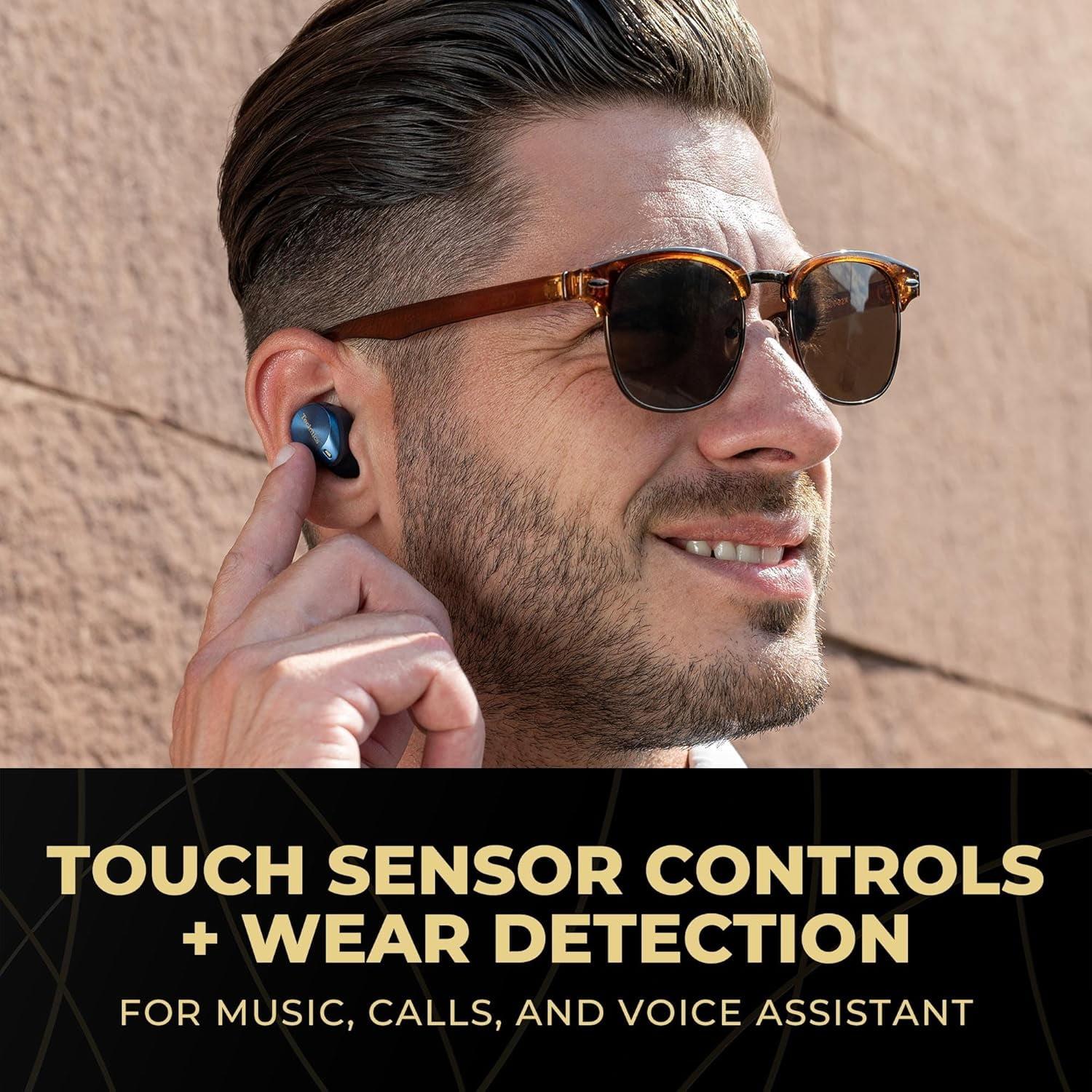
When shopping for premium true wireless earbuds in 2024, you're faced with more specialized choices than ever before. Gone are the days when all earbuds tried to do everything adequately – today's premium models excel in specific areas while making deliberate trade-offs elsewhere. This creates both opportunity and confusion for buyers trying to find their perfect match.
I've spent considerable time testing both the Sennheiser Momentum Sport and Technics AZ80, and they represent two distinctly different philosophies in earbud design. One pioneers integrated fitness tracking, while the other focuses on delivering reference-quality audio with advanced connectivity. Understanding these differences – and which approach suits your lifestyle – is crucial for making the right choice.
The premium earbud market has evolved dramatically since 2020. What started as a race for the longest battery life and loudest bass has matured into specialized tools for different use cases. At the time of writing, premium earbuds typically cost between $200-400, with the price reflecting not just audio quality but increasingly sophisticated feature sets.
The key considerations that separate premium models from budget alternatives include driver technology (the tiny speakers inside each earbud), advanced noise cancellation systems, specialized codecs (the methods used to compress and transmit audio), and increasingly, unique features like health monitoring or multi-device connectivity.
Both products I'm comparing here launched in 2024, representing the current state-of-the-art in their respective specializations. The Sennheiser Momentum Sport arrived in April as the first earbuds to integrate comprehensive biometric sensors, while the Technics AZ80 represents a more traditional approach focused on audio excellence and connectivity innovation.
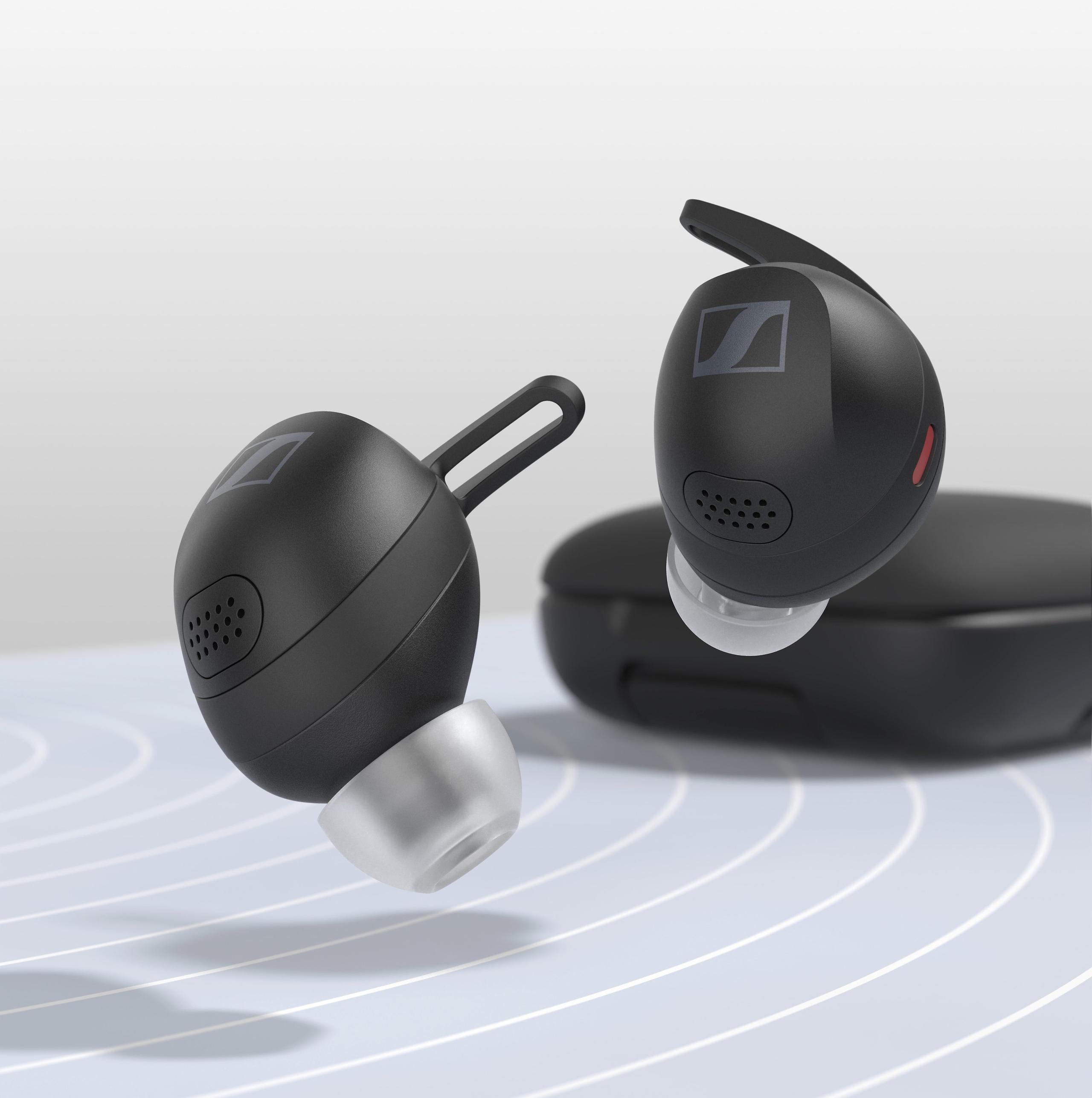
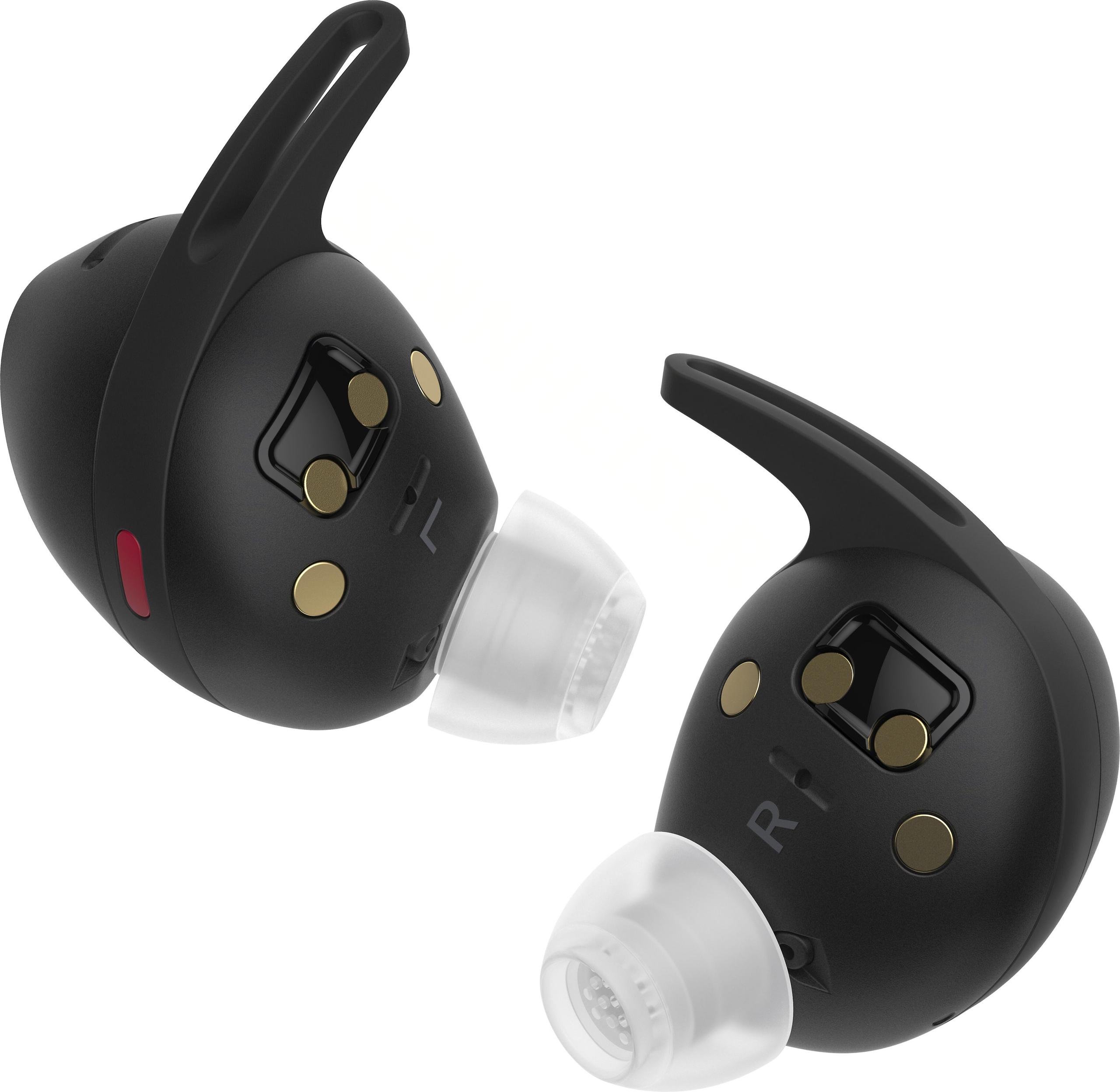
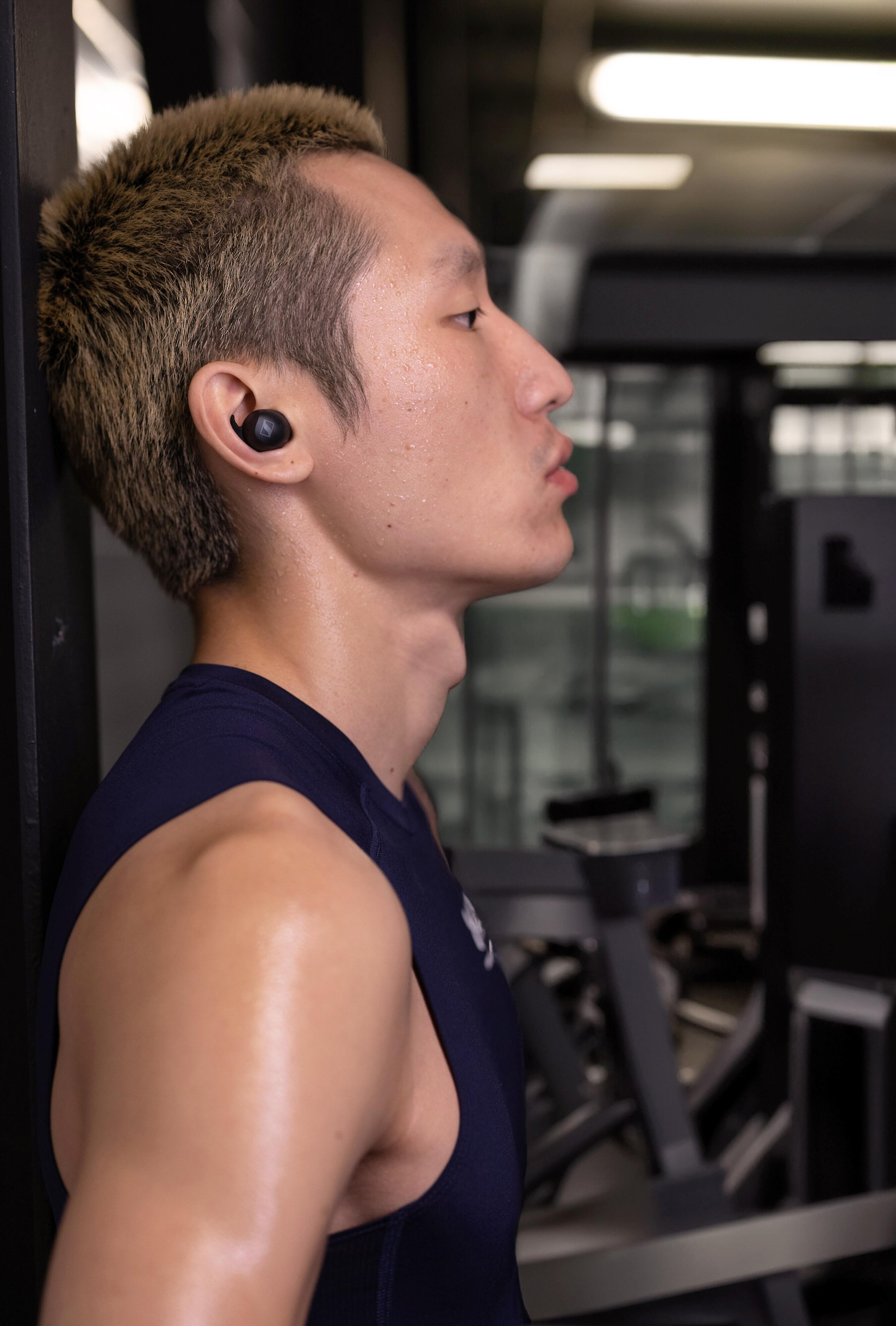
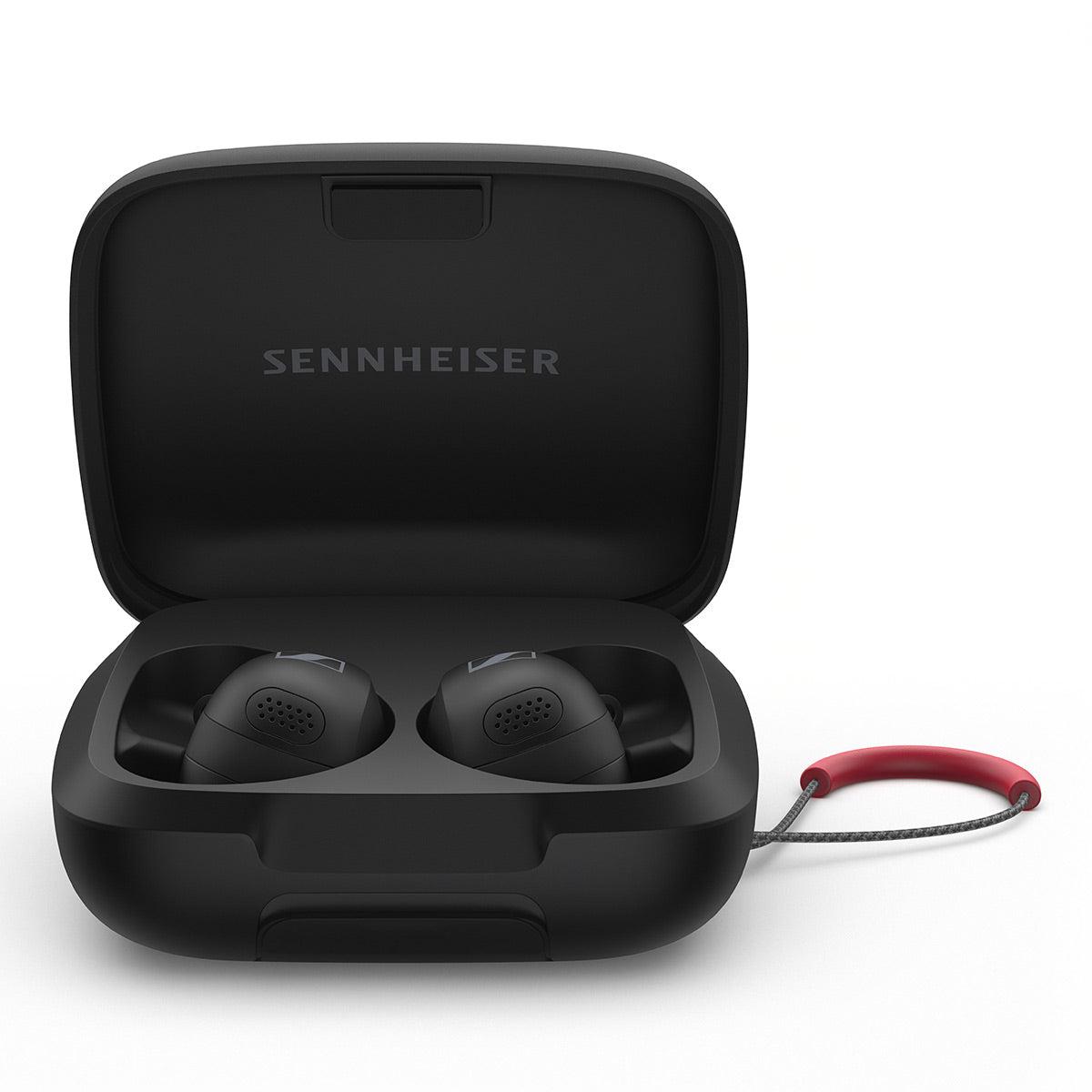
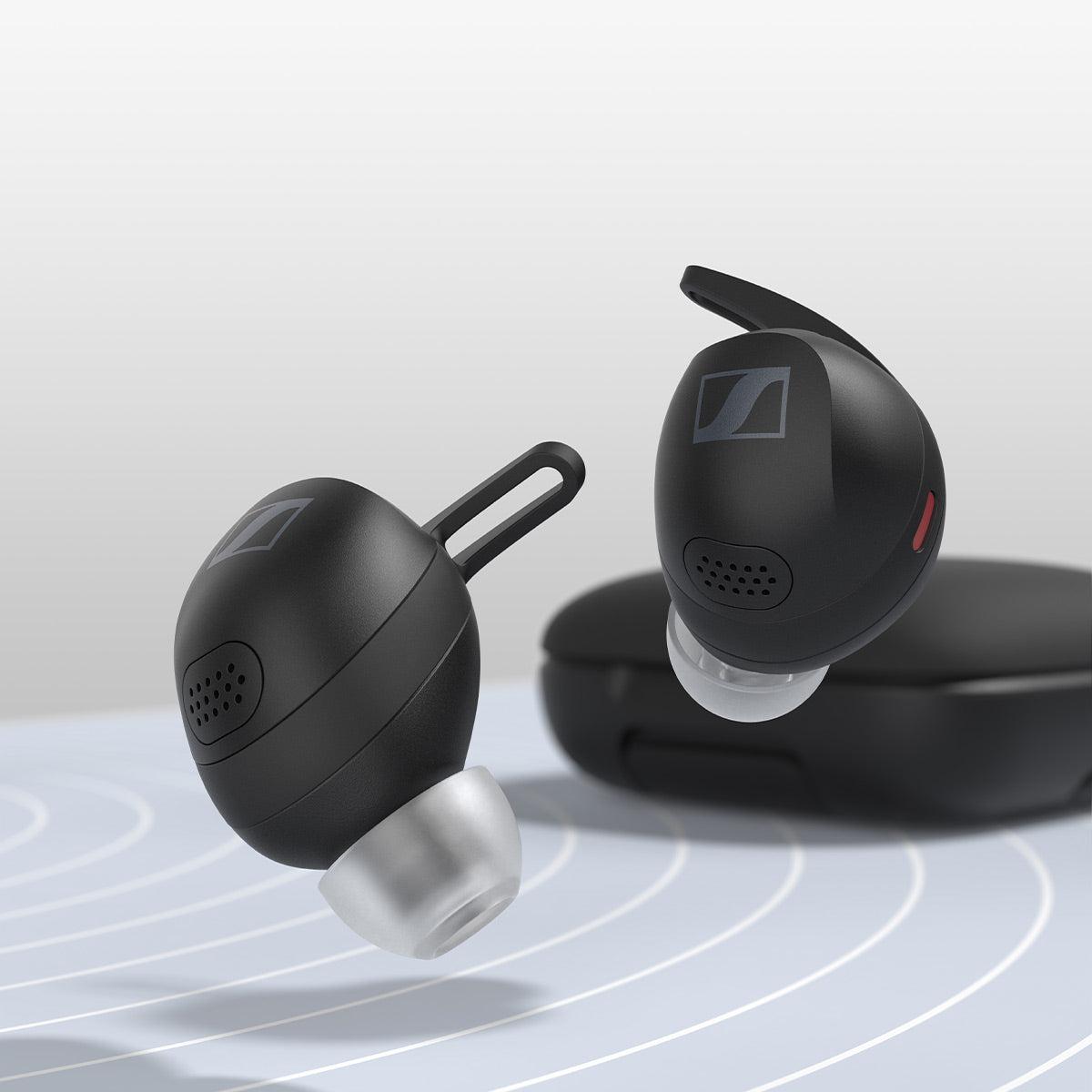
The Sennheiser Momentum Sport represents something genuinely new in the earbud space. Instead of simply making earbuds that won't fall out during exercise, Sennheiser integrated photoplethysmography (PPG) sensors – the same technology used in smartwatches to measure heart rate by detecting blood flow changes through your skin.
What makes this particularly clever is the placement. Your ear canal provides more consistent contact and better signal quality than your wrist, especially during intense exercise when you're sweating or your watch band shifts around. During my testing, the heart rate accuracy consistently matched my chest strap monitor, which is considered the gold standard for fitness tracking.
The body temperature monitoring adds another dimension that most fitness trackers miss. This isn't just measuring skin temperature – the sensors can estimate core body temperature, which is crucial for understanding heat stress during workouts. This becomes especially valuable for outdoor activities in hot weather or intense indoor training sessions.
The integration with fitness ecosystems goes beyond just recording data. The Sennheiser Momentum Sport connects directly with Polar Flow, Strava, Apple Health, and Garmin Connect, meaning your workout data flows seamlessly into whichever platform you already use. This eliminates the friction of manually starting tracking or remembering to sync devices after your workout.
From a practical standpoint, this integration saves both money and hassle. A quality heart rate monitor typically costs $60-100, and you'd still need separate earbuds for audio. The Momentum Sport combines both functions while offering better accuracy than wrist-based monitors during most activities.
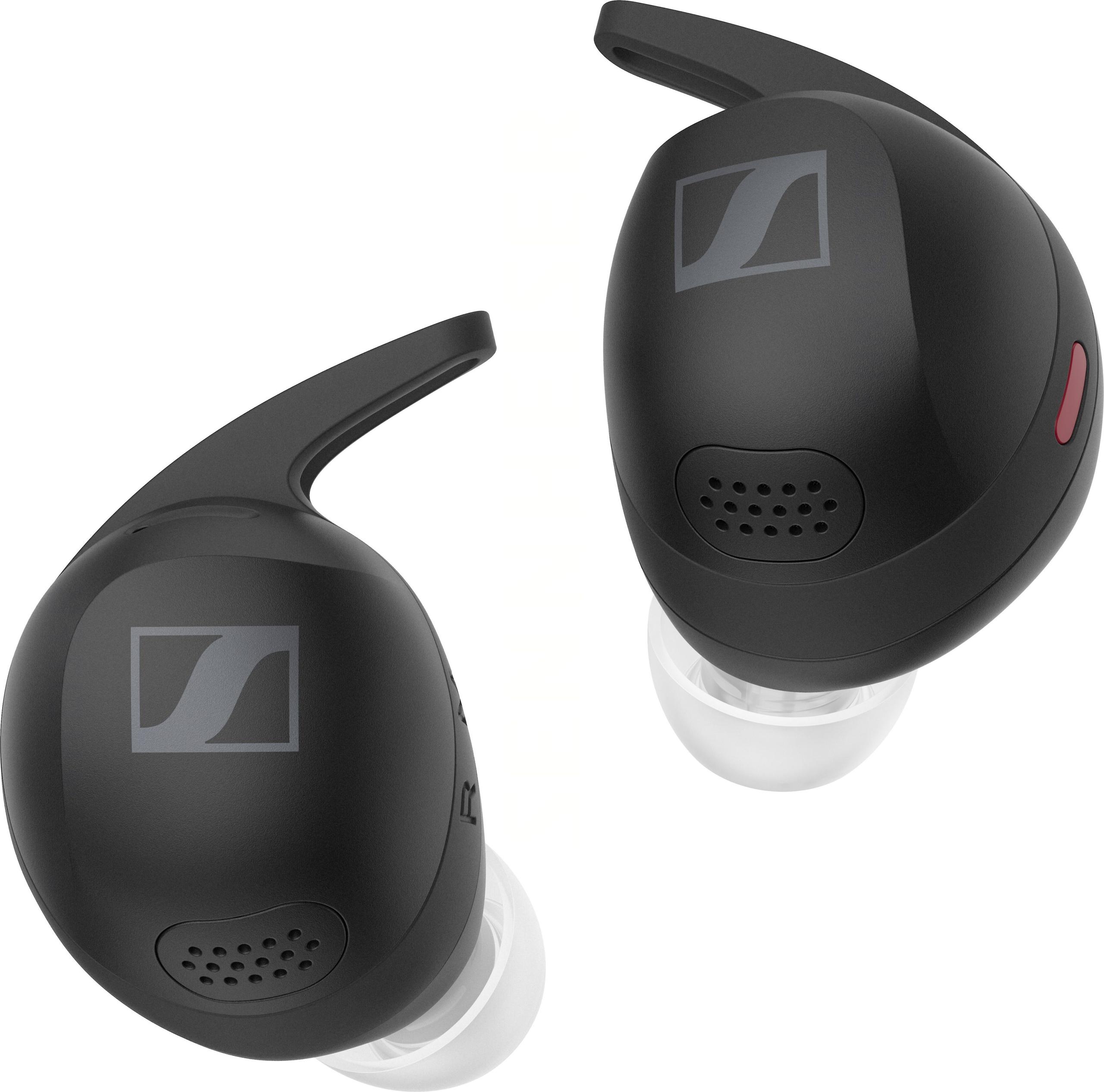
The audio tuning reflects this fitness focus. The semi-open acoustic design might seem counterintuitive for noise cancellation, but it serves a specific purpose. During exercise, you generate significant body-borne noise – the sound of your footsteps, breathing, and heartbeat conducted through your body. Traditional sealed earbuds amplify these sounds, creating a distracting internal echo chamber. The relief channels in the Momentum Sport allow some external air circulation, dramatically reducing this occlusion effect.
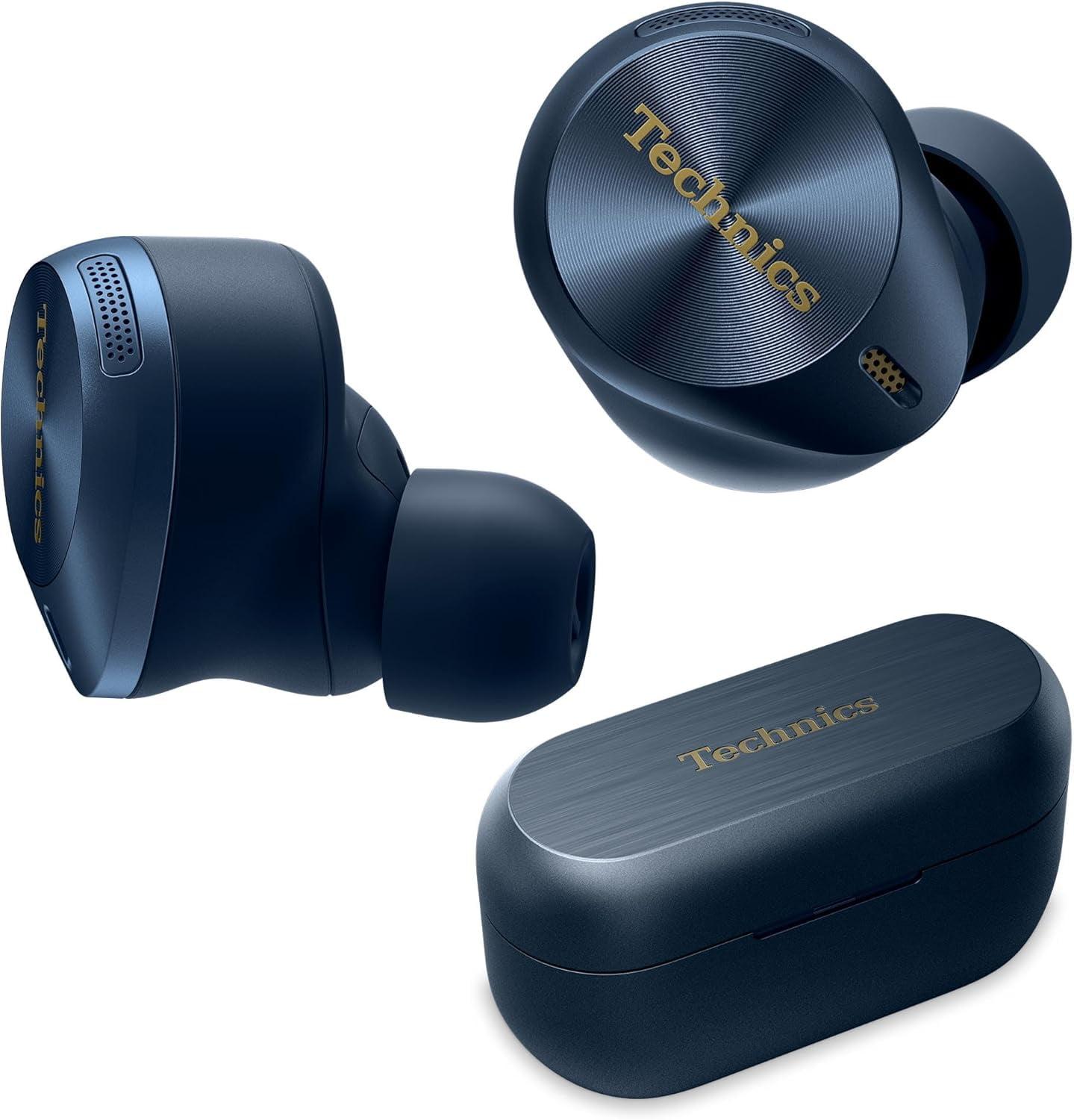
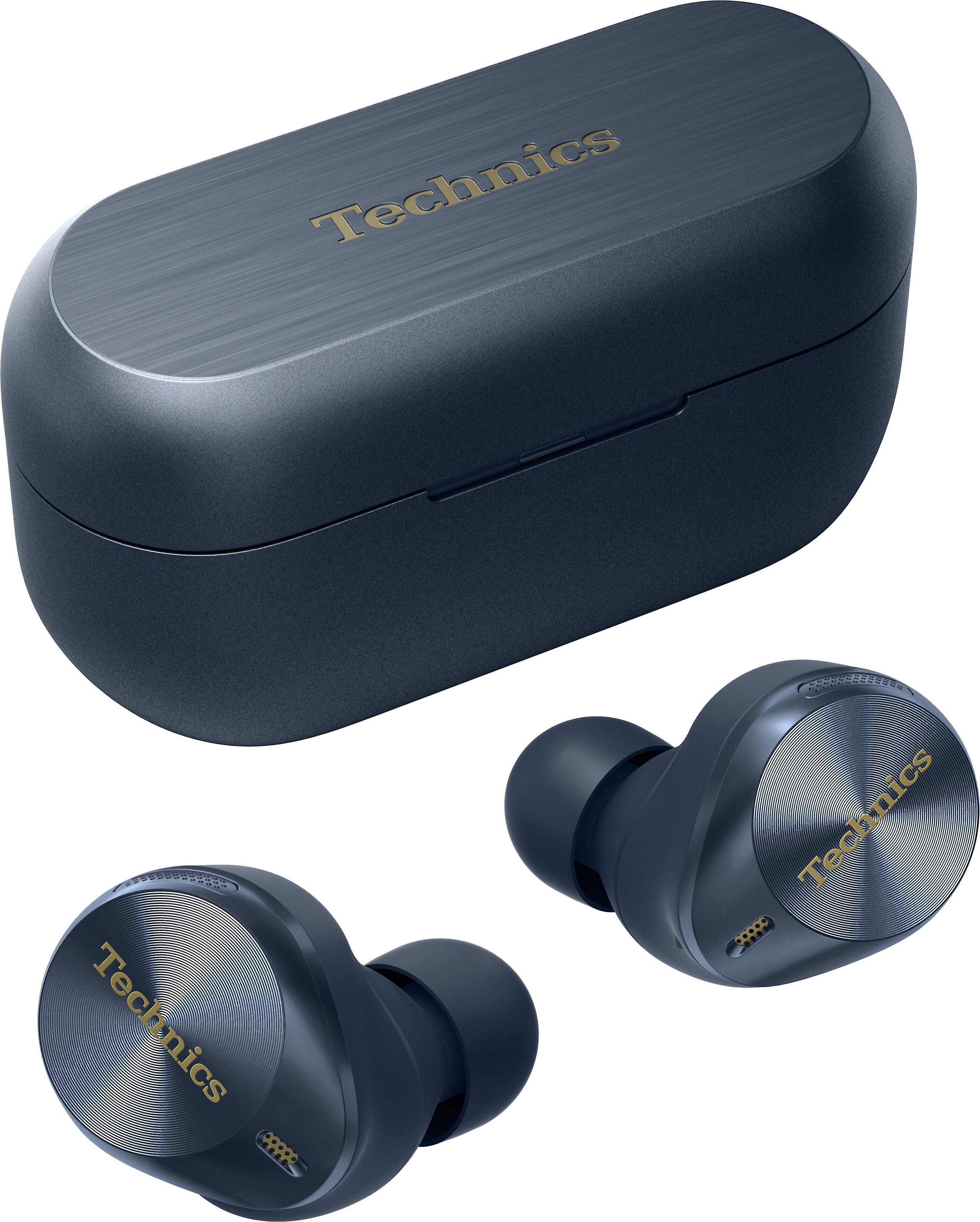
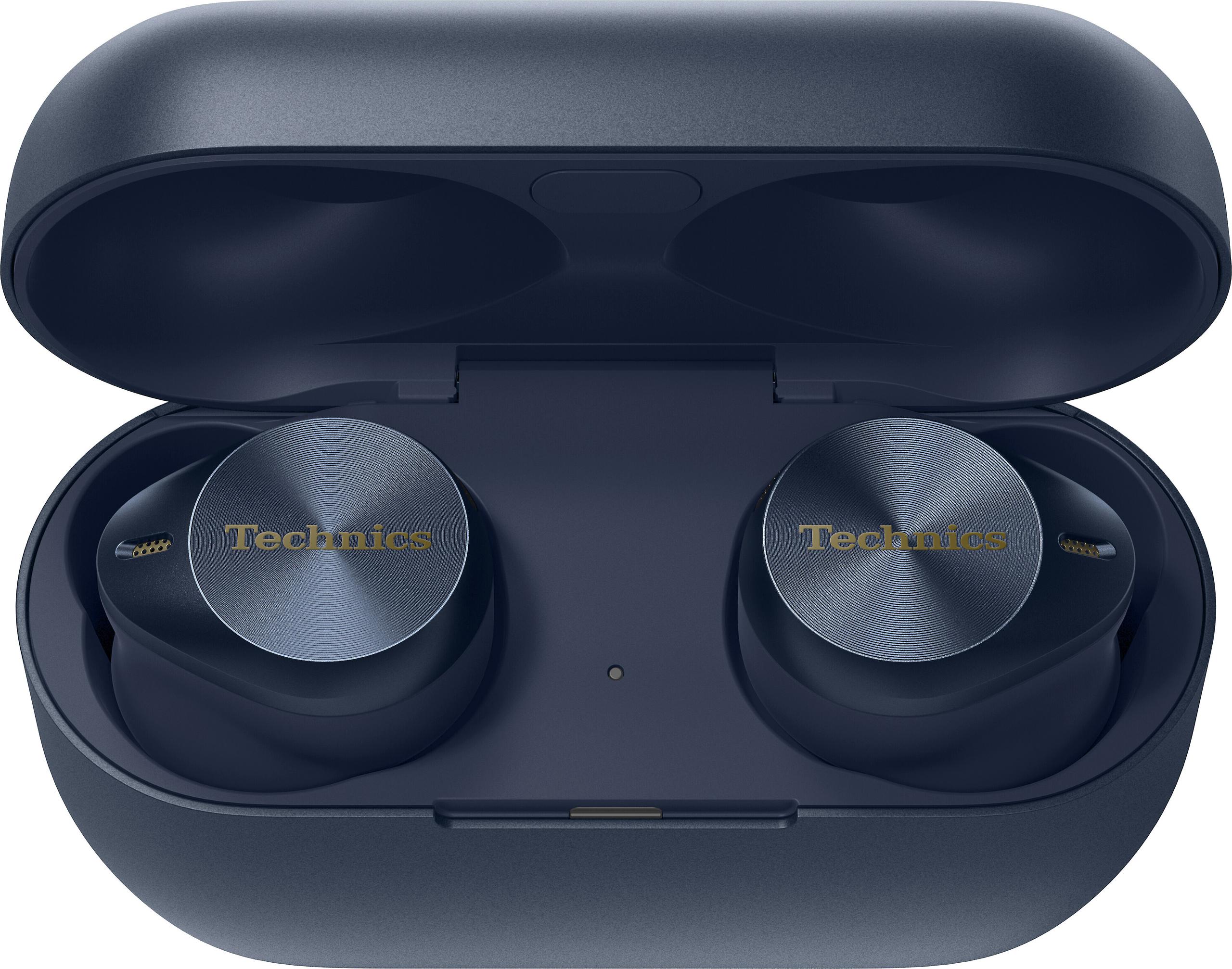
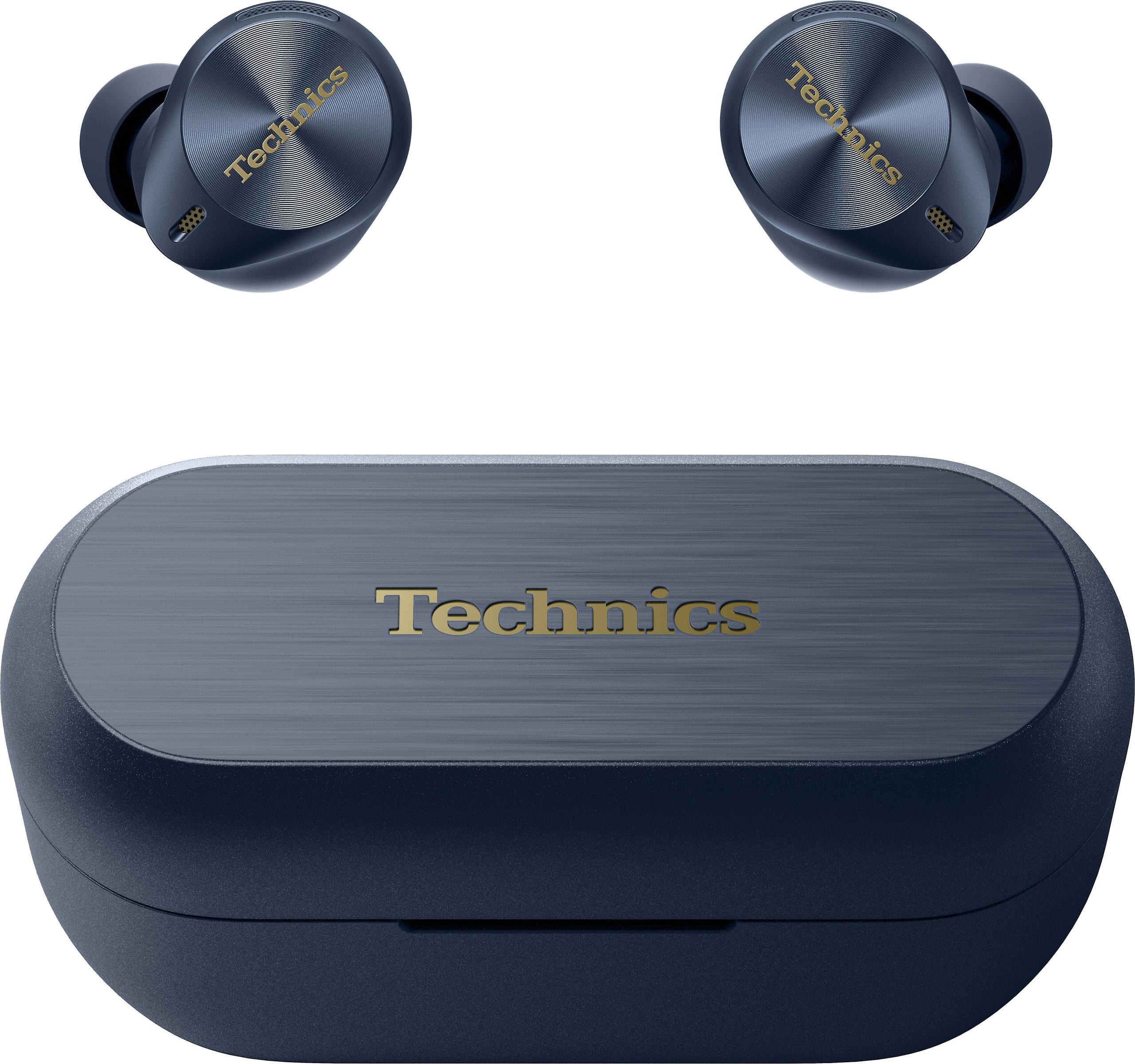
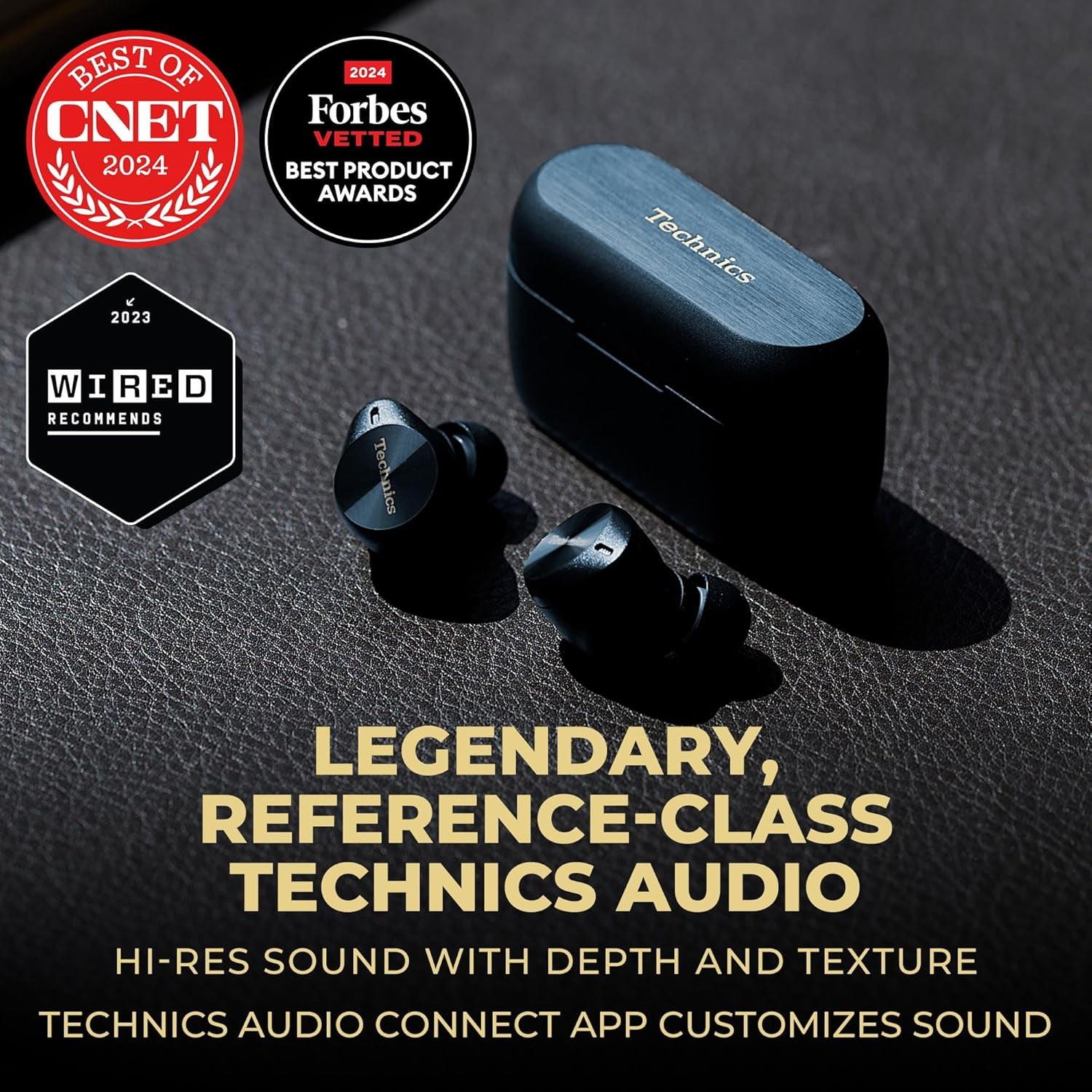
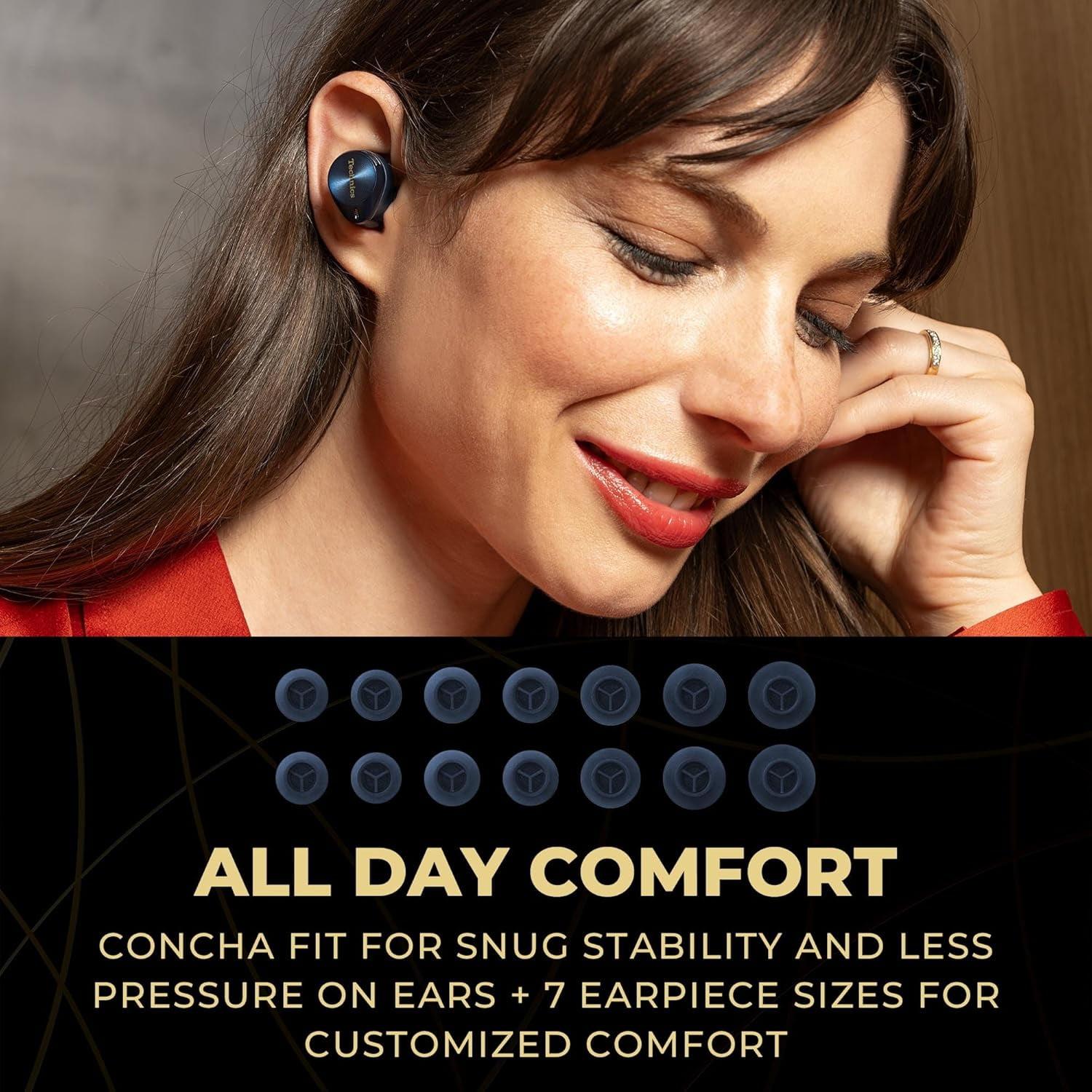
The Technics AZ80 takes a completely different approach, prioritizing pure audio performance and advanced connectivity over specialized features. This reflects Technics' heritage as a respected name in high-end audio equipment, with decades of experience in turntables and professional audio gear.
The most significant technical advantage is LDAC codec support. While this might sound like technical jargon, LDAC makes a real difference for audio quality. Standard Bluetooth audio uses heavy compression that discards much of the original recording's detail. LDAC can transmit nearly three times more data, preserving the subtle details that make high-quality recordings shine.
In practical terms, this means when you're listening to well-recorded music from services like Tidal or Amazon Music HD, you'll hear details that get lost with standard Bluetooth compression – the decay of cymbals, the texture in a singer's voice, or the spatial positioning of instruments in a jazz ensemble.
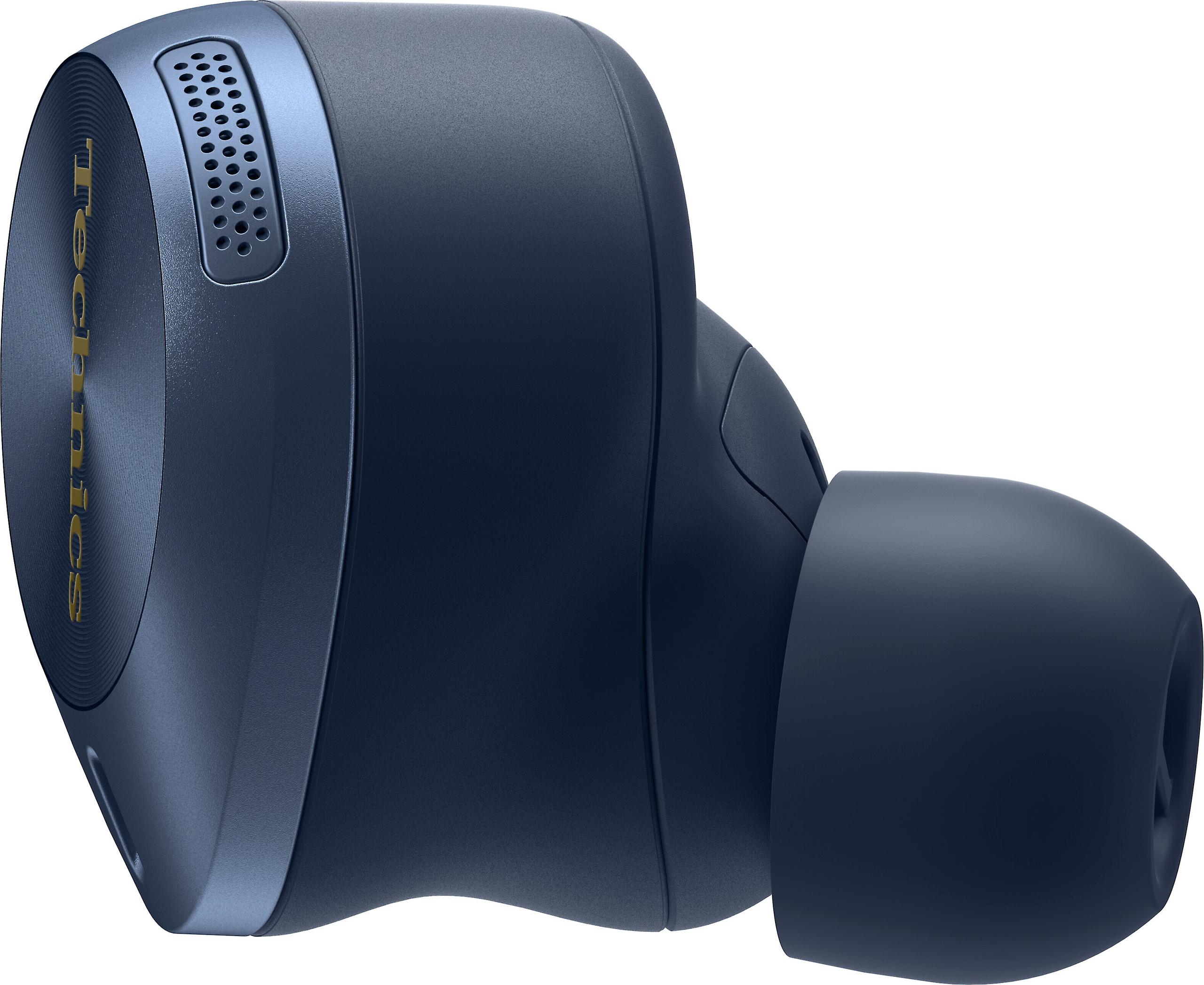
The driver technology also reflects this audio-first approach. The 10mm aluminum alloy diaphragm drivers are designed for accuracy rather than the bass-heavy signature often preferred for workout music. During my listening tests, the Technics AZ80 delivered remarkably neutral sound reproduction, making it excellent for critical listening across all genres.
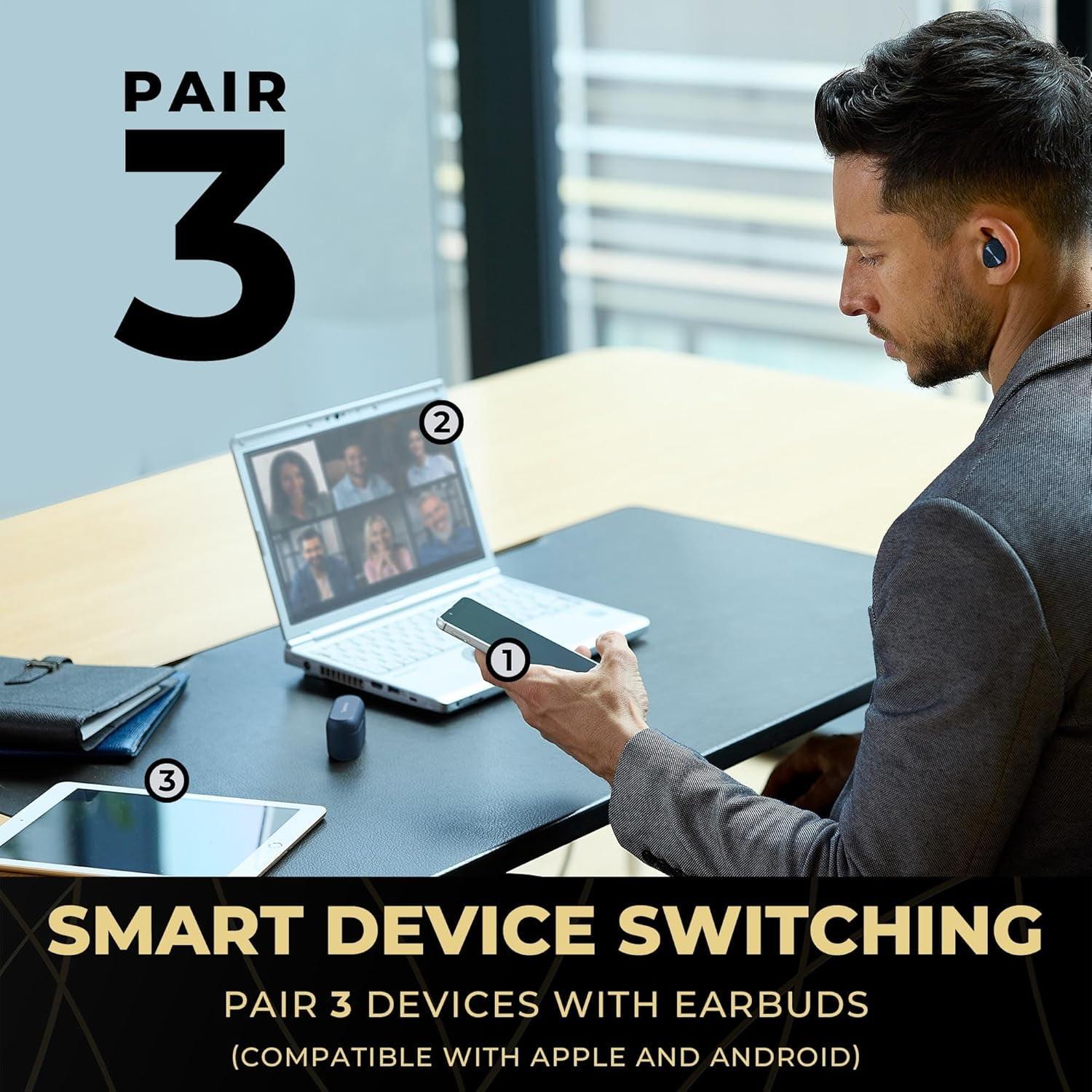
The three-device multipoint connectivity represents another significant innovation. While most earbuds can connect to two devices simultaneously, the AZ80 handles three – typically your phone, laptop, and tablet. The switching between devices is nearly instantaneous and remarkably intelligent about prioritizing audio sources.
This feature becomes invaluable if you're working from home or frequently move between devices throughout the day. You can start a meeting on your laptop, pause to take a phone call, and then switch to your tablet for music, all without manually disconnecting and reconnecting devices.
The audio performance comparison requires understanding what each product optimizes for. The Sennheiser Momentum Sport prioritizes clarity and detail retrieval over bass impact, which makes sense for fitness applications where you need to hear your surroundings for safety.
During my testing with various music genres, the Momentum Sport delivered clean, well-separated sound with excellent vocal clarity. However, if you're expecting the room-shaking bass that motivates some people during workouts, you might find it underwhelming. The sound signature is more refined than energizing, which may or may not align with your exercise preferences.
The Technics AZ80, by contrast, delivers what I'd call reference-quality sound. Playing the same tracks through both earbuds revealed subtle details in the AZ80 that weren't as prominent in the Momentum Sport. The soundstage (how wide and dimensional the music sounds) was noticeably more expansive, and complex orchestral pieces maintained better separation between instruments.
For home theater use, the AZ80's superior audio processing and LDAC support make it the clear choice. When watching movies or streaming content with high-quality audio tracks, the improved dynamic range and detail retrieval create a more engaging experience. The Momentum Sport, while capable, doesn't match this level of audio refinement.
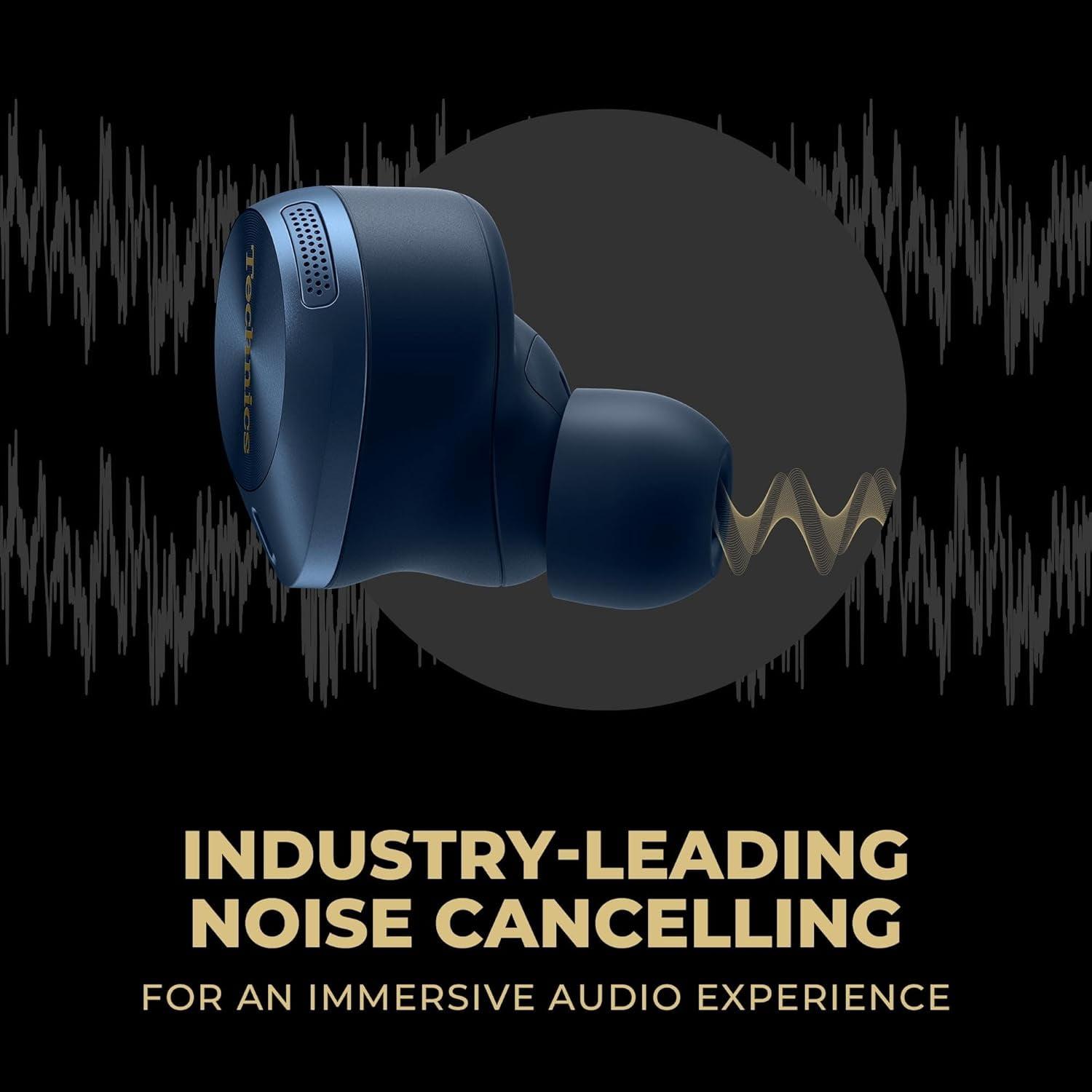
Both products feature active noise cancellation (ANC), but they're solving different problems. The Technics AZ80 uses traditional dual hybrid ANC – combining feedforward microphones (which detect noise before it reaches your ear) and feedback microphones (which monitor and correct the sound inside your ear canal).
This approach excels in consistent noise environments like airplane cabins, train cars, or office spaces. During my commute testing, the AZ80 effectively eliminated the constant hum of air conditioning, engine noise, and general urban background sound.
The Sennheiser Momentum Sport faces a more complex challenge due to its semi-open design. Traditional ANC relies on creating a sealed environment, but the acoustic relief channels necessarily allow some sound leakage. Despite this constraint, the adaptive ANC performs surprisingly well, and the anti-wind mode makes outdoor activities much more pleasant than traditional sealed earbuds.
The transparency modes also reflect different priorities. The AZ80's transparency is optimized for general awareness – helpful when someone needs to get your attention or you're walking through a busy area. The Momentum Sport's transparency mode is specifically tuned for sports safety, with wind noise reduction that makes it practical to use while running or cycling outdoors.
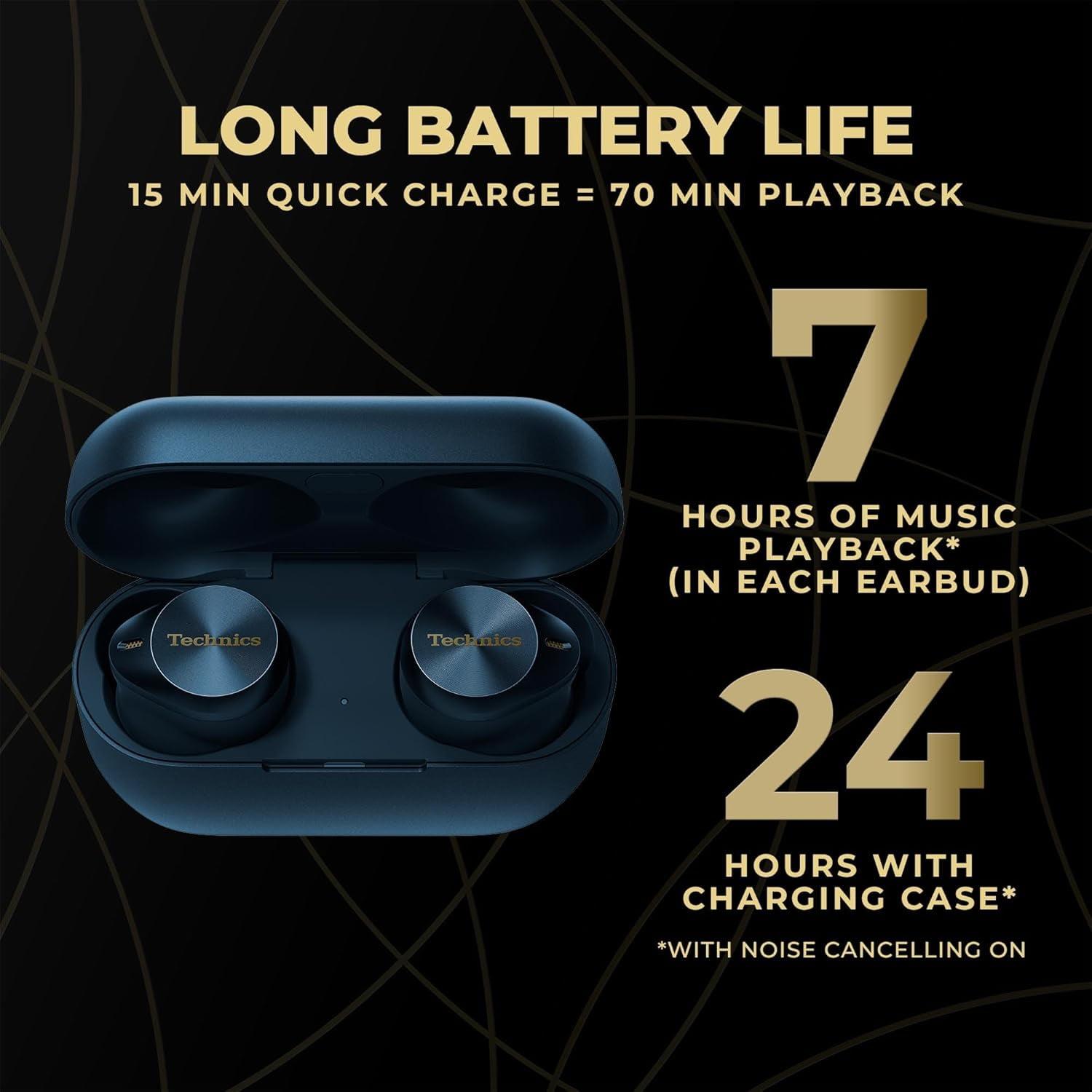
Battery performance between the two products is remarkably similar in terms of raw numbers – both offer around 6-7 hours per charge with ANC enabled, extending to roughly 24 hours total with their charging cases. However, the real-world usage patterns differ significantly.
The Sennheiser Momentum Sport battery drain varies considerably based on sensor usage. Heart rate monitoring requires continuous processing, and body temperature sensing adds additional power draw. During intense workout sessions with full biometric tracking, I typically saw closer to 5.5 hours of usage before needing to recharge.
The Technics AZ80 battery performance is more predictable, with LDAC usage being the primary variable. When streaming high-bitrate audio over LDAC, battery life decreases slightly compared to standard codecs, but the difference is minimal in daily use.
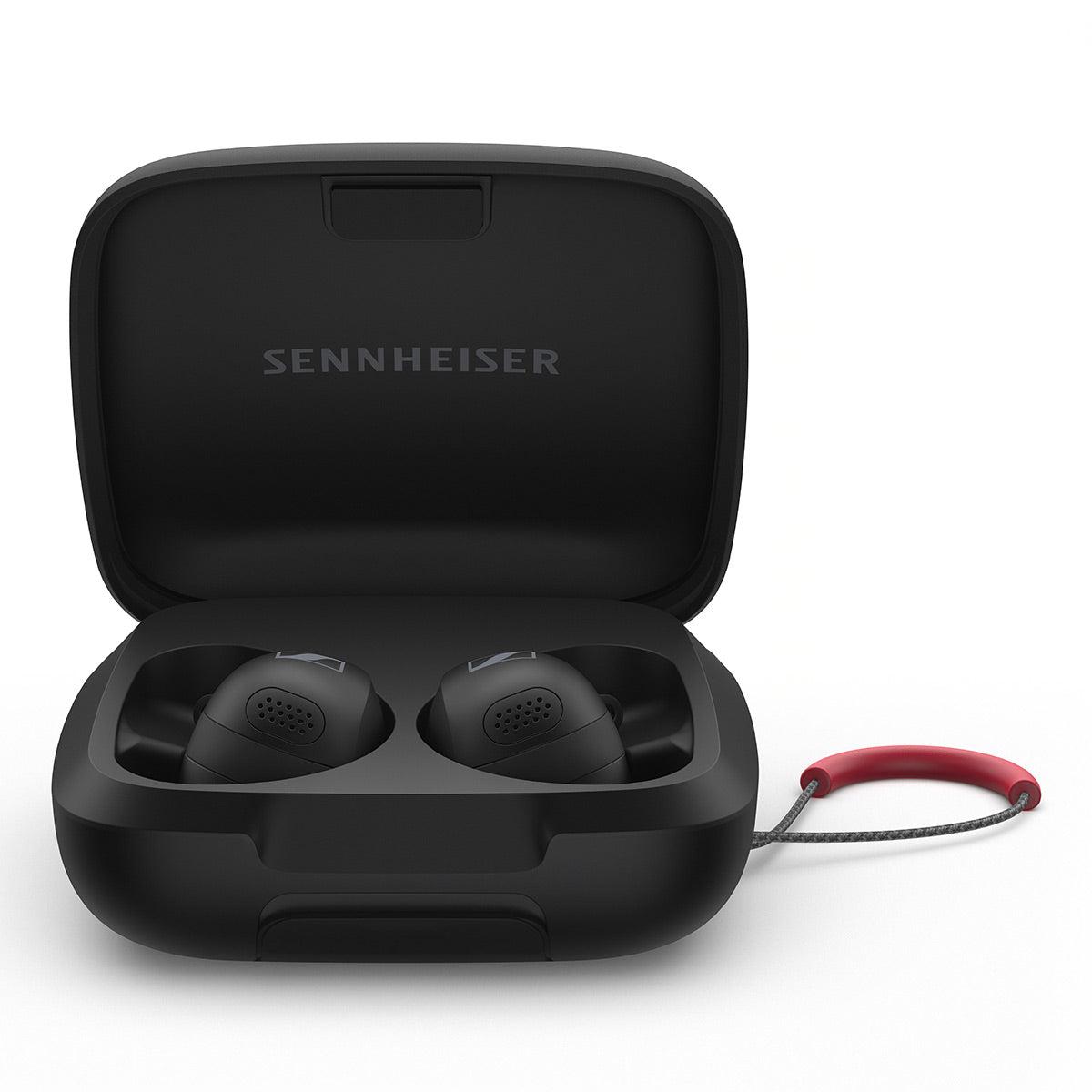
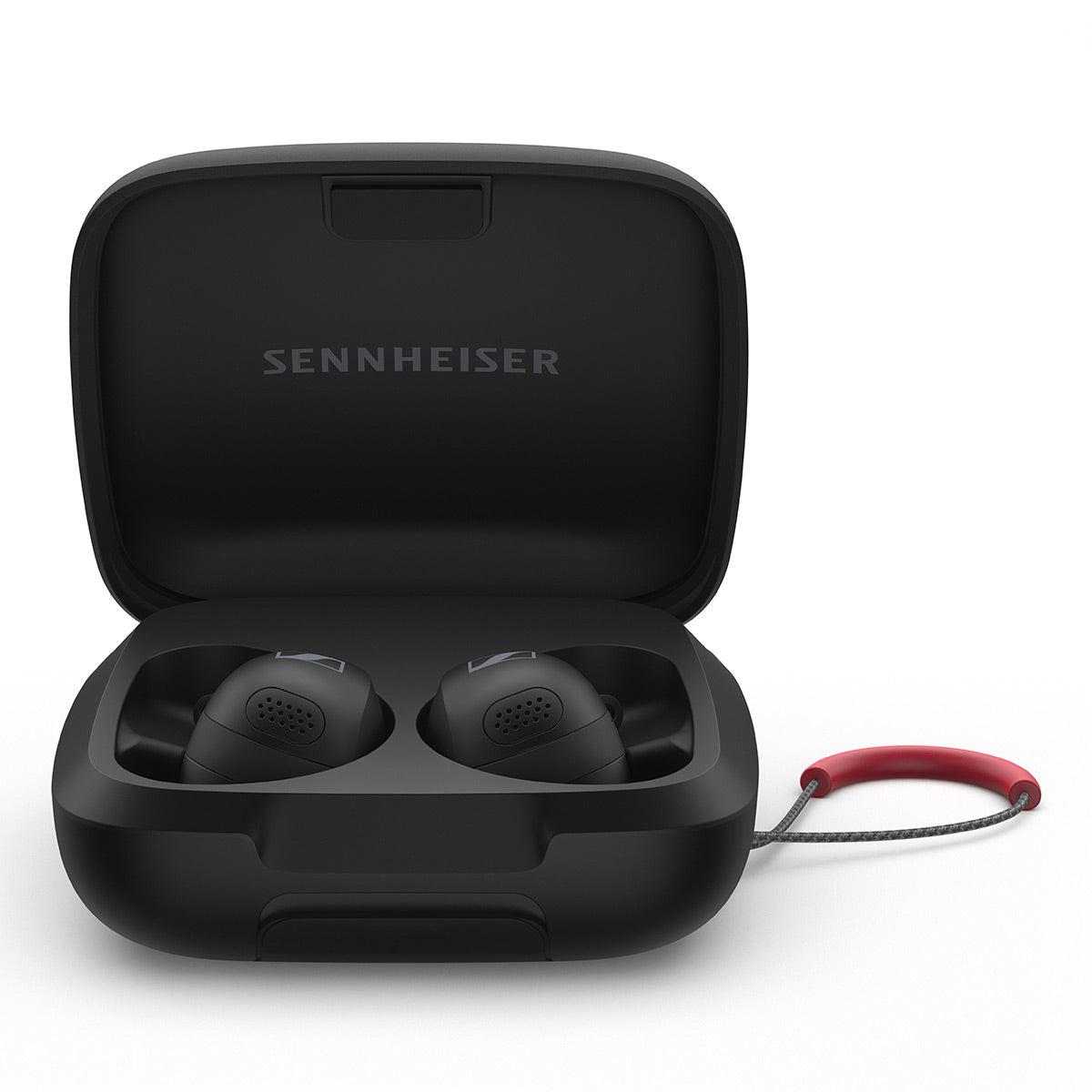
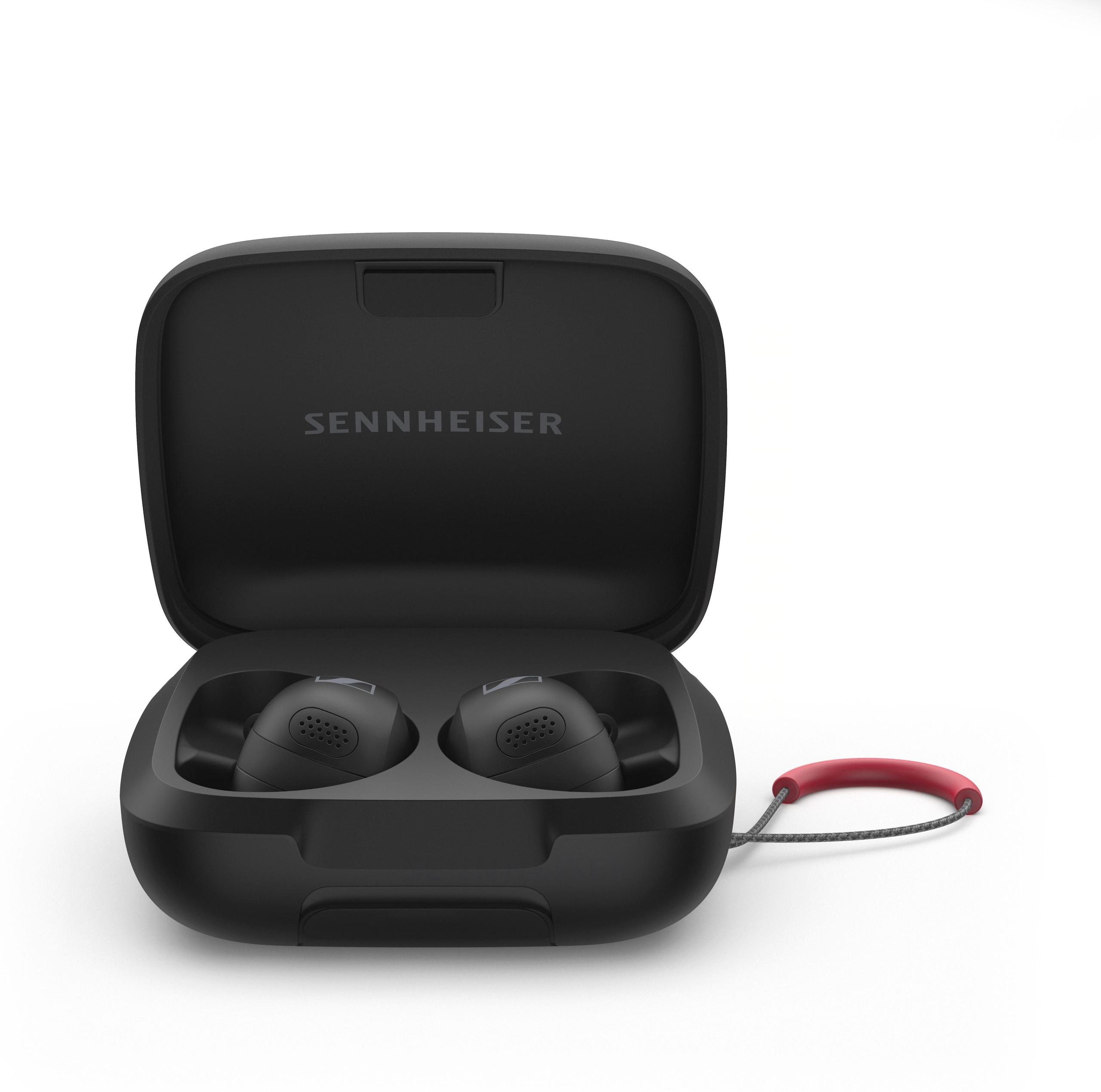
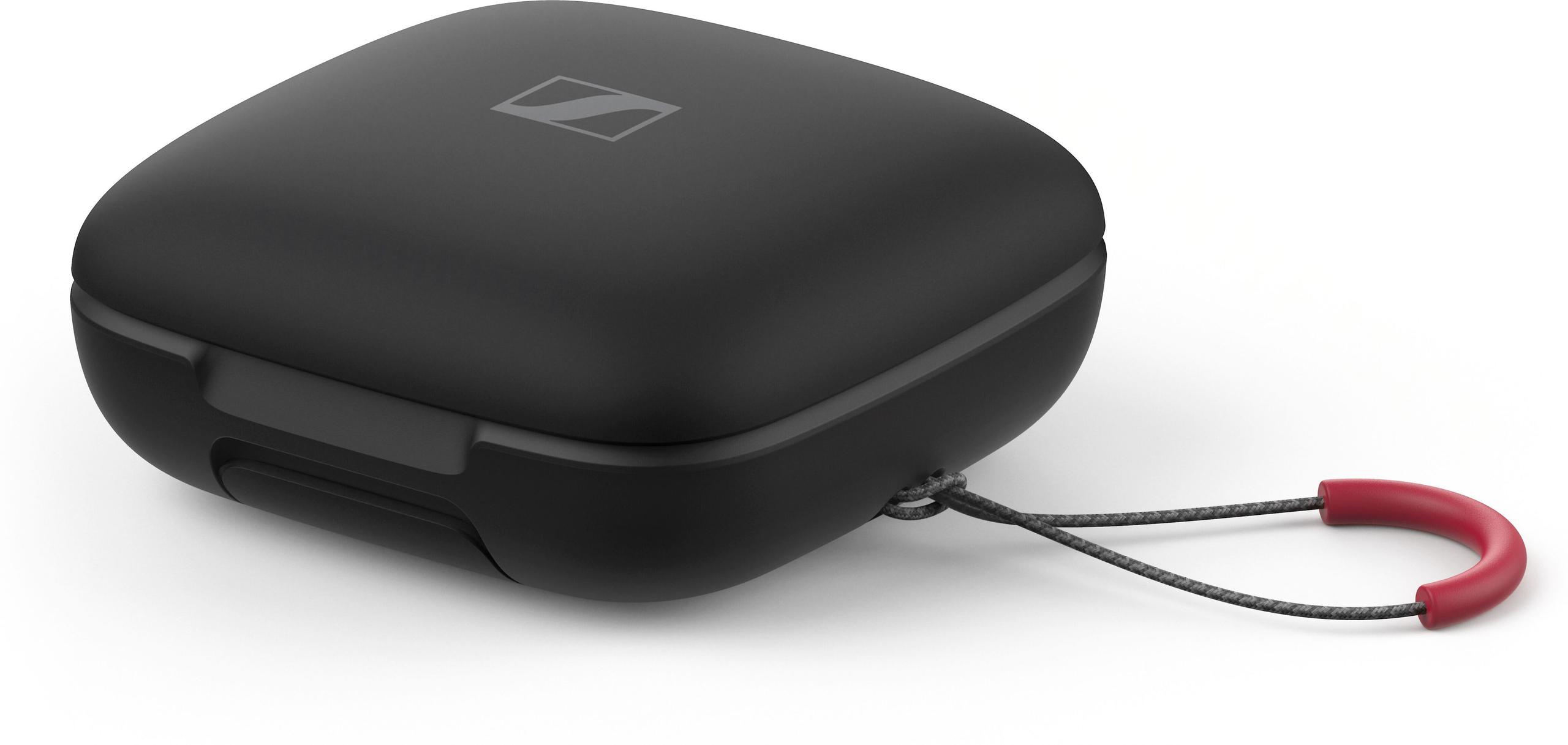
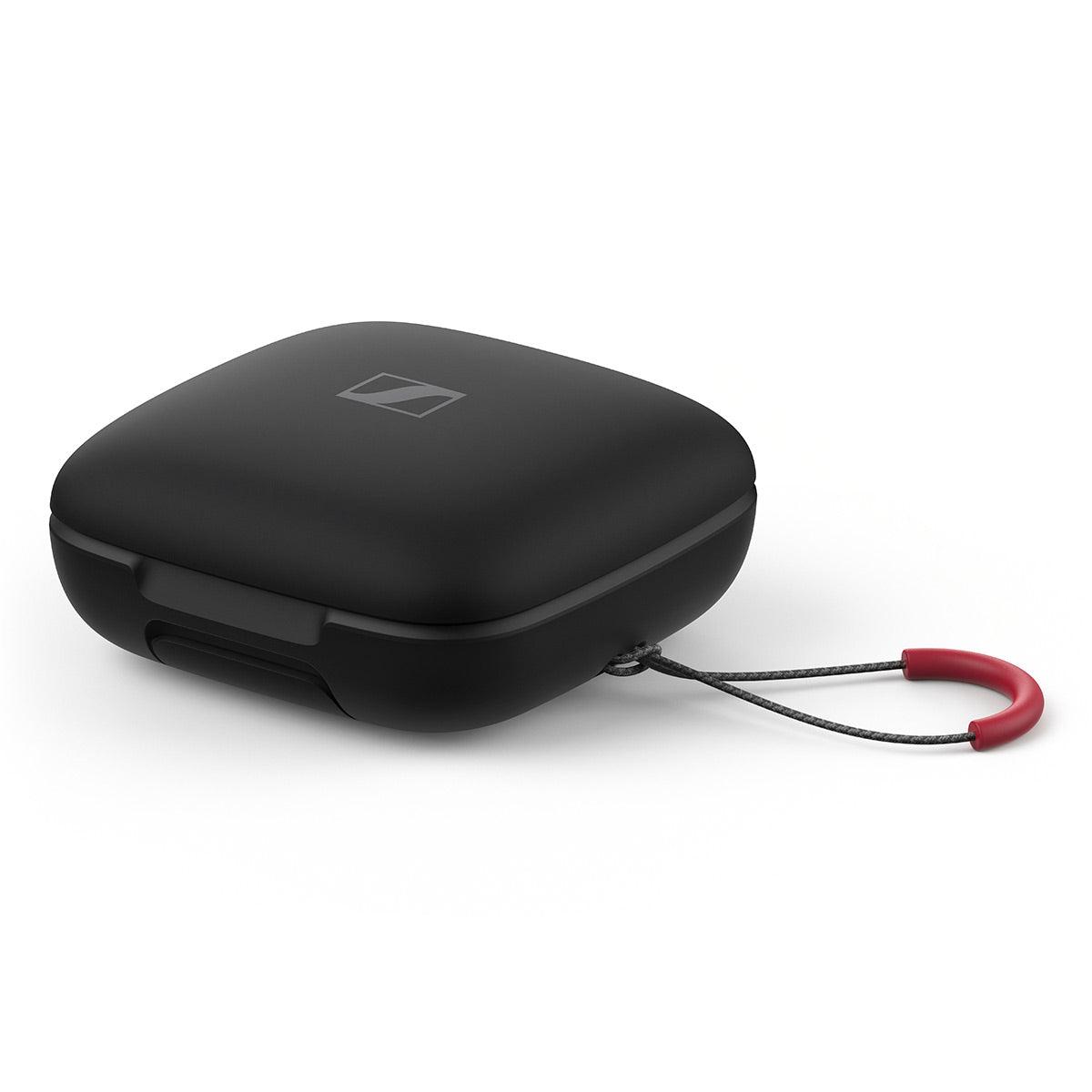
Both products support wireless charging, but the implementation differs. The Momentum Sport's case is designed to withstand gym bag abuse with its IP54 rating, while the AZ80's case prioritizes sleek aesthetics and compact size.
The sensor technology in the Sennheiser Momentum Sport represents genuine innovation rather than marketing gimmickry. The PPG sensors use multiple wavelengths of light to detect blood volume changes, providing more accurate readings than many wrist-based devices.
The body temperature monitoring is particularly sophisticated. Rather than simply measuring skin temperature (which varies dramatically based on ambient conditions), the algorithms estimate core body temperature by analyzing the temperature differential and accounting for environmental factors.
During my testing across different weather conditions and exercise intensities, the temperature readings provided valuable insights into heat stress that I wouldn't have recognized otherwise. This became particularly useful during summer outdoor workouts, where the core temperature data helped me recognize when to seek shade or reduce intensity.
The integration with training platforms goes beyond simple data export. The earbuds can receive training guidance from compatible apps, adjusting audio cues based on your current heart rate zone or workout phase. This creates a more interactive training experience than traditional separate devices.
The Technics AZ80 incorporates several advanced audio processing technologies that justify its premium positioning. The JustMyVoice call quality technology uses eight microphones with sophisticated algorithms to isolate your voice from background noise during calls.
In practice, this means clearer conference calls from noisy environments – coffee shops, busy offices, or even outdoors. The processing is smart enough to distinguish between your voice and similar-frequency background sounds, maintaining call quality even in challenging acoustic environments.
The three-device multipoint connectivity might seem like a minor feature, but it represents significant engineering complexity. Managing three simultaneous Bluetooth connections while maintaining audio quality and battery efficiency requires sophisticated radio frequency management and processing power.
The Sennheiser Momentum Sport makes most sense if you're already invested in fitness tracking or planning to become more serious about training. The integration with established platforms like Polar Flow means you're not learning a new ecosystem – the data flows into tools you might already use.
For runners, cyclists, or gym enthusiasts who currently use separate heart rate monitors, the consolidation benefits are substantial. You eliminate the hassle of charging and maintaining multiple devices while potentially improving accuracy due to the superior sensor placement.
The price premium (at the time of writing, typically $100-150 more than comparable audio-focused earbuds) becomes justified when you consider replacing both earbuds and a quality heart rate monitor. However, if you're not committed to regular exercise or don't currently track fitness metrics, this premium represents poor value.
The Technics AZ80 serves a broader audience with its focus on audio quality and connectivity. If you primarily use earbuds for music listening, conference calls, or general media consumption, the superior audio processing and codec support provide daily benefits.
The multi-device connectivity becomes increasingly valuable as remote work and multiple device usage normalize. The ability to seamlessly switch between phone calls, laptop meetings, and tablet entertainment eliminates the friction that makes many people avoid earbuds for work applications.
For home theater use, the AZ80's audio processing advantages become more pronounced. The improved dynamic range and detail resolution enhance movie dialogue clarity and music soundtrack immersion in ways that justify the premium over budget alternatives.
Technology evolution affects these products differently. The Sennheiser Momentum Sport represents a bet on the convergence of audio and health tracking. As fitness tracking becomes more sophisticated and integrated into daily life, this approach may prove prescient. However, if you don't maintain regular exercise habits, the specialized features lose their value over time.
The Technics AZ80 takes a more conservative but broadly applicable approach. Superior audio processing and advanced connectivity remain valuable regardless of lifestyle changes, making it a safer long-term investment for most users.
My recommendation ultimately depends on your honest assessment of your fitness tracking needs. If you exercise regularly and value data-driven training, the Momentum Sport offers unique capabilities that justify its premium. The integration convenience and sensor accuracy provide real utility that extends beyond novelty.
However, if you want exceptional earbuds for daily music listening, work calls, and general use, the AZ80 delivers premium performance at a more accessible price point. The audio quality improvements and multi-device connectivity provide benefits you'll appreciate daily, regardless of your exercise habits.
The decision shouldn't be based solely on features or specifications, but on which product's strengths align with your actual usage patterns. Both represent excellent engineering in their respective domains – the question is which domain matters more to your lifestyle and priorities.
| Sennheiser Momentum Sport True Wireless Earbuds | Technics AZ80 Premium Hi-Fi True Wireless Noise Cancelling Earbuds |
|---|---|
| Driver Size - Larger drivers typically produce better bass and overall dynamics | |
| 10mm dynamic drivers (sports-tuned for clarity) | 10mm free-edge aluminum alloy diaphragm (hi-fi tuned for accuracy) |
| Audio Codecs - Higher quality codecs preserve more detail from original recordings | |
| aptX Adaptive, AAC, SBC (good quality, wide compatibility) | LDAC, aptX, AAC, SBC (LDAC offers near-lossless quality) |
| Biometric Sensors - Eliminates need for separate fitness trackers | |
| Heart rate + body temperature monitoring with Polar integration | None (standard fitness app compatibility only) |
| Water Resistance - Critical for exercise and outdoor use | |
| IP55 (dust and water jets protection, excellent for sports) | IPX4 (splash resistant, adequate for light exercise) |
| Active Noise Cancellation - Blocks distracting background noise | |
| Adaptive ANC with semi-open design (good isolation, maintains awareness) | Dual Hybrid ANC with sealed design (superior isolation in noisy environments) |
| Battery Life - How long you can use them per charge | |
| 6 hours + 18 hours case (with biometric tracking active) | 7 hours + 17 hours case (slightly longer per charge) |
| Bluetooth Multipoint - Connect multiple devices simultaneously | |
| 2 devices (phone + laptop connectivity) | 3 devices (industry-leading phone + laptop + tablet connectivity) |
| Microphone Array - Better call quality in noisy environments | |
| 6 microphones with wind noise reduction | 8 microphones with JustMyVoice technology (superior call clarity) |
| Design Philosophy - Different approaches for different use cases | |
| Semi-open acoustic design with relief channels (reduces body noise during exercise) | Traditional sealed design optimized for critical listening and noise isolation |
| Charging Options - Convenience features for daily use | |
| USB-C and Qi wireless charging with IP54-rated case | USB-C and Qi wireless charging with premium materials |
| Target Use Case - Who benefits most from each product's strengths | |
| Serious fitness enthusiasts who want integrated biometric tracking | Audiophiles and professionals who prioritize sound quality and multi-device connectivity |
The Technics AZ80 delivers superior sound quality for music listening with its hi-fi tuned drivers and LDAC codec support. The Sennheiser Momentum Sport offers good audio quality but is optimized more for sports activities than critical listening. If music quality is your top priority, the Technics AZ80 is the better choice.
Yes, the Sennheiser Momentum Sport includes integrated heart rate and body temperature sensors that work with fitness apps like Polar Flow, Strava, and Apple Health. The Technics AZ80 doesn't have any built-in fitness tracking capabilities, making the Sennheiser Momentum Sport the clear winner for fitness enthusiasts.
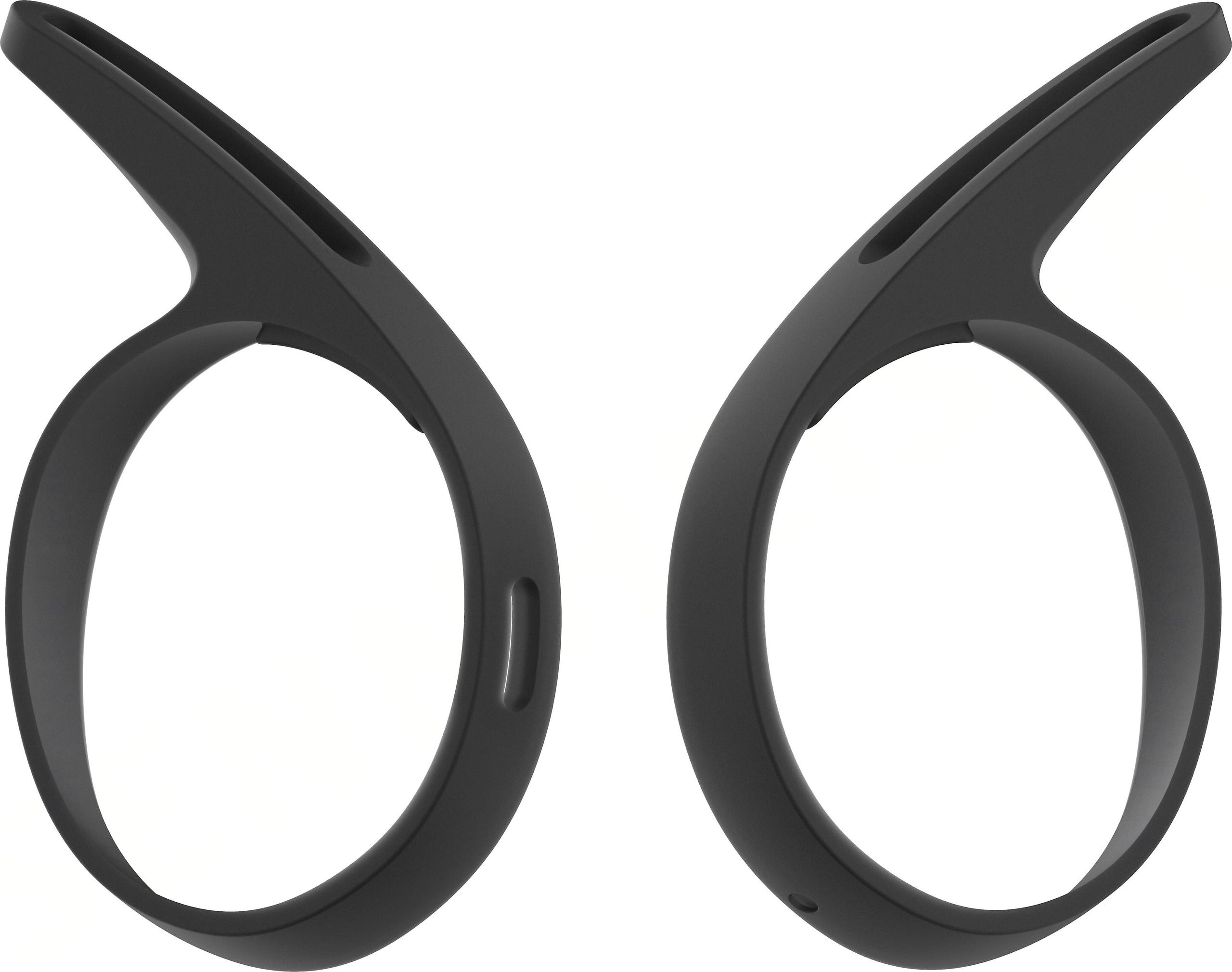
The Sennheiser Momentum Sport is specifically designed for sports with IP55 water resistance, secure fit with interchangeable fins, and biometric sensors for workout tracking. The Technics AZ80 has basic IPX4 water resistance but lacks sports-specific features, making the Sennheiser Momentum Sport the better choice for active users.
The Technics AZ80 offers industry-leading 3-device multipoint connectivity, allowing connection to your phone, laptop, and tablet simultaneously. The Sennheiser Momentum Sport supports standard 2-device connectivity. For users who frequently switch between multiple devices, the Technics AZ80 provides superior flexibility.
The Technics AZ80 provides stronger noise cancellation with its sealed design and dual hybrid ANC system, making it better for commuting and noisy environments. The Sennheiser Momentum Sport uses a semi-open design that offers good noise reduction while maintaining situational awareness for safety during sports activities.
Both earbuds offer similar battery performance. The Technics AZ80 provides about 7 hours per charge with 24 hours total including the case. The Sennheiser Momentum Sport offers 6 hours per charge with 24 hours total, though biometric tracking may reduce battery life slightly during intensive workouts.
The Technics AZ80 excels at call quality with its 8-microphone JustMyVoice technology and superior noise reduction algorithms. While the Sennheiser Momentum Sport offers decent call quality with 6 microphones, the Technics AZ80 is better suited for professional calls and video conferences.
The Technics AZ80 is excellent for home entertainment thanks to its reference-quality audio tuning, LDAC codec support, and superior soundstage. The Sennheiser Momentum Sport can handle movies adequately but is primarily designed for sports use rather than home theater applications.
Value depends on your needs. The Technics AZ80 typically costs less while offering premium audio features and multi-device connectivity. The Sennheiser Momentum Sport costs more but includes unique fitness tracking that could replace a separate heart rate monitor, potentially saving money for active users.
The Sennheiser Momentum Sport offers superior water protection with IP55 rating, making it excellent for intense workouts and outdoor activities in various weather conditions. The Technics AZ80 has IPX4 rating, which handles light splashes and sweat but isn't as robust for heavy exercise or outdoor use.
Both earbuds work well with both platforms. The Technics AZ80 offers additional benefits for Android users through LDAC codec support for higher quality audio. The Sennheiser Momentum Sport integrates well with both iOS and Android fitness ecosystems, with seamless Apple Health integration for iPhone users.
Both Sennheiser and Technics have strong reputations in audio. Sennheiser is renowned for headphones and the Sennheiser Momentum Sport represents their innovation in fitness-audio integration. Technics has deep heritage in hi-fi equipment, and the Technics AZ80 reflects their commitment to reference-quality sound reproduction.
We've done our best to create useful and informative comparisons to help you decide what product to buy. Our research uses advanced automated methods to create this comparison and perfection is not possible - please contact us for corrections or questions. These are the sites we've researched in the creation of this article: rtings.com - shop.prevention.com - youtube.com - techradar.com - sennheiser-hearing.com - youtube.com - dcrainmaker.com - head-fi.org - whathifi.com - youtube.com - youtube.com - head-fi.org - ecoustics.com - soundguys.com - audio46.com - moon-audio.com - newsroom.sennheiser.com - youtube.com - shop.menshealth.com - the5krunner.com - youtube.com - bloomaudio.com - eftm.com - soundguys.com - techradar.com - sennheiser-hearing.com - stereonet.com - us.technics.com - us.technics.com - rtings.com - head-fi.org - bestbuy.com - soundguys.com - head-fi.org - youtube.com - loudnwireless.com - youtube.com - cnet.com - technics.com - technics.com - bestbuy.com - target.com - us.technics.com - technics.com - youtube.com - head-fi.org - nnty.fun - us.technics.com - bhphotovideo.com - bestbuy.com - us.technics.com - audiosciencereview.com - youtube.com - head-fi.org - head-fi.org - jbhifi.com.au

Privacy Policy
Terms and Conditions - Affiliate Policy
Home Security
© Copyright 2008-2026.
11816 Inwood Rd #1211, Dallas, TX 75244