








Finding the right true wireless earbuds feels like navigating a maze of technical specs, marketing claims, and wildly different price points. At the time of writing, the market offers everything from $50 basic models to $400 flagship audiophile options, making the decision even more complex for everyday buyers.
Today we're comparing two earbuds that represent completely different philosophies: the JBL Tune Buds, released in 2024 as a budget-friendly option with surprising features, and the Technics AZ80, a 2024 premium model designed for serious listeners who prioritize audio quality above all else. The price gap between these models is substantial – roughly three times difference at launch – but both aim to solve the same fundamental problem of delivering great wireless audio.
Before diving into specifics, it's worth understanding what separates good earbuds from mediocre ones. The "true wireless" category exploded around 2016 when Apple removed the headphone jack, but the technology has matured dramatically since then.
Modern earbuds pack an impressive amount of technology into those tiny shells. Each earbud contains multiple drivers (the speakers that create sound), microphones for calls and noise cancellation, batteries, Bluetooth chips, and touch sensors – all while weighing less than a grape. The challenge is balancing all these features while keeping costs reasonable and battery life acceptable.
The most important performance factors come down to how these earbuds handle three core functions: playing music, blocking unwanted noise, and staying connected to your devices. Everything else – from battery life to water resistance – supports these primary functions.
The difference in audio approach between the JBL Tune Buds and Technics AZ80 reveals itself immediately when you understand their driver technology. Both use 10mm dynamic drivers, but that's where the similarities end.
The JBL Tune Buds implement what JBL calls "Pure Bass Sound" – essentially a V-shaped frequency response that emphasizes both bass and treble while keeping midrange vocals relatively neutral. This tuning works exceptionally well for modern music genres like hip-hop, electronic, and pop, where punchy bass and crisp highs create excitement. However, this approach can make vocals sound slightly recessed and treble occasionally harsh with certain recordings.
Our research into user feedback reveals that the JBL Tune Buds deliver exactly what JBL promises – energetic, fun sound that makes most music feel more exciting. The bass doesn't overpower other frequencies, but it's definitely present and impactful. For casual listening, especially while exercising or commuting, this tuning keeps music engaging without requiring constant volume adjustments.
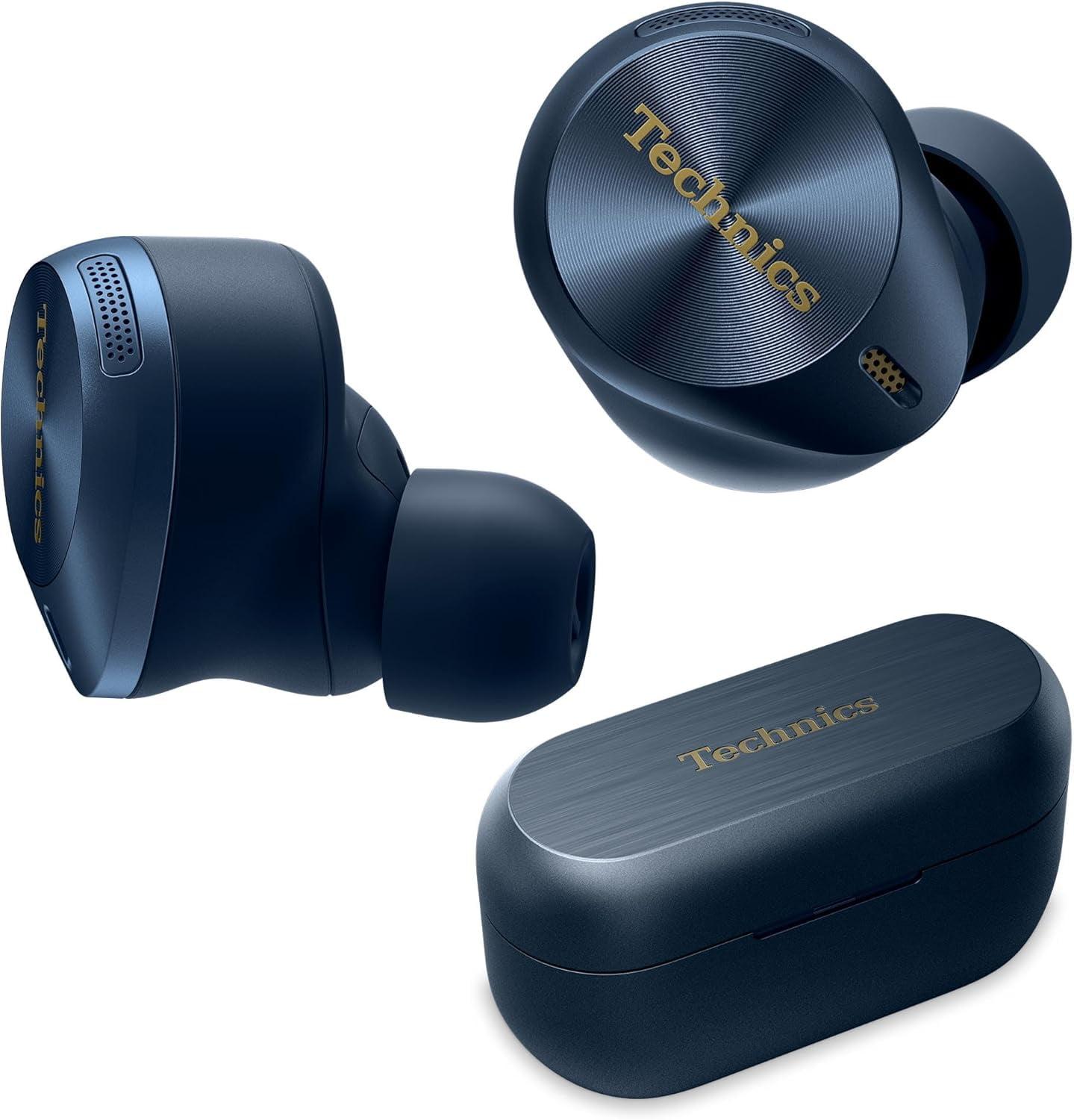
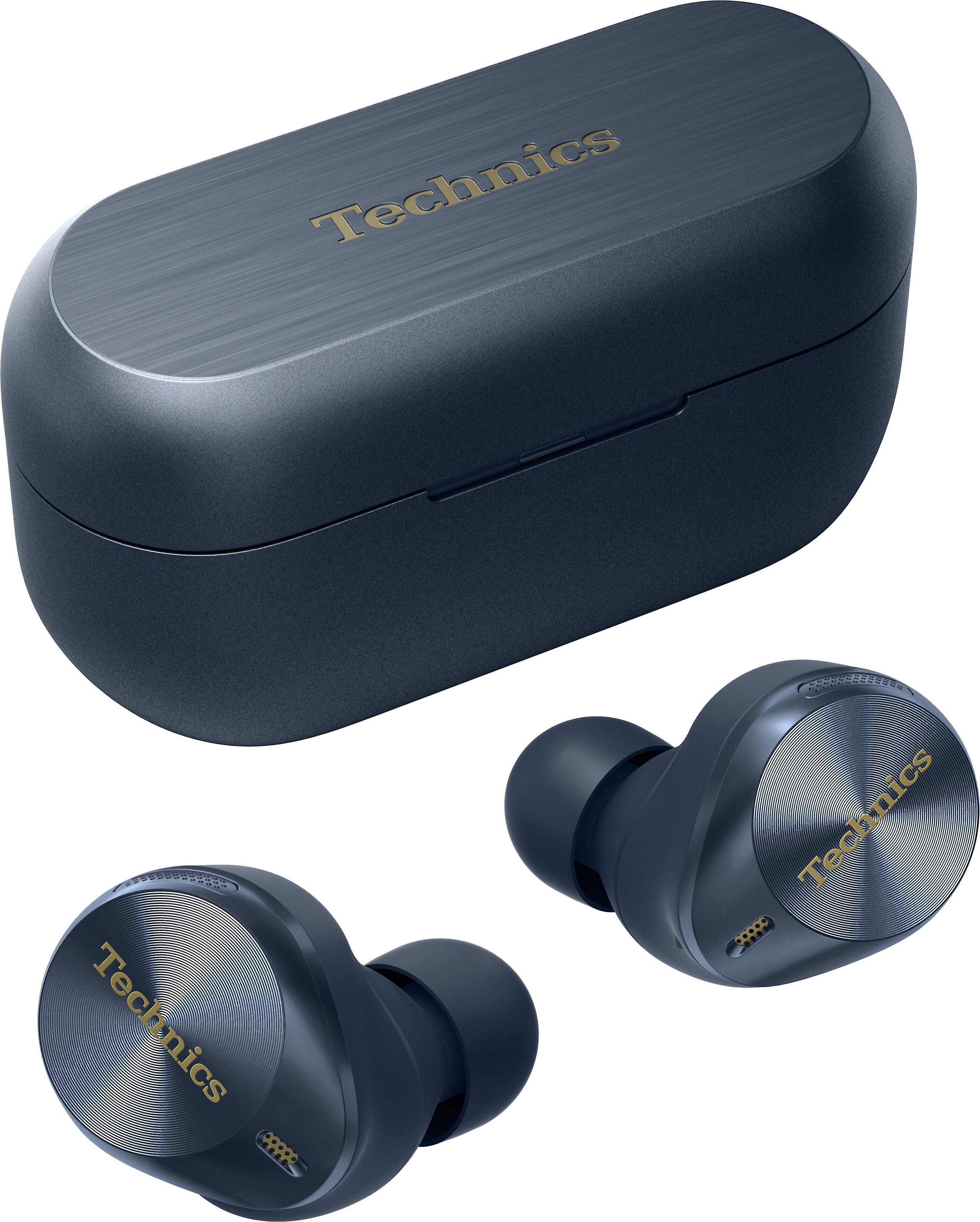
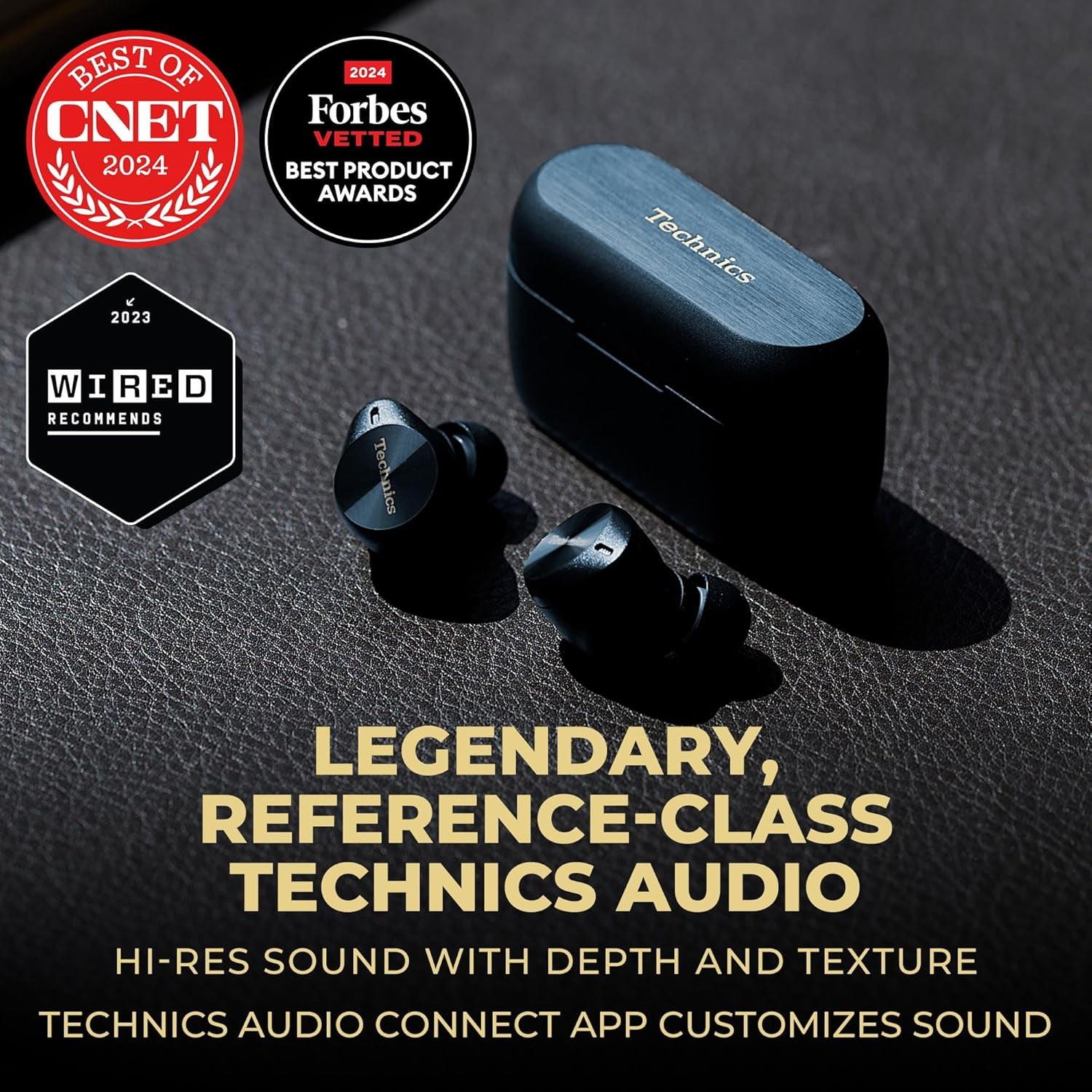
The Technics AZ80 takes a fundamentally different approach. These earbuds earned Hi-Res Audio certification, which means they can reproduce frequencies up to 40kHz (well beyond human hearing, but indicating excellent technical performance). More importantly, they support LDAC codec – Sony's high-quality wireless audio standard that transmits roughly three times more data than standard Bluetooth audio.
LDAC codec support matters significantly for Android users with compatible phones. While iPhone users are limited to AAC codec (still quite good), Android users can access near-CD quality streaming through services like Tidal or Amazon Music HD. The difference is subtle but real – instruments sound more separated, vocals have better texture, and the overall presentation feels more spacious.
Based on expert consensus, the Technics AZ80 delivers what audiophiles call "reference quality" sound – balanced, detailed, and faithful to the original recording. This means they won't artificially boost bass or treble to create excitement, instead presenting music as the artist and engineers intended. For jazz, classical, acoustic music, or high-quality recordings in any genre, this approach reveals details you might miss with more colored sound signatures.
Battery life represents perhaps the starkest difference between these models, reflecting their different design priorities.
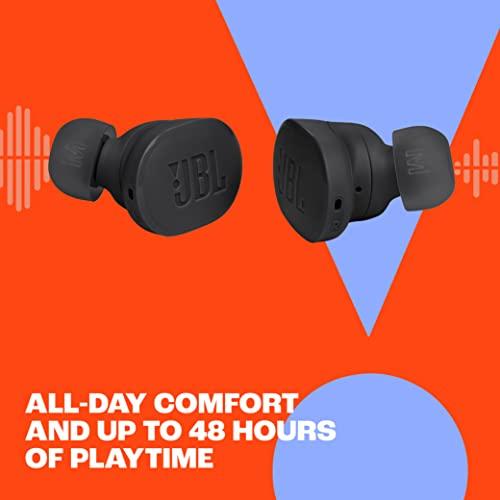
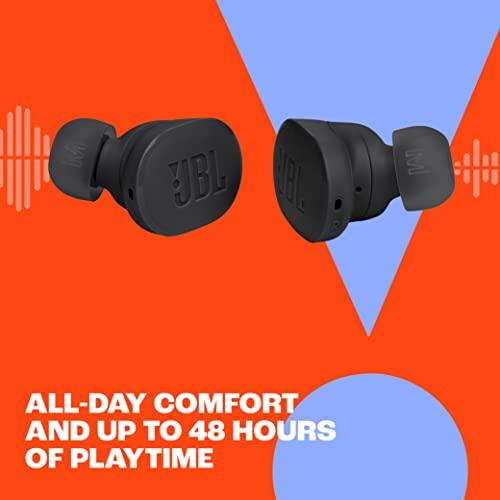
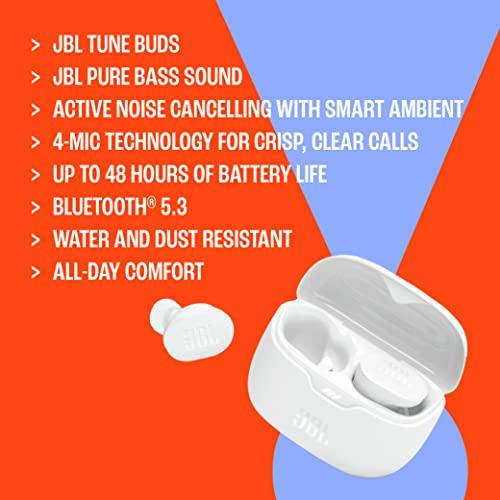
The JBL Tune Buds achieve something remarkable for their price point: up to 48 hours of total listening time. That breaks down to 12 hours from the earbuds themselves, plus an additional 36 hours from the charging case. With noise cancellation enabled, those numbers drop to 10 and 30 hours respectively – still impressive by any standard.
This exceptional battery life comes from several factors. JBL uses efficient Bluetooth 5.3 chips, the bass-focused sound signature doesn't require as much power as balanced drivers, and the larger charging case accommodates a substantial battery. The 15-minute quick charge feature provides 4 hours of listening time, which practically eliminates battery anxiety for most users.
For frequent travelers, commuters, or anyone who dislikes charging devices regularly, this battery performance is genuinely liberating. You could realistically use these earbuds for a week of normal listening without touching a charger.
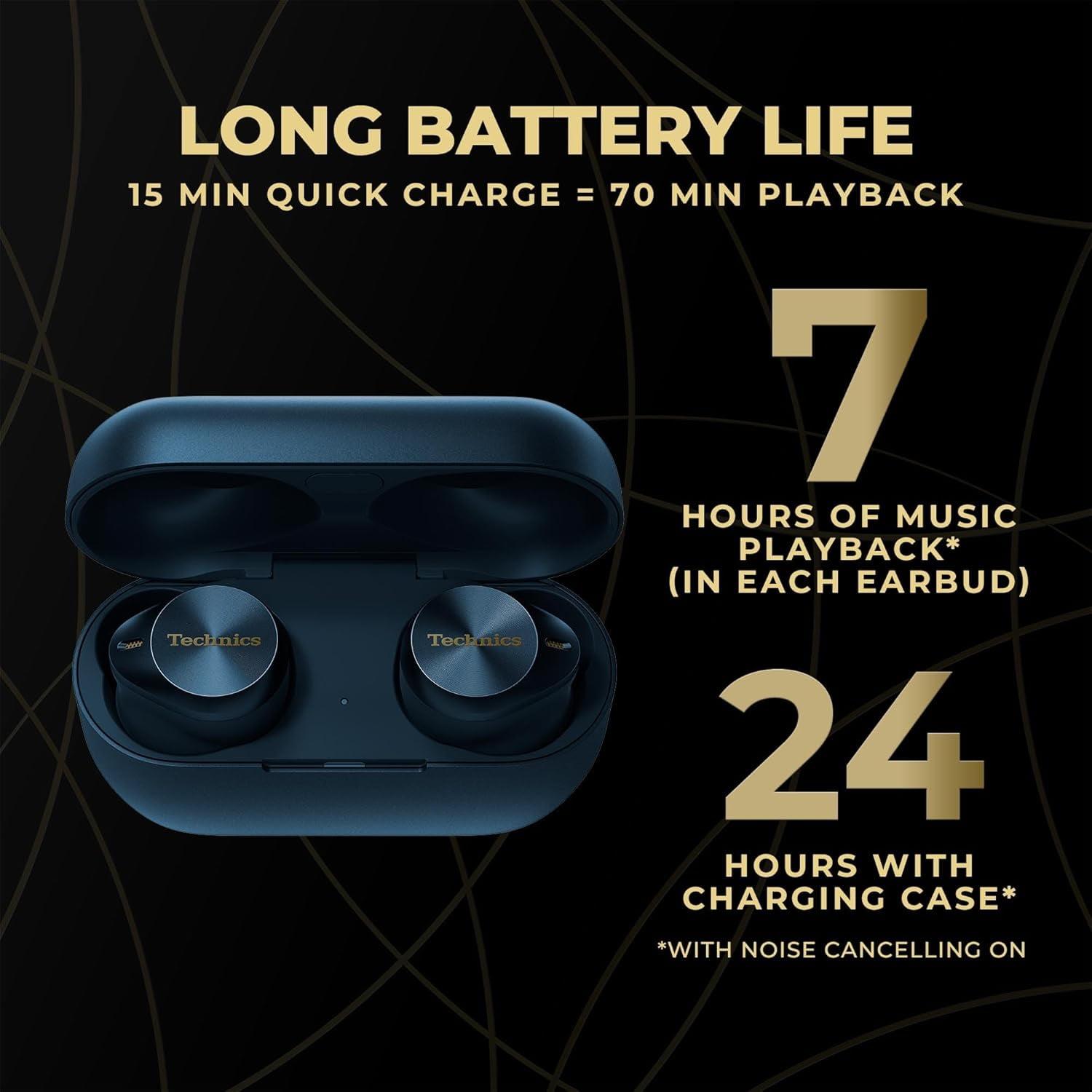
The Technics AZ80 provides more modest but still respectable battery life: 7 hours per charge with noise cancellation enabled, extending to 24 hours total with the case. While significantly less than the JBLs, this matches or exceeds most premium competitors and proves adequate for daily use.
The trade-off makes sense when you consider the advanced audio processing required for Hi-Res playback and sophisticated noise cancellation. High-quality DACs (digital-to-analog converters) and amplifiers consume more power than basic audio chips. The Technics AZ80 also includes wireless charging capability, adding convenience for users with compatible charging pads.
Active Noise Cancellation (ANC) technology uses microphones to detect ambient sound, then generates inverse sound waves to cancel unwanted noise. However, implementation quality varies dramatically between budget and premium models.
The JBL Tune Buds include ANC with what JBL calls "Smart Ambient" modes. The system uses four microphones total (two per earbud) to monitor and cancel background noise. Performance is adequate for the price point – it reduces steady background noise like air conditioning, traffic hum, or airplane engines by a noticeable amount. However, it struggles with sudden loud sounds and doesn't approach the effectiveness of premium ANC systems.
Where the JBL Tune Buds excel is in their transparency modes. "Ambient Aware" lets environmental sound through for safety while walking or cycling, while "TalkThru" reduces your music volume and amplifies speech frequencies, allowing quick conversations without removing the earbuds.
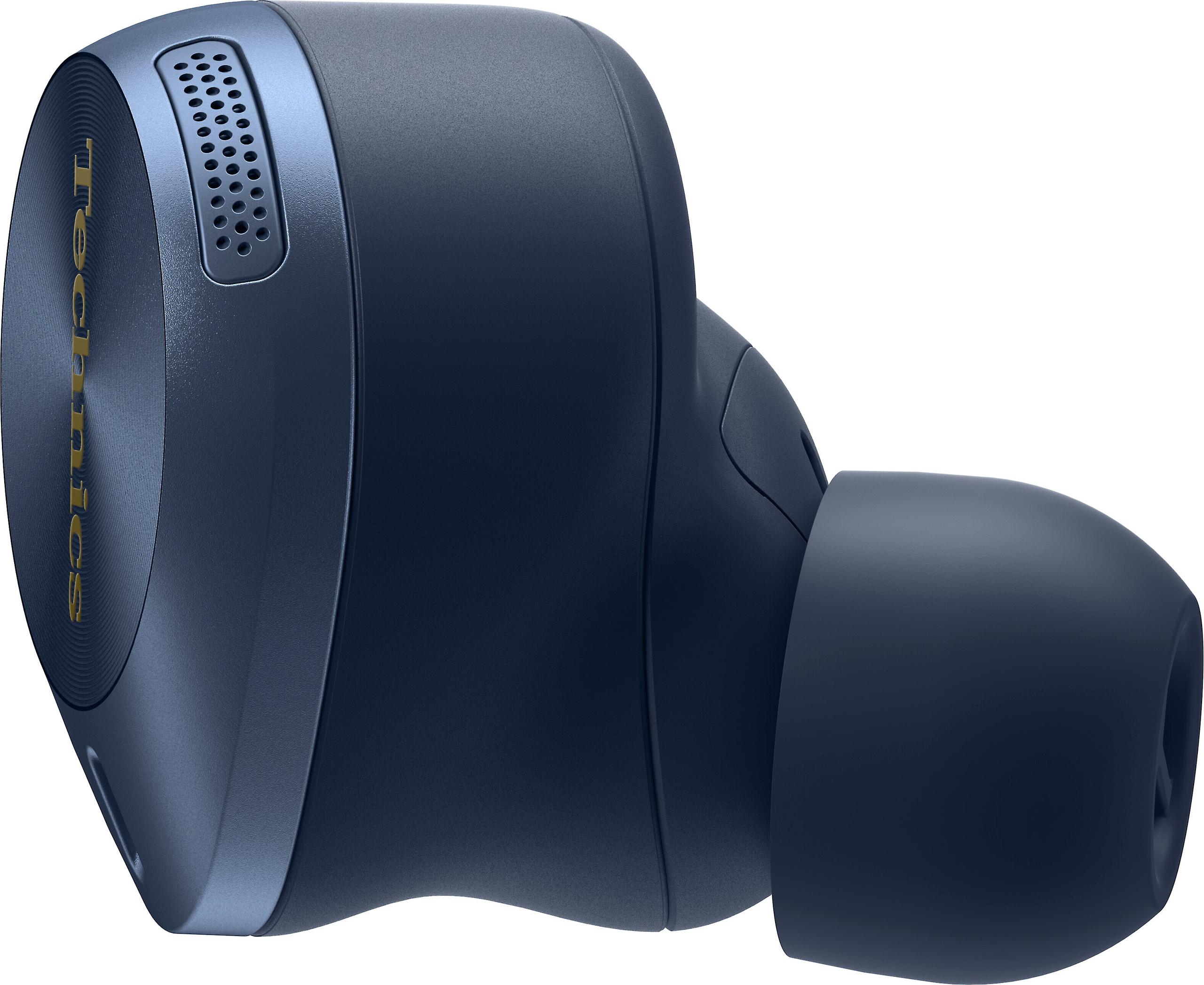
The Technics AZ80 implements "Dual Hybrid Active Noise Cancelling" – a more sophisticated system using both feedforward and feedback microphones. Feedforward mics detect noise before it reaches your ear, while feedback mics monitor what you're actually hearing to fine-tune cancellation in real-time.
Expert reviews consistently rate the Technics AZ80's ANC performance as significantly superior, particularly for low-frequency noise like engine rumble or HVAC systems. The system also adapts automatically to different environments, optimizing cancellation without manual intervention. While it doesn't quite match industry leaders like Sony's WF-1000XM4 or Apple's AirPods Pro, it provides genuinely effective noise reduction for most situations.
Both models support Bluetooth 5.3, but their implementation differs significantly. The JBL Tune Buds include future support for LE Audio (Low Energy Audio) through software updates. This newer standard promises better battery life and audio quality, plus the ability to share audio with multiple listeners simultaneously.
More practically, the JBLs support standard dual-device multipoint connection, letting you seamlessly switch between your phone and laptop during calls or music playback. The connection stability proves reliable in our research, with minimal dropouts even in crowded wireless environments.
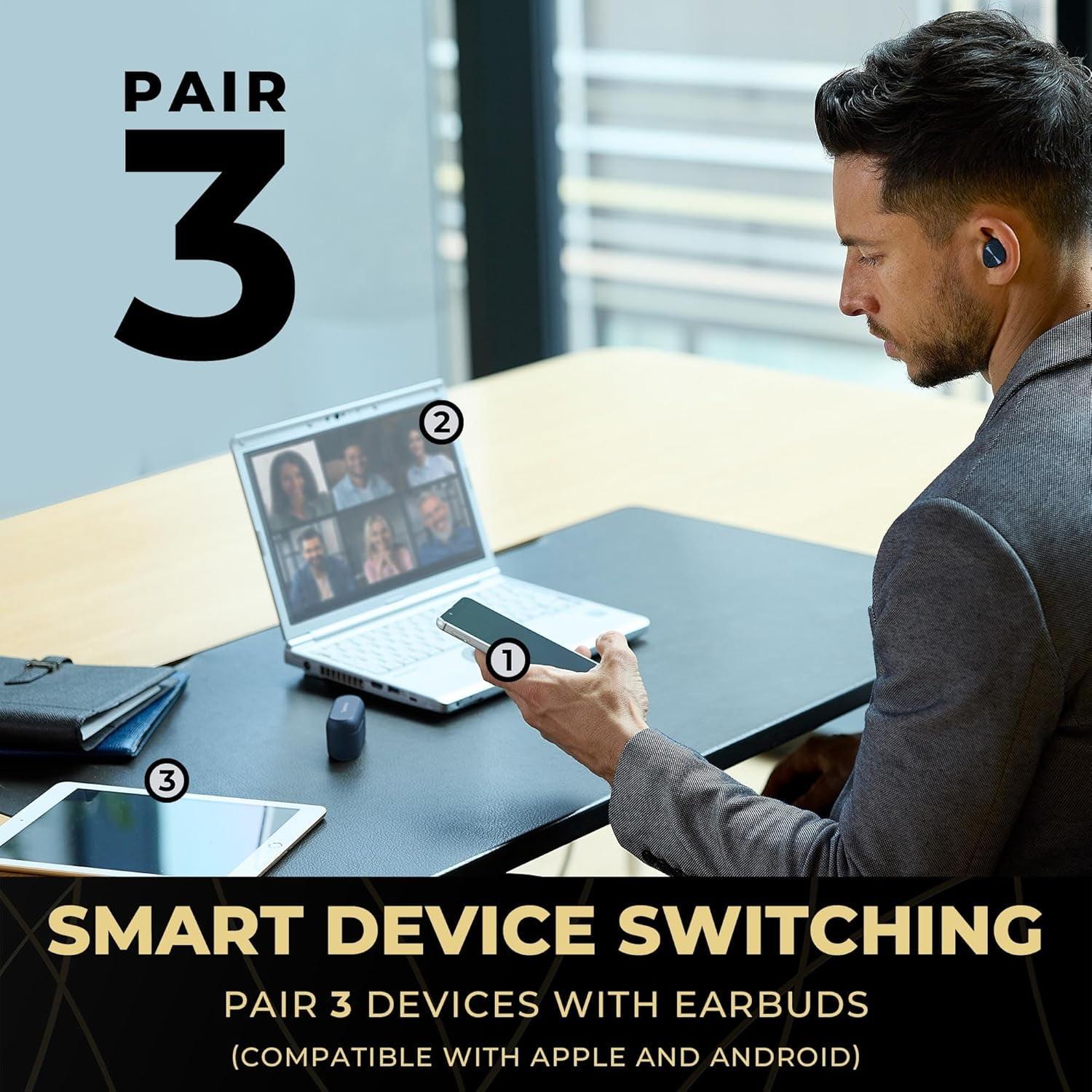
The Technics AZ80 implements something unique: triple-device multipoint connectivity. You can simultaneously connect to your phone, laptop, and tablet, with audio automatically switching to whichever device starts playing. For professionals juggling multiple devices throughout the day, this feature eliminates the constant pairing and re-pairing that plagues most wireless earbuds.
Call quality represents another differentiation point. The JBL Tune Buds use four microphones with "VoiceAware" technology, which lets you hear your own voice during calls to avoid shouting. Performance is adequate for casual calls but struggles in very noisy environments.
The Technics AZ80 employs eight MEMS microphones with "JustMyVoice" technology – a sophisticated system that isolates your voice from background noise using advanced algorithms. Professional reviews indicate substantially better call quality, especially in challenging acoustic environments like busy streets or windy conditions.
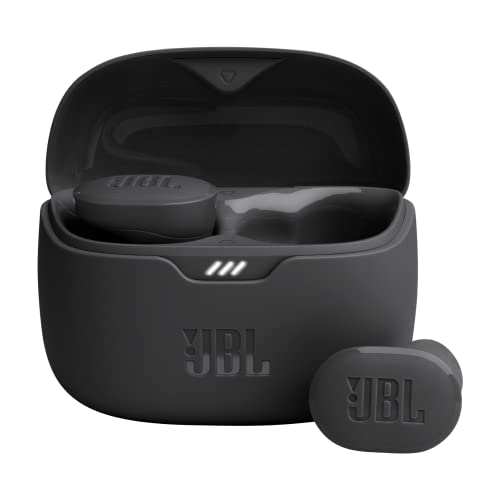
The JBL Tune Buds earn IP54 rating, meaning they resist both water splashes and dust intrusion. This makes them suitable for workouts, hiking, or general outdoor use without worry. The lightweight design (10.8g total) and ergonomic shape accommodate most ear sizes comfortably, with three ear tip sizes included.
Build quality feels solid despite the budget positioning. The charging case uses durable plastic construction with a secure magnetic closure, and the earbuds themselves feel substantial without being heavy. For active users who prioritize durability over premium aesthetics, this practical approach makes sense.
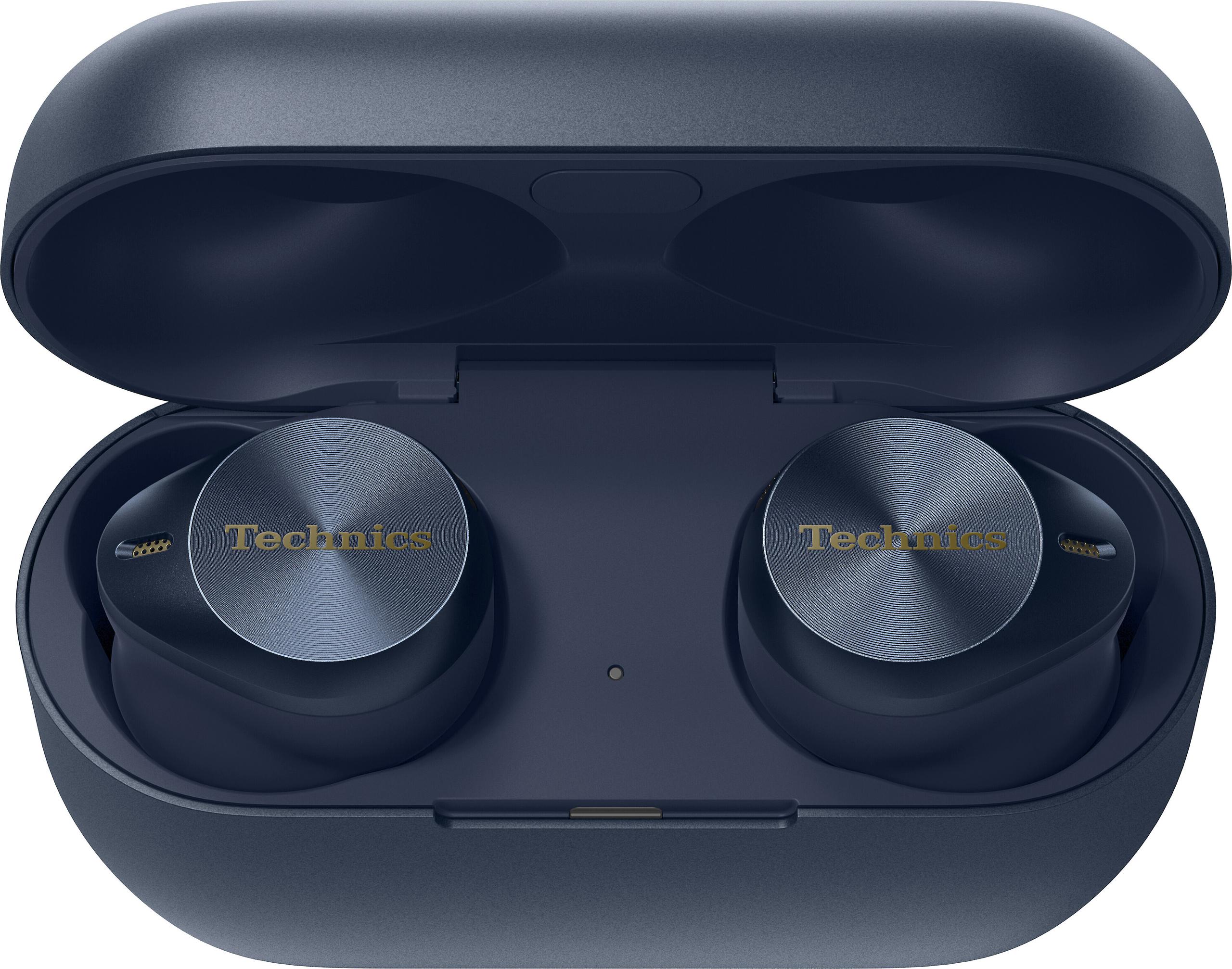
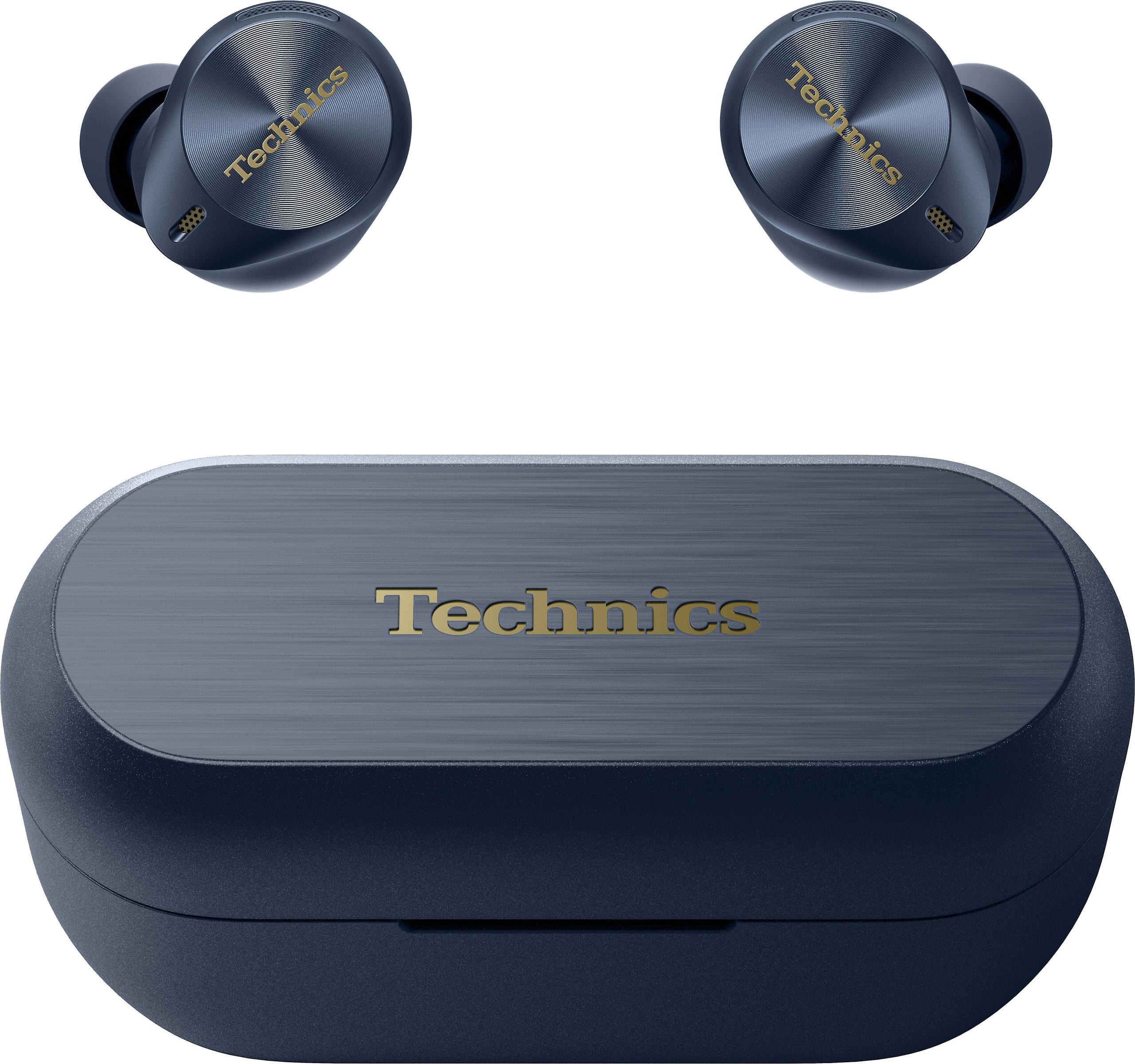
The Technics AZ80 uses higher-quality materials throughout, though they only achieve IPX4 rating (water resistant but not dust resistant). The more premium construction includes metal accents and a wireless charging case, plus an impressive seven sizes of silicone ear tips for optimal fit customization.
However, the Technics AZ80 design is noticeably larger and more protruding than the JBLs. Some users with smaller ears report comfort issues during extended wear. The trade-off provides better acoustic isolation and room for advanced components, but sacrifices universal fit compatibility.
Both models include comprehensive smartphone apps, but with different focuses. The JBL Headphones app emphasizes practical customization – EQ adjustment, touch control remapping, battery monitoring, and a "find my earbuds" feature. The interface is intuitive and responsive, making it easy to adjust settings on the fly.
The Technics AZ80 companion app focuses more on audio optimization and advanced features. Users can adjust noise cancellation levels, customize ambient sound modes, and access detailed audio settings that audiophiles appreciate. The app also manages the complex triple-device connectivity and firmware updates.
For home theater use, both models present interesting trade-offs. The JBL Tune Buds work well for casual TV watching, especially content with prominent music or sound effects. Their V-shaped sound signature makes action movies and music documentaries more engaging. However, dialogue in complex scenes might sound slightly recessed compared to music and effects.
The Technics AZ80 excel for critical home theater listening. Their balanced sound signature ensures dialogue clarity while maintaining spatial information in surround sound mixes. The superior noise cancellation also helps late-night viewing without disturbing others. For streaming high-quality content on compatible Android devices, LDAC support provides noticeably better audio quality than standard Bluetooth.
The JBL Tune Buds make sense for users who prioritize practical value over absolute performance. They're ideal for students, commuters, fitness enthusiasts, or anyone wanting reliable wireless earbuds without premium pricing. The exceptional battery life alone justifies consideration for heavy users who hate charging devices frequently.
These earbuds particularly suit listeners who enjoy bass-heavy music genres and don't mind a slightly colored sound signature. If you primarily stream music from Spotify or Apple Music while exercising, commuting, or doing household tasks, the JBLs provide excellent entertainment value.
The Technics AZ80 target discerning listeners who can hear and appreciate the difference that premium audio engineering provides. They're worthwhile for classical music lovers, jazz enthusiasts, or anyone with high-quality music libraries who wants to hear recordings as intended.
Android users with LDAC-compatible phones gain particular value from the Technics AZ80, accessing higher quality streaming than iPhone users can achieve. Professionals who regularly switch between multiple devices will also appreciate the unique triple-device connectivity.
At the time of writing, both products deliver on their promises but serve fundamentally different needs. The JBL Tune Buds prove that budget earbuds don't have to mean compromised features – their battery life and practical design elements genuinely impress regardless of price.
The Technics AZ80 justify their premium positioning through measurably superior audio quality and advanced features that matter to serious listeners. They're not just more expensive – they're genuinely engineered differently.
Your decision ultimately depends on how much audio quality matters to you personally and whether you can justify the substantial price difference for improved performance. Both options succeed in their respective categories, making either choice defensible depending on your priorities and budget constraints.
| JBL Tune Buds True Wireless Earbuds | Technics AZ80 Premium Hi-Fi True Wireless Noise Cancelling Earbuds |
|---|---|
| Driver Technology - Foundation of sound quality and determines overall audio character | |
| 10mm dynamic drivers with JBL Pure Bass Sound tuning | Premium 10mm drivers with Hi-Res Audio certification |
| Audio Codecs - Affects wireless sound quality, especially for Android users | |
| SBC, AAC (standard Bluetooth audio) | SBC, AAC, LDAC (high-quality wireless audio) |
| Battery Life Per Charge - How long you can listen before needing the case | |
| 12 hours (10 hours with ANC on) | 7 hours with ANC on |
| Total Battery Life with Case - Most important for heavy users and travelers | |
| 48 hours total (40 hours with ANC) | 24 hours total |
| Quick Charge Speed - Essential for users who forget to charge regularly | |
| 15 minutes = 4 hours playback | Standard charging speed |
| Active Noise Cancellation - Critical for commuters and focus in noisy environments | |
| Basic ANC with Smart Ambient modes | Dual Hybrid ANC with superior low-frequency blocking |
| Water/Dust Resistance - Important for workouts and outdoor use | |
| IP54 (water and dust resistant) | IPX4 (water resistant only) |
| Multipoint Connectivity - Ability to connect multiple devices simultaneously | |
| Standard dual-device pairing | Industry-first triple-device connectivity |
| Weight Per Earbud - Affects comfort during extended wear | |
| Lightweight at 5.4g each | Not specified, but noticeably larger design |
| Included Ear Tips - More sizes = better fit for different ear shapes | |
| 3 sizes of silicone tips | 7 sizes of silicone tips for optimal fit |
| Charging Case Features - Convenience and portability considerations | |
| USB-C charging only, compact design | USB-C + wireless charging (Qi compatible) |
| Call Quality Technology - Important for business users and frequent callers | |
| 4-mic array with VoiceAware | 8 MEMS mics with JustMyVoice technology |
| Sound Signature - Determines which music genres sound best | |
| V-shaped (emphasized bass and treble) | Balanced audiophile tuning |
| Target Market - Who these earbuds are designed for | |
| Budget-conscious users prioritizing battery life | Audiophiles and professionals wanting premium quality |
The Technics AZ80 delivers superior sound quality with Hi-Res Audio certification and LDAC codec support for Android users. The JBL Tune Buds offer JBL's signature bass-forward sound that's great for casual listening but can't match the balanced, detailed audio reproduction of the Technics AZ80.
The JBL Tune Buds significantly outperform with 48 hours total battery life (12 hours per charge plus 36 from case), while the Technics AZ80 provides 24 hours total (7 hours per charge). For heavy users or travelers, the JBL Tune Buds offer nearly double the listening time.
The JBL Tune Buds are better suited for workouts with their IP54 rating (water and dust resistant), lightweight design, and secure fit. The Technics AZ80 only have IPX4 water resistance and a larger, more protruding design that may not stay secure during intense exercise.
The Technics AZ80 feature superior Dual Hybrid Active Noise Cancelling that effectively blocks low-frequency noise like airplane engines. The JBL Tune Buds have basic ANC that provides moderate noise reduction but struggles with consistent low-frequency blocking compared to the Technics AZ80.
Yes, but differently. The JBL Tune Buds support standard dual-device multipoint pairing, while the Technics AZ80 offer unique triple-device connectivity, allowing simultaneous connection to phone, laptop, and tablet - making them better for professionals juggling multiple devices.
The Technics AZ80 excel in call quality with 8 MEMS microphones and JustMyVoice technology that effectively isolates your voice from background noise. The JBL Tune Buds provide adequate call quality with 4 microphones but don't match the clarity of the Technics AZ80 in noisy environments.
Both work well for entertainment, but serve different needs. The JBL Tune Buds make action movies more exciting with their bass-heavy sound, while the Technics AZ80 provide better dialogue clarity and spatial audio for a more cinematic experience, especially with high-quality streaming content.
The Technics AZ80 include 7 different ear tip sizes for optimal fit customization, while the JBL Tune Buds come with 3 sizes. However, the JBL Tune Buds have a more universally comfortable design, whereas the larger Technics AZ80 may not fit smaller ears well.
The JBL Tune Buds offer superior quick charging with 15 minutes providing 4 hours of playback, though they only charge via USB-C. The Technics AZ80 support both USB-C and wireless charging for added convenience but don't offer the same rapid charging speeds as the JBL Tune Buds.
The JBL Tune Buds work equally well with both platforms using standard Bluetooth codecs. The Technics AZ80 provide better value for Android users due to LDAC codec support that enables higher quality audio streaming - a feature unavailable to iPhone users.
This depends on your priorities. The JBL Tune Buds offer exceptional value with impressive battery life and solid features at a budget-friendly price. The Technics AZ80 justify their premium cost with superior audio quality, advanced noise cancellation, and unique features for discerning listeners.
Choose the JBL Tune Buds if you prioritize battery life, durability, and value for casual listening and active use. Select the Technics AZ80 if you're an audiophile or professional who values superior sound quality, advanced noise cancellation, and multi-device connectivity over budget considerations.
We've done our best to create useful and informative comparisons to help you decide what product to buy. Our research uses advanced automated methods to create this comparison and perfection is not possible - please contact us for corrections or questions. These are the sites we've researched in the creation of this article: rtings.com - jbl.com - youtube.com - jbl.com - soundguys.com - ro.harmanaudio.com - audio46.com - bestbuy.com - majorhifi.com - jbl.com - crutchfield.com - jblstore.com.ph - kh.jbl.com - in.jbl.com - bestbuy.com - uclastore.com - jbl.com - jbl.com.tw - stereonet.com - us.technics.com - us.technics.com - rtings.com - head-fi.org - bestbuy.com - soundguys.com - head-fi.org - youtube.com - loudnwireless.com - youtube.com - cnet.com - technics.com - technics.com - bestbuy.com - target.com - us.technics.com - technics.com - youtube.com - head-fi.org - nnty.fun - us.technics.com - bhphotovideo.com - bestbuy.com - us.technics.com - audiosciencereview.com - youtube.com - head-fi.org - head-fi.org - jbhifi.com.au

Privacy Policy
Terms and Conditions - Affiliate Policy
Home Security
© Copyright 2008-2026.
11816 Inwood Rd #1211, Dallas, TX 75244