

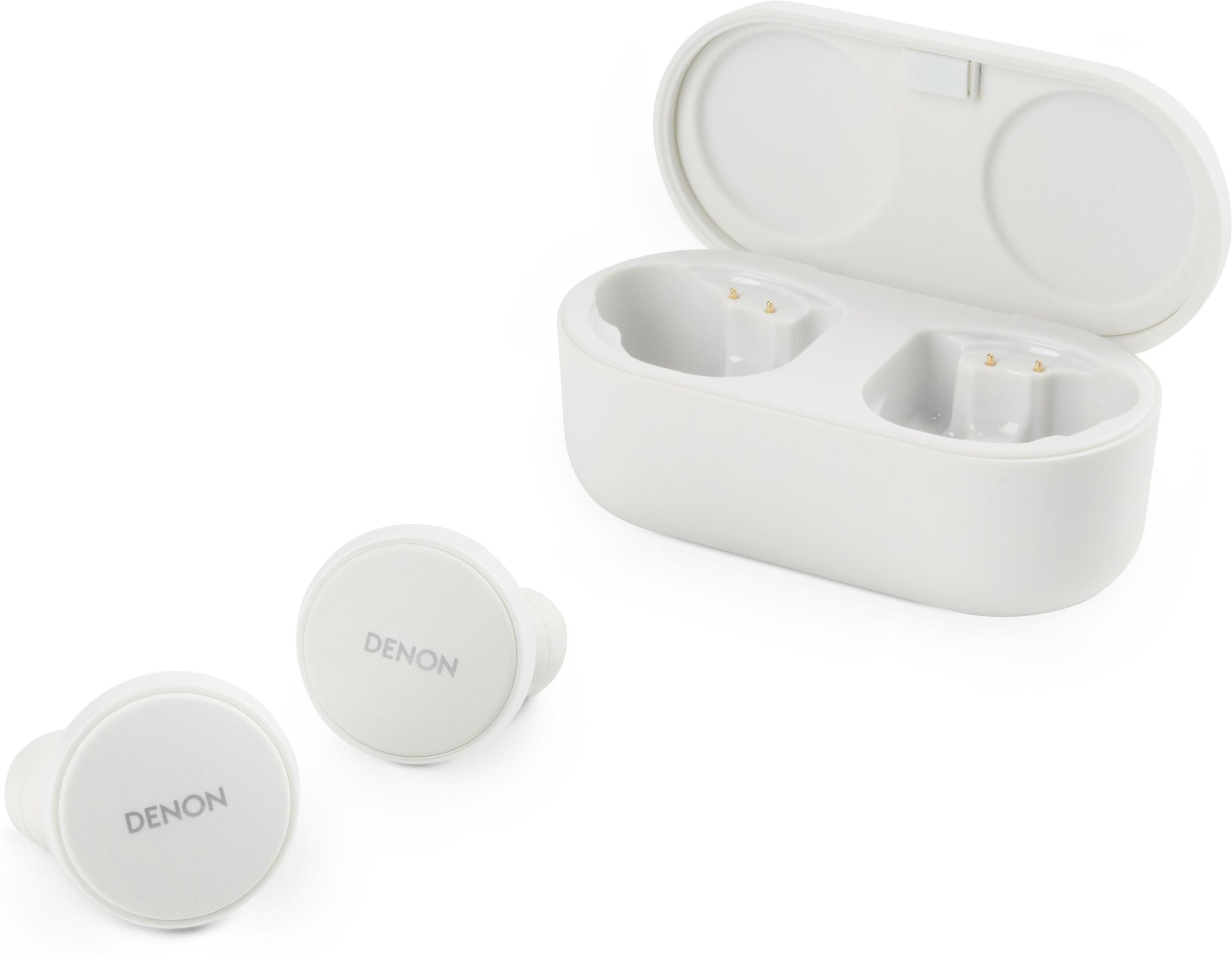
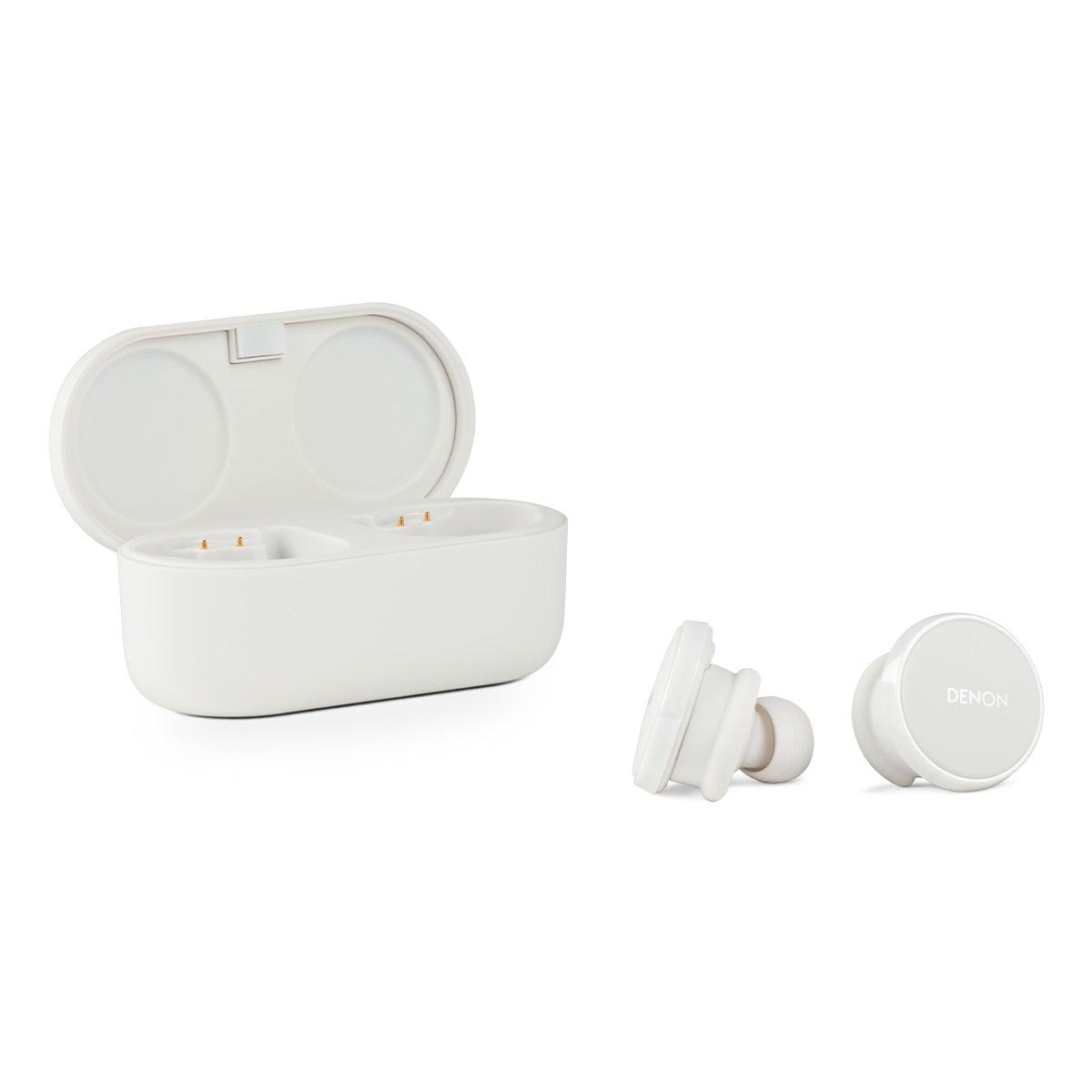
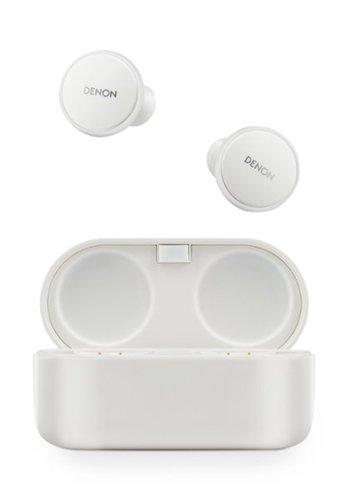
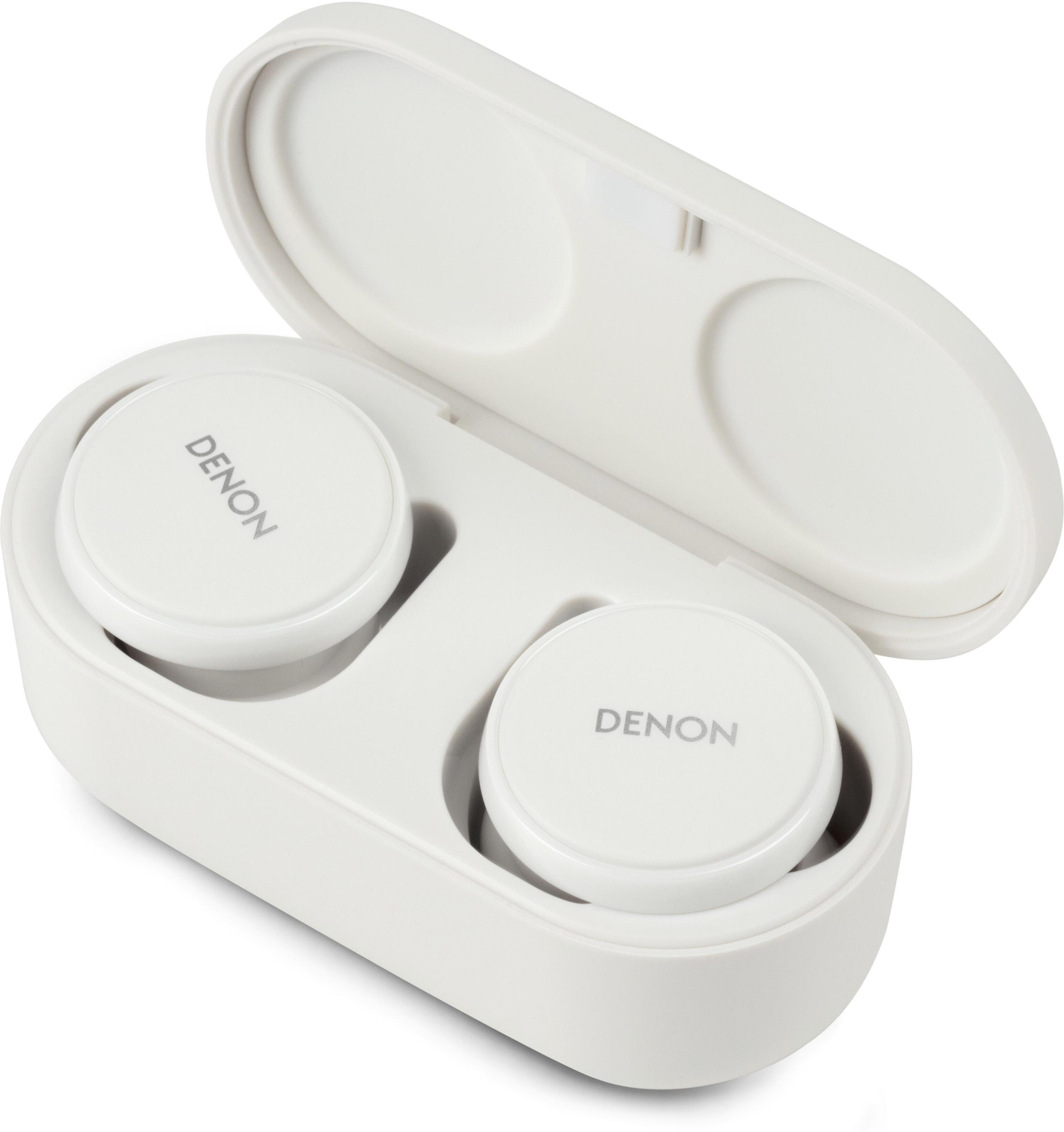
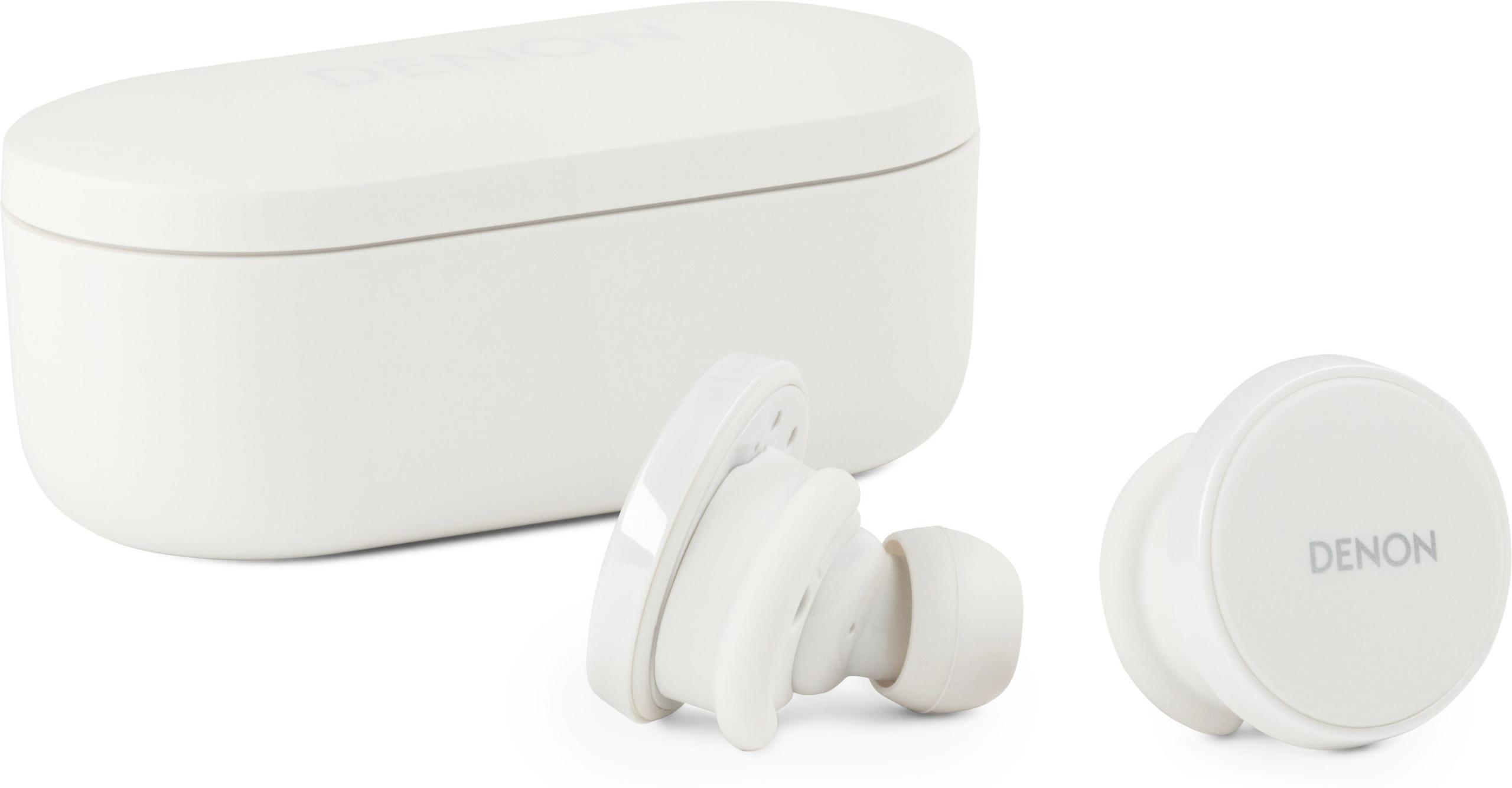
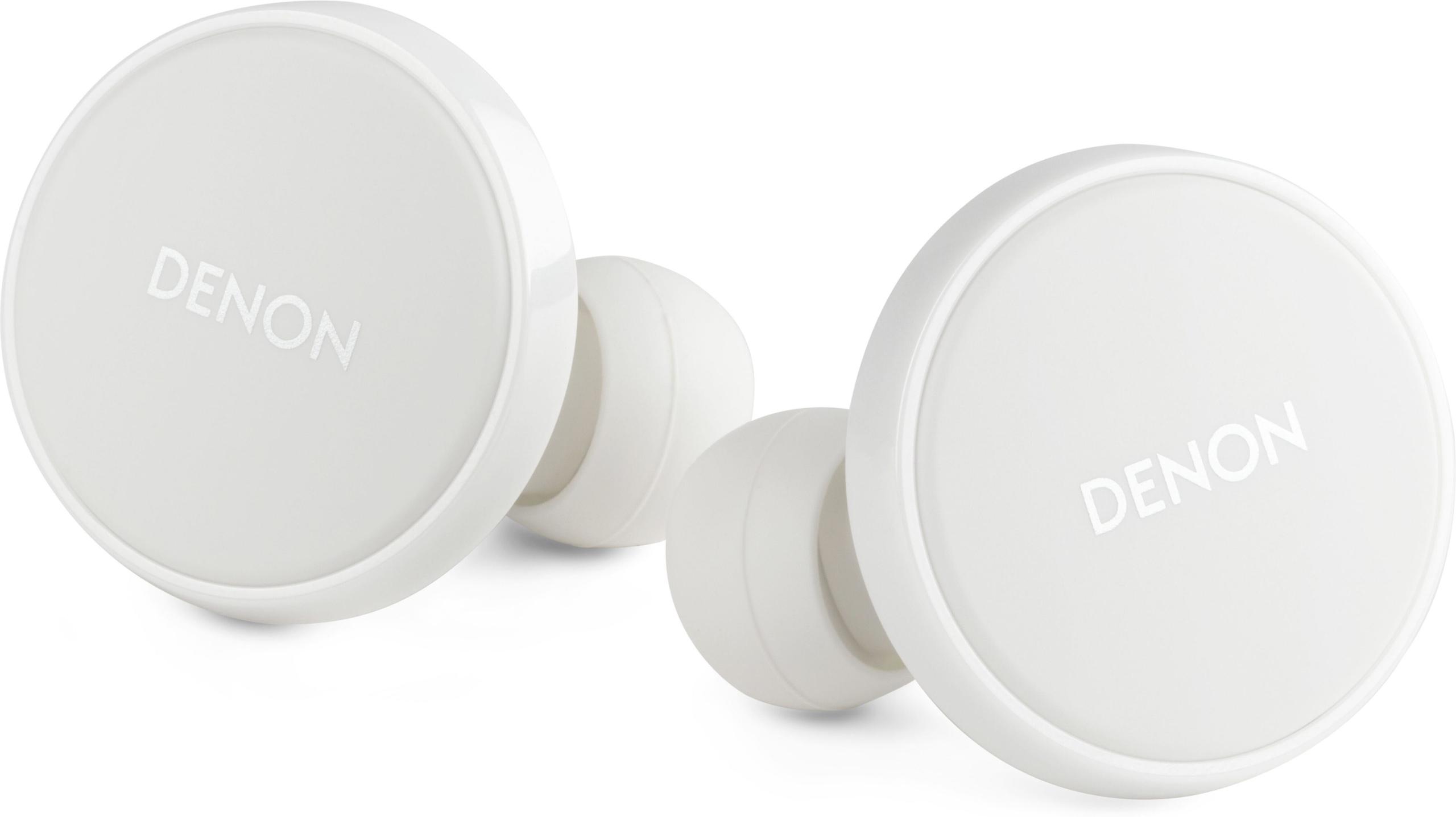

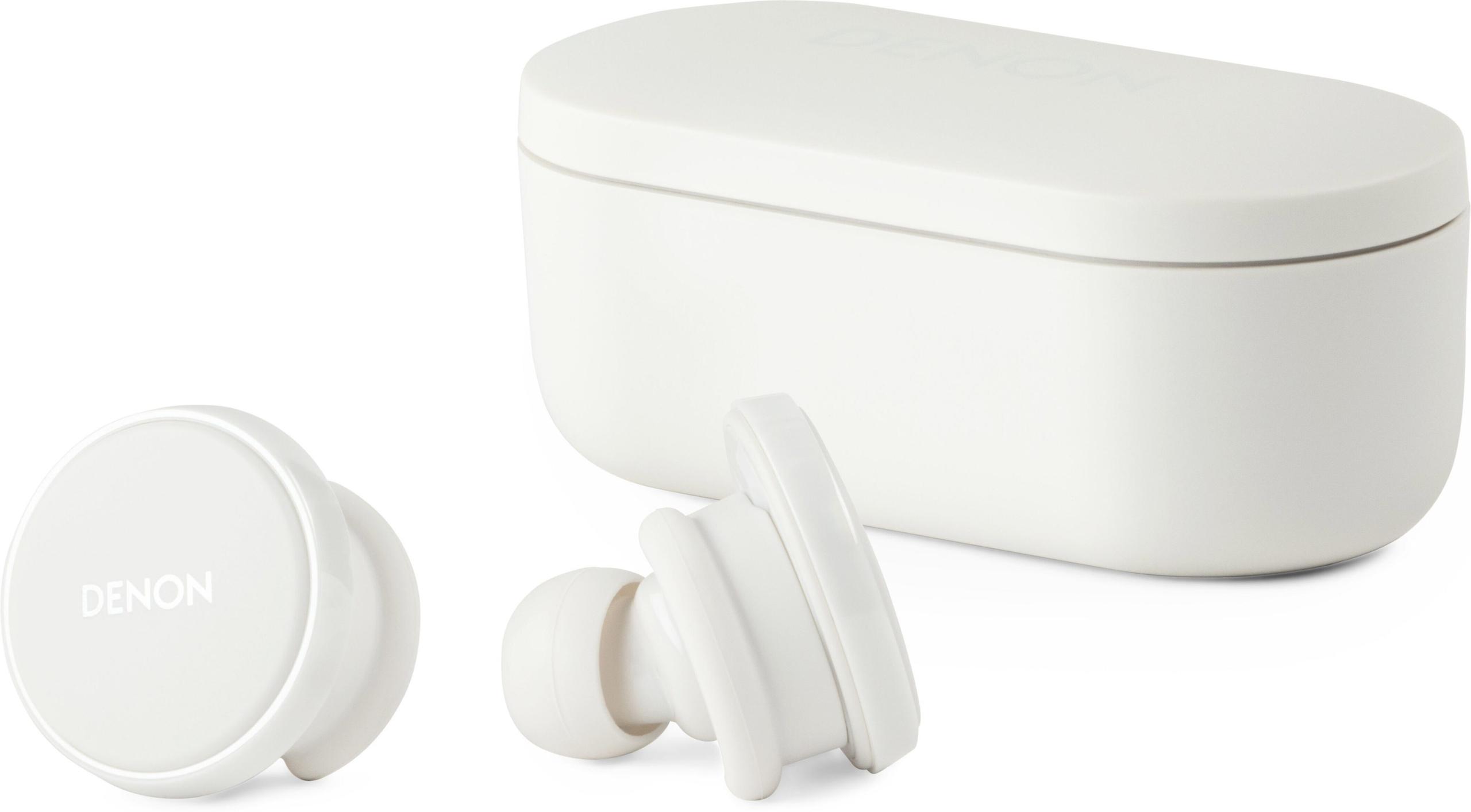

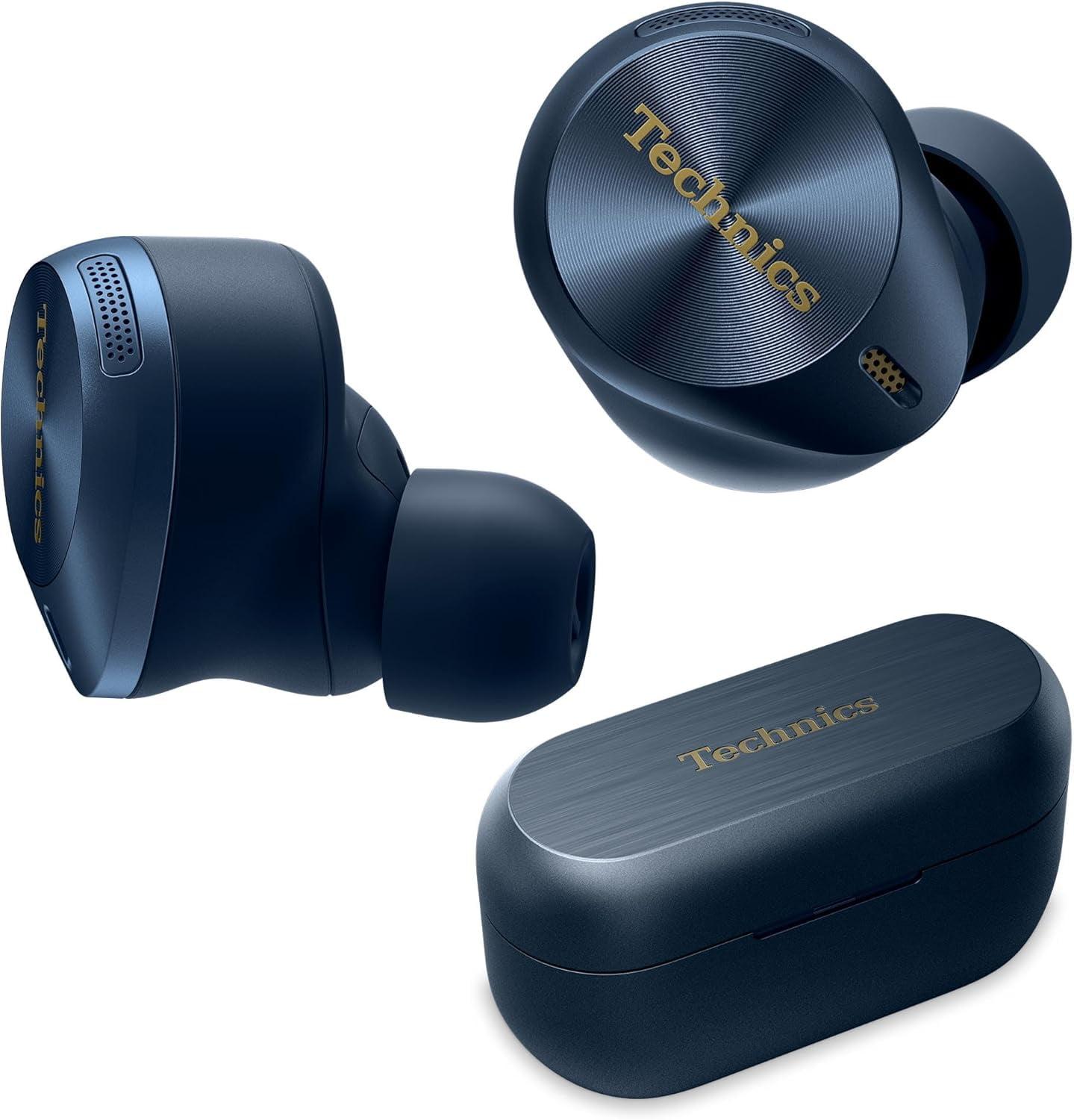
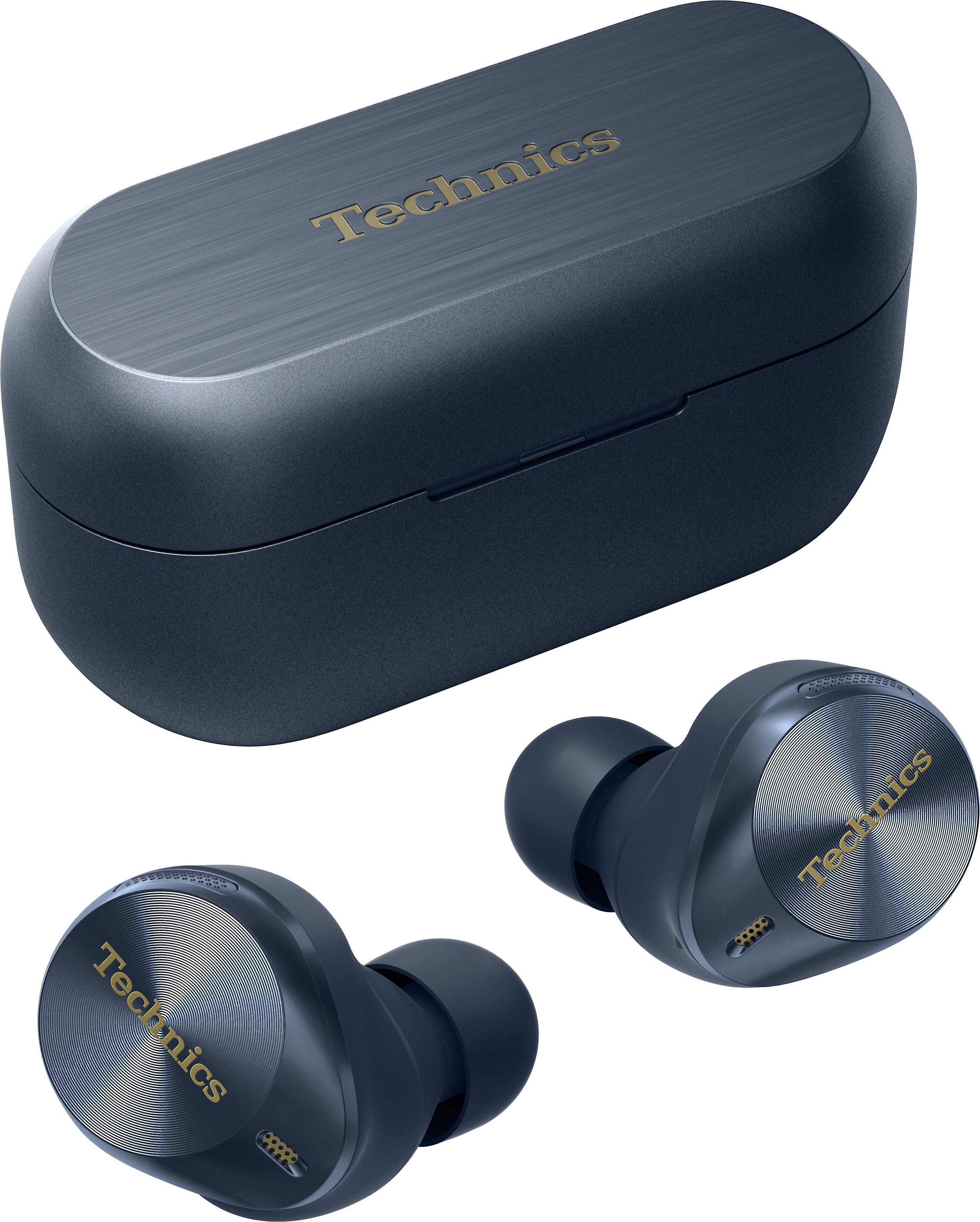
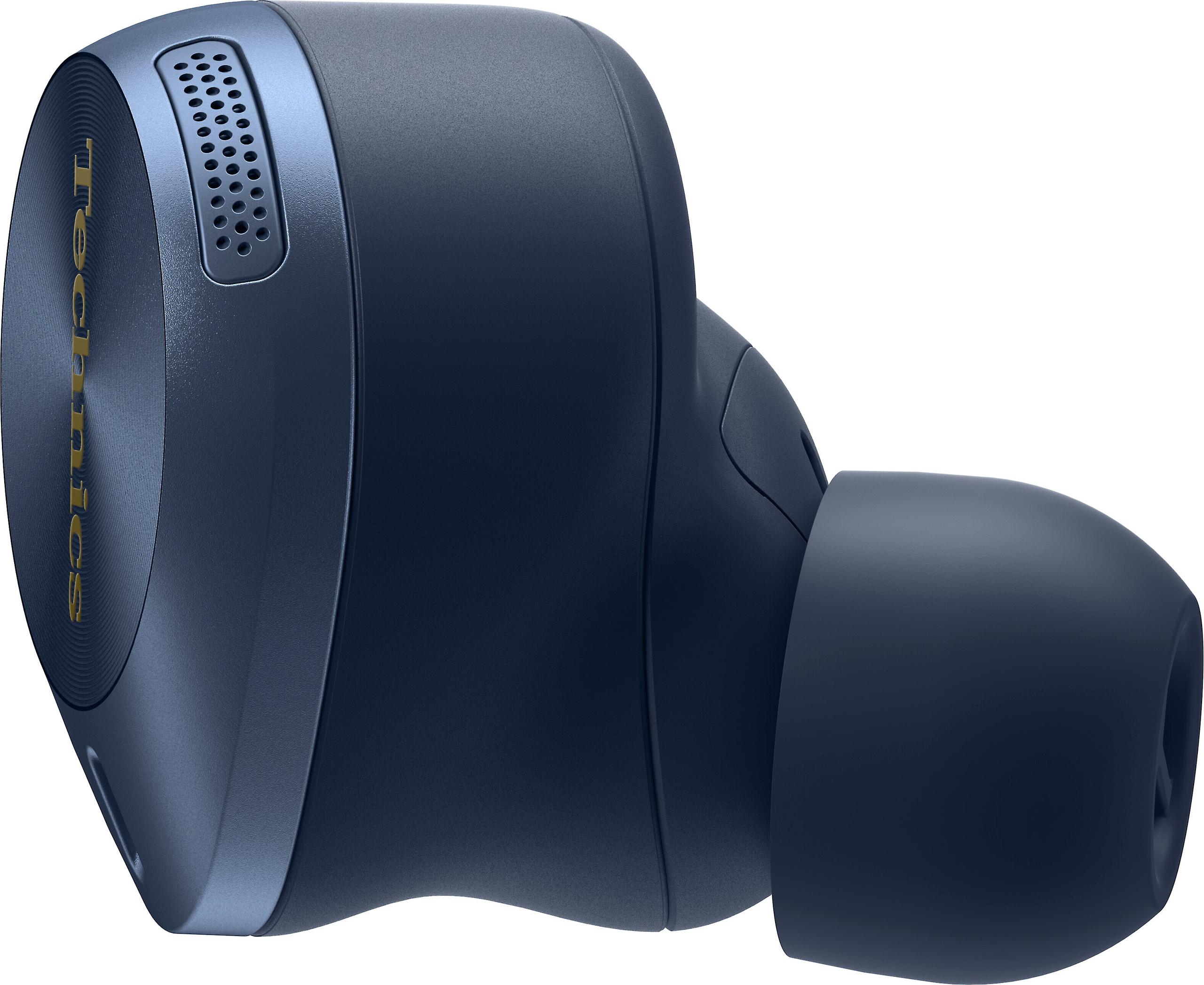
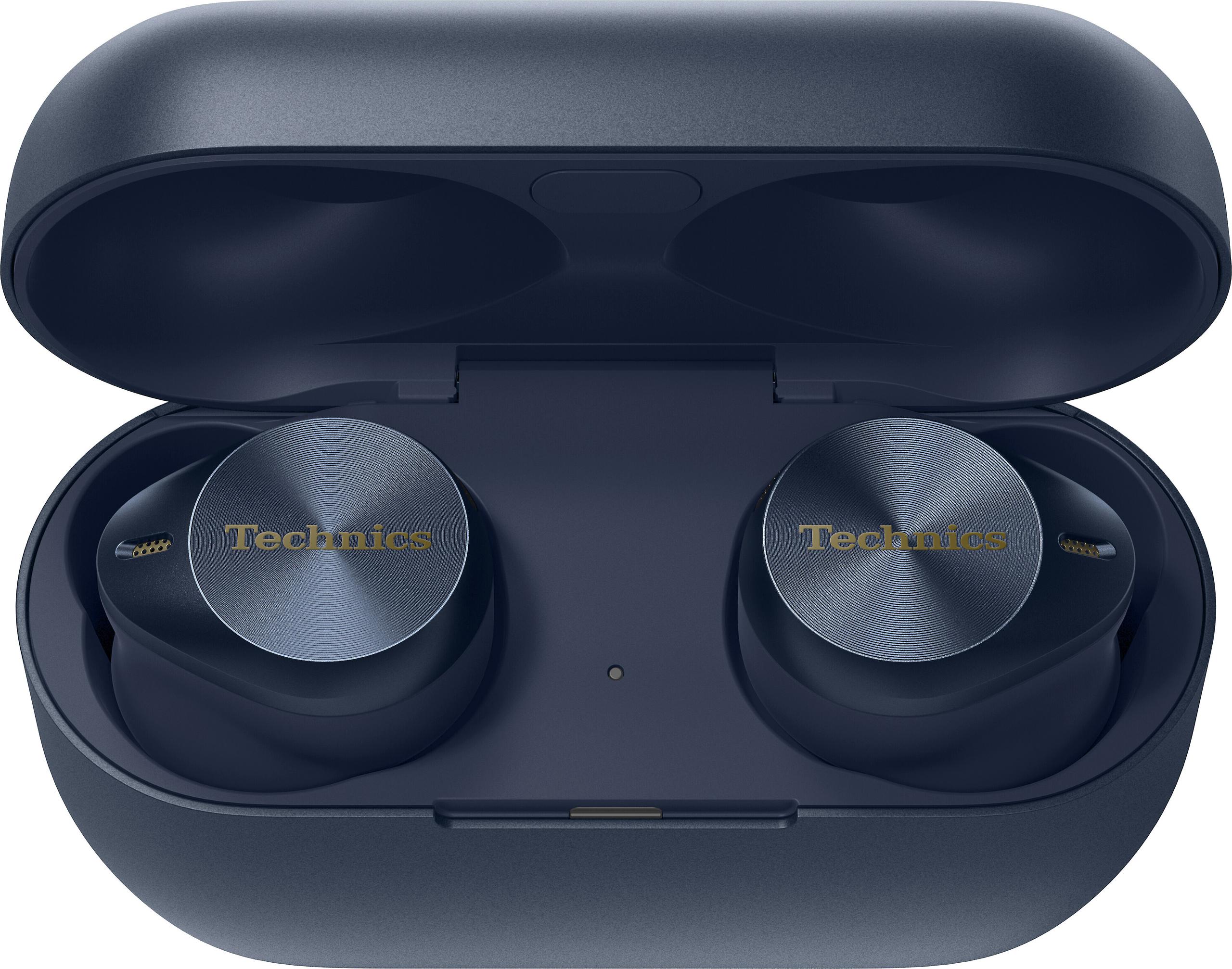


When it comes to premium true wireless earbuds, the landscape has never been more competitive or confusing. Two standouts that launched in 2023 represent fundamentally different philosophies: the Denon PerL Pro with its groundbreaking personalized audio technology, and the Technics EAH-AZ80 with its audiophile-focused engineering. Both cost significantly more than mainstream options, but they deliver experiences that justify their premium positioning—just in very different ways.
Premium true wireless earbuds aren't just about slapping a high price tag on basic wireless audio. They represent the convergence of multiple advanced technologies that were impossible to fit into tiny earbuds just a few years ago. We're talking about sophisticated digital signal processing chips, multiple high-quality microphones for noise cancellation, premium driver materials, and support for high-resolution audio codecs that can stream near-CD quality over Bluetooth.
The key considerations when shopping in this category go far beyond just "do they sound good." You're looking at noise cancellation effectiveness (how well they block out planes, traffic, and chatty coworkers), battery life that actually gets you through long days, comfort for extended wear, and connectivity features that work seamlessly with your devices. Most importantly, you want audio quality that reveals details in your music you've never heard before.
What's particularly exciting about 2023's releases is how much the technology has matured. The Denon PerL Pro and Technics EAH-AZ80 both benefit from years of refinement in Bluetooth technology, noise cancellation algorithms, and miniaturized components. They're not just incremental improvements—they represent genuine leaps forward in what's possible with wireless audio.
The most fascinating aspect of comparing these earbuds is how they tackle the same goal—exceptional audio—from completely opposite directions. The Denon PerL Pro asks: "What if we could tune the sound specifically to your unique hearing?" Meanwhile, the Technics EAH-AZ80 asks: "What if we engineered the most technically perfect drivers possible?"
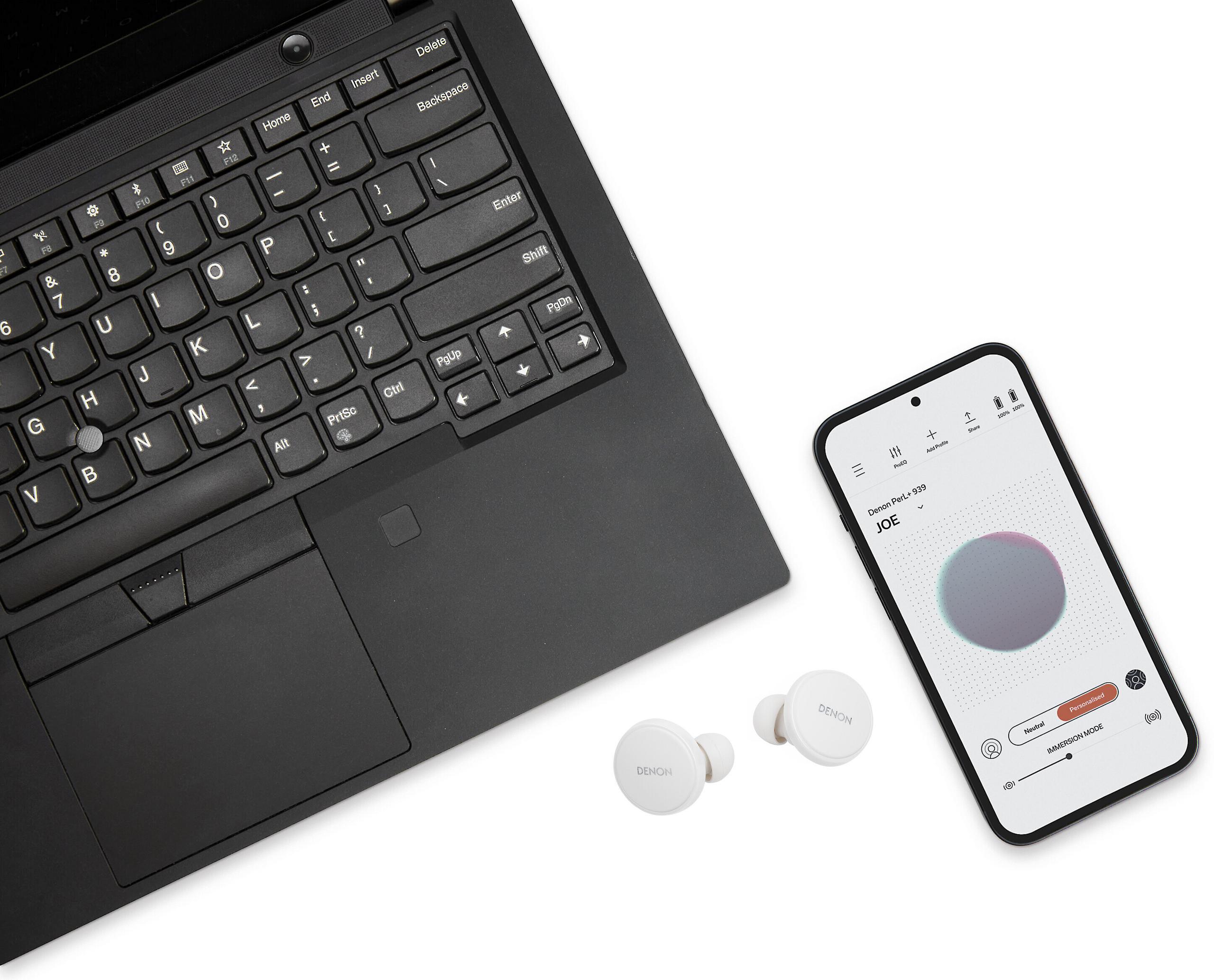
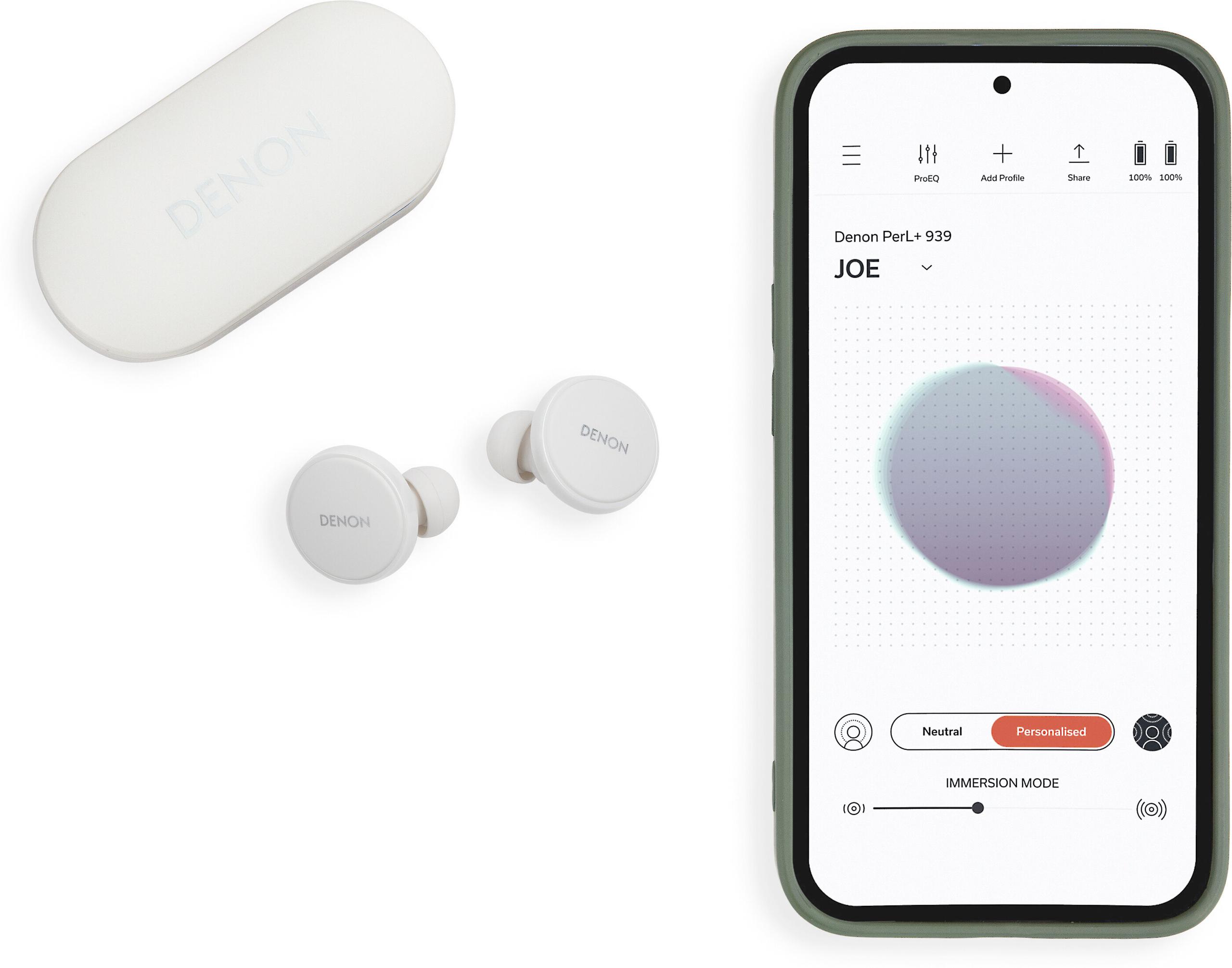
The Denon PerL Pro features something genuinely revolutionary: Masimo Adaptive Acoustic Technology (AAT). This isn't marketing fluff—it's medical-grade hearing measurement technology adapted for consumer audio. When you first set up the earbuds, they perform a series of hearing tests using different frequency tones. Think of it like an eye exam for your ears.
The technology measures how sensitive your hearing is across different frequencies and creates what Denon calls a "hearing blob"—essentially a visual map of your unique hearing characteristics. Maybe you hear bass frequencies perfectly but struggle with certain treble ranges, or perhaps years of concerts have affected your hearing in specific ways. The PerL Pro measures these variations and adjusts its sound output accordingly.
This personalization runs deeper than simple EQ adjustments. The earbuds are essentially reconstructing the audio signal to compensate for your individual hearing characteristics. It's like having prescription lenses, but for your ears. Out of the box, the Denon PerL Pro might sound decent but unremarkable. After personalization? The transformation can be dramatic, with many users reporting they're hearing details in familiar songs they never noticed before.
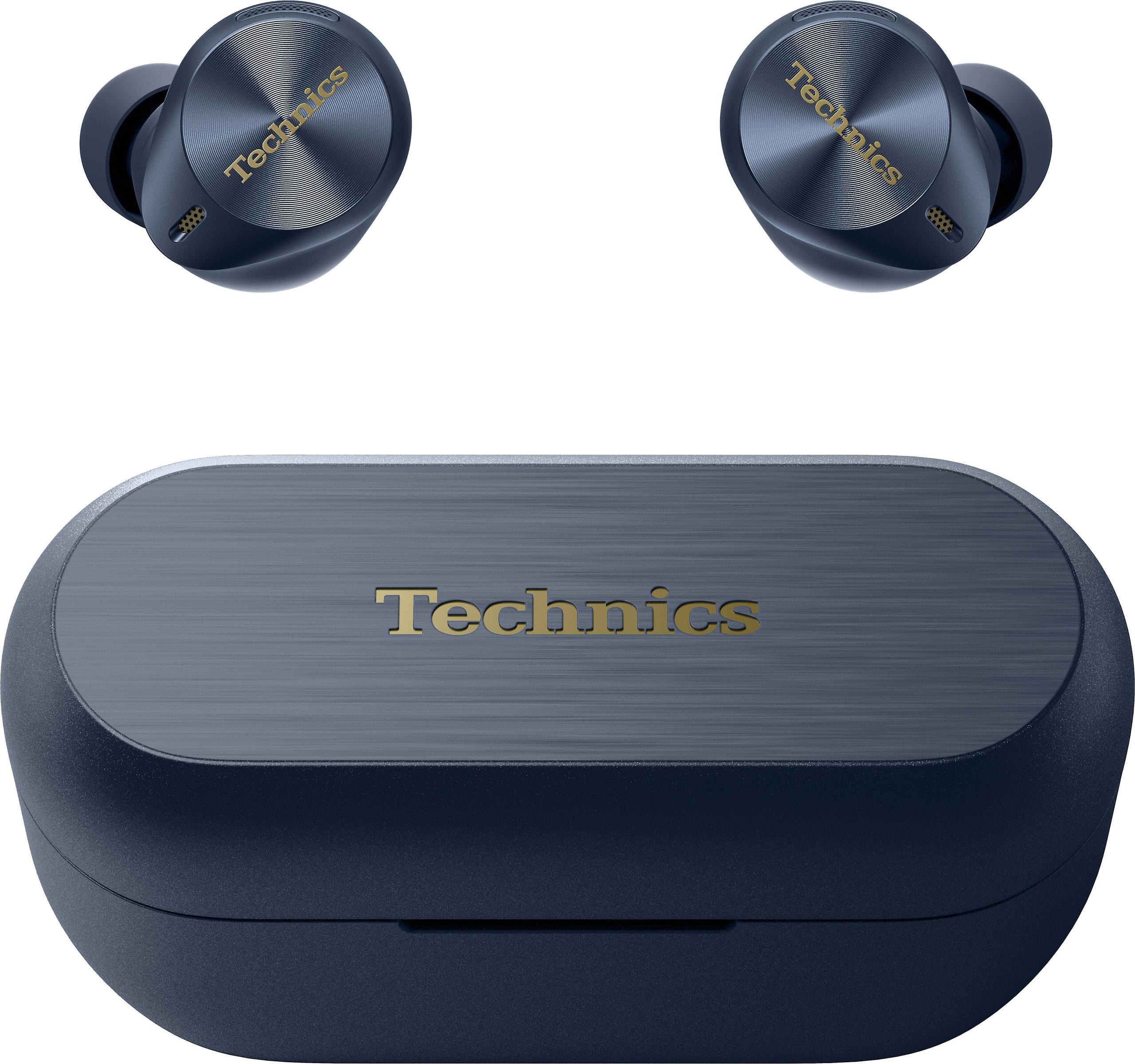
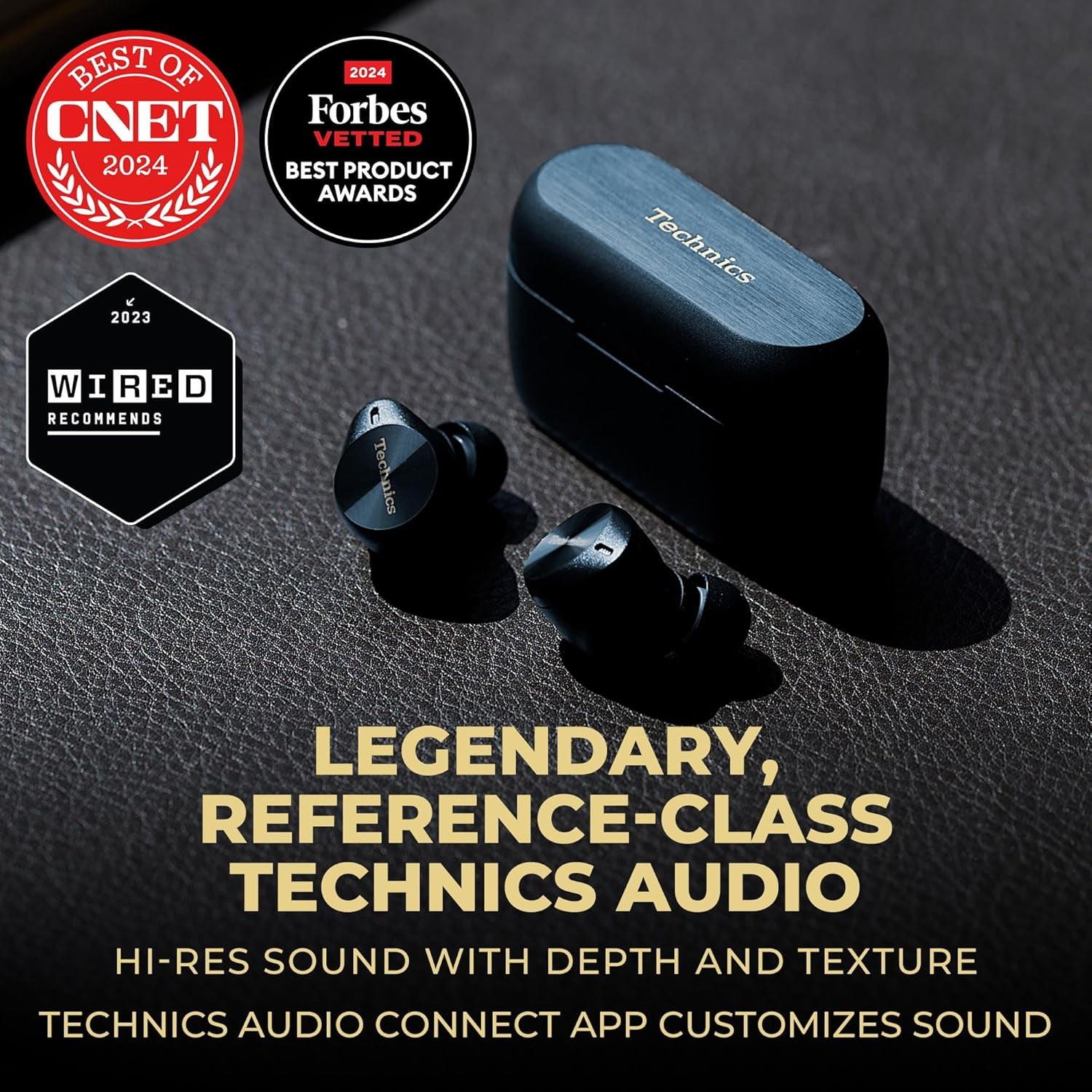
The Technics EAH-AZ80 takes the traditional audiophile route: build the most technically excellent drivers possible and let the engineering speak for itself. These earbuds feature 10mm free-edge aluminum alloy diaphragm drivers—a mouthful that basically means the speaker cones are made from premium materials and designed to move more freely, reducing distortion and extending frequency response.
Where the Technics really shines is in what audiophiles call "soundstage" and "imaging." Soundstage refers to how spacious the music sounds—whether instruments feel like they're positioned naturally in three-dimensional space rather than just coming from two points in your ears. The EAH-AZ80 creates an impressively wide and deep soundstage that makes music feel more like you're listening to speakers in a room rather than tiny drivers millimeters from your eardrums.
The technical execution extends to their codec support. While the Denon focuses on Qualcomm's aptX family (including the impressive aptX Lossless), the Technics supports Sony's LDAC codec. LDAC can transmit significantly more data than standard Bluetooth audio, approaching CD-quality resolution over wireless connections. If you're streaming high-resolution music files on Android devices, this makes a real difference.
The audio quality comparison between these earbuds is more nuanced than simply declaring one "better" than the other. They're optimized for different listening preferences and scenarios.
The Denon PerL Pro delivers what I'd call "corrective excellence." After the personalization process, music tends to sound more balanced and natural, with better clarity in frequency ranges where your hearing might be less sensitive. This is particularly noticeable with complex music—jazz recordings with multiple instruments suddenly have better separation, and vocal details become more distinct. However, this benefit is entirely dependent on the personalization working well for your specific hearing profile.
The Technics EAH-AZ80 provides "reference excellence"—immediately impressive technical performance that showcases what well-engineered drivers can achieve. The detail retrieval is exceptional, bass extension goes deeper, and the overall presentation is more spacious. These earbuds excel with high-quality recordings where you want to hear every nuance the artist intended.
For home theater use, both earbuds offer spatial audio features, but they handle it differently. The Denon uses Dirac Virtuo processing to create a more speaker-like experience, while the Technics relies more on its natural soundstage capabilities. Neither quite replaces a proper surround sound system, but both can make movie watching more immersive than standard earbuds.
This is where the Denon PerL Pro pulls significantly ahead. The adaptive active noise cancellation doesn't just block noise—it continuously adjusts to your environment without any input from you. Whether you're on a plane, in a coffee shop, or walking down a busy street, the earbuds automatically optimize their noise cancellation algorithms.
What's particularly impressive is the "Social Mode" transparency feature. Most earbuds either block everything out or let everything in. The PerL Pro's Social Mode is smart enough to amplify human voices while still reducing background noise. You can literally hear someone speaking quietly from across a room while filtering out air conditioning hum or traffic noise.
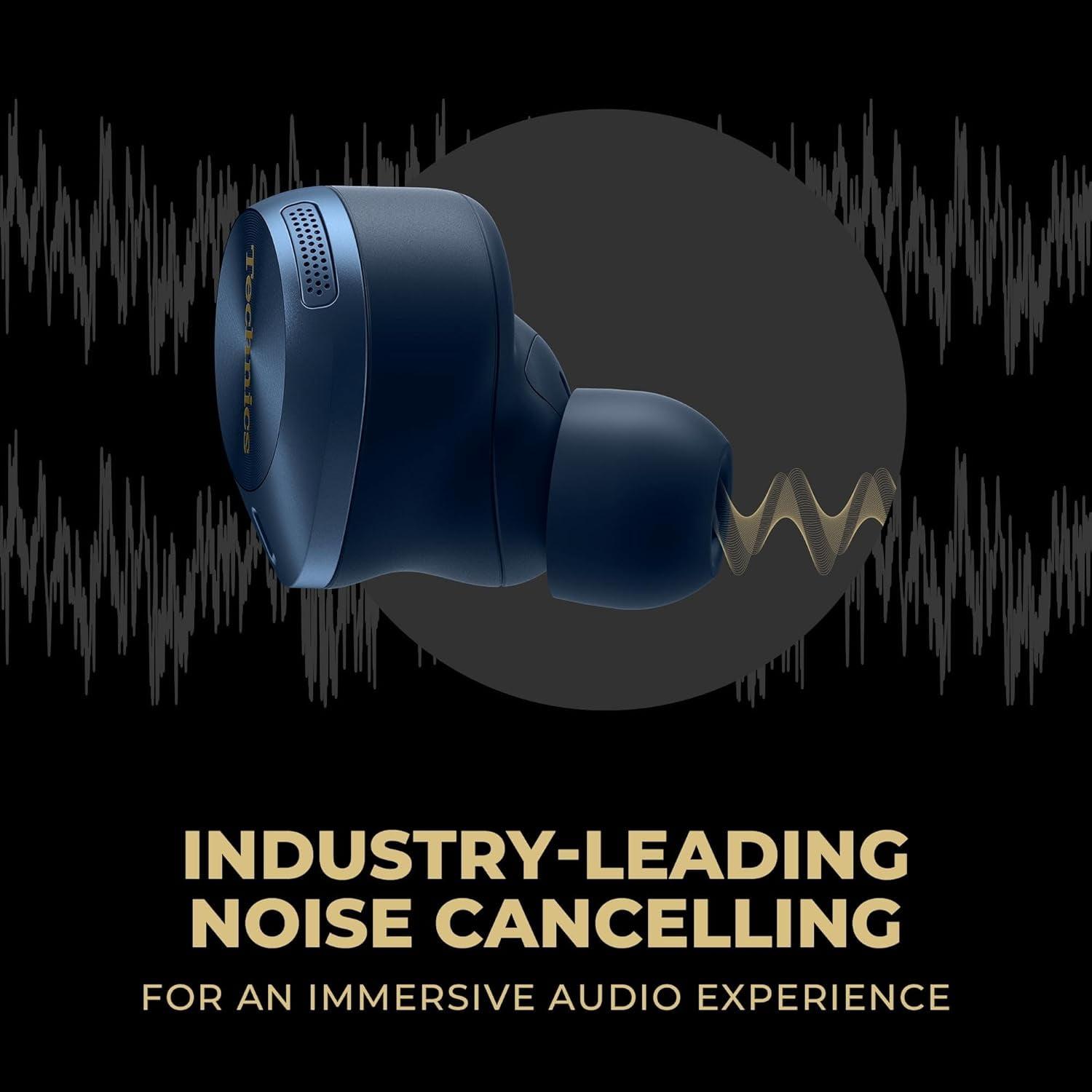
The Technics EAH-AZ80 offers competent but not exceptional noise cancellation. It's the kind of feature that works adequately for reducing airplane cabin noise but doesn't adapt intelligently to different environments. The transparency mode is similarly basic—it's either on or off, without the nuanced environmental awareness of the Denon.
Battery performance often determines whether premium earbuds remain in your rotation or end up forgotten in a drawer. The Denon PerL Pro delivers genuinely impressive endurance with up to 8 hours of continuous playback from the earbuds themselves, plus additional charges from the case totaling around 32 hours. This means you could realistically use them for an entire workday without worrying about battery anxiety.
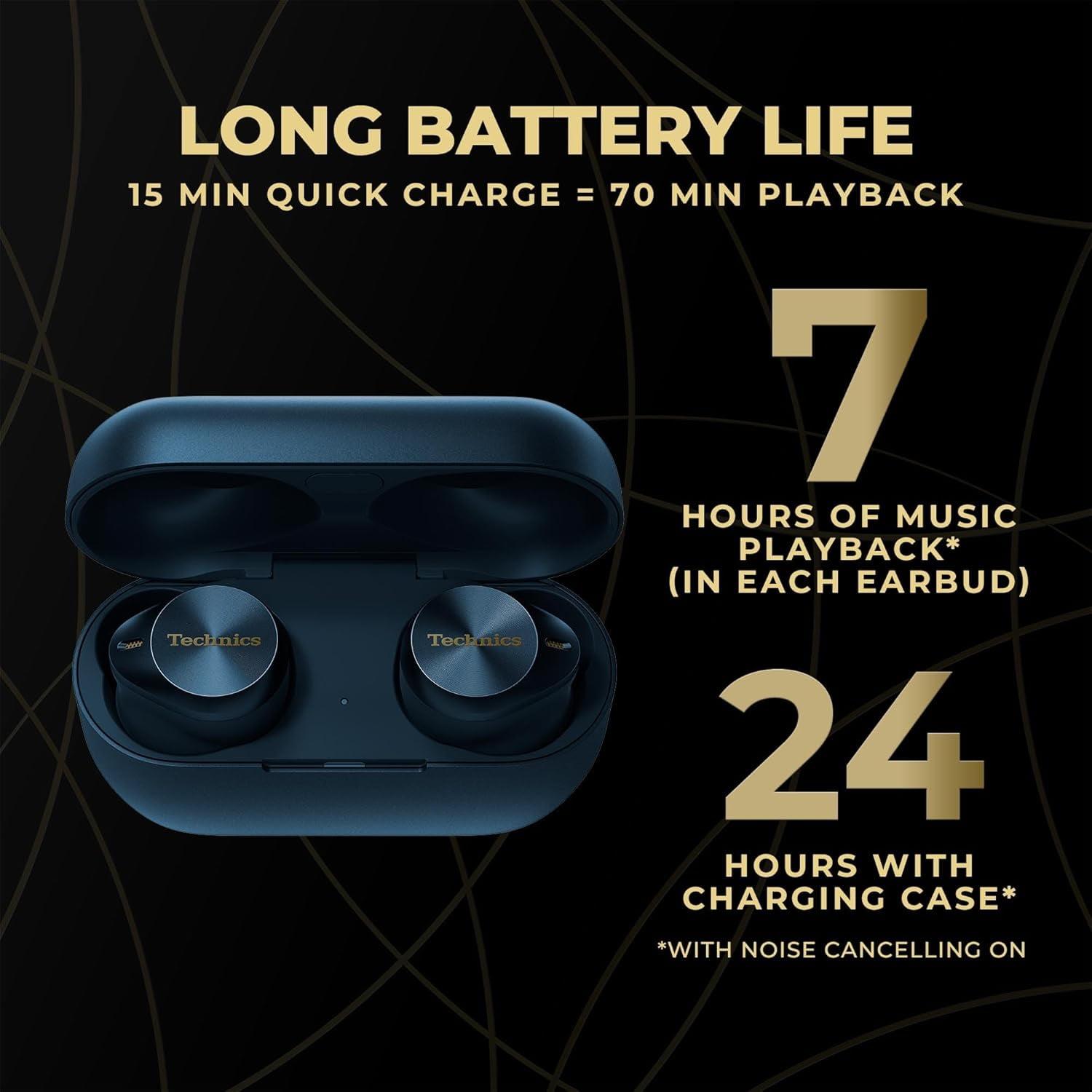
The Technics EAH-AZ80 provides respectable but shorter battery life at around 7 hours per charge with about 24 hours total including the case. While this isn't poor performance, the difference becomes noticeable during long travel days or extended listening sessions.
Both earbuds support wireless charging, which has become essential for premium models. There's something satisfying about just dropping the case on a charging pad rather than fumbling with cables, especially when you're tired or in a rush.
Modern users often juggle multiple devices throughout the day—switching between phones, laptops, and tablets. This is where connectivity features become crucial for daily usability.
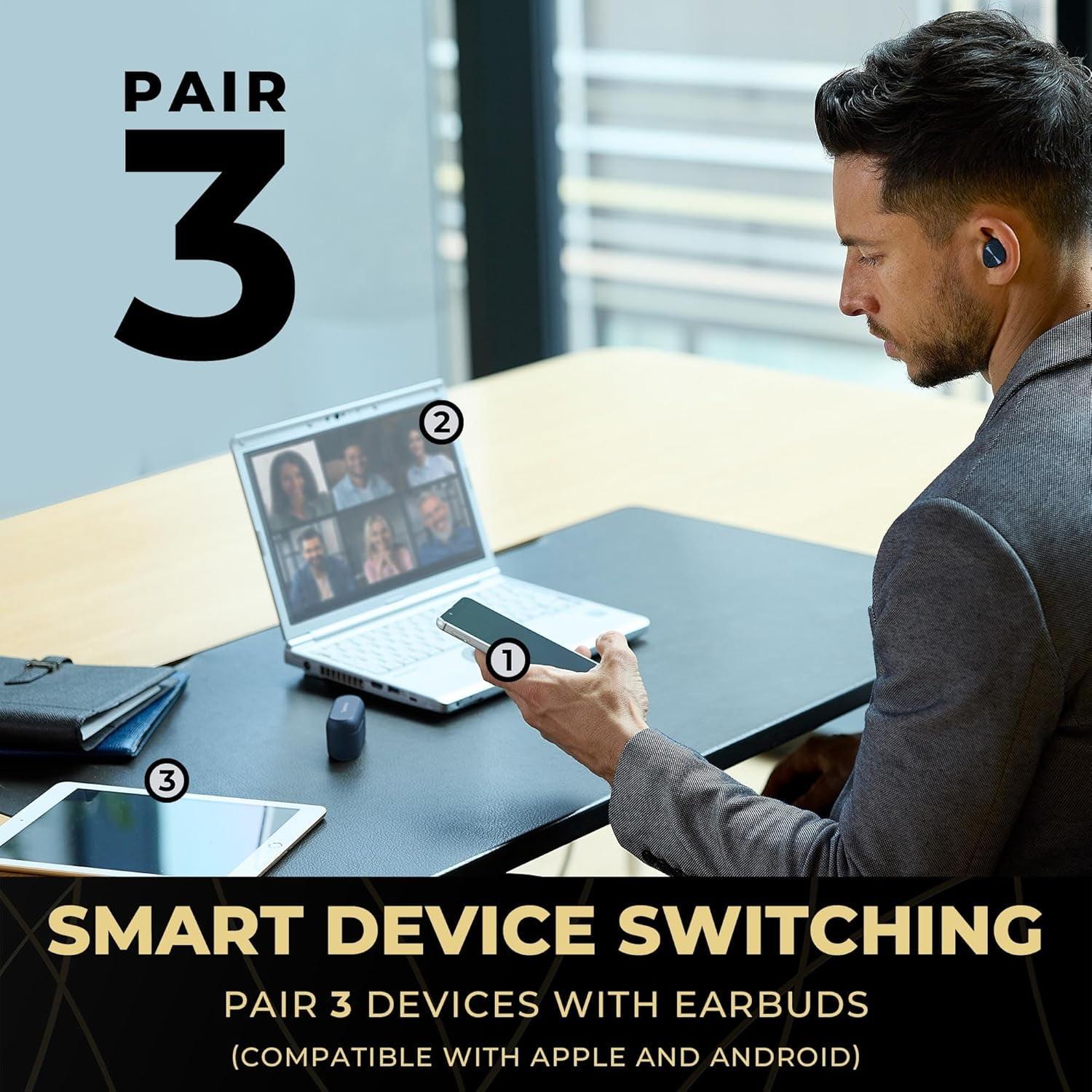
The Technics EAH-AZ80 offers something genuinely impressive: simultaneous connection to three devices. This might sound like overkill until you experience the convenience of seamlessly switching between your work laptop, personal phone, and tablet without any manual reconnection. You can be listening to music on your phone, receive a video call on your laptop, and then switch to watching videos on your tablet—all without touching any Bluetooth settings.
The Denon PerL Pro supports the more standard two-device multipoint connection, which covers most users' needs but lacks that extra flexibility for heavy multi-device users.
Comfort becomes critical when you're wearing earbuds for hours at a time. The Technics EAH-AZ80 has a clear advantage here with its lighter weight and more ergonomic design. Extended listening sessions don't result in ear fatigue or pressure points that plague heavier earbuds.
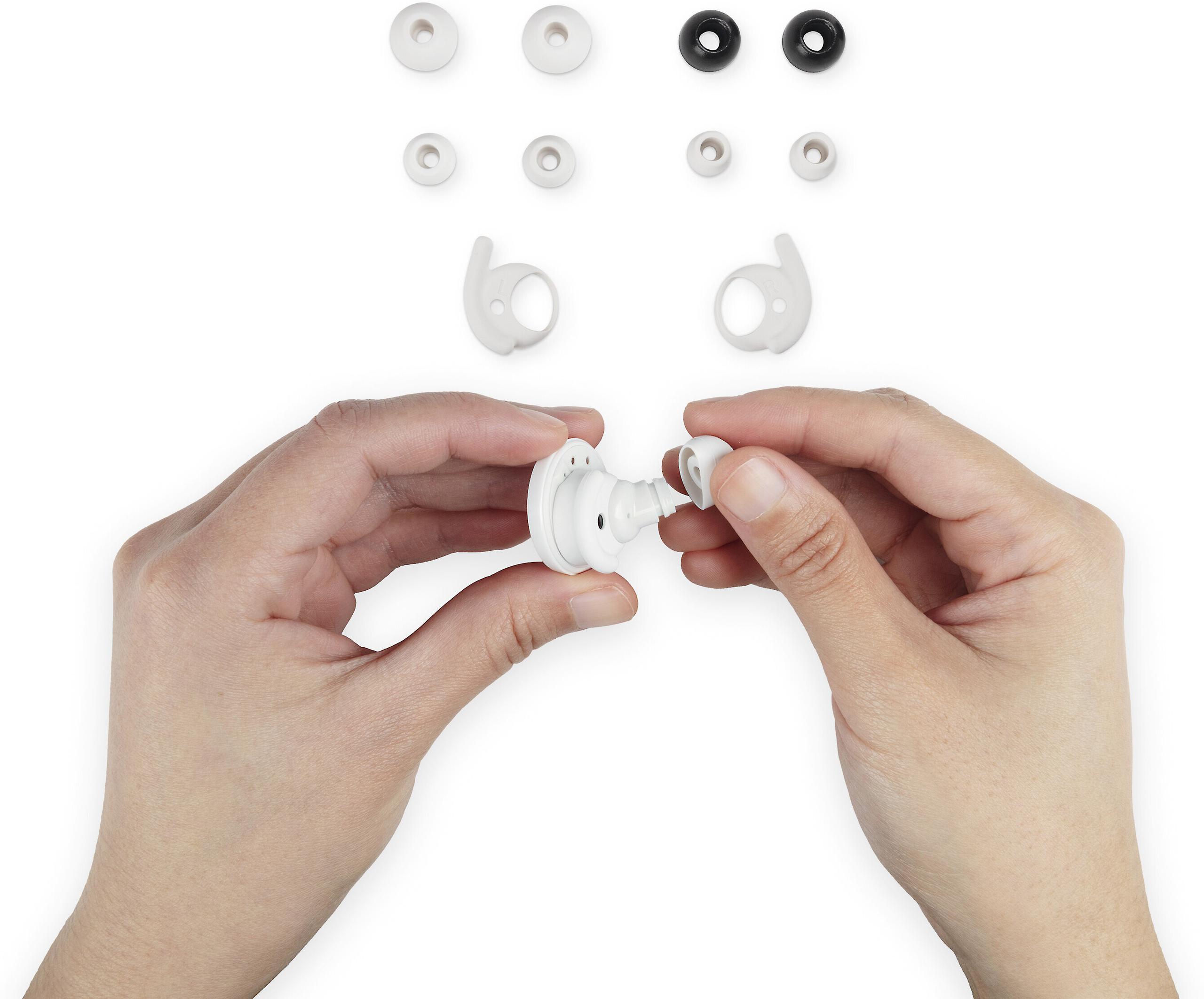
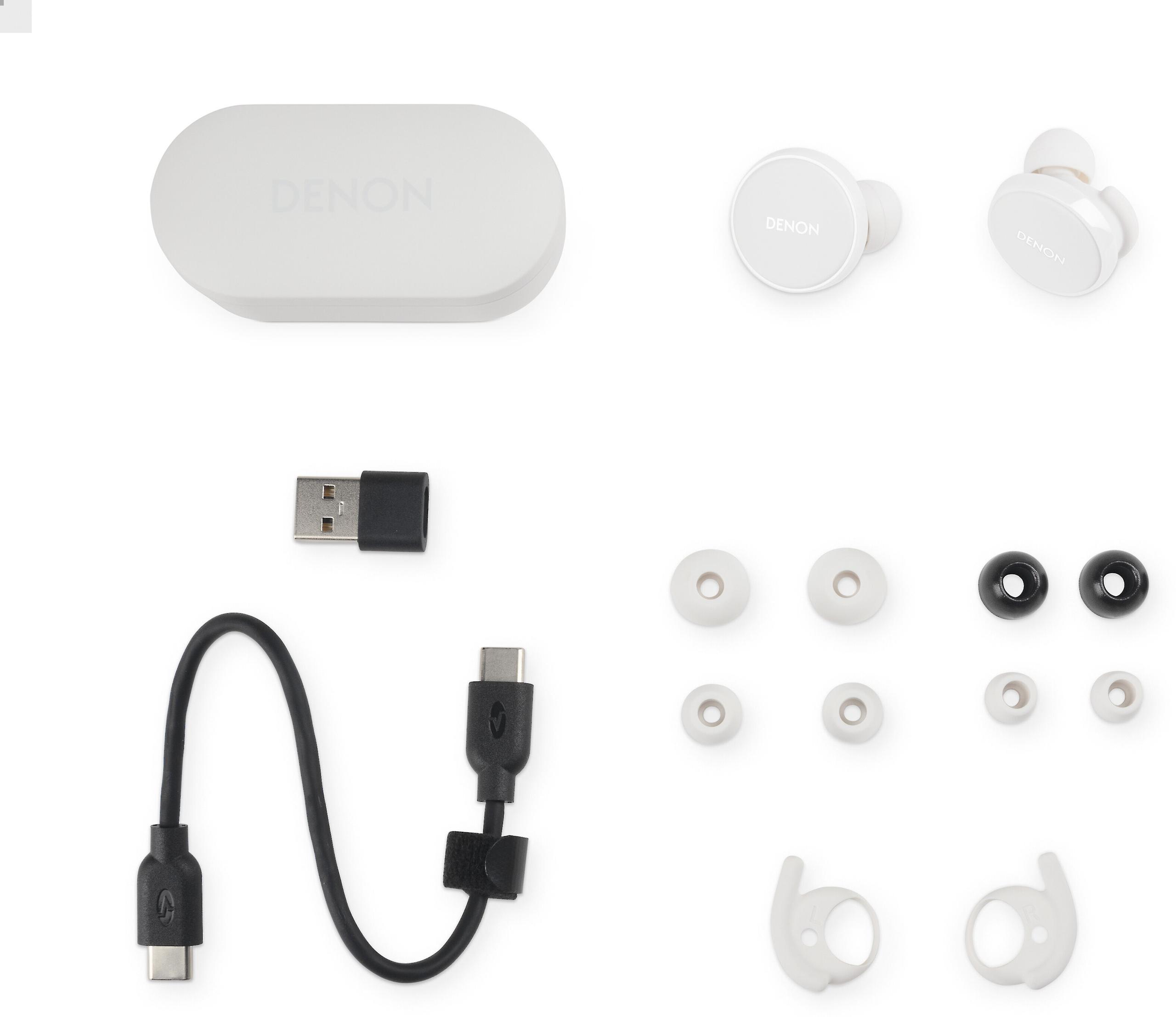
The Denon PerL Pro feels noticeably bulkier at 8.6 grams per earbud. While this isn't deal-breaking, it's something you notice during long listening sessions. However, Denon includes wing tips that provide excellent stability for exercise or active use—something the Technics lacks.
Both earbuds include multiple ear tip sizes, but the Technics goes further with seven different sizes compared to Denon's standard selection. Getting the right fit isn't just about comfort—it directly affects noise cancellation performance and bass response.
With remote work becoming permanent for many people, call quality has become a make-or-break feature for premium earbuds. The Denon PerL Pro incorporates an impressive microphone array with eight total microphones, including bone conduction sensors that pick up voice vibrations directly from your jaw. This creates cleaner voice pickup and better background noise rejection during calls.
The earbuds also support Qualcomm's aptX Voice technology, which provides super-wideband call quality when connecting to compatible devices. The result is noticeably clearer voice transmission that makes a real difference during important business calls.
The Technics EAH-AZ80 includes respectable call quality with its JustMyVoice technology and eight MEMS microphones, but it doesn't quite match the Denon's sophisticated voice processing capabilities.
At the time of writing, both earbuds command premium prices, but their value propositions differ significantly. The Denon PerL Pro has seen substantial price reductions since its launch, making it considerably more accessible while retaining all its premium features. When available at discounted prices, it represents exceptional value in the premium earbud category.
The Technics EAH-AZ80 maintains more stable pricing, reflecting its positioning as a luxury audio product. While more expensive, you're paying for Technics' audio engineering heritage and consistent build quality.
Both earbuds justify their premium positioning with features and performance that simply weren't available at any price point just a few years ago. The question isn't whether they're worth the premium over basic wireless earbuds—they absolutely are—but which premium approach better matches your priorities and usage patterns.
Choose the Denon PerL Pro if you're intrigued by personalized audio technology and want the best possible noise cancellation. These earbuds excel for frequent travelers, remote workers who take lots of calls, and anyone whose hearing has specific characteristics that could benefit from personalization. They're also the better choice if you primarily use Qualcomm-based Android devices or iPhones, where the aptX codec support provides optimal performance.
The Denon makes the most sense if you value practical features like longer battery life and adaptive noise cancellation over pure audiophile performance. They're excellent for people who want premium performance without needing to understand the technical details—the personalization technology handles the complexity for you.
Choose the Technics EAH-AZ80 if you're an audio enthusiast who appreciates technical excellence and wants immediate premium performance without setup requirements. These earbuds are ideal for serious music listeners who stream high-resolution audio files and want to hear every detail exactly as the artist intended.
The Technics also makes sense for multi-device power users who need seamless connectivity across three or more devices, and for anyone who prioritizes comfort during extended listening sessions. If you're already invested in high-quality audio equipment and understand terms like soundstage and imaging, these earbuds will immediately demonstrate their capabilities.
Both the Denon PerL Pro and Technics EAH-AZ80 represent the cutting edge of what's possible with true wireless earbuds in 2023. They've moved beyond simply replacing wired headphones to offering genuinely transformative audio experiences.
The Denon wins on practical features—better noise cancellation, longer battery life, superior call quality, and revolutionary personalization technology that adapts to your unique hearing. It's the more versatile choice for most users and offers better value when available at discounted prices.
The Technics wins on pure audio performance—better technical execution, wider device compatibility for high-resolution streaming, and more sophisticated multi-device connectivity. It's the choice for discerning listeners who want the best possible sound quality and don't mind paying for audiophile engineering.
Your choice ultimately depends on whether you prioritize adaptive, personalized performance or immediate technical excellence. Both approaches represent the future of premium wireless audio—just from different perspectives.
| Denon PerL Pro True Wireless Earbuds | Technics AZ80 Premium Hi-Fi True Wireless Noise Cancelling Earbuds |
|---|---|
| Audio Personalization Technology - Game-changing feature that adapts sound to your unique hearing | |
| Masimo Adaptive Acoustic Technology (AAT) creates personalized sound profiles based on hearing measurement | Standard tuning with no personalization - relies on technical driver excellence |
| Driver Technology - Foundation of sound quality and performance | |
| 10mm dynamic drivers optimized for personalized tuning | 10mm free-edge aluminum alloy diaphragm drivers for audiophile-grade performance |
| Active Noise Cancellation - Critical for blocking distractions in noisy environments | |
| Adaptive ANC that automatically adjusts to surroundings, comparable to AirPods Pro 2 | Dual Hybrid ANC with manual adjustment, less effective than leading competitors |
| Transparency/Ambient Mode - Essential for situational awareness without removing earbuds | |
| Excellent "Social Mode" that amplifies voices while filtering background noise | Basic ambient mode with standard on/off functionality |
| Battery Life - Determines real-world usability for long days | |
| 8 hours per earbud + 24 additional hours from case (32 hours total) | 7 hours per earbud + 17 additional hours from case (24 hours total) |
| High-Resolution Audio Codecs - Important for premium sound quality over Bluetooth | |
| aptX Lossless, aptX Adaptive, aptX Classic (optimized for Snapdragon devices) | LDAC, aptX variants (better Android compatibility for hi-res streaming) |
| Multipoint Connectivity - Ability to connect multiple devices simultaneously | |
| 2-device multipoint connection (covers most users' needs) | Industry-first 3-device multipoint (exceptional for power users) |
| Call Quality Technology - Crucial for work-from-home and business use | |
| 8 microphones including bone conduction sensors with aptX Voice super-wideband calls | 8 MEMS microphones with JustMyVoice technology and noise reduction algorithms |
| Weight and Comfort - Affects long-term wearability | |
| 8.6g per earbud (heavier, includes wing tips for exercise stability) | Lighter design with 7 ear tip sizes for optimal fit and extended comfort |
| Water Resistance - Protection for exercise and daily use | |
| IPX4 rating (sweat and light rain resistant) | IPX4 rating for earbuds only (case not water resistant) |
| Release Date and Market Position | |
| 2023 launch with frequent discounts making it exceptional value | 2023 launch maintaining premium pricing reflecting audiophile positioning |
The Technics AZ80 delivers superior technical audio performance with its 10mm free-edge aluminum alloy drivers, offering better soundstage and detail separation right out of the box. However, the Denon PerL Pro provides personalized sound tuning through its Masimo Adaptive Acoustic Technology, which can dramatically improve audio quality for your specific hearing profile. If you prefer immediate audiophile performance, choose the Technics AZ80. If you want sound tailored to your ears, the Denon PerL Pro is the better choice.
The Denon PerL Pro has significantly better noise cancellation with its adaptive active noise cancelling technology that automatically adjusts to your environment. It performs similarly to AirPods Pro 2 and includes an excellent "Social Mode" transparency feature. The Technics AZ80 offers basic dual hybrid ANC that's adequate but not class-leading. For frequent travelers or noisy environments, the Denon PerL Pro is the clear winner.
The Denon PerL Pro provides up to 8 hours of battery life per earbud with an additional 24 hours from the charging case. The Technics AZ80 offers 7 hours per earbud with 17 additional hours from the case. For all-day listening without charging breaks, the Denon PerL Pro has the advantage with its longer battery life.
The Denon PerL Pro excels at call quality with 8 microphones including bone conduction sensors and aptX Voice technology for super-wideband calls. The Technics AZ80 has decent call quality with its JustMyVoice technology but doesn't match the Denon's sophisticated voice processing. For remote work and important business calls, the Denon PerL Pro is the better choice.
The Technics AZ80 is lighter and more comfortable for extended wear, with 7 different ear tip sizes for optimal fit. The Denon PerL Pro is heavier at 8.6 grams per earbud and may cause fatigue during very long sessions, though it includes wing tips for secure fit during exercise. For comfort prioritization, choose the Technics AZ80.
The Technics AZ80 offers industry-first 3-device multipoint connectivity, allowing simultaneous connection to your phone, laptop, and tablet. The Denon PerL Pro supports standard 2-device multipoint connection. For users who frequently switch between multiple devices, the Technics AZ80 provides superior connectivity flexibility.
The Technics AZ80 works better with Android devices due to its LDAC codec support, which enables high-resolution audio streaming on most Android phones. The Denon PerL Pro focuses on aptX codecs that work best with Qualcomm Snapdragon-based Android devices. For broad Android compatibility and hi-res streaming, the Technics AZ80 is preferred.
The Denon PerL Pro is better for exercise with its included wing tips that provide secure stability during movement and IPX4 water resistance for sweat protection. The Technics AZ80 has IPX4 rating but lacks wing tips and may not stay secure during vigorous activity. For fitness use, the Denon PerL Pro is the recommended choice.
The Denon PerL Pro typically offers better value, especially when available at discounted prices, providing unique personalization technology and superior noise cancellation. The Technics AZ80 maintains premium pricing but delivers immediate audiophile performance. At current market prices, the Denon PerL Pro generally provides better value for most users.
Both earbuds offer spatial audio features for enhanced movie watching. The Denon PerL Pro uses Dirac Virtuo processing for a speaker-like experience, while the Technics AZ80 relies on its natural soundstage capabilities. The Denon's superior noise cancellation also helps with immersion. For home theater use, both perform well, with the Denon PerL Pro having a slight edge.
The Technics AZ80 offers immediate premium performance without requiring setup, while the Denon PerL Pro requires an initial hearing measurement process to unlock its full potential. The Technics also has more comprehensive app customization options. For plug-and-play simplicity, the Technics AZ80 is more straightforward.
Choose the Denon PerL Pro if you want sound specifically tuned to your hearing characteristics and prioritize features like noise cancellation and battery life. Choose the Technics AZ80 if you're an audiophile who wants the best technical drivers and immediate premium performance. The Denon PerL Pro is better for most users, while the Technics AZ80 appeals to serious audio enthusiasts.
We've done our best to create useful and informative comparisons to help you decide what product to buy. Our research uses advanced automated methods to create this comparison and perfection is not possible - please contact us for corrections or questions. These are the sites we've researched in the creation of this article: techradar.com - zdnet.com - bestbuy.com - rtings.com - reviewed.com - youtube.com - pmamagazine.org - denon.com - youtube.com - whathifi.com - denon.com - loudnwireless.com - soundguys.com - stereonet.com - shop.masimo.com - crutchfield.com - bhphotovideo.com - denon.com - denon.com - manuals.denon.com - denon.com - headphones.com - stereonet.com - us.technics.com - us.technics.com - rtings.com - head-fi.org - bestbuy.com - soundguys.com - head-fi.org - youtube.com - loudnwireless.com - youtube.com - cnet.com - technics.com - technics.com - bestbuy.com - target.com - us.technics.com - technics.com - youtube.com - head-fi.org - nnty.fun - us.technics.com - bhphotovideo.com - bestbuy.com - us.technics.com - audiosciencereview.com - youtube.com - head-fi.org - head-fi.org - jbhifi.com.au

Privacy Policy
Terms and Conditions - Affiliate Policy
Home Security
© Copyright 2008-2026.
11816 Inwood Rd #1211, Dallas, TX 75244