

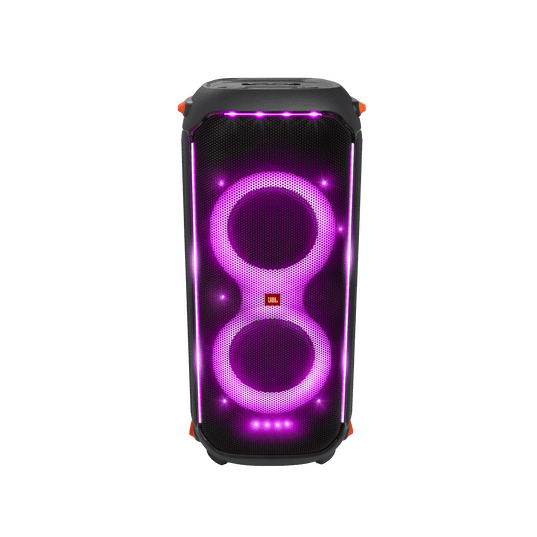
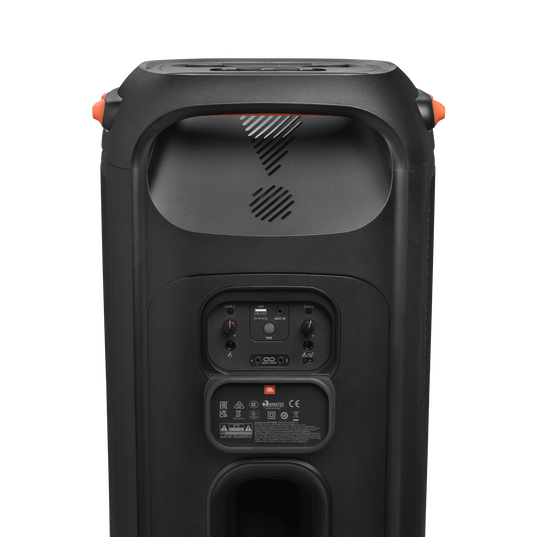
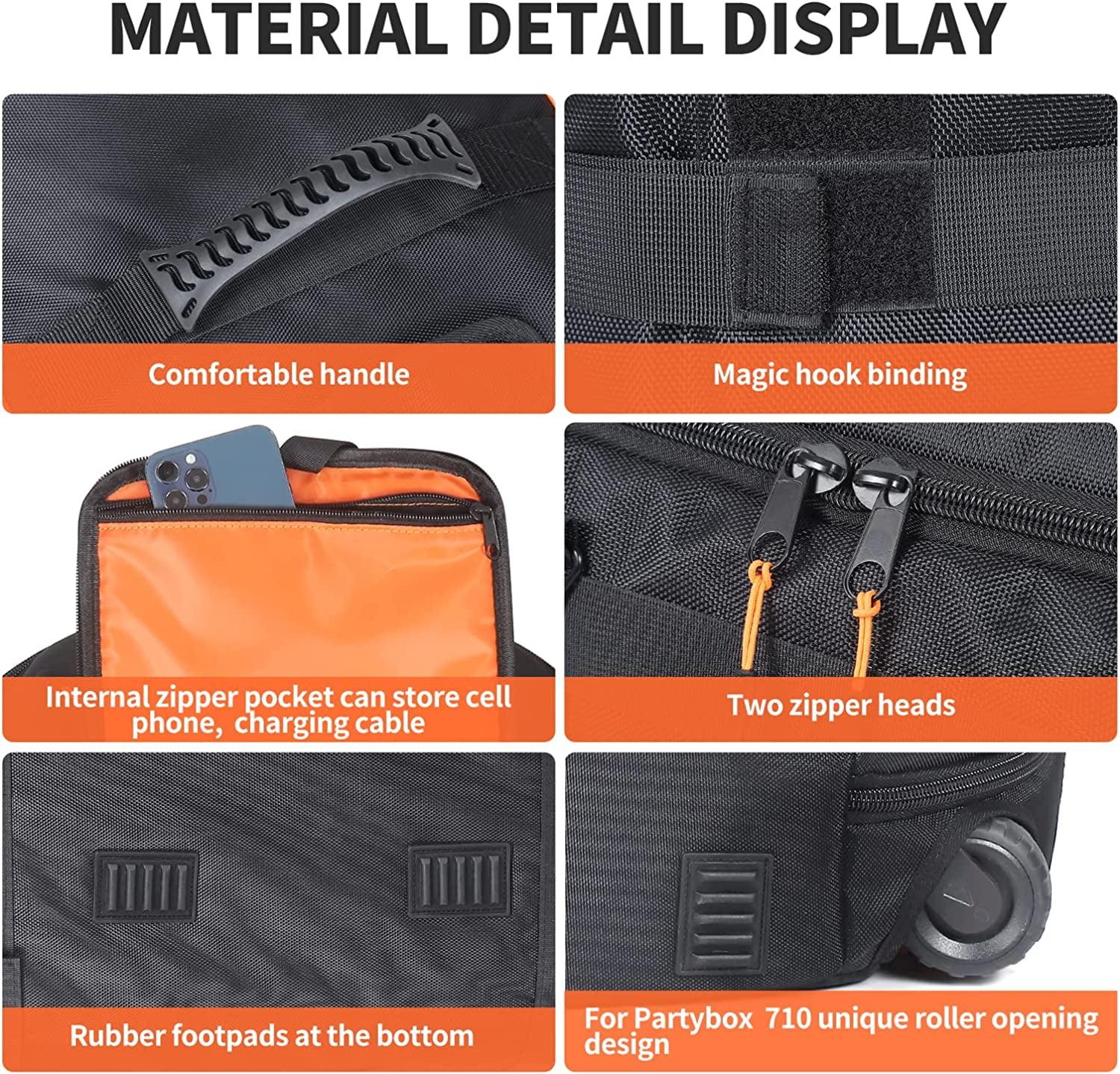
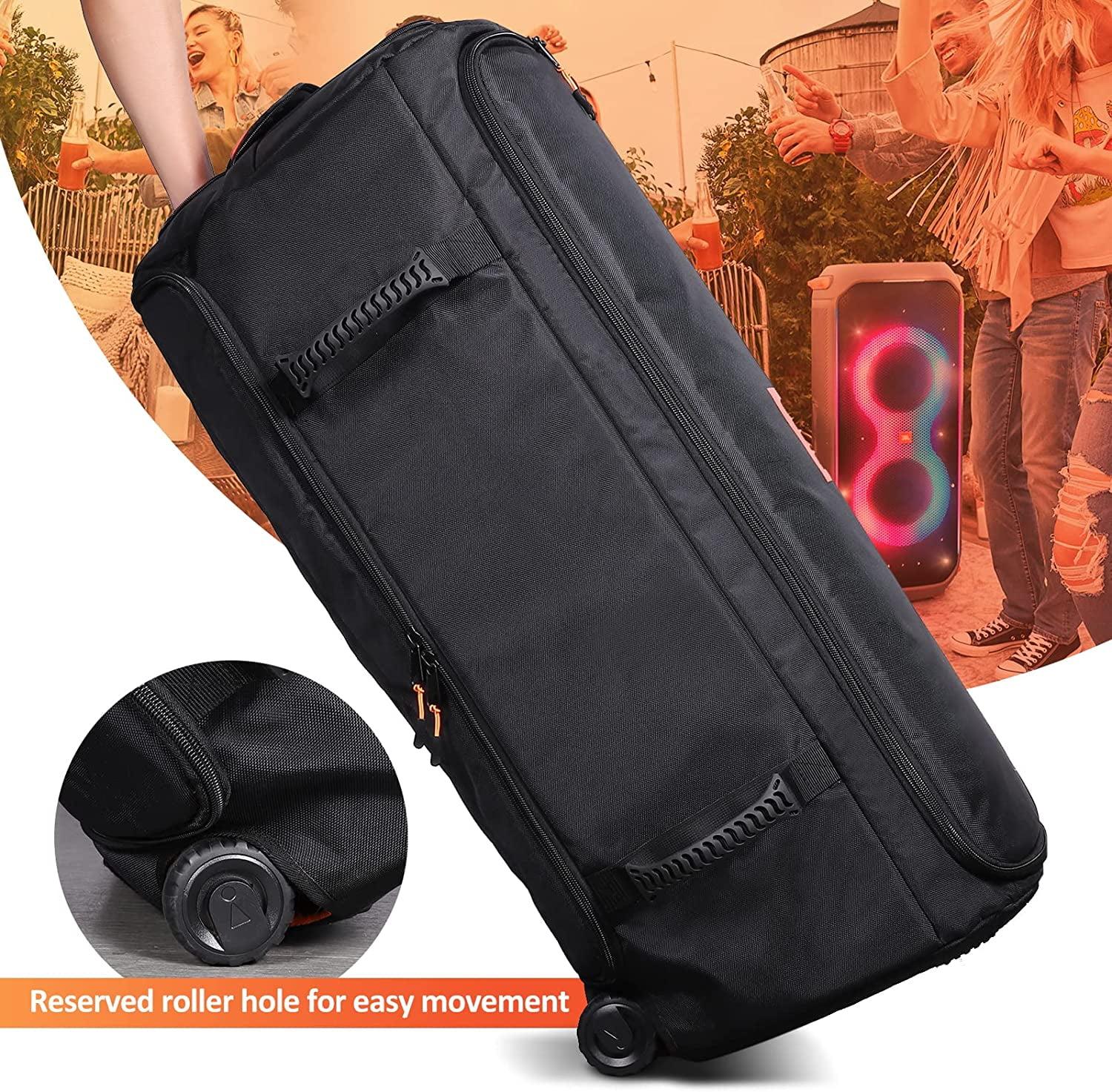
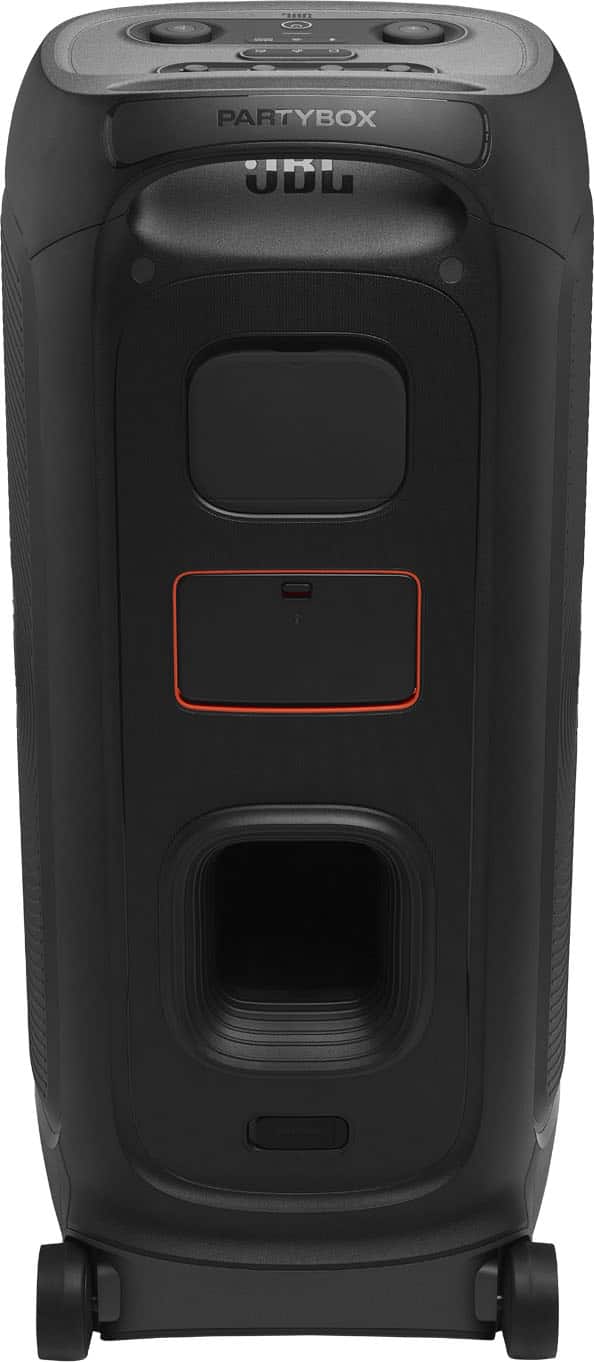
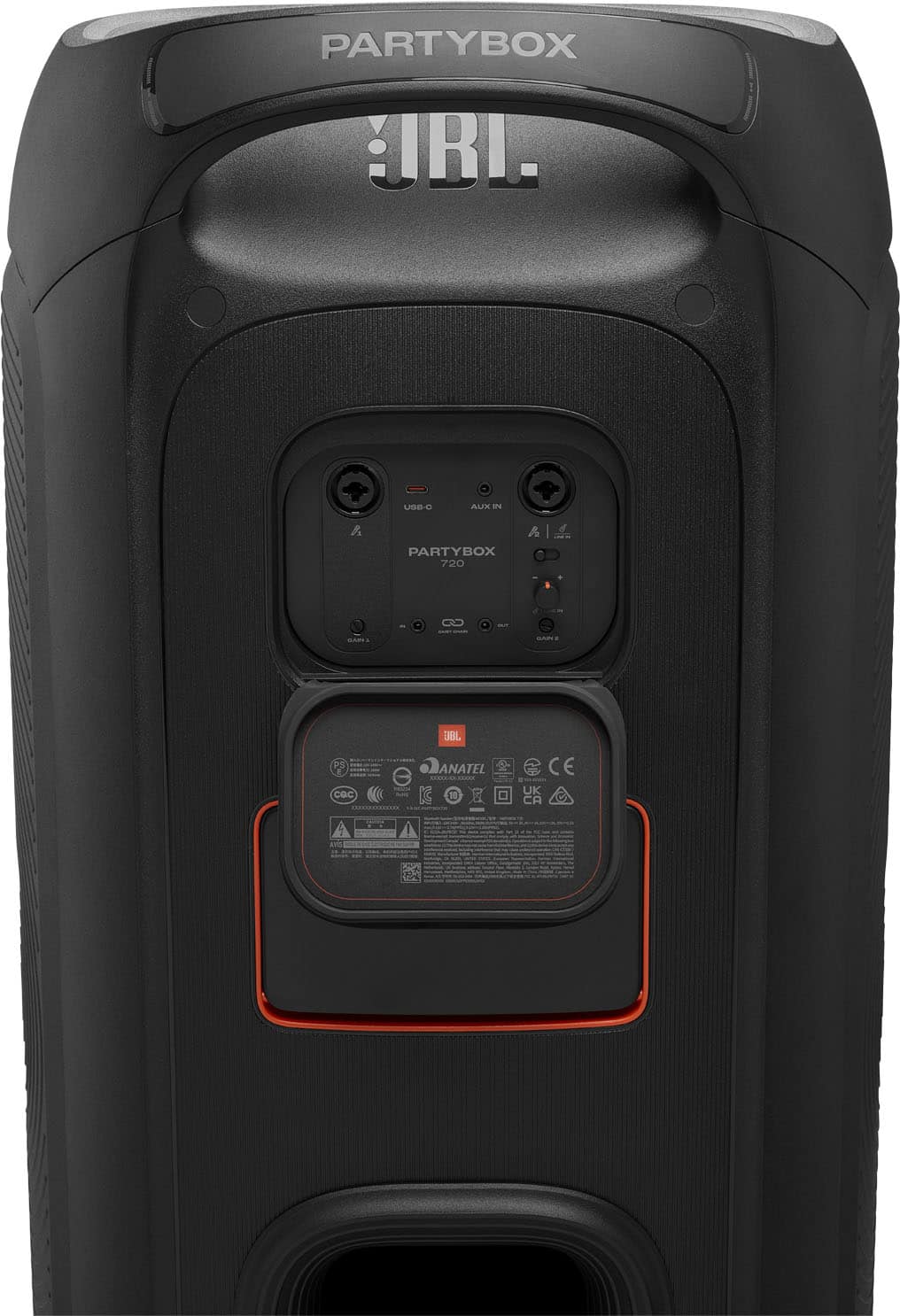
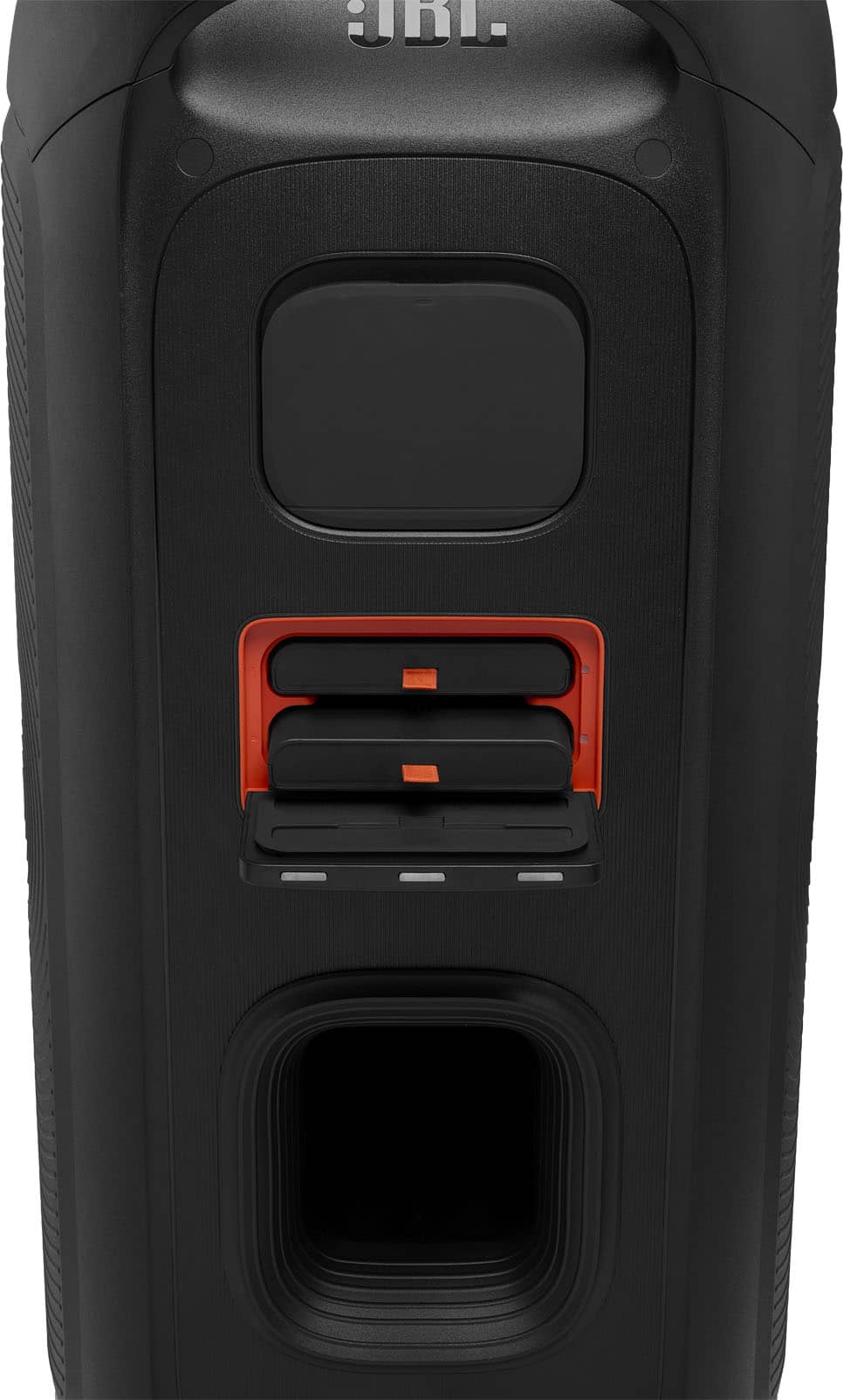
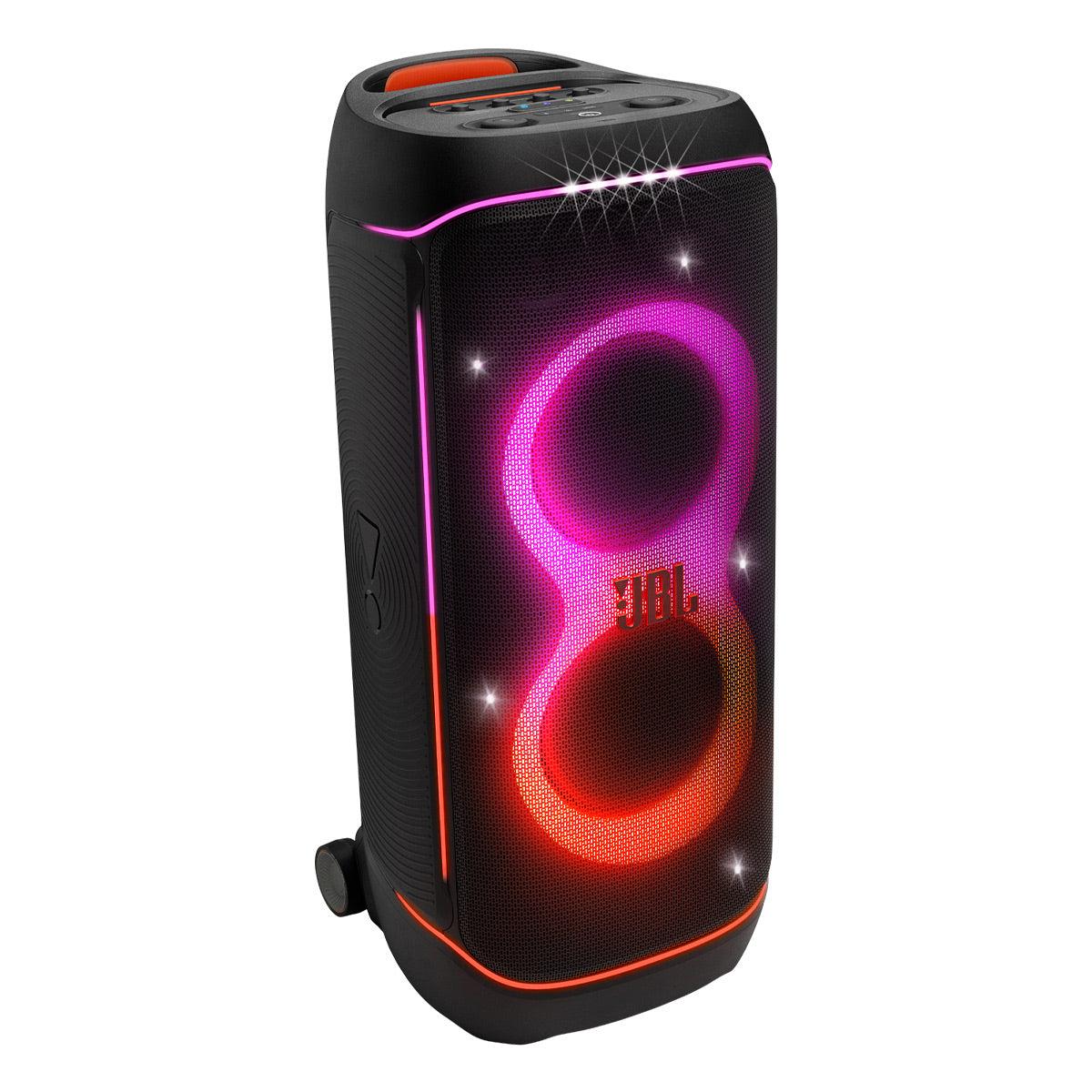
When it comes to throwing a memorable party, few things matter more than having a sound system that can fill the space with booming bass and crystal-clear audio. JBL's PartyBox series has dominated the party speaker market for years, and choosing between the PartyBox 710 and the newer PartyBox 720 represents one of the most important decisions you'll make for your audio setup.
Party speakers exist in their own category, designed specifically for large gatherings rather than critical listening. Unlike home audio speakers that prioritize accurate sound reproduction, party speakers focus on maximum volume output, extended bass response that you can physically feel, and entertainment features like light shows. Think of them as portable nightclub systems rather than audiophile equipment.
The key performance metrics that matter most include maximum sound pressure level (SPL) - essentially how loud they can get - bass extension down to the lowest frequencies, connectivity options for microphones and instruments, and increasingly, battery life for true portability. These speakers need to fill large outdoor spaces, cut through crowd noise, and keep the energy high for hours.
The JBL PartyBox 710, released in 2021, represented JBL's approach to maximum performance at a reasonable price point. At the time of writing, it typically sells for about $300 less than its newer sibling. The PartyBox 720, launched in 2025, embodies a different philosophy - it's willing to command a significant premium to deliver true portability through battery power while pushing performance even higher.
This generational gap reflects broader changes in consumer expectations. When the 710 launched, most party speakers required AC power, so being tethered to an outlet wasn't seen as a major limitation. By 2025, battery-powered speakers had become the norm, making the 720's wireless operation a necessity rather than a luxury.
Both speakers claim 800 watts RMS (Root Mean Square - the continuous power they can handle), but real-world testing reveals meaningful differences. The PartyBox 710 reaches maximum levels of about 108-109 decibels, which is genuinely loud - comparable to standing next to a lawn mower. The PartyBox 720, however, pushes that to 111-112 decibels.
That 3-4 decibel difference might not sound significant, but decibels work on a logarithmic scale. Each 3dB increase represents roughly double the acoustic power, meaning the 720 produces noticeably more sound energy. In practical terms, this translates to better performance in large outdoor spaces or when competing with crowd noise.
Bass response separates good party speakers from great ones. The PartyBox 710 uses two 8-inch woofers (the drivers responsible for low frequencies) and extends down to 35Hz. That's impressively deep - most music doesn't contain much content below 40Hz anyway.
The PartyBox 720 steps up to two 9-inch woofers with extension down to 32Hz. While the 3Hz difference seems minimal on paper, the larger drivers produce more air movement, creating that physical sensation of bass you feel in your chest. This matters enormously for electronic dance music, hip-hop, and other bass-heavy genres where the low end drives the energy.
Both speakers include bass boost modes that emphasize different frequency ranges. "Deep" mode enhances the sub-bass frequencies for electronic music, while "Punchy" mode focuses on mid-bass for rock and pop. These aren't just marketing gimmicks - they genuinely reshape the sound signature to match different musical styles.
Here's where things get interesting, and where the newer doesn't necessarily mean better. The PartyBox 710 delivers superior vocal clarity and midrange balance. Its 2.75-inch tweeters (the high-frequency drivers) seem better matched to the overall system, creating a more coherent sound where vocals and lead instruments sit clearly in the mix.
The PartyBox 720, with its more bass-forward tuning and smaller 1.25-inch tweeters, can sometimes overwhelm vocals when pushed hard. At moderate volumes, both speakers sound excellent, but when cranked up for large gatherings, the 710 maintains better intelligibility for announcements or karaoke.
This reflects different design priorities. The 720 prioritizes maximum impact and energy - perfect when you want the bass line to be the star of the show. The 710 offers better balance, making it more versatile for mixed content including speech.
The most significant difference between these speakers is power source, and it fundamentally changes how you can use them. The PartyBox 710 requires AC power, meaning you're limited to locations with accessible outlets. This might seem minor, but it severely restricts outdoor use and forces compromises with extension cords that can be both inconvenient and potentially dangerous around water or high-traffic areas.
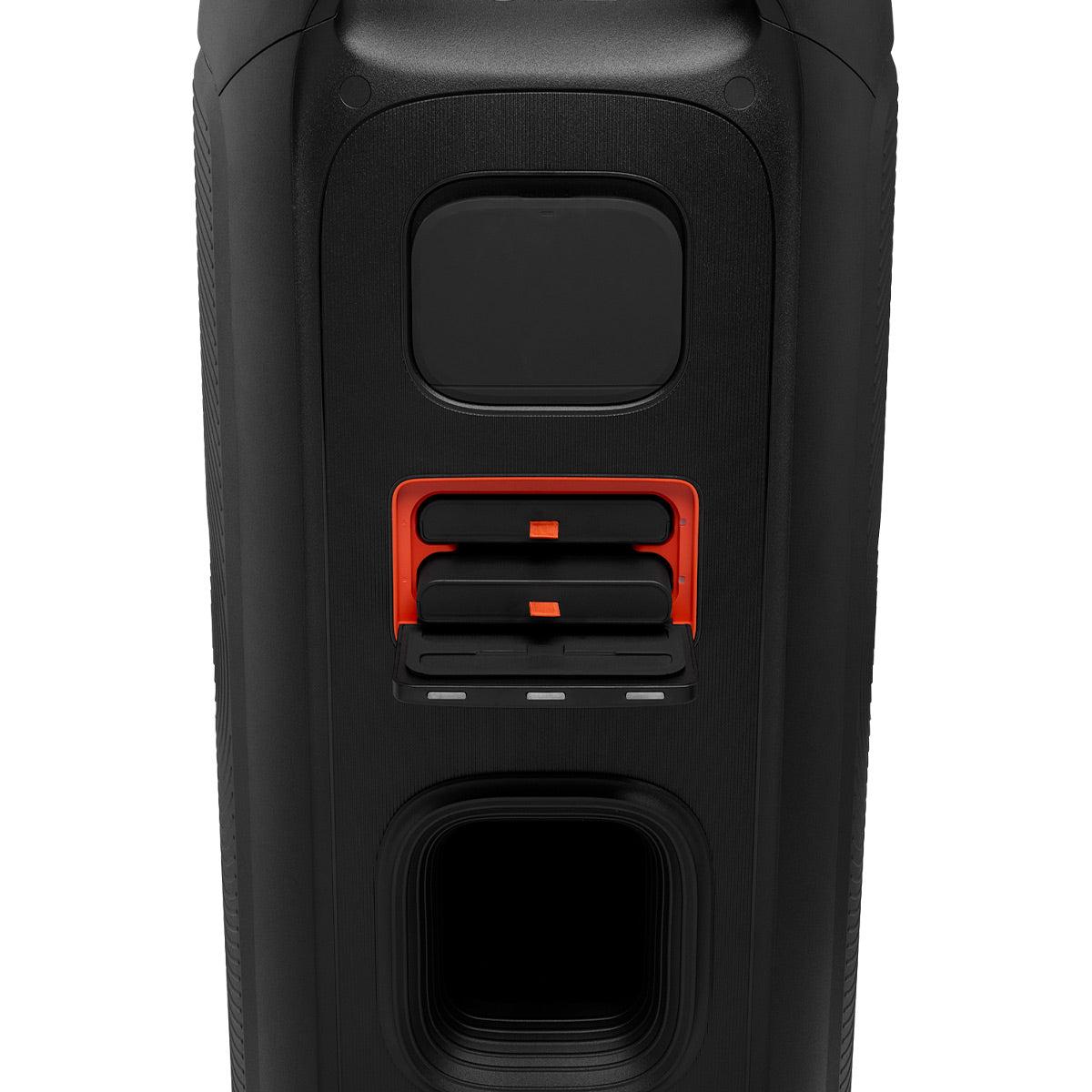
The PartyBox 720 includes a sophisticated battery system with two removable 99Wh lithium-ion packs, providing up to 15 hours of continuous playback. More importantly, the batteries are swappable, so you can keep spare packs charged and extend playtime indefinitely. A 10-minute quick charge adds two hours of runtime - perfect for brief intermissions.
This battery system represents a major engineering achievement. Powering an 800-watt speaker for 15 hours requires substantial energy storage, and JBL managed this while keeping weight increases reasonable. The 720 weighs about 7 pounds more than the 710, but the trade-off in capability is enormous.
Both speakers offer comprehensive connectivity, but the PartyBox 720 reflects four years of technological advancement. It uses Bluetooth 5.4 versus the 710's Bluetooth 5.1, providing better range, more stable connections, and lower power consumption.
More significantly, the 720 introduces Auracast technology, allowing multiple compatible speakers to connect wirelessly for synchronized playback. This goes beyond simple stereo pairing - you can create arrays of speakers throughout a large venue, all perfectly synchronized. The PartyBox 710 lacks this capability, limiting you to basic stereo pairing with another identical unit.
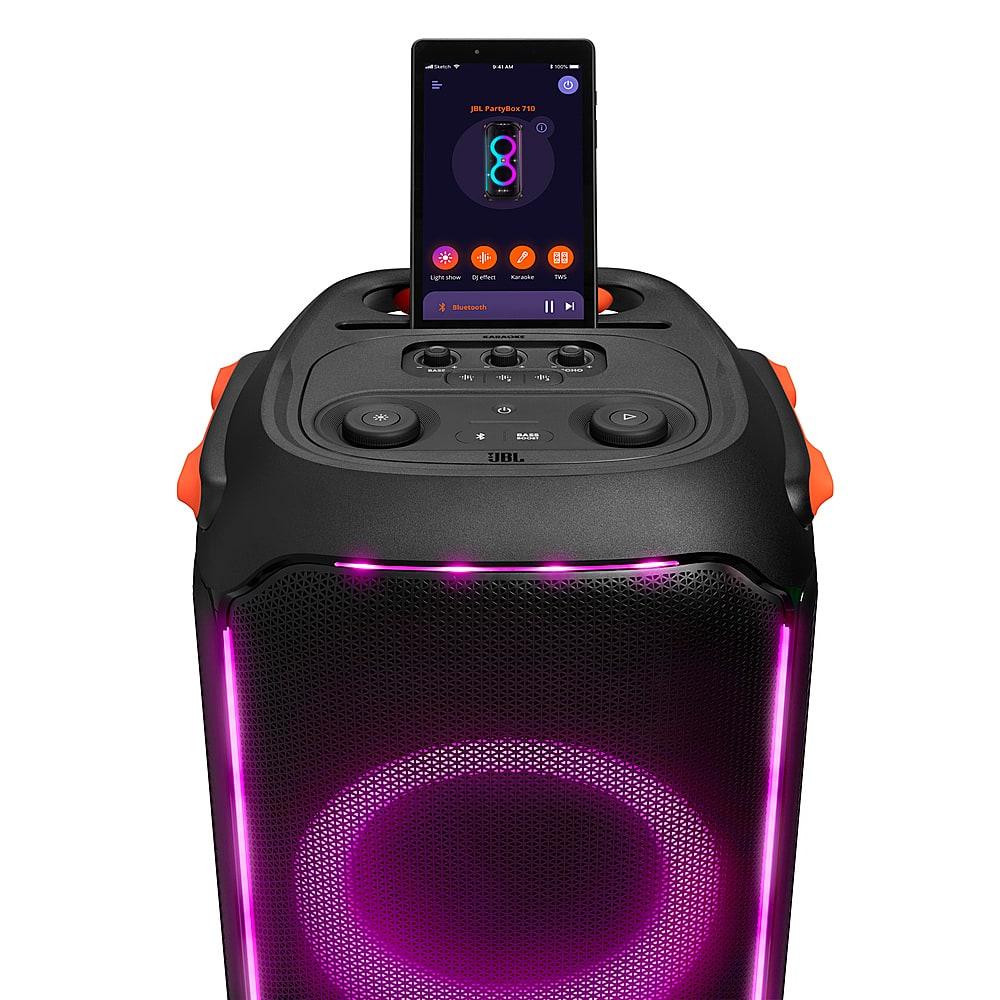
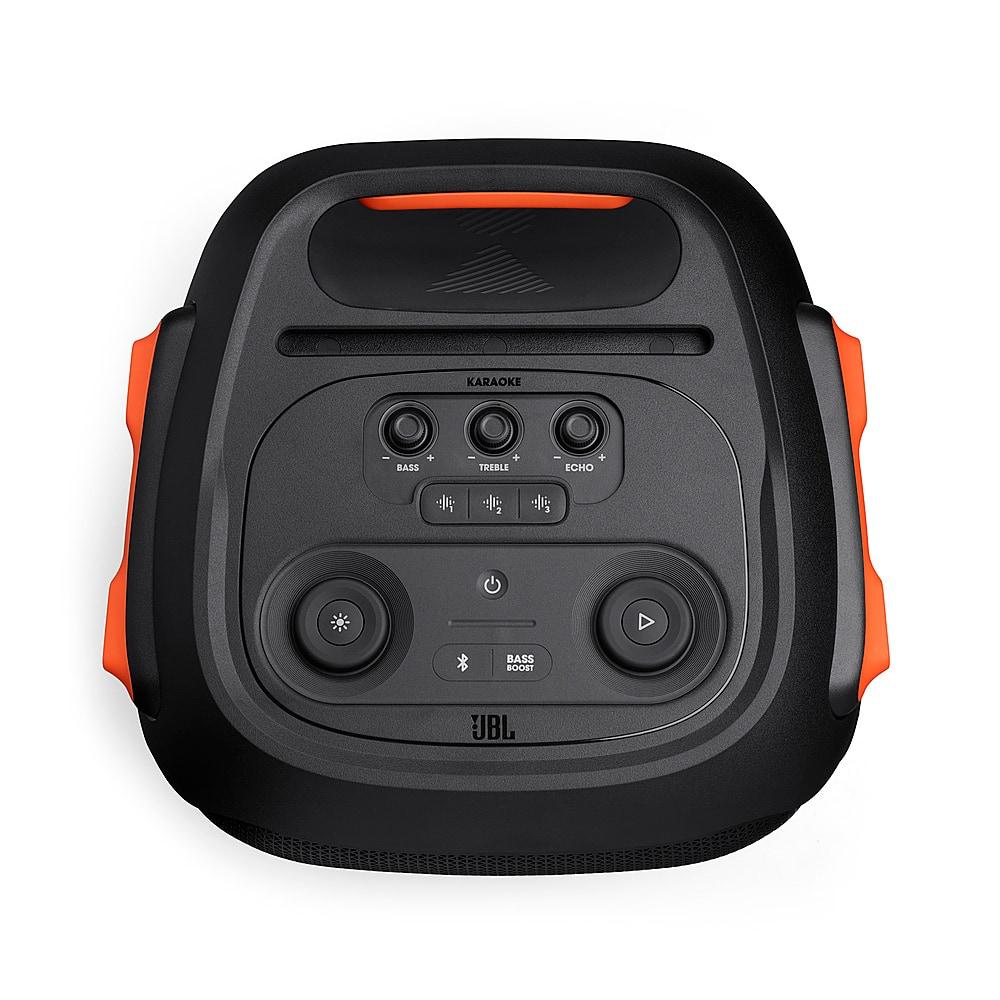
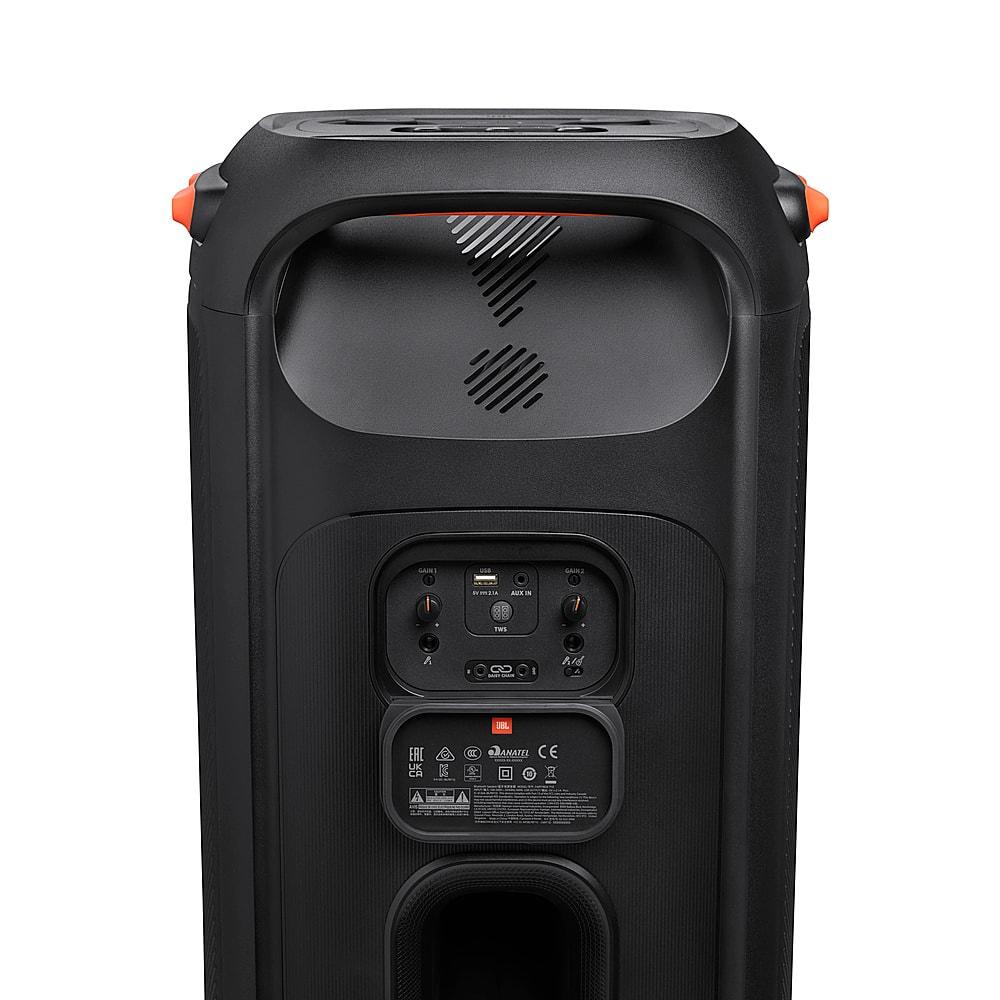
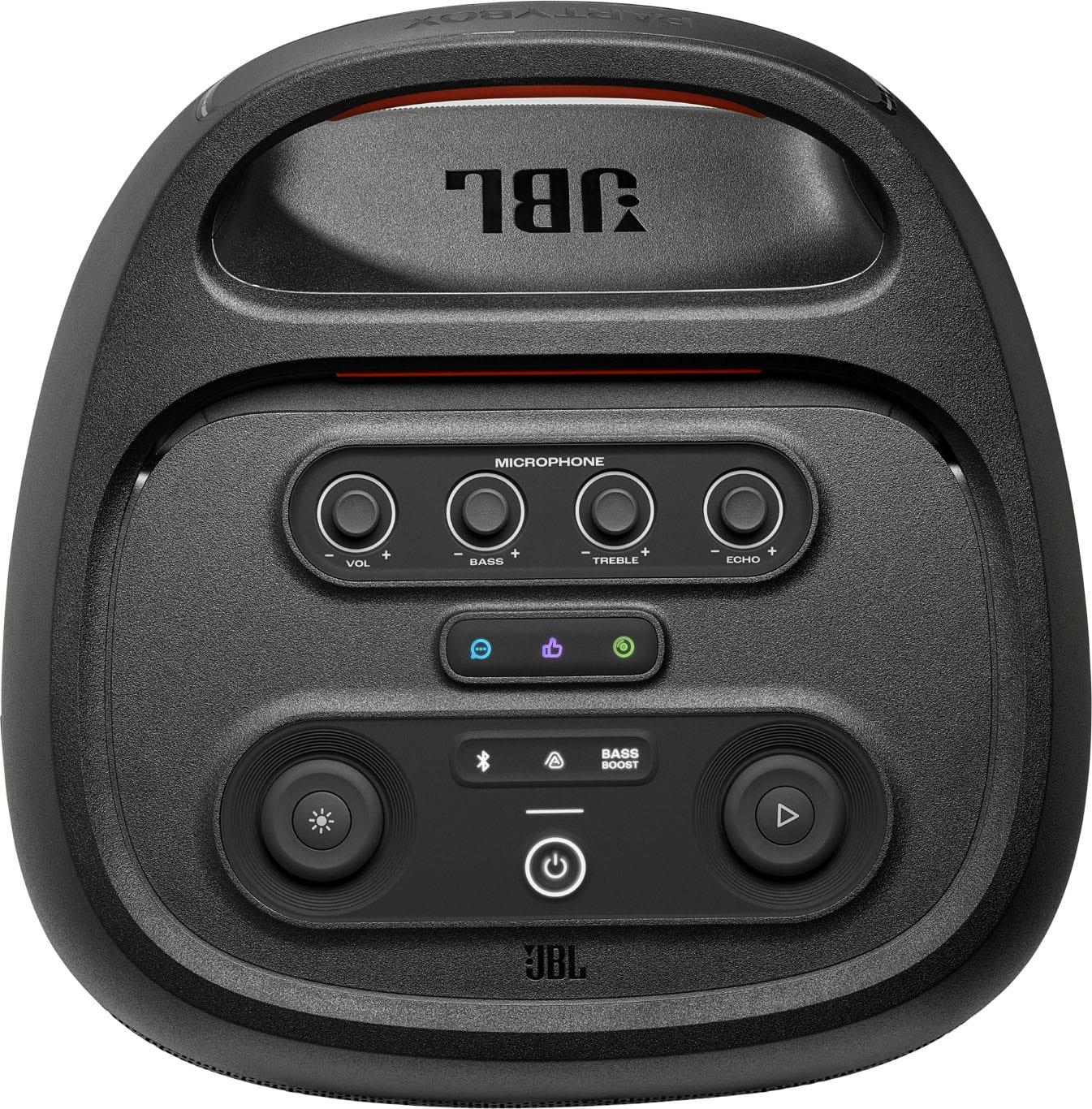
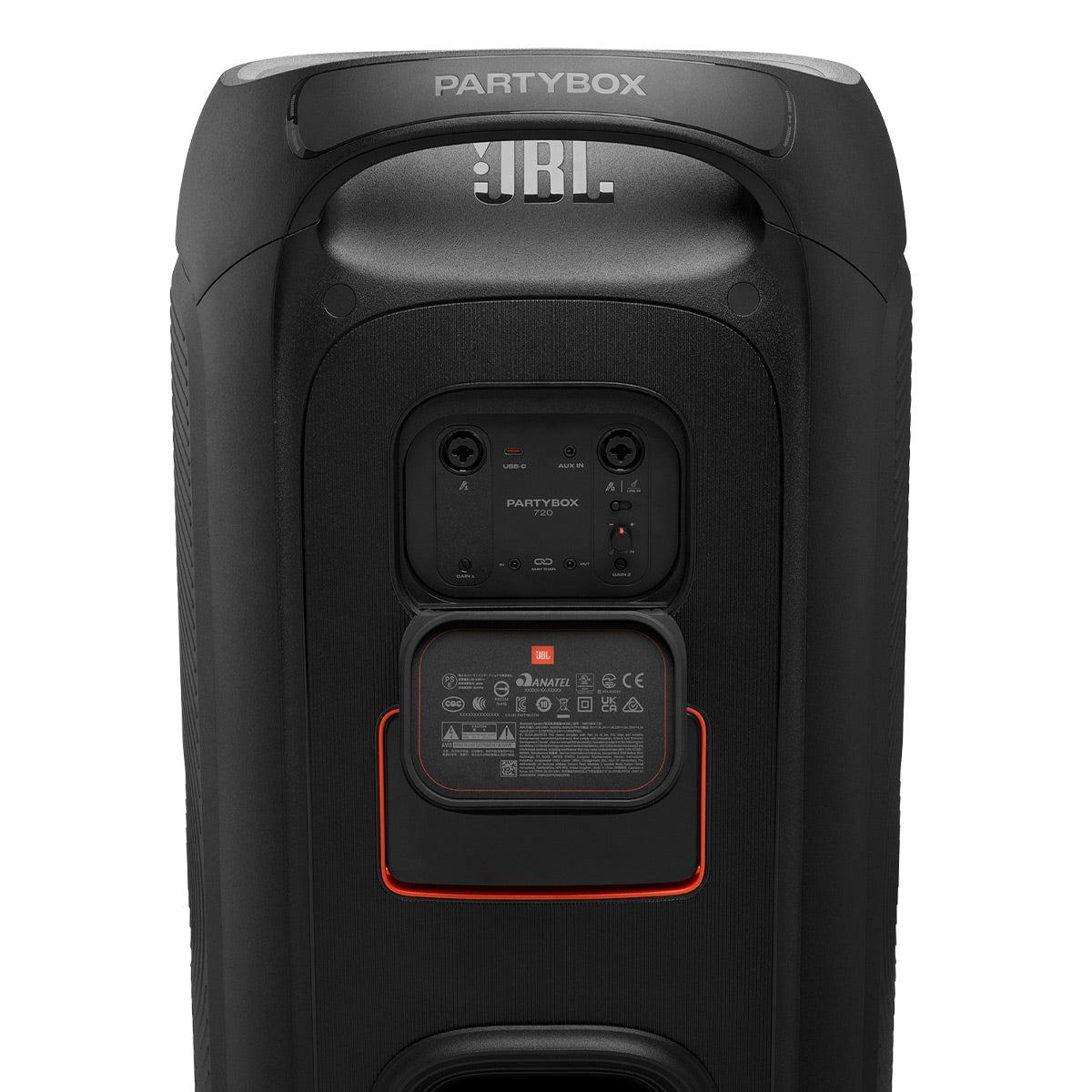
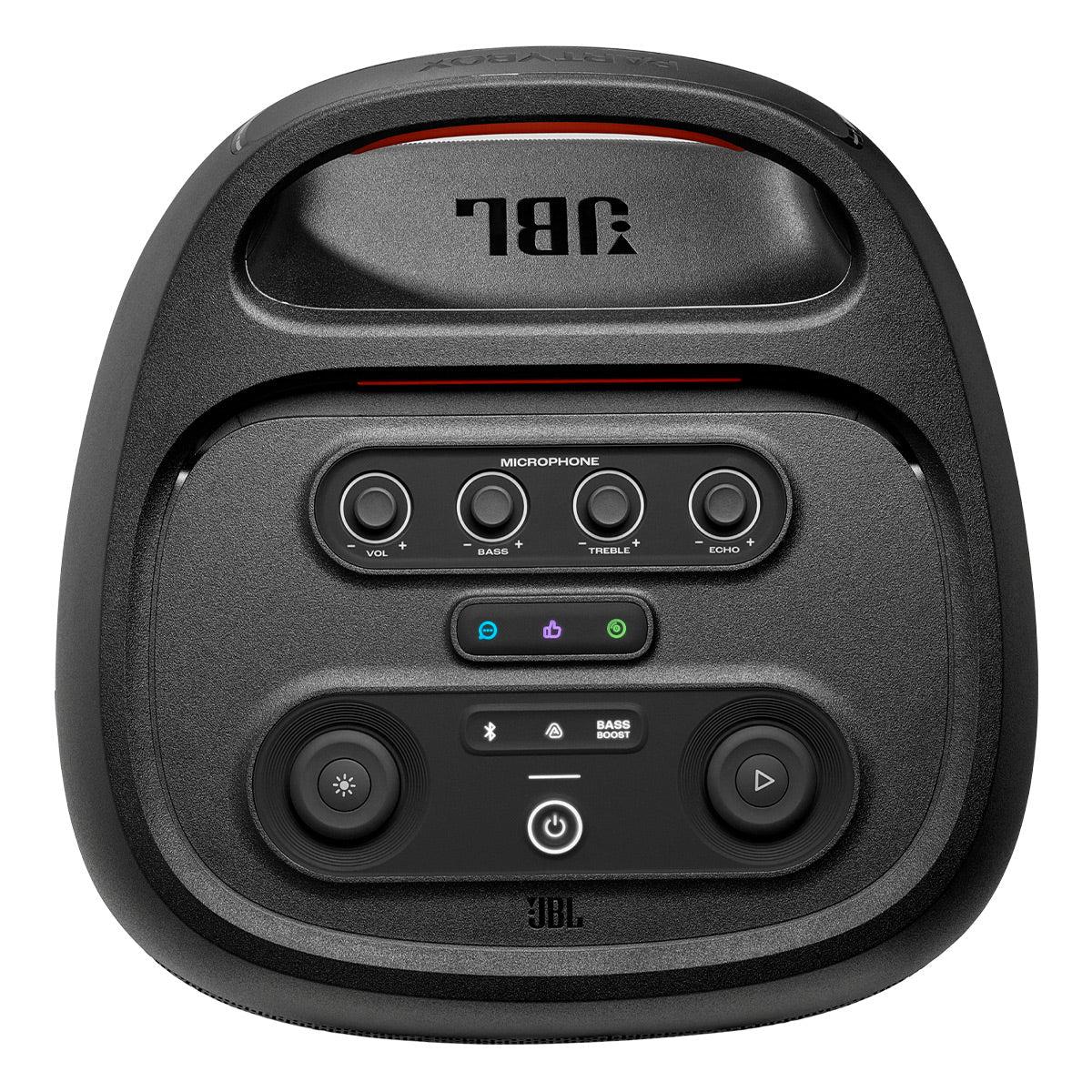
Both speakers include professional-grade inputs: XLR connectors for microphones or instruments, quarter-inch jacks for guitars, and dedicated controls for gain, EQ, and effects. The microphone inputs include reverb and echo effects, making them genuinely useful for karaoke or live performance rather than just background music playback.
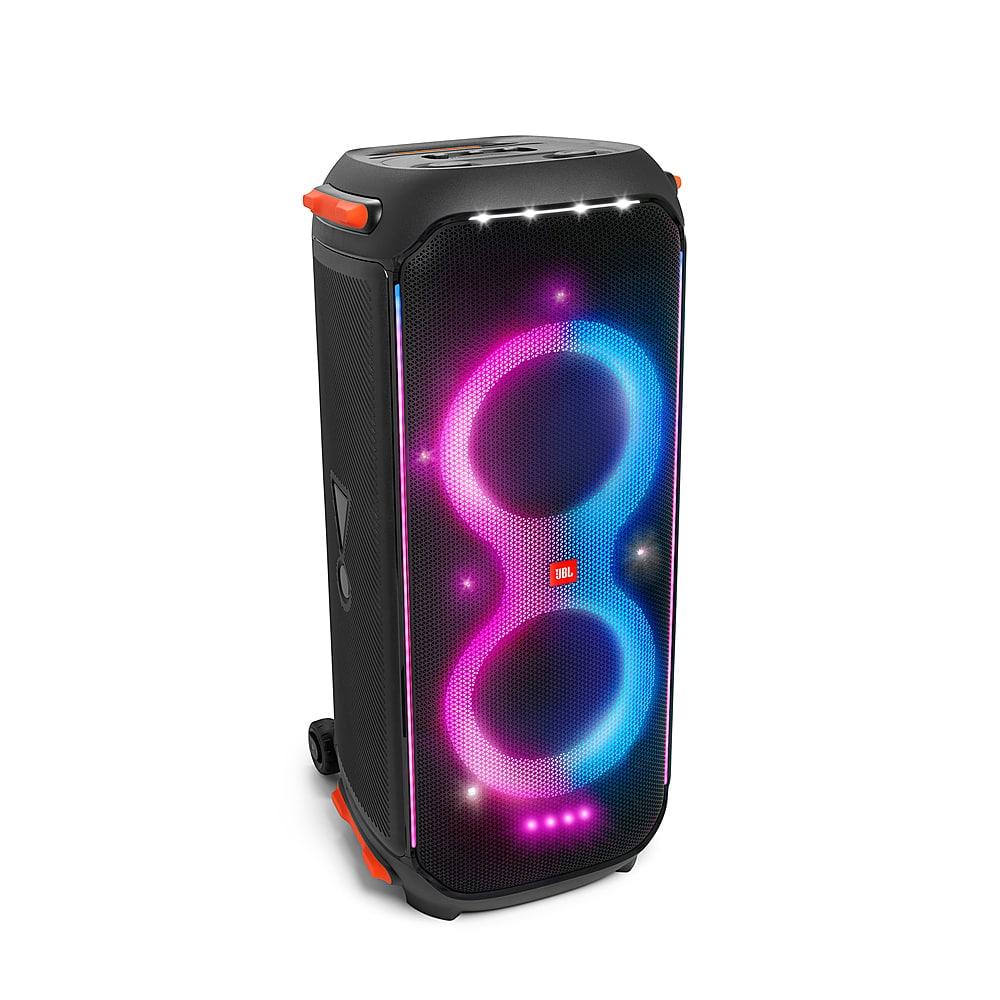
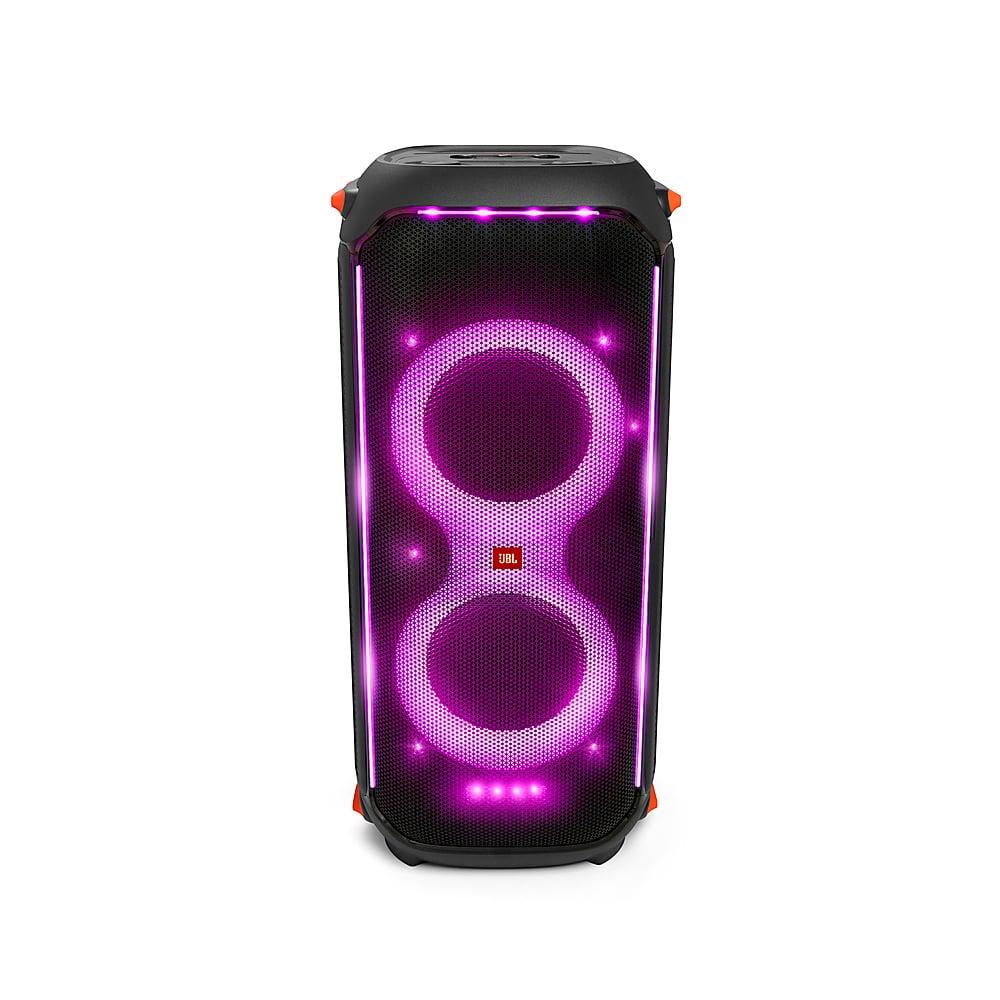
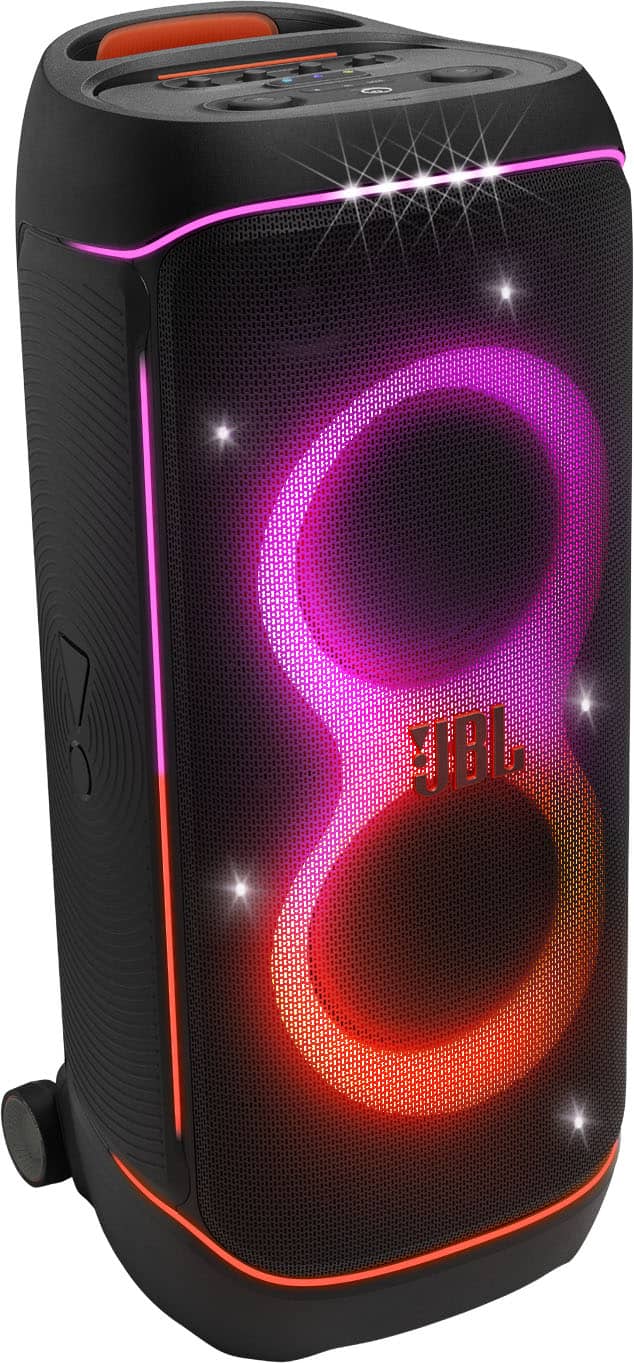
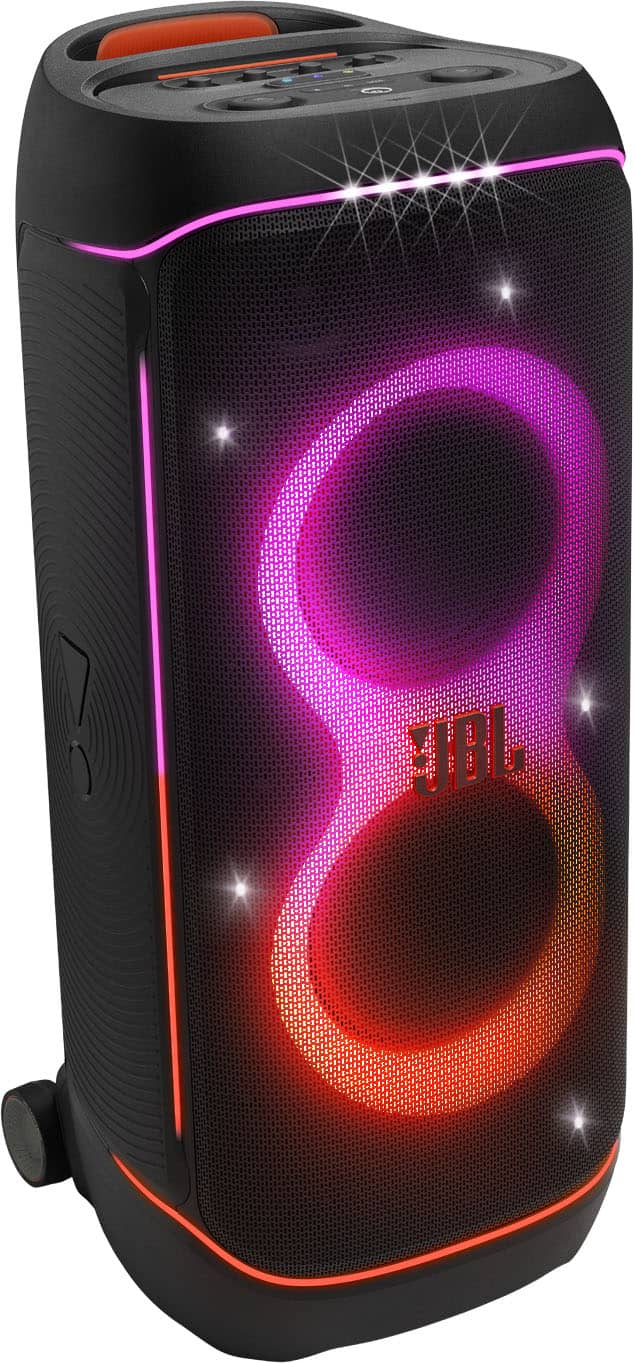
Party speakers aren't just about audio - the light show contributes significantly to the atmosphere. The PartyBox 710 features customizable RGB lighting with multiple patterns including strobe effects, steady colors, and music-reactive modes that pulse with the beat.
The PartyBox 720 significantly expands on this with what JBL calls a "futuristic light show" featuring more LED zones, flowing trail effects, and more sophisticated synchronization with the music. While this might seem like a minor feature, the visual impact genuinely enhances the party experience, especially in low-light environments.
Both speakers allow light customization through JBL's PartyBox app, but the 720's expanded lighting array provides more dramatic effects. If you're using the speaker for events where visual impact matters - like DJ performances or dance parties - the upgraded lighting system justifies some of the price premium.
For indoor use, the PartyBox 710 often proves superior despite being the older model. Its better vocal clarity makes it ideal for karaoke sessions, and AC power isn't a limitation when outlets are readily available. The cost savings can be substantial - at the time of writing, about $300 less than the 720 - money that could go toward accessories or other party supplies.
The 710's more balanced sound signature also works better in enclosed spaces where excessive bass can become overwhelming or muddy. Its graphic equalizer, controlled through the PartyBox app, allows fine-tuning for different room acoustics.
This is where the PartyBox 720 shines brightest. Battery operation eliminates the need for extension cords, reducing trip hazards and allowing placement anywhere within your venue. The 15-hour battery life easily covers day-long events, while the swappable battery system means you're never forced to pause the party for charging.
The 720's higher output levels also matter more outdoors, where sound dissipates quickly and competes with ambient noise. That extra 3-4 decibels of output can mean the difference between adequate coverage and truly filling a large outdoor space.
Serious DJs will appreciate the PartyBox 720's Auracast capability for multi-speaker arrays, though both models include the XLR inputs and gain controls needed for professional setups. The 720's superior bass response and maximum output make it better suited for larger venues, while the 710's vocal clarity might be preferable for events with frequent announcements.
Both speakers handle the dynamic range of DJ mixes well, with minimal compression even at high volumes. However, for critical listening or studio monitoring, neither speaker is appropriate - they're optimized for energy and impact rather than accuracy.
While neither speaker is designed primarily for home theater use, both can serve this role with limitations. The PartyBox 710's better vocal clarity makes it more suitable for movie dialogue, though you'll want to adjust the bass boost settings to avoid overwhelming effects during action scenes.
Both speakers exhibit some Bluetooth latency - a delay between the audio signal and playback - which can cause lip-sync issues with video content. This is more noticeable with Android devices than Apple products, but wired connections eliminate the problem entirely.
For dedicated home theater use, you'd be better served by speakers designed specifically for that application. However, if you want one speaker that can handle both party duties and occasional movie nights, the 710's more balanced sound signature makes it the better choice.
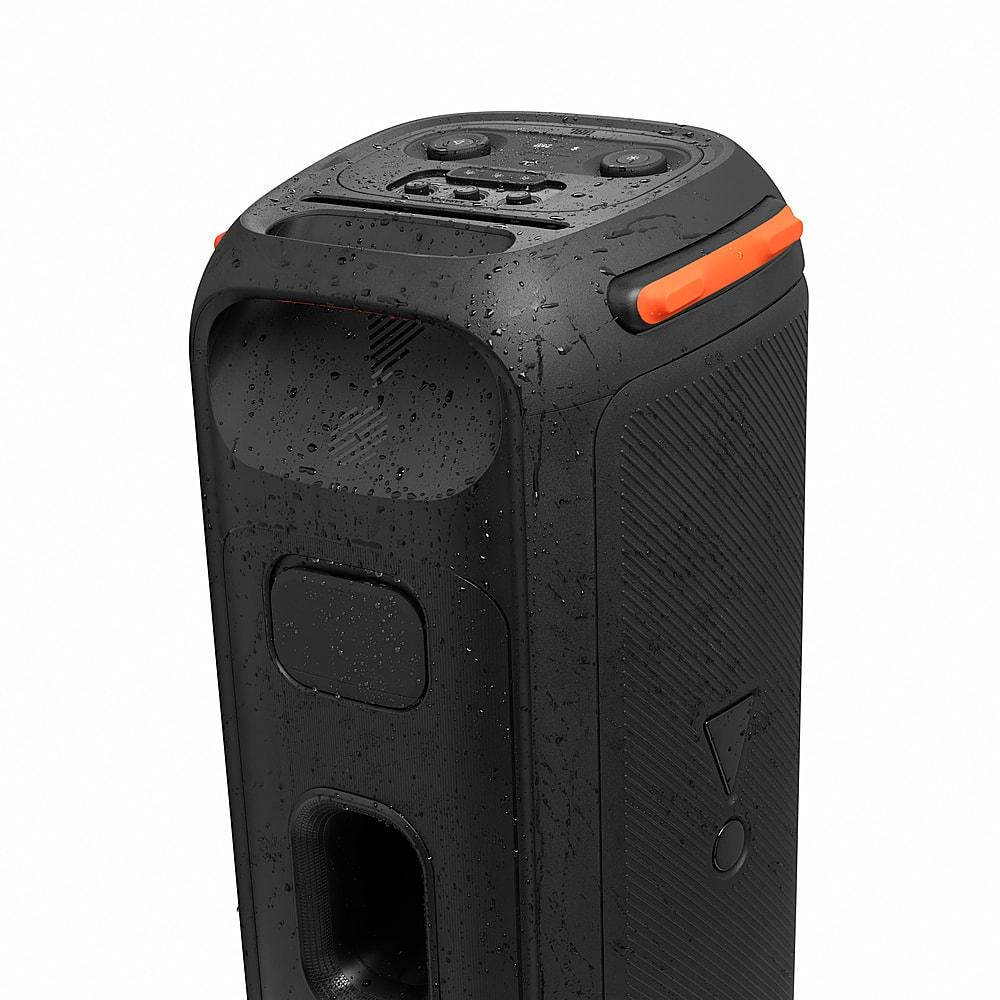
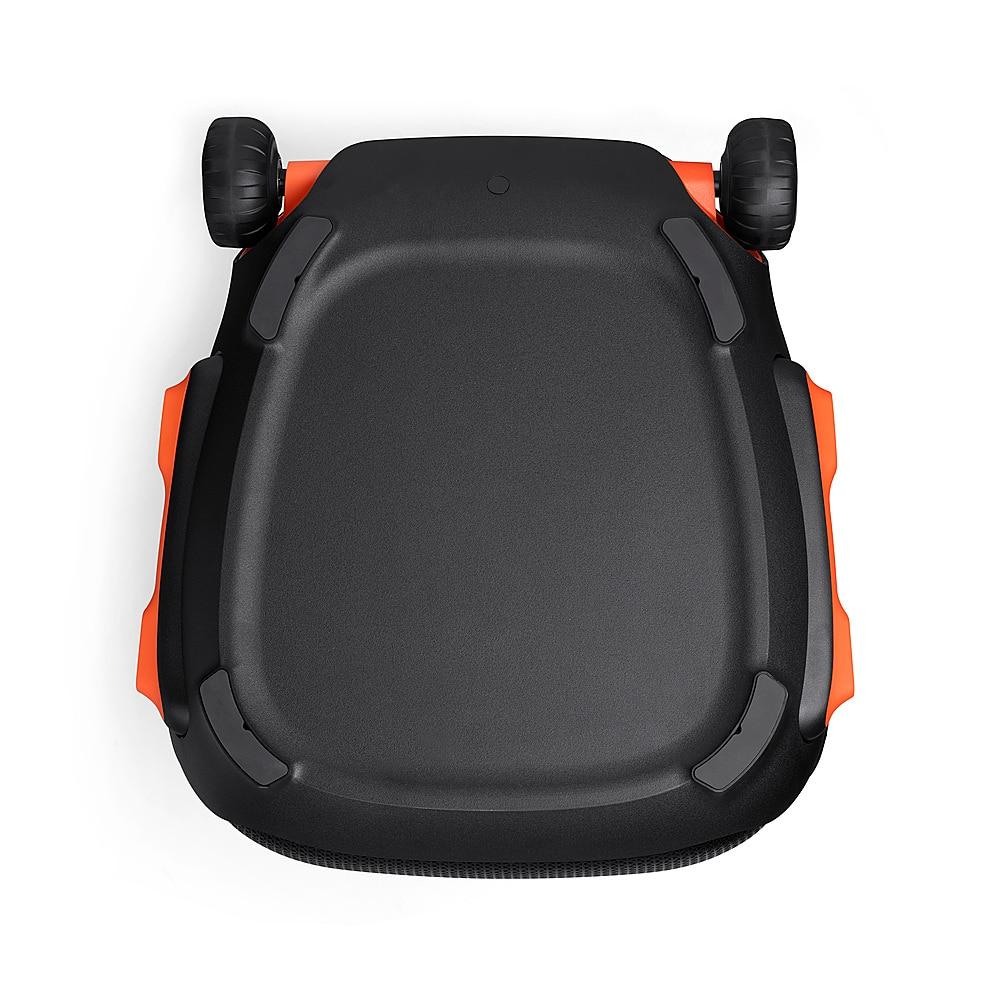
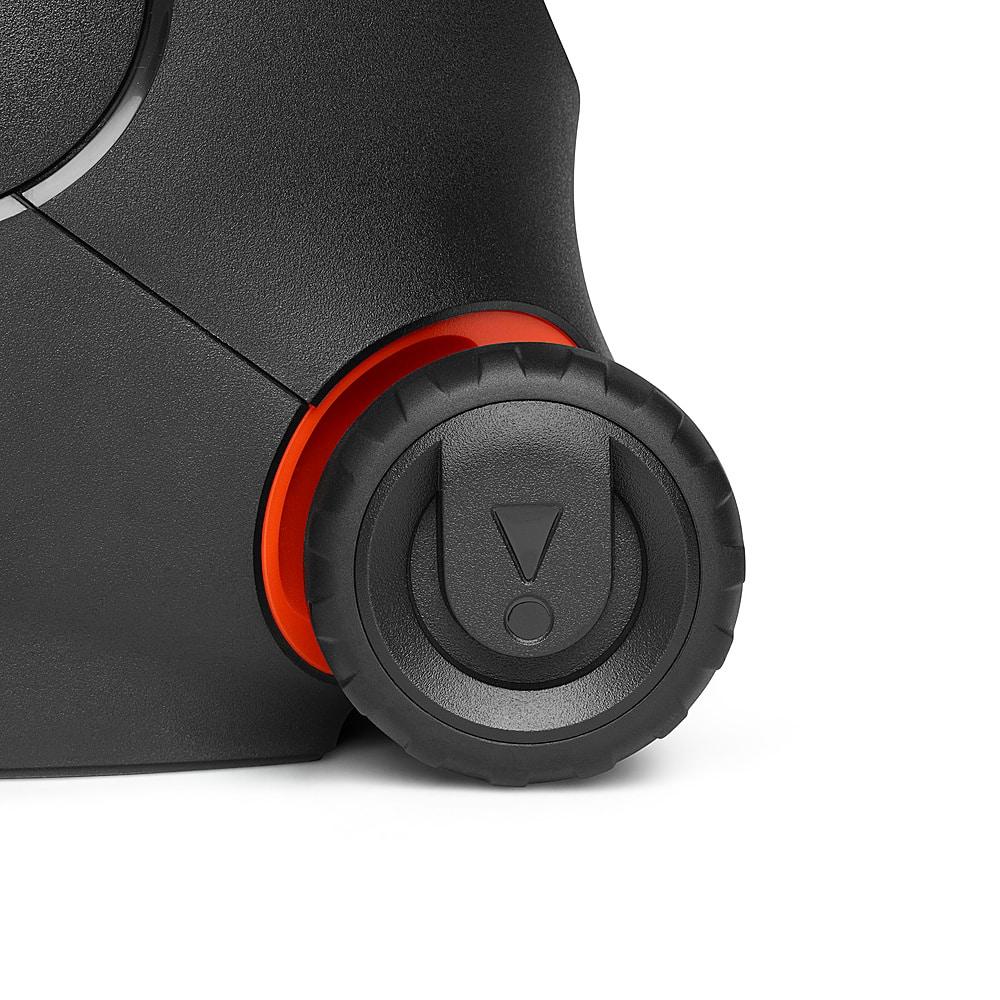
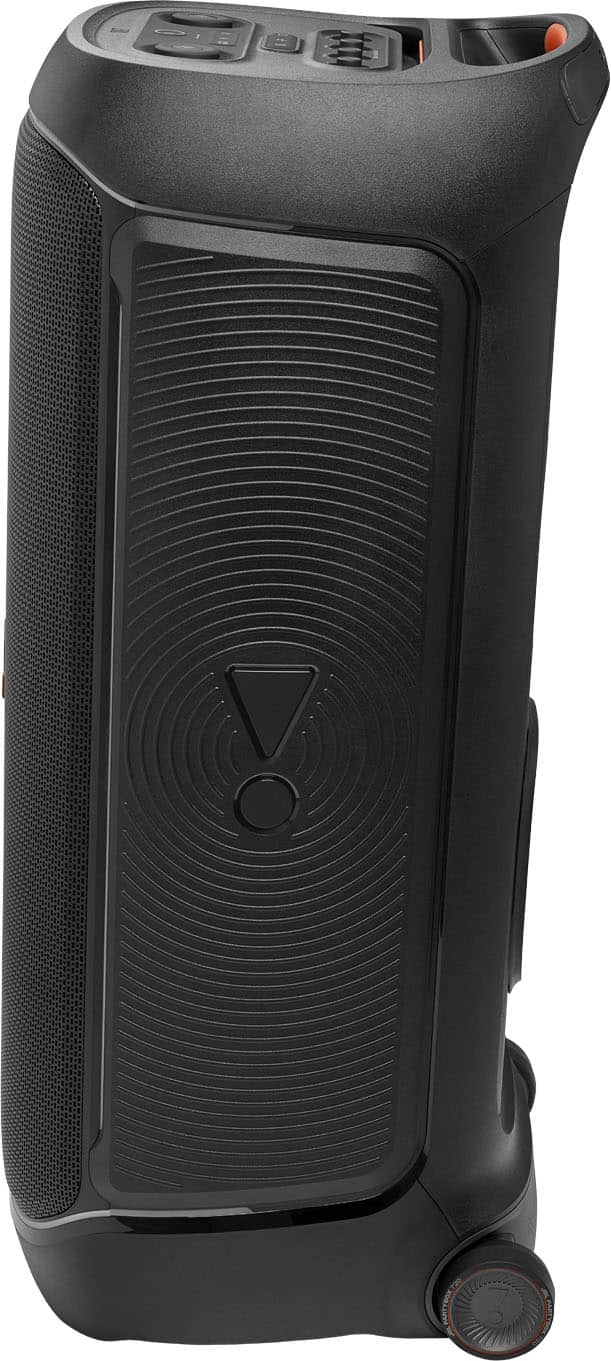
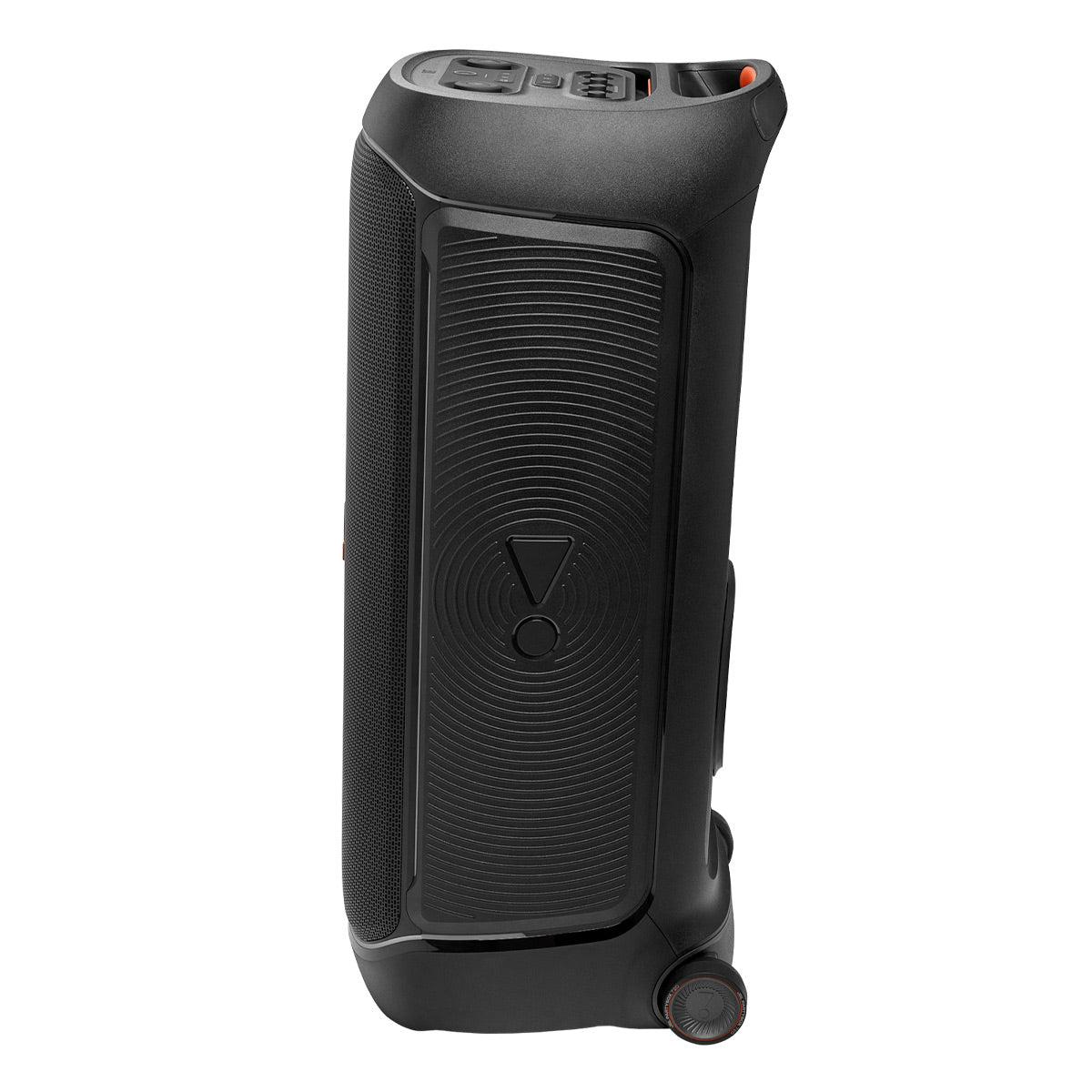
Both speakers feature robust construction designed for frequent transport and outdoor use. The IPX4 splash-proof rating means they can handle poolside use or light rain, though neither is fully waterproof. The integrated wheels and handles make transport manageable despite their substantial weight - the PartyBox 710 weighs 61 pounds while the PartyBox 720 tips the scales at 68 pounds.
The 720's additional weight comes primarily from its battery system, but JBL improved the wheel design and handle ergonomics to compensate. In practice, both speakers are manageable for one person on smooth surfaces, though you'll want help lifting them into vehicles or up stairs.
At the time of writing, the PartyBox 710 represents excellent value for users who primarily need indoor performance or have reliable access to AC power. The approximately $300 savings versus the 720 is substantial, and the performance differences favor the 710 in some scenarios.
The PartyBox 720 commands its premium through genuine technological advancement. The battery system isn't just a convenience feature - it fundamentally expands the speaker's capabilities and use cases. Combined with higher output, better bass response, and modern connectivity features, it justifies the additional cost for users who need maximum flexibility.
Choose the PartyBox 710 if you primarily host indoor events, prioritize vocal clarity for karaoke or announcements, want to minimize costs, or have venues with reliable power access. It's also the better choice if you prefer more balanced sound for mixed content including speech and announcements.
Choose the PartyBox 720 if outdoor events are important to you, you need maximum volume and bass impact for large crowds, want the latest connectivity features including Auracast, or frequently use venues without convenient power access. The premium pricing reflects genuine capability improvements, not just newer model positioning.
The decision ultimately comes down to whether the battery operation and performance improvements justify the additional cost. For casual users who primarily entertain indoors, the 710 offers exceptional value. For serious party hosts, event organizers, or anyone who regularly needs outdoor audio, the 720's capabilities make it worth the investment.
Both speakers deliver on JBL's reputation for powerful, reliable party audio. Your choice should align with your specific use cases and budget priorities rather than simply opting for the newest model.
| JBL PartyBox 710 | JBL PartyBox 720 |
|---|---|
| Power Source - The most critical difference affecting where you can use these speakers | |
| AC power only (must stay plugged in) | 15-hour rechargeable battery with swappable packs |
| Maximum Volume Output - How loud they can get for large crowds | |
| 108-109 dBA (very loud, fills most spaces) | 111-112 dBA (noticeably louder, better for outdoor events) |
| Bass Response - Low-end power for dance music and hip-hop | |
| Two 8" woofers, extends to 35Hz | Two 9" woofers, extends to 32Hz (deeper, more impactful bass) |
| Sound Quality Balance - Clarity vs. bass emphasis | |
| Better vocal clarity and midrange balance | More bass-forward, can overwhelm vocals at high volume |
| Bluetooth Technology - Wireless connectivity capabilities | |
| Bluetooth 5.1 (basic pairing only) | Bluetooth 5.4 with Auracast (multi-device party mode) |
| Weight and Portability - How easy they are to move around | |
| 61.3 lbs with wheels and handle | 68.3 lbs with improved wheel design (7 lbs heavier due to battery) |
| Light Show Features - Visual entertainment capabilities | |
| RGB lighting with strobe and music sync | Advanced "futuristic" light show with flowing trails and more LED zones |
| Release Date and Technology - When they came to market | |
| 2021 (proven reliability, older tech) | 2025 (latest features, less long-term data) |
| Typical Price Range - Value positioning at time of writing | |
| Significantly less expensive | Premium pricing (about $300 more than 710) |
| Best Use Cases - Where each speaker excels | |
| Indoor parties, karaoke, venues with power access | Outdoor events, beach parties, locations without power outlets |
The JBL PartyBox 720 is significantly better for outdoor parties because it has a built-in 15-hour rechargeable battery, while the JBL PartyBox 710 requires AC power and must stay plugged into an outlet. The 720 also produces 3-4 decibels more volume, which is important for filling large outdoor spaces.
The biggest difference is power source: the JBL PartyBox 710 requires AC power and must be plugged in, while the JBL PartyBox 720 has a rechargeable battery that lasts up to 15 hours. The 720 is also louder, has deeper bass with larger 9-inch woofers versus 8-inch, and costs significantly more.
For vocal clarity and balanced sound, the JBL PartyBox 710 is better, especially for karaoke and announcements. For maximum bass impact and party atmosphere, the JBL PartyBox 720 delivers stronger low-end performance with its larger woofers, though it can sometimes overwhelm vocals at high volumes.
Only the JBL PartyBox 720 can operate without being plugged in, thanks to its rechargeable battery system that provides up to 15 hours of playtime. The JBL PartyBox 710 requires constant AC power connection and cannot run on battery power.
The JBL PartyBox 720 is louder, reaching maximum levels of 111-112 decibels compared to the JBL PartyBox 710's 108-109 decibels. This 3-4 decibel difference represents significantly more acoustic power and better performance for large crowds or outdoor spaces.
Both speakers work well for karaoke with dedicated microphone inputs and vocal effects, but the JBL PartyBox 710 has superior vocal clarity and midrange balance. The JBL PartyBox 720 can work for karaoke too, but its bass-heavy tuning sometimes makes vocals less clear at high volumes.
The JBL PartyBox 710 weighs 61.3 pounds, while the JBL PartyBox 720 weighs 68.3 pounds. Both include wheels and handles for transport, but the 720 is about 7 pounds heavier due to its battery system, though it has improved wheel design to help with mobility.
The JBL PartyBox 720 has stronger bass performance with two 9-inch woofers that extend down to 32Hz, compared to the JBL PartyBox 710's 8-inch woofers extending to 35Hz. The larger drivers in the 720 produce more air movement and deeper bass impact that you can physically feel.
Yes, but with different capabilities. The JBL PartyBox 720 supports advanced Auracast technology for connecting multiple speakers wirelessly in a synchronized array. The JBL PartyBox 710 can only pair with another identical 710 unit for basic stereo sound, without the advanced multi-speaker networking features.
The JBL PartyBox 710 offers better value if you primarily use it indoors or have reliable power access, as it costs significantly less while delivering excellent performance. The JBL PartyBox 720 justifies its premium pricing if you need battery operation for outdoor events or want maximum volume and bass performance.
Neither speaker is designed primarily for home theater use, but the JBL PartyBox 710 works better for movies due to its superior vocal clarity for dialogue. Both speakers may have Bluetooth latency issues with video content, so wired connections are recommended. Dedicated home theater speakers would be better for serious movie watching.
The JBL PartyBox 720 provides up to 15 hours of continuous playback on a full charge, with a 3-hour charging time. It also features swappable battery packs and 10-minute fast charging that adds 2 hours of playtime. The JBL PartyBox 710 has no battery and requires constant AC power connection.
We've done our best to create useful and informative comparisons to help you decide what product to buy. Our research uses advanced automated methods to create this comparison and perfection is not possible - please contact us for corrections or questions. These are the sites we've researched in the creation of this article: rtings.com - audioadvice.com - crutchfield.com - youtube.com - bestbuy.com - rtings.com - youtube.com - youtube.com - youtube.com - versus.com - worldwidestereo.com - rtings.com - jbl.com - youtube.com - expertvoice.com - jbl.com - jbl.com.tw - robot-advance.com - youtube.com - hu.harmanaudio.com - onward.ph - harmanaudio.in - youtube.com - youtube.com - manuals.plus - global.jbl.com - de.jbl.com - ro.harmanaudio.com - stereoindex.com - youtube.com - youtube.com - youtube.com - youtube.com - comparisontabl.es - jbl.com - youtube.com - youtube.com - youtube.com - bestbuy.com - versus.com - youtube.com - youtube.com - versus.com - youtube.com - jbl.com - news.jbl.com - engadget.com - news.harman.com - youtube.com - creativeaudio.net - jbl.com - skybygramophone.com - crutchfield.com - manuals.plus - youtube.com

Privacy Policy
Terms and Conditions - Affiliate Policy
Home Security
© Copyright 2008-2026.
11816 Inwood Rd #1211, Dallas, TX 75244