

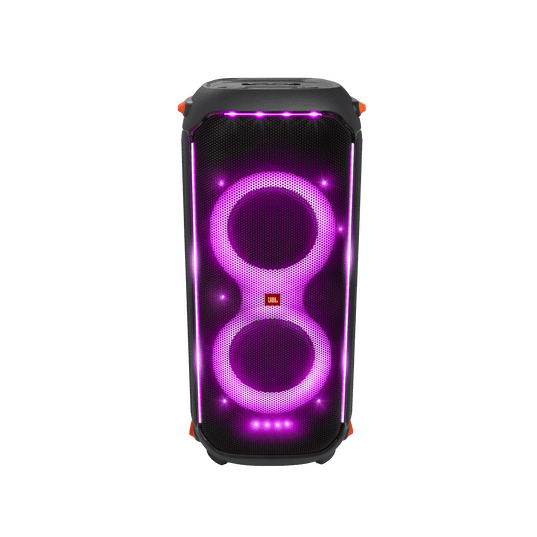
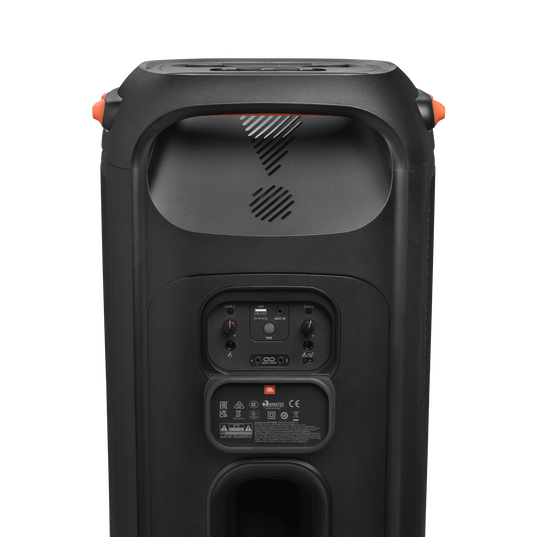
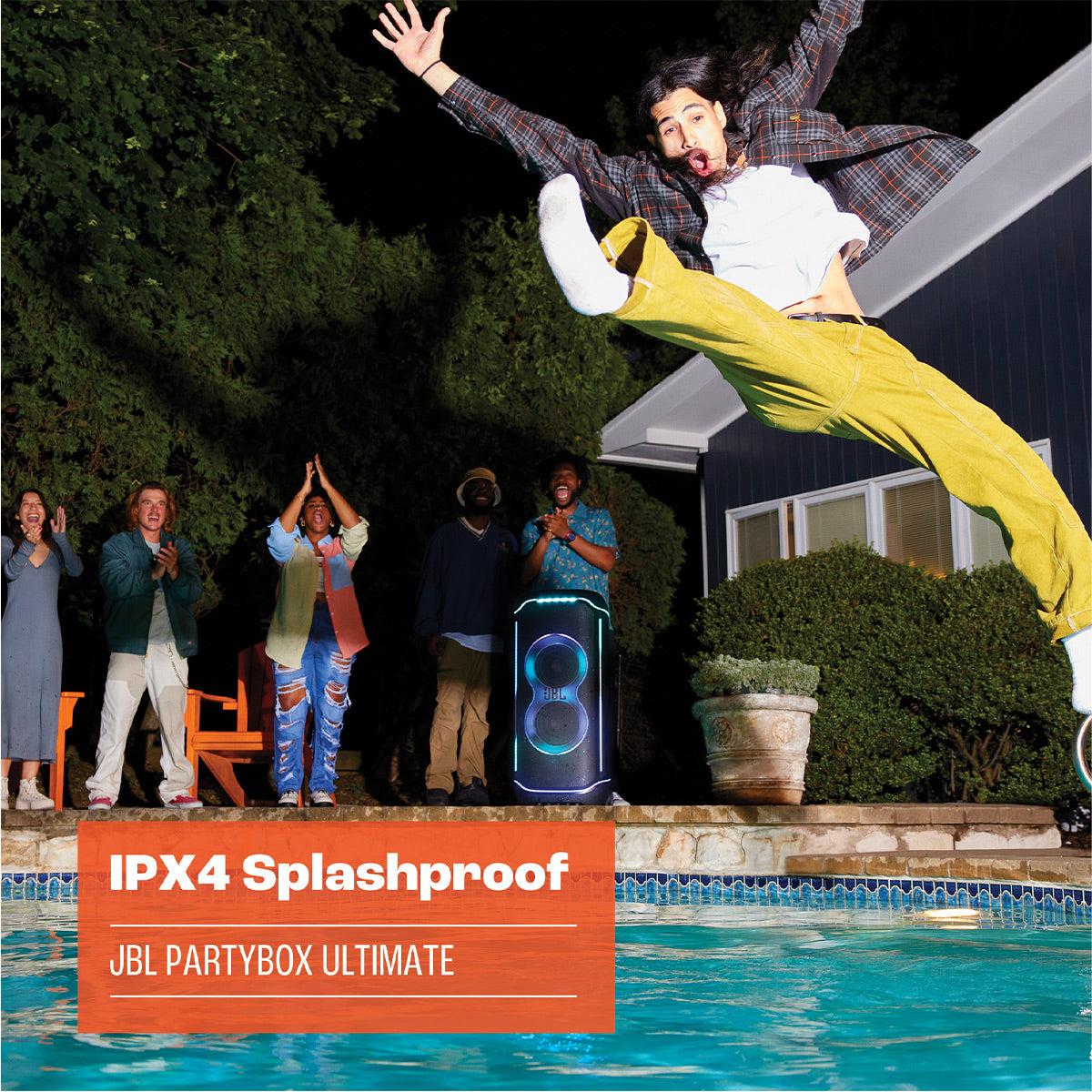
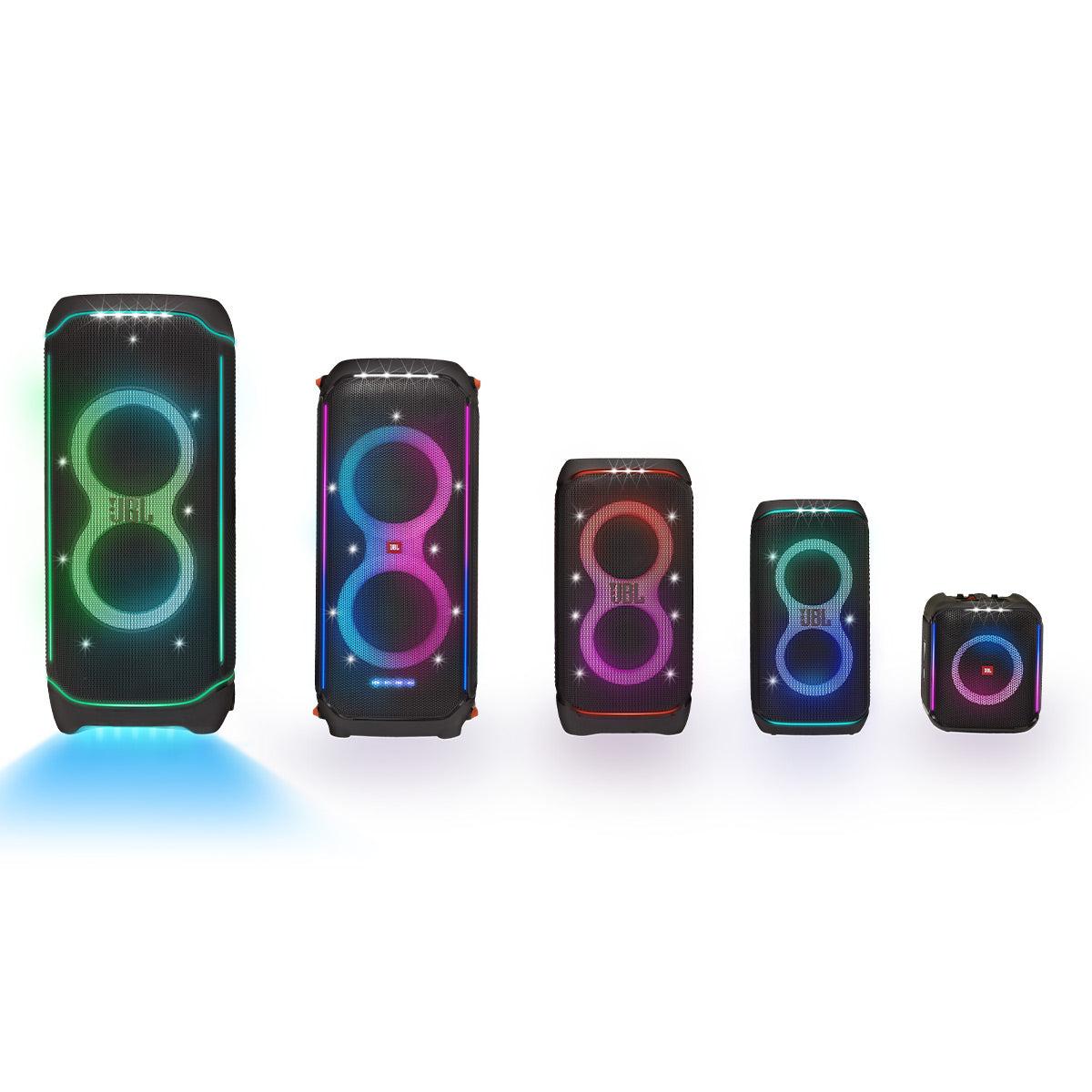
When you're shopping for a party speaker that can truly fill a space with sound, JBL's PartyBox lineup sits at the top of most people's lists. But choosing between the PartyBox 710 and the PartyBox Ultimate isn't straightforward—these speakers target different needs despite sharing the same party-focused DNA.
Both speakers represent JBL's commitment to creating audio systems that prioritize fun over critical listening. Think of them as the audio equivalent of sports cars: they're built for excitement, visual impact, and performance that you can feel in your chest. But like choosing between different sports cars, the decision comes down to how much performance you need and what features matter most to your specific situation.
Party speakers occupy a unique niche in the audio world. Unlike bookshelf speakers designed for balanced, accurate sound reproduction, or portable Bluetooth speakers built for convenience, party speakers focus on three key areas: maximum volume without distortion, bass response that you can physically feel, and visual entertainment that enhances the party atmosphere.
The most important performance metrics for party speakers differ significantly from traditional audio equipment. Maximum SPL (Sound Pressure Level)—essentially how loud they can get—matters more than flat frequency response. Bass extension and impact trump midrange accuracy. Light show complexity often weighs as heavily as sound quality in purchasing decisions. This isn't about audiophile perfection; it's about creating an experience that gets people moving and keeps energy high throughout an event.
The PartyBox 710 launched in 2021 as JBL's answer to the growing demand for serious party audio without the complexity of professional PA systems. At the time of writing, it sits in the upper-middle tier of JBL's party speaker lineup, offering substantial power and features at a more accessible price point.
The PartyBox Ultimate, released in 2023, represents JBL's current flagship party speaker. It incorporates several technological advances that weren't available when the 710 launched, including Wi-Fi 6 connectivity, improved Bluetooth protocols, and more sophisticated lighting systems. The two-year gap between releases shows in the Ultimate's feature set—it's essentially what JBL learned to build after seeing how people actually used the 710.
Since 2021, party speaker technology has evolved toward better connectivity options and more immersive visual experiences. The Ultimate reflects these trends, while the 710 remains an excellent example of the simpler, more direct approach that was standard when it launched.
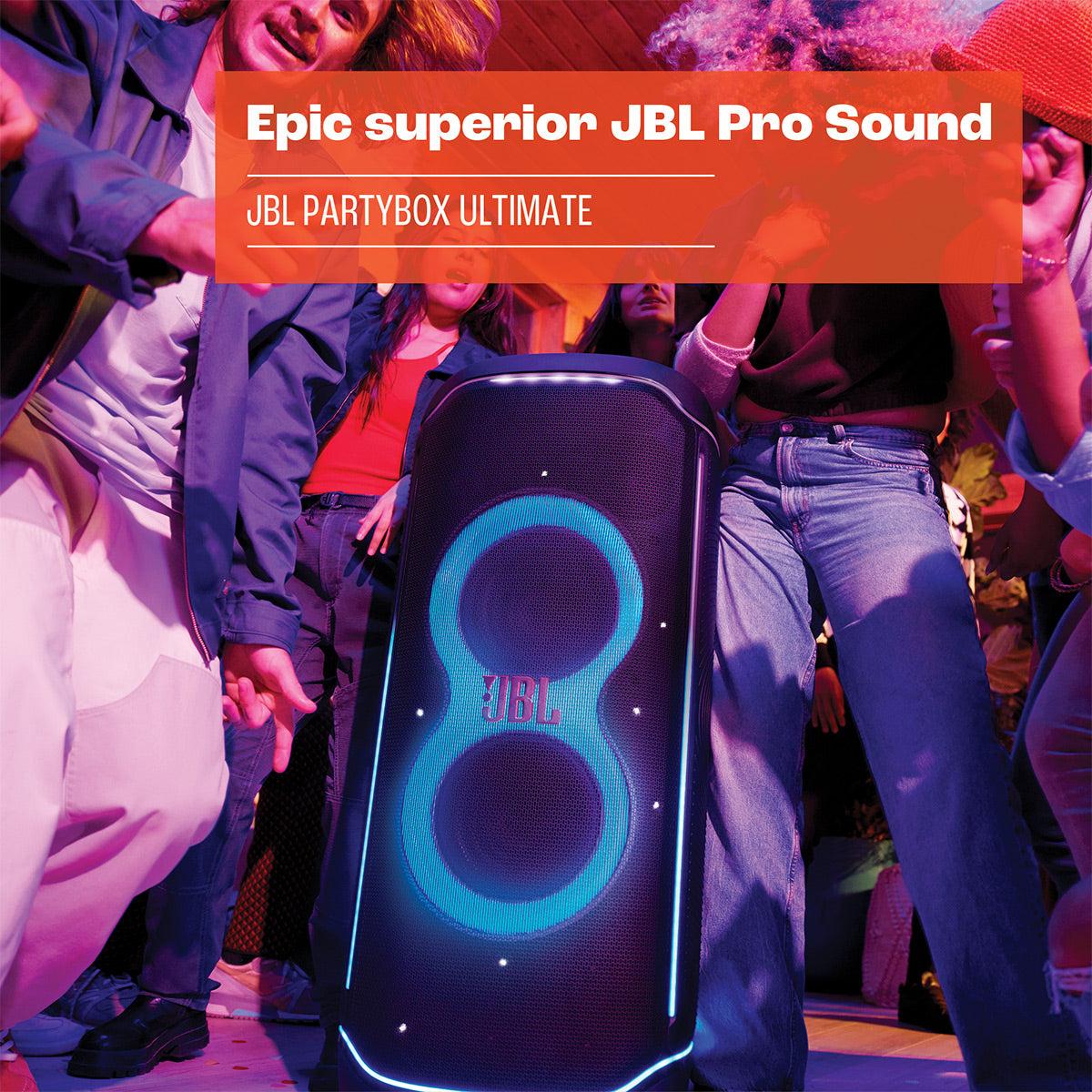
When it comes to raw output, both speakers deliver serious performance, but the differences matter more than the numbers suggest. The PartyBox 710 produces 800 watts RMS (Root Mean Square—a measure of consistent power output), while the PartyBox Ultimate pushes 1,100 watts RMS. That 37.5% power increase translates to noticeably higher maximum volume levels and better headroom when pushed hard.
In real-world testing scenarios, the 710 reaches approximately 109.9 dB maximum, while the Ultimate hits around 111 dB. While this might seem like a small difference, decibel measurements are logarithmic—each 3 dB increase represents roughly double the perceived loudness. The Ultimate's extra 1.1 dB provides meaningfully more impact, especially in very large spaces.
Both speakers can easily fill areas equivalent to two basketball courts with clear, undistorted sound. The difference becomes apparent when you're dealing with outdoor spaces where sound dissipates quickly, or indoor venues with high ceilings where you need extra power to overcome acoustic challenges. The Ultimate's additional headroom means it maintains clarity and control at volume levels where the 710 might start to show signs of compression (a form of distortion that occurs when speakers are pushed beyond their comfortable limits).
For most home parties or even medium-sized events, the 710's power output exceeds what you'll actually need. Both speakers become uncomfortably loud in typical rooms well before reaching maximum volume. The Ultimate's advantage really shines in situations where you genuinely need every bit of available power.
Here's where the PartyBox Ultimate makes its strongest case for the price premium. While the PartyBox 710 uses a traditional two-way design with dual 8-inch woofers and dual 2.75-inch tweeters, the Ultimate employs a three-way configuration that includes dedicated 4.5-inch midrange drivers alongside larger 9-inch subwoofers and the same 2.75-inch tweeters.
This driver arrangement creates a significant performance difference that's immediately audible. The dedicated midrange drivers handle frequencies between roughly 300Hz and 3kHz—the range where most vocals, guitars, keyboards, and other lead instruments live. Without dedicated midrange drivers, these frequencies must be handled by either the woofers (which are optimized for bass) or tweeters (which are optimized for high frequencies), creating compromises in clarity and detail.
User reviews consistently note that the Ultimate sounds "more open" and provides better instrument separation, particularly noticeable when playing complex music with multiple elements happening simultaneously. The 710, while still impressive, can sometimes sound slightly congested in busy musical passages where multiple instruments compete for space in the same frequency range.
The Ultimate's larger 9-inch subwoofers also extend bass response deeper than the 710's 8-inch woofers. The Ultimate reaches down to 30Hz versus the 710's 35Hz—that 5Hz difference represents bass frequencies you feel more than hear, the kind that creates physical impact during bass drops in electronic music or the rumble of explosions in movies.
Bass performance deserves special attention because it's often the primary reason people choose party speakers over traditional audio equipment. Both speakers deliver bass that you can physically feel, but they approach it differently.
The PartyBox 710 produces impressive bass impact through its dual 8-inch woofers and bass reflex port design (a tuned opening that enhances low-frequency output). The bass is punchy, immediate, and well-suited to most party music genres. It hits hard enough to drive dance music effectively while remaining controlled enough to avoid the boomy, one-note bass that plagues some party speakers.
The PartyBox Ultimate takes bass performance significantly further. Its larger 9-inch subwoofers and deeper frequency extension create bass that's not just louder, but more nuanced. Reviews consistently describe the Ultimate's bass as approximately 20% stronger than the 710's, with better extension into sub-bass frequencies that you feel more than hear.
For genres like EDM, hip-hop, and reggaeton—music that relies heavily on bass impact for emotional effect—the Ultimate's advantage becomes crucial. The difference isn't subtle; it's the kind of bass that makes people stop conversations and start moving. The 710 certainly delivers party-appropriate bass, but the Ultimate provides the kind of physical impact that defines memorable party experiences.
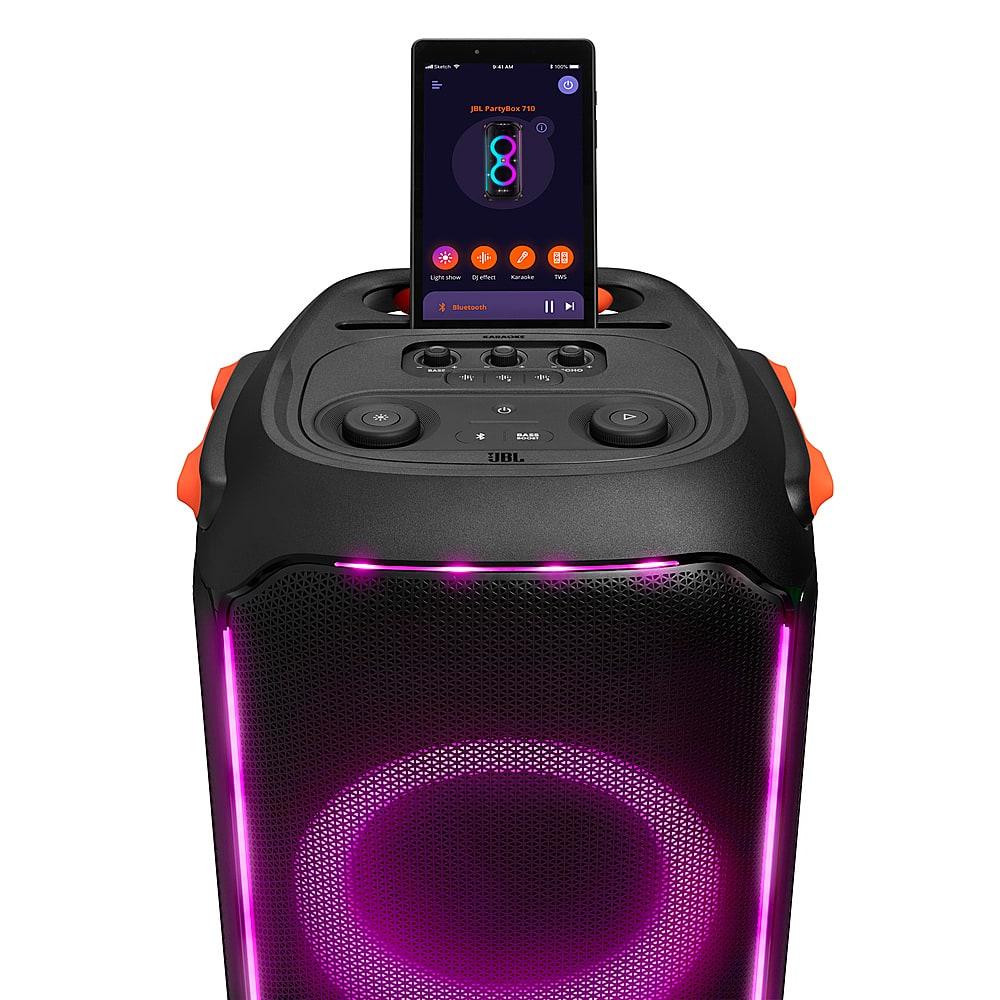
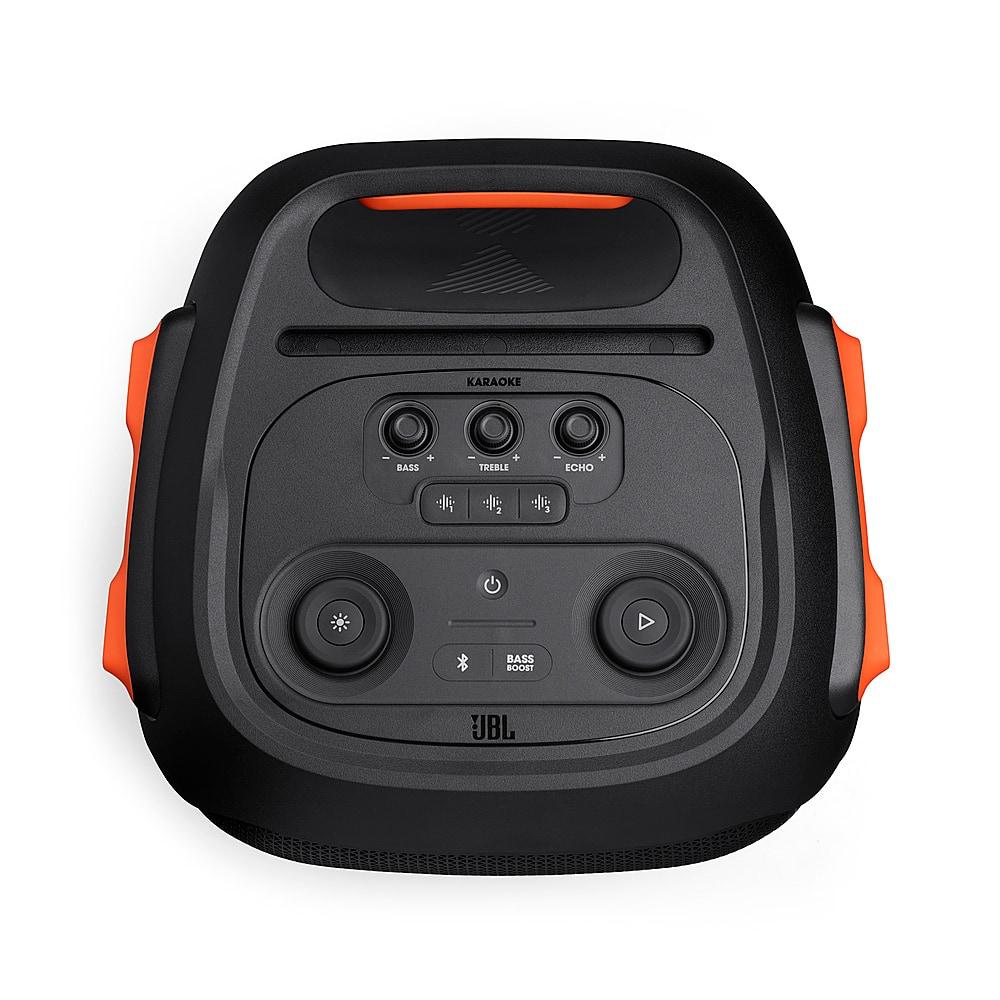
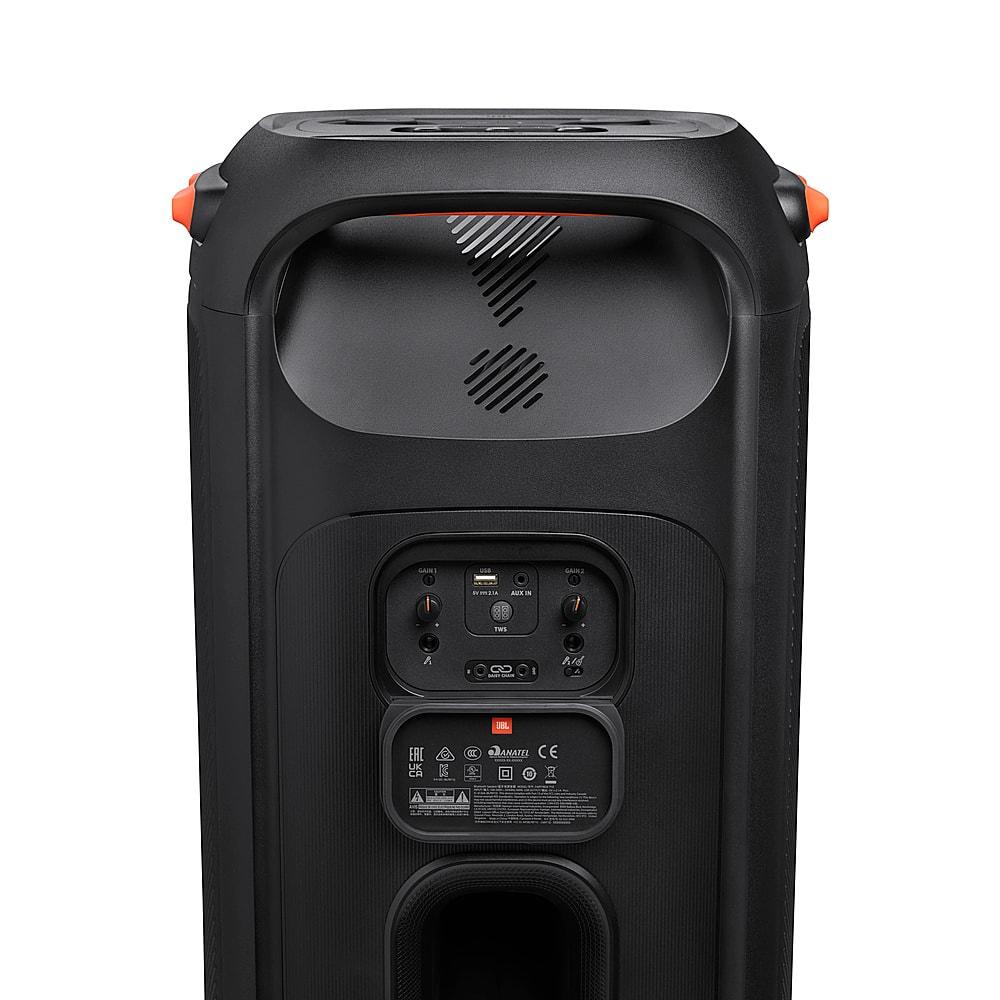
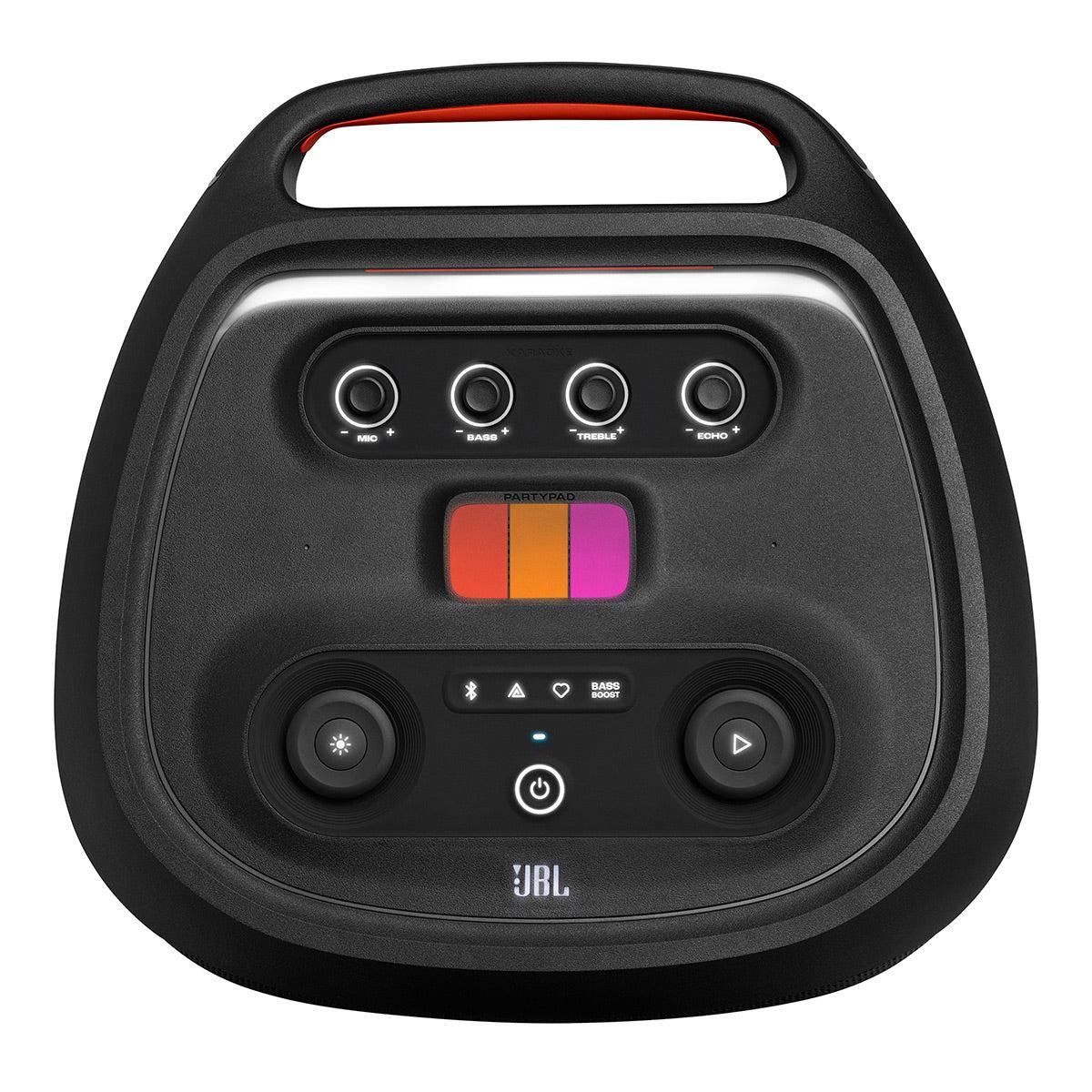
This is where the two-year development gap between these speakers becomes most apparent. The PartyBox 710 relies primarily on Bluetooth 5.1 connectivity, which was excellent when it launched but lacks some conveniences that modern users expect. It includes the standard array of wired inputs—auxiliary, USB, and microphone connections—plus True Wireless Stereo (TWS) capability for pairing with another 710.
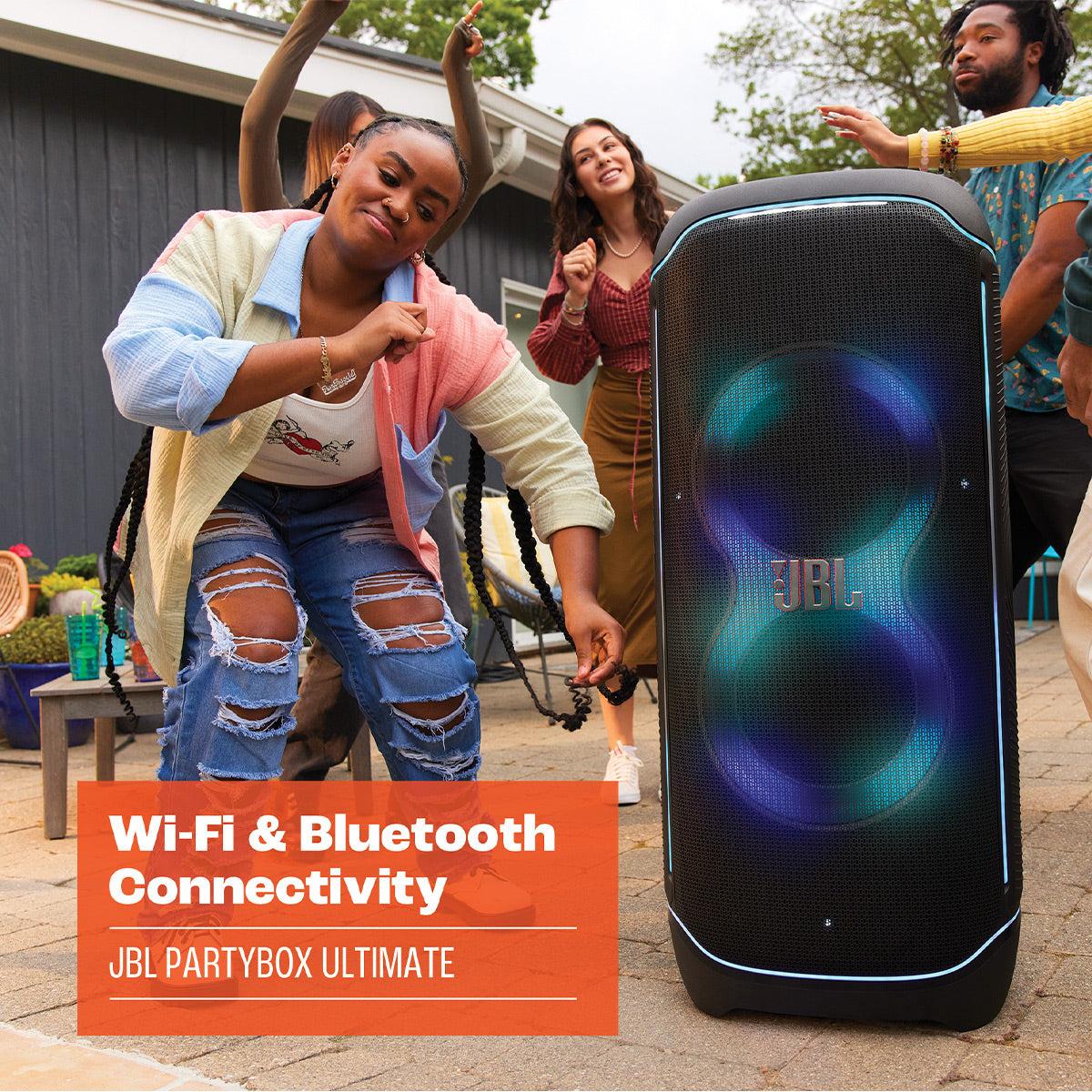
The PartyBox Ultimate incorporates Wi-Fi 6 connectivity alongside Bluetooth 5.3, opening up significantly more functionality. Wi-Fi connectivity enables AirPlay 2 and Chromecast support, meaning you can stream high-quality audio directly from streaming services without the compression inherent in Bluetooth transmission. More importantly, Wi-Fi streaming continues uninterrupted when your phone receives calls or notifications—a surprisingly important feature during long parties.
The Ultimate also supports multiroom audio, allowing you to synchronize multiple speakers throughout a house or venue. Its Auracast technology (a newer Bluetooth standard) provides more sophisticated multi-speaker networking than the 710's simpler TWS pairing.
For users who value simplicity, the 710's straightforward approach has merit. Bluetooth pairing is immediate and requires no network configuration. For users who want maximum flexibility and don't mind slightly more complex setup, the Ultimate's advanced connectivity options provide genuinely useful functionality.
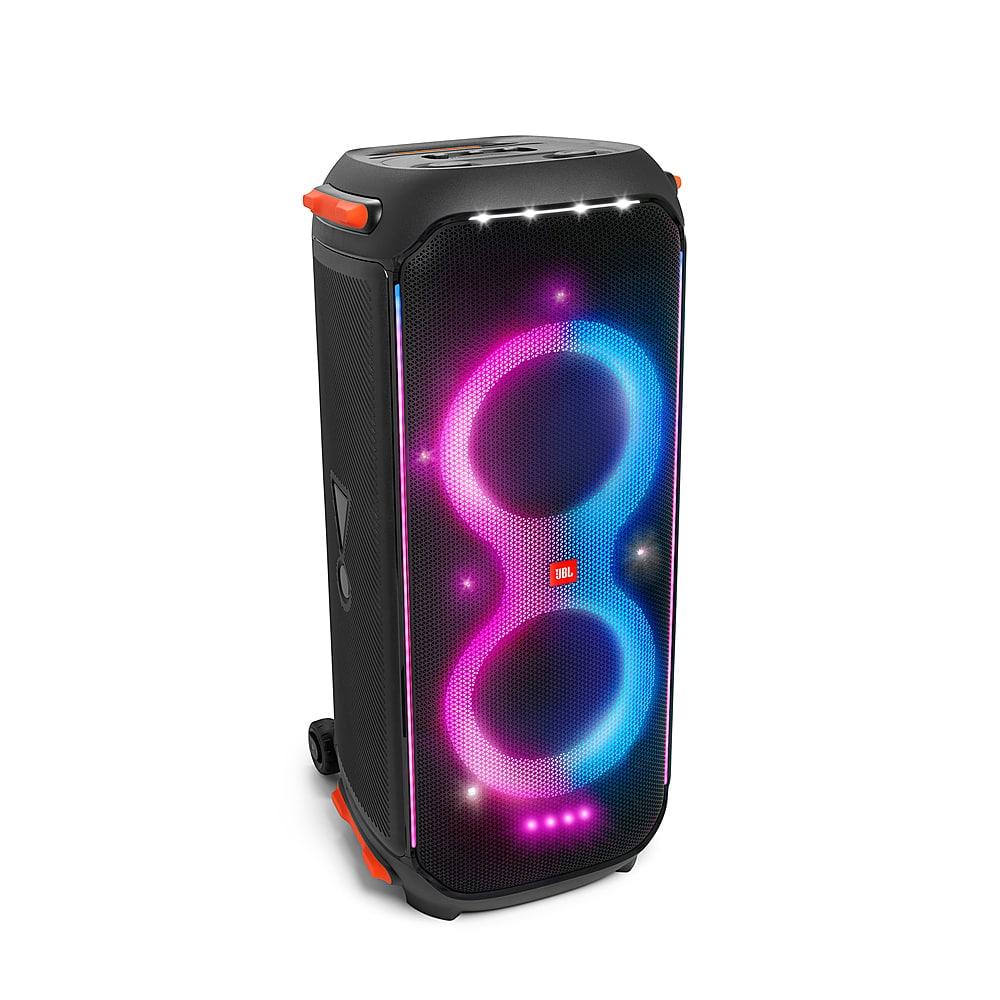
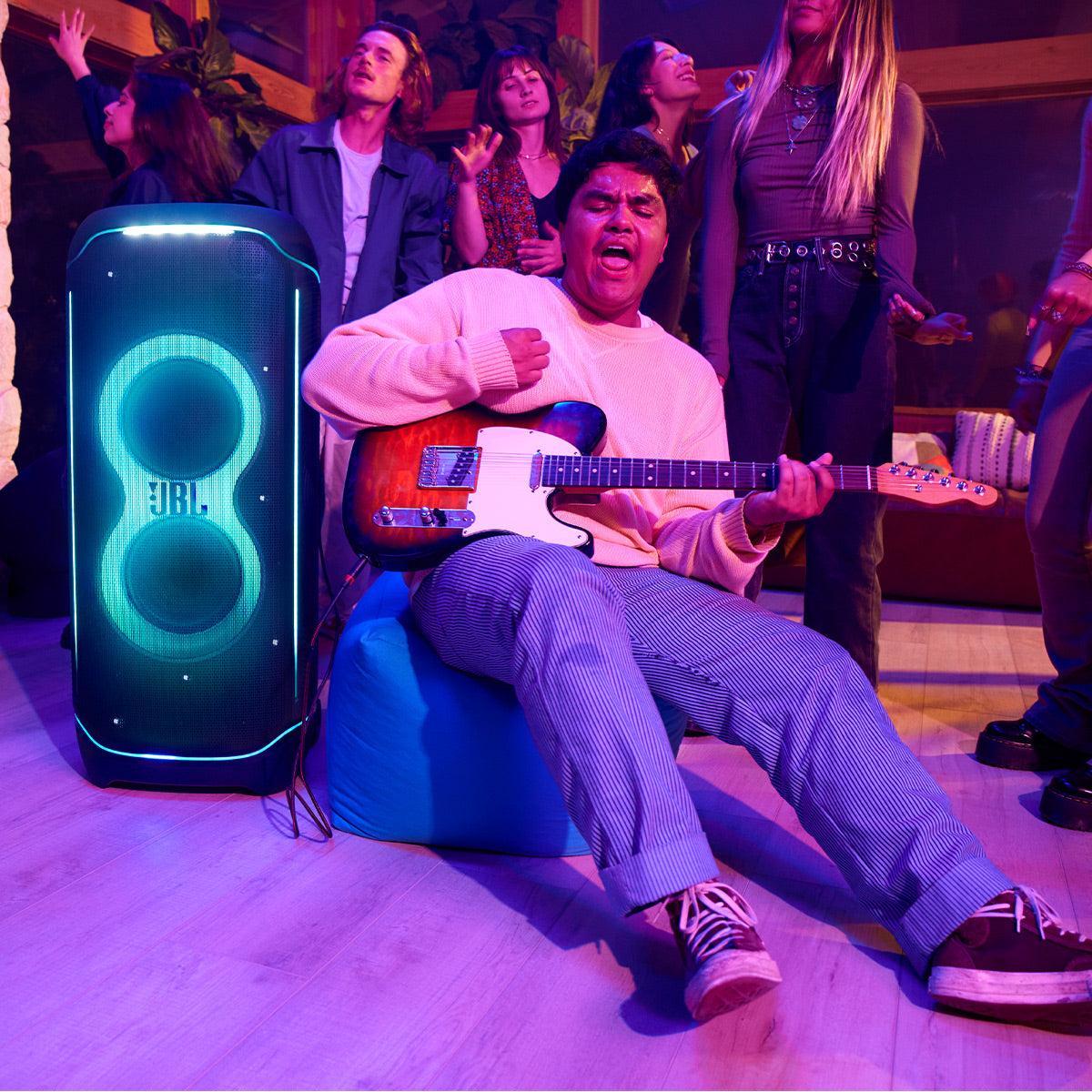
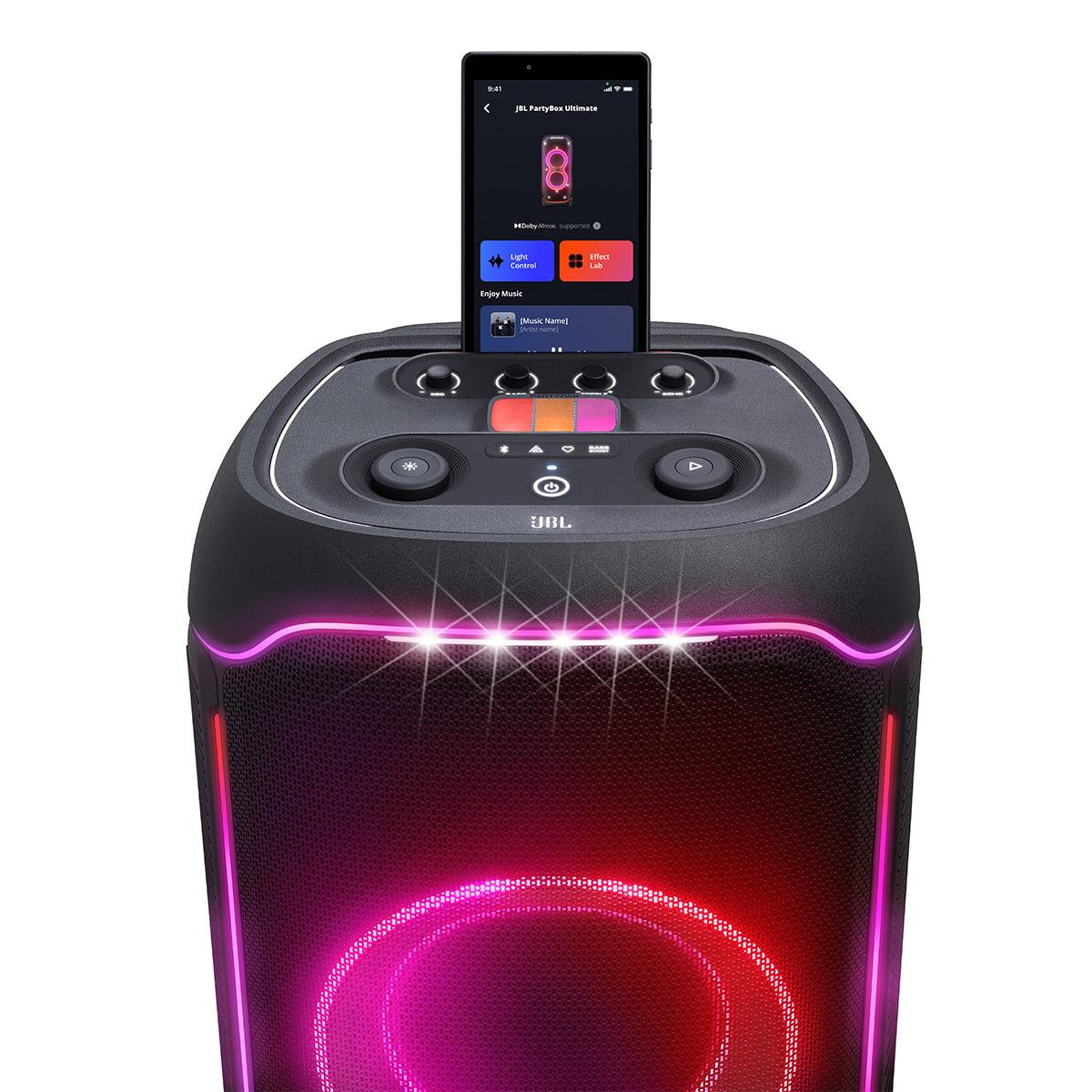
Party speakers aren't just about audio—the visual element often influences purchasing decisions as much as sound quality. Both speakers incorporate LED lighting systems, but the PartyBox Ultimate takes visual entertainment significantly further than the PartyBox 710.
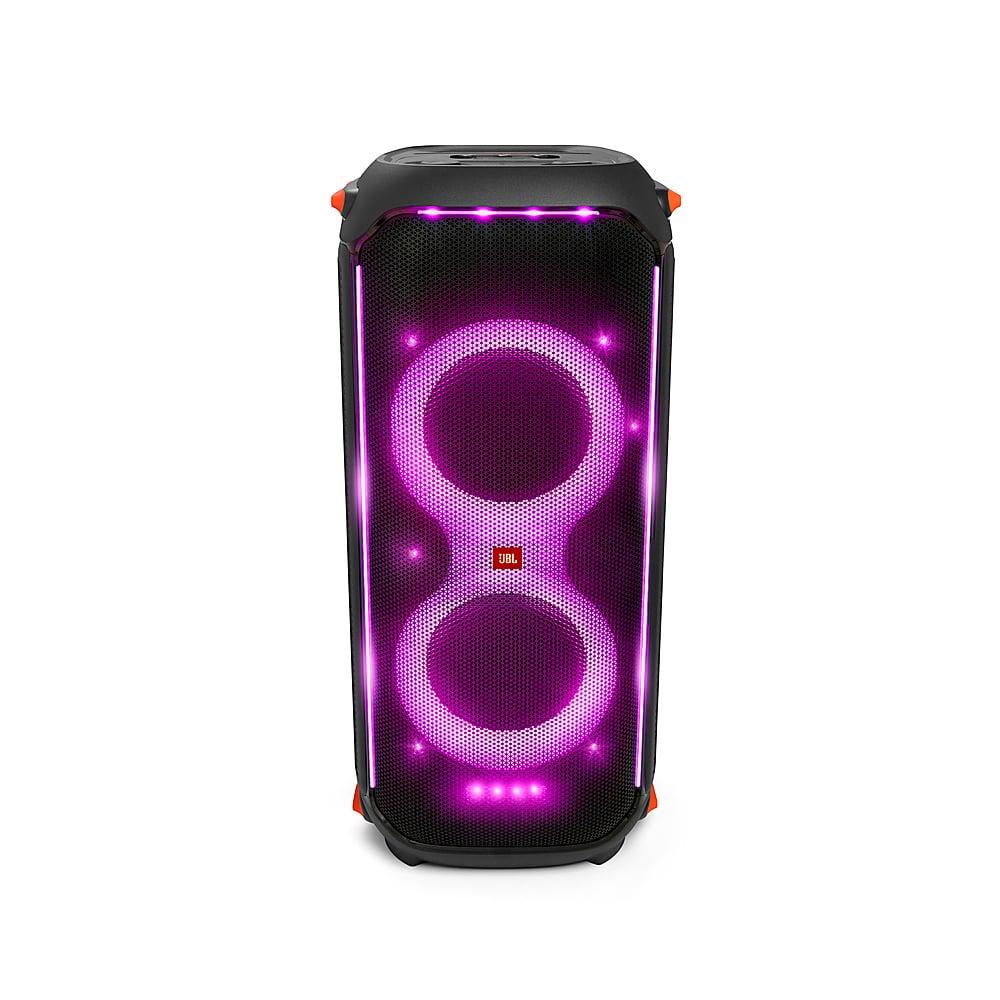
The 710 features LED rings around each woofer plus side-mounted LED strips, creating colorful patterns that sync to music. The lighting is bright, dynamic, and definitely adds party atmosphere, but it's relatively straightforward compared to modern standards.
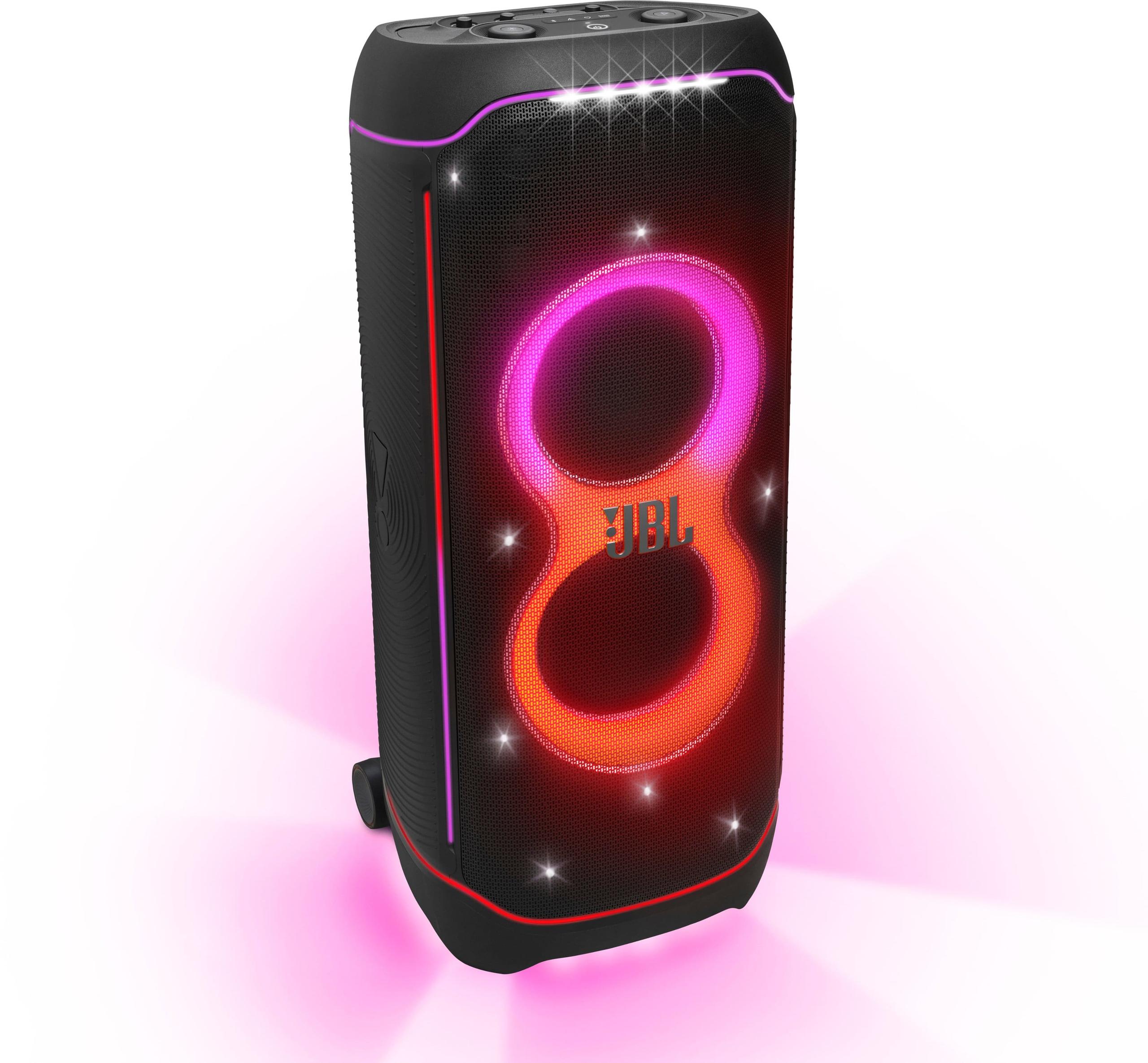
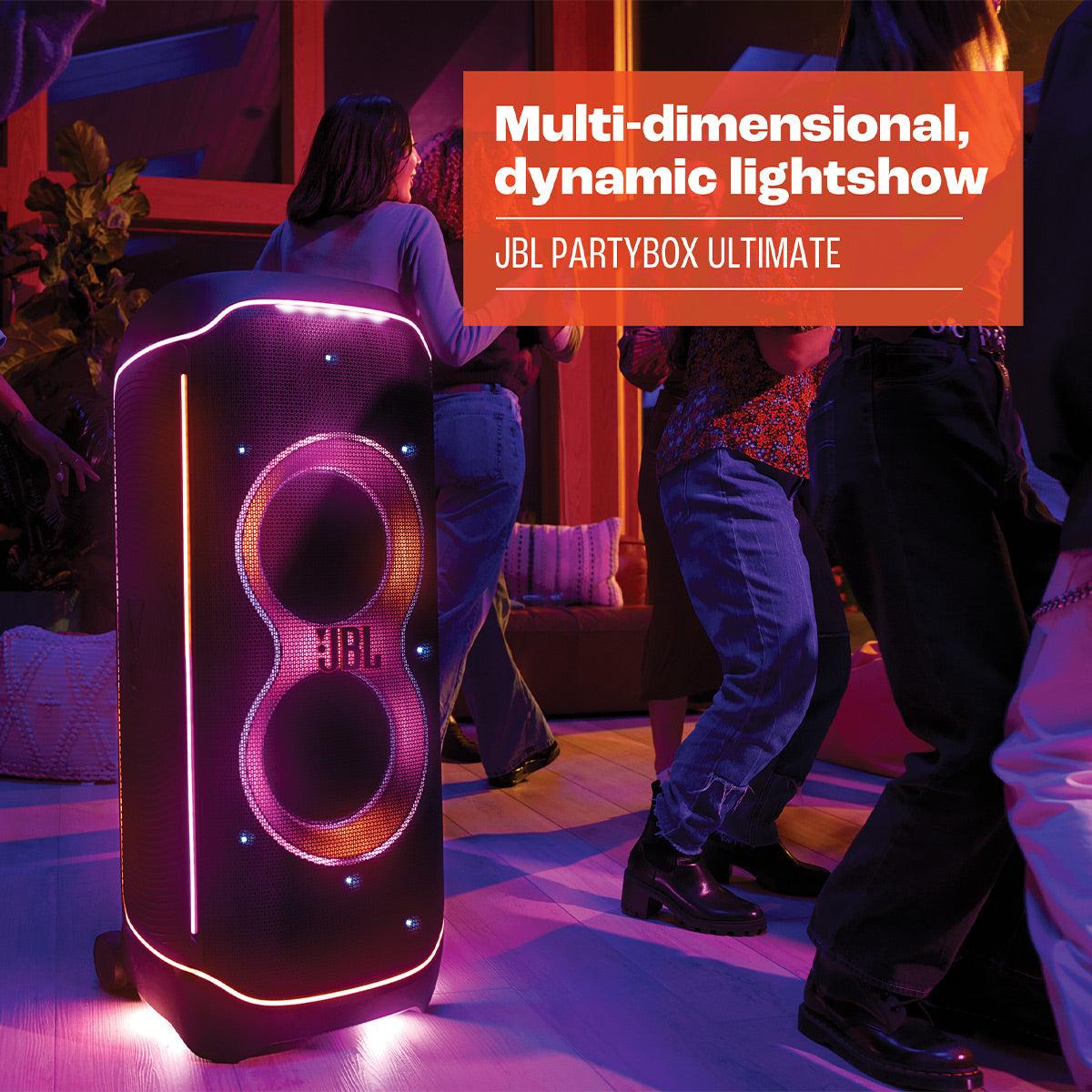
The Ultimate incorporates what's essentially a completely different lighting philosophy. Beyond the enhanced LED rings and strips, it includes ground projection lighting that illuminates the floor around the speaker. This creates an immersive environment that extends beyond the speaker itself—instead of just being a light source, the Ultimate becomes the center of a lit environment.
The lighting complexity matters more than you might expect. In darkened party environments, the Ultimate's ground lighting creates spatial definition and helps establish the speaker as a focal point. The effect is genuinely impressive and contributes significantly to the overall party atmosphere in ways that simpler lighting systems cannot match.
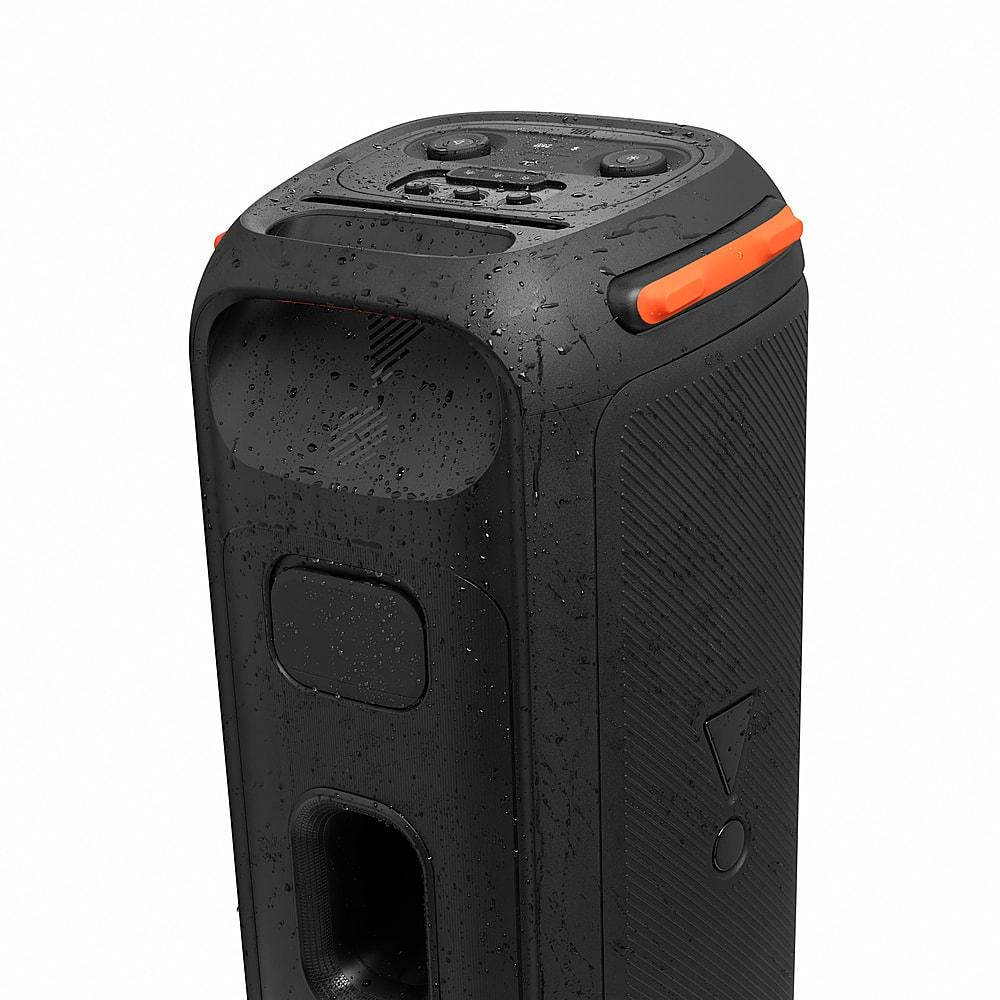
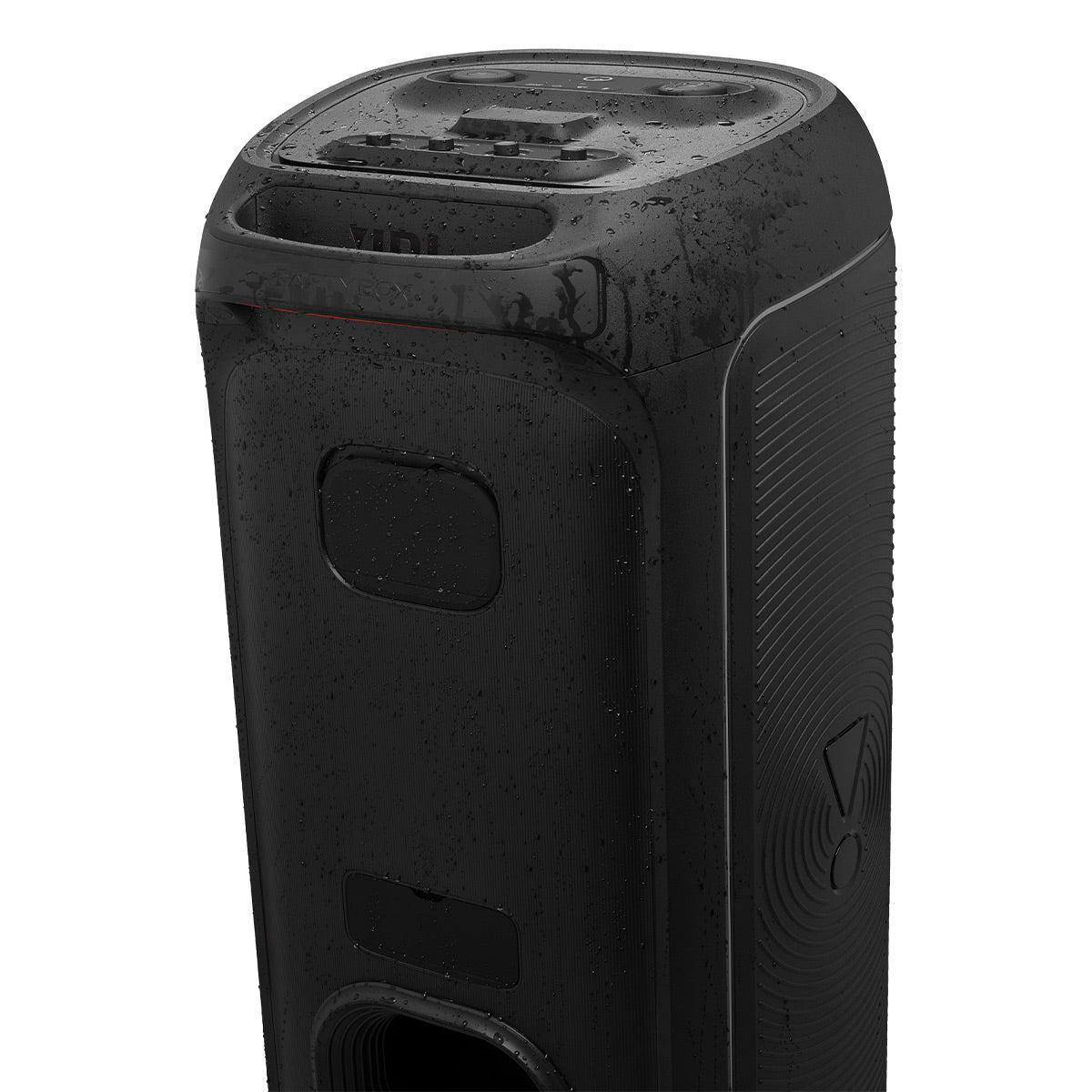
Despite being called "portable," both speakers are substantial pieces of equipment that require planning to move. The PartyBox 710 weighs 61 pounds and measures about 36 inches tall, while the PartyBox Ultimate tips the scales at 87 pounds and stands over 41 inches high.
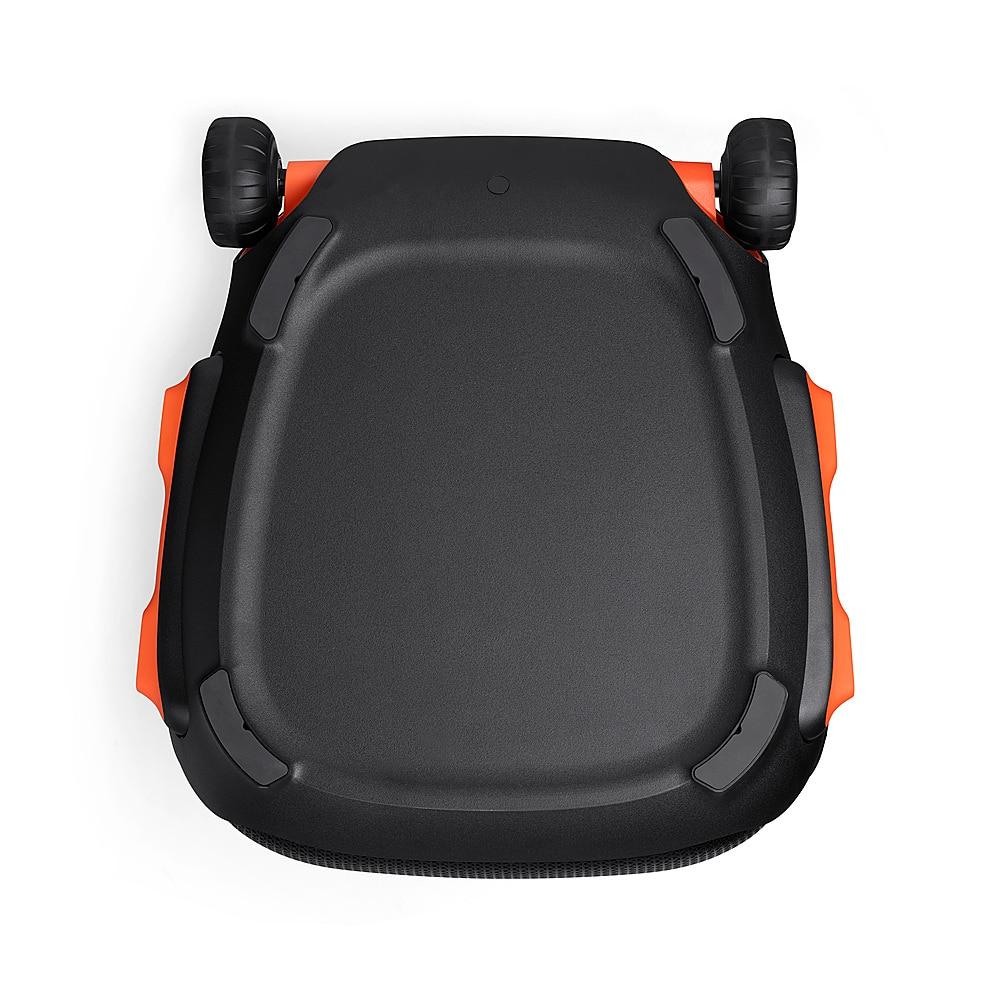
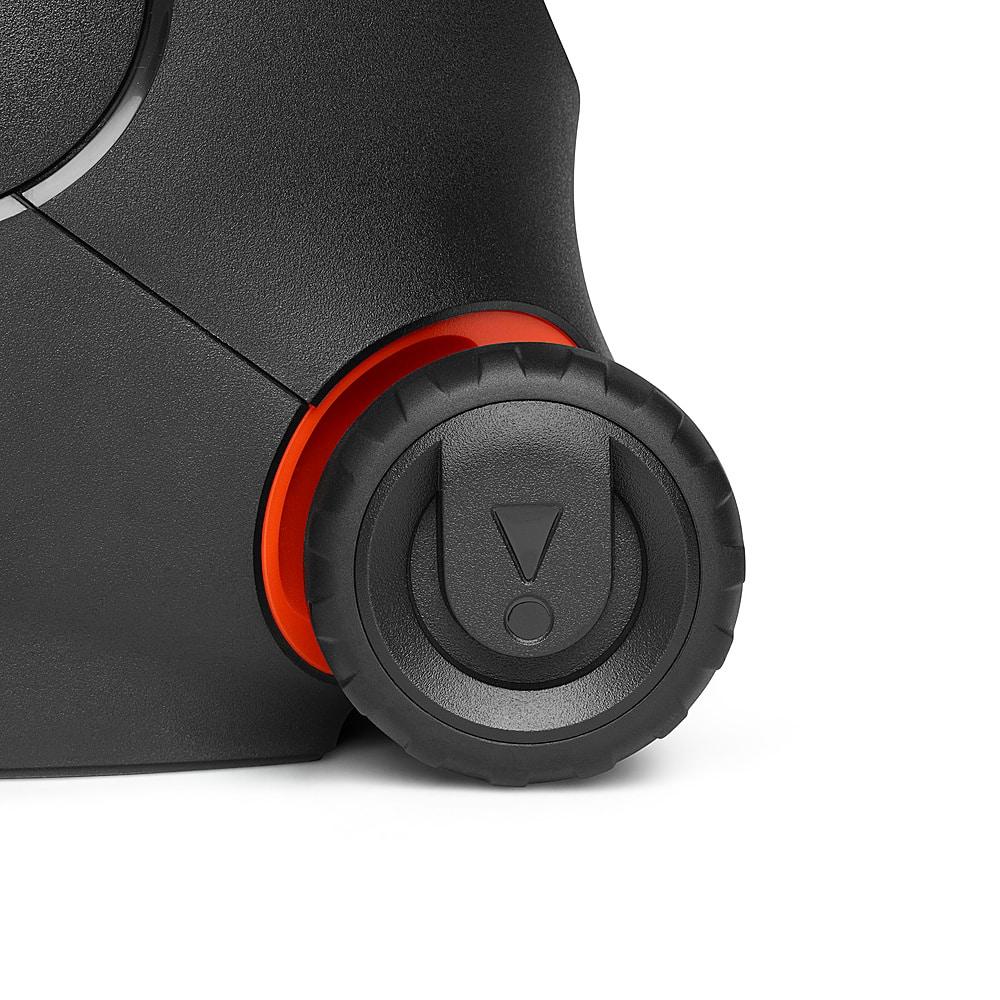
Both include wheels and handles for transport, but the Ultimate's additional 26 pounds makes a meaningful difference in real-world handling. Moving the 710 is manageable for most adults; moving the Ultimate often requires two people or very careful maneuvering. This weight difference becomes particularly relevant if you plan to use these speakers in multiple locations or need to navigate stairs.
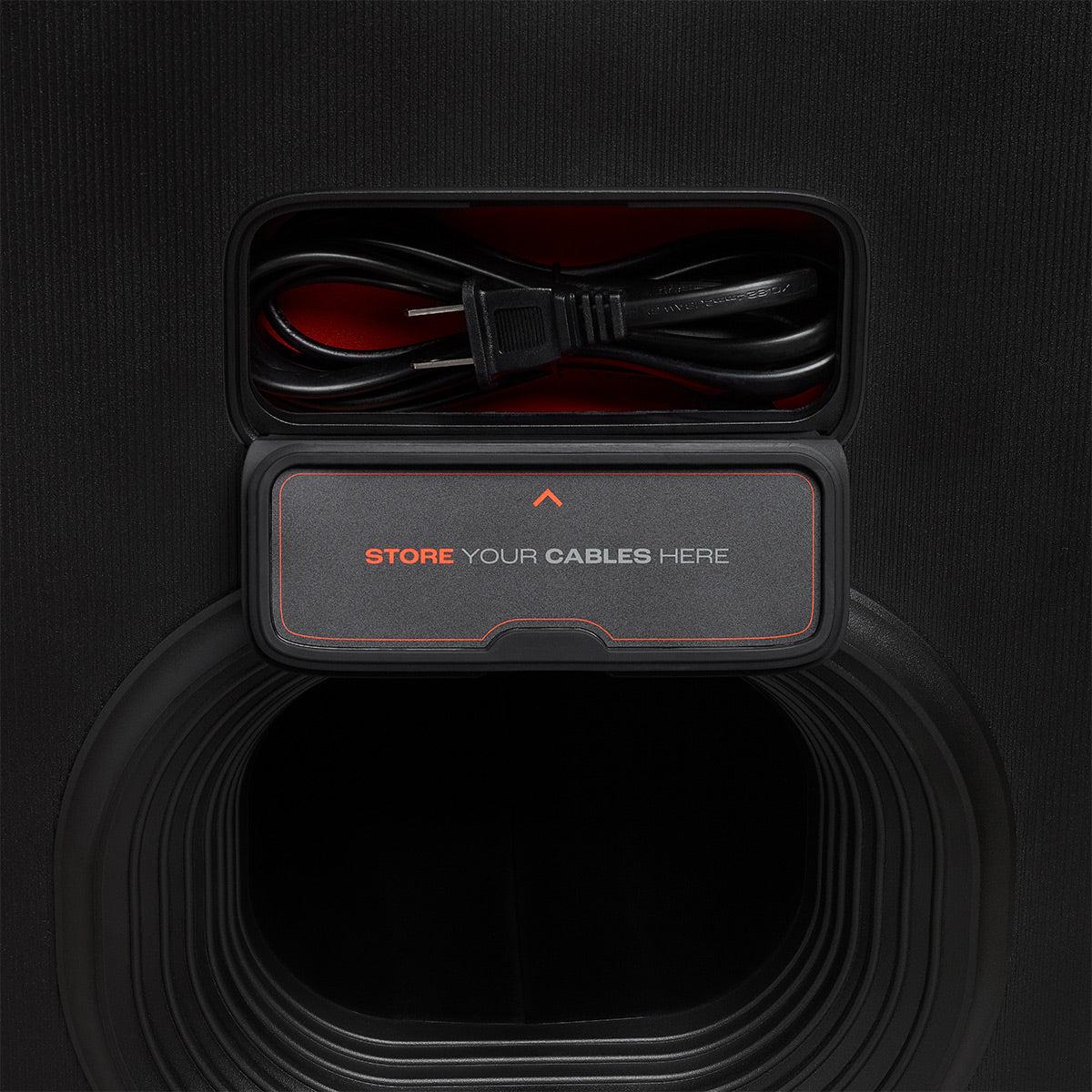
The Ultimate includes thoughtful design touches like cable management storage that the 710 lacks, suggesting that JBL learned from user feedback about setup convenience. However, neither speaker includes battery power—they require AC power connections, limiting true portability compared to smaller party speakers.
At the time of writing, the PartyBox Ultimate commands a significant premium over the PartyBox 710—roughly 40% more depending on current pricing and promotions. This creates an interesting value equation that depends heavily on your specific needs and budget.
The 710 represents exceptional performance per dollar. It delivers about 85% of the Ultimate's audio performance at roughly 60% of the cost, making it one of the best values in serious party audio. For many users, the 710's capabilities exceed what they'll actually use, making the Ultimate's additional features unnecessary luxury.
However, value calculations change when you consider alternative approaches. Two 710 units (approaching the Ultimate's total cost) provide true stereo separation and can cover larger or more complex spaces more effectively than a single Ultimate. This strategy trades simplicity for potentially superior coverage and soundstage.
The Ultimate justifies its premium for users who specifically value its unique capabilities: the deepest possible bass response, advanced connectivity features, or maximum visual impact. These aren't incremental improvements—they're meaningful differentiators that matter significantly to the right users.
While neither speaker was designed primarily for home theater use, both can serve effectively in large rooms where traditional soundbars fall short. Their high output capability and strong bass response work well for movie soundtracks, particularly action and adventure content.
The PartyBox Ultimate has a slight advantage here due to its dedicated midrange drivers, which provide better dialogue clarity than the PartyBox 710. However, both speakers' party-oriented tuning means they emphasize impact and excitement over the balanced response that serious home theater enthusiasts typically prefer.
For casual movie watching in large spaces—basement family rooms, outdoor movie setups, or garage theaters—both speakers provide impressive performance. The Ultimate's Dolby Atmos processing (though virtual rather than true overhead effects) adds some spatial enhancement to compatible content.
The PartyBox 710 makes the most sense for users who want serious party audio performance without flagship pricing. It's ideal for regular house parties, backyard gatherings, or small events where excellent sound quality and visual impact matter more than having every possible feature. If you value straightforward operation and don't need advanced connectivity options, the 710 delivers exceptional performance with minimal complexity.
Choose the 710 if you're budget-conscious but refuse to compromise on audio quality, if you prefer simpler operation over advanced features, or if you might eventually add a second unit for stereo coverage. It's also the better choice if regular transport is required, since the weight difference becomes significant over time.
The PartyBox Ultimate justifies its premium for users who want flagship features and performance. It's the right choice when maximum bass impact is crucial—particularly for electronic music or hip-hop—when advanced connectivity features provide genuine utility, or when visual impact is as important as audio performance.
Choose the Ultimate if budget isn't the primary constraint, if you host large events where maximum impact matters, or if you value having the latest technology and most sophisticated features. It's also preferable for permanent installations where setup complexity isn't a concern.
Both speakers represent excellent engineering targeted at slightly different needs. The PartyBox 710 offers remarkable performance at its price point and remains competitive with much more expensive alternatives. The PartyBox Ultimate pushes party speaker technology about as far as current technology allows, providing flagship performance for users willing to pay for it.
For most people, the 710 provides more performance than they'll regularly use at a price that doesn't require serious budget consideration. The Ultimate makes sense when you know you need its specific advantages and when those advantages justify the premium. Neither choice is wrong—they're just optimized for different priorities and budgets.
The decision often comes down to a simple question: are you looking for excellent party audio performance, or do you want the absolute best party audio experience available? The 710 delivers the former admirably, while the Ultimate defines the latter convincingly.
| JBL PartyBox 710 | JBL PartyBox Ultimate |
|---|---|
| Power Output - Determines maximum volume and headroom for large spaces | |
| 800W RMS (reaches 109.9 dB max) | 1,100W RMS (reaches 111 dB max) |
| Driver Configuration - Affects sound clarity and instrument separation | |
| 2× 8" woofers + 2× 2.75" tweeters (2-way design) | 2× 9" subwoofers + 2× 4.5" midrange + 2× 2.75" tweeters (3-way design) |
| Bass Extension - Lower frequencies create more physical impact | |
| 35Hz - 20kHz (strong bass for most party music) | 30Hz - 20kHz (deeper bass you can feel, ~20% stronger impact) |
| Connectivity - Modern features affect streaming quality and convenience | |
| Bluetooth 5.1, USB, AUX, basic app control | Bluetooth 5.3 + Wi-Fi 6, AirPlay 2, Chromecast, multiroom audio |
| Lighting System - Visual entertainment enhances party atmosphere | |
| LED rings + side strips with starlight effects | Enhanced LED system + ground projection lighting for immersive environment |
| Weight & Portability - Affects ease of transport between locations | |
| 61.3 lbs (manageable for single person transport) | 87.1 lbs (often requires two people, 42% heavier) |
| Release Year - Indicates technology generation and feature set | |
| 2021 (proven design, simpler feature set) | 2023 (flagship features, latest connectivity standards) |
| Best For - Target user and primary use cases | |
| Budget-conscious users wanting excellent performance, simpler operation | Users prioritizing maximum impact, advanced features, flagship performance |
The JBL PartyBox Ultimate is louder than the JBL PartyBox 710, delivering 1,100W RMS compared to the 710's 800W RMS. The Ultimate reaches approximately 111 dB maximum volume versus the 710's 109.9 dB. While both can easily fill large spaces, the PartyBox Ultimate provides more headroom for extremely large venues or outdoor events.
The biggest differences are the PartyBox Ultimate's three-way speaker design with dedicated midrange drivers, deeper bass extension (30Hz vs 35Hz), and advanced Wi-Fi connectivity features. The PartyBox 710 uses a simpler two-way design with Bluetooth-only wireless connectivity, making it more straightforward to use but less feature-rich.
The JBL PartyBox Ultimate has significantly better bass performance with larger 9-inch subwoofers that extend down to 30Hz and deliver approximately 20% stronger bass impact. The PartyBox 710 still provides excellent bass with its 8-inch woofers, but the Ultimate's bass is deeper and more physically impactful for genres like EDM and hip-hop.
Both the PartyBox 710 and PartyBox Ultimate can work for casual home theater use in large rooms, especially for action movies. The PartyBox Ultimate has an advantage with its dedicated midrange drivers providing clearer dialogue and virtual Dolby Atmos processing, though both are optimized more for party music than critical movie watching.
The JBL PartyBox 710 is more portable at 61.3 pounds versus the Ultimate's 87.1 pounds. While both have wheels and handles, the 710 is manageable for single-person transport, while the heavier PartyBox Ultimate often requires two people or very careful maneuvering, especially up stairs.
Yes, both the JBL PartyBox 710 and PartyBox Ultimate require AC power and do not have built-in batteries. This limits their portability compared to smaller party speakers but allows them to deliver consistent high power output without battery life concerns.
The JBL PartyBox Ultimate offers superior connectivity with Wi-Fi 6, Bluetooth 5.3, AirPlay 2, and Chromecast support, plus multiroom audio capabilities. The PartyBox 710 uses Bluetooth 5.1 and basic wired connections, which is simpler but less versatile for modern streaming needs.
Yes, both speakers support multi-speaker setups. The PartyBox 710 uses True Wireless Stereo (TWS) for pairing with another 710, while the PartyBox Ultimate offers more advanced wireless pairing options and can connect with other PartyBox models through its app-controlled networking features.
The JBL PartyBox Ultimate has significantly more impressive lighting with ground projection effects, enhanced LED rings, and more sophisticated pattern synchronization. The PartyBox 710 offers good lighting with LED rings and side strips, but the Ultimate's ground lighting creates a more immersive visual environment.
The PartyBox Ultimate provides better sound quality with dedicated 4.5-inch midrange drivers that improve instrument separation and vocal clarity. Users consistently report the Ultimate sounds "more open" in complex musical passages. The PartyBox 710 still delivers excellent party-focused sound but can sound slightly congested when multiple instruments compete in busy mixes.
The JBL PartyBox 710 typically offers better value, delivering about 85% of the Ultimate's performance at a significantly lower price point. The PartyBox Ultimate justifies its premium for users who specifically need maximum bass impact, advanced connectivity, or flagship visual effects, but most users will find the 710 exceeds their actual needs.
Both the PartyBox 710 and PartyBox Ultimate can fill spaces equivalent to multiple basketball courts with clear sound. The key difference is headroom - the PartyBox Ultimate maintains better clarity and control in extremely large venues or outdoor spaces where sound dissipates quickly, while the 710 handles most party scenarios with room to spare.
We've done our best to create useful and informative comparisons to help you decide what product to buy. Our research uses advanced automated methods to create this comparison and perfection is not possible - please contact us for corrections or questions. These are the sites we've researched in the creation of this article: rtings.com - audioadvice.com - crutchfield.com - youtube.com - bestbuy.com - rtings.com - youtube.com - youtube.com - youtube.com - versus.com - worldwidestereo.com - rtings.com - jbl.com - youtube.com - expertvoice.com - jbl.com - jbl.com.tw - robot-advance.com - youtube.com - hu.harmanaudio.com - onward.ph - harmanaudio.in - youtube.com - youtube.com - manuals.plus - global.jbl.com - de.jbl.com - ro.harmanaudio.com - audioadvice.com - youtube.com - crutchfield.com - youtube.com - youtube.com - youtube.com - youtube.com - versus.com - youtube.com - youtube.com - youtube.com - jbl.com - pcx.com.ph - global.jbl.com - gzhls.at - electronicexpress.com - harmanaudio.in - jbl.com - dell.com - robot-advance.com - device.report - ro.harmanaudio.com

Privacy Policy
Terms and Conditions - Affiliate Policy
Home Security
© Copyright 2008-2026.
11816 Inwood Rd #1211, Dallas, TX 75244