

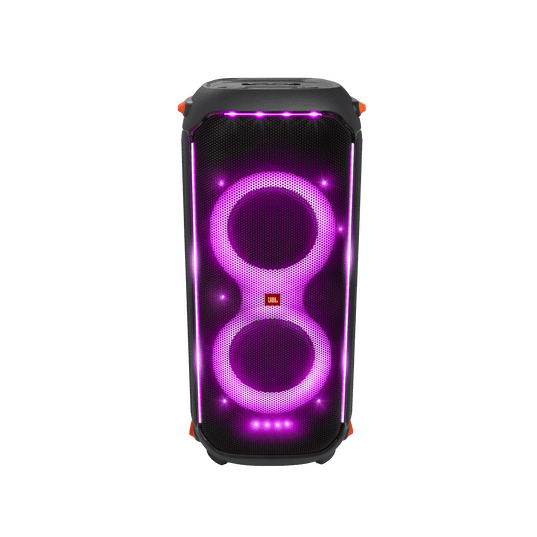
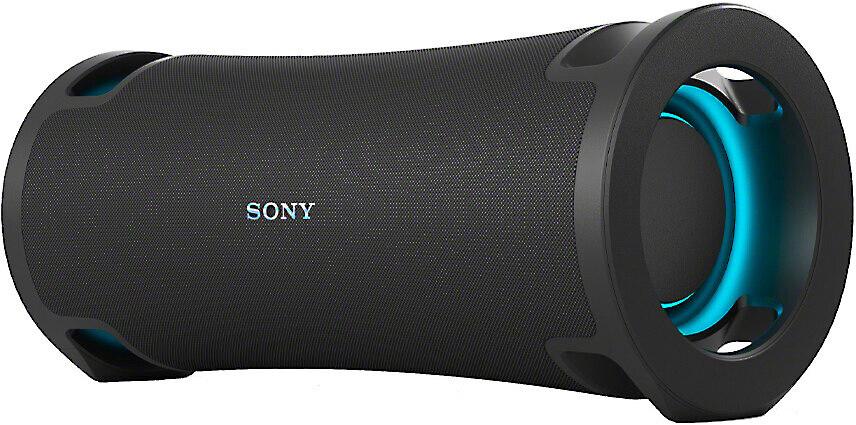
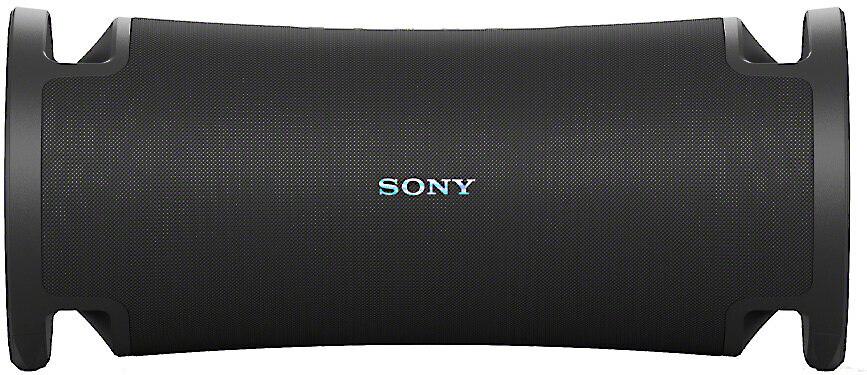
When it comes to throwing memorable parties or just enjoying music at serious volume levels, the speaker you choose can make or break the experience. Two standout options dominating conversations in 2024 are the JBL PartyBox 710 and the Sony ULT FIELD 7. While both fall into the "portable party speaker" category, they represent fundamentally different approaches to delivering powerful sound for social gatherings.
The party speaker market has evolved dramatically since these models were released – the JBL PartyBox 710 in 2022 and the Sony ULT FIELD 7 in 2023. What we're seeing is a split between maximum-performance powerhouses that prioritize raw acoustic output, and more versatile speakers that balance portability with decent sound quality. Understanding this distinction is crucial to making the right choice for your needs.
Party speakers occupy a unique space in the audio world. Unlike bookshelf speakers designed for critical listening in quiet rooms, or tiny Bluetooth speakers meant for background music, party speakers have one primary job: getting loud enough to energize a crowd while maintaining sound quality that won't make people cover their ears.
The key technical challenge is managing what audio engineers call "dynamic range compression." This happens when a speaker gets pushed to its limits – the quieter details in music get squashed while the loud parts stay roughly the same volume. It's like trying to have a conversation in a crowded restaurant; everything starts blending together. Quality party speakers minimize this compression, keeping the music clear and punchy even when cranked up.
Power handling is another critical factor, measured in watts RMS (Root Mean Square). This tells you how much continuous power a speaker can handle without distorting or potentially damaging its drivers – the individual speaker components that actually move air to create sound. The JBL PartyBox 710 boasts an impressive 800W RMS, while the Sony ULT FIELD 7 doesn't publish specific wattage figures but clearly operates at lower power levels based on its size and battery constraints.
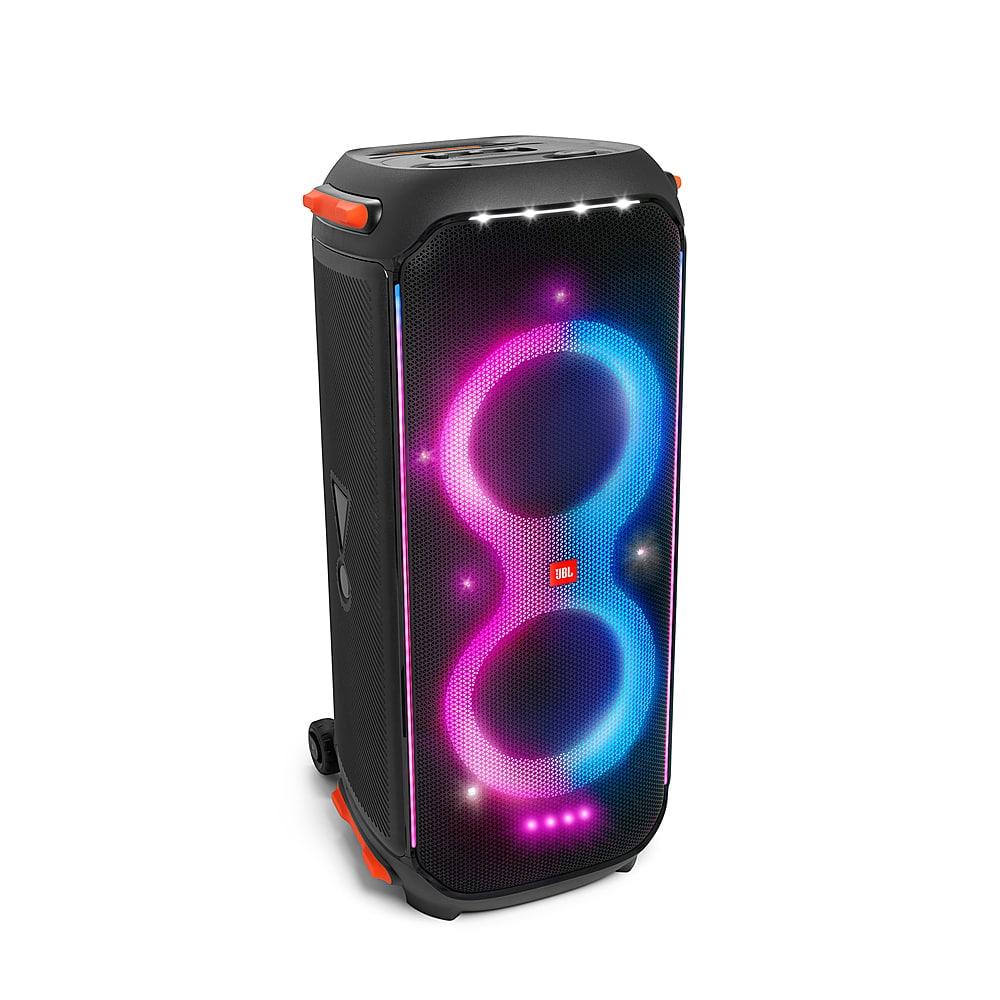
The JBL PartyBox 710 and Sony ULT FIELD 7 represent two completely different philosophies about what makes a great party speaker. JBL went all-in on maximum performance, creating what's essentially a portable PA system disguised as a consumer speaker. Sony focused on versatility and true portability, building something you can genuinely take anywhere.
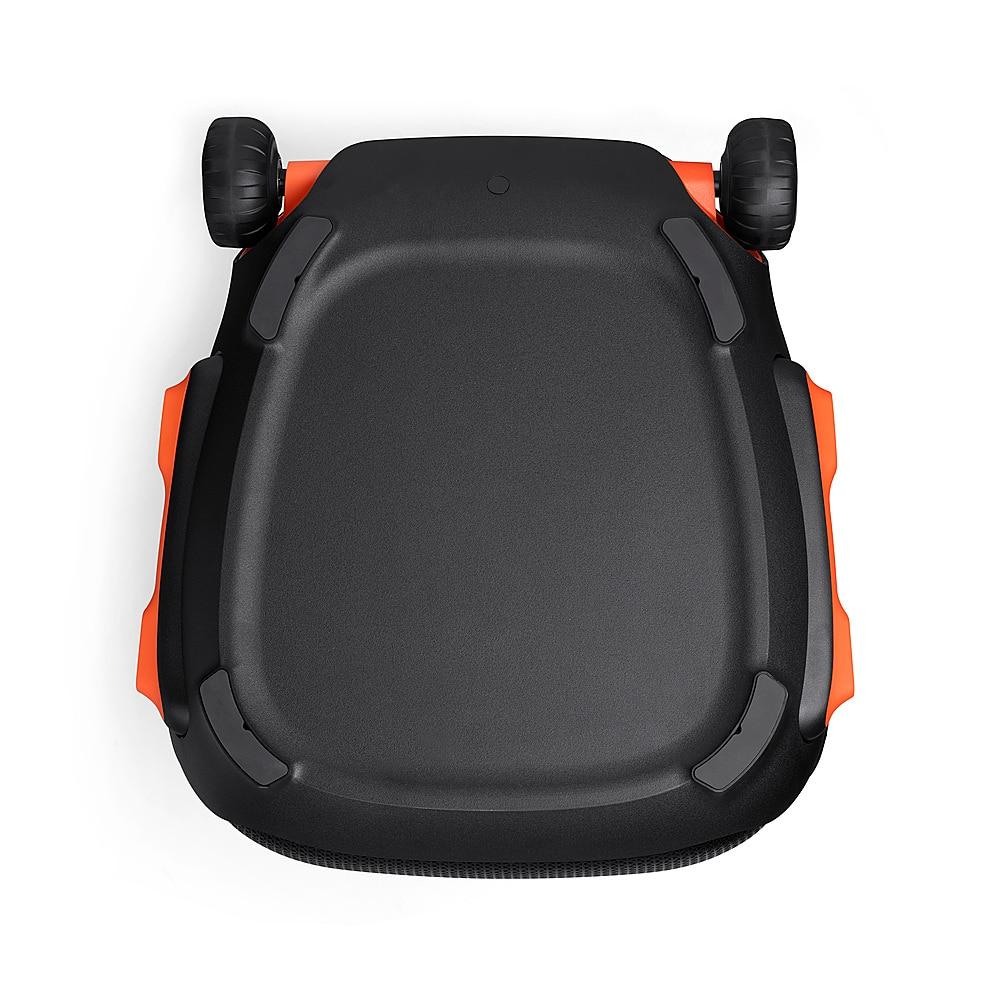
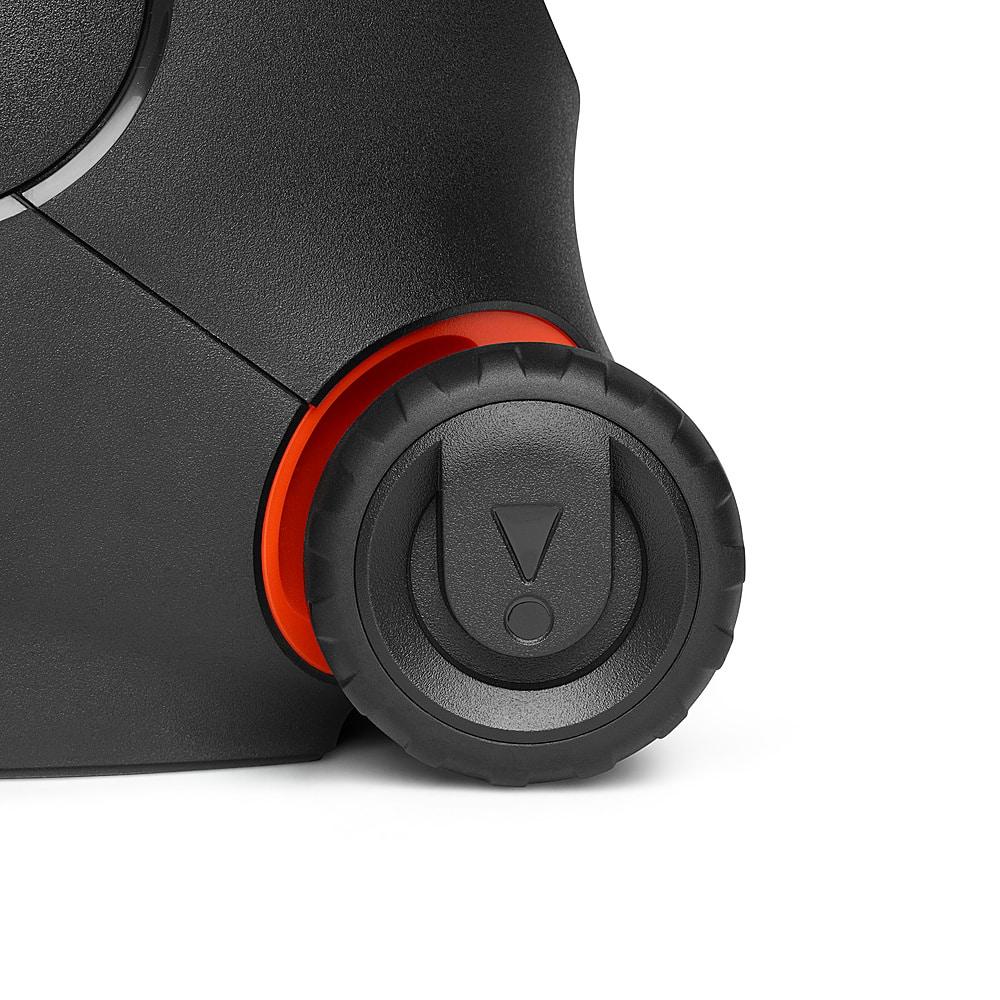
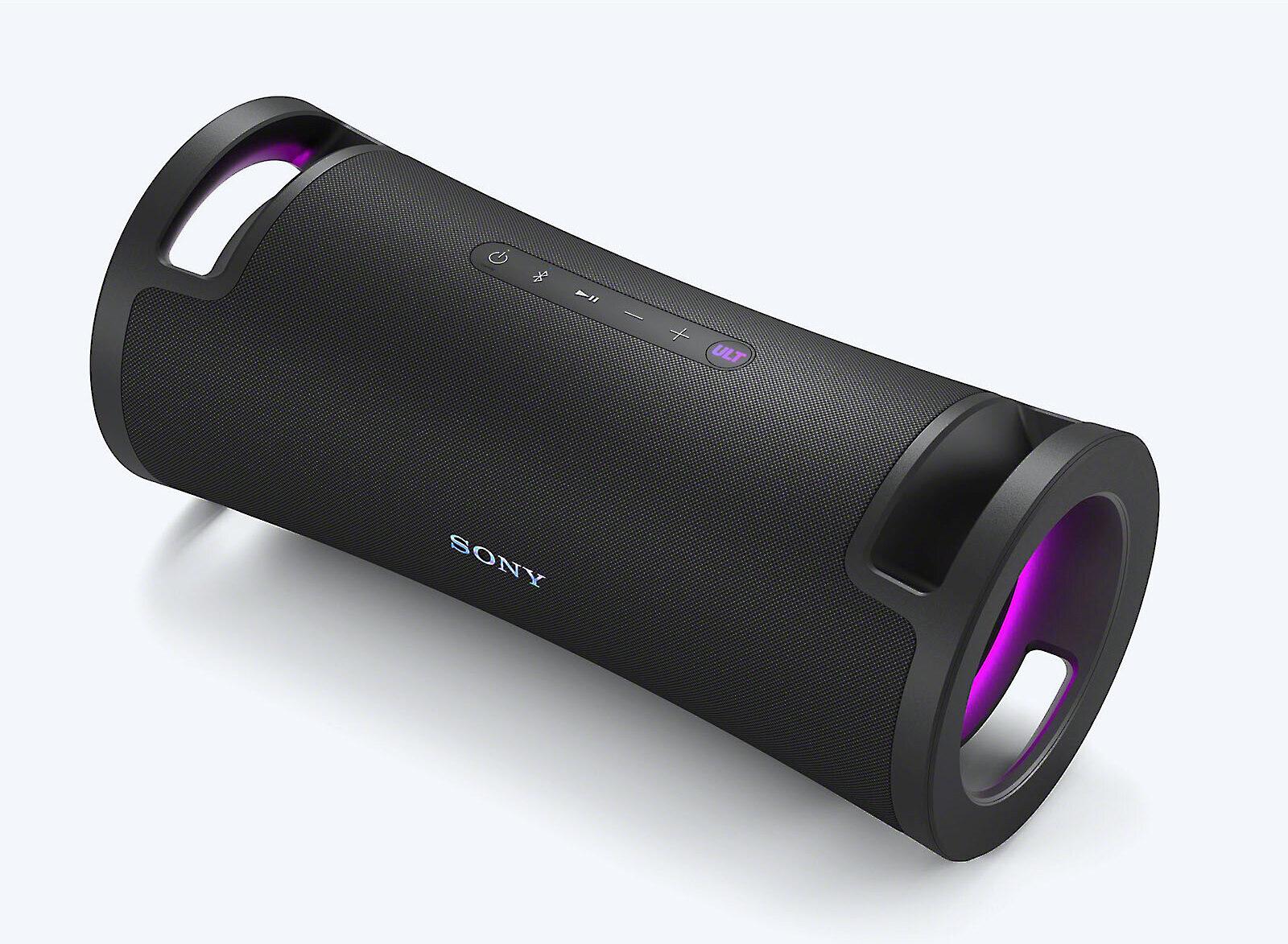
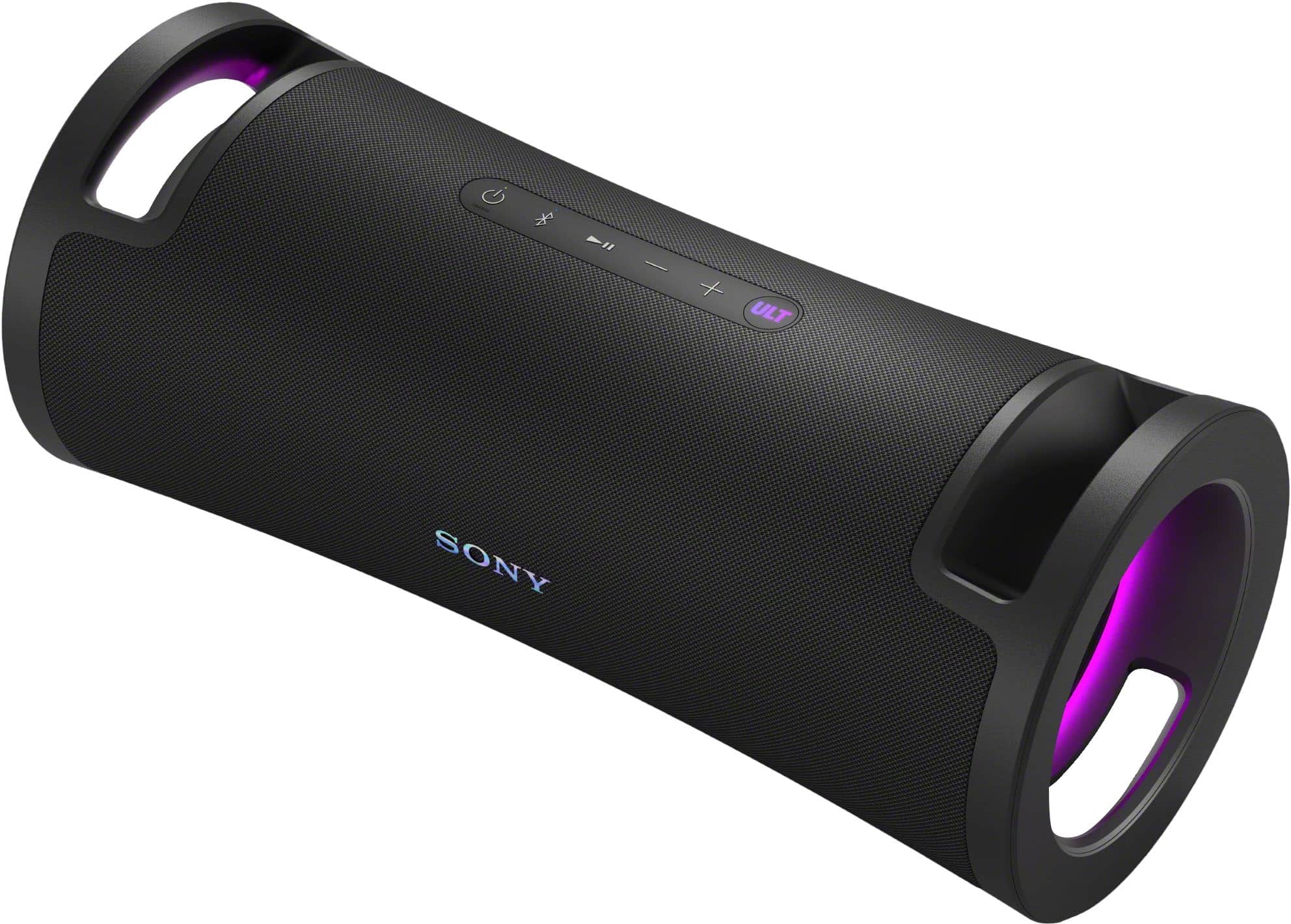
This philosophical difference shows up immediately when you look at the specs. The JBL PartyBox 710 weighs over 60 pounds and requires constant AC power – it's "portable" in the sense that it has wheels and a handle, but you're not hiking with this thing. The Sony ULT FIELD 7 weighs about 14 pounds, has a comfortable carrying handle, and runs on battery power for up to 30 hours depending on volume levels.
The performance gap between these speakers becomes obvious the moment you turn them up. The JBL PartyBox 710 can genuinely fill large outdoor spaces – we're talking coverage for gatherings of 100+ people in backyard settings. User reports consistently mention being able to hear clear, undistorted audio at distances where the Sony ULT FIELD 7 would struggle.
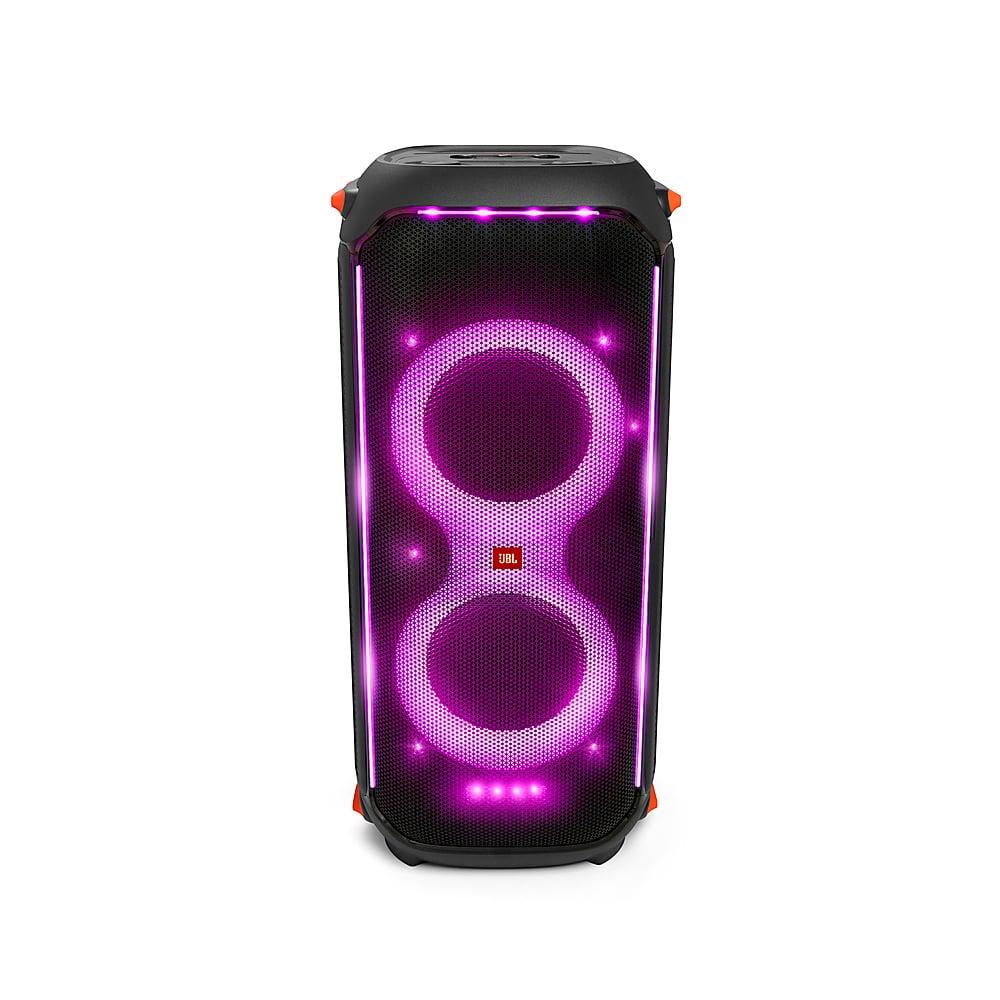
This difference comes down to basic physics. The JBL PartyBox 710 has dual 8-inch woofers – the large drivers responsible for bass frequencies – compared to the Sony's smaller drivers. Larger woofers can move more air, which directly translates to more sound pressure and better bass response. When you combine this with the JBL's 800W power output, you get a speaker that can maintain clarity even when pushed to uncomfortable volume levels.
The Sony ULT FIELD 7 isn't a slouch in the volume department, but it hits a wall sooner. Our research into user experiences reveals that the Sony starts compressing audio noticeably at higher volumes, meaning the dynamic range – the difference between quiet and loud parts of music – gets squeezed. This makes music sound flatter and less engaging, particularly problematic for dance music that relies on punchy, impactful bass hits.
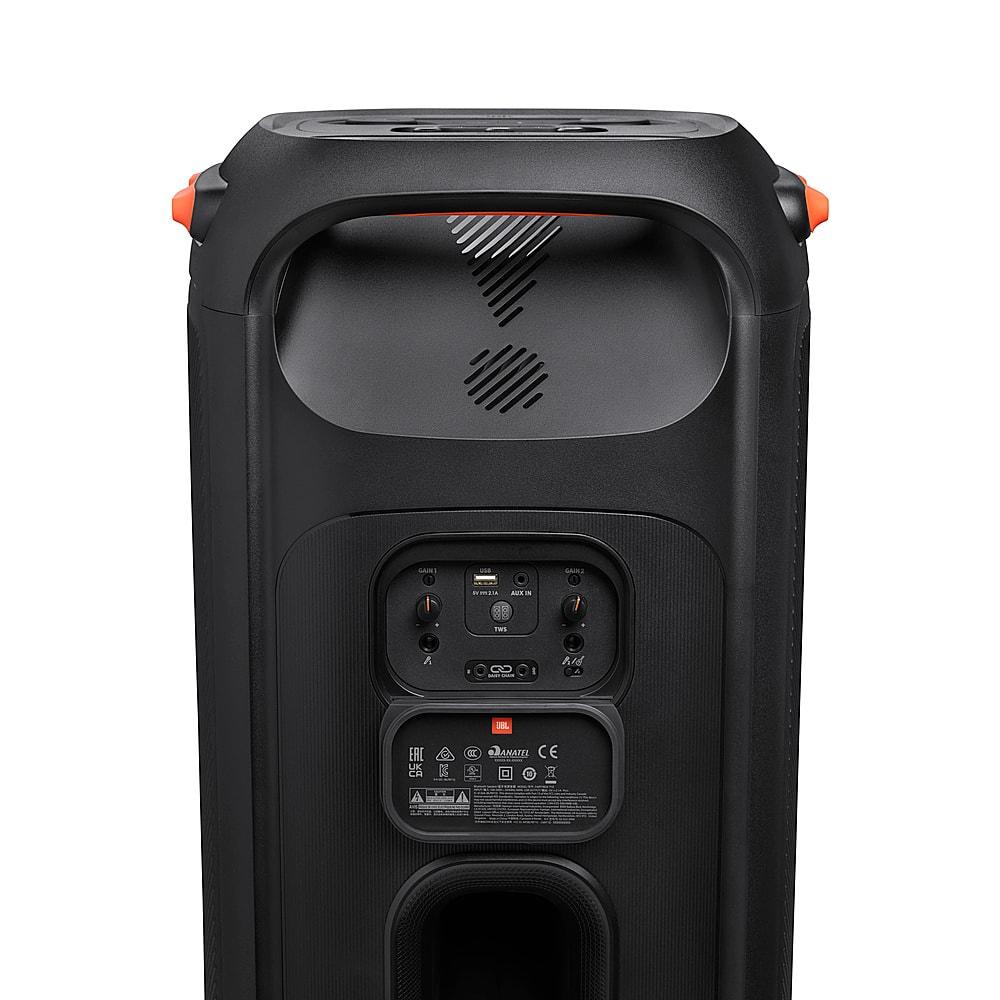
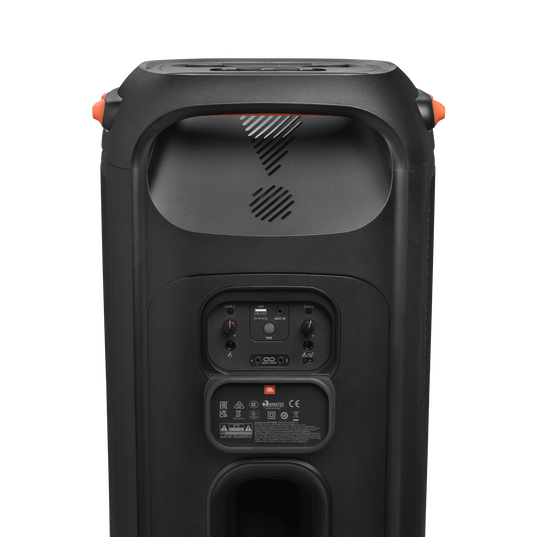
Bass performance is where party speakers live or die, and both manufacturers have taken interesting technical approaches. The JBL PartyBox 710 uses traditional bass reflex design with large woofers and a rear-firing port. This port acts like the hole in an acoustic guitar, allowing air movement that extends bass response and adds impact to low frequencies.
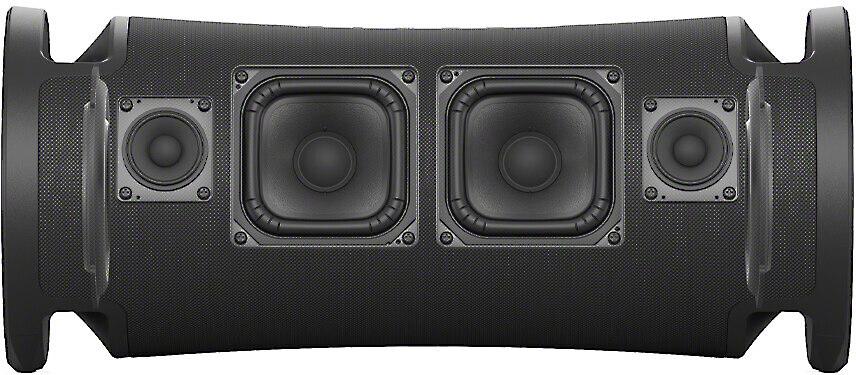
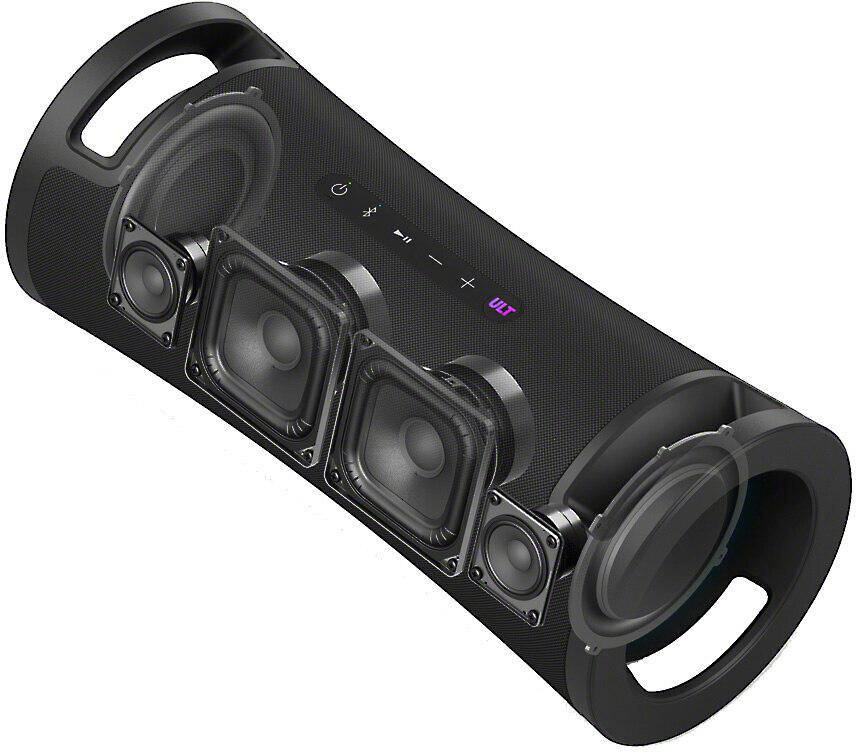
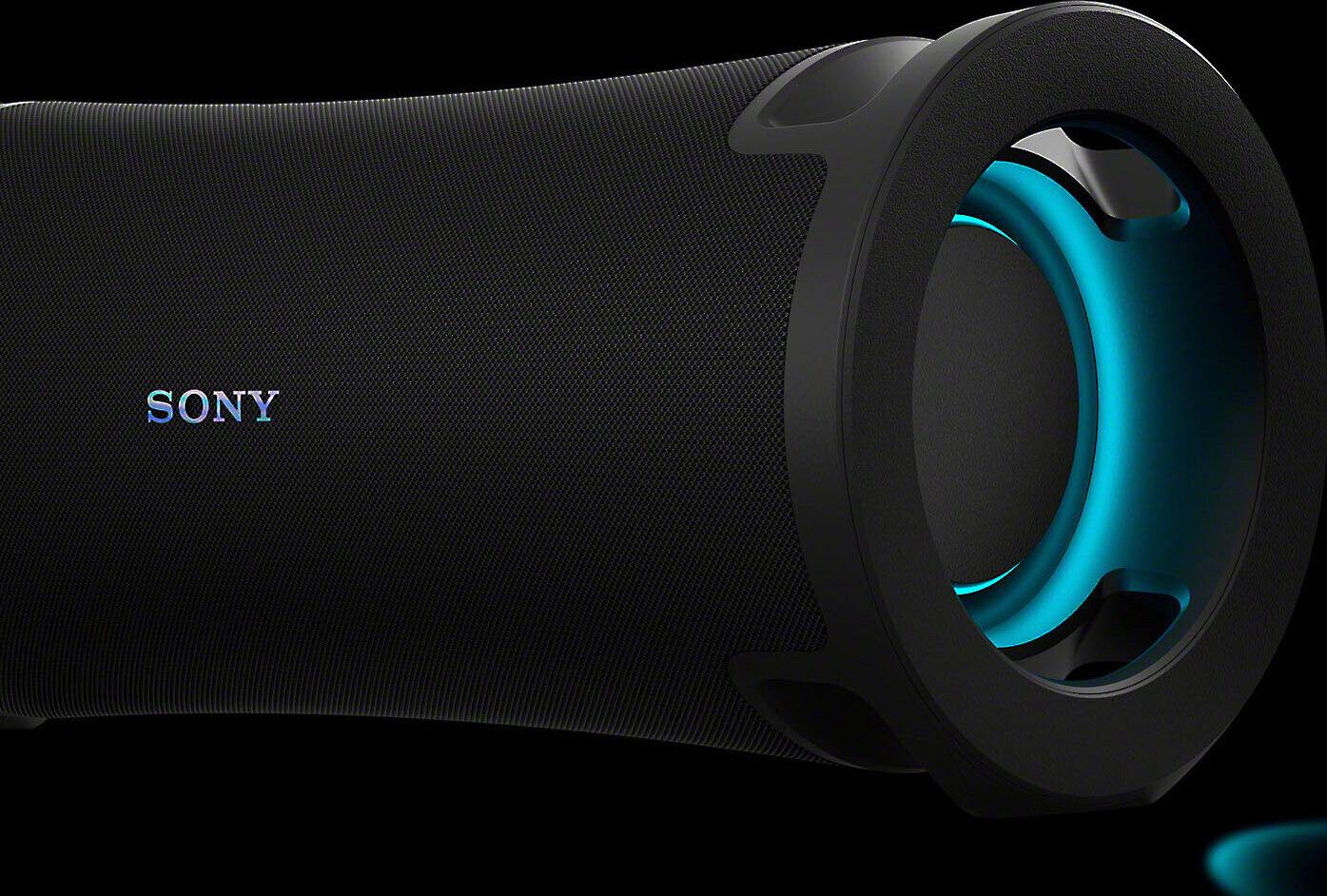
Sony took a different approach with the ULT FIELD 7, incorporating what they call "X-Balanced Speaker Units" with a non-circular diaphragm design. The theory is sound – by maximizing the diaphragm surface area within the available space, you can move more air and create better bass. Sony also includes passive radiators, which are essentially speakers without voice coils that vibrate sympathetically with the main drivers to enhance bass response.
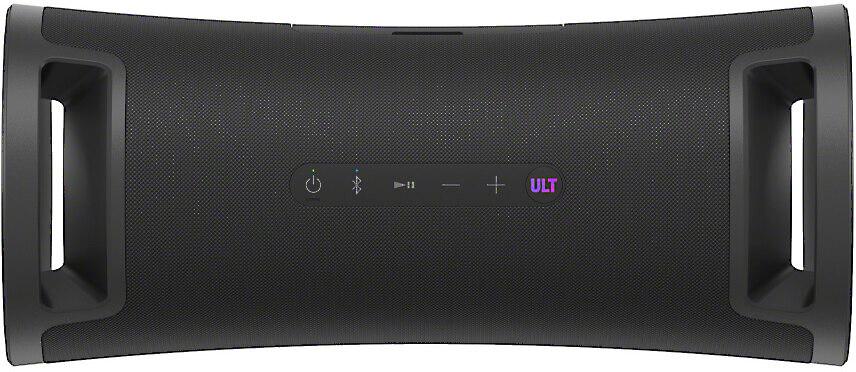
In practice, the JBL PartyBox 710 delivers bass you can physically feel, particularly with electronic music, hip-hop, and other bass-heavy genres. The dual 8-inch woofers create what audio enthusiasts call "chest-thumping" bass – the kind that makes you want to dance whether you planned to or not. The Sony ULT FIELD 7 produces respectable bass for its size, with the "ULT" button providing additional bass boost, but it can't match the physical impact of the JBL's larger drivers.
Here's where things get interesting from a technical standpoint. The Sony ULT FIELD 7 actually has a lower frequency response specification, meaning it can theoretically reproduce deeper bass frequencies than the JBL PartyBox 710. However, specifications don't tell the whole story – it's about how much energy the speaker can put into those frequencies.
The JBL PartyBox 710 is unapologetically bass-forward, with a sound signature optimized for party music. Vocals remain clear thanks to dedicated tweeters – small drivers that handle high frequencies – but the overall character emphasizes the fun, energetic frequencies that make people move. This isn't a speaker for critical listening to acoustic jazz; it's engineered for EDM, pop, and hip-hop.
The Sony ULT FIELD 7 offers a more balanced approach that works better for diverse content. If you're someone who wants to use your speaker for watching movies, listening to podcasts, or playing various music genres, Sony's more neutral tuning provides greater versatility. The trade-off is less excitement with dance music that benefits from bass emphasis.
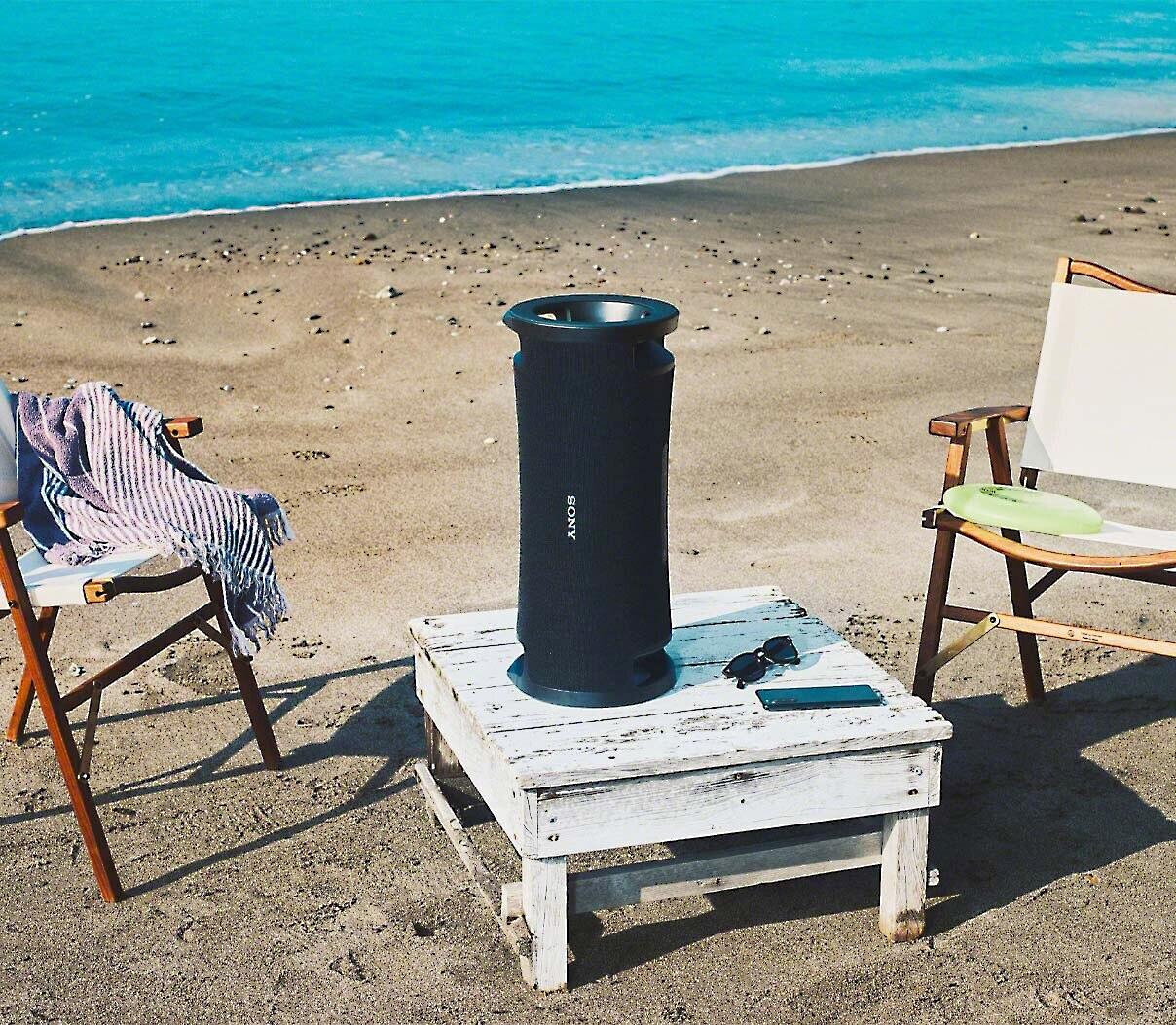
The portability difference between these speakers can't be overstated. The Sony ULT FIELD 7 represents true portability – you can grab it, throw it in a backpack (a large one), and head to the beach without worrying about power outlets. The 30-hour battery life means all-day events without anxiety about running out of juice.
The JBL PartyBox 710 requires a completely different approach to "portable" events. You need to plan around power availability, whether that means positioning near outlets for backyard parties or running extension cords for outdoor gatherings. The wheels and handle make it manageable to move around, but we're talking about rolling it from storage to party location, not casual transport.
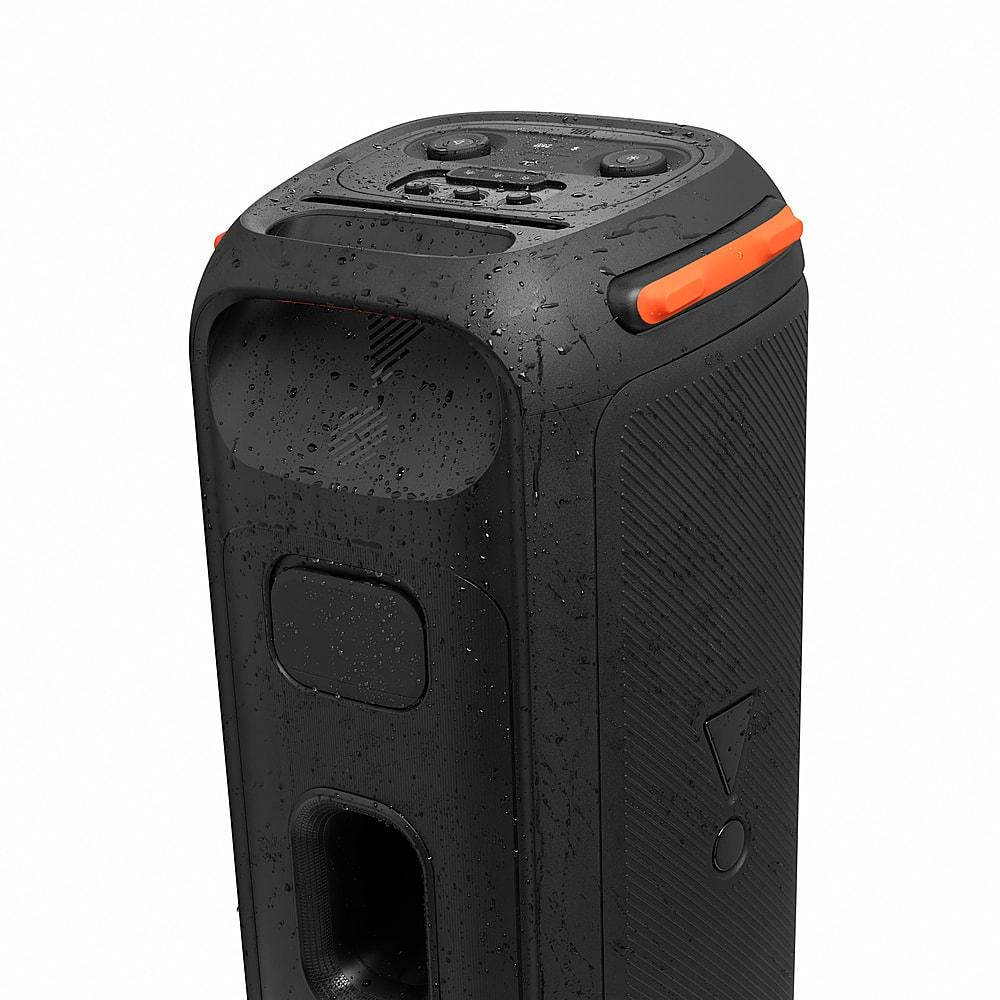
Both speakers acknowledge that party environments can be rough, but they handle durability differently. The JBL PartyBox 710 carries an IPX4 rating, meaning it can handle splashes from any direction – think poolside parties where someone might accidentally spray water, or light rain during outdoor events.
The Sony ULT FIELD 7 goes further with IP67 protection, which means it's completely dustproof and can handle temporary submersion in water. This makes it genuinely beach-ready and suitable for environments where the JBL might struggle. However, it's worth noting that while the Sony's speaker itself is highly protected, the control panel is only splash-resistant, not fully waterproof.
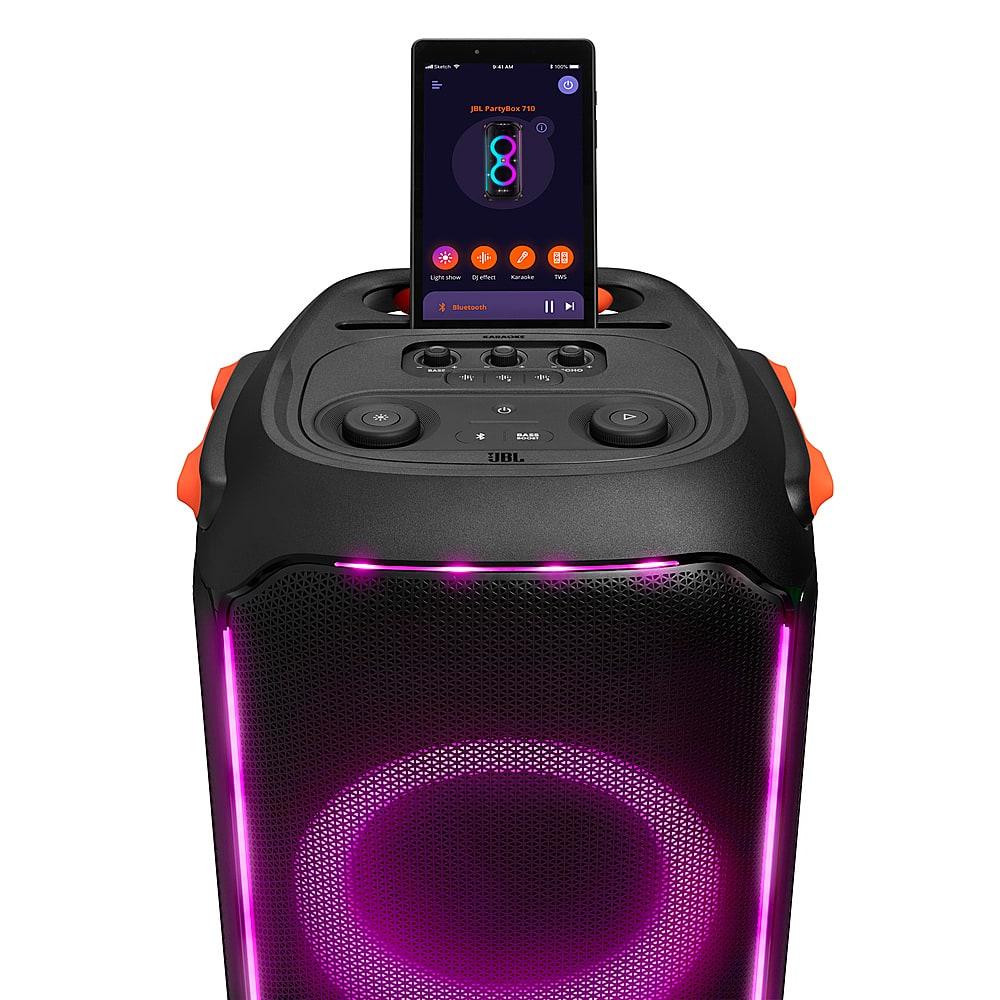
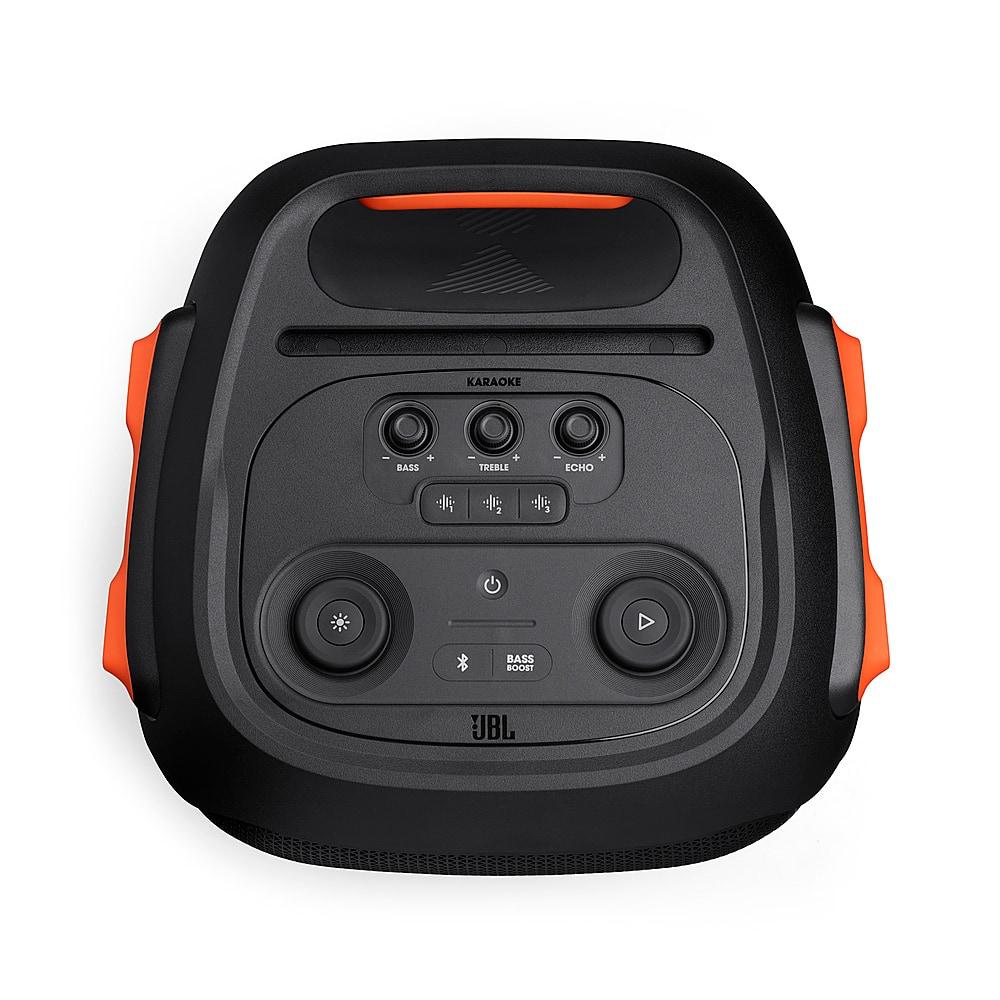
The JBL PartyBox 710 shines in connectivity options, particularly for live performance scenarios. It offers dual microphone inputs with individual volume controls, echo effects, and dedicated EQ adjustments for vocals. There's also a guitar input, making it suitable for amateur musicians who want to jam along with backing tracks. These features transform the speaker from a simple playback device into a mini PA system.
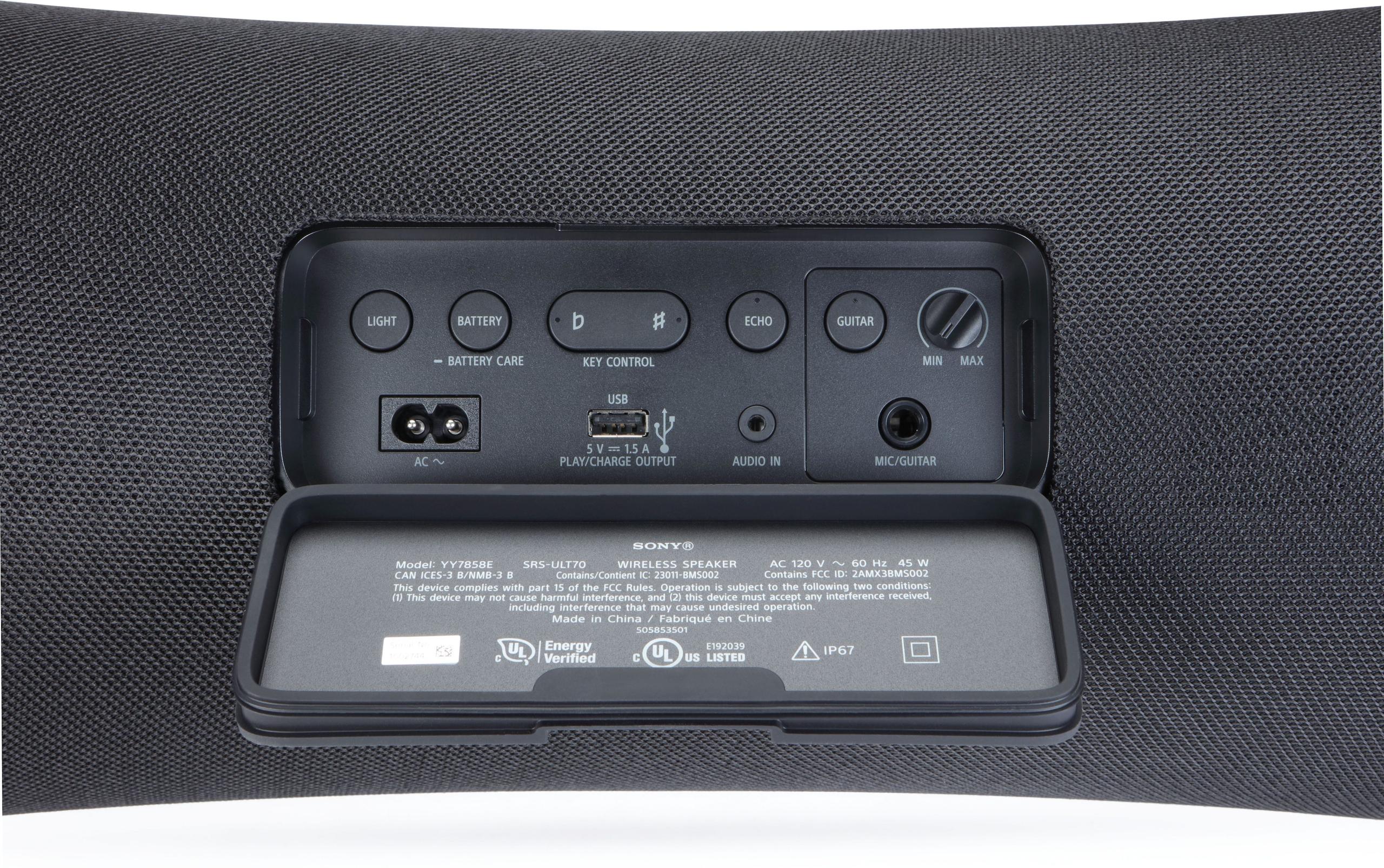
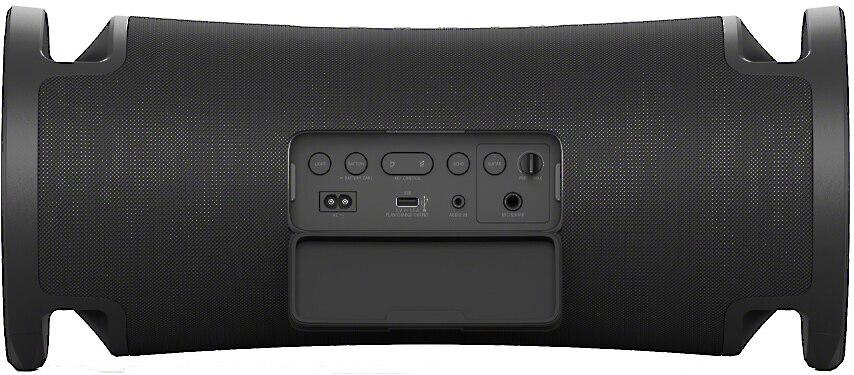
Sony kept things simpler with the ULT FIELD 7, offering a single microphone input alongside standard aux and USB connections. While this covers most people's needs, it limits simultaneous karaoke duets or live performance scenarios where multiple inputs matter.
Here's where the Sony ULT FIELD 7 demonstrates its 2023 design advantages. It supports LDAC, Sony's high-resolution Bluetooth codec that can transmit significantly more audio data than standard Bluetooth compression. For streaming high-quality music from compatible devices, this represents a meaningful upgrade in audio fidelity.
The JBL PartyBox 710 uses Bluetooth 5.1, which is solid but doesn't offer the same high-resolution advantages. However, JBL includes their PartyBoost feature, allowing multiple JBL speakers to connect wirelessly for larger sound systems. Sony has a similar feature called Party Connect, but the implementation isn't as mature as JBL's system.
At the time of writing, the Sony ULT FIELD 7 costs roughly half what you'd pay for the JBL PartyBox 710. This price difference reflects the fundamental performance gap, but it also makes the Sony an attractive option for budget-conscious buyers who still want serious party capabilities.
The value equation isn't straightforward, though. The JBL PartyBox 710 delivers significantly more than twice the performance in key areas like volume output and bass impact. For people who frequently host large gatherings or need maximum audio performance, the premium pricing becomes justifiable. It's similar to comparing a pickup truck to an SUV – they serve different needs despite some overlap.
Neither speaker is designed primarily for home theater use, but the Sony ULT FIELD 7 works better in this role thanks to its more balanced frequency response. Movies and TV shows benefit from clear dialogue reproduction and controlled bass that doesn't overwhelm other frequency ranges. The compact size also fits better in typical living rooms.
The JBL PartyBox 710 can work for home theater if you have a large space and enjoy bass-heavy content, but its party-optimized sound signature may make dialogue harder to understand, and the size becomes impractical for most rooms.
For serious karaoke enthusiasts or amateur musicians, the JBL PartyBox 710 is clearly superior. The dual microphone inputs with individual controls and vocal effects make it genuinely capable of handling performance scenarios. You could run a small venue's sound system through this speaker without embarrassment.
The Sony ULT FIELD 7 handles basic karaoke duties fine, but the single microphone input limits scenarios where multiple people want to sing together.
Large outdoor gatherings favor the JBL PartyBox 710 assuming power availability isn't an issue. The superior volume output and bass impact work better for energizing crowds in open spaces where sound dissipates quickly.
For camping trips, beach days, or any scenario where power outlets aren't available, the Sony ULT FIELD 7 becomes the obvious choice by default. Its battery operation and superior weather protection make it the only practical option for true outdoor adventures.
The decision between these speakers ultimately comes down to understanding your primary use cases and priorities.
Choose the JBL PartyBox 710 if you frequently host large parties, have consistent access to power outlets, prioritize maximum audio performance over portability, and can justify the premium pricing for features you'll actually use. This speaker excels when you need to energize crowds of 50+ people or want serious karaoke capabilities.
The Sony ULT FIELD 7 makes more sense for most people's actual lifestyles. If you host smaller gatherings, need true portability for outdoor activities, want versatile performance for mixed content types, or are budget-conscious while still wanting impressive sound, Sony's approach delivers better overall value.
Consider your typical party size honestly – many people overestimate how much volume they actually need. The Sony ULT FIELD 7 can easily handle gatherings of 20-30 people in most environments, which covers the majority of social situations.
Both speakers represent solid choices within their intended use cases. The key is matching the tool to the job rather than getting caught up in specifications that may not matter for your specific needs. The JBL PartyBox 710 is a specialized tool for maximum performance, while the Sony ULT FIELD 7 offers the versatility most people actually need at a price that won't require justification to your household budget.
| JBL PartyBox 710 | Sony ULT FIELD 7 |
|---|---|
| Power Output - Determines maximum volume and bass impact for large gatherings | |
| 800W RMS (can fill spaces for 100+ people) | Lower wattage (suitable for 20-30 people) |
| Power Source - Critical for portability and venue flexibility | |
| AC power required (limits to locations with outlets) | 30-hour rechargeable battery (true portability) |
| Weight & Portability - Affects ease of transport and setup | |
| 61.3 lbs with wheels and handle (semi-portable) | 13.9 lbs with carry handle (fully portable) |
| Water Resistance - Important for outdoor party durability | |
| IPX4 splashproof (handles light rain and splashes) | IP67 dustproof and waterproof (beach/pool ready) |
| Driver Configuration - Impacts bass depth and overall sound quality | |
| Dual 8-inch woofers + dual tweeters (powerful bass impact) | 4.49-inch woofers + tweeters (balanced but less bass) |
| Microphone Inputs - Essential for karaoke and live performance | |
| Dual 1/4" inputs with individual controls and vocal effects | Single 1/4" input with basic functionality |
| Bluetooth Version - Affects audio quality and connection stability | |
| Bluetooth 5.1 with PartyBoost multi-speaker pairing | Bluetooth 5.2 with LDAC high-res codec and Party Connect |
| Frequency Response - Shows bass extension and treble clarity | |
| 35Hz - 20kHz (deep bass with party-optimized tuning) | 20Hz - 20kHz (lower bass extension, more balanced) |
| Light Show - Enhances party atmosphere and visual appeal | |
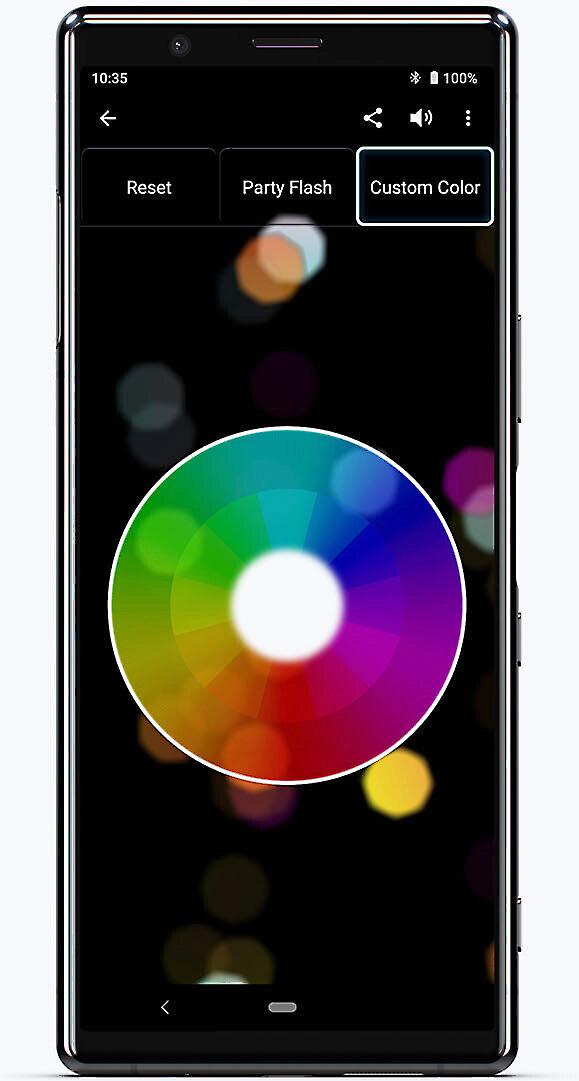
| Customizable RGB strobes and patterns via app | Multi-colored LED sync with music |
| Additional Features - Extra value beyond basic audio playback | |
| Guitar input, USB charging port, DJ effects pad | ULT bass boost button, Sound Field Optimization |
| Release Year - Indicates technology generation and feature set | |
| 2022 (established PartyBox technology) | 2023 (newer with modern connectivity features) |
The JBL PartyBox 710 is significantly better for large outdoor parties. With its 800W RMS power output and dual 8-inch woofers, it can easily fill large spaces and cover gatherings of 100+ people with clear, undistorted sound. The Sony ULT FIELD 7 is better suited for smaller gatherings of 20-30 people.
Only the Sony ULT FIELD 7 runs on battery power, offering up to 30 hours of playback depending on volume levels. The JBL PartyBox 710 requires constant AC power and must be plugged into an electrical outlet at all times, which limits its portability.
The JBL PartyBox 710 delivers significantly more powerful bass impact thanks to its dual 8-inch woofers and 800W power output. While the Sony ULT FIELD 7 has good bass for its size and includes an "ULT" bass boost button, it cannot match the physical bass impact of the larger JBL speaker.
The JBL PartyBox 710 is excellent for karaoke with dual microphone inputs, individual volume controls, and vocal effects like echo. The Sony ULT FIELD 7 has only one microphone input with basic functionality, making it less ideal for serious karaoke sessions or duets.
The Sony ULT FIELD 7 is much more portable at 13.9 pounds with a comfortable carrying handle and battery operation. The JBL PartyBox 710 weighs over 60 pounds and requires wheels to move, plus needs access to power outlets, making it semi-portable at best.
The Sony ULT FIELD 7 offers superior weather protection with its IP67 rating, making it dustproof and waterproof for beach or poolside use. The JBL PartyBox 710 has IPX4 splashproof protection, which handles light rain and water splashes but isn't as robust as the Sony's protection.
The Sony ULT FIELD 7 typically costs about half the price of the JBL PartyBox 710 while delivering solid performance for most users' needs. However, if you need maximum volume and professional features for large events, the JBL's premium price may be justified.
Both speakers support multi-speaker pairing. The JBL PartyBox 710 uses PartyBoost technology to connect with other JBL speakers, while the Sony ULT FIELD 7 features Party Connect for linking multiple Sony speakers together for expanded sound coverage.
The JBL PartyBox 710 excels with party music and bass-heavy genres but has a more colored, fun sound signature. The Sony ULT FIELD 7 offers more balanced sound that works better for diverse music genres and general listening, making it more versatile for everyday use.
Neither speaker is designed primarily for home theater, but the Sony ULT FIELD 7 works better in this role due to its more balanced frequency response and compact size. The JBL PartyBox 710 may overpower dialogue with its bass-heavy tuning and is too large for most living rooms.
The JBL PartyBox 710 offers more inputs including dual microphone jacks, guitar input, AUX, USB, and Bluetooth 5.1. The Sony ULT FIELD 7 provides Bluetooth 5.2 with LDAC high-resolution codec, single microphone input, AUX, and USB-C, focusing on modern wireless connectivity.
For occasional party hosting, the Sony ULT FIELD 7 offers better value with sufficient volume for most gatherings, true portability, and versatile use beyond just parties. The JBL PartyBox 710 is better suited for frequent hosts who need maximum performance and can justify the higher cost and size requirements.
We've done our best to create useful and informative comparisons to help you decide what product to buy. Our research uses advanced automated methods to create this comparison and perfection is not possible - please contact us for corrections or questions. These are the sites we've researched in the creation of this article: rtings.com - audioadvice.com - crutchfield.com - youtube.com - bestbuy.com - rtings.com - youtube.com - youtube.com - youtube.com - versus.com - worldwidestereo.com - rtings.com - jbl.com - youtube.com - expertvoice.com - jbl.com - jbl.com.tw - robot-advance.com - youtube.com - hu.harmanaudio.com - onward.ph - harmanaudio.in - youtube.com - youtube.com - manuals.plus - global.jbl.com - de.jbl.com - ro.harmanaudio.com - rtings.com - hifipicks.com - thesonyshop.ca - techradar.com - rtings.com - sony-africa.com - videoandaudiocenter.com - sony.com - youtube.com - johnlewis.com

Privacy Policy
Terms and Conditions - Affiliate Policy
Home Security
© Copyright 2008-2026.
11816 Inwood Rd #1211, Dallas, TX 75244