

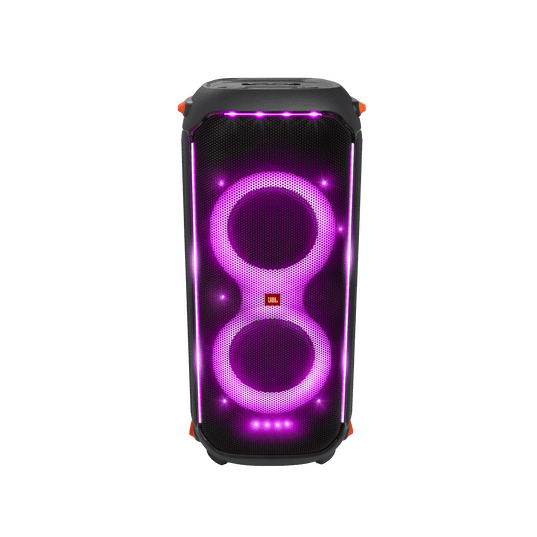
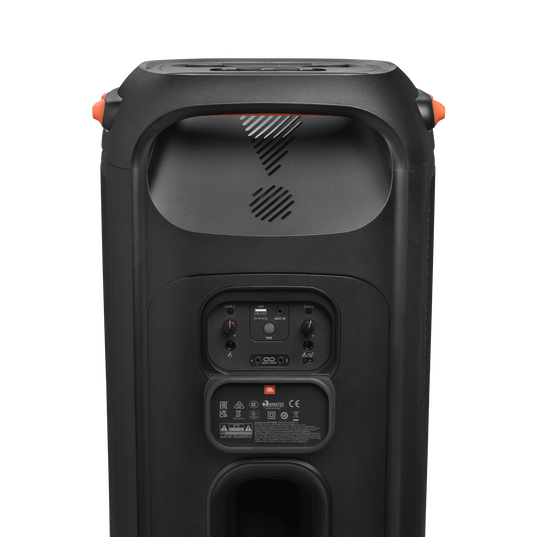
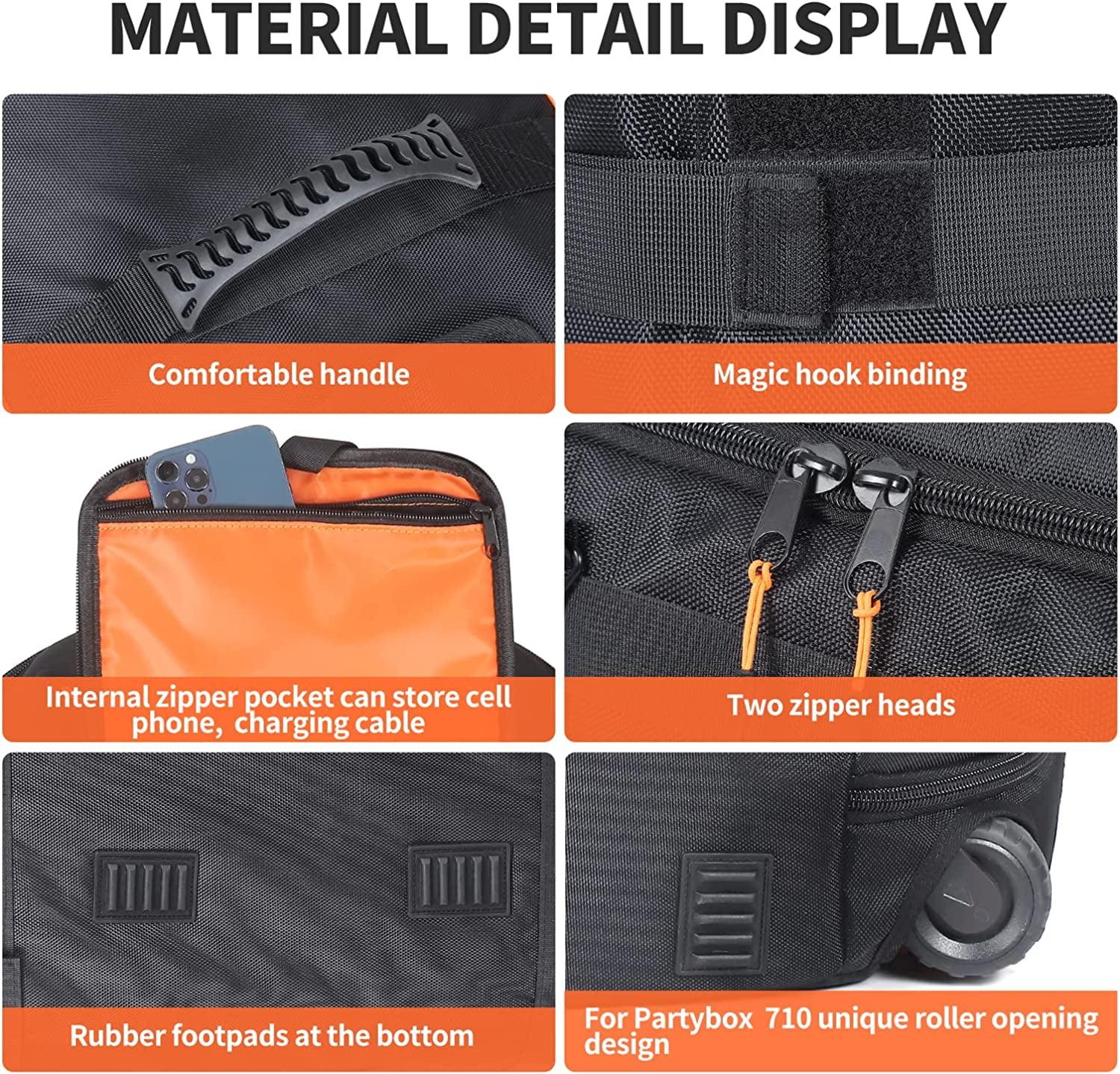
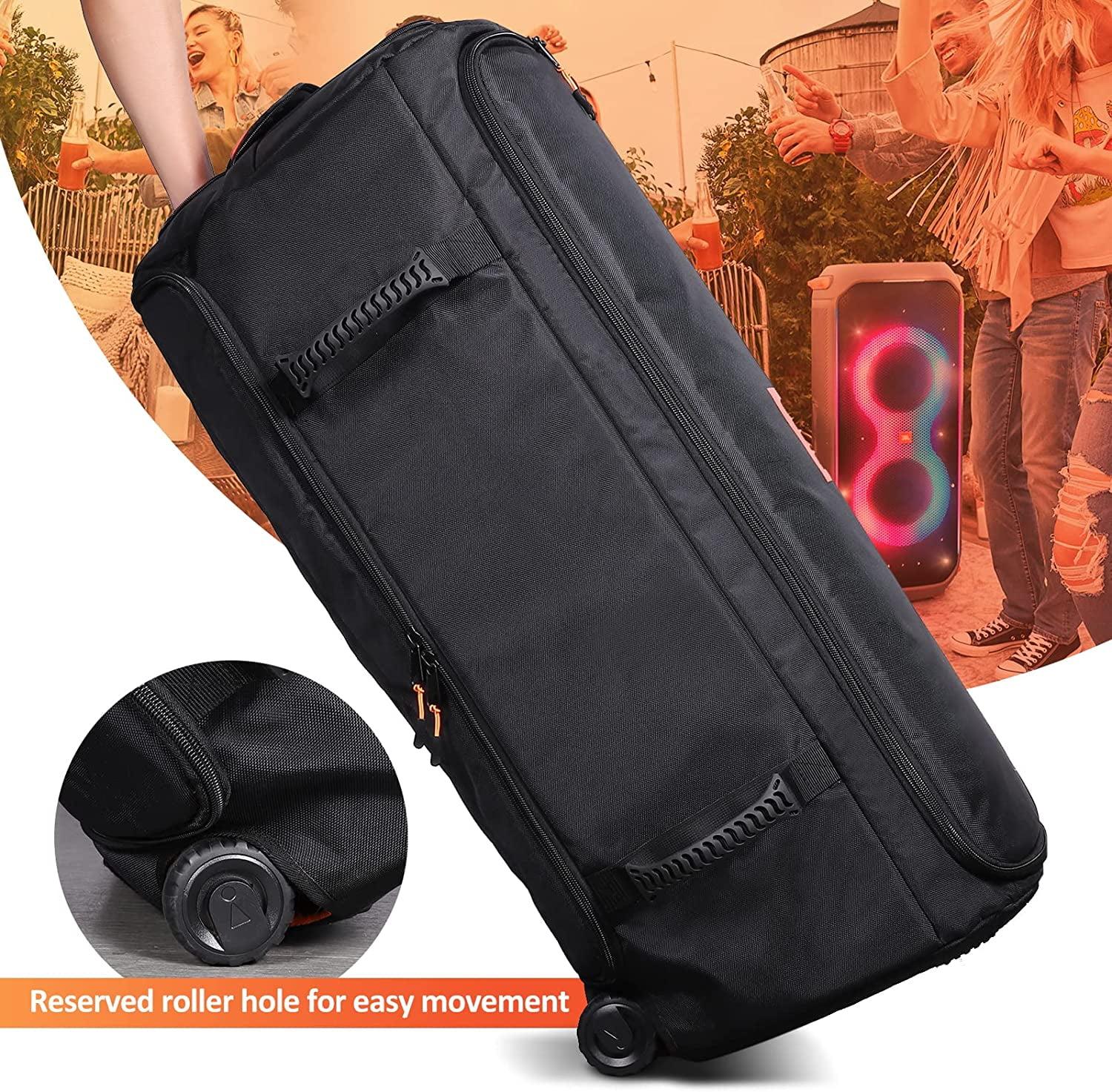
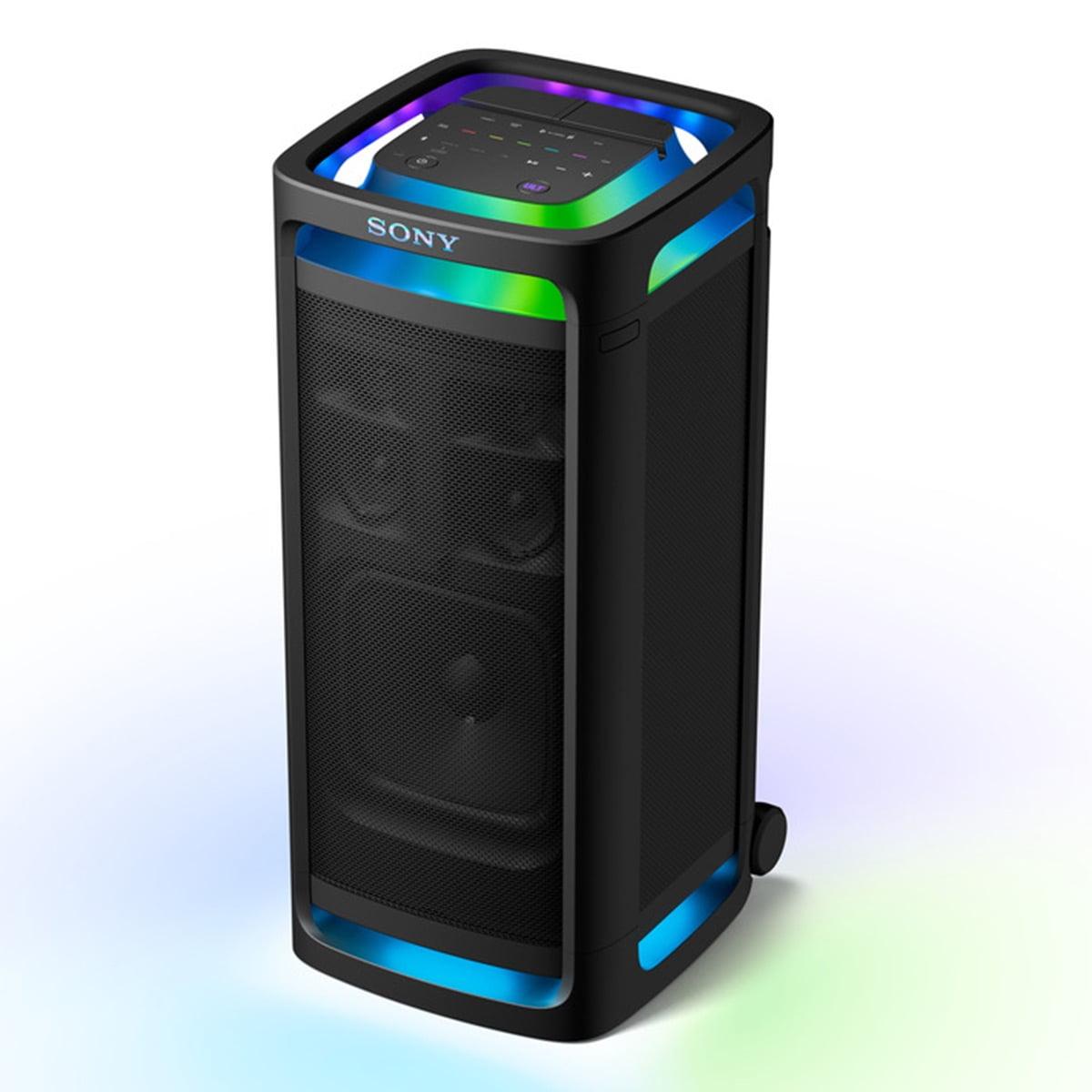
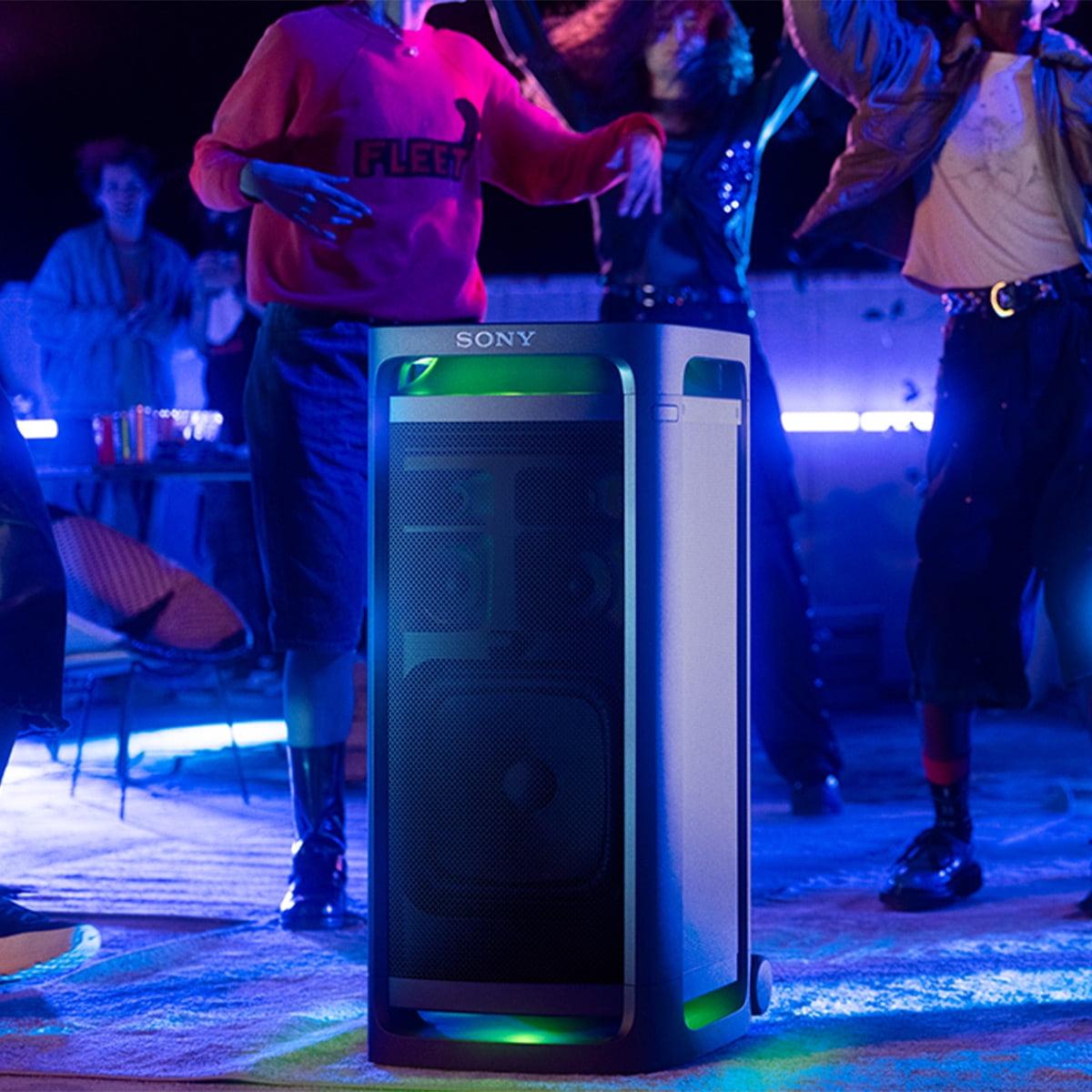
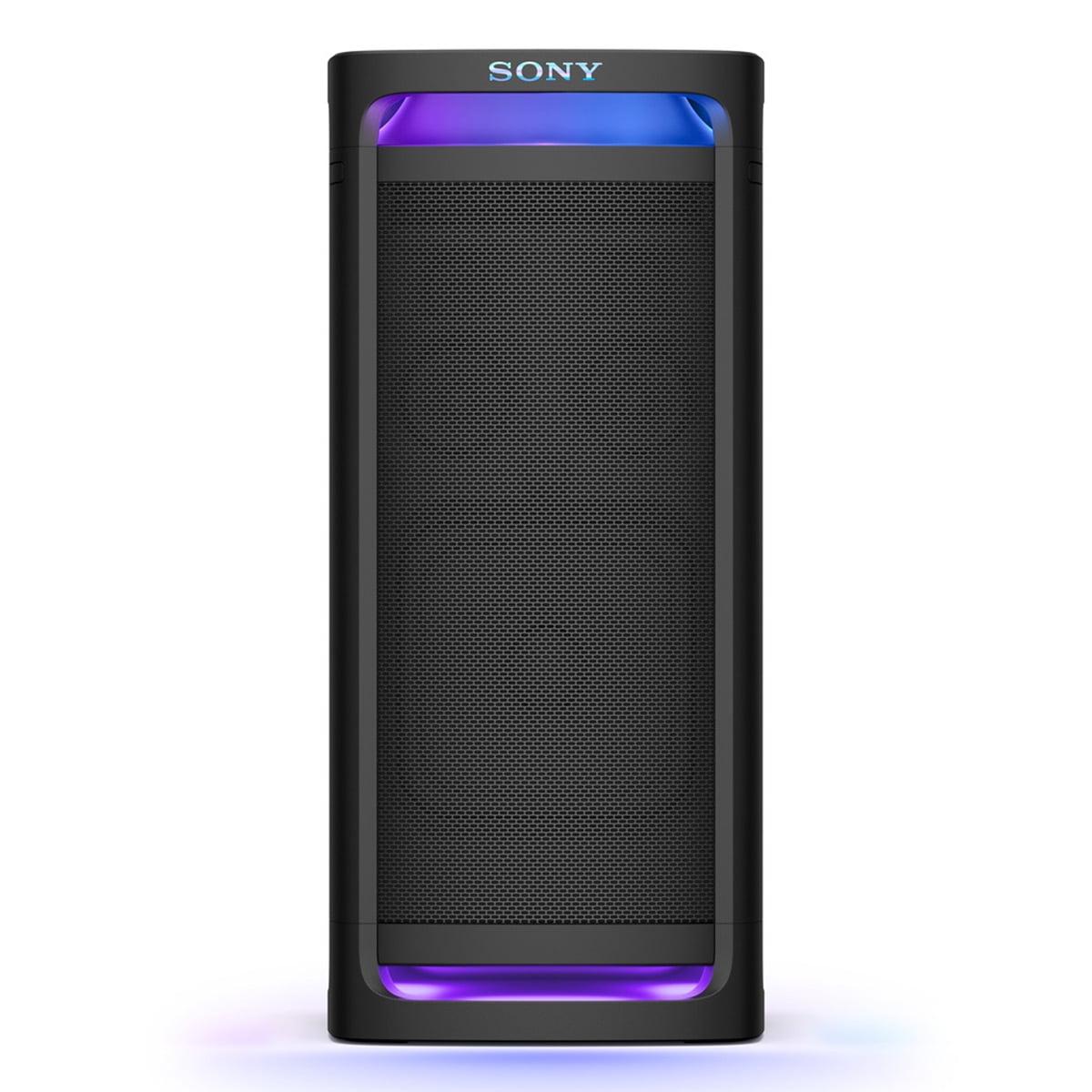
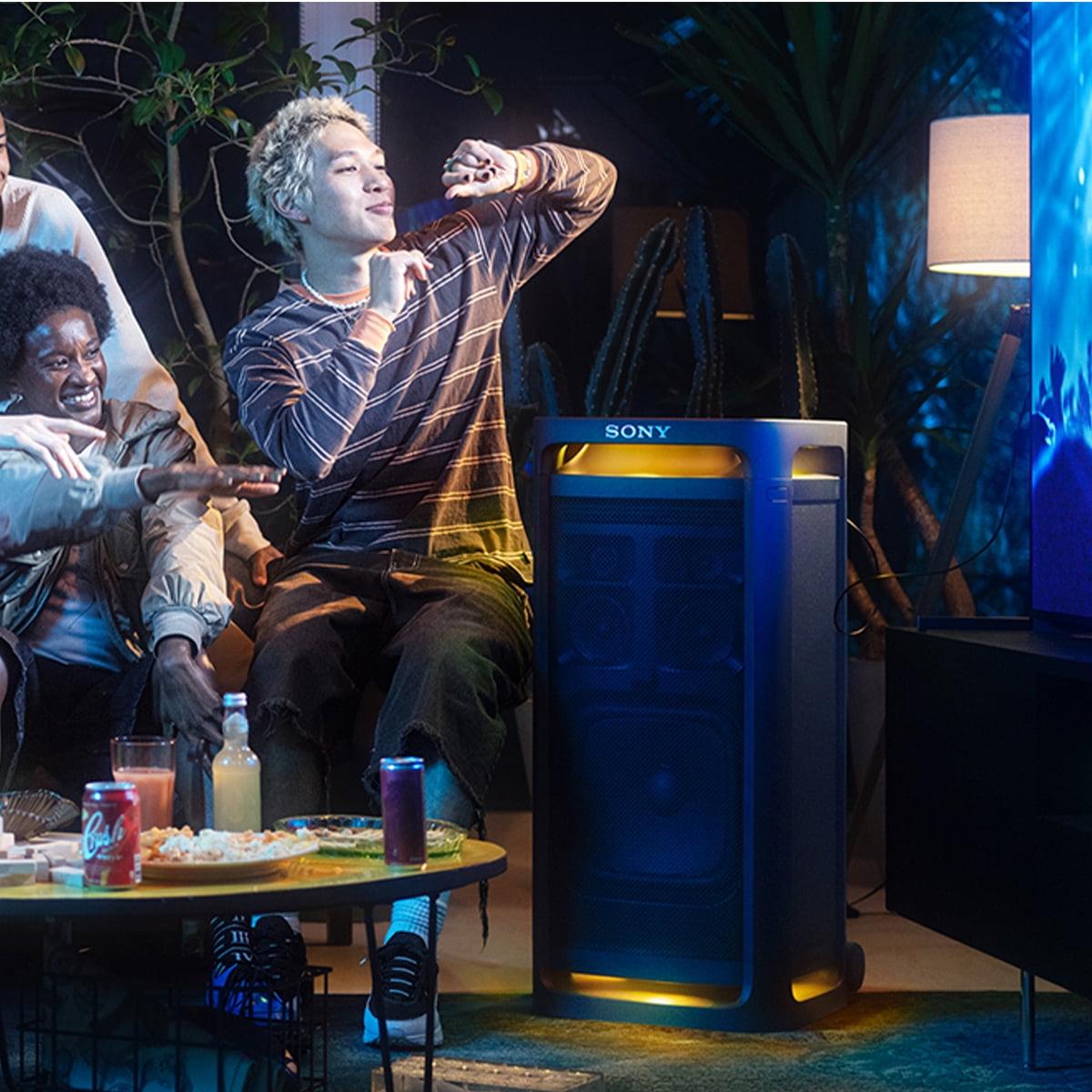
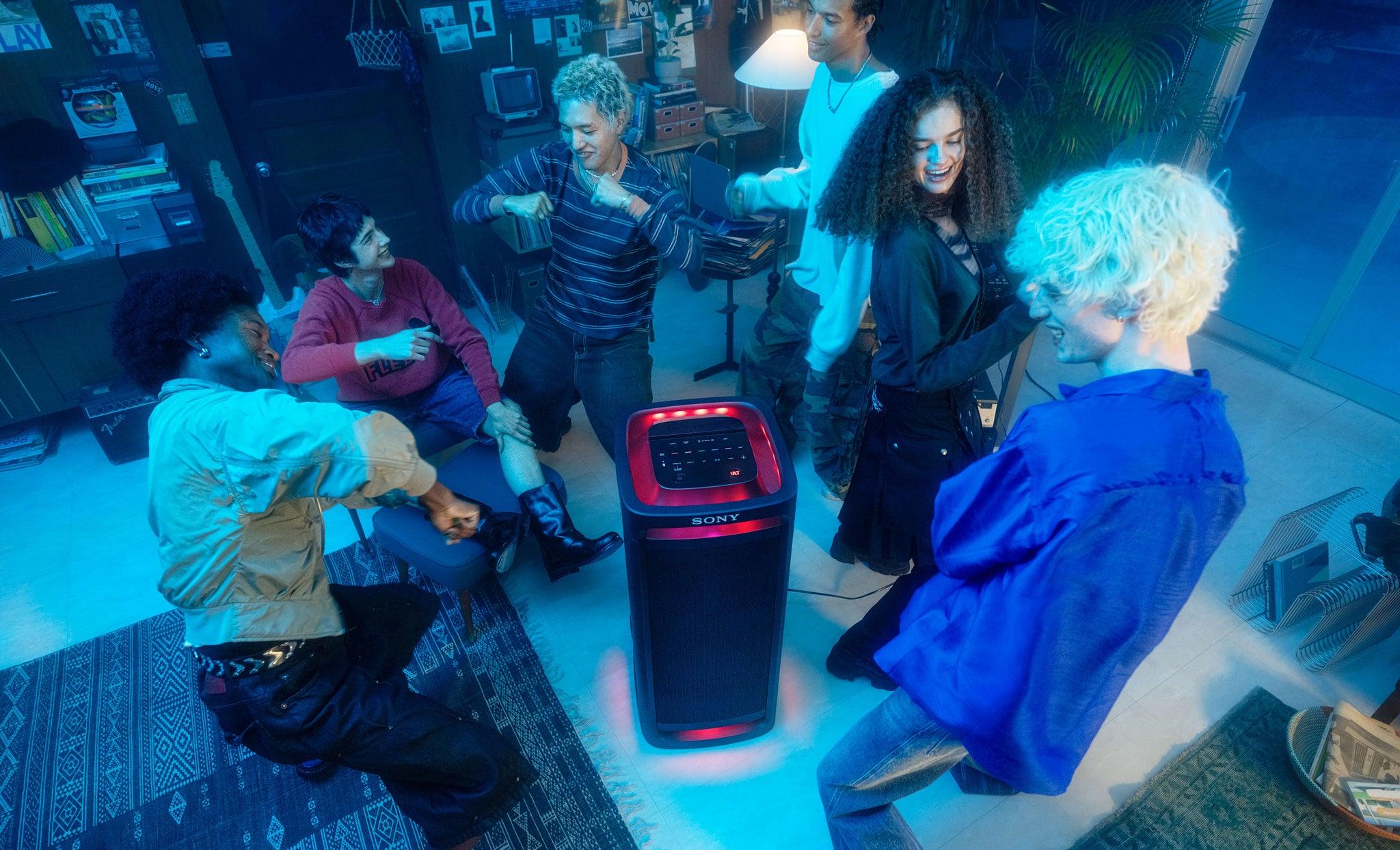
When you're looking to turn your living room into a dance floor or host a backyard party that neighbors will remember, you need serious audio firepower. High-power party speakers like the JBL PartyBox 710 and Sony ULT Tower 9AC aren't just oversized Bluetooth speakers—they're engineered to pump out club-level sound while adding visual excitement through synchronized lighting effects.
These speakers prioritize raw power, bone-rattling bass, and party atmosphere over the precise, balanced sound you'd want for quiet music listening. They're designed to get loud, stay clear at high volumes, and create an experience that gets people moving. But with both speakers demanding significant space and investment, choosing the right one matters.
Party speakers occupy a unique category in the audio world. Unlike bookshelf speakers that focus on accuracy, or portable speakers that prioritize convenience, these giants are built around three core principles: maximum volume output, deep bass response that you can feel in your chest, and visual entertainment features.
The most important performance metrics for party speakers are quite different from traditional audio equipment. Sound pressure level (SPL)—basically how loud they can get—matters more than perfect frequency balance. Bass extension and impact trump midrange clarity. And features like microphone inputs, lighting effects, and multi-speaker connectivity become essential rather than nice-to-have extras.
When evaluating party speakers, the key considerations include sound output and coverage (how well they fill large spaces), bass performance (both how deep and how punchy), connectivity options for various audio sources, party-specific features like lighting and karaoke capabilities, build quality for event use, and overall value for the performance delivered.
The JBL PartyBox 710, released in 2021, represents JBL's established approach to party audio. At the time of writing, it typically costs more than its Sony competitor but brings the reputation of a brand that's been dominating the party speaker market for years. JBL has refined their formula through multiple generations, and the PartyBox 710 shows that maturity.
The Sony ULT Tower 9AC, launched in 2025, represents Sony's fresh take on the category. Generally priced lower than the JBL at the time of writing, it incorporates newer technologies and a different philosophy about how party audio should work. Sony's approach emphasizes their "360° Party Sound" concept and introduces innovations like their X-Balanced speaker technology.
The four-year gap between these releases is significant in audio technology terms. Between 2021 and 2025, we've seen major improvements in Bluetooth technology, digital signal processing, and smartphone app integration. The Sony ULT Tower 9AC benefits from these advances, while the JBL PartyBox 710 relies on proven but older technologies.
Both speakers can reach similar peak volumes—around 109 decibels, which is genuinely loud enough to fill a large backyard or basement party. To put that in perspective, normal conversation sits around 60 decibels, and live rock concerts typically hit 110-115 decibels. These speakers can definitely compete with a live band in terms of sheer volume.
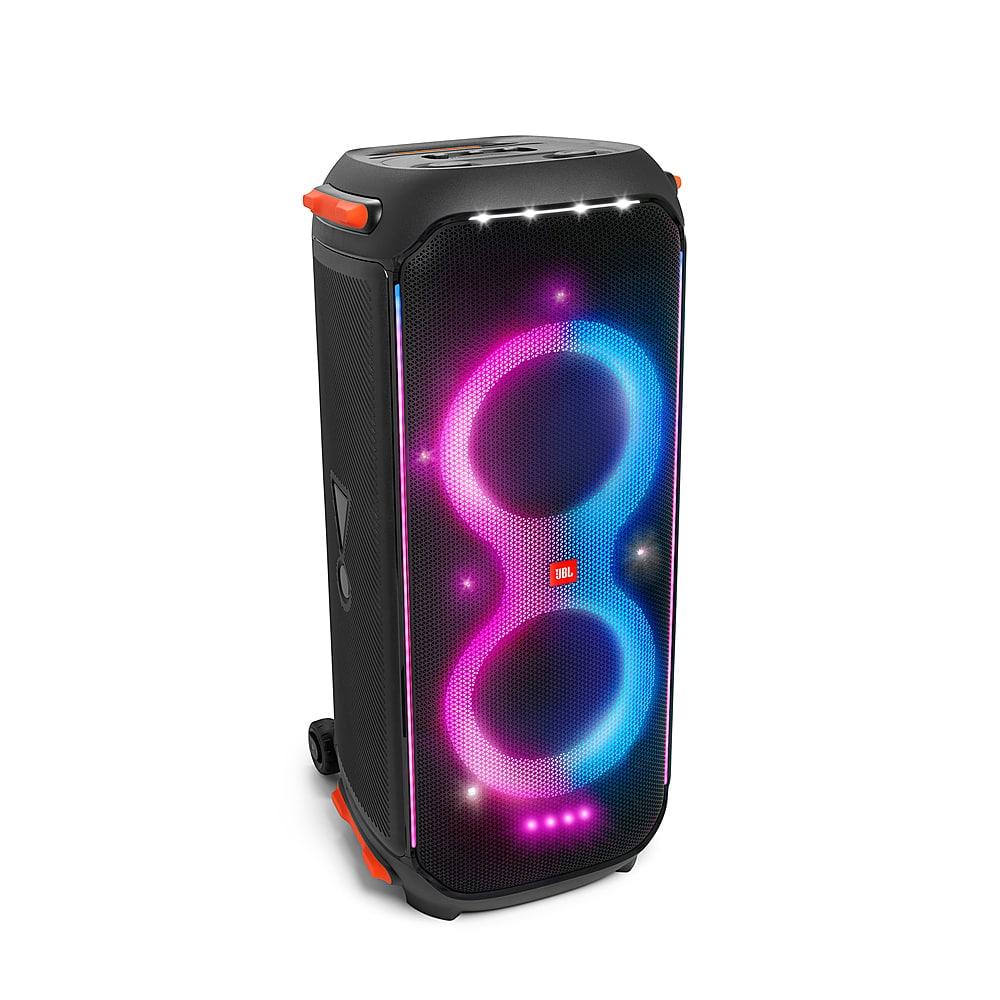
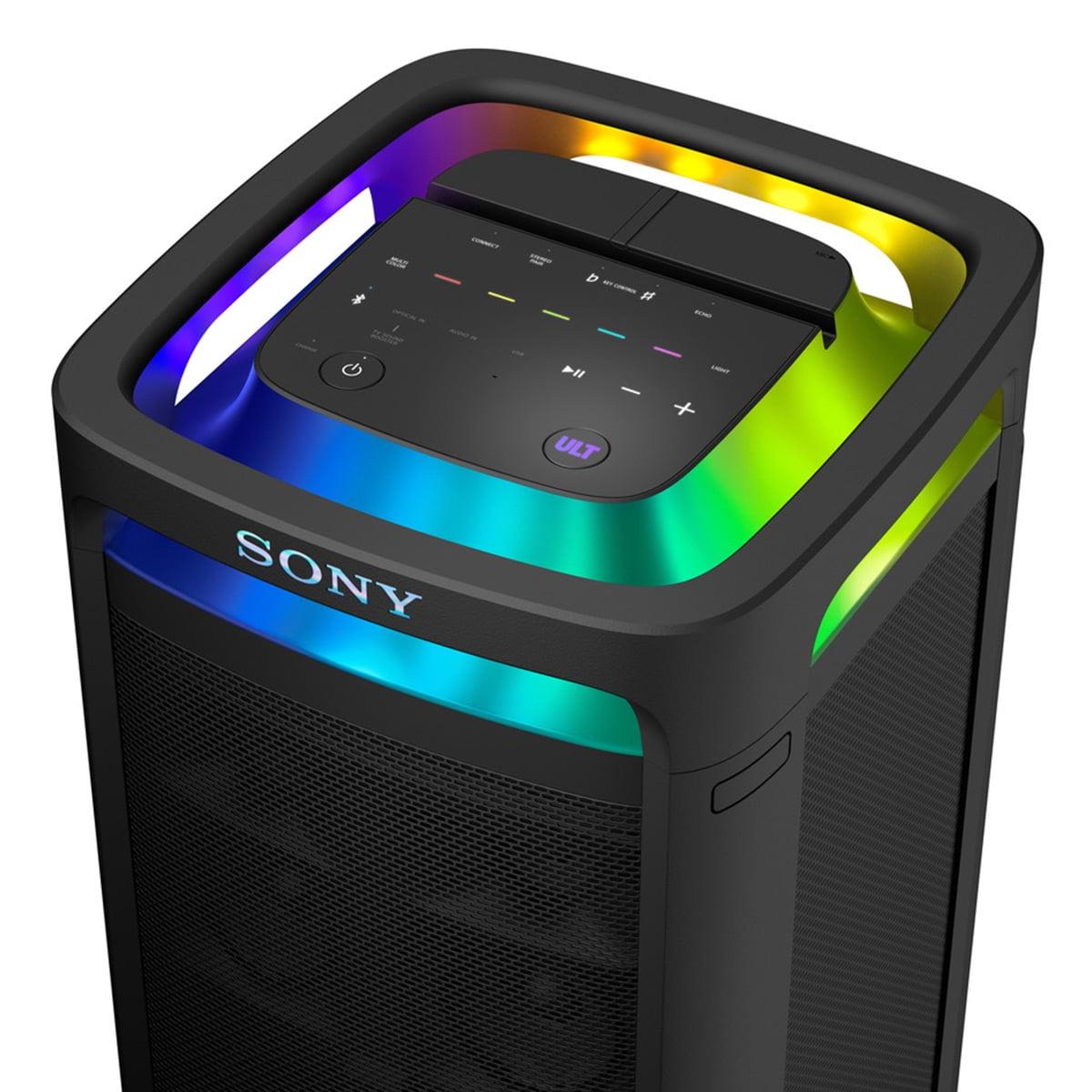
But volume is only part of the story. The Sony ULT Tower 9AC takes a fundamentally different approach to sound dispersion. While the JBL PartyBox 710 uses a traditional front-firing design with dual 8-inch woofers and dual 2.75-inch tweeters, Sony employs a seven-driver system that includes rear-firing tweeters.
This 360-degree sound approach means the Sony ULT Tower 9AC projects audio in all directions, creating more even coverage throughout a room. If you've ever been to a party where the music sounded great near the speaker but thin and distant across the room, you understand why this matters. The trade-off is that Sony's approach can sometimes feel less focused—there's no clear "sweet spot" where the sound is optimized.
The JBL PartyBox 710 delivers 800 watts RMS (Root Mean Square, which represents continuous power rather than peak power), giving it impressive authority. Sony doesn't specify RMS power for the ULT Tower 9AC, which often indicates they're prioritizing efficiency and sound quality over raw wattage specifications.
Bass performance separates good party speakers from great ones, and these two take notably different approaches. The JBL PartyBox 710 extends deeper into sub-bass territory, with its specification sheet claiming response down to 35Hz. In practical terms, this means better reproduction of the lowest electronic music frequencies—the stuff you feel in your chest during EDM drops or hip-hop tracks.
The Sony ULT Tower 9AC uses Sony's X-Balanced Speaker Unit technology, which employs an almost square woofer diaphragm instead of the traditional circular design. This 320mm x 320mm driver can move more air than conventional round woofers of similar size, creating more impactful mid-bass punch. While it may not extend as deep as the JBL, it delivers more intense, felt bass in the 50-100Hz range where most party music lives.
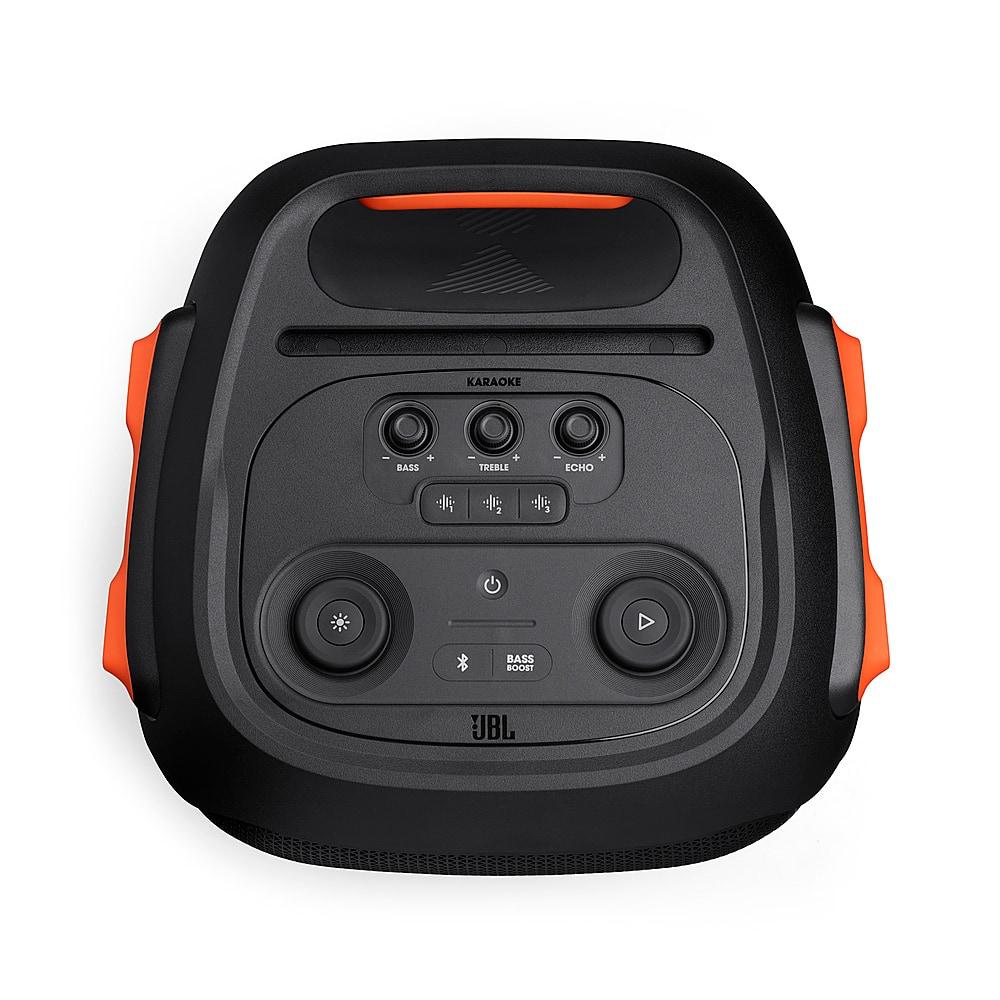
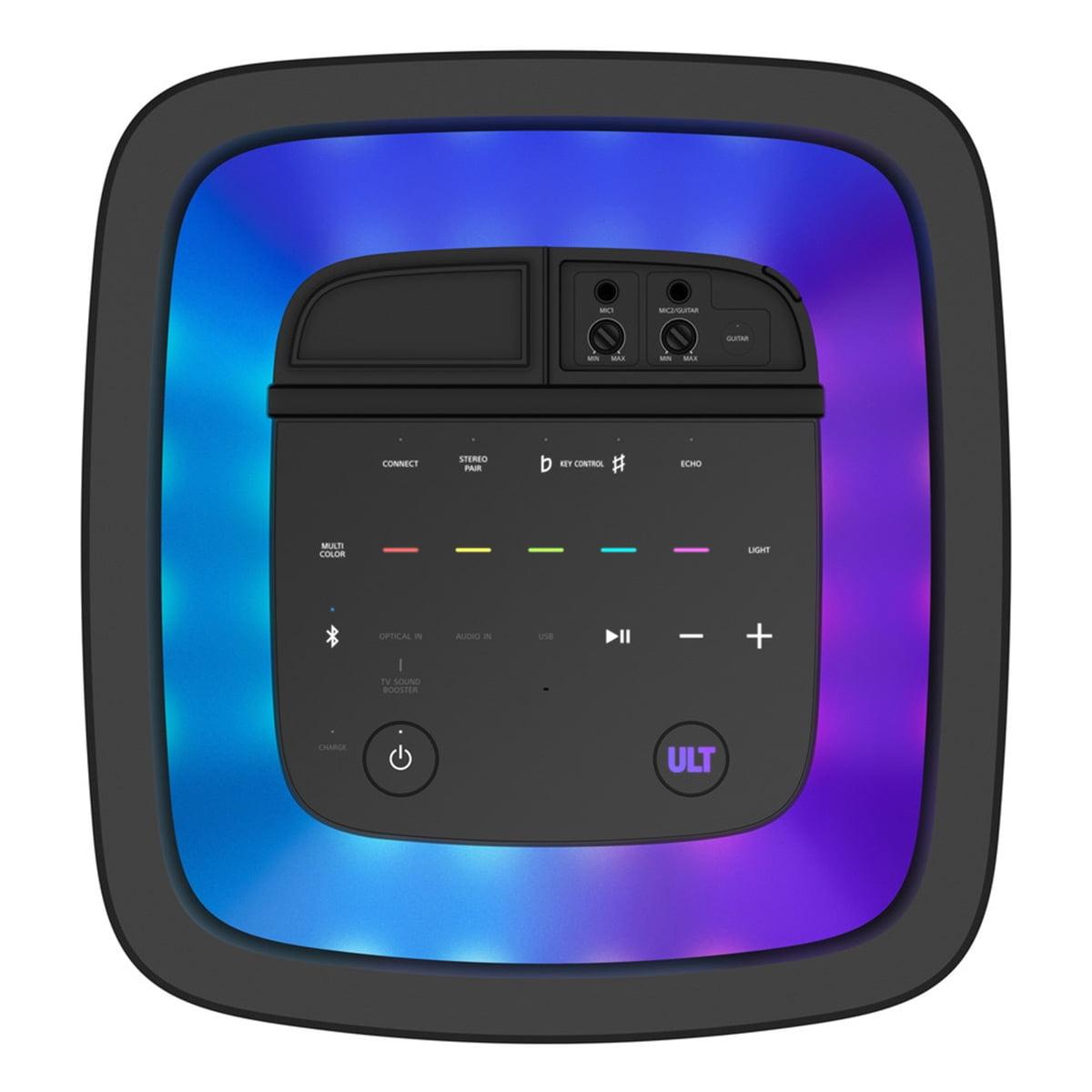
Sony's ULT button provides two distinct bass modes: ULT1 for deeper response and ULT2 for more aggressive punch. The JBL PartyBox 710 offers similar customization with its Bass Boost feature, providing "Deep" and "Punchy" settings, plus the option to disable enhancement entirely.
Based on user feedback and technical reviews, the choice comes down to preference and music style. The JBL PartyBox 710 excels with genres that rely heavily on sub-bass—think electronic dance music, modern hip-hop, and reggae. The Sony ULT Tower 9AC delivers more immediate, physical impact that works well across a broader range of party music, from pop to rock to dance tracks.
Here's where the JBL PartyBox 710 shows its maturity. JBL has refined their tuning over multiple product generations, resulting in a more balanced overall sound signature. While it's still bass-forward (as it should be for a party speaker), vocals and midrange instruments remain clear and present even when the bass boost is engaged.
The Sony ULT Tower 9AC, with its aggressive bass tuning, can sometimes overwhelm mids and highs. However, its seven-driver system—including dedicated midrange drivers that the JBL lacks—provides better frequency separation when you're not pushing the ULT modes hard.
Both speakers show some compression and distortion when pushed to maximum volume, which is inevitable with high-output systems. The JBL PartyBox 710 tends to distort more noticeably at peak levels, with the bass becoming overwhelming. The Sony ULT Tower 9AC maintains better control but loses some precision in the deepest bass frequencies.
The Sony ULT Tower 9AC benefits from newer Bluetooth 5.3 technology with support for LDAC, Sony's high-quality wireless audio codec. LDAC can transmit roughly three times more data than standard Bluetooth, resulting in noticeably better sound quality when streaming from compatible devices (mainly Android phones and Sony's own music players).
The JBL PartyBox 710 uses Bluetooth 5.1, which was cutting-edge in 2021 but lacks the range improvements and advanced codec support of newer versions. In practice, both connect reliably, but the Sony offers superior wireless audio quality with the right source device.
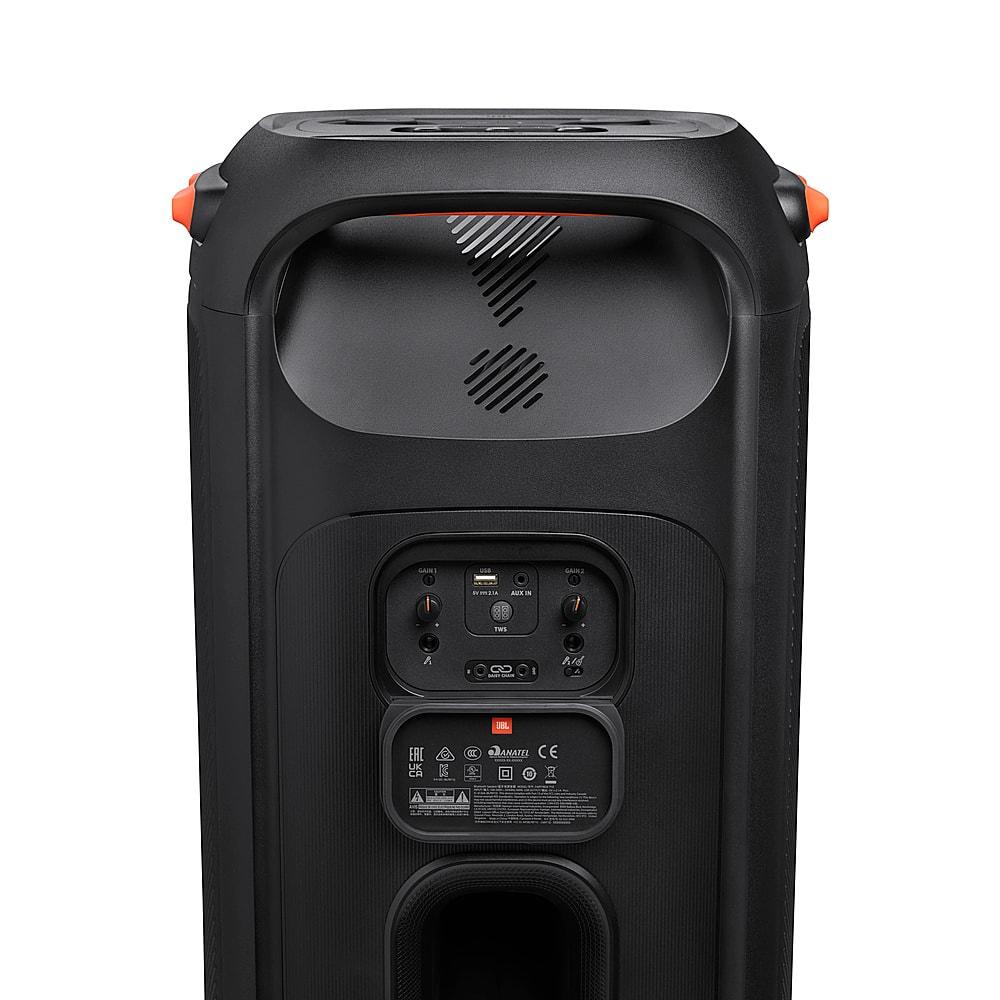
Both speakers provide multiple connection options beyond Bluetooth. The JBL PartyBox 710 includes 3.5mm auxiliary input and output, USB-A for direct music playback and device charging, and two microphone inputs (one can double as a guitar input).
The Sony ULT Tower 9AC matches most of these but adds an optical digital input, enabling direct connection to TVs and other digital audio sources. This makes it more versatile for home theater applications—you could use it to dramatically upgrade your TV's audio while maintaining its party speaker capabilities.
Both speakers support USB music playback and device charging, though the Sony's USB port provides slightly less charging current (1.5A vs 2.1A on the JBL).
This is where the Sony ULT Tower 9AC shows a significant advantage. Sony's Party Connect feature allows linking up to 100 compatible speakers wirelessly, creating massive sound systems for large events. The system automatically synchronizes music and lighting across all connected speakers.
The JBL PartyBox 710 offers True Wireless Sound (TWS) pairing, but only between two identical PartyBox 710 units. While this creates true stereo separation when positioned correctly, it's far more limiting than Sony's approach.
For most home users, this difference won't matter. But if you're involved in event planning, DJ work, or regularly host large gatherings, Sony's expandability becomes a major selling point.
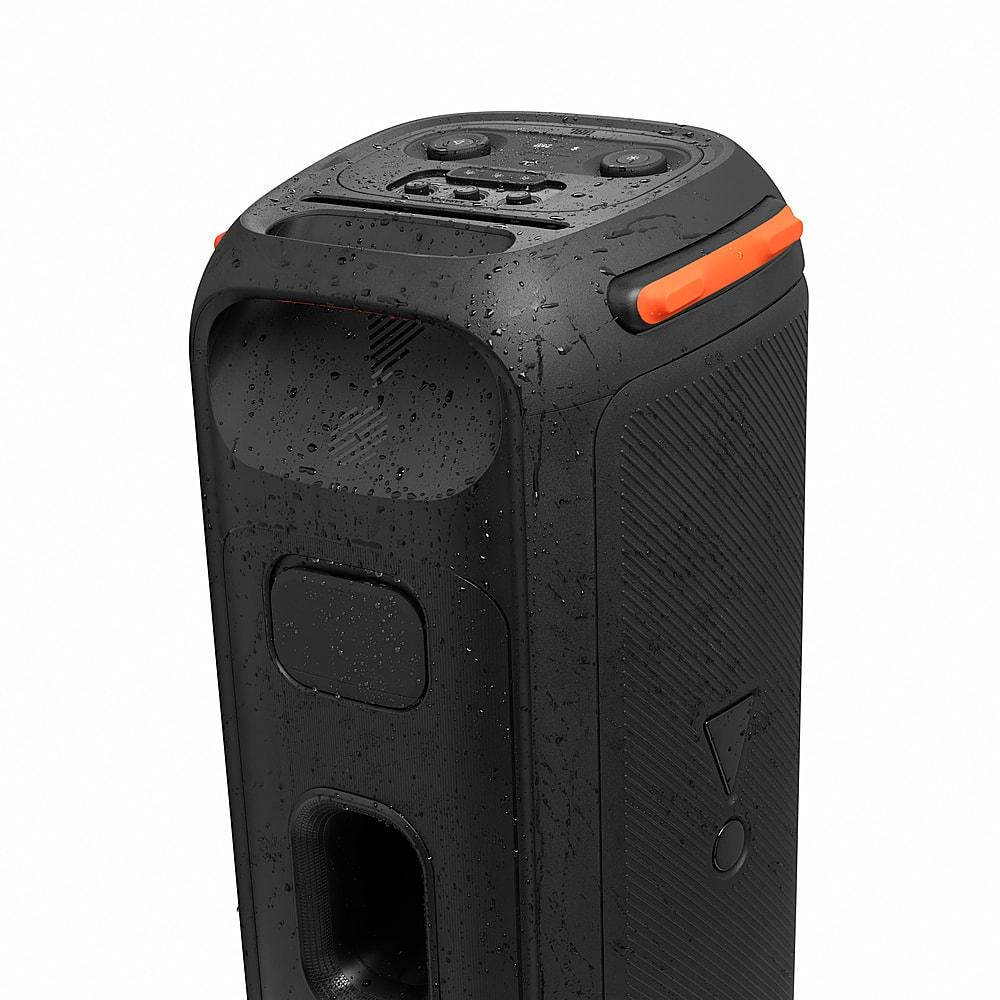
The JBL PartyBox 710 carries an IPX4 rating, meaning it can handle splashes from any direction without damage. This makes it genuinely suitable for poolside parties, backyard gatherings, or any event where moisture is a concern.
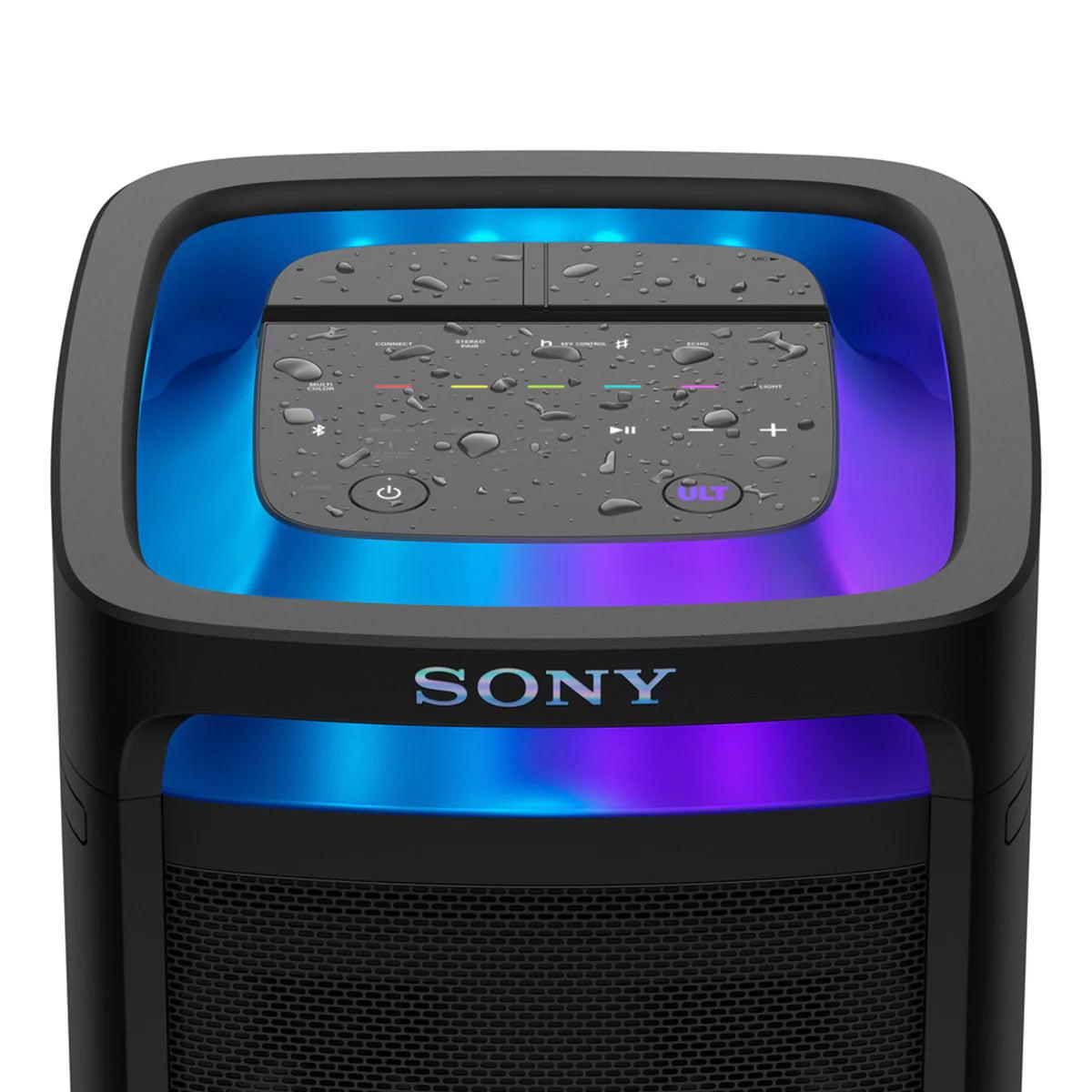
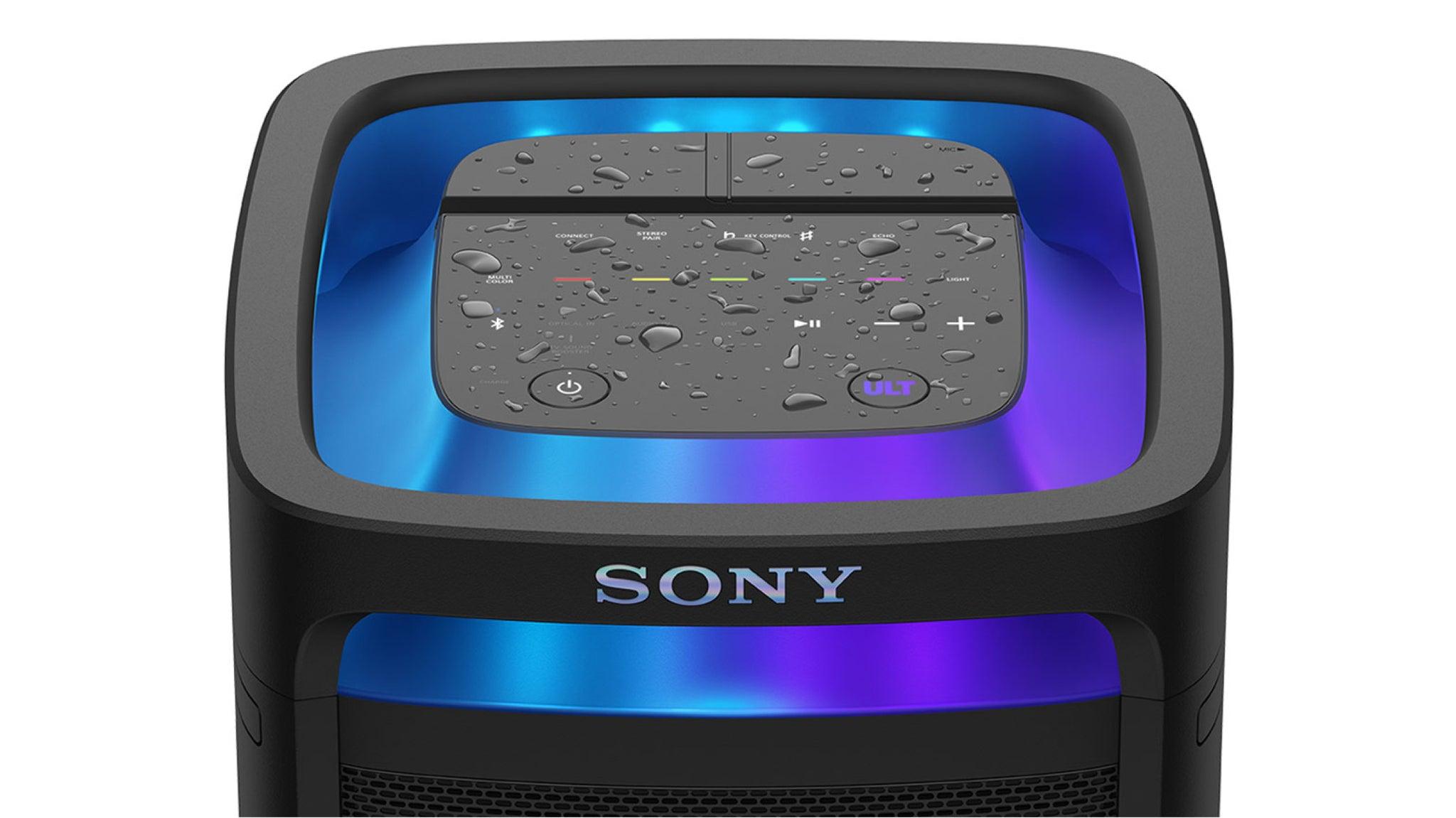
The Sony ULT Tower 9AC only offers splash protection for its control panel, and only when all ports are properly sealed. The speaker body itself lacks any water resistance rating. This limits its outdoor versatility and requires more careful handling around pools or during unpredictable weather.
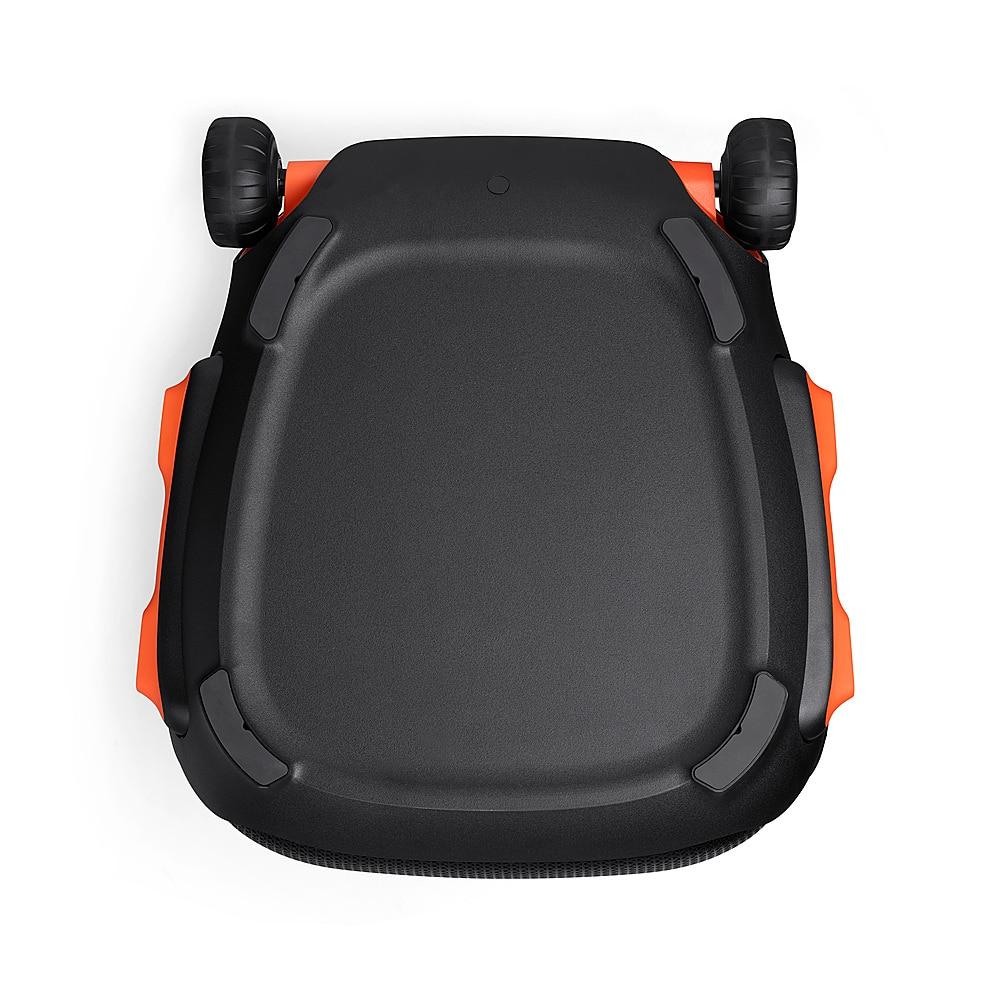
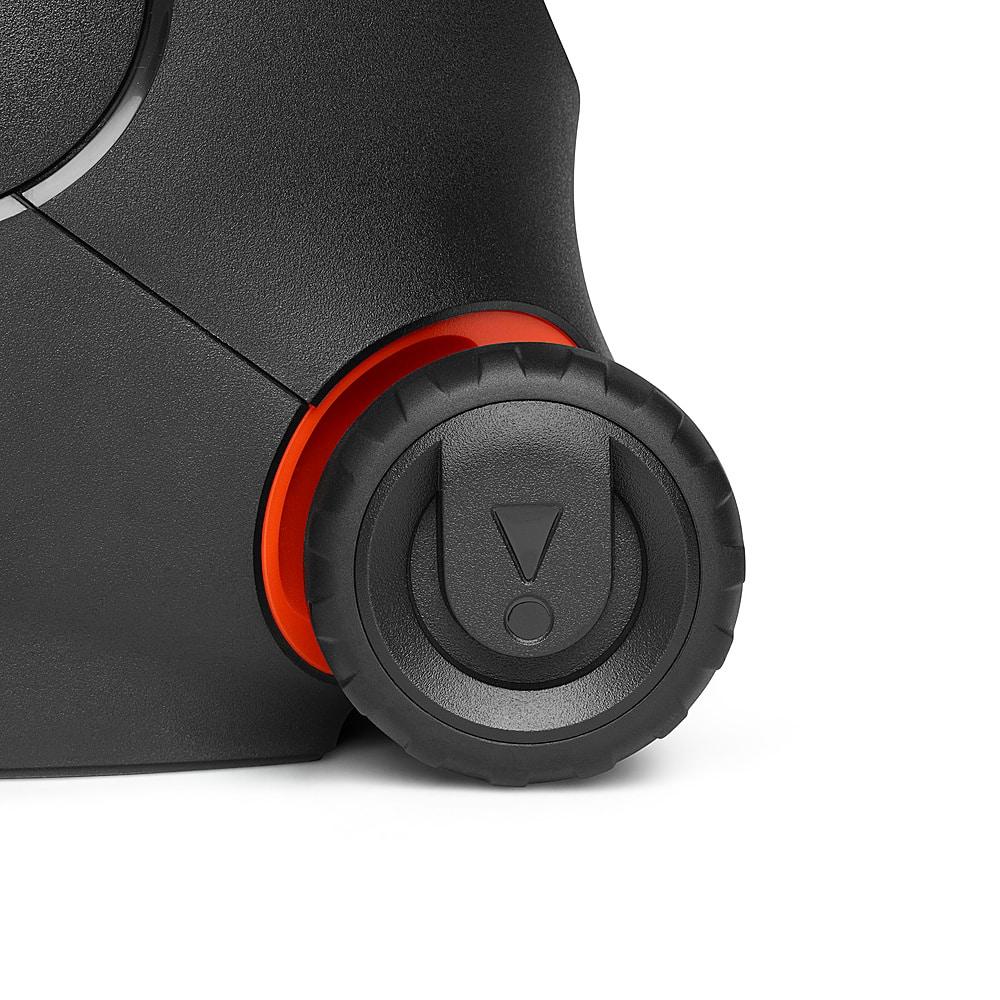
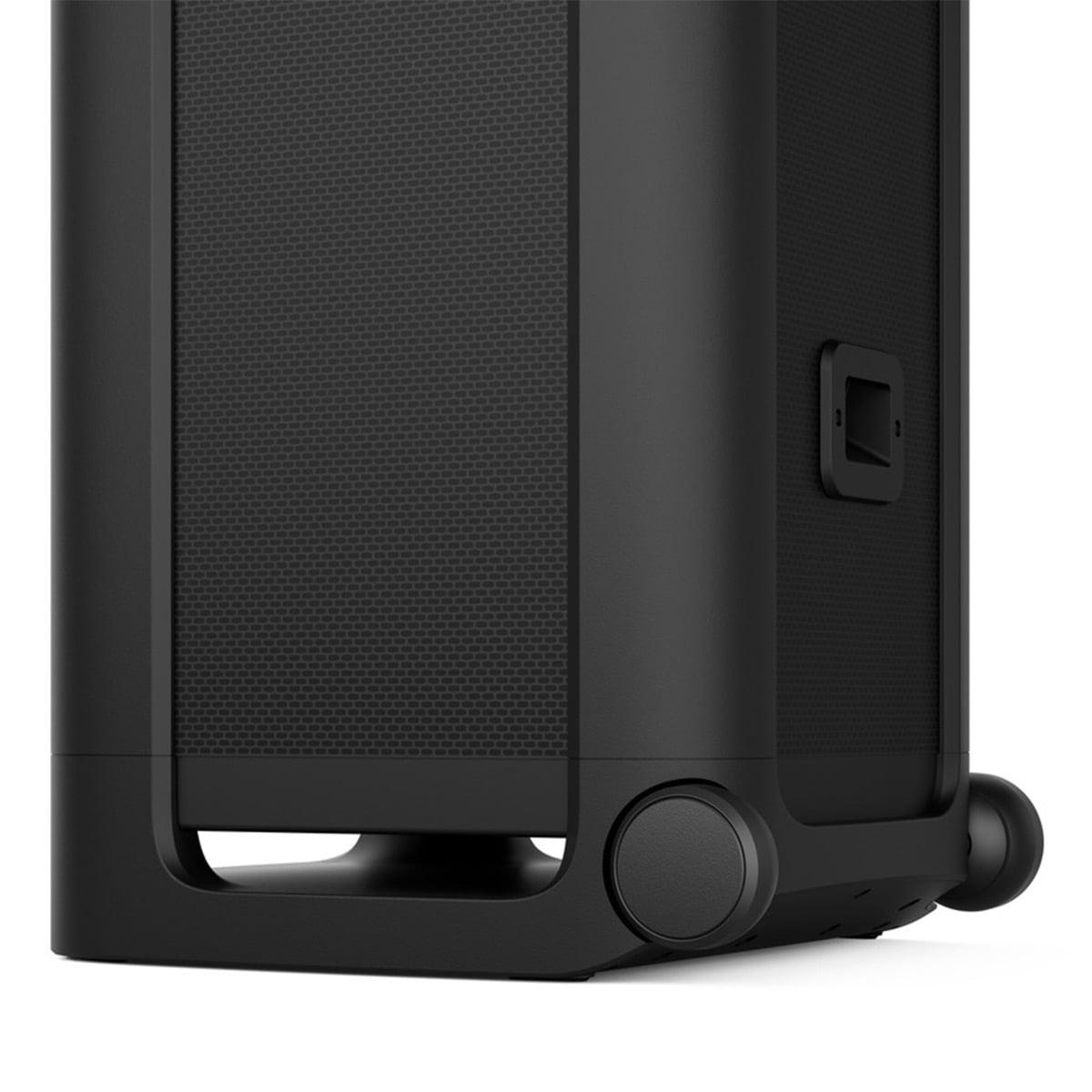
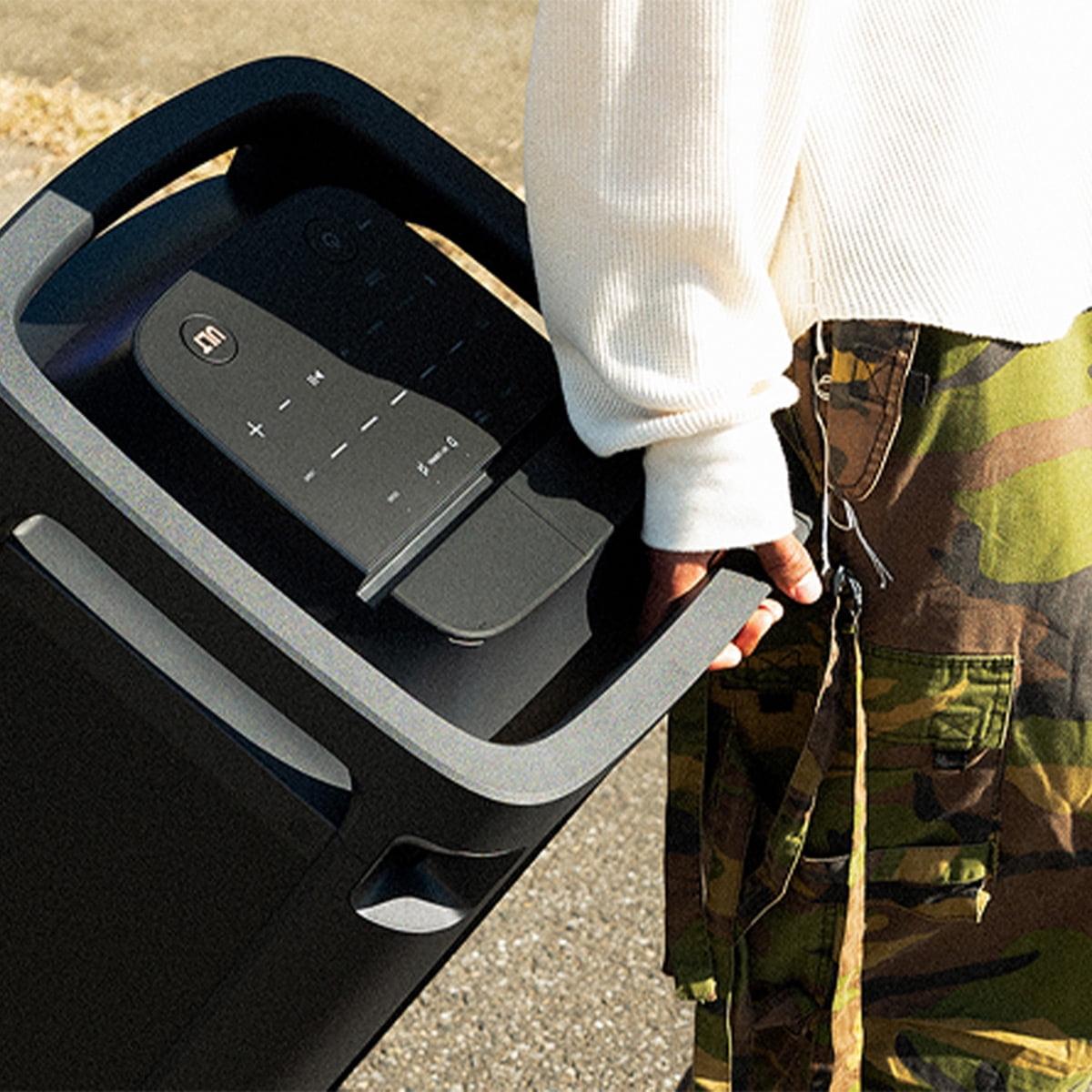
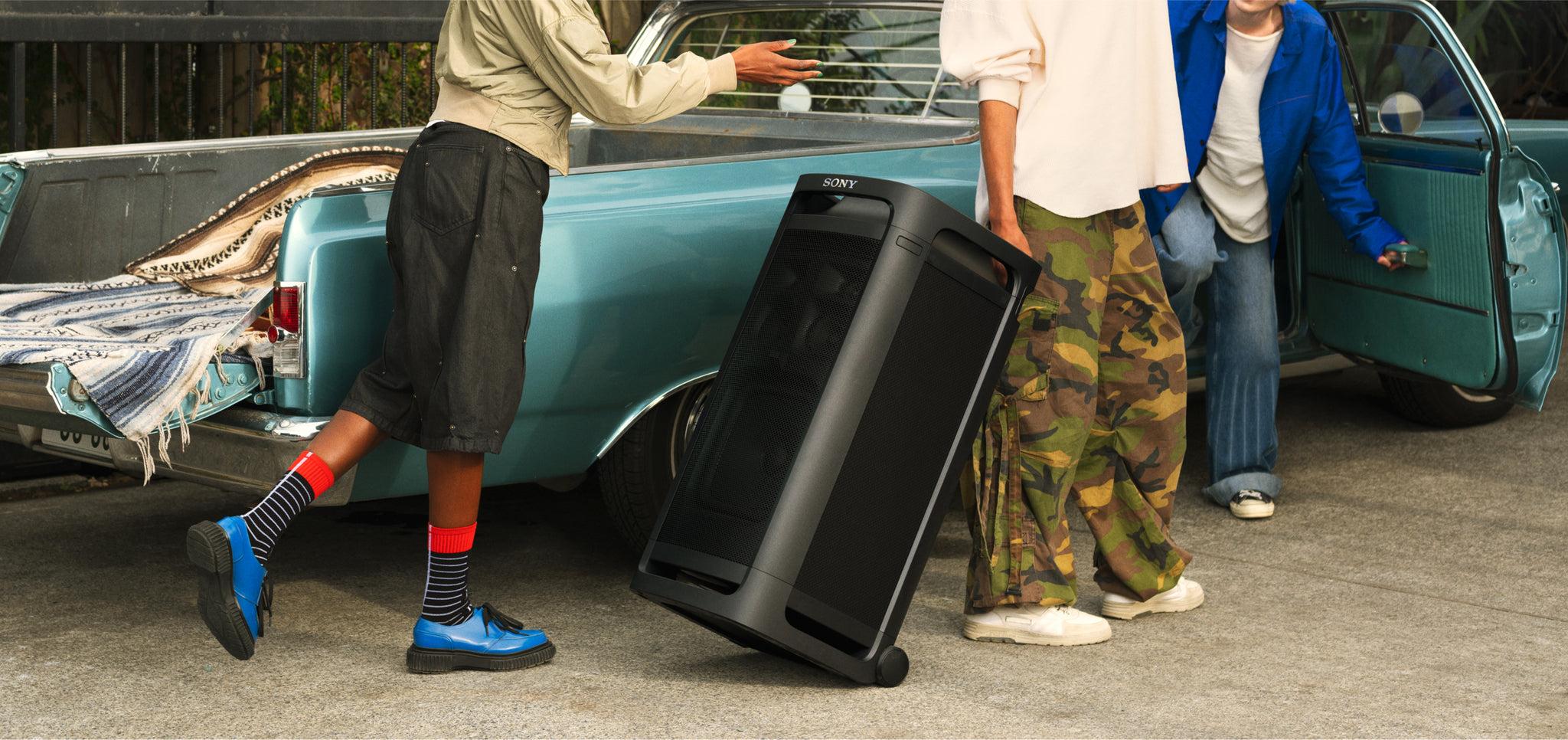
Both speakers acknowledge the reality of their size and weight with built-in wheels and handles. The JBL PartyBox 710 weighs about 61 pounds, while the Sony ULT Tower 9AC tips the scales at roughly 63 pounds. Neither is truly portable in the backpack sense, but both can be moved by one person across flat surfaces.
The wheels and handle design on both units work well for indoor events and smooth outdoor surfaces, but moving either speaker across grass, gravel, or stairs requires planning and possibly assistance.
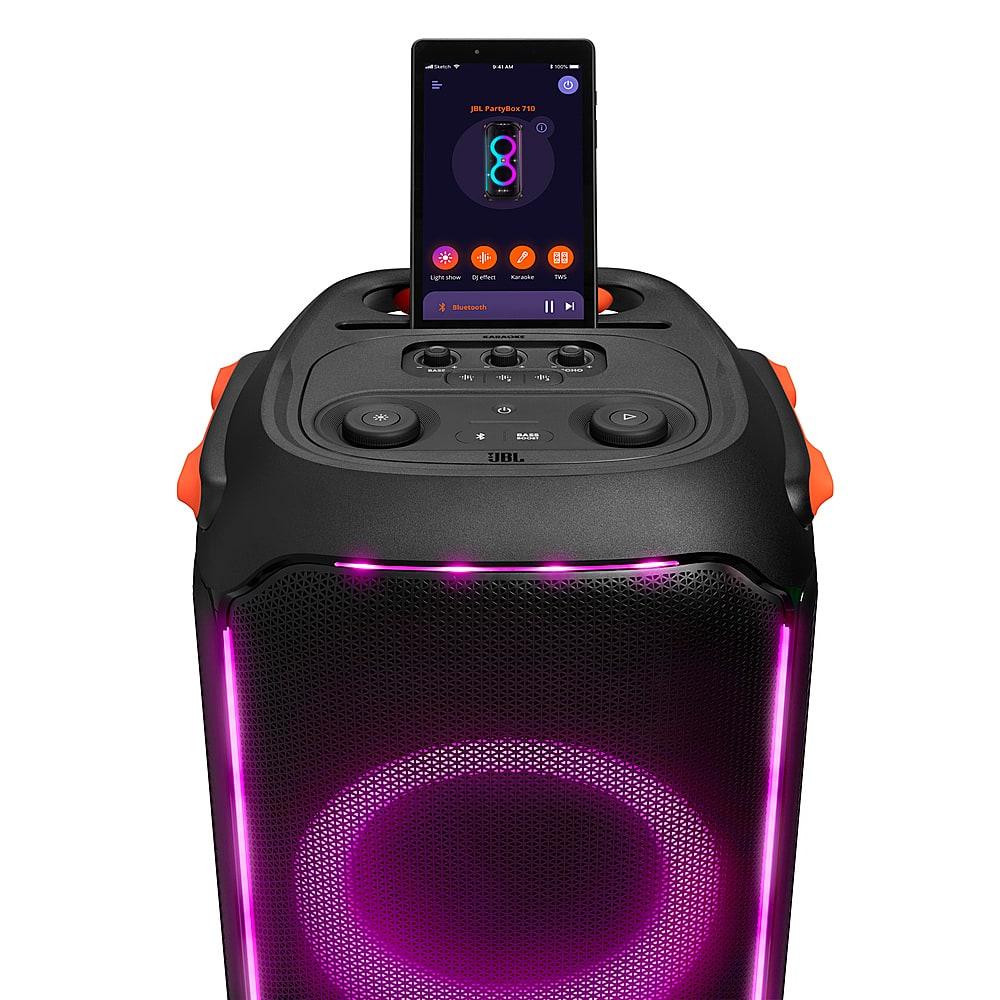
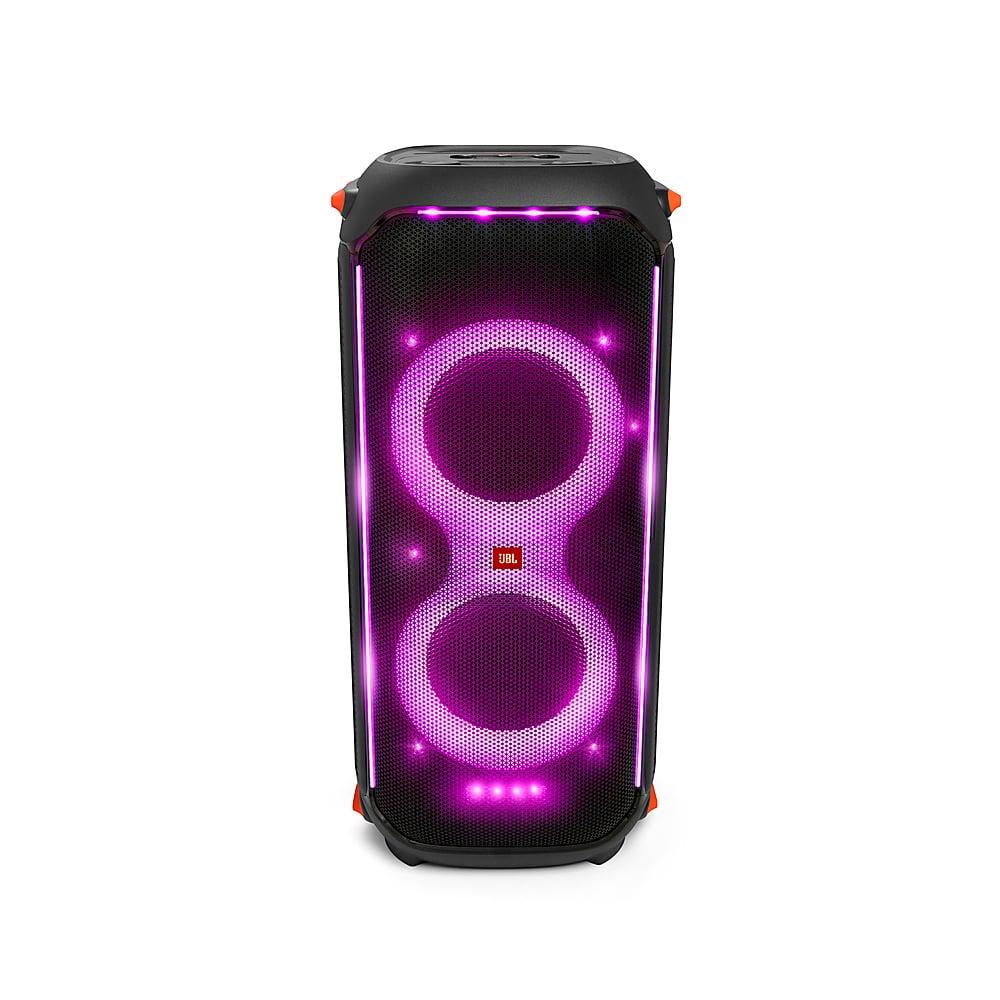
The JBL PartyBox 710 features one of the most elaborate lighting systems in the party speaker category. It includes dual LED rings around each woofer, LED strips down the sides of the front grille, and customizable strobe effects. The lighting offers multiple patterns including "starry night" effects and dynamic club-style sequences that sync with the music's rhythm.
The Sony ULT Tower 9AC takes a more minimalist approach with 360-degree ring lighting at the top and bottom of the speaker. While less visually dramatic than the JBL's system, the lighting still synchronizes with music and can be customized through Sony's app.
Both speakers offer smartphone apps for advanced control, but they differ in maturity and functionality. JBL's PartyBox app benefits from years of development and user feedback, offering reliable lighting control, sound customization, and the ability to program the speaker's built-in DJ effects buttons.
Sony's Sound Connect app is newer and more feature-rich on paper, including a 10-band equalizer and more granular lighting controls. However, user reports indicate some functionality bugs, particularly with lighting controls—a common issue with first-generation software from any manufacturer.
While neither speaker was designed primarily for home theater use, the Sony ULT Tower 9AC makes a surprisingly capable TV speaker upgrade. Its optical input allows direct digital connection to TVs, and Sony's TV Sound Booster mode uses the rear tweeters to create wider sound dispersion.
For casual movie watching, the Sony's powerful bass and clear dialogue reproduction can dramatically improve the TV experience. However, it's important to understand that this isn't a substitute for a proper surround sound system—it's a single-speaker solution that happens to work well with video content.
The JBL PartyBox 710 lacks optical input and TV-specific features, limiting its home theater applications to auxiliary input from TV headphone jacks, which typically provides lower audio quality.
At the time of writing, the Sony ULT Tower 9AC generally costs less than the JBL PartyBox 710 while offering newer technology and additional features like Party Connect and TV connectivity. This makes Sony the apparent value winner on paper.
However, value in party speakers extends beyond initial purchase price. The JBL PartyBox 710 brings proven reliability, better weather resistance, and a more mature app ecosystem. JBL's longer presence in this market also means better accessory availability and wider service network coverage.
The four-year technology gap works in Sony's favor for features like Bluetooth quality and app functionality, but JBL's extra development time shows in sound tuning and overall polish.
You prioritize deep, sub-bass extension for electronic dance music and hip-hop. The JBL PartyBox 710 excels at reproducing the lowest frequencies that make EDM drops and hip-hop beats physically impactful.
Outdoor use and weather resistance are important. The IPX4 rating makes the JBL PartyBox 710 genuinely suitable for poolside parties, beach gatherings, or any event where moisture exposure is likely.
You want elaborate lighting effects for maximum visual impact. JBL's dual LED rings and side strips create a more dramatic light show than Sony's minimalist approach.
You prefer proven reliability and an established ecosystem. Four years of market presence means known quantities—you understand exactly what you're getting with the JBL PartyBox 710.
Sound balance across all frequencies matters more than pure bass impact. While still bass-forward, the JBL maintains better overall frequency balance.
You want better value with more modern features for less money. At the time of writing, the Sony ULT Tower 9AC typically costs less while offering newer technology.
360-degree sound coverage is important for your space. Sony's rear-firing tweeters create more even sound distribution throughout rooms.
You need TV connectivity for dual entertainment and music use. The optical input and TV Sound Booster mode make the Sony ULT Tower 9AC more versatile for home theater applications.
Mid-bass punch and physical impact matter more than deep extension. Sony's X-Balanced driver delivers more felt bass in the frequencies where most music sits.
You plan to expand with multiple speakers using Party Connect. The ability to link up to 100 speakers makes the Sony ULT Tower 9AC far more scalable for large events.
You prefer newer technology like Bluetooth 5.3 with LDAC support for better wireless audio quality.
The Sony ULT Tower 9AC offers better overall value with more modern features and stronger mid-bass performance at a lower price point. Its 360-degree sound, TV connectivity, and Party Connect expansion capabilities make it more versatile for various applications.
However, the JBL PartyBox 710 remains the better choice for users who prioritize deep bass extension, outdoor durability, elaborate visual effects, and proven reliability. Its more mature development shows in sound balance and app stability.
Your choice should ultimately depend on your primary use case. For indoor parties, home theater enhancement, and modern connectivity, the Sony presents compelling value. For outdoor events, deep bass music genres, and maximum visual impact, the JBL justifies its higher cost.
Both speakers will dramatically transform your parties compared to standard home audio systems. The choice between them comes down to whether you value cutting-edge features and value (Sony) or proven performance and weather resistance (JBL).
| JBL PartyBox 710 | Sony ULT Tower 9AC |
|---|---|
| Power Output - Raw driving force for volume and bass impact | |
| 800W RMS (delivers consistent high-volume performance) | Not specified (focuses on driver efficiency over raw wattage) |
| Driver Configuration - Determines sound quality and coverage | |
| 2× 8" woofers, 2× 2.75" tweeters (focused front-firing) | 1× 12.5" X-Balanced woofer, 2× midrange, 4× tweeters (360° coverage) |
| Bass Extension - How deep the low frequencies go | |
| 35Hz - 20kHz (excellent sub-bass for EDM and hip-hop) | Not specified (optimized for mid-bass punch over deep extension) |
| Weather Protection - Outdoor party reliability | |
| IPX4 splashproof (safe for poolside and light rain) | Control panel only (indoor use recommended) |
| Bluetooth Technology - Wireless audio quality and range | |
| Bluetooth 5.1 with standard codecs | Bluetooth 5.3 with LDAC (3x better wireless quality) |
| Multi-Speaker Capability - Expandability for larger events | |
| True Wireless Stereo (pairs 2 units only) | Party Connect (links up to 100 speakers) |
| TV Integration - Home theater versatility | |
| 3.5mm aux input only | Optical digital input with TV Sound Booster mode |
| Lighting Effects - Visual party atmosphere | |
| Elaborate: dual LED rings, side strips, multiple patterns | Minimalist: 360° top/bottom rings with music sync |
| Weight & Portability - Ease of transport | |
| 61.3 lbs with wheels and handle | 62.8 lbs with wheels and handle |
| Release Year - Technology generation | |
| 2021 (proven, mature platform) | 2025 (latest technology and features) |
| Value Proposition - Performance per dollar spent | |
| Higher cost for deeper bass and weather resistance | Better value with modern features at lower cost |
The Sony ULT Tower 9AC offers better overall value with newer technology, 360° sound coverage, and TV connectivity at a lower price. However, the JBL PartyBox 710 provides deeper bass extension, better weather resistance, and more elaborate lighting effects. Choose Sony for modern features and home use, or JBL for outdoor events and maximum bass impact.
The JBL PartyBox 710 delivers deeper sub-bass (down to 35Hz) with more balanced overall sound, making it ideal for EDM and hip-hop. The Sony ULT Tower 9AC produces more intense mid-bass punch using its X-Balanced woofer technology and offers 360° sound dispersion for better room coverage.
The Sony ULT Tower 9AC is much better for home theater use with its optical digital input and TV Sound Booster mode that optimizes audio for video content. The JBL PartyBox 710 only offers basic auxiliary input connection and lacks TV-specific features.
Both the JBL PartyBox 710 and Sony ULT Tower 9AC reach similar peak volumes around 109 decibels. The difference is coverage: Sony's 360° design spreads sound more evenly throughout rooms, while JBL's front-firing design provides more focused, directional output.
The JBL PartyBox 710 features IPX4 splashproof rating, making it safe for poolside parties and light rain. The Sony ULT Tower 9AC only has splash-resistant controls and no body protection, limiting its outdoor use in wet conditions.
Bass preference depends on music style: the JBL PartyBox 710 extends deeper (35Hz) for electronic music's sub-bass, while the Sony ULT Tower 9AC delivers more impactful mid-bass punch that you physically feel. Sony's ULT modes offer more bass customization options than JBL's Bass Boost feature.
The Sony ULT Tower 9AC wins significantly with Party Connect supporting up to 100 linked speakers. The JBL PartyBox 710 only pairs two identical units in True Wireless Stereo mode, making Sony much better for large events requiring multiple speakers.
The JBL PartyBox 710 features more elaborate lighting with dual LED rings, side strips, and multiple strobe patterns. The Sony ULT Tower 9AC uses minimalist 360° ring lighting at top and bottom. JBL provides more dramatic visual impact for party atmosphere.
Both the JBL PartyBox 710 and Sony ULT Tower 9AC require AC power and have no built-in batteries. This limits portability but allows for unlimited playtime and maximum power output without battery degradation concerns.
The Sony ULT Tower 9AC uses newer Bluetooth 5.3 with LDAC codec support, providing roughly three times better wireless audio quality than standard Bluetooth. The JBL PartyBox 710 uses Bluetooth 5.1 with basic codecs, which was advanced in 2021 but lacks Sony's audio quality improvements.
Both speakers weigh over 60 pounds but include wheels and handles for transport. The JBL PartyBox 710 (61 lbs) and Sony ULT Tower 9AC (63 lbs) roll easily on flat surfaces but require careful planning for stairs or uneven terrain.
The Sony ULT Tower 9AC typically costs less while offering newer technology, TV connectivity, and Party Connect expansion. The JBL PartyBox 710 costs more but provides proven reliability, weather resistance, and deeper bass extension. Sony offers better features per dollar, while JBL provides specialized outdoor capabilities.
We've done our best to create useful and informative comparisons to help you decide what product to buy. Our research uses advanced automated methods to create this comparison and perfection is not possible - please contact us for corrections or questions. These are the sites we've researched in the creation of this article: rtings.com - audioadvice.com - crutchfield.com - youtube.com - bestbuy.com - rtings.com - youtube.com - youtube.com - youtube.com - versus.com - worldwidestereo.com - rtings.com - jbl.com - youtube.com - expertvoice.com - jbl.com - jbl.com.tw - robot-advance.com - youtube.com - hu.harmanaudio.com - onward.ph - harmanaudio.in - youtube.com - youtube.com - manuals.plus - global.jbl.com - de.jbl.com - ro.harmanaudio.com - stereoguide.com - videoandaudiocenter.com - bestbuy.com - electronics.sony.com - rtings.com - youtube.com - hindustantimes.com - helpguide.sony.net - soundguys.com - sony.com - youtube.com - bestbuy.com - youtube.com - youtube.com - youtube.com - shopjetson.com - youtube.com - sony.com - sonyworld.co.za - sony.com

Privacy Policy
Terms and Conditions - Affiliate Policy
Home Security
© Copyright 2008-2026.
11816 Inwood Rd #1211, Dallas, TX 75244