

When you're planning the party of the year, your speaker choice can make or break the entire event. Nothing kills the vibe faster than a sound system that can't keep up with your energy—or your guest list. JBL's PartyBox series has dominated the party speaker market for years, but choosing between their flagship models requires understanding some crucial trade-offs.
The JBL PartyBox 710 and PartyBox 520 represent two different philosophies in party speaker design. Released in 2021 and 2025 respectively, these speakers show how the market has evolved from pure power to smart portability. At the time of writing, both models compete in the premium party speaker segment, with prices reflecting their serious performance capabilities.
Party speakers occupy a unique space in the audio world. Unlike home stereo systems that prioritize accuracy and detail, these speakers are engineered for one mission: getting people moving. They need to pump out massive volumes without distorting, deliver bass you can feel in your chest, and survive the chaos of outdoor gatherings.
The key specifications that matter most are RMS power output (the continuous power a speaker can handle), frequency response (how low the bass goes and how high the treble reaches), and maximum volume before distortion sets in. But numbers only tell part of the story—real-world performance depends on how well these components work together.
Think of it like comparing sports cars. One might have more horsepower on paper, but the other could be faster around a racetrack due to better engineering. The same applies here: the PartyBox 710 packs more raw power, while the PartyBox 520 leverages newer technology to punch above its weight class.
On paper, the PartyBox 710 should demolish the PartyBox 520 in a volume contest. With 800W RMS compared to 400W RMS, that's literally double the power. But here's where things get interesting—real-world testing reveals the gap isn't nearly as dramatic as those numbers suggest.
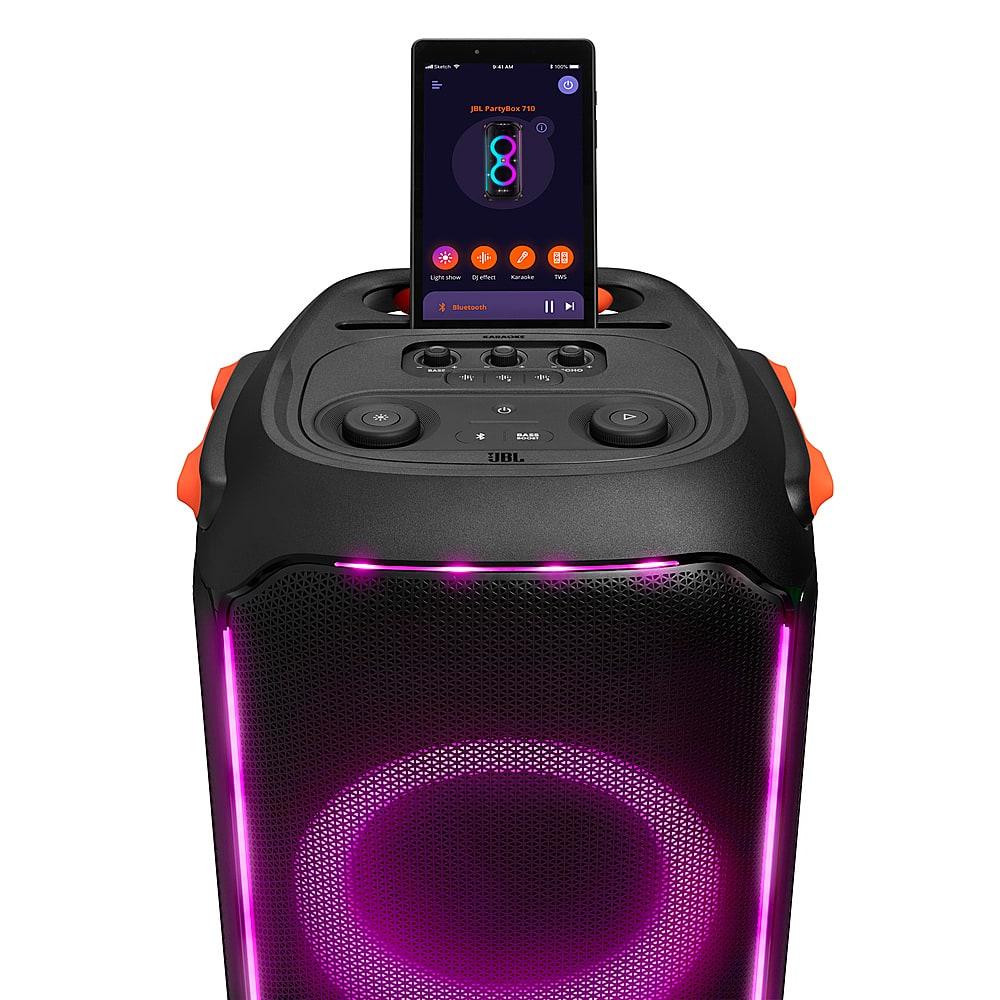
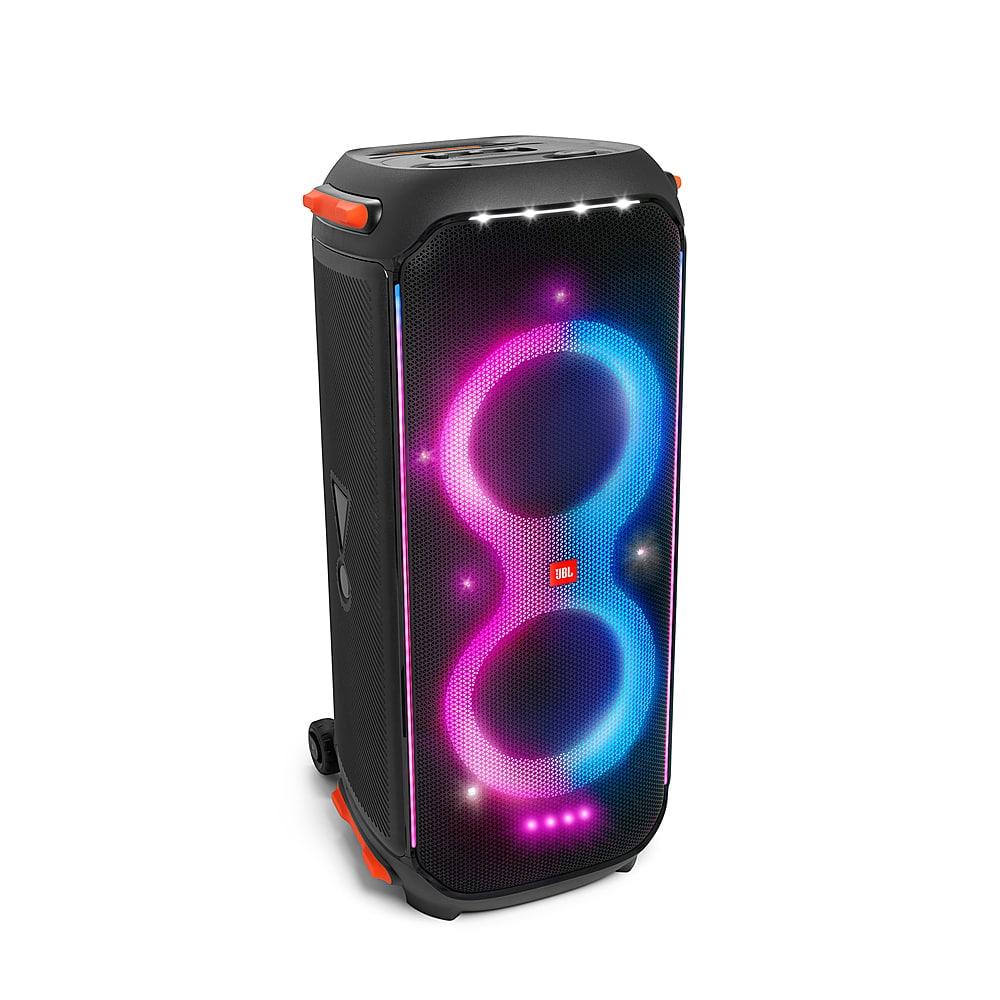
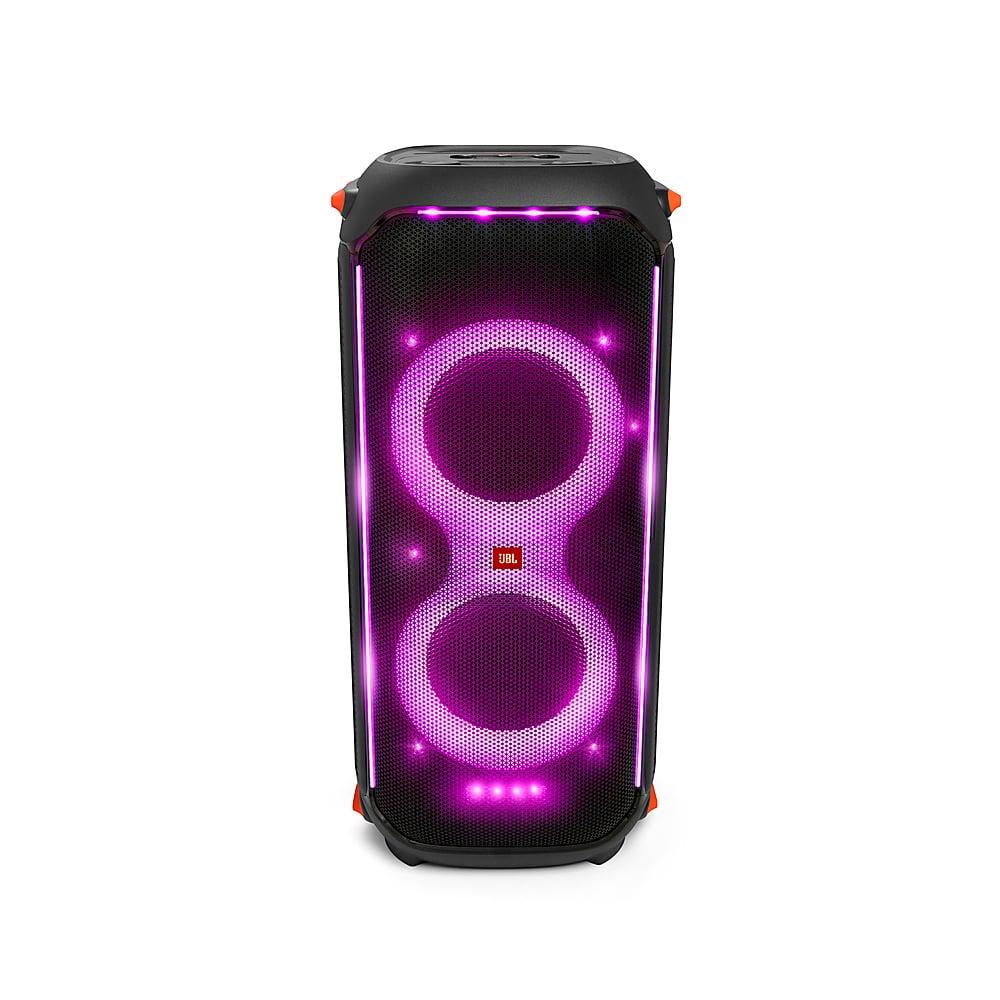
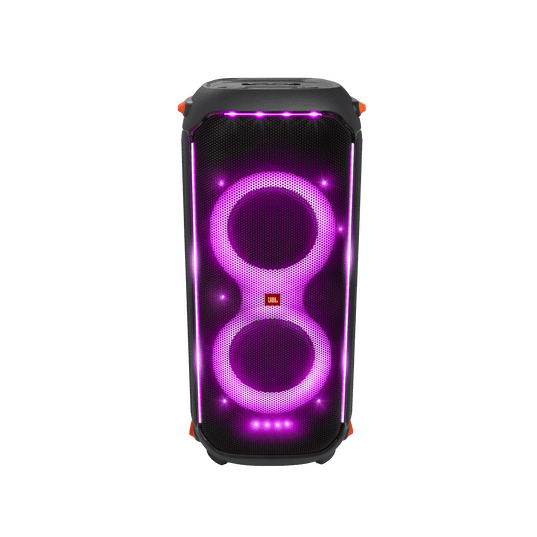
The 710 uses two massive 8-inch woofers paired with 2.75-inch tweeters, creating a traditional but effective configuration. This setup excels at moving serious air, which translates to that visceral bass response that makes your ribcage vibrate. When you're blasting hip-hop or EDM at a pool party, this physical sensation is what separates a good speaker from a great one.
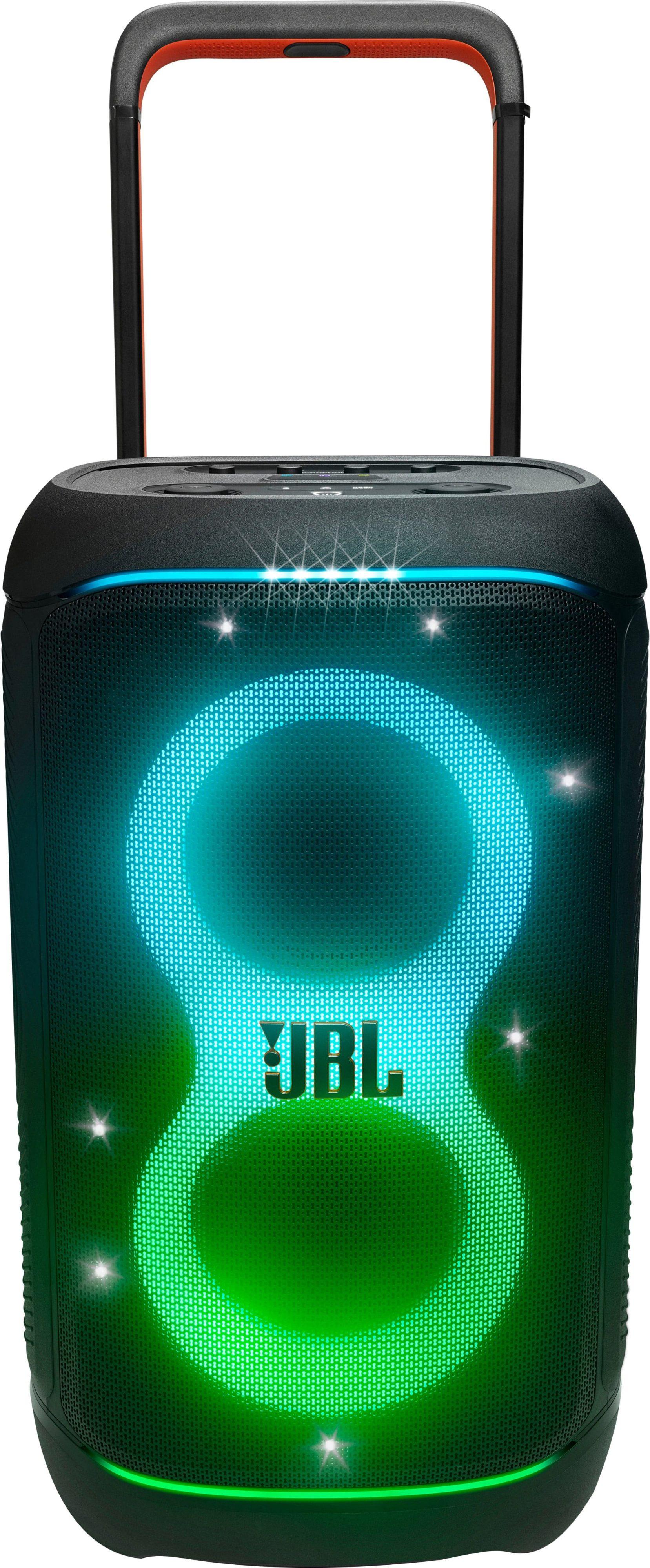
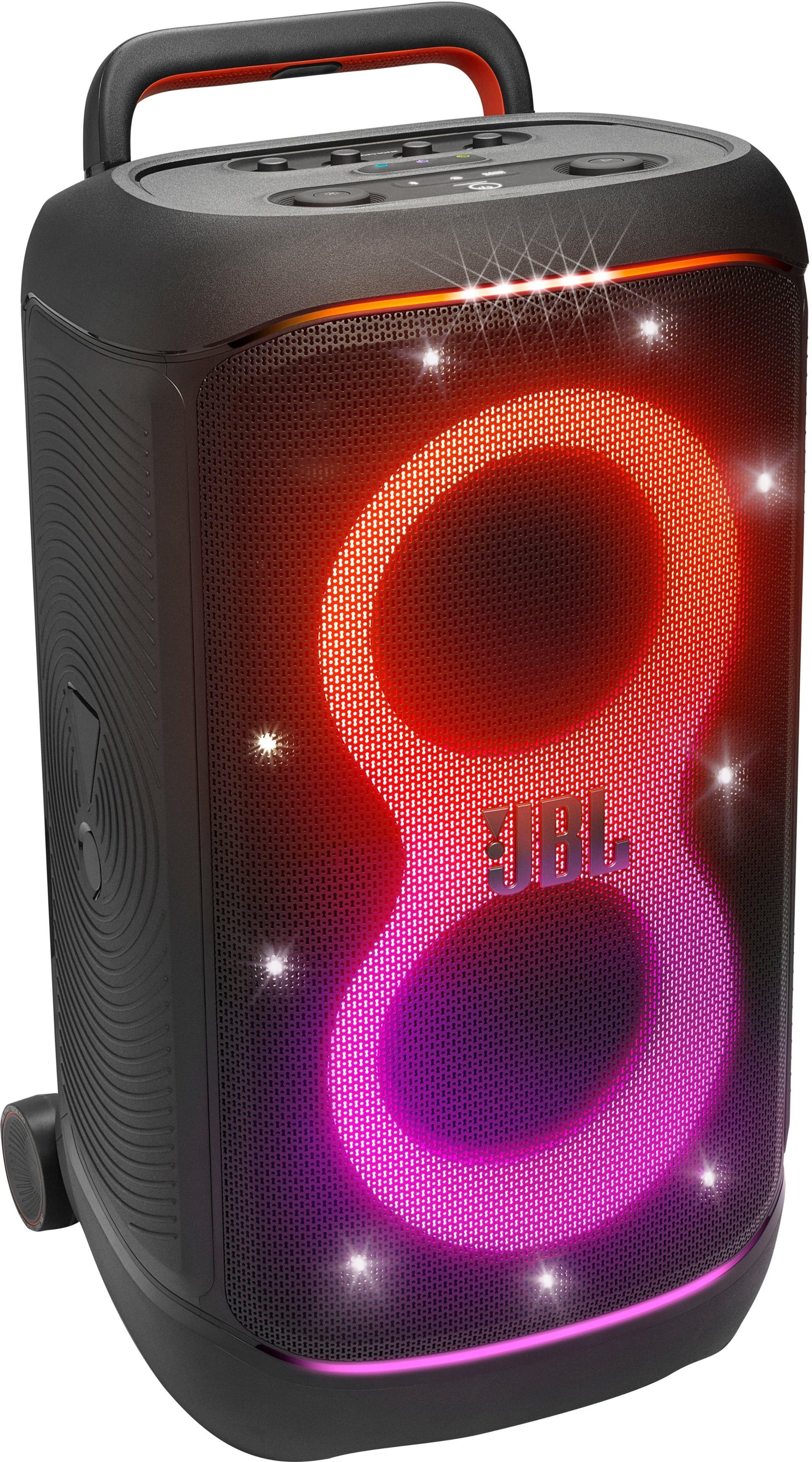
The 520 takes a more sophisticated approach with slightly smaller 7.5-inch woofers and 1-inch tweeters, but adds AI Sound Boost technology. This system analyzes your music in real-time and optimizes the speaker's output to prevent distortion and maximize clarity. It's like having a sound engineer constantly tweaking your system for optimal performance.
In practical terms, both speakers can easily handle gatherings of 50-100 people outdoors. The 710 has more headroom for truly massive events—think block parties or large backyard weddings. But for most users, the 520's output proves surprisingly adequate, especially when plugged into AC power for maximum performance.
The frequency response tells another important story. The 710 digs down to 35Hz, while the 520 bottoms out at 40Hz. That 5Hz difference might seem small, but it represents the difference between feeling bass in your bones versus just hearing it. However, the 520 often sounds more balanced overall, with clearer vocals and better instrument separation.
Here's where the fundamental difference between these speakers becomes crystal clear. The PartyBox 710 is essentially a portable speaker that isn't actually portable—it requires constant AC power. This design choice makes sense for permanent installations or events with guaranteed power access, but it's a massive limitation for true mobility.
The 520 represents JBL's answer to the modern demand for real portability. Its lithium-ion battery provides up to 15 hours of playback, though real-world usage varies significantly based on volume levels and whether you're running the light show. At moderate volumes (around 40%), you can easily get through most events on a single charge.
The swappable battery system deserves special mention here. Unlike speakers with built-in batteries that become paperweights when the battery dies, the 520 allows you to swap in a fresh battery pack. This feature becomes invaluable for professional DJs or anyone hosting multi-day events. The fast charging capability—10 minutes for over an hour of playback—also provides crucial flexibility when you're caught short on power.
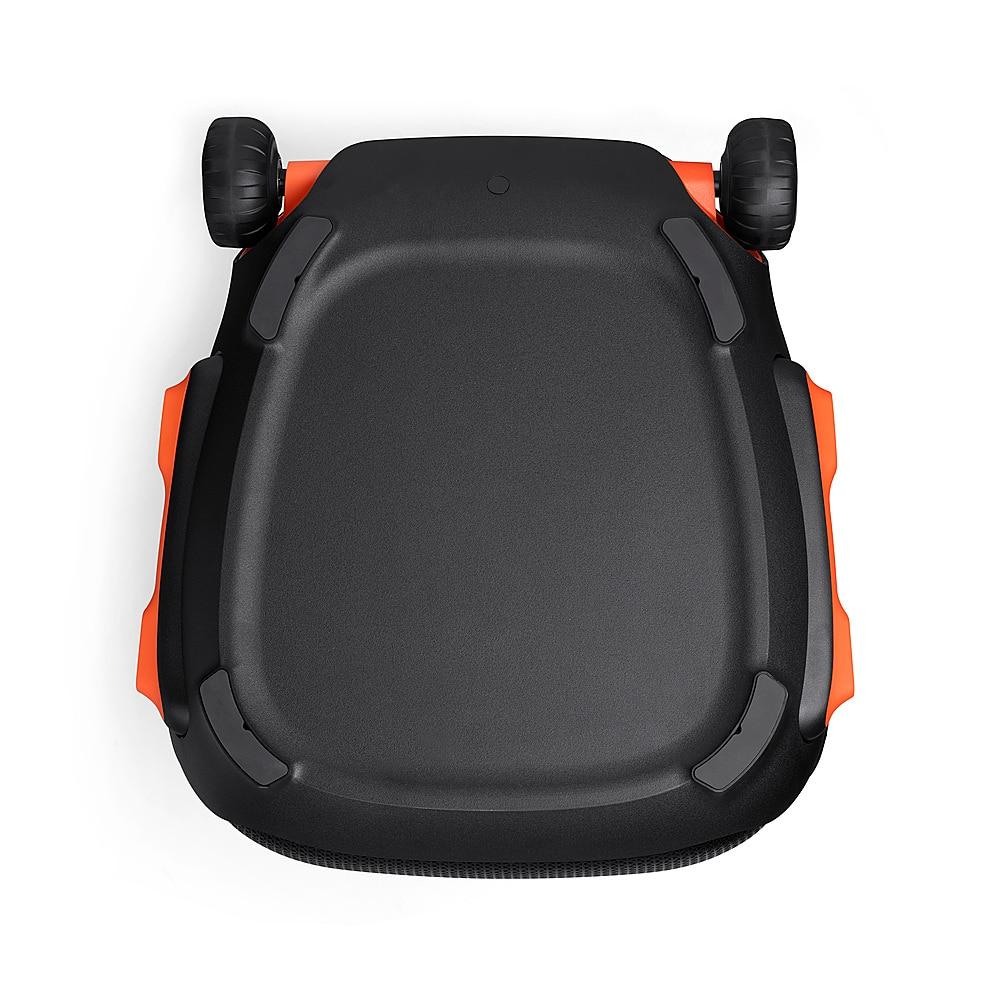
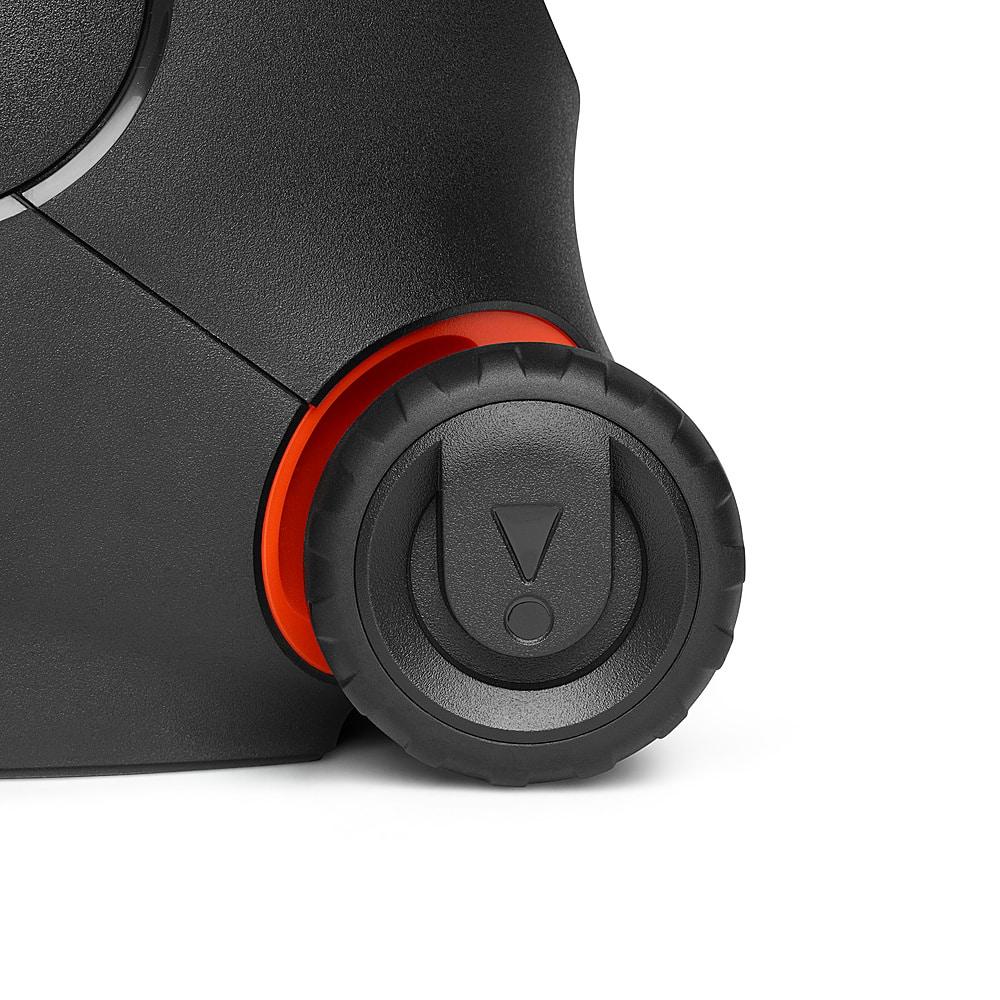
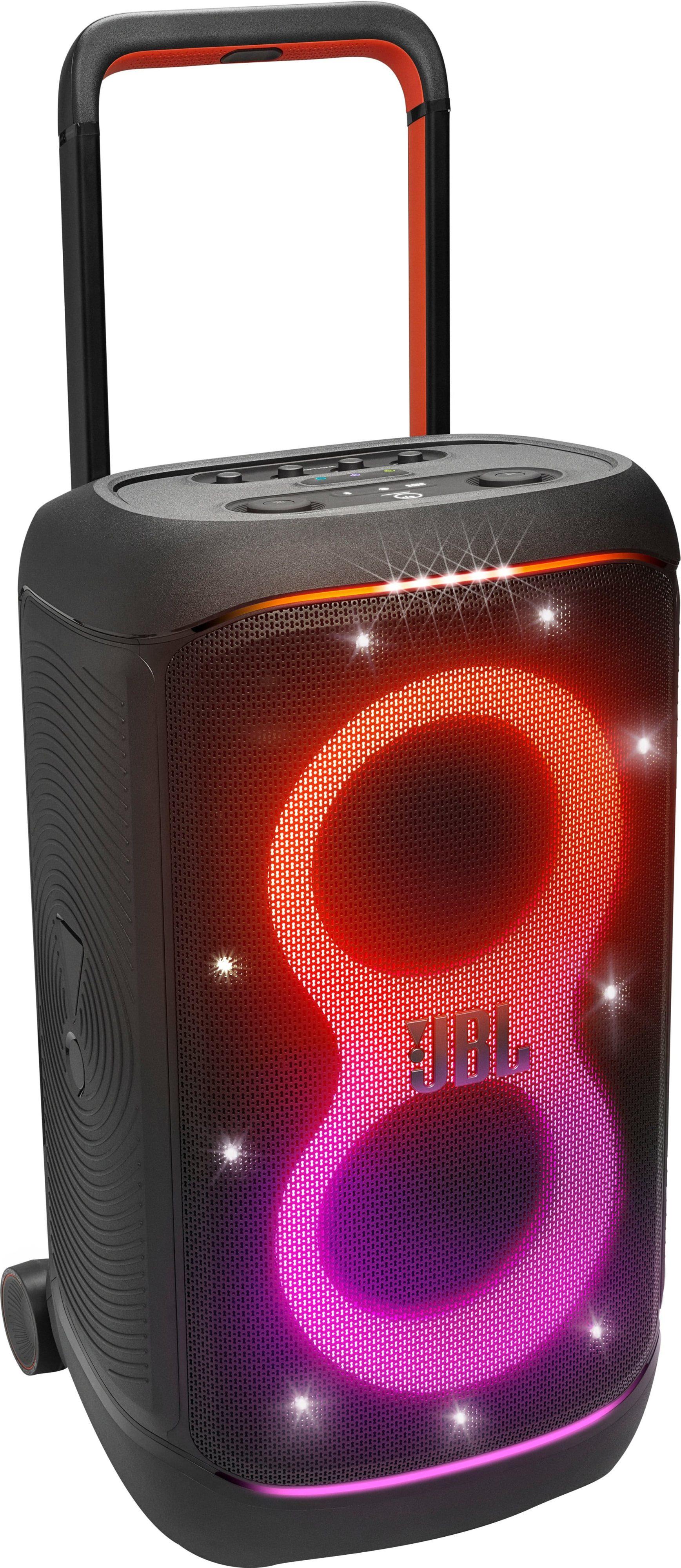
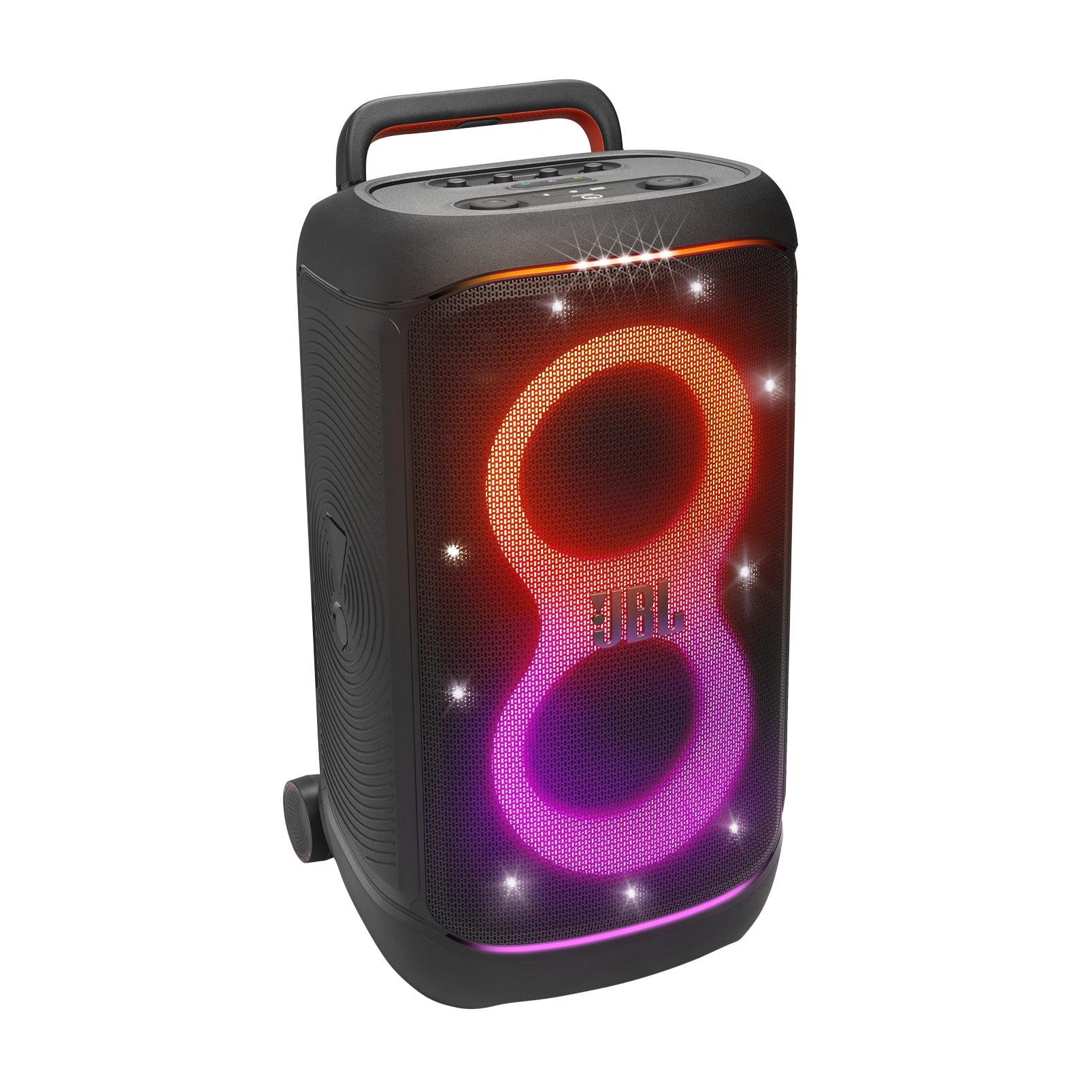
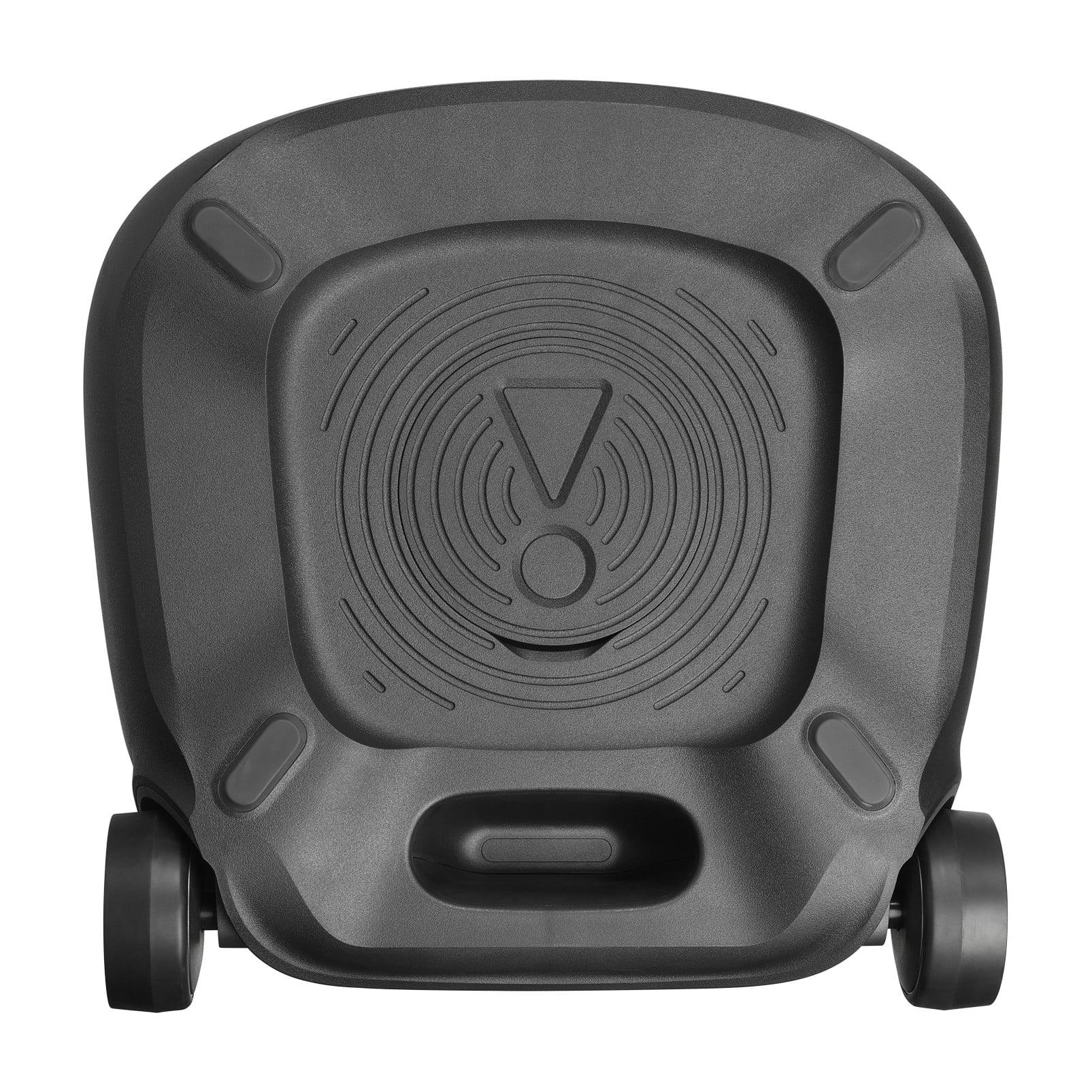
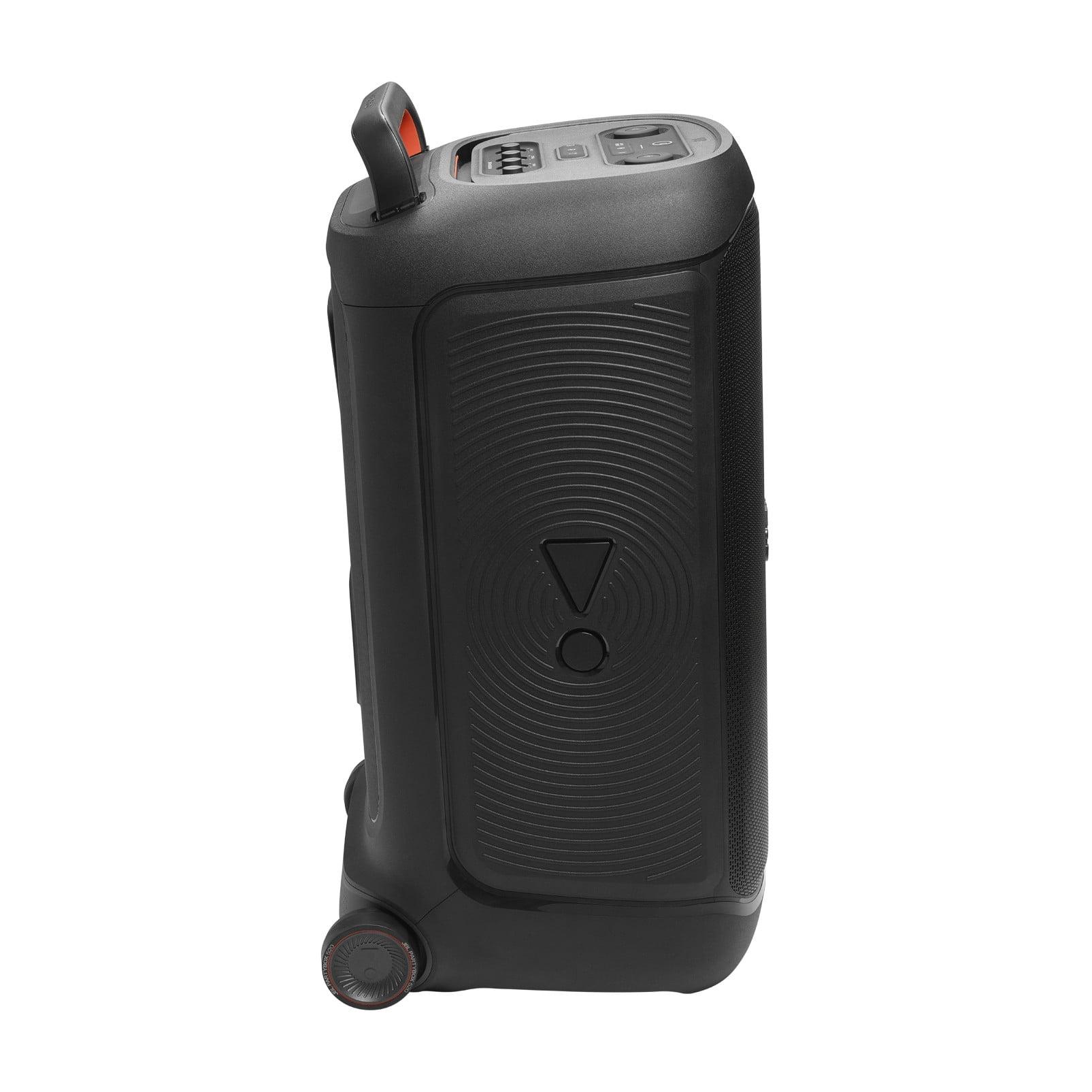
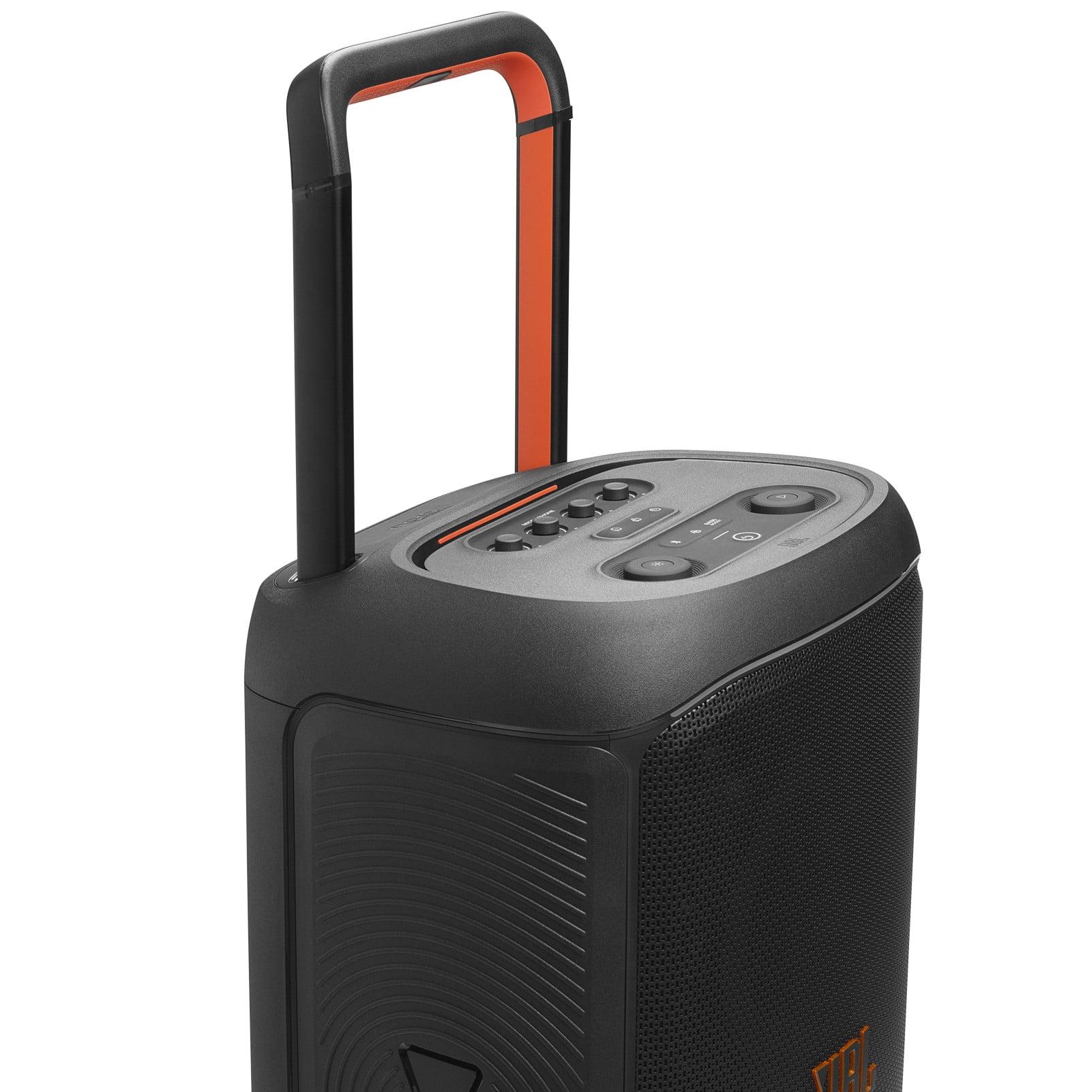
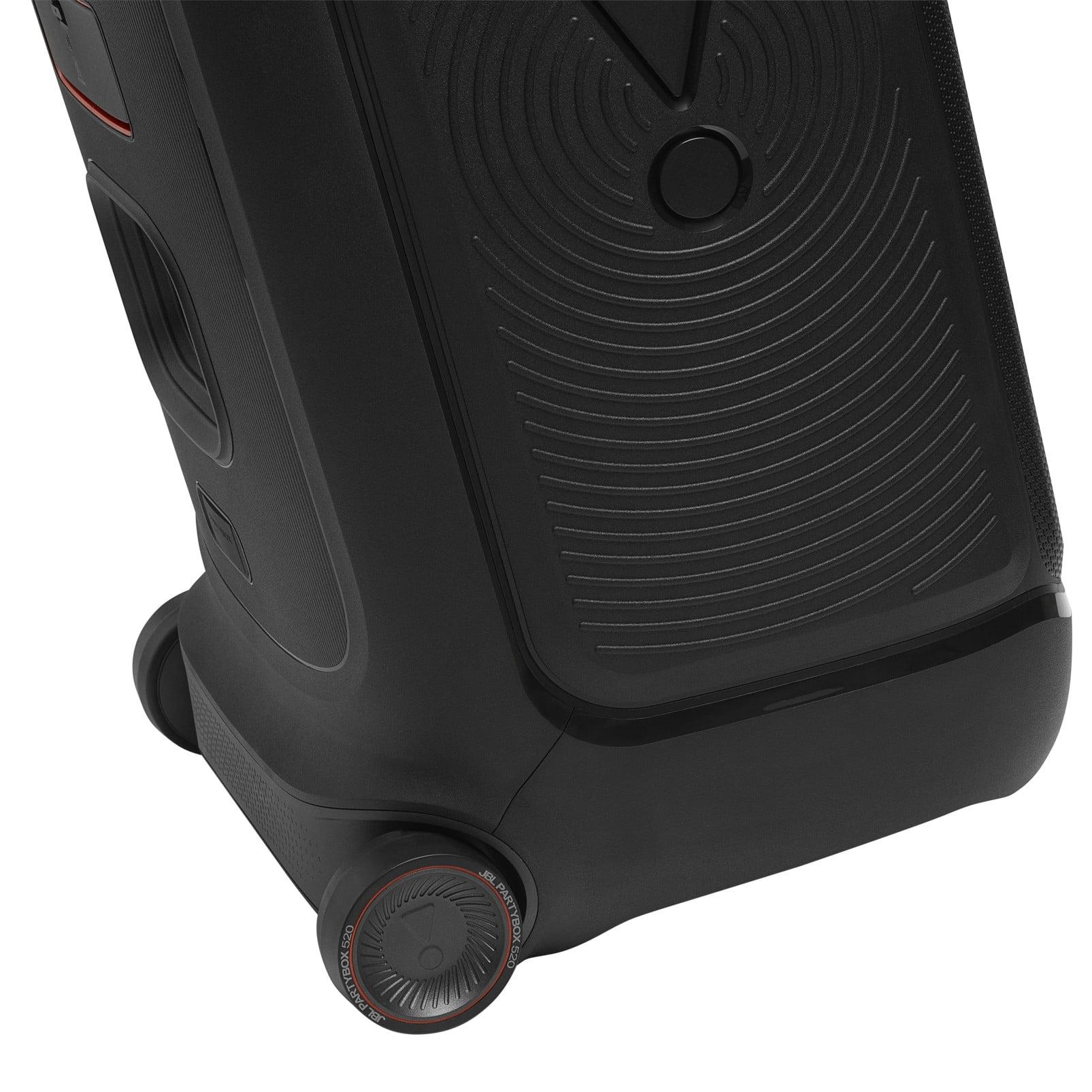
Weight plays a crucial role in portability. The 710 tips the scales at over 60 pounds, while the 520 comes in slightly lighter at 56 pounds. Both feature wheels and telescopic handles, but those extra pounds and the need for power cables make the 710 significantly less maneuverable in practice.
This comparison reveals a classic audio trade-off between raw impact and refined balance. The PartyBox 710 is unapologetically bass-forward, designed to reproduce the club experience in your backyard. When you play tracks with deep synthesizer lines or heavy kick drums, the 710 delivers that chest-thumping impact that gets people dancing.
However, this bass emphasis can sometimes overshadow midrange details. Vocals might get slightly buried in complex mixes, and acoustic instruments can lose some definition. For parties focused on electronic music, hip-hop, or pop tracks, this trade-off works well. But if your playlist includes rock, jazz, or acoustic material, the balance might feel off.
The 520 takes a more neutral approach. Its AI Sound Boost technology continuously analyzes the audio signal and adjusts the speaker's response to maintain clarity across all frequency ranges. This means vocals stay crisp even when the bass is pumping, and complex musical arrangements retain their detail.
The result is a speaker that sounds good with any genre, though it might lack the pure visceral impact of the 710 on bass-heavy tracks. For versatile entertainment—mixing dinner music with dance tracks—the 520's balanced approach proves more satisfying overall.
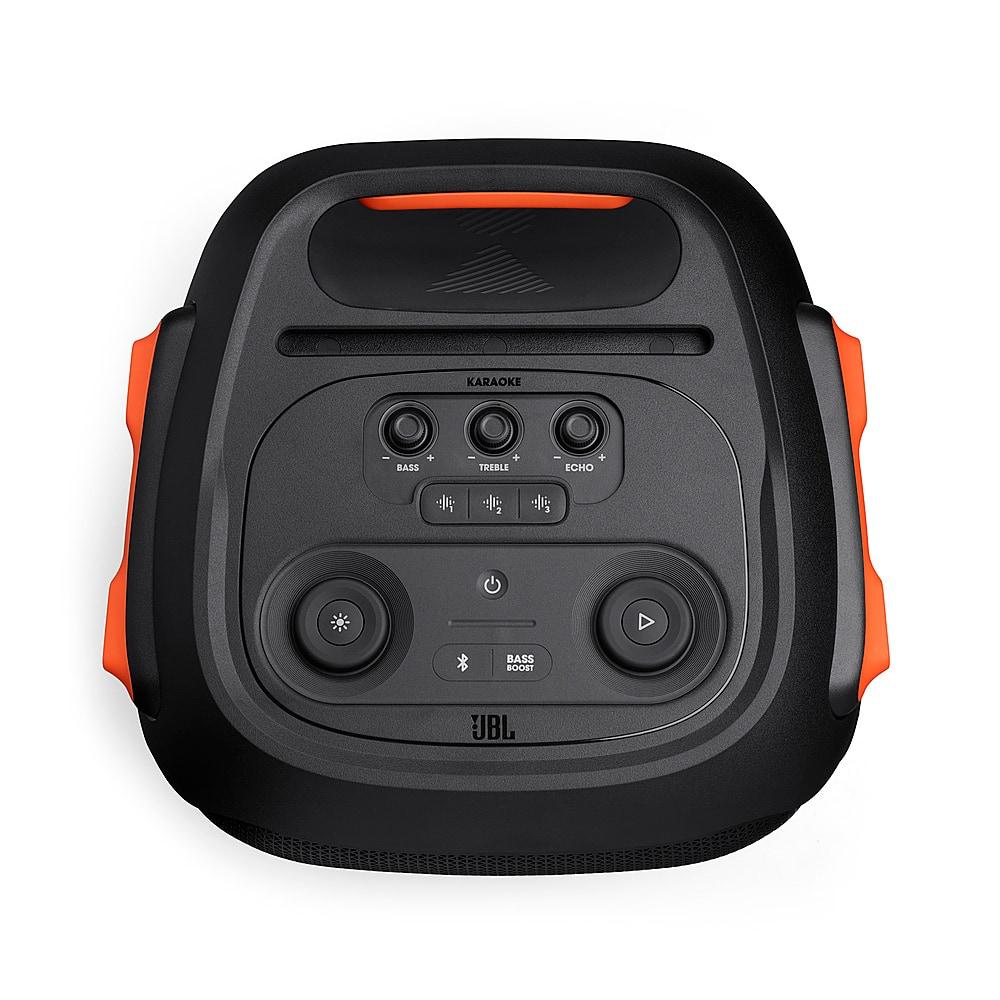
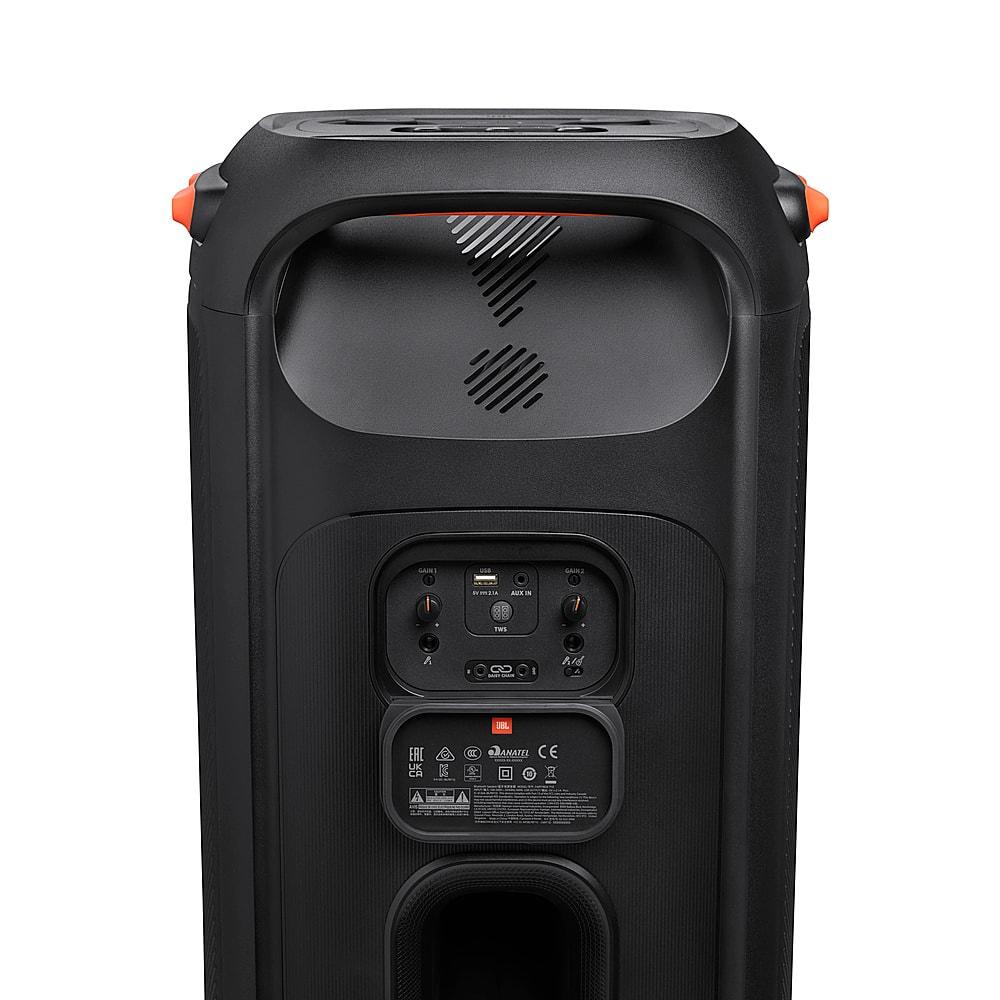
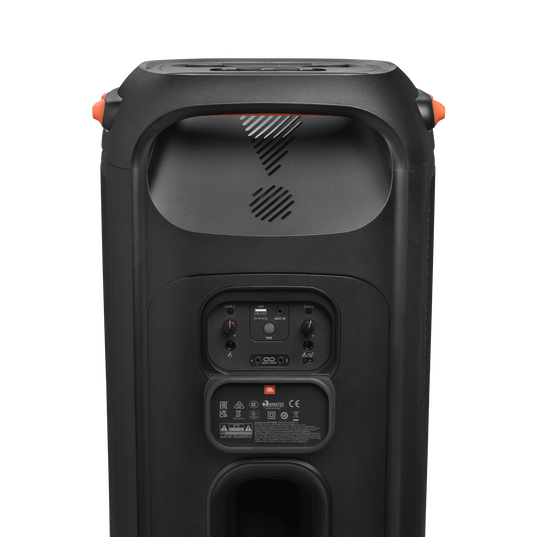
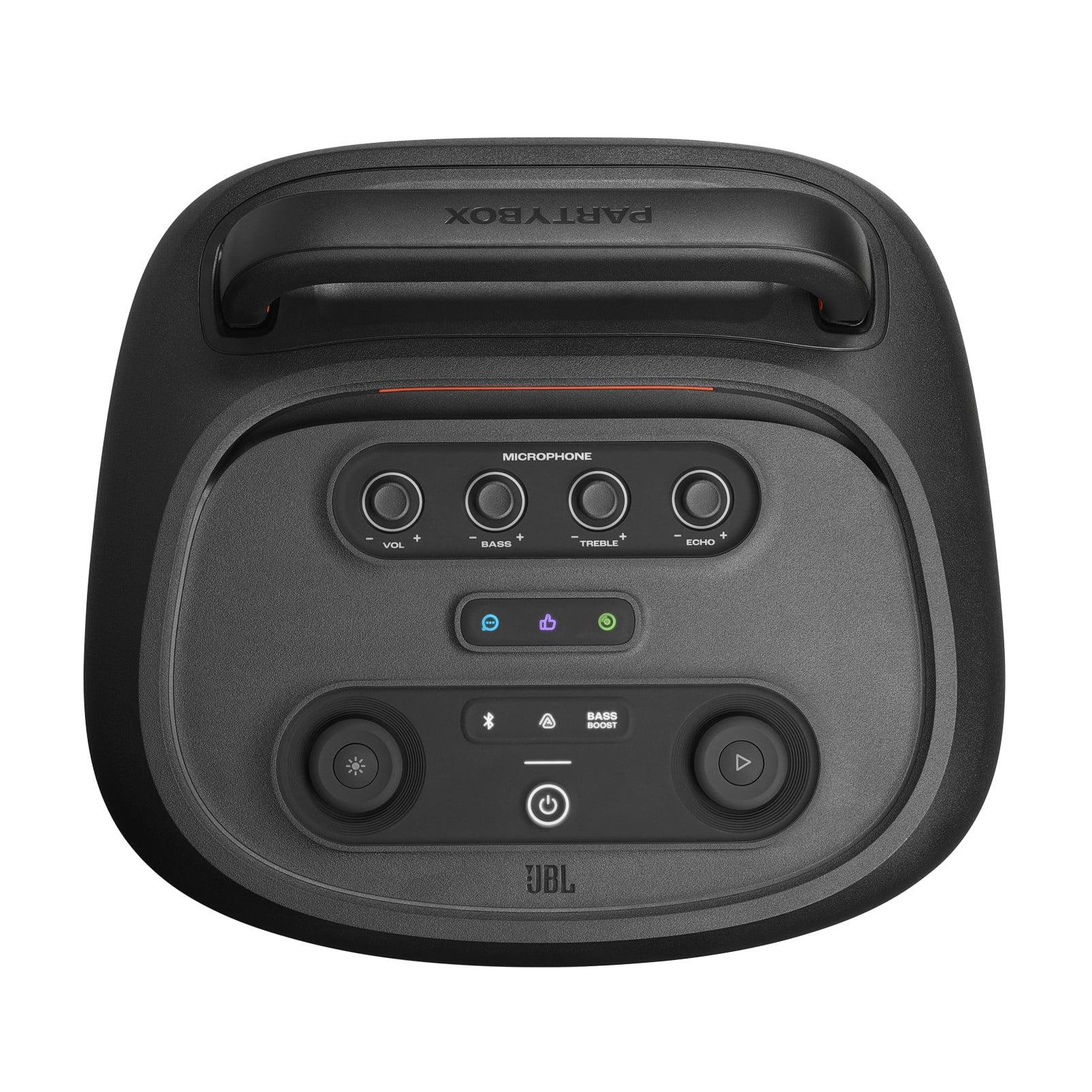
Technology has advanced significantly between 2021 and 2025, and the connectivity differences between these speakers reflect that evolution. The PartyBox 710 features Bluetooth 5.1 with basic SBC codec support—perfectly functional but not cutting-edge. Its input options include traditional 1/4-inch jacks for microphones and instruments, plus a USB-A port for device charging.
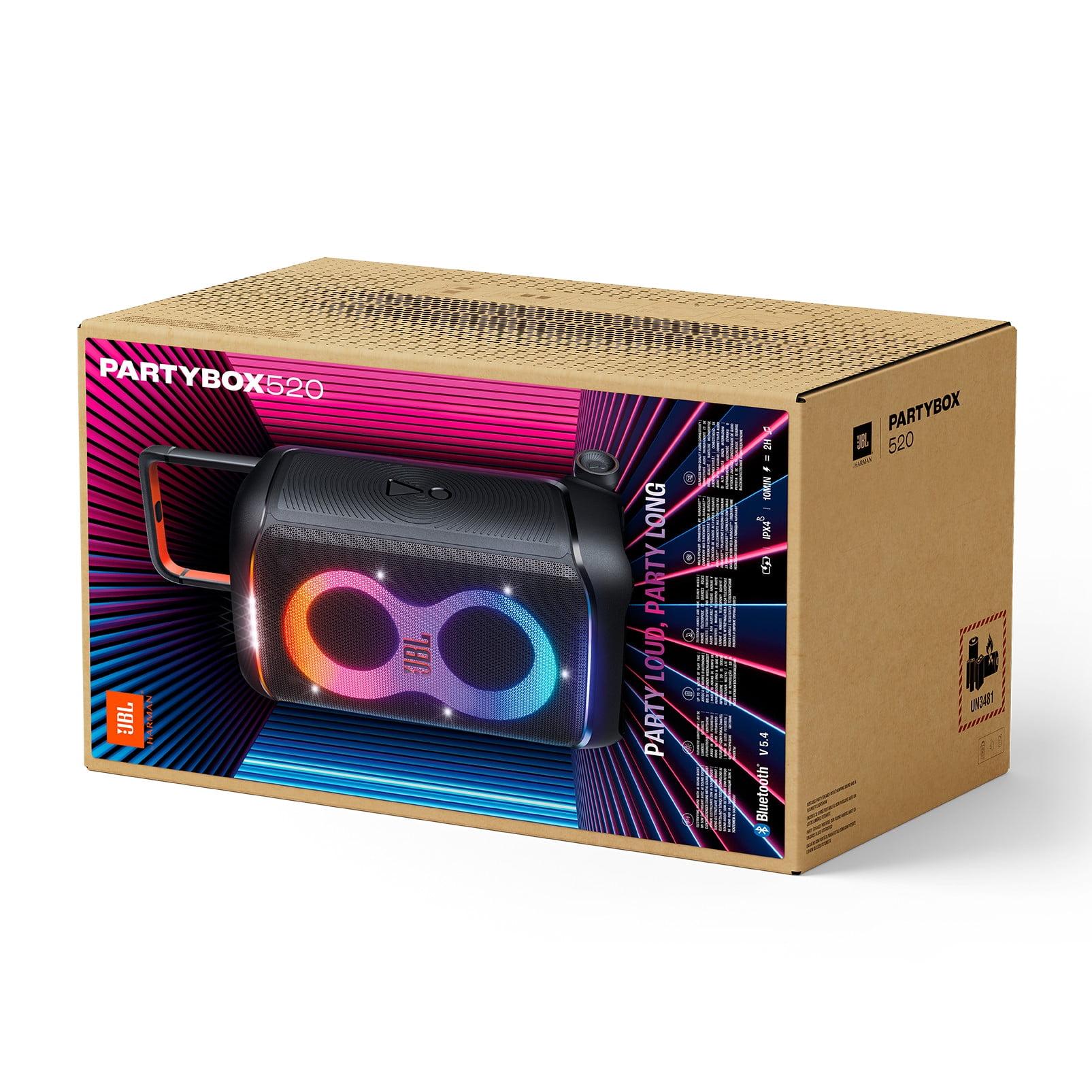
The 520 showcases modern wireless technology with Bluetooth 5.4 and support for both SBC and AAC codecs. The AAC codec support particularly benefits iPhone users, providing better audio quality over wireless connections. More importantly, the 520 includes Auracast technology, which enables seamless pairing with other compatible JBL speakers for true multi-room audio.
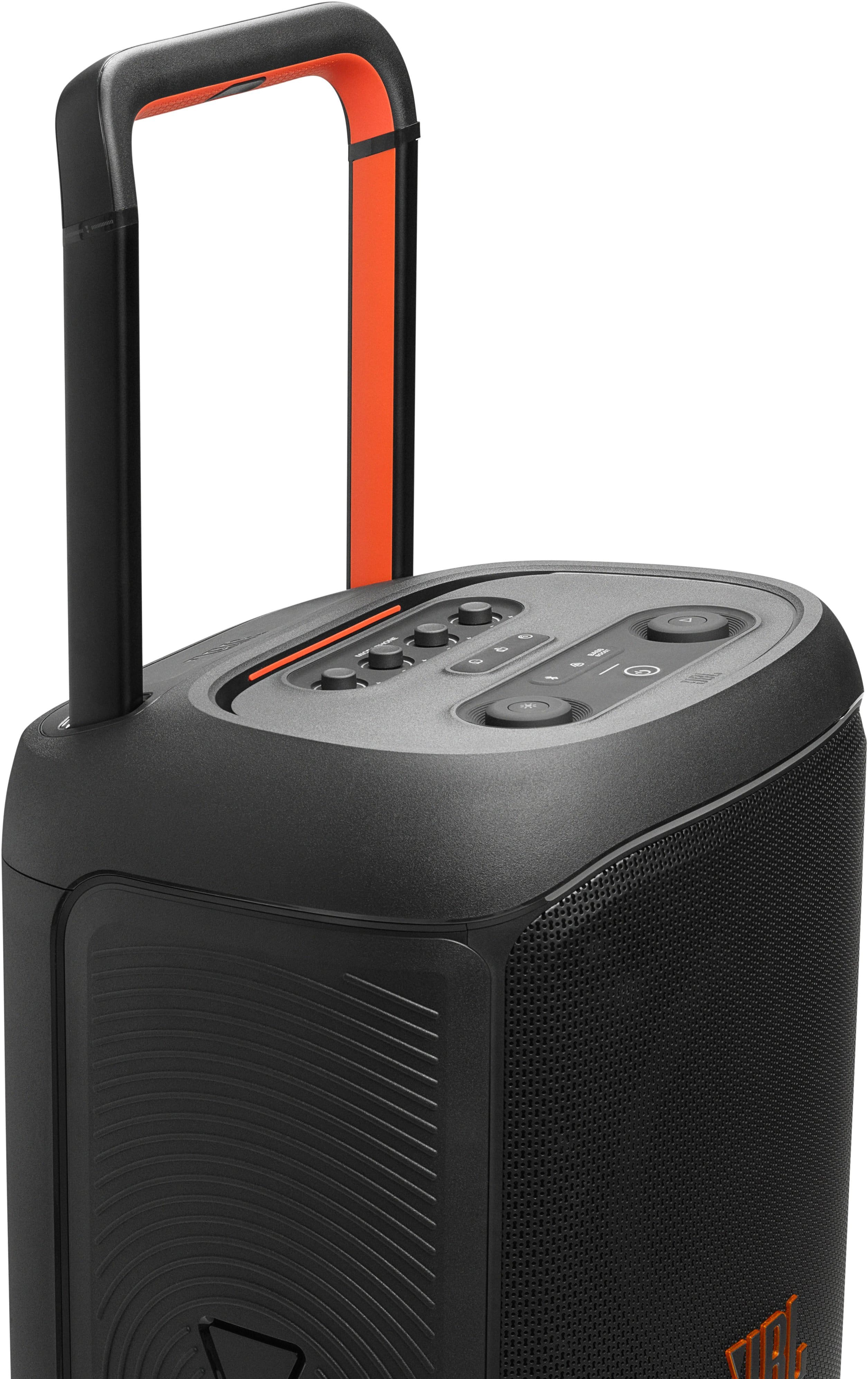
The input differences matter for serious users. The 710's 1/4-inch inputs work fine for basic karaoke, but the 520's XLR combo jacks accommodate professional microphones and audio equipment. This makes the 520 more suitable for semi-professional DJ setups or live performances.
The USB-C implementation on the 520 serves double duty—it handles both audio input and device charging. The 30W output can fast-charge modern smartphones and tablets, essentially turning your speaker into a mobile power station. This feature becomes surprisingly useful during long outdoor events where device battery life matters.
At the time of writing, both speakers command premium prices in the party speaker market. The 710 typically costs less than the 520, making it the better pure performance value. If your primary goal is maximum volume and bass impact per dollar spent, the 710 wins this comparison decisively.
However, value calculations change when you factor in versatility and future-proofing. The 520's battery system, modern connectivity, and balanced sound signature make it more adaptable to different scenarios. For users who need one speaker for multiple applications—backyard parties, beach trips, indoor gatherings—the 520's premium might be justified.
The battery system also represents long-term value. While the 710 requires proximity to power outlets forever, the 520 opens up entirely new use cases. Beach parties, camping trips, park gatherings, and tailgating all become possible with true wireless operation.
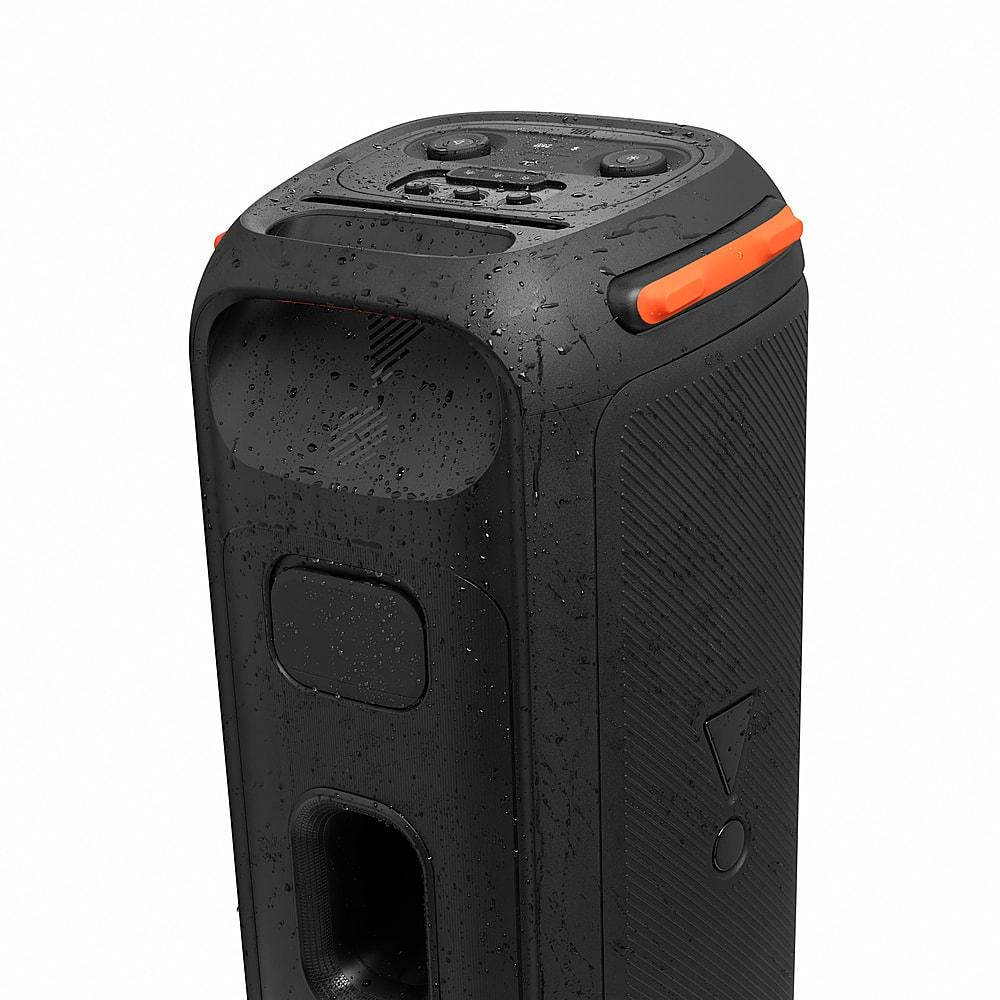
Both speakers feature IPX4 splashproof ratings, protecting against rain and spills but not submersion. This level of protection proves adequate for typical party scenarios—poolside events, light rain, or accidental drink spills won't cause damage.
Build quality feels substantial on both models. The wheel systems roll smoothly on flat surfaces, though neither speaker handles rough terrain well due to their size and weight. The telescopic handles extend far enough for comfortable pulling, even for shorter users.
The 520's battery system introduces one potential reliability consideration. Lithium-ion batteries degrade over time, typically losing capacity after 2-3 years of heavy use. However, the swappable design means you can replace the battery rather than the entire speaker, potentially extending the product's lifespan.
While neither speaker targets home theater use directly, some users consider large party speakers for indoor entertainment systems. This approach has both merits and drawbacks.
The PartyBox 710 could work for a dedicated media room where maximum impact matters more than audio accuracy. Its powerful output can easily fill large rooms, and the constant power connection isn't an issue indoors. However, the bass-heavy tuning might overwhelm dialogue in movies and TV shows.
The 520 makes a better case for dual-purpose use. Its balanced sound signature works reasonably well for movies and music, while the battery operation enables flexible placement without cable runs. The multiple input options also accommodate various source devices more easily.
However, both speakers lack the precise stereo imaging and dialogue clarity that dedicated home theater speakers provide. If you're serious about movie watching, traditional bookshelf or tower speakers remain the better choice.
The PartyBox 710 makes sense for specific user profiles. If you regularly host large outdoor gatherings with reliable power access, prioritize maximum bass impact, and want the best volume per dollar, the 710 delivers unmatched performance. It's also ideal for semi-permanent installations like outdoor entertainment areas or garage party setups.
The 520 appeals to more versatile users. Mobile DJs, frequent travelers, and anyone who values placement flexibility will appreciate the battery operation. The balanced sound signature also makes it better for mixed-genre playlists and diverse entertainment needs. If you want one speaker that works equally well for intimate dinner parties and energetic dance sessions, the 520 adapts better to different scenarios.
These speakers represent two valid but different approaches to party audio. The PartyBox 710 remains the raw power champion, delivering maximum volume and bass impact for users who prioritize pure output. Its lower price point makes it an excellent value for power-focused buyers.
The 520 showcases the evolution of party speakers toward versatility and intelligence. Its battery operation, advanced connectivity, and balanced sound signature make it more adaptable to modern entertainment needs, even if it costs more.
Your choice ultimately depends on prioritizing maximum power versus maximum flexibility. Both speakers will energize your parties—the question is whether you need the 710's raw impact or the 520's smart sophistication. Based on our research into user experiences and expert reviews, most buyers find the 520's versatility worth the premium, but the 710 remains unbeatable for pure output per dollar.
| JBL PartyBox 710 | JBL PartyBox 520 |
|---|---|
| Power Output - Determines maximum volume and bass impact | |
| 800W RMS (significantly louder, more visceral bass) | 400W RMS with AI Sound Boost (surprisingly close performance) |
| Battery Life - Critical for portability and event flexibility | |
| No battery (must stay plugged into AC power) | 15 hours battery life with swappable battery system |
| Bass Response - Affects how much you feel the music | |
| 35Hz (deeper, more physical bass impact) | 40Hz (slightly less deep but tighter, more controlled) |
| Weight and Portability - Important for transport between events | |
| 61.3 lbs with wheels (heavier, requires power access) | 56.2 lbs with wheels (lighter, truly portable) |
| Bluetooth Technology - Affects connection quality and features | |
| Bluetooth 5.1 with SBC codec only | Bluetooth 5.4 with SBC/AAC codecs plus Auracast pairing |
| Professional Inputs - Matters for microphones and instruments | |
| 1/4" inputs (basic karaoke and mic use) | XLR combo jacks (professional audio equipment compatible) |
| Sound Character - Impacts music genre compatibility | |
| Bass-forward, club-style sound (best for EDM/hip-hop) | Balanced frequency response (works well with all genres) |
| Charging Capability - Useful for powering devices during events | |
| USB-A port (basic phone charging) | USB-C with 30W output (fast-charging for modern devices) |
| Speaker Configuration - Affects overall sound quality | |
| 2× 8" woofers, 2× 2.75" tweeters | 2× 7.5" woofers, 2× 1" tweeters with AI optimization |
| Weather Resistance - Important for outdoor party reliability | |
| IPX4 splashproof (handles spills and light rain) | IPX4 splashproof (handles spills and light rain) |
| Multi-Speaker Pairing - Useful for larger venues | |
| Basic TWS pairing with same model | Advanced Auracast technology for easy multi-speaker setup |
| Release Year and Technology Level | |
| 2021 design with proven technology | 2025 design with latest features and AI processing |
The JBL PartyBox 710 is significantly louder with 800W RMS output compared to the PartyBox 520's 400W RMS. However, real-world volume differences are smaller than expected due to the 520's AI Sound Boost technology. Both speakers can easily handle large outdoor parties, but the 710 has more headroom for massive events.
Yes, the JBL PartyBox 520 has up to 15 hours of battery life, while the JBL PartyBox 710 has no battery at all and must remain plugged into AC power. The 520 also features a swappable battery system for extended use, making it far more portable for outdoor events.
The JBL PartyBox 710 produces deeper bass with a 35Hz low-frequency response compared to the 520's 40Hz response. The 710 delivers more visceral, chest-thumping bass that you can physically feel, making it better for bass-heavy genres like EDM and hip-hop.
Both the JBL PartyBox 710 and PartyBox 520 feature IPX4 splashproof ratings, protecting them from water splashes and light rain. However, neither speaker is fully waterproof or submersible, so keep them away from direct water exposure during pool parties.
The JBL PartyBox 520 is better for karaoke with its XLR combo jacks that accommodate professional microphones and audio equipment. The PartyBox 710 has basic 1/4" inputs that work for simple karaoke but aren't as versatile for professional setups.
Yes, both speakers support multi-speaker pairing, but the JBL PartyBox 520 uses advanced Auracast technology for easier setup with other compatible JBL speakers. The PartyBox 710 uses basic TWS pairing, which works but is less convenient than the 520's Auracast system.
The JBL PartyBox 520 is significantly more portable due to its 15-hour battery life, lighter weight (56.2 lbs vs 61.3 lbs), and freedom from power cables. The PartyBox 710 requires constant AC power, limiting its placement options at outdoor venues.
While designed for parties, the JBL PartyBox 520 works better for home theater due to its more balanced sound signature and flexible battery-powered placement. The PartyBox 710 is too bass-heavy for movies and dialogue, though it could work in dedicated media rooms prioritizing impact over accuracy.
The JBL PartyBox 520 features superior Bluetooth 5.4 with SBC and AAC codec support, providing better wireless audio quality, especially for iPhone users. The PartyBox 710 uses older Bluetooth 5.1 with only SBC codec support, which is functional but less advanced.
Yes, but the JBL PartyBox 520 offers superior charging with its USB-C port providing 30W fast-charging for modern devices. The PartyBox 710 has a basic USB-A port that charges phones more slowly and may not work with newer devices requiring USB-C.
Value depends on your priorities: the JBL PartyBox 710 typically offers better price-to-performance ratio for maximum volume and bass. The PartyBox 520 costs more but provides better versatility with battery operation, modern connectivity, and balanced sound that works for more scenarios.
For maximum impact at large outdoor parties with power access, choose the JBL PartyBox 710 for its superior volume and bass output. However, if you need true portability for various outdoor locations without guaranteed power, the PartyBox 520 offers excellent performance with unmatched flexibility.
We've done our best to create useful and informative comparisons to help you decide what product to buy. Our research uses advanced automated methods to create this comparison and perfection is not possible - please contact us for corrections or questions. These are the sites we've researched in the creation of this article: rtings.com - audioadvice.com - crutchfield.com - youtube.com - bestbuy.com - rtings.com - youtube.com - youtube.com - youtube.com - versus.com - worldwidestereo.com - rtings.com - jbl.com - youtube.com - expertvoice.com - jbl.com - jbl.com.tw - robot-advance.com - youtube.com - hu.harmanaudio.com - onward.ph - harmanaudio.in - youtube.com - youtube.com - manuals.plus - global.jbl.com - de.jbl.com - ro.harmanaudio.com - soundguys.com - rtings.com - rtings.com - rtings.com - letemsvetemapplem.eu - youtube.com - worldwidestereo.com - youtube.com - global.jbl.com - youtube.com - soundguys.com - youtube.com - youtube.com - comparisontabl.es - youtube.com - youtube.com - youtube.com - gzhls.at - sweetwater.com - static.pcrichard.com - brandsmartusa.com - news.harman.com - jbl.com - ro.harmanaudio.com - jbl.com - creativeaudio.net

Privacy Policy
Terms and Conditions - Affiliate Policy
Home Security
© Copyright 2008-2026.
11816 Inwood Rd #1211, Dallas, TX 75244