

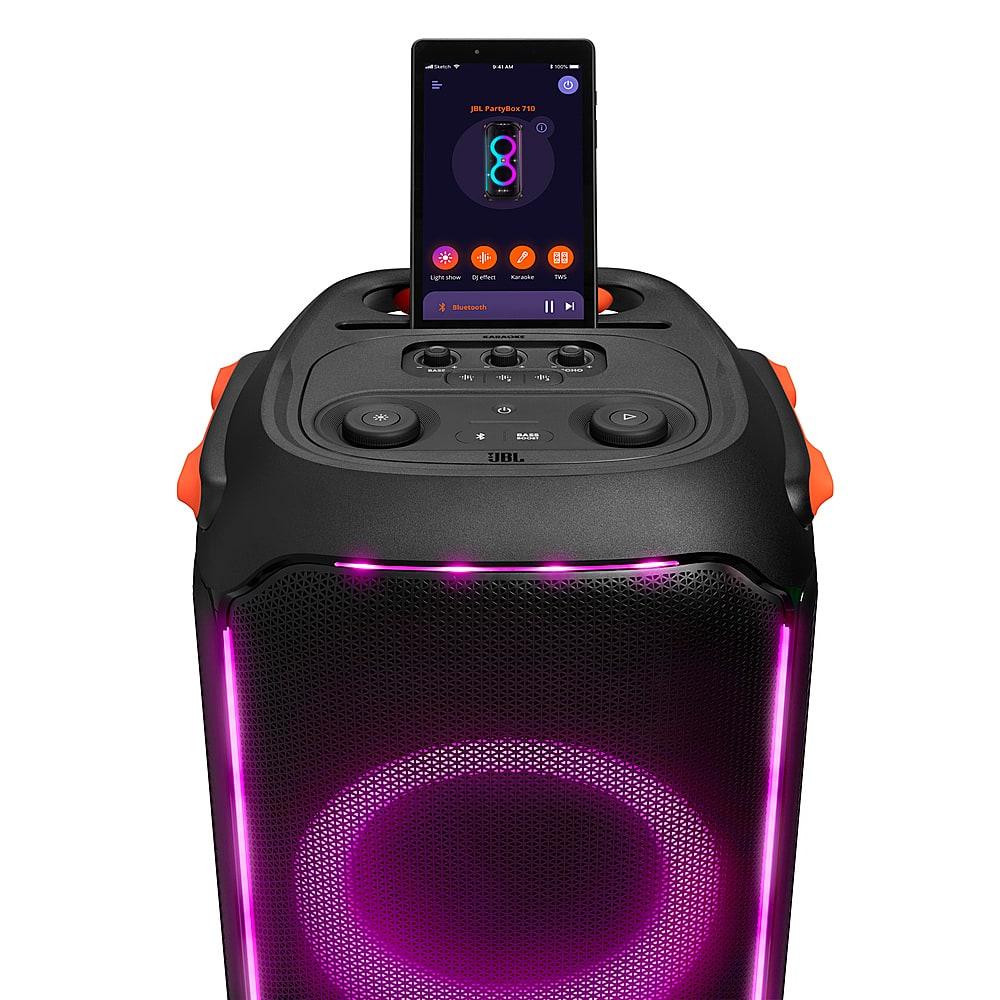
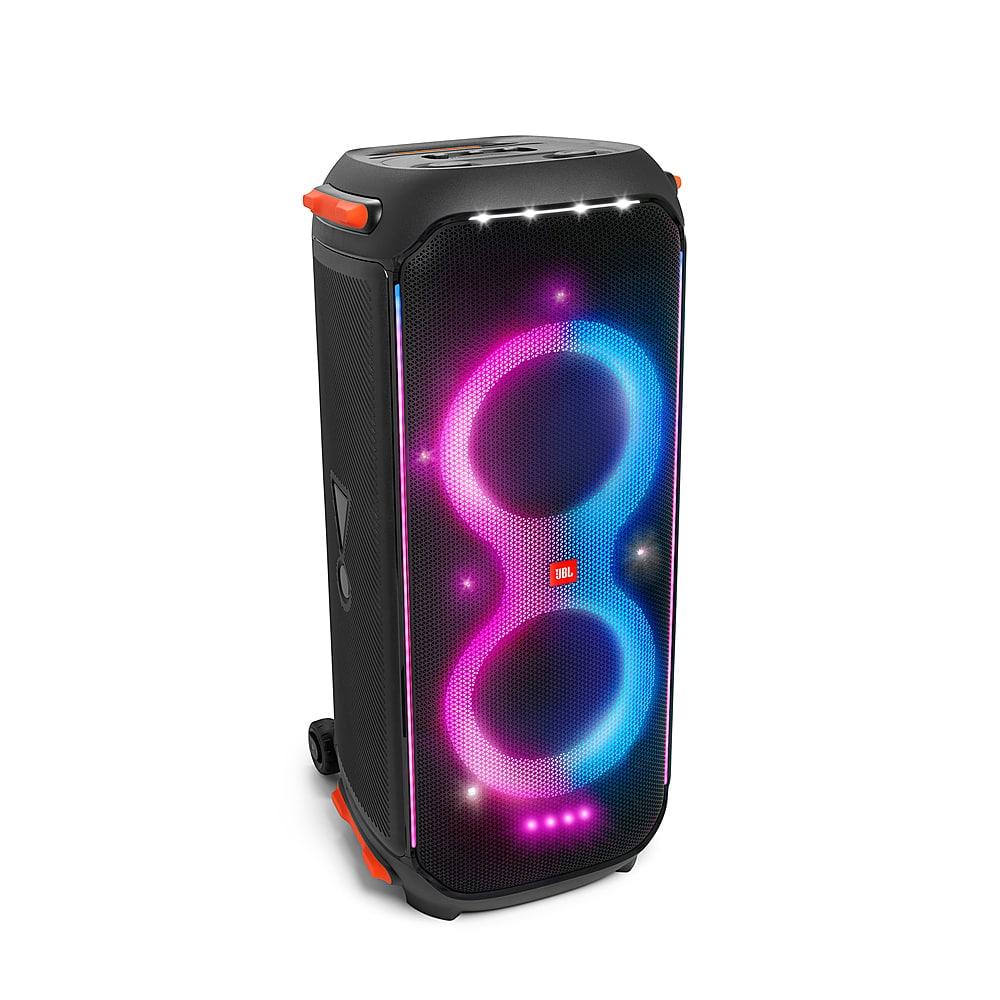
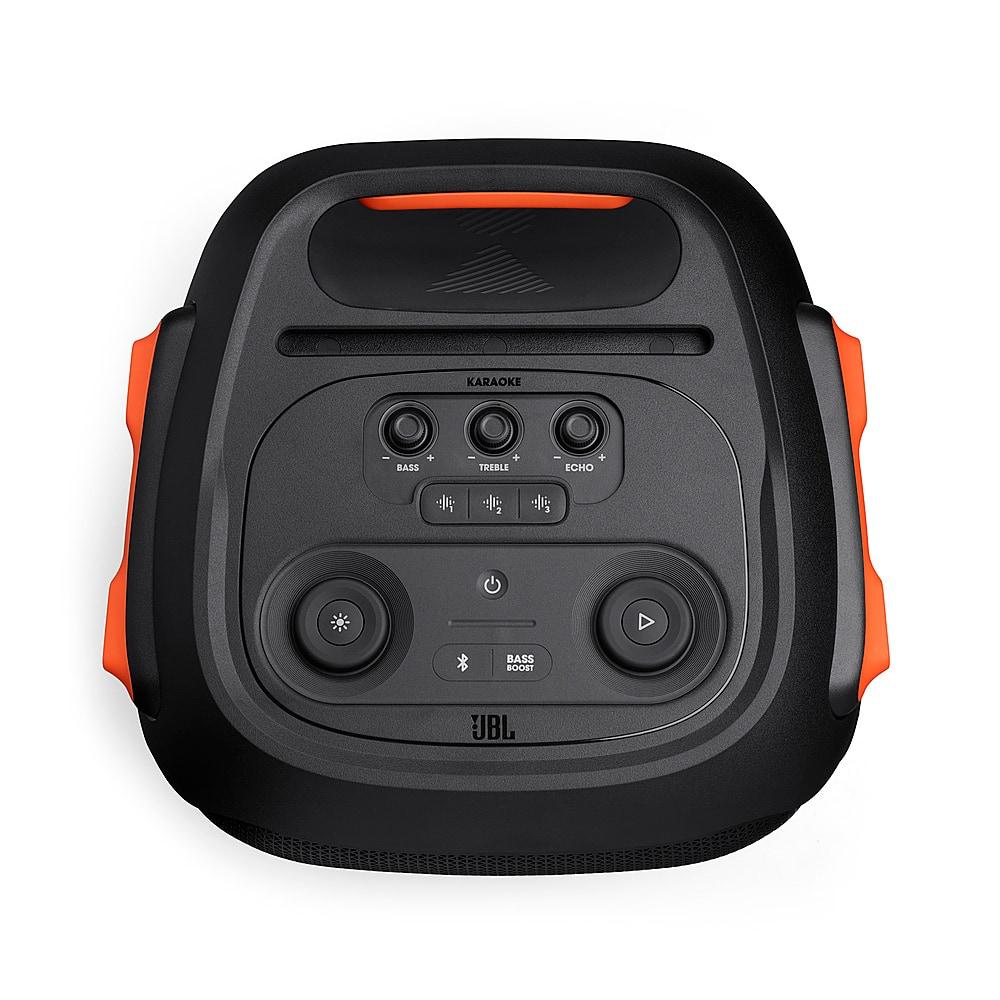
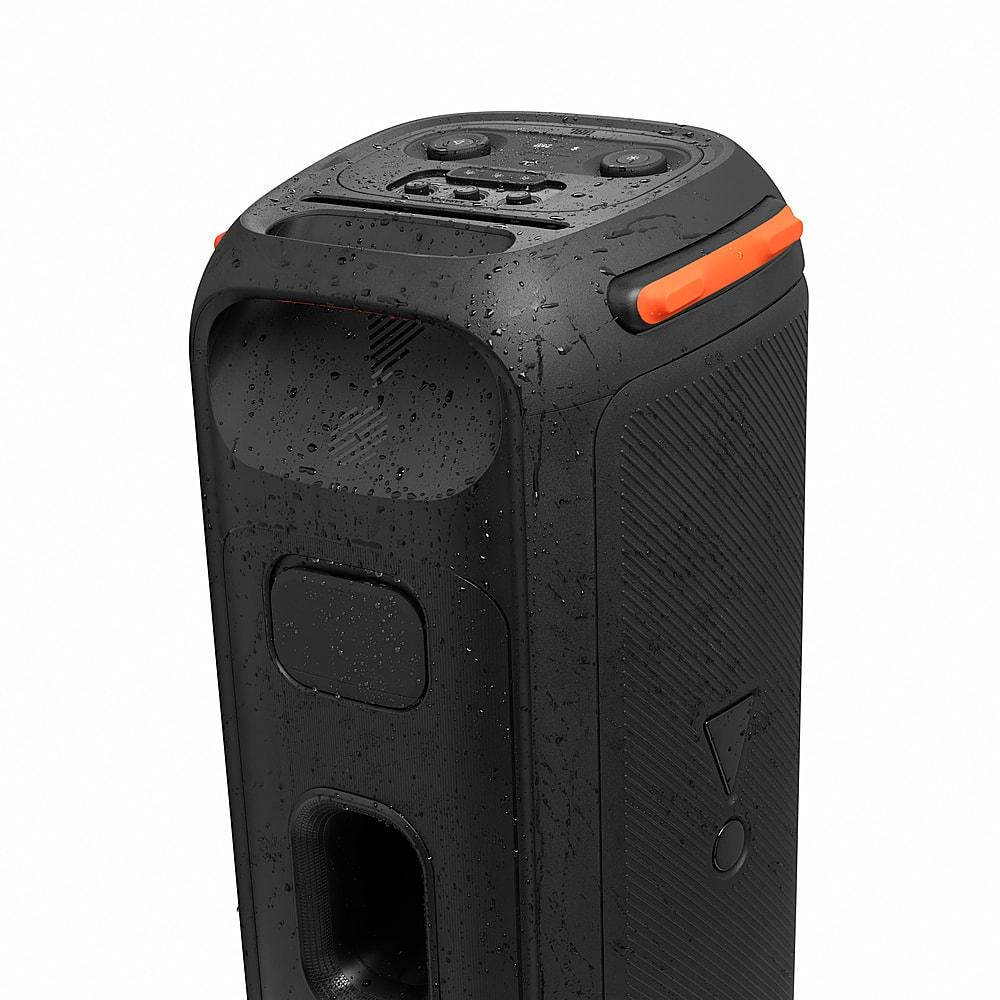
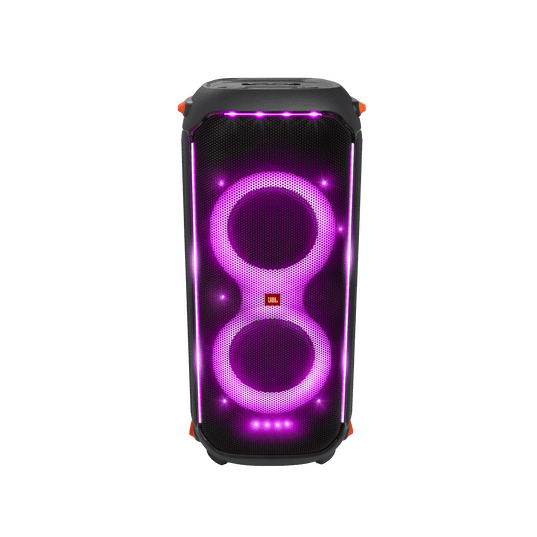
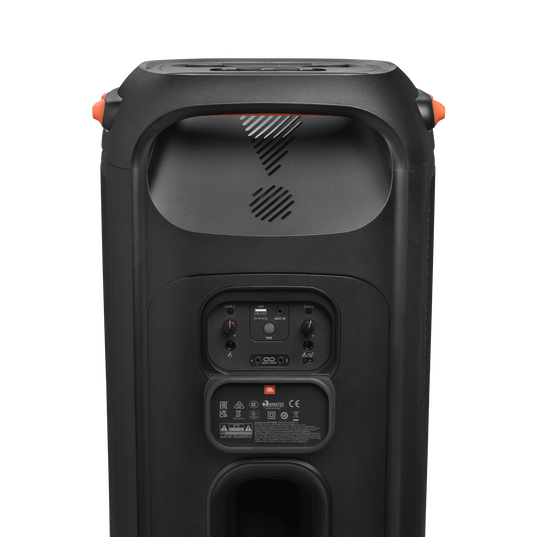
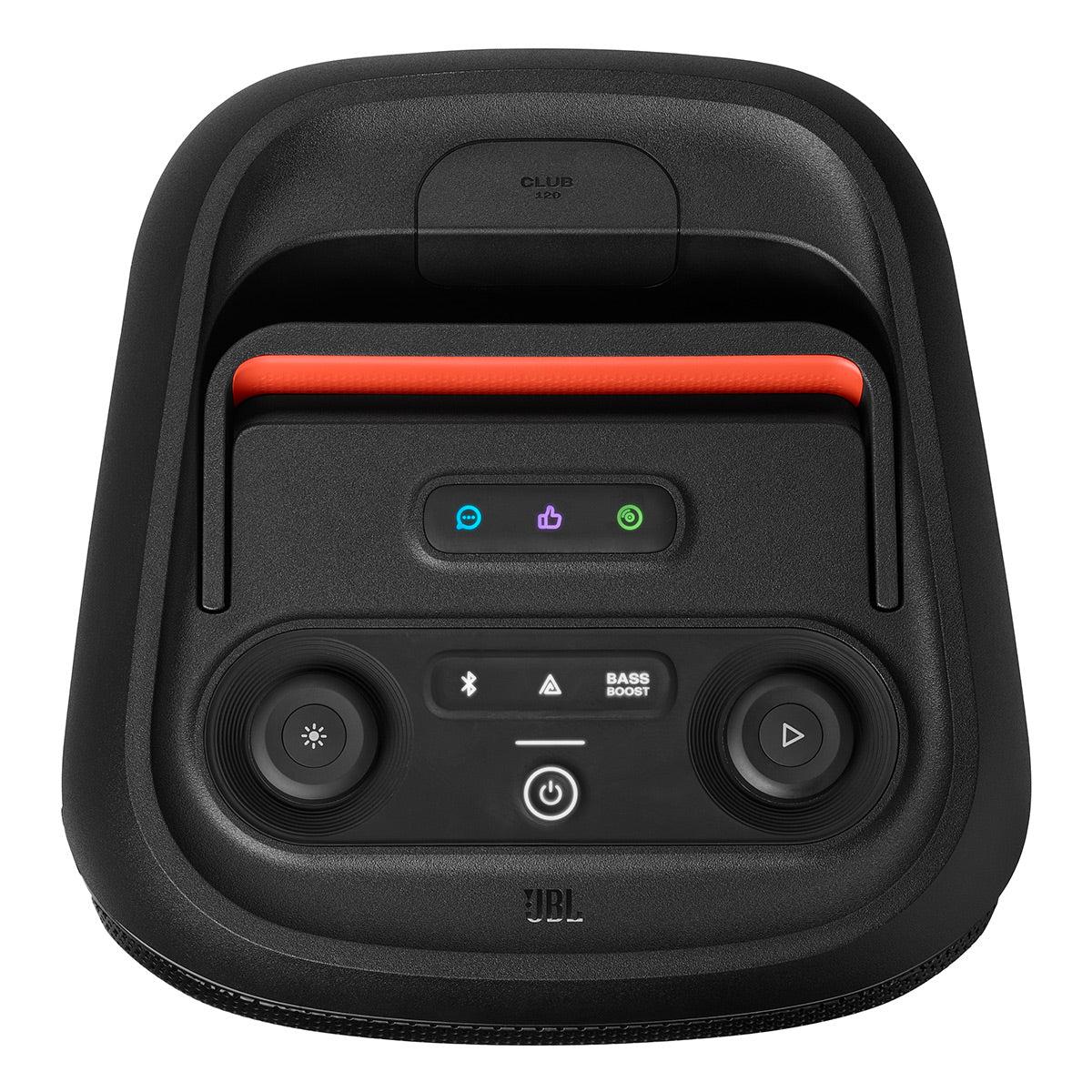
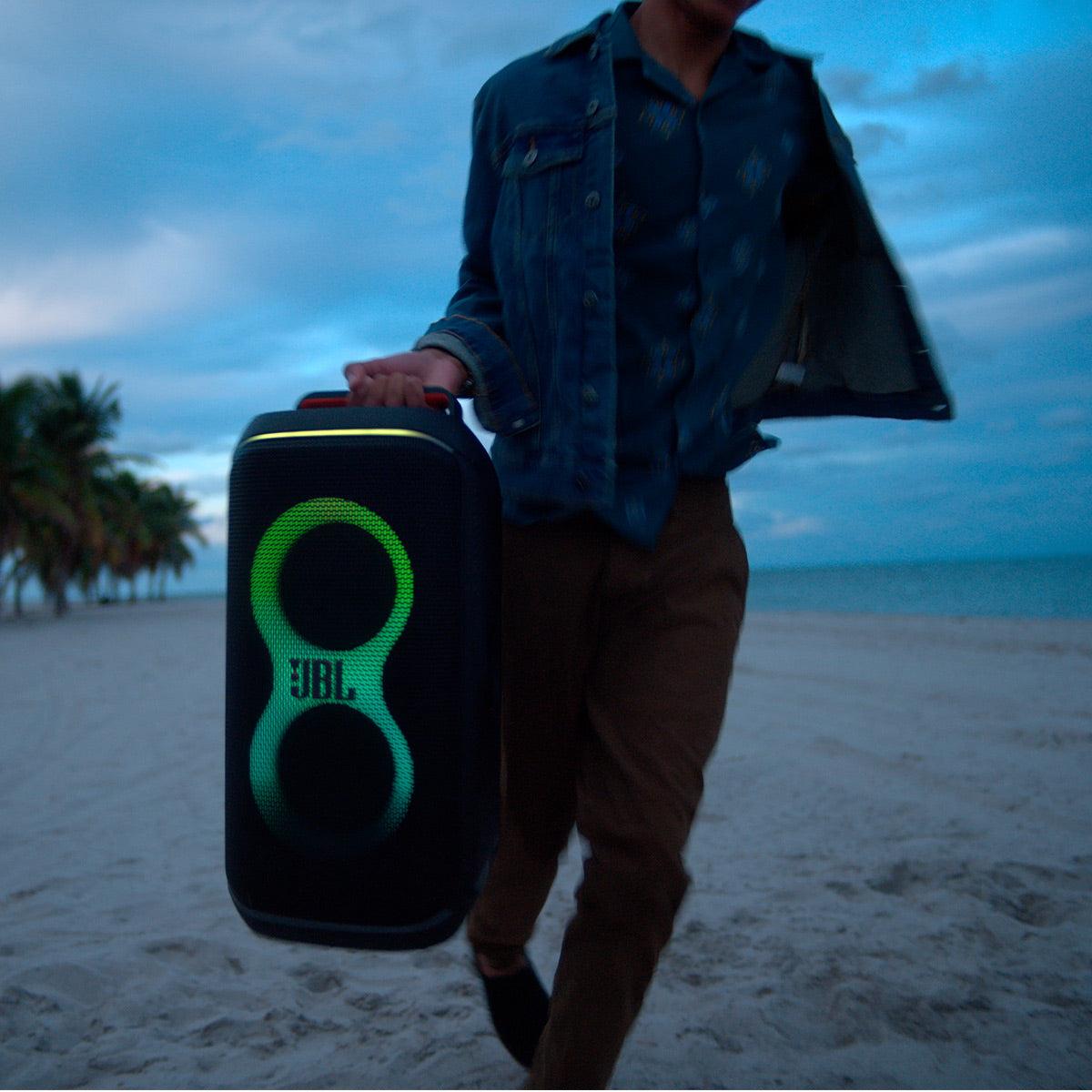
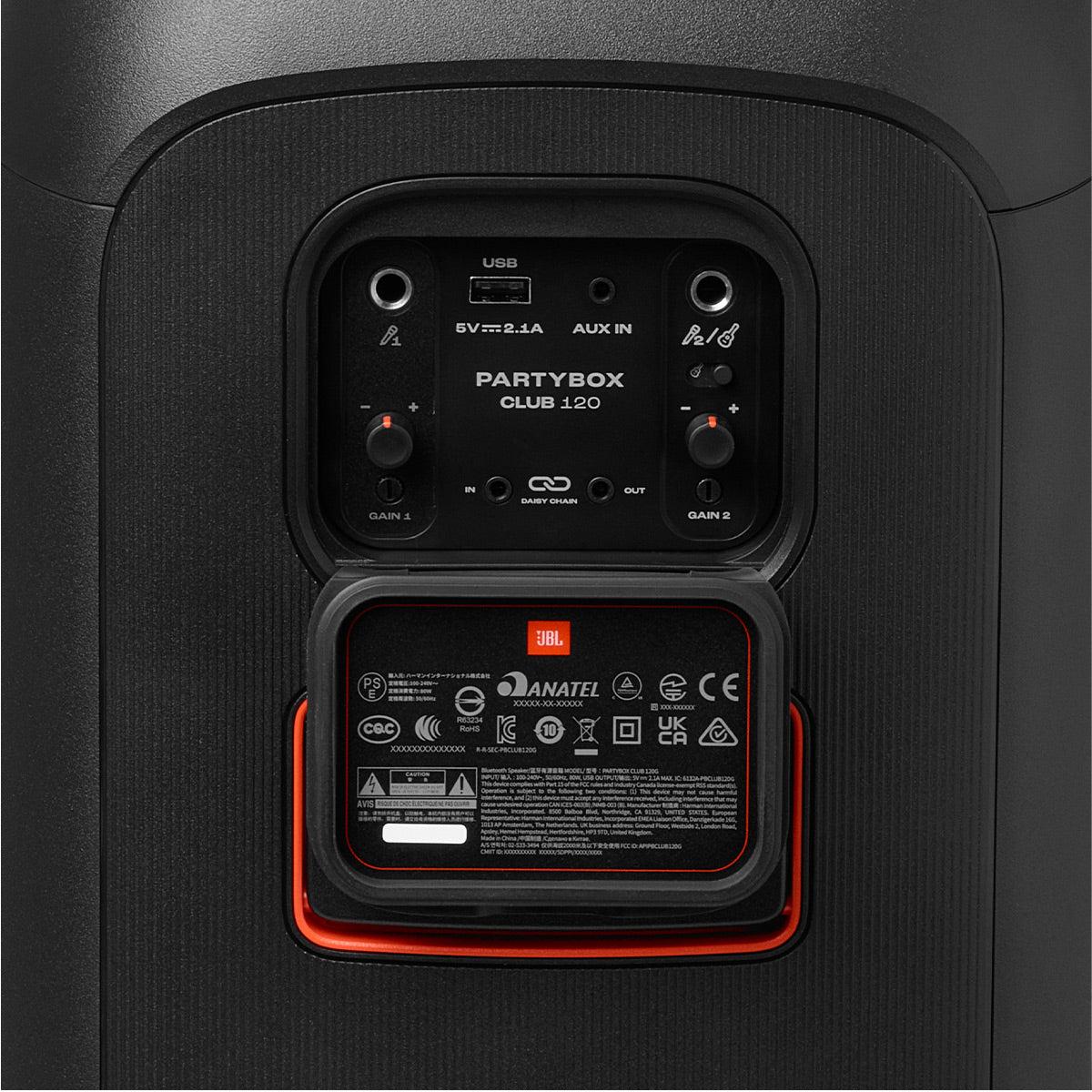
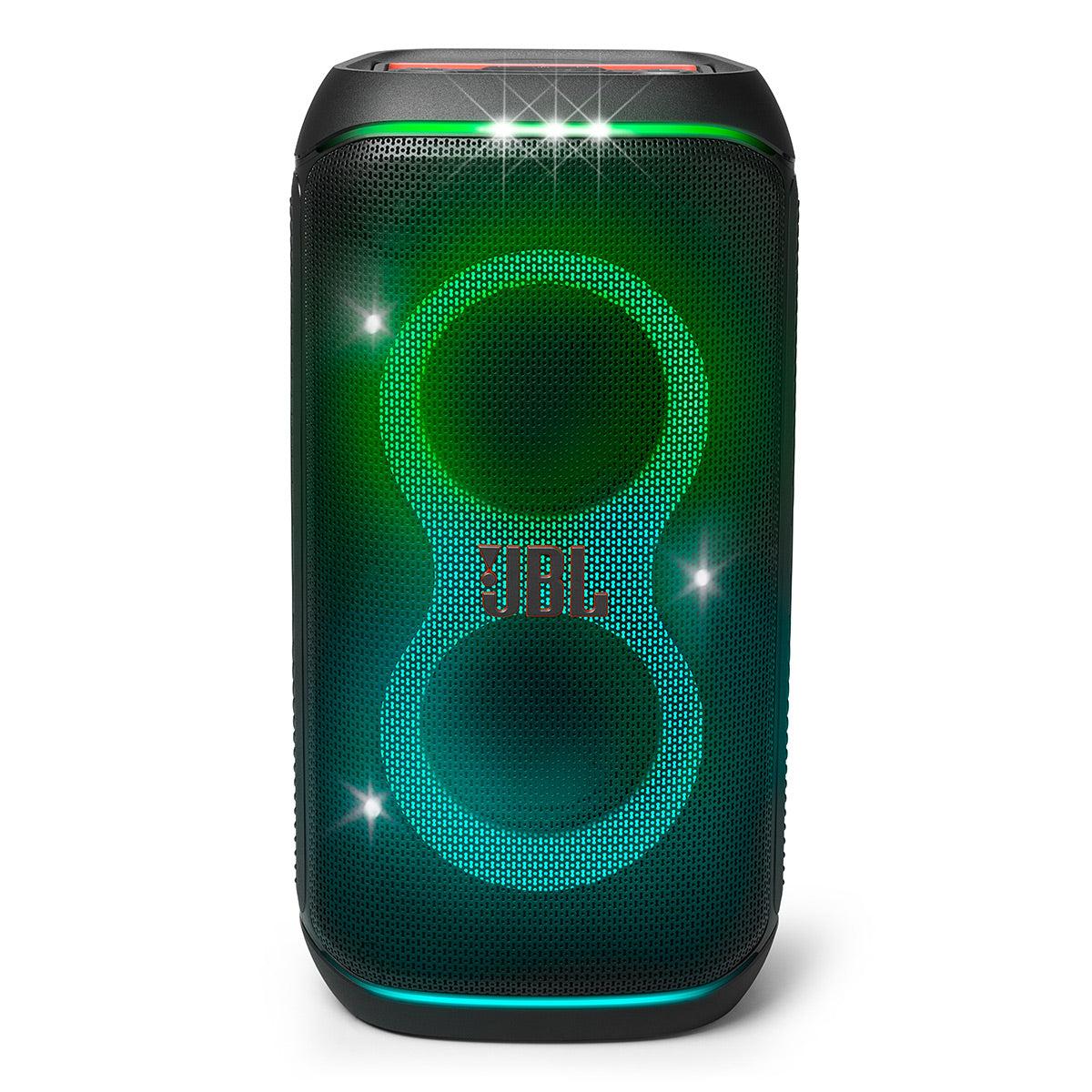
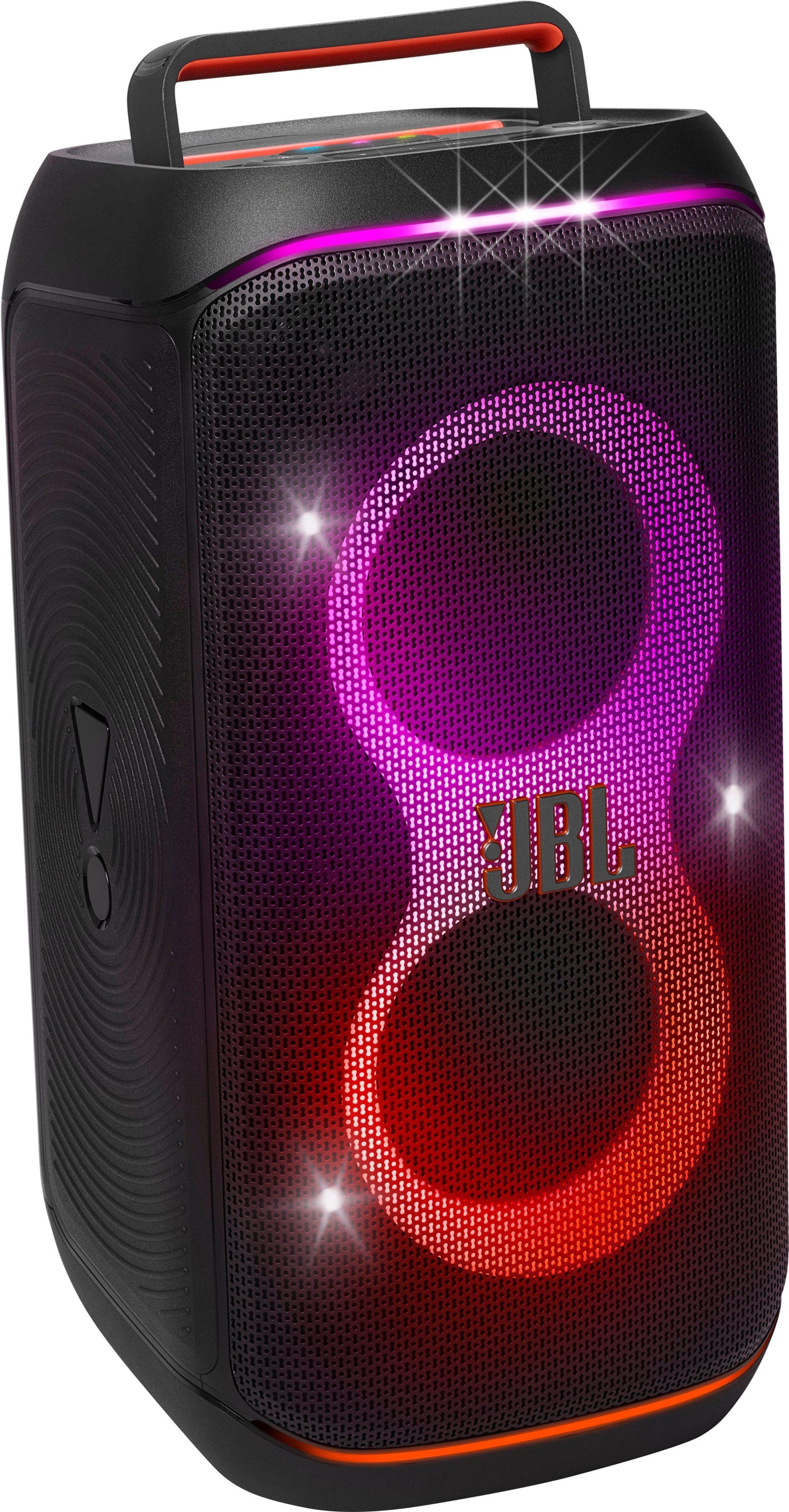
Shopping for a party speaker can feel overwhelming, especially when you're trying to figure out how much power you actually need. JBL's PartyBox line offers some compelling options, but the jump between models can be dramatic. Today we're comparing two speakers that represent very different approaches to portable party audio: the massive JBL PartyBox 710 and the more manageable JBL PartyBox Club 120.
These aren't just different sizes of the same speaker—they're built for completely different scenarios. One prioritizes raw power above all else, while the other focuses on modern convenience and true portability. Understanding which approach fits your needs will save you from either overspending on unnecessary power or being stuck with inadequate volume when it matters most.
Party speakers occupy a unique space in the audio world. Unlike home stereo systems that prioritize accuracy and detail, these speakers are engineered to pump out energetic, bass-heavy sound that cuts through conversation and fills large spaces. The main considerations that separate good party speakers from great ones include maximum volume output, bass impact, portability, and special features like lighting effects and microphone inputs.
Volume capability matters more here than in almost any other speaker category. A speaker that sounds great at moderate levels but distorts when cranked up is essentially useless at a real party. Similarly, bass response needs to be both deep and punchy—people want to feel the beat, not just hear it. The challenge is balancing these performance demands with practical concerns like weight, battery life, and price.
The JBL PartyBox 710, released in 2021, represents JBL's approach to maximum performance in a semi-portable package. The JBL PartyBox Club 120, launched in 2024, shows how the company has evolved toward modern convenience features while maintaining their signature sound. The three-year gap between releases reveals important shifts in consumer priorities and battery technology improvements.
When it comes to raw power, the difference between these speakers is staggering. The PartyBox 710 delivers 800 watts RMS (Root Mean Square—a measurement of continuous power output) through four drivers: two massive 8-inch woofers and two 2.75-inch tweeters. This configuration can push sound levels up to around 113 decibels, which is genuinely loud enough to cause hearing damage with extended exposure.
The PartyBox Club 120, by comparison, produces 160 watts RMS through smaller drivers—two 5.25-inch woofers and two 57mm tweeters. This translates to maximum volume levels around 109 decibels. That 4-decibel difference might not sound dramatic, but decibels work on a logarithmic scale. Each 3dB increase represents roughly double the acoustic power, so the 710 is pushing significantly more sound energy into the room.
From our research into user experiences and expert testing, the volume difference becomes obvious in real-world use. Multiple reviewers report that the PartyBox 710 can easily fill outdoor spaces covering a third of an acre at around 70% volume, with plenty of headroom remaining. The Club 120, while still impressively loud for its size, works best for gatherings of 30 people or fewer in typical residential settings.
The power difference also affects how these speakers handle dynamic music—tracks with sudden loud passages or heavy bass drops. The 710's larger drivers and amplifier headroom mean it maintains composure when pushed hard, while the Club 120 shows more compression (automatic volume reduction to prevent damage) at peak levels, though its AI Sound Boost feature helps mitigate this limitation.
Bass response separates mediocre party speakers from memorable ones. Low-frequency reproduction depends heavily on driver size and cabinet volume—both areas where the PartyBox 710 holds significant advantages. Its 8-inch woofers can move more air than the Club 120's 5.25-inch drivers, creating deeper, more impactful bass.
The frequency response specifications tell part of the story: the 710 reaches down to 35Hz while the Club 120 bottoms out at 40Hz. Those 5Hz might seem insignificant, but they represent the difference between feeling sub-bass in your chest versus just hearing it. Expert reviews consistently describe the 710's bass as "room-shaking" and "physically impactful," while the Club 120's low-end is characterized as "punchy" and "well-controlled" but lacking that visceral impact.
For music genres like EDM, hip-hop, and modern pop that rely on deep bass for impact, this difference becomes crucial. The PartyBox 710 can reproduce the full weight of a bass drop or the rumble of a synthesized sub-bass line, while the Club 120 delivers the punch and clarity but misses some of the physical sensation that makes dance music compelling.
However, the Club 120 incorporates newer bass management technology. Its AI Sound Boost feature uses real-time signal processing to predict driver behavior and optimize power delivery, helping smaller drivers perform closer to their theoretical limits. This means it punches above its weight class, even if it can't match the raw physics of larger drivers.
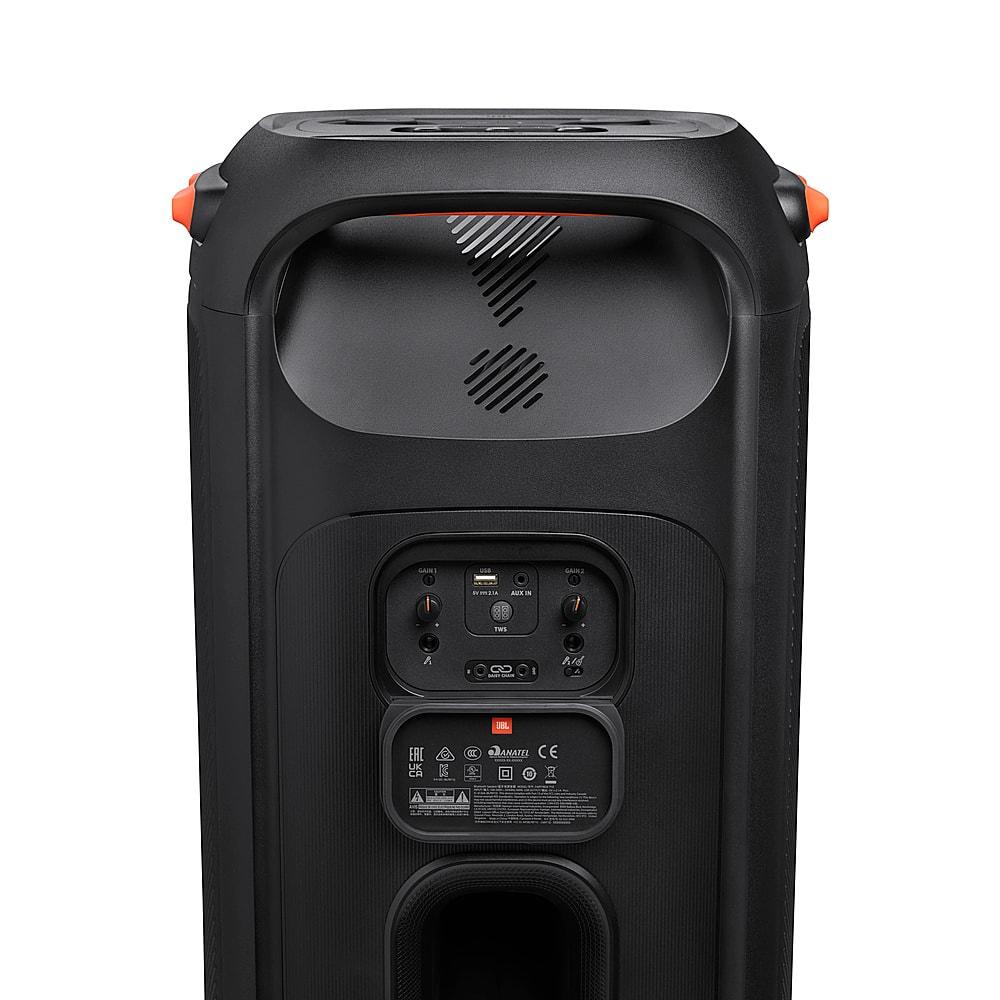
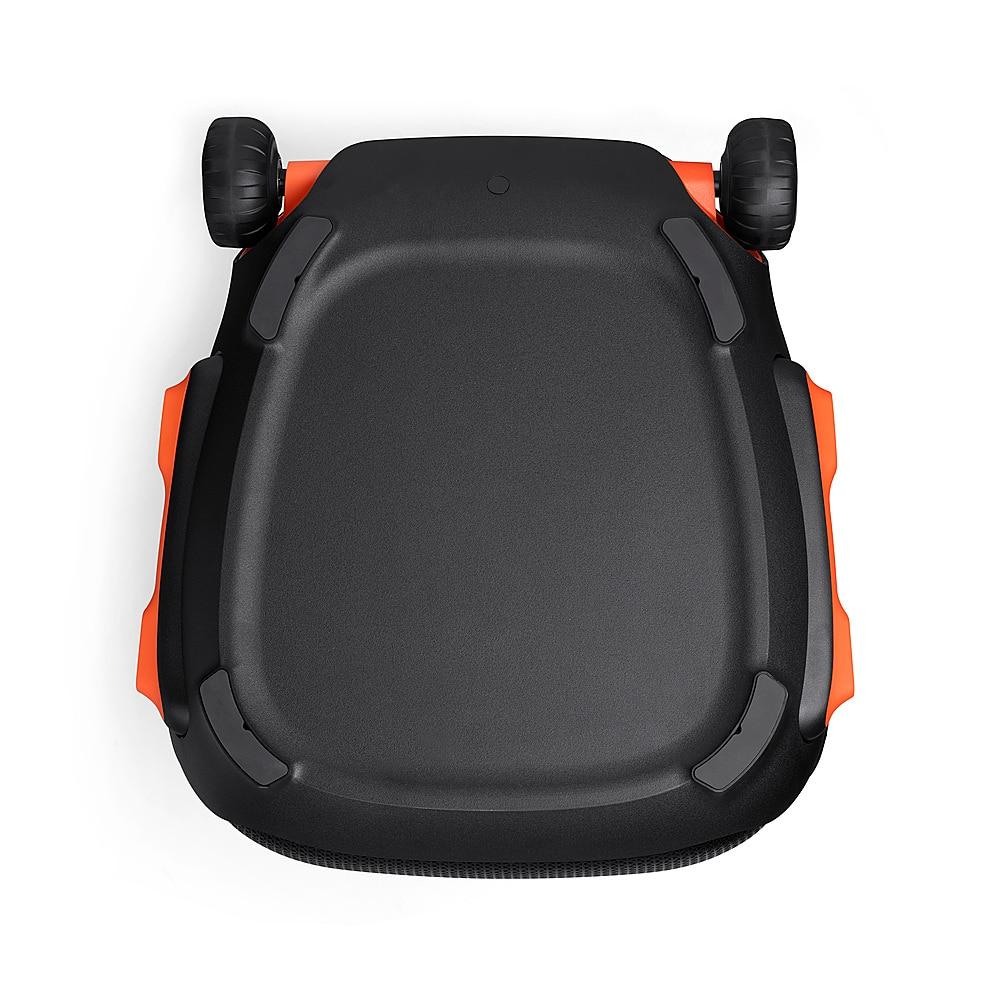
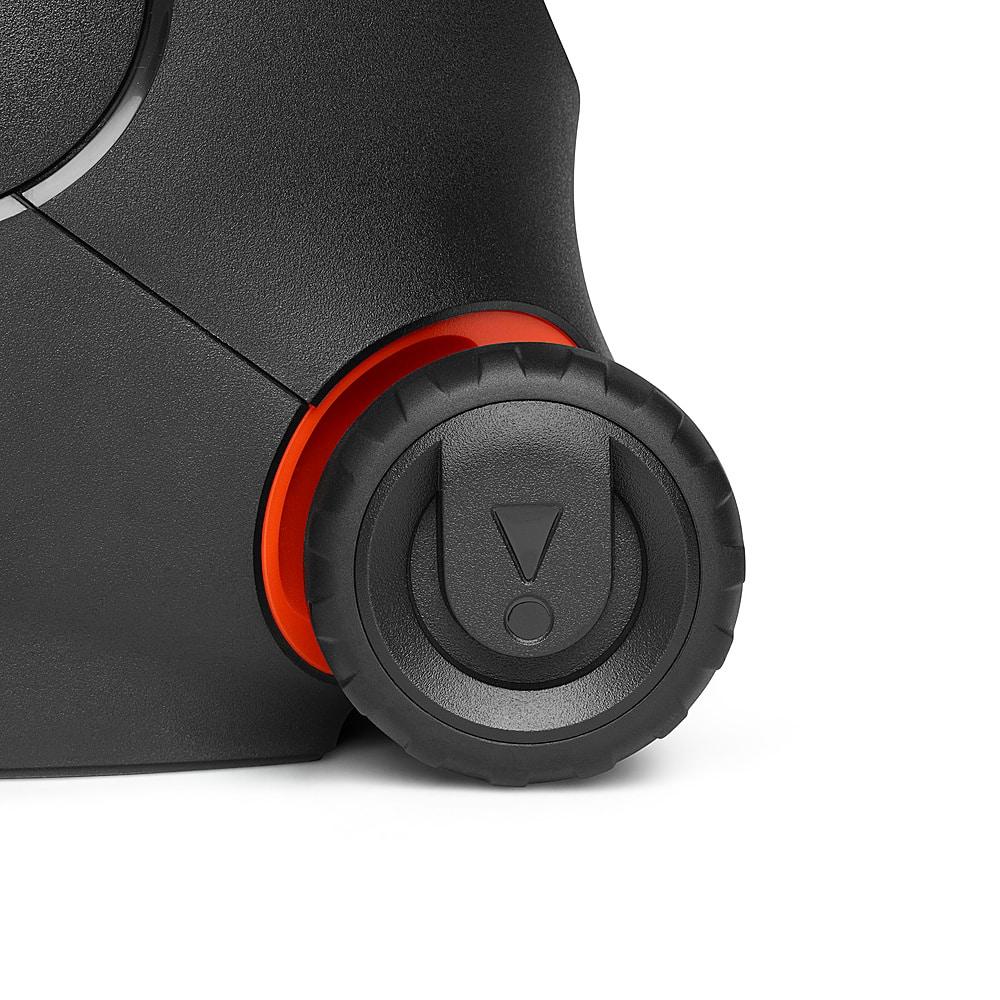
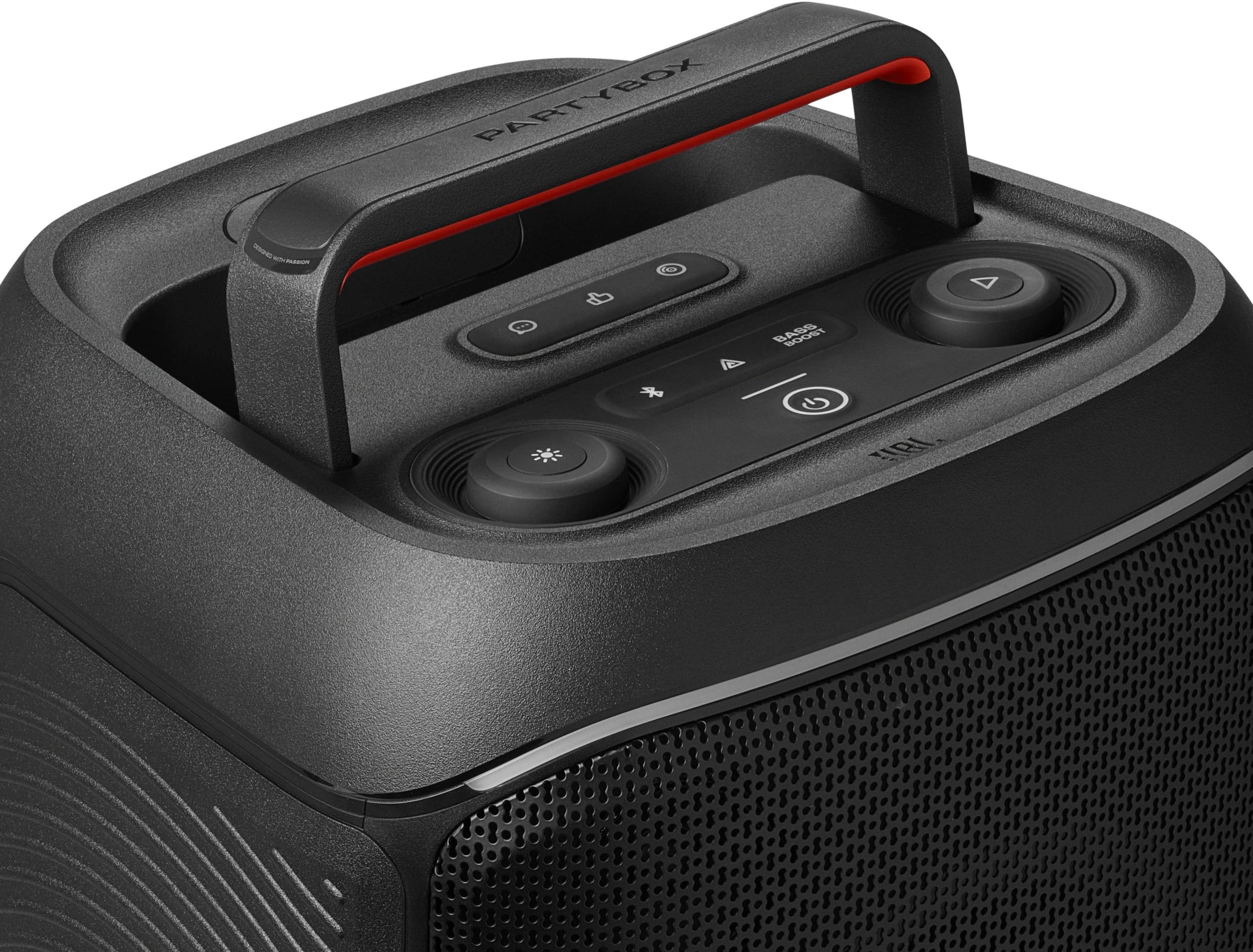
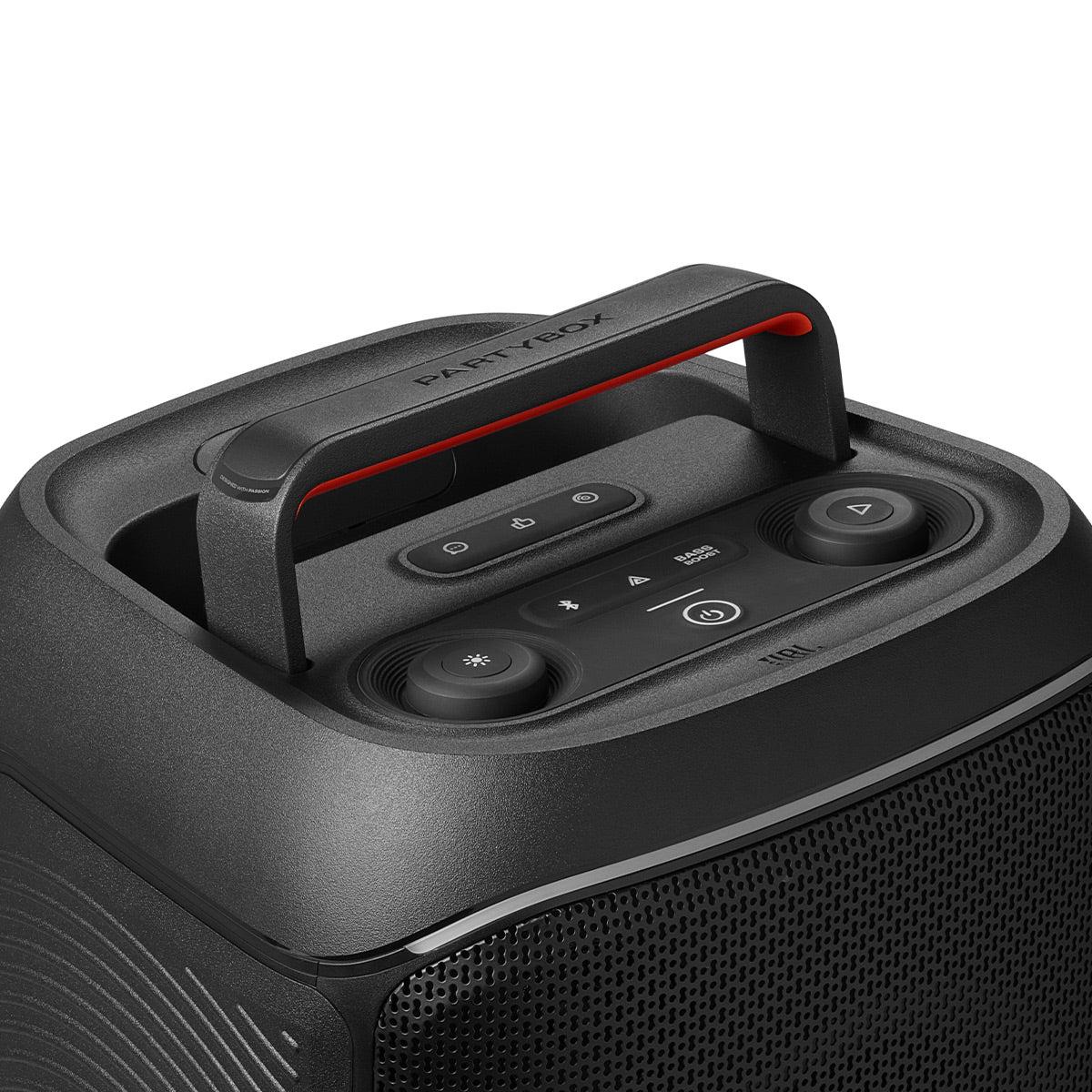
Here's where these speakers diverge most dramatically. The PartyBox 710 weighs 61 pounds and requires constant AC power connection. Despite having wheels and a handle, it's essentially a semi-permanent installation that you might move between venues occasionally. The Club 120 weighs just 24 pounds with a foldable handle and runs entirely on battery power for up to 12 hours.
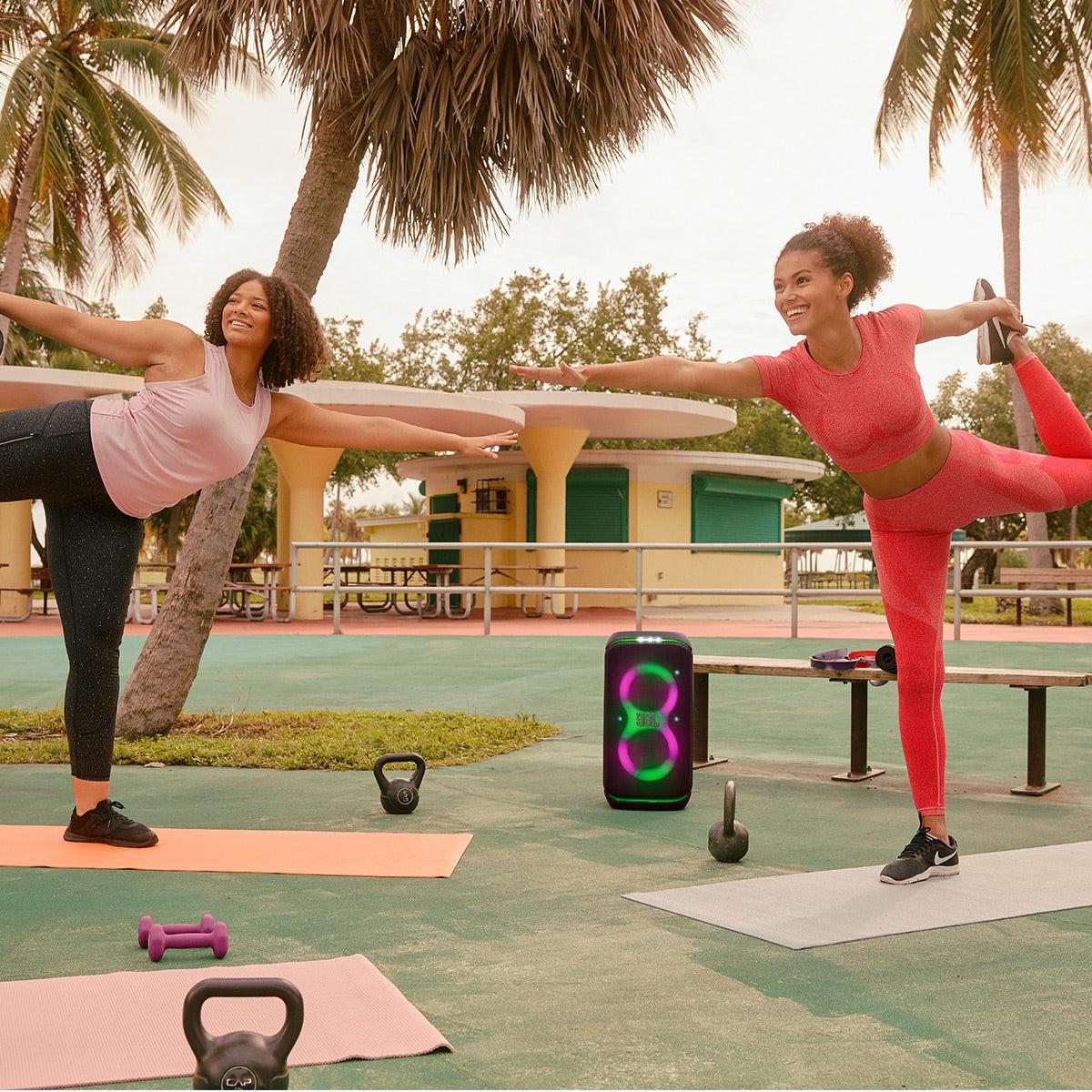
This weight difference changes everything about how you use these speakers. The 710 demands planning—you need to know where you'll set it up and confirm power availability before the event starts. Moving it during a party requires help and effort. The Club 120 can be grabbed on a whim for impromptu gatherings, repositioned easily during events, and works anywhere from beaches to camping sites.
The battery innovation in the Club 120 deserves special attention. Unlike most portable speakers with sealed batteries that degrade over time, this model uses a swappable battery system. When the first battery dies, you can pop in a fresh one and keep the party going indefinitely. This addresses one of the biggest limitations of battery-powered speakers—the inevitable moment when the music stops mid-song.
Fast charging adds another layer of convenience. Ten minutes of charging provides about 80 minutes of playback, meaning short breaks can extend your event significantly. This feature became possible due to advances in battery chemistry and power management that weren't available when the 710 was designed in 2021.
The technology gap between these speakers reflects rapid advancement in wireless audio and power management. The PartyBox 710 uses Bluetooth 5.1, which was current when it launched but lacks some newer efficiency improvements. The Club 120 incorporates Bluetooth 5.4, offering better range, lower power consumption, and more stable connections with multiple devices.
More importantly, the Club 120 supports Auracast, a relatively new technology that enables complex multi-speaker setups without the traditional pairing limitations. While the 710 can connect to one other identical unit for stereo pairing, Auracast allows the Club 120 to join networks of multiple speakers from different manufacturers, creating room-filling soundstages that adapt to various space configurations.
The AI Sound Boost in the Club 120 represents another technological leap. This system continuously analyzes the audio signal and predicts when drivers might reach their limits, then adjusts power delivery and signal processing to maximize dynamic range while preventing distortion. It's essentially giving smaller drivers some of the performance benefits traditionally reserved for larger, more expensive systems.
Raw volume only tells part of the performance story. Sound quality at high volumes reveals each speaker's true engineering priorities. The PartyBox 710 maintains surprisingly good tonal balance even when pushed to extreme levels. Its larger cabinet and driver configuration prevent the midrange congestion that plagues many party speakers when they're working hard.
User reviews consistently praise the 710's ability to keep vocals clear even during bass-heavy tracks at high volume. This clarity comes from having dedicated drivers for different frequency ranges and enough power headroom that the amplifiers aren't working at their limits. Professional audio reviewers note that it maintains stereo separation better than expected for a party-focused speaker.
The Club 120 takes a different approach to sound quality. Its smaller size forces some compromises in low-frequency extension, but the newer driver technology and signal processing create a more refined sound signature. Expert listening tests describe it as more balanced and controlled than typical party speakers, though it lacks the visceral impact of larger systems.
For home theater use, neither speaker represents an ideal choice, but they serve different supplementary roles. The 710 can work as an impressive subwoofer supplement for outdoor movie nights, adding the kind of bass impact that most soundbars can't match. The Club 120 works better as a portable solution for casual viewing on patios or in rooms where running additional cables isn't practical.
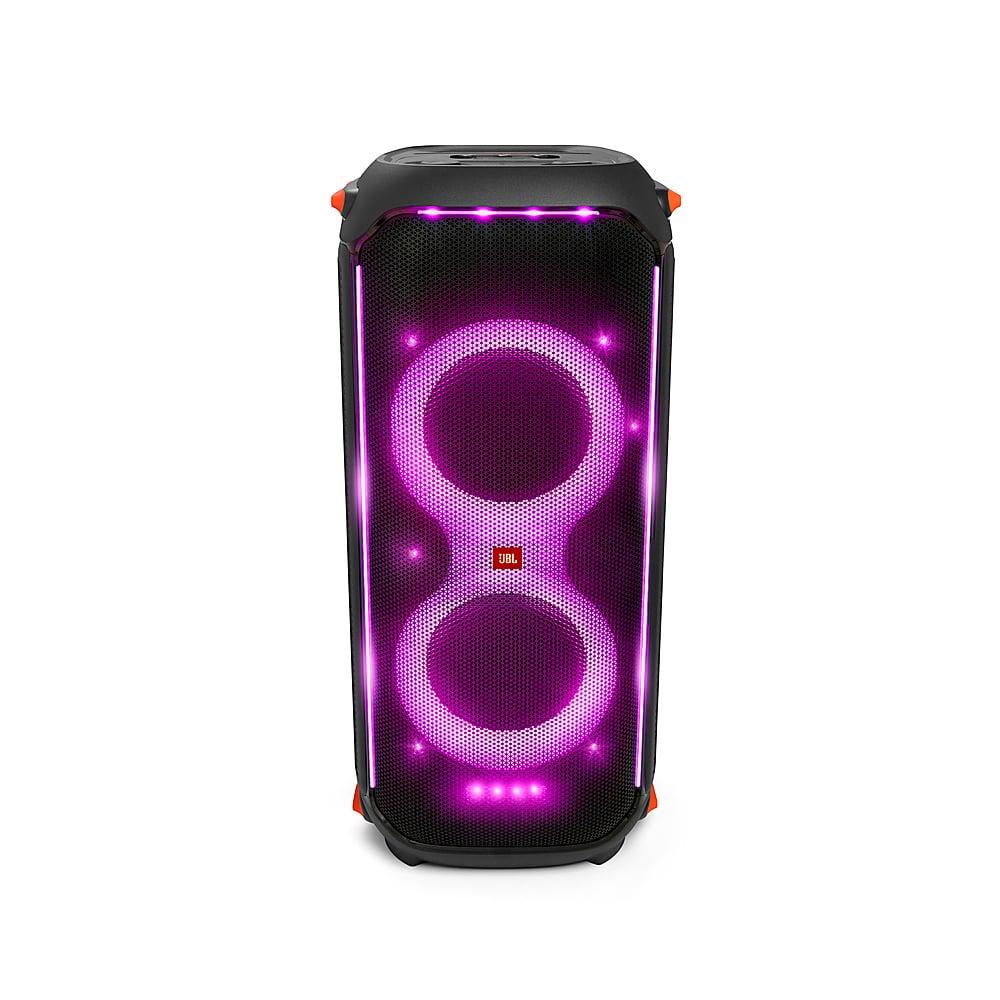
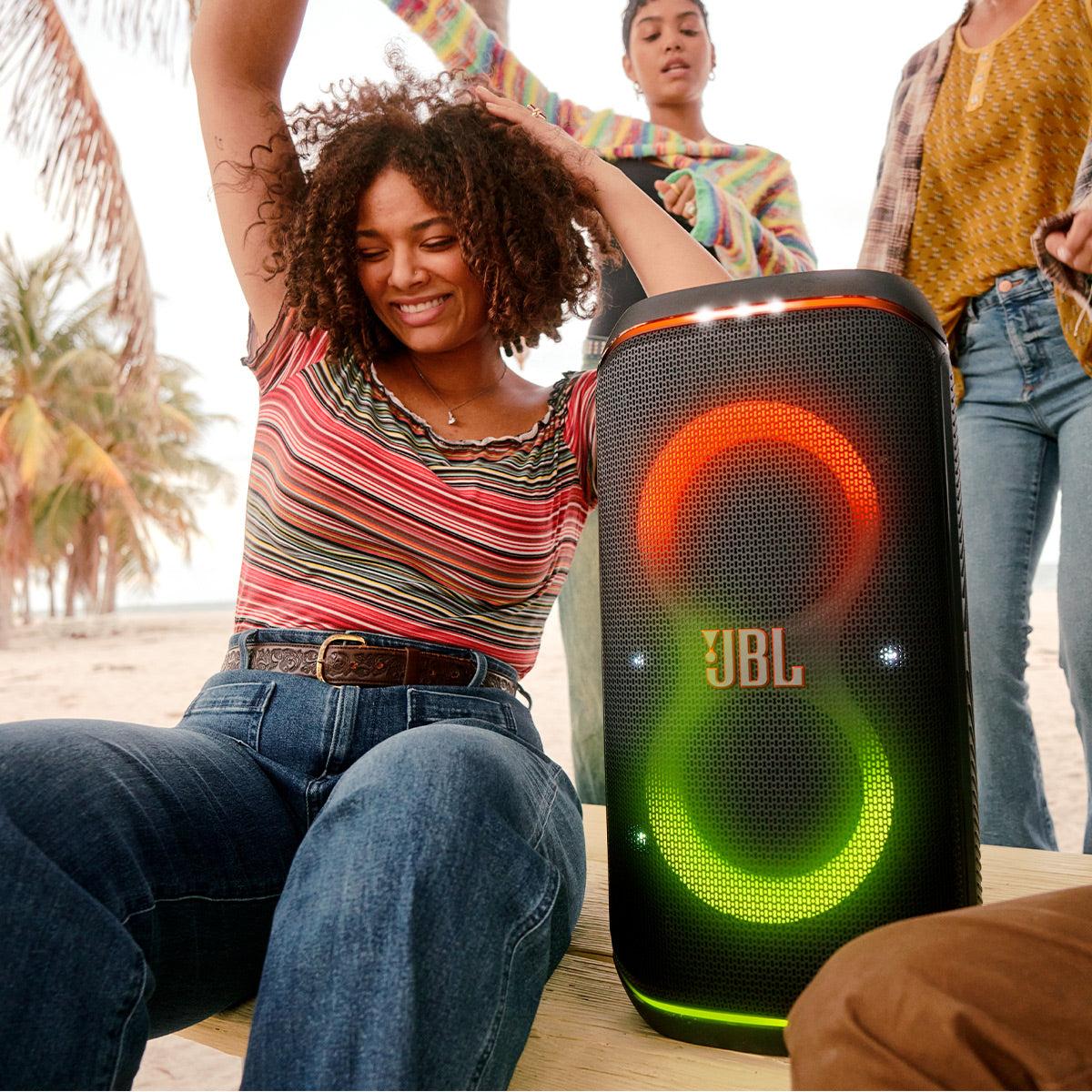
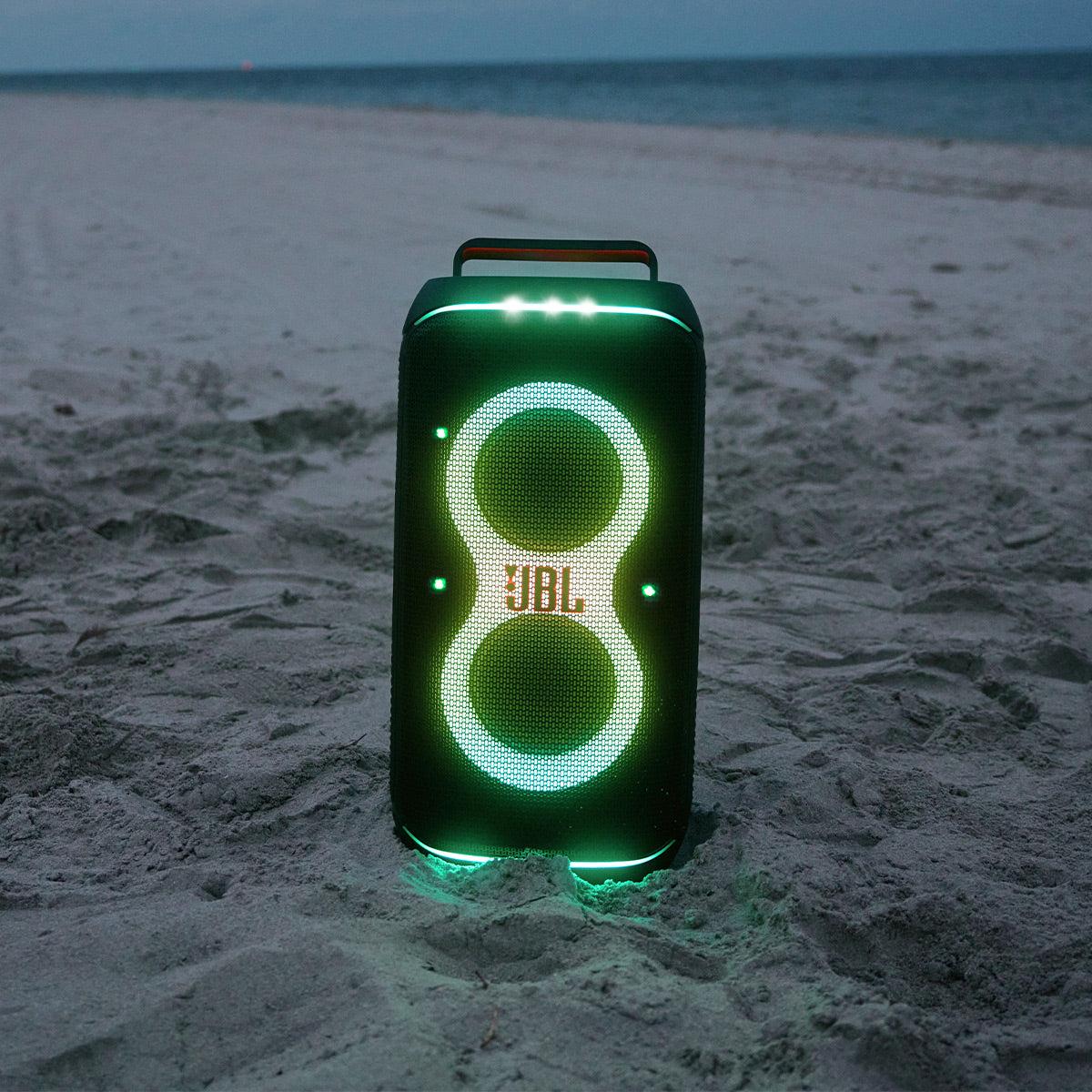
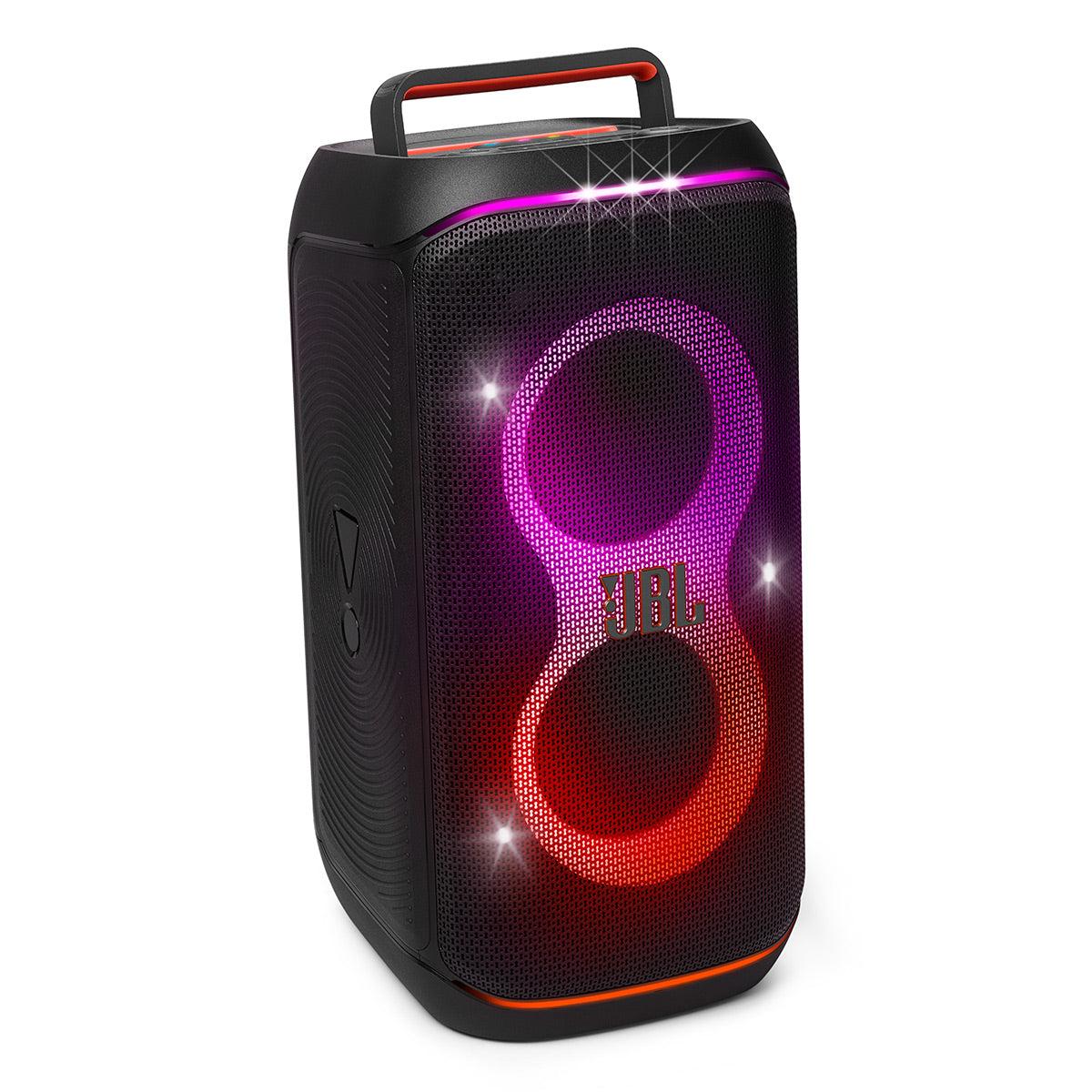
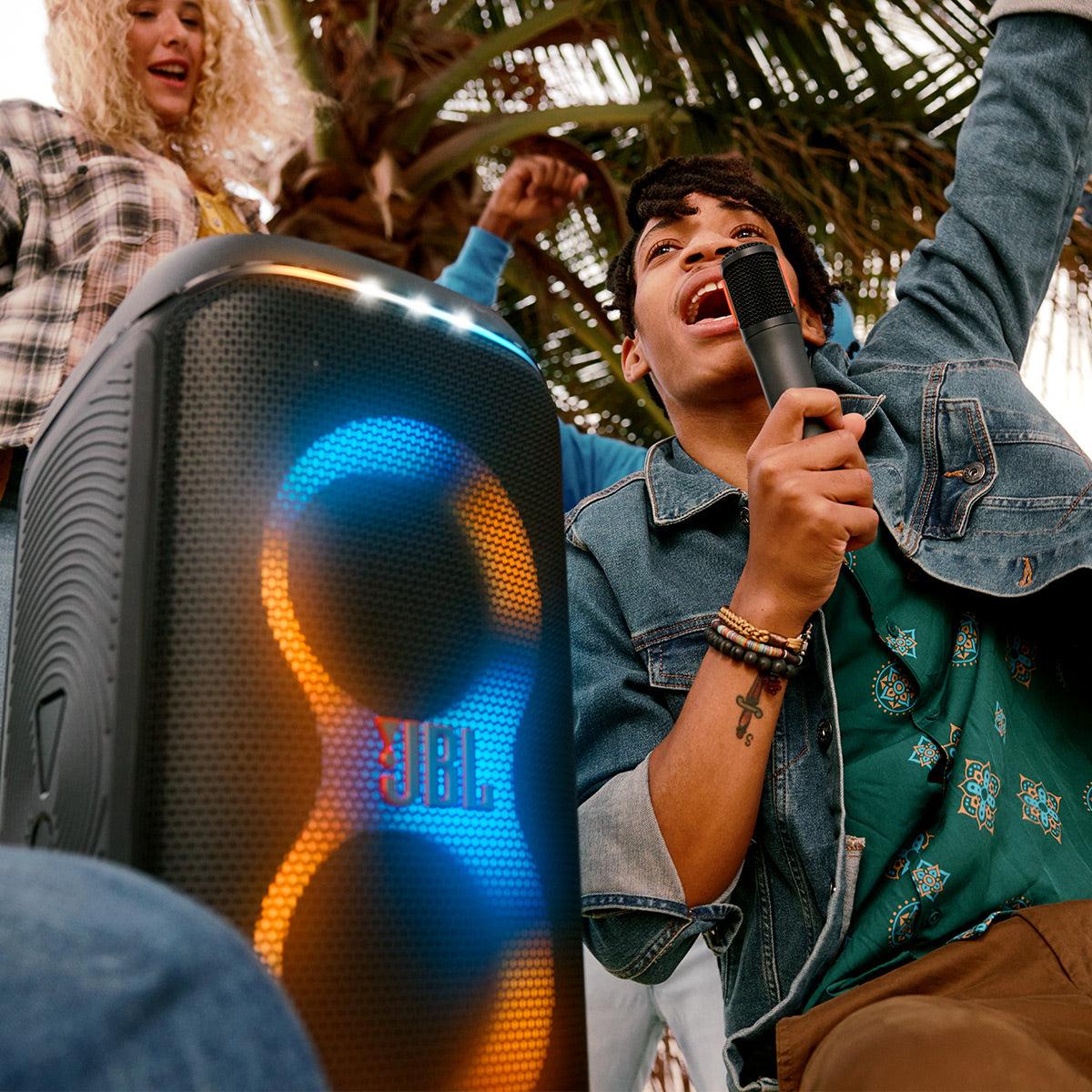
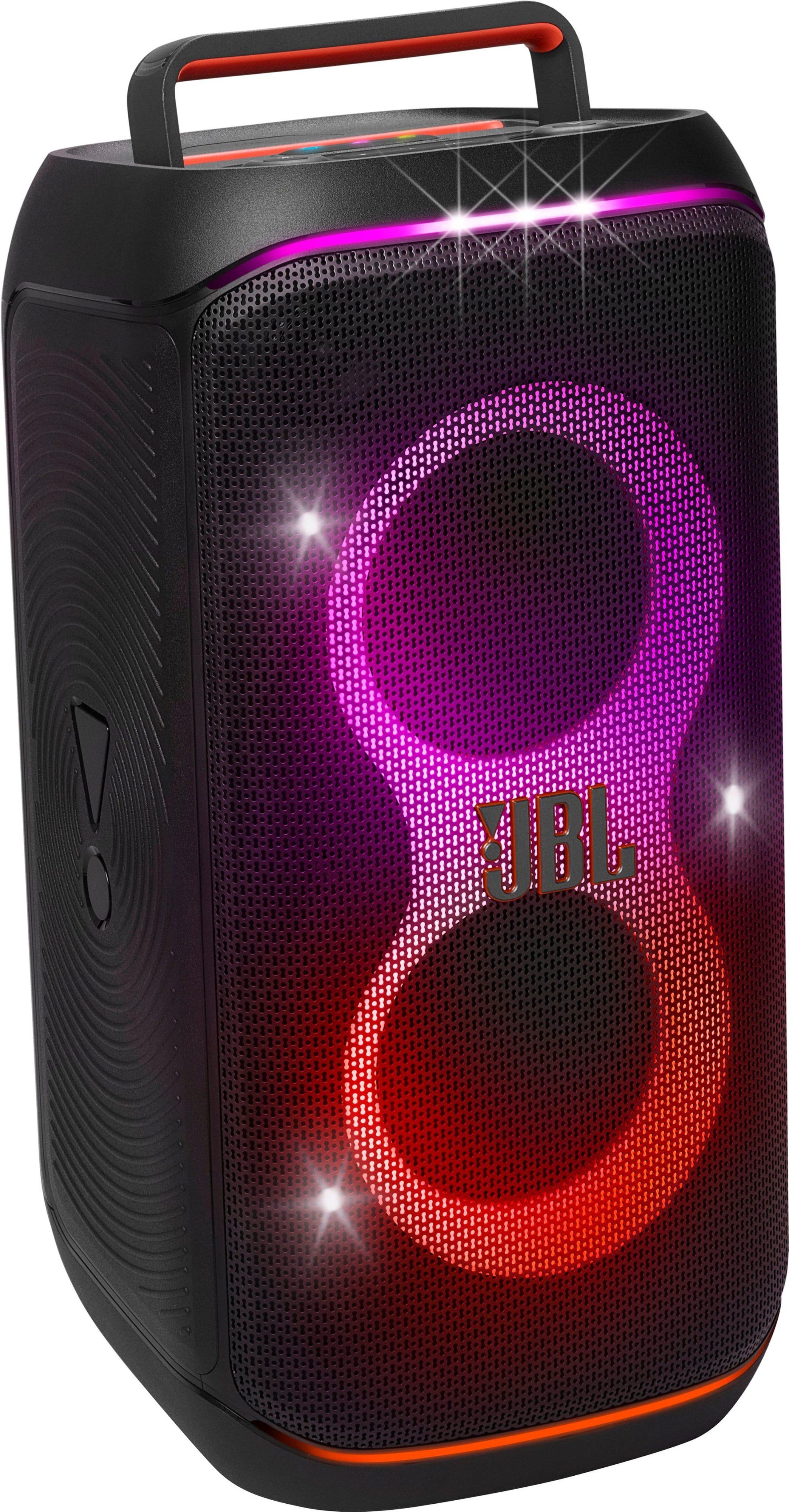
Both speakers incorporate JBL's signature light shows, but with different execution and impact. The PartyBox 710's larger cabinet provides more surface area for dramatic lighting effects, with multiple LED zones creating complex patterns that sync to the music. The strobe effects and color-changing displays can genuinely transform the atmosphere of an event.
The Club 120's more compact lighting system offers similar functionality but with less visual impact due to size constraints. However, it includes newer lighting algorithms and more sophisticated beat-sync technology, creating tighter coordination between music and visuals even if the overall effect is less dramatic.
Microphone and instrument inputs serve different audiences on each speaker. The 710 provides professional-level input controls suitable for live performance or serious karaoke setups. The gain controls, EQ adjustments, and echo effects can handle demanding vocal applications without feedback issues. The Club 120 offers similar connectivity but with simpler controls that work better for casual karaoke or announcements rather than live music performance.
At the time of writing, the PartyBox 710 costs significantly more than the Club 120—roughly 2.6 times the price for 5 times the rated power output. This pricing structure reveals each speaker's target market and intended use cases.
The 710's higher price reflects professional-grade components and the engineering required to achieve extreme volume levels cleanly. When you calculate cost per watt of output, it actually represents reasonable value for the performance delivered. However, most users will never need that level of output, making the extra capability expensive overhead.
The Club 120 offers better value for typical party scenarios. Its price point opens JBL's party speaker ecosystem to users who previously couldn't justify the cost, while still delivering enough performance for most residential gatherings. The swappable battery system adds long-term value by preventing the complete speaker replacement typically required when batteries fail in sealed systems.
The decision between these speakers should start with honest assessment of your actual needs rather than aspirational ones. The PartyBox 710 makes sense for users who regularly host large outdoor gatherings, have consistent access to AC power, and need the kind of bass impact that becomes a talking point itself. It's the choice for serious party hosts who want their audio system to be memorably impressive.
The Club 120 better serves users who value convenience and flexibility over maximum output. If you need a speaker that works anywhere, can be easily transported, and provides enough volume for typical social gatherings without overwhelming smaller spaces, it offers a more practical balance of features and performance.
For most users reading this comparison, the Club 120 likely provides sufficient performance with dramatically better usability. The 710 is genuinely impressive, but its capabilities exceed what most people need most of the time. Unless you regularly find yourself saying "I wish this was louder" about already-loud speakers, the Club 120's combination of modern features, portability, and reasonable pricing makes it the more versatile choice.
The PartyBox 710 remains the better choice for power users who need maximum output and have the venues and power infrastructure to support it. But for everyone else, the Club 120 represents a smarter investment that you'll actually want to use regularly rather than save for special occasions.
| JBL PartyBox 710 | JBL PartyBox Club 120 |
|---|---|
| Power Output - Determines maximum volume and bass impact | |
| 800W RMS (fills large outdoor spaces, crowds of 100+) | 160W RMS (suitable for backyard parties, 30 people max) |
| Power Source - Critical for venue flexibility | |
| AC power required (limits to venues with electrical access) | 12-hour battery + swappable batteries (use anywhere) |
| Weight & Portability - Affects transport and setup ease | |
| 61.3 lbs with wheels (semi-permanent, requires planning) | 24.4 lbs with foldable handle (true grab-and-go portability) |
| Bass Extension - Impact on music genres like EDM and hip-hop | |
| 35Hz (room-shaking sub-bass you can feel physically) | 40Hz (punchy bass but less visceral impact) |
| Maximum Volume - Peak loudness before distortion | |
| ~113.5 dB (genuinely loud, hearing protection recommended) | ~109.5 dB (plenty loud for most gatherings) |
| Driver Configuration - Affects sound quality and bass depth | |
| 2x 8" woofers + 2x 2.75" tweeters (larger drivers = better dynamics) | 2x 5.25" woofers + 2x 57mm tweeters (compact but efficient) |
| Bluetooth Technology - Connection stability and features | |
| Bluetooth 5.1 with basic TWS pairing | Bluetooth 5.4 with Auracast multi-speaker networking |
| Special Audio Features - Modern sound enhancement | |
| Standard amplification and processing | AI Sound Boost (reduces distortion, maximizes small drivers) |
| Light Show - Party atmosphere enhancement | |
| Larger cabinet = more dramatic visual impact | Compact lighting with newer sync algorithms |
| Multi-Speaker Capability - Expandability options | |
| Pair two PartyBox 710 units only | Auracast network with multiple compatible speakers |
| Price Category - Value positioning at time of writing | |
| Premium pricing for maximum performance | Mid-range pricing for balanced features |
| Best Use Cases - Primary target scenarios | |
| Large events, outdoor venues, maximum impact needed | Portable parties, modern convenience, versatile locations |
| Release Year - Technology generation | |
| 2021 (mature platform, proven reliability) | 2024 (latest features, improved efficiency) |
The JBL PartyBox 710 is significantly louder, delivering 800W RMS compared to the PartyBox Club 120's 160W RMS. The PartyBox 710 can reach approximately 113.5 dB maximum volume, while the Club 120 tops out around 109.5 dB. This 4-decibel difference represents roughly double the perceived loudness, making the 710 better for large outdoor events and crowds over 50 people.
No, the JBL PartyBox 710 has much deeper and more powerful bass. Its dual 8-inch woofers and 35Hz frequency response create room-shaking sub-bass that you can physically feel. The PartyBox Club 120 has punchy bass from its 5.25-inch woofers but can't match the visceral impact of the larger 710 for bass-heavy music genres like EDM and hip-hop.
The JBL PartyBox Club 120 is far more portable, weighing just 24.4 pounds with a foldable handle compared to the 710's 61.3 pounds with wheels. More importantly, the Club 120 runs on battery power for up to 12 hours, while the PartyBox 710 requires constant AC power connection, severely limiting where you can use it.
Only the JBL PartyBox Club 120 works without being plugged in, offering 12-hour battery life with swappable batteries for unlimited runtime. The JBL PartyBox 710 must remain connected to AC power at all times, making it unsuitable for beaches, parks, or anywhere without electrical outlets.
The JBL PartyBox Club 120 has more modern connectivity with Bluetooth 5.4 and Auracast technology for advanced multi-speaker networking. The PartyBox 710 uses Bluetooth 5.1 and can only pair with one other identical unit. Both offer microphone inputs, but the Club 120 provides more flexible wireless connectivity options.
Neither speaker is designed primarily for home theater, but they can serve supplementary roles. The JBL PartyBox 710 works better as a powerful subwoofer supplement for outdoor movie nights, delivering deep bass impact that most soundbars can't match. The PartyBox Club 120 is more practical for casual patio viewing where running cables isn't convenient.
The JBL PartyBox Club 120 offers better value for most users, providing sufficient volume for typical gatherings at a significantly lower price point. The PartyBox 710 costs much more for power that most people rarely need. Unless you regularly host large outdoor events, the Club 120's balance of features and performance makes it the smarter investment.
Only the JBL PartyBox Club 120 has batteries, offering up to 12 hours of playtime on a single charge. The batteries are swappable, so you can continue playing music indefinitely with spare batteries. The JBL PartyBox 710 has no battery and requires constant electrical connection, but this means unlimited runtime when power is available.
It depends on your specific needs. The JBL PartyBox 710 is better for large outdoor spaces with power access, delivering room-shaking volume that can cover up to a third of an acre. The PartyBox Club 120 is better for portable outdoor use like beaches or camping, where its battery power and lighter weight make it practical to transport and use anywhere.
Yes, both support multi-speaker setups but differently. The JBL PartyBox 710 can pair with another identical 710 for stereo sound via TWS or wired connection. The PartyBox Club 120 uses newer Auracast technology to connect with multiple compatible JBL speakers, creating more flexible and expandable sound systems.
Both deliver excellent sound quality for party speakers, but with different strengths. The JBL PartyBox 710 maintains better clarity at extreme volumes and provides deeper bass extension. The PartyBox Club 120 features newer AI Sound Boost technology for more refined sound processing and better control of distortion, making it more balanced for moderate listening levels.
The main difference is power versus portability. The JBL PartyBox 710 prioritizes maximum sound output and bass impact for large venues but requires AC power and is heavy to move. The PartyBox Club 120 focuses on modern convenience with battery operation, lighter weight, and newer connectivity features while providing sufficient volume for most gatherings. Choose the 710 for maximum performance or the Club 120 for versatility and portability.
We've done our best to create useful and informative comparisons to help you decide what product to buy. Our research uses advanced automated methods to create this comparison and perfection is not possible - please contact us for corrections or questions. These are the sites we've researched in the creation of this article: rtings.com - audioadvice.com - crutchfield.com - youtube.com - bestbuy.com - rtings.com - youtube.com - youtube.com - youtube.com - versus.com - worldwidestereo.com - rtings.com - jbl.com - youtube.com - expertvoice.com - jbl.com - jbl.com.tw - robot-advance.com - youtube.com - hu.harmanaudio.com - onward.ph - harmanaudio.in - youtube.com - youtube.com - manuals.plus - global.jbl.com - de.jbl.com - ro.harmanaudio.com - stereoguide.com - armorsound.com - rtings.com - rtings.com - bestbuy.com - youtube.com - soundguys.com - youtube.com - lbtechreviews.com - youtube.com - youtube.com - versus.com - jbl.com - rtings.com - versus.com - ro.harmanaudio.com - dell.com - jbl.com - jbl.com - projectorscreenstore.com

Privacy Policy
Terms and Conditions - Affiliate Policy
Home Security
© Copyright 2008-2026.
11816 Inwood Rd #1211, Dallas, TX 75244