

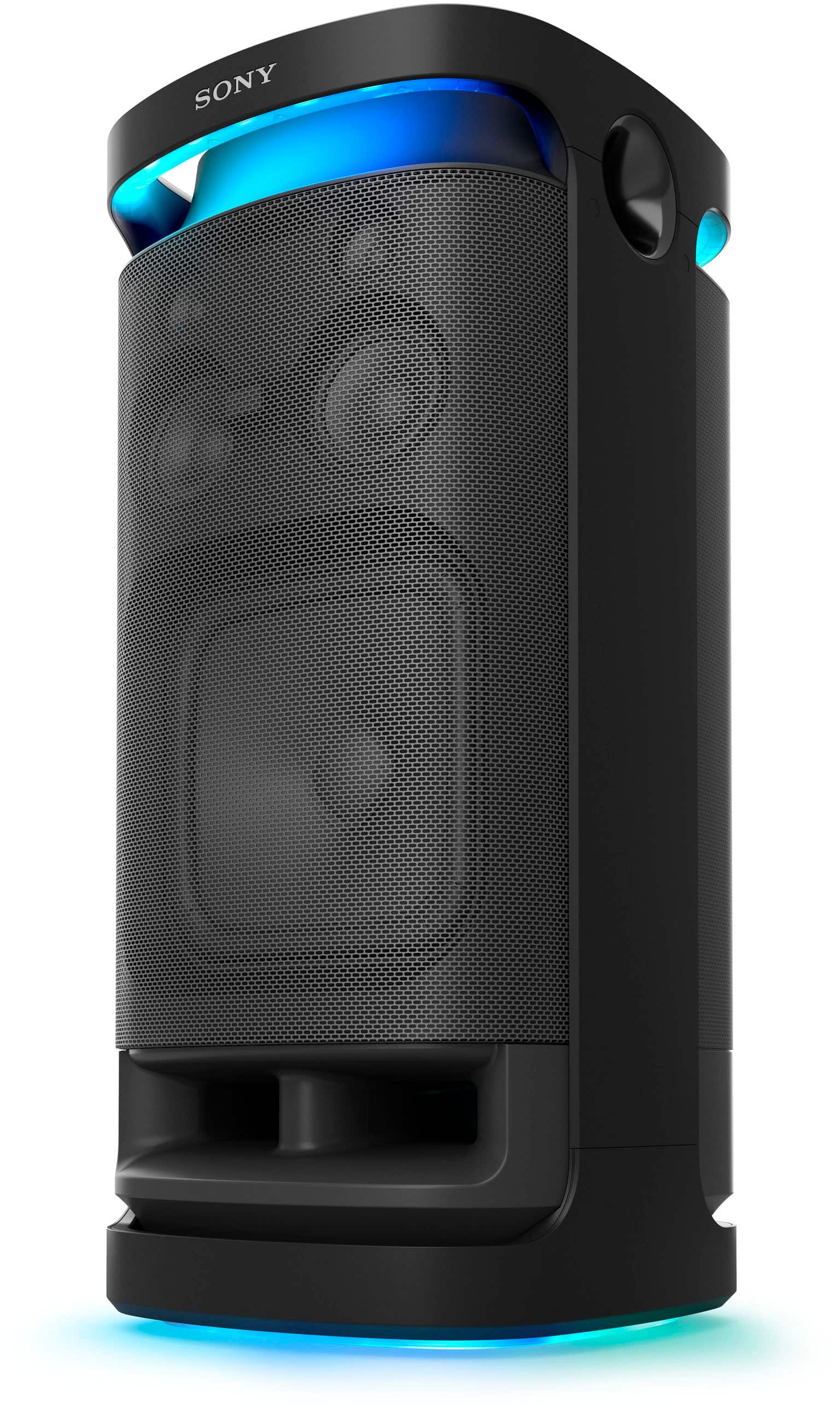
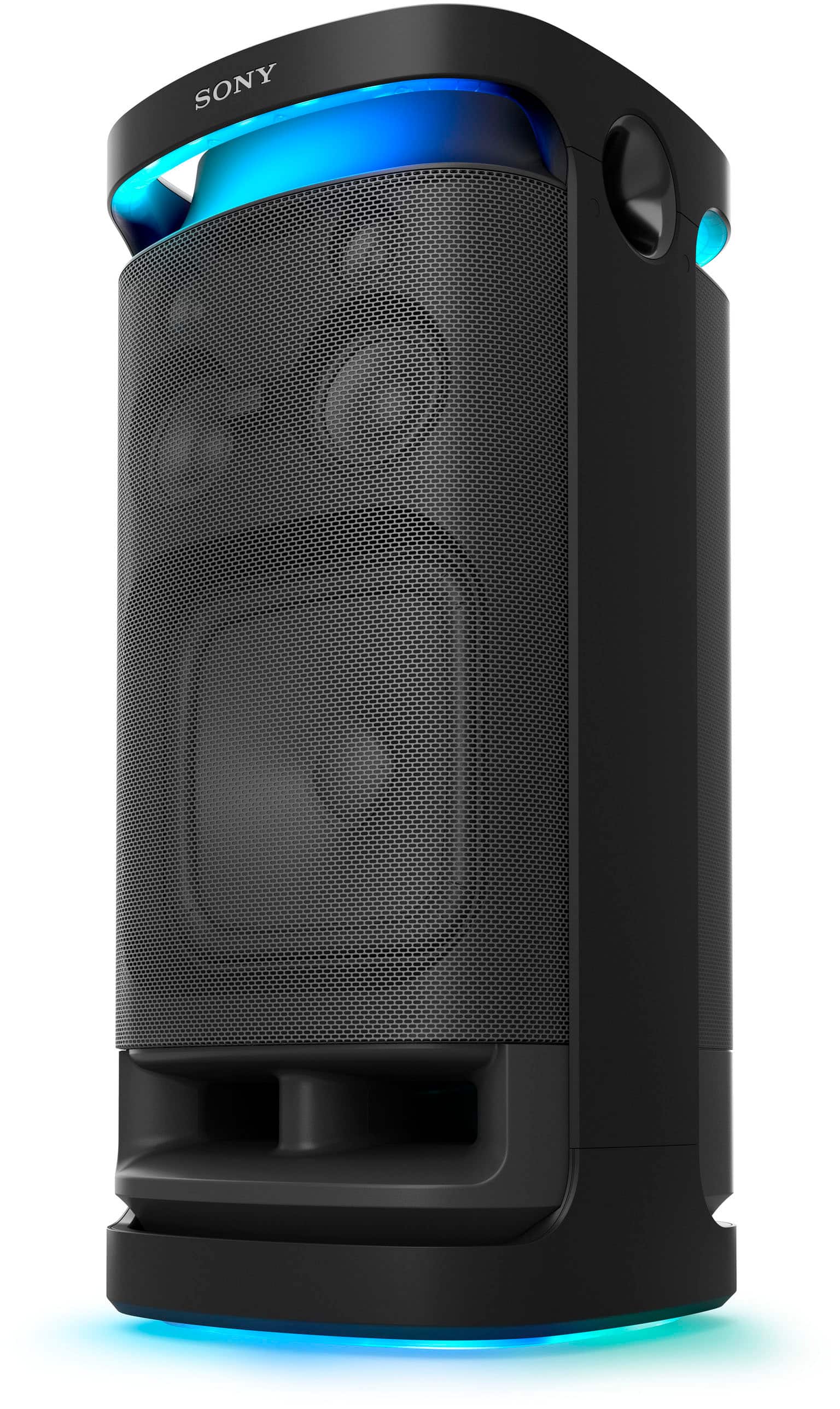
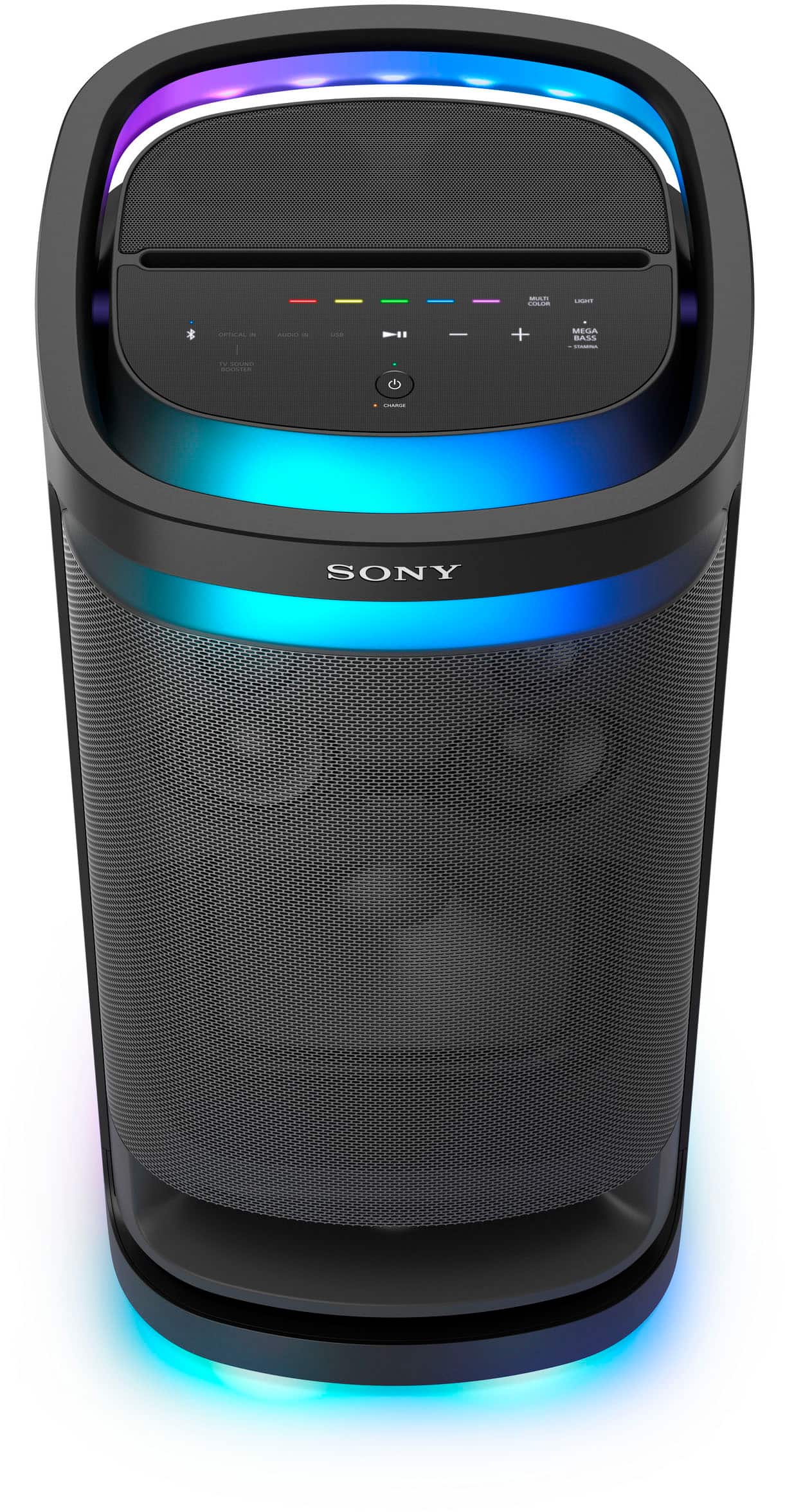
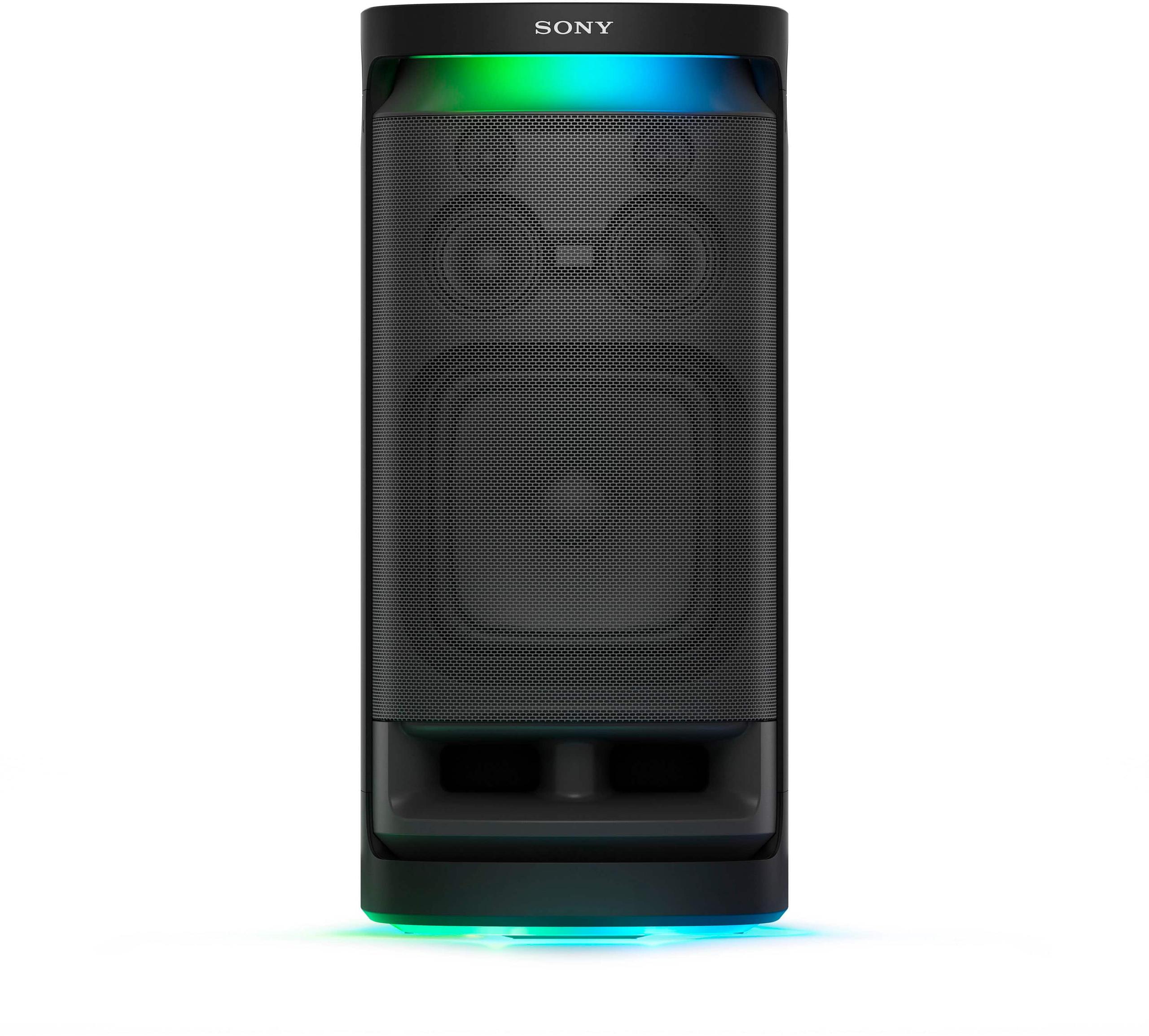
When you're looking for a speaker that can fill a backyard party or power through a house gathering, you're entering the world of portable party speakers—massive Bluetooth speakers designed to get loud, stay loud, and keep the energy flowing. The JBL PartyBox 710 and Sony SRS-XV900 represent the pinnacle of this category, but they take dramatically different approaches to achieving party-ready sound.
Both speakers launched within a year of each other—the JBL PartyBox 710 arrived in 2021, followed by the Sony SRS-XV900 in 2022. Since their releases, the portable speaker market has continued evolving, with newer models incorporating improved battery technology and enhanced connectivity features. However, these two remain relevant flagship options that showcase two distinct philosophies: raw power versus balanced versatility.
Party speakers prioritize completely different qualities than the bookshelf speakers you might use for casual listening. Instead of pinpoint accuracy, these speakers focus on maximum volume output, deep bass that you can feel in your chest, and features that enhance the party atmosphere. The goal isn't studio-quality sound reproduction—it's creating an immersive experience that gets people moving and keeps energy levels high throughout an event.
The most critical performance metric is maximum volume, measured in decibels (dB). A difference of just 3 dB represents a doubling of perceived loudness, so small numbers can translate to significant real-world differences. Bass response, measured by how low in frequency a speaker can reproduce sound, determines whether you'll feel that satisfying thump in bass-heavy music genres. Frequency response range tells you the span from the deepest bass notes to the highest treble frequencies a speaker can handle.
Beyond pure audio specifications, party speakers need practical features like lighting effects, karaoke capabilities, and robust build quality to survive frequent transport and outdoor use. The challenge lies in balancing all these requirements while maintaining reasonable portability and price points.
The JBL PartyBox 710 approaches the volume question with brute force, delivering a measured 800 watts RMS (Root Mean Square)—a specification that represents continuous power output rather than peak bursts. This translates to real-world performance that consistently impresses: the speaker can reach peak volumes around 111 decibels, which is genuinely loud enough to compete with ambient noise at outdoor gatherings and fill spaces up to a third of an acre.
RMS wattage matters more than peak wattage specifications because it represents sustainable power output. Many speakers tout impressive peak numbers that only last milliseconds, but RMS tells you what the speaker can actually maintain during extended playback. The JBL PartyBox 710's 800W RMS means it can sustain high volume levels without distortion or thermal shutdown.
The Sony SRS-XV900 takes a more measured approach, consuming around 100 watts of AC power (though Sony doesn't specify RMS output). In practice, this translates to maximum volumes in the 105-109 decibel range—still impressively loud, but noticeably quieter than the JBL. This difference becomes especially apparent in outdoor settings where you're competing with wind, conversation, and other ambient noise.
From our research into user experiences, the volume difference is immediately noticeable. JBL owners consistently report never needing to push their speakers past 70% volume even for large gatherings, while Sony users more frequently find themselves approaching maximum settings in similar scenarios. However, the Sony's lower volume ceiling isn't necessarily a drawback—it depends entirely on your typical use case and venue size.
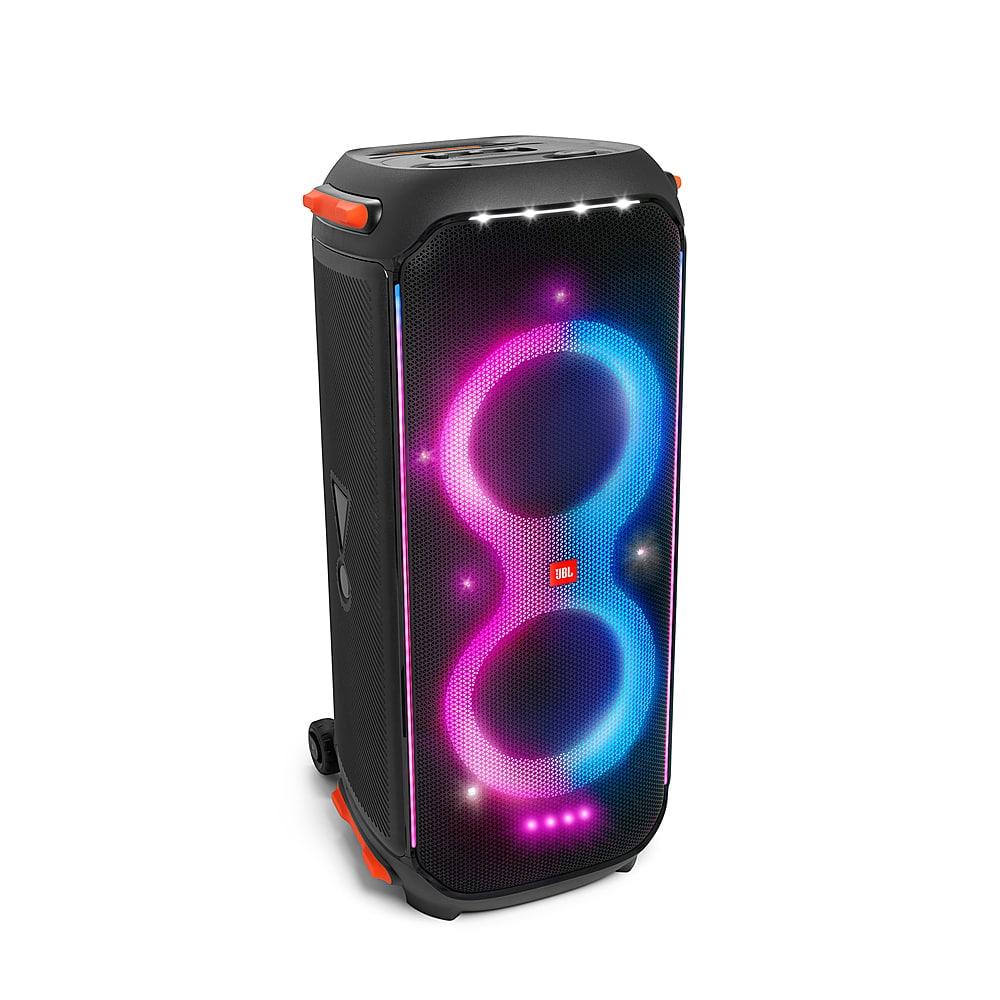
Bass performance separates mediocre party speakers from exceptional ones, and both speakers excel here but with different approaches. The JBL PartyBox 710 uses dual 8-inch woofers in a tuned bass reflex design, creating what reviewers consistently describe as "wall-shaking" bass that extends down to 35Hz. This frequency range captures the fundamental frequencies of most bass-heavy music, ensuring you feel the impact of every kick drum and bass drop.
Bass reflex design involves precisely tuned ports that allow air to move in and out of the speaker cabinet, reinforcing low frequencies and extending bass response beyond what the drivers alone could achieve. The JBL PartyBox 710's dual-woofer configuration means more surface area moving air, creating higher sound pressure levels and more physical impact.
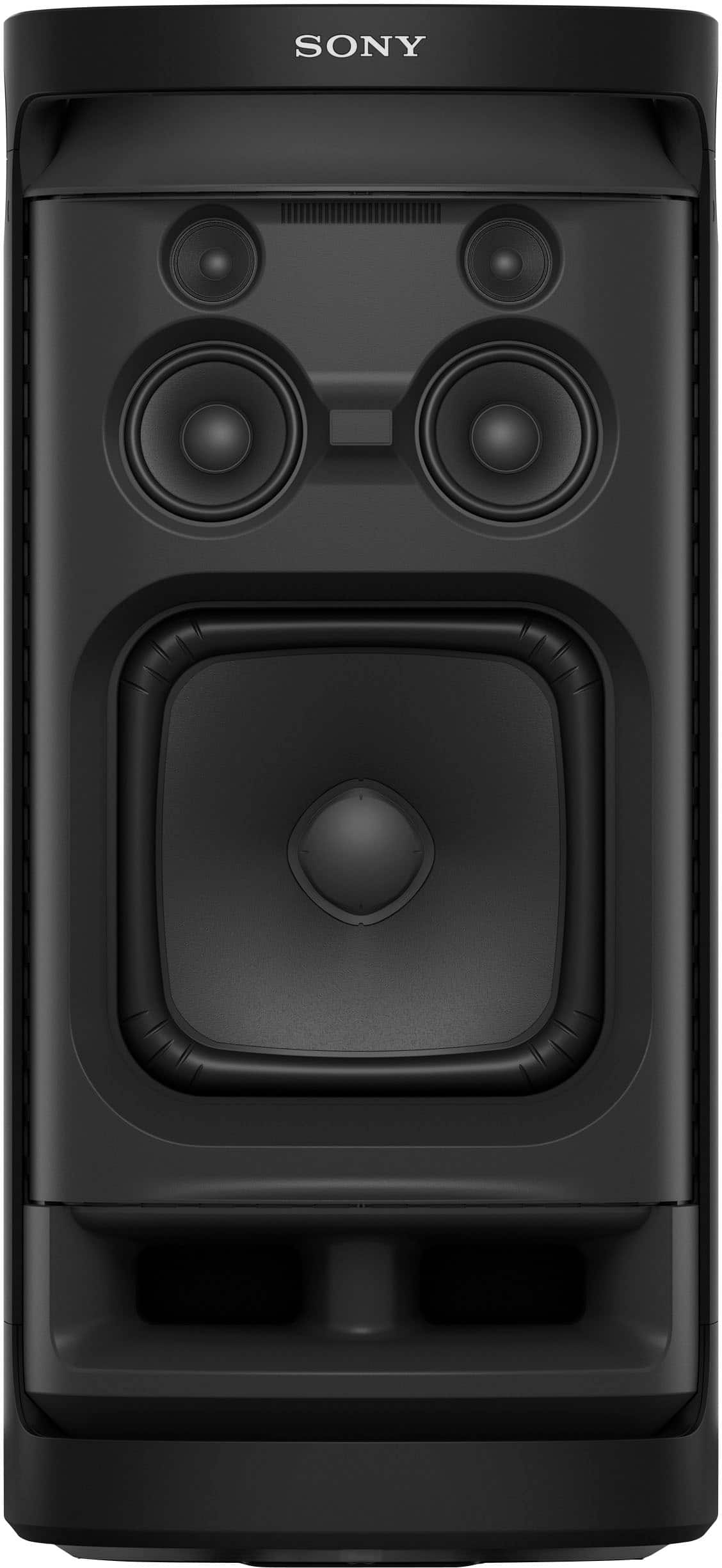
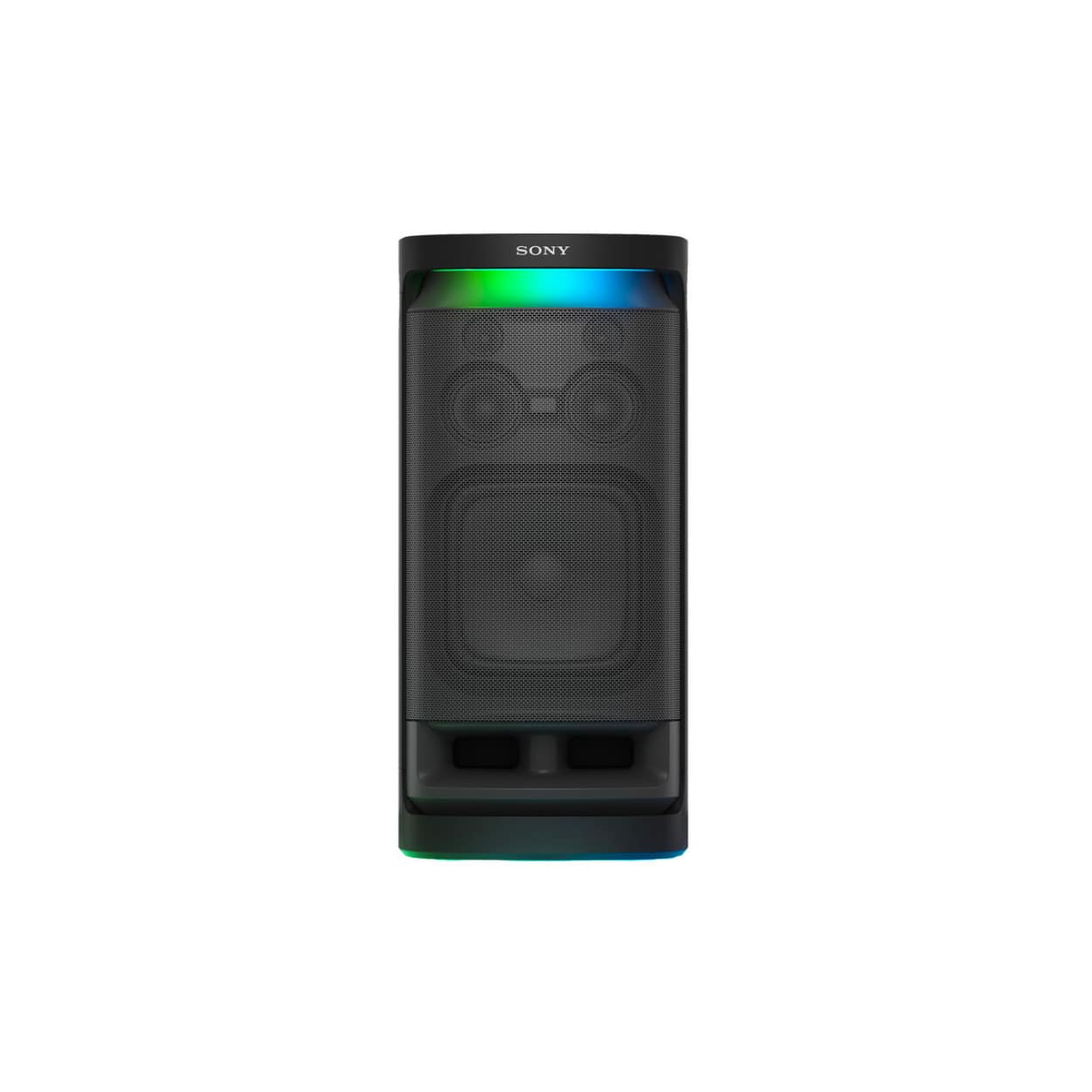
The Sony SRS-XV900 employs a different strategy with its single 12.6-inch X-Balanced woofer. Sony's X-Balanced technology uses a rectangular diaphragm instead of the traditional round shape, theoretically providing more surface area and reducing distortion. The speaker claims frequency response down to 20Hz, which on paper suggests deeper bass extension than the JBL.
However, real-world performance tells a more nuanced story. User reviews consistently note that while the Sony produces clean, musical bass at moderate volumes, the low-end response diminishes as you approach maximum volume levels. The JBL maintains its bass impact even when pushed hard, making it more suitable for scenarios where you need both maximum volume and strong bass simultaneously.
Here's where the speakers' different design philosophies become most apparent. The JBL PartyBox 710 uses a V-shaped frequency response—boosted bass and treble with recessed midrange frequencies. This creates an exciting, energetic sound signature that flatters modern pop, EDM, and hip-hop, but can make vocals and mid-range instruments sound distant or hollow.
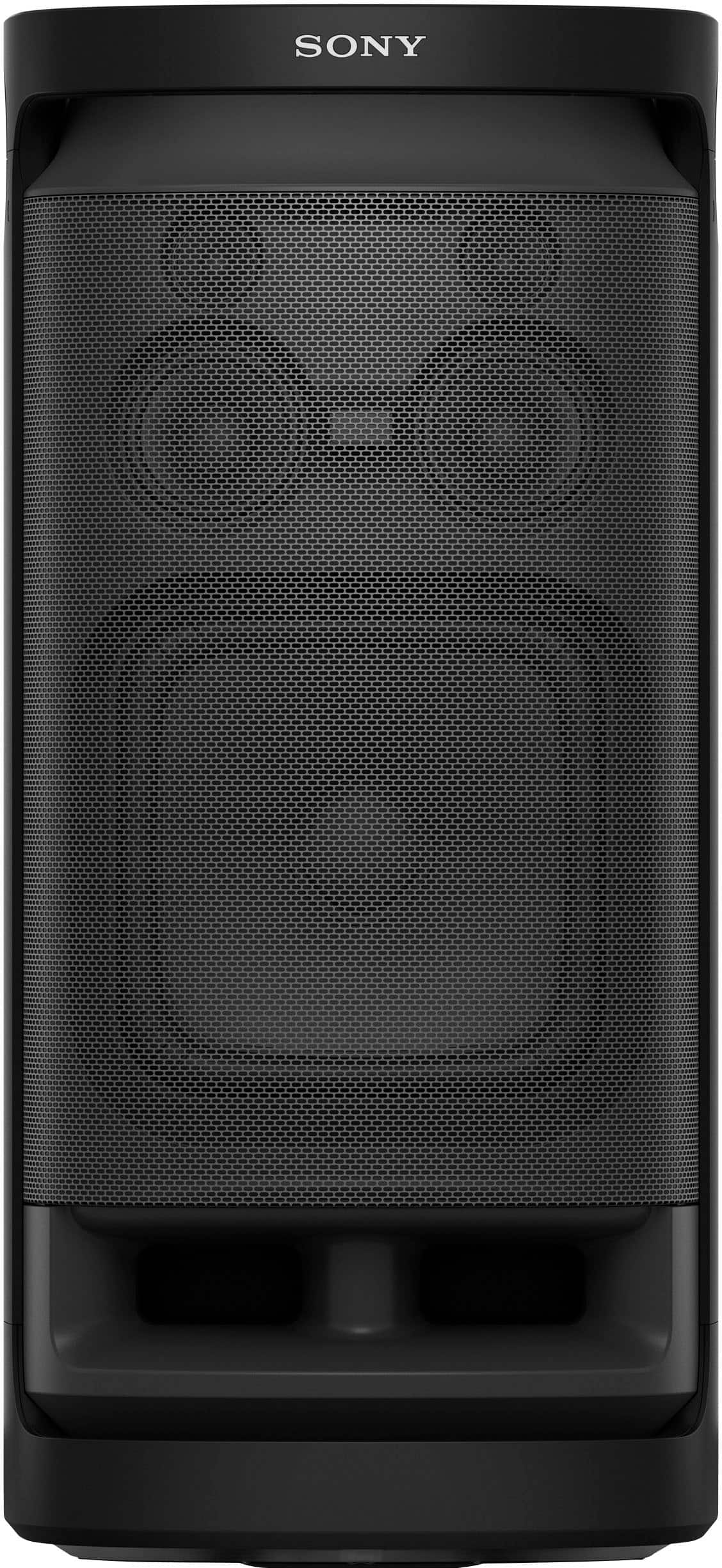
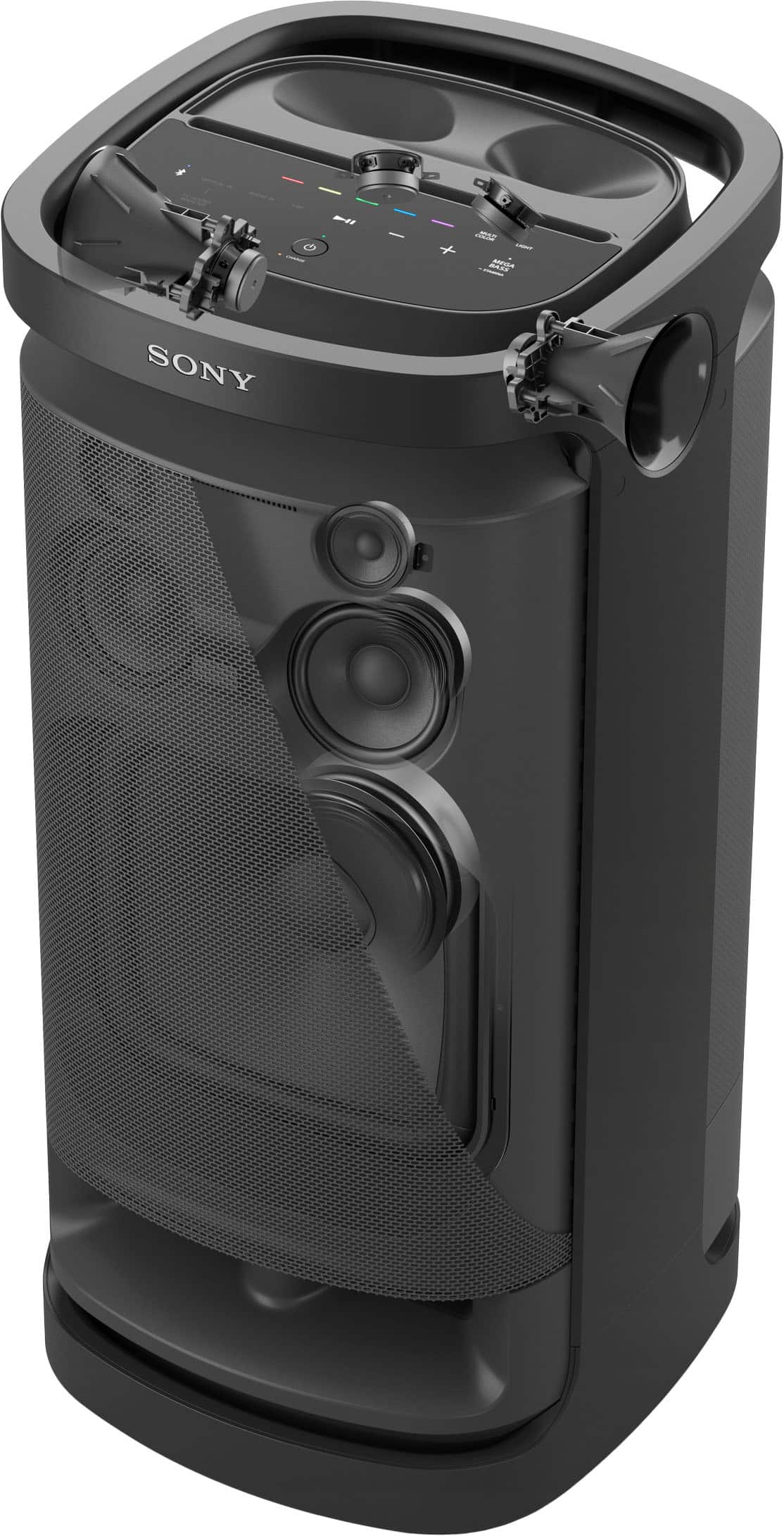
The Sony SRS-XV900 pursues a more balanced approach with dedicated midrange drivers and strategic tweeter placement. Its 4.72-inch midrange drivers handle vocal frequencies that the JBL's woofers and tweeters must share between them. This results in clearer dialogue, better vocal reproduction, and more natural-sounding acoustic instruments.
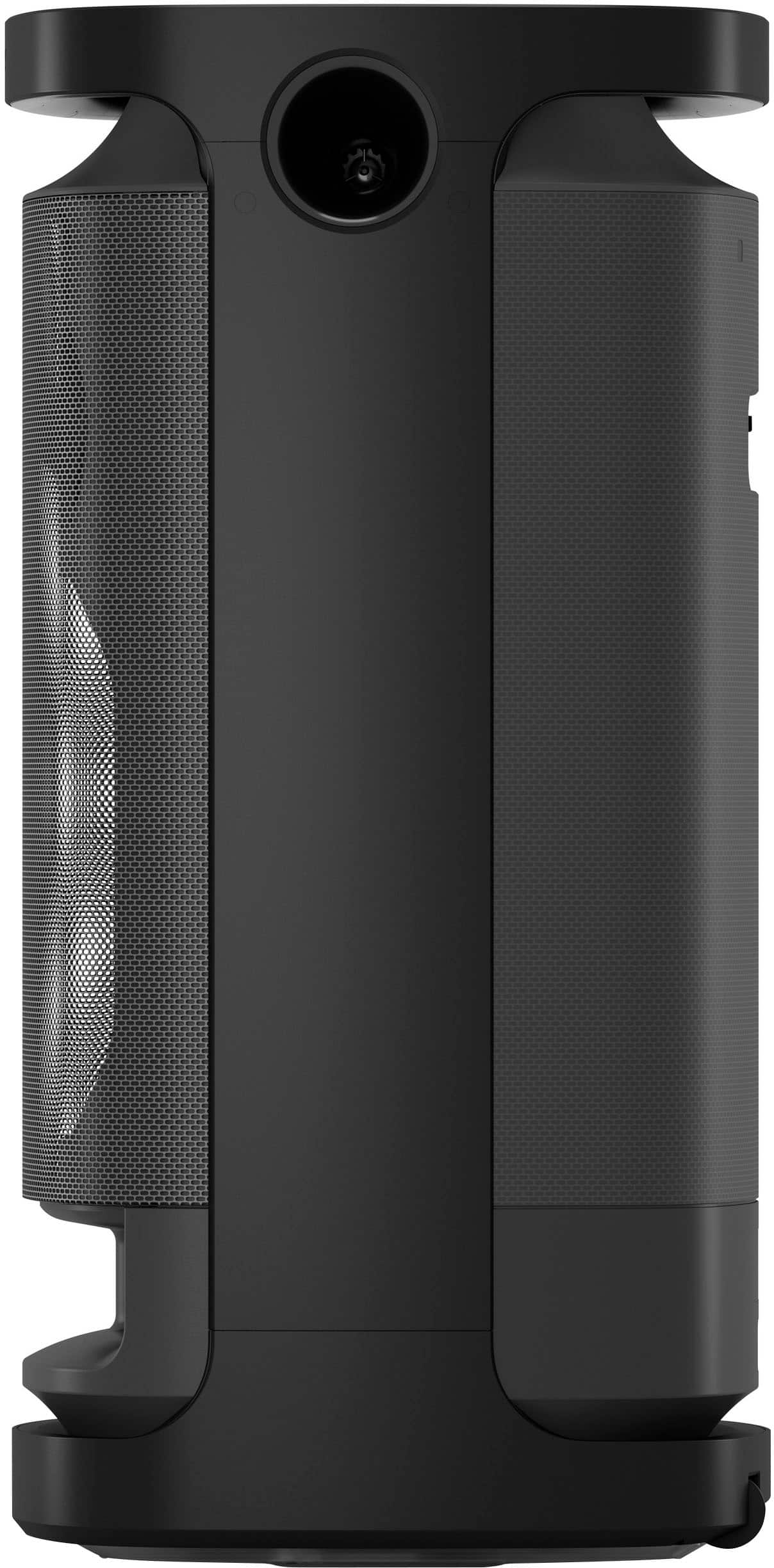
Sony's omnidirectional design represents another significant difference. While the JBL PartyBox 710 fires sound primarily forward, the Sony places six tweeters around its circumference—two 1.97-inch units on front, plus four smaller 1.57-inch tweeters on the sides and rear. This 360-degree sound dispersion means the Sony sounds more consistent throughout a room, while the JBL sounds best when you're positioned in front of it.
The omnidirectional approach particularly benefits indoor gatherings where people move around the space. However, it can feel less focused and impactful than the JBL's directional design, which concentrates energy toward the listening area for maximum impact.
This represents the most critical decision point between these speakers. The Sony SRS-XV900 includes a substantial internal battery providing up to 25 hours of continuous playback—genuinely impressive endurance that handles even extended outdoor events without power access. The 3-hour charging time means you can quickly top up between events.
Battery-powered operation opens up use cases impossible with AC-only speakers: beach parties, camping trips, tailgating, and any scenario where electrical outlets aren't available. The freedom to place the speaker anywhere without cable constraints also benefits indoor use, allowing optimal positioning without worrying about outlet locations.
The JBL PartyBox 710 deliberately omits battery power, requiring constant AC connection. This limitation restricts placement options and eliminates truly remote use cases. However, it provides significant advantages: unlimited runtime eliminates concerns about battery death mid-party, and you never experience the gradual volume reduction that occurs as batteries drain.
Long-term ownership considerations favor the AC-only approach. Lithium-ion batteries inevitably degrade over time, typically losing significant capacity after 2-3 years of regular use. Replacement batteries for speakers this size often cost several hundred dollars and require professional service, potentially making the Sony more expensive over its lifetime.
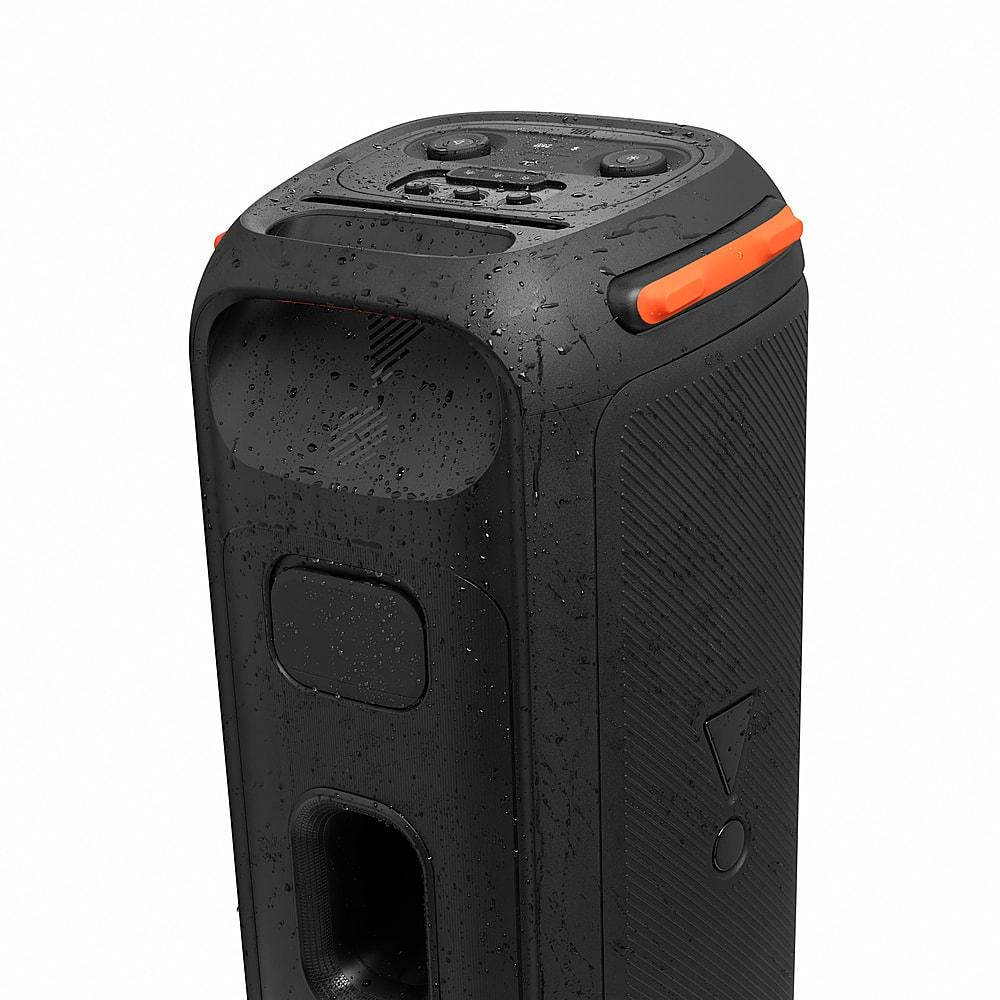
The JBL PartyBox 710 carries an IPX4 rating, meaning it can handle water splashes from any direction without damage. This splash-proof design makes it suitable for poolside parties, light rain, and other scenarios where moisture exposure is likely. The rating doesn't permit submersion or heavy rain exposure, but provides peace of mind for typical outdoor party conditions.
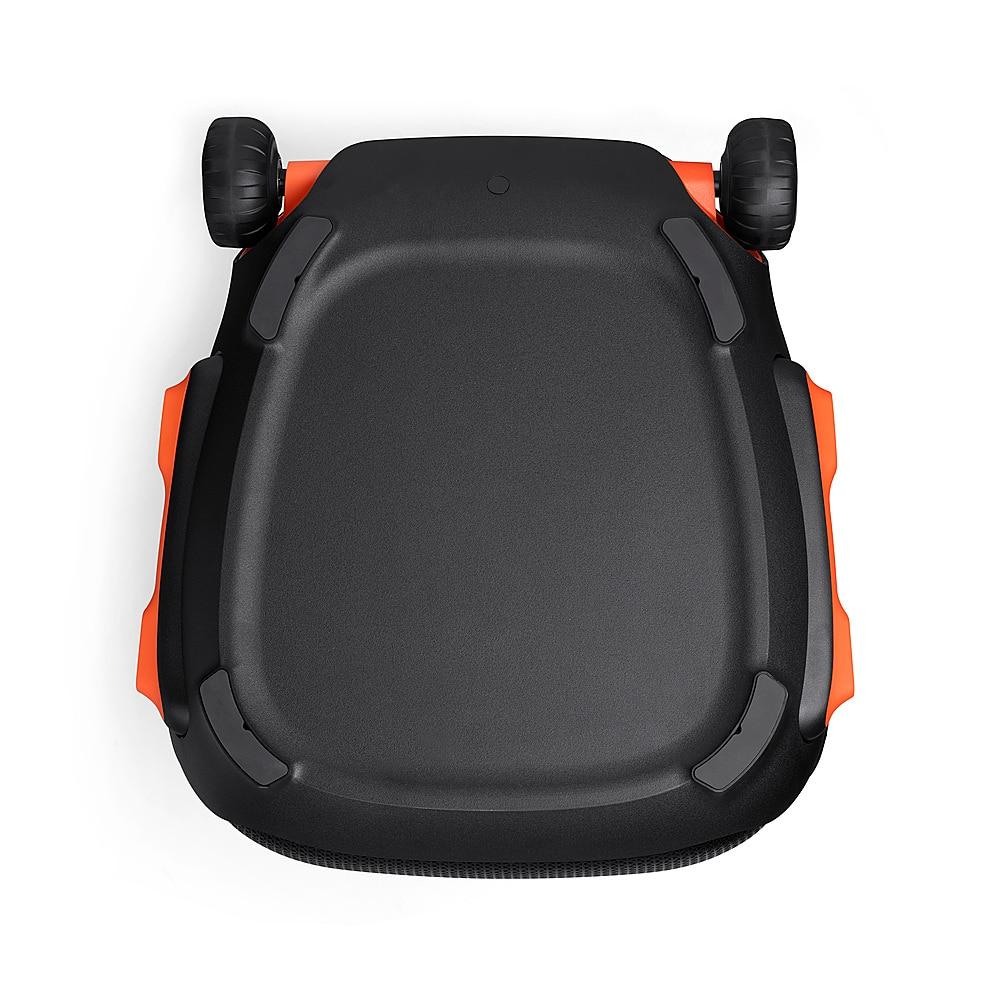
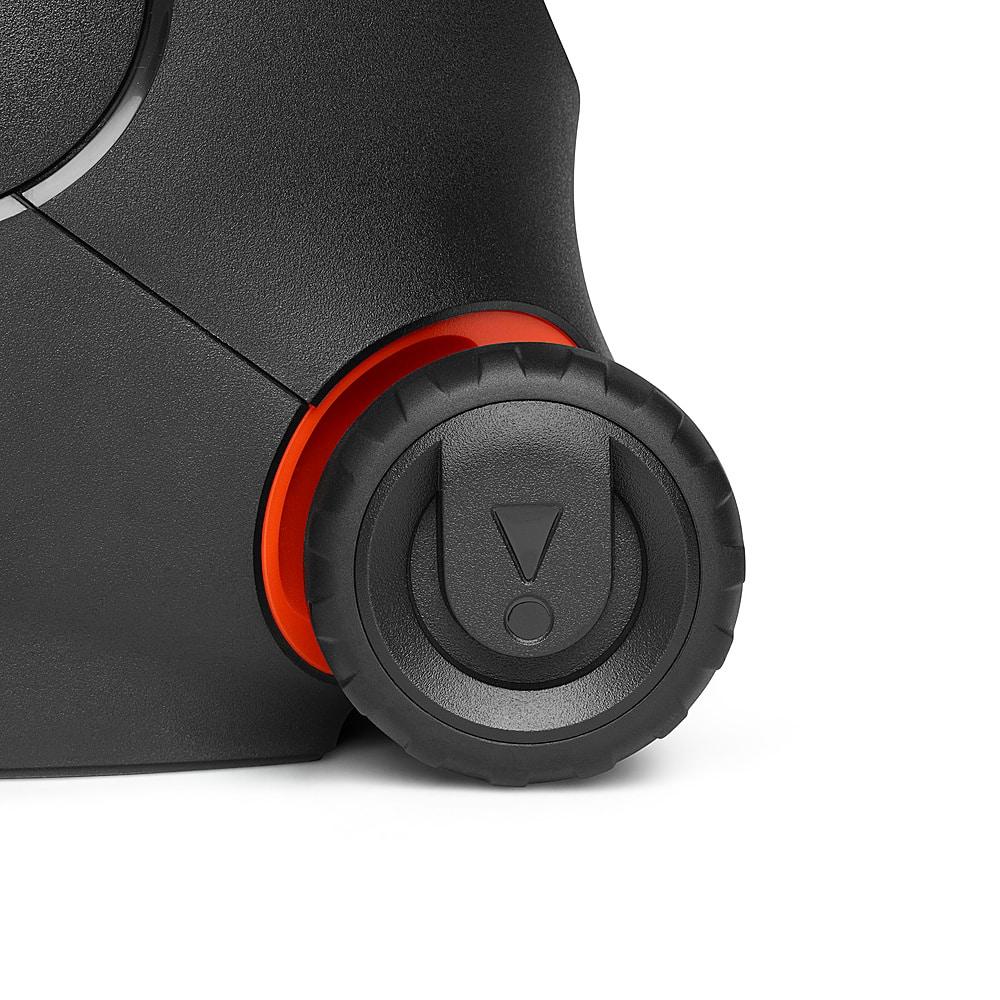
Beyond water resistance, the JBL's build quality emphasizes durability through frequent transport and setup. Its wheel system feels robust and rolls smoothly over various surfaces, while the speaker cabinet appears designed to withstand the inevitable bumps and scrapes of regular party use.
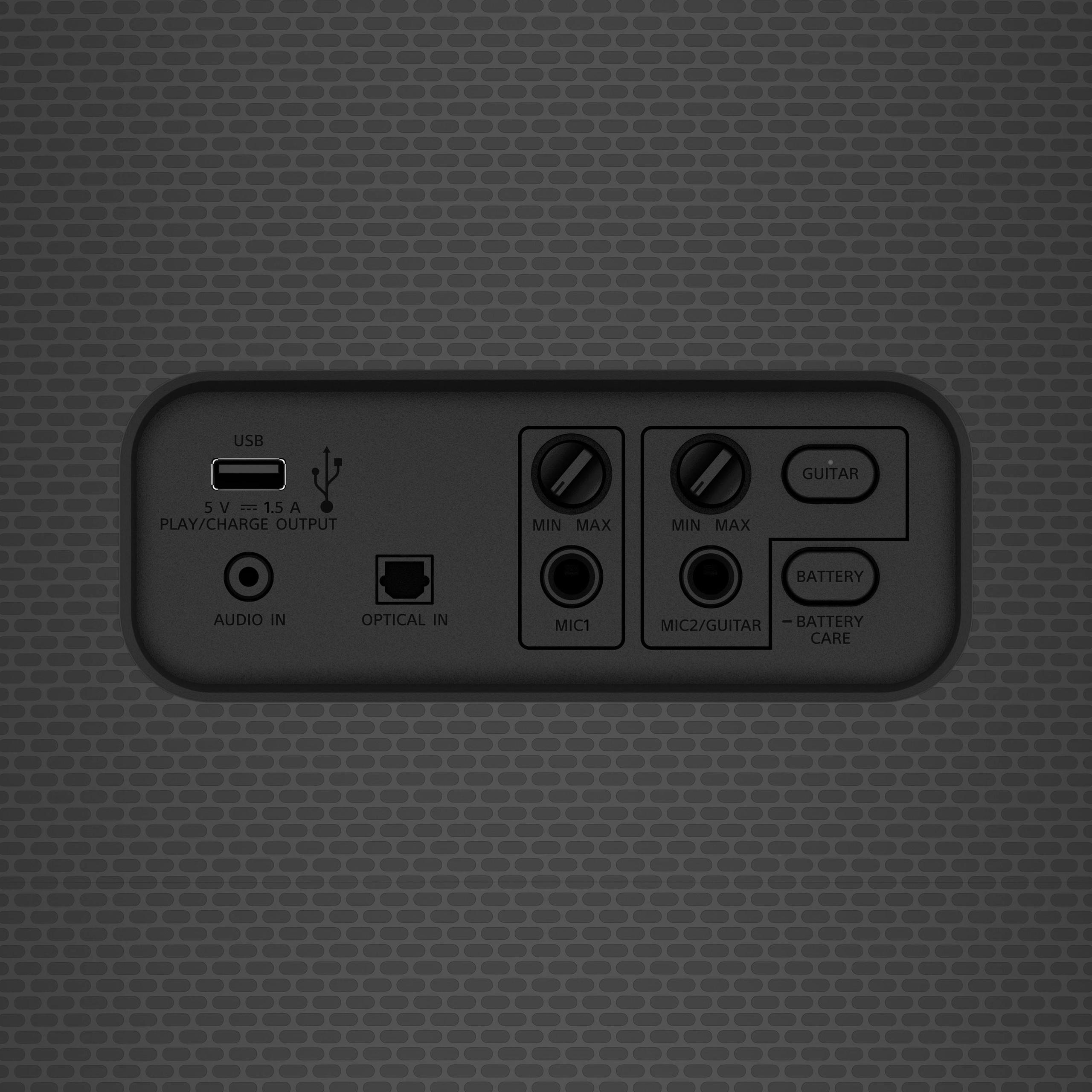
The Sony SRS-XV900 lacks any official IP rating, making it vulnerable to moisture damage. While it can certainly handle indoor use and covered outdoor areas, exposure to rain, pool splash, or even heavy humidity could potentially cause problems. This limitation is particularly significant given the speaker's premium pricing and target use cases.
The Sony's wheels, while functional, feel less substantial than the JBL's design. Several user reviews mention concerns about wheel durability over time, though the lighter overall weight (58.6 pounds versus 61.3 pounds for the JBL) reduces stress on the mobility system.
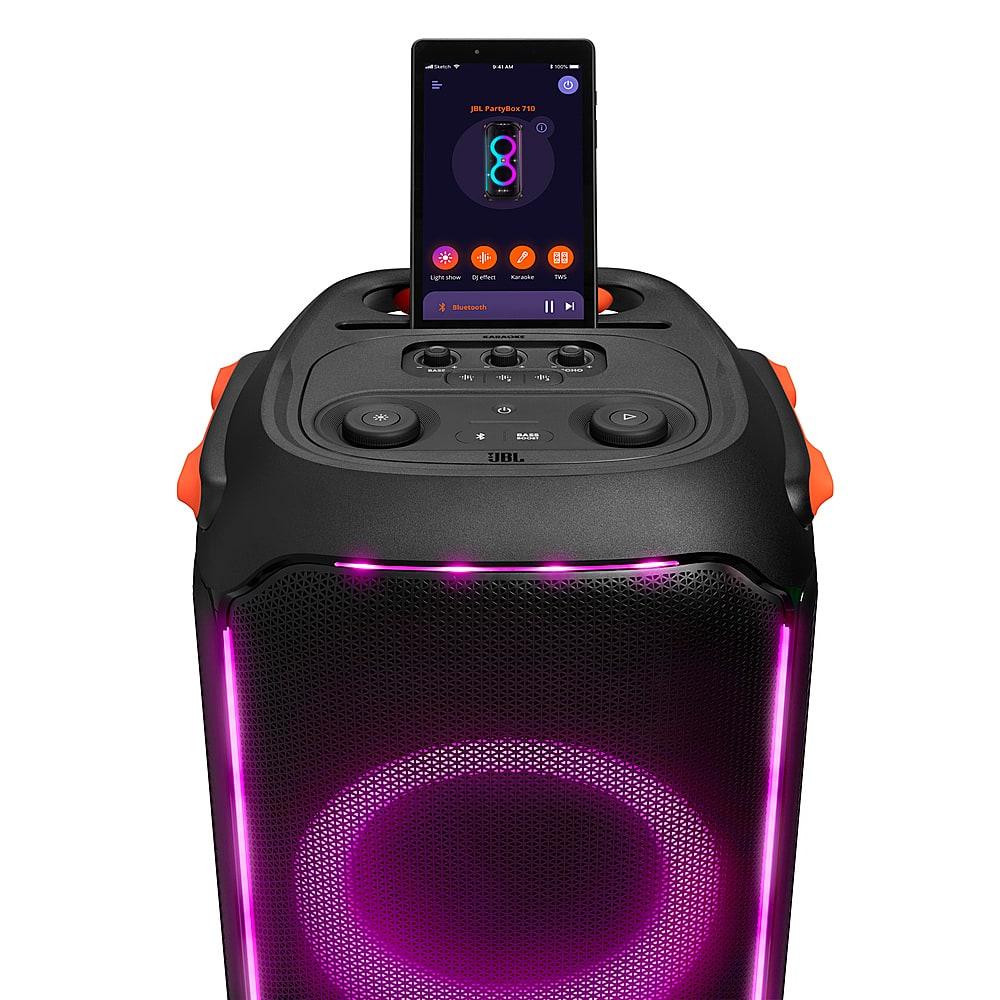
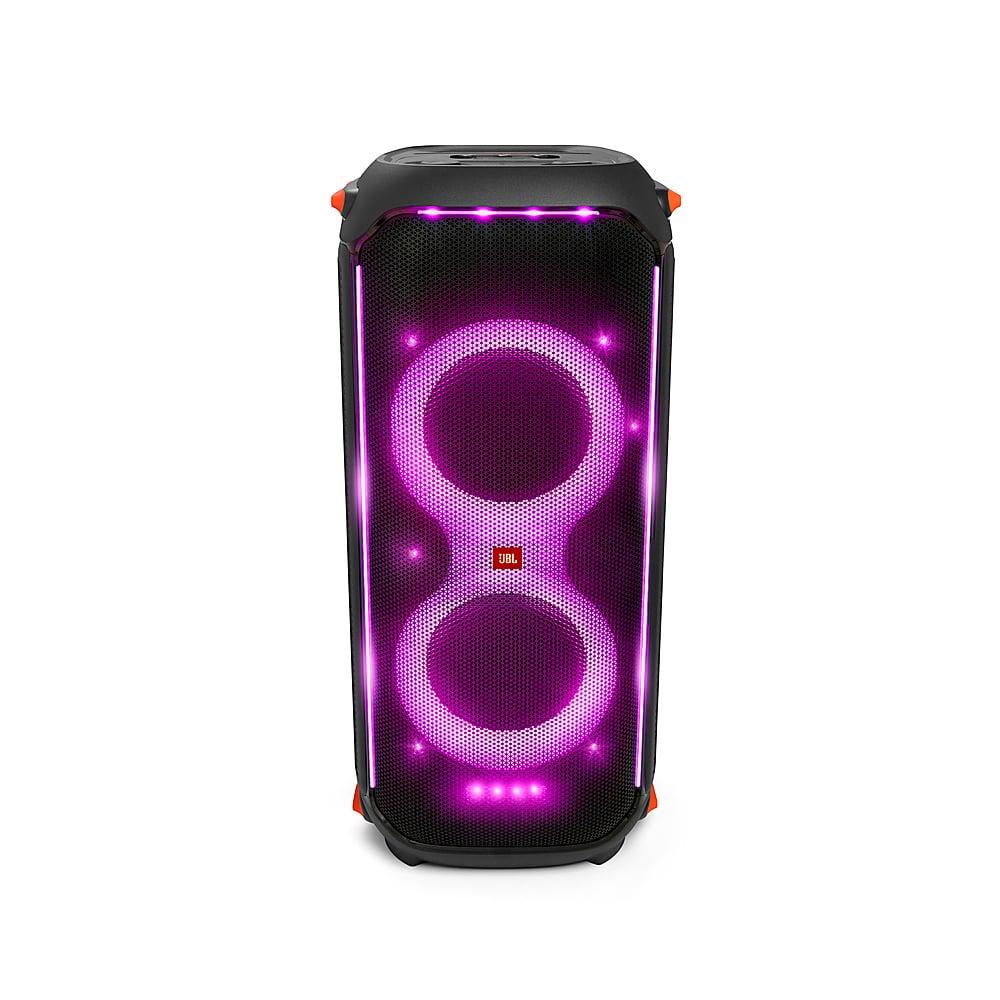
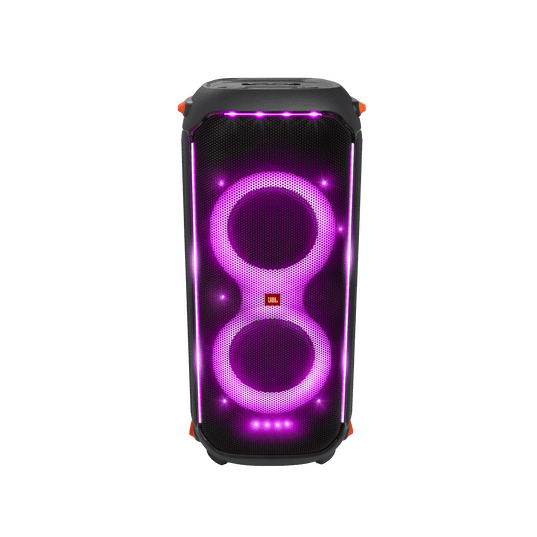
Both speakers recognize that modern party speakers need visual appeal beyond just audio performance. The JBL PartyBox 710 takes an aggressive approach with wraparound LED strips, illuminated woofer rings, and customizable strobe effects. The lighting system offers multiple patterns including starry night effects and club-style flashing that synchronizes with music playback.
JBL's PartyBox app provides real-time lighting control, allowing users to adjust colors, patterns, and intensity to match the party atmosphere. The lighting effects are genuinely impressive—bright enough to provide meaningful visual impact even in well-lit environments.
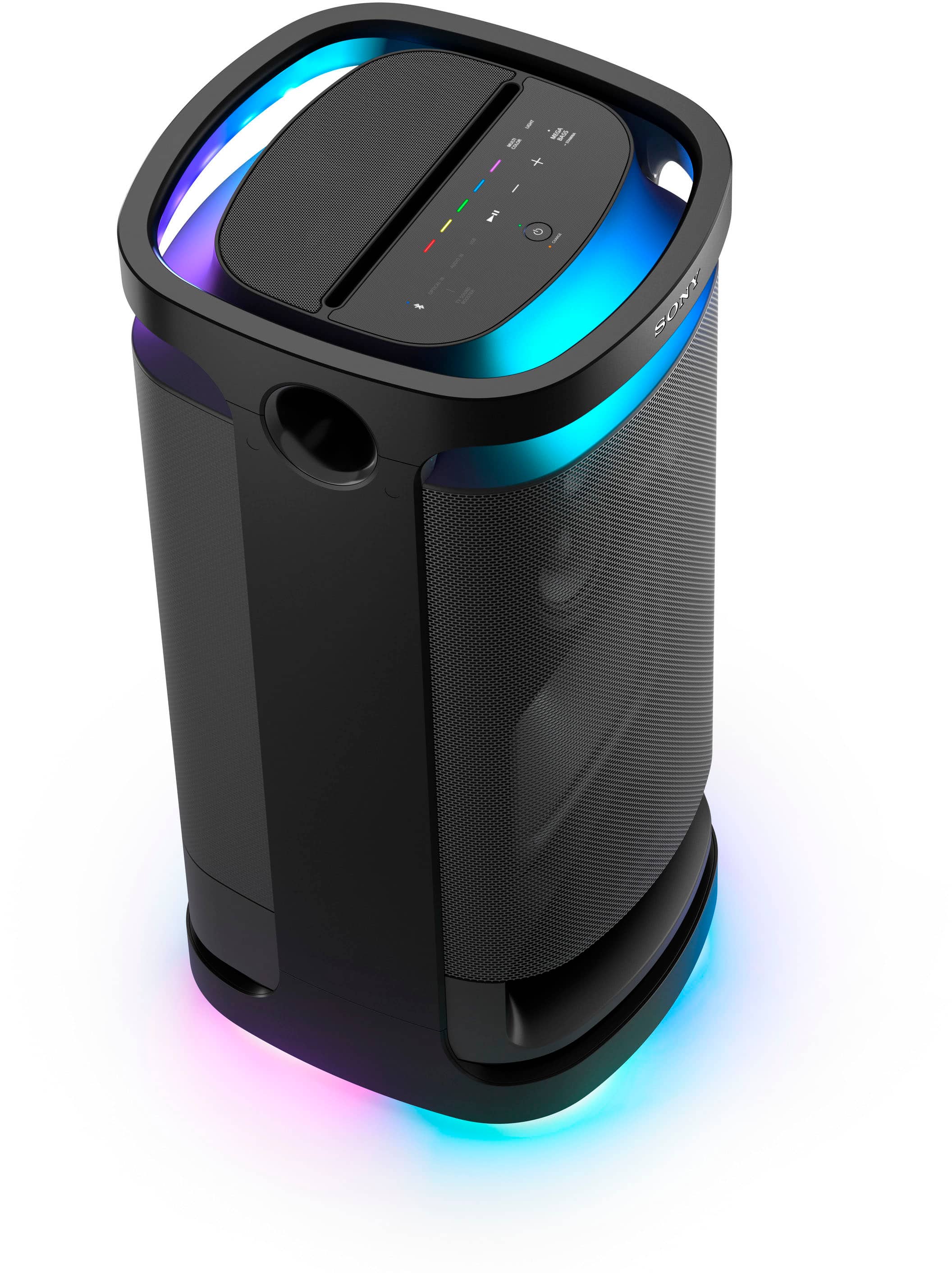
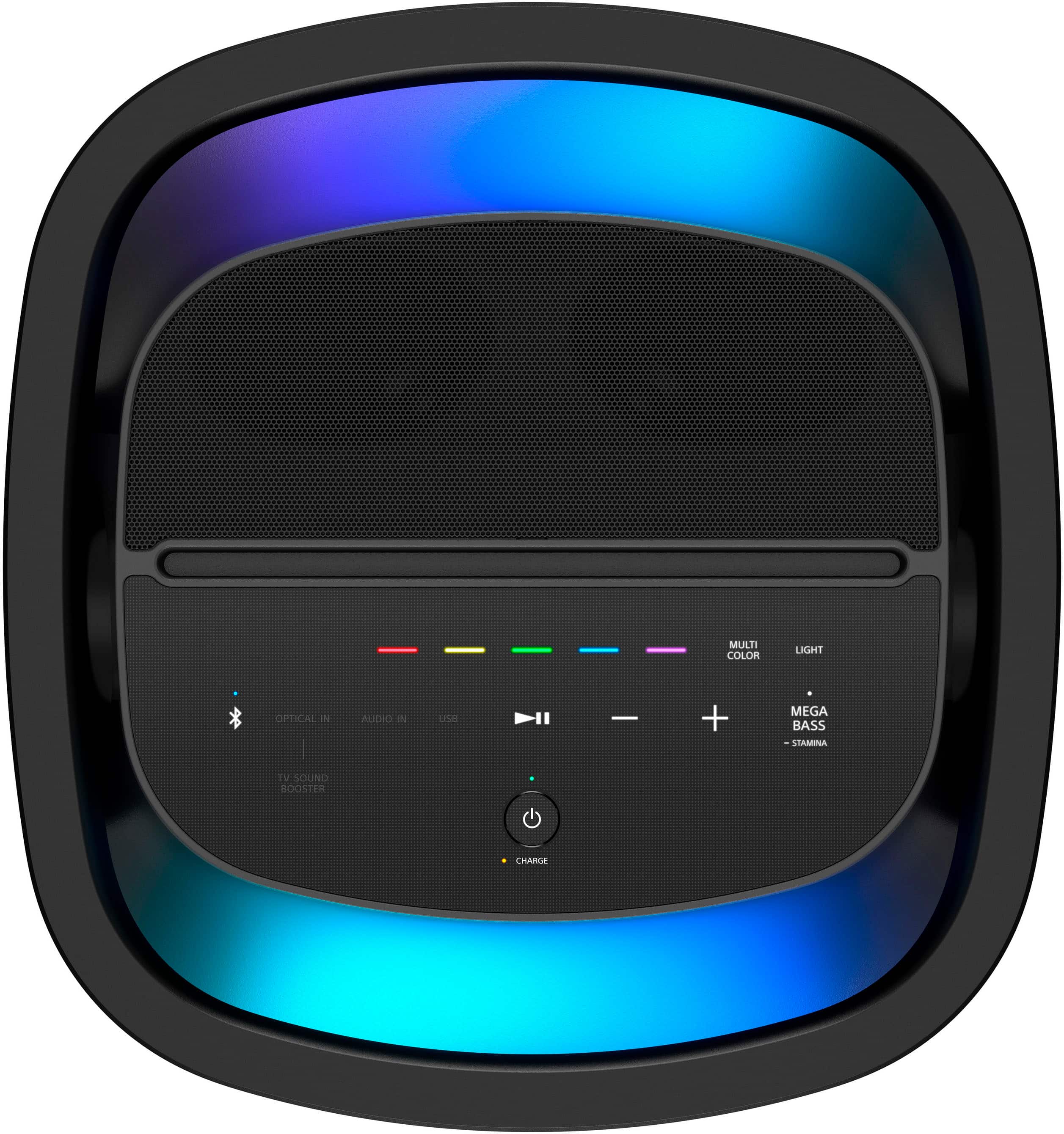
The Sony SRS-XV900 pursues subtler visual enhancement with two LED rings (top and bottom) plus under-handle lighting. The effects are customizable through Sony's Music Center app but prioritize sophisticated ambiance over high-energy party effects. This approach may appeal to users who want visual interest without overwhelming brightness or aggressive flashing.
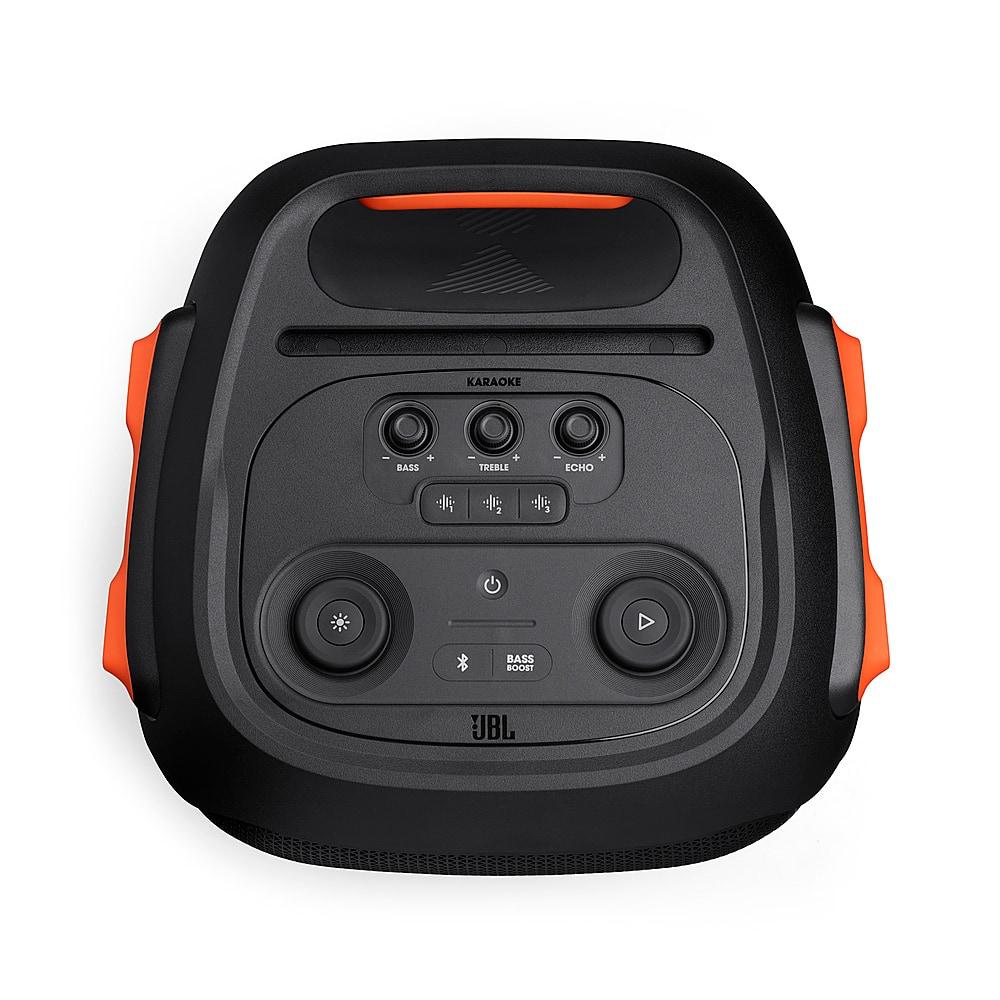
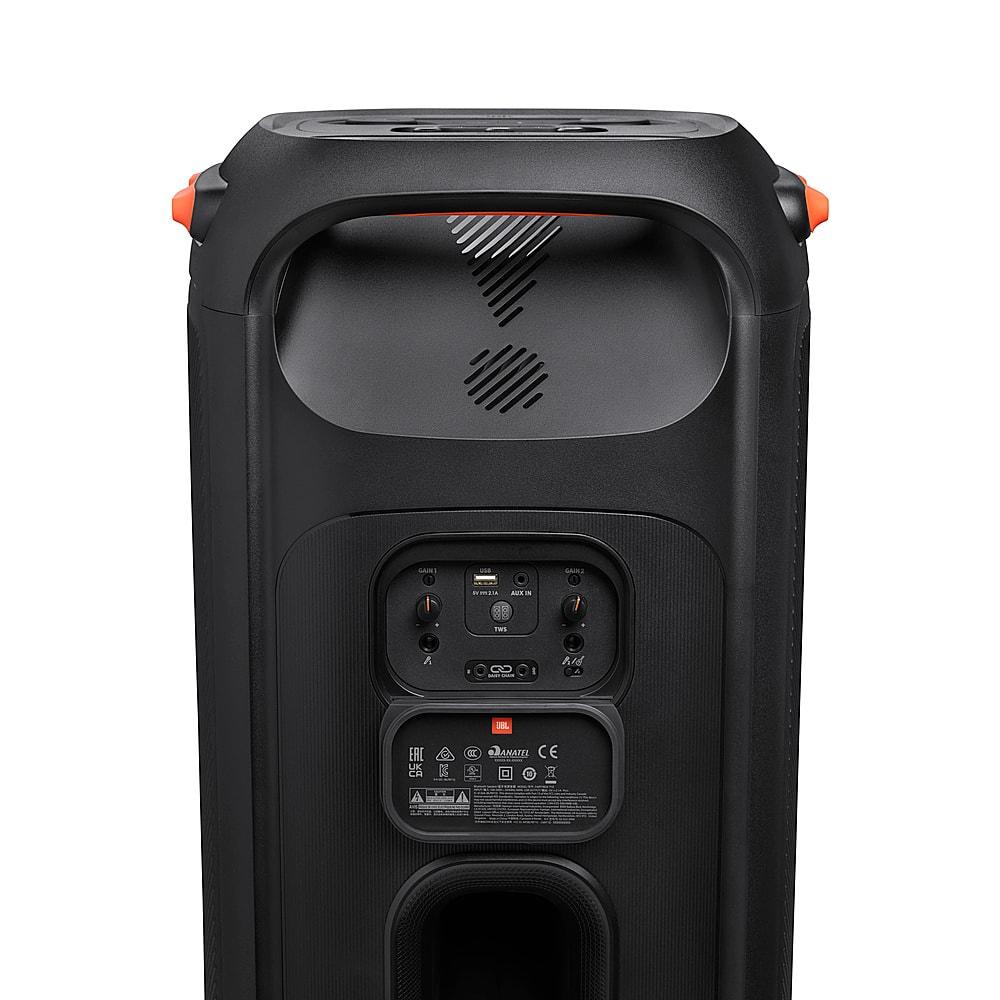
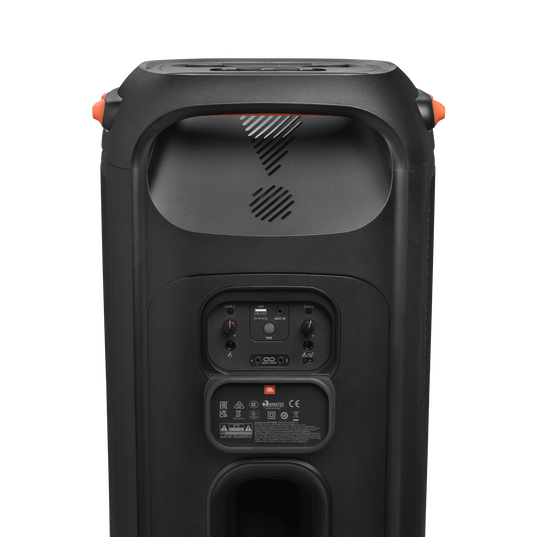
For karaoke functionality, the JBL PartyBox 710 provides superior real-time control with dedicated physical knobs for microphone bass, treble, and echo adjustment directly on the speaker. This hands-on approach proves invaluable during live performance when immediate adjustments are necessary.
The Sony SRS-XV900 handles karaoke through its companion app, offering features like voice changing effects and scoring systems. While potentially more feature-rich, the app-dependent approach can feel cumbersome when quick adjustments are needed mid-song.
The Sony SRS-XV900 offers a unique advantage for home entertainment with its optical digital input, allowing direct connection to TVs and other digital audio sources. Combined with a dedicated TV Sound Booster mode, this makes the Sony a viable soundbar alternative for rooms where traditional home theater setups aren't practical.
The optical input handles uncompressed digital audio, potentially providing better sound quality than Bluetooth for TV content. The Sony's balanced frequency response and omnidirectional design work well for dialogue clarity and ambient audio reproduction—qualities that matter more for TV and movie content than for party music.
The JBL PartyBox 710 lacks optical input and its V-shaped frequency response makes it less suitable for TV audio, where midrange clarity for dialogue takes priority over enhanced bass and treble.
At the time of writing, both speakers command premium prices in the portable party speaker category, with the Sony typically commanding a slight premium over the JBL. The price difference reflects their different feature sets rather than pure performance hierarchy.
The JBL PartyBox 710 delivers exceptional value for users prioritizing maximum audio impact. Its combination of high volume output, deep bass response, weather resistance, and robust build quality justifies the investment for power-focused applications. The AC-only operation actually reduces long-term ownership costs by eliminating battery replacement concerns.
The Sony SRS-XV900's higher price reflects its additional versatility—battery operation, omnidirectional sound, TV integration, and more sophisticated app control. These features command a premium but provide genuine utility for users who value flexibility over maximum performance.
Consider total cost of ownership when making your decision. The Sony's battery will eventually require replacement or significantly impact performance, potentially adding several hundred dollars to the long-term cost. The JBL's simpler design and AC-only operation should provide consistent performance for many years without major service requirements.
Choose the JBL PartyBox 710 if maximum volume and bass impact are your priorities. It's ideal for users who consistently have access to electrical outlets and want the loudest, most powerful sound possible. The splash-proof design and rugged construction make it perfect for backyard parties, poolside gatherings, and any scenario where you might encounter moisture or rough handling.
The JBL also suits users who frequently host karaoke sessions or live performances, thanks to its superior real-time control options. If you're planning to use your speaker primarily as a party centerpiece where audio impact matters more than battery convenience, the JBL delivers better value.
Choose the Sony SRS-XV900 if portability and versatility are your main concerns. The 25-hour battery life opens up use cases impossible with AC-only speakers, while the omnidirectional sound design provides more consistent coverage in varied environments. The TV integration capability makes it uniquely valuable for users who want a single speaker handling both party and home theater duties.
The Sony's more balanced sound signature also suits users with diverse musical preferences who want quality reproduction across multiple genres rather than a bass-heavy party focus.
Both speakers excel in their intended roles, but they serve different user priorities. The JBL PartyBox 710 maximizes audio impact and durability for users with consistent power access, while the Sony SRS-XV900 provides superior versatility and mobility for users who value convenience and balanced performance.
Your choice ultimately depends on whether you prioritize maximum performance in controlled environments or prefer the flexibility to use your speaker anywhere. Either way, you're getting a genuinely impressive party speaker that will handle serious gatherings with authority—just with different strengths and trade-offs that align with different use cases and preferences.
| JBL PartyBox 710 | Sony SRS-XV900 |
|---|---|
| Maximum Volume Output - Critical for outdoor events and large spaces | |
| 111.3 dB peak (exceptionally loud, fills 1/3 acre) | 105-109 dB estimated (loud but noticeably quieter) |
| Power Source - Determines where you can use the speaker | |
| AC-only (unlimited runtime, requires outlet access) | 25-hour battery + AC (true portability, eventual replacement needed) |
| RMS Power Output - Sustained loudness without distortion | |
| 800W RMS (maintains high volume consistently) | ~100W consumption (RMS not specified by Sony) |
| Bass Extension - How deep the low-end frequencies go | |
| 35Hz (deep, impactful bass for party music) | 20Hz claimed (balanced bass, weakens at high volume) |
| Weather Resistance - Protection for outdoor use | |
| IPX4 splash-proof (handles poolside and light rain) | No IP rating (indoor/covered outdoor only) |
| Sound Design - How audio is distributed in space | |
| Directional (powerful front-firing, best positioned facing audience) | Omnidirectional (360° coverage with 6 tweeters, consistent throughout room) |
| Weight - Impacts true portability despite wheels | |
| 61.3 lbs (heavier but no battery to degrade) | 58.6 lbs (lighter with 25-hour battery included) |
| Frequency Response - Range of audio reproduction | |
| 35Hz-20kHz (V-shaped: boosted bass/treble, recessed mids) | 20Hz-20kHz (more balanced across all frequencies) |
| Lighting Effects - Visual party atmosphere enhancement | |
| Dynamic strobes, starry night, wraparound LEDs (aggressive party effects) | Two LED rings, subtle ambiance (sophisticated, less intense) |
| Karaoke Controls - Real-time audio adjustment capability | |
| Physical knobs for bass, treble, echo on speaker (immediate adjustment) | App-based control with voice effects (feature-rich but less immediate) |
| Multi-Speaker Connectivity - Expanding your sound system | |
| TWS stereo pairing with another PartyBox 710 only | Party Connect up to 100 Sony speakers, stereo pairing with another SRS-XV900 |
| TV Integration - Home theater versatility | |
| Bluetooth/AUX only (party-focused, not ideal for TV audio) | Optical input + TV Sound Booster mode (doubles as soundbar alternative) |
| Long-term Ownership Cost - Total investment over time | |
| Lower (no battery degradation, splash-proof durability) | Higher (eventual battery replacement, weather vulnerability) |
The JBL PartyBox 710 is significantly louder, reaching peak volumes of 111.3 dB compared to the Sony SRS-XV900's estimated 105-109 dB range. This 3-6 dB difference represents nearly double the perceived loudness, making the JBL PartyBox 710 better suited for large outdoor events and competing with ambient noise.
The Sony SRS-XV900 includes a built-in battery providing up to 25 hours of playback, making it truly portable. The JBL PartyBox 710 requires constant AC power and has no battery, limiting its use to areas with electrical outlets but providing unlimited runtime without power degradation.
The JBL PartyBox 710 delivers deeper, more impactful bass that extends down to 35Hz and maintains its punch even at maximum volume. While the Sony SRS-XV900 claims lower frequency response on paper, users report its bass weakens at high volume levels, making the JBL PartyBox 710 superior for bass-heavy genres like EDM and hip-hop.
Only the JBL PartyBox 710 offers weather protection with its IPX4 splash-proof rating, making it suitable for poolside parties and light rain. The Sony SRS-XV900 has no water resistance rating and should only be used indoors or in covered outdoor areas to avoid moisture damage.
The Sony SRS-XV900 provides more balanced sound across all frequencies with dedicated midrange drivers, making it better for vocals, acoustic music, and diverse playlists. The JBL PartyBox 710 uses a V-shaped frequency response that emphasizes bass and treble, making it ideal for modern party music but potentially overwhelming for softer genres.
The JBL PartyBox 710 features aggressive party lighting with dynamic strobes, starry night effects, and wraparound LED strips that create an energetic club atmosphere. The Sony SRS-XV900 offers more subtle lighting with customizable LED rings that provide ambient enhancement without overwhelming brightness, appealing to users who prefer sophisticated visual effects.
Both speakers weigh around 60 pounds and include wheels and handles, but the Sony SRS-XV900 has a slight advantage at 58.6 pounds versus 61.3 pounds for the JBL PartyBox 710. However, the Sony's battery power makes it truly portable to any location, while the JBL requires access to electrical outlets.
Both speakers support karaoke with microphone inputs, but the JBL PartyBox 710 offers superior control with dedicated physical knobs for bass, treble, and echo adjustment directly on the speaker. The Sony SRS-XV900 provides karaoke features through its app, including voice effects and scoring, but requires using your phone for adjustments.
The Sony SRS-XV900 is significantly better for home theater applications, featuring an optical digital input for direct TV connection and a dedicated TV Sound Booster mode that enhances dialogue clarity. The JBL PartyBox 710 lacks these features and its bass-heavy sound signature isn't ideal for TV audio where vocal clarity matters most.
Both speakers support multi-speaker connectivity but with different approaches. The JBL PartyBox 710 can pair with another PartyBox 710 for true wireless stereo sound. The Sony SRS-XV900 supports Sony's Party Connect system, allowing up to 100 compatible speakers to be linked together, plus stereo pairing with another SRS-XV900.
The JBL PartyBox 710 provides better value for users prioritizing maximum volume and bass impact, offering superior audio performance and weather resistance. The Sony SRS-XV900 commands a premium for its battery operation, TV integration, and omnidirectional sound design, making it better value for users who need versatility and portability over raw power.
The JBL PartyBox 710's main drawbacks are its requirement for constant AC power and somewhat unbalanced sound that can overwhelm vocals. The Sony SRS-XV900's primary limitations include lack of weather resistance, lower maximum volume, and eventual battery replacement costs that increase long-term ownership expenses.
We've done our best to create useful and informative comparisons to help you decide what product to buy. Our research uses advanced automated methods to create this comparison and perfection is not possible - please contact us for corrections or questions. These are the sites we've researched in the creation of this article: rtings.com - audioadvice.com - crutchfield.com - youtube.com - bestbuy.com - rtings.com - youtube.com - youtube.com - youtube.com - versus.com - worldwidestereo.com - rtings.com - jbl.com - youtube.com - expertvoice.com - jbl.com - jbl.com.tw - robot-advance.com - youtube.com - hu.harmanaudio.com - onward.ph - harmanaudio.in - youtube.com - youtube.com - manuals.plus - global.jbl.com - de.jbl.com - ro.harmanaudio.com - bestbuy.com - youtube.com - crutchfield.com - versus.com - youtube.com - versus.com - youtube.com - comparisontabl.es - tech.hindustantimes.com - youtube.com - electronics.sony.com - youtube.com - crutchfield.com - centresdirect.co.uk - sony-asia.com - nikktech.com - sony.com - youtube.com - reliancedigital.in - sonyworld.ae - sony.com - shopjetson.com - bestbuy.com - versus.com

Privacy Policy
Terms and Conditions - Affiliate Policy
Home Security
© Copyright 2008-2026.
11816 Inwood Rd #1211, Dallas, TX 75244