

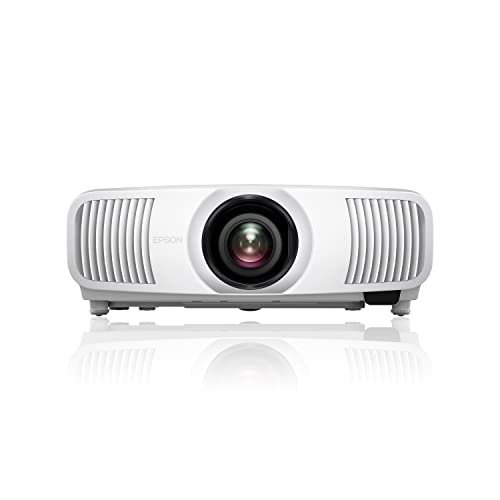
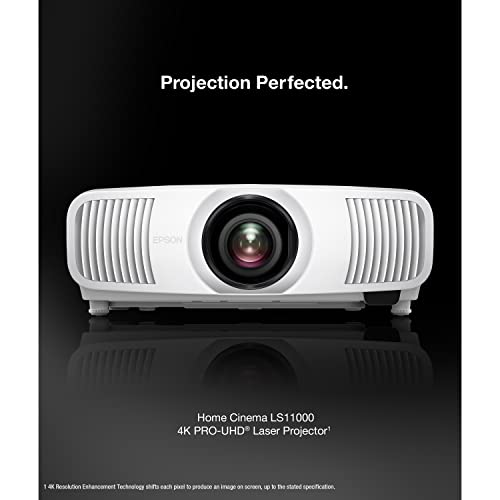
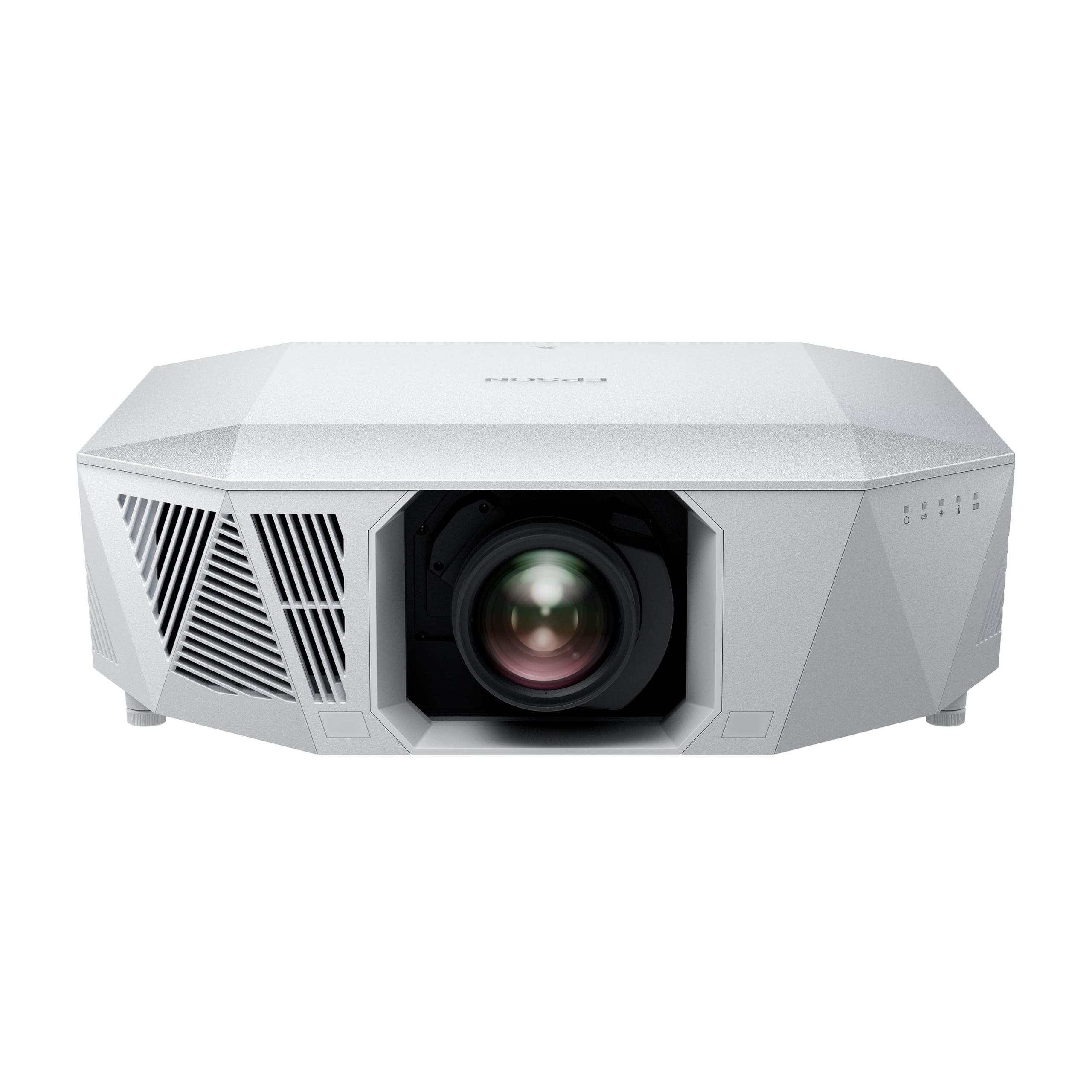

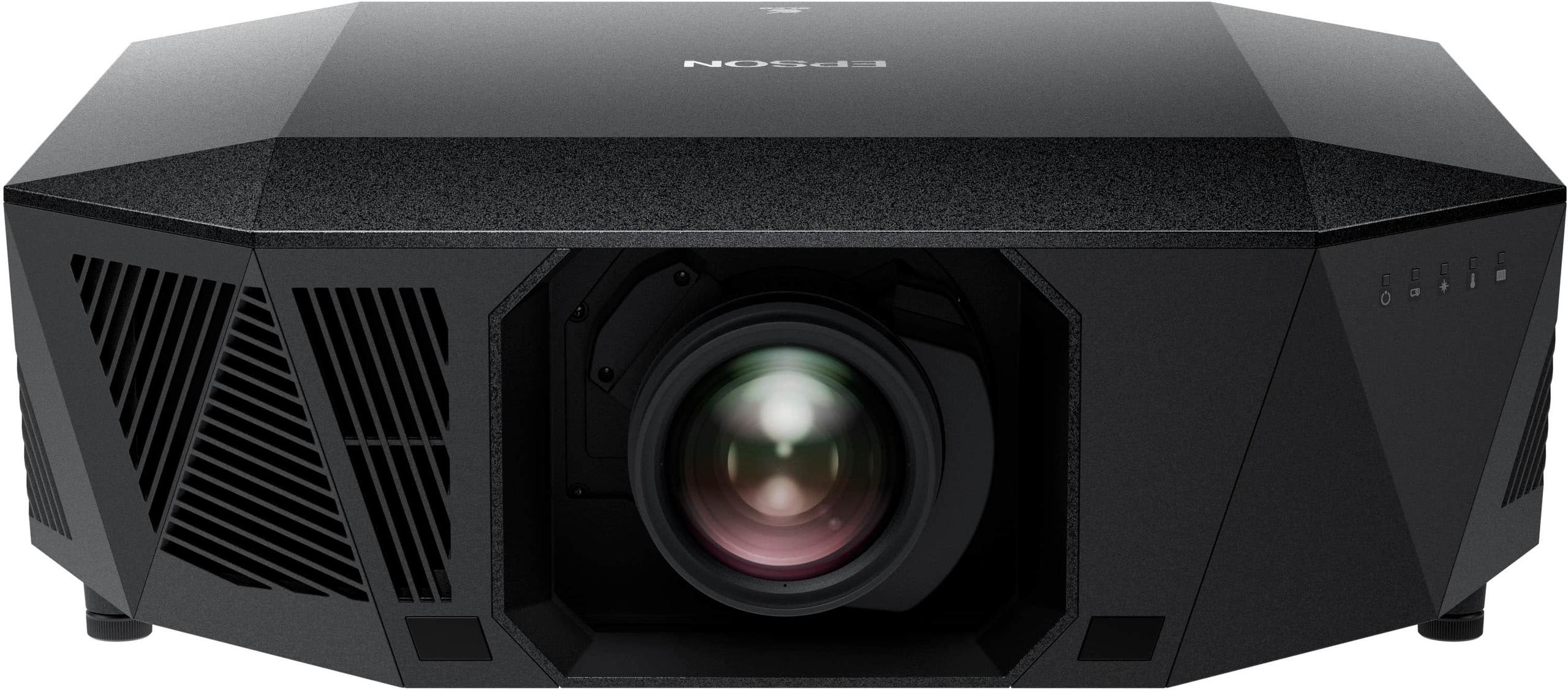
If you're serious about home theater and ready to invest in a premium laser projector, you've likely encountered two standout options from Epson: the Home Cinema LS11000 and the QL3000. Both represent cutting-edge laser projection technology, but they serve dramatically different needs and budgets. At the time of writing, these projectors sit at opposite ends of the premium market, with the LS11000 targeting enthusiast home theaters and the QL3000 pushing into ultra-premium territory typically reserved for commercial installations.
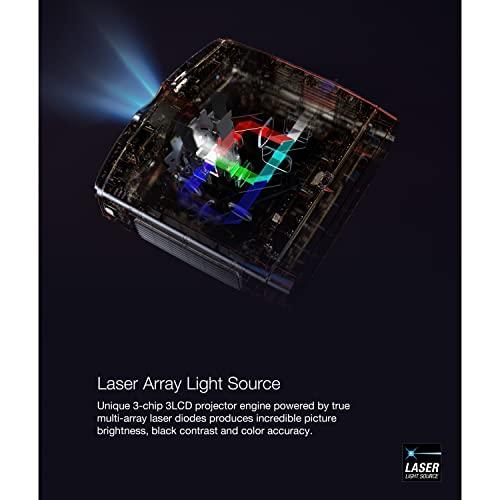
Before diving into specifics, it's worth understanding what makes laser projectors special. Unlike traditional lamp-based projectors that use bulbs lasting 2,000-5,000 hours, laser projectors use solid-state light sources lasting 20,000+ hours. This means no lamp replacements, consistent brightness over time, and instant on/off capability. The "laser" in these projectors typically refers to blue laser diodes that excite phosphor materials to create the full spectrum of colors needed for projection.
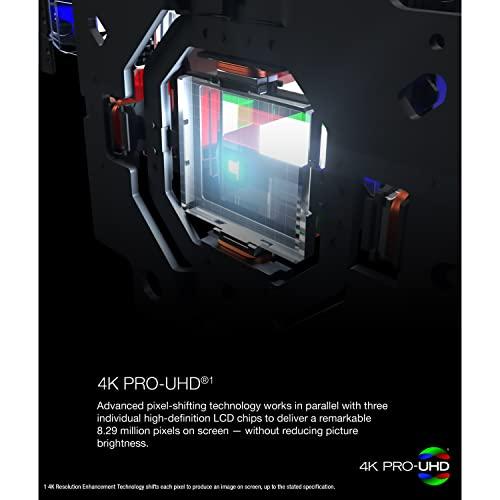
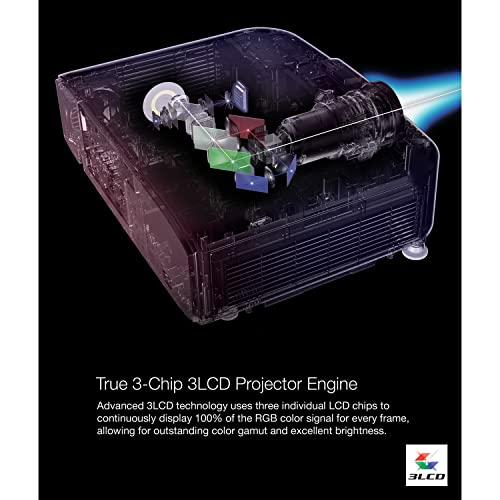
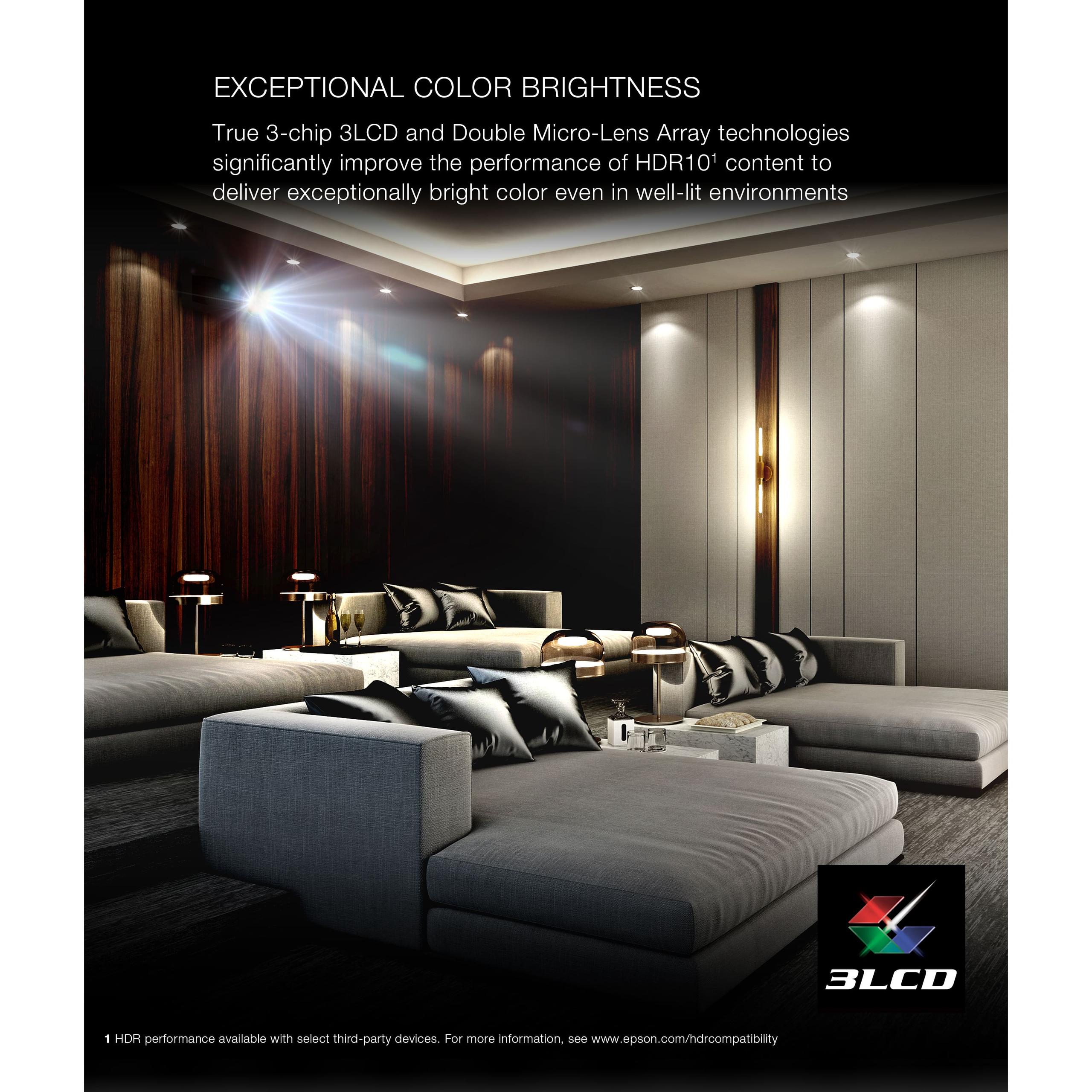
Both projectors use 3LCD technology, which employs three separate LCD panels (one each for red, green, and blue) to create the final image. This differs from single-chip DLP projectors and eliminates the "rainbow effect" some people see with DLP systems—those brief flashes of color that can appear during rapid eye movements.
The LS11000 launched in 2022 as Epson's flagship home theater projector, designed to bring professional-grade image quality to dedicated theater rooms. It represents the culmination of Epson's pixel-shifting technology, which takes native 1080p panels and rapidly shifts each pixel to create an effective 4K image with 8.29 million pixels on screen.
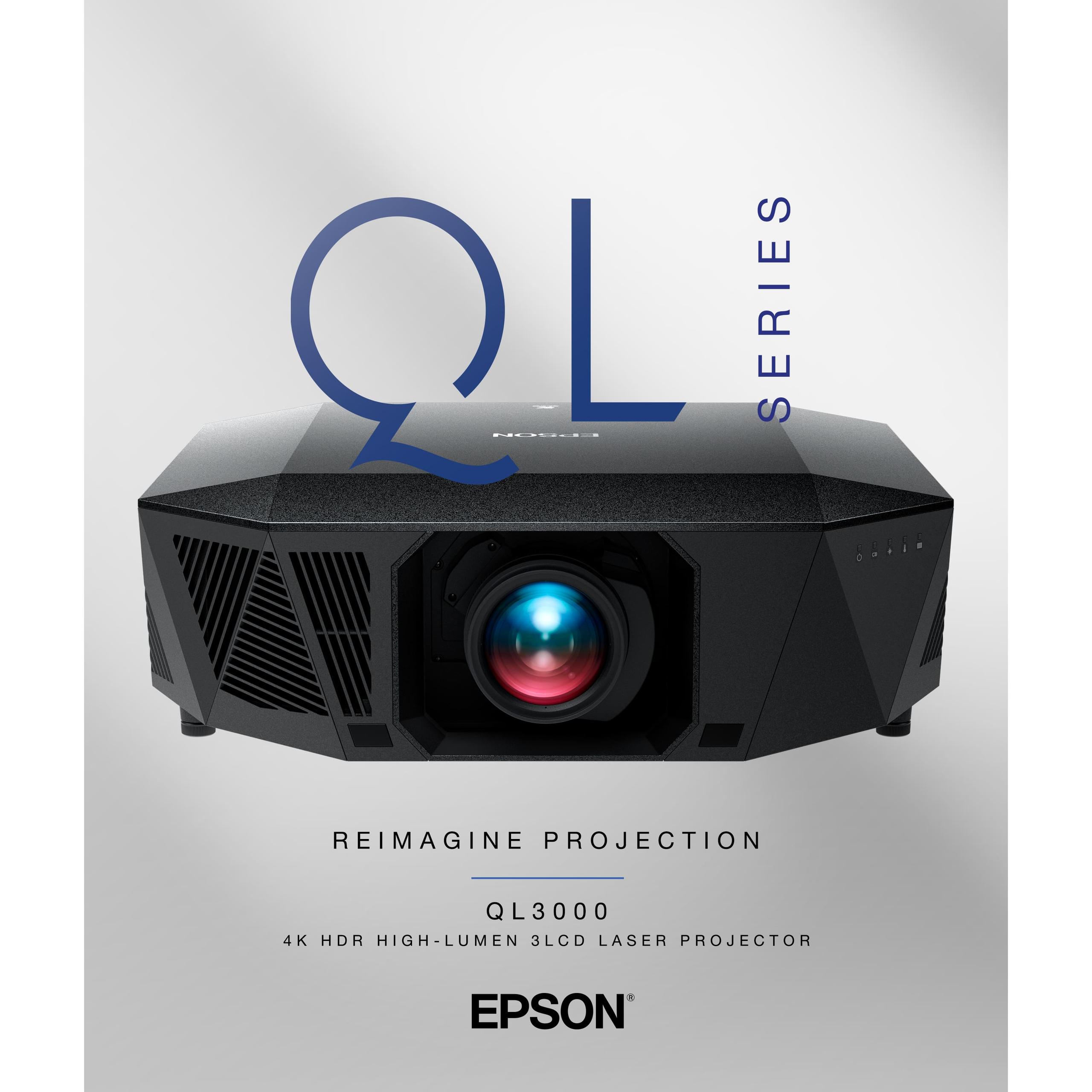
The QL3000, released in late 2024, takes a completely different approach. It's part of Epson's new QL-Series, designed for installations where traditional home theater projectors simply can't deliver adequate performance. At the time of writing, the QL3000 costs roughly four times more than the LS11000, but that price difference reflects fundamental differences in capability and target market.
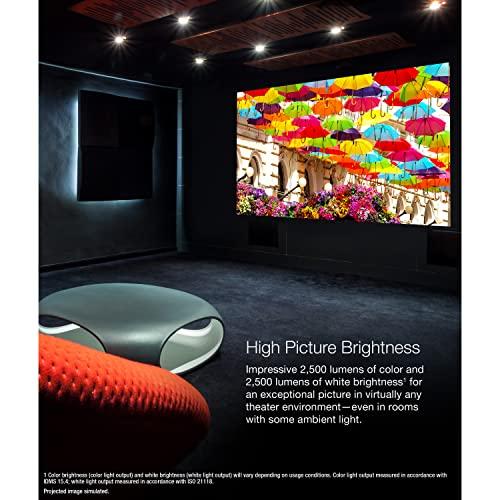
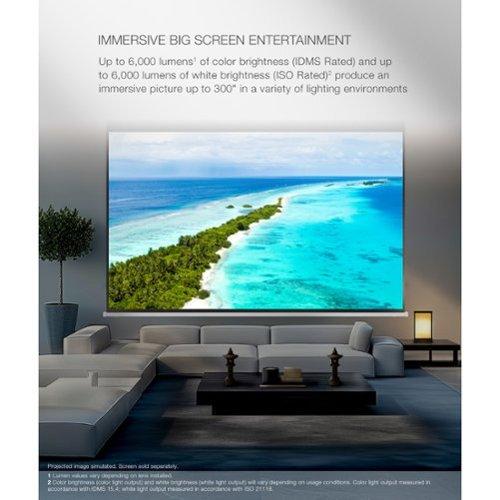
The most dramatic difference between these projectors is brightness output. The LS11000 delivers 2,500 lumens—already bright for a home theater projector—while the QL3000 pumps out an impressive 6,000 lumens. To put this in perspective, most premium home theater projectors max out around 3,000 lumens, making the QL3000 more comparable to commercial-grade equipment.
This brightness difference isn't just about bigger numbers. Higher brightness enables several practical benefits. First, it allows for larger screen sizes while maintaining image quality. Where the LS11000 excels on screens up to 150-180 inches in controlled lighting, the QL3000 can deliver stunning images on screens approaching 300 inches. Second, brightness helps overcome ambient light, making the QL3000 suitable for multipurpose rooms where complete blackout isn't possible.
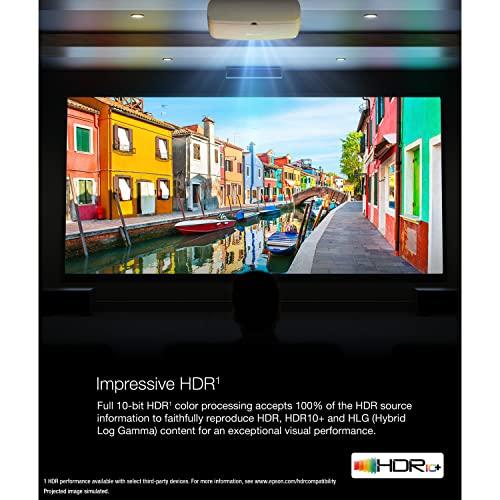
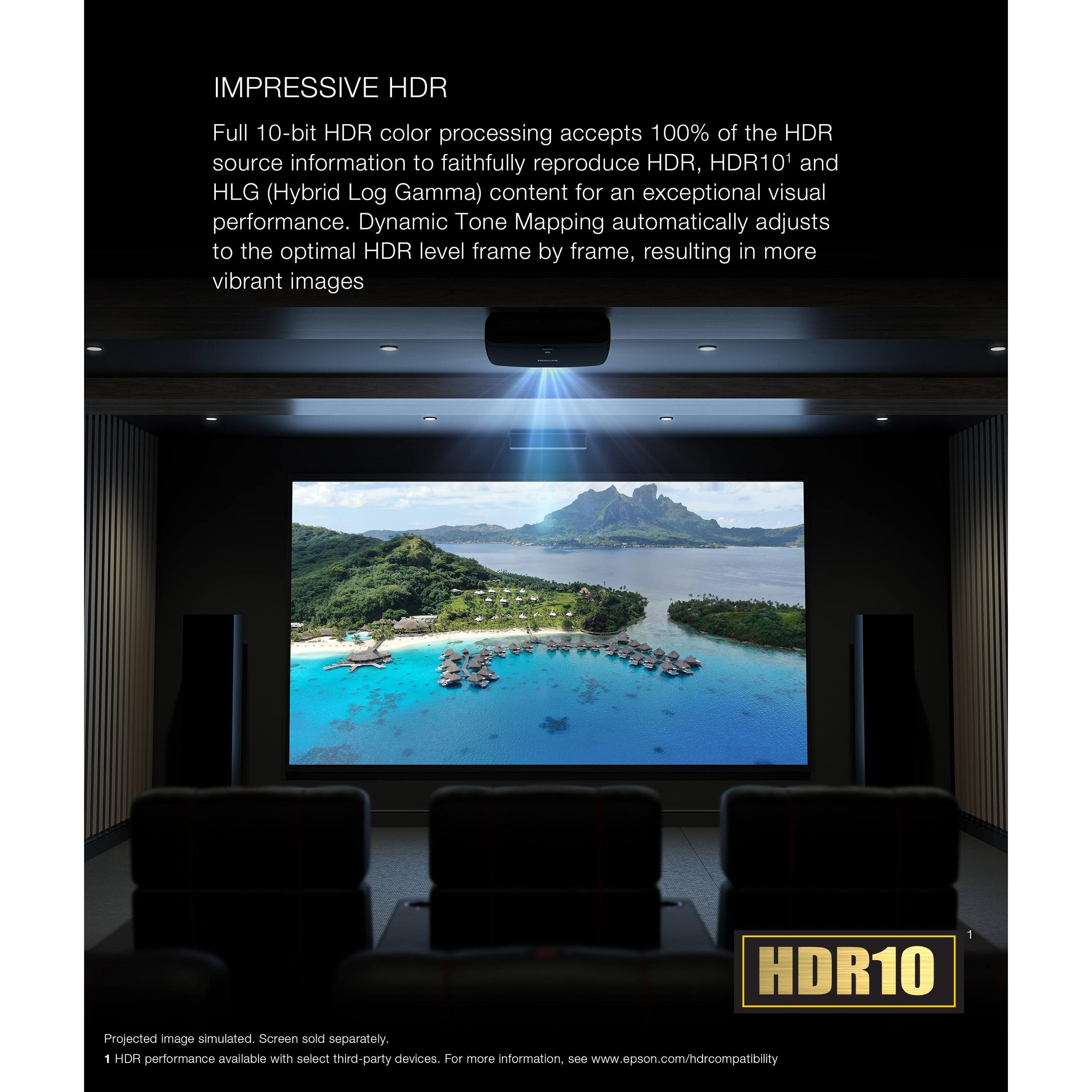
HDR (High Dynamic Range) content particularly benefits from higher brightness. HDR standards assume displays capable of 1,000+ nits peak brightness, but most projectors struggle to achieve even 100 nits on large screens. The QL3000's massive light output can actually deliver over 300 nits on a 160-inch screen, bringing HDR performance much closer to what content creators intended.
Both projectors achieve 4K resolution through pixel-shifting rather than native 4K panels. This might sound like a compromise, but modern pixel-shifting has become remarkably sophisticated. The LS11000 uses Epson's 4K PRO-UHD technology with a Precision Shift Glass Plate that rapidly moves pixels diagonally and horizontally, effectively quadrupling the visible resolution from the native 1080p panels.
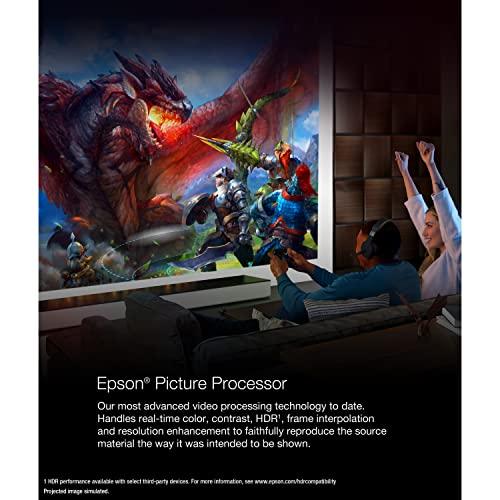
The QL3000 employs an even more advanced version of this technology, combined with Epson's newest 32-bit QZX Picture Processor. This processor handles real-time optimization of color, contrast, and HDR tone mapping, analyzing each scene and adjusting the image dynamically. The result is automatic optimization that adapts to different content without requiring manual adjustments.
Contrast performance—the difference between the darkest blacks and brightest whites—tells an interesting story. The LS11000 achieves impressive native contrast ratios, particularly in controlled lighting where its lower brightness actually becomes an advantage. Dark scenes maintain excellent shadow detail without the slight gray appearance that can plague very bright projectors.
The QL3000 compensates for its higher brightness with sophisticated dynamic laser dimming and Scene Adaptive Gamma technology. This system analyzes picture content in real-time and adjusts the laser output and gamma curve to extract maximum detail from both highlights and shadows. While its native contrast measurements are good rather than exceptional, the overall perceived contrast in real-world viewing can be stunning, especially with HDR content.
Both projectors excel for gaming, but with different strengths. The LS11000 achieves input lag below 20 milliseconds at 4K/120Hz, making it competitive with many gaming monitors. Its dual HDMI 2.1 ports support 40 Gbps bandwidth, handling next-generation console gaming with room to spare.
The QL3000 provides full 48 Gbps HDMI 2.1 connectivity and includes Auto Low Latency Mode (ALLM), which automatically switches to the fastest processing mode when gaming sources are detected. Input lag measures around 21 milliseconds—still excellent for a projector, though marginally higher than the LS11000.
For gaming, the brightness advantage of the QL3000 becomes particularly relevant with HDR games. Many modern titles use HDR to create more realistic lighting effects, from sunlight streaming through windows to explosions that genuinely feel bright. The QL3000's extra brightness makes these effects more convincing and closer to what developers intended.
Here's where the projectors diverge most dramatically in philosophy. The LS11000 includes everything needed for installation: a high-quality motorized lens with 2.1x zoom, powered focus, and extensive lens shift capabilities. Lens shift is crucial for projector placement—it allows you to position the projector off-center from the screen while maintaining a perfectly rectangular image. The LS11000 offers ±47% horizontal and ±96% vertical lens shift, providing exceptional placement flexibility.
The lens also includes memory settings, allowing you to save different zoom and shift positions. This is particularly useful if you watch both standard 16:9 content and ultra-wide 2.35:1 movies on the same screen—you can instantly switch between optimized settings with the remote.
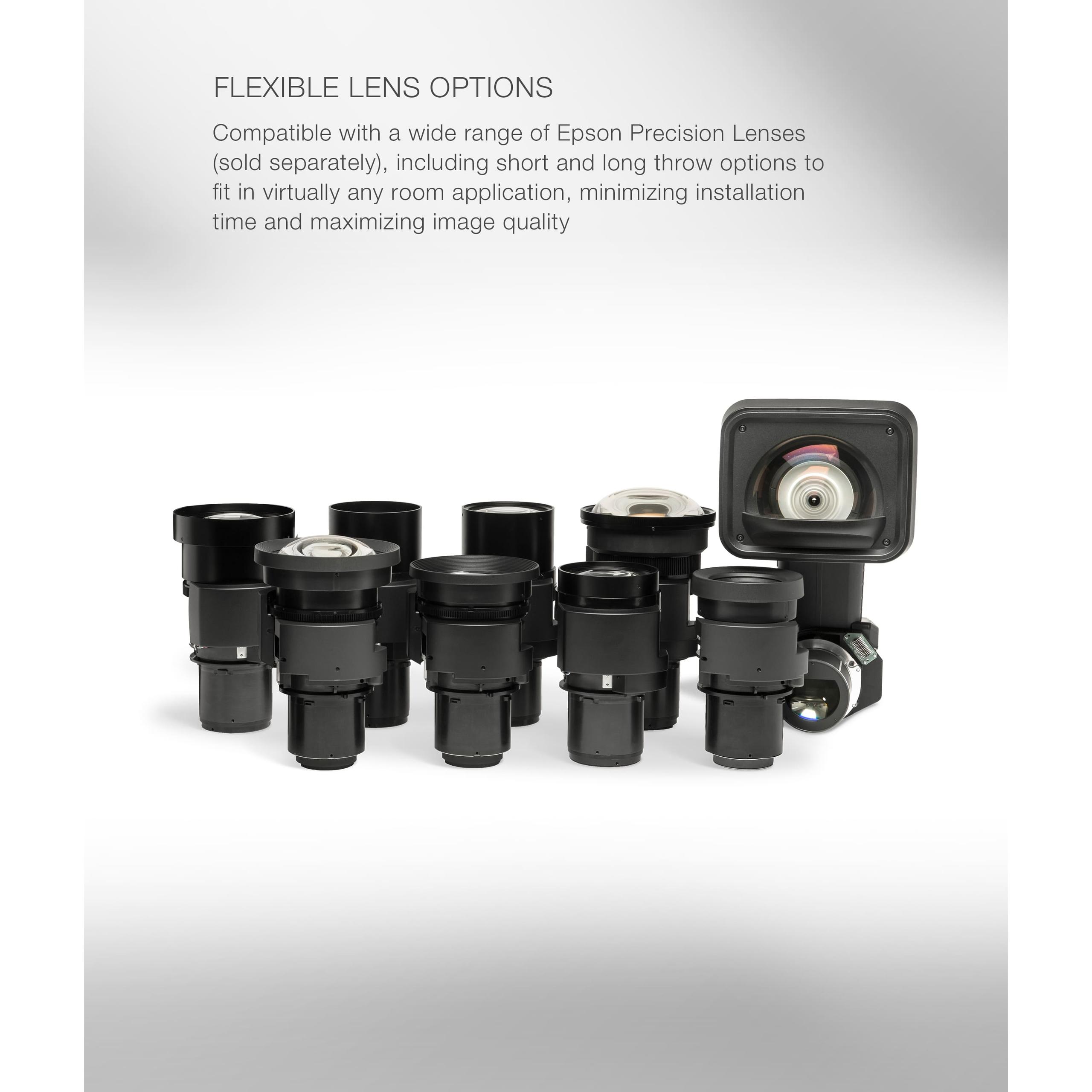
The QL3000 takes an entirely different approach. It's sold as a "body only" unit without any lens, requiring you to choose from Epson's family of precision lenses. This modular approach significantly increases the total cost but provides unmatched flexibility. Available lenses range from ultra-short throw options that can project a 100-inch image from just 7 inches away, to long-throw lenses suitable for projection booths in large rooms.
This lens system particularly shines in challenging installations. Need to mount the projector very close to the wall? The ultra-short throw lens handles it. Building a dedicated theater with the projector in a separate booth? Long-throw lenses maintain image quality across greater distances. Each lens includes motorized zoom, focus, and shift, maintaining the convenience features while maximizing flexibility.
The LS11000 includes Wi-Fi connectivity and focuses on consumer-friendly features. Setup is relatively straightforward, with detailed menus that guide you through calibration without requiring professional expertise. The motorized lens features make adjustments simple, and the large backlit remote provides direct access to key picture settings.
The QL3000 is designed for professional integration. It's certified for Control4 and Crestron smart home systems, common in high-end custom installations. The projector includes Ethernet connectivity for network monitoring and control, allowing installers to check status, adjust settings, and troubleshoot remotely. While this adds complexity, it also enables sophisticated automation scenarios—imagine the projector automatically starting and adjusting to optimal settings based on what content you're watching.
Based on extensive research into user experiences and professional reviews, the performance differences become clear in specific scenarios. In a dedicated home theater with good light control, the LS11000 delivers exceptional image quality that rivals projectors costing significantly more. Colors are accurate, blacks are deep, and the overall cinema experience is compelling on screens up to 150 inches.
The QL3000 truly shines in challenging conditions where the LS11000 would struggle. In rooms with ambient light—perhaps a living room with windows or a basement with can lights—the QL3000's extra brightness maintains color saturation and contrast that would be washed out on dimmer projectors. On very large screens approaching 200+ inches, the QL3000 maintains brightness levels that keep HDR content engaging and immersive.
Professional reviewers consistently note that while the QL3000's native contrast isn't class-leading, its sophisticated processing and massive brightness create a perceived contrast that can be more impressive than technically superior projectors in real-world viewing conditions.
Both projectors use laser light sources rated for 20,000 hours of operation—roughly 10 years of typical home theater use. Neither requires lamp replacements, and both maintain consistent brightness and color accuracy over time. This represents a significant advantage over lamp-based projectors, which can lose 50% or more of their brightness over their lifespan.
The QL3000 does consume more power—around 450 watts versus 310 watts for the LS11000. Over years of use, this adds up to meaningful differences in electricity costs. However, the QL3000's higher brightness means you can often run it at reduced power settings and still achieve better performance than other projectors at full brightness.
Both projectors operate relatively quietly, though the LS11000 has a slight advantage in acoustically sensitive environments. In a properly designed home theater with adequate ventilation, fan noise from either projector should be unnoticeable during content playback.
The projection industry has evolved rapidly in recent years. When the LS11000 launched in 2022, it represented the state-of-the-art in pixel-shifting technology and laser brightness for home theater applications. The QL3000, arriving in 2024, incorporates two years of additional development, particularly in video processing and dynamic optimization.
The newer QZX processor in the QL3000 includes more sophisticated HDR tone mapping that analyzes content frame-by-frame, something that wasn't common in home projectors just a few years ago. This automatic optimization reduces the need for manual adjustments when switching between different types of content—a significant convenience improvement.
HDMI 2.1 support has also matured since 2022. While both projectors handle 4K/120Hz gaming, the QL3000's implementation includes more robust support for the latest gaming features like Auto Low Latency Mode, reflecting improvements in the underlying chipsets and firmware.
The decision between these projectors ultimately comes down to your specific needs, room conditions, and budget tolerance. The LS11000 represents exceptional value for traditional home theater applications. If you're building a dedicated theater room with good light control and planning for screen sizes up to 150 inches, it's difficult to find better performance per dollar at the time of writing.
Choose the LS11000 if you want premium home theater performance with convenience features, have a dedicated theater room or basement setup, prefer all-in-one simplicity, and are working within a more moderate budget for the projector component of your system.
The QL3000 justifies its premium pricing in specific scenarios where no other projector can deliver adequate performance. If you're dealing with ambient light, planning for very large screens, need extreme installation flexibility, or want absolute cutting-edge performance regardless of cost, the QL3000 enables experiences that simply aren't possible with conventional home theater projectors.
Choose the QL3000 if you need to overcome challenging lighting conditions, are planning for screens larger than 200 inches, require professional installation flexibility, are building a multipurpose entertainment space, or want future-proof performance for the next decade.
Both projectors represent Epson at their best, but serving very different markets. The LS11000 brings professional-grade image quality to enthusiast budgets, while the QL3000 pushes the boundaries of what's possible in home projection. The four-fold price difference at the time of writing reflects genuine capability differences rather than arbitrary premium positioning.
For most home theater enthusiasts building dedicated viewing rooms, the LS11000 delivers 90% of the ultimate performance at 25% of the cost. For those facing challenging installations or demanding absolute maximum performance, the QL3000 opens up possibilities that other projectors simply can't match. Understanding which category describes your situation will make the choice clear.
| Epson Home Cinema LS11000 | Epson QL3000 |
|---|---|
| Brightness Output - Critical for screen size and ambient light handling | |
| 2,500 lumens (ideal for dedicated theaters up to 150" screens) | 6,000 lumens (enables 200-300" screens and ambient light viewing) |
| Price Category - Major factor in decision making | |
| Premium enthusiast tier (complete system included) | Ultra-premium tier (body only, lens sold separately) |
| 4K Technology - How each achieves 4K resolution | |
| 4K PRO-UHD with Precision Shift Glass Plate pixel-shifting | Advanced dual-axis pixel-shifting with 32-bit QZX processor |
| Lens System - Installation flexibility and convenience | |
| Built-in 2.1x motorized zoom with lens memory (plug-and-play) | Modular interchangeable lens system (maximum flexibility, extra cost) |
| HDR Performance - Important for modern content | |
| HDR10, HDR10+, HLG with 16-point brightness control | HDR10, HDR10+ with dynamic scene-by-scene tone mapping |
| Gaming Capabilities - Console and PC gaming performance | |
| 4K/120Hz, sub-20ms input lag, dual 40Gbps HDMI 2.1 | 4K/120Hz, ~21ms input lag, dual 48Gbps HDMI 2.1 with ALLM |
| Contrast Performance - Black levels and shadow detail | |
| Excellent native contrast (1,200,000:1 dynamic) optimized for dark rooms | Good native contrast (5,000,000:1 dynamic) with advanced processing |
| Target Environment - Where each projector excels | |
| Dedicated home theaters with light control | Large rooms, ambient light conditions, multipurpose spaces |
| Installation Requirements - Setup complexity and integration | |
| Consumer-friendly with Wi-Fi, straightforward calibration | Professional integration with Control4/Crestron certification |
| Power Consumption - Operating costs over time | |
| 311W normal operation (more efficient) | 453W normal operation (higher consumption but often run at reduced power) |
| Screen Size Sweet Spot - Optimal performance range | |
| 100-180 inches in controlled lighting | 150-300 inches with ambient light tolerance |
| Noise Levels - Important for acoustically sensitive rooms | |
| 22-30 dB (quieter operation ideal for dedicated theaters) | 26-28 dB (slightly louder but still very reasonable) |
| Connectivity Features - Smart home and streaming options | |
| Wi-Fi connectivity for wireless streaming | Ethernet only, designed for professional control systems |
The Epson Home Cinema LS11000 is specifically designed for dedicated home theater rooms with controlled lighting. Its 2,500 lumens output and excellent contrast performance deliver exceptional image quality in dark environments. The LS11000 also operates more quietly at 22-30 dB, which is important in acoustically treated theater spaces. For traditional home theater setups with screens up to 150 inches, the LS11000 provides better value and performance.
The primary difference is brightness output and target use case. The Epson Home Cinema LS11000 delivers 2,500 lumens for dedicated theater rooms, while the Epson QL3000 produces 6,000 lumens for challenging lighting conditions and very large screens. The QL3000 is also sold as a body-only unit requiring separate lens purchase, whereas the LS11000 includes everything needed for installation.
The Epson QL3000 significantly outperforms in ambient light conditions due to its 6,000-lumen output - more than double the LS11000. This extra brightness allows the QL3000 to maintain color saturation and contrast in multipurpose rooms with windows or ceiling lights where the LS11000 would appear washed out.
Yes, both excel for gaming. The Epson Home Cinema LS11000 achieves sub-20ms input lag with 4K/120Hz support, while the Epson QL3000 delivers ~21ms input lag with Auto Low Latency Mode and full 48Gbps HDMI 2.1. Both handle next-generation console gaming excellently, though the LS11000 has a slight edge in response time for competitive gaming.
The Epson Home Cinema LS11000 is optimized for 100-180 inch screens in controlled lighting environments. The Epson QL3000 can handle much larger displays, supporting screens from 150-300 inches while maintaining excellent brightness and image quality. For screens over 200 inches, the QL3000 is essential for proper HDR performance.
The Epson QL3000 provides superior installation flexibility through its modular lens system, offering options from ultra-short throw (100" image from 7 inches away) to long throw configurations. However, the LS11000 offers excellent built-in flexibility with its 2.1x motorized zoom and extensive lens shift capabilities, plus it's much simpler to install as a complete system.
Both projectors deliver 4K resolution through advanced pixel-shifting technology and support HDR10 and HDR10+ formats. The Epson Home Cinema LS11000 uses 4K PRO-UHD technology, while the Epson QL3000 employs more advanced processing with dynamic scene-by-scene HDR tone mapping. Neither supports Dolby Vision, but both provide excellent HDR performance within their respective brightness capabilities.
The Epson Home Cinema LS11000 offers significantly better value for traditional home theater applications, providing premium performance at a fraction of the cost of the QL3000. The QL3000 costs approximately four times more and requires additional lens purchases, making it cost-effective only for specific high-end installations requiring extreme brightness or installation flexibility.
The Epson Home Cinema LS11000 delivers excellent native contrast with a 1,200,000:1 dynamic ratio, particularly strong in dark room conditions. The Epson QL3000 achieves good native contrast with sophisticated dynamic laser dimming and 5,000,000:1 dynamic ratio. While the LS11000 may have better absolute black levels, the QL3000's processing creates impressive perceived contrast in real-world viewing.
Both the Epson Home Cinema LS11000 and Epson QL3000 feature 20,000-hour laser light sources requiring no lamp replacements over their lifetime. This represents approximately 10 years of typical home theater use with consistent brightness and color accuracy throughout. Regular cleaning of air filters is the primary maintenance requirement for both projectors.
For screens larger than 200 inches, the Epson QL3000 is essential due to its 6,000-lumen output maintaining proper brightness and HDR performance on massive displays. The LS11000 performs well up to about 150 inches but lacks sufficient brightness for larger screens to maintain image quality and HDR impact. The QL3000 can deliver stunning images up to 300 inches.
The Epson QL3000 is specifically designed for professional smart home integration with Control4 and Crestron certification, plus Ethernet connectivity for network monitoring. The Epson Home Cinema LS11000 focuses more on consumer convenience with Wi-Fi connectivity and user-friendly setup, making it easier for DIY installation but with less sophisticated automation capabilities than the QL3000.
We've done our best to create useful and informative comparisons to help you decide what product to buy. Our research uses advanced automated methods to create this comparison and perfection is not possible - please contact us for corrections or questions. These are the sites we've researched in the creation of this article: tvsbook.com - thesmarthomehookup.com - cepro.com - specsradar.com - projectorscreen.com - benq.com - projectorreviews.com - projectorscreen.com - youtube.com - projectorcentral.com - whathifi.com - projectorscreen.com - bestbuy.com - youtube.com - avsforum.com - versus.com - crutchfield.com - projectorcentral.com - shop.avispl.com - mediaserver.goepson.com - projectorscreen.com - bestbuy.com - simplehomecinema.com - dreamediaav.com - epson.com - projectorreviews.com - epson.com - audiogeneral.com - hometechnologyreview.com - mediaserver.goepson.com - hifiheaven.net - epson.com - new-age-electronics.com - stereoeast.com - projectorreviews.com - bestbuy.com - youtube.com - avsforum.com - youtube.com - youtube.com - projectorscreen.com - hifiheaven.net - shopsilica.com - planettv.com - audiogeneral.com - audiogeneral.com

Privacy Policy
Terms and Conditions - Affiliate Policy
Home Security
© Copyright 2008-2026.
11816 Inwood Rd #1211, Dallas, TX 75244