

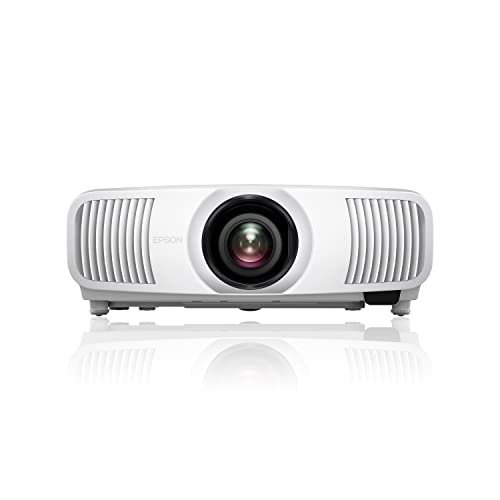
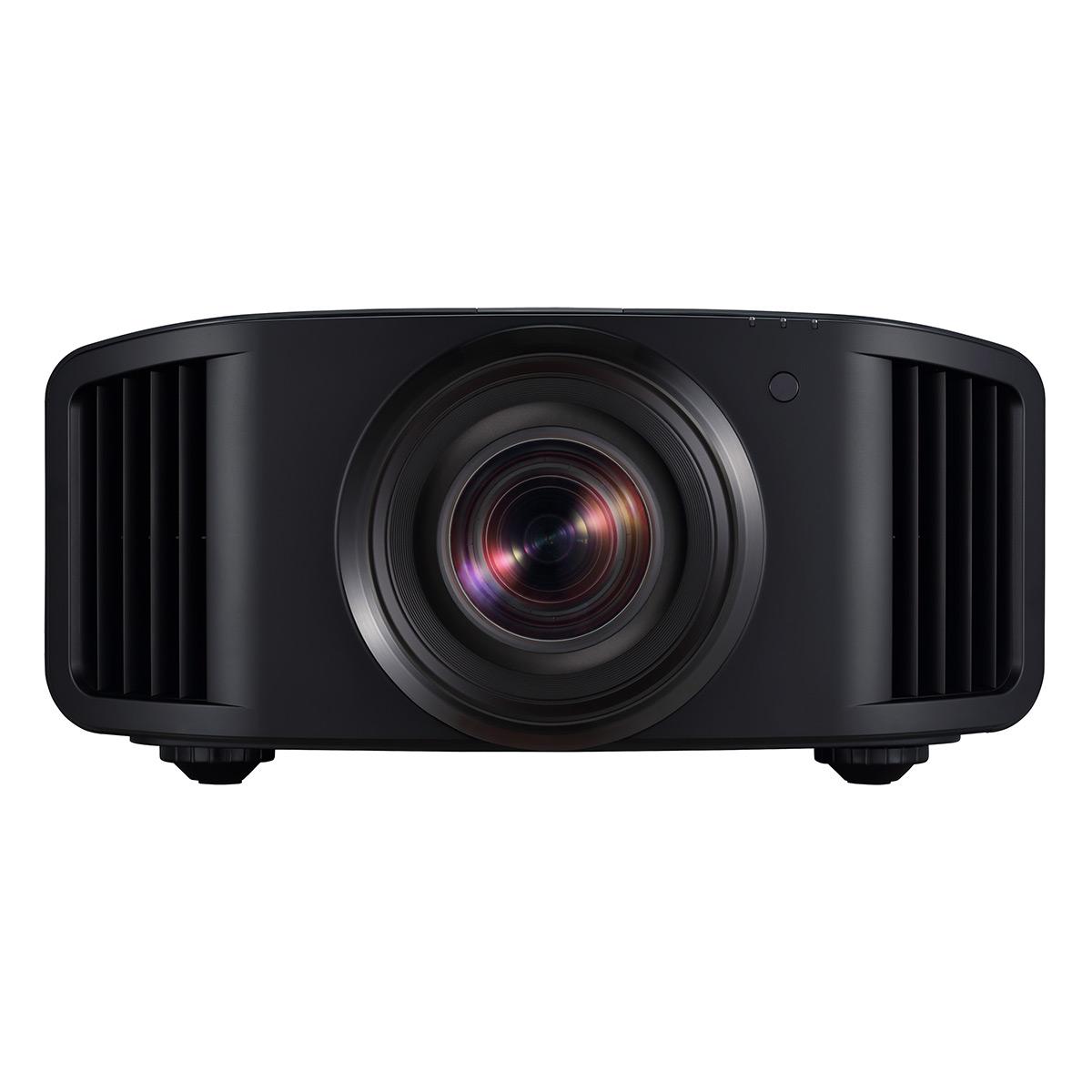
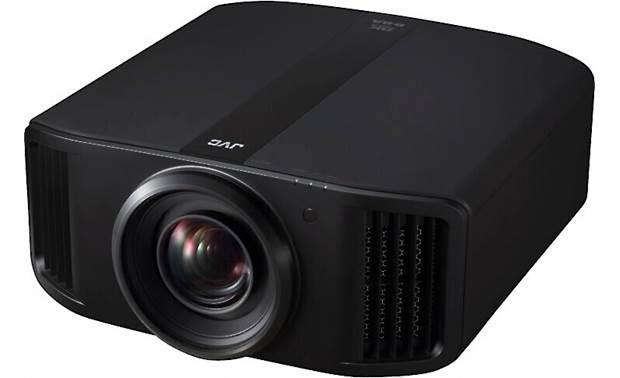
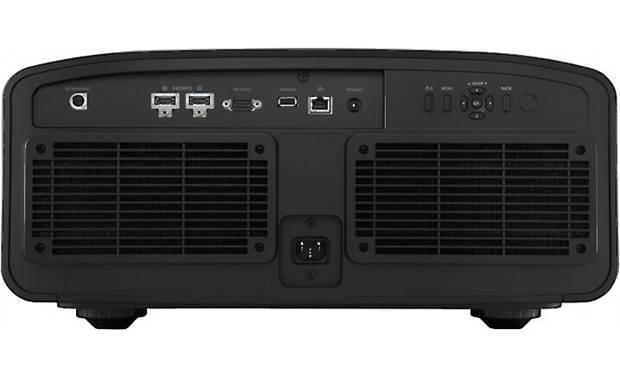
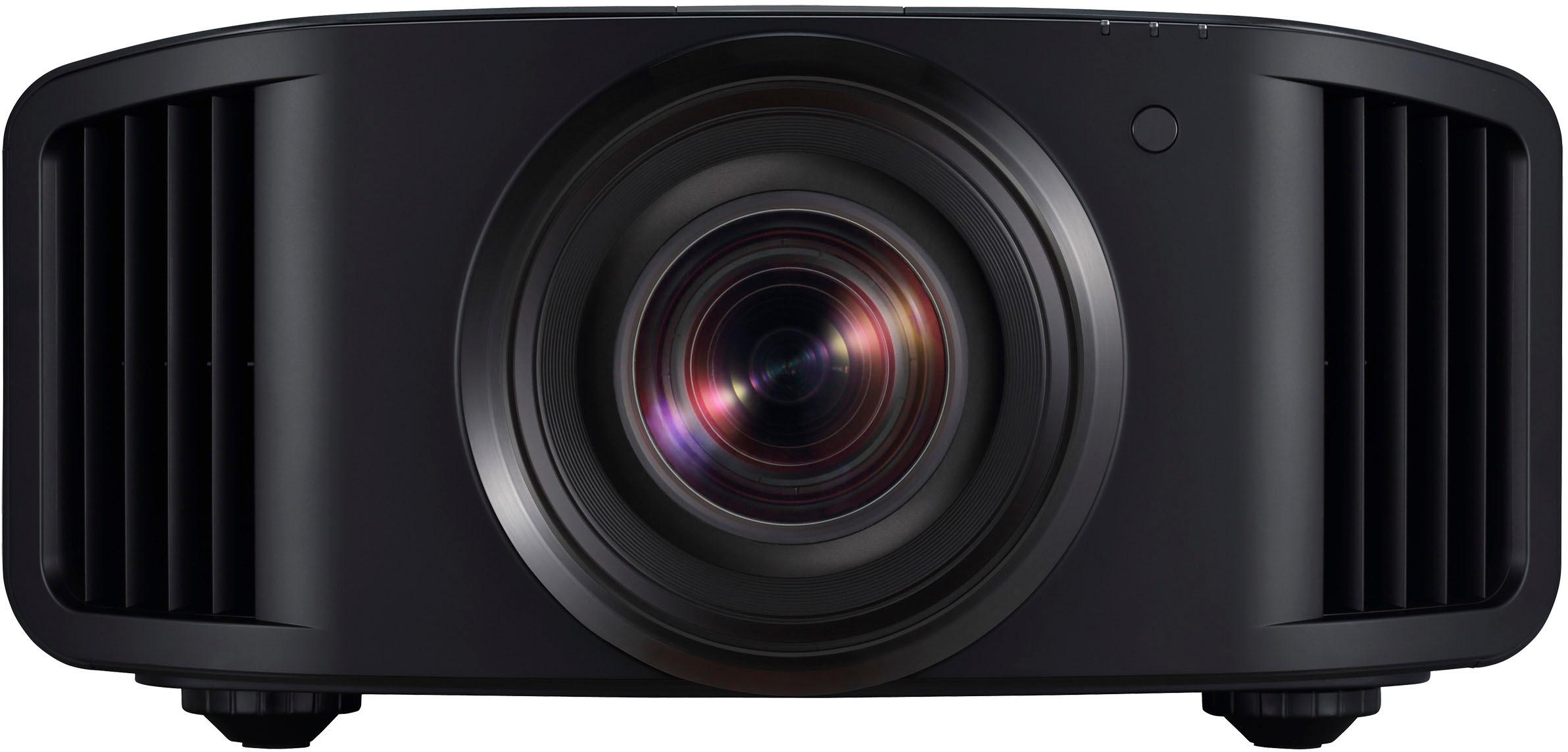
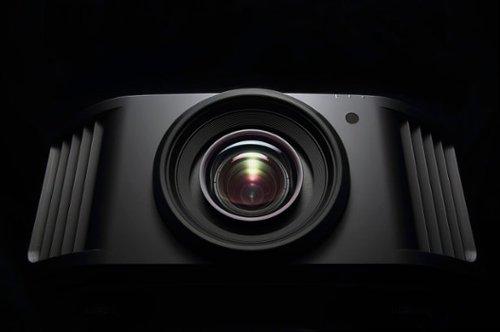
The world of premium home theater projectors can feel overwhelming, especially when you're looking at models that cost anywhere from a few thousand to twenty-five thousand dollars. Two projectors that frequently come up in enthusiast discussions are the Epson Home Cinema LS11000 and the JVC DLA-NZ9 – both released in 2022 and representing very different philosophies in achieving cinematic excellence.
At the time of writing, these projectors sit at opposite ends of the premium market spectrum. The Epson LS11000 targets serious enthusiasts who want flagship-level features without the flagship price tag, while the JVC NZ9 represents the absolute pinnacle of home theater technology for those willing to invest significantly in their viewing experience.
Before diving into specifics, it's worth understanding what separates premium projectors from their budget counterparts. These high-end models focus on three critical areas: how they create the image (display technology), how bright and contrasty that image appears (light output and black levels), and how accurately they reproduce colors and HDR content.
The most important performance characteristics for any serious home theater setup are contrast ratio, color accuracy, and resolution quality. Contrast ratio – the difference between the brightest whites and deepest blacks – arguably matters more than raw brightness for most viewing. It's what gives images their sense of depth and dimensionality, making the difference between a flat, washed-out picture and one that seems to pop off the screen.
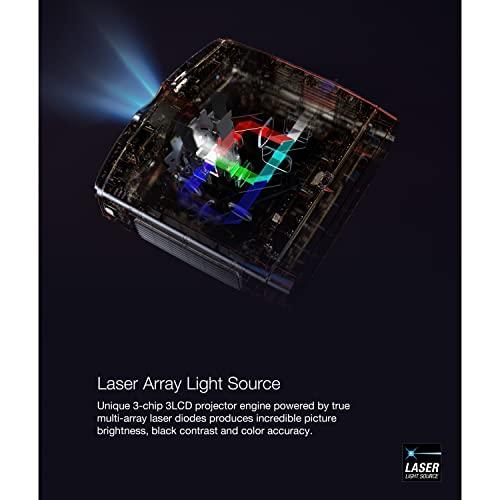
Both the Epson LS11000 and JVC DLA-NZ9 use laser light sources instead of traditional bulbs, which means they'll run for around 20,000 hours without needing replacement – essentially a decade of heavy use. This eliminates the ongoing maintenance costs and gradual brightness degradation that plagued older projector technologies.
Perhaps the most fundamental difference between these projectors lies in how they achieve 4K resolution. The JVC DLA-NZ9 uses what's called "native 4K" – meaning it has three physical imaging chips, each containing 4,096 x 2,160 actual pixels. Every pixel you see on screen corresponds to a real pixel on the chip. It's the same approach used in high-end commercial cinema projectors.
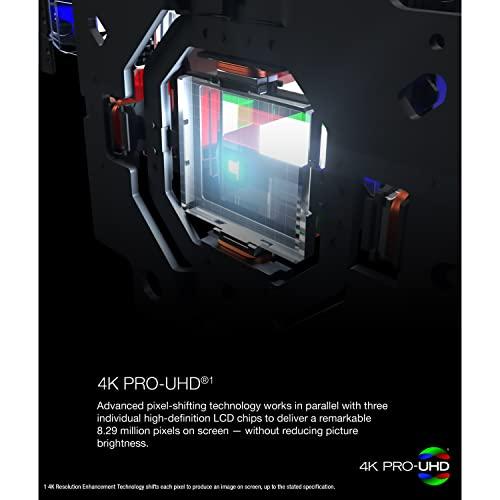
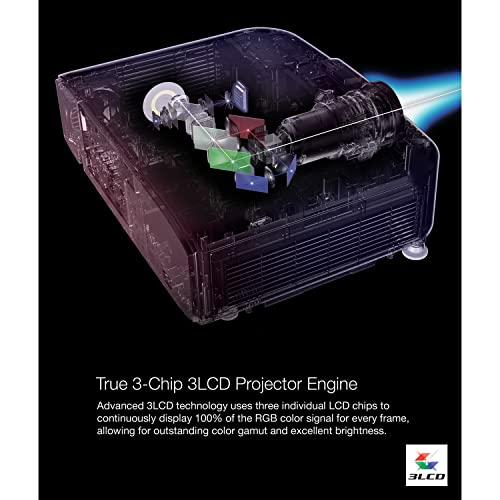
The Epson LS11000 takes a different route called "pixel shifting." It starts with three chips that are physically 1920 x 1080 resolution (standard HD), but uses a special glass plate that rapidly moves each pixel four times per frame. This creates an effective 4K image by having each physical pixel do the work of four pixels. Epson calls this technology "4K PRO-UHD with Precision Shift Glass Plate."
Both approaches have merits. The JVC's native 4K delivers inherently sharp images with perfect pixel structure – when you look closely, you'll see distinct, square pixels exactly where they should be. The Epson's pixel-shifting creates images that are remarkably close to native 4K quality, especially at normal viewing distances of 10-12 feet from the screen. Most viewers would struggle to tell the difference in day-to-day viewing.
Where the difference becomes more apparent is with the JVC's additional 8K enhancement technology called "e-shiftX." This system can take 8K input signals (8192 x 4320 resolution) and display them with over 35 million addressable pixels on screen. While true 8K content remains scarce, this technology provides exceptional upscaling of 4K content and future-proofs the projector for eventual 8K adoption.
Contrast ratio specifications can be misleading, so it's important to understand what the numbers actually mean. The JVC DLA-NZ9 claims a native contrast ratio of 100,000:1, while the Epson LS11000 lists 1,200,000:1. However, these numbers represent different measurement methods.
JVC's figure represents "native" contrast – the difference between white and black that the projector can produce simultaneously on screen without any dynamic adjustments. This is the most meaningful measurement because it reflects real-world performance. The JVC's D-ILA technology (JVC's version of LCoS or Liquid Crystal on Silicon) is renowned for producing exceptionally deep blacks, which is why many cinema enthusiasts consider it the gold standard.
Epson's higher number comes from "dynamic" contrast measurement, where the projector uses an adjustable iris and laser dimming to make blacks darker during dark scenes and whites brighter during bright scenes. While this can improve the viewing experience, it doesn't represent simultaneous contrast performance.
In practice, based on professional reviews and user feedback, the JVC NZ9 produces noticeably deeper blacks and better shadow detail in dark movie scenes. This translates to more three-dimensional, immersive images, especially in light-controlled environments. The Epson LS11000 still delivers excellent contrast for its price point – significantly better than most DLP projectors – but can't match the JVC's native black level performance.
High Dynamic Range (HDR) content – which includes most modern 4K movies and shows – presents unique challenges for projectors. Unlike TVs, projectors can't simply blast 4,000 nits of brightness to reproduce HDR accurately. Instead, they must use sophisticated processing to "tone map" the content, compressing the brightness range while preserving the artistic intent.
The JVC DLA-NZ9 uses what JVC calls "Frame Adapt HDR," which analyzes each individual frame of content and adjusts the tone mapping accordingly. This frame-by-frame optimization can dramatically improve HDR reproduction, ensuring that dark scenes maintain their shadow detail while bright scenes don't lose highlight information.
The Epson LS11000 uses more traditional static tone mapping, though it includes user-friendly controls like a 16-point HDR brightness slider and a dedicated HDR adjustment button on the remote. While less sophisticated than the JVC's approach, these controls give users more direct input over HDR presentation, which some prefer over automatic processing.
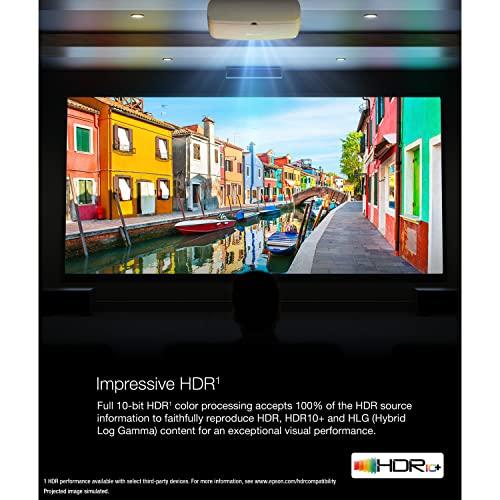
Both projectors support modern HDR formats including HDR10 and HLG (Hybrid Log-Gamma), with the Epson also supporting HDR10+ for enhanced streaming compatibility. Neither supports Dolby Vision, though this is common in the projector world due to licensing complexities.
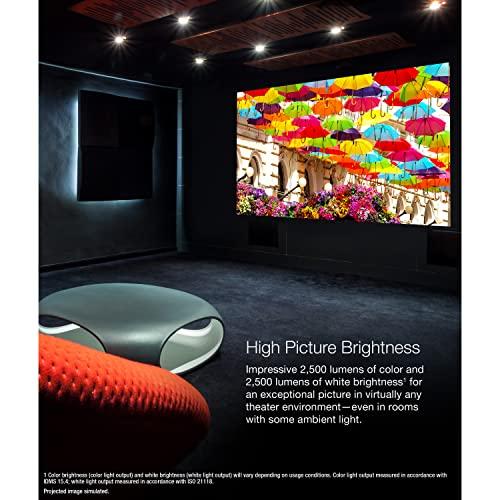
The brightness difference between these projectors – 3,000 lumens for the JVC NZ9 versus 2,500 for the Epson LS11000 – might seem modest, but it combines with their different contrast characteristics to create distinct use cases.
The Epson LS11000 excels in versatility. Its 2,500 lumens, combined with good contrast performance, makes it suitable for rooms with moderate ambient light. You could use this projector in a family room with some light control and still get excellent results. This flexibility makes it appealing for homes where the projector room serves multiple purposes.
The JVC DLA-NZ9, despite higher peak brightness, is really optimized for dedicated, light-controlled theater environments. Its exceptional contrast performance requires darkness to truly shine. In a properly darkened room, the combination of 3,000 lumens and 100,000:1 native contrast creates reference-quality images that rival commercial cinema presentation.
Both projectors embrace modern gaming requirements with dual HDMI 2.1 inputs supporting 4K resolution at 120Hz refresh rates. This makes them compatible with the latest PlayStation 5 and Xbox Series X consoles, which can output certain games at these high frame rates.
Input lag – the delay between controller input and on-screen response – is crucial for competitive gaming. The Epson LS11000 achieves input lag below 20 milliseconds, which is excellent for a projector of this quality. The JVC DLA-NZ9 also supports low-latency gaming, though specific measurements weren't available in our research.
The JVC adds 8K@60Hz input capability, which currently has limited practical application but provides future compatibility as gaming technology advances. Both projectors' large screen sizes (typically 100-150 inches) create incredibly immersive gaming experiences that surpass any television.
The physical differences between these projectors reflect their target markets. The Epson LS11000 weighs 28 pounds and measures roughly 20.5" x 7.6" x 17.6", making it manageable for most installations. Its lens offers extensive shift capabilities (vertical ±96.3%, horizontal ±47.1%) and includes lens memory, allowing easy switching between 16:9 movies and wider 2.35:1 content.
The JVC DLA-NZ9 is significantly larger and heavier at approximately 56 pounds, reflecting its more robust construction and premium 100mm all-glass lens assembly. This lens features 18 elements arranged in 16 groups, with five ED (Extra-low Dispersion) lenses specifically designed to minimize chromatic aberration – the color fringing that can occur when using lens shift.
Both projectors operate quietly enough for home theater use, with the Epson running at 22-30 dB depending on power mode and the JVC at 24 dB in low mode. These noise levels are barely perceptible from typical seating distances.
At the time of writing, the price difference between these projectors is substantial – the Epson LS11000 costs roughly one-fifth of the JVC DLA-NZ9. This creates very different value propositions.
The Epson LS11000 delivers what many consider to be about 80% of flagship projector performance at 20% of the cost. For most enthusiasts, this represents exceptional value. You get laser reliability, excellent 4K performance through pixel-shifting, strong brightness for various room conditions, and modern gaming compatibility.
The JVC DLA-NZ9 targets the remaining 20% of performance improvement, but charges significantly more for it. That premium buys you native 4K resolution, reference-quality contrast, sophisticated HDR processing, and 8K capability. Whether this justifies the price difference depends entirely on your priorities, budget, and viewing environment.
Since both projectors launched in 2022, the projector landscape has continued evolving. Laser technology has become more widespread, making these implementations less unique than they were at launch. However, both models remain current-generation products with no direct successors announced.
The trend toward 8K capability, pioneered by projectors like the JVC NZ9, has gained some traction, though 8K content remains limited. HDMI 2.1 support, featured in both projectors, has become increasingly important as gaming consoles and streaming devices have adopted higher frame rate capabilities.
The decision between these projectors ultimately comes down to your specific situation, budget, and priorities.
Choose the Epson Home Cinema LS11000 if you want excellent performance without breaking the bank. It's ideal for multi-purpose rooms where you might watch movies, play games, and use the space for other activities. The brightness and versatility make it forgiving of less-than-perfect light control, while the pixel-shifting technology delivers impressive sharpness that satisfies most viewers.
The JVC DLA-NZ9 makes sense if you have a dedicated theater room with proper light control and the budget for a no-compromise solution. The superior contrast, native 4K resolution, and sophisticated processing deliver reference-quality images that justify the premium for serious cinephiles.
From our research and analysis of expert opinions, most enthusiasts would be thrilled with the Epson LS11000's performance and appreciate its versatility. However, those who've experienced the JVC's exceptional black levels and image depth often find it difficult to go back to lesser contrast performance.
The sweet spot for most buyers lies with projectors like the Epson LS11000 – delivering premium performance at accessible pricing. But if you're building a serious dedicated theater and want the absolute best image quality available, the JVC DLA-NZ9 represents the current pinnacle of home theater projection technology.
Ultimately, either projector will transform your viewing experience compared to even premium televisions. The choice comes down to whether you prioritize maximum value and versatility or absolute reference-quality performance regardless of cost.
| Epson Home Cinema LS11000 | JVC DLA-NZ9 |
|---|---|
| Display Technology - Determines fundamental image sharpness and quality | |
| 3-chip 3LCD with 4K pixel-shifting (effective 4K from 1080p panels) | Native 4K D-ILA with 8K e-shiftX enhancement (true 4K pixels) |
| Native Contrast Ratio - Most critical spec for deep blacks and image depth | |
| Dynamic contrast 1,200,000:1 (relies on iris adjustment) | Native contrast 100,000:1 (simultaneous black/white performance) |
| Brightness Output - Determines room lighting flexibility | |
| 2,500 lumens (excellent for multi-purpose rooms) | 3,000 lumens (optimized for dedicated theaters) |
| Light Source Technology - Affects maintenance and longevity | |
| Laser Array Light Source (20,000 hour lifespan) | BLU-Escent Laser Diode (20,000 hour lifespan) |
| HDR Processing - Critical for modern 4K content quality | |
| Static tone mapping with 16-point user control | Frame Adapt HDR with dynamic frame-by-frame processing |
| Gaming Performance - Important for console compatibility | |
| 4K@120Hz, sub-20ms input lag, dual HDMI 2.1 | 4K@120Hz + 8K@60Hz, low latency mode, dual HDMI 2.1 |
| Lens Quality - Affects installation flexibility and image sharpness | |
| 15-element all-glass lens, 2.1x zoom, ±96% vertical shift | Premium 100mm 18-element lens, 2.0x zoom, ±100% vertical shift |
| Resolution Support - Future-proofing and content compatibility | |
| 4K UHD input maximum (3840 x 2160) | 8K input support (8192 x 4320) with e-shiftX processing |
| Physical Size - Installation and mounting considerations | |
| 28 lbs, 20.5" x 7.6" x 17.6" (manageable for most setups) | 56 lbs, 19.8" x 9.2" x 20.8" (requires robust mounting) |
| Target Use Case - Best suited environments and applications | |
| Multi-purpose rooms, moderate ambient light tolerance | Dedicated theaters, light-controlled environments only |
| Value Proposition - Performance relative to investment | |
| Exceptional performance-per-dollar for enthusiasts | Reference-quality flagship for no-compromise theaters |
The JVC DLA-NZ9 delivers superior home theater performance with native 4K resolution, exceptional contrast (100,000:1), and frame-by-frame HDR processing. However, the Epson Home Cinema LS11000 offers excellent home theater quality at a much lower price point, making it the better value choice for most enthusiasts.
The Epson LS11000 uses pixel-shifting technology, rapidly moving 1080p pixels four times per frame to create effective 4K resolution. The JVC NZ9 has true native 4K with physical 4K chips. While native 4K is technically superior, pixel-shifting delivers very similar visual quality at normal viewing distances.
The JVC DLA-NZ9 significantly outperforms the Epson LS11000 in contrast, with 100,000:1 native contrast versus dynamic contrast enhancement. The JVC's D-ILA technology produces much deeper blacks and better shadow detail, making it ideal for dark movie scenes and HDR content.
Yes, both the Epson Home Cinema LS11000 and JVC DLA-NZ9 feature dual HDMI 2.1 inputs supporting 4K@120Hz gaming. The Epson has confirmed sub-20ms input lag, while the JVC adds 8K@60Hz capability for future gaming compatibility.
The Epson LS11000 is more versatile for rooms with moderate ambient light thanks to its excellent brightness-to-contrast balance. The JVC NZ9 requires a dedicated, light-controlled theater room to showcase its superior contrast performance effectively.
No, both the Epson Home Cinema LS11000 and JVC DLA-NZ9 use laser light sources rated for 20,000 hours of operation. This eliminates ongoing lamp replacement costs and provides consistent brightness throughout their lifespan.
The Epson LS11000 provides exceptional value, delivering approximately 80% of flagship performance at a fraction of the cost. The JVC DLA-NZ9 targets the premium market where absolute image quality matters more than price considerations.
The JVC NZ9 can accept and display true 8K signals (8192x4320) using its e-shiftX technology. The Epson LS11000 is limited to 4K input but provides excellent upscaling of lower-resolution content through its advanced processing.
The JVC DLA-NZ9 features sophisticated Frame Adapt HDR with dynamic tone mapping that adjusts frame-by-frame. The Epson LS11000 uses static tone mapping but includes user-friendly HDR controls and supports HDR10+ format for streaming compatibility.
Both the Epson Home Cinema LS11000 and JVC DLA-NZ9 support screen sizes from 50-300 inches. The Epson works well for 100-150 inch screens in multi-purpose rooms, while the JVC excels on larger 120-200+ inch screens in dedicated theaters.
Both projectors operate quietly enough for home theater use. The Epson LS11000 runs at 22-30 dB depending on power mode, while the JVC NZ9 operates at 24 dB in low mode. Neither will interfere with movie dialogue at typical seating distances.
For most first-time home theater builders, the Epson Home Cinema LS11000 is the smarter choice due to its versatility, excellent performance, and accessible pricing. The JVC DLA-NZ9 is better suited for dedicated theater rooms where you want absolute reference-quality performance regardless of cost.
We've done our best to create useful and informative comparisons to help you decide what product to buy. Our research uses advanced automated methods to create this comparison and perfection is not possible - please contact us for corrections or questions. These are the sites we've researched in the creation of this article: tvsbook.com - thesmarthomehookup.com - cepro.com - specsradar.com - projectorscreen.com - benq.com - projectorreviews.com - projectorscreen.com - youtube.com - projectorcentral.com - whathifi.com - projectorscreen.com - bestbuy.com - youtube.com - avsforum.com - versus.com - crutchfield.com - projectorcentral.com - shop.avispl.com - mediaserver.goepson.com - projectorscreen.com - bestbuy.com - simplehomecinema.com - dreamediaav.com - epson.com - whathifi.com - soundandvision.com - worldwidestereo.com - projectorreviews.com - worldwidestereo.com - us.jvc.com - crutchfield.com - abtvaustin.com - valueelectronics.com - projectorcentral.com

Privacy Policy
Terms and Conditions - Affiliate Policy
Home Security
© Copyright 2008-2026.
11816 Inwood Rd #1211, Dallas, TX 75244