

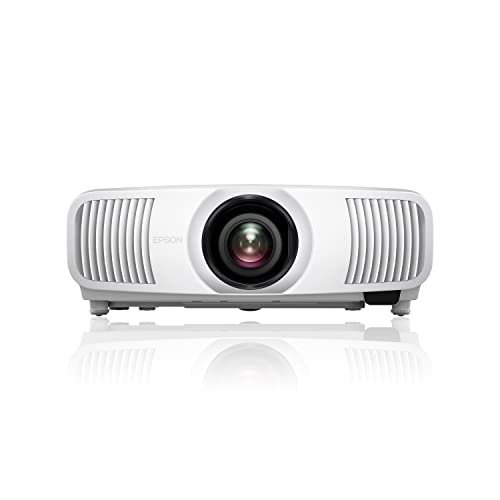
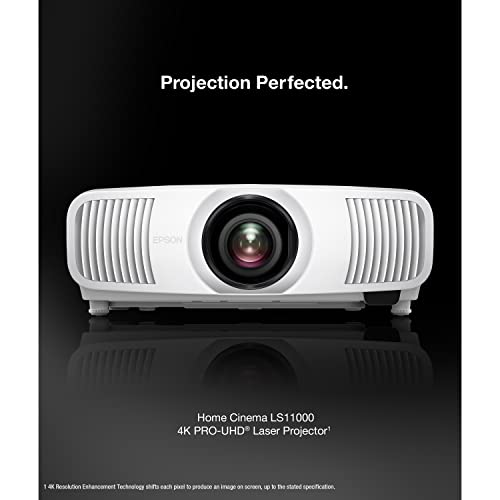
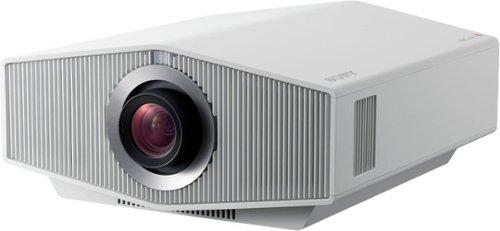
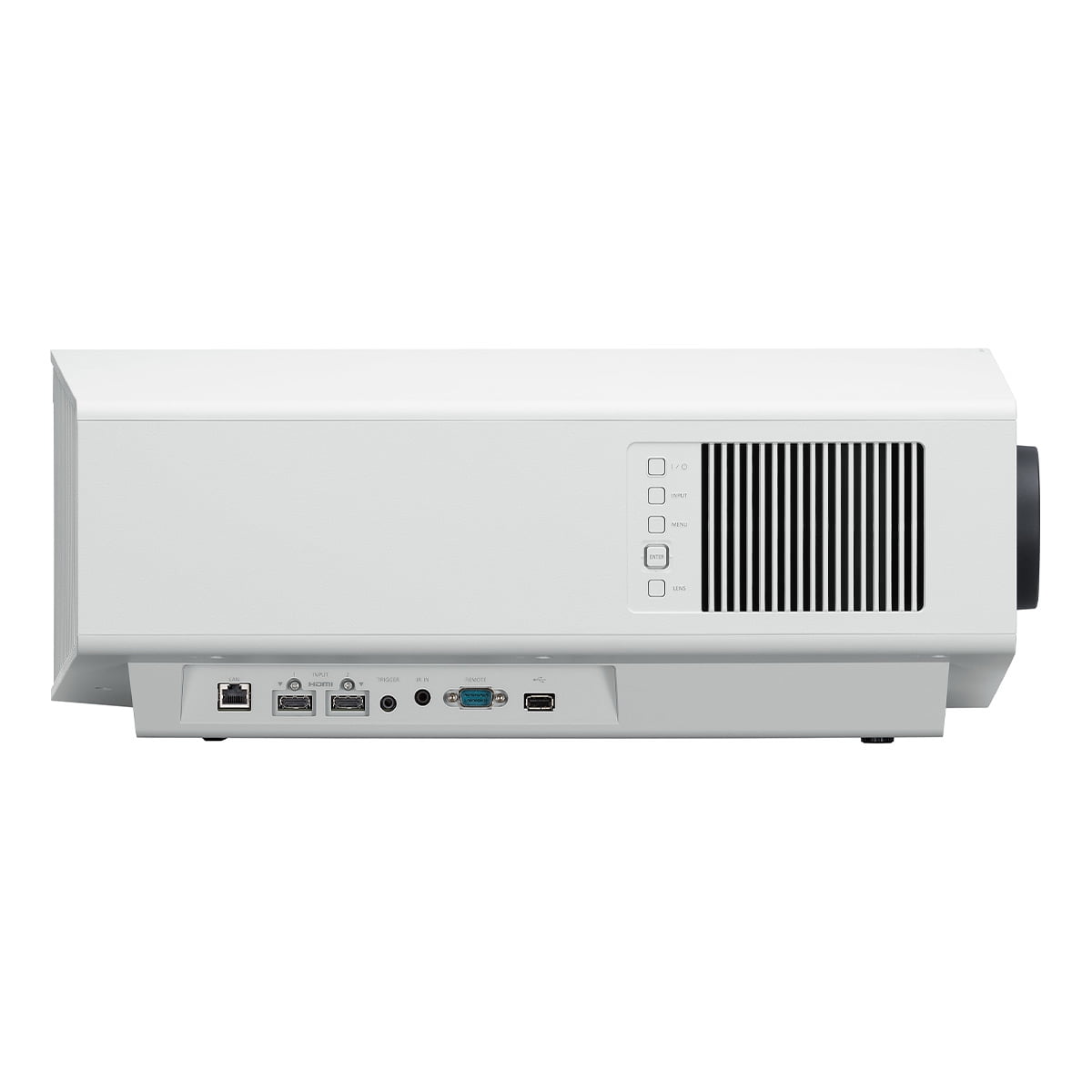

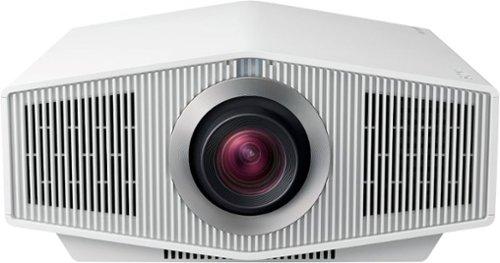
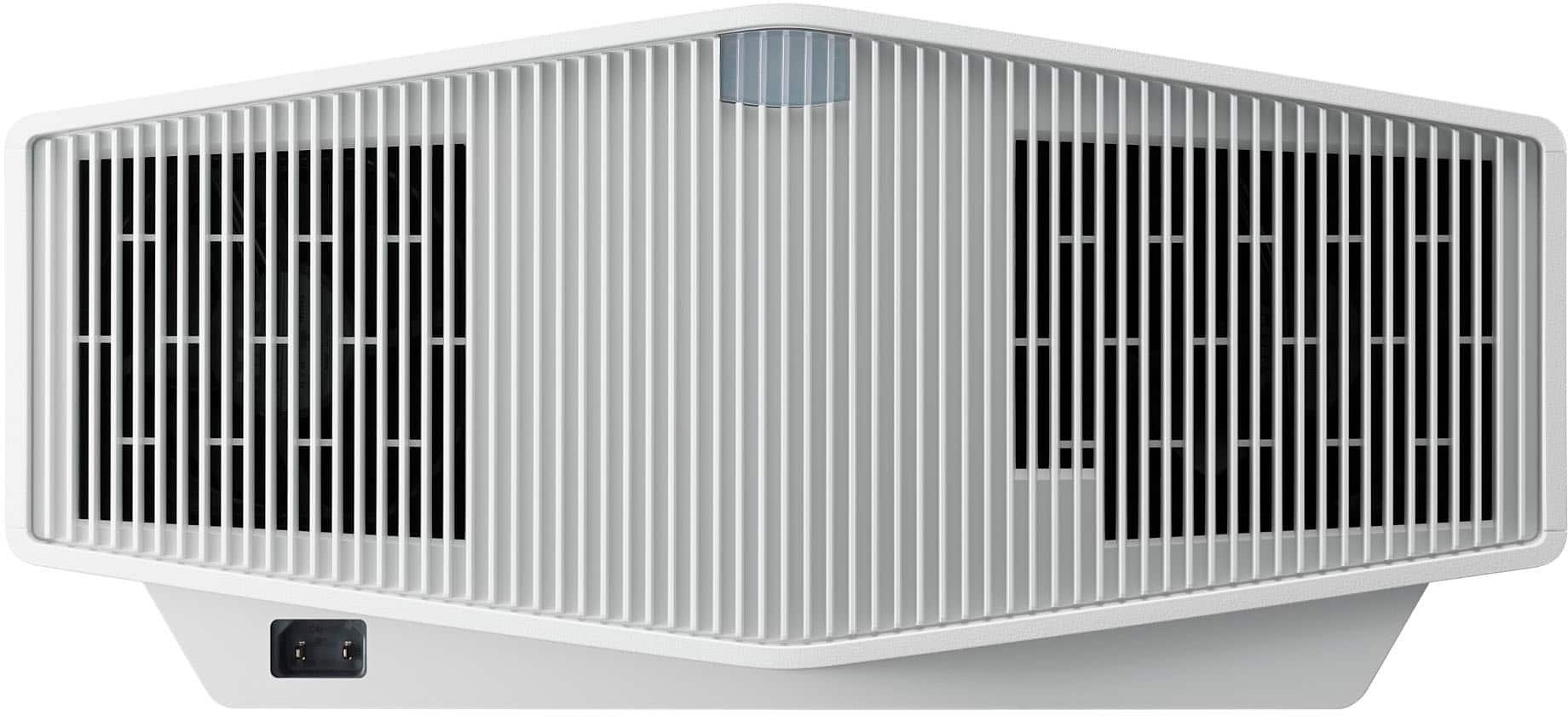
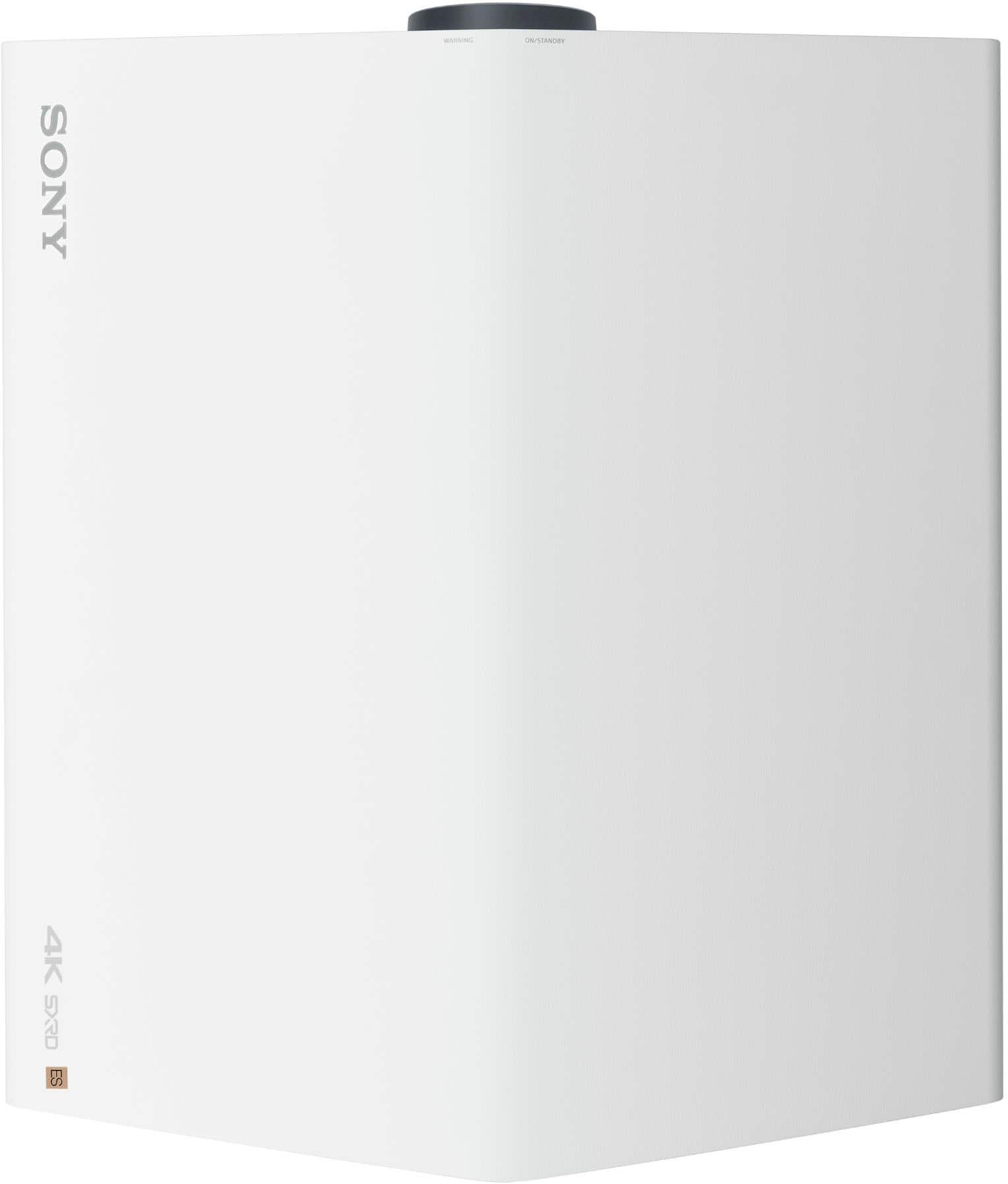
When shopping for a premium home theater projector in 2024, laser technology has become the gold standard. Two standout options dominate different ends of the market: the Epson Home Cinema LS11000 and the Sony BRAVIA Projector 8. Both promise impressive 4K images and years of maintenance-free operation, but they take dramatically different approaches to achieve these goals.
The projector landscape has evolved significantly since these models launched. The Epson LS11000 arrived in 2022, representing a major leap in Epson's pixel-shifting technology, while the Sony BRAVIA Projector 8 debuted in 2024 with true native 4K panels and TV-grade processing. Understanding these technological differences is crucial for making the right choice for your home theater.
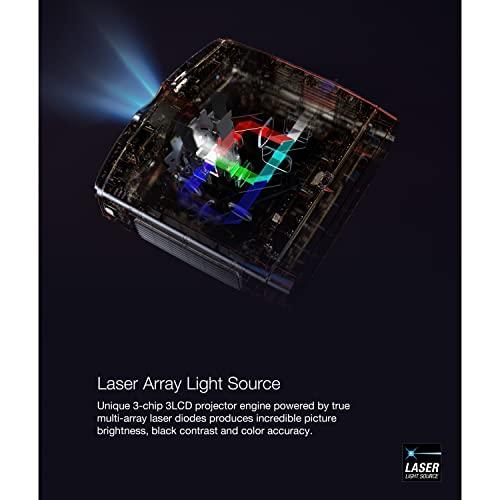
Before diving into specifics, it's worth understanding what makes these projectors special. Traditional projectors use replaceable bulbs that dim over time and need changing every few thousand hours—an expensive and inconvenient reality. Laser projectors eliminate this problem entirely, using solid-state laser light sources that maintain consistent brightness for 20,000+ hours of operation.
Both projectors also support HDR (High Dynamic Range), which dramatically expands the contrast between the brightest whites and darkest blacks in an image. Think of HDR as the difference between a photo taken on a cloudy day versus brilliant sunshine—the enhanced version reveals details in shadows and highlights that would otherwise be lost.
The core difference between these projectors lies in how they create their 4K images, and this distinction affects everything from image quality to pricing.
Here's where things get interesting. The Sony BRAVIA Projector 8 uses true native 4K panels, meaning it has 8.3 million physical pixels arranged in a 3840 x 2160 grid. Each pixel is actually there, creating the image dot by dot with no tricks or processing required.
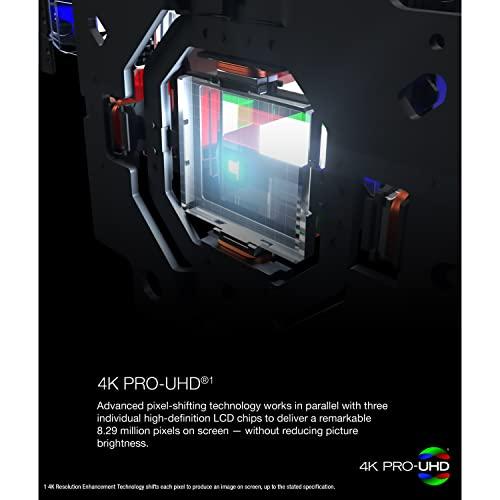
The Epson LS11000, however, uses what's called pixel-shifting technology. It starts with native 1080p panels (2.1 million pixels each) but employs a clever optical system called a "Precision Shift Glass Plate" that rapidly moves each pixel to four different positions. This creates the appearance of 8.3 million pixels on screen—the same number as native 4K—but achieves it through high-speed movement rather than having all those pixels physically present.
Epson's 2022 version represents a significant improvement over earlier pixel-shifting attempts. Previous Epson models only doubled the pixels, but the LS11000 quadruples them, making it much harder to distinguish from native 4K at normal viewing distances. In practical terms, unless you're sitting unusually close to your screen or examining fine text, the difference becomes nearly imperceptible.
This technological approach directly impacts pricing. Native 4K panels are expensive to manufacture, while enhanced 1080p with pixel-shifting costs significantly less. At the time of writing, the Sony commands roughly four to five times the price of the Epson—a substantial premium that reflects the cost of true 4K technology and premium processing.
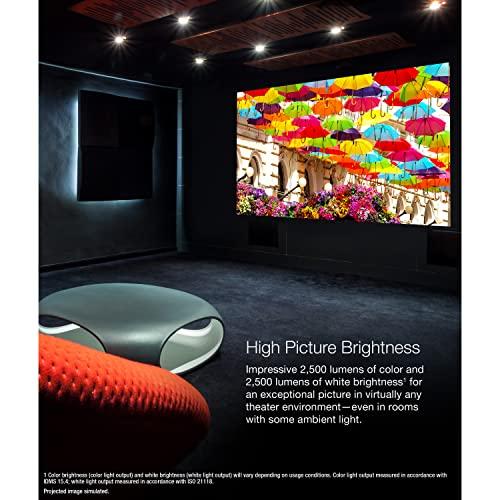
Both projectors use laser light sources, but they implement them differently. The Epson LS11000 produces 2,500 lumens using a blue laser phosphor system, while the Sony BRAVIA Projector 8 delivers 2,700 lumens through its Z-Phosphor laser technology. That 200-lumen difference might seem small, but both projectors are bright enough to produce excellent images even in rooms with some ambient light.
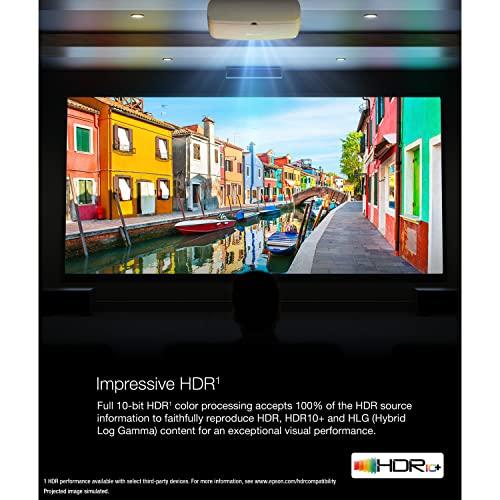
What matters more is how they handle HDR content. The Epson supports HDR10, HDR10+, and HLG formats. HDR10+ is particularly valuable because it includes dynamic metadata—essentially instructions that tell the projector how to optimize brightness and contrast for each scene individually, rather than applying one setting to an entire movie.
The Sony takes a different approach with its XR Dynamic Tone Mapping system. This technology analyzes each frame in real-time, automatically adjusting brightness and contrast to optimize both bright highlights and dark shadow details. It's like having a professional colorist constantly fine-tuning your image based on what's happening on screen.
Based on our research of professional reviews and user feedback, both projectors excel at HDR, but in different ways. The Epson offers more user control with its 16-point HDR brightness adjustment slider, making it easier for enthusiasts to dial in their preferred settings. The Sony relies more on its intelligent processing to make these decisions automatically, which can produce superior results but offers less manual control.
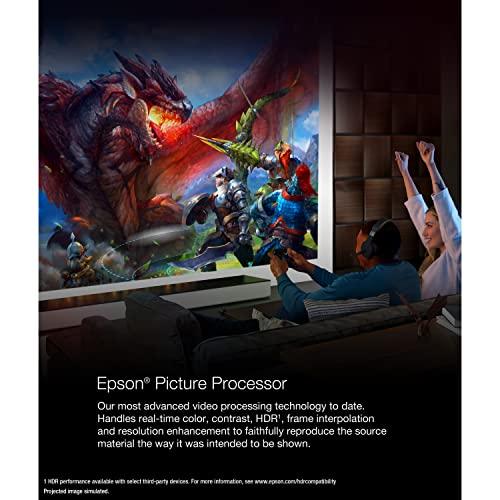
Gaming has become a major consideration for home theater projectors, especially with the PlayStation 5 and Xbox Series X supporting 4K gaming at high refresh rates. Here, the Epson LS11000 shows its strength with dual HDMI 2.1 ports supporting full 48Gbps bandwidth. This means it can handle 4K gaming at 120fps with HDR—the maximum output from modern consoles.
Input lag—the delay between pressing a button and seeing the result on screen—measures below 20 milliseconds on the Epson, which is excellent for gaming. The Sony BRAVIA Projector 8 achieves even better input lag performance: under 21ms for 4K/60fps content and an impressive sub-12ms for 4K/120fps gaming, though it's limited by HDMI 2.0 bandwidth.
The Sony also includes Auto Low Latency Mode (ALLM), which automatically switches to gaming mode when it detects a gaming console, reducing lag without manual intervention. However, the Epson's broader HDMI 2.1 support gives it better long-term compatibility with future gaming developments.
For serious gamers, the Epson LS11000 emerges as the clear winner due to its superior bandwidth and modern gaming features. The Sony offers faster response times but with more limited connectivity.
Setting up a projector involves more than just plugging it in. Both projectors offer motorized zoom and focus, but their installation flexibility differs significantly. The Epson LS11000 provides exceptional versatility with its lens shift capabilities—you can move the image horizontally by ±47.1% and vertically by ±96.3% without moving the projector itself. This makes installation much easier in rooms where the projector can't be perfectly centered.
The 2.1x zoom ratio means the Epson can project the same screen size from a wide range of distances. Combined with its lens memory feature, you can save different zoom and shift settings for various aspect ratios—particularly useful if you watch both standard movies and ultra-wide films.
The Sony BRAVIA Projector 8 offers less installation flexibility with horizontal shift of ±36% and vertical shift of ±85%. However, its ACF (All-range Crisp Focus) lens represents superior optical engineering, delivering sharper images from corner to corner. This is one area where the Sony's premium positioning shows—the lens quality is simply better, even if it's less flexible.
Contrast ratio—the difference between the brightest whites and darkest blacks—significantly impacts image quality, especially in dark scenes. Both projectors use dynamic laser dimming, which adjusts the light source brightness based on scene content, but they implement it differently.
The Epson LS11000 achieves a measured effective contrast ratio of approximately 5,115:1 in professional testing, with particularly impressive black levels for LCD-based technology. Its dynamic contrast specification of 1,200,000:1 reflects the laser's ability to dim almost completely for very dark scenes.
The Sony BRAVIA Projector 8 leverages its SXRD panel technology (Sony's version of LCoS) combined with precise laser control to achieve what Sony describes as "nearly infinite" dynamic contrast. The XR Deep Black technology can modulate the laser with extreme precision, creating inky blacks without affecting surrounding detail.
In practical viewing, both projectors deliver excellent contrast, but the Sony has a slight edge in the darkest scenes thanks to its superior panel technology and more sophisticated light control. This difference becomes most apparent in dimly lit home theater environments where contrast is most critical.
Color reproduction separates good projectors from great ones. The Epson LS11000 uses its 36-bit ZX Picture Processor to handle real-time color correction, HDR processing, and resolution enhancement. This processor has been specifically tuned for Epson's 3LCD technology and produces vibrant, accurate colors that look natural rather than oversaturated.
The Sony BRAVIA Projector 8 incorporates the XR Processor—technology derived from Sony's premium BRAVIA televisions. This processor includes XR Triluminos Pro technology, which can reproduce over a billion colors and covers 95% of the DCI-P3 color space used in movie theaters. The cognitive intelligence-based processing analyzes content to optimize color, contrast, and clarity simultaneously.
Based on professional reviews, both projectors deliver excellent color accuracy, but the Sony shows more sophisticated processing with better handling of difficult content like skin tones and subtle color gradations. The Epson offers more manual control options, which some enthusiasts prefer for fine-tuning their setup.
Understanding who these projectors are designed for helps clarify the value proposition. The Epson LS11000 represents outstanding performance per dollar, offering 90% of native 4K's visual quality at roughly 20% of the price. It's ideal for enthusiasts who want premium laser projection without the premium price tag.
This makes the Epson perfect for multi-purpose rooms where the projector might be used for gaming, sports, and movies with some ambient light present. The high brightness, excellent gaming features, and user-friendly operation make it accessible to a broader audience.
The Sony BRAVIA Projector 8 targets serious home theater enthusiasts with dedicated, light-controlled viewing rooms. The premium reflects not just native 4K panels, but superior optical engineering, more sophisticated processing, and better build quality throughout. It's designed for viewers who can appreciate subtle improvements in image quality and are willing to pay significantly more for them.
Choose the Epson LS11000 if you want excellent 4K projection without breaking the bank. It's particularly attractive for gaming enthusiasts, those with flexible installation needs, or anyone using their projector in a multi-purpose room. The pixel-shifting technology is so good that most viewers won't notice the difference from native 4K at normal viewing distances.
The Sony BRAVIA Projector 8 makes sense for dedicated home theater installations where image quality is the top priority. If you're building a serious theater room, have professional installation planned, and can appreciate the nuances of native 4K resolution and superior processing, the premium investment delivers meaningful improvements.
Consider your room environment as well. The Epson handles ambient light better and offers more installation flexibility, making it ideal for family rooms or multi-use spaces. The Sony performs best in dark, controlled environments where its superior contrast and processing can shine.
Both projectors offer maintenance-free operation for years to come, but they serve different audiences. The Epson LS11000 democratizes premium laser projection, while the Sony BRAVIA Projector 8 pushes the boundaries of home theater performance for those willing to invest in the absolute best.
Your choice ultimately depends on your priorities: exceptional value and modern gaming features with the Epson, or uncompromising image quality and professional-grade performance with the Sony. Either way, you'll be getting years of maintenance-free enjoyment from truly impressive 4K laser projection technology.
| Epson Home Cinema LS11000 | Sony BRAVIA Projector 8 |
|---|---|
| Display Technology - Fundamental difference affecting image quality and price | |
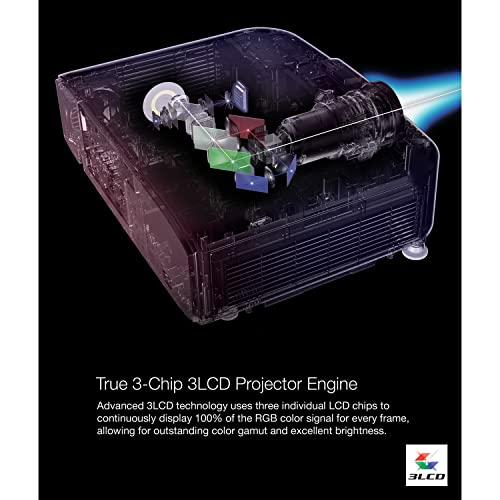
| Enhanced 1080p with 4K PRO-UHD pixel-shifting (quadruples pixels to 8.3M) | True native 4K with 3840x2160 SXRD panels (8.3M physical pixels) |
| Brightness - Critical for HDR performance and ambient light handling | |
| 2,500 lumens (excellent for most rooms) | 2,700 lumens (slightly brighter, better for larger screens) |
| Contrast Ratio - Determines black levels and image depth | |
| 1,200,000:1 dynamic contrast with laser dimming | Nearly infinite dynamic contrast with precise SXRD control |
| HDR Support - Essential for modern content compatibility | |
| HDR10, HDR10+, HLG (includes dynamic metadata support) | HDR10, HLG with XR Dynamic Tone Mapping (automatic optimization) |
| Gaming Performance - Important for console compatibility | |
| Dual HDMI 2.1 (48Gbps), 4K/120Hz, sub-20ms input lag | HDMI 2.0, 4K/60Hz under 21ms, 2K/120Hz under 12ms, ALLM support |
| Installation Flexibility - Affects room placement options | |
| 2.1x zoom, lens shift H±47.1%/V±96.3%, lens memory | 2.14x zoom, lens shift H±36%/V±85%, superior ACF optics |
| Light Source Lifespan - Maintenance-free operation duration | |
| 20,000 hour laser (no bulb replacements needed) | 20,000 hour Z-Phosphor laser (maintenance-free) |
| Image Processing - Affects color accuracy and motion handling | |
| 36-bit Epson ZX Picture Processor with user controls | XR Processor with cognitive intelligence (TV-grade processing) |
| Color Performance - Critical for accurate reproduction | |
| Wide color gamut with 3LCD technology | 95% DCI-P3 coverage with XR Triluminos Pro (1+ billion colors) |
| Physical Size - Important for installation planning | |
| 20.5" W × 7.6" H × 17.6" D, 28 lbs | 18.1" W × 8.4" H × 20.4" D, 31 lbs |
| Target Audience - Who each projector is designed for | |
| Gaming enthusiasts, multi-purpose rooms, value-conscious buyers | Dedicated home theaters, image quality purists, premium installations |
| Best Use Case - Where each projector excels | |
| Family rooms with ambient light, modern gaming, flexible installation | Dark home theaters, critical viewing, professional setups |
The Epson Home Cinema LS11000 is significantly better for gaming due to its dual HDMI 2.1 ports that support 4K gaming at 120Hz with full 48Gbps bandwidth. This makes it fully compatible with PlayStation 5 and Xbox Series X gaming at maximum settings. While the Sony BRAVIA Projector 8 offers faster input lag (under 12ms for 2K/120Hz), it's limited by HDMI 2.0 connectivity, restricting future gaming capabilities.
The core difference is display technology: the Sony BRAVIA Projector 8 uses true native 4K panels with 8.3 million physical pixels, while the Epson Home Cinema LS11000 uses enhanced 1080p panels with pixel-shifting technology to create the appearance of 4K. This fundamental difference affects image sharpness, especially when viewing fine details up close, and explains the significant price gap between the two models.
Both projectors offer excellent brightness for their categories. The Sony BRAVIA Projector 8 produces 2,700 lumens compared to the Epson LS11000's 2,500 lumens. However, this 200-lumen difference is minimal in practice. Both projectors can handle rooms with moderate ambient light, making either suitable for family rooms or multi-purpose spaces.
Yes, both support HDR content but with different approaches. The Epson Home Cinema LS11000 supports HDR10, HDR10+, and HLG formats, with HDR10+ providing dynamic scene-by-scene optimization. The Sony BRAVIA Projector 8 supports HDR10 and HLG with its advanced XR Dynamic Tone Mapping that automatically optimizes each frame in real-time.
The Epson LS11000 provides superior installation flexibility with extensive lens shift capabilities (horizontal ±47.1%, vertical ±96.3%) and lens memory for different aspect ratios. The Sony BRAVIA Projector 8 offers more limited lens shift (horizontal ±36%, vertical ±85%) but compensates with higher-quality ACF optics for sharper corner-to-corner images.
Both the Epson Home Cinema LS11000 and Sony BRAVIA Projector 8 feature laser light sources rated for 20,000 hours of operation. This means years of maintenance-free use without bulb replacements, making both projectors excellent long-term investments regardless of which model you choose.
The Sony BRAVIA Projector 8 is specifically designed for dedicated home theaters with its native 4K resolution, superior contrast performance, and professional-grade XR processing. The Epson LS11000 works well in home theaters too, but it's more versatile for multi-purpose rooms where gaming and ambient light handling are priorities.
Yes, both projectors can project large images effectively. The Epson Home Cinema LS11000 supports screen sizes from 50" to 300", while the Sony BRAVIA Projector 8 can also handle very large screens thanks to its 2,700-lumen output. The choice depends more on your room size and viewing distance than the projectors' capabilities.
The Sony BRAVIA Projector 8 delivers superior contrast performance with its SXRD panel technology and precise laser control, achieving what Sony describes as "nearly infinite" dynamic contrast. The Epson LS11000 also offers excellent contrast at 1,200,000:1 with impressive black levels for LCD technology, but the Sony has a slight edge in the darkest scenes.
The Epson Home Cinema LS11000 is more user-friendly for DIY installation thanks to its extensive lens shift and adjustment options. The Sony BRAVIA Projector 8, while manageable for experienced users, benefits from professional installation to optimize its premium optics and processing capabilities for the best possible image quality.
The Epson LS11000 provides exceptional value, delivering approximately 90% of native 4K visual quality at a fraction of the cost of the Sony BRAVIA Projector 8. The Sony justifies its premium pricing with true native 4K panels, superior processing, and build quality, but the Epson offers much better performance per dollar for most buyers.
Both projectors handle sports and fast action well, but with different strengths. The Epson Home Cinema LS11000 excels with its higher brightness for well-lit rooms and superior gaming performance for sports games. The Sony BRAVIA Projector 8 offers more sophisticated motion processing and better detail in fast-moving scenes, making both excellent choices for sports viewing depending on your room setup.
We've done our best to create useful and informative comparisons to help you decide what product to buy. Our research uses advanced automated methods to create this comparison and perfection is not possible - please contact us for corrections or questions. These are the sites we've researched in the creation of this article: tvsbook.com - thesmarthomehookup.com - cepro.com - specsradar.com - projectorscreen.com - benq.com - projectorreviews.com - projectorscreen.com - youtube.com - projectorcentral.com - whathifi.com - projectorscreen.com - bestbuy.com - youtube.com - avsforum.com - versus.com - crutchfield.com - projectorcentral.com - shop.avispl.com - mediaserver.goepson.com - projectorscreen.com - bestbuy.com - simplehomecinema.com - dreamediaav.com - epson.com - projectorreviews.com - valueelectronics.com - stereonet.com - crutchfield.com - audioholics.com - crutchfield.com - projectorcentral.com - pro.sony - electronics.sony.com - cepro.com - community.verizon.com

Privacy Policy
Terms and Conditions - Affiliate Policy
Home Security
© Copyright 2008-2026.
11816 Inwood Rd #1211, Dallas, TX 75244