

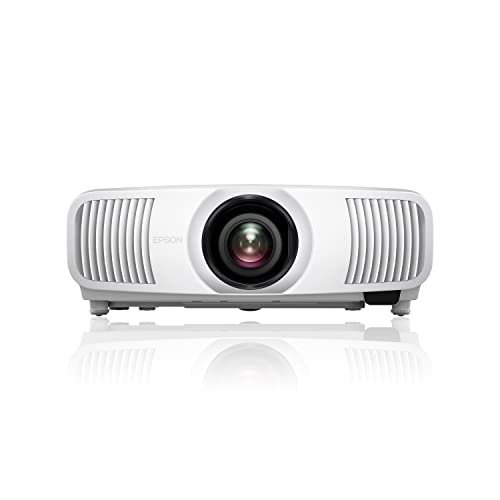
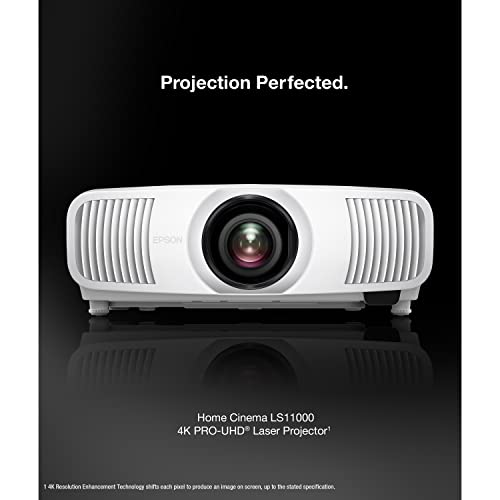
Choosing a home theater projector can feel overwhelming, especially when you're comparing fundamentally different approaches to big-screen entertainment. The Epson Home Cinema LS11000 and Samsung Premiere 9 LPU9D represent two distinct philosophies in laser projection technology, each with compelling advantages depending on your specific needs and room setup.
At the time of writing, the Epson typically costs around $4,000, while the Samsung commands a significantly higher price point near $6,000. However, the price difference alone doesn't tell the complete story—these projectors serve different use cases and include vastly different feature sets that affect their overall value proposition.
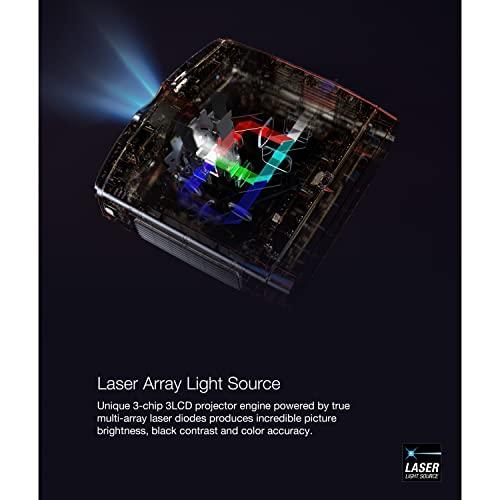
Both projectors use laser light sources instead of traditional bulbs, which represents a major advancement in projector technology. Laser projectors offer several key benefits: they last approximately 20,000 hours (about 10 years of typical use), maintain consistent brightness throughout their lifespan, and turn on instantly without warm-up time. This eliminates the most frustrating aspects of older projector technology—dim images after a few years and lengthy startup times.
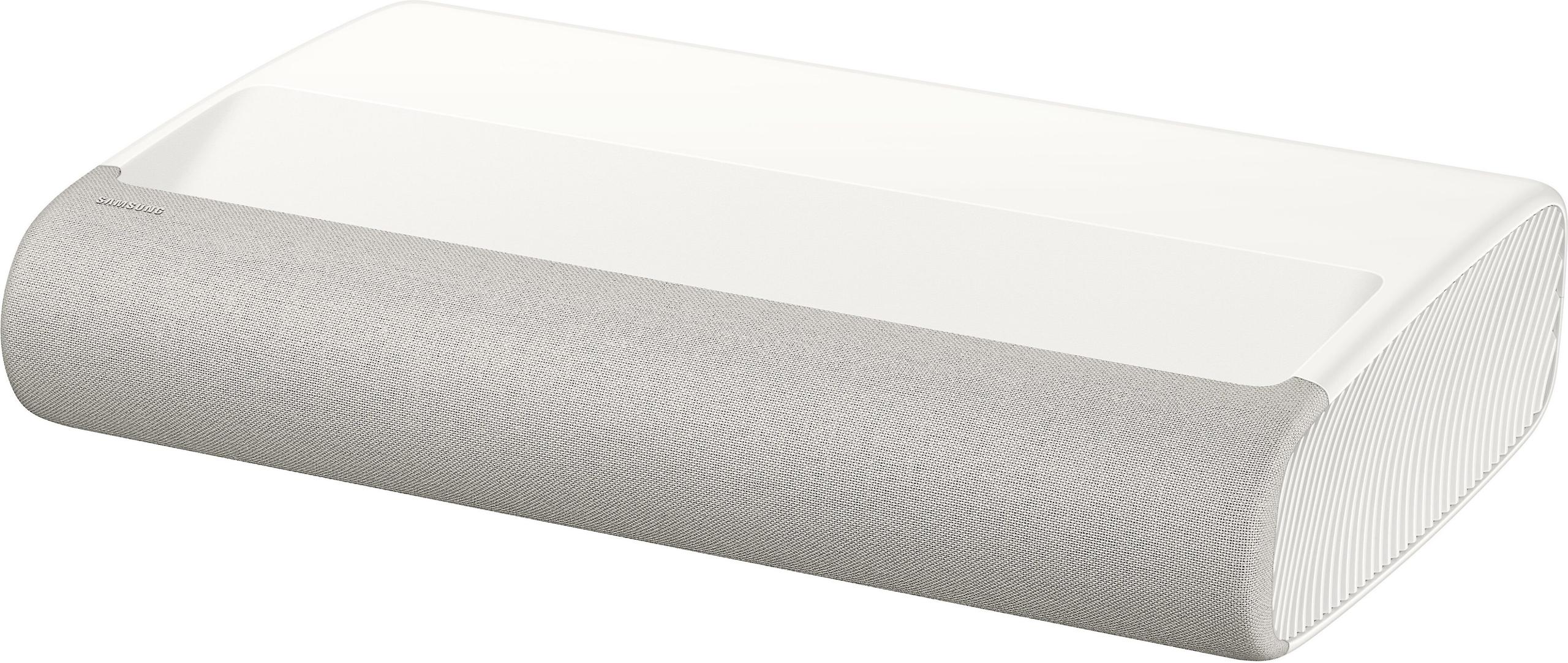
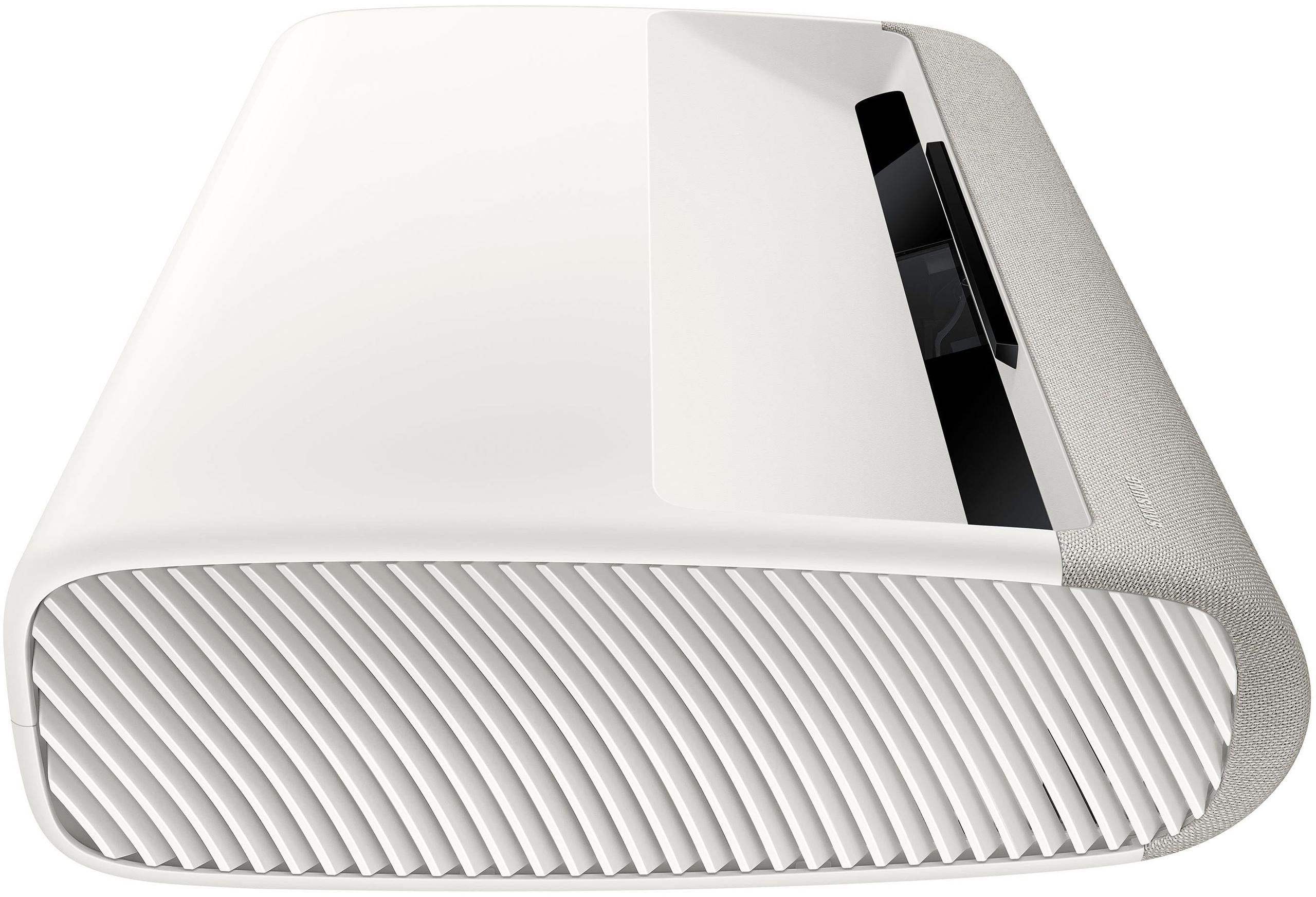
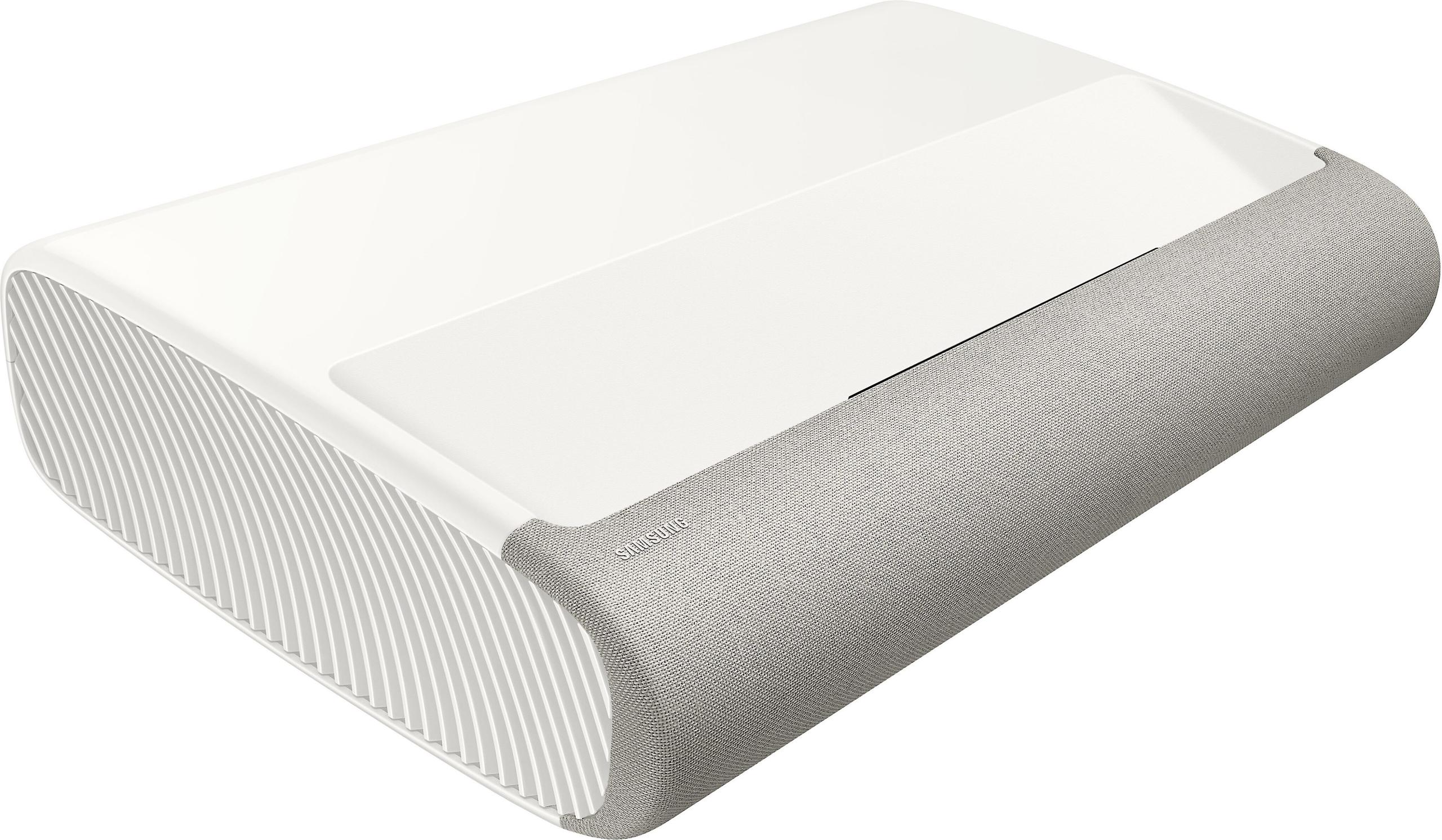
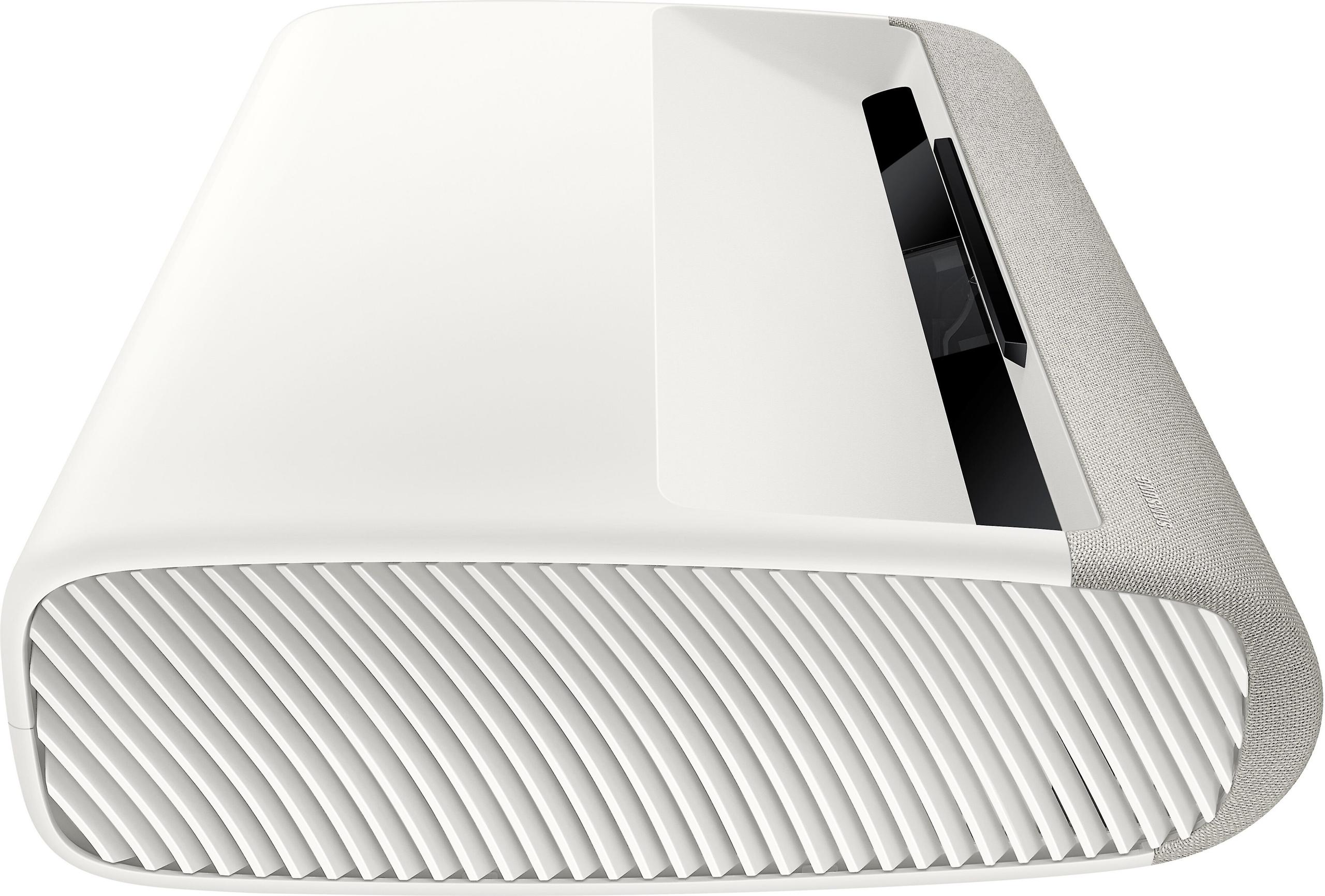
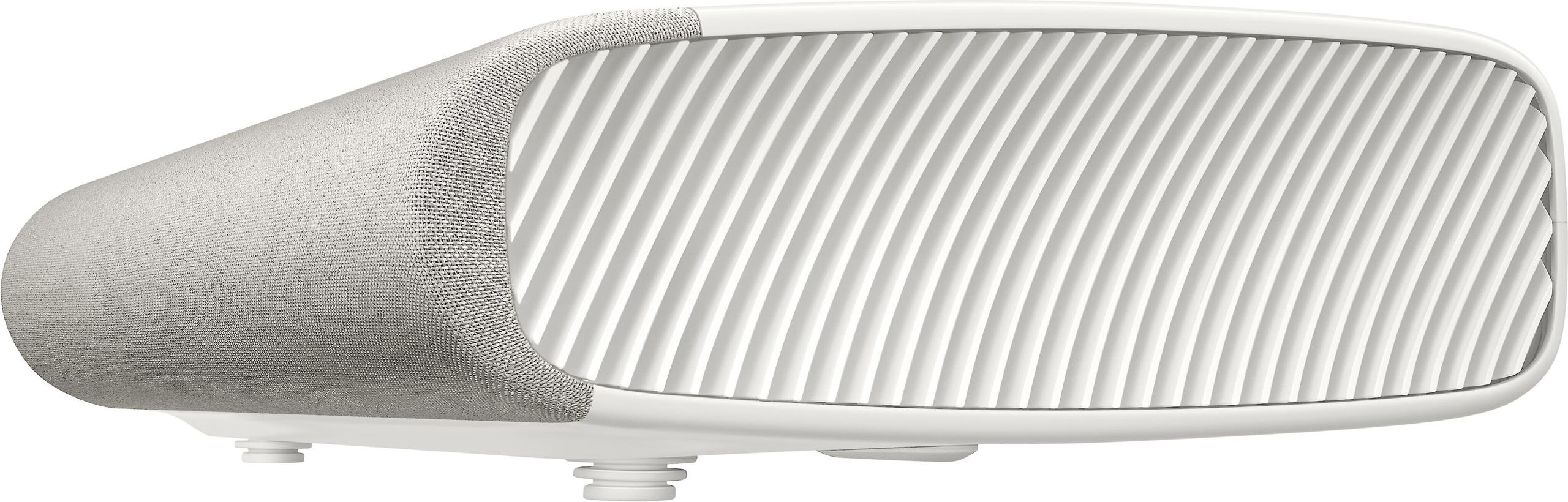
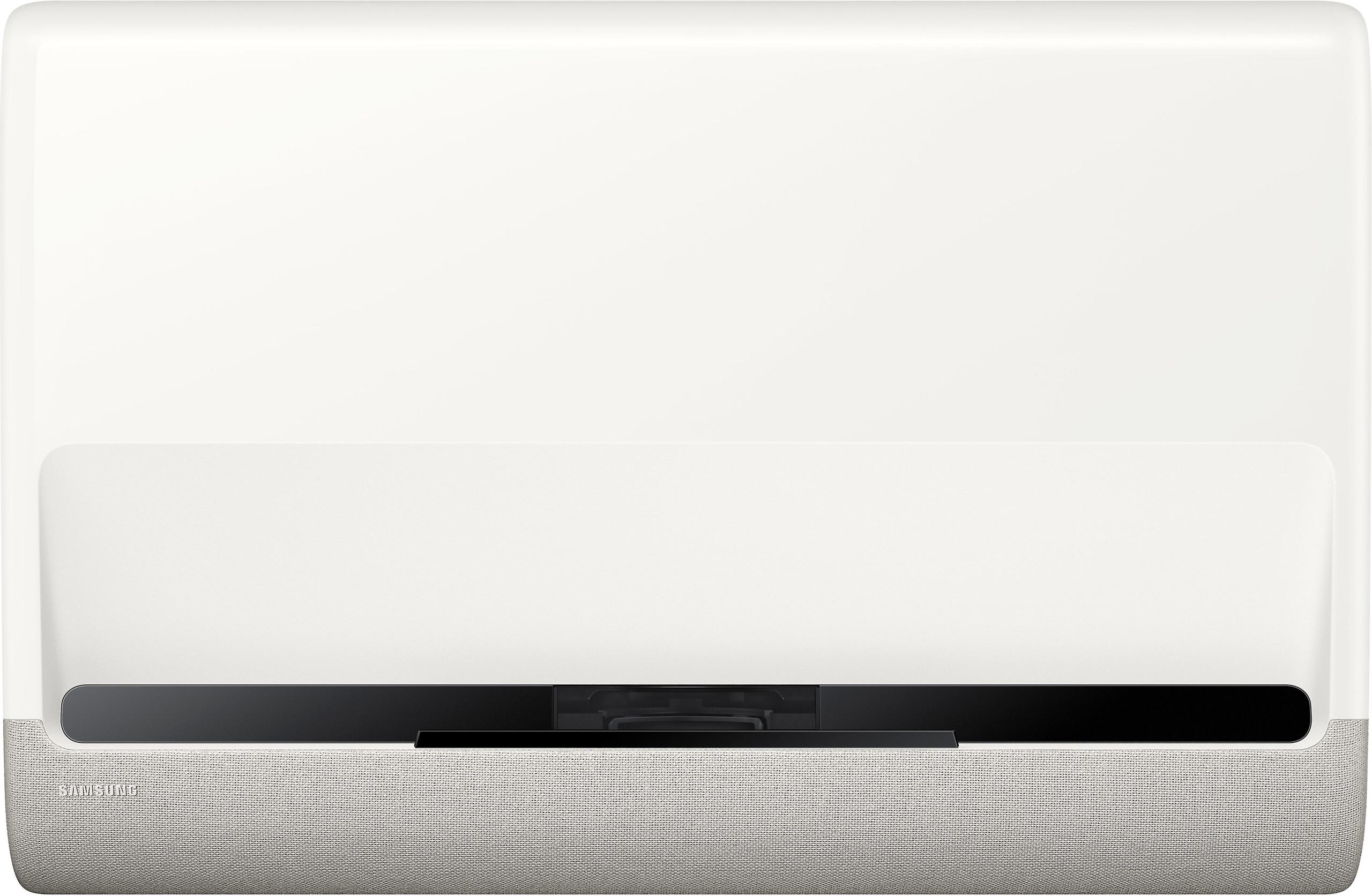
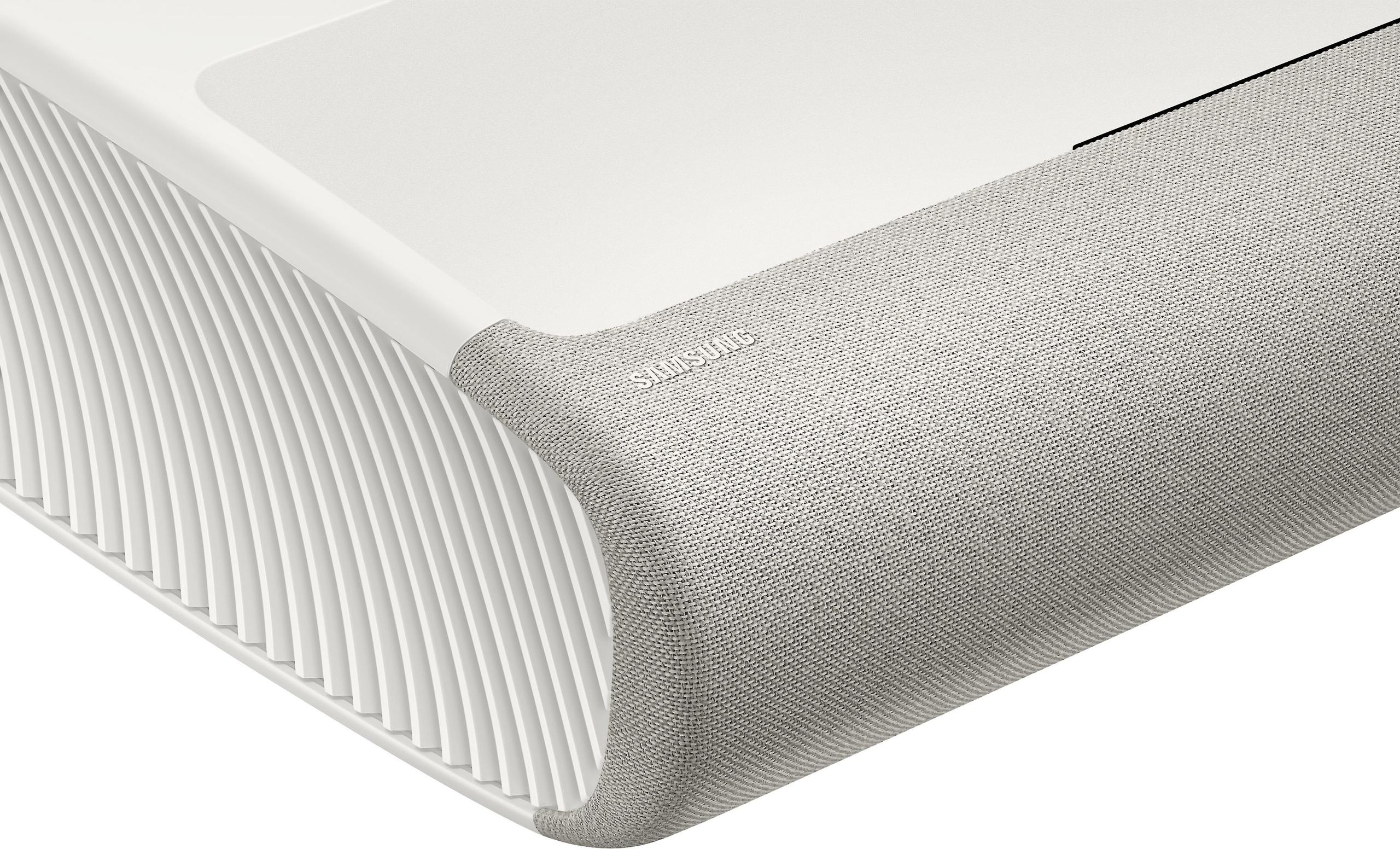
The fundamental difference lies in their installation approaches. The Epson LS11000 is a traditional throw projector, meaning it needs to be positioned several feet away from your screen, typically mounted on the ceiling or placed on a rear shelf. The Samsung Premiere 9 is an ultra-short throw (UST) projector, designed to sit just inches from your wall like a soundbar, projecting upward to create a massive image.
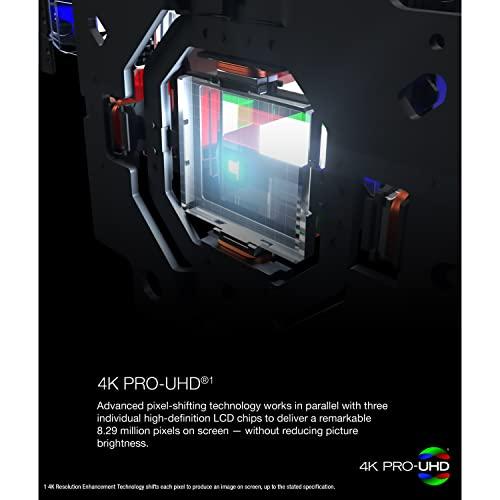
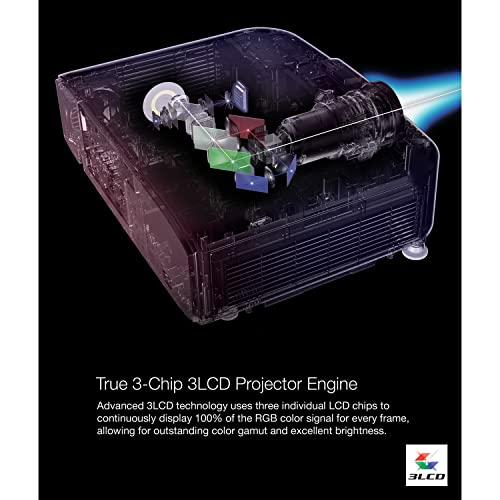
Both projectors achieve 4K resolution, but through different methods that affect the final image quality. The Epson LS11000 uses what's called "pixel shifting" technology—it starts with three 1080p LCD panels (one each for red, green, and blue) and rapidly shifts each pixel to create the equivalent of 8.3 million pixels on screen. Epson's latest implementation, called 4K PRO-UHD, uses a new Precision Shift Glass Plate that moves pixels so quickly and precisely that the result is virtually indistinguishable from native 4K projectors at normal viewing distances.
The Samsung Premiere 9 also uses pixel shifting, but with a single DLP chip and a technology called XPR (eXpanded Pixel Resolution). While effective, this approach doesn't quite match the sophistication of Epson's latest system. In practical terms, both deliver sharp 4K images, but the Epson has a slight edge in fine detail reproduction.
This is where the fundamental technology differences become most apparent. The Epson LS11000 uses 3LCD technology, which excels at producing deep blacks and excellent shadow detail. When you're watching a dark movie scene, like the cave sequences in a Batman film, the Epson can display subtle details in shadows while maintaining true black levels in the darkest areas.
The Samsung Premiere 9 uses DLP (Digital Light Processing) technology with a single chip and color wheel. While it boasts impressive contrast specifications on paper—2,000,000:1 versus the Epson's 1,200,000:1—real-world performance often favors the Epson's 3LCD design for black level reproduction. DLP projectors can sometimes struggle with the "black level compromise," where achieving bright highlights comes at the expense of deep blacks.
Here's where personal preference plays a significant role. The Epson LS11000 delivers more accurate colors straight out of the box, covering 100% of the DCI-P3 color space that most movie content uses. If you're a purist who wants colors to appear exactly as the filmmaker intended, the Epson's approach will appeal to you.
The Samsung Premiere 9 takes a different approach, delivering exceptionally vibrant colors that cover 154% of DCI-P3 and 106% of the newer BT.2020 color space. This means colors appear more saturated and "pop" more dramatically. Think of the difference between a natural sunset and an Instagram-filtered version—both can be beautiful, but they serve different preferences.
One technical consideration: the Epson's 3LCD design eliminates the "rainbow effect"—brief flashes of red, green, and blue that some people can see with single-chip DLP projectors like the Samsung. Not everyone notices this phenomenon, but if you're sensitive to it, the Epson is the clear choice.
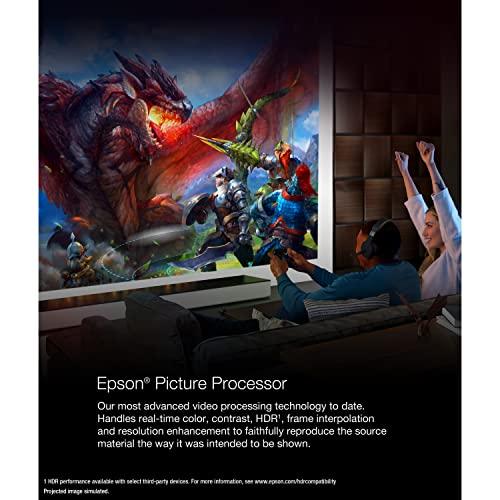
If gaming is important to you, the performance difference is dramatic. The Epson LS11000 includes dual HDMI 2.1 ports that support 4K resolution at 120 frames per second—crucial for getting the most out of PlayStation 5, Xbox Series X, or high-end PC gaming. The input lag (the delay between pressing a button and seeing the action on screen) measures around 20 milliseconds, which is excellent for a projector.
The Samsung Premiere 9 uses older HDMI 2.0 connections, limiting it to 4K at 60 frames per second, and suffers from higher input lag at 53 milliseconds. This makes it adequate for casual gaming but unsuitable for competitive gaming or getting the full performance from next-generation consoles.
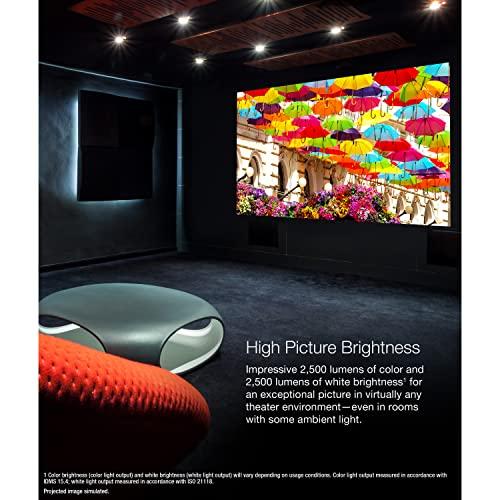
Brightness is measured in lumens, and more isn't always better—it depends on your room setup. The Samsung Premiere 9 delivers 3,450 lumens compared to the Epson LS11000's 2,500 lumens. That 38% brightness advantage makes the Samsung better suited for rooms with ambient light or very large screen sizes above 120 inches.
However, brightness needs to be balanced with contrast. A projector that's too bright for your room can actually look worse, washing out colors and reducing the perceived contrast. The Epson's lower brightness works exceptionally well in dedicated theater rooms with controlled lighting, where its superior black levels can shine.
The Samsung's higher brightness makes it more versatile for living room use, where you might want to watch content with some lights on or during daytime hours. The ultra-short throw design also helps here—since the projector sits close to the screen, less light is scattered around the room, improving the perceived contrast even in brighter environments.
This might be the most important factor in your decision. The Samsung Premiere 9 wins hands-down for convenience. You place it on a TV stand or shelf, plug it in, and you're projecting a massive image. The ultra-short throw design means it can create a 130-inch image from just 9.4 inches away from the wall. There's no ceiling mounting, no calculations about throw distances, and no light beam crossing your seating area.
The Epson LS11000 requires more planning but offers far more flexibility. It needs to be positioned 10.3 to 29.5 feet from your screen depending on the desired image size. However, it includes motorized lens shift that lets you move the image up, down, or sideways without physically moving the projector. This is incredibly valuable for getting the perfect image alignment.
The Epson also includes lens memory—you can save different zoom, focus, and shift settings for different content. Want to fill your entire 16:9 screen for regular movies but zoom in for ultra-wide 2.35:1 films? The projector can switch between these settings at the touch of a button.
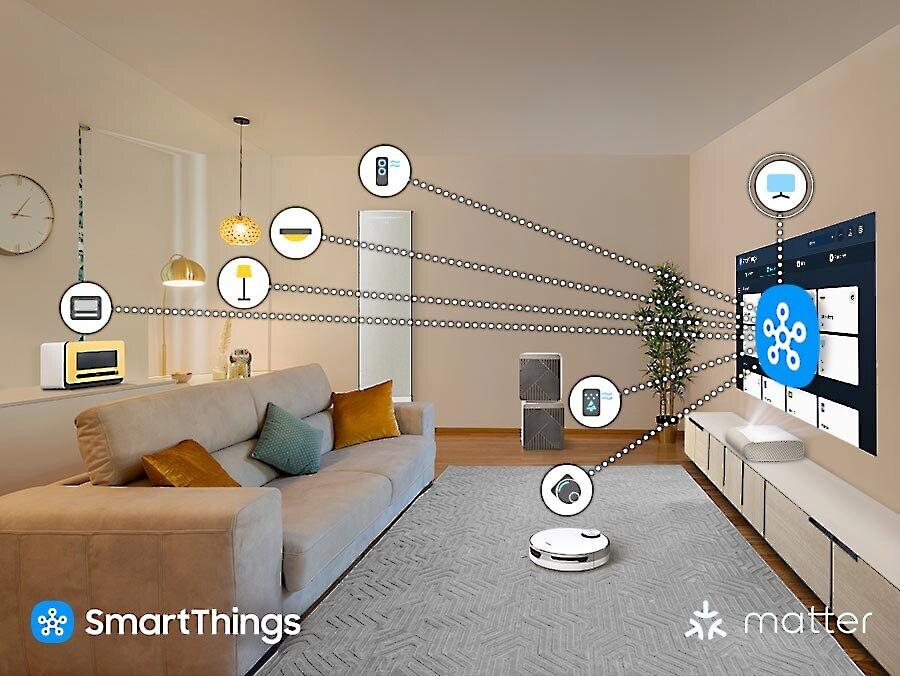
The Samsung Premiere 9 includes Samsung's Tizen smart TV platform, giving you access to Netflix, Disney+, Amazon Prime Video, and other streaming services without any additional devices. It also includes a robust 40-watt Dolby Atmos speaker system with upward-firing drivers for three-dimensional sound.
The Epson LS11000 includes none of these features—no smart platform, no speakers. This isn't necessarily a weakness; many home theater enthusiasts prefer separate, specialized components. But it does mean additional costs for a streaming device and sound system.
When calculating total system cost, factor in these extras for the Epson. A quality streaming device runs $100-200, and a decent sound system ranges from $300 for a soundbar to several thousand for a full surround setup. The Samsung's higher initial price begins to look more reasonable when you consider its all-in-one functionality.
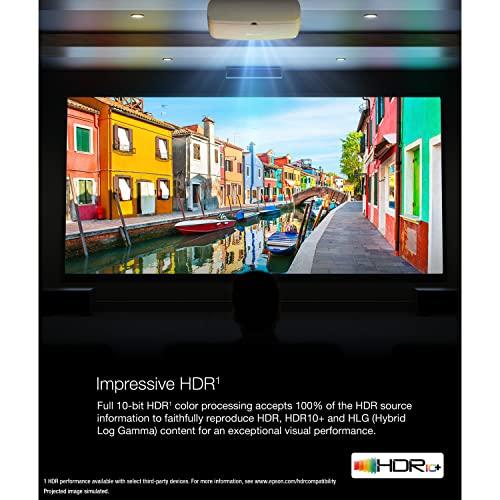
Both projectors support HDR10, HDR10+, and HLG high dynamic range formats, which expand the range of colors and brightness levels for more realistic images. However, neither supports Dolby Vision, which is disappointing given how prevalent this format has become on Netflix, Disney+, and 4K Blu-rays.
The Epson LS11000 includes sophisticated HDR processing with a dedicated adjustment button on the remote and 16-point brightness control for optimizing different content types. The Samsung Premiere 9 handles HDR well but offers fewer manual adjustment options.
The Epson LS11000 launched in 2022 with several notable improvements over its predecessors. The new Precision Shift Glass Plate pixel-shifting system is faster and quieter than previous versions, and the dual HDMI 2.1 implementation was forward-thinking for gaming compatibility.
The Samsung Premiere 9 represents the second generation of Samsung's Premiere line, with improved brightness and color performance compared to the original Premiere models from 2020. The triple RGB laser system eliminates the color wheel entirely, reducing potential rainbow artifacts and improving color purity.
Both projectors run relatively quietly, but there are differences. The Epson LS11000 operates at 20-30 decibels depending on brightness mode, making it nearly silent during operation. The Samsung Premiere 9 runs at around 33 decibels, slightly more noticeable but still acceptable for most viewing situations.
The Epson LS11000 is ideal for dedicated home theater enthusiasts who have a controlled lighting environment and value image quality above convenience. It's the clear choice for serious gamers who want 4K at 120Hz support. If you're planning to invest in a quality sound system anyway and don't need built-in smart features, the Epson offers superior performance per dollar.
The Samsung Premiere 9 makes sense for families who want big-screen entertainment in their living room without major installation projects. Its all-in-one design, higher brightness, and smart features create a compelling package for users who prioritize convenience and don't have dedicated theater rooms.
At the time of writing, the Epson LS11000 offers exceptional value for pure performance, delivering many of the same capabilities as projectors costing significantly more. The Samsung Premiere 9 commands a premium price that primarily reflects its convenience features and ultra-short throw design rather than superior image quality.
Consider the competitive landscape: several other manufacturers offer ultra-short throw projectors with similar specifications to the Samsung at considerably lower prices. This makes the Samsung's value proposition questionable unless you specifically prefer Samsung's smart platform and design aesthetic.
The Epson faces less direct competition in its price range, particularly with its combination of 4K pixel shifting, laser light source, and HDMI 2.1 gaming capabilities.
Your choice ultimately depends on your specific situation. If you have a dedicated theater room, care deeply about image quality, or prioritize gaming performance, the Epson LS11000 is the superior choice despite requiring additional components for a complete system.
If you need the convenience of ultra-short throw projection, want an all-in-one solution, or must use the projector in a bright living room, the Samsung Premiere 9 may justify its higher price through convenience and included features.
Both projectors represent solid implementations of their respective approaches to laser projection. Your decision should align with your room setup, usage patterns, and willingness to invest in additional components for the ultimate viewing experience.
| Epson Home Cinema LS11000 | Samsung Premiere 9 LPU9D |
|---|---|
| Display Technology - Affects image quality and rainbow artifacts | |
| 3-chip 3LCD with 4K PRO-UHD pixel shifting (no rainbow effect, better blacks) | Single-chip DLP with XPR pixel shifting (potential rainbow effect, brighter colors) |
| Brightness - Critical for room lighting compatibility | |
| 2,500 lumens (ideal for controlled lighting, dedicated theaters) | 3,450 lumens (38% brighter, better for living rooms with ambient light) |
| Throw Distance - Determines installation requirements | |
| Standard throw: 10.3-29.5 feet from screen (ceiling mount or rear shelf) | Ultra-short throw: 9.4 inches from wall (sits on TV console) |
| Gaming Performance - Essential for console and PC gaming | |
| Dual HDMI 2.1, 4K@120Hz, ~20ms input lag (excellent for next-gen consoles) | HDMI 2.0, 4K@60Hz only, 53ms input lag (casual gaming only) |
| Installation Flexibility - Affects ease of setup and positioning | |
| Motorized lens shift (±96.3% vertical, ±47.1% horizontal), 2.1x zoom, lens memory | No lens shift, fixed positioning (must be precisely placed) |
| Built-in Audio - Impacts total system cost | |
| No speakers (requires external sound system) | 40W 2.2.2 channel Dolby Atmos speakers included |
| Smart Features - Affects need for external streaming devices | |
| None (requires Apple TV, Roku, or similar device) | Samsung Tizen OS with Netflix, Disney+, Prime Video built-in |
| Color Performance - Affects image vibrancy and accuracy | |
| 100% DCI-P3, more accurate out-of-box colors | 154% DCI-P3, 106% BT.2020, more vibrant but may need calibration |
| Contrast Ratio - Critical for dark scene detail and black levels | |
| 1,200,000:1 with superior 3LCD black levels in practice | 2,000,000:1 spec but typical DLP black level limitations |
| HDR Support - Important for streaming and 4K Blu-ray content | |
| HDR10, HDR10+, HLG (no Dolby Vision) | HDR10, HDR10+, HLG (no Dolby Vision) |
| Warranty Coverage - Affects long-term ownership security | |
| 3 years parts and labor | 1 year limited warranty |
| Noise Level - Important for quiet viewing environments | |
| 20-30dB (quieter operation, better for dedicated theaters) | 33dB (slightly more audible fan noise) |
The Epson Home Cinema LS11000 is significantly better for gaming. It features dual HDMI 2.1 ports that support 4K gaming at 120Hz with approximately 20ms input lag, making it excellent for PlayStation 5, Xbox Series X, and PC gaming. The Samsung Premiere 9 only has HDMI 2.0 ports limited to 4K at 60Hz with 53ms input lag, which is adequate for casual gaming but not ideal for competitive gaming or getting full performance from next-gen consoles.
The Samsung Premiere 9 works better in brighter rooms thanks to its 3,450 lumens brightness and ultra-short throw design that minimizes light scatter. The Epson Home Cinema LS11000 at 2,500 lumens performs best in controlled lighting environments like dedicated home theaters, where its superior black levels and contrast can shine. For living room use with ambient light, the Samsung is more versatile.
The Samsung Premiere 9 is much easier to install - simply place it on a TV console or shelf 9.4 inches from your wall and you're projecting a 130-inch image. The Epson Home Cinema LS11000 requires more planning as it needs to be positioned 10.3-29.5 feet from the screen and typically requires ceiling mounting or a rear shelf installation.
The Samsung Premiere 9 includes a complete entertainment system with 40W Dolby Atmos speakers and Samsung's Tizen smart platform for Netflix, Disney+, and other streaming apps. The Epson Home Cinema LS11000 has no built-in speakers or smart features, requiring external devices for streaming and audio, which adds to the total system cost but allows for higher-quality separate components.
Both deliver excellent 4K images but with different strengths. The Epson Home Cinema LS11000 offers more accurate colors and superior black levels thanks to its 3LCD technology, making it ideal for movie enthusiasts who want filmmaker-intended colors. The Samsung Premiere 9 produces more vibrant, saturated colors with 154% DCI-P3 coverage that "pop" more dramatically but may require calibration for accuracy.
Both the Epson Home Cinema LS11000 and Samsung Premiere 9 use laser light sources rated for approximately 20,000 hours of operation. This translates to about 10 years of typical home use (5-6 hours daily), with consistent brightness throughout their lifespan and no need for expensive lamp replacements like traditional projectors.
The Epson Home Cinema LS11000 generally offers better value for pure performance, delivering superior gaming capabilities, image quality, and installation flexibility at a lower price point. The Samsung Premiere 9 commands a premium price that reflects its convenience features - ultra-short throw design, built-in speakers, and smart platform - rather than superior image quality.
Both the Epson Home Cinema LS11000 and Samsung Premiere 9 support HDR10, HDR10+, and HLG formats for enhanced color and brightness range. However, neither supports Dolby Vision, which is becoming increasingly common on streaming platforms and 4K Blu-rays. This is a notable limitation for both projectors.
The Samsung Premiere 9 needs minimal space - just 9.4 inches from the wall to project a 130-inch image, making it perfect for compact living rooms. The Epson Home Cinema LS11000 requires 10.3-29.5 feet of throw distance depending on desired screen size, typically necessitating ceiling mounting or rear shelf placement in larger dedicated theater rooms.
The Epson Home Cinema LS11000 operates more quietly at 20-30 decibels depending on brightness mode, making it nearly silent during movie viewing. The Samsung Premiere 9 runs at approximately 33 decibels, which is slightly more audible but still acceptable for most home entertainment situations.
The Samsung Premiere 9 with its higher 3,450 lumens brightness is better suited for very large screens over 120 inches, maintaining image quality at maximum 130-inch projection size. The Epson Home Cinema LS11000 can project up to 300 inches but may require darker rooms at larger sizes due to its lower 2,500 lumens output, though it offers more flexibility in screen size adjustment.
The Epson Home Cinema LS11000 includes a comprehensive 3-year warranty covering parts and labor, providing better long-term ownership security. The Samsung Premiere 9 comes with only a 1-year limited warranty, which represents higher long-term ownership risk and is a significant disadvantage for such a premium-priced projector.
We've done our best to create useful and informative comparisons to help you decide what product to buy. Our research uses advanced automated methods to create this comparison and perfection is not possible - please contact us for corrections or questions. These are the sites we've researched in the creation of this article: tvsbook.com - thesmarthomehookup.com - cepro.com - specsradar.com - projectorscreen.com - benq.com - projectorreviews.com - projectorscreen.com - youtube.com - projectorcentral.com - whathifi.com - projectorscreen.com - bestbuy.com - youtube.com - avsforum.com - versus.com - crutchfield.com - projectorcentral.com - shop.avispl.com - mediaserver.goepson.com - projectorscreen.com - bestbuy.com - simplehomecinema.com - dreamediaav.com - epson.com - sound-advice.online - valueelectronics.com - bhphotovideo.com - instylehifi.com.au - trustedreviews.com - target.com - pcrichard.com - projectorscreen.com - videoandaudiocenter.com - target.com - avsforum.com - projectorscreen.com

Privacy Policy
Terms and Conditions - Affiliate Policy
Home Security
© Copyright 2008-2026.
11816 Inwood Rd #1211, Dallas, TX 75244