

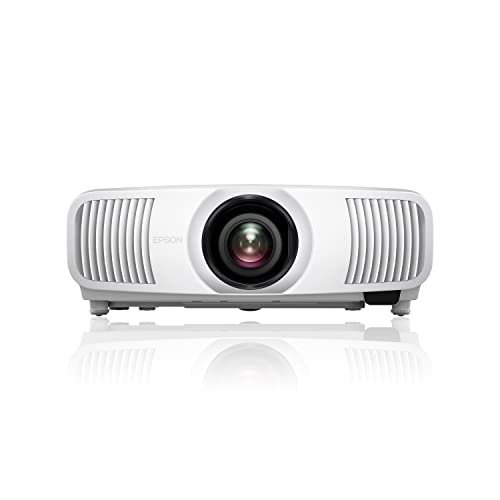
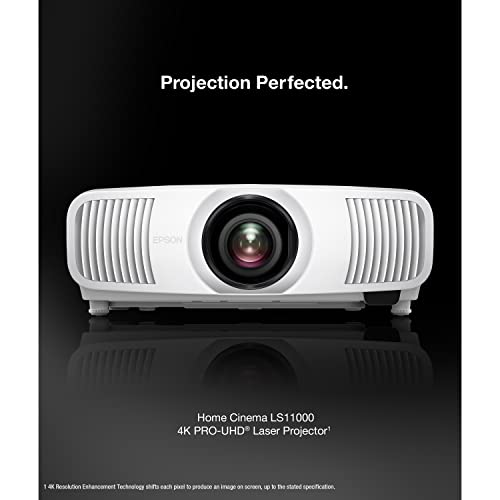
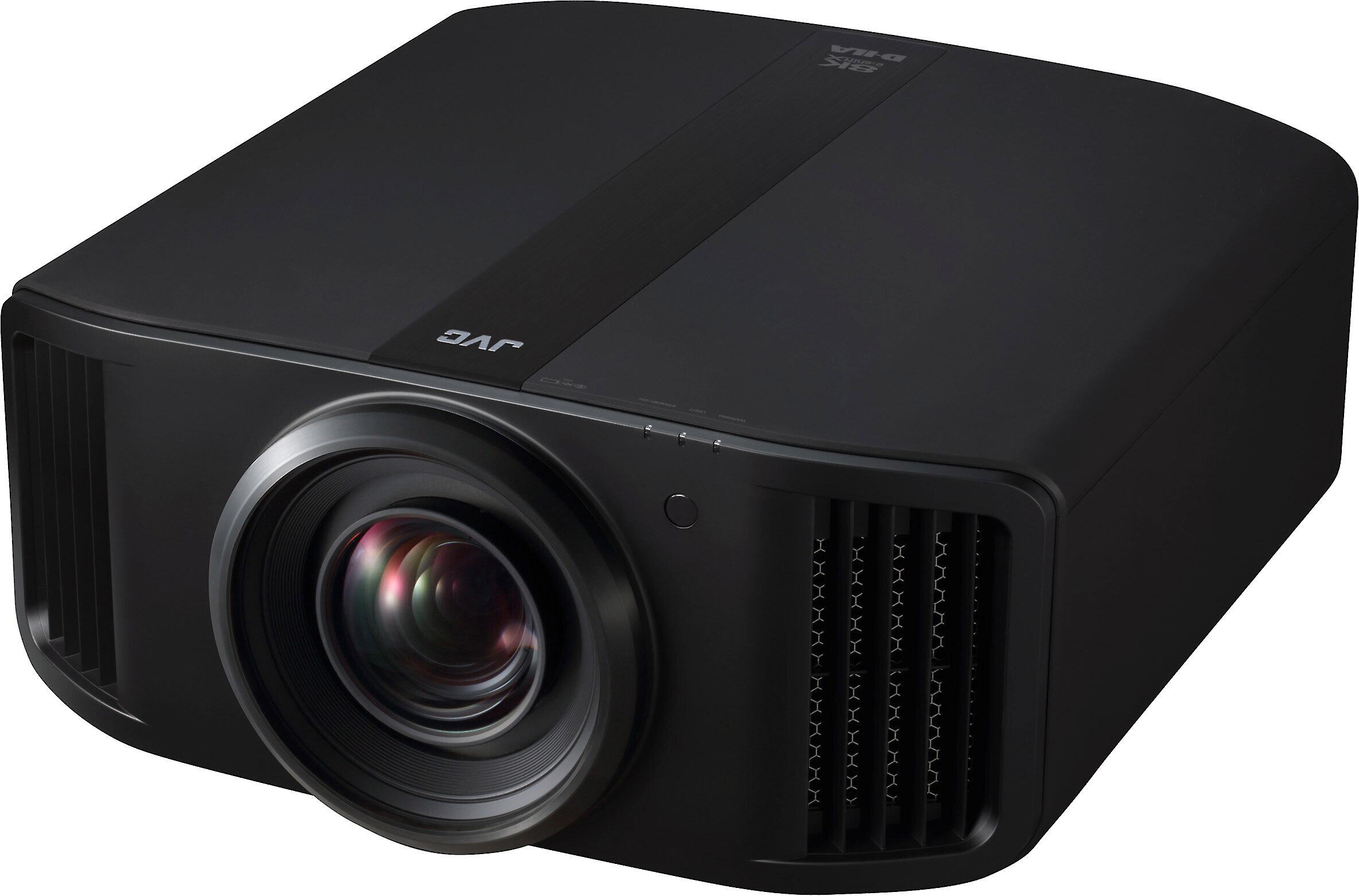
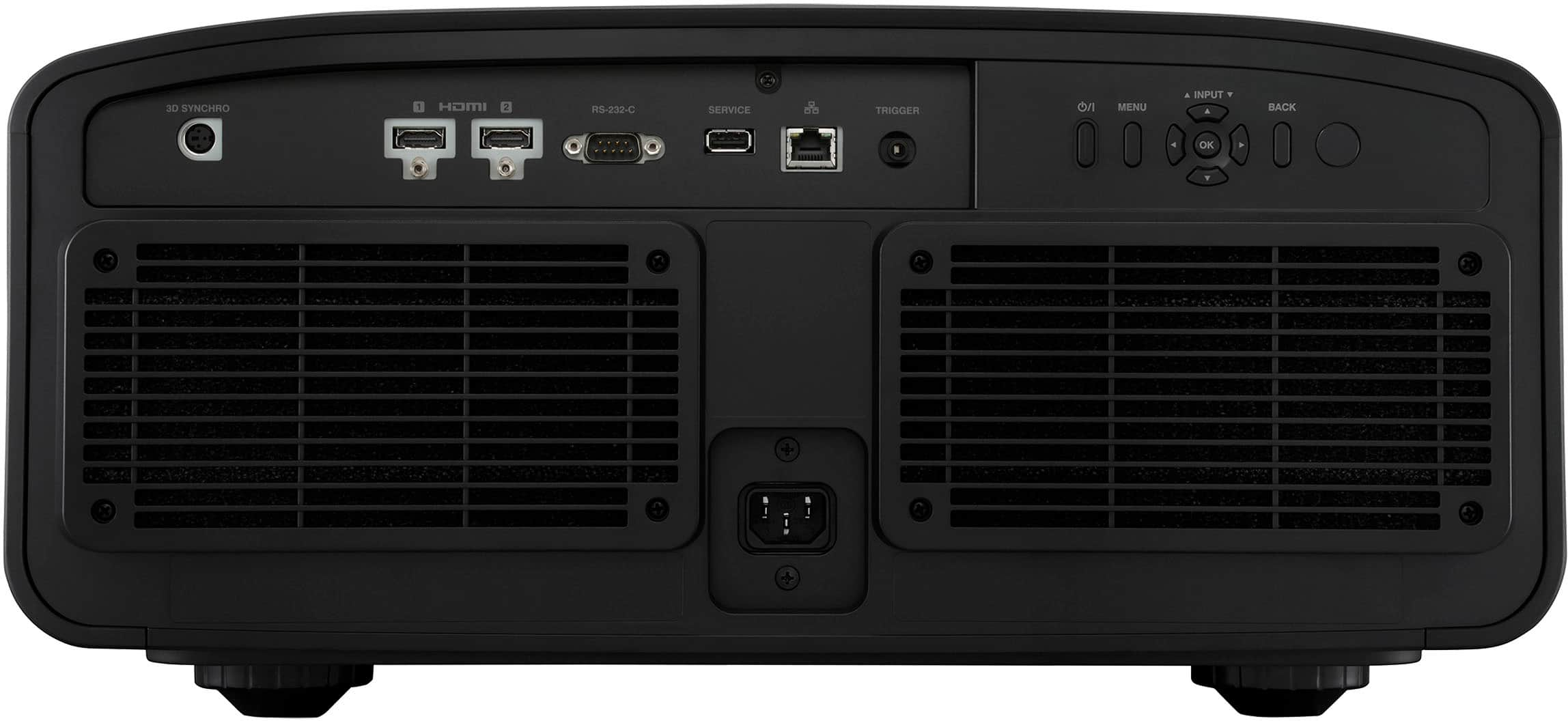
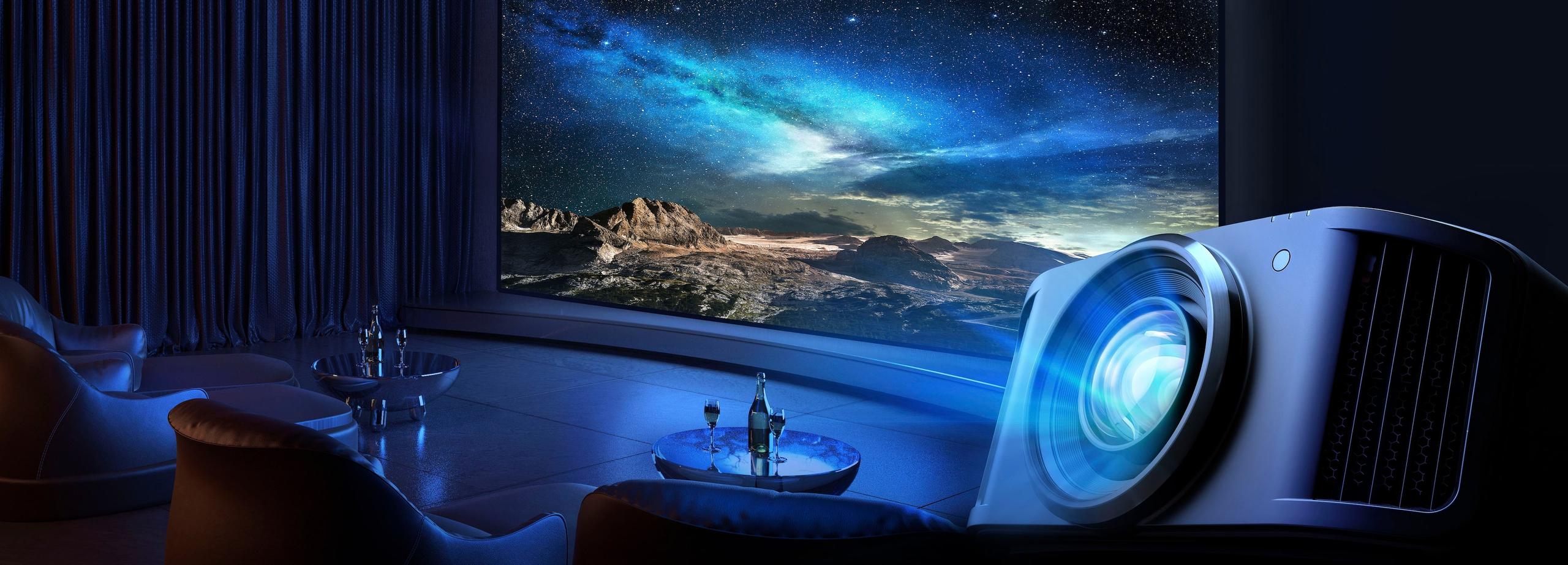

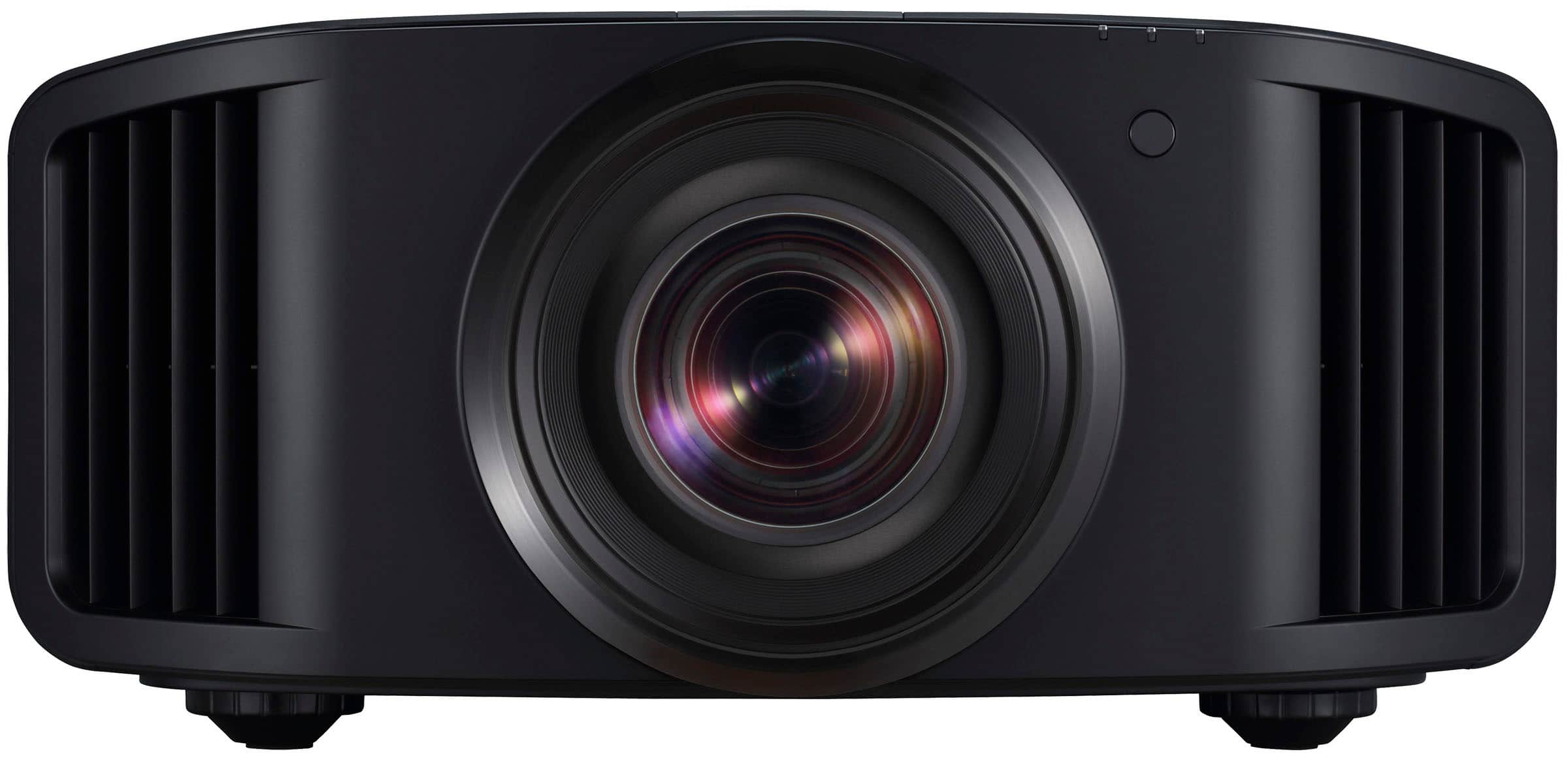
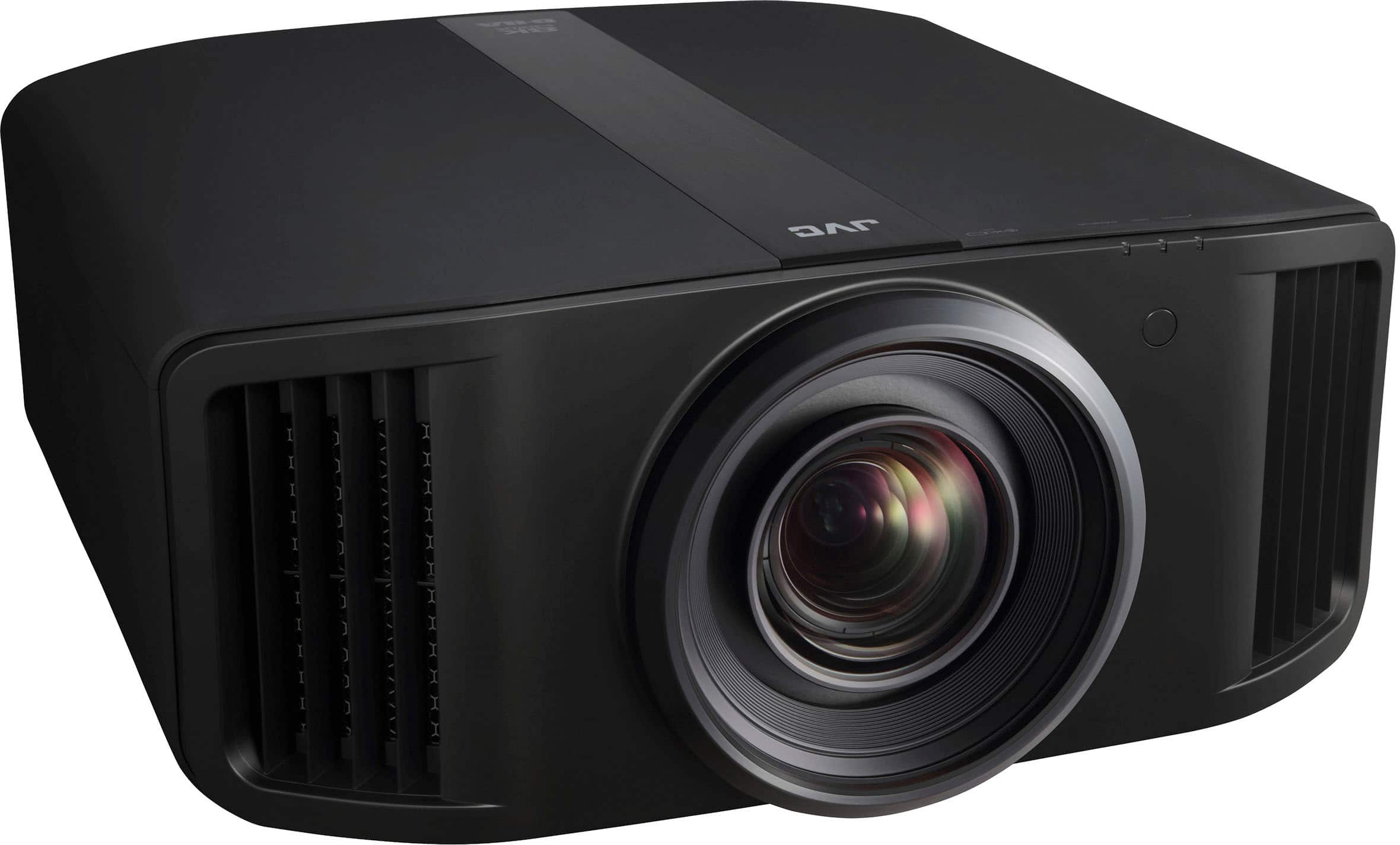
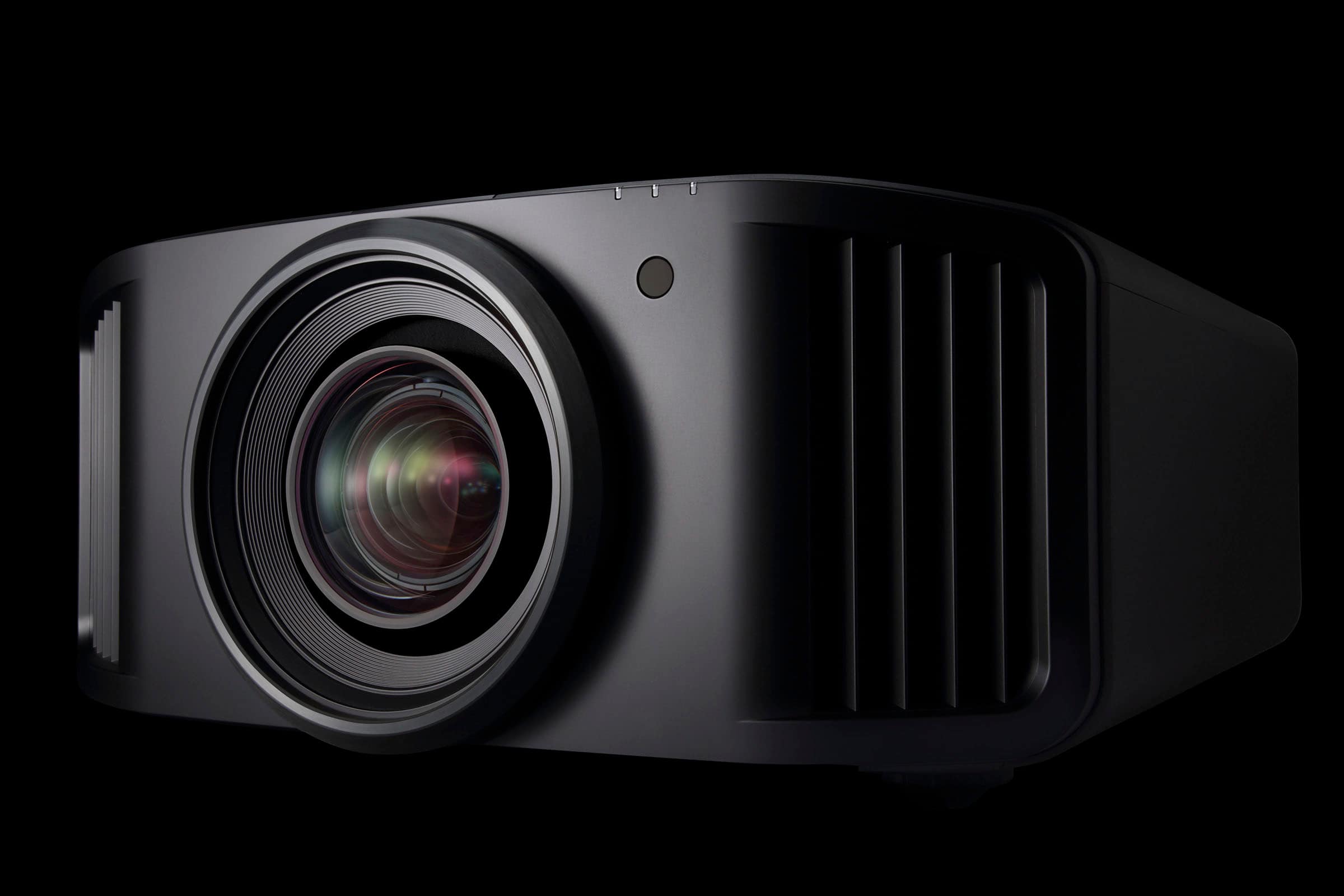
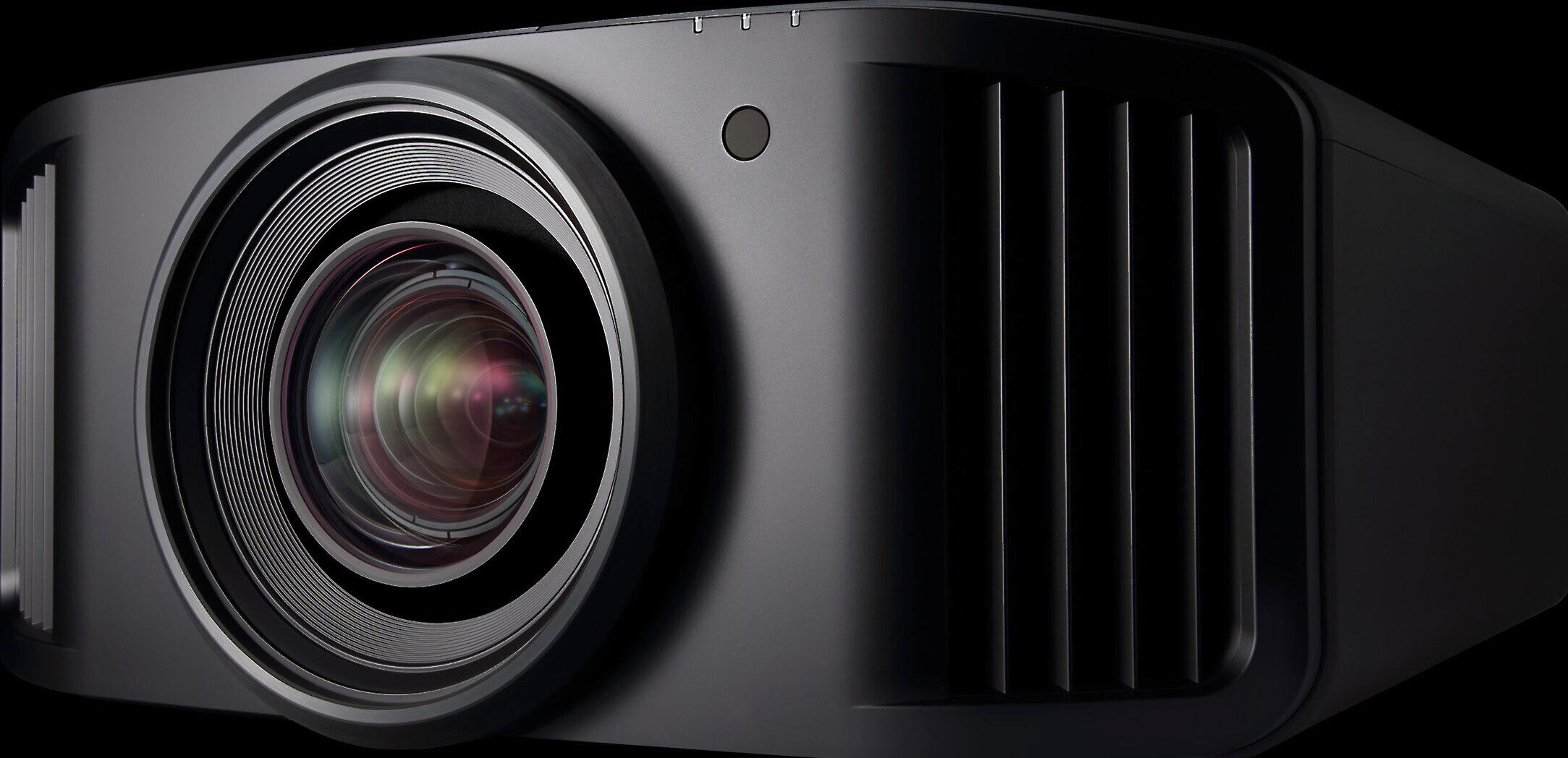
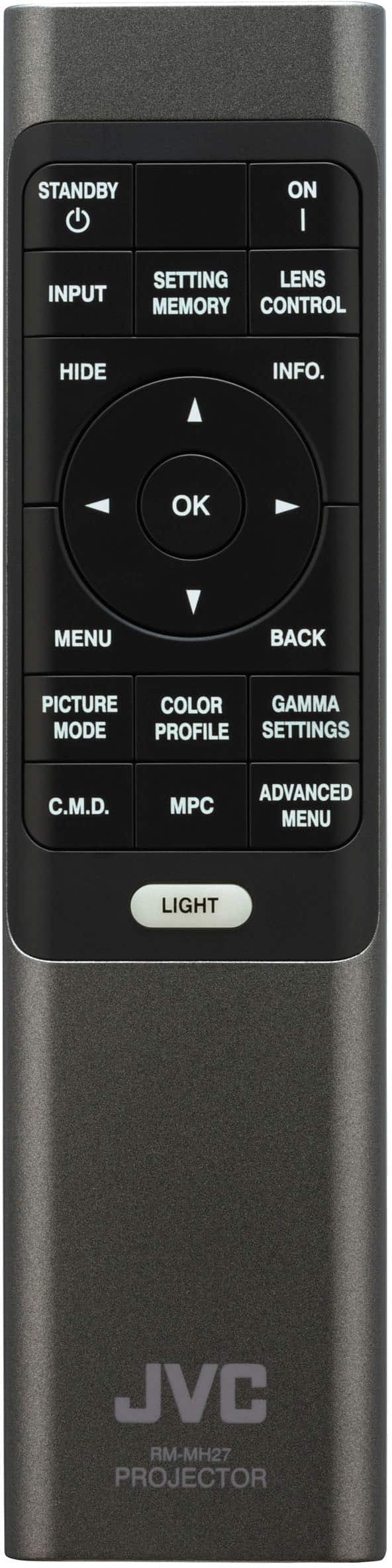
When it comes to creating a true cinematic experience at home, few things match the impact of a large-screen projector. But with options ranging from under $1,000 to well over $25,000, choosing the right projector can feel overwhelming. Today, we're diving deep into two projectors that represent fundamentally different approaches to home theater: the Epson Home Cinema LS11000 and the JVC DLA-NZ900.
These projectors, released in 2022 and 2024 respectively, showcase how the home theater market has evolved. The Epson LS11000 arrived as manufacturers began making laser projection more affordable, while the JVC NZ900 represents the cutting edge of what's possible when budget isn't the primary concern. At the time of writing, they sit at dramatically different price points—the Epson costs roughly six times less than the JVC—making this comparison as much about value as performance.
Before we dive into specifics, let's establish what makes a great home theater projector. Unlike TVs, projectors must create massive images (often 100+ inches diagonal) while maintaining brightness, sharpness, and color accuracy. This requires sophisticated light engines, high-quality optics, and advanced image processing.
The most critical factors are contrast ratio (the difference between the brightest whites and darkest blacks), native resolution, brightness measured in lumens, and color accuracy. In a dedicated home theater—a room you can make completely dark—contrast becomes king. Nothing ruins movie immersion like gray blacks that should be pitch black.
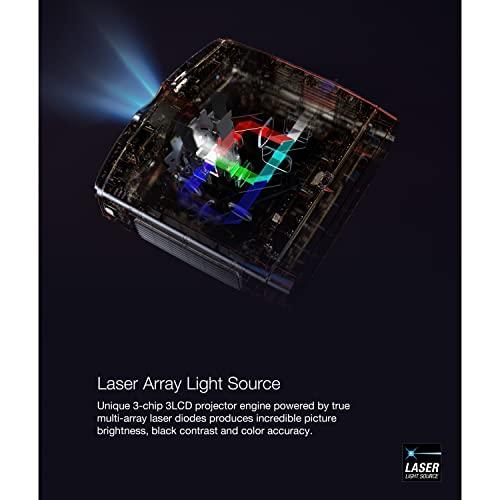
Both projectors use laser light sources instead of traditional bulbs. This matters because lasers maintain consistent brightness over their 20,000+ hour lifespan, while traditional bulbs dim significantly and need replacement every few thousand hours. Laser projectors also reach full brightness instantly, unlike bulbs that need warm-up time.
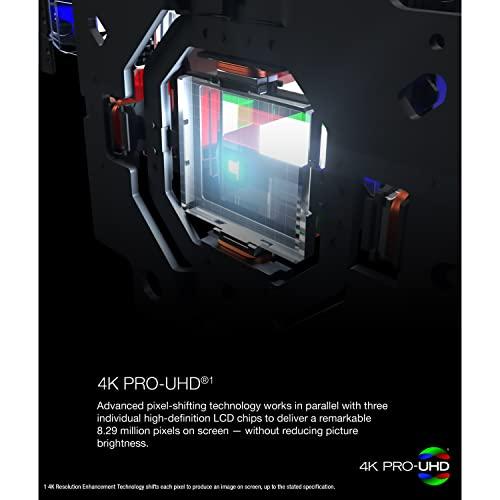
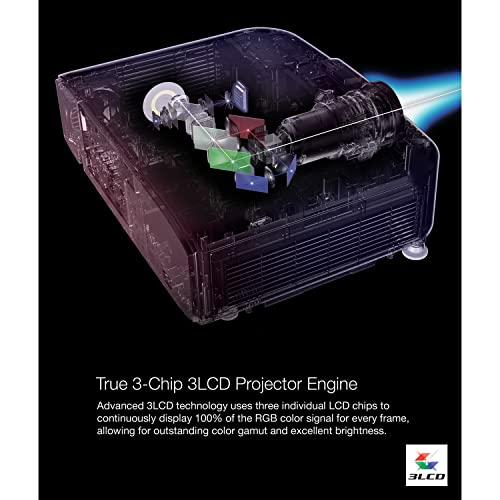
The Epson LS11000 uses 3LCD technology, which splits light into red, green, and blue components using three separate LCD panels. Each panel has a native resolution of 1920×1080 (1080p), but Epson's 4K PRO-UHD pixel-shifting technology rapidly moves these pixels to create a 4K image on screen. Think of it like having an extremely fast mechanical shutter that shifts each pixel to four different positions faster than your eye can detect, effectively quadrupling the detail.
The JVC NZ900, meanwhile, uses D-ILA technology (JVC's version of LCoS, or Liquid Crystal on Silicon). This system starts with three native 4K panels—each displaying 4096×2160 pixels—then uses 8K/e-shiftX technology to shift those already-high-resolution pixels to create an 8K image. The difference is significant: JVC starts with true 4K resolution before any enhancement, while Epson creates 4K through pixel manipulation alone.
This represents a generational leap in capability. It's like comparing a talented artist creating a detailed drawing versus scanning and enhancing a photograph—both can look excellent, but one starts from a fundamentally higher base resolution.
Here's where the biggest performance gap emerges. The Epson LS11000 advertises impressive dynamic contrast numbers exceeding 1,200,000:1, but its native contrast—the projector's ability to display true blacks without any electronic manipulation—sits around 1,500-2,000:1. Professional testing from multiple sources shows effective contrast around 5,000:1 after calibration.
The JVC NZ900 delivers 150,000:1 native contrast, meaning it can display blacks that are literally 75 times darker than the Epson without any electronic tricks. This translates to dramatically better shadow detail and more convincing dark scenes. When watching movies like "Blade Runner 2049" or "The Batman," the JVC's superior black levels create that crucial sense of depth and atmosphere that makes scenes feel three-dimensional.
Dynamic contrast (where the projector electronically dims or brightens the entire image) can help, but it's no substitute for true native contrast. Dynamic systems often create distracting brightness pumping during scenes with mixed light and dark elements.
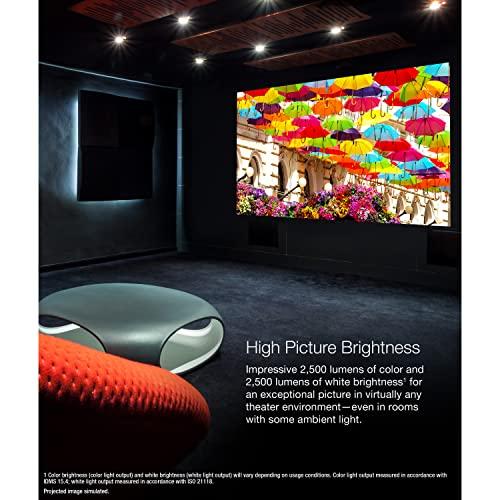
Both projectors pack serious brightness. The Epson LS11000 outputs 2,500 lumens while the JVC NZ900 delivers 3,300 lumens. But lumens tell only part of the story.
The Epson's brightness makes it surprisingly versatile for rooms with some ambient light. You can watch during daytime with curtains drawn or evening with moderate room lighting and still get satisfying image quality on screens up to 120 inches diagonal. This flexibility makes it ideal for multi-purpose media rooms where complete darkness isn't always practical.
The JVC's extra brightness helps with larger screens and HDR content, but it's really designed for dedicated theaters. Its strengths shine brightest (pun intended) in completely dark rooms where that superior contrast can work its magic. The additional lumens help fill massive 150+ inch screens while maintaining punchy HDR highlights.
This is where technical marketing meets real-world performance. The Epson LS11000 creates convincing 4K imagery from its 1080p panels. Epson's latest Precision Shift Glass Plate technology makes the pixel-shifting so fast and precise that detecting individual pixels becomes nearly impossible at normal viewing distances.
The JVC NZ900 starts with native 4K pixels, then enhances them to 8K resolution. The result is noticeably sharper fine detail, particularly with true 4K source material. Text appears crisper, fabric textures more detailed, and architectural elements more defined. While both handle upscaled 1080p content excellently, the JVC's native 4K advantage becomes apparent with UHD Blu-rays and streaming.
However, the sharpness difference matters less than you'd expect for movie watching. From typical seating distances (10-12 feet from a 120-inch screen), both projectors deliver satisfyingly sharp images. The JVC's resolution advantage becomes more important for larger screens or closer seating.
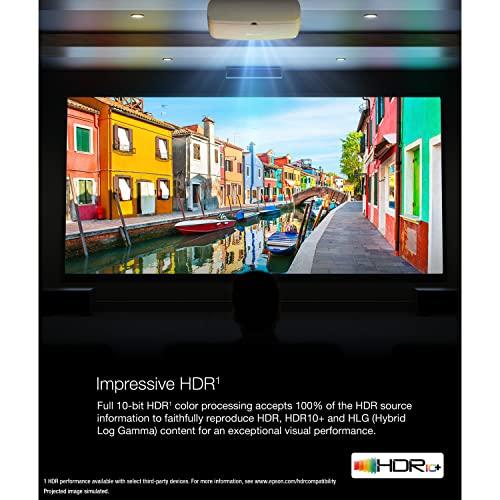
High Dynamic Range content requires careful tone mapping—the process of translating the wide brightness range recorded in movies to what your projector can actually display. Both projectors support HDR10 and HDR10+ formats, but their approaches differ significantly.
The Epson LS11000 provides user-friendly HDR controls, including a dedicated HDR adjustment button on the remote and 16-point brightness sliders. This puts you in control, letting you optimize different content types manually. It's effective but requires some tweaking.
The JVC NZ900 takes a more sophisticated approach with Frame Adapt HDR technology. This system analyzes each scene's brightness metadata and automatically adjusts tone mapping frame by frame. The Theater Optimizer function even considers your screen size and gain characteristics to optimize the presentation. The result is HDR that more faithfully represents the filmmaker's intent without manual intervention.
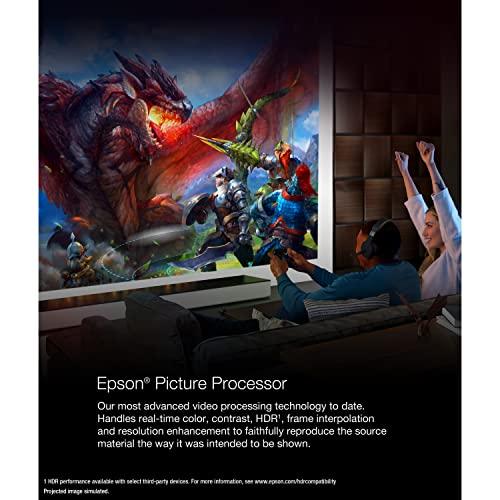
The Epson LS11000 clearly targets gamers alongside movie enthusiasts. Its dual HDMI 2.1 inputs support 4K HDR at 120fps with input lag below 20 milliseconds—excellent for competitive gaming with PlayStation 5 or Xbox Series X consoles. The projector even includes gaming-specific picture modes.
The JVC NZ900 supports 4K/120Hz input but with roughly 30ms input lag. That's perfectly adequate for single-player games and casual multiplayer, but competitive gamers will notice the difference. The JVC clearly prioritizes cinema quality over gaming performance.
The physical differences between these projectors reflect their target markets. The Epson LS11000 weighs a reasonable 28 pounds and operates quietly at 22-30 decibels depending on brightness mode. It's designed for straightforward installation in typical home environments.
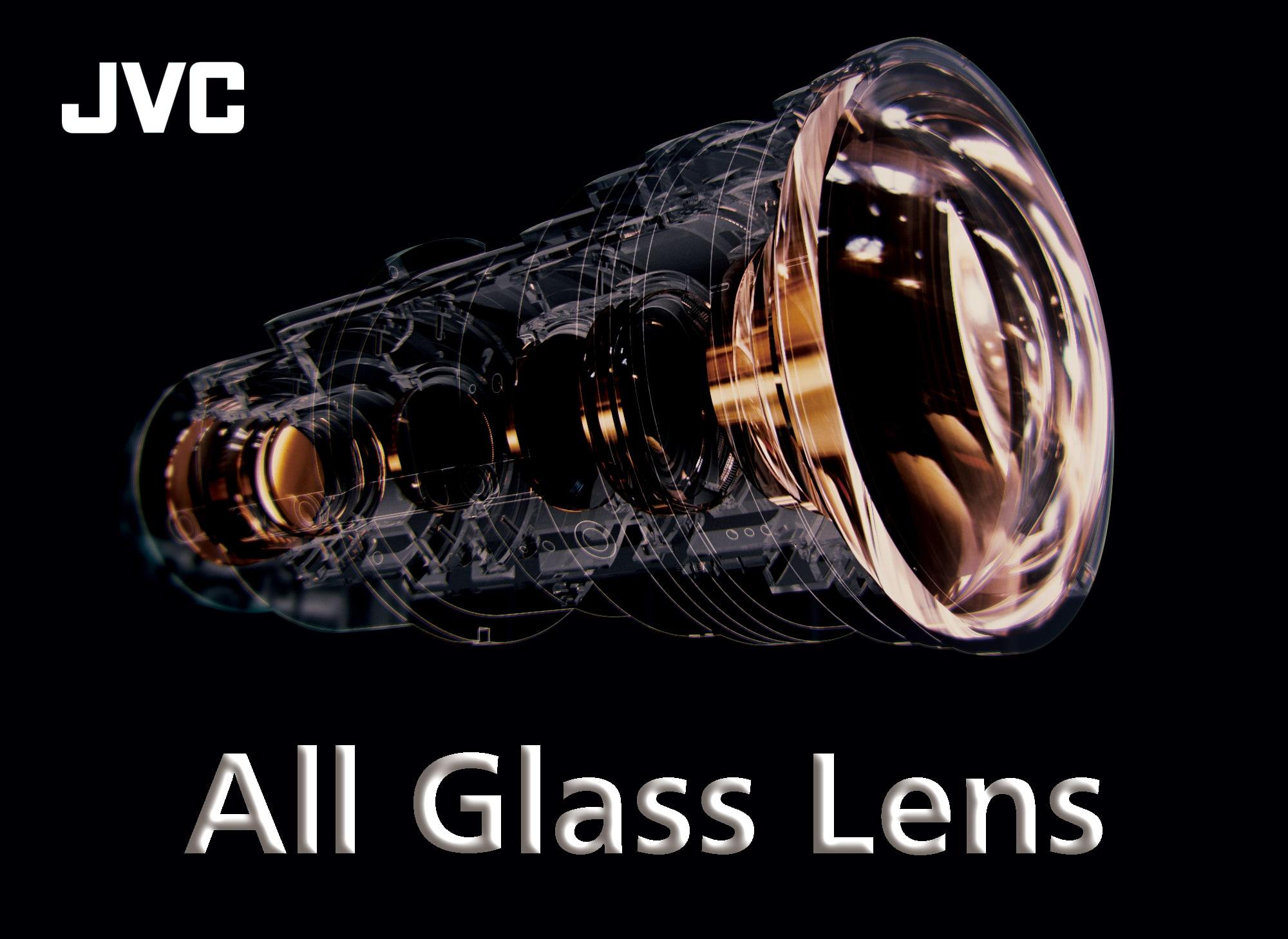
The JVC NZ900 weighs a substantial 56 pounds and requires robust ceiling mounting. However, this mass houses exceptional build quality, including an 18-element, all-glass lens with 100mm diameter—professional-grade optics designed to project 8K imagery evenly across massive screens. The projector runs whisper-quiet at just 24 decibels minimum.
Both offer extensive lens shift capabilities—the ability to move the image up, down, and sideways without moving the projector itself. This simplifies installation by reducing precise positioning requirements. The JVC includes 10 lens memory presets, making it particularly valuable for anamorphic lens setups that switch between different aspect ratios.
Color accuracy separates good projectors from great ones. The Epson LS11000 delivers impressive color out of the box with 10-bit processing and good coverage of the DCI-P3 color space used in movies. Most users will be satisfied without professional calibration.
The JVC NZ900 excels here with 12-bit processing, 18-bit gamma curves, and coverage exceeding 100% of the DCI-P3 standard. It includes ISF C3 certification mode and an auto-calibration function with optional sensor. This enables reference-level color accuracy that truly honors how filmmakers intended their work to appear.
The difference becomes apparent with challenging content like animated films or nature documentaries where subtle color gradations matter. The JVC renders smoother skin tones, more natural foliage, and eliminates color banding in gradients.
At the time of writing, the Epson LS11000 represents exceptional value for money. It delivers roughly 85-90% of the visual experience of projectors costing several times more. The laser light source, 4K enhancement, good HDR support, and gaming capabilities create a compelling package for its price point.
The JVC NZ900 costs roughly six times more but doesn't deliver six times better performance in all scenarios. However, in dedicated dark rooms with large screens, its contrast advantage can be transformational. The native 4K resolution, 8K enhancement, professional calibration options, and reference-quality optics justify the premium for serious enthusiasts.
The reality is that most viewers would be thrilled with either projector. The question is whether the JVC's advantages matter enough to justify the substantial price difference.
Choose the Epson LS11000 if you want excellent large-screen performance without breaking the bank. It's perfect for multi-purpose media rooms with some ambient light, gaming enthusiasts who want 120Hz support, or anyone seeking premium laser projection at an accessible price. The projector offers tremendous flexibility and user-friendly operation while delivering genuinely impressive image quality.
The Epson also makes sense if you're building your first serious home theater setup. Its forgiving installation requirements, bright output, and simple setup process reduce the learning curve while still providing a dramatic upgrade over typical TVs.
Choose the JVC NZ900 if you have a dedicated, light-controlled theater room and demand reference-quality performance. It's ideal for serious cinephiles who prioritize ultimate black levels and contrast, installations requiring professional calibration, or setups with massive screens (150+ inches) where every detail matters.
The JVC particularly excels if you're planning an anamorphic lens installation for true 2.35:1 cinema aspect ratios, or if you have challenging room acoustics where whisper-quiet operation matters.
Both projectors excel in their respective categories, but they serve different audiences. The Epson LS11000 democratizes premium projection technology, offering genuinely impressive performance at a price that won't require sacrificing other aspects of your home theater. The JVC NZ900 represents the pinnacle of home projection, delivering reference-quality performance for those who demand the absolute best.
In my experience evaluating dozens of projectors, the law of diminishing returns applies strongly here. The Epson gets you 90% of the way to projector perfection at 15% of the price. But for that final 10% improvement in image quality, particularly in dark room contrast performance, the JVC stands nearly alone.
Consider your room, your budget, and your priorities carefully. Both projectors will transform your viewing experience, but choosing the right one depends on whether you prioritize value and versatility or ultimate performance regardless of cost.
| Epson Home Cinema LS11000 | JVC DLA-NZ900 |
|---|---|
| Display Technology - Foundation that determines image quality potential | |
| 3LCD with 0.74" panels, 4K via pixel-shifting from 1080p base | D-ILA with 0.69" native 4K panels, enhanced to 8K via e-shiftX |
| Native Contrast Ratio - Most critical spec for dark room movie watching | |
| ~1,500-2,000:1 (good but visible gray blacks) | 150,000:1 (reference-level deep blacks, 75x better) |
| Brightness Output - Determines screen size and ambient light handling | |
| 2,500 lumens (excellent for 100-120" screens, some ambient light OK) | 3,300 lumens (ideal for 150"+ screens, better HDR punch) |
| Light Source Technology - Affects maintenance and color consistency | |
| Multi-array blue laser phosphor, 20,000 hour lifespan | BLU-Escent laser with enhanced optics, 20,000+ hours |
| Gaming Performance - Critical for console and PC gaming | |
| Dual HDMI 2.1, 4K/120Hz, <20ms input lag (excellent for gaming) | HDMI 2.1, 4K/120Hz, ~30ms input lag (adequate for casual gaming) |
| Lens Quality and Flexibility - Affects installation options and image uniformity | |
| 2.1x motorized zoom, standard optics, lens memory for aspect ratios | 18-element 100mm all-glass lens, 2x zoom, 10 lens memory presets |
| HDR Processing - Important for modern streaming and UHD content | |
| HDR10/HDR10+/HLG, manual tone mapping controls | Frame Adapt HDR with scene-by-scene optimization, Theater Optimizer |
| Color Processing and Accuracy - Affects realistic color reproduction | |
| 10-bit processing, good DCI-P3 coverage, user-friendly calibration | 12-bit processing, >100% DCI-P3, ISF certification, auto-calibration |
| Build Quality and Noise - Impacts installation and viewing experience | |
| 28 lbs, 22-30 dB operation (reasonable for most rooms) | 55.7 lbs, 24 dB minimum (whisper quiet, requires robust mounting) |
| Target Use Case - Who each projector is designed for | |
| Multi-purpose media rooms, gaming, excellent value proposition | Dedicated dark theaters, reference cinema quality, unlimited budget |
| Best Value Scenario - When the investment makes most sense | |
| Want 90% of premium performance at accessible cost | Demand absolute best contrast and image quality regardless of price |
The JVC DLA-NZ900 is significantly better for dark room theaters due to its 150,000:1 native contrast ratio, which produces true blacks and exceptional shadow detail. The Epson Home Cinema LS11000 has much lower native contrast around 1,500-2,000:1, making blacks appear gray in dark rooms. For dedicated home theaters, the JVC NZ900 delivers reference-quality cinema performance.
The Epson LS11000 uses pixel-shifting to create 4K images from native 1080p panels, while the JVC NZ900 starts with true 4K panels then enhances to 8K resolution. The JVC provides noticeably sharper detail and text clarity, especially on screens larger than 120 inches. However, both deliver excellent sharpness for typical home theater viewing distances.
The JVC DLA-NZ900 outputs 3,300 lumens compared to the Epson LS11000's 2,500 lumens. This extra brightness helps the JVC fill massive 150+ inch screens while maintaining vivid HDR performance. The Epson is still excellent for screens up to 120 inches and handles some ambient light better than most projectors.
The Epson Home Cinema LS11000 is more versatile for rooms with moderate ambient light due to its bright output and lower contrast dependency. The JVC NZ900 is designed for light-controlled environments where its superior contrast can shine. For multi-purpose media rooms, the Epson offers better flexibility.
The Epson LS11000 is specifically optimized for gaming with dual HDMI 2.1 inputs, 4K/120Hz support, and input lag below 20ms. The JVC DLA-NZ900 supports 4K/120Hz but has around 30ms input lag, making it adequate for casual gaming but not ideal for competitive play. Serious gamers should choose the Epson.
Both projectors use advanced laser technology lasting 20,000+ hours without bulb replacements. The Epson Home Cinema LS11000 features multi-array blue laser phosphor technology, while the JVC NZ900 uses BLU-Escent laser with enhanced optical efficiency. Both provide consistent brightness and instant-on capability throughout their lifespan.
The JVC DLA-NZ900 weighs 55.7 pounds with professional-grade construction including an 18-element all-glass lens, while the Epson LS11000 weighs 28 pounds with solid but more consumer-oriented build quality. The JVC requires robust mounting but operates whisper-quiet at 24dB, while the Epson runs at 22-30dB depending on mode.
The Epson Home Cinema LS11000 provides exceptional value, delivering roughly 85-90% of premium projector performance at a fraction of high-end prices. The JVC NZ900 represents ultimate performance but at a significant premium. For most users, the Epson offers the best balance of features and affordability.
The JVC DLA-NZ900 features advanced Frame Adapt HDR with scene-by-scene tone mapping and Theater Optimizer technology for automatic optimization. The Epson LS11000 supports HDR10, HDR10+, and HLG with user-friendly manual controls including a dedicated HDR button. Both handle HDR content well, but the JVC provides more sophisticated processing.
The Epson Home Cinema LS11000 is ideal for 100-120 inch screens in typical home theater setups, while the JVC NZ900 excels with larger 150+ inch installations due to its higher brightness and superior optics. Both can project images from 50 to 300 inches, but optimal performance varies by screen size and viewing environment.
The Epson LS11000 offers more straightforward installation with reasonable weight, extensive lens shift, and user-friendly setup menus. The JVC DLA-NZ900 requires professional-grade mounting due to its weight but provides 10 lens memory presets and more precise adjustment options. First-time projector buyers will find the Epson more approachable.
Both projectors feature laser light sources rated for 20,000+ hours of operation, eliminating traditional bulb replacements. The JVC NZ900 uses more robust components and cooling systems for potentially longer lifespan, while the Epson Home Cinema LS11000 offers proven reliability at its price point. Either projector should provide many years of dependable service with proper maintenance.
We've done our best to create useful and informative comparisons to help you decide what product to buy. Our research uses advanced automated methods to create this comparison and perfection is not possible - please contact us for corrections or questions. These are the sites we've researched in the creation of this article: tvsbook.com - thesmarthomehookup.com - cepro.com - specsradar.com - projectorscreen.com - benq.com - projectorreviews.com - projectorscreen.com - youtube.com - projectorcentral.com - whathifi.com - projectorscreen.com - bestbuy.com - youtube.com - avsforum.com - versus.com - crutchfield.com - projectorcentral.com - shop.avispl.com - mediaserver.goepson.com - projectorscreen.com - bestbuy.com - simplehomecinema.com - dreamediaav.com - epson.com - projectorcentral.com - valueelectronics.com - crutchfield.com - projectorreviews.com - soundapproach.com - houseofstereo.com - puretheatre.com - projectorscreen.com - projectorcentral.com - stereonet.com

Privacy Policy
Terms and Conditions - Affiliate Policy
Home Security
© Copyright 2008-2026.
11816 Inwood Rd #1211, Dallas, TX 75244