

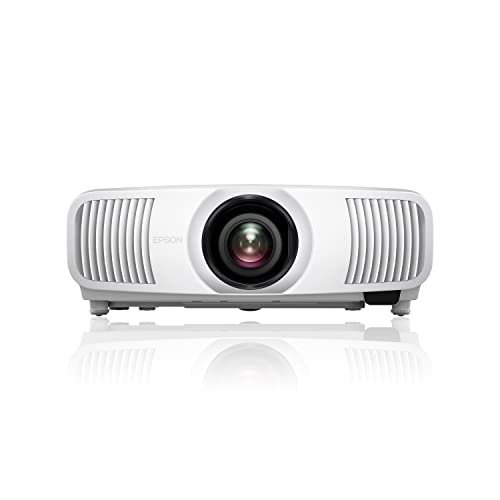
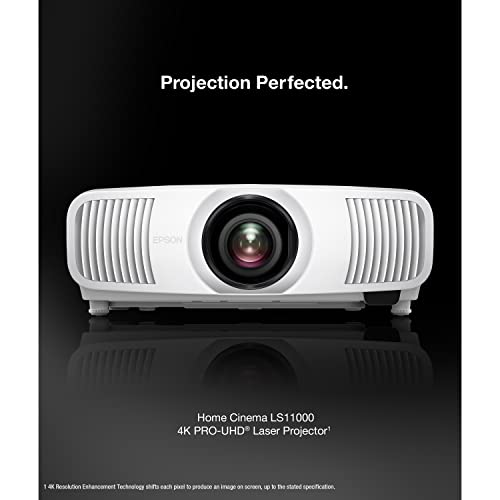
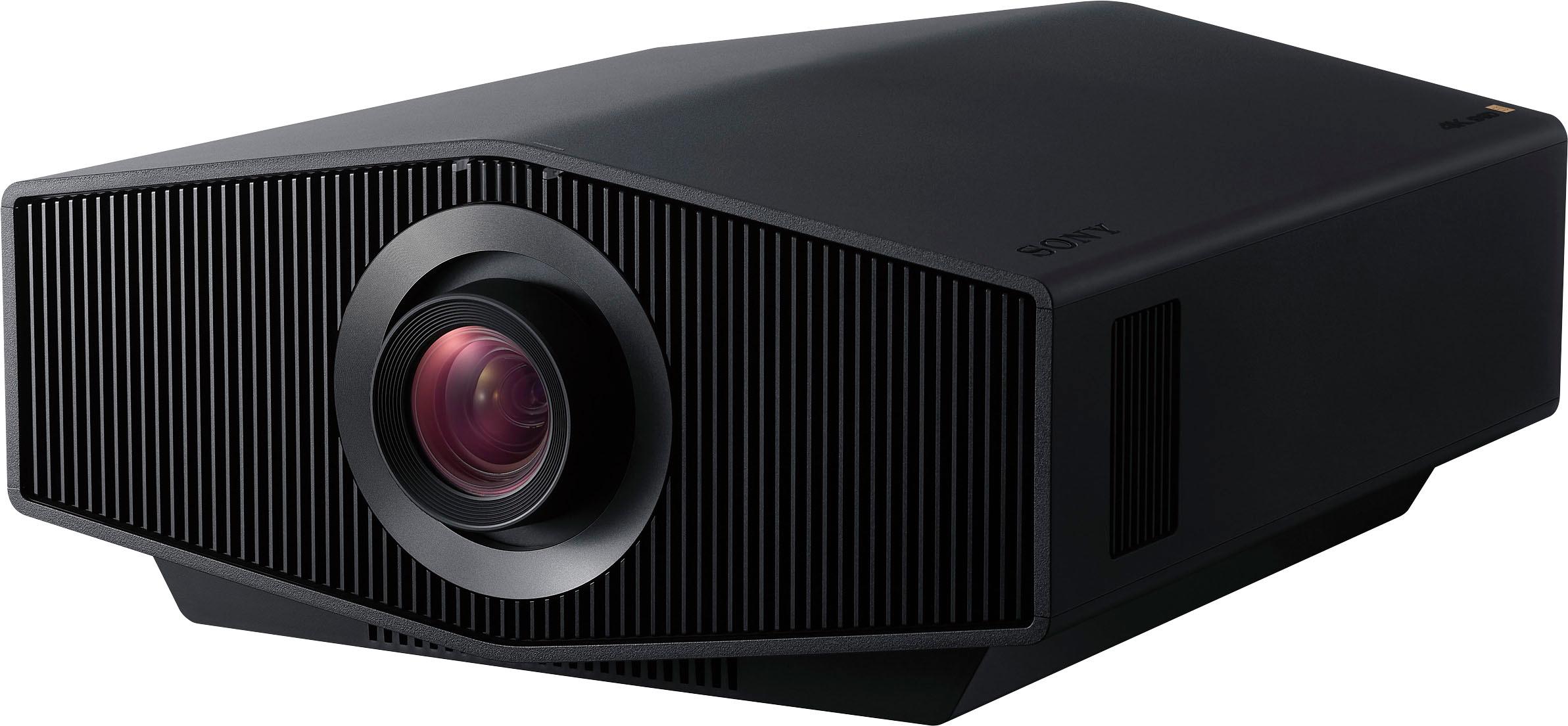
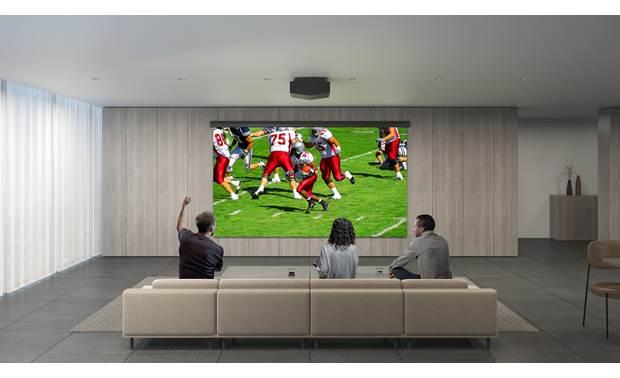
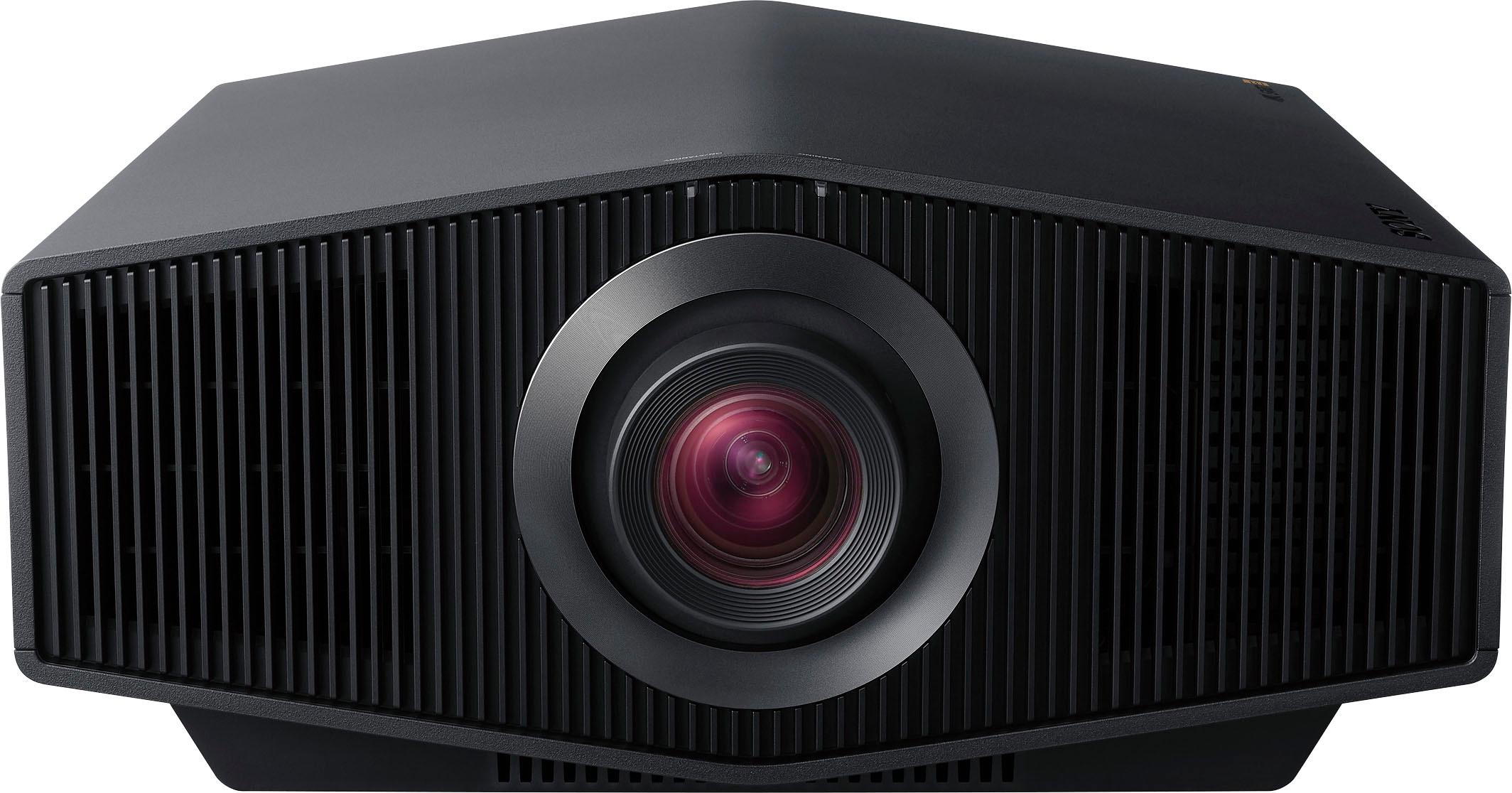
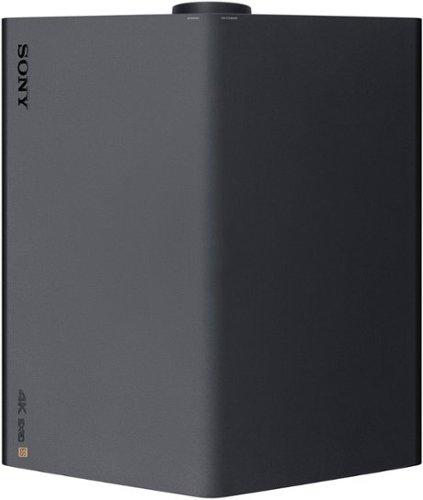
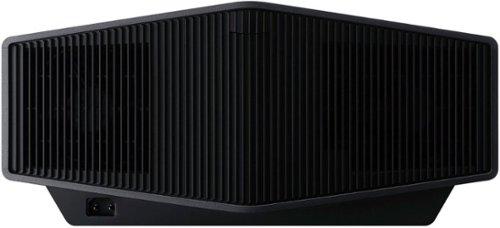
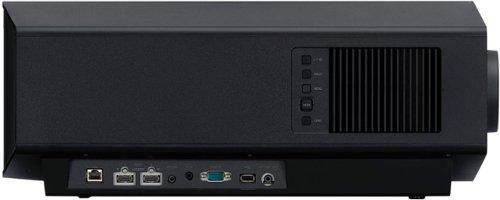
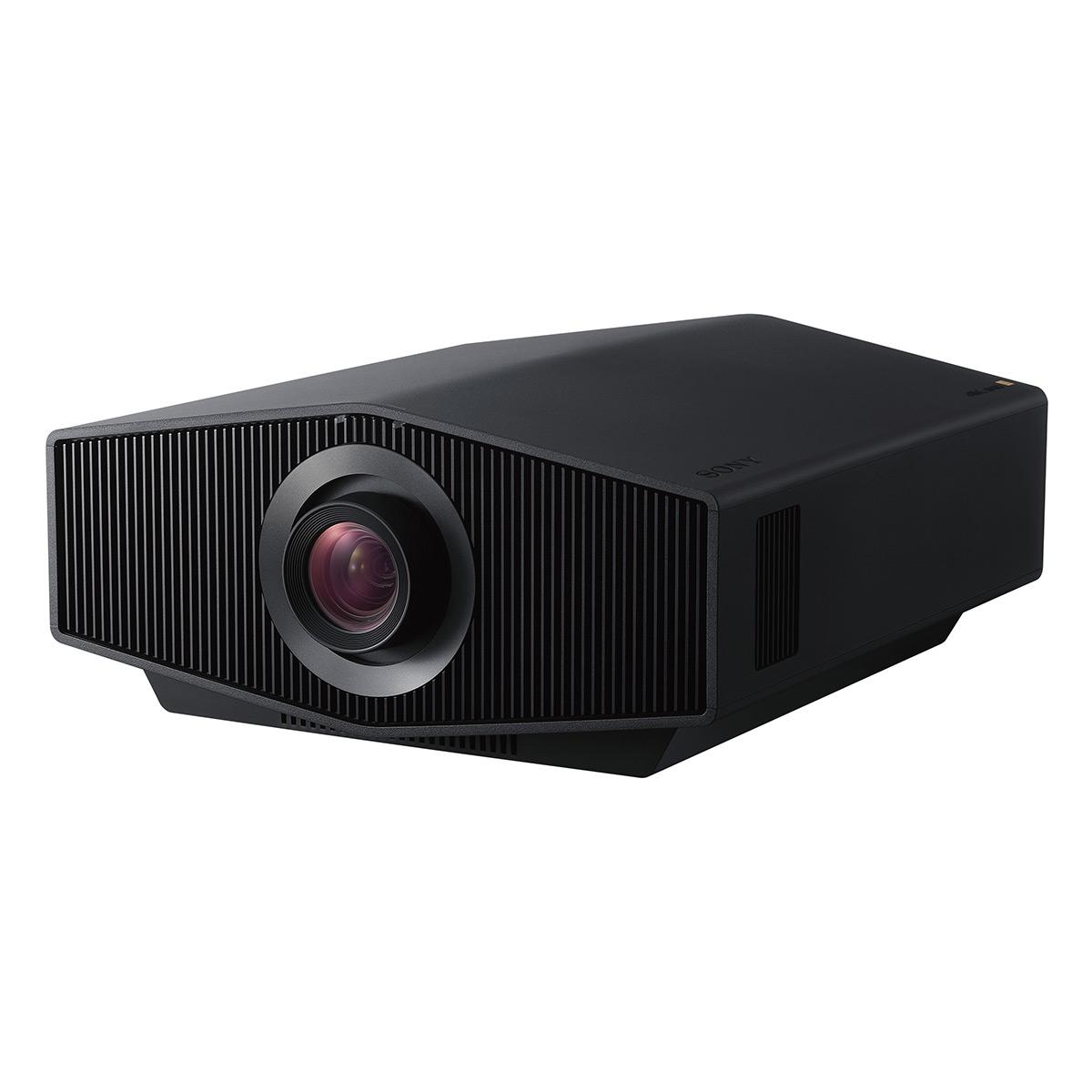
Home theater projectors have evolved dramatically over the past few years, and nowhere is this more apparent than in the high-end laser projector market. Two standout models that perfectly illustrate the current state of premium projection technology are the Epson Home Cinema LS11000 and the Sony VPL-XW7000ES. Released around 2022, these projectors represent vastly different philosophies: exceptional performance at an accessible price versus no-compromise luxury at a premium cost.
At the time of writing, these projectors sit at opposite ends of the price spectrum while delivering surprisingly similar core capabilities. The Epson LS11000 positions itself as a high-performance option that brings flagship features to enthusiasts without requiring a second mortgage. Meanwhile, the Sony VPL-XW7000ES targets luxury home theater installations where budget constraints don't apply and only absolute perfection will suffice.
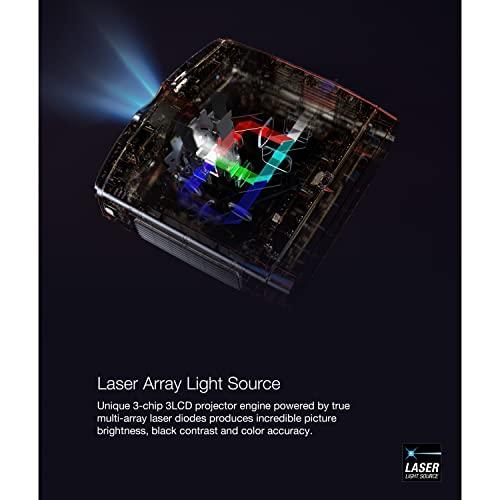
Before diving into specifics, it's worth understanding what separates today's laser projectors from earlier generations. Traditional projector lamps needed replacement every 2,000-4,000 hours and gradually dimmed over their lifespan. Laser light sources, however, maintain consistent brightness for up to 20,000 hours—that's over a decade of typical home use without any maintenance. This fundamental shift has eliminated the ongoing costs and hassle that previously made projector ownership less appealing than large TVs.
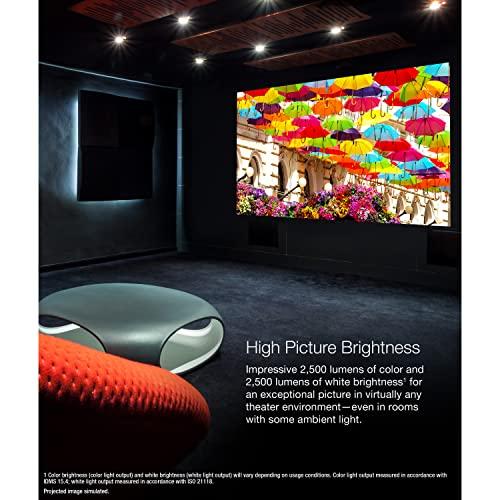
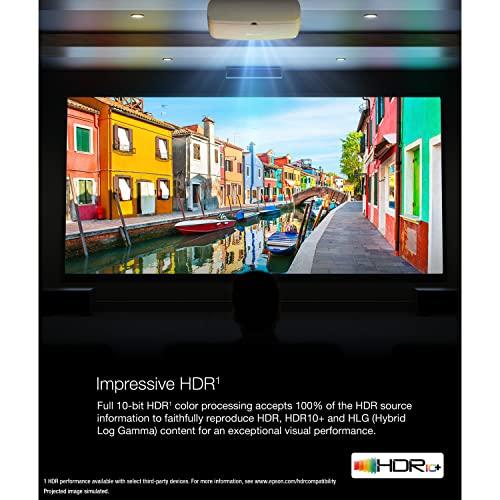
The laser technology also enables much higher brightness levels than older projectors, making them viable in rooms with ambient light rather than requiring completely darkened spaces. Combined with advances in HDR (High Dynamic Range) processing—which dramatically expands the range between the darkest blacks and brightest whites—modern laser projectors can deliver experiences that rival or exceed premium TVs on screens three to four times larger.
Perhaps the most significant technical difference between the Epson LS11000 and Sony VPL-XW7000ES lies in how they create 4K images, and this distinction perfectly illustrates different approaches to achieving similar results.
The Sony VPL-XW7000ES uses genuine native 4K SXRD panels. SXRD stands for Silicon X-tal Reflective Display, which is Sony's version of LCoS (Liquid Crystal on Silicon) technology. Think of it as having 8.3 million tiny mirrors that each control one pixel, with every single pixel physically present on the chip. When you feed it native 4K content, there's a direct one-to-one relationship between the source pixels and display pixels.
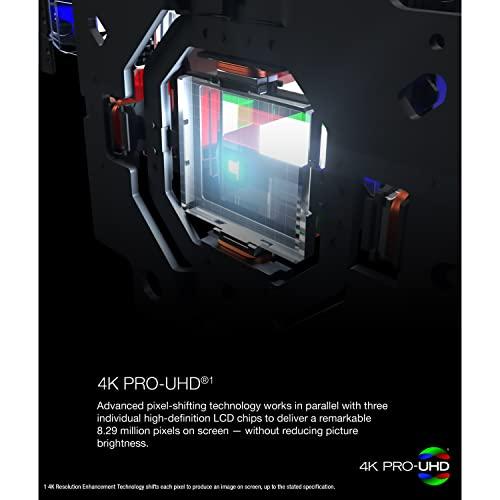
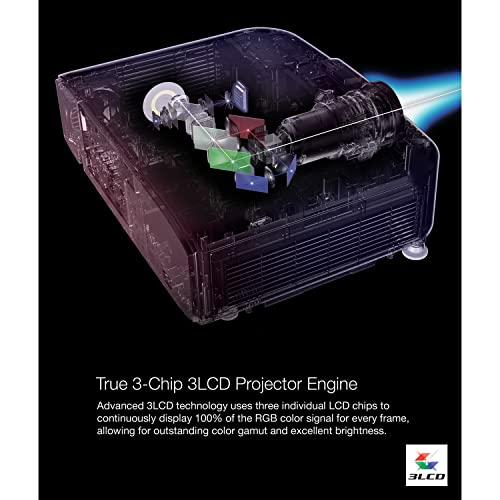
The Epson LS11000 takes a different approach using what Epson calls 4K PRO-UHD technology. It starts with native 1080p LCD panels (about 2 million pixels each) but employs sophisticated pixel-shifting technology. A special glass plate rapidly shifts the image in four different positions—up, down, left, and right—effectively creating 8.3 million pixels on screen. This happens so quickly (240 times per second) that your eyes perceive it as a seamless 4K image.
From a practical standpoint, the difference is less dramatic than you might expect. At typical viewing distances—about 1.5 times the screen width—both approaches deliver impressively sharp 4K images that satisfy even critical viewers. The Epson's pixel-shifting technology has advanced significantly since its introduction, and current implementations are remarkably effective. However, with extremely fine details or text, the Sony's native 4K approach maintains a slight edge in absolute precision.
Brightness might seem straightforward—more lumens equals brighter images—but in practice, it's the foundation that enables everything else to work properly. The Sony VPL-XW7000ES produces 3,200 lumens compared to the Epson LS11000's 2,500 lumens. While 700 lumens might not sound dramatic, it represents a 28% brightness advantage that becomes significant in real-world use.
This brightness difference directly impacts HDR performance. HDR content is mastered assuming displays can hit specific peak brightness levels—typically 1,000 to 4,000 nits for premium content. Neither projector can reach these levels (few consumer displays can), but higher brightness allows them to get closer to the intended experience. The Sony can maintain better HDR punch on larger screens or in rooms with some ambient light.
However, brightness isn't just about peak output—it's about usable brightness across different picture modes. Both projectors offer multiple picture modes optimized for different content types. The Epson LS11000 delivers excellent brightness consistency across its various modes, making it more forgiving for users who don't want to constantly adjust settings. The Sony, while brighter overall, requires more careful calibration to achieve optimal results in each mode.
For screen size considerations, the Sony's higher brightness makes it better suited for screens above 150 inches, where every lumen counts. The Epson performs excellently on 100-150 inch screens but starts showing limitations on truly massive displays, despite technically supporting up to 300-inch projection.
If brightness gets the attention, contrast creates the magic. Contrast ratio—the difference between the darkest blacks and brightest whites—determines how three-dimensional and realistic images appear. This is where projection technology traditionally struggled compared to OLED TVs, which can turn individual pixels completely off for perfect blacks.
Both projectors tackle contrast differently but effectively. The Sony VPL-XW7000ES leverages its advanced SXRD panel design combined with sophisticated laser dimming to achieve what Sony markets as "infinite" contrast. This isn't just marketing hyperbole—LCoS technology inherently produces deeper blacks than most other projection methods because light doesn't leak through the panels when displaying black content.
The Epson LS11000 achieves its impressive 1,200,000:1 dynamic contrast through dynamic laser dimming combined with its 3LCD panel design. When scenes contain deep blacks, the laser output reduces automatically, allowing darker areas to appear genuinely dark rather than the grayish blacks that plagued older projectors.
In practice, both projectors deliver contrast performance that rivals high-end TVs, with shadow detail that remains visible even in dark scenes. The Sony edges ahead in absolute black level performance, while the Epson provides excellent contrast that satisfies all but the most critical viewers.
Color reproduction has become increasingly important as content creators use wider color gamuts to create more lifelike images. The standard measurement is coverage of the DCI-P3 color space—the standard used in digital cinemas.
The Sony VPL-XW7000ES covers 95% of DCI-P3, approaching professional cinema projector capabilities. Its Wide Dynamic Range Optics work with Sony's Triluminos Pro technology to maintain color accuracy even at high brightness levels—a traditionally challenging balance. The X1 Ultimate processor analyzes each frame to optimize colors in real-time, ensuring skin tones look natural and landscapes appear vibrant without oversaturation.
The Epson LS11000 achieves 90% DCI-P3 coverage, which still exceeds most consumer displays and provides excellent color reproduction for home viewing. Epson's 3LCD technology inherently produces accurate colors without the color wheel artifacts that can affect single-chip DLP projectors. The slight reduction in color gamut compared to the Sony is rarely noticeable with typical content, though professionals working with wide-gamut content might appreciate the Sony's extra coverage.
Both projectors handle standard Rec. 709 content (regular HD and most streaming content) exceptionally well, with natural-looking colors that require minimal adjustment out of the box.
Gaming performance has become crucial as next-generation consoles and high-end PCs push 4K gaming at 120 frames per second. Input lag—the delay between controller input and on-screen response—can make or break competitive gaming experiences.
The Epson LS11000 excels here with input lag below 20 milliseconds, making it exceptional for gaming. Its dual HDMI 2.1 inputs support 4K at 120Hz with HDR, ensuring compatibility with PlayStation 5, Xbox Series X, and high-end gaming PCs. For competitive gamers, this low input lag approaches gaming monitor levels while delivering the experience on a massive screen.
The Sony VPL-XW7000ES offers respectable gaming performance with 21ms input lag for 4K content and even lower latency for lower resolutions. While slightly higher than the Epson, this lag remains imperceptible for most gaming scenarios. However, the Sony lacks HDMI 2.1, limiting it to 4K at 60Hz—adequate for current content but potentially limiting for future gaming.
Both projectors handle motion well, with frame interpolation options that can smooth out lower frame rate content. However, serious gamers typically disable these features to maintain the lowest possible input lag.
Real-world installation often determines whether a projector succeeds in your specific room, regardless of its image quality specifications. This is where the Epson LS11000 demonstrates a significant practical advantage.
The Epson's lens shift capabilities are extraordinary: ±96.3% vertical and ±47.1% horizontal adjustment. In practical terms, this means you can position the projector significantly off-center from your screen and still achieve a perfectly aligned image without keystone distortion. This flexibility is invaluable in rooms where optimal projector placement conflicts with furniture, ceiling fixtures, or architectural elements.
The Sony VPL-XW7000ES offers more limited lens shift at ±71% vertical and ±25% horizontal. While adequate for many installations, this requires more precise projector placement. However, the Sony compensates with its Digital Focus Optimizer, which analyzes the entire image and adjusts focus across the entire screen to maintain sharp corners—a feature particularly valuable on larger screens where maintaining uniform focus can be challenging.
Both projectors feature motorized zoom, focus, and lens shift with memory presets. This allows you to save settings for different aspect ratios—particularly useful if you watch both standard 16:9 content and ultra-wide 2.35:1 movies on the same screen.
Modern projectors aren't just display devices—they're sophisticated computers that process every frame in real-time to optimize image quality. This is where the Sony VPL-XW7000ES demonstrates its premium positioning.
Sony's X1 Ultimate processor represents years of development from their premium TV division. It performs object-based processing, analyzing individual elements within each frame and applying different optimizations to different parts of the image. A person's face might receive skin tone optimization while the background receives different contrast and sharpening algorithms. This granular approach produces more natural, detailed images than global processing methods.
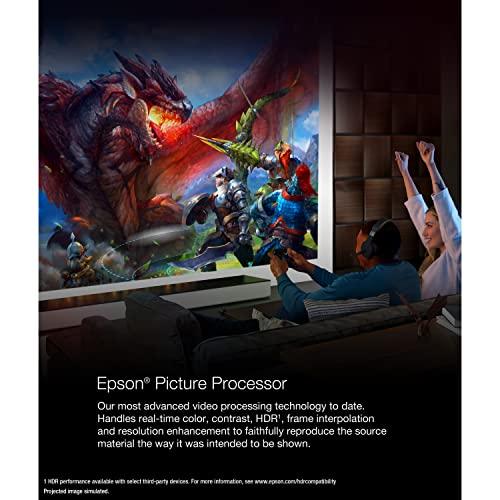
The Epson LS11000 uses more traditional processing but includes user-friendly features like a dedicated HDR adjustment button and 16-point brightness control. While less sophisticated than Sony's approach, it's more accessible to users who want excellent results without extensive calibration knowledge.
The processing difference becomes most apparent with lower-quality source material. The Sony excels at upscaling streaming content and older movies, while the Epson provides good upscaling that satisfies most viewers without the premium processor's refinement.
Beyond specifications, how these projectors behave during regular use significantly impacts long-term satisfaction. The Sony VPL-XW7000ES operates quieter at 22-26 dB depending on brightness mode, making it nearly silent in typical home theater environments. Its compact design—20% smaller and 30% lighter than previous Sony flagship models—simplifies installation and reduces visual impact.
The Epson LS11000 runs at approximately 30 dB, which remains acceptably quiet for most environments but might be noticeable during quiet movie scenes. However, it compensates with excellent build quality and intuitive operation that requires minimal adjustment once properly set up.
Both projectors consume significant power—the Sony at 420 watts and Epson at 311 watts—but their 20,000-hour laser lifespans eliminate ongoing lamp replacement costs that previously made projector ownership expensive over time.
At the time of writing, these projectors occupy vastly different price territories, with the Sony VPL-XW7000ES commanding approximately seven times the Epson LS11000's price. This dramatic difference forces a careful consideration of incremental performance gains versus cost.
The Epson LS11000 delivers approximately 85-90% of the Sony's image quality at roughly 15% of its cost. For most viewers, this represents exceptional value that makes high-end projection accessible to enthusiasts who previously couldn't justify premium projector pricing. The Epson doesn't feel like a compromise—it genuinely delivers flagship-level performance in most scenarios.
The Sony VPL-XW7000ES justifies its premium through measurable improvements in every performance category, but these gains primarily matter in luxury installations where cost isn't a primary consideration. The native 4K resolution, superior brightness, wider color gamut, and advanced processing create a more refined experience that professionals and luxury buyers will appreciate.
The decision between these projectors ultimately depends on your priorities, budget, and installation requirements rather than one being objectively superior in all scenarios.
Choose the Epson LS11000 if you want flagship projection performance without luxury pricing. It's ideal for enthusiasts building high-quality home theaters on realistic budgets, gamers who prioritize low input lag, or anyone dealing with challenging room layouts that benefit from extensive lens shift capabilities. The Epson proves that exceptional projection doesn't require extreme budgets.
Choose the Sony VPL-XW7000ES for no-compromise luxury installations where budget isn't the primary consideration. Its native 4K resolution, superior brightness, and advanced processing deliver measurably better performance that justifies the premium in dedicated home theaters with professional installation and calibration.
Both projectors represent the current state of laser projection technology and will deliver experiences that exceed most viewers' expectations. The Epson LS11000 democratizes high-end projection, while the Sony VPL-XW7000ES pushes the absolute boundaries of home projection performance. Your choice depends entirely on whether the incremental performance gains warrant the substantial price difference for your specific situation and priorities.
| Epson Home Cinema LS11000 | Sony VPL-XW7000ES |
|---|---|
| Display Technology - Affects image sharpness and detail quality | |
| 3LCD with 4K PRO-UHD pixel-shifting (simulates 4K from 1080p panels) | Native 4K SXRD panels (true 8.3 million pixels per chip) |
| Brightness - Critical for screen size and ambient light performance | |
| 2,500 lumens (excellent for 100-150" screens in controlled lighting) | 3,200 lumens (supports larger screens and rooms with ambient light) |
| Contrast Ratio - Determines black depth and image dimensionality | |
| 1,200,000:1 dynamic contrast with laser dimming | Infinite contrast with advanced SXRD panel design |
| Color Gamut - Affects color accuracy and vibrancy | |
| 90% DCI-P3 coverage (excellent for consumer content) | 95% DCI-P3 coverage (professional cinema-grade colors) |
| Input Lag - Critical for gaming responsiveness | |
| Under 20ms (exceptional for competitive gaming) | 21ms (good for most gaming scenarios) |
| Gaming Support - Next-gen console compatibility | |
| 4K@120Hz via dual HDMI 2.1 inputs | 4K@60Hz via HDMI 2.0 (lacks HDMI 2.1) |
| Lens Shift - Installation flexibility in challenging rooms | |
| ±96.3% vertical, ±47.1% horizontal (exceptional placement flexibility) | ±71% vertical, ±25% horizontal (requires more precise positioning) |
| Maximum Screen Size - How large you can project | |
| 300 inches (though brightness may limit practical size) | 200 inches (optimized brightness distribution) |
| Noise Level - Important for quiet movie scenes | |
| 30 dB (audible but acceptable in most environments) | 22-26 dB (nearly silent operation) |
| Processing Power - Affects upscaling and HDR optimization | |
| Standard processing with user-friendly HDR controls | X1 Ultimate processor with object-based optimization |
| Light Source Lifespan - Long-term ownership costs | |
| 20,000 hours laser (no lamp replacements needed) | 20,000 hours laser (no lamp replacements needed) |
| Power Consumption - Operating costs | |
| 311 watts (more efficient operation) | 420 watts (higher consumption for increased brightness) |
| Value Positioning - Who this targets | |
| Premium performance at enthusiast pricing | Luxury no-compromise performance at premium cost |
The Sony VPL-XW7000ES delivers superior overall picture quality with its native 4K SXRD panels, higher brightness (3,200 vs 2,500 lumens), and advanced X1 Ultimate processor. However, the Epson Home Cinema LS11000 provides excellent picture quality that satisfies most viewers at a fraction of the cost, using sophisticated pixel-shifting technology to create detailed 4K images.
The Sony VPL-XW7000ES uses true native 4K panels with 8.3 million physical pixels, while the Epson LS11000 uses pixel-shifting technology that rapidly moves 1080p images to simulate 4K resolution. At normal viewing distances, both deliver sharp 4K images, though the Sony provides slightly better fine detail reproduction.
The Epson Home Cinema LS11000 is superior for gaming with input lag under 20ms and dual HDMI 2.1 ports supporting 4K at 120Hz. The Sony VPL-XW7000ES has acceptable 21ms input lag but lacks HDMI 2.1, limiting it to 4K at 60Hz for gaming applications.
The Sony VPL-XW7000ES produces 3,200 lumens compared to the Epson LS11000's 2,500 lumens. This 28% brightness advantage makes the Sony better suited for larger screens or rooms with ambient light, while the Epson excels in controlled lighting environments.
The Epson Home Cinema LS11000 provides exceptional value, delivering roughly 85-90% of premium projector performance at a significantly lower cost. The Sony VPL-XW7000ES costs substantially more but offers measurably better performance in every category for luxury installations where budget isn't a concern.
Both projectors can handle some ambient light, but the Sony VPL-XW7000ES performs better in brighter environments due to its higher 3,200-lumen output. The Epson LS11000 works well in rooms with controlled lighting but may struggle in very bright spaces without proper light control measures.
The Epson Home Cinema LS11000 offers superior installation flexibility with extensive lens shift (±96.3% vertical, ±47.1% horizontal), making it easier to position in challenging room layouts. The Sony VPL-XW7000ES has more limited lens shift but includes Digital Focus Optimizer for consistent sharpness across the entire screen.
The Epson LS11000 performs excellently on 100-150 inch screens and supports up to 300 inches, while the Sony VPL-XW7000ES is optimized for up to 200 inches but delivers superior brightness for larger screens. Both handle typical home theater screen sizes of 120-150 inches very well.
Neither the Epson Home Cinema LS11000 nor Sony VPL-XW7000ES require lamp replacements. Both use laser light sources rated for 20,000 hours of operation, eliminating ongoing maintenance costs and ensuring consistent brightness throughout their lifespan.
The Sony VPL-XW7000ES achieves superior contrast with its advanced SXRD panel design, producing deeper blacks and better shadow detail. The Epson LS11000 delivers excellent contrast through dynamic laser dimming that satisfies most home theater enthusiasts, though it doesn't quite match the Sony's absolute performance.
The Sony VPL-XW7000ES operates quieter at 22-26 dB, making it nearly silent during movie viewing. The Epson Home Cinema LS11000 runs at approximately 30 dB, which is audible but acceptable for most home theater environments and unlikely to distract during normal viewing.
Choose the Epson LS11000 if you want flagship performance at an accessible price point, prioritize gaming features, or need flexible installation options. Select the Sony VPL-XW7000ES for luxury home theaters where budget isn't a primary concern and you want the absolute best image quality with native 4K resolution and professional-grade processing.
We've done our best to create useful and informative comparisons to help you decide what product to buy. Our research uses advanced automated methods to create this comparison and perfection is not possible - please contact us for corrections or questions. These are the sites we've researched in the creation of this article: tvsbook.com - thesmarthomehookup.com - cepro.com - specsradar.com - projectorscreen.com - benq.com - projectorreviews.com - projectorscreen.com - youtube.com - projectorcentral.com - whathifi.com - projectorscreen.com - bestbuy.com - youtube.com - avsforum.com - versus.com - crutchfield.com - projectorcentral.com - shop.avispl.com - mediaserver.goepson.com - projectorscreen.com - bestbuy.com - simplehomecinema.com - dreamediaav.com - epson.com - whathifi.com - electronics.sony.com - us.puretheatre.com - pro.sony - stereonet.com - pro.sony - valueelectronics.com - projectorreviews.com - pro.sony - leisuretheory.com

Privacy Policy
Terms and Conditions - Affiliate Policy
Home Security
© Copyright 2008-2026.
11816 Inwood Rd #1211, Dallas, TX 75244