

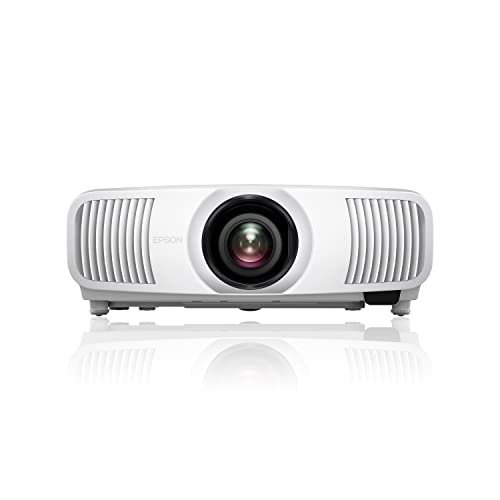
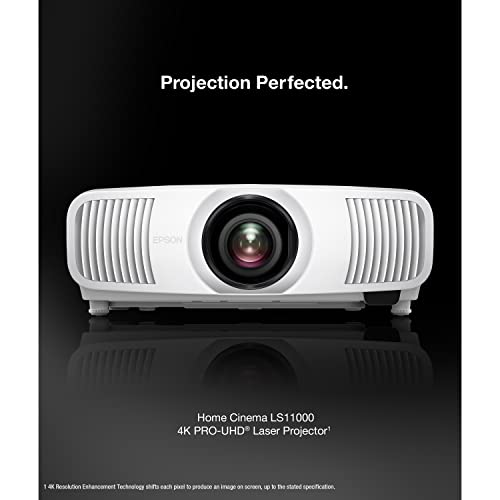
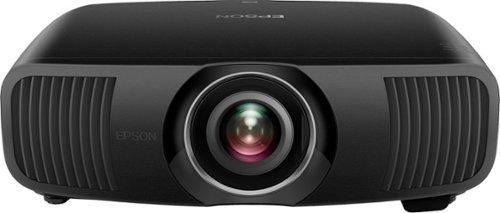
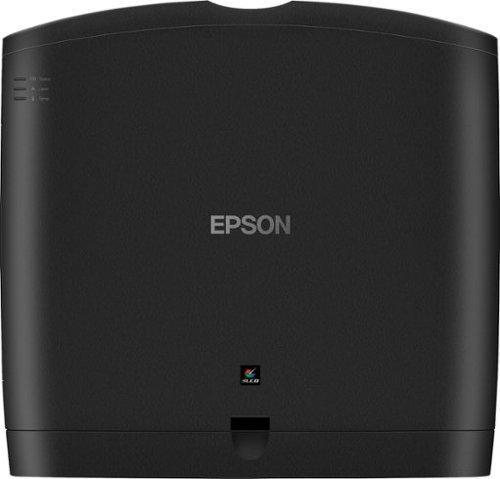
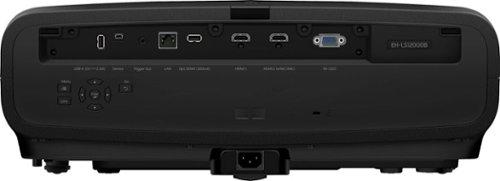
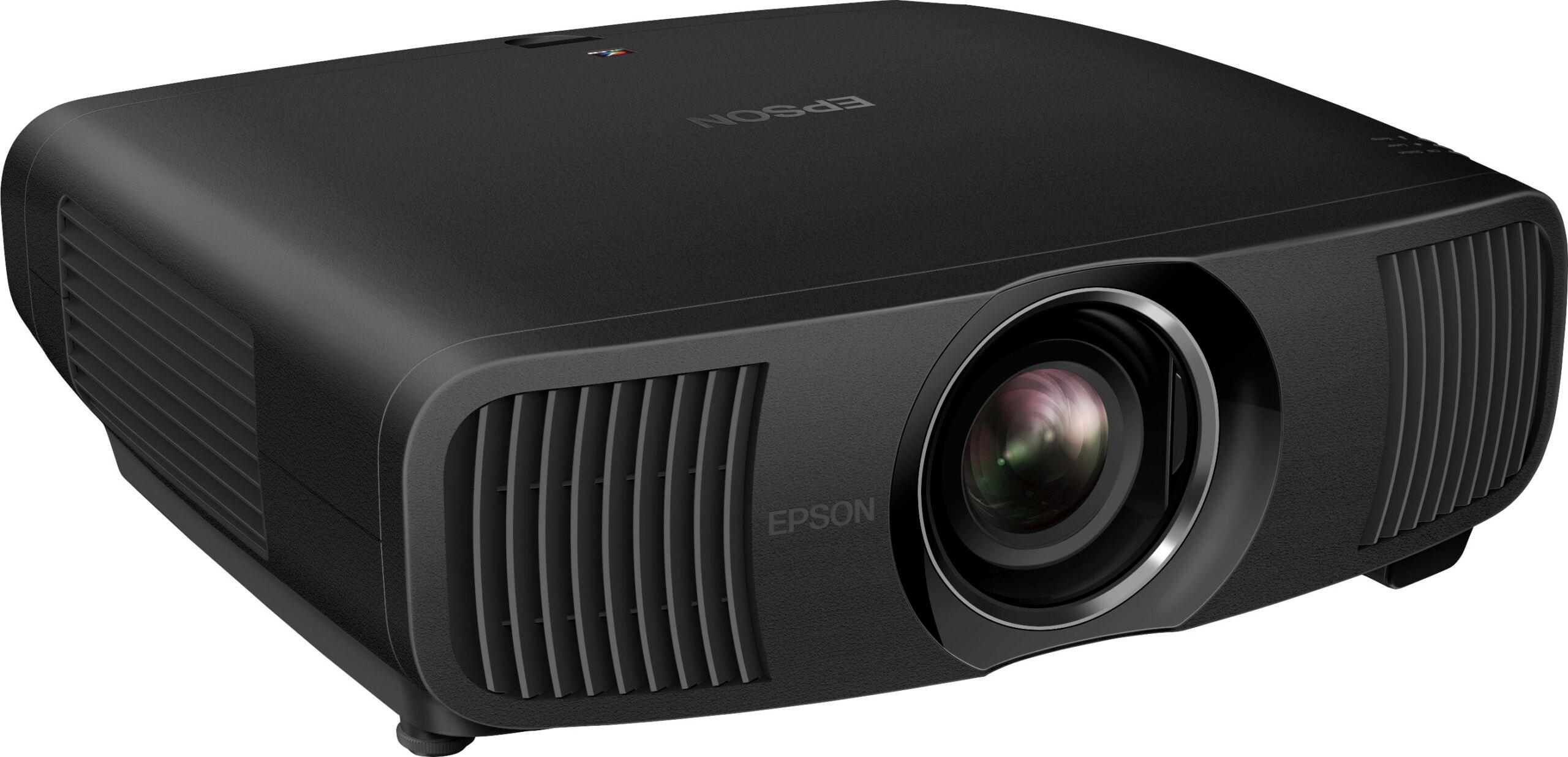
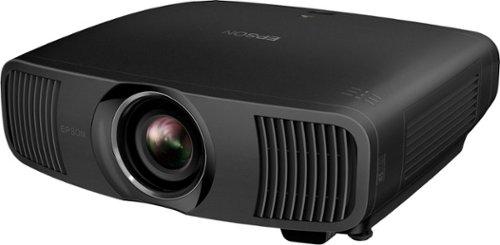
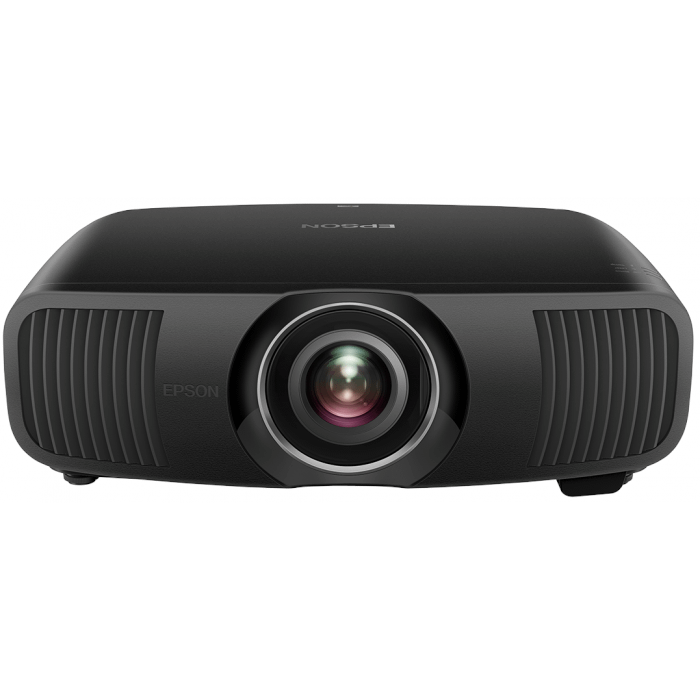
When Epson released both the Home Cinema LS11000 and Pro Cinema LS12000 in early 2022, they created an interesting dilemma for home theater enthusiasts. These sibling projectors share nearly identical DNA yet command different price points, with the LS12000 typically costing about $1,000 more than the LS11000 at the time of writing. The question isn't whether both are excellent—they absolutely are—but rather which one makes the most sense for your specific situation.
Before diving into the comparison, let's establish what makes laser projectors special. Traditional projectors use high-pressure mercury lamps that dim over time, require 5-10 minutes to warm up, and need replacement every 3,000-5,000 hours. Laser projectors eliminate these headaches entirely.
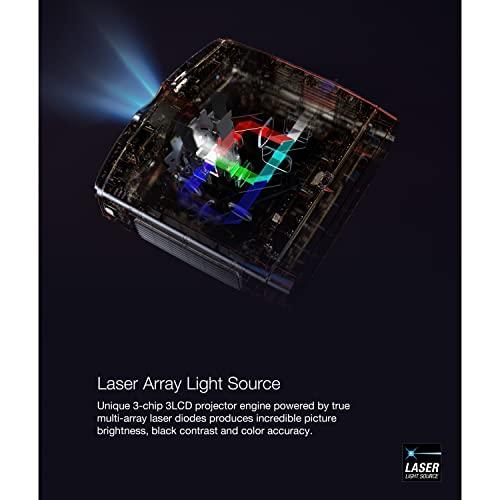
The laser light source in both the LS11000 and LS12000 consists of multiple blue laser diodes that hit a yellow phosphor wheel, creating white light that gets separated into red, green, and blue by the projector's 3LCD system. This approach delivers consistent brightness for 20,000 hours—roughly 10-15 years of typical use—with instant on/off capability and no maintenance.
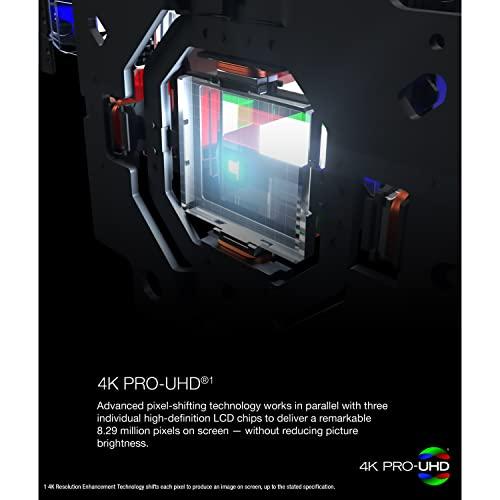
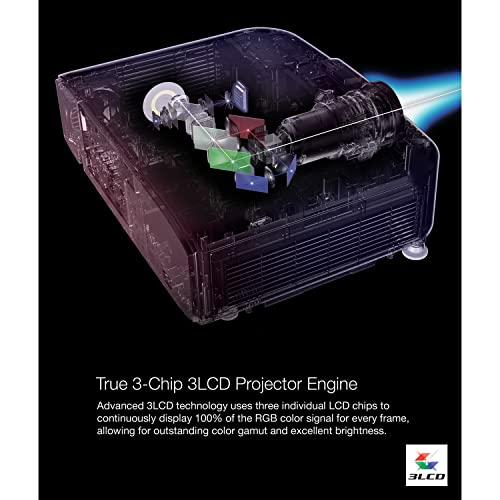
Both projectors use Epson's 4K PRO-UHD technology, which is technically pixel-shifting rather than native 4K. Here's how it works: three 1080p LCD panels create the base image, then a special "Precision Shift Glass Plate" rapidly moves each pixel to four different positions, effectively creating 8.3 million pixels on screen. The result? An image that's virtually indistinguishable from native 4K projectors at normal viewing distances, but at a fraction of the cost.
Both the LS11000 and LS12000 are built around the same exceptional optical engine. They use identical high-quality 15-element glass lenses with 2.1x motorized zoom, powered focus, and extensive lens shift capabilities. This lens system allows horizontal adjustment of ±47% and vertical adjustment of ±96%—technical specs that translate to incredible installation flexibility in real rooms.
The motorized lens memory feature deserves special mention. If you watch both standard 16:9 content and ultra-wide 2.35:1 movies, you can save different zoom and shift positions and switch between them at the touch of a button. This eliminates the black bars above and below widescreen movies, maximizing your screen real estate.
Gaming capabilities are identical between models. Both support 4K resolution at 120Hz refresh rates through their dual HDMI 2.1 inputs, though these max out at 40 Gbps bandwidth rather than the full 48 Gbps specification. For practical purposes, this limitation rarely matters—both projectors handle Xbox Series X and PlayStation 5 gaming beautifully, with input lag measuring below 20 milliseconds.
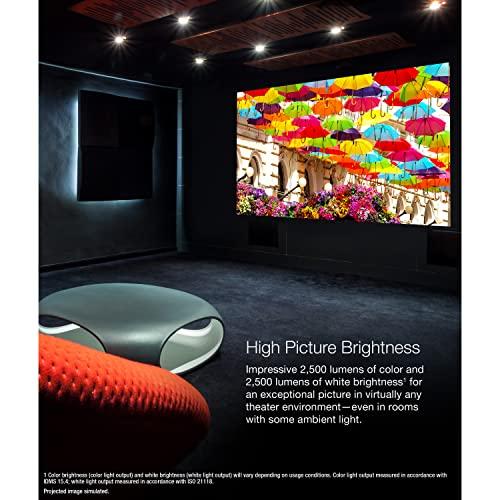
The most significant difference lies in light output. The LS12000 produces 2,700 lumens compared to the LS11000's 2,500 lumens—a 200-lumen advantage that proves more meaningful than the numbers suggest.
Lumens measure the total light output, but what matters for your viewing experience is how much light actually reaches your screen. In a dedicated theater with a 120-inch screen and complete light control, 2,500 lumens provides plenty of brightness for stunning HDR performance. However, if you're projecting in a family room with some ambient light, or if you want to go larger than 150 inches, those extra 200 lumens become genuinely valuable.
Based on our research into user experiences and professional reviews, the brightness difference becomes particularly noticeable with HDR content. High Dynamic Range relies on peak brightness to create that "wow factor" in highlights—think sunlight glinting off water or explosions in action movies. The LS12000's extra headroom translates to more impactful HDR presentation, especially in rooms that aren't perfectly dark.
Contrast performance tells a more complex story. On paper, the LS12000 claims a massive advantage with 2,500,000:1 contrast versus the LS11000's 1,200,000:1 specification. Real-world measurements show a more modest but still meaningful difference. Both projectors deliver excellent black levels for LCD-based systems, though some users report the LS12000 occasionally exhibits a subtle purple tint in the deepest blacks that the LS11000 avoids.
Here's where things get interesting—and where Epson's engineering efficiency becomes apparent. After proper calibration, the color performance between these projectors becomes nearly impossible to distinguish. Both use the same LCD panels, the same color processing chip, and the same optical path. The brightness difference primarily comes from driving the laser diodes harder in the LS12000, not from any fundamental improvement in color reproduction.
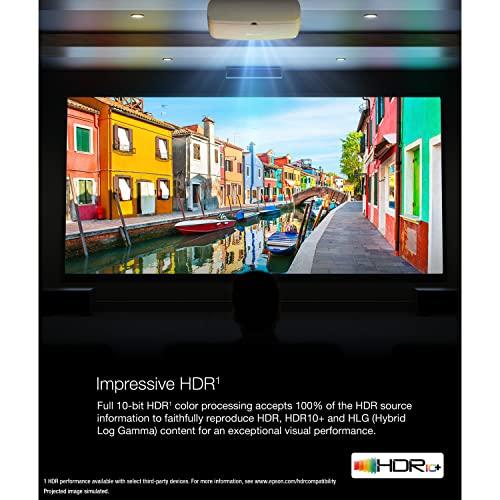
Out of the box, both projectors impress with natural skin tones and vibrant but not oversaturated colors. The 3LCD technology eliminates the "rainbow effect" that some people see with single-chip DLP projectors, and both models support HDR10, HDR10+, and HLG formats for compatibility with modern content sources.
The Pro Cinema LS12000 justifies its premium positioning with several features absent from its sibling. Most significantly, it includes support for anamorphic lenses—specialized optical elements that compress ultra-wide 2.35:1 content vertically during projection, then stretch it back to the correct proportions on screen.
This might sound like an esoteric feature, but it's genuinely transformative for serious home theater enthusiasts. Movies shot in ultra-wide formats like "Dune" or "Blade Runner 2049" can fill your entire screen without the black bars above and below. The LS12000 includes two dedicated anamorphic modes that automatically adjust the image geometry, making setup straightforward with compatible lenses from manufacturers like Panamorph or ISCO.
The LS12000 also includes a dedicated B&W Cinema mode for classic films, though this feels more like a nice-to-have than an essential feature. More practically, it comes with a professional-grade ceiling mount and cable cover in the box—accessories that would cost several hundred dollars separately.
Both projectors measure identical dimensions and weigh 28 pounds, making them substantial but manageable for ceiling installation. The motorized lens adjustments make setup surprisingly straightforward, allowing precise image positioning without physically moving the projector.
The throw ratio range of 1.35:1 to 2.84:1 means you can achieve a 100-inch image from anywhere between 11 and 24 feet away—flexibility that accommodates most room layouts. Maximum screen size tops out at 300 inches, though optimal performance typically peaks around 150-200 inches depending on your room's light control.
Fan noise measures just 22-30 decibels in typical operation, making both projectors essentially silent during use. This near-silent operation represents a significant advantage over many competing models and eliminates the distraction of audible cooling systems during quiet movie scenes.
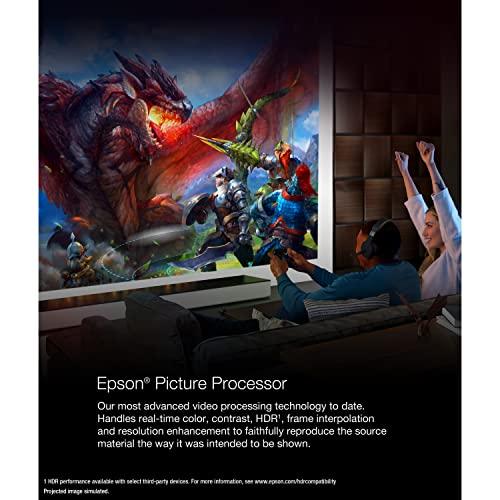
Modern gaming performance deserves special attention given the rise of 4K-capable consoles. Both the LS11000 and LS12000 excel here, supporting 4K resolution at 120Hz with HDR through their HDMI 2.1 inputs. Input lag measures approximately 19.5 milliseconds in optimized modes—responsive enough for competitive gaming while maintaining excellent image quality.
The projectors automatically detect gaming signals and can switch to low-latency modes, though you'll want to disable frame interpolation (motion smoothing) for the most responsive experience. Both handle variable refresh rate content well, though they don't support AMD FreeSync or NVIDIA G-Sync specifically.
For serious gamers, the large screen experience these projectors provide transforms gameplay in ways that traditional TVs simply cannot match. Racing games, flight simulators, and expansive RPGs benefit enormously from 100+ inch displays, creating an immersive experience that draws you into the action.
At the time of writing, the price difference between these models typically ranges from $800-1,200, with the LS11000 representing the more affordable option. This price gap raises an important question: does the LS12000 deliver proportional value for its premium?
For dedicated home theaters with complete light control, the answer often tilts toward the LS11000. In these environments, 2,500 lumens provides ample brightness for screens up to 150 inches, and the core image quality remains virtually identical to its more expensive sibling. The $1,000 savings can fund significant upgrades elsewhere—perhaps a better screen, improved audio components, or professional room treatment.
However, the LS12000's advantages become compelling in specific scenarios. Multi-purpose rooms that double as family spaces and theaters benefit from the extra brightness. The included professional mounting hardware adds immediate value and convenience. Most significantly, the anamorphic lens support opens up possibilities for truly cinematic presentations of ultra-wide content.
Your room characteristics should heavily influence this decision. In a basement theater with dark walls and complete light control, the LS11000 delivers reference-quality images that rival projectors costing significantly more. The 2,500-lumen output provides plenty of headroom for proper HDR calibration while maintaining deep black levels.
Family rooms or spaces with windows present different challenges. Here, the LS12000's extra 200 lumens prove their worth, maintaining image quality even with some ambient light. Pairing either projector with an ambient light rejecting screen multiplies these benefits, allowing excellent daytime viewing in rooms with modest light control.
Screen size planning also matters. For screens larger than 150 inches, the LS12000's brightness advantage becomes increasingly valuable. The additional lumens help maintain image impact on larger displays, ensuring bright scenes retain their punch and HDR highlights achieve proper intensity.
Both projectors share the same fundamental laser engine, suggesting similar long-term reliability prospects. The 20,000-hour laser lifespan eliminates the ongoing cost and hassle of lamp replacements that plague traditional projectors. However, the LS12000 includes a more comprehensive warranty package with longer coverage and enhanced support options.
Some early users reported pixel degradation issues within the first year, though these appear to affect both models equally. Epson's warranty service quality has received mixed feedback, with replacement policies sometimes favoring refurbished units over new ones for defective products.
Choose the Home Cinema LS11000 if you have a dedicated theater room with good light control, don't plan to use anamorphic lenses, and want to maximize value. The $1,000 savings can fund meaningful upgrades elsewhere in your system, and the core viewing experience remains exceptional.
The Pro Cinema LS12000 makes sense for brighter rooms, users planning anamorphic installations, or those who simply want maximum future-proofing. The extra brightness provides genuine benefits in challenging lighting conditions, and the professional features justify the premium for serious enthusiasts.
Both projectors represent excellent choices in the premium laser projector category. The LS11000 offers outstanding value for controlled environments, while the LS12000 provides maximum versatility and professional features. Your room conditions, usage patterns, and budget priorities should guide this decision more than any absolute performance differences—because at this level, both projectors deliver truly exceptional home theater experiences that will satisfy even demanding viewers for years to come.
| Epson Home Cinema LS11000 | Epson Pro Cinema LS12000 |
|---|---|
| Brightness - Critical for room versatility and HDR impact | |
| 2,500 lumens (excellent for dark theaters, adequate for moderate ambient light) | 2,700 lumens (better for family rooms, superior HDR peak brightness) |
| Contrast Ratio - Determines black levels and image depth | |
| 1,200,000:1 (exceptional blacks for LCD technology) | 2,500,000:1 (slightly deeper blacks, occasional purple tint in extreme darks) |
| 4K Technology - Both deliver sharp, detailed images | |
| 4K PRO-UHD pixel-shifting with Precision Shift Glass Plate | 4K PRO-UHD pixel-shifting with Precision Shift Glass Plate |
| Gaming Performance - Essential for modern console compatibility | |
| 4K/120Hz, <20ms input lag, dual HDMI 2.1 (40 Gbps) | 4K/120Hz, <20ms input lag, dual HDMI 2.1 (40 Gbps) |
| Lens Quality - Affects installation flexibility and image uniformity | |
| 15-element motorized lens, 2.1x zoom, lens memory | 15-element motorized lens, 2.1x zoom, lens memory |
| Anamorphic Support - For ultra-wide cinematic content | |
| Not supported | Two dedicated anamorphic modes for 2.35:1 content |
| Included Accessories - Immediate setup value | |
| Basic accessories, mount sold separately | Professional Chief ceiling mount, cable cover included |
| Housing Color - Theater room aesthetics | |
| White (may reflect light in dark theaters) | Black (blends into dark theater environments) |
| Warranty Coverage - Long-term protection and support | |
| 2-year standard warranty | 3-year warranty with lifetime phone support |
| Target Market - Who each model serves best | |
| Dedicated theaters, value-conscious buyers | Multi-purpose rooms, anamorphic users, professional installations |
The primary difference is brightness output. The Epson Pro Cinema LS12000 produces 2,700 lumens compared to the Epson Home Cinema LS11000's 2,500 lumens. The LS12000 also includes anamorphic lens support, a professional ceiling mount, and comes in black housing versus the LS11000's white finish.
The Epson LS12000 is better for bright rooms due to its higher 2,700-lumen output. While the LS11000 works well in controlled lighting, the extra 200 lumens in the LS12000 provides noticeably better performance when dealing with ambient light or larger screen sizes.
Yes, both the Epson LS11000 and LS12000 offer identical gaming performance with 4K resolution at 120Hz, input lag below 20ms, and dual HDMI 2.1 inputs. Both work excellently with Xbox Series X and PlayStation 5 consoles.
The Epson LS11000 typically offers better value for dedicated home theaters with controlled lighting. The LS12000 provides better value if you need the extra brightness, plan to use anamorphic lenses, or want the included professional mounting hardware.
Anamorphic lens support allows ultra-wide movies (2.35:1 aspect ratio) to fill your entire screen without black bars. Only the Epson LS12000 includes this feature. You need it if you have a scope screen or want maximum impact from widescreen movies like "Dune" or "Blade Runner 2049."
Both the Epson LS11000 and LS12000 feature 20,000-hour laser light sources, equivalent to 10-15 years of typical home use. Unlike traditional projectors, they require no lamp replacements and maintain consistent brightness throughout their lifespan.
The Epson LS11000 works excellently up to 150 inches in dark rooms. The LS12000 can handle larger screens up to 200+ inches effectively due to its higher brightness output. Both support screen sizes from 50 to 300 inches technically.
The Epson LS11000 includes basic accessories and a remote control. The LS12000 adds a professional Chief ceiling mount (worth several hundred dollars) and decorative cable cover, plus extends warranty coverage to three years versus two years for the LS11000.
Choose the Epson LS11000 for dedicated dark theaters where you want maximum value. Select the LS12000 for brighter rooms, if you plan to use anamorphic lenses, want the included mount, or prefer the professional black housing for better theater aesthetics.
We've done our best to create useful and informative comparisons to help you decide what product to buy. Our research uses advanced automated methods to create this comparison and perfection is not possible - please contact us for corrections or questions. These are the sites we've researched in the creation of this article: tvsbook.com - thesmarthomehookup.com - cepro.com - specsradar.com - projectorscreen.com - benq.com - projectorreviews.com - projectorscreen.com - youtube.com - projectorcentral.com - whathifi.com - projectorscreen.com - bestbuy.com - youtube.com - avsforum.com - versus.com - crutchfield.com - projectorcentral.com - shop.avispl.com - mediaserver.goepson.com - projectorscreen.com - bestbuy.com - simplehomecinema.com - dreamediaav.com - epson.com - techradar.com - projectorreviews.com - safeandsoundhq.com - news.epson.com - youtube.com - projectorcentral.com - bestbuy.com - projectorcentral.com - digitalhomecreations.com - new-age-electronics.com - flanners.com - paulsonsav.com

Privacy Policy
Terms and Conditions - Affiliate Policy
Home Security
© Copyright 2008-2026.
11816 Inwood Rd #1211, Dallas, TX 75244