

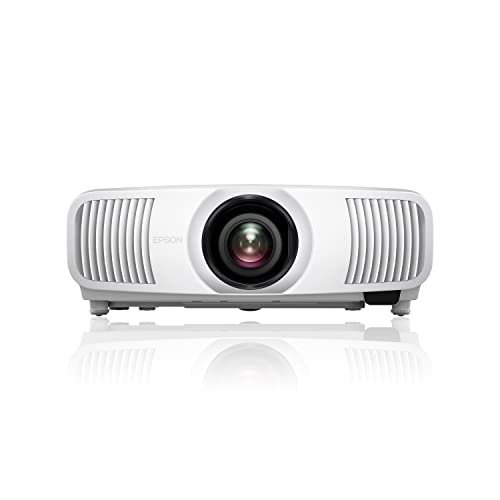
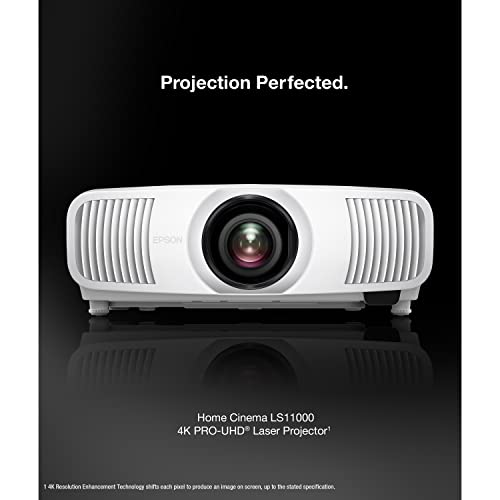
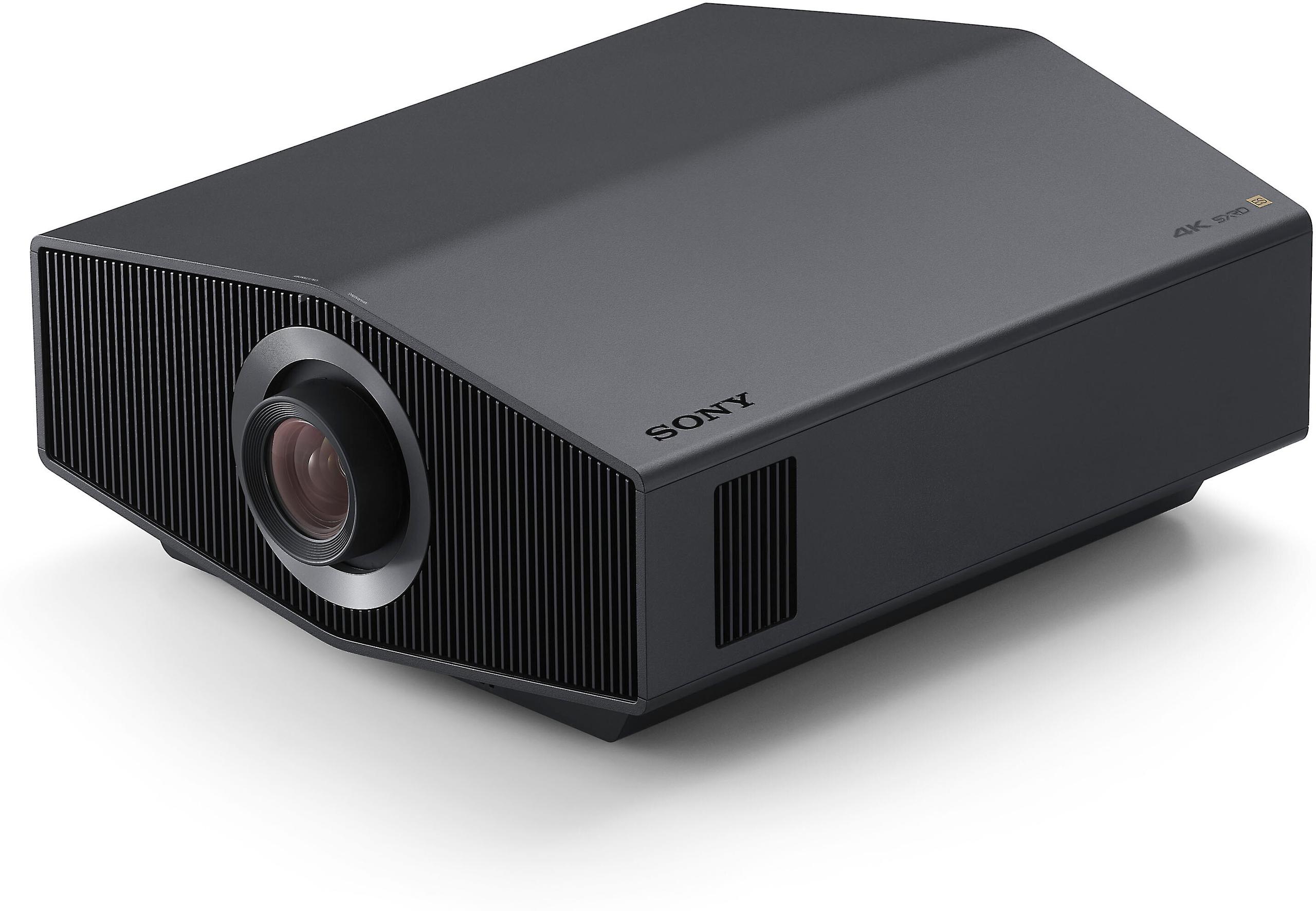
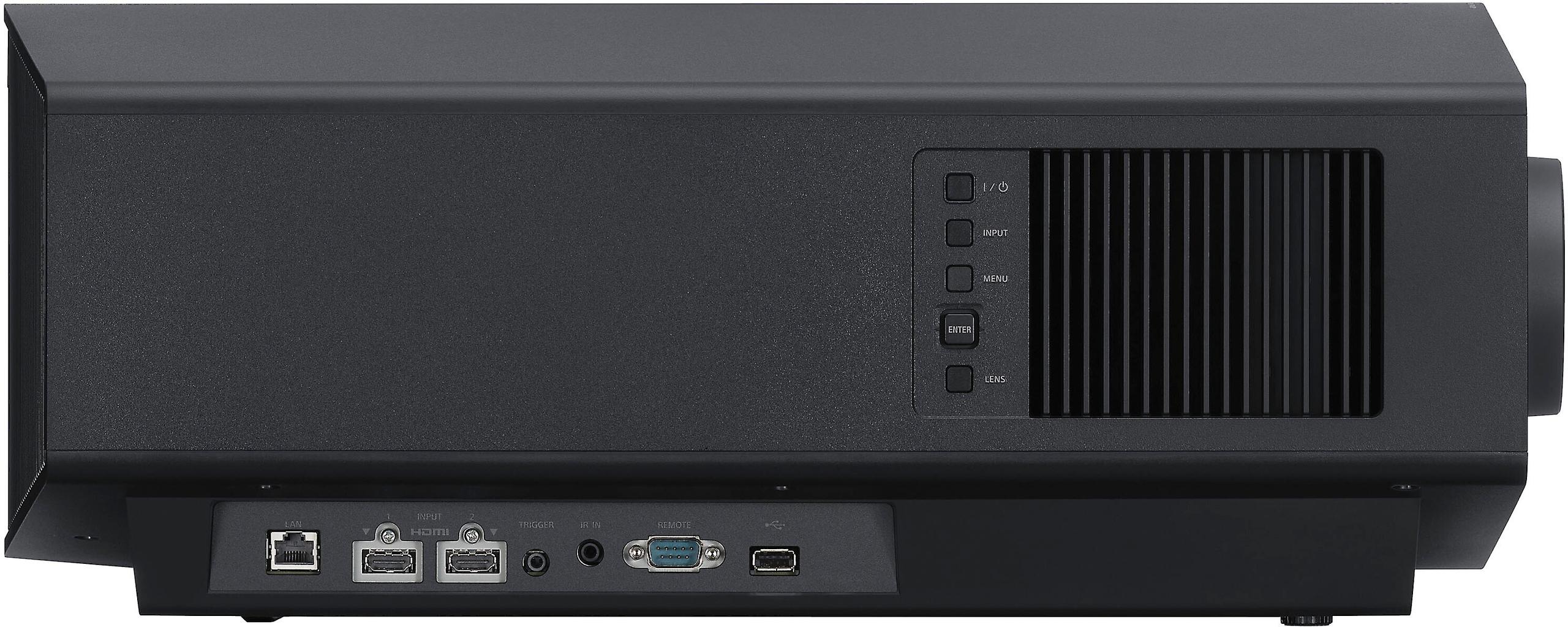
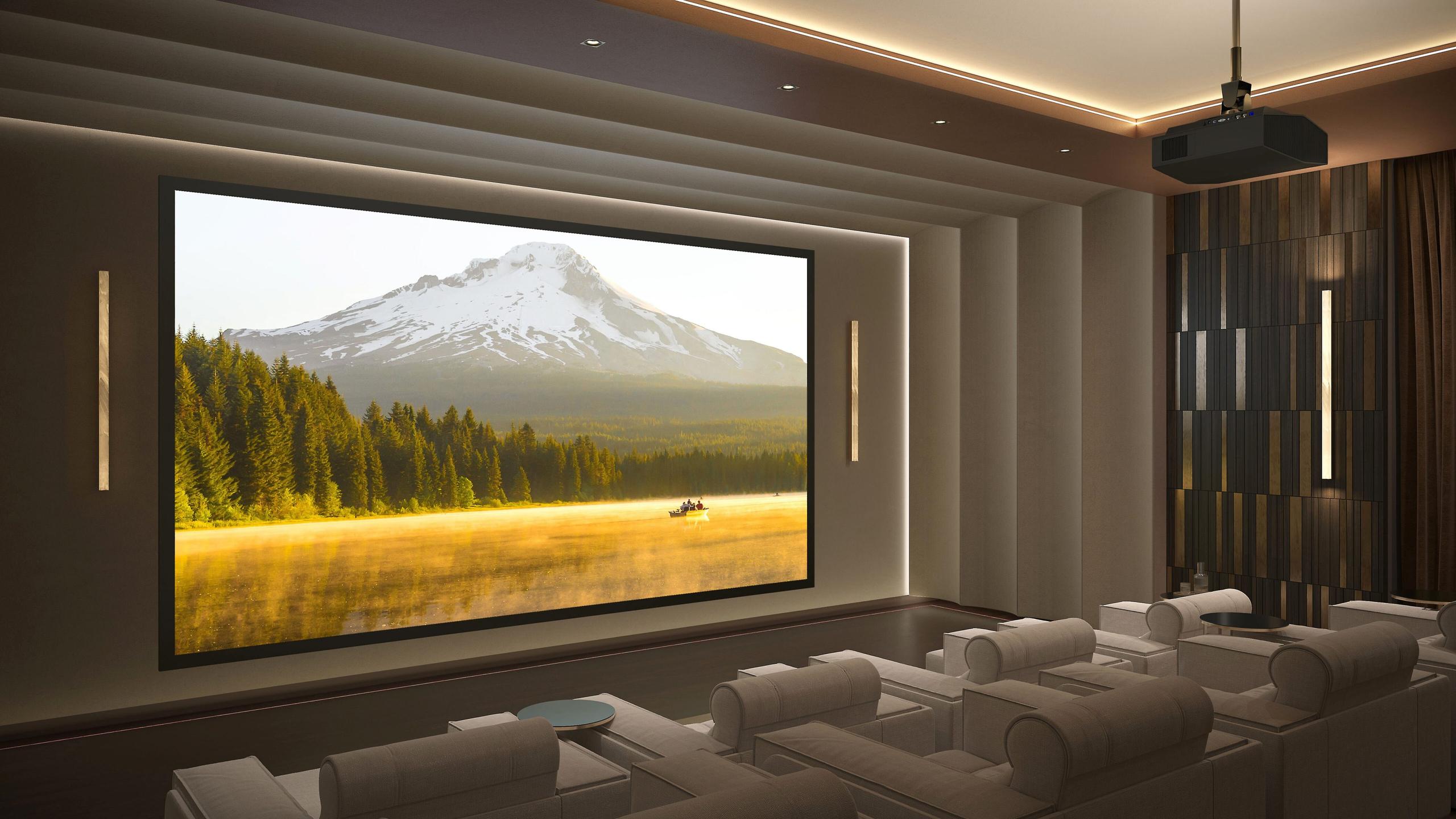
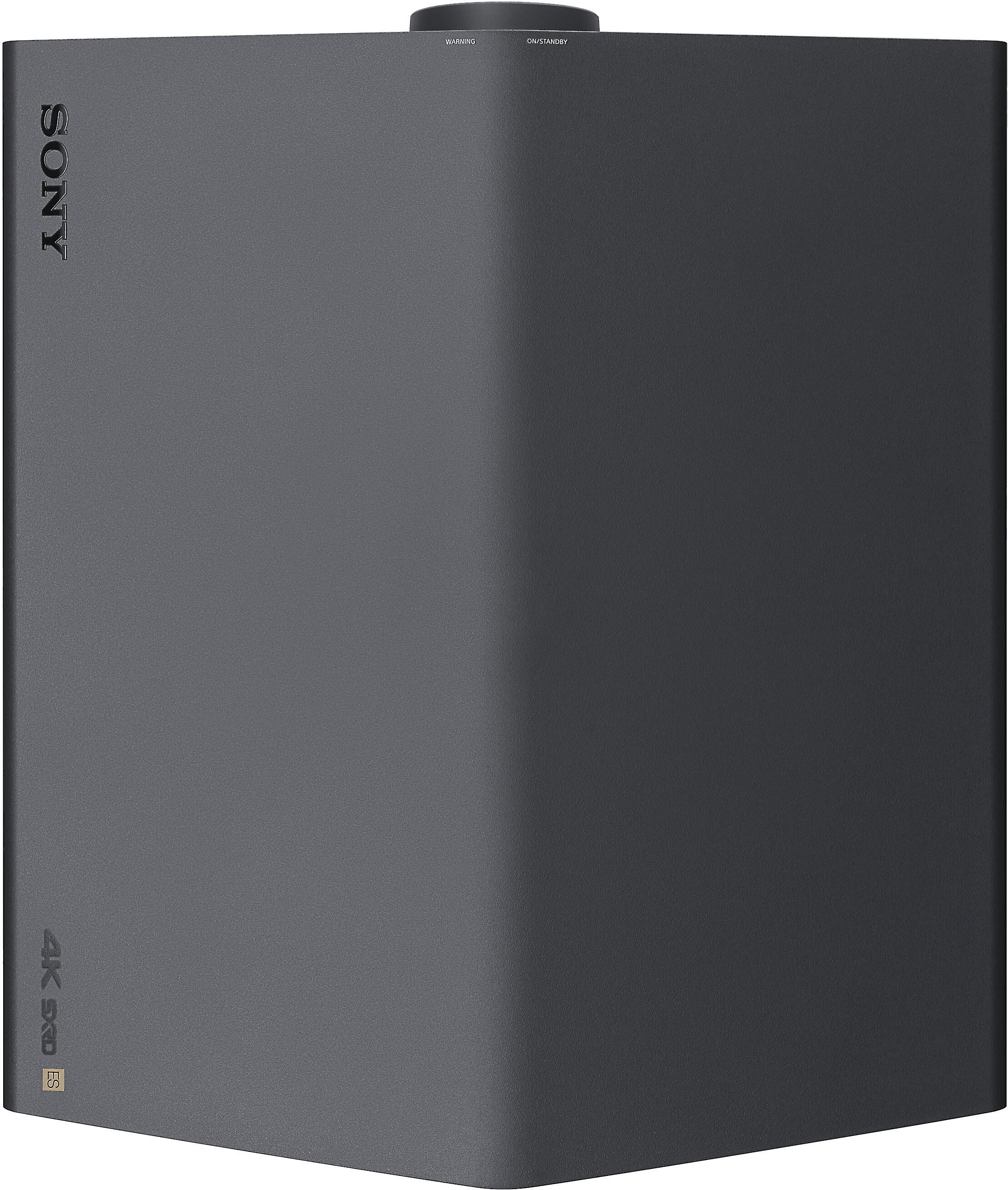
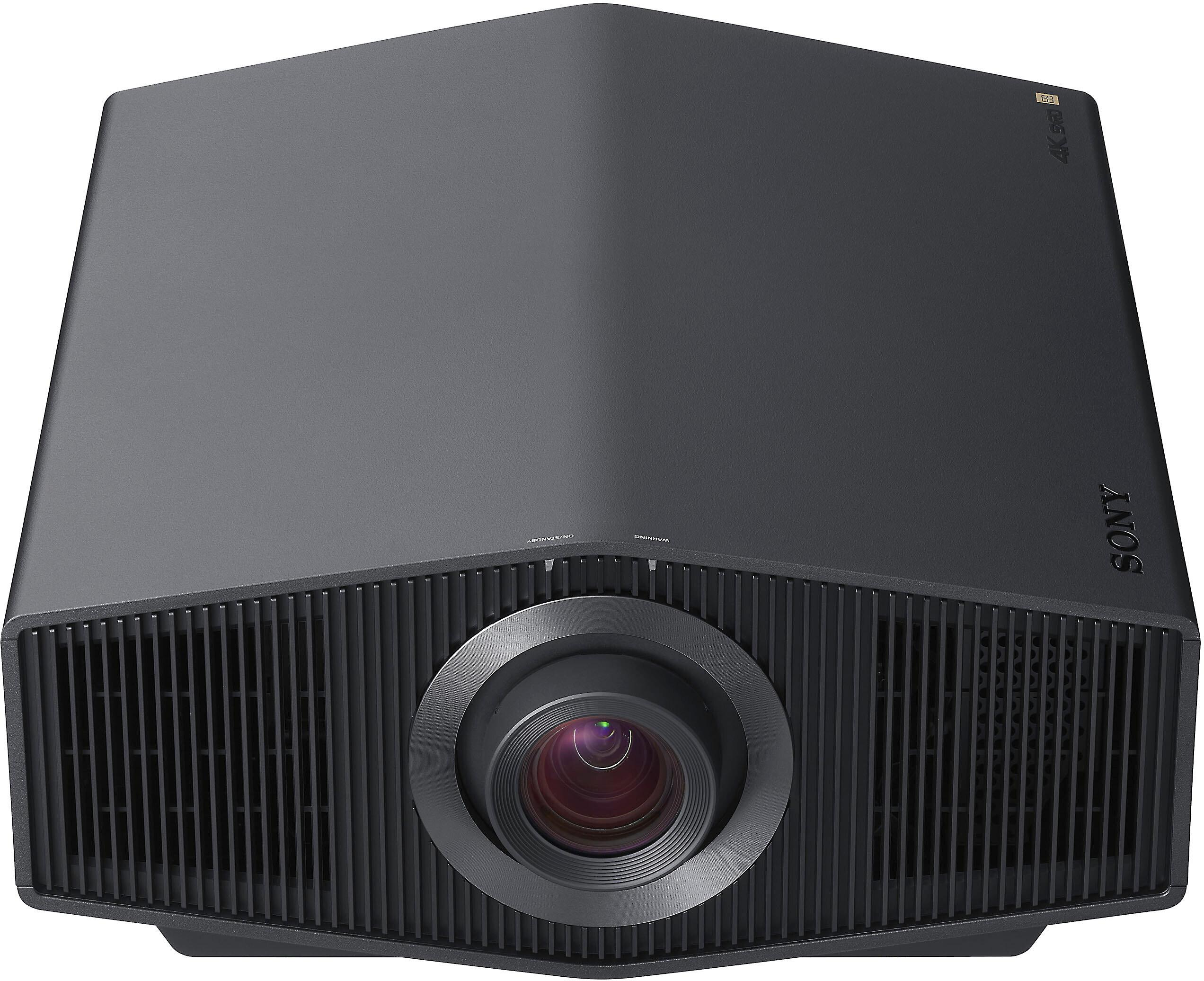
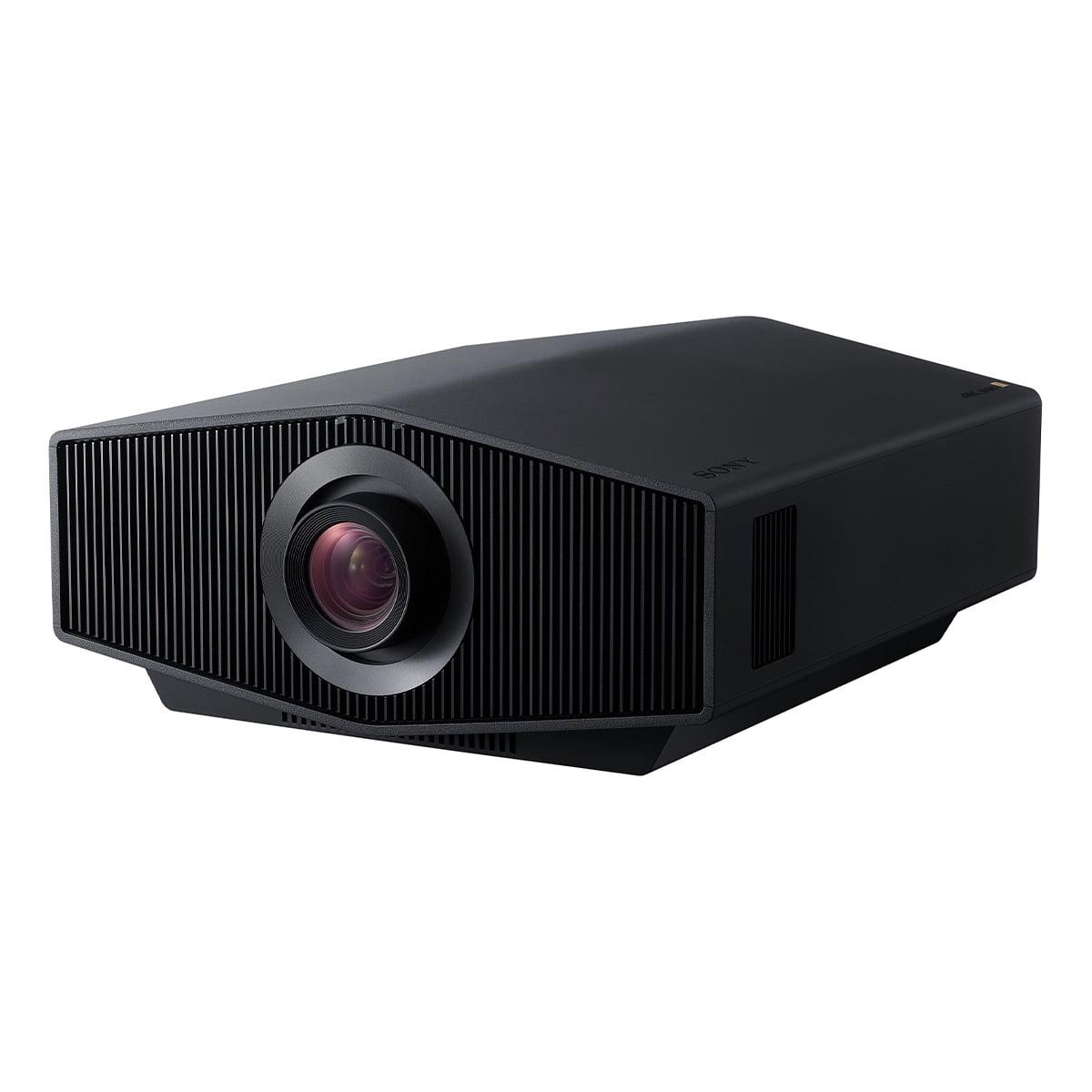
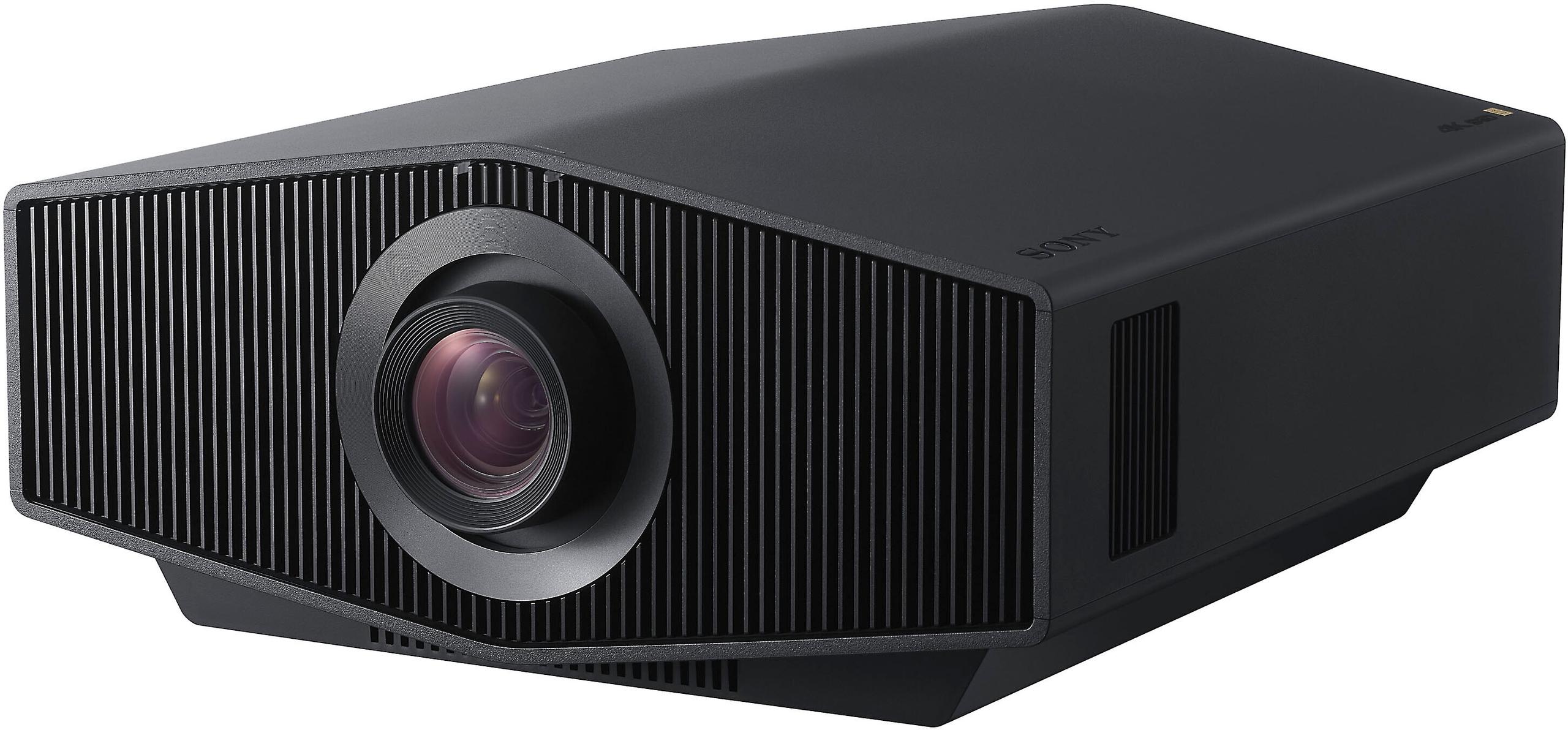

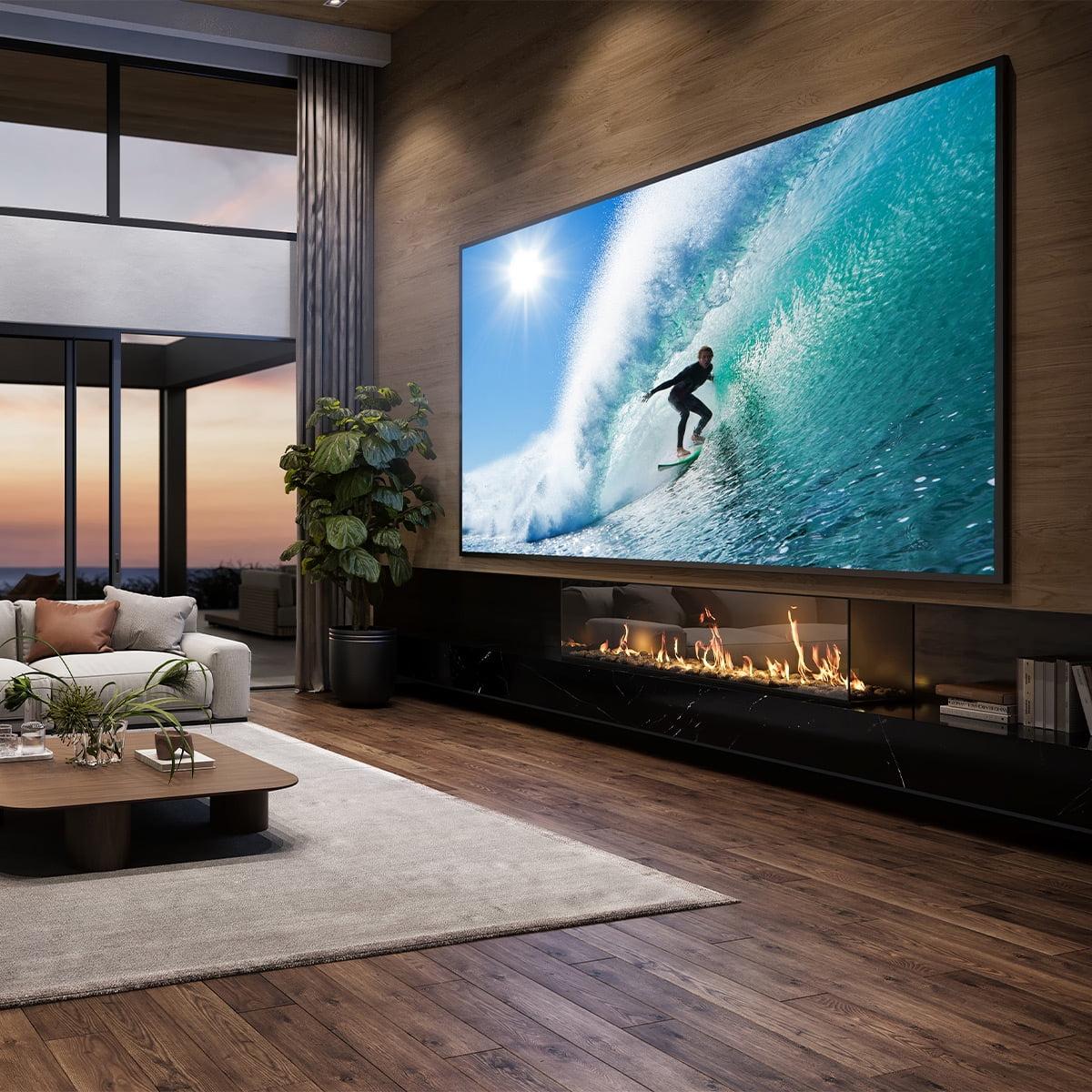
When you're ready to transform your living room into a true home theater, laser projectors represent the cutting edge of projection technology. Unlike traditional projectors that require expensive lamp replacements every few years, laser projectors use solid-state light sources that last 20,000+ hours—basically the lifetime of the device. Today we're comparing two standout models that approach premium 4K projection from very different angles: the Epson Home Cinema LS11000 and the Sony BRAVIA Projector 9.
At the time of writing, these projectors sit in completely different price tiers, with the Sony commanding roughly eight times the cost of the Epson. This massive price gap isn't just marketing—it reflects fundamental differences in technology, target audience, and performance capabilities. Let's dive into what makes each projector special and help you figure out which approach makes sense for your home theater dreams.
Before we get into the specifics, it's worth understanding what separates premium laser projectors from their cheaper cousins. The key considerations when shopping in this category include image quality metrics like contrast ratio (how deep the blacks appear compared to bright whites), color accuracy across different lighting conditions, brightness output measured in lumens, and installation flexibility.
Gaming has become increasingly important too. Modern projectors need low input lag (the delay between your controller input and seeing the action on screen) and support for high refresh rates like 120Hz that gaming consoles now output. HDR (High Dynamic Range) support is crucial for both movies and games, as it allows for much brighter highlights and deeper shadows than standard content.
The Epson LS11000 launched in 2022 as part of Epson's push to make laser projection more accessible to serious home theater enthusiasts. The Sony BRAVIA Projector 9 arrived in 2024 as Sony's latest flagship, building on decades of professional cinema projection experience. Both represent significant technological improvements over their predecessors, but they've taken very different paths to achieve 4K quality.
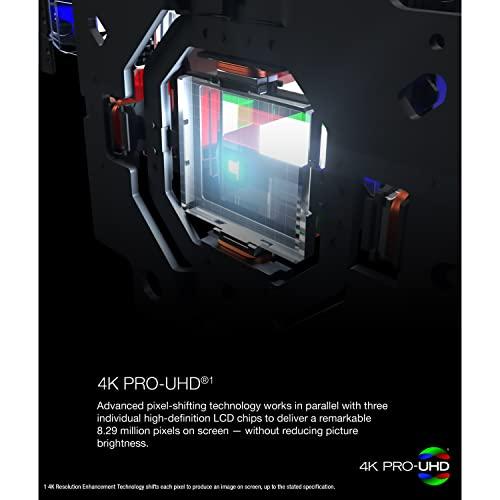
The biggest difference between these projectors lies in how they create those 8.3 million pixels that make up a 4K image. This isn't just a technical detail—it affects image quality, price, and what you'll see on your screen.
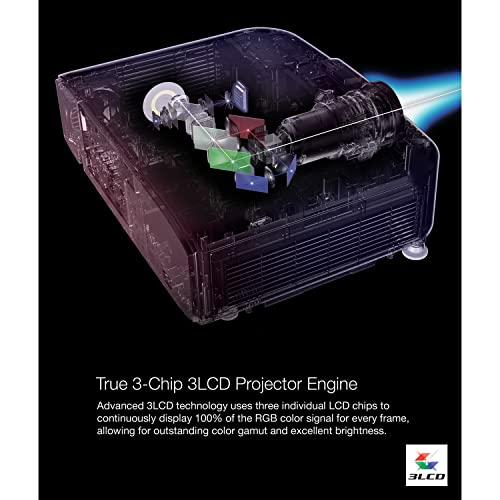
The Epson LS11000 uses what's called pixel shifting technology. Inside, it has three 1080p LCD panels (one each for red, green, and blue light). But here's the clever part: Epson's new Precision Shift Glass Plate rapidly moves each pixel diagonally and horizontally by tiny amounts—we're talking 1/4 pixel movements happening so fast your eye can't detect them. This effectively makes each physical pixel do the work of four pixels, creating the full 4K image on your screen.
The Sony BRAVIA Projector 9, on the other hand, uses native 4K SXRD panels. These physically contain all 8.3 million pixels simultaneously—the same technology Sony uses in professional movie theater projectors. Each tiny pixel is permanently positioned exactly where it needs to be for true 4K resolution.
In practical terms, both approaches deliver excellent 4K sharpness that most viewers can't distinguish at normal seating distances. However, the Sony's native approach provides slightly better fine detail reproduction and completely eliminates any potential artifacts that extremely sensitive viewers might notice with pixel shifting technology during specific test patterns or very detailed scenes.
Brightness, measured in lumens, determines how large a screen you can use and how much ambient light your room can have while still enjoying great image quality. The numbers here tell an important story.
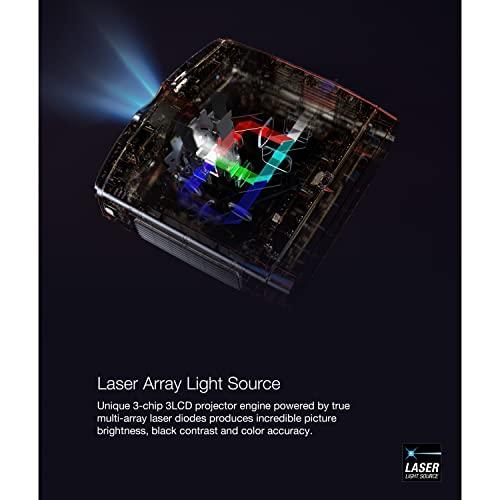
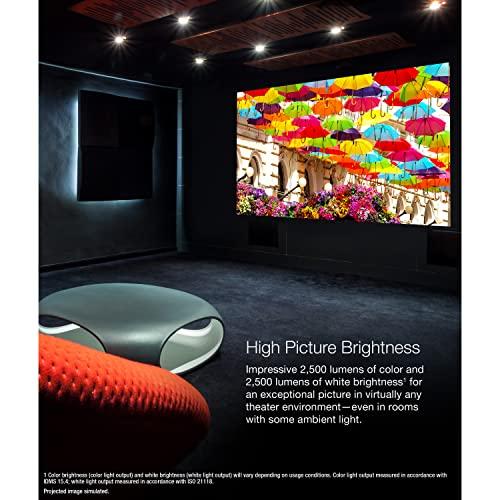
The Epson LS11000 produces 2,500 lumens from its multi-array blue laser phosphor system. This might sound technical, but it's actually pretty straightforward: blue lasers hit a phosphor wheel that converts some of that blue light into other colors, creating the full spectrum needed for rich, accurate colors. This setup provides excellent color accuracy and brightness consistency over the projector's lifetime.
The Sony BRAVIA Projector 9 pumps out 3,400 lumens—that's about 36% brighter than the Epson. Sony's Z-Phosphor laser system is more sophisticated, using advanced phosphor materials and precise laser control to achieve this higher output while maintaining excellent color accuracy.
Why does this brightness difference matter? If you're planning a 100-130 inch screen in a dedicated dark room, the Epson's 2,500 lumens will deliver stunning images. But if you want a massive 150+ inch screen, have some ambient light you can't eliminate, or prefer watching with a bit of room lighting, the Sony's extra brightness becomes crucial for maintaining vibrant colors and proper contrast.
Contrast ratio—how deep the blacks appear compared to the brightest whites—is arguably the most important factor for cinematic image quality. This is where the technology differences really shine through.
The Sony BRAVIA Projector 9 achieves native contrast approaching 16,000:1, which is exceptional for any projector not made by JVC (who specializes in ultra-high contrast). Sony's XR Deep Black technology precisely controls the laser output frame by frame, dimming the light source in dark scenes without the aggressive mechanical iris adjustments that can be distracting. This creates those inky blacks you see in premium movie theaters.
The Epson LS11000 relies more on dynamic contrast, using mechanical iris adjustments to achieve its rated 1,200,000:1 dynamic contrast ratio. While that number sounds impressive, it requires more noticeable iris movements during scene transitions. The Epson's native contrast is good for its price point but can't match the Sony's naturally deep blacks.
In real-world viewing, this translates to the Sony delivering more three-dimensional, cinema-like images with better shadow detail. Dark movie scenes—think horror films or space movies—will have more visible detail in the shadows while maintaining truly black backgrounds.
Modern content increasingly relies on HDR to deliver more lifelike images with brighter highlights and deeper shadows. How well a projector handles this determines whether you get that "wow" factor from the latest movies and games.
The Sony BRAVIA Projector 9 covers over 95% of the DCI-P3 color space—the same standard used in movie theaters—thanks to its XR Triluminos Pro technology. More importantly, its XR Dynamic Tone Mapping analyzes each frame individually, optimizing the balance between bright highlights and shadow detail. The higher 3,400-lumen output means less aggressive tone mapping is needed, preserving more of the original content's intended look.
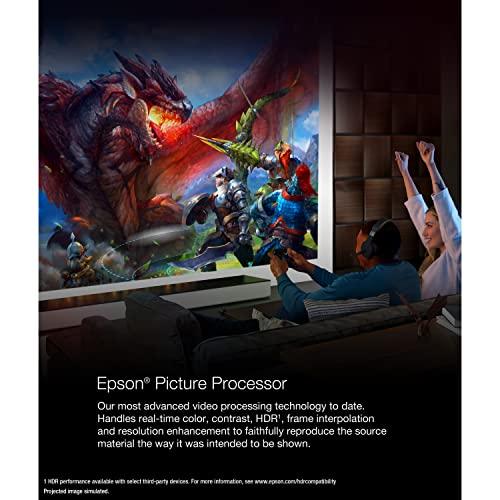
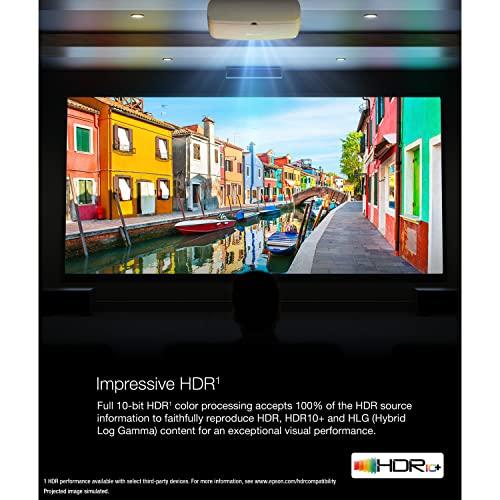
The Epson LS11000 covers standard color gamuts well and includes decent HDR processing through its 36-bit ZX processor. However, at 2,500 lumens, it needs more aggressive tone mapping for HDR content, which can compress some peak highlights. It still delivers impressive HDR impact for the price, but the Sony maintains more of the content creator's original vision.
Both projectors support modern gaming features, but there are some important differences. The Sony BRAVIA Projector 9 measures 23ms input lag at 4K/60fps and an impressive 13ms at 1080p/120fps. It also includes ALLM (Auto Low Latency Mode), which automatically switches to gaming mode when it detects a console, eliminating the need to manually change settings.
The Epson LS11000 delivers around 19ms input lag for 4K gaming and supports 4K/120fps through its dual HDMI 2.1 inputs. While it lacks automatic ALLM switching, the performance is still excellent for gaming. Both projectors will satisfy serious gamers, though the Sony's ALLM feature adds convenience for multi-use setups.
Both projectors offer impressive installation flexibility, crucial for fitting into real-world rooms. The Sony BRAVIA Projector 9 features Sony's ACF (All-Range Crisp Focus) lens system, which maintains edge-to-edge sharpness across the entire image. Its Picture Position Memory can store lens settings for five different aspect ratios—perfect if you watch both standard movies and ultra-wide content on a masking screen.
The Epson LS11000 includes extensive lens shift capabilities (±47.1% horizontal, ±96.3% vertical) and a quality 15-element glass lens system. Its lens memory functions work similarly to Sony's system for different aspect ratios. Both projectors offer excellent zoom ranges and can accommodate various room layouts without compromising image quality.
The physical differences matter too. The Epson weighs 28 pounds and has more compact dimensions, making it easier to install in typical home theater setups. The Sony weighs 33 pounds and requires more robust mounting, though its larger size reflects the premium materials and more sophisticated cooling systems inside.
This is where the conversation gets interesting. The Epson LS11000 delivers approximately 90-95% of native 4K image quality at a fraction of the Sony's cost. For most home theater enthusiasts building dedicated viewing spaces, it provides outstanding performance per dollar. The pixel shifting technology has improved dramatically, and in normal viewing conditions, the difference from native 4K is minimal.
The Sony BRAVIA Projector 9 targets a completely different market. At roughly eight times the Epson's price at the time of writing, it's for installations where budget is secondary to absolute performance. The native 4K panels, superior contrast, advanced processing, and higher brightness justify the premium for those building no-compromise home theaters.
Based on extensive research into user reviews and professional evaluations, the Epson LS11000 consistently impresses with its value proposition. Users frequently note that distinguishing it from native 4K projectors requires very close viewing or specific test patterns. The 2,500-lumen output handles most home theater environments well, and the overall image quality exceeds expectations for the price point.
The Sony BRAVIA Projector 9 receives praise for delivering reference-quality images that approach professional cinema standards. Users highlight the exceptional black levels and natural color reproduction. However, the price point limits it to enthusiasts with substantial budgets who can appreciate the incremental improvements over less expensive options.
Choose the Epson LS11000 if you're building a serious home theater but need to balance performance with value. It's perfect for dedicated dark rooms with 100-130 inch screens, delivers excellent 4K performance, and provides outstanding gaming capabilities. The money saved can go toward a better screen, seating, or room treatments that might have more impact on your overall experience.
The Sony BRAVIA Projector 9 makes sense for no-compromise installations where the projector cost represents a small portion of the total theater budget. If you're planning a 150+ inch screen, have challenging ambient light conditions, or simply want the best possible image quality regardless of cost, the Sony's superior contrast, brightness, and processing justify the premium.
For most people reading this, the Epson LS11000 offers the better path to home theater satisfaction. It delivers stunning 4K images with laser reliability at an accessible price point. The Sony BRAVIA Projector 9 is reserved for those building reference-quality theaters where absolute performance matters more than value.
The bottom line? Both projectors will transform your viewing experience, but they serve different audiences. The Epson democratizes high-quality 4K laser projection, while the Sony represents the pinnacle of what's possible when budget isn't a constraint. Choose based on your room, screen size, budget, and how much that extra 5-10% image quality improvement is worth to you.
| Epson Home Cinema LS11000 | Sony BRAVIA Projector 9 |
|---|---|
| 4K Technology - How each creates 8.3 million pixels | |
| 4K PRO-UHD pixel shifting from native 1080p panels | Native 4K SXRD panels with all pixels physically present |
| Brightness Output - Determines screen size and room lighting tolerance | |
| 2,500 lumens (excellent for 100-130" screens in dark rooms) | 3,400 lumens (handles 150"+ screens and ambient light better) |
| Contrast Performance - Most important factor for cinematic blacks | |
| 1,200,000:1 dynamic contrast with iris adjustments | ~16,000:1 native contrast with precise laser dimming |
| Light Source Technology - Affects color accuracy and maintenance | |
| Multi-array blue laser phosphor (20,000 hour lifespan) | Z-Phosphor laser system (20,000 hour lifespan) |
| Color Gamut Coverage - Determines color richness and accuracy | |
| Standard color spaces with 36-bit processing | 95%+ DCI-P3 with XR Triluminos Pro technology |
| Gaming Input Lag - Critical for responsive console gaming | |
| ~19ms at 4K/60fps, supports 4K/120fps | 23ms at 4K/60fps, 13ms at 1080p/120fps with ALLM |
| HDR Processing - How well it handles bright highlights and deep shadows | |
| HDR10/HDR10+/HLG with standard tone mapping | XR Dynamic Tone Mapping with frame-by-frame optimization |
| Lens System - Affects installation flexibility and image sharpness | |
| 2.1x zoom with extensive lens shift (±47.1% H, ±96.3% V) | ACF lens with outstanding edge-to-edge clarity and 5-position memory |
| Physical Dimensions - Installation and mounting requirements | |
| 28 lbs, compact design for typical home theaters | 33 lbs, larger premium build requiring robust mounting |
| HDMI Connectivity - Future-proofing for gaming and media devices | |
| Dual HDMI 2.1 inputs (40 Gbps bandwidth) | Dual HDMI 2.1 inputs with full 48 Gbps bandwidth |
| Target Market - Who each projector is designed for | |
| Home theater enthusiasts seeking excellent value | Ultra-premium installations where budget isn't the primary concern |
The Epson Home Cinema LS11000 delivers exceptional value, providing 90-95% of native 4K performance at a significantly lower price point. For most home theater setups with 100-130 inch screens in dedicated dark rooms, the Epson LS11000 offers outstanding performance per dollar. The Sony BRAVIA Projector 9 targets ultra-premium installations where absolute image quality matters more than cost.
The Epson Home Cinema LS11000 uses advanced pixel shifting technology, rapidly moving 1080p pixels to create 4K images on screen. The Sony BRAVIA Projector 9 uses native 4K SXRD panels with all 8.3 million pixels physically present. While both deliver excellent 4K sharpness, the Sony's native approach provides slightly better fine detail reproduction at normal viewing distances.
The Sony BRAVIA Projector 9 produces 3,400 lumens compared to the Epson LS11000's 2,500 lumens. This 36% brightness advantage makes the Sony better suited for screens over 150 inches or rooms with some ambient light, while the Epson excels with 100-130 inch screens in light-controlled environments.
The Sony BRAVIA Projector 9 achieves superior native contrast around 16,000:1 with precise laser dimming, delivering deeper blacks and better shadow detail for cinematic viewing. The Epson LS11000 uses dynamic contrast with iris adjustments to reach its rated 1,200,000:1, which works well but requires more noticeable mechanical adjustments during dark scenes.
Both projectors excel for gaming. The Epson Home Cinema LS11000 delivers around 19ms input lag with 4K/120fps support through dual HDMI 2.1 inputs. The Sony BRAVIA Projector 9 offers 23ms at 4K/60fps and 13ms at 1080p/120fps, plus ALLM (Auto Low Latency Mode) that automatically switches to gaming mode when detecting consoles.
Yes, both support HDR content. The Epson LS11000 handles HDR10, HDR10+, and HLG with standard tone mapping. The Sony BRAVIA Projector 9 features advanced XR Dynamic Tone Mapping that analyzes each frame individually, plus higher brightness that allows less aggressive tone mapping for better highlight preservation.
Both projectors use laser light sources rated for 20,000+ hours of operation, essentially the lifetime of the device. The Epson Home Cinema LS11000 uses a multi-array blue laser phosphor system, while the Sony BRAVIA Projector 9 employs a more sophisticated Z-Phosphor laser system. Neither requires expensive lamp replacements like traditional projectors.
Both offer excellent installation options. The Epson LS11000 provides extensive lens shift (±47.1% horizontal, ±96.3% vertical) with motorized zoom and focus. The Sony BRAVIA Projector 9 features Sony's ACF lens system with outstanding edge-to-edge sharpness and Picture Position Memory for storing settings across five different aspect ratios.
The Epson Home Cinema LS11000 performs optimally with 100-130 inch screens in dedicated dark rooms, though it can handle up to 300 inches. The Sony BRAVIA Projector 9 excels with larger 150+ inch screens and can maintain excellent image quality even with some ambient light due to its higher 3,400-lumen output.
The Sony BRAVIA Projector 9 covers over 95% of the DCI-P3 color space used in movie theaters, with XR Triluminos Pro technology reproducing over one billion colors. The Epson LS11000 delivers good color accuracy with standard color gamut coverage and 36-bit processing, providing excellent colors for its price point.
The Epson Home Cinema LS11000 is more compact at 28 pounds and easier to install in typical home theater setups. The Sony BRAVIA Projector 9 weighs 33 pounds and requires more robust mounting, though both offer motorized lens adjustments that simplify setup. The Epson is generally more user-friendly for DIY installations.
Choose the Epson Home Cinema LS11000 if you want excellent 4K laser projection at an accessible price point, with screens up to 130 inches in dedicated dark rooms. The Sony BRAVIA Projector 9 is ideal for no-compromise home theaters with larger screens, challenging lighting conditions, or where absolute reference-quality image performance justifies the premium investment.
We've done our best to create useful and informative comparisons to help you decide what product to buy. Our research uses advanced automated methods to create this comparison and perfection is not possible - please contact us for corrections or questions. These are the sites we've researched in the creation of this article: tvsbook.com - thesmarthomehookup.com - cepro.com - specsradar.com - projectorscreen.com - benq.com - projectorreviews.com - projectorscreen.com - youtube.com - projectorcentral.com - whathifi.com - projectorscreen.com - bestbuy.com - youtube.com - avsforum.com - versus.com - crutchfield.com - projectorcentral.com - shop.avispl.com - mediaserver.goepson.com - projectorscreen.com - bestbuy.com - simplehomecinema.com - dreamediaav.com - epson.com - projectorcentral.com - worldwidestereo.com - formovie.com - electronics.sony.com - sonypremiumhome.com - thesonyshop.ca - crutchfield.com - youtube.com - valueelectronics.com - greatsoundsav.com - pro.sony - skybygramophone.com - avsforum.com - projectorcentral.com - projectorscreenstore.com

Privacy Policy
Terms and Conditions - Affiliate Policy
Home Security
© Copyright 2008-2026.
11816 Inwood Rd #1211, Dallas, TX 75244