

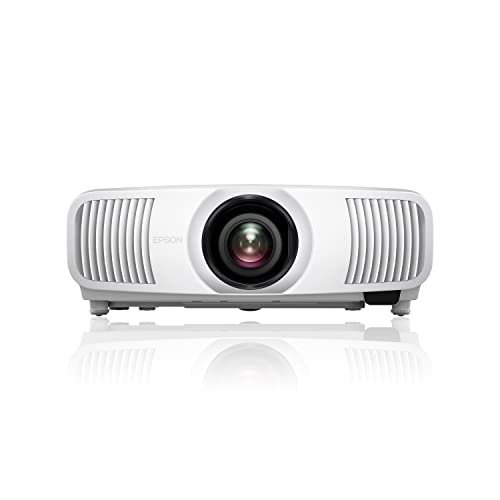
If you've been shopping for a premium 4K laser projector, you've probably stumbled across Epson's impressive lineup and wondered why their prices span such a dramatic range. The Epson Home Cinema LS11000 and Epson QL7000 both deliver stunning 4K images using laser light sources, but they're designed for completely different worlds. One costs about as much as a decent used car, while the other approaches luxury vehicle territory. Let me help you understand why—and more importantly, which one might be right for your situation.
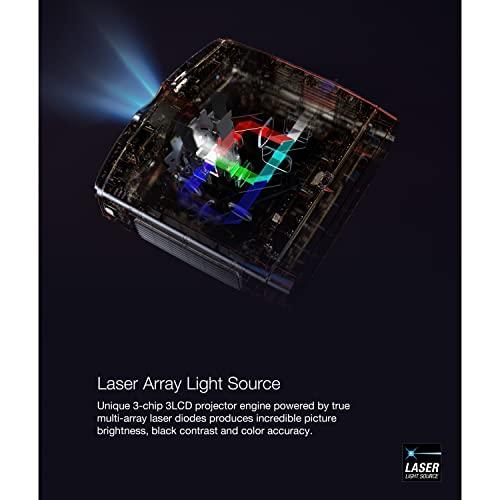
Before diving into these specific models, it's worth understanding what makes laser projectors special. Unlike traditional projectors that use replaceable bulbs (which dim over time and need replacement every few thousand hours), laser projectors use solid-state light sources that maintain consistent brightness for 20,000+ hours. They also turn on instantly—no more waiting for bulbs to warm up.
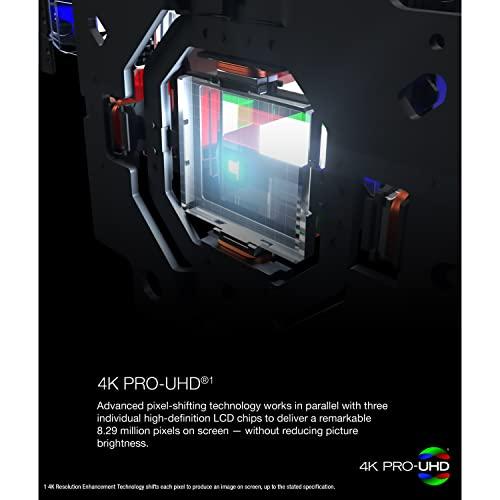
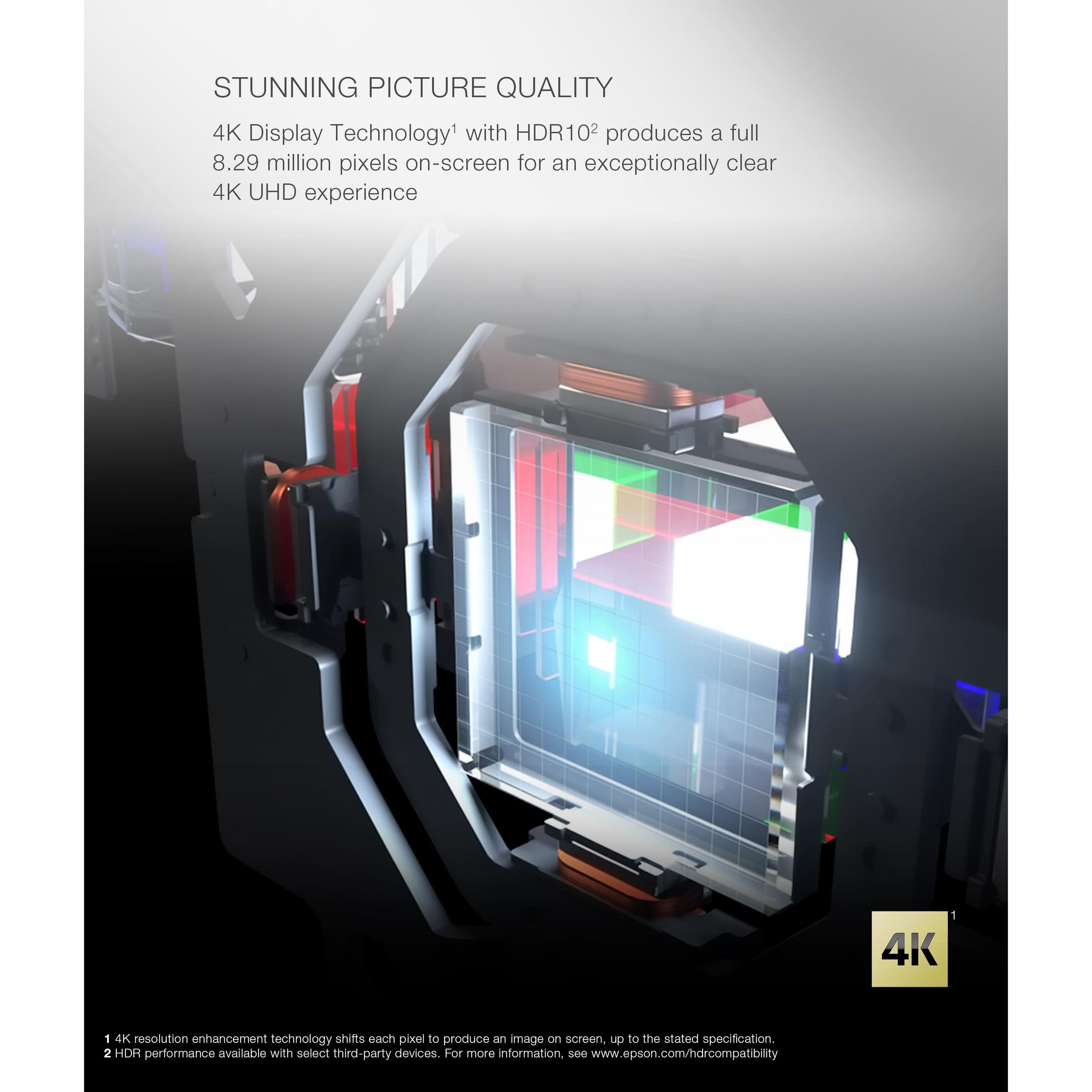
The "4K" designation here needs some explanation, because both the LS11000 and QL7000 use what's called pixel-shifting technology rather than native 4K panels. They start with 1080p imaging chips but rapidly shift each pixel multiple times per frame to create the appearance of true 4K resolution (3,840 x 2,160 pixels). When done well—as Epson does it—this approach is virtually indistinguishable from native 4K at normal viewing distances while keeping costs reasonable.
The key considerations when evaluating these projectors include brightness capability (which determines how large a screen you can use and how much ambient light you can tolerate), contrast performance (affecting black levels and overall picture depth), color accuracy, installation flexibility, and gaming performance.
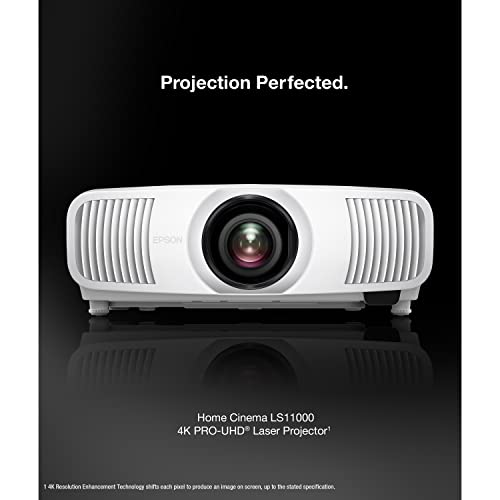
The Epson Home Cinema LS11000, released in 2022, represents Epson's approach to bringing high-end laser projection to serious home theater enthusiasts without requiring a second mortgage. At the time of writing, it typically retails for under $4,500, making it one of the most affordable laser projectors in its performance class.
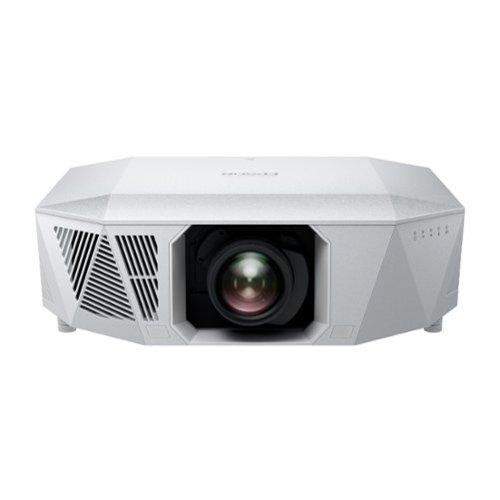
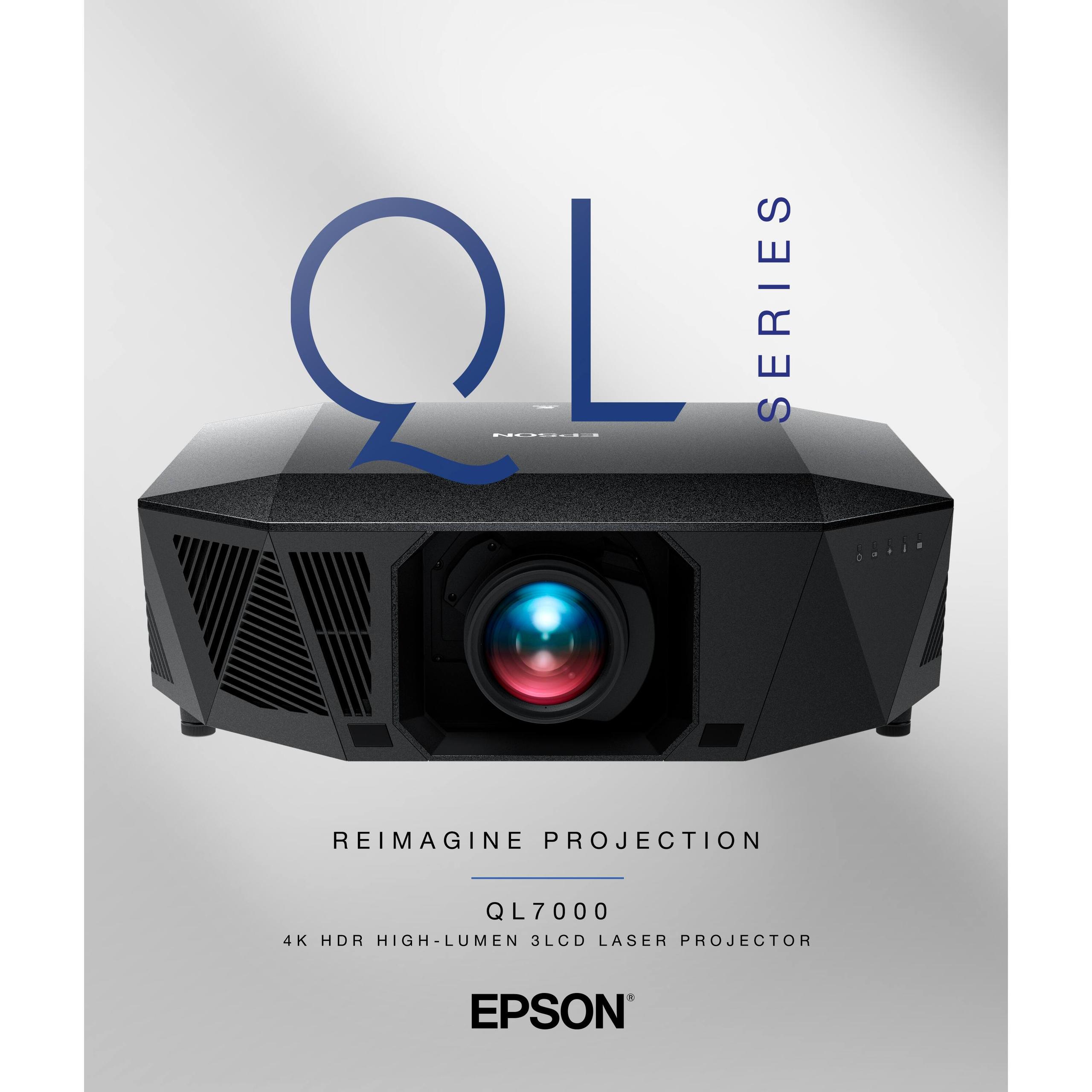
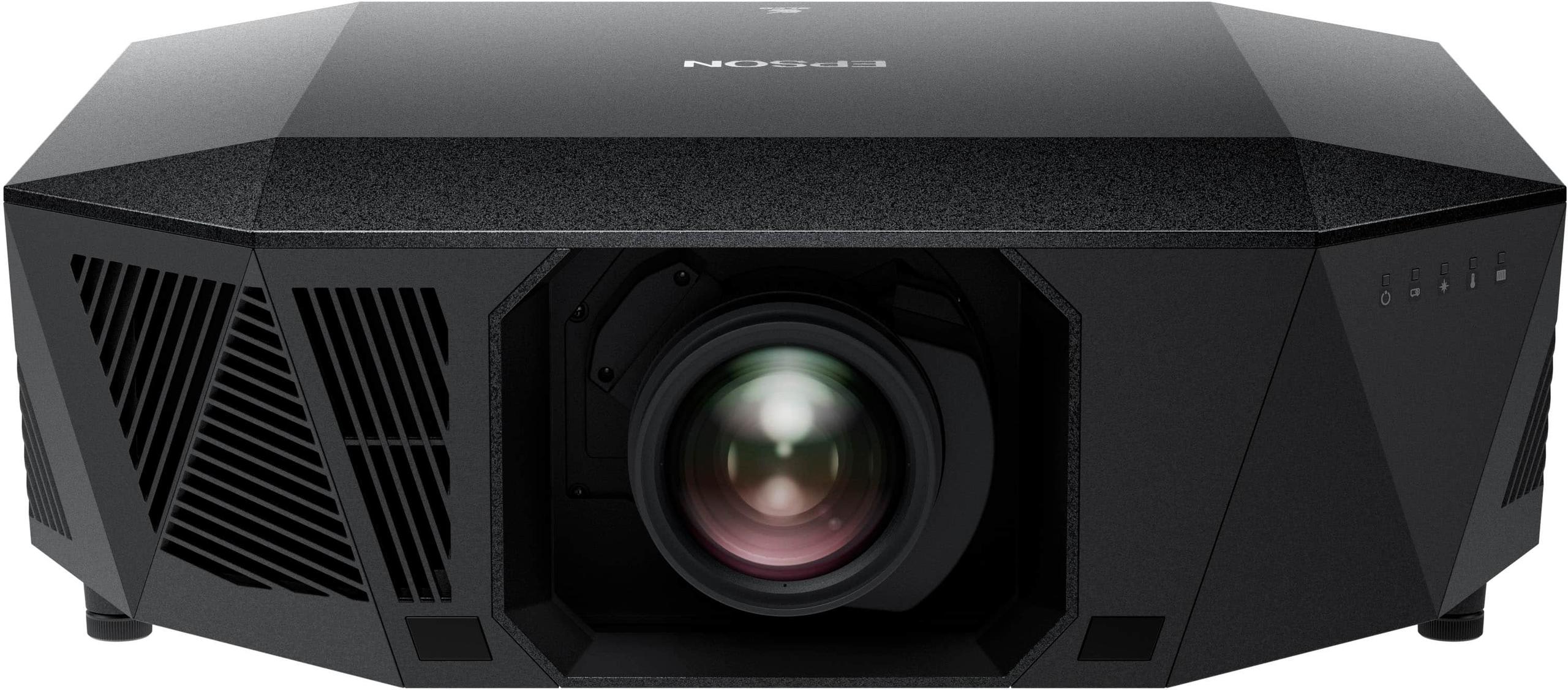
The Epson QL7000, launched in 2024, takes an entirely different approach. This is Epson's statement projector—designed to prove that projection technology can compete in virtually any lighting environment. At current pricing, it costs roughly eight times more than the LS11000, and that's before you factor in the required lens purchase.
The price difference isn't just about markup; these projectors are engineered for fundamentally different applications, with the QL7000 targeting commercial installations, luxury home theaters, and situations where extreme brightness is non-negotiable.
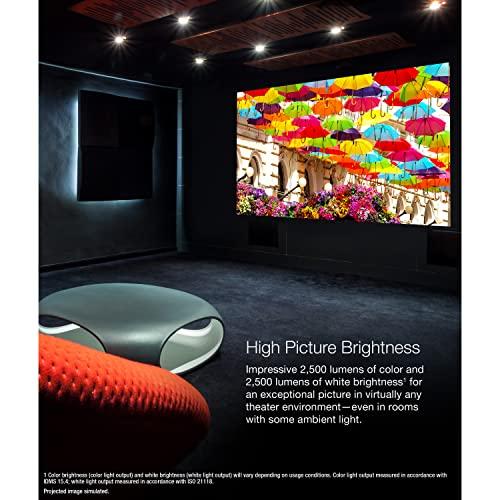
Here's where things get interesting. The LS11000 produces 2,500 lumens of both color and white brightness. For context, that's bright enough to fill a 120-inch screen beautifully in a dark room, or maintain good picture quality on a 100-inch screen with some ambient light. Most home theaters fall squarely into this category.
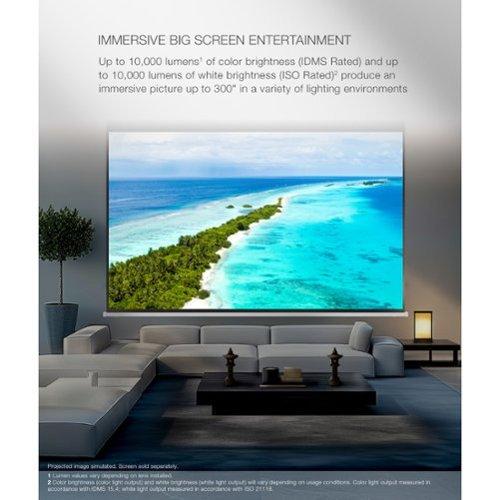
The QL7000 produces an almost absurd 10,000 lumens—four times brighter than the LS11000. This isn't just a modest upgrade; it's a completely different class of performance. In real-world testing, this projector has actually exceeded its specifications, with some measurements showing over 12,000 lumens in the brightest mode. To put this in perspective, that's enough light to properly illuminate a 300-inch screen in a room with significant ambient light.
Why does this matter? Brightness directly translates to screen size potential and ambient light tolerance. The LS11000 will struggle on anything larger than 150 inches or in rooms where you can't control the lighting. The QL7000 can maintain stunning picture quality on massive screens even with overhead lighting or large windows—something that would wash out virtually any other home projector.
However, more brightness isn't always better. In dark rooms on reasonably sized screens, the extra brightness of the QL7000 might actually work against you, potentially washing out fine shadow detail that makes movies more engaging.
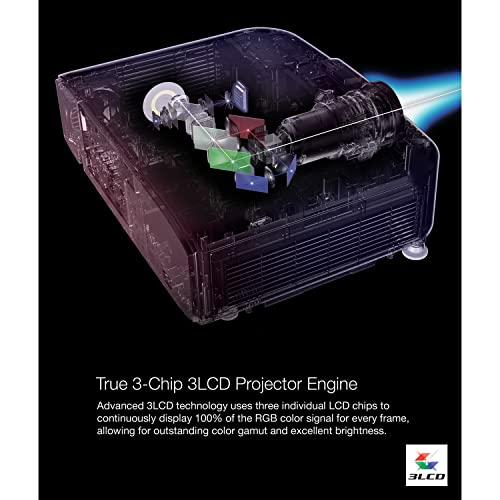
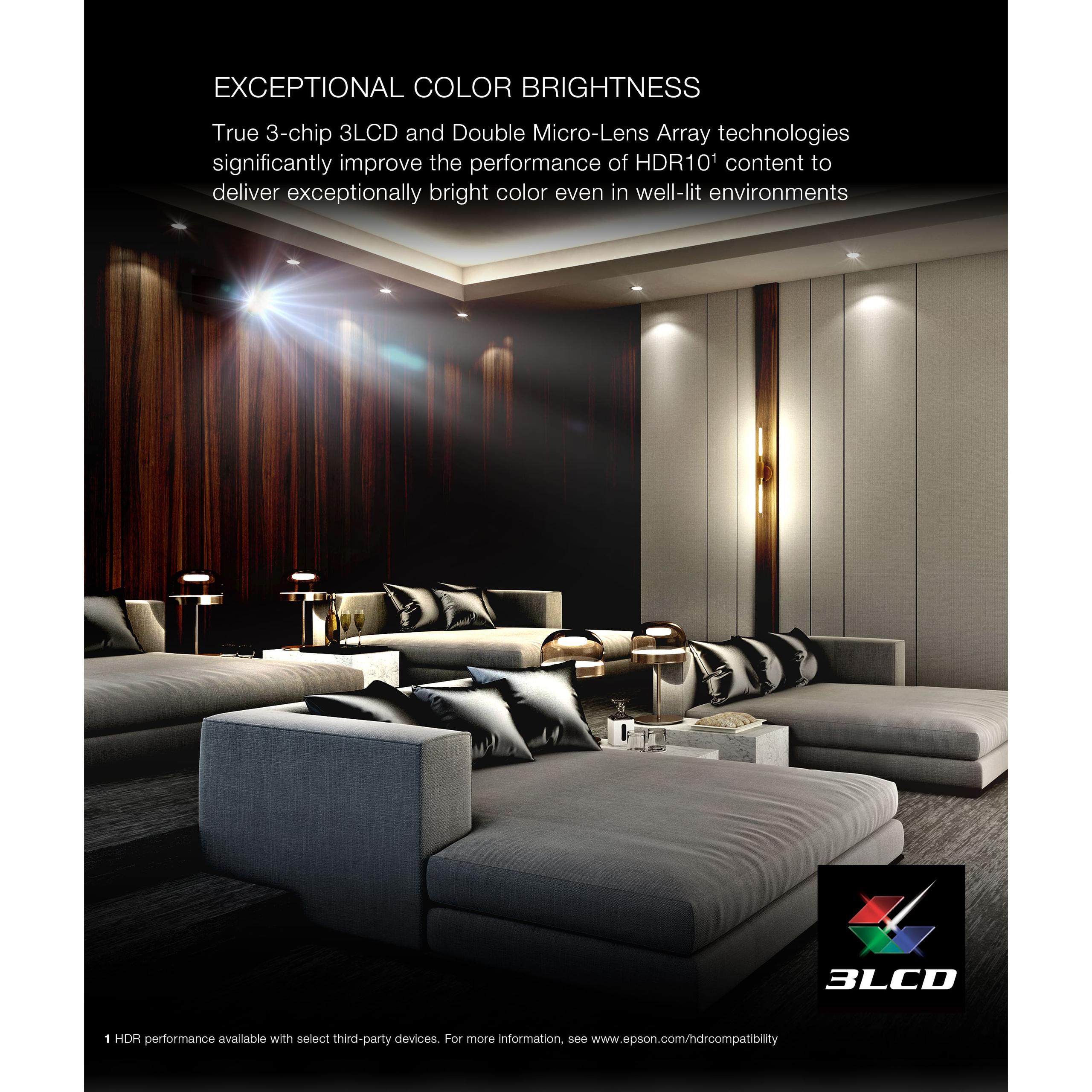
Both projectors use Epson's acclaimed 3-chip 3LCD technology, which avoids the "rainbow effect" (brief flashes of color) that some people see with competing DLP projectors. However, their contrast performance differs significantly.
The LS11000 achieves its rated 1,200,000:1 dynamic contrast through sophisticated laser dimming and iris control. In practical terms, this means excellent black levels and shadow detail that rivals much more expensive projectors. When you're watching a dark scene in a movie, the projector can dim its laser output to achieve truly deep blacks while maintaining detail in darker areas of the image.
The QL7000 boasts an even higher contrast specification at 5,000,000:1, but there's a catch. Unlike some of Epson's other professional models, it doesn't include their UltraBlack technology—a special filter that enhances black levels and contrast. This technology is reserved for lower-brightness professional models where the extreme light output doesn't overwhelm the filter's effectiveness.
In practice, the LS11000 often delivers superior contrast performance in dark scenes, while the QL7000 excels in medium to bright content where its extraordinary brightness creates more impactful highlights and colors.
High Dynamic Range (HDR) content represents the biggest leap in home video quality since the transition to high definition. HDR preserves more detail in both the brightest and darkest parts of an image while expanding the range of colors that can be displayed.
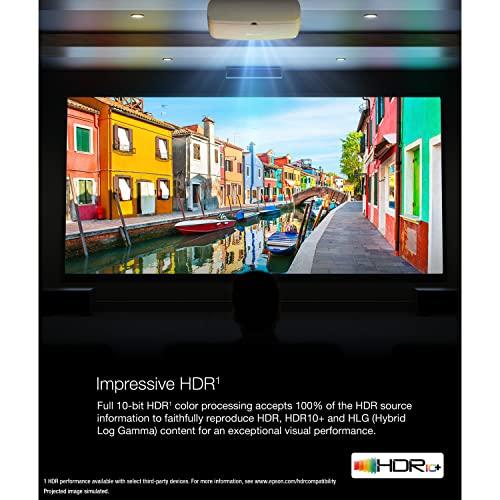
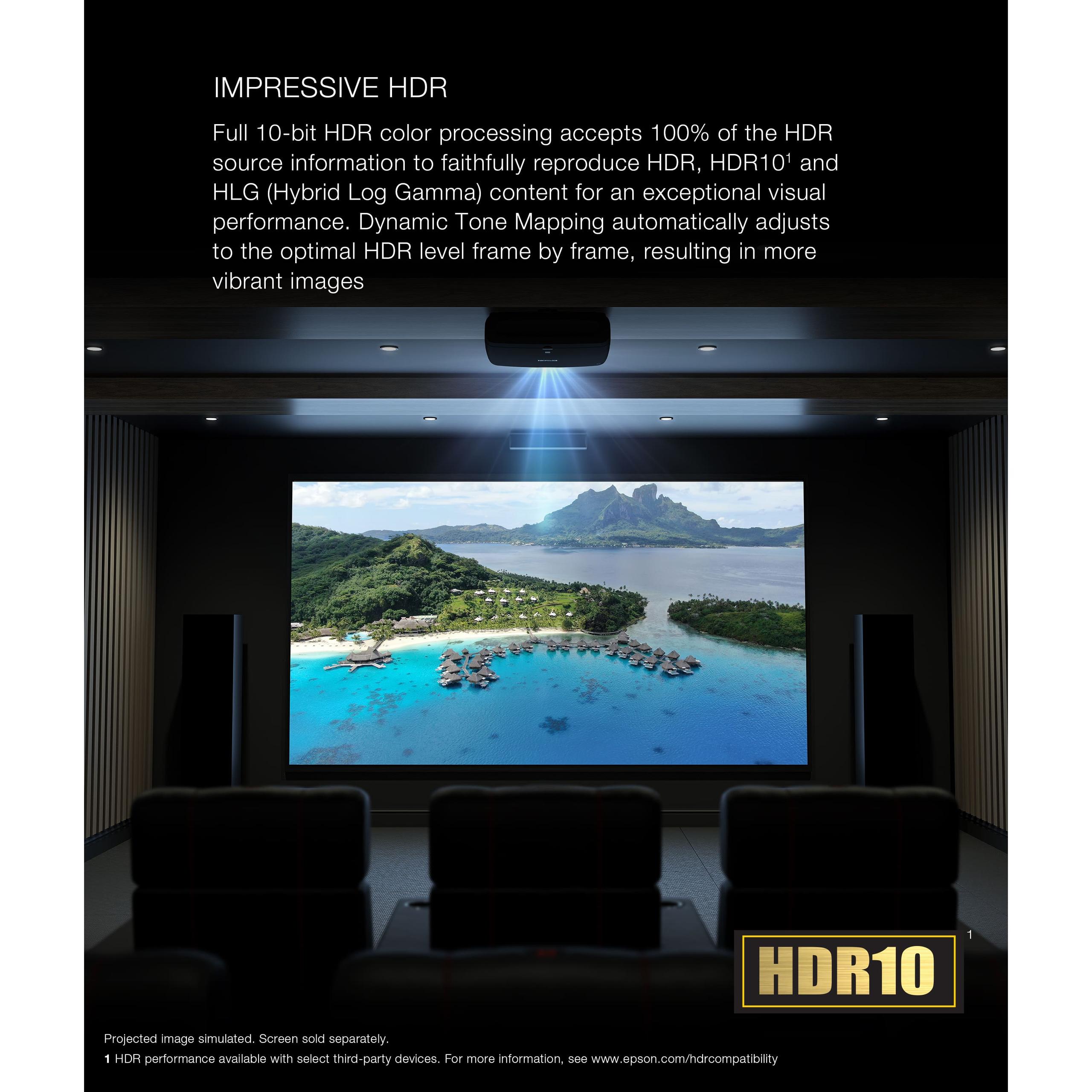
The LS11000 supports HDR10, HDR10+, and HLG formats. The HDR10+ support is particularly valuable because it includes dynamic metadata—information that tells the projector how to optimize each scene individually. This broader format compatibility means better performance with streaming services and broadcast HDR content.
The QL7000 supports HDR10 and HLG but lacks HDR10+ compatibility. However, its extreme brightness capability allows it to display HDR content at peak luminance levels approaching 900 nits on large screens—far exceeding what typical home theater projectors can achieve (usually 200-300 nits). This higher peak brightness makes HDR highlights more impactful and closer to what content creators intended.
Both projectors include sophisticated tone mapping (the process of adapting HDR content to the projector's capabilities), but they approach it differently. The LS11000 includes user-friendly HDR controls with dedicated adjustment buttons, while the QL7000 focuses on automatic scene-by-scene optimization.
Modern gaming demands have pushed projector manufacturers to improve input lag (the delay between controller input and screen response) and support higher refresh rates. Both projectors excel here, but with different strengths.
The LS11000 features dual HDMI 2.1 ports with full 48Gbps bandwidth, enabling 4K gaming at 120 frames per second with HDR—perfect for PlayStation 5, Xbox Series X, or high-end gaming PCs. Input lag stays below 20 milliseconds, which is excellent for a projector and suitable for competitive gaming.
The QL7000 includes similar HDMI 2.1 connectivity plus an Auto Low Latency Mode that automatically optimizes settings when gaming sources are detected. Its extraordinary brightness opens up gaming possibilities that simply don't exist with other projectors—like gaming in bright rooms where you can't control lighting. Imagine playing your favorite games on a massive screen without having to close the curtains.
This is where the two projectors diverge most dramatically in their approach.
The LS11000 includes everything you need right in the box. It comes with a high-quality motorized lens featuring 2.1x zoom, powered focus, and extensive lens shift capabilities (±47% horizontal and ±96% vertical). The lens shift is particularly valuable—it lets you position the projector off-center from your screen while maintaining a perfectly rectangular image. The motorized lens even includes memory settings, so you can save different positions for various aspect ratios and switch between them at the touch of a button.
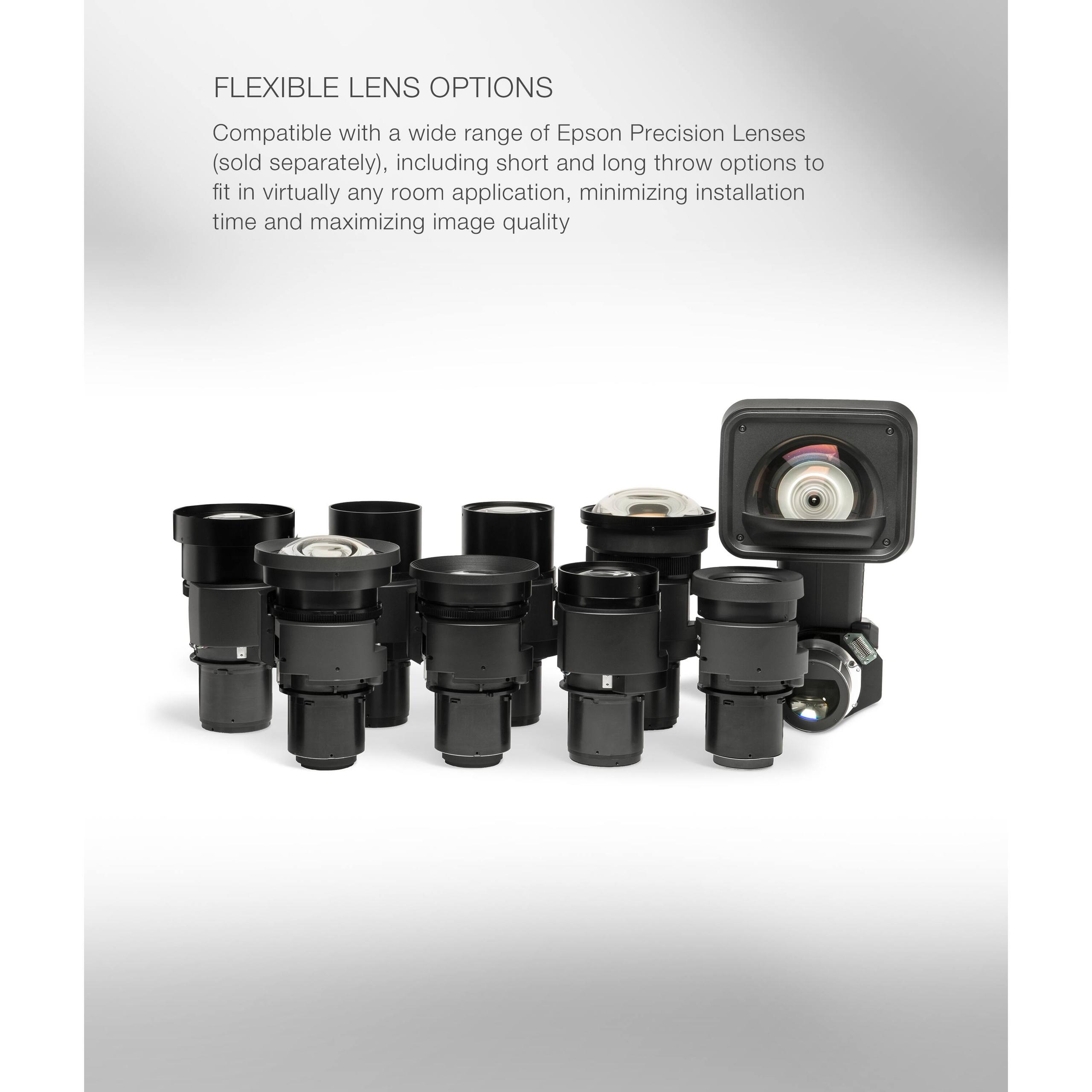
The QL7000 takes a modular approach—it's sold as "body only" without any lens. You must separately purchase from Epson's family of professional lenses, which range from ultra-short throw options for tight spaces to long-throw lenses for projection booths. This flexibility comes at a cost—professional lenses typically add $2,000 to $6,000 to your total investment.
While this might seem like a disadvantage, the modular approach allows for optimized installations in challenging spaces. If you're building a dedicated theater with specific throw distance requirements, or installing in a commercial venue, this flexibility becomes invaluable.
Both projectors benefit from Epson's continuous advancement in pixel-shifting technology. The LS11000 uses their latest 4K PRO-UHD system with a Precision Shift Glass Plate that's both faster and quieter than previous generations. This improvement means the pixel-shifting artifacts that plagued earlier models are virtually eliminated—from normal viewing distances, it's genuinely difficult to distinguish from native 4K projectors.
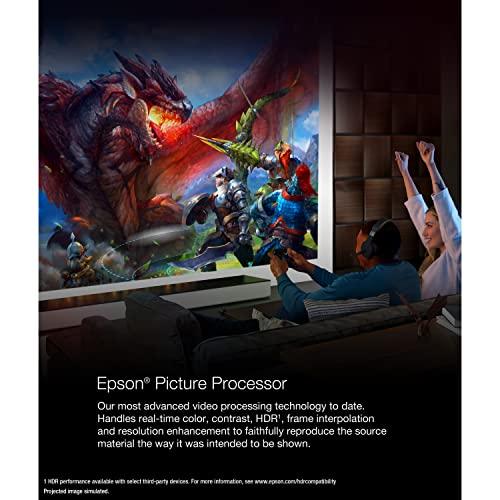
The LS11000 employs Epson's 36-bit ZX Picture Processor for real-time color correction, contrast adjustment, HDR tone mapping, and frame interpolation. The QL7000 uses a newer 32-bit QZX processor specifically optimized for high-brightness applications and professional control requirements.
Since their respective releases, both have benefited from firmware updates that improve HDR processing and gaming compatibility. The projection industry has moved quickly to support new gaming console features and streaming HDR formats.
Size and installation requirements matter, especially for home theaters. The LS11000 measures about 20.5 inches wide and weighs 28 pounds—manageable for ceiling mounting in most home situations. It operates quietly (22-30 dB depending on brightness mode) and runs on standard household power, consuming about 311 watts.
The QL7000 is substantially larger and heavier at 46.5 pounds, reflecting the components needed to generate 10,000 lumens. Despite its extreme output, it still operates on standard voltage but consumes 636 watts—more than double the LS11000's power consumption. This is actually remarkable efficiency for such extreme brightness; competing professional projectors often require special electrical installations.
At the time of writing, the LS11000 represents exceptional value in the premium home theater projector market. You receive a complete, ready-to-install solution that delivers picture quality comparable to projectors costing significantly more. Based on consensus reviews, it consistently outperforms more expensive competitors in contrast performance while matching their color accuracy and gaming capabilities.
The QL7000 justifies its premium pricing only in specific scenarios where its extreme brightness becomes essential. For typical home theater applications on screens under 150 inches in controlled lighting, it's massive overkill. However, for large-scale installations, commercial venues, or situations where ambient light can't be controlled, it provides capabilities that simply don't exist in consumer projectors.
Professional reviews consistently praise the LS11000 for delivering "90% of high-end projector performance at a fraction of the cost," while the QL7000 earns recognition for "proving that projection isn't limited to dark rooms."
Choose the LS11000 if you have a dedicated home theater or media room where you can control lighting, plan to use screen sizes between 80-150 inches, want comprehensive HDR format support, prefer a complete solution without additional lens purchases, and prioritize excellent contrast performance for movie watching.
The LS11000 is ideal for movie enthusiasts who want cinema-quality images in optimal conditions. It excels at delivering the contrast and color accuracy that makes films engaging while providing excellent gaming performance. Most importantly, it delivers this performance at a price point that makes high-end projection accessible to serious enthusiasts.
Choose the QL7000 if you need to illuminate screens exceeding 150 inches, must combat significant ambient light, require professional control system integration, want ultimate flexibility in lens selection, or prioritize gaming and content viewing in bright environments over cost considerations.
The QL7000 makes sense for luxury home theaters with massive screens, commercial installations, or unique situations where the LS11000 would be completely overwhelmed by the scale or lighting requirements.
Both projectors represent excellent engineering, but they serve different masters. The LS11000 democratizes high-end projection by delivering exceptional performance at a more accessible price point. It's the projector I'd recommend for 90% of home theater applications—providing stunning 4K HDR images with excellent contrast and gaming performance in a complete, ready-to-install package.
The QL7000 serves the remaining 10% of applications where its extreme brightness becomes essential. When you absolutely need maximum light output for large screens or bright environments, it delivers capabilities that justify its premium pricing.
For most readers considering a serious home theater upgrade, the LS11000 offers the better value proposition and will exceed your expectations. Reserve the QL7000 for situations where its unique capabilities address specific requirements that no other projector can meet.
| Epson Home Cinema LS11000 | Epson QL7000 |
|---|---|
| Brightness - Determines screen size potential and ambient light tolerance | |
| 2,500 lumens (excellent for dark rooms, 80-150" screens) | 10,000 lumens (handles bright rooms, 150-300" screens) |
| Resolution Technology - Both achieve 4K through pixel-shifting | |
| 4K PRO-UHD with Precision Shift Glass Plate | 4K with dual-axis pixel shift, larger 1.04" chips |
| Contrast Ratio - Critical for deep blacks and shadow detail | |
| 1,200,000:1 with superior black levels in dark scenes | 5,000,000:1 but lacks UltraBlack technology |
| HDR Support - Affects streaming and gaming compatibility | |
| HDR10, HDR10+, HLG (broader format support) | HDR10, HLG only (no HDR10+ but higher peak brightness) |
| Lens System - Impacts installation flexibility and total cost | |
| Motorized lens included with 2.1x zoom and lens memory | Body only - lens sold separately ($2,000-$6,000 additional) |
| Gaming Performance - Modern console and PC compatibility | |
| Dual HDMI 2.1, 4K/120Hz, sub-20ms input lag | Dual HDMI 2.1, 4K/120Hz, Auto Low Latency Mode |
| Physical Size - Installation and mounting considerations | |
| 28 lbs, quiet operation (22-30 dB), 311W power | 46.5 lbs, professional installation recommended, 636W power |
| Target Application - Who each projector is designed for | |
| Home theaters with controlled lighting, complete solution | Commercial venues, luxury installs, extreme brightness needs |
| Value Proposition - Performance per dollar at time of writing | |
| Exceptional value for premium home theater performance | Specialized value only when extreme brightness is essential |
| Screen Size Sweet Spot - Optimal viewing experience range | |
| 80-150 inches in dark to moderately lit rooms | 150-300+ inches in any lighting condition |
| Picture Processing - Real-time image enhancement capabilities | |
| 36-bit ZX Processor with comprehensive tone mapping | 32-bit QZX Processor optimized for high-brightness applications |
The Epson Home Cinema LS11000 is specifically designed for home theater applications and offers superior value for most users. It delivers excellent contrast and black levels crucial for movie watching, includes a complete lens system, and supports HDR10+ for better streaming compatibility. The Epson QL7000 is designed for commercial installations and large venues, making it overkill for typical home theaters.
The Epson LS11000 produces 2,500 lumens, which is perfect for dark to moderately lit home theaters with screens up to 150 inches. The Epson QL7000 delivers 10,000 lumens—four times brighter—designed for massive screens (150-300+ inches) and rooms with significant ambient light where the LS11000 would struggle.
Yes, both the Epson Home Cinema LS11000 and Epson QL7000 feature dual HDMI 2.1 ports supporting 4K gaming at 120Hz with HDR. Both offer excellent input lag under 20ms. The QL7000 includes Auto Low Latency Mode and can handle gaming in bright rooms, while the LS11000 is ideal for dark room gaming setups.
The Epson Home Cinema LS11000 comes complete with a high-quality motorized lens featuring 2.1x zoom, powered focus, and extensive lens shift. The Epson QL7000 is sold as "body only" without a lens, requiring a separate purchase of professional lenses that typically cost $2,000-$6,000 additional.
The Epson LS11000 is optimized for 80-150 inch screens in controlled lighting conditions. The Epson QL7000 is designed for much larger installations, handling 150-300+ inch screens effectively even in bright environments where the LS11000 would be inadequate.
The Epson Home Cinema LS11000 offers 1,200,000:1 dynamic contrast with excellent black levels, particularly strong for dark movie scenes. The Epson QL7000 specifies 5,000,000:1 contrast but lacks UltraBlack technology, making the LS11000 often superior for contrast performance in typical viewing content.
The Epson QL7000 excels in bright environments with its 10,000-lumen output, maintaining picture quality even with overhead lighting or large windows. The Epson Home Cinema LS11000 requires controlled lighting for optimal performance, though it handles moderate ambient light reasonably well on smaller screens.
The Epson LS11000 supports HDR10, HDR10+, and HLG, offering broader compatibility with streaming services and dynamic metadata processing. The Epson QL7000 supports HDR10 and HLG but lacks HDR10+ support, though its extreme brightness enables higher HDR peak luminance levels.
The Epson Home Cinema LS11000 consumes 311 watts and operates quietly at 22-30 dB. The Epson QL7000 requires 636 watts—more than double—to generate its extreme brightness, reflecting its professional-grade power requirements and larger cooling systems.
The Epson LS11000 provides exceptional value for home theater enthusiasts, delivering premium performance in a complete package at a reasonable investment. The Epson QL7000 justifies its significantly higher cost only when extreme brightness for large screens or bright environments is absolutely necessary.
Yes, but with different requirements. The Epson Home Cinema LS11000 weighs 28 pounds and is suitable for standard home ceiling mounting. The Epson QL7000 weighs 46.5 pounds and typically requires professional installation with reinforced mounting systems due to its size and weight.
Both the Epson LS11000 and Epson QL7000 feature 20,000-hour rated laser life spans, eliminating bulb replacements for 10-20 years of typical use. Both include 3-year warranties, though the QL7000 includes additional professional support infrastructure for commercial applications.
We've done our best to create useful and informative comparisons to help you decide what product to buy. Our research uses advanced automated methods to create this comparison and perfection is not possible - please contact us for corrections or questions. These are the sites we've researched in the creation of this article: tvsbook.com - thesmarthomehookup.com - cepro.com - specsradar.com - projectorscreen.com - benq.com - projectorreviews.com - projectorscreen.com - youtube.com - projectorcentral.com - whathifi.com - projectorscreen.com - bestbuy.com - youtube.com - avsforum.com - versus.com - crutchfield.com - projectorcentral.com - shop.avispl.com - mediaserver.goepson.com - projectorscreen.com - bestbuy.com - simplehomecinema.com - dreamediaav.com - epson.com - youtube.com - epson.com - projectorscreen.com - projectorscreen.com - theaudiosolutions.com - fmaudiovideo.com - thesoundcounsel.com - worldwidestereo.com - hifiheaven.net - thepowercentre.ca

Privacy Policy
Terms and Conditions - Affiliate Policy
Home Security
© Copyright 2008-2026.
11816 Inwood Rd #1211, Dallas, TX 75244