

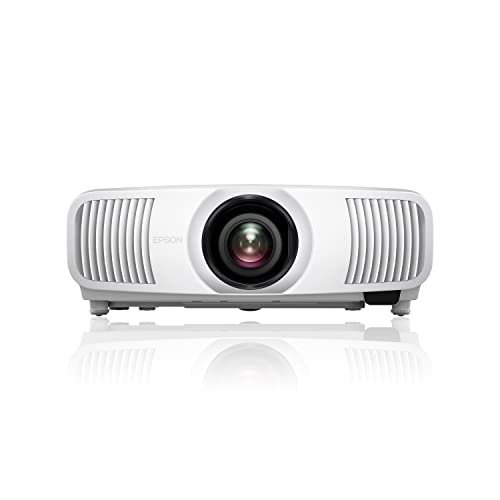
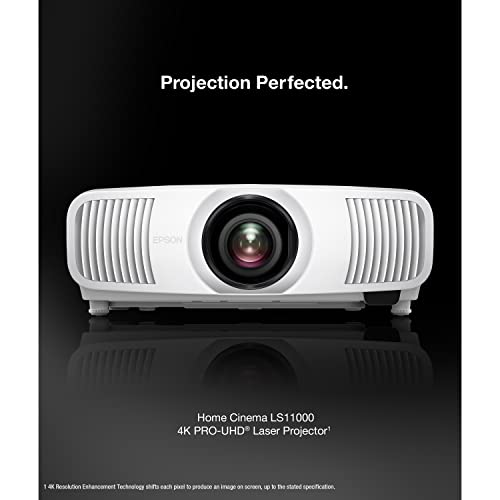
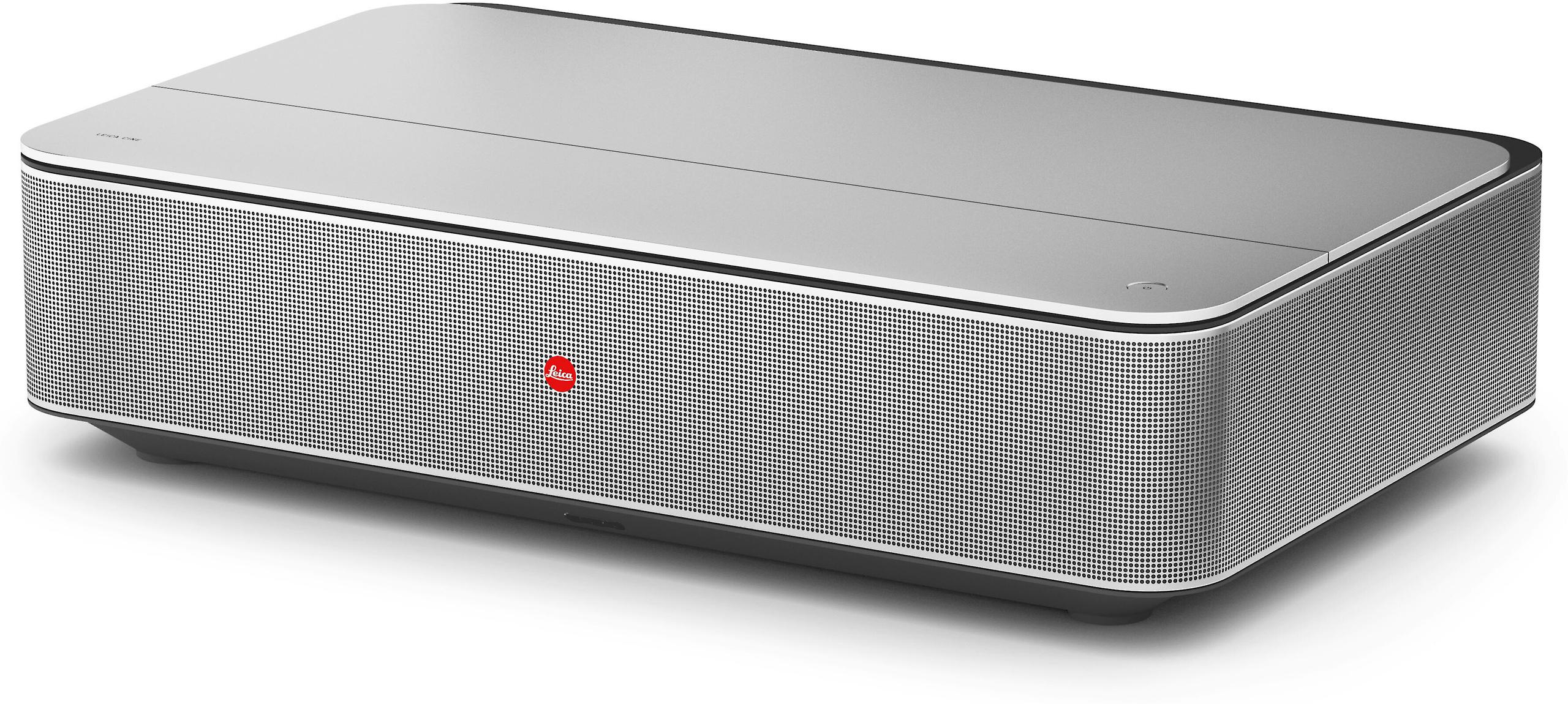
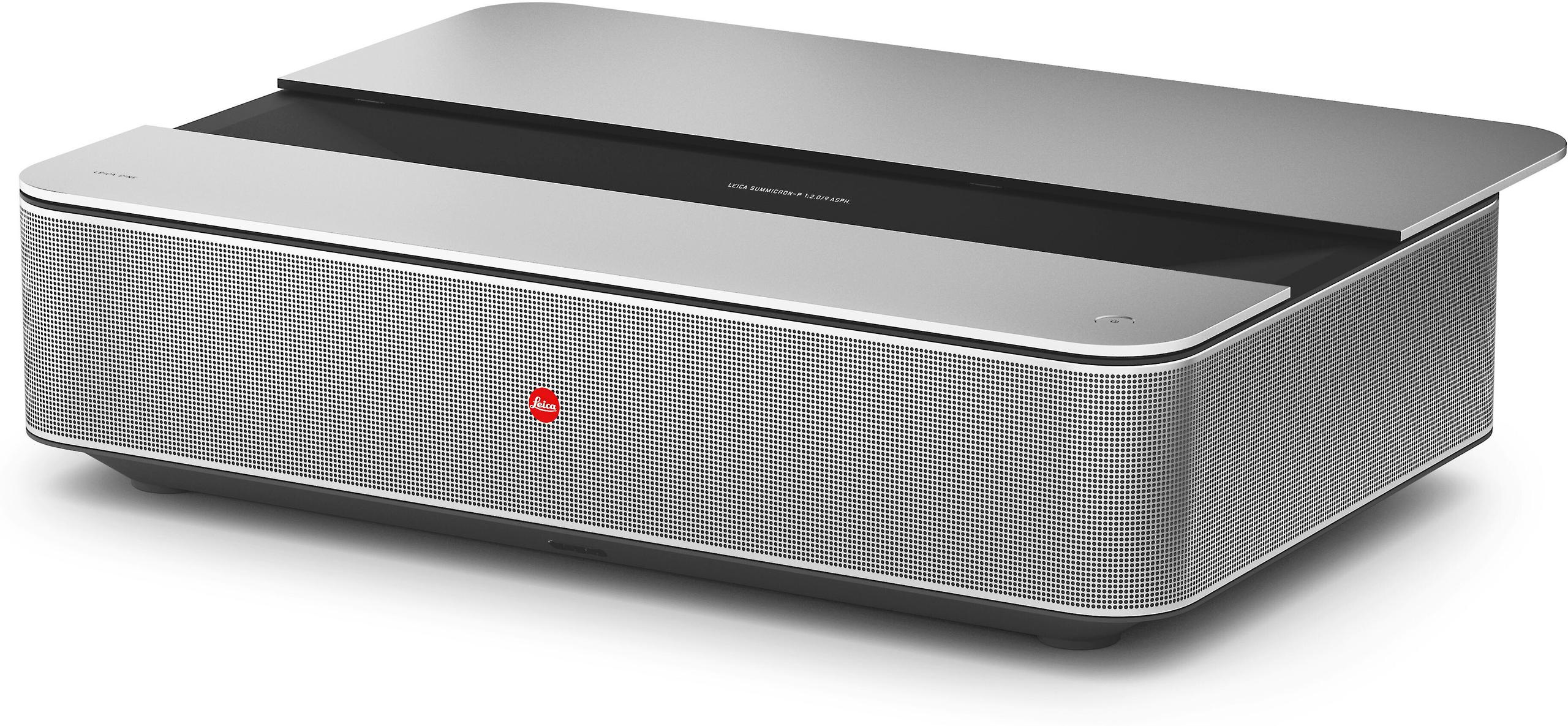

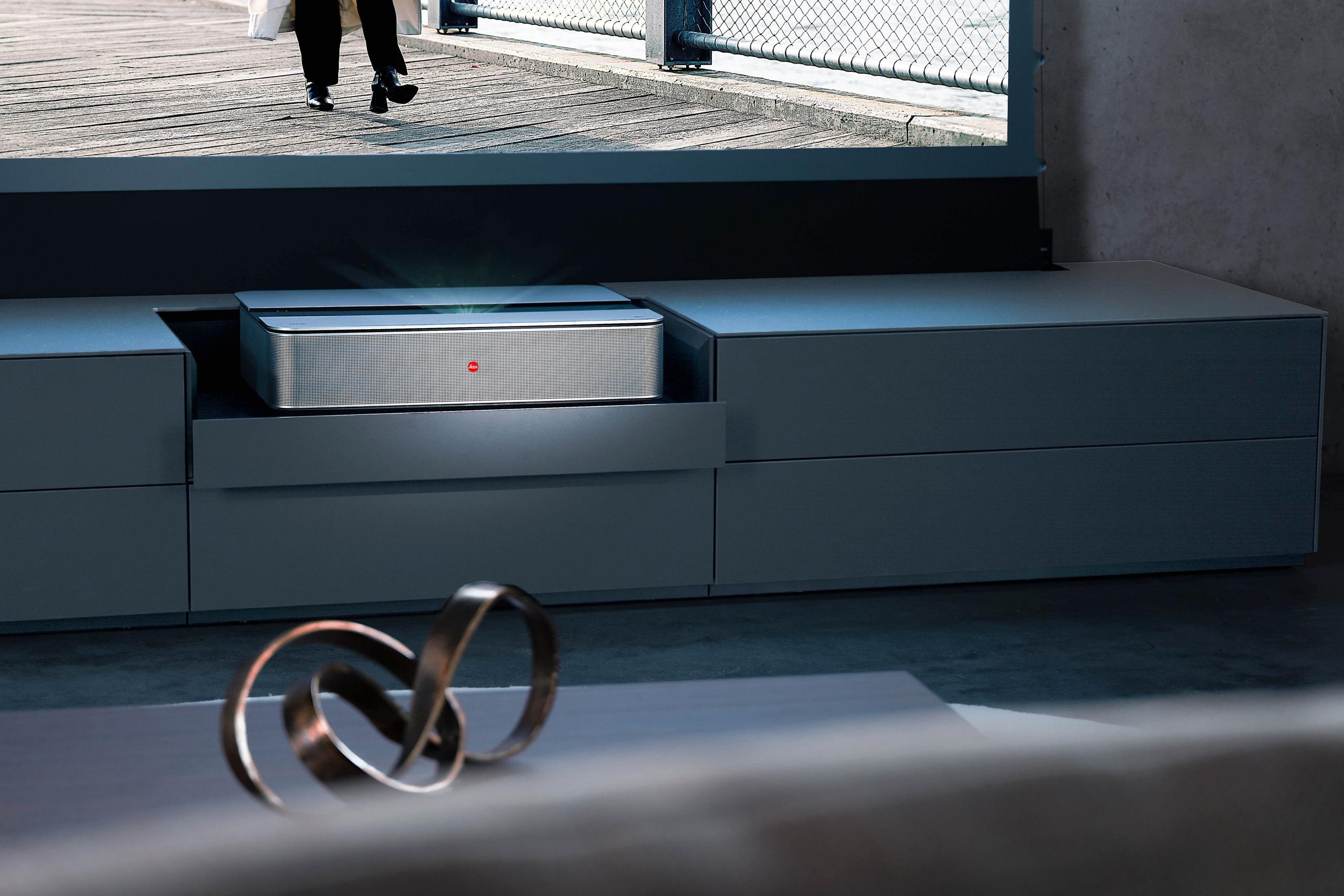
The home theater projector market split into two distinct camps several years ago, creating what feels like choosing between a sports car and an SUV—both get you where you want to go, but the journey is completely different. The Epson Home Cinema LS11000, released in 2022, represents the traditional long-throw approach that's dominated home theaters for decades. The Leica Cine 1, which arrived in 2023, embodies the newer ultra-short throw philosophy that's been gaining serious momentum.
At the time of writing, these projectors occupy vastly different price tiers—the Epson LS11000 positions itself as a premium mid-range option, while the Leica Cine 1 commands luxury pricing that's more than double the Epson's cost. This price gap isn't just about brand prestige; it reflects fundamentally different approaches to solving the same problem: delivering cinematic experiences in your living space.
Traditional long-throw projectors like the Epson LS11000 work exactly how you'd expect—they sit far from the screen (usually ceiling-mounted) and throw light across the room to create large images. Think of them as digital versions of those old film projectors in movie theaters. This approach has dominated because it works brilliantly when you can dedicate space and properly install the equipment.
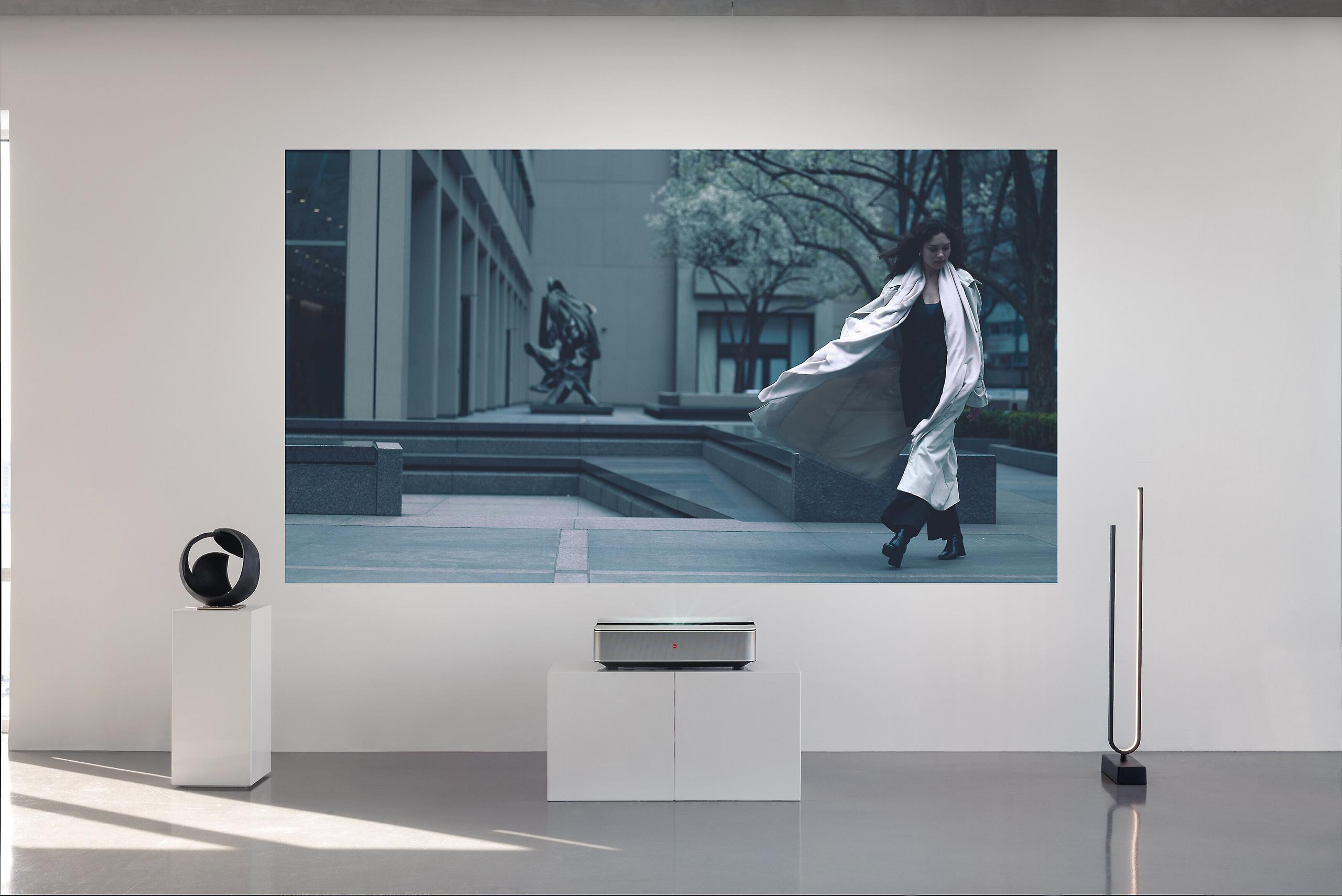
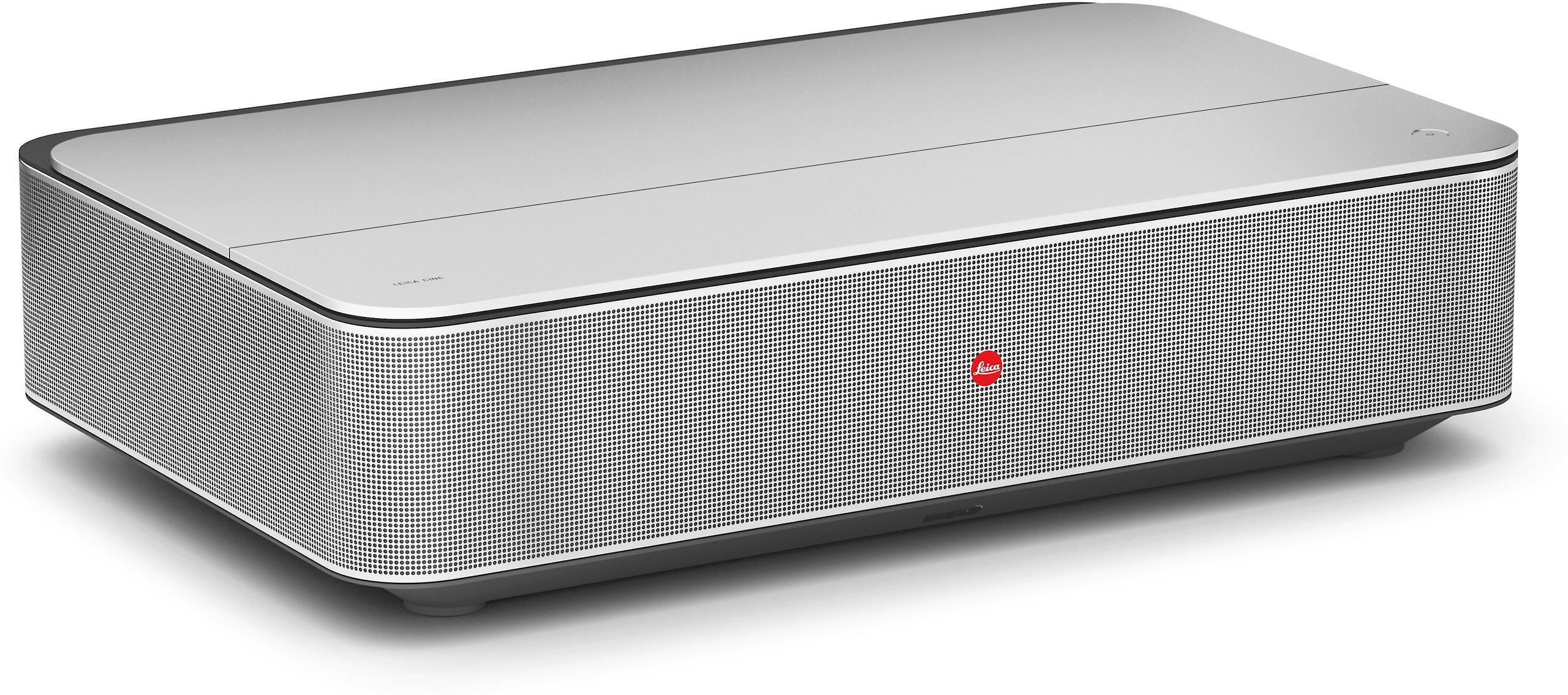
Ultra-short throw (UST) projectors like the Leica Cine 1 flip this concept entirely. They sit just inches from your wall, using complex mirror systems to bounce light up and spread it across a large screen. Imagine a periscope in reverse—instead of letting you see around corners, it takes a small light source and spreads it into a massive image right above itself.
The installation difference is night and day. The Epson LS11000 requires careful planning, precise measurements, and often professional installation. You'll need to route cables, consider sight lines, and probably drill into your ceiling. The Leica Cine 1 sits on furniture like an oversized soundbar—plug it in, position it properly, and you're watching movies.
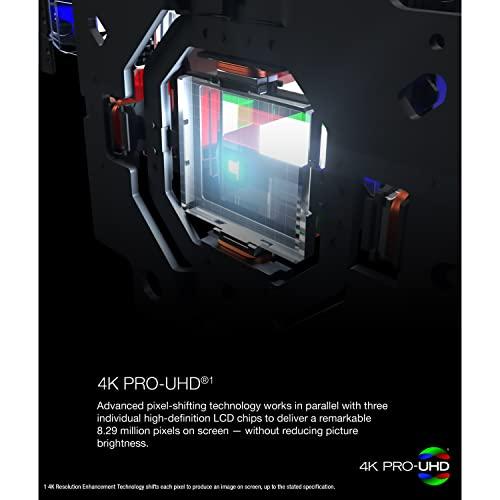
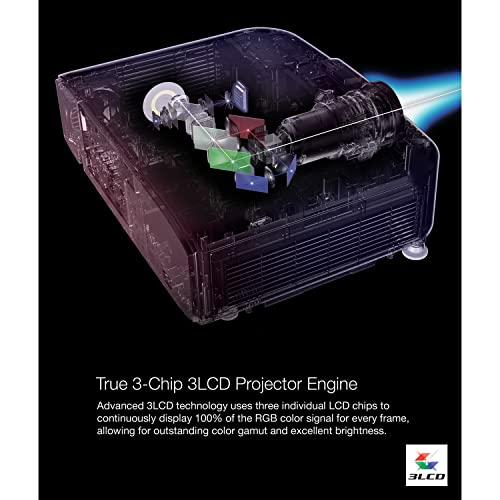
Here's where things get technically interesting. The Epson LS11000 uses 3LCD technology, which means it has three separate imaging panels—one each for red, green, and blue light. Think of it like having three specialized artists working together, each perfecting their part of the color spectrum before combining their work into the final image.
This 3LCD system gives the Epson LS11000 several advantages. First, it eliminates the "rainbow effect"—those brief flashes of red, green, and blue that some people notice with single-chip projectors, especially when moving their eyes quickly during bright scenes. More importantly, it produces genuinely excellent black levels, which is crucial for that cinematic experience where dark space scenes actually look dark instead of grayish.
The Leica Cine 1 uses a single 0.47-inch DLP chip with pixel shifting. DLP (Digital Light Processing) uses millions of tiny mirrors that tilt to create images—it's like having an impossibly fast kaleidoscope. The "pixel shifting" part is important: since this chip doesn't have native 4K resolution (3840x2160 pixels), it rapidly shifts each pixel to multiple positions, effectively quadrupling the detail you see on screen.
Both approaches achieve excellent 4K images, but through different methods. The Epson LS11000 uses its own pixel-shifting technology called 4K PRO-UHD, while the Leica Cine 1 relies on Texas Instruments' XPR technology. In practical viewing, both deliver impressively sharp images that are difficult to distinguish from native 4K projectors at normal seating distances.
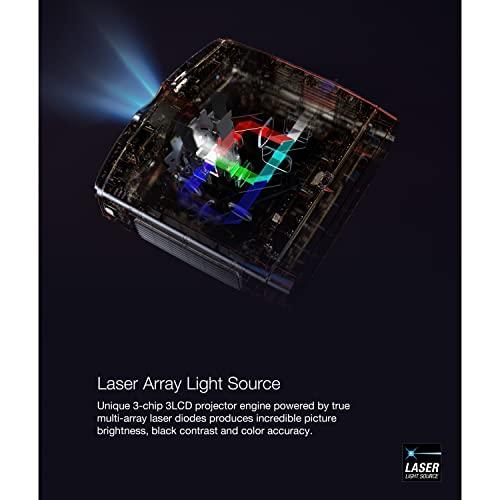
This is where the Leica Cine 1 justifies some of its premium pricing. It uses a triple RGB laser system—separate red, green, and blue lasers that combine to create every color you see. This approach allows it to cover 100% of the BT.2020 color space, which is the standard for digital cinema and next-generation content.
To understand why this matters, imagine the difference between painting with a basic watercolor set versus having access to every pigment an artist could want. The Leica Cine 1 can produce colors that are simply impossible with other light sources, particularly in those subtle gradations that make sunsets look realistic or skin tones appear natural.
The Epson LS11000 uses a more conventional laser phosphor system—blue lasers excite a phosphor wheel to create white light, which then gets separated into colors. This produces excellent results for most content and offers better consistency across different brightness levels, but it can't match the pure color volume of the Leica's RGB approach.
However, the Epson LS11000 processes colors at 10-bit depth compared to the Leica Cine 1's 8-bit processing. In simple terms, this means the Epson can display more gradual transitions between similar colors—think of the difference between a sunset with smooth gradations versus one with visible bands of color.
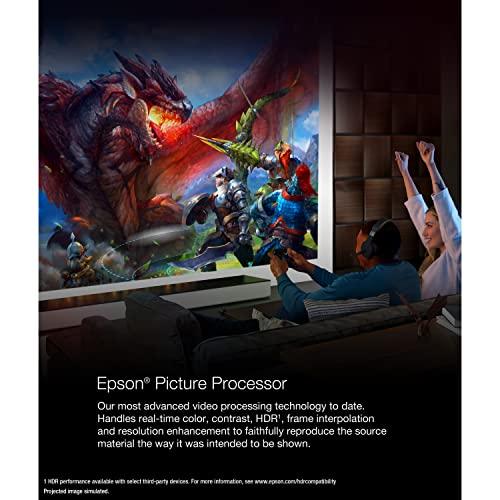
If gaming matters to you, this comparison becomes one-sided quickly. The Epson LS11000 was clearly designed with PlayStation 5 and Xbox Series X owners in mind. It delivers input lag below 20 milliseconds—that's the delay between when you press a button and see the result on screen. For context, anything under 40ms is considered good for gaming, so the Epson's performance is exceptional.
More importantly, the Epson LS11000 supports 4K gaming at 120 frames per second with HDR, thanks to its dual HDMI 2.1 inputs. This means you can experience the full capabilities of modern gaming consoles, with smooth motion and stunning visuals that would be impossible on older projectors or most televisions.
The Leica Cine 1 shows 60ms input lag, which is acceptable for casual gaming but frustrating for anything requiring quick reactions. If you're the type of person who notices when streaming video feels slightly delayed compared to the audio, you'll definitely notice this lag during gaming. The Leica is clearly optimized for film watching rather than interactive entertainment.
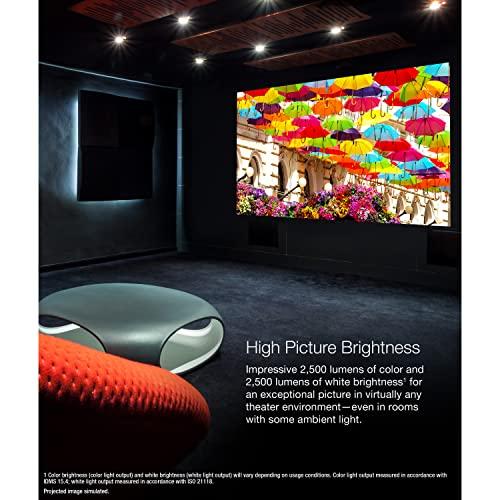
Both projectors produce impressive brightness levels, but they approach the challenge differently. The Leica Cine 1 outputs 3,000 ANSI lumens compared to the Epson LS11000's 2,500 lumens. However, raw numbers don't tell the complete story.
The Epson LS11000's 3LCD technology maintains consistent brightness across all colors—red scenes look as bright as blue scenes, which isn't always true with single-chip DLP projectors. This consistency becomes particularly important during colorful content like animated movies or vibrant nature documentaries.
For ambient light handling, both projectors perform well in moderately lit rooms, though dedicated theater rooms remain ideal. The Leica Cine 1 works particularly well with specialized Ambient Light Rejecting (ALR) screens, which are designed to reflect projected light toward viewers while absorbing overhead lighting. These screens can transform the viewing experience in bright rooms, though they add to the total system cost.
Contrast ratio—the difference between the brightest whites and darkest blacks—might be the most important specification for home theater. It's what makes space scenes look convincingly dark and bright explosions truly pop off the screen.
The Epson LS11000 claims a 1,200,000:1 dynamic contrast ratio, while the Leica Cine 1 advertises 2,000,000:1 dynamic contrast. These numbers are somewhat marketing-driven, but the underlying performance tells the real story.
Based on professional testing and user feedback, the Epson LS11000 typically delivers superior black levels thanks to its 3LCD panels. This translates to better shadow detail in dark scenes—you'll see more subtle details in Batman's cape or in dimly lit dialogue scenes. The larger 0.74-inch imaging panels also contribute to better overall contrast performance.
The Leica Cine 1 uses the smaller 0.47-inch DLP chip common in many UST projectors, which inherently limits native contrast. However, its dynamic iris system helps improve perceived contrast by adjusting brightness based on scene content.
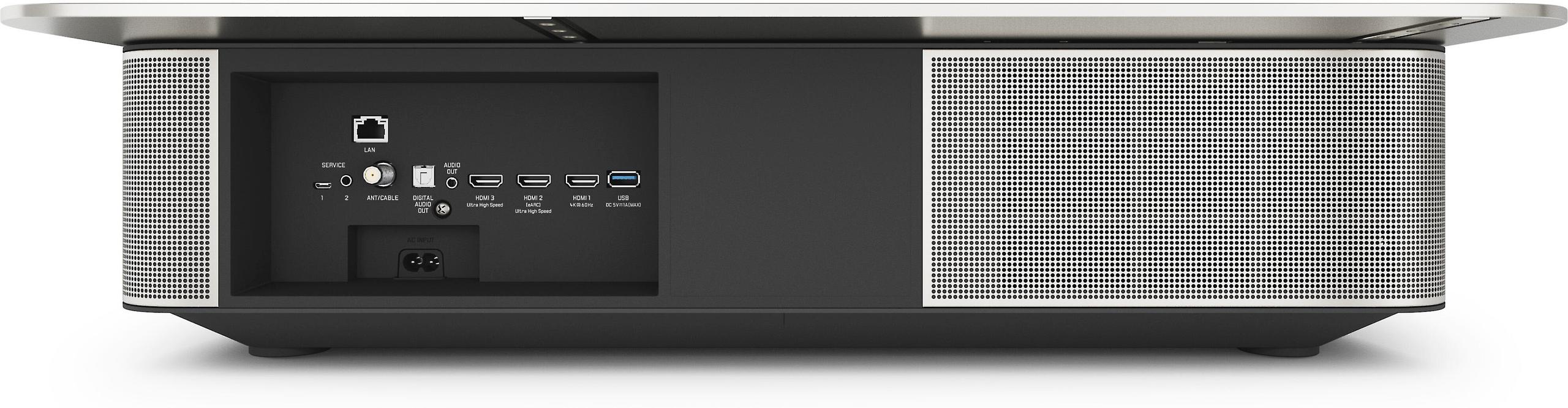
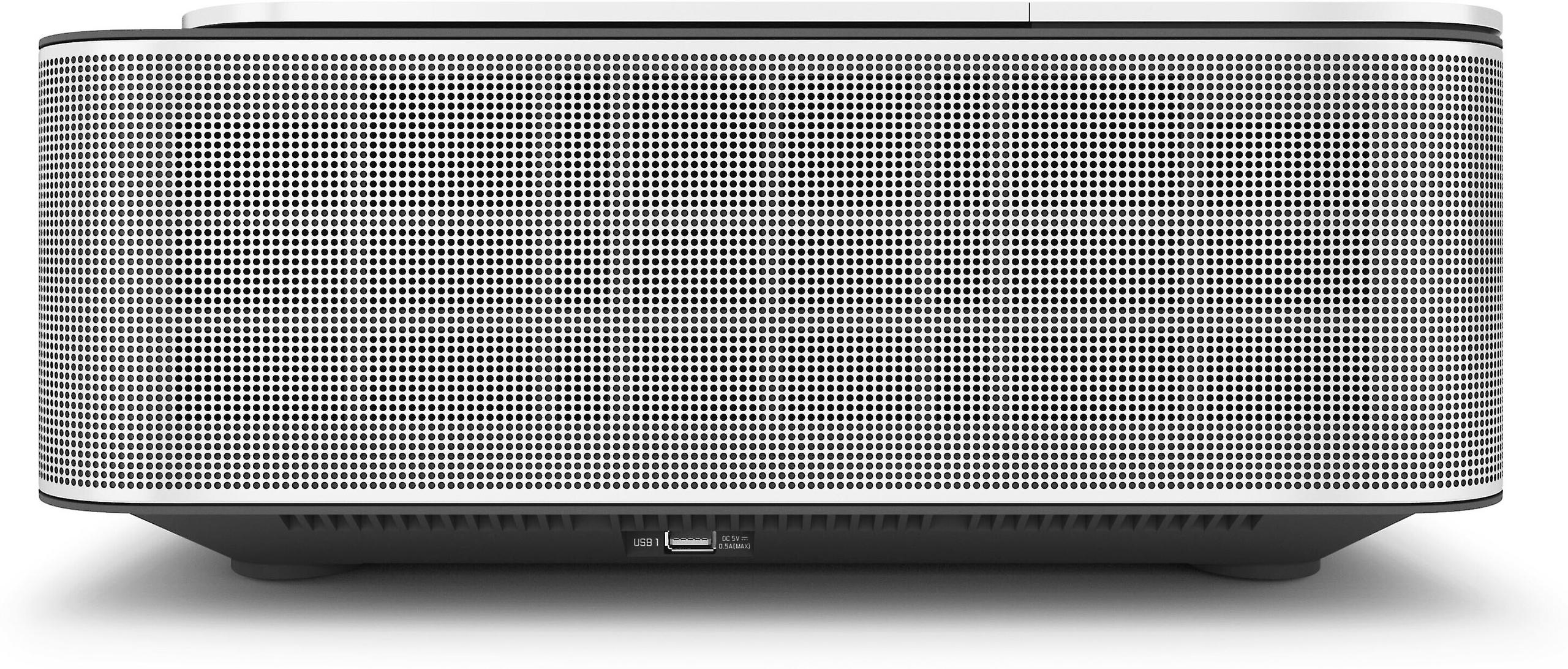
Here's where the two products' philosophies diverge most clearly. The Leica Cine 1 includes a sophisticated 50-watt Dolby Atmos audio system with four speakers (two 15-watt and two 10-watt drivers). This isn't just background sound—it's a genuinely capable system that can fill most rooms with clear dialogue and impressive bass response.
This integrated approach makes the Leica Cine 1 function like a premium television replacement. You can stream Netflix, adjust the volume, and enjoy full surround sound without connecting any external devices. It's the kind of all-in-one solution that appeals to people who want great performance without complexity.
The Epson LS11000 includes no speakers whatsoever. This forces you to plan for audio from the beginning, whether that's a soundbar, surround sound system, or even just connecting to existing speakers. While this might seem like a disadvantage, many home theater enthusiasts prefer this approach—they want their projector focused entirely on image quality while their carefully chosen audio equipment handles sound.
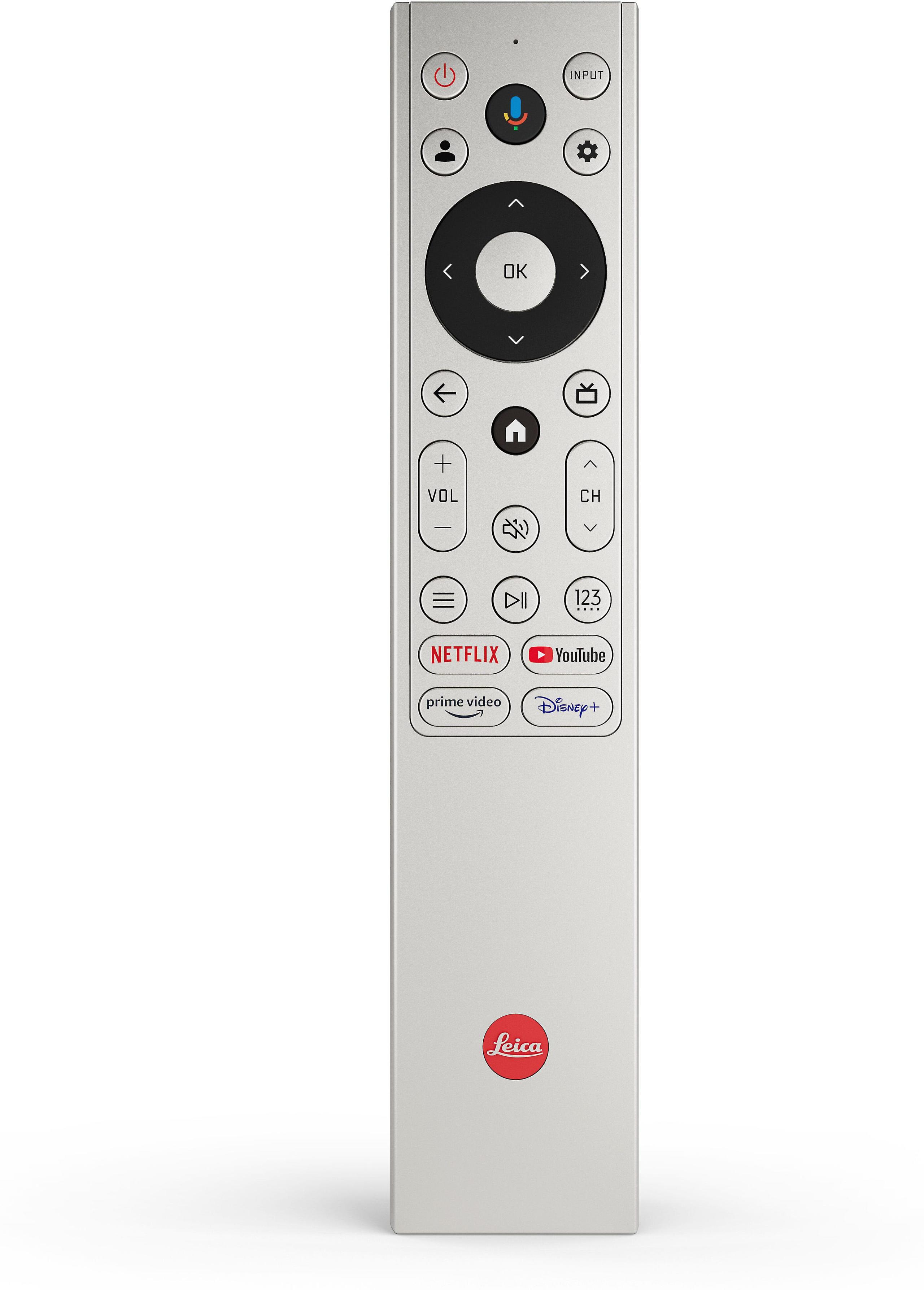
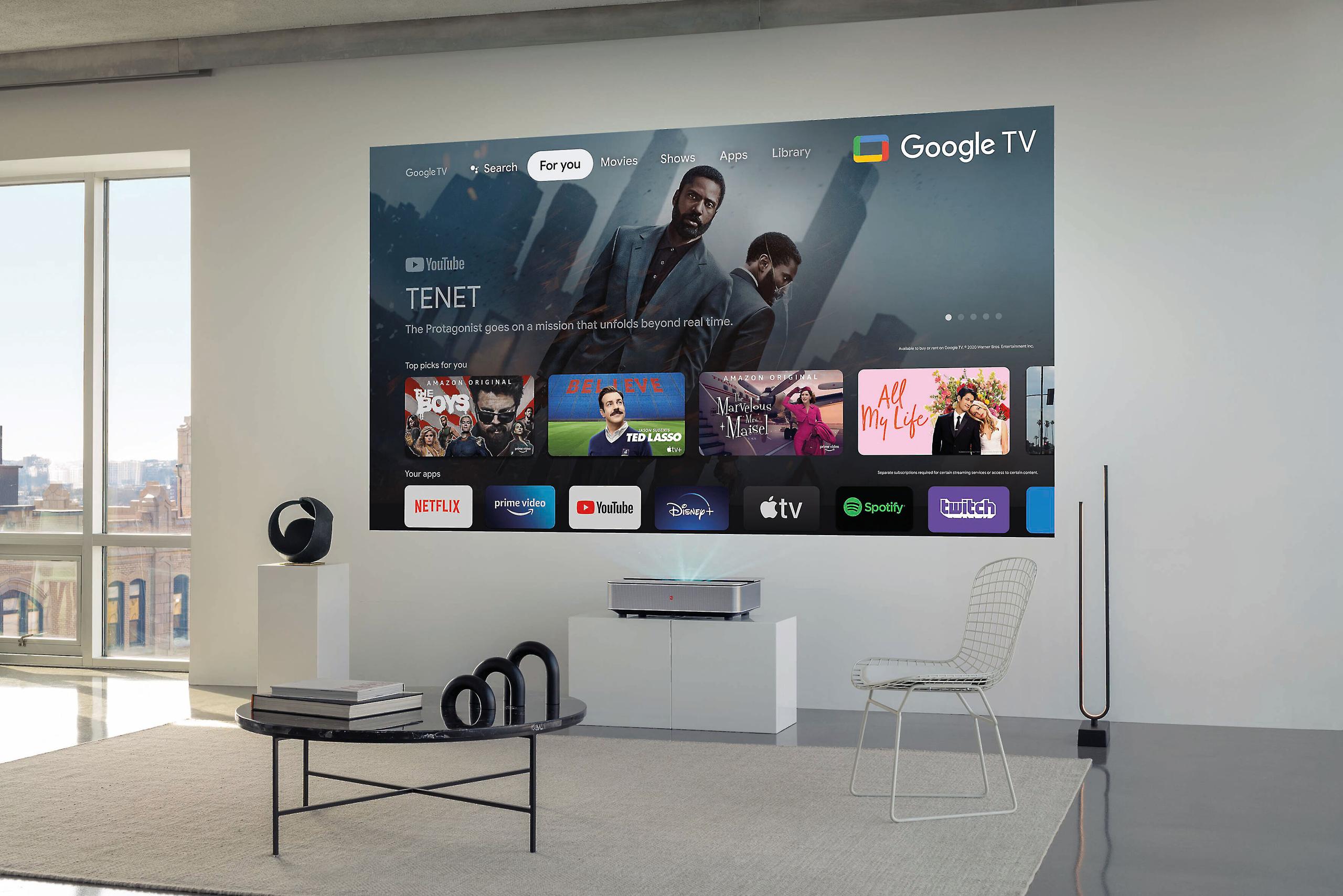
The Leica Cine 1 ships with Google TV built-in, along with a TV tuner for broadcast television. This means you can access Netflix, Disney+, Amazon Prime, and other streaming services directly from the projector. It even includes a proper remote control that feels more like a premium TV remote than typical projector controllers.
The Epson LS11000 requires external streaming devices—you'll need an Apple TV, Roku, Fire TV Stick, or similar device to access streaming content. While this adds complexity and cost, it also means you're not locked into whatever smart TV platform the manufacturer chose. As streaming services change their apps or platforms become obsolete, you can simply upgrade your streaming device rather than replacing the entire projector.
Installing the Epson LS11000 properly requires planning and often professional help. You'll need to determine the correct distance from your screen, mount the projector securely, and route cables cleanly. The motorized zoom and lens shift features help with fine-tuning, but the initial setup still requires measuring and mounting.
The payoff is tremendous flexibility. You can create screen sizes from 50 to 300 inches, adjust the image position without moving the projector, and achieve that authentic cinema aesthetic with the projector hidden above and behind your seating area.
The Leica Cine 1 essentially plugs in and works, but "simple" doesn't mean "thoughtless." You still need precise positioning—just inches of misalignment can affect image quality. The fixed focal length means you get exactly 120 inches of screen, no more, no less. If your room can't accommodate that specific size, the Leica won't work for you.
Both projectors use laser light sources rated for 20,000+ hours of use. At four hours of daily viewing, either should last well over a decade. The Leica Cine 1's RGB laser system is theoretically more durable and color-stable over time, though both should maintain excellent performance throughout their lifespans.
Maintenance is minimal for both—no bulbs to replace, no filters to clean regularly. However, when these laser systems eventually fail after many years, the Leica Cine 1's triple RGB configuration will likely cost significantly more to repair or replace.
The Epson LS11000 includes a three-year warranty, while the Leica Cine 1 offers two years. This might seem counterintuitive given their price difference, but it reflects different business models and expected usage patterns.
The decision between these projectors ultimately comes down to priorities and room constraints.
Choose the Epson LS11000 if you're building a dedicated home theater, care about gaming performance, want flexible screen sizing, or already own quality audio equipment. It delivers exceptional performance per dollar and will satisfy serious enthusiasts who don't mind the installation complexity.
The Epson LS11000 also makes more sense if you watch a lot of dark content—horror movies, sci-fi films, dramatic series—where superior black levels make a meaningful difference in the viewing experience.
Choose the Leica Cine 1 if you want a television replacement that happens to be 120 inches, prioritize convenience over maximum flexibility, or care deeply about color accuracy for film content. It's perfect for living rooms where ceiling mounting isn't practical and for users who want premium performance without complexity.
The Leica Cine 1 particularly appeals to people who appreciate premium build quality and brand heritage. Leica's reputation for optical excellence is well-earned, and this projector reflects that legacy in both materials and performance.
Both projectors represent the current state of the art in their respective categories, but they serve different audiences. The Epson LS11000 offers serious enthusiast features at a more accessible price point, while the Leica Cine 1 provides luxury convenience with premium performance.
At the time of writing, the price difference is substantial enough that many buyers will choose the Epson LS11000 by default. However, for buyers who value simplicity, premium aesthetics, and all-in-one convenience, the Leica Cine 1 delivers an experience that's difficult to replicate with separate components.
Neither projector is a compromise—they're both excellent at what they do. Your choice should reflect your room, your priorities, and your willingness to embrace either the flexibility of traditional projection or the convenience of the ultra-short throw revolution.
| Epson Home Cinema LS11000 | Leica Cine 1 120" UST |
|---|---|
| Installation Type - Determines room setup and convenience | |
| Traditional long-throw (ceiling mount, 10-29 feet from screen) | Ultra-short throw (sits 14 inches from wall like a soundbar) |
| Screen Size Flexibility - Important for different rooms and preferences | |
| Variable 50-300 inches with 2.1x motorized zoom | Fixed 120-inch image size only |
| Gaming Performance - Critical for console and PC gaming | |
| Sub-20ms input lag, 4K/120Hz HDR support, dual HDMI 2.1 | 60ms input lag, limited gaming features, casual gaming only |
| Display Technology - Affects color accuracy and viewing experience | |
| 3LCD with three 0.74" panels, eliminates rainbow effect | Single 0.47" DLP chip, potential rainbow effect for sensitive viewers |
| Color Processing - Impacts color smoothness and gradations | |
| 10-bit color processing for smooth gradients | 8-bit color processing, 100% BT.2020 color space coverage |
| Brightness Output - Determines performance in ambient light | |
| 2,500 lumens (consistent across all colors) | 3,000 ANSI lumens (can vary with color content) |
| Contrast Performance - Essential for deep blacks and shadow detail | |
| Superior black levels from 3LCD panels, excellent shadow detail | Limited by 0.47" DLP chip, dynamic contrast improvements |
| Audio System - Affects need for external speakers | |
| No built-in speakers (requires external audio system) | Integrated 50W Dolby Atmos system with 4 speakers |
| Smart Features - Determines need for external streaming devices | |
| No smart TV features (requires Apple TV, Roku, etc.) | Google TV built-in with TV tuner and streaming apps |
| HDR Support - Important for modern content compatibility | |
| HDR10, HDR10+, HLG support | HDR10, HDR10+, Dolby Vision, HLG support |
| Lens Quality and Adjustability - Affects installation flexibility | |
| Motorized zoom/focus/shift with lens memory, ±47% horizontal/±96% vertical shift | Fixed focal length Leica Cine 1 Summicron lens, minimal adjustment |
| Light Source Lifespan - Long-term maintenance consideration | |
| 20,000-hour laser phosphor system | 25,000-hour triple RGB laser system |
| Warranty Coverage - Protection for your investment | |
| 3-year parts and labor warranty | 2-year warranty despite premium pricing |
The Epson Home Cinema LS11000 is significantly better for gaming with sub-20ms input lag and 4K/120Hz HDR support through dual HDMI 2.1 ports. The Leica Cine 1 has 60ms input lag, making it suitable only for casual gaming. If you own a PlayStation 5 or Xbox Series X, the Epson LS11000 will deliver the smooth, responsive experience you want.
Yes, they use completely different approaches. The Epson Home Cinema LS11000 is a traditional long-throw projector that requires ceiling mounting or shelf placement 10-29 feet from your screen. The Leica Cine 1 is an ultra-short throw projector that sits just 14 inches from the wall like an oversized soundbar, making installation much simpler.
The Epson Home Cinema LS11000 delivers superior black levels and shadow detail thanks to its 3LCD technology with larger imaging panels. However, the Leica Cine 1 offers wider color coverage with 100% BT.2020 color space from its triple RGB laser system. For dark movie scenes, the Epson LS11000 performs better, while the Leica Cine 1 excels with vibrant, color-rich content.
No, only the Epson Home Cinema LS11000 offers variable screen sizes from 50-300 inches using its motorized 2.1x zoom lens. The Leica Cine 1 projects a fixed 120-inch image with minimal size adjustment possible. This makes the Epson LS11000 more flexible for different rooms and preferences.
The Leica Cine 1 produces 3,000 ANSI lumens compared to the Epson Home Cinema LS11000's 2,500 lumens. However, the Epson LS11000 maintains more consistent brightness across different colors. Both handle moderate ambient light well, though the Leica Cine 1 works particularly well with specialized ambient light rejecting screens.
The Epson Home Cinema LS11000 has no built-in speakers and requires an external audio system. The Leica Cine 1 includes a comprehensive 50-watt Dolby Atmos sound system with four speakers that can fill most rooms. If you want an all-in-one solution, the Leica Cine 1 is more convenient.
The Leica Cine 1 has Google TV built-in with access to Netflix, Disney+, Amazon Prime, and other streaming apps, plus a TV tuner for broadcast television. The Epson Home Cinema LS11000 requires external streaming devices like Apple TV or Roku. The Leica Cine 1 functions more like a smart TV replacement.
Both use long-lasting laser technology. The Epson Home Cinema LS11000 offers 20,000 hours of laser phosphor life, while the Leica Cine 1 provides 25,000 hours with its triple RGB laser system. At 4 hours daily use, either projector should last over a decade without needing lamp replacements.
The Epson Home Cinema LS11000 offers exceptional performance per dollar in the premium mid-range category, while the Leica Cine 1 commands luxury pricing that's more than double the Epson's cost. The Epson LS11000 delivers better value for performance-focused buyers, while the Leica Cine 1 justifies its premium through convenience and build quality.
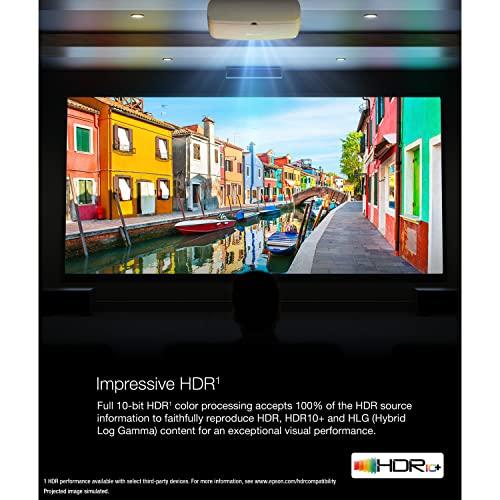
Yes, both support 4K resolution through pixel-shifting technology and multiple HDR formats. The Epson Home Cinema LS11000 supports HDR10, HDR10+, and HLG, while the Leica Cine 1 adds Dolby Vision support. The Epson LS11000 processes colors at 10-bit depth compared to the Leica Cine 1's 8-bit processing, providing smoother color gradations.
The Epson Home Cinema LS11000 operates at 22-30dB depending on brightness mode, while the Leica Cine 1 produces 32dB of noise. Both are relatively quiet, though the Epson LS11000 is slightly quieter. Since the Leica Cine 1 sits in front of your seating area, its fan noise projects away from viewers.
The Epson Home Cinema LS11000's main advantage is installation flexibility with variable screen sizes, superior gaming performance, and excellent value. The Leica Cine 1's key benefit is ultra-convenient setup with integrated premium audio and smart TV features, functioning as a complete entertainment system that sits like furniture rather than requiring ceiling installation.
We've done our best to create useful and informative comparisons to help you decide what product to buy. Our research uses advanced automated methods to create this comparison and perfection is not possible - please contact us for corrections or questions. These are the sites we've researched in the creation of this article: tvsbook.com - thesmarthomehookup.com - cepro.com - specsradar.com - projectorscreen.com - benq.com - projectorreviews.com - projectorscreen.com - youtube.com - projectorcentral.com - whathifi.com - projectorscreen.com - bestbuy.com - youtube.com - avsforum.com - versus.com - crutchfield.com - projectorcentral.com - shop.avispl.com - mediaserver.goepson.com - projectorscreen.com - bestbuy.com - simplehomecinema.com - dreamediaav.com - epson.com - trustedreviews.com - leicacamerausa.com - hometechnologyreview.com - projectorreviews.com - richersounds.com - whathifi.com - crutchfield.com - projectorcentral.com - cdn11.bigcommerce.com - leicarumors.com - leica-camera.com

Privacy Policy
Terms and Conditions - Affiliate Policy
Home Security
© Copyright 2008-2026.
11816 Inwood Rd #1211, Dallas, TX 75244