

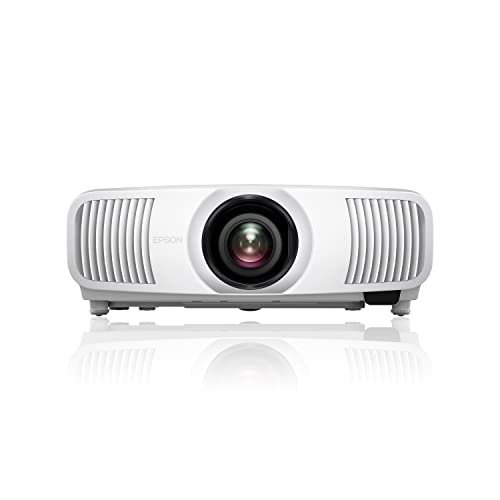
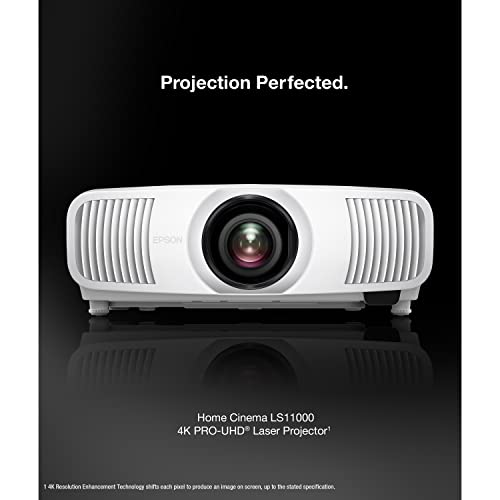
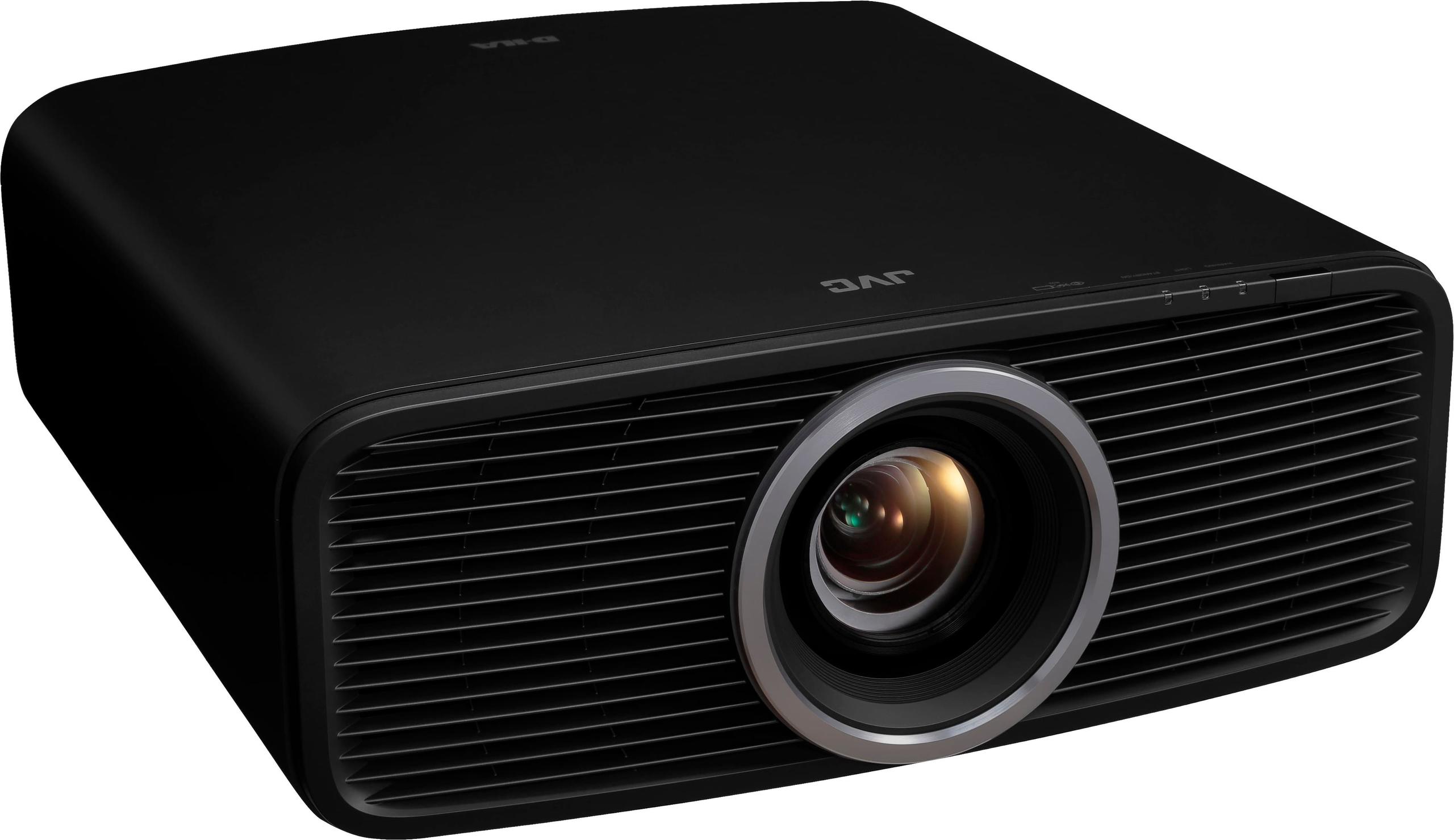
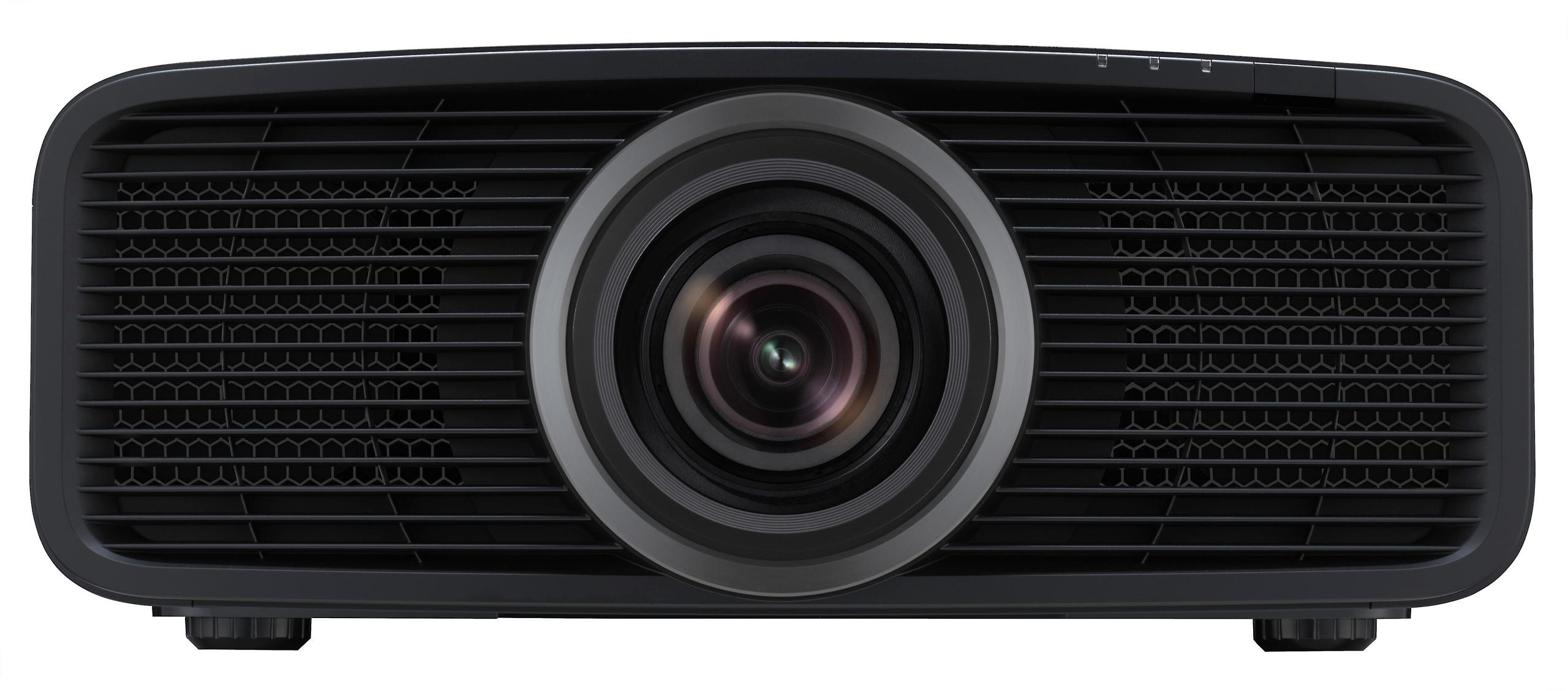
If you've been dreaming of transforming your basement or spare room into a proper home theater, you've probably discovered that premium 4K laser projectors represent the current gold standard. These aren't your typical business presentation projectors—we're talking about cinema-quality machines that can throw razor-sharp images onto screens spanning 100 to 300 inches.
The Epson LS11000 and JVC DLA-NZ500 both launched in recent years as flagship models from two of the most respected names in projection technology. At the time of writing, they sit in the premium tier where serious enthusiasts are willing to invest several thousand dollars for that elusive "better than the movie theater" experience at home.
But here's where it gets interesting: these projectors take completely different approaches to achieving 4K resolution, and that philosophical difference affects everything from image quality to price. Understanding these distinctions is crucial because choosing the wrong one could leave you with an expensive projector that doesn't match your room or viewing habits.
Before diving into specifics, let's establish what makes a projector "premium" in today's market. We're looking at several key factors that separate the exceptional from the merely good.
Resolution technology sits at the heart of the discussion. True 4K means the projector has individual physical pixels for each of the 8.3 million dots that make up a 4K image. Pixel-shifting, on the other hand, uses clever engineering to rapidly move lower-resolution images around to simulate higher resolution—think of it like a magician's sleight of hand, but for pixels.
Contrast ratio measures the difference between the brightest whites and deepest blacks a projector can produce. Higher contrast creates that three-dimensional "pop" that makes images feel more realistic. Native contrast comes from the projector's optical design, while dynamic contrast uses electronic dimming to boost the numbers.
Brightness, measured in lumens, determines how well your projector performs with ambient light. More lumens mean you can watch during the day or with some lights on, but in a dedicated theater room, excessive brightness can actually hurt image quality by washing out subtle details.
Color gamut coverage refers to how much of the visible color spectrum your projector can reproduce. Modern standards like DCI-P3 and Rec. 2020 define the color spaces that filmmakers use for HDR content.
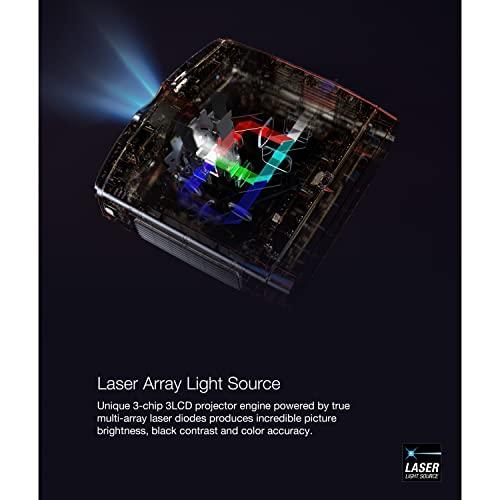
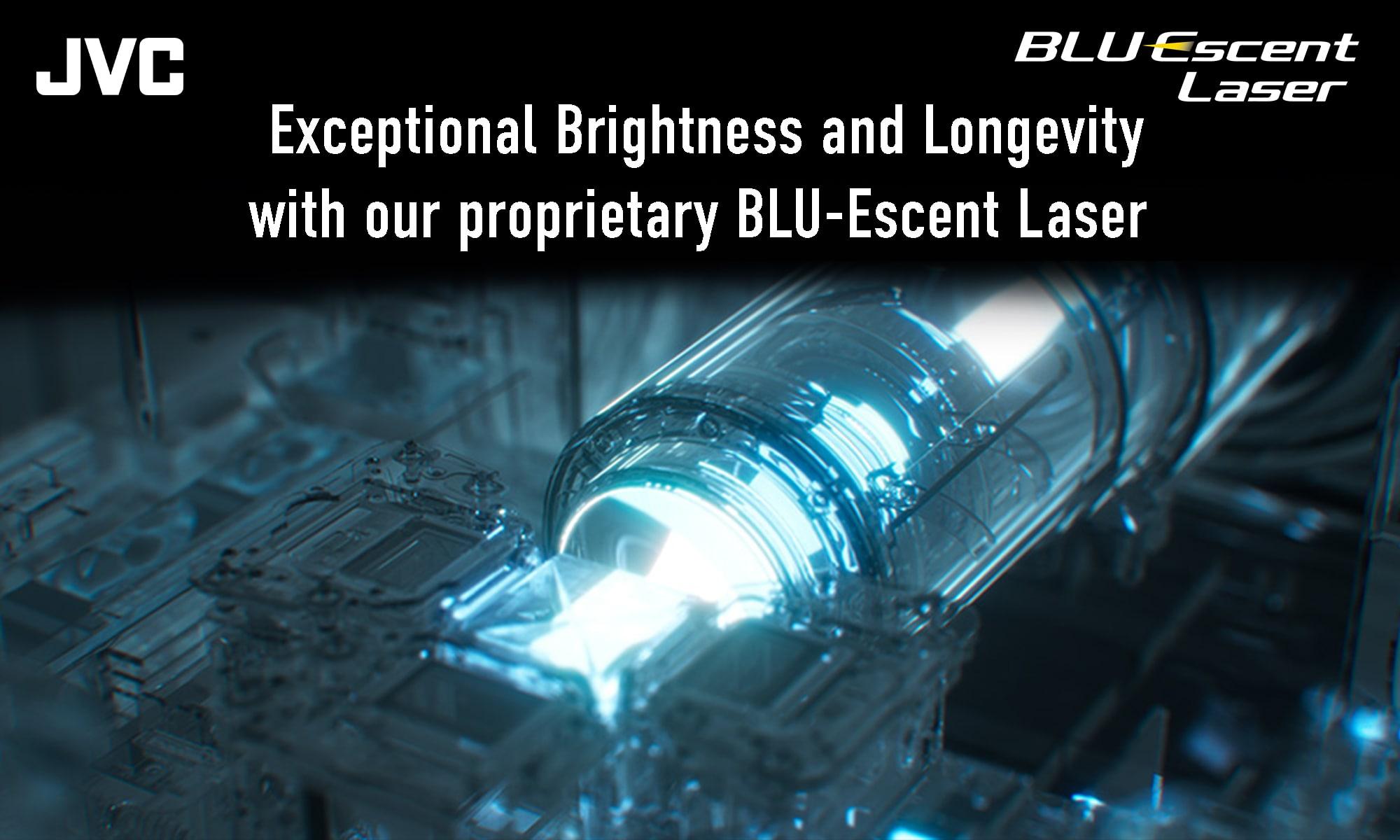
The laser light source in both projectors represents a significant advancement over traditional bulbs. Lasers last around 20,000 hours (versus 3,000-5,000 for bulbs), maintain consistent brightness over their lifespan, and turn on instantly without warm-up periods.
The most crucial distinction between the Epson LS11000 and JVC DLA-NZ500 lies in how they create 4K images, and this choice ripples through every aspect of their performance.
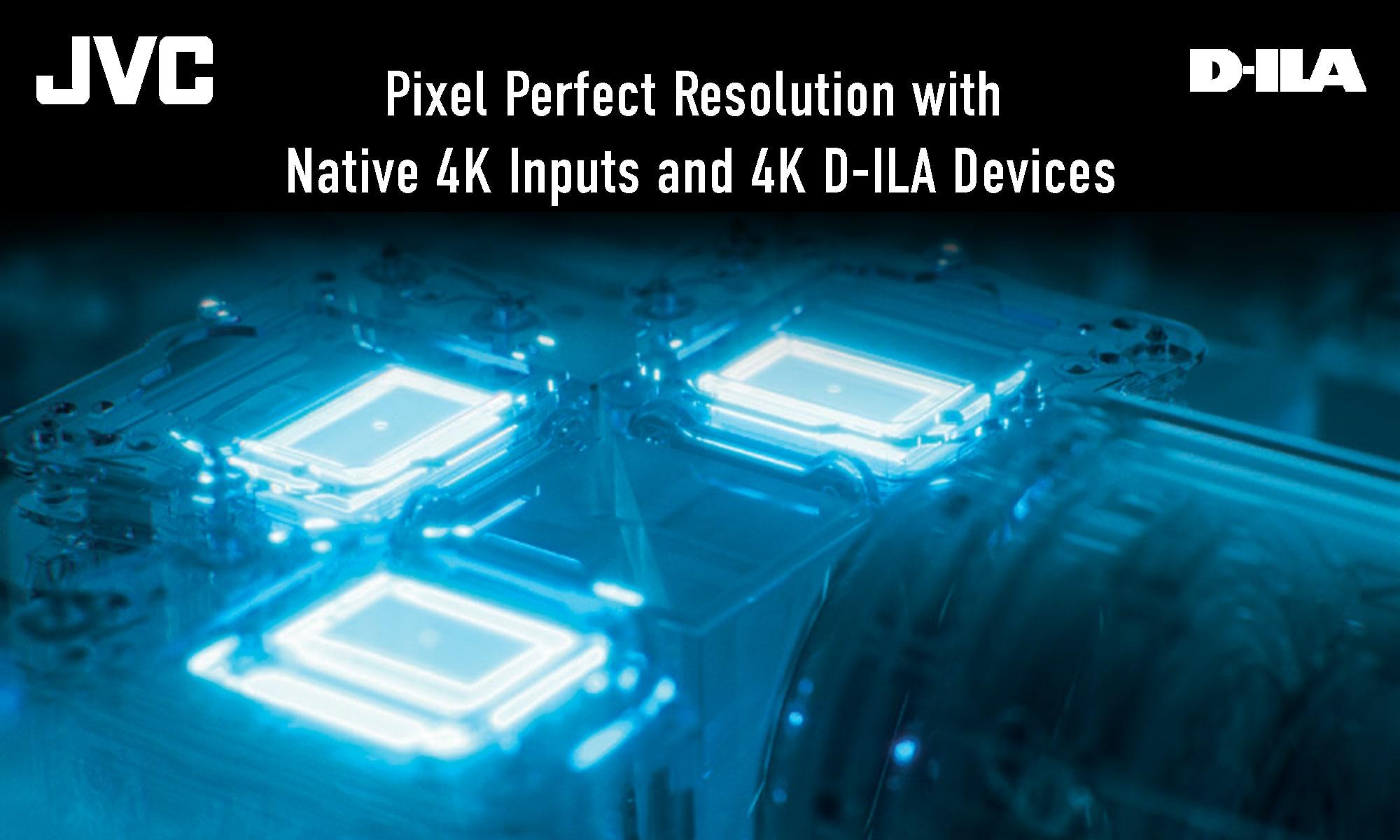
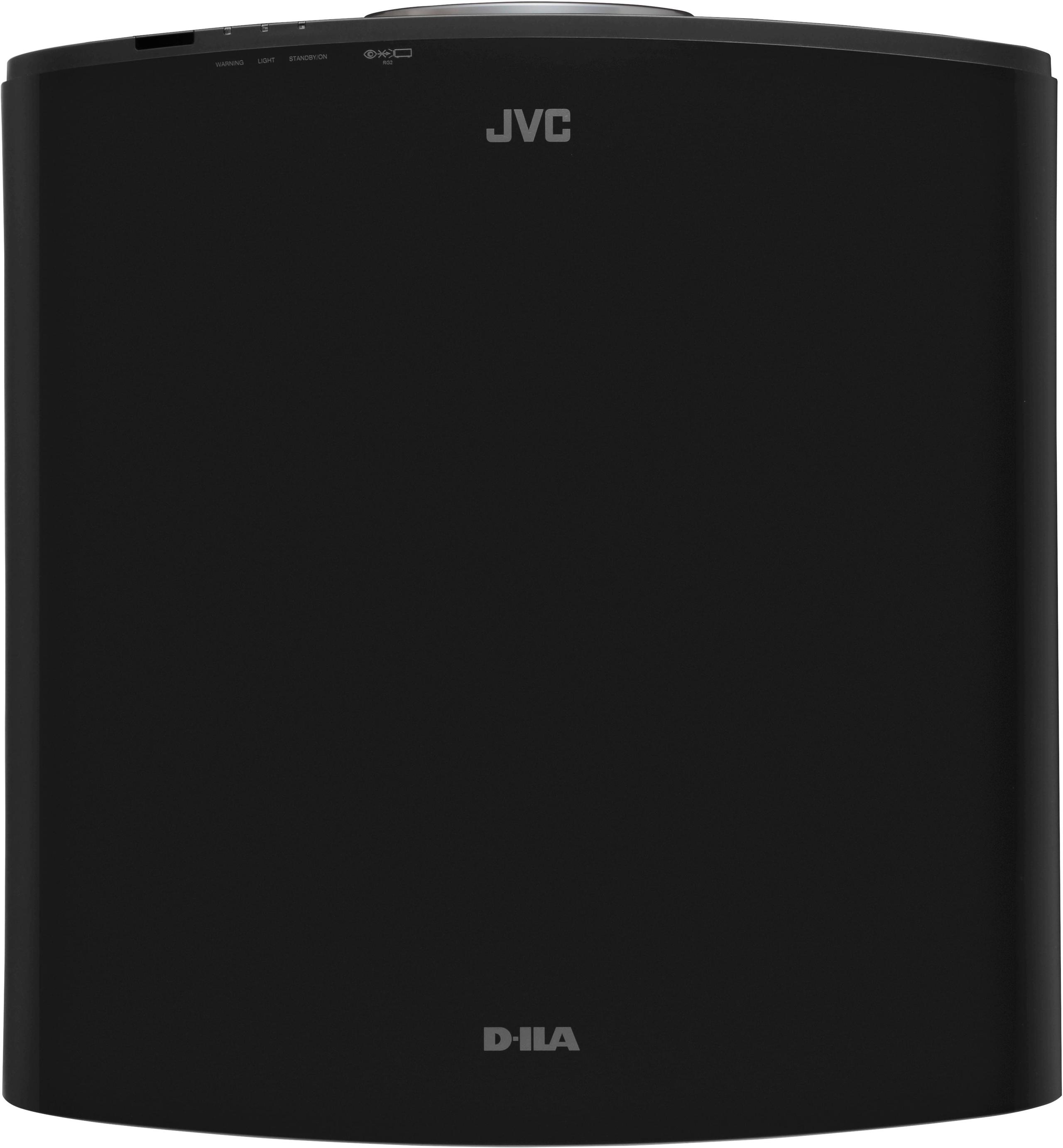
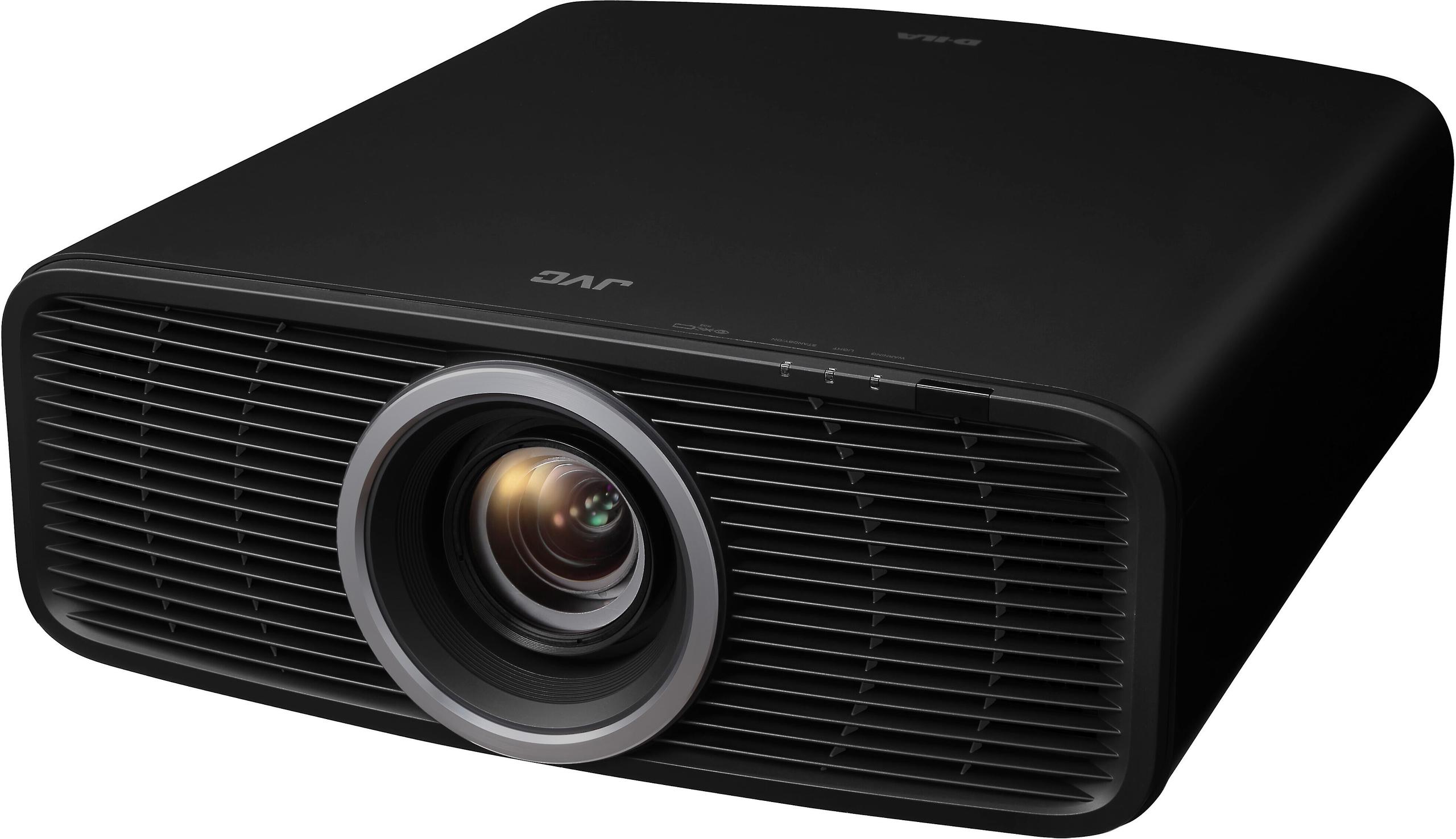
The JVC DLA-NZ500 uses true native 4K resolution with D-ILA technology. D-ILA stands for "Direct-drive Image Light Amplification," which is JVC's version of LCoS (Liquid Crystal on Silicon) technology. Think of it as having 8.3 million tiny mirrors that can individually control light for each pixel. When you feed it native 4K content, there's a one-to-one relationship between the source pixels and display pixels—no processing tricks required.
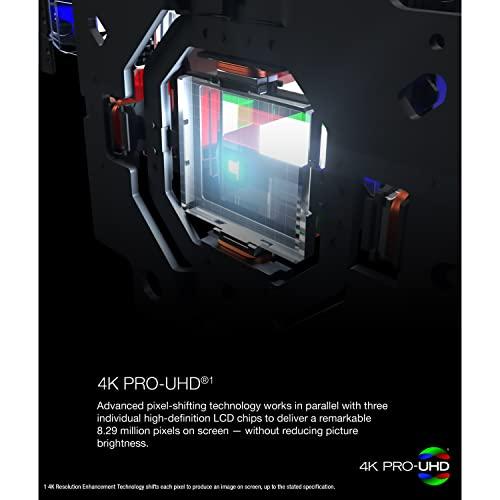
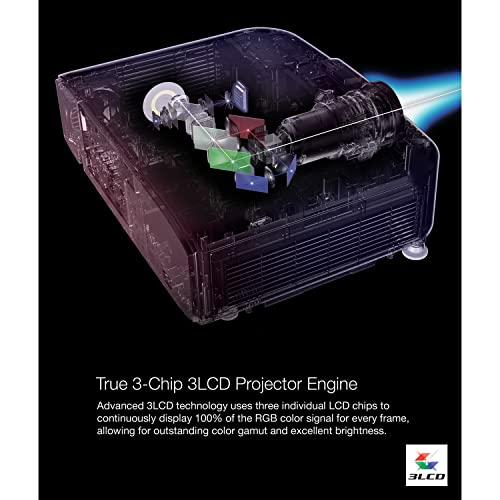
The Epson LS11000, conversely, uses 3LCD technology with what Epson calls "4K PRO-UHD" pixel-shifting. The projector starts with three 1080p LCD panels (one each for red, green, and blue) but employs a sophisticated glass plate that rapidly shifts the entire image by half-pixel increments. This happens so fast—we're talking microseconds—that your eye perceives it as true 4K resolution.
Epson's latest Precision Shift Glass Plate technology performs quadruple pixel-shifting, meaning each physical pixel does the work of four pixels. The result is 8.3 million effective pixels on screen, matching native 4K projectors in pixel count.
In practice, sitting at normal viewing distances (1.5 to 2 times the screen width), the difference becomes surprisingly minimal. The Epson's pixel-shifting has evolved to the point where even trained reviewers struggle to identify which projector uses "real" 4K when viewing typical movie content. However, if you plan to sit closer than normal or frequently display computer-generated imagery with fine details, the JVC's native resolution provides a theoretical advantage.
This is where the philosophical differences between these projectors become most apparent, and honestly, it's the make-or-break factor for many buyers.
The JVC DLA-NZ500 achieves a native contrast ratio of 40,000:1, which translates to blacks that measure just 0.005 nits on screen. To put that in perspective, a decent LCD TV might achieve 3,000:1 contrast with blacks around 0.3 nits. The JVC's blacks are so deep they're essentially indistinguishable from a turned-off screen in a dark room.
The Epson LS11000 operates in a different league here, with native contrast around 1,500-2,000:1 and blacks measuring approximately 0.11 nits. While Epson claims dynamic contrast ratios exceeding 1,000,000:1 through laser dimming, the fundamental optical design can't match JVC's performance in dark scenes.
What does this mean for your viewing experience? If you're watching Dune, The Batman, or any film with extensive dark scenes, the JVC will display truly inky blacks where space looks like an infinite void. The same scenes on the Epson will show slightly grayish blacks—still good, but noticeably elevated compared to the JVC.
However, contrast isn't everything. The Epson's superior brightness helps it maintain better shadow detail in some scenarios, and its 3LCD technology eliminates any possibility of "rainbow effects" (brief color flashes that some people see with single-chip DLP projectors).
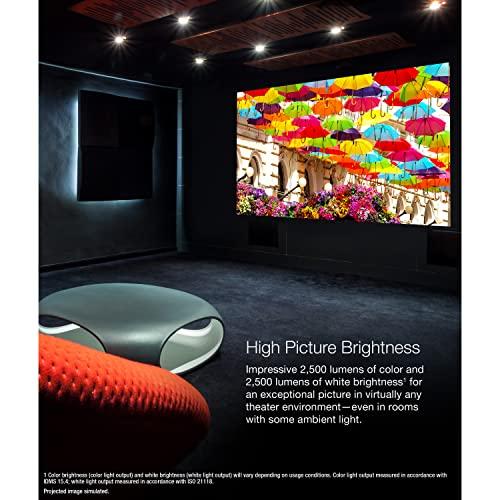
Here's where the Epson LS11000 fights back with a decisive advantage. At 2,500 lumens compared to the JVC's 2,000 lumens, the Epson provides 25% more light output. This might not sound like much, but it translates to significant real-world differences.
The extra brightness makes the Epson far more versatile for rooms that aren't completely light-controlled. Want to watch the big game on Sunday afternoon with some ambient light? The Epson handles it gracefully. Planning a family movie night where complete darkness isn't practical? Again, the Epson shines—literally.
The JVC DLA-NZ500, despite its superior contrast, demands a dedicated theater environment. Its lower brightness means that even small amounts of ambient light will wash out its carefully crafted black levels, negating its primary advantage.
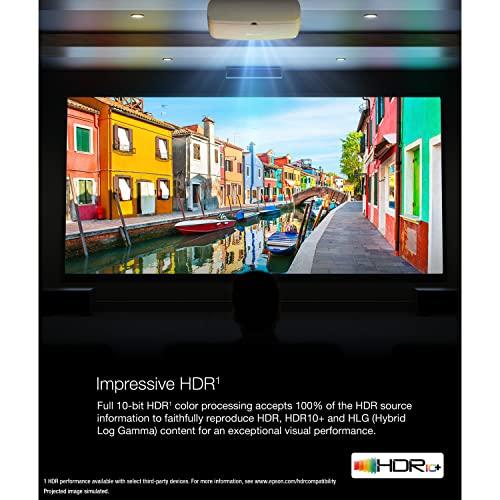
This brightness difference also affects HDR performance. Both projectors support HDR10, HDR10+, and HLG formats (though neither supports Dolby Vision, which is disappointing at these price points). The Epson's higher peak brightness allows it to better represent the bright highlights that make HDR content spectacular—think of the sun glinting off metal in Mad Max: Fury Road or the brilliant lightsaber duels in Star Wars films.
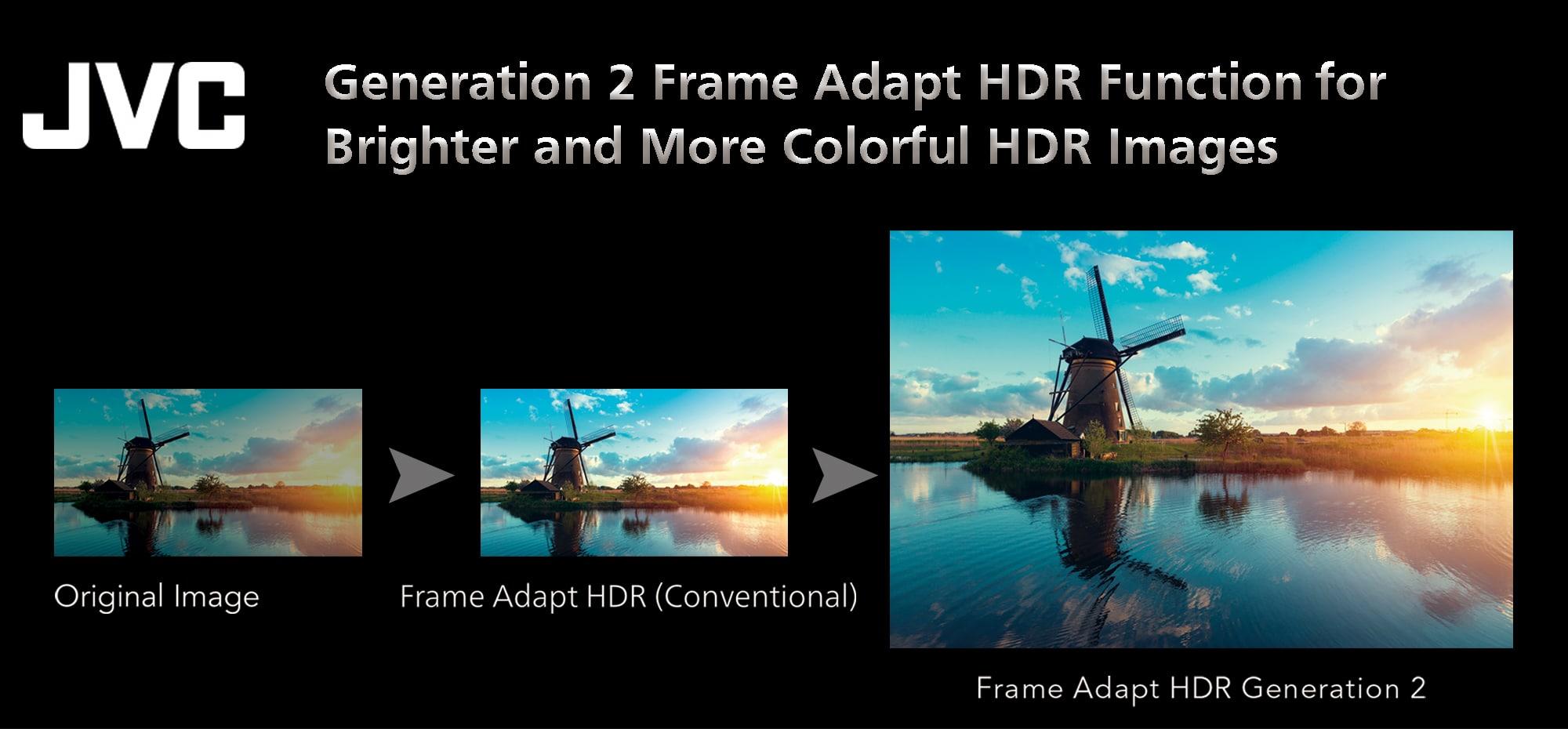
The JVC counters with superior dynamic tone mapping through its Frame Adapt HDR Generation 2 system, which analyzes content frame-by-frame to optimize the balance between bright and dark elements. In dark HDR scenes, the JVC's contrast advantage allows it to maintain detail in shadows while still showing bright elements convincingly.
If gaming features matter to you, this comparison becomes straightforward. The Epson LS11000 demolishes the JVC DLA-NZ500 in gaming performance.
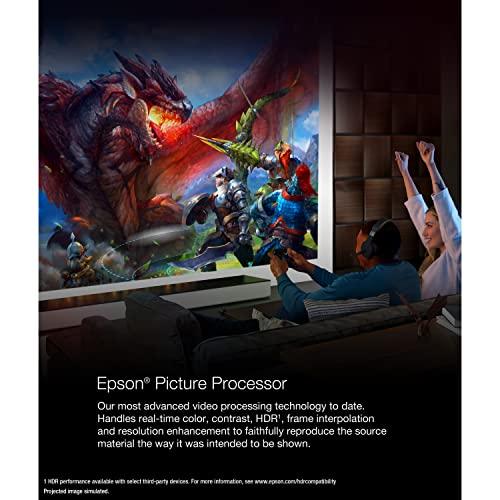
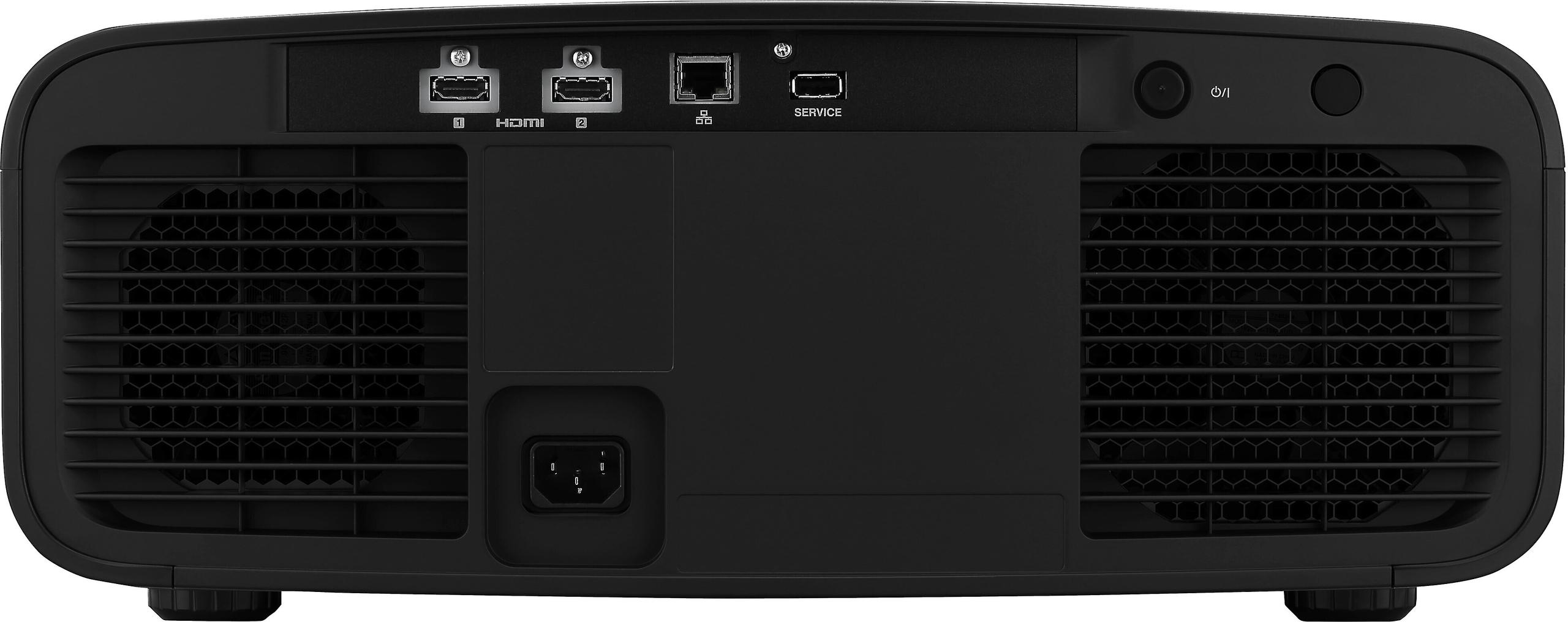
The Epson supports 4K gaming at 120 frames per second through its dual HDMI 2.1 inputs, with input lag measuring below 20 milliseconds. This makes it genuinely competitive for console gaming with PlayStation 5 or Xbox Series X systems. Imagine playing Call of Duty or Forza on a 150-inch screen with the same responsiveness you'd get from a gaming monitor.
The JVC, meanwhile, lacks 4K/120Hz support entirely and suffers from higher input lag. It's adequate for casual single-player gaming, but competitive multiplayer gaming on the JVC would put you at a serious disadvantage.
The Epson also includes eARC (enhanced Audio Return Channel) support, allowing it to send high-quality audio back to your AV receiver—a feature that gaming enthusiasts and home theater purists will appreciate.
Both projectors feature fully motorized lenses with zoom, focus, and shift capabilities, but the Epson LS11000 provides more installation flexibility. Its lens shift range of ±96.3% vertical and ±47.1% horizontal significantly exceeds the JVC's ±70% vertical and ±28% horizontal range.
This flexibility matters more than you might think. Proper lens shift allows you to position the projector off-center from your screen while maintaining a perfectly rectangular image—crucial when dealing with ceiling joists, HVAC ducts, or furniture placement constraints.
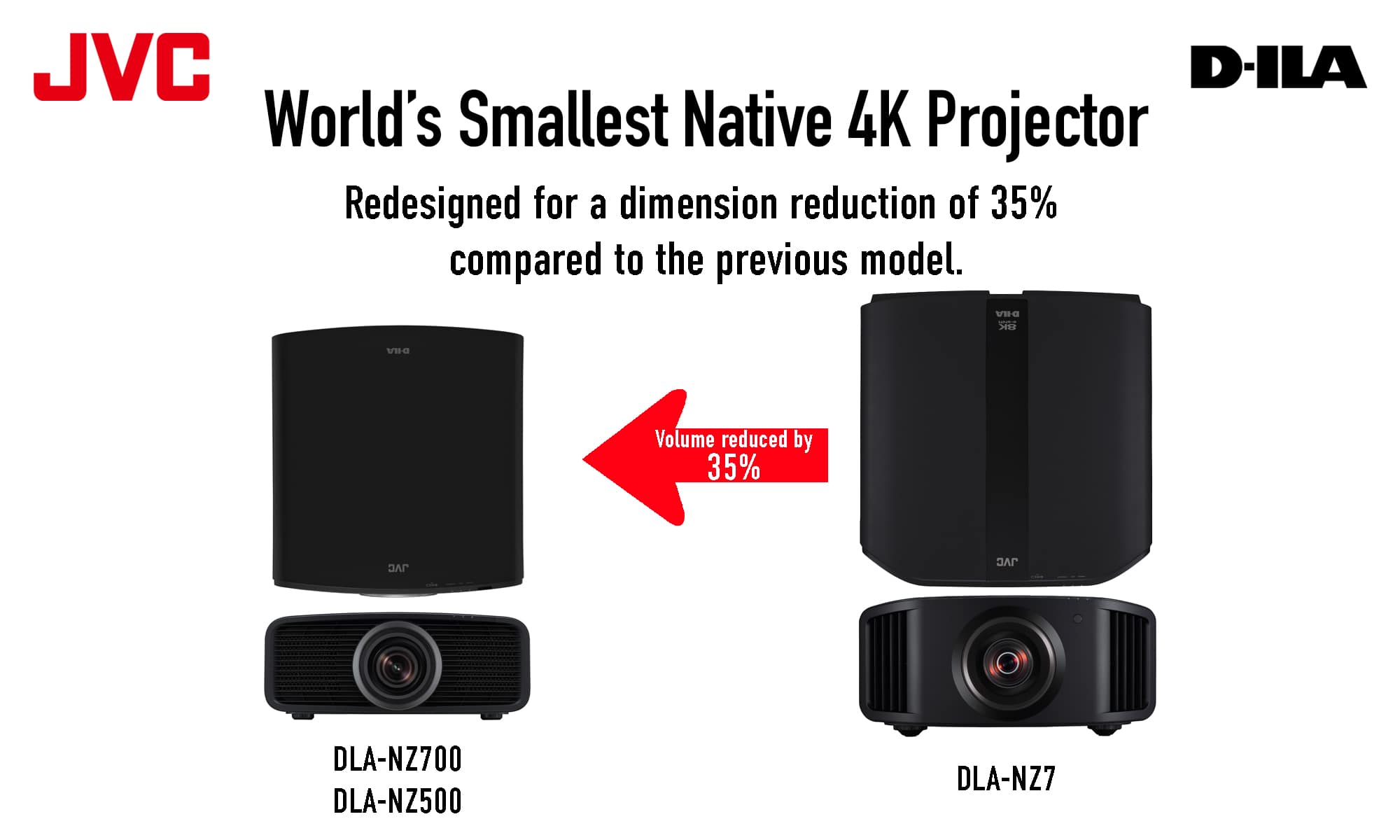
The JVC DLA-NZ500 wins on size and noise, however. It's notably more compact and operates at just 23 decibels compared to the Epson's 30 decibels at full power. In a quiet theater environment, that difference in fan noise becomes noticeable during soft dialogue scenes.
Both projectors feature laser light sources rated for approximately 20,000 hours of operation, essentially eliminating maintenance concerns for most users. At four hours of daily use, you're looking at over 13 years before needing service.
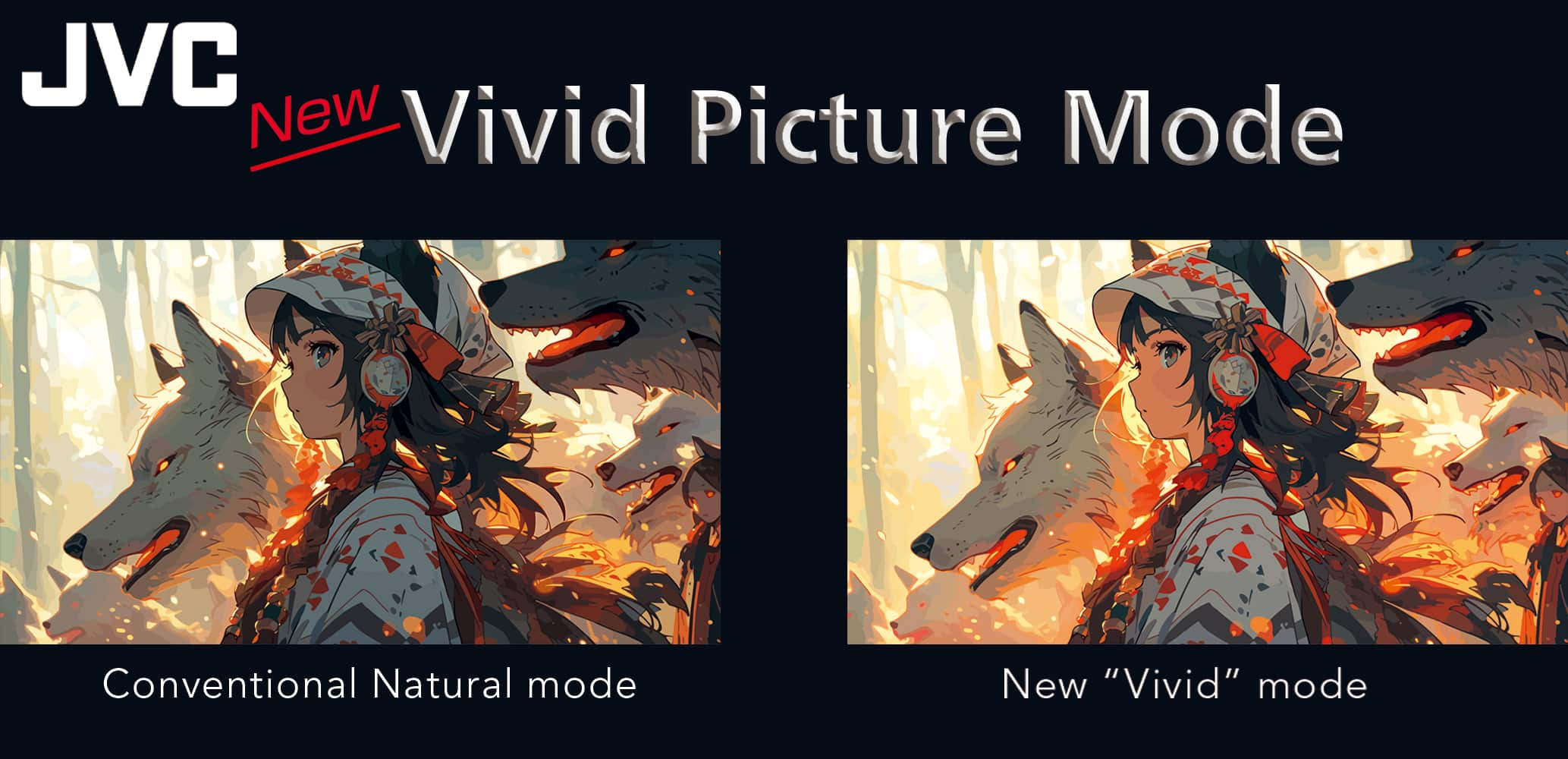
The JVC DLA-NZ500 covers 93% of the DCI-P3 color gamut without requiring color filters that reduce light output. This is impressive technical achievement, as many projectors sacrifice brightness for color accuracy. Out of the box, JVC projectors typically require minimal calibration to achieve accurate colors.
The Epson LS11000 also delivers good color performance, particularly after calibration. Its 3LCD technology ensures that color brightness matches white brightness—something that single-chip projectors sometimes struggle with. The Epson's ZX Picture Processor handles real-time color and contrast adjustments, helping optimize performance across different content types.
Both projectors include ISF (Imaging Science Foundation) certified calibration modes, allowing professional calibrators to fine-tune performance for your specific room and preferences. However, most users will find the factory picture modes quite satisfactory after basic adjustments.
At the time of writing, the JVC DLA-NZ500 commands a significant premium over the Epson LS11000—we're talking about a price difference that could buy you a very nice sound system or screen. This price gap reflects their different target markets.
The Epson represents exceptional value for enthusiasts who want flagship-level performance without flagship-level constraints. It delivers perhaps 85-90% of the JVC's image quality while offering superior brightness, gaming features, and installation flexibility. For most buyers, this represents the sweet spot between performance and practicality.
The JVC targets the perfectionist market—buyers who have dedicated theater rooms and prioritize absolute image quality above all else. If you're the type of person who notices elevated black levels in dark movie scenes and considers them unacceptable, the JVC's price premium may be justified.
The decision ultimately comes down to your specific situation and priorities.
Choose the JVC DLA-NZ500 if you have a dedicated home theater room with complete light control, prioritize contrast and black levels above all else, don't need gaming features beyond basic 4K/60Hz, and can justify the premium price for state-of-the-art image quality. The JVC also makes sense if you frequently watch content with extensive dark scenes—think Christopher Nolan films, horror movies, or space epics.
Choose the Epson LS11000 if you need versatility for rooms with some ambient light, want excellent gaming performance, prefer a brighter overall image, need maximum installation flexibility, or want flagship-level performance without the flagship price. The Epson also works better for mixed-use scenarios where you'll watch sports, play games, and enjoy movies on the same projector.
Based on our research and analysis of expert reviews, most buyers would be happier with the Epson LS11000. It provides the better overall package for real-world use, combining excellent image quality with practical features and superior value. The JVC DLA-NZ500 represents the pinnacle of contrast performance, but its limitations and premium price make it suitable for a smaller, more specialized audience.
The projector market continues evolving rapidly, with both manufacturers pushing boundaries in laser technology, HDR implementation, and smart features. Whichever you choose, both represent significant investments that should provide years of cinematic enjoyment—just make sure you pick the one that matches your room, budget, and viewing habits.
| Epson Home Cinema LS11000 | JVC DLA-NZ500 |
|---|---|
| Resolution Technology - Determines image sharpness and detail quality | |
| 4K PRO-UHD with pixel-shifting (simulates 4K from 1080p panels) | Native 4K D-ILA (true 4096×2160 physical pixels) |
| Contrast Ratio - Most critical for deep blacks and cinematic image quality | |
| ~1,500-2,000:1 native, 1,200,000:1 dynamic (good blacks with laser dimming) | 40,000:1 native (exceptional blacks, best-in-class contrast) |
| Brightness Output - Determines performance in rooms with ambient light | |
| 2,500 lumens (excellent for multi-purpose rooms and daytime viewing) | 2,000 lumens (requires dedicated dark theater room) |
| Gaming Performance - Essential for console and PC gaming | |
| 4K/120Hz support, <20ms input lag, dual HDMI 2.1 (excellent for PS5/Xbox) | 4K/60Hz max, higher input lag (basic gaming only) |
| HDR Support - Important for modern streaming and UHD Blu-ray content | |
| HDR10, HDR10+, HLG with 16-point brightness control | HDR10, HDR10+, HLG with Frame Adapt HDR Gen2 tone mapping |
| Laser Light Source - Determines maintenance and operating costs | |
| 20,000-hour blue laser phosphor (maintenance-free operation) | 20,000-hour BLU-Escent laser (maintenance-free operation) |
| Lens Flexibility - Critical for installation in different room configurations | |
| ±96.3% vertical, ±47.1% horizontal shift with 2.1x zoom | ±70% vertical, ±28% horizontal shift with 1.6x zoom |
| Color Performance - Affects color accuracy and vibrancy | |
| 3LCD technology, good color gamut after calibration | 93% DCI-P3 coverage without filters, superior out-of-box accuracy |
| Size and Noise - Important for living room installations | |
| 20.5" × 7.6" × 17.6", 28 lbs, 30 dB operation | 17.7" × 8.2" × 18.9", 32 lbs, 23 dB operation (quieter) |
| Best Use Case - Who should buy each projector | |
| Multi-purpose rooms, gaming enthusiasts, bright room viewing | Dedicated dark theaters, contrast perfectionists, cinephiles |
The JVC DLA-NZ500 delivers true native 4K resolution with 4096×2160 physical pixels, while the Epson Home Cinema LS11000 uses advanced pixel-shifting to simulate 4K from 1080p panels. In practice, both produce excellent 4K images, but the JVC has a technical advantage for viewers who sit close to large screens or display fine computer graphics.
The JVC DLA-NZ500 dominates with 40,000:1 native contrast ratio, producing truly deep blacks that are nearly indistinguishable from a turned-off screen. The Epson LS11000 achieves around 1,500-2,000:1 native contrast, showing slightly grayish blacks in dark scenes. For dedicated home theaters, the JVC provides a more cinematic experience.
The Epson Home Cinema LS11000 outputs 2,500 lumens compared to the JVC DLA-NZ500's 2,000 lumens. This 25% brightness advantage makes the Epson significantly better for multi-purpose rooms or daytime viewing, while the JVC requires a dedicated dark theater room for optimal performance.
The Epson LS11000 excels at gaming with 4K/120Hz support, input lag below 20ms, and dual HDMI 2.1 inputs, making it ideal for PS5 and Xbox Series X gaming. The JVC DLA-NZ500 only supports 4K/60Hz with higher input lag, making it unsuitable for competitive gaming but adequate for casual single-player games.
The Epson Home Cinema LS11000 provides exceptional value, delivering 85-90% of premium image quality with superior brightness, gaming features, and installation flexibility at a lower price point. The JVC DLA-NZ500 commands a significant premium but offers best-in-class contrast for buyers who prioritize ultimate image quality above all else.
Both the Epson LS11000 and JVC DLA-NZ500 support HDR10, HDR10+, and HLG formats. The Epson handles bright HDR highlights better due to higher peak brightness, while the JVC excels in dark HDR scenes thanks to superior contrast. Neither supports Dolby Vision, which is a notable omission at this price level.
The Epson Home Cinema LS11000 offers more installation flexibility with ±96.3% vertical and ±47.1% horizontal lens shift, compared to the JVC DLA-NZ500's ±70% vertical and ±28% horizontal range. The Epson also includes more lens memory positions for quick adjustments between different aspect ratios.
The JVC DLA-NZ500 operates quieter at 23 decibels compared to the Epson LS11000's 30 decibels at full power. In a dedicated home theater environment, the JVC's quieter operation is noticeable during soft dialogue scenes, while the Epson's fan noise is still acceptable for most viewing scenarios.
Both the Epson Home Cinema LS11000 and JVC DLA-NZ500 feature laser light sources rated for approximately 20,000 hours of operation. This translates to over 13 years of use at 4 hours per day, essentially eliminating lamp replacement costs and maintenance concerns for the projector's lifespan.
The JVC DLA-NZ500 covers 93% of the DCI-P3 color gamut without filters and typically requires minimal calibration for accurate colors. The Epson LS11000 also delivers good color performance, particularly after calibration, with its 3LCD technology ensuring consistent color brightness across all hues.
The Epson Home Cinema LS11000 excels in multi-purpose rooms thanks to its higher brightness and versatility for various lighting conditions. The JVC DLA-NZ500 really needs a dedicated, light-controlled theater room to showcase its contrast advantages. For family rooms or spaces with windows, the Epson is the clear choice.
Choose the JVC DLA-NZ500 if you have a dedicated dark theater room and prioritize the deepest blacks and ultimate contrast performance. Choose the Epson Home Cinema LS11000 if you need versatility for different lighting conditions, want gaming capabilities, or prefer excellent performance at a better value. Most buyers will be happier with the Epson's combination of image quality and practical features.
We've done our best to create useful and informative comparisons to help you decide what product to buy. Our research uses advanced automated methods to create this comparison and perfection is not possible - please contact us for corrections or questions. These are the sites we've researched in the creation of this article: tvsbook.com - thesmarthomehookup.com - cepro.com - specsradar.com - projectorscreen.com - benq.com - projectorreviews.com - projectorscreen.com - youtube.com - projectorcentral.com - whathifi.com - projectorscreen.com - bestbuy.com - youtube.com - avsforum.com - versus.com - crutchfield.com - projectorcentral.com - shop.avispl.com - mediaserver.goepson.com - projectorscreen.com - bestbuy.com - simplehomecinema.com - dreamediaav.com - epson.com - projectorscreen.com - valueelectronics.com - youtube.com - projectorcentral.com - avsforum.com - youtube.com - eu.jvc.com - jvc.com - crutchfield.com - projectorreviews.com - avsforum.com - audioadvice.com

Privacy Policy
Terms and Conditions - Affiliate Policy
Home Security
© Copyright 2008-2026.
11816 Inwood Rd #1211, Dallas, TX 75244