

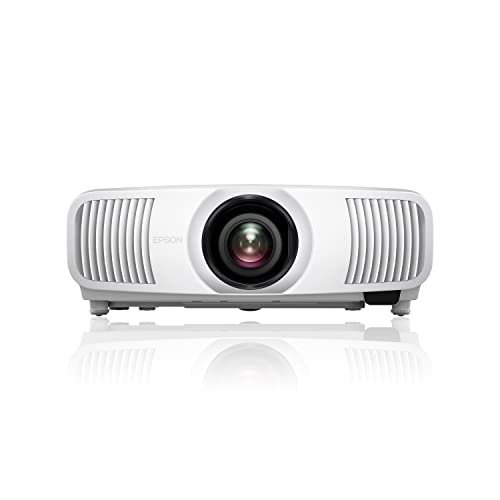
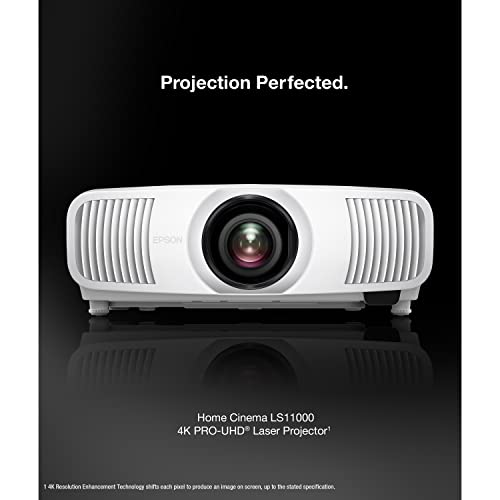
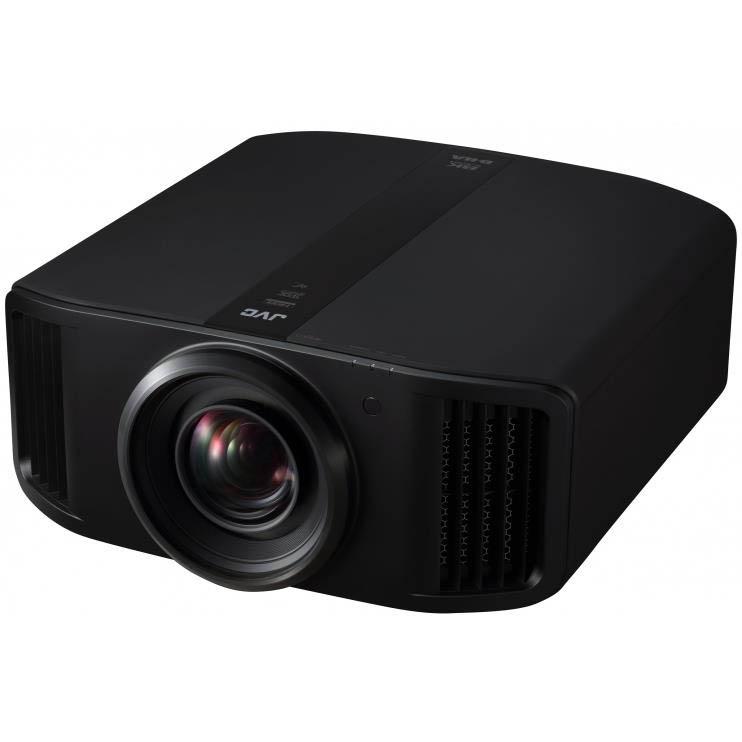
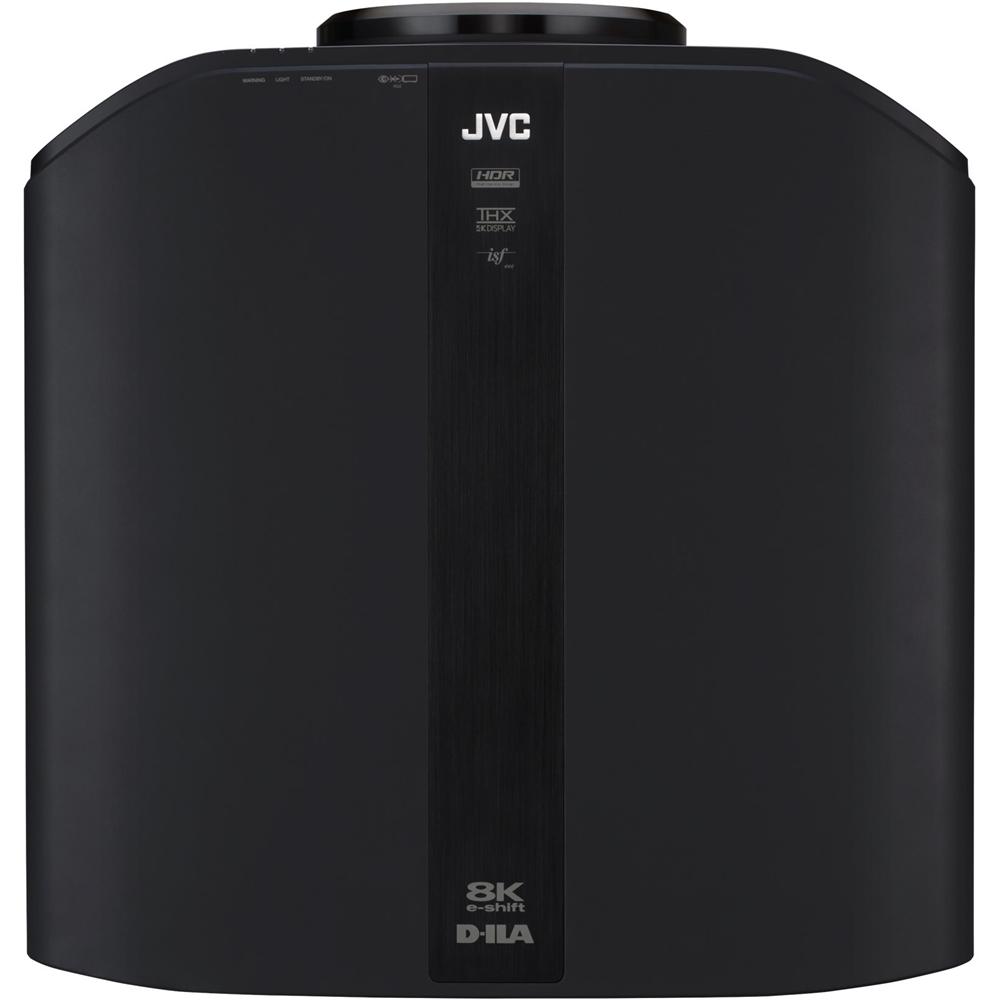
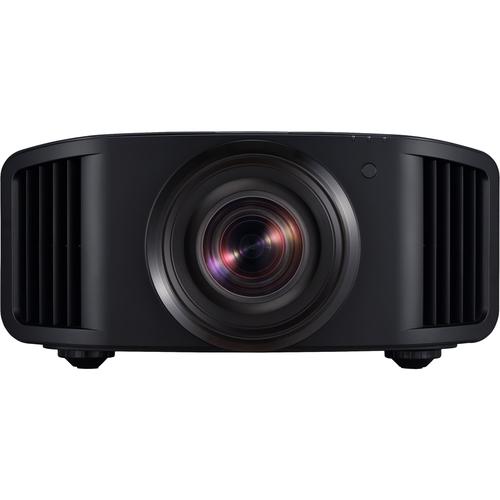
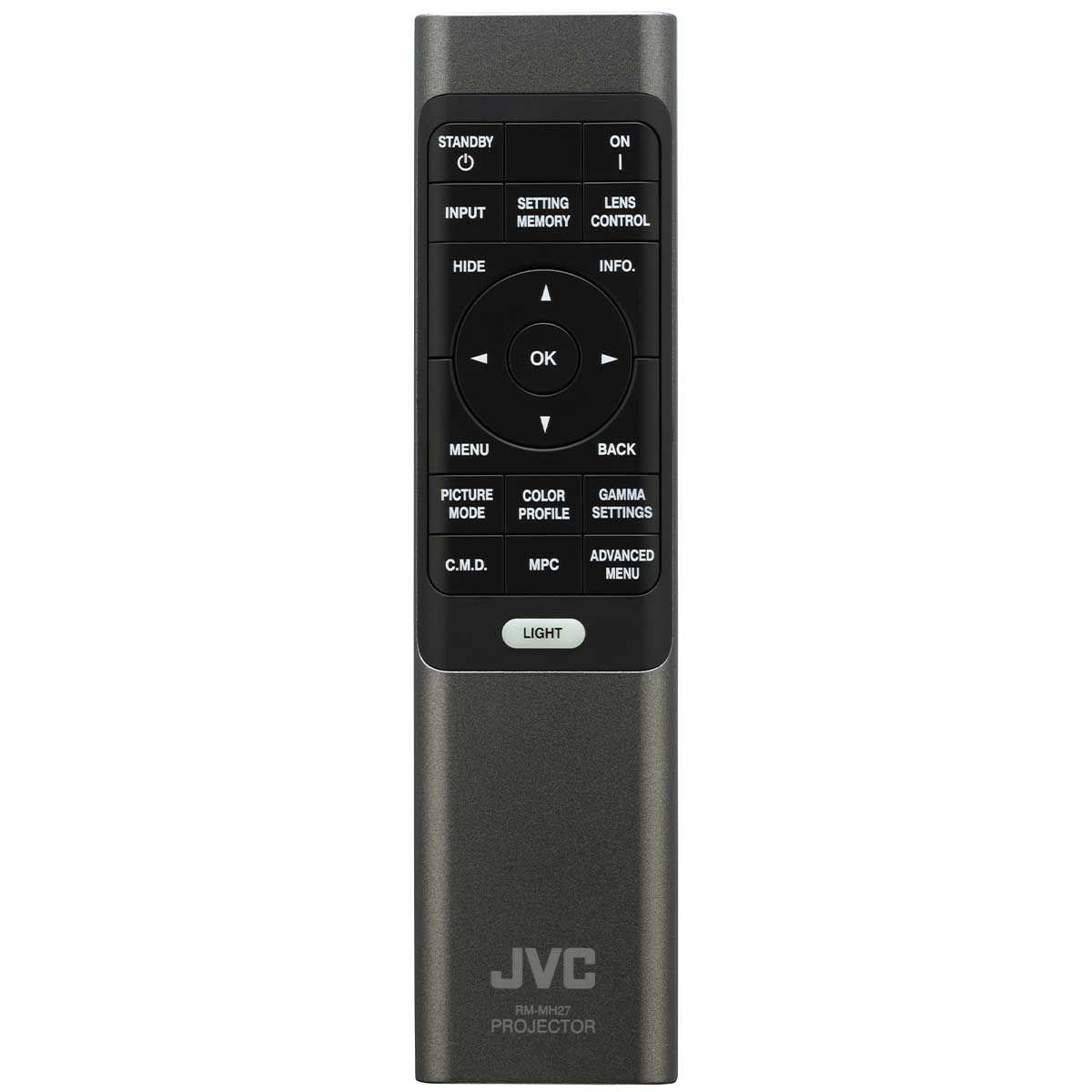
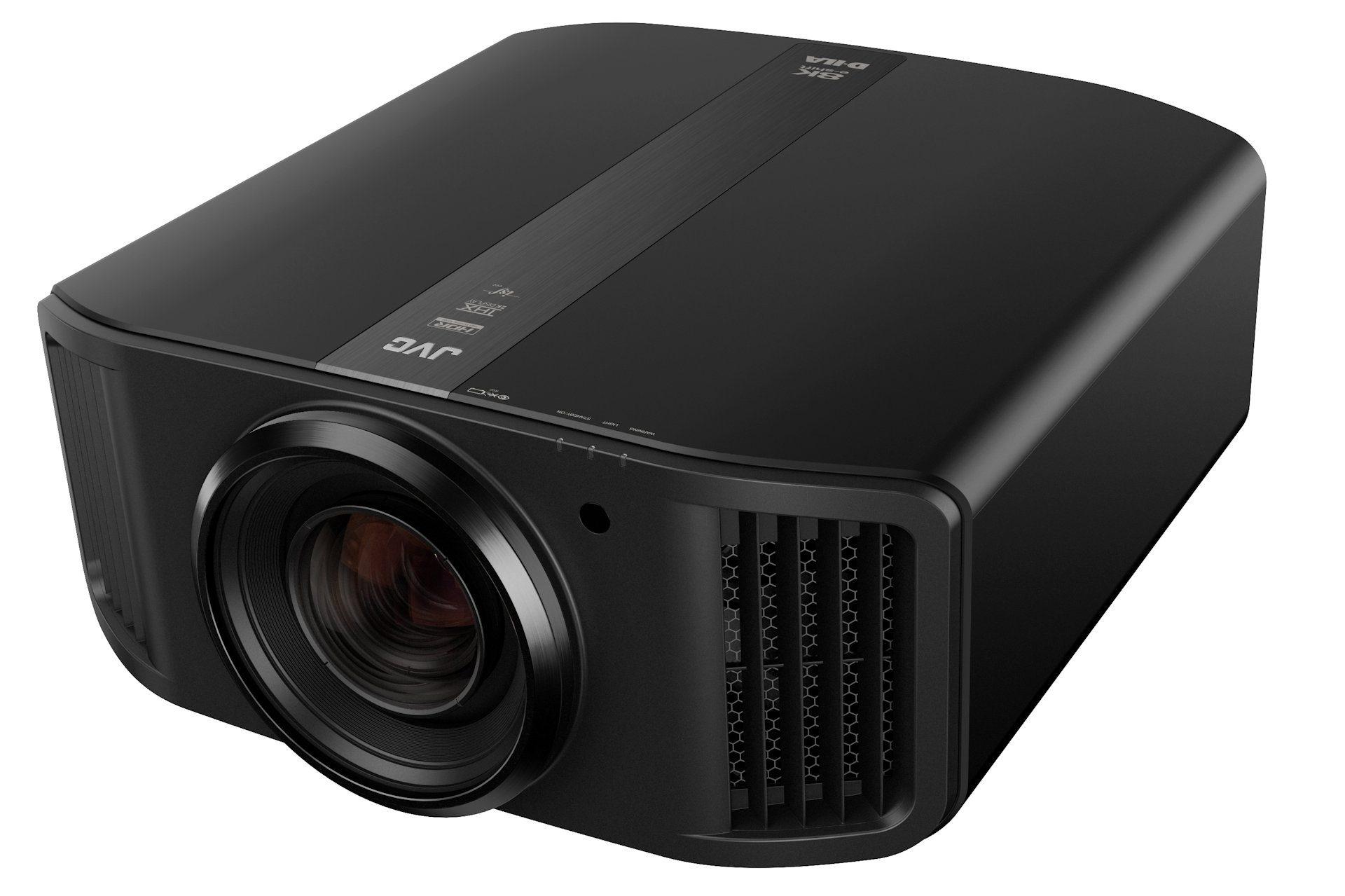
When you're ready to create a serious home theater experience, few decisions matter more than choosing the right projector. Today's premium models can transform your living space into something that rivals commercial cinemas, but the technology choices can be overwhelming. We're comparing two very different approaches to high-end projection: the Epson Home Cinema LS11000, a modern laser-powered projector from 2022, and the JVC DLA-NX9, a traditional lamp-based unit from 2018 that pushed the boundaries of what home theater projection could achieve.
These projectors represent fundamentally different philosophies. The Epson LS11000 embodies the modern trend toward convenience and versatility, while the JVC DLA-NX9 represents the pursuit of absolute image quality regardless of cost or complexity. Understanding these differences is crucial for making the right choice for your specific situation.
Premium home theater projectors occupy a unique space in the entertainment world. Unlike regular TV displays or basic projectors, these machines are engineered to recreate the cinema experience in your home. They must excel at multiple challenging tasks: creating massive, detailed images (often 100-150 inches diagonal), maintaining accurate colors, producing deep blacks for dramatic scenes, and handling both bright and dark content effectively.
The key considerations when shopping in this category include resolution technology (how the projector creates detailed images), light source type (laser versus traditional lamps), contrast performance (the difference between the darkest blacks and brightest whites), and installation flexibility. Since 2018, the projector market has shifted significantly toward laser light sources, HDMI 2.1 connectivity for gaming, and enhanced HDR (High Dynamic Range) support.
HDR deserves special explanation because it's become crucial for modern content. Traditional video uses a limited brightness range, but HDR expands this dramatically, allowing for brighter highlights and more detailed shadows. However, projectors face unique challenges with HDR because they can't match the extreme brightness of specialized HDR displays, so they use tone mapping algorithms to compress the HDR information into their available brightness range.
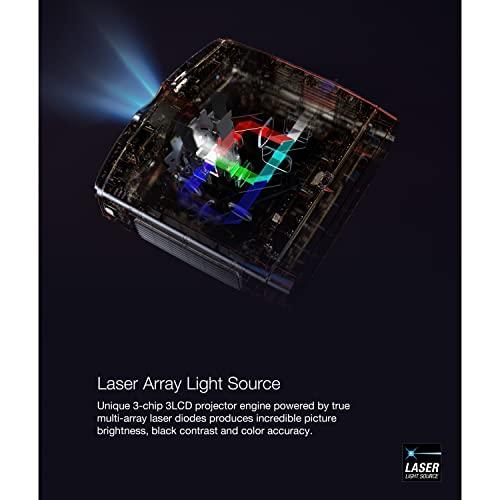
The Epson LS11000 launched in 2022 during the height of the laser projector revolution. At the time of writing, it represents excellent value in the laser projector market, typically priced significantly lower than comparable models. Laser projectors use arrays of blue laser diodes combined with phosphor materials to create white light, which then splits into red, green, and blue for projection. This approach offers several advantages: the laser arrays last approximately 20,000 hours (roughly 10-15 years of normal use), maintain consistent brightness throughout their lifespan, and produce no color shift over time.
The JVC DLA-NX9, released in 2018, represents the pinnacle of traditional lamp-based projection technology. At the time of writing, it's discontinued but was originally priced at the premium end of the market - several times more expensive than the Epson LS11000. It uses a high-pressure mercury vapor lamp that produces intense, consistent light but requires replacement every 3,000-4,500 hours depending on usage patterns.
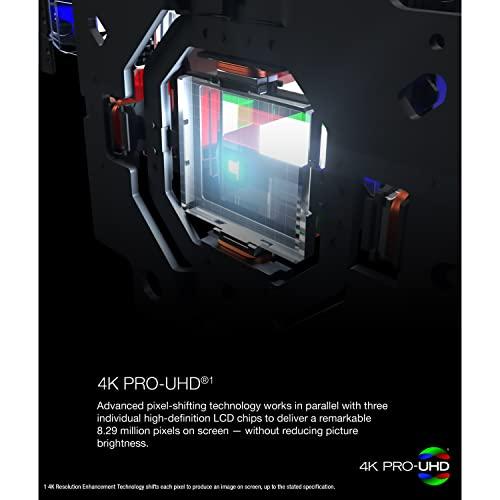
What makes the pricing comparison interesting is that these projectors use completely different underlying technologies to achieve 4K resolution. The Epson LS11000 uses what's called pixel-shifting technology, starting with native 1080p LCD panels and rapidly moving each pixel to create the appearance of 4K resolution. The latest version uses a "Precision Shift Glass Plate" that moves pixels diagonally and horizontally by quarter-pixel increments, effectively quadrupling the detail compared to the original 1080p image.
The JVC DLA-NX9 takes a more expensive approach, starting with true native 4K panels (4096 × 2160 pixels) and then using its own pixel-shifting technology called "8K e-shift" to create an even higher apparent resolution of 8192 × 4320 pixels. This system shifts pixels by half-pixel increments, creating an incredibly detailed image that exceeds standard 4K.
The resolution battle between these projectors is fascinating because both achieve excellent results through different methods. The Epson LS11000 produces 8.3 million pixels on screen through its advanced pixel-shifting, while the JVC DLA-NX9 creates the equivalent of 8K resolution through its sophisticated e-shift technology combined with native 4K panels.
In practical terms, most viewers sitting at normal distances (1.5 times the screen width) will find the Epson LS11000 delivers detail that's virtually indistinguishable from native 4K projectors. The pixel-shifting happens so rapidly (multiple times per video frame) that your eye perceives it as native resolution. However, if you're planning to sit very close to a massive screen (150+ inches) or you're particularly sensitive to fine detail, the JVC DLA-NX9 provides noticeably superior sharpness and clarity.
The JVC DLA-NX9 also benefits from its premium 100mm diameter all-glass lens system. This is significantly larger than typical projector lenses and uses 18 individual glass elements arranged in 16 groups. The larger lens diameter allows more light to pass through while maintaining focus accuracy across the entire image area. Think of it like the difference between a smartphone camera lens and a professional camera lens - the larger, more complex optics simply perform better, especially at the edges of the image.
Contrast ratio might be the most important specification most people ignore. It measures the difference between the darkest blacks and brightest whites a projector can produce, and it's crucial for creating that "cinematic" look that makes movies feel immersive rather than flat.
This is where the technology differences between our two projectors become most apparent. The JVC DLA-NX9 uses D-ILA (Direct Drive Image Light Amplifier) technology, which is JVC's version of LCoS (Liquid Crystal on Silicon). These panels can achieve much deeper blacks than other technologies because they can more completely block light when displaying dark areas. User measurements consistently show the JVC DLA-NX9 achieving native contrast ratios around 25,000:1, meaning its brightest whites are 25,000 times brighter than its darkest blacks.
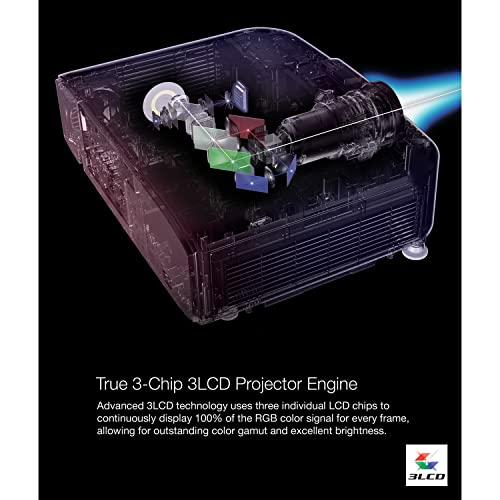
The Epson LS11000 uses 3LCD technology, which creates images by splitting white light through three separate LCD panels (one each for red, green, and blue) and then recombining them. While this produces excellent color accuracy and eliminates some artifacts common to other technologies, it typically achieves lower native contrast ratios, usually around 1,500-2,000:1.
However, both projectors use dynamic contrast systems that adjust brightness in real-time based on scene content. The Epson LS11000 can dynamically dim its laser output during dark scenes, while the JVC DLA-NX9 uses a mechanical iris that physically closes during dark content. These systems can boost effective contrast to over 1,000,000:1 for both projectors.
In practice, this means the JVC DLA-NX9 produces significantly more convincing dark scenes. When watching movies with dramatic lighting - think of the cave scenes in any adventure film or the space sequences in science fiction - the JVC delivers blacks that appear truly black rather than dark gray. This creates better shadow detail and a more three-dimensional appearance to images.
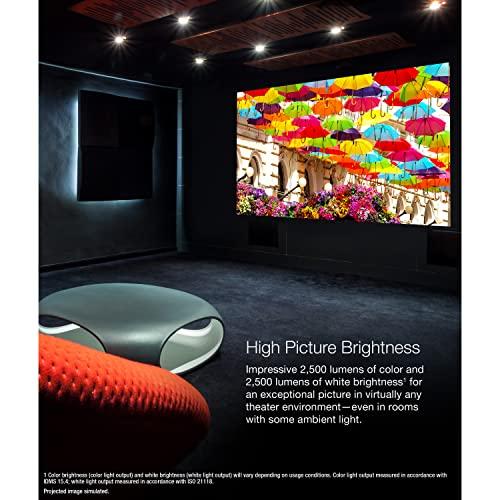
Both projectors produce similar maximum brightness levels - the Epson LS11000 at 2,500 lumens and the JVC DLA-NX9 at 2,200 lumens. However, they handle this brightness very differently over time and across different operating modes.
The Epson LS11000 maintains consistent brightness throughout its 20,000-hour laser life. Whether you're using it in year one or year ten, you'll get the same light output. The laser system also maintains consistent color temperature, meaning whites stay white and colors remain accurate over time.
The JVC DLA-NX9 starts with excellent brightness from its mercury vapor lamp, but lamp output gradually decreases over its 3,000-4,500 hour lifespan. New lamps are bright and vibrant, but after 2,000-3,000 hours of use, you'll notice the image becoming dimmer and colors shifting slightly. Replacing the lamp restores full performance, but this represents an ongoing cost and maintenance requirement.
For room compatibility, the Epson LS11000 handles ambient light better due to its consistent high brightness and laser technology characteristics. You can use it effectively in family rooms with some light control, though you'll still want to minimize direct light on the screen. The JVC DLA-NX9 really shines in dedicated theater rooms with complete light control, where its superior contrast can be fully appreciated.
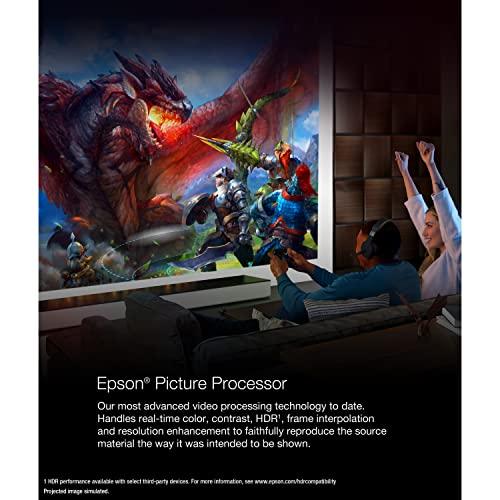
This is where the age difference between these projectors becomes most apparent. The Epson LS11000, released in 2022, includes dual HDMI 2.1 inputs with full 48Gbps bandwidth support. This means it can handle 4K resolution at 120Hz refresh rates with HDR, which is crucial for gaming with PlayStation 5, Xbox Series X, or high-end gaming PCs.
Input lag - the delay between when a gaming console sends a signal and when it appears on screen - measures around 20 milliseconds on the Epson LS11000. That's responsive enough for competitive gaming, though serious esports players might still prefer dedicated gaming monitors with sub-10ms lag.
The JVC DLA-NX9, from 2018, predates HDMI 2.1 adoption and maxes out at HDMI 2.0's 18Gbps bandwidth. This limits it to 4K at 60Hz maximum, and input lag is higher. If gaming is a significant consideration, the Epson LS11000 is clearly superior.
Since 2018, gaming has become increasingly important for home theater projectors. The new console generation and PC gaming have pushed toward higher frame rates and resolutions, making HDMI 2.1 connectivity almost essential for future-proofing.
Both projectors handle HDR content, but they approach it differently. HDR processing has improved significantly since 2018, and the Epson LS11000 benefits from these advances.
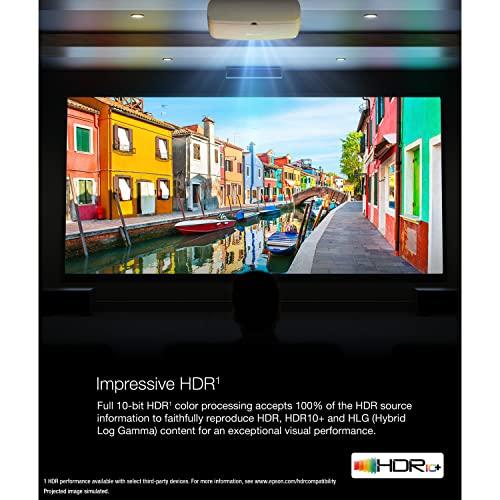
The Epson LS11000 supports HDR10, HDR10+, and HLG formats. HDR10+ is particularly interesting because it includes dynamic metadata - information that tells the projector how to optimize the image on a scene-by-scene basis. This can result in better-looking HDR content, especially in movies with both very bright and very dark scenes.
The JVC DLA-NX9 supports HDR10 and HLG but not HDR10+. However, it includes sophisticated tone mapping algorithms that analyze HDR content and adjust it based on the projector's capabilities. Combined with its superior native contrast, this often results in more natural-looking HDR images, particularly in dark scenes where the deep blacks enhance the HDR effect.
Color gamut (the range of colors a projector can display) is excellent on both units, with each covering more than the DCI-P3 color space used in commercial cinemas. The Epson LS11000 benefits from laser technology's pure color output, while the JVC DLA-NX9 achieves accurate colors through precise lamp and filter technologies.
Both projectors offer professional-grade installation features, but with different emphasis. The Epson LS11000 weighs 28 pounds and measures more compactly, making it easier to mount and position. Its lens shift capabilities (the ability to move the image position without physically moving the projector) cover ±96.3% vertical and ±47.1% horizontal adjustment.
The JVC DLA-NX9 is substantially larger and heavier at 48 pounds, requiring more robust mounting solutions. However, it offers ±100% vertical lens shift, meaning you can position the image anywhere from floor level to ceiling level without moving the projector - extremely valuable for challenging room layouts.
Both include motorized lens systems with memory functions, allowing you to save different zoom, focus, and shift positions for different content types. This is particularly useful when switching between standard 16:9 movies and ultrawide 2.35:1 films on a fixed screen.
The decision ultimately comes down to your specific priorities and viewing environment. The Epson LS11000 makes sense for most home theater enthusiasts. It delivers approximately 90-95% of the JVC DLA-NX9's image quality while offering superior convenience, gaming support, and value. At the time of writing, it costs significantly less than premium alternatives while providing flagship-level performance.
Choose the Epson LS11000 if you want excellent 4K performance without ongoing maintenance, plan to use the projector for gaming, have a room with some ambient light, or simply want the best performance-per-dollar available in premium projection. It's also the better choice if you value modern connectivity and future-proofing.
The JVC DLA-NX9, while discontinued, represents the ultimate in traditional projector technology. Its superior native contrast and build quality deliver the most cinematic image quality possible, particularly in completely dark rooms. The 8K e-shift technology provides noticeably superior detail on very large screens when viewed from close distances.
Choose the JVC DLA-NX9 (if you can find one) if you have a dedicated, light-controlled theater room, prioritize absolute image quality over cost, plan to sit close to screens larger than 150 inches, or have extensive 3D content libraries (the Epson doesn't support 3D).
For most buyers, the Epson LS11000 represents the sweet spot of modern home theater projection. It provides outstanding image quality with modern gaming features and maintenance-free operation, making it the practical choice for contemporary home entertainment needs. The JVC represents the pursuit of perfection for those with specific requirements and unlimited budgets, but for typical home theater applications, the Epson delivers flagship performance at a fraction of the total ownership cost.
The projector market has clearly moved toward laser technology since 2018, and units like the Epson LS11000 demonstrate why: they deliver exceptional performance with minimal hassle, making the home theater dream accessible to a much broader audience than ever before.
| Epson Home Cinema LS11000 | JVC DLA-NX9 |
|---|---|
| Resolution Technology - How detailed your image will look | |
| Native 1080p with 4K PRO-UHD pixel shifting (8.3M pixels) | Native 4K with 8K e-shift technology (equivalent 8192×4320) |
| Light Source - Affects maintenance and long-term costs | |
| Laser array (20,000 hour lifespan, no replacements) | 265W mercury lamp (3,500-4,500 hours, requires replacements) |
| Brightness - Critical for room flexibility | |
| 2,500 lumens (consistent throughout laser life) | 2,200 lumens (gradually decreases as lamp ages) |
| Native Contrast Ratio - Most important for dark room performance | |
| ~1,500-2,000:1 (good blacks, excellent for 3LCD technology) | ~25,000:1 (exceptional blacks, industry-leading performance) |
| Dynamic Contrast - Enhanced contrast with scene processing | |
| 1,200,000:1 with laser dimming technology | 1,000,000:1 with mechanical iris control |
| HDR Support - Modern content compatibility | |
| HDR10, HDR10+, HLG (includes dynamic metadata support) | HDR10, HLG with advanced auto tone mapping |
| Gaming Performance - Console and PC compatibility | |
| Dual HDMI 2.1, 4K/120Hz, ~20ms input lag | HDMI 2.0 only, 4K/60Hz max, higher input lag |
| Lens Quality and Flexibility - Installation and image precision | |
| Quality multi-element glass, ±96.3%V/±47.1%H shift, 2.1x zoom | Premium 100mm all-glass, ±100%V/±43%H shift, 2.7x zoom |
| 3D Support - For 3D content libraries | |
| Not supported | Full HD 3D with multiple format support |
| Physical Size - Installation requirements | |
| 28 lbs, 7.6"×20.5"×17.6" (easier installation) | 48 lbs, 9.3"×19.6"×20.4" (requires robust mounting) |
| Value Proposition - Performance per dollar spent | |
| Excellent flagship performance at moderate pricing | Ultimate image quality at premium pricing |
| Best For - Ideal use scenarios | |
| Multi-purpose rooms, gaming, low maintenance priority | Dedicated dark theaters, ultimate image quality priority |
The JVC DLA-NX9 delivers superior image quality in dedicated dark theaters with its exceptional 25,000:1 native contrast ratio and true 4K panels with 8K e-shift technology. However, the Epson Home Cinema LS11000 offers better overall value with 90-95% of the JVC's performance, maintenance-free laser operation, and modern gaming features at a significantly lower cost.
The Epson Home Cinema LS11000 uses a laser light source that lasts 20,000 hours with consistent brightness and no maintenance. The JVC DLA-NX9 uses a traditional mercury lamp that requires replacement every 3,500-4,500 hours, adding ongoing costs but potentially delivering superior contrast performance in completely dark rooms.
The JVC DLA-NX9 starts with native 4K panels and adds 8K e-shift processing for ultimate detail, especially on screens larger than 150 inches. The Epson Home Cinema LS11000 uses advanced pixel-shifting from 1080p panels to create 4K images that are virtually indistinguishable from native 4K at normal viewing distances.
The Epson Home Cinema LS11000 excels for gaming with dual HDMI 2.1 ports supporting 4K/120Hz and approximately 20ms input lag. The JVC DLA-NX9 is limited to HDMI 2.0 with 4K/60Hz maximum and higher input lag, making it less suitable for modern gaming consoles.
The Epson Home Cinema LS11000 handles ambient light better with its consistent 2,500 lumens and laser technology. While the JVC DLA-NX9 produces 2,200 lumens, it's optimized for completely dark theater rooms where its superior contrast can be fully appreciated.
The JVC DLA-NX9 dramatically outperforms with approximately 25,000:1 native contrast using D-ILA technology, delivering truly black dark scenes. The Epson Home Cinema LS11000 achieves around 1,500-2,000:1 native contrast, which is good for 3LCD technology but not as impressive in dark room viewing.
The Epson Home Cinema LS11000 requires virtually no maintenance with its 20,000-hour laser lifespan. The JVC DLA-NX9 needs lamp replacements every 3,500-4,500 hours of use, with replacement lamps adding to long-term ownership costs.
The Epson Home Cinema LS11000 supports HDR10, HDR10+, and HLG formats, including dynamic metadata for scene-by-scene optimization. The JVC DLA-NX9 handles HDR10 and HLG with advanced tone mapping but lacks HDR10+ support.
The Epson Home Cinema LS11000 weighs 28 pounds and offers easier installation with ±96.3% vertical lens shift. The JVC DLA-NX9 weighs 48 pounds, requires more robust mounting, but provides superior ±100% vertical lens shift and a premium 100mm all-glass lens system.
The Epson Home Cinema LS11000 provides exceptional value, delivering flagship-level performance with modern features and no ongoing maintenance costs. The JVC DLA-NX9 offers ultimate image quality but at a premium price point with additional lamp replacement expenses over time.
The JVC DLA-NX9 supports Full HD 3D with multiple formats including frame packing, side-by-side, and top-and-bottom. The Epson Home Cinema LS11000 does not support 3D playback, which may be important for users with existing 3D content libraries.
Choose the Epson Home Cinema LS11000 if you want excellent performance with gaming support, room flexibility, and low maintenance in a multi-purpose space. Select the JVC DLA-NX9 if you have a dedicated dark theater room, prioritize absolute image quality, and don't mind higher costs and lamp maintenance requirements.
We've done our best to create useful and informative comparisons to help you decide what product to buy. Our research uses advanced automated methods to create this comparison and perfection is not possible - please contact us for corrections or questions. These are the sites we've researched in the creation of this article: tvsbook.com - thesmarthomehookup.com - cepro.com - specsradar.com - projectorscreen.com - benq.com - projectorreviews.com - projectorscreen.com - youtube.com - projectorcentral.com - whathifi.com - projectorscreen.com - bestbuy.com - youtube.com - avsforum.com - versus.com - crutchfield.com - projectorcentral.com - shop.avispl.com - mediaserver.goepson.com - projectorscreen.com - bestbuy.com - simplehomecinema.com - dreamediaav.com - epson.com - youtube.com - projectorscreen.com - avsforum.com - crutchfield.com - avnirvana.com - flanners.com - projectorcentral.com - soundandvision.com - jvc.com - eu.jvc.com - directappliance.com

Privacy Policy
Terms and Conditions - Affiliate Policy
Home Security
© Copyright 2008-2026.
11816 Inwood Rd #1211, Dallas, TX 75244