

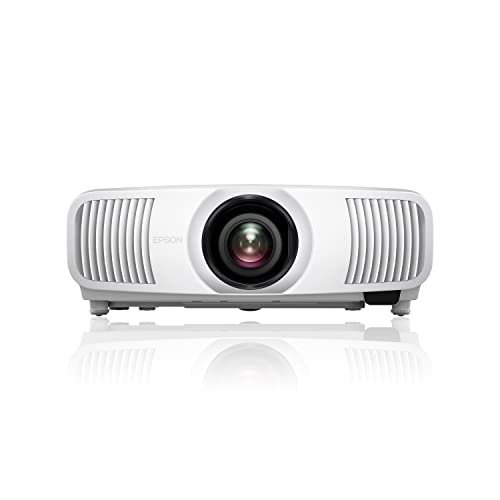
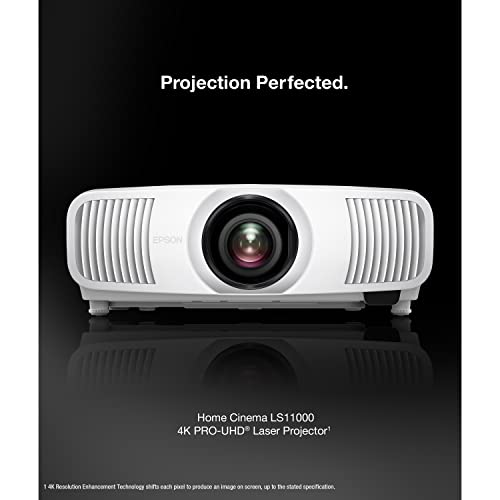
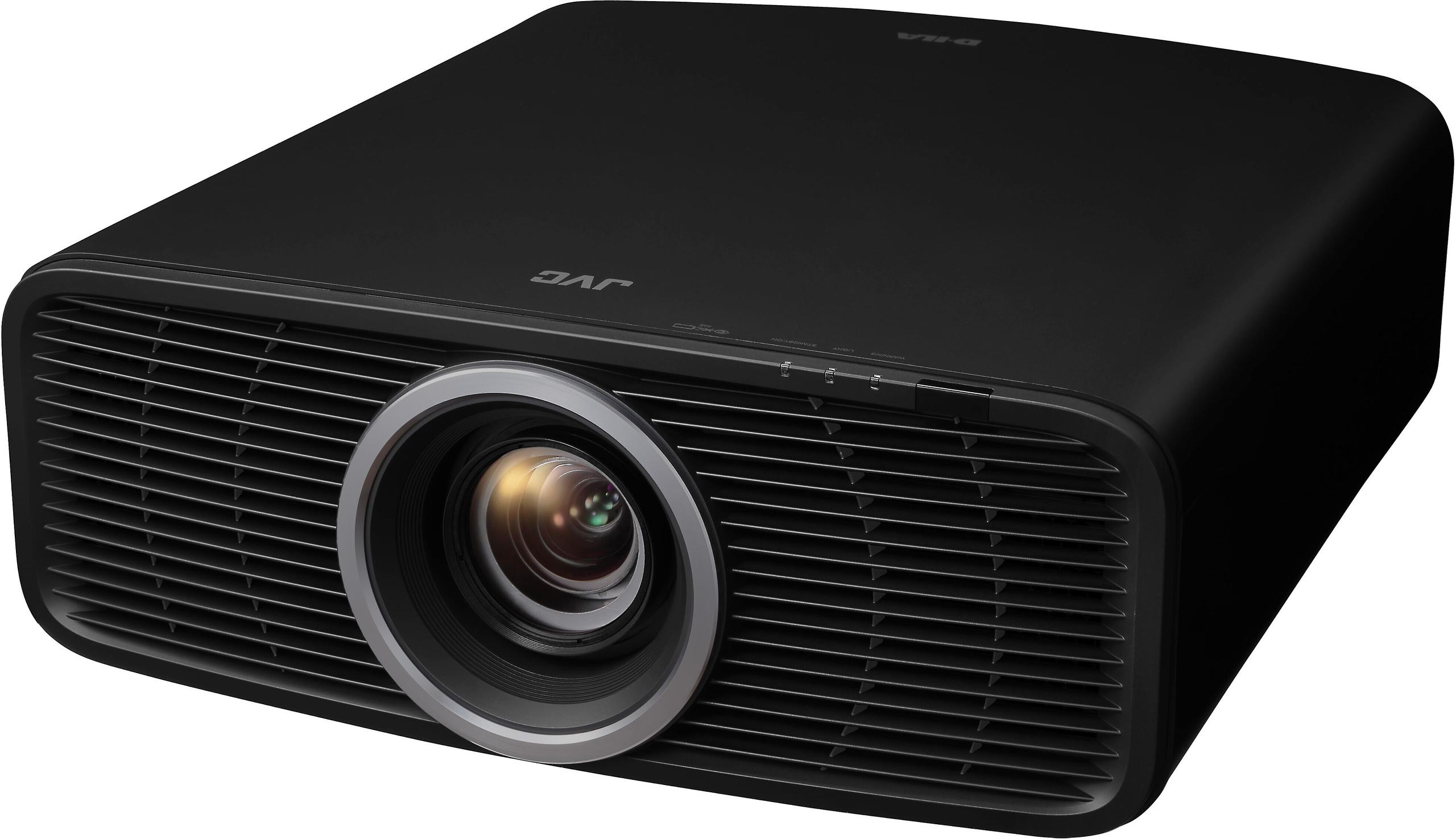
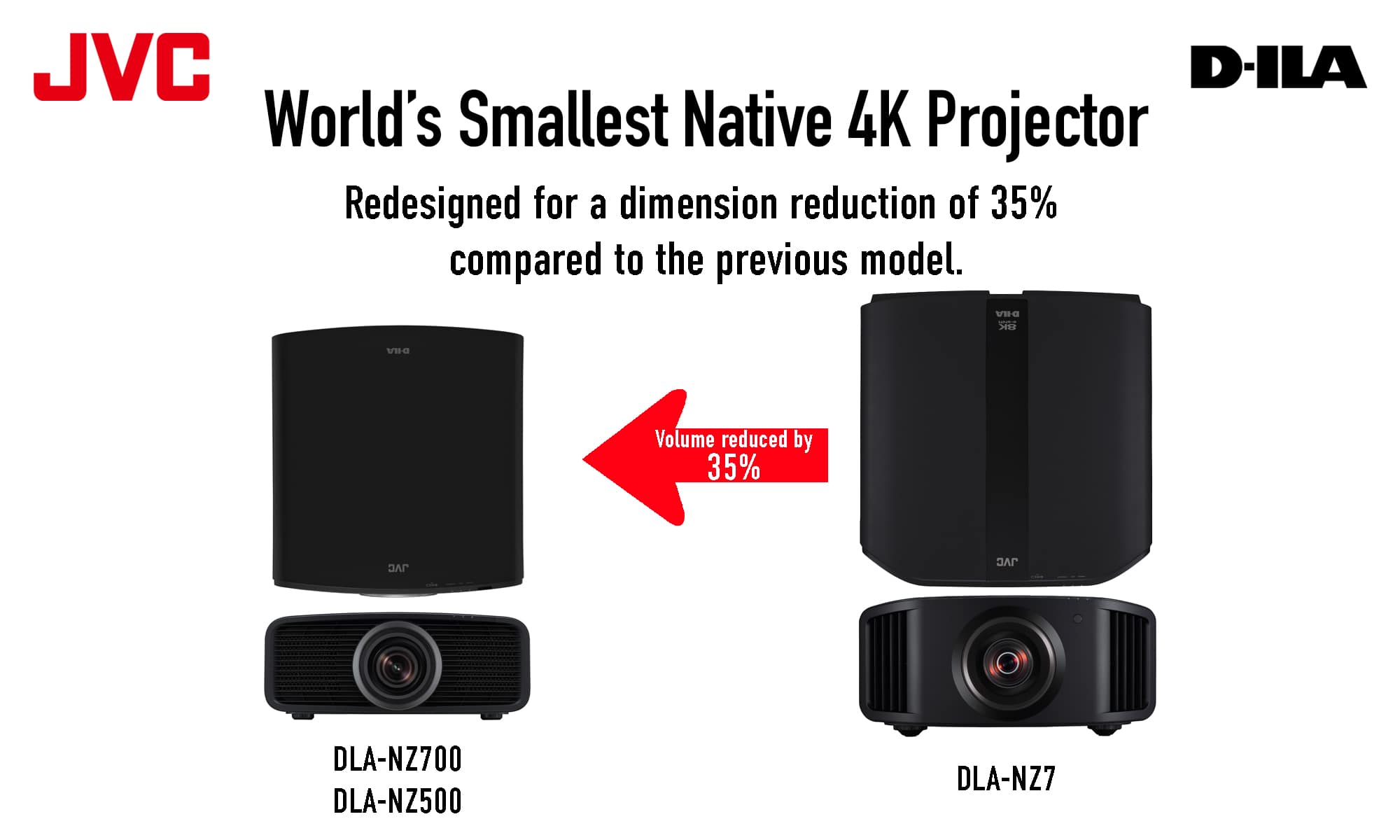
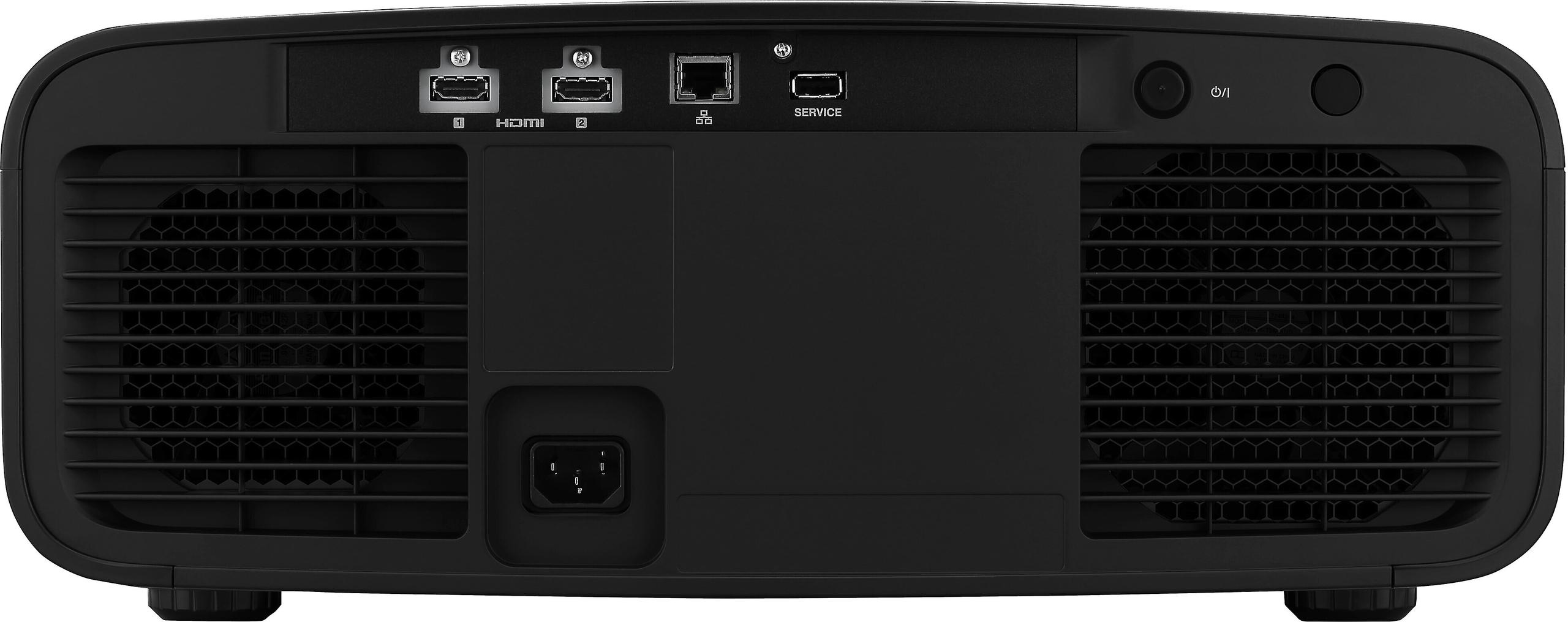
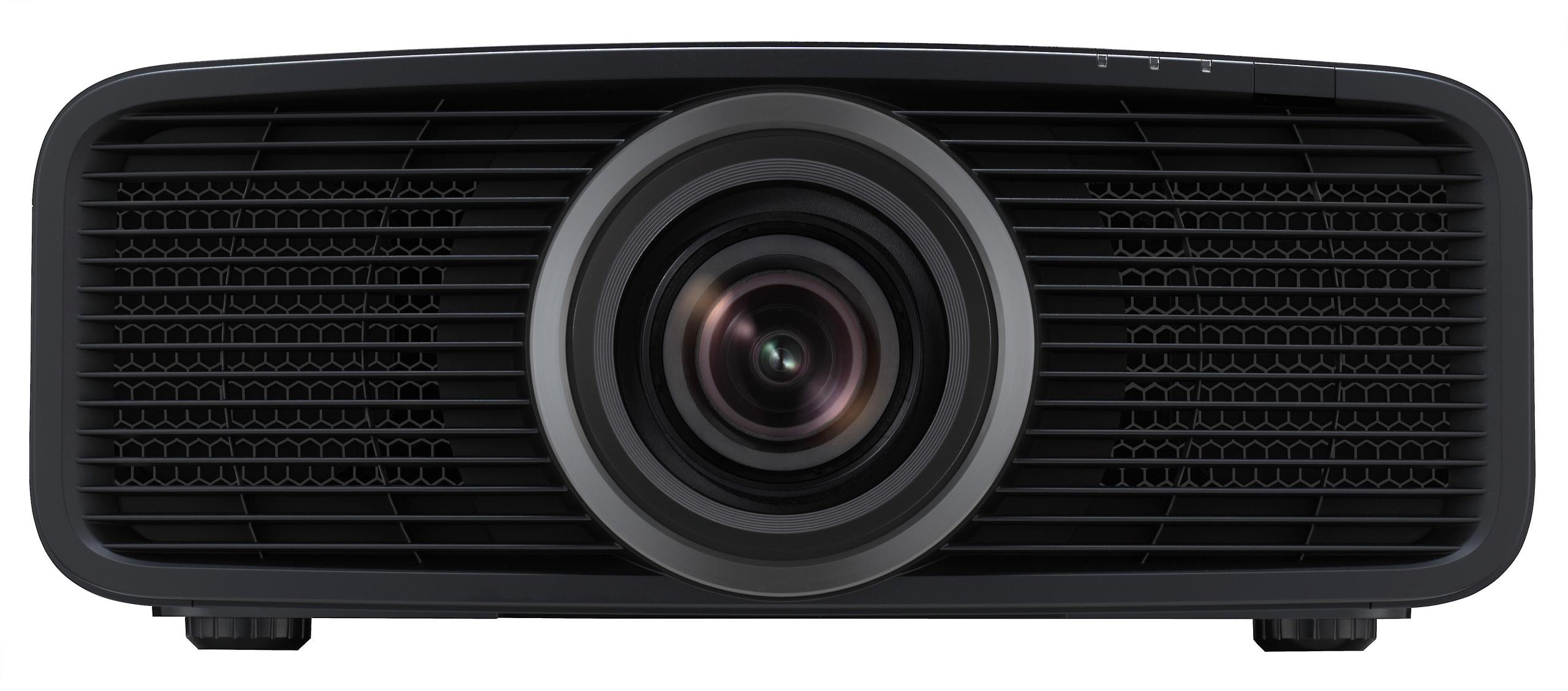
When you're investing thousands of dollars in a home theater projector, the choice between the Epson Home Cinema LS11000 and the JVC DLA-NZ700 represents two fundamentally different philosophies. At the time of writing, these projectors sit at opposite ends of the premium 4K laser market, with the Epson offering exceptional value and versatility while the JVC delivers uncompromising cinema quality at a significant premium.
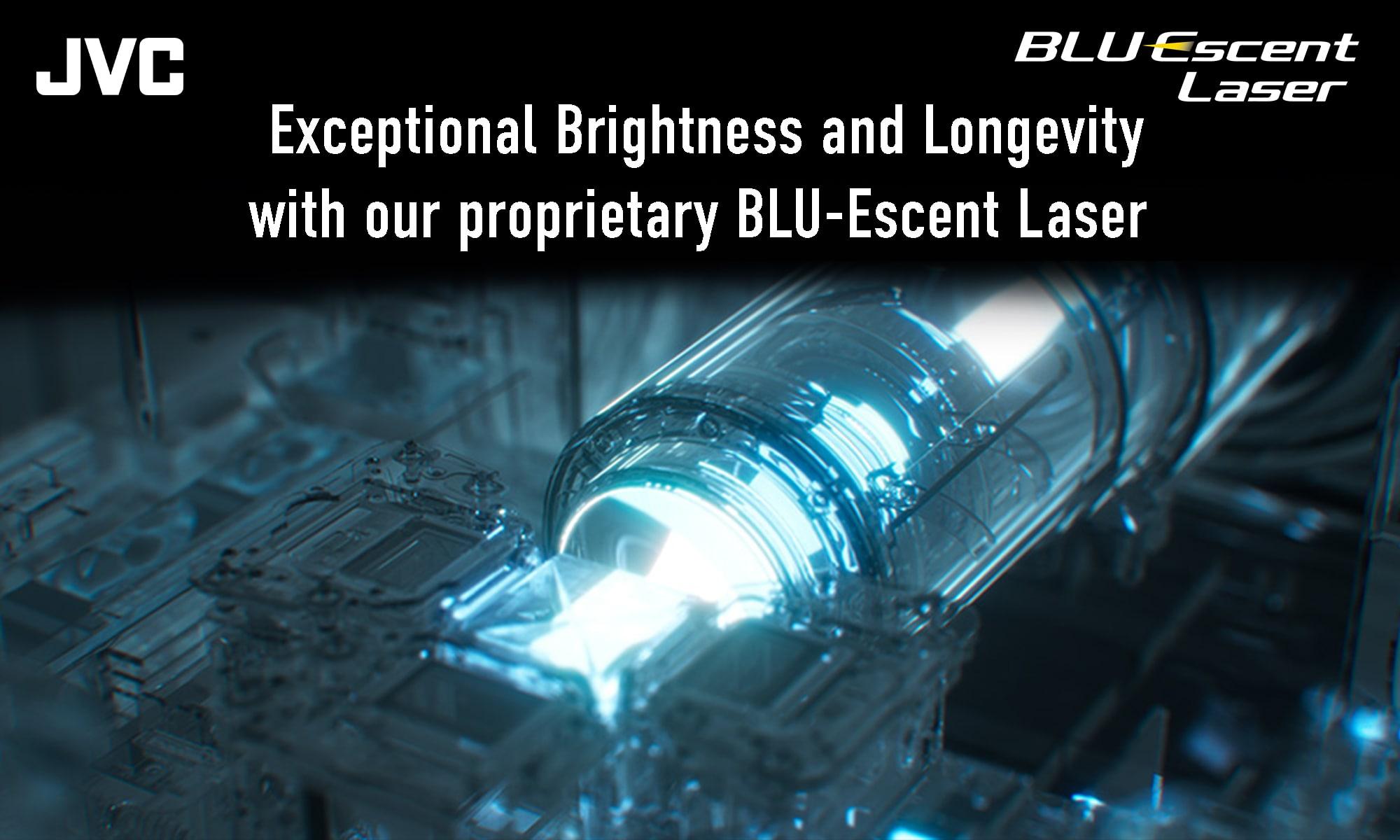
Both projectors eliminate the hassle of lamp replacements that plagued older models, using laser light sources that last around 20,000 hours. That's roughly 10 years of typical home theater use without maintenance. But that's where their similarities end. The Epson LS11000, released in 2022, targets enthusiasts who want excellent performance with gaming capabilities, while the JVC DLA-NZ700 from 2024 pursues pure cinematic perfection for dedicated theater rooms.
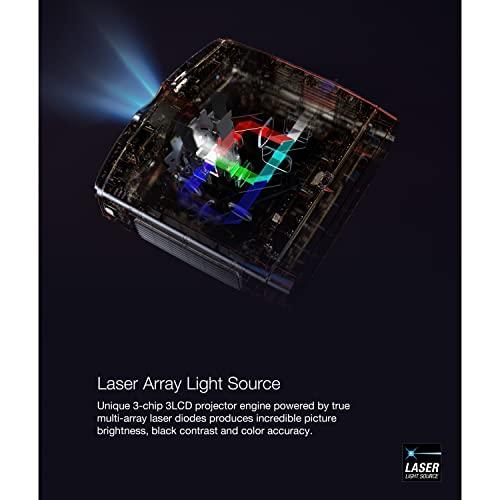
Before diving into specifics, it's worth understanding what makes these projectors special. Traditional projectors used high-pressure mercury lamps that dimmed over time, required expensive replacements every 2,000-4,000 hours, and took several minutes to warm up and cool down. Laser projectors changed everything by using arrays of laser diodes that turn on instantly, maintain consistent brightness throughout their lifespan, and offer precise control over light output.
The "4K" designation, however, isn't as straightforward as it sounds. True 4K displays have 8.3 million individual pixels arranged in a 3840x2160 grid. Some projectors achieve this with native 4K chips, while others use sophisticated pixel-shifting technology to create the appearance of 4K resolution from lower-resolution imaging chips. Both approaches can deliver excellent results, but they work differently and have distinct characteristics.
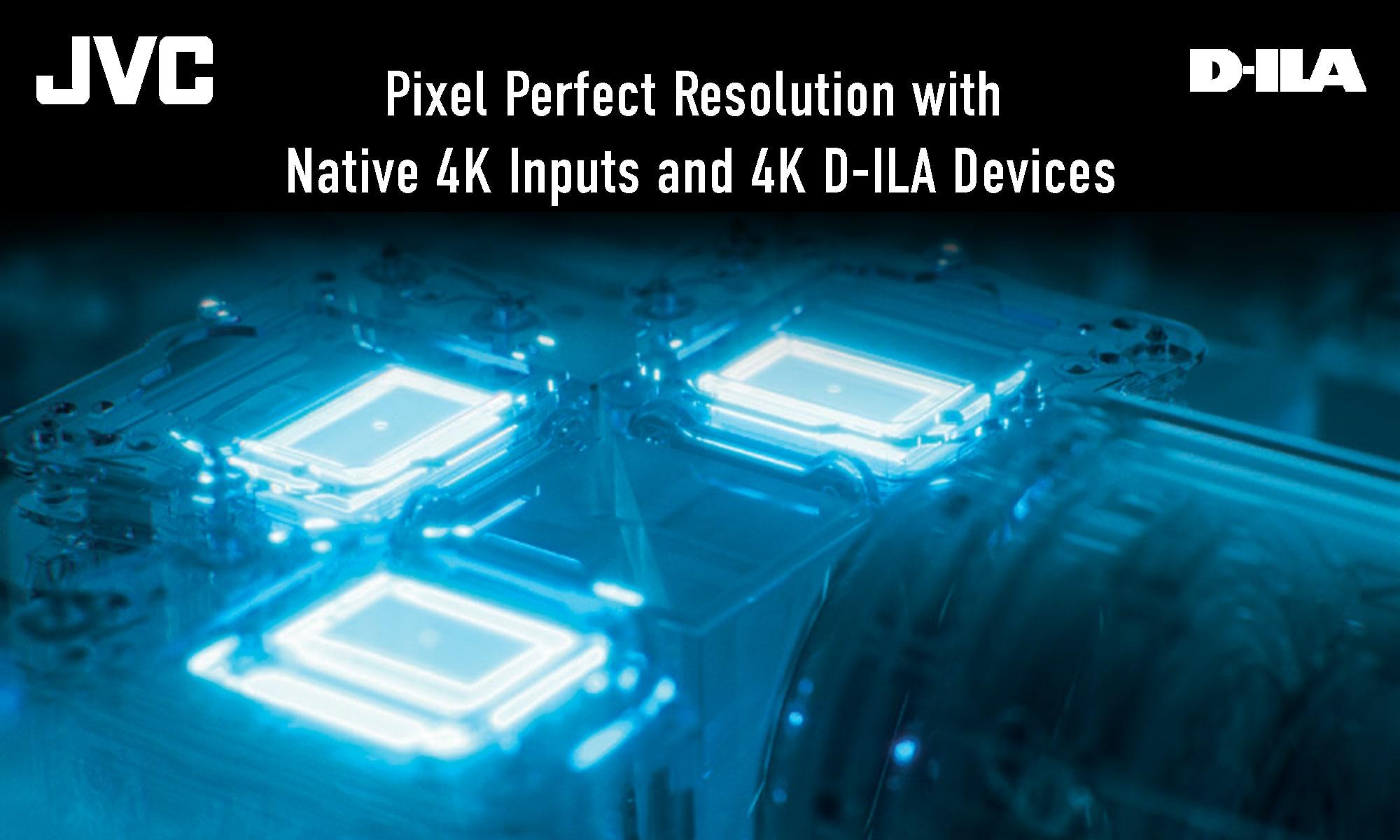
The most fundamental difference between these projectors lies in how they create 4K images. The JVC DLA-NZ700 uses native 4K D-ILA chips—think of these as extremely precise liquid crystal shutters that can control 8.3 million individual points of light. D-ILA (Direct-drive Image Light Amplification) is JVC's proprietary version of LCoS (Liquid Crystal on Silicon) technology, which sandwiches liquid crystals between reflective silicon backplanes and glass frontplanes. This creates incredibly smooth images without the visible pixel structure you might notice on LCD displays.
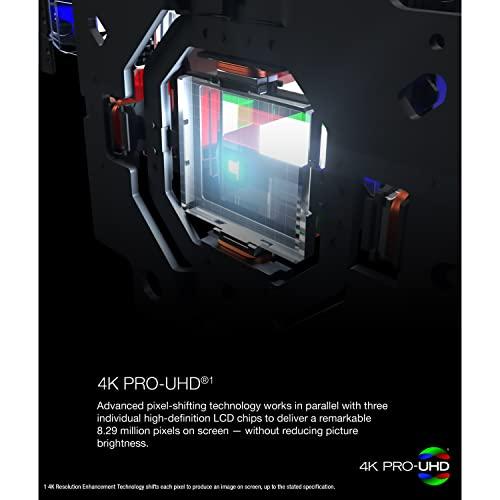
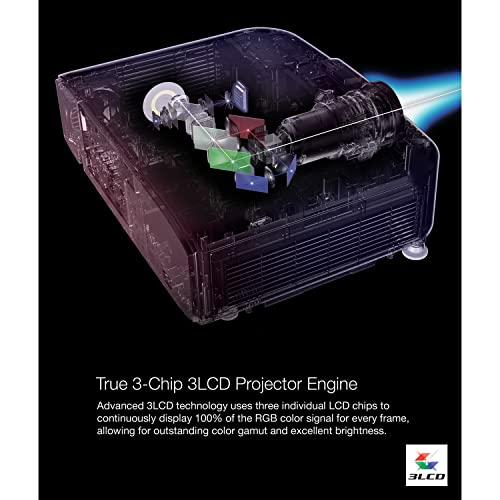
The Epson LS11000 takes a different approach, using three native 1080p LCD chips combined with Epson's most advanced pixel-shifting system. The projector rapidly moves each pixel diagonally and horizontally using a precision glass plate, effectively displaying four slightly offset images so quickly that your eye perceives them as a single, higher-resolution picture. Epson calls this 4K PRO-UHD, and it creates 8.29 million distinct pixels on screen—actually slightly more than standard 4K.
In practice, both approaches deliver sharp, detailed images that most viewers can't distinguish from true native 4K at normal seating distances. The Epson's pixel-shifting has become sophisticated enough that pixel structure isn't visible unless you sit unreasonably close to the screen. However, the JVC's native approach does provide slightly more authentic fine detail reproduction, especially in high-contrast edges and text.
If there's one specification that most dramatically affects your viewing experience, it's contrast ratio—the difference between the brightest whites and deepest blacks a projector can display. This is where these projectors diverge most dramatically, and it fundamentally shapes their ideal use cases.
The JVC DLA-NZ700 boasts an 80,000:1 native contrast ratio, meaning its brightest whites are 80,000 times brighter than its darkest blacks. This isn't marketing hyperbole—D-ILA technology genuinely produces some of the deepest blacks available in projection technology. When you're watching a space scene in Interstellar or the dark corridors in The Batman, the JVC displays those black areas as truly black, not the grayish dark that many projectors produce.
The Epson LS11000 achieves around 2,000:1 native contrast—still respectable, but dramatically lower than the JVC. To compensate, Epson uses dynamic iris control and claims a 1,200,000:1 dynamic contrast ratio. Dynamic contrast works by automatically adjusting the projector's light output based on image content, dimming the entire image during dark scenes and brightening it during bright scenes. While this helps improve the perception of black levels, it can't match the pixel-level control that high native contrast provides.
In a side-by-side comparison, the difference is immediately obvious. Dark movie scenes reveal subtle shadow details on the JVC that get lost in gray murkiness on the Epson. However, this difference is most noticeable in dark rooms—add some ambient light, and the Epson's brighter output begins to level the playing field.
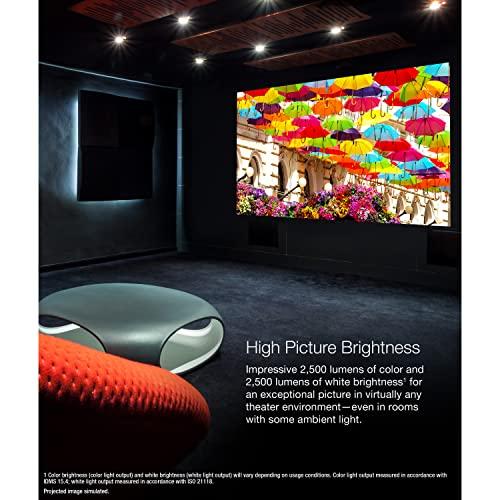
Here's where the Epson LS11000 fights back. At 2,500 lumens compared to the JVC's 2,300 lumens, the brightness difference seems minimal on paper. But the real advantage comes from how these projectors handle that light output.
The Epson's 3LCD technology uses separate LCD panels for red, green, and blue light, displaying all three colors simultaneously. This means you get the full rated brightness for both color and white content—crucial for maintaining vibrant colors in brighter rooms. Many competing technologies sacrifice color brightness for white brightness, leading to washed-out colors when ambient light is present.
The JVC is optimized for dark room viewing where its superior contrast can shine. While it produces beautiful, accurate colors, they can appear less punchy than the Epson's more vibrant presentation when room lighting isn't perfectly controlled. If your theater room has windows, occasional lighting, or doubles as a family room, the Epson maintains better color saturation and overall image impact.
For screen sizes, the Epson comfortably illuminates screens up to 150 inches even with some ambient light, while the JVC performs best on screens up to 130 inches in dark conditions. Push either projector beyond these recommendations, and you'll start sacrificing either brightness or contrast performance.
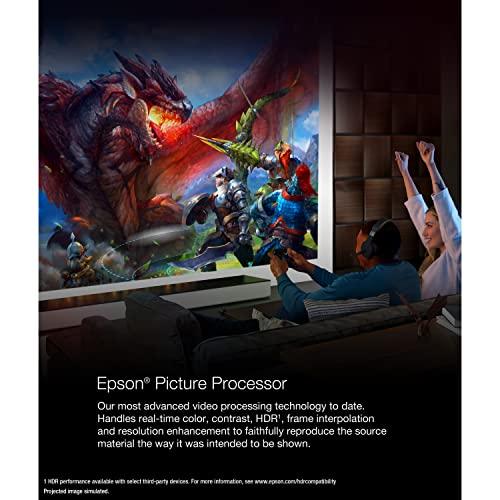
This category isn't even close. The Epson LS11000 was designed with modern gaming in mind, featuring two HDMI 2.1 inputs that support 4K resolution at 120Hz refresh rates. This means Xbox Series X and PlayStation 5 owners can experience their games at full resolution and refresh rate, creating smoother motion and more responsive gameplay.
More importantly, the Epson achieves input lag below 20 milliseconds—the time between when your controller sends a signal and when the action appears on screen. For comparison, competitive gamers consider anything under 30ms acceptable, and many gaming monitors target 1-5ms. At 20ms, the Epson is responsive enough for competitive gaming while still providing excellent image processing for movies.
The JVC DLA-NZ700 simply wasn't designed for gaming. It lacks 120Hz support, has higher input lag, and focuses entirely on movie presentation. If gaming matters to you or your family, the JVC eliminates itself from consideration.
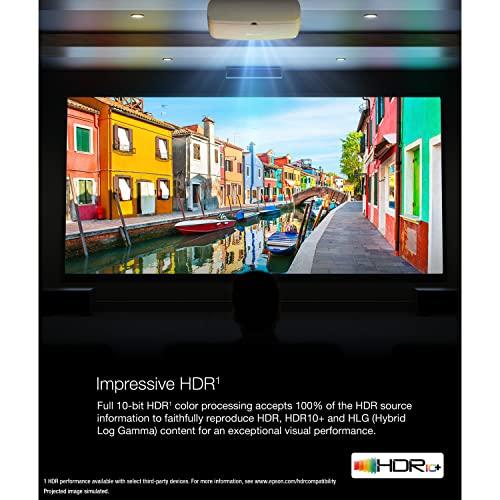
Both projectors support HDR10 and HDR10+ formats, but they approach high dynamic range content differently. HDR expands the range of brightness and color beyond standard video, creating more lifelike images with brighter highlights and more vibrant colors.
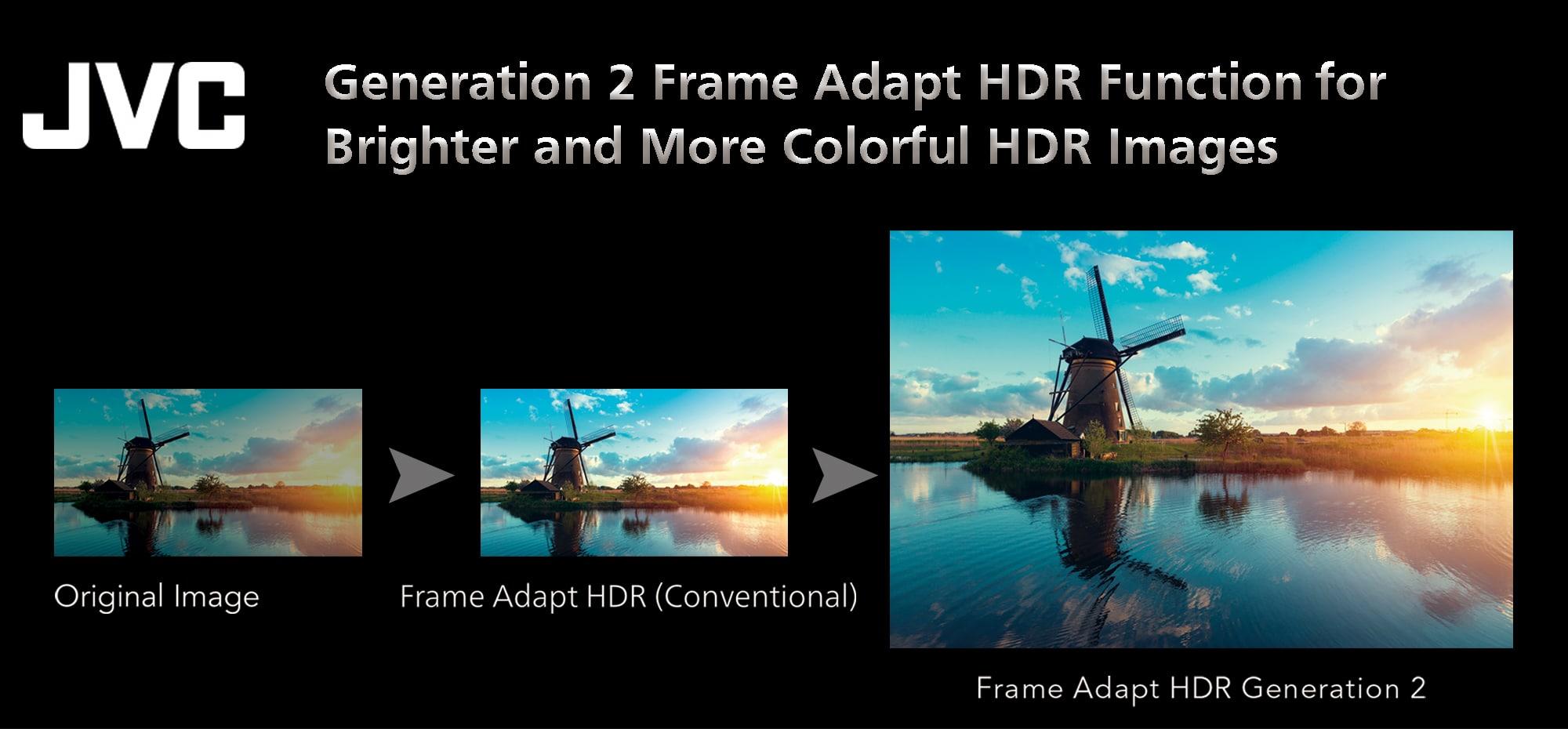
The JVC DLA-NZ700 features Frame Adapt HDR, which analyzes each frame individually and adjusts the tone mapping—essentially deciding how to translate the HDR content's brightness and color information to what the projector can display. This frame-by-frame processing ensures optimal presentation of every scene, particularly important in movies with dramatic lighting changes.
The JVC's Deep Black Tone Control further enhances shadow detail by preserving subtle gradations in dark areas that other projectors might crush into uniform black. When watching something like Dune with its mix of bright desert scenes and dark interior sequences, the JVC maintains detail and color accuracy throughout.
The Epson LS11000 handles HDR competently with its own tone mapping, but takes a brighter, more vibrant approach that some viewers prefer. While it doesn't match the JVC's nuanced shadow detail, it creates punchy, engaging images that work well with a variety of content types. The Epson's approach particularly benefits animated content and bright, colorful films where vibrancy matters more than subtle shadow gradation.
Both projectors offer premium installation features that justify their prices. Motorized zoom, focus, and lens shift mean you can fine-tune the image from your seating position rather than physically adjusting the projector. The Epson LS11000 provides particularly generous lens shift—up to 96% vertical and 47% horizontal—meaning you can mount it significantly off-center from your screen and still get a properly positioned image.
The JVC DLA-NZ700 includes lens memory that stores different settings for various content types. If you have a 2.35:1 widescreen setup for movies but also watch 16:9 TV content, the JVC can automatically adjust zoom and shift settings when you switch between formats.
However, the Epson offers better integration features. It includes HDMI CEC (Consumer Electronics Control) support, which allows your projector to communicate with your AV receiver, Blu-ray player, and other components for automated switching and control. The 12V trigger outputs can automatically lower motorized screens or dim lights when the projector turns on. These seem like small features, but they make daily use significantly more convenient.
Surprisingly, the more expensive JVC lacks both CEC and 12V triggers—an oversight that's difficult to justify at its price point.
At the time of writing, the Epson LS11000 typically retails for around $4,000, while the JVC DLA-NZ700 costs approximately double that amount. This price difference reflects their different target markets and design priorities.
The Epson delivers exceptional value by combining excellent image quality with versatile features. You get laser reliability, good 4K performance, gaming capabilities, and bright output suitable for various room conditions. For most buyers, it provides 80% of what makes expensive projectors great at roughly half the cost of alternatives.
The JVC commands its premium through uncompromising image quality in its intended environment. If you have a dedicated theater room with controlled lighting and prioritize the absolute best contrast and black levels, the price premium buys you genuinely superior performance. However, this performance advantage only manifests under ideal conditions.
Since 2022, both companies have refined their technologies. Epson has improved its pixel-shifting algorithms and enhanced HDR processing, while JVC has advanced its Frame Adapt HDR and introduced better color processing. However, the fundamental characteristics of each approach remain unchanged.
Based on extensive research into user experiences and expert evaluations, the practical differences become clear in specific scenarios. In a properly darkened theater room, the JVC DLA-NZ700 produces an obviously superior image. Dark scenes maintain detail and depth that the Epson simply cannot match. The difference isn't subtle—shadow details that are clearly visible on the JVC disappear into gray murkiness on the Epson.
However, introduce any ambient light, and the Epson's advantages emerge. Its higher brightness and vibrant color processing maintain image impact in conditions where the JVC begins to look washed out. The Epson also handles a wider variety of content well, from animated films to sports to gaming, while the JVC is optimized specifically for cinematic content.
Multiple reviewers have noted that the JVC's superior performance requires not just a dark room, but also careful calibration and source material that benefits from its strengths. The Epson is more forgiving and delivers satisfying results across a broader range of conditions and content types.
The decision between these projectors should be based on your specific situation and priorities rather than abstract performance metrics.
Choose the Epson LS11000 if you have a multi-purpose room, care about gaming performance, want excellent image quality without extreme cost, or need flexibility in viewing conditions. It's the projector for enthusiasts who want premium performance without the compromises that come with ultra-premium pricing.
Choose the JVC DLA-NZ700 if you have a dedicated theater room with controlled lighting, are a serious cinephile who prioritizes image quality above all other considerations, can easily afford the significant price premium, and don't need gaming features. It's the projector for perfectionists who want the absolute best cinema experience money can buy.
The reality is that most buyers will be happier with the Epson's combination of performance, features, and value. Unless you have specific requirements that demand the JVC's superior contrast performance and can utilize it in ideal conditions, the Epson provides better overall satisfaction for the money invested.
Both projectors will transform your home theater experience compared to standard displays, but they serve different audiences with different priorities. The Epson LS11000 succeeds as an excellent projector that happens to be reasonably priced, while the JVC DLA-NZ700 is a specialized tool for achieving reference-quality cinema reproduction at home.
| Epson Home Cinema LS11000 | JVC DLA-NZ700 |
|---|---|
| Display Technology - Determines image sharpness and authenticity | |
| 3LCD with 4K PRO-UHD pixel-shifting (8.29M pixels) | Native 4K D-ILA (8.3M true pixels) |
| Native Contrast Ratio - Most critical for dark room performance | |
| ~2,000:1 (relies on dynamic iris for deeper blacks) | 80,000:1 (exceptional native black levels) |
| Brightness - Key for room flexibility and screen size | |
| 2,500 lumens (excellent for mixed lighting conditions) | 2,300 lumens (optimized for dark theaters) |
| Gaming Performance - Essential for modern console support | |
| HDMI 2.1, 4K/120Hz, 20ms input lag | No 120Hz support, higher input lag |
| HDR Support - Important for modern content quality | |
| HDR10, HDR10+ with dynamic tone mapping | HDR10, HDR10+ with Frame Adapt HDR processing |
| Lens System - Affects installation flexibility | |
| 2.1x motorized zoom, ±96% vertical/±47% horizontal shift | 1.6x motorized zoom, ±70% vertical/±28% horizontal shift |
| Light Source Technology - Determines maintenance and longevity | |
| Blue laser phosphor array (20,000 hour lifespan) | BLU-Escent laser diode (20,000 hour lifespan) |
| Connectivity - Modern features and integration | |
| 2x HDMI 2.1, HDMI CEC, 12V trigger, eARC | 2x HDMI 2.1 + 1x HDMI 2.0, no CEC or 12V trigger |
| Room Requirements - Where each projector performs best | |
| Multi-purpose rooms, some ambient light acceptable | Dedicated dark theater rooms only |
| Best Use Cases - Who should buy each projector | |
| Gaming enthusiasts, families, flexible installations | Cinema purists, dedicated home theaters |
| Value Proposition - Performance per dollar | |
| Exceptional features and quality at mid-premium pricing | Ultimate image quality at significant cost premium |
The Epson Home Cinema LS11000 is significantly better for gaming. It features HDMI 2.1 connectivity with 4K/120Hz support and input lag below 20ms, making it ideal for Xbox Series X and PlayStation 5 gaming. The JVC DLA-NZ700 lacks 120Hz support and has higher input lag, making it unsuitable for competitive or fast-paced gaming.
The primary difference is display technology and contrast performance. The JVC DLA-NZ700 uses native 4K D-ILA chips with an exceptional 80,000:1 contrast ratio for deep blacks, while the Epson LS11000 uses advanced pixel-shifting technology with ~2,000:1 native contrast but higher brightness at 2,500 lumens for better room flexibility.
The Epson Home Cinema LS11000 performs much better in rooms with ambient light due to its higher 2,500-lumen brightness and 3LCD technology that maintains color vibrancy. The JVC DLA-NZ700 is optimized for dark, dedicated theater rooms where its superior contrast can be fully appreciated.
Yes, both the Epson LS11000 and JVC DLA-NZ700 support HDR10 and HDR10+ formats. However, the JVC features more advanced Frame Adapt HDR processing that analyzes each frame individually, while the Epson uses dynamic tone mapping that works well across various content types.
The Epson Home Cinema LS11000 offers exceptional value, delivering premium laser projector performance with gaming capabilities at roughly half the cost of the JVC DLA-NZ700. The JVC justifies its premium pricing only if you have a dedicated dark theater room and prioritize ultimate image quality above all else.
Both projectors offer motorized zoom, focus, and lens shift for flexible installation. The Epson LS11000 provides more generous lens shift (±96% vertical, ±47% horizontal) and includes HDMI CEC and 12V trigger outputs for better system integration. The JVC DLA-NZ700 has lens memory for different aspect ratios but lacks CEC and trigger outputs.
The JVC DLA-NZ700 has dramatically superior black levels with its 80,000:1 native contrast ratio, producing truly deep blacks that make dark movie scenes look cinematic. The Epson Home Cinema LS11000 achieves around 2,000:1 native contrast and relies on dynamic processing to improve blacks, which can't match the JVC's pixel-level control.
The JVC DLA-NZ700 uses native 4K chips displaying 8.3 million true pixels, while the Epson LS11000 uses sophisticated pixel-shifting technology to create 8.29 million pixels on-screen from native 1080p chips. Both deliver sharp 4K images that are difficult to distinguish at normal viewing distances.
Both the Epson Home Cinema LS11000 and JVC DLA-NZ700 feature laser light sources rated for approximately 20,000 hours of operation. This translates to about 10 years of typical home theater use without requiring lamp replacements, making both projectors virtually maintenance-free.
For dedicated home theater rooms with controlled lighting, the JVC DLA-NZ700 provides superior cinematic image quality with its exceptional contrast and deep blacks. However, the Epson LS11000 still delivers excellent theater performance while offering more versatility if the room serves multiple purposes or has occasional ambient light.
The Epson Home Cinema LS11000 can effectively illuminate screens up to 150 inches, especially in rooms with some ambient light, thanks to its 2,500-lumen brightness. The JVC DLA-NZ700 performs best on screens up to 130 inches in dark conditions, where its superior contrast can be fully utilized without sacrificing brightness.
Choose the Epson LS11000 if you want excellent performance with gaming capabilities, have a multi-purpose room, or prefer exceptional value. Choose the JVC DLA-NZ700 if you have a dedicated dark theater room, are a serious cinephile prioritizing ultimate image quality, and can justify the significant price premium for superior contrast performance.
We've done our best to create useful and informative comparisons to help you decide what product to buy. Our research uses advanced automated methods to create this comparison and perfection is not possible - please contact us for corrections or questions. These are the sites we've researched in the creation of this article: tvsbook.com - thesmarthomehookup.com - cepro.com - specsradar.com - projectorscreen.com - benq.com - projectorreviews.com - projectorscreen.com - youtube.com - projectorcentral.com - whathifi.com - projectorscreen.com - bestbuy.com - youtube.com - avsforum.com - versus.com - crutchfield.com - projectorcentral.com - shop.avispl.com - mediaserver.goepson.com - projectorscreen.com - bestbuy.com - simplehomecinema.com - dreamediaav.com - epson.com - simplehomecinema.com - soundapproach.com - jvc.com - projectorreviews.com - valueelectronics.com - youtube.com - crutchfield.com - stereonet.com - projectorcentral.com - manual3.jvckenwood.com

Privacy Policy
Terms and Conditions - Affiliate Policy
Home Security
© Copyright 2008-2026.
11816 Inwood Rd #1211, Dallas, TX 75244