

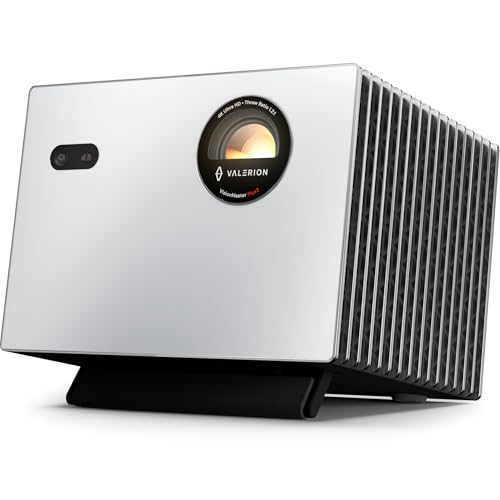


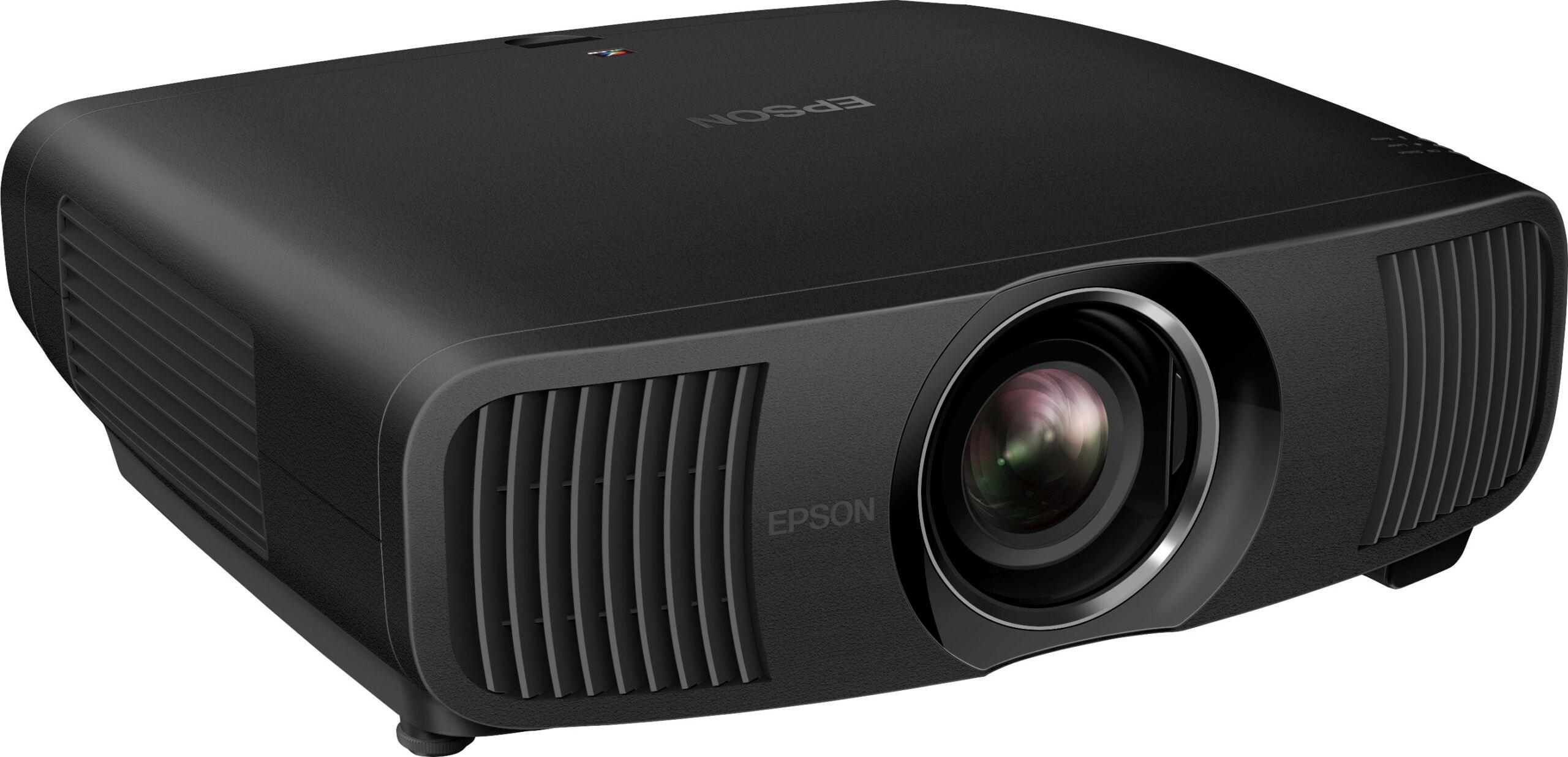
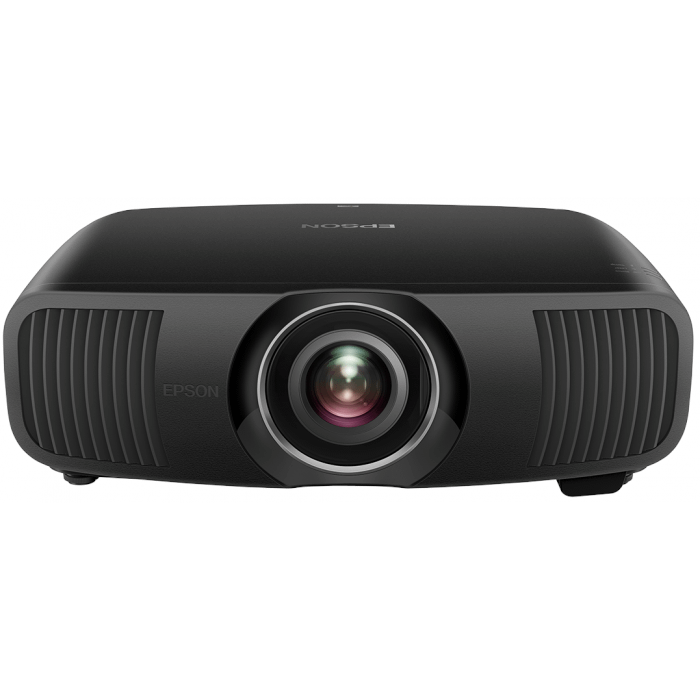
The world of 4K home theater projectors has evolved dramatically over the past few years. What once required a dedicated room and professional installation now includes options that work in your living room with built-in streaming apps. Two projectors perfectly illustrate this evolution: the Valerion StreamMaster Plus 2 represents the new generation of smart projectors, while the Epson Pro Cinema LS12000 embodies traditional premium home theater engineering.
Understanding these different approaches matters because choosing the wrong one can mean either overpaying for features you'll never use or missing capabilities that would significantly improve your viewing experience. Let's break down what each projector does well and help you figure out which philosophy matches your needs.
The 4K projector market has split into distinct segments that serve very different priorities. At the budget end, you'll find basic 4K projectors that focus primarily on resolution. In the middle tier, smart projectors like the StreamMaster Plus 2 pack modern features into relatively affordable packages. At the premium end, projectors like the Epson LS12000 prioritize ultimate image quality above convenience features.
The most important considerations when choosing include image quality metrics like brightness (measured in lumens), contrast ratio (the difference between the darkest blacks and brightest whites), color accuracy, and HDR support. Installation flexibility matters too—some projectors offer lens shift (the ability to move the image up, down, or sideways without moving the projector) and optical zoom, while others use fixed lenses that require precise placement.
Smart features have become increasingly important. Built-in streaming eliminates the need for external devices like Apple TV or Roku, while gaming performance—measured by input lag (the delay between controller input and screen response)—matters for anyone using modern gaming consoles.
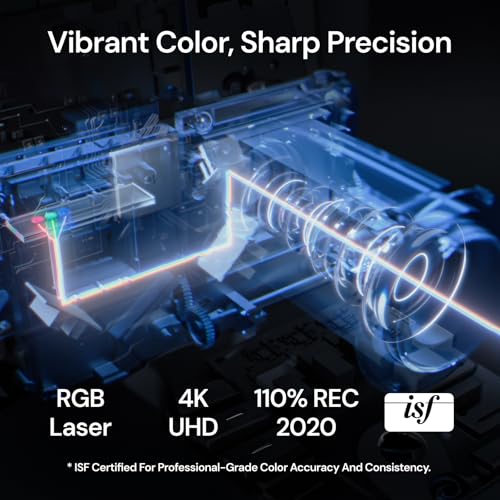
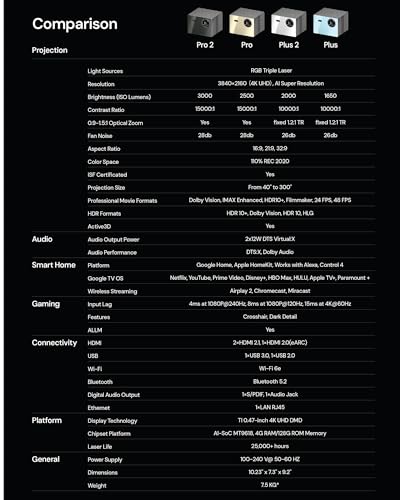
Released in 2025, the Valerion StreamMaster Plus 2 represents how projector companies are rethinking home theater for modern users. At its core sits an RGB triple laser system—using separate red, green, and blue lasers instead of traditional white light sources. This technology delivers remarkably wide color coverage, specifically 110% of the Rec.2020 color standard that defines what colors modern HDR content can display.
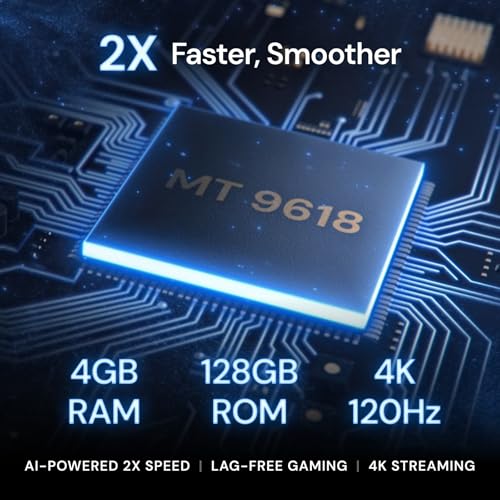
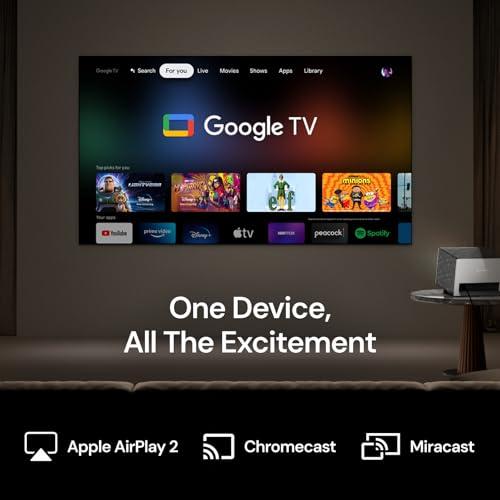
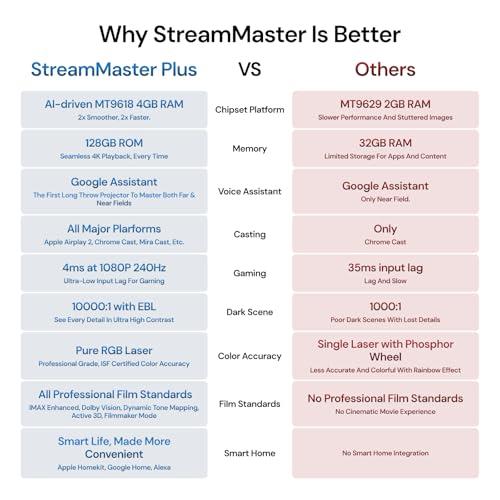
The smart integration runs deeper than just having Netflix built-in. The projector uses Google TV OS with 4GB of RAM and 128GB of storage, powered by an AI-enhanced processor that handles upscaling lower-resolution content to 4K. This matters because much of what you watch—whether it's older movies or live TV—isn't native 4K, and good processing can make a visible difference in sharpness and detail.
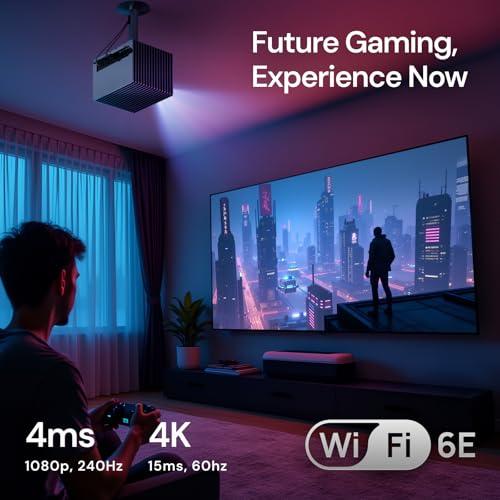
For gaming, the StreamMaster Plus 2 achieves input lag as low as 4 milliseconds at 1080p/240Hz. To put this in perspective, that's faster than many gaming monitors. The projector includes specialized gaming modes for different genres, plus features like FPS crosshairs and night vision enhancement that competitive gamers appreciate.
However, this modern approach comes with trade-offs. The projector uses a 0.47" DLP chip with pixel-shifting technology to create its 4K image. While this produces sharp results, some viewers sensitive to the "rainbow effect"—brief flashes of color that can appear during rapid eye movements—may find DLP technology bothersome. The fixed 1.2:1 throw ratio also means you must place the projector at exactly the right distance from your screen, with no flexibility for room layout constraints.
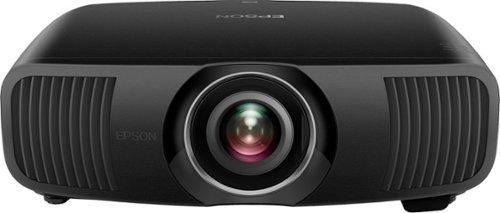
The Epson Pro Cinema LS12000, released in 2022, takes a fundamentally different approach. Instead of cramming in smart features, Epson focused entirely on image quality and professional installation capabilities. The results speak for themselves: this projector achieves an extraordinary 2,500,000:1 contrast ratio, which translates to incredibly deep blacks and subtle shadow details that make images appear three-dimensional.
This contrast advantage comes from Epson's 3LCD technology, which uses three separate LCD panels for red, green, and blue light. Unlike DLP projectors that create colors by spinning a color wheel rapidly, 3LCD displays all colors simultaneously, eliminating rainbow effects entirely. The technology also maintains consistent brightness whether displaying white text or colorful images—something that matters more than you might expect for everyday viewing.
The Epson LS12000 includes professional-grade lens features that the Valerion lacks entirely. Motorized lens shift lets you move the projected image up, down, or sideways without physically repositioning the projector. Combined with 2.1:1 optical zoom, this flexibility proves invaluable for ceiling-mounted installations or rooms where projector placement is constrained by furniture, doorways, or windows.
However, this traditional approach means accepting 2022-era limitations. The projector has no built-in streaming, no wireless connectivity, and limited HDR format support—it handles HDR10 but lacks Dolby Vision support that's becoming standard for Netflix and Disney+ content. You'll need external streaming devices and potentially additional audio equipment.
Brightness determines how well a projector performs in rooms with ambient light. The Epson LS12000 produces 2,700 lumens compared to the StreamMaster Plus 2's 2,000 lumens. In practice, this 35% advantage means the Epson handles larger screens and brighter rooms more effectively.
However, raw brightness numbers don't tell the complete story. The Valerion's RGB laser system produces more efficient color reproduction, meaning its 2,000 lumens often appear as vibrant as higher-lumen projectors using traditional light sources. This efficiency particularly benefits HDR content, where color saturation matters as much as peak brightness.
Contrast ratio differences are dramatic. The StreamMaster Plus 2's 3,000:1 native contrast (boosted to 10,000:1 with Enhanced Black Level processing) produces good blacks for its price range. The Epson's 2,500,000:1 specification sounds almost impossibly high, but user experiences confirm genuinely superior shadow detail and black level performance. In dark movie scenes, this translates to visible differences in depth and realism.
Color performance reveals each projector's priorities. The Valerion's 110% Rec.2020 coverage produces intensely saturated colors that make HDR content pop off the screen. Modern streaming shows and movies benefit from this wider color gamut, appearing more vibrant than on most TVs. The Epson prioritizes color accuracy over saturation, producing more natural-looking skin tones and realistic color reproduction that film purists prefer.
Gaming performance isn't even close. The StreamMaster Plus 2 was designed with modern gaming in mind, achieving 4ms input lag at 1080p/240Hz—performance that rivals dedicated gaming monitors. Console gamers using PlayStation 5 or Xbox Series X will notice immediate responsiveness improvements, especially in competitive games where reaction time matters.
The projector supports 1080p at 240Hz and 4K at 60Hz gaming, with specialized picture modes for different game types. RPG mode optimizes color and contrast for adventure games, while FPS mode reduces input lag and adds targeting enhancements. These aren't gimmicks—they represent meaningful optimizations for different gaming experiences.
The Epson LS12000 manages 20ms input lag at 4K/60Hz, which is acceptable for casual gaming but noticeable for competitive players. More importantly, it lacks high refresh rate support entirely, meaning you can't take advantage of modern consoles' 120Hz gaming modes. For serious gamers, this limitation alone might eliminate the Epson from consideration.
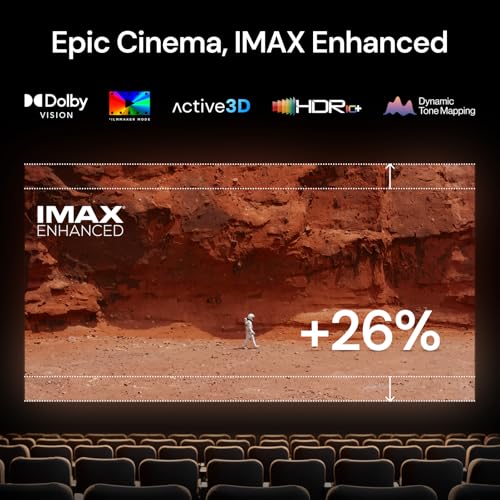
HDR (High Dynamic Range) support reveals generational differences between these projectors. The StreamMaster Plus 2 supports virtually every HDR format: Dolby Vision, HDR10+, standard HDR10, and even IMAX Enhanced content. This comprehensive support matters because different streaming services use different formats—Netflix relies heavily on Dolby Vision, while Amazon Prime uses HDR10+.
The projector's dynamic tone mapping automatically adjusts HDR processing based on content and ambient light conditions. This feature prevents the washed-out appearance that can occur when HDR content is displayed incorrectly, ensuring optimal contrast and color regardless of what you're watching.
The Epson LS12000's HDR support reflects its 2022 vintage, handling HDR10 and HDR10+ but lacking Dolby Vision entirely. This limitation becomes increasingly problematic as more premium content adopts Dolby Vision as the standard. While the Epson's superior contrast helps HDR content look excellent, missing format support means you're not seeing some content as intended.
Installation requirements differ dramatically. The Epson LS12000 excels in challenging room layouts thanks to its motorized lens shift and optical zoom. Need to mount the projector off-center? Lens shift handles it without image distortion. Want to fine-tune screen size after installation? Optical zoom provides precise control without moving the projector.
These features matter most for permanent installations, especially ceiling mounts in rooms where furniture, windows, or architectural elements constrain placement options. The Epson's flexibility often makes the difference between a professional-looking installation and visible compromises.
The StreamMaster Plus 2 demands precise placement due to its fixed 1.2:1 throw ratio. For a 100-inch screen, the projector must sit approximately 8 feet 9 inches away—no closer, no farther. This inflexibility frustrates users with challenging room layouts, though it simplifies setup in dedicated spaces where you can control placement.
However, the Valerion's smart features dramatically simplify overall setup. Built-in Google TV eliminates external streaming devices, while wireless connectivity means fewer cables. Voice control through Google Assistant handles basic operations without hunting for remotes. For users prioritizing simplicity over flexibility, this approach often wins.
At the time of writing, the StreamMaster Plus 2 costs significantly less than the Epson LS12000—roughly one-third the price. This difference extends beyond the initial purchase to total system costs. The Valerion's built-in streaming and speakers create a complete entertainment system, while the Epson requires additional streaming devices and likely external audio equipment.
Laser life specifications favor the Valerion at 25,000 hours versus the Epson's 20,000 hours. Both represent maintenance-free operation for decades of typical use, but the Valerion's advantage translates to lower long-term operating costs.
Feature longevity considerations are more complex. The StreamMaster Plus 2's smart platform receives regular updates, potentially extending its useful life as streaming services and features evolve. However, smart platforms can also become obsolete—look at how many older smart TVs now run outdated software.
The Epson's traditional approach ages differently. Its image quality remains constant, but you'll need to update external devices as technology evolves. This modularity can be advantageous—upgrading an Apple TV costs less than replacing a projector—but adds complexity and potential compatibility issues.
The Valerion's RGB triple laser system represents newer technology that produces more saturated colors and better efficiency than traditional laser systems. Each color uses dedicated laser diodes, preventing the color mixing compromises that affect white laser systems. This separation enables the projector's exceptional 110% Rec.2020 color coverage.
The Epson uses a more traditional laser system (specific type not detailed in specifications) combined with 3LCD processing. While this approach may not achieve the Valerion's color gamut, it produces more natural color reproduction and eliminates the rainbow artifacts that some viewers find distracting with DLP technology.
Modern projector processing makes significant differences in real-world performance. The StreamMaster Plus 2's AI-enhanced processor handles multiple tasks: upscaling lower-resolution content, optimizing color and contrast for different scene types, and managing the projector's smart platform simultaneously.
AI Super Resolution analyzes each frame to enhance detail and sharpness, particularly benefiting non-4K content like cable TV or older movies. Scene recognition adjusts processing based on content type—sports get different treatment than movies or animation. These features work automatically but can be disabled for users preferring minimal processing.
The Epson's processing focuses exclusively on image quality without smart platform demands. Its ZX Picture Processor handles HDR tone mapping and color processing without the multitasking requirements that smart features impose.
In completely dark theaters, the Epson LS12000's contrast advantage creates genuinely superior image depth. Dark movie scenes reveal subtle details that remain invisible on the StreamMaster Plus 2, despite its Enhanced Black Level processing. This difference becomes most apparent in scenes with both deep shadows and bright highlights—think campfire scenes or space movies with bright stars against dark skies.
However, the Valerion's wider color gamut makes HDR content appear more vibrant and engaging. Modern movies and streaming shows benefit from this enhanced color reproduction, often creating more immediate visual impact despite the contrast limitations.
For rooms with ambient light, the projectors perform more similarly. The Epson's higher brightness provides advantages with larger screens or brighter environments, while the StreamMaster Plus 2's RGB laser efficiency helps maintain color saturation despite ambient light.
The Valerion's smart features prove more valuable in mixed-use family rooms where convenience matters more than ultimate image quality. Built-in streaming, voice control, and wireless connectivity eliminate the complexity that makes traditional projectors challenging for casual users.
You prioritize modern convenience and comprehensive features over ultimate image quality. This projector excels for users who want an all-in-one solution without external devices, gamers who need low input lag and high refresh rates, and families using projectors in mixed-lighting environments.
The StreamMaster Plus 2 makes sense if you primarily watch streaming content, appreciate vibrant colors over perfect accuracy, or need gaming performance that rivals dedicated monitors. Its value proposition becomes compelling when you factor in eliminated external device costs.
Budget-conscious buyers get exceptional feature sets at significantly lower cost than premium alternatives. The projector delivers roughly 80% of premium performance while costing one-third the price—outstanding value for most users.
Image quality justifies premium pricing and you prioritize ultimate contrast and black level performance. The Epson suits dedicated theater rooms with controlled lighting where its contrast advantages shine brightest.
Professional installation requirements favor the Epson's lens flexibility. Ceiling mounts, challenging room layouts, or permanent installations benefit from motorized lens shift and optical zoom capabilities that the Valerion simply cannot provide.
Traditional home theater enthusiasts who prefer separate components over integrated solutions will appreciate the Epson's focus on image quality without smart platform compromises. Users comfortable with external streaming devices and complex setups get superior visual performance in return.
Film enthusiasts and videophiles prioritizing color accuracy and natural reproduction over enhanced saturation will prefer the Epson's more traditional color science and 3LCD technology.
The choice between these projectors ultimately reflects your priorities and viewing habits. The StreamMaster Plus 2 represents exceptional value for modern users who appreciate comprehensive features, gaming performance, and smart platform integration. Its image quality, while not matching the Epson's contrast performance, satisfies most viewers while delivering significantly more functionality at much lower cost.
The Epson LS12000 serves users who prioritize ultimate image quality and professional installation flexibility over modern convenience features. Its superior contrast and color accuracy create genuinely better images in controlled environments, justifying the premium price for dedicated home theater enthusiasts.
Consider your viewing environment, content preferences, and technical comfort level. If you primarily stream modern content in mixed lighting and value convenience, the StreamMaster Plus 2 delivers outstanding bang for buck. If you watch movies in dark rooms and demand the best possible image quality regardless of cost, the Epson LS12000 provides performance that justifies its premium positioning.
Both projectors excel in their respective approaches—the question isn't which is better, but which better matches your specific needs and budget. At the time of writing, the significant price difference makes the Valerion the value champion, while the Epson remains the performance king for users willing to pay for perfection.
| Valerion StreamMaster Plus 2 | Epson Pro Cinema LS12000 |
|---|---|
| Brightness - Determines performance in rooms with ambient light | |
| 2,000 ISO lumens (good for dark/dim rooms) | 2,700 lumens (better for bright rooms and larger screens) |
| Contrast Ratio - Critical for deep blacks and image depth | |
| 3,000:1 native (10,000:1 with EBL mode) | 2,500,000:1 (exceptional shadow detail and black levels) |
| Display Technology - Affects rainbow artifacts and color consistency | |
| 0.47" DLP with pixel shifting (potential rainbow effect) | 3LCD (no rainbow artifacts, consistent brightness) |
| Color Gamut - Impact on color vibrancy and HDR content | |
| 110% Rec.2020 (exceptionally wide, vibrant colors) | Standard color gamut (accurate, natural reproduction) |
| Gaming Input Lag - Essential for responsive gaming performance | |
| 4ms at 1080p/240Hz, 15ms at 4K/60Hz (excellent) | 20ms at 4K/60Hz (acceptable for casual gaming) |
| HDR Format Support - Compatibility with streaming services | |
| Dolby Vision, HDR10+, HDR10, IMAX Enhanced | HDR10, HDR10+ only (no Dolby Vision) |
| Smart Platform - Built-in streaming and convenience features | |
| Google TV OS with 4GB RAM/128GB storage | None (requires external streaming devices) |
| Lens Flexibility - Installation placement options | |
| Fixed 1.2:1 throw ratio, no lens shift or zoom | Motorized lens shift, 2.1:1 optical zoom (excellent flexibility) |
| Screen Size Range - Maximum projection capabilities | |
| 40" to 300" diagonal | Up to 300" diagonal with better brightness uniformity |
| Audio System - Built-in sound capabilities | |
| Dual 12W speakers included | No built-in speakers (external audio required) |
| Laser Life - Long-term maintenance considerations | |
| 25,000 hours (slightly longer lifespan) | 20,000 hours (still maintenance-free for decades) |
| Connectivity - Modern input and wireless options | |
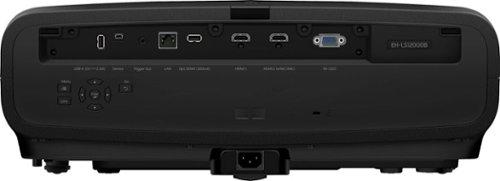
| Dual HDMI 2.1, WiFi 6, Bluetooth, wireless casting | Dual HDMI 2.1 with eARC, no wireless features |
| Weight and Portability - Setup and installation considerations | |
| 16.5 lbs (more portable for temporary setups) | 28 lbs (designed for permanent installation) |
| Release Year - Technology generation and feature currency | |
| 2025 (latest features and processing) | 2022 (proven technology, limited smart features) |
The Valerion StreamMaster Plus 2 is significantly better for gaming with 4ms input lag at 1080p/240Hz and specialized gaming modes for different genres. The Epson Pro Cinema LS12000 has 20ms input lag and lacks high refresh rate support, making it less suitable for competitive gaming.
The Epson Pro Cinema LS12000 excels in contrast with a 2,500,000:1 ratio for superior black levels and shadow detail. The Valerion StreamMaster Plus 2 offers wider color coverage at 110% Rec.2020 for more vibrant HDR content but can't match the Epson's contrast performance.
The Epson Pro Cinema LS12000 handles bright rooms better with 2,700 lumens versus the StreamMaster Plus 2's 2,000 lumens. However, the Valerion's RGB laser technology provides efficient color reproduction that helps maintain image quality in mixed lighting conditions.
The Valerion StreamMaster Plus 2 includes Google TV OS with built-in streaming apps, eliminating the need for external devices. The Epson Pro Cinema LS12000 has no smart features and requires external streaming devices like Apple TV or Roku.
The Epson Pro Cinema LS12000 offers superior installation flexibility with motorized lens shift and 2.1:1 optical zoom for challenging room layouts. The StreamMaster Plus 2 requires precise placement due to its fixed throw ratio but offers simpler overall setup with wireless connectivity and smart features.
The Valerion StreamMaster Plus 2 supports comprehensive HDR formats including Dolby Vision, HDR10+, and IMAX Enhanced. The Epson Pro Cinema LS12000 supports HDR10 and HDR10+ but lacks Dolby Vision compatibility for Netflix and Disney+ content.
The StreamMaster Plus 2 provides exceptional value with modern features, gaming performance, and smart platform integration at a significantly lower cost. The Epson LS12000 costs substantially more but delivers superior image quality and professional installation capabilities.
The Valerion StreamMaster Plus 2 uses DLP technology which can produce rainbow artifacts for sensitive viewers during rapid eye movements. The Epson Pro Cinema LS12000 uses 3LCD technology that eliminates rainbow effects entirely.
Both the Valerion StreamMaster Plus 2 and Epson Pro Cinema LS12000 can project up to 300-inch diagonal screens. The Epson maintains better brightness uniformity across larger screens due to its higher lumen output.
The Epson Pro Cinema LS12000 excels in dedicated dark theaters with exceptional contrast and professional installation features. The StreamMaster Plus 2 works well in mixed-use spaces but cannot match the Epson's image depth in controlled lighting environments.
The Valerion StreamMaster Plus 2 offers 25,000 hours of laser life while the Epson Pro Cinema LS12000 provides 20,000 hours. Both represent maintenance-free operation for decades of typical home theater use.
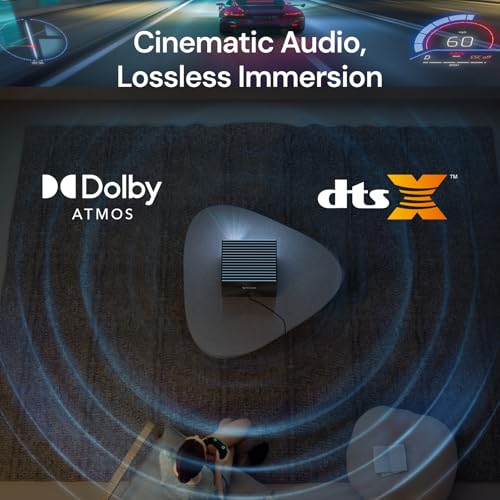
The StreamMaster Plus 2 includes dual 12W speakers adequate for casual viewing, while the Epson LS12000 has no built-in speakers and requires external audio equipment for sound output.
We've done our best to create useful and informative comparisons to help you decide what product to buy. Our research uses advanced automated methods to create this comparison and perfection is not possible - please contact us for corrections or questions. These are the sites we've researched in the creation of this article: bestbuy.com - valerion.com - youtube.com - valerion.com - youtube.com - projectorcentral.com - youtube.com - valerion.com - avsforum.com - neowin.net - hometheatershack.com - avsforum.com - bestbuy.com - projector-database.com - techradar.com - projectorreviews.com - safeandsoundhq.com - news.epson.com - youtube.com - projectorcentral.com - bestbuy.com - projectorcentral.com - digitalhomecreations.com - new-age-electronics.com - flanners.com - paulsonsav.com

Privacy Policy
Terms and Conditions - Affiliate Policy
Home Security
© Copyright 2008-2026.
11816 Inwood Rd #1211, Dallas, TX 75244