

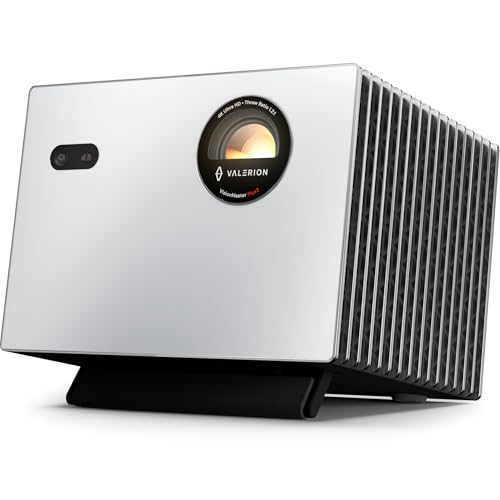


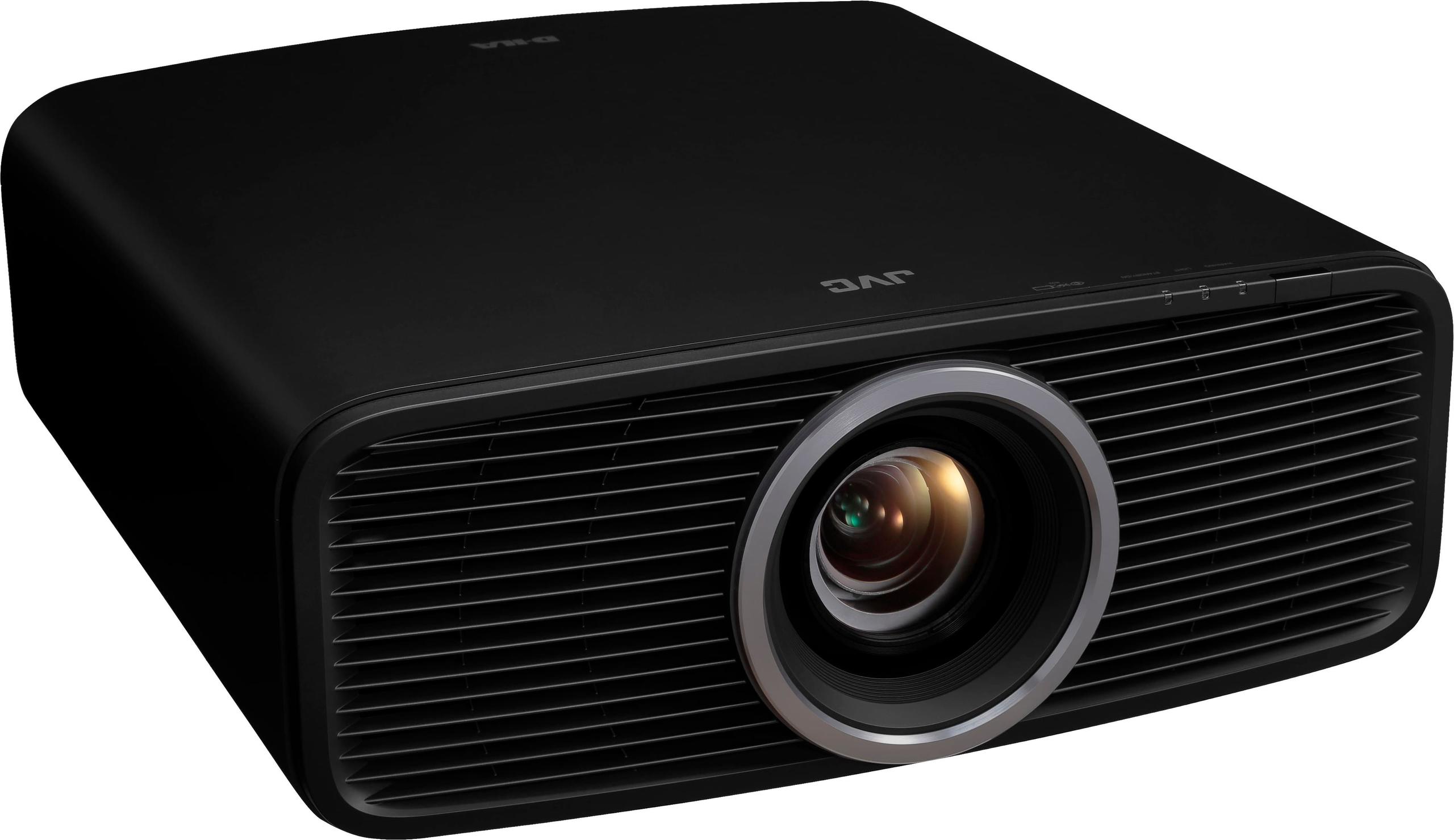
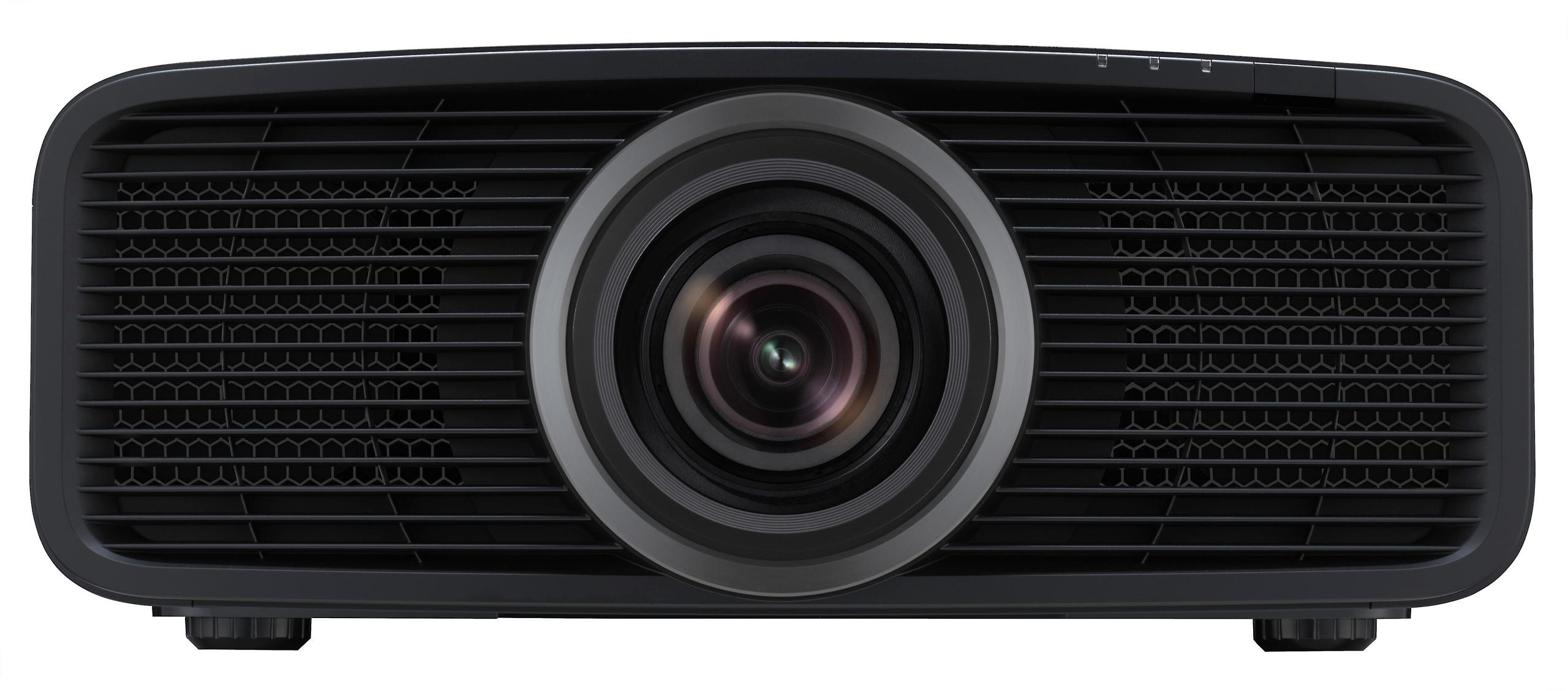
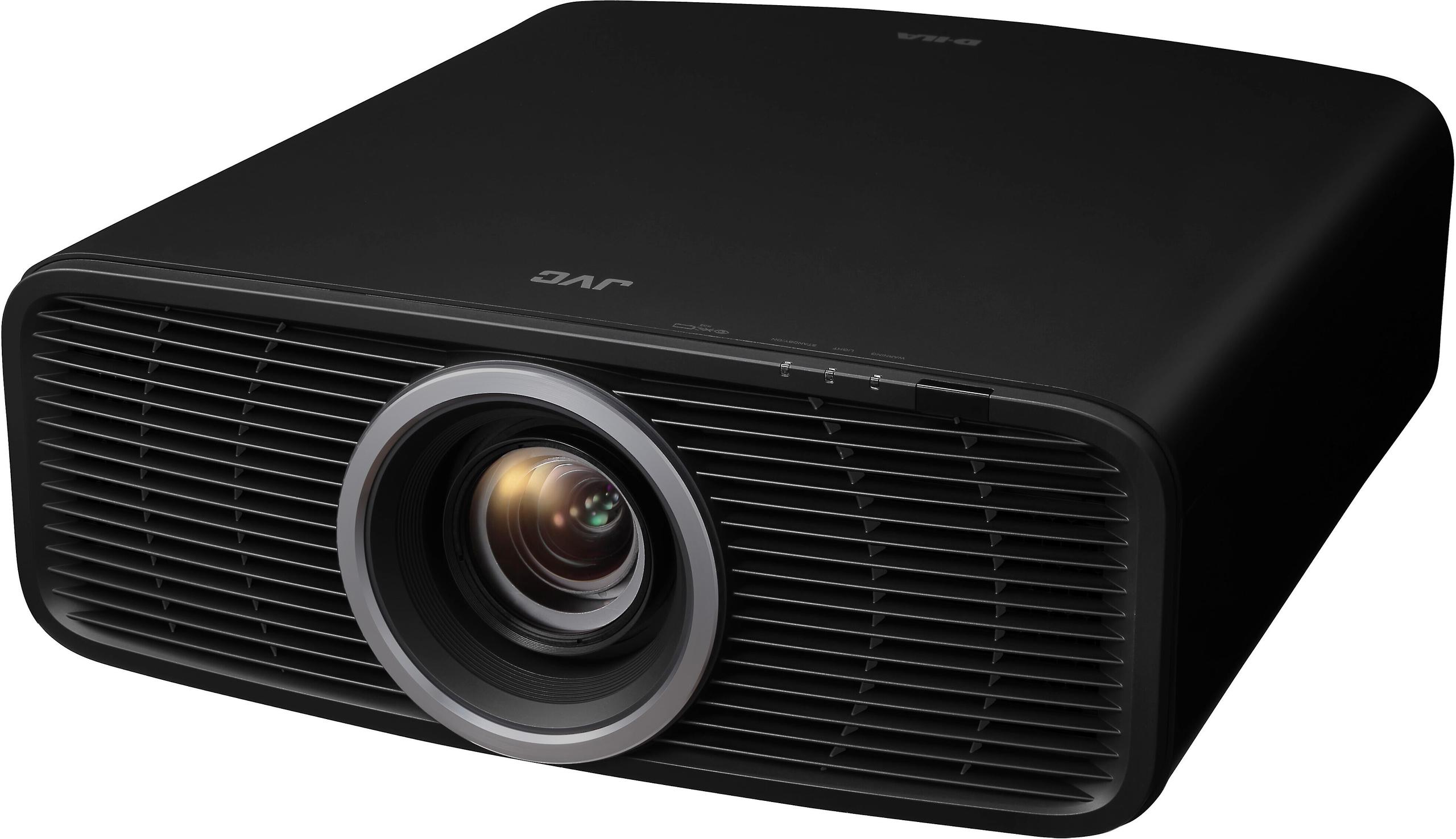
When shopping for a 4K projector in 2025, you'll quickly discover that not all 4K projectors are created equal. The market spans from under $2,000 consumer models to $10,000+ reference-grade cinema projectors, with dramatically different approaches to creating that 4K image. Today we're comparing two projectors that represent opposite ends of this spectrum: the Valerion StreamMaster Plus 2, which launched in 2025 as a feature-packed budget option, and the JVC DLA-NZ500, a premium home theater projector that's been available since 2024 and represents JVC's decades of experience in high-end projection.
Understanding why these projectors cost so differently—and perform so differently—comes down to some fundamental technology choices that affect everything from image sharpness to how deep the blacks look on screen.
The projector market has evolved dramatically over the past few years. Traditional lamp-based projectors, which required bulb replacements every few thousand hours, have largely given way to laser-based systems that can run for 20,000+ hours without maintenance. At the same time, the definition of "4K" has become somewhat murky in the projector world.
When evaluating any 4K projector, the most critical factors are contrast ratio (how deep the blacks look), brightness (whether you can use it with some ambient light), color accuracy, and installation flexibility. Smart features and gaming performance have also become increasingly important as projectors compete with large TVs for living room use.
The biggest consideration, though, is how the projector actually creates that 4K image. This is where our two projectors take completely different approaches.
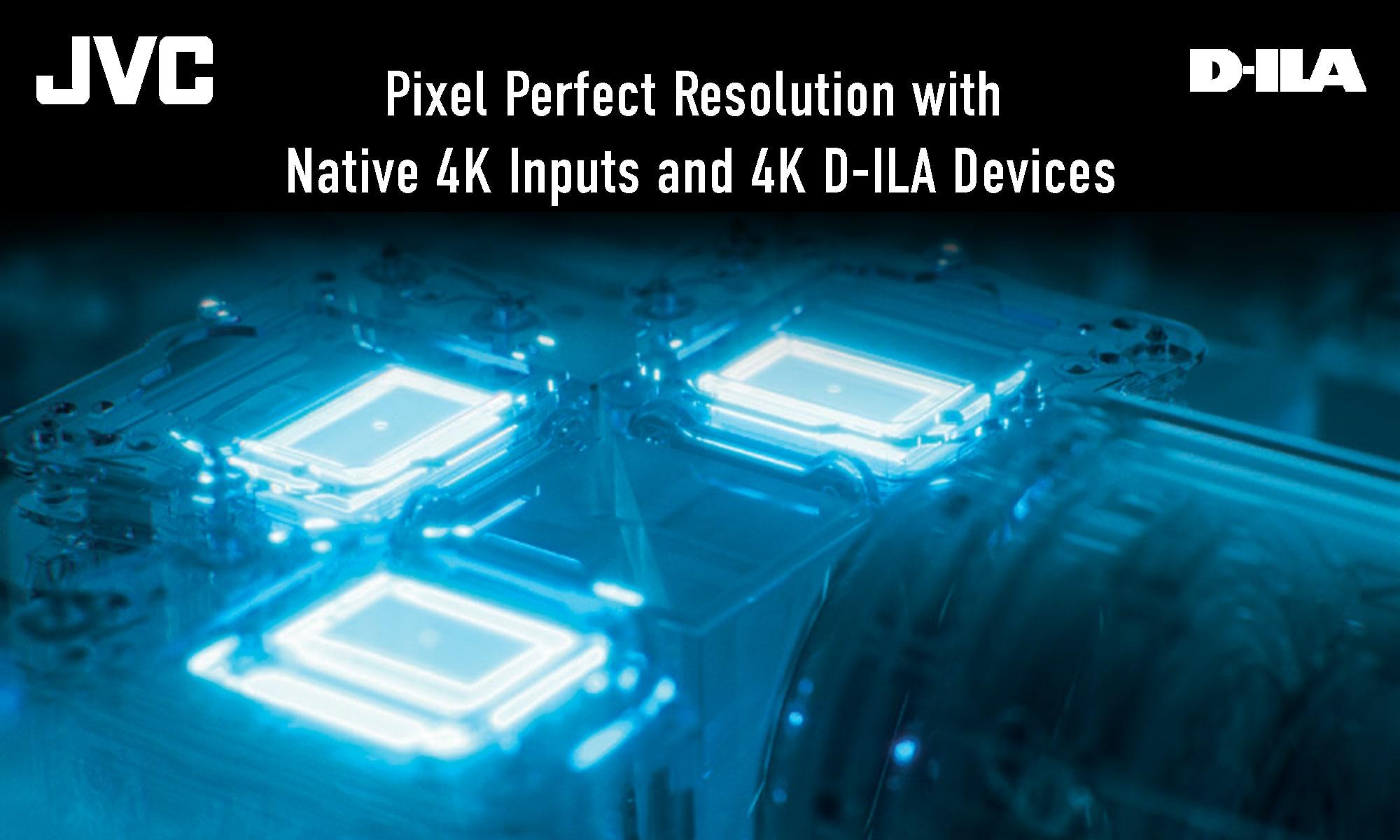
The JVC DLA-NZ500 uses what's called "native 4K" technology. Inside this projector are three separate imaging chips, each one displaying a full 4096×2160 resolution image. That means each chip is showing over 8.8 million individual pixels simultaneously—one chip for red light, one for green, and one for blue. When these three images combine, you get true 4K resolution with no tricks or shortcuts.
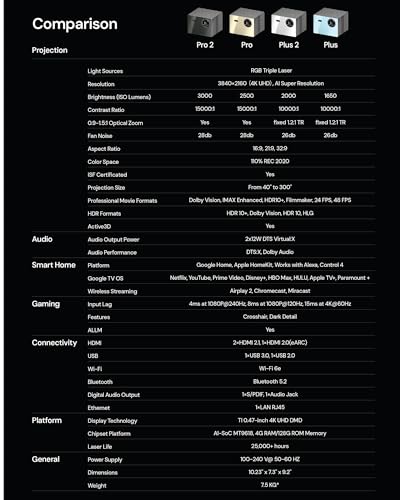
The Valerion StreamMaster Plus 2, like most projectors in its price range, uses a single 0.47-inch DLP chip that employs "pixel-shifting" to achieve 4K resolution. This chip displays 1920×1080 pixels, but it rapidly shifts those pixels to four different positions fast enough that your eye perceives a 3840×2160 image. It's a clever solution that works well for most content, but it's not the same as having 8.8 million actual pixels displaying simultaneously.
This fundamental difference affects not just sharpness, but also how colors are reproduced, how much light the projector can produce, and ultimately, what the projector costs to manufacture.
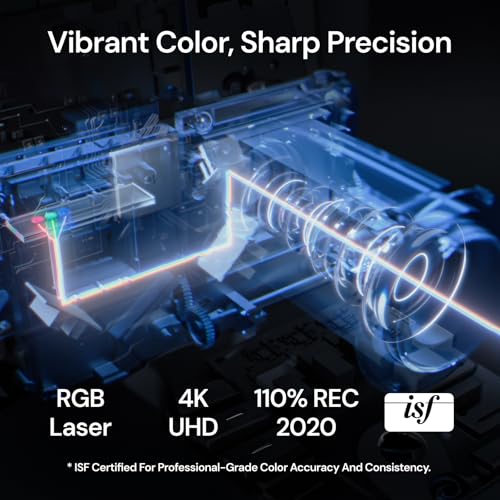
Both projectors use laser light sources, but they work in completely different ways. The Valerion StreamMaster Plus 2 employs an RGB triple laser system—literally three separate lasers producing pure red, green, and blue light. This approach can theoretically produce a wider range of colors than almost any other display technology, with the manufacturer claiming 110% coverage of the Rec.2020 color space (that's wider than most TVs can display).
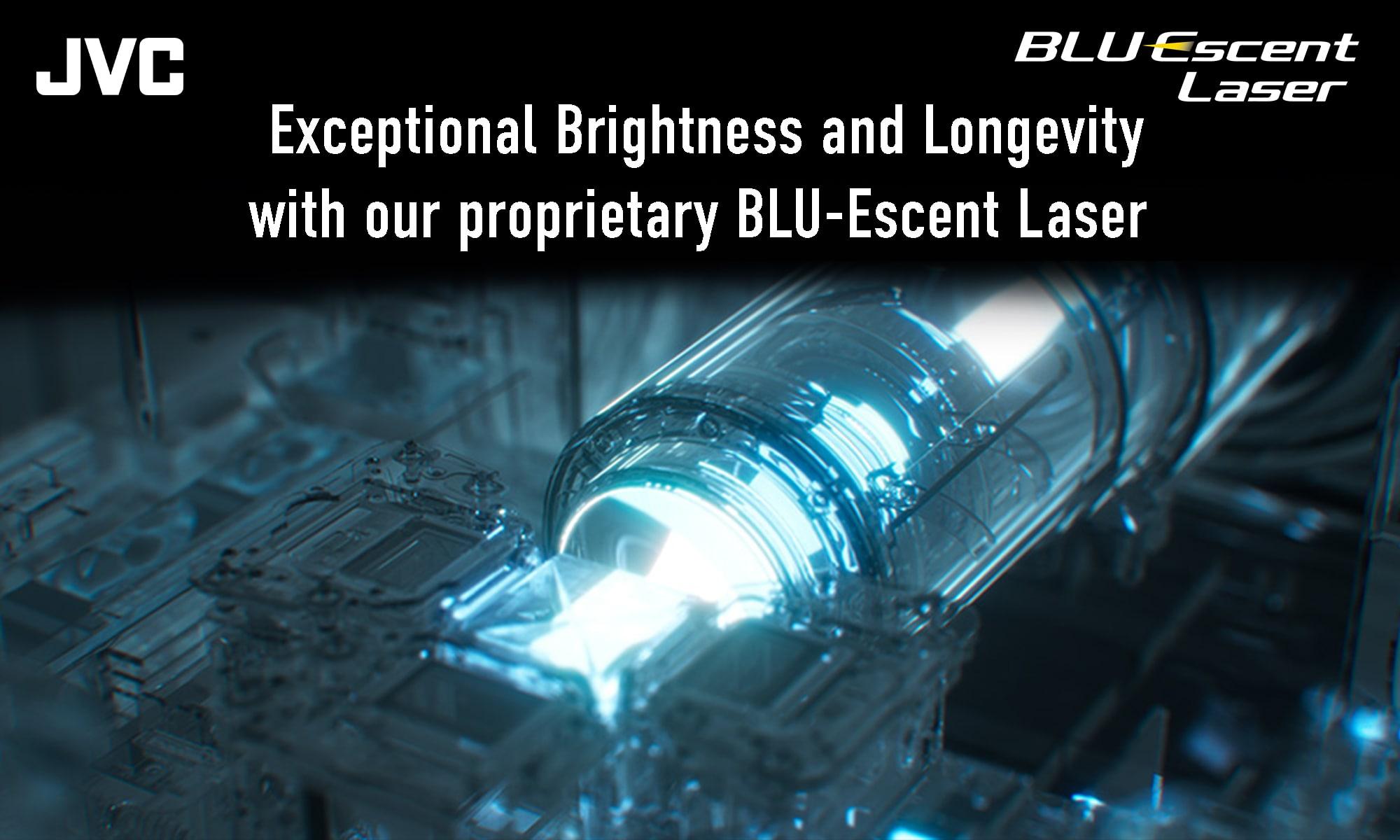
The JVC DLA-NZ500 uses what JVC calls "BLU-Escent" technology—a blue laser that hits phosphor materials to create white light, which is then filtered into red, green, and blue. This is similar to how many LED TVs work, but using a laser instead of LEDs. JVC's approach covers about 93% of the DCI-P3 color space, which is excellent for movie watching and matches what most premium TVs can display.
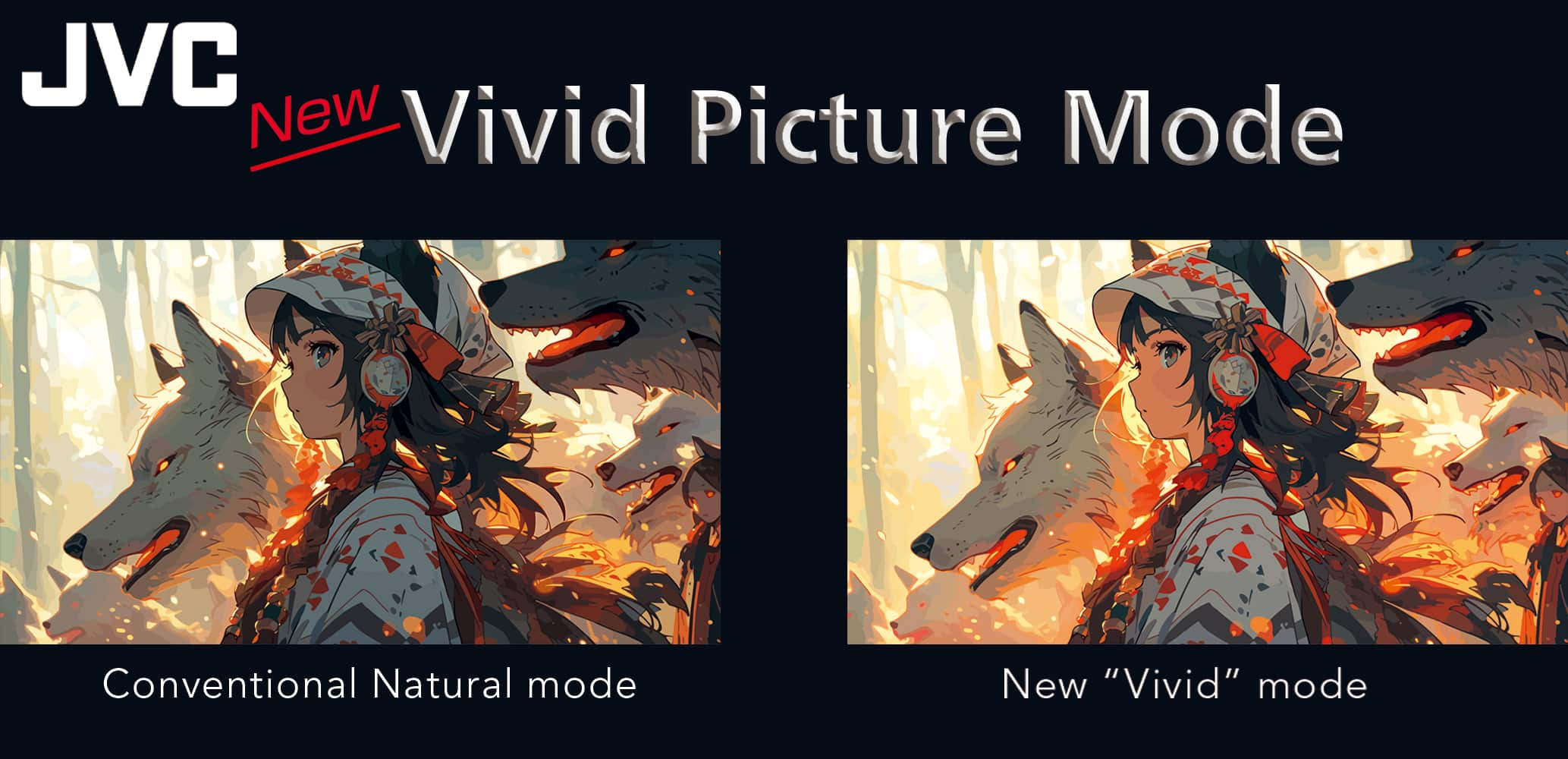
Both approaches have merit. The RGB laser in the Valerion potentially offers more vibrant colors, especially in animation or HDR content with saturated colors. The laser phosphor system in the JVC tends to produce more natural, film-like colors that many home theater enthusiasts prefer.
This is where the price difference between these projectors becomes most apparent. Contrast ratio measures the difference between the brightest whites and the deepest blacks a projector can display, and it's arguably the most important factor in perceived image quality.
The JVC DLA-NZ500 delivers a native contrast ratio of 40,000:1. That means the brightest white is 40,000 times brighter than the deepest black. With laser dimming engaged, JVC claims infinite dynamic contrast. In practical terms, this means that when you're watching a movie with dark scenes—like a nighttime sequence or a dimly lit interior—you'll see genuine black areas that don't look gray or washed out.
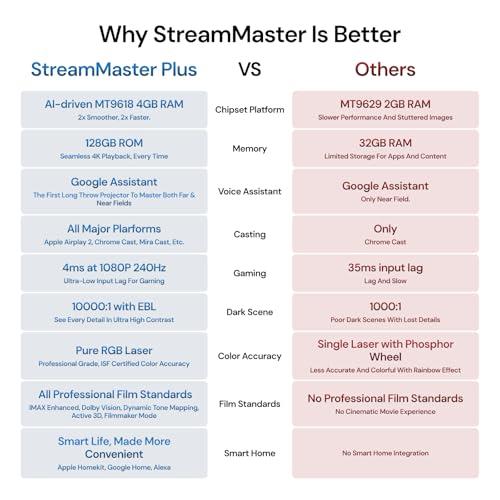
The Valerion StreamMaster Plus 2 offers a respectable 3,000:1 native contrast ratio, extending to 10,000:1 with its Enhanced Black Level (EBL) mode engaged. While this is good performance for a projector at this price point, it's about 13 times lower than what the JVC can achieve.
This difference is immediately visible when watching movies. Dark scenes that reveal subtle shadow details on the JVC might appear somewhat flat or gray on the Valerion. However, the Valerion still outperforms most LCD TVs in contrast, and its EBL mode does help improve dark scene performance significantly.
Both projectors are rated at 2,000 ISO lumens, making them suitable for dark to moderately lit rooms. This brightness level works well for screen sizes up to about 120 inches in a room with controlled lighting, or up to 100 inches with some ambient light present.
However, the superior contrast of the JVC means it maintains better image quality in rooms that aren't perfectly dark. When there's some ambient light present, lower-contrast projectors tend to look washed out, while the JVC retains more punch and color saturation.
For reference, most movie theaters use projectors in the 10,000-14,000 lumen range, but they're also filling much larger screens in much larger rooms. For home use, 2,000 lumens is a sweet spot that balances image quality with reasonable cost and heat generation.
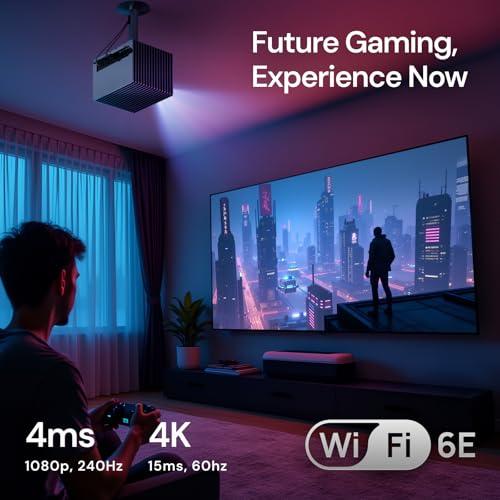
Gaming on projectors has become increasingly important as people want large-screen gaming experiences without buying 85+ inch TVs. The Valerion StreamMaster Plus 2 clearly targets gamers with impressively low input lag specifications: just 4ms at 1080p/240Hz, 8ms at 1080p/120Hz, and 15ms at 4K/60Hz.
Input lag is the delay between when your gaming console or PC sends a signal and when that image appears on screen. For competitive gaming, anything under 20ms is generally considered excellent. The Valerion also supports Auto Low Latency Mode (ALLM), which automatically switches to its fastest processing mode when it detects a gaming console.
The JVC DLA-NZ500 includes a Low Latency Mode but doesn't specify exact input lag numbers. More importantly for gaming, it doesn't support 4K at 120Hz refresh rates, which the latest PlayStation 5 and Xbox Series X consoles can output. This makes the Valerion clearly superior for gaming applications.
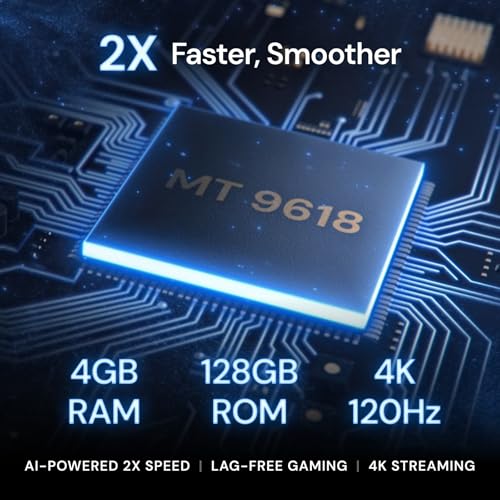
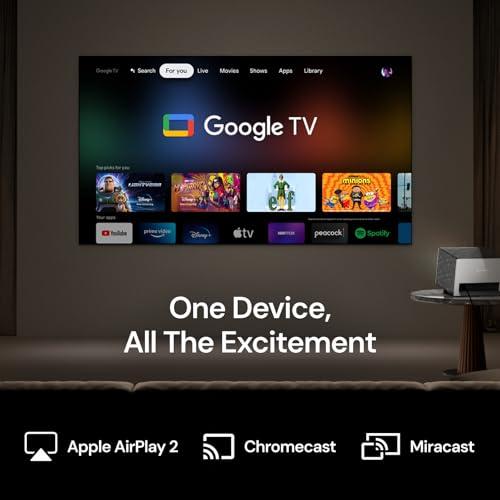
Here's where these projectors take completely different philosophies. The Valerion StreamMaster Plus 2 runs Google TV OS with 4GB of RAM and 128GB of storage. This makes it essentially a giant Android TV that can stream Netflix, Disney+, YouTube, and thousands of other apps directly without needing any external devices.
This integrated approach is incredibly convenient. You can control everything with one remote, use Google Assistant for voice commands, and cast content from your phone using Chromecast or AirPlay. The system is fast enough to handle 4K streaming without buffering, and the interface is familiar to anyone who's used an Android TV device.
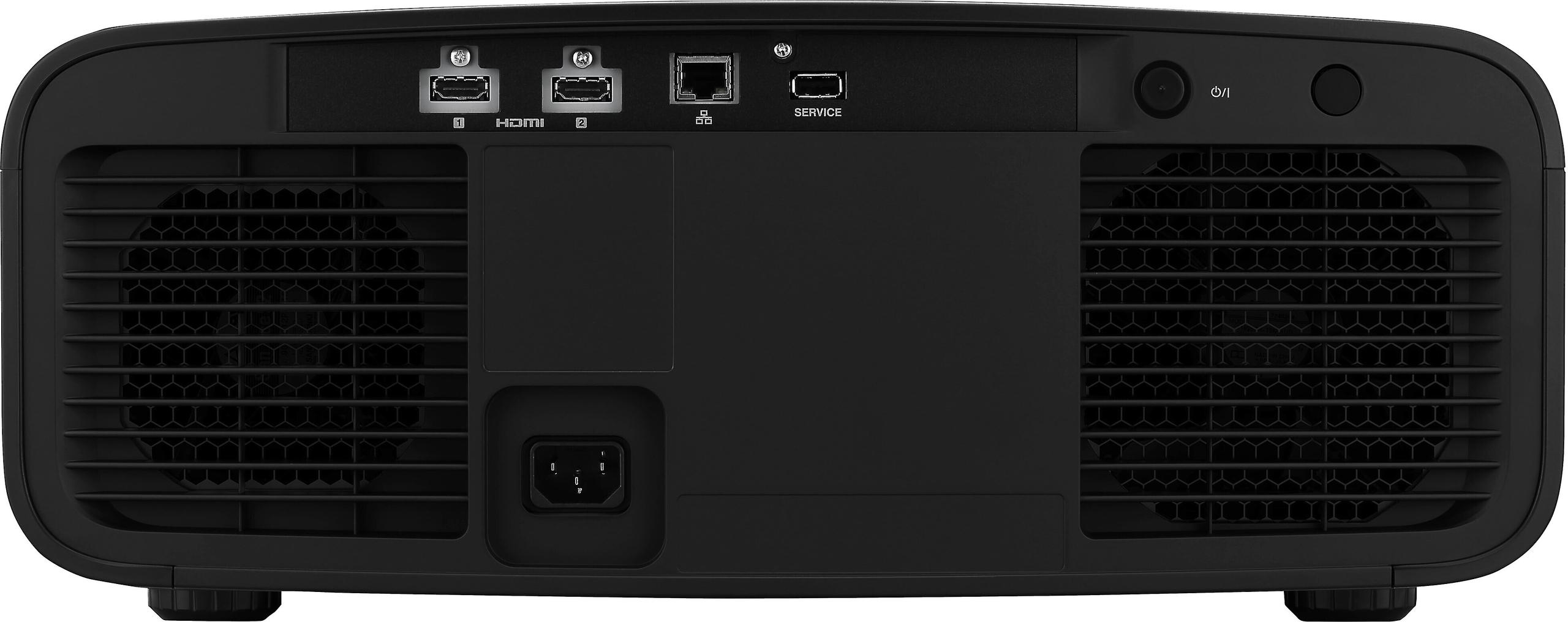
The JVC DLA-NZ500 takes the opposite approach—it's purely a display device. There are no apps, no WiFi, no smart features at all. You'll need to connect external sources like an Apple TV, Roku, gaming console, or Blu-ray player for all your content. This keeps the projector's operating system simple and focused on image processing, but it means additional cost and complexity for your setup.
Both approaches have merit. The Valerion's all-in-one design is perfect for people who want simplicity and don't want multiple boxes and remotes. The JVC's pure display approach appeals to home theater enthusiasts who prefer dedicated, high-quality source devices and don't want smart features that might become obsolete over time.
One of the biggest practical differences between these projectors is installation flexibility. The JVC DLA-NZ500 features a fully motorized 80mm lens with 1.6x optical zoom and extensive lens shift capabilities—you can move the image up to 70% vertically and 28% horizontally without introducing distortion.
This means if your ceiling mounting position isn't perfectly aligned with your screen, or if you need to place the projector off to one side, the JVC can accommodate these real-world installation challenges. The motorized controls also mean you can adjust zoom, focus, and lens shift from your viewing position using the remote.
The Valerion StreamMaster Plus 2 uses a fixed 1.2:1 throw ratio lens with no optical zoom or lens shift. This means you need to position it at a very specific distance from your screen—roughly 10 feet for a 100-inch image. If your room doesn't accommodate this exact positioning, you'll need to use digital keystone correction, which can slightly reduce image quality.
For most living room installations, this isn't a deal-breaker, but it does require more careful planning. The Valerion does include powered focus and automatic keystone correction to help with setup.
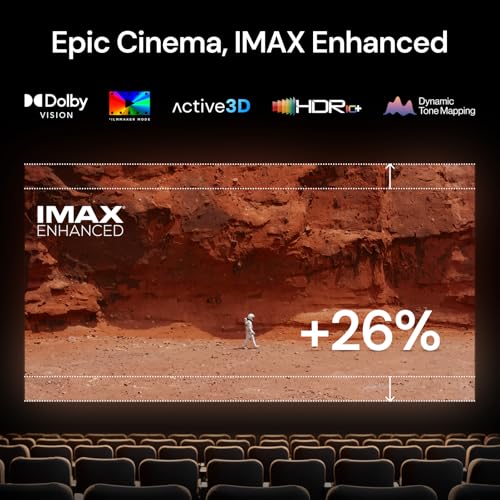
High Dynamic Range (HDR) content has become the standard for premium movies and streaming, and both projectors handle HDR differently. The Valerion StreamMaster Plus 2 supports a broader range of HDR formats, including HDR10, HDR10+, Dolby Vision, HLG, and even IMAX Enhanced content. Dolby Vision is particularly notable because it provides scene-by-scene optimization that can make HDR content look more natural and detailed.
The JVC DLA-NZ500 supports HDR10, HDR10+, and HLG, but notably doesn't support Dolby Vision. This is disappointing given the projector's premium positioning, as Dolby Vision has become increasingly common on streaming services and UHD Blu-ray discs.
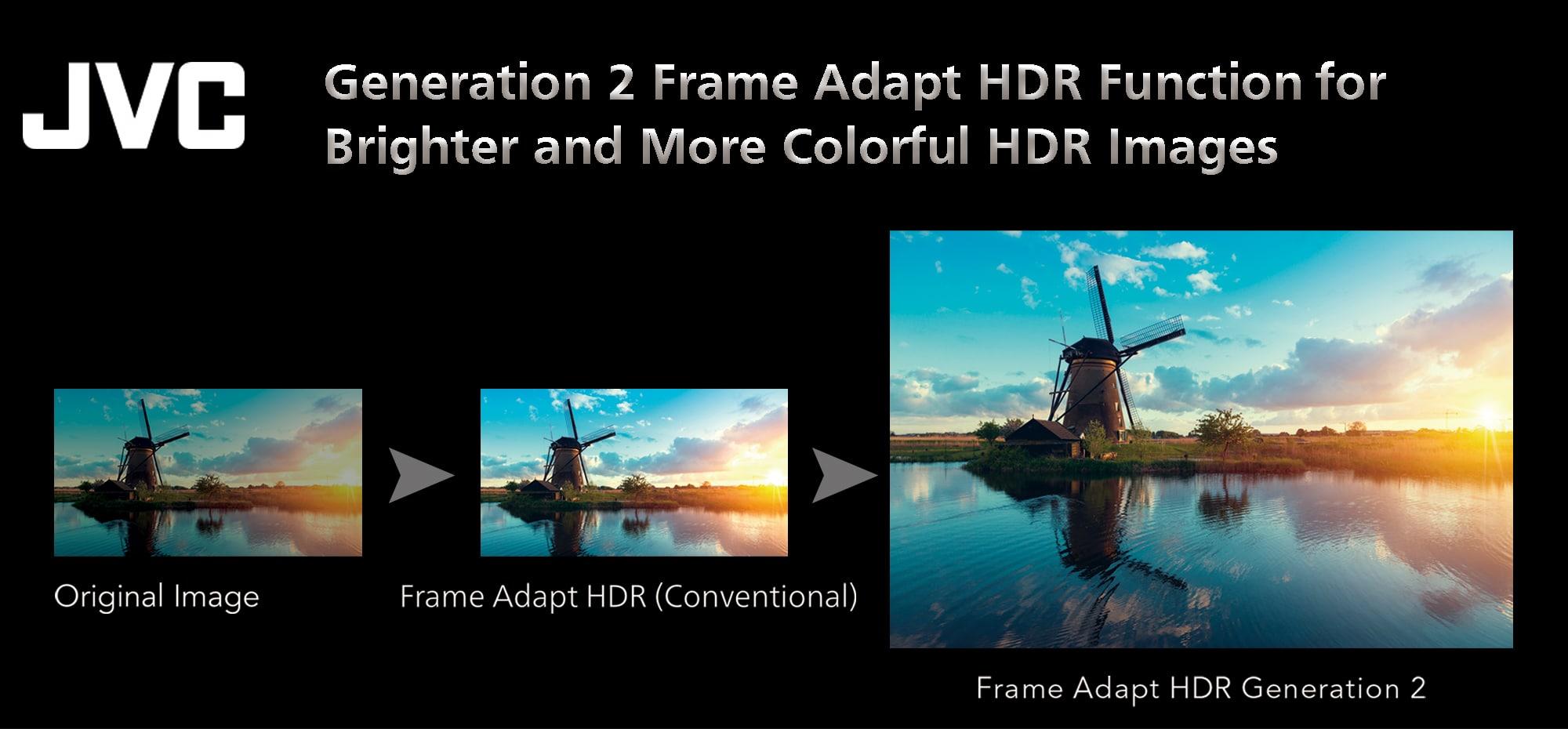
However, the JVC compensates with sophisticated processing. Its second-generation Frame Adapt HDR analyzes content scene-by-scene and adjusts the projector's laser output and tone mapping in real-time. This can actually produce better HDR performance than simpler Dolby Vision implementations, but it requires the projector to do more work to analyze and optimize the image.
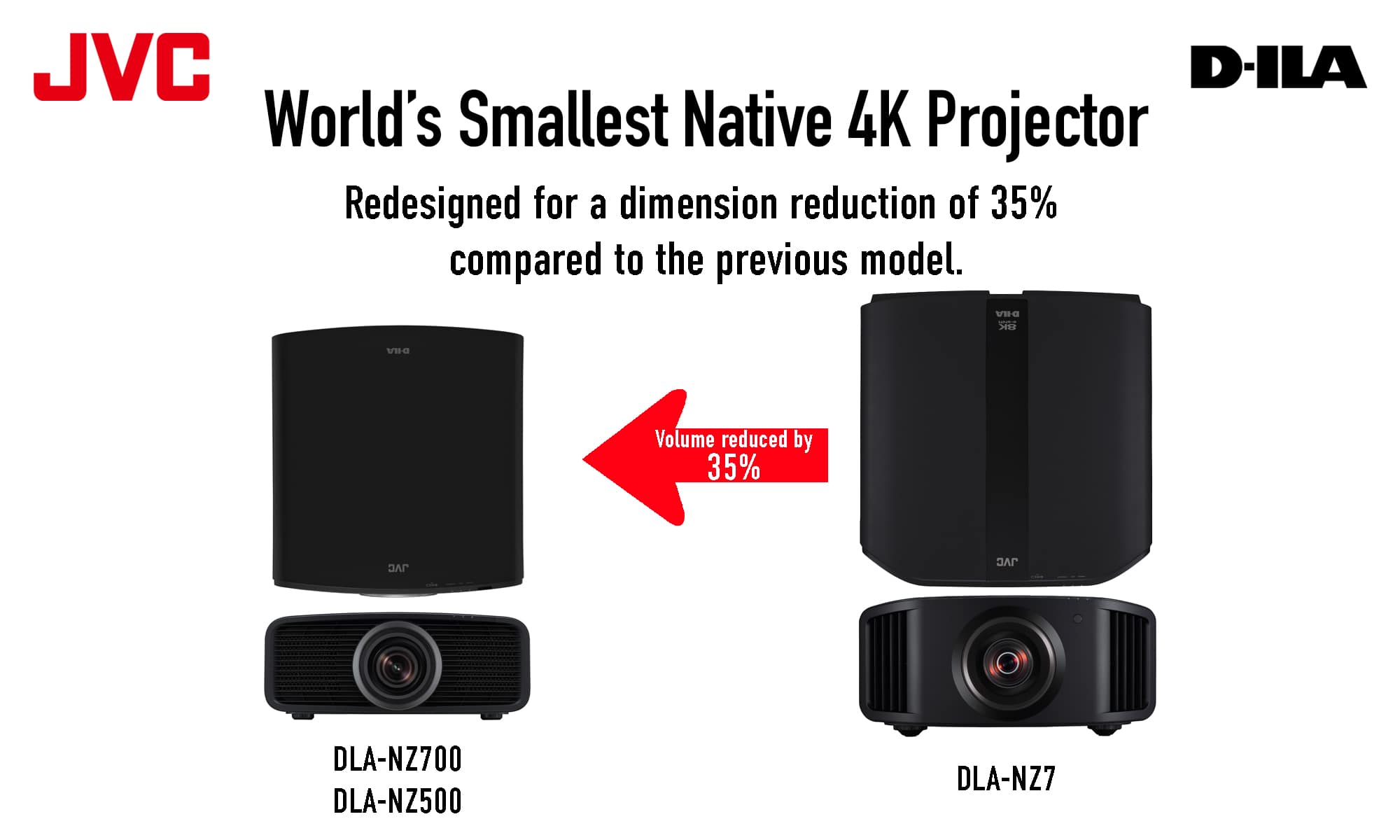
The physical construction of these projectors reflects their different market positions. The JVC DLA-NZ500 weighs 32.2 pounds and feels like a substantial piece of precision equipment. The build quality is exceptional, with a robust chassis designed to minimize vibration and interference between the three imaging chips.
The Valerion StreamMaster Plus 2 weighs just 16.5 pounds and prioritizes portability and style. It's compact enough to move between rooms if needed, and the modern design looks at home in a living room rather than a dedicated theater.
Both projectors use quiet cooling systems, but the JVC benefits from its larger size to maintain low fan noise even during extended viewing sessions. The Valerion has multiple fan profiles that adjust based on laser brightness settings.
After researching extensive professional reviews and user feedback, the choice between these projectors comes down to your priorities and budget.
Choose the Valerion StreamMaster Plus 2 if you want a versatile, all-in-one solution that can handle movies, gaming, and streaming without additional devices. At the time of writing, it offers exceptional value for buyers who want to experience large-screen 4K projection without the premium price. The built-in Google TV, low input lag gaming features, and comprehensive HDR support make it ideal for family rooms or multi-purpose spaces.
The Valerion is particularly compelling if you plan to game regularly, want the convenience of built-in streaming apps, or need a lighter projector that you might occasionally move to different rooms. Its RGB laser system produces vibrant colors that work well for both movies and games, and the 25,000-hour laser life means minimal maintenance concerns.
Choose the JVC DLA-NZ500 if image quality is your primary concern and you have the budget for premium performance. This projector is designed for dedicated home theaters where you can control lighting and optimize the viewing environment. The native 4K resolution and 40,000:1 contrast ratio deliver image quality that's simply not available at lower price points.
The JVC makes most sense for serious movie enthusiasts who want the closest thing to a commercial cinema experience at home. The installation flexibility, premium build quality, and exceptional contrast performance justify the significant price premium for users who prioritize ultimate image quality.
At the time of writing, these projectors represent two successful but very different approaches to home projection. The Valerion StreamMaster Plus 2 maximizes features and convenience at an accessible price point, making high-quality projection available to mainstream buyers who want both performance and versatility.
The JVC DLA-NZ500 delivers uncompromising image quality that represents the current state-of-the-art in home theater projection. Its native 4K resolution and exceptional contrast create an image quality that's immediately recognizable to anyone who appreciates premium displays.
Your choice ultimately depends on whether you prioritize value and features or ultimate image quality and installation flexibility. Both projectors succeed brilliantly at their intended purposes, but they're designed for distinctly different users and use cases.
| Valerion StreamMaster Plus 2 | JVC DLA-NZ500 |
|---|---|
| 4K Technology - Determines image sharpness and detail quality | |
| Single 0.47" DLP chip with pixel-shifting (enhanced 4K) | Three native 0.69" 4K D-ILA chips (true 4096x2160 per chip) |
| Contrast Ratio - Most important factor for deep blacks and image depth | |
| 3,000:1 native / 10,000:1 dynamic with EBL mode | 40,000:1 native / ∞:1 dynamic (13x better native contrast) |
| Light Source Technology - Affects color gamut and lifespan | |
| RGB Triple Laser (25,000 hours) | BLU-Escent Laser Phosphor (20,000 hours) |
| Brightness - Critical for room lighting tolerance | |
| 2,000 ISO lumens | 2,000 lumens |
| Color Gamut - Determines color vibrancy and accuracy | |
| 110% Rec.2020 coverage (ultra-wide color range) | 93% DCI-P3 coverage (accurate cinema colors) |
| Installation Flexibility - Major factor for room compatibility | |
| Fixed 1.2:1 throw ratio, no zoom/lens shift | 1.6x motorized zoom with ±70% vertical/±28% horizontal lens shift |
| Gaming Performance - Important for console and PC gaming | |
| 4ms input lag (1080p/240Hz), supports 4K/120Hz gaming | Low latency mode available, no 4K/120Hz support |
| HDR Format Support - Determines premium content compatibility | |
| HDR10, HDR10+, Dolby Vision, HLG, IMAX Enhanced | HDR10, HDR10+, HLG (no Dolby Vision support) |
| Smart Features - Affects ease of use and additional device needs | |
| Google TV OS with 4GB RAM/128GB storage built-in | No smart features - requires external streaming devices |
| 3D Support - For 3D movie enthusiasts | |
| Full HD Active 3D support | No 3D support |
| Physical Design - Impacts placement and portability | |
| 16.5 lbs, compact design for portability | 32.2 lbs, premium build quality for permanent installation |
| Warranty Coverage - Protection for your investment | |
| 2 years with 30-day money-back guarantee | 3 years with 1st year advanced replacement |
| Target User - Who each projector is designed for | |
| Multi-purpose family room with gaming and streaming needs | Dedicated home theater with controlled lighting |
The JVC DLA-NZ500 is specifically designed for dedicated home theaters with its native 4K resolution, 40,000:1 contrast ratio, and professional-grade calibration controls. Its superior black levels and shadow detail make it ideal for controlled lighting environments where image quality is the priority. The Valerion StreamMaster Plus 2 is better suited for multi-purpose family rooms where convenience and versatility matter more than ultimate image quality.
The JVC DLA-NZ500 uses true native 4K with three separate imaging chips each displaying 4096x2160 pixels simultaneously. The Valerion StreamMaster Plus 2 uses pixel-shifting technology with a single chip that rapidly moves pixels to create a 4K image. While both display 4K content effectively, the JVC delivers sharper detail and better overall image quality.
The JVC DLA-NZ500 significantly outperforms with 40,000:1 native contrast compared to the Valerion StreamMaster Plus 2's 3,000:1 native contrast. This 13x difference means the JVC displays much deeper blacks and better shadow detail, especially important for dark movie scenes and overall image depth.
The Valerion StreamMaster Plus 2 includes Google TV OS built-in, so you can stream Netflix, Disney+, and other apps directly without external devices. The JVC DLA-NZ500 has no smart features and requires external streaming devices like Apple TV, Roku, or gaming consoles for all content.
The Valerion StreamMaster Plus 2 is clearly superior for gaming with 4ms input lag at 1080p/240Hz and support for 4K/120Hz gaming from PlayStation 5 and Xbox Series X. The JVC DLA-NZ500 has a low latency mode but doesn't support 4K/120Hz gaming, making the Valerion the better choice for serious gamers.
The JVC DLA-NZ500 offers much more installation flexibility with 1.6x motorized zoom and extensive lens shift capabilities, allowing placement in various room configurations. The Valerion StreamMaster Plus 2 has a fixed throw ratio requiring precise positioning at specific distances from your screen, making room planning more critical.
The Valerion StreamMaster Plus 2 supports more HDR formats including HDR10, HDR10+, Dolby Vision, HLG, and IMAX Enhanced. The JVC DLA-NZ500 supports HDR10, HDR10+ and HLG but notably lacks Dolby Vision support, which is becoming increasingly common on streaming services.
Both the Valerion StreamMaster Plus 2 and JVC DLA-NZ500 output 2,000 lumens, suitable for dark to moderately lit rooms up to about 120-inch screens. However, the JVC's superior contrast helps it maintain better image quality in rooms that aren't perfectly dark.
The Valerion StreamMaster Plus 2 offers exceptional value with 4K HDR projection, built-in streaming, gaming features, and wide color gamut at a much lower price point. The JVC DLA-NZ500 costs significantly more but delivers premium image quality that justifies the investment for serious home theater enthusiasts.
The Valerion StreamMaster Plus 2 supports Full HD Active 3D for 3D Blu-ray movies and games. The JVC DLA-NZ500 does not support 3D at all, as JVC removed this feature from their newer laser projector lineup.
The Valerion StreamMaster Plus 2 uses an RGB triple laser rated for 25,000 hours, while the JVC DLA-NZ500 uses a BLU-Escent laser rated for 20,000 hours. Both offer maintenance-free operation for many years of typical home use, with the Valerion having a slightly longer rated lifespan.
The Valerion StreamMaster Plus 2 weighs just 16.5 pounds with a compact design that's easy to move between rooms or take to different locations. The JVC DLA-NZ500 weighs 32.2 pounds and is designed for permanent installation in dedicated home theater setups, making the Valerion much more portable.
We've done our best to create useful and informative comparisons to help you decide what product to buy. Our research uses advanced automated methods to create this comparison and perfection is not possible - please contact us for corrections or questions. These are the sites we've researched in the creation of this article: bestbuy.com - valerion.com - youtube.com - valerion.com - youtube.com - projectorcentral.com - youtube.com - valerion.com - avsforum.com - neowin.net - hometheatershack.com - avsforum.com - bestbuy.com - projector-database.com - projectorscreen.com - valueelectronics.com - youtube.com - projectorcentral.com - avsforum.com - youtube.com - eu.jvc.com - jvc.com - crutchfield.com - projectorreviews.com - avsforum.com - audioadvice.com

Privacy Policy
Terms and Conditions - Affiliate Policy
Home Security
© Copyright 2008-2026.
11816 Inwood Rd #1211, Dallas, TX 75244