

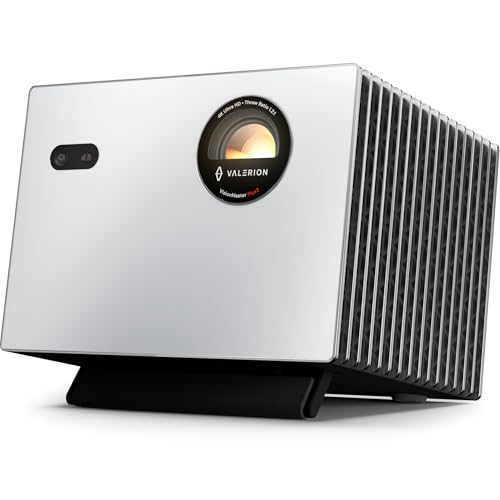

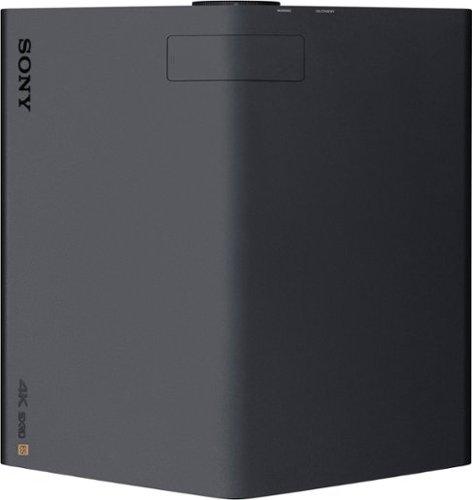
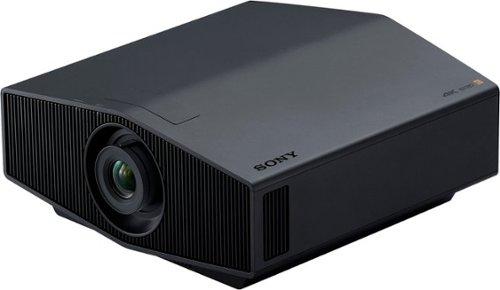
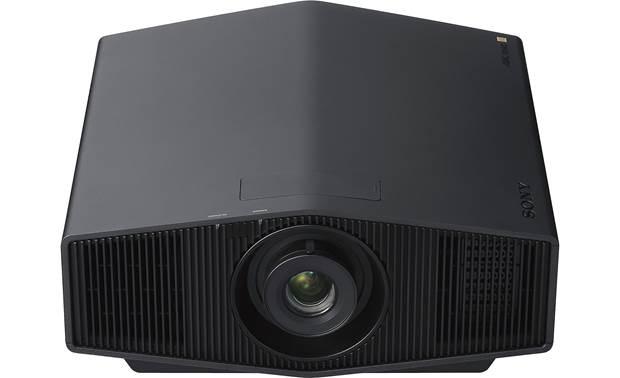
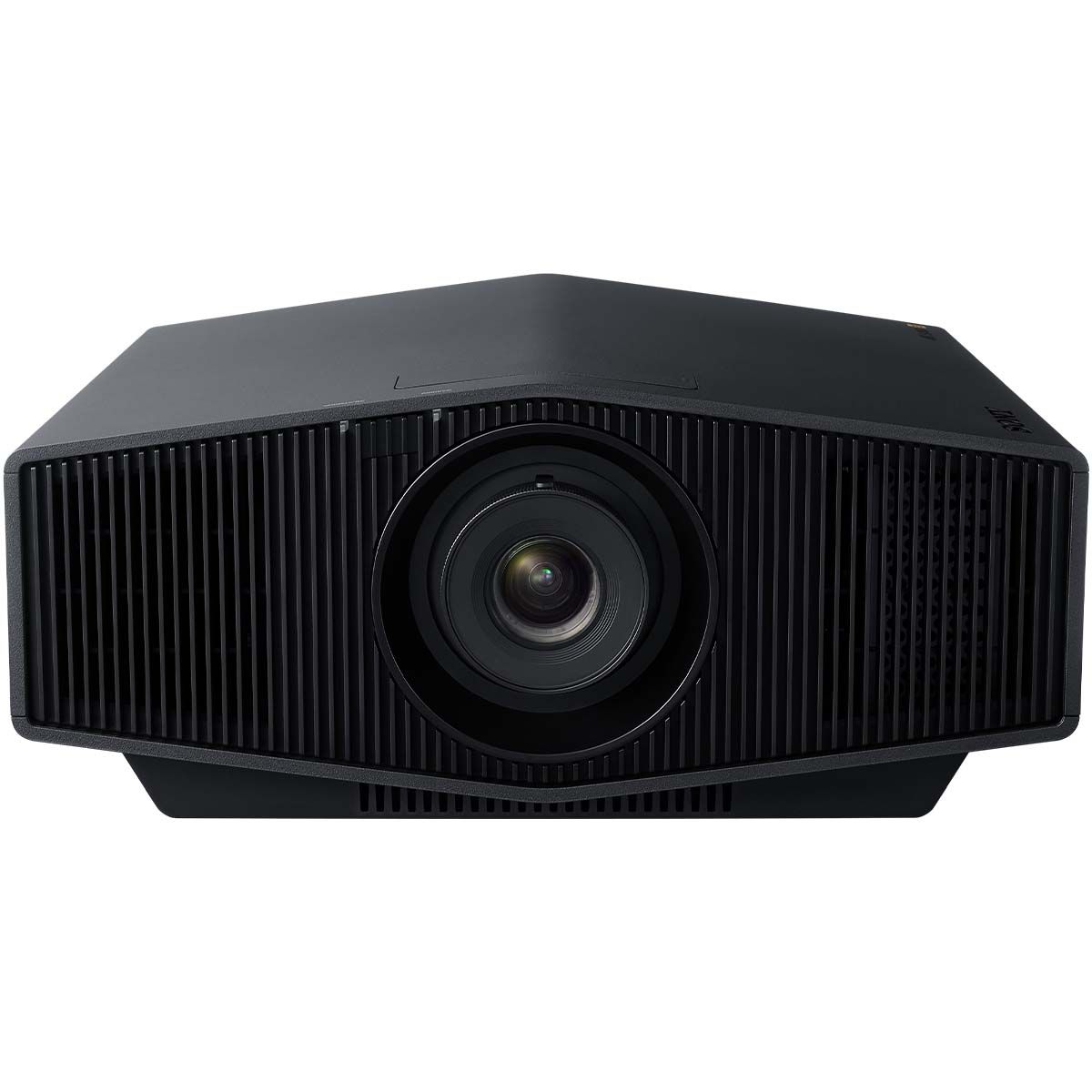
When shopping for a 4K laser projector, you're entering premium home entertainment territory. These aren't your grandfather's slide projectors—they're sophisticated machines capable of creating cinema-quality images on screens measuring 100+ inches. But choosing between models like the versatile Valerion StreamMaster Plus 2 and the cinema-focused Sony VPL-XW5000ES requires understanding some fundamental differences in approach and technology.
The world of 4K laser projectors split into two distinct camps around 2020-2022. On one side, you have traditional home theater projectors that prioritize absolute image quality and professional installation flexibility. On the other, newer "smart" projectors integrate streaming platforms and gaming features for all-in-one convenience.
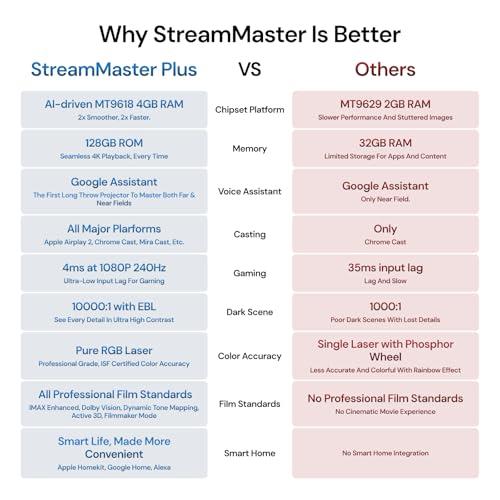
Both the Valerion StreamMaster Plus 2 (released in 2025) and Sony VPL-XW5000ES (released in 2022) represent these different philosophies. The Valerion embodies the modern approach with built-in Google TV, gaming optimization, and RGB laser technology. The Sony follows the traditional home theater path with native 4K panels, professional-grade processing, and extensive installation flexibility.
The key considerations when choosing between these approaches include display technology (how they actually create the image), installation requirements, smart features, gaming performance, and overall value proposition. At the time of writing, there's roughly a 3:1 price difference between these models, making the value equation particularly interesting.
The most fundamental difference between these projectors lies in how they create images—and this difference affects everything from sharpness to color accuracy to installation requirements.
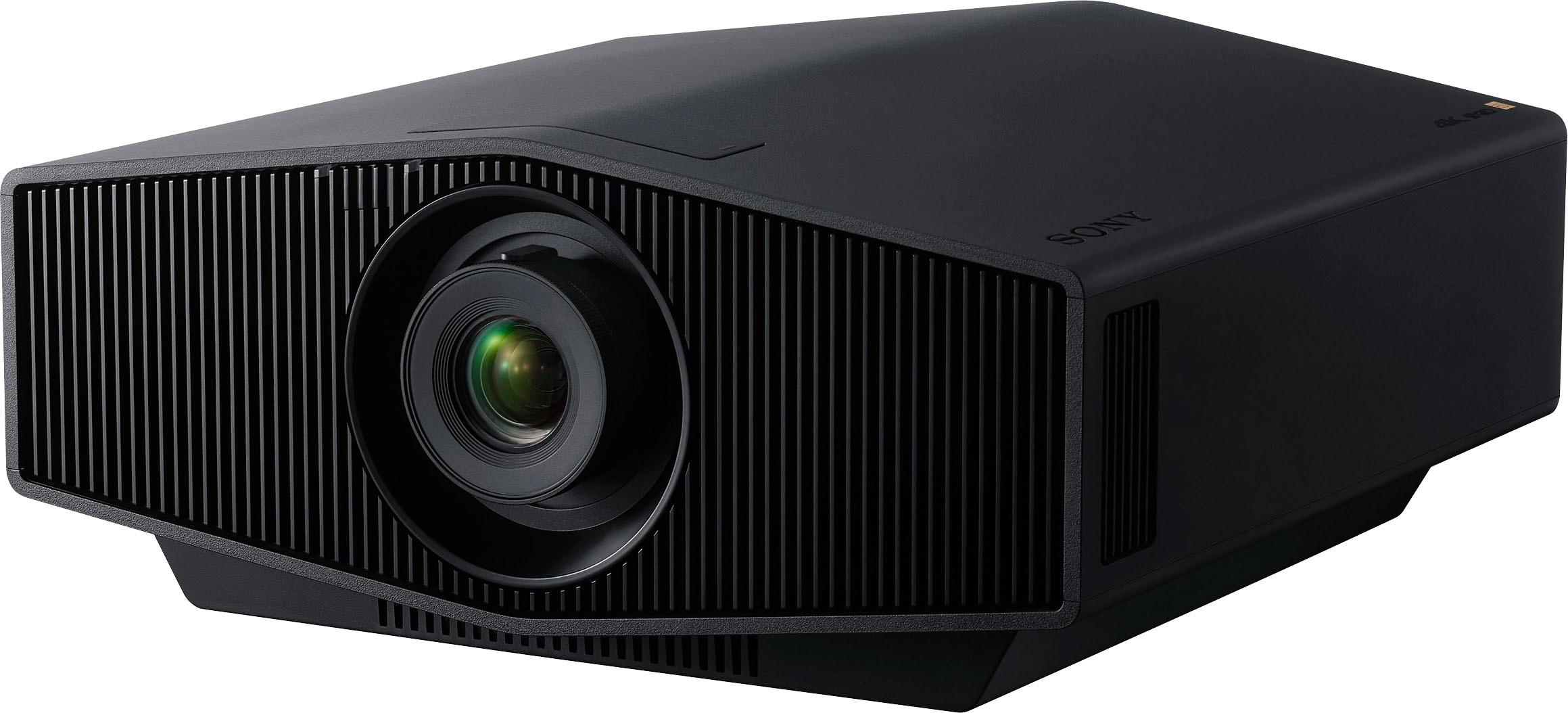
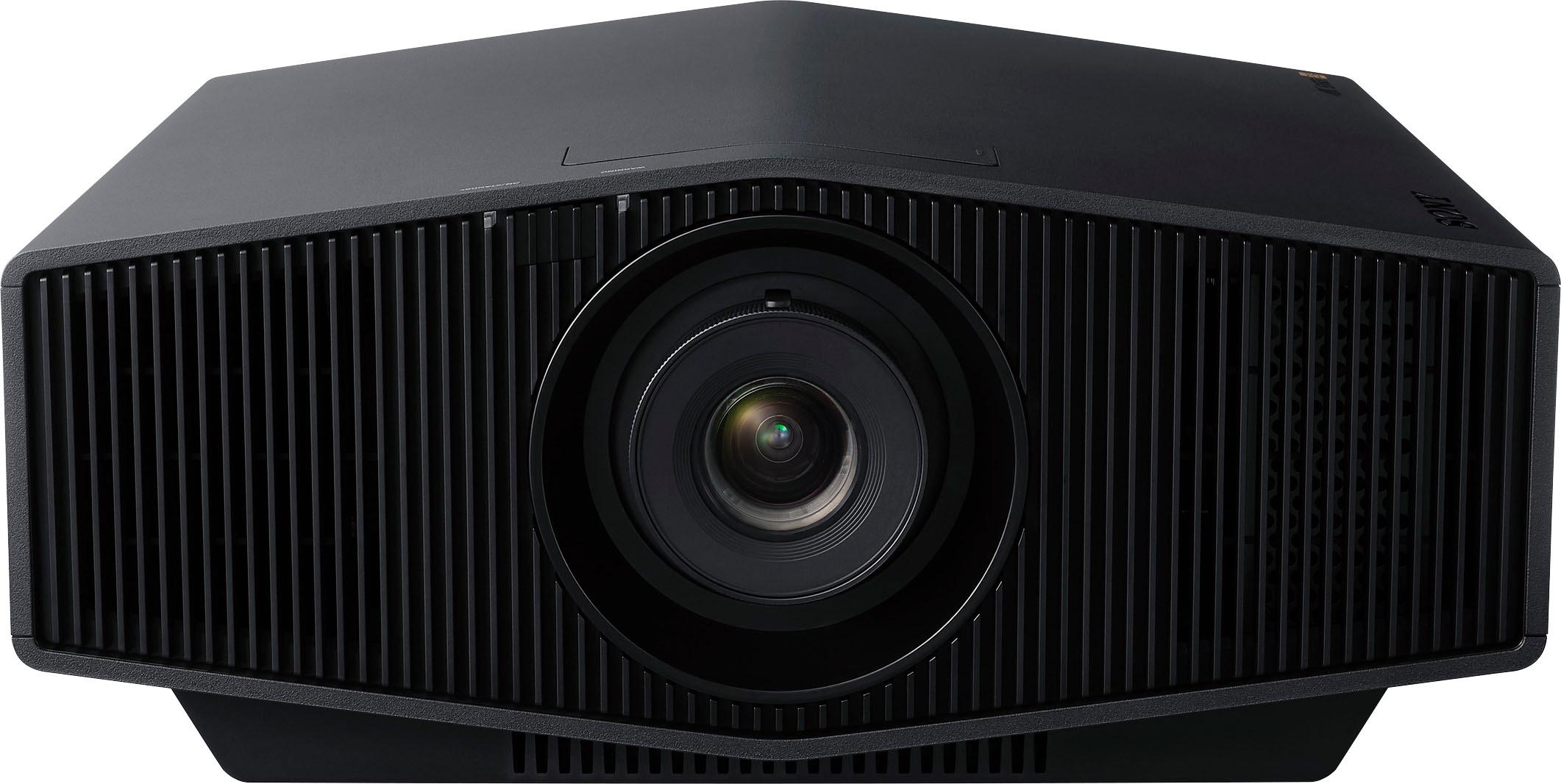
The Sony VPL-XW5000ES uses what's called SXRD (Silicon X-tal Reflective Display) technology with three separate 0.61-inch panels. Think of it like having three tiny, incredibly precise screens inside the projector—one each for red, green, and blue light. Each panel displays all 8.3 million pixels of true 4K resolution simultaneously. This "three-chip" approach has been the gold standard in professional cinema projection for decades.
The advantage is immediately apparent in image quality. Native 4K means every pixel you see represents actual image data, not interpolated or shifted pixels. The result is exceptional sharpness and detail that becomes more obvious as screen sizes increase beyond 100 inches. The three-chip design also enables superior black levels—those dark movie scenes look truly black rather than dark gray.
The Valerion StreamMaster Plus 2 uses a single 0.47-inch DLP (Digital Light Processing) chip with pixel-shifting technology. Here's how it works: the projector rapidly shifts the image by half-pixel increments, effectively doubling the resolution displayed. While not "native" 4K, this technique produces remarkably sharp images that most viewers can't distinguish from true 4K in normal viewing conditions.
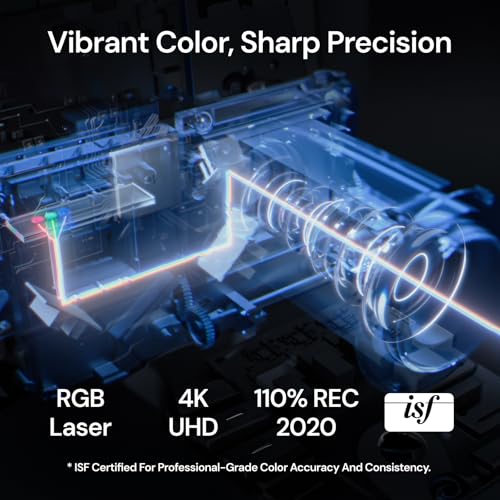
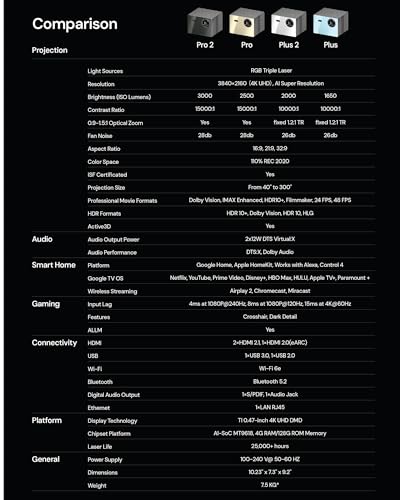
The real innovation in the Valerion is its RGB triple laser system. Instead of using a single white laser with color filters (like most projectors), it uses three separate lasers—red, green, and blue—to generate colors directly. This approach virtually eliminates the "rainbow effect" (brief color flashes that some people notice with DLP projectors) and enables an extraordinarily wide color range covering 110% of the Rec.2020 color space.
To put that in perspective, most TVs and monitors cover around 70-90% of Rec.2020. The Valerion's color gamut is wider than many projectors costing $10,000+. Colors appear more vibrant and saturated than what most people have experienced from any display.
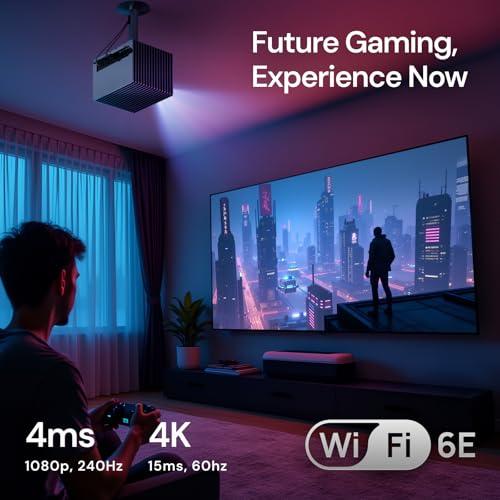
If gaming matters to you, the performance gap between these projectors is substantial. The Valerion StreamMaster Plus 2 delivers input lag as low as 4ms at 1080p/240Hz—that's faster than many gaming monitors. Even at 4K/60Hz, it maintains 15ms lag, which feels responsive for console gaming.
Input lag measures the time between when you press a button and when the action appears on screen. For competitive gaming, anything under 20ms is considered excellent. The Valerion's performance in this area is genuinely impressive for a projector.
Beyond raw speed, the Valerion includes gaming-specific features like dedicated modes for different game genres (FPS, RPG, Racing), crosshair overlays for shooters, and night vision enhancement for spotting enemies in dark areas. These aren't gimmicks—they're genuinely useful features that improve the gaming experience.
The Sony VPL-XW5000ES, in contrast, shows 21ms input lag at 4K—still playable, but noticeably less responsive. More importantly, it lacks gaming-specific features entirely. Sony designed this projector for movie watching, and it shows.
Here's where the Sony VPL-XW5000ES demonstrates why it costs significantly more. Professional home theater installation often involves challenging room layouts, ceiling mounts, and precise screen positioning. The Sony handles these challenges with a 2.1x zoom lens and extensive lens shift capabilities.
Lens shift lets you move the image up, down, left, or right without physically repositioning the projector or introducing image distortion. The Sony offers ±71% vertical and ±25% horizontal shift—meaning you can mount it well off-center from your screen and still get a perfectly positioned image. Combined with the zoom lens (which adjusts image size without moving the projector), installation becomes much more flexible.
The Valerion StreamMaster Plus 2 takes a different approach with a fixed 1.2:1 throw ratio. You must position it at a specific distance from your screen—roughly 8-9 feet for a 100-inch image. While it offers digital keystone correction to fix minor positioning issues, this reduces image quality slightly. The lack of optical adjustments means you need to plan your installation more carefully.
For many users, particularly those with straightforward room layouts or tabletop installations, the Valerion's simpler approach works fine. But for professional installations in challenging rooms, the Sony's flexibility justifies its higher cost.
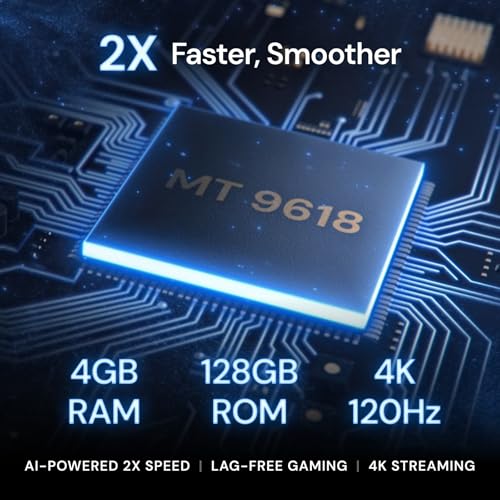
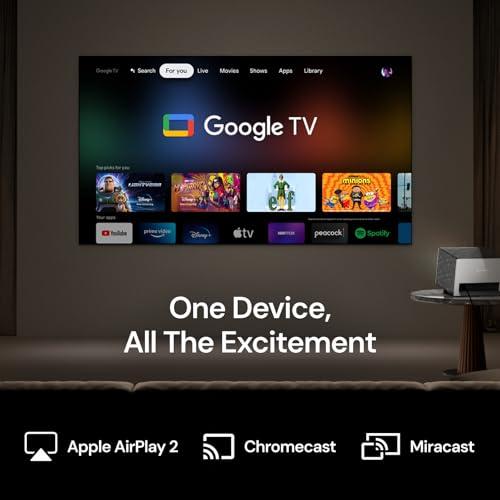
The smart features comparison isn't even close—the Valerion StreamMaster Plus 2 wins decisively. Running Google TV with 4GB of RAM and 128GB of storage, it's essentially an Android TV built into a projector. You get direct access to Netflix, Disney+, YouTube, and hundreds of other apps without any additional devices.
The integration goes deeper with Google Assistant voice control, Chromecast built-in, and AirPlay 2 support for Apple devices. Want to stream a video from your phone? Just tap the cast button. Need to adjust settings? Ask Google. It's the kind of seamless experience people expect from modern devices.
The Sony VPL-XW5000ES offers none of this. You'll need a separate streaming device, whether that's an Apple TV, Nvidia Shield, or high-end Blu-ray player. While this approach offers more flexibility in choosing your streaming platform, it adds cost and complexity.
For some users, particularly home theater enthusiasts with existing high-end equipment, the Sony's approach makes sense. They likely already own premium streaming devices and prefer to control each component separately. But for most people, the Valerion's all-in-one approach is more convenient and cost-effective.
Both projectors excel at color reproduction, but in different ways. The Valerion's RGB laser system produces an incredibly wide color gamut that exceeds most displays you've ever seen. Colors look more saturated and vivid than typical LED TVs or traditional projectors. This wide gamut particularly benefits animated content, nature documentaries, and HDR movies with vibrant color palettes.
The Sony VPL-XW5000ES takes a more measured approach, covering 95% of the DCI-P3 color space used in digital cinema. While not as wide as the Valerion's gamut, it's more accurate to how filmmakers intended their content to look. The Sony's TRILUMINOS PRO color processing and X1 Ultimate processor analyze each frame in real-time, optimizing individual objects for natural-looking colors and realistic skin tones.
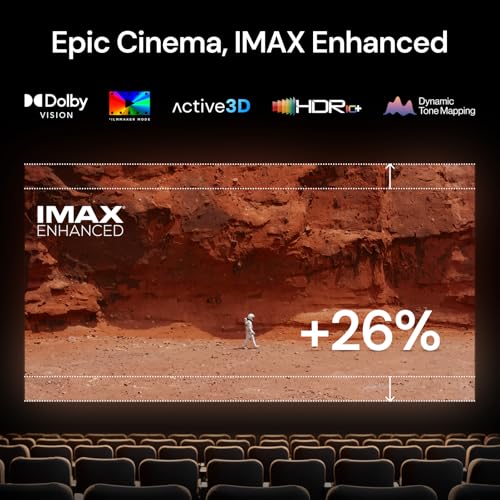
For HDR (High Dynamic Range) content, both projectors support advanced formats. The Valerion handles Dolby Vision, HDR10+, and IMAX Enhanced content with dynamic tone mapping that adjusts brightness and contrast scene-by-scene. The Sony uses its Dynamic HDR Enhancer and Object-based HDR Remaster to optimize HDR content, though specific format support varies.
In practical terms, the Valerion delivers more visually striking images with saturated colors that "pop" off the screen. The Sony provides more accurate, cinema-like reproduction that may appear more natural but less dramatic. Your preference depends on whether you prioritize visual impact or absolute accuracy.
Both projectors output 2,000 ISO lumens—bright enough for screens up to 120+ inches in controlled lighting. However, brightness isn't just about raw numbers; it's about how effectively that light is used.
The Sony VPL-XW5000ES uses Wide Dynamic Range Optics to maximize light control and minimize wasted brightness. Its laser phosphor system maintains consistent brightness across the color spectrum. In dark room viewing, where most serious projector use occurs, the Sony's superior black levels make images appear more contrasty and dynamic.
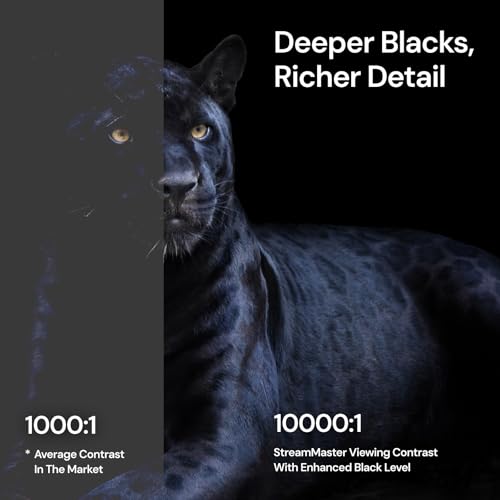
The Valerion StreamMaster Plus 2 counters with its Enhanced Black Level (EBL) mode, which dynamically adjusts the iris to improve contrast in dark scenes. While not as sophisticated as the Sony's approach, EBL effectively deepens blacks and improves overall image depth. The RGB laser system also maintains excellent color saturation even at high brightness levels.
For most viewing scenarios—screens between 80-120 inches in rooms with some light control—both projectors perform admirably. The differences become more apparent in extreme conditions: very large screens (150+ inches) or rooms with significant ambient light.
Laser projectors represent a significant shift from traditional lamp-based models. The Valerion's RGB laser system is rated for 25,000 hours, while the Sony's laser phosphor design lasts 20,000 hours. Both figures represent 10+ years of typical use without maintenance—a major advantage over lamp projectors that require expensive bulb replacements every 2-4 years.
The Sony VPL-XW5000ES comes with a three-year warranty, reflecting confidence in long-term reliability. As an established premium brand, Sony also offers extensive service networks and parts availability. The Valerion, being newer to the market, provides a shorter warranty period but offers competitive customer support.
At the time of writing, these projectors target different value propositions. The Valerion StreamMaster Plus 2 offers premium features at a more accessible price point. When you factor in its built-in streaming platform (saving $200-400 on external devices), gaming capabilities, and wide color gamut, it delivers exceptional value for versatile home entertainment.
The Sony VPL-XW5000ES justifies its premium pricing with superior image technology, professional installation flexibility, and established brand reliability. For dedicated home theater rooms where image quality is paramount, the Sony's advantages become more apparent.
Choose the Valerion StreamMaster Plus 2 if you want a modern, versatile entertainment hub that handles streaming, gaming, and movies equally well. Its smart features eliminate the need for additional devices, while its gaming performance rivals dedicated gaming projectors. The wide color gamut delivers visually stunning images that exceed most people's expectations.
The Sony VPL-XW5000ES makes sense for serious home theater enthusiasts who prioritize absolute image quality and professional installation flexibility. If you're building a dedicated theater room with existing high-end AV equipment, the Sony's superior native 4K technology and lens flexibility justify the premium price.
Both projectors represent excellent choices within their respective approaches. The key is matching their strengths to your specific needs, room requirements, and budget constraints. The projector market has evolved to offer compelling options at both ends of the spectrum, making this an exciting time to upgrade to 4K laser projection.
| Valerion StreamMaster Plus 2 | Sony VPL-XW5000ES |
|---|---|
| Display Technology - Core difference affecting image quality and sharpness | |
| 0.47" DLP with pixel-shifting 4K | Three 0.61" SXRD panels with native 4K |
| Brightness - Both deliver same peak output for large screens | |
| 2,000 ISO lumens (RGB laser) | 2,000 lumens (laser phosphor) |
| Color Gamut - Wider coverage means more vibrant colors | |
| 110% Rec.2020 (exceptionally wide) | 95% DCI-P3 (cinema standard accuracy) |
| Contrast Ratio - Higher numbers mean deeper blacks | |
| 10,000:1 dynamic with EBL mode | Not specified (SXRD typically superior) |
| Lens Flexibility - Critical for installation in challenging rooms | |
| Fixed 1.2:1 throw, powered focus only | 2.1x zoom, ±71% vertical/±25% horizontal shift |
| Gaming Performance - Input lag determines responsiveness | |
| 4ms at 1080p/240Hz, gaming modes included | 21ms at 4K/60Hz, no gaming features |
| Smart Platform - Built-in streaming vs external device requirements | |
| Google TV with 4GB RAM, 128GB storage | No smart features (external devices required) |
| HDR Support - Advanced formats for premium content | |
| HDR10, HDR10+, Dolby Vision, IMAX Enhanced | HDR10, IMAX Enhanced (Dolby Vision not confirmed) |
| Installation Requirements - Placement flexibility affects room compatibility | |
| Must be positioned at specific distance | Highly flexible placement with zoom and shift |
| Processing Power - Advanced features for image enhancement | |
| AI Super Resolution, Scene Recognition | X1 Ultimate with Object-based HDR Remaster |
| Laser Lifespan - Years of maintenance-free operation | |
| 25,000 hours RGB laser | 20,000 hours laser phosphor |
| Weight and Size - Portability and mounting considerations | |
| 16.5 lbs, compact design | 28 lbs, larger professional build |
| Warranty Coverage - Protection for long-term investment | |
| 1-2 years (varies by region) | 3 years Sony limited warranty |
| Target User - Best fit based on priorities and setup | |
| Gaming, streaming, versatile entertainment | Dedicated home theater, cinema accuracy |
The Valerion StreamMaster Plus 2 is significantly better for gaming with 4ms input lag at 1080p/240Hz and dedicated gaming modes for different genres. The Sony VPL-XW5000ES has 21ms input lag and no gaming-specific features, making it better suited for movies than competitive gaming.
The Valerion StreamMaster Plus 2 includes Google TV built-in with access to Netflix, Disney+, and other streaming apps, so no external devices are needed. The Sony VPL-XW5000ES requires external streaming devices like Apple TV or Roku since it has no smart platform.
The Sony VPL-XW5000ES delivers superior image quality with true native 4K SXRD panels and better black levels. The Valerion StreamMaster Plus 2 uses pixel-shifting 4K and offers a wider color gamut with more vibrant colors, but the Sony provides more accurate cinema-like reproduction.
The Sony VPL-XW5000ES offers much more installation flexibility with 2.1x zoom and extensive lens shift, allowing placement in challenging room layouts. The Valerion StreamMaster Plus 2 has a fixed throw ratio requiring precise positioning at a specific distance from your screen.
The Valerion StreamMaster Plus 2 offers better value with its significantly lower price, built-in streaming platform, gaming features, and wide color gamut. The Sony VPL-XW5000ES costs much more but justifies it with superior image technology and professional installation flexibility.
Both the Valerion StreamMaster Plus 2 and Sony VPL-XW5000ES output 2,000 lumens, which is bright enough for controlled lighting but not ideal for bright daylight viewing. Both work best in darkened rooms or with blackout curtains.
The Valerion StreamMaster Plus 2 has a 25,000-hour laser lifespan while the Sony VPL-XW5000ES offers 20,000 hours. Both provide 10+ years of typical use without bulb replacements, a major advantage over traditional lamp projectors.
Both projectors support 4K and HDR content. The Valerion StreamMaster Plus 2 supports HDR10, HDR10+, and Dolby Vision, while the Sony VPL-XW5000ES supports HDR10 and IMAX Enhanced with advanced processing for cinema-accurate reproduction.
The Valerion StreamMaster Plus 2 is easier to set up with automatic focus, keystone correction, and built-in streaming apps. The Sony VPL-XW5000ES requires more careful positioning but offers professional-grade manual adjustments for optimal image quality.
Both the Valerion StreamMaster Plus 2 and Sony VPL-XW5000ES can project images up to 150+ inches, making them excellent for dedicated home theater rooms. The Sony's superior black levels and color accuracy make it particularly well-suited for cinema-style viewing.
The Valerion StreamMaster Plus 2 covers 110% of Rec.2020 color space for exceptionally vibrant colors, while the Sony VPL-XW5000ES covers 95% of DCI-P3 for cinema-accurate colors. The Valerion delivers more saturated visuals, while the Sony provides more natural, film-like reproduction.
The Sony VPL-XW5000ES includes a 3-year warranty reflecting its premium positioning and established brand support. The Valerion StreamMaster Plus 2 typically offers 1-2 years of warranty coverage, which is standard for its price category.
We've done our best to create useful and informative comparisons to help you decide what product to buy. Our research uses advanced automated methods to create this comparison and perfection is not possible - please contact us for corrections or questions. These are the sites we've researched in the creation of this article: bestbuy.com - valerion.com - youtube.com - valerion.com - youtube.com - projectorcentral.com - youtube.com - valerion.com - avsforum.com - neowin.net - hometheatershack.com - avsforum.com - bestbuy.com - projector-database.com - whathifi.com - pro.sony - projectorscreen.com - bestbuy.com - bestbuy.com - bestbuy.com - bestbuy.com - pro.sony - abt.com - projectorreviews.com - merlinstv.com - hometheaterhifi.com

Privacy Policy
Terms and Conditions - Affiliate Policy
Home Security
© Copyright 2008-2026.
11816 Inwood Rd #1211, Dallas, TX 75244