

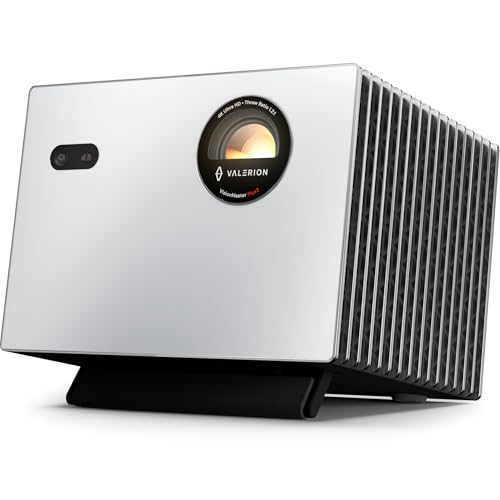



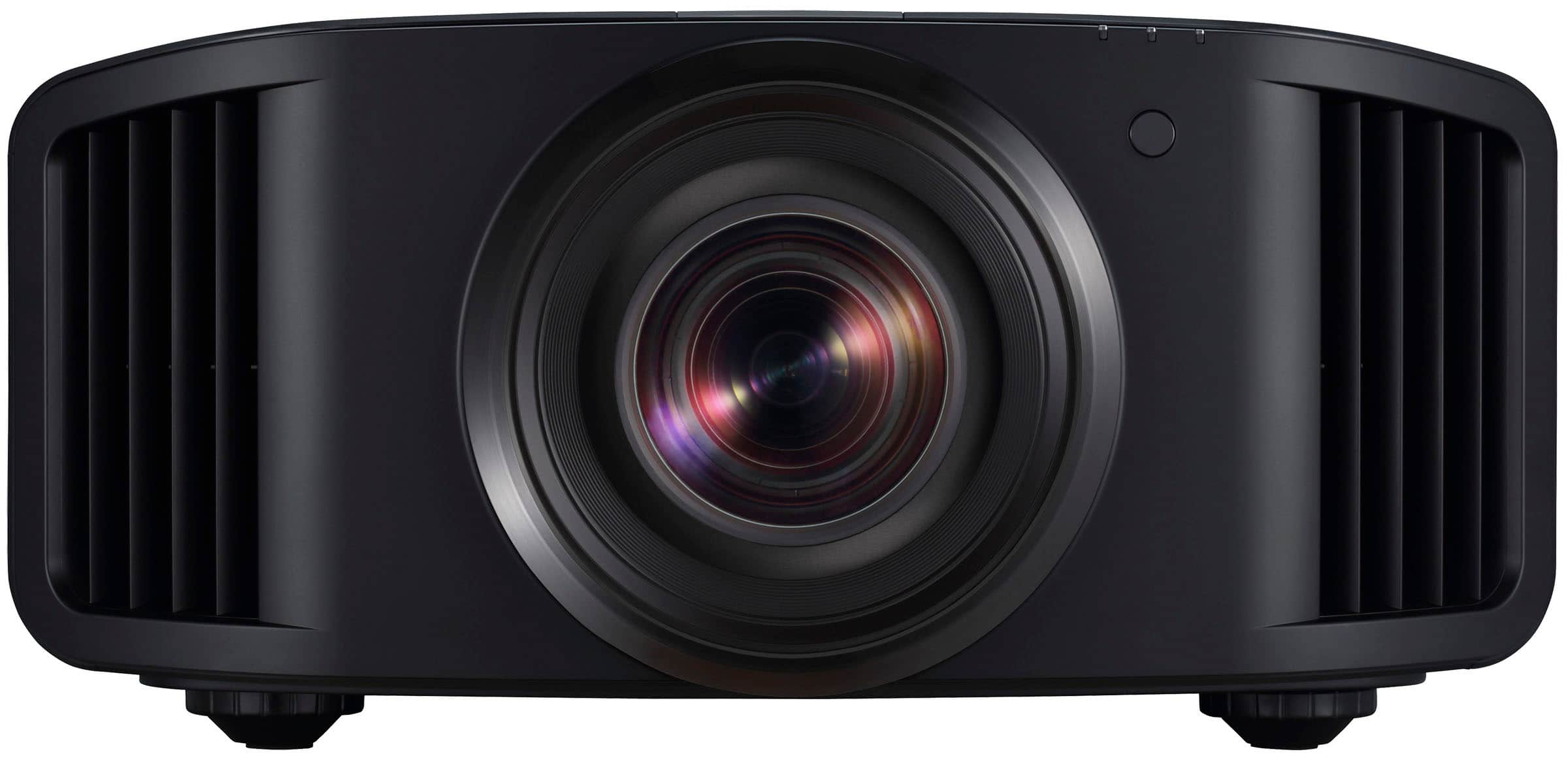
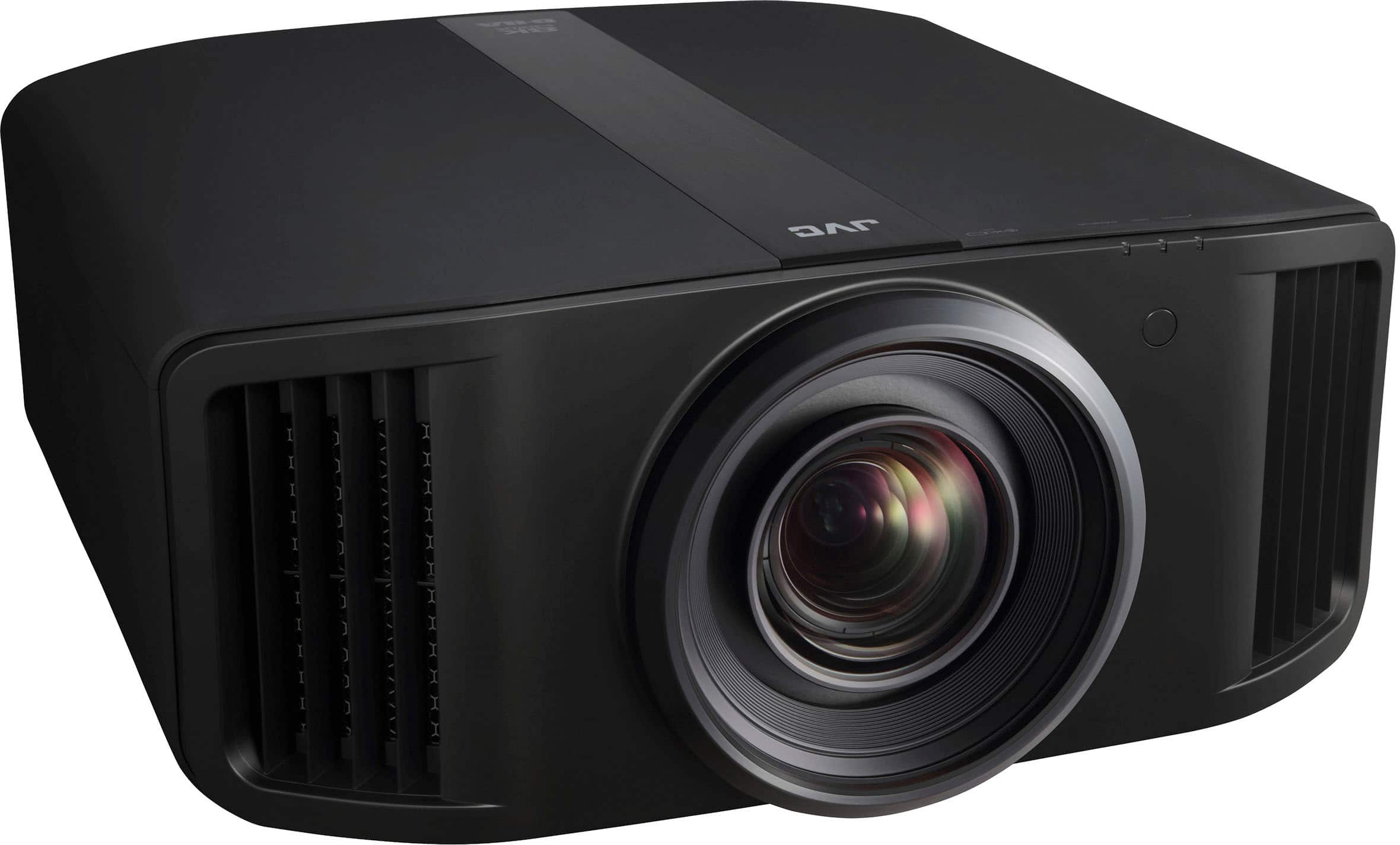
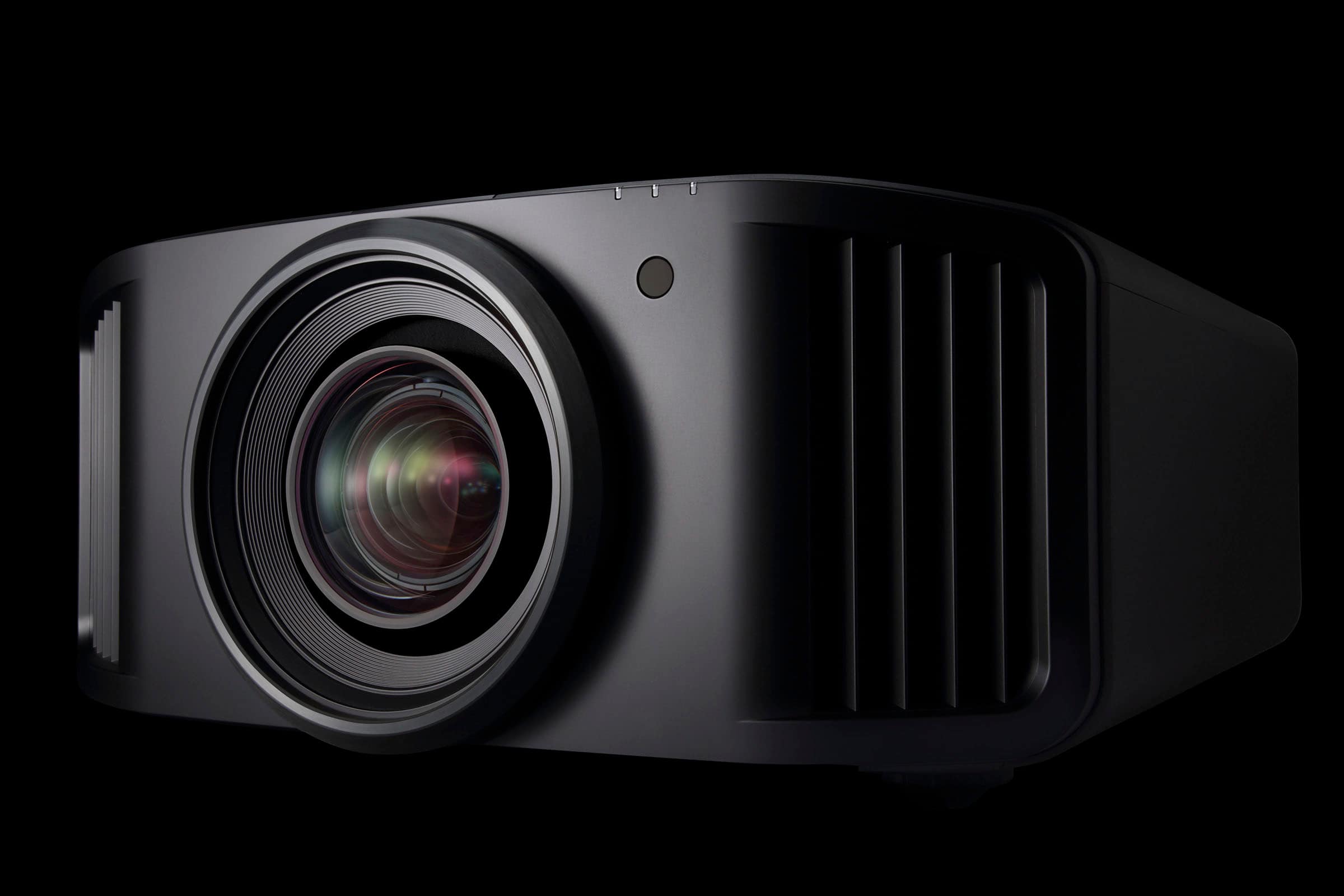
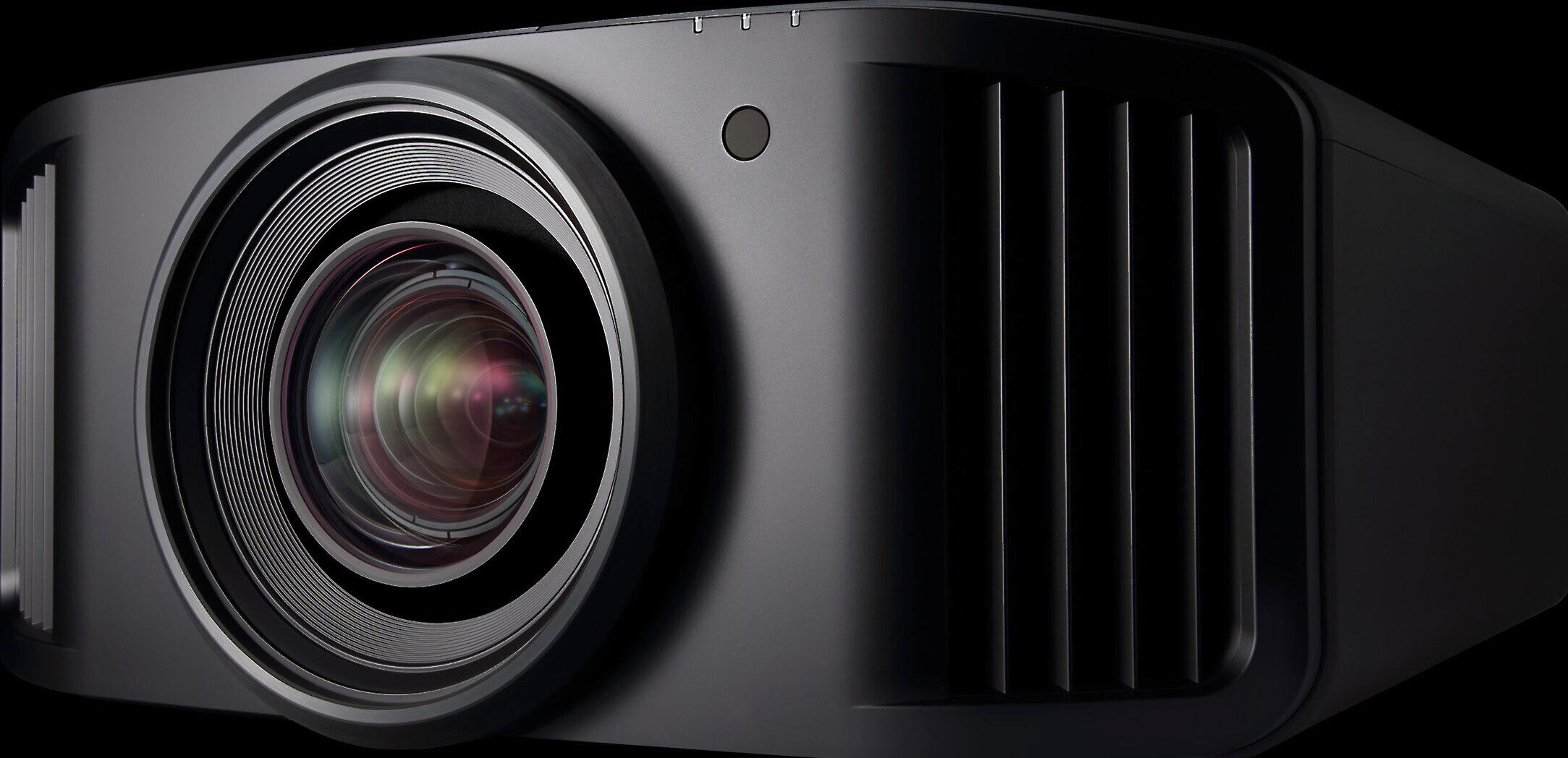
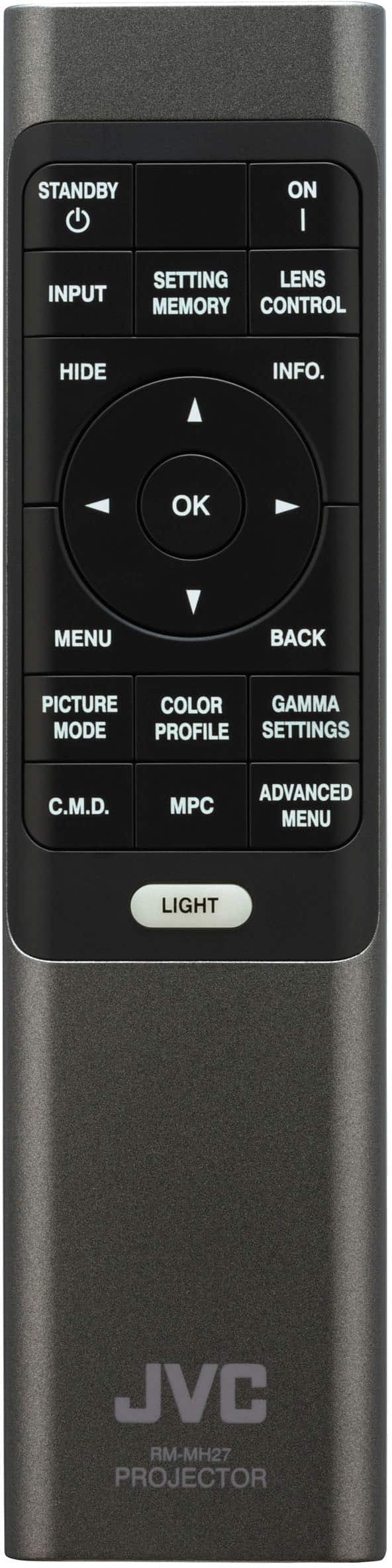
Shopping for a home theater projector in 2024 means navigating a market that's more exciting—and confusing—than ever. At one end, you have affordable options like the Valerion StreamMaster Plus 2 that deliver impressive 4K performance without breaking the bank. At the other extreme sits reference-grade equipment like the JVC DLA-NZ900, which costs more than many people's cars but delivers image quality that rivals commercial cinemas.
The question isn't just about budget—it's about understanding what you're actually paying for and whether those differences matter in your specific setup. After diving deep into the technical specifications and real-world performance data from both professional reviewers and user feedback, the gap between these projectors is far more nuanced than their price tags suggest.
Before we dig into specifics, it's worth understanding what makes a great home theater projector in 2024. The most critical factors include image quality (how sharp and detailed the picture looks), contrast ratio (how deep the blacks appear compared to bright whites), color accuracy (how faithfully colors are reproduced), and brightness (measured in lumens, which determines how well the image shows up in different lighting conditions).
Modern projectors also need to handle HDR content—high dynamic range video that contains much more detail in bright and dark areas than standard video. This is where contrast ratio becomes especially important, as projectors with poor black levels simply can't display HDR content as intended.
Gaming has become increasingly important too, with input lag (the delay between pressing a button and seeing the result on screen) now a key specification. Smart features like built-in streaming apps have also become standard expectations rather than luxury additions.
The biggest technical difference between the Valerion StreamMaster Plus 2 and JVC DLA-NZ900 lies in how they create the image you see on screen. Understanding this difference is crucial because it affects everything from sharpness to color accuracy to how well they handle dark scenes.
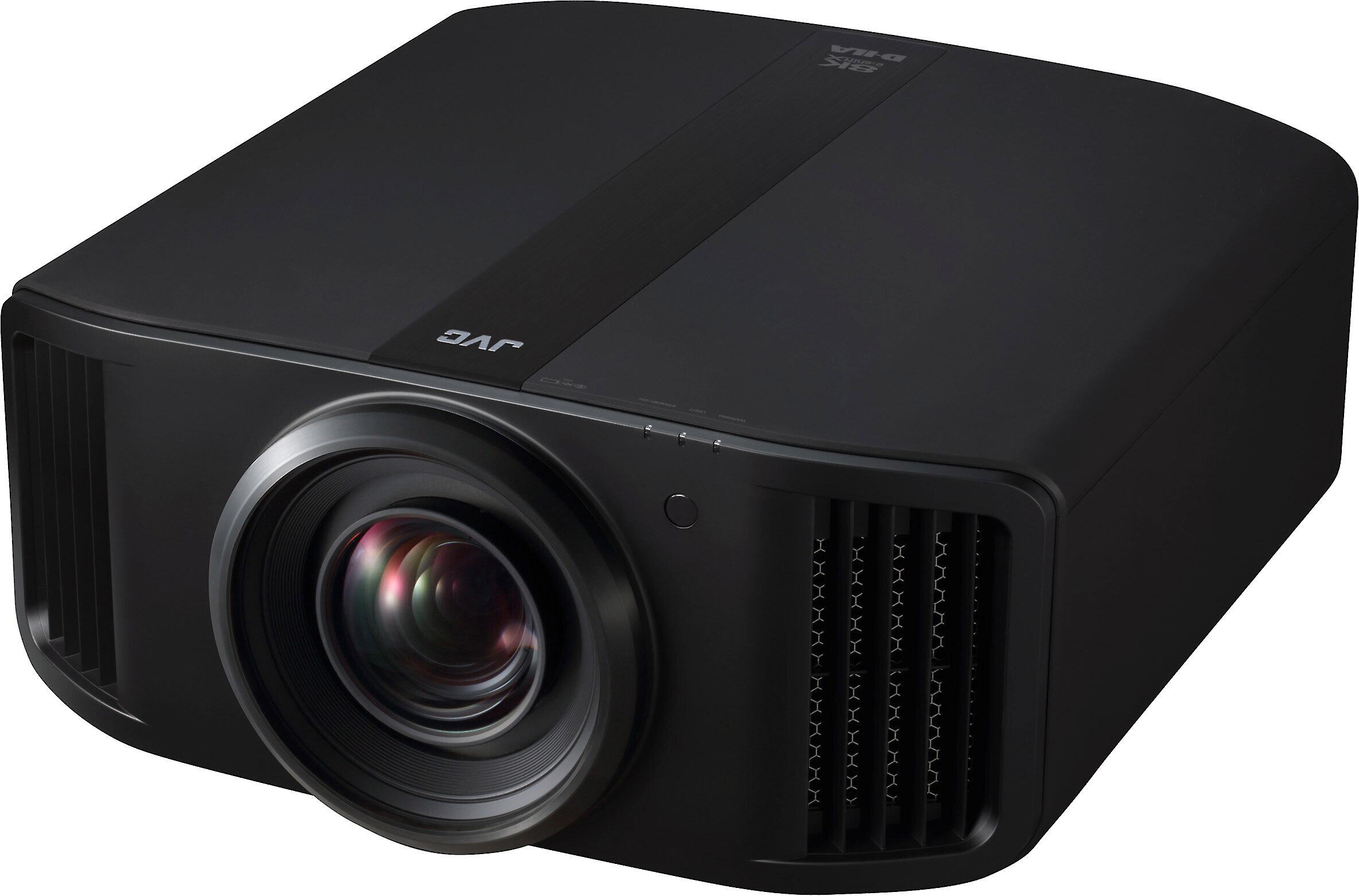
The JVC DLA-NZ900 uses what's called D-ILA technology—essentially three separate imaging chips, one each for red, green, and blue light. Each chip is 0.69 inches diagonally and displays a native 4K resolution of 4096×2160 pixels. This means every single pixel you see is actually being generated by a dedicated spot on one of those chips. It's true, native 4K projection.
But JVC doesn't stop there. They add their proprietary 8K/e-shiftX technology, which rapidly shifts those pixels in four different diagonal directions to effectively double the resolution in both horizontal and vertical directions. The result is what JVC claims is 8K projection—8192×4320 pixels—though this is achieved through pixel shifting rather than having 8K-native chips.
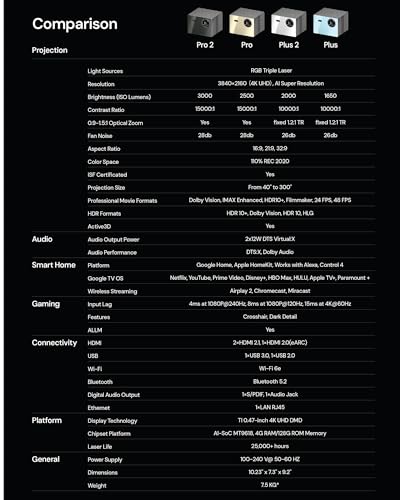
The Valerion StreamMaster Plus 2 takes a completely different approach. It uses a single 0.47-inch DLP (Digital Light Processing) chip that natively displays 1080p resolution, then uses pixel shifting to achieve 4K. This is sometimes called "4K UHD" or "4K-compatible" rather than native 4K. While the end result looks like 4K—and is a significant improvement over 1080p—it can't match the per-pixel accuracy of native 4K chips.
The practical difference? Text looks sharper on the JVC, fine details in movies are more precisely rendered, and there's less chance of seeing artifacts during fast motion scenes. However, the Valerion still produces excellent 4K images that most viewers will find impressive, especially when watching typical movie and TV content rather than examining technical test patterns.
Here's where the performance gap becomes dramatic. Contrast ratio measures the difference between the darkest black and brightest white a projector can display. It's arguably the most important specification for home theater use because it determines how realistic and immersive the image appears, especially in dark scenes.
The JVC DLA-NZ900 delivers a native contrast ratio of 150,000:1. To put this in perspective, this means the brightest white is 150,000 times brighter than the darkest black. This is achieved through D-ILA technology's inherent advantages and JVC's sophisticated BLU-Escent laser light source, which can be precisely controlled.
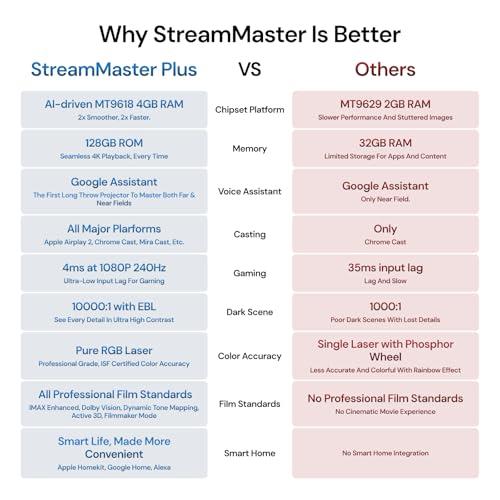
The Valerion StreamMaster Plus 2 manages a native contrast ratio of 3,000:1, extending to 10,000:1 when its Enhanced Black Level (EBL) mode is activated. While this represents a 15-fold difference in native contrast compared to the JVC, it's still respectable performance for its price category.
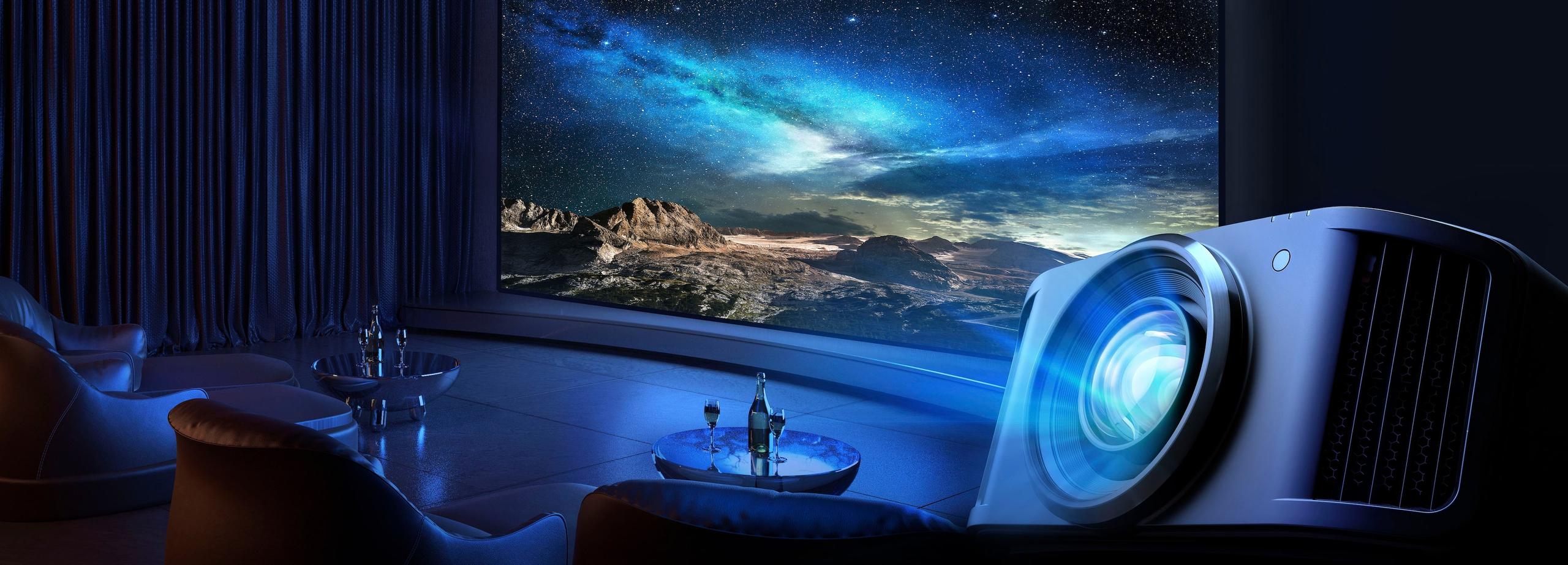
What does this mean when watching movies? The JVC can display true blacks that disappear into darkness, making starfield scenes look genuinely three-dimensional and allowing subtle shadow details to remain visible. The Valerion produces darker grays rather than true blacks, which is fine for most content but becomes noticeable in dark scenes or when viewing HDR content that specifically relies on deep blacks for impact.
Based on user feedback and professional reviews, the JVC's contrast advantage is immediately apparent to most viewers, while the Valerion's contrast performance is satisfying within its price range but clearly limited in challenging content.
Brightness, measured in lumens, determines how large a screen you can use and how much ambient light the projector can overcome. The JVC DLA-NZ900 produces 3,300 ANSI lumens, while the Valerion StreamMaster Plus 2 delivers 2,000 ISO lumens.
These different measurement standards (ANSI vs ISO) make direct comparison tricky, but the JVC is clearly brighter. This translates to better performance with larger screens—the JVC can properly illuminate screens up to 300 inches diagonal, while the Valerion works best with screens up to 120 inches.
The brightness difference also affects HDR performance. HDR content is mastered assuming displays can hit certain peak brightness levels, and higher-brightness projectors can more accurately reproduce the creator's intent. The JVC's extra brightness helps it deliver more impactful HDR, especially in bright scenes like explosions or daylight outdoor sequences.
For typical home theater rooms with controlled lighting and screen sizes between 100-150 inches, both projectors provide adequate brightness. The JVC's advantage becomes crucial for larger screens or rooms where complete light control isn't possible.
Gaming performance reveals an interesting role reversal. Despite costing significantly more, the JVC DLA-NZ900 actually performs worse for gaming due to higher input lag—the delay between controller input and seeing the result on screen.
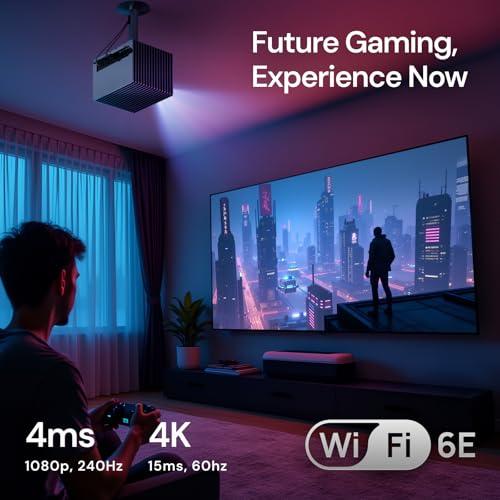
The Valerion StreamMaster Plus 2 achieves impressive input lag figures: 4ms at 1080p/240Hz, 8ms at 1080p/120Hz, and 15ms at 4K/60Hz. These numbers put it in serious gaming projector territory, competitive with dedicated gaming monitors. The Valerion also includes specialized gaming modes for different genres (FPS, RPG, Racing) and features like crosshair overlays.
The JVC shows 38ms input lag at 4K/60Hz and 30ms at 4K/120Hz. While perfectly acceptable for casual gaming and single-player experiences, competitive multiplayer gamers will definitely notice the difference.
This highlights an important principle in projector selection: higher price doesn't always mean better performance in every category. The JVC prioritizes image processing for maximum visual quality, while the Valerion includes specific optimizations for gaming responsiveness.
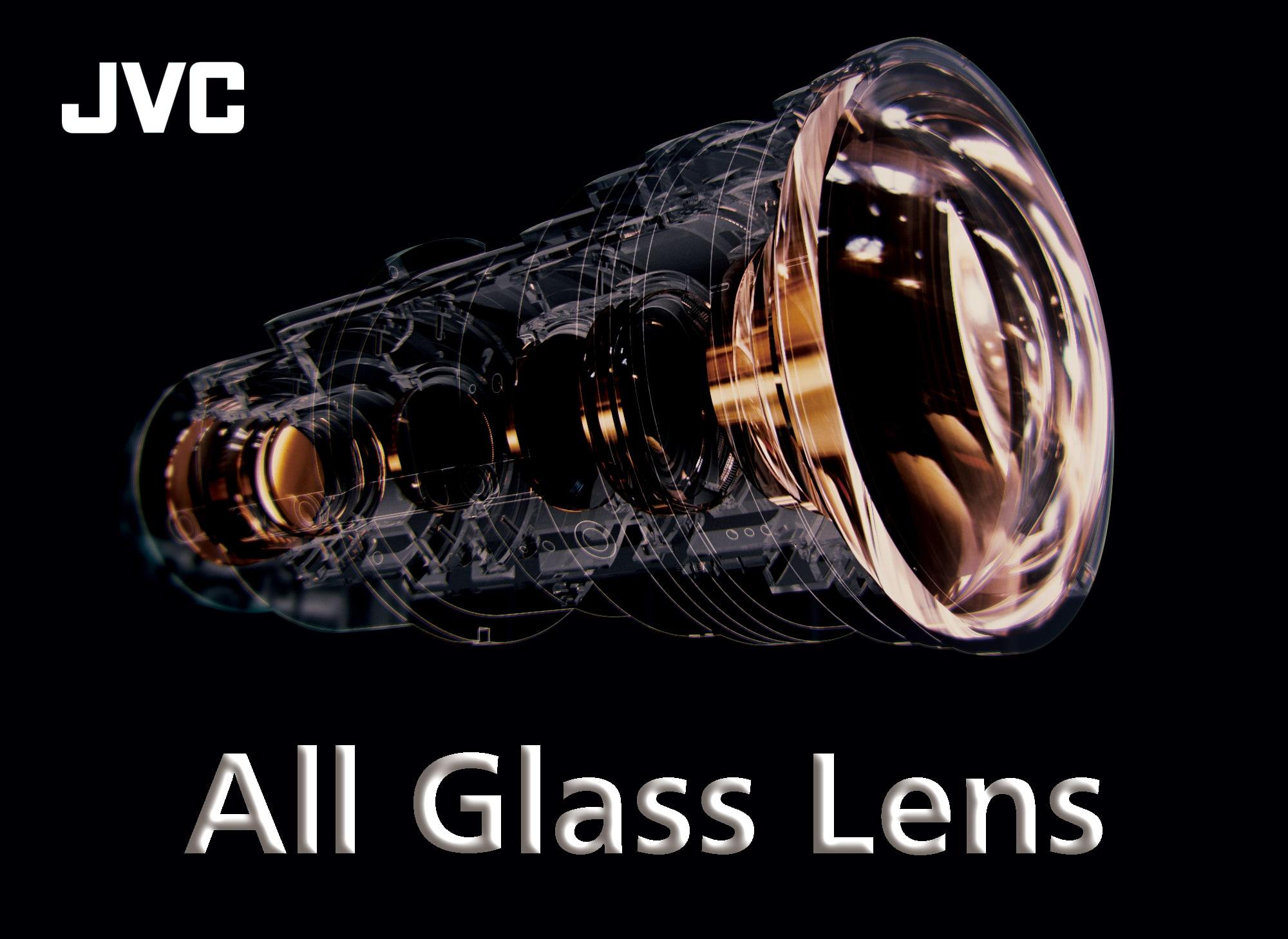
Installation flexibility is where the JVC DLA-NZ900 justifies much of its premium pricing. It includes a sophisticated 18-element, 16-group all-glass lens system with multiple Extra-low Dispersion (ED) elements to minimize color fringing and maximize sharpness.
More importantly, the JVC offers 2x motorized zoom (throw ratios from 1.29:1 to 2.61:1) and extensive motorized lens shift: ±100% vertical and ±43% horizontal. This means you can place the projector almost anywhere in a room and still achieve perfect image placement on the screen without digital correction that degrades image quality.
The Valerion StreamMaster Plus 2 uses a fixed 1.2:1 throw ratio with powered focus but no optical zoom or lens shift. While it includes automatic keystone correction (digital adjustment for angled mounting), this compromises image quality. The fixed lens means precise projector placement is critical.
For custom installations, ceiling mounting, or situations where the projector can't be placed directly centered with the screen, the JVC's flexibility is invaluable. The Valerion works well for simpler setups where the projector can be placed on a table or shelf directly facing the screen.
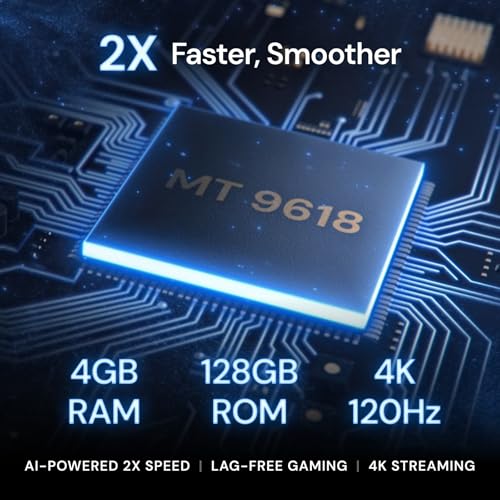
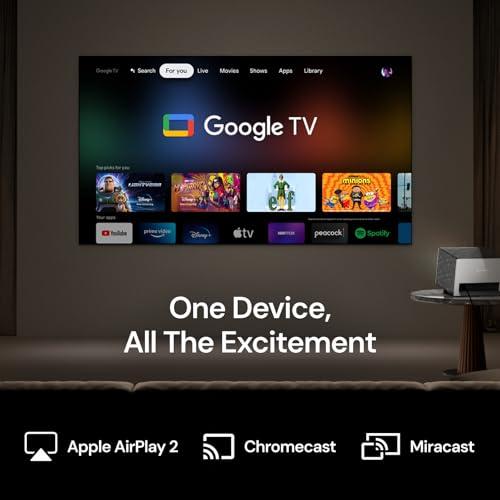
This represents another philosophical difference. The Valerion StreamMaster Plus 2 includes Google TV OS with 4GB RAM and 128GB storage, providing direct access to Netflix, Amazon Prime Video, Disney+, and other streaming services without any external devices. It also supports voice control through Google Assistant and casting from phones and tablets.
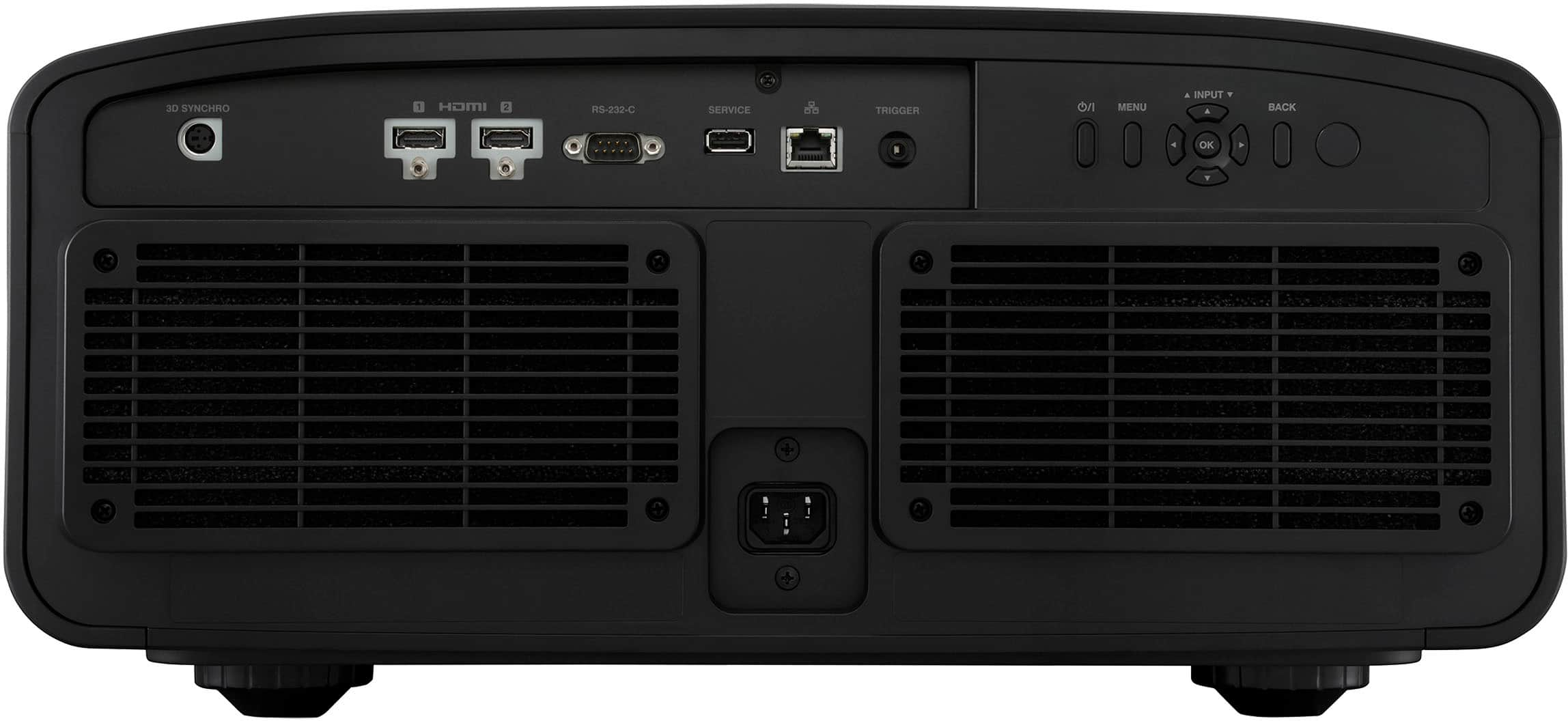
The JVC DLA-NZ900 includes zero smart features—it's purely a display device that requires external sources like streaming devices, game consoles, or media players.
At first glance, the Valerion's approach seems more convenient and cost-effective. However, there are trade-offs. Built-in smart systems eventually become outdated as streaming services update their requirements, while external devices can be easily upgraded. Professional installers often prefer the JVC's approach because it allows them to specify exactly which source components to use.
For most users, the Valerion's integrated approach provides excellent convenience and immediate functionality out of the box. The Google TV interface is responsive and comprehensive, supporting nearly all major streaming services.
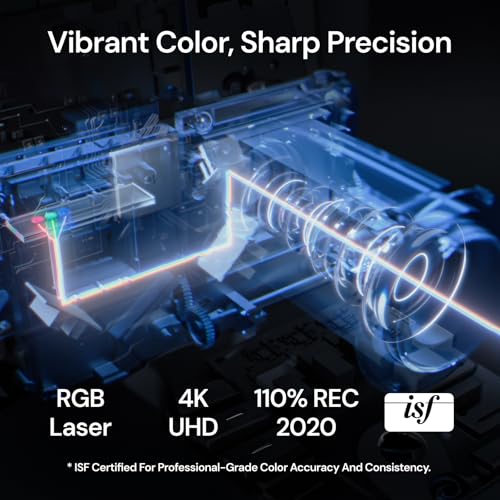
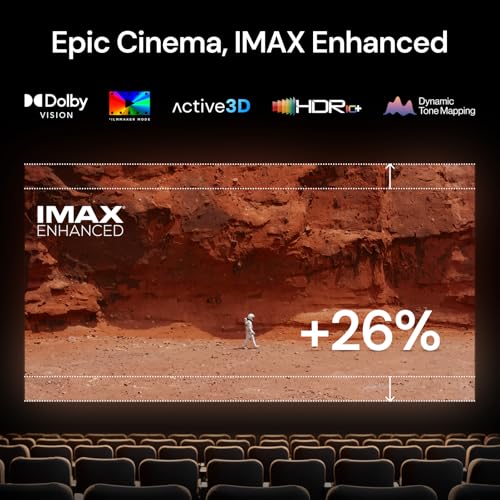
Both projectors support modern HDR formats, but with different strengths. The Valerion StreamMaster Plus 2 covers 110% of the Rec.2020 color space and supports Dolby Vision, HDR10+, IMAX Enhanced, and Filmmaker Mode. Its RGB triple laser light source contributes to vibrant, saturated colors that often look more "pop" than reality.
The JVC DLA-NZ900 covers over 100% of the DCI-P3 color space—the standard used for commercial cinema—and supports HDR10, HLG, and HDR10+ but notably lacks Dolby Vision support. However, its superior contrast ratio allows it to display HDR content with far greater dynamic range, especially in shadow details and highlight rendering.
Color accuracy tells a similar story. The Valerion produces impressive, vibrant colors that many viewers prefer for their "wow factor." The JVC prioritizes accuracy over saturation, delivering colors that match the filmmaker's intent more precisely.
For HDR performance specifically, contrast ratio matters more than color gamut. The JVC's ability to display true blacks allows HDR content to show its full dynamic range, while the Valerion's limited contrast constrains HDR impact despite supporting more HDR formats.
The physical construction differences are immediately apparent. The JVC DLA-NZ900 weighs 55.7 pounds and features hand-selected components in an all-metal chassis designed for professional installation. The Valerion StreamMaster Plus 2 weighs just 16.5 pounds with a more consumer-oriented plastic construction prioritizing portability.
Both use laser light sources rated for 20,000+ hours—roughly 10-15 years of typical home theater use. The JVC includes a three-year warranty with first-year advanced replacement, while the Valerion provides standard warranty coverage.
Long-term support expectations differ significantly. JVC has decades of experience in professional projection and typically supports products for many years with firmware updates and service availability. Valerion, as a newer brand, represents more uncertainty regarding long-term support, though early indications suggest adequate customer service.
The Valerion StreamMaster Plus 2 makes sense for users who want excellent 4K performance, built-in smart features, and strong gaming capabilities without the premium price tag. It's ideal for dedicated dark rooms with screens up to 120 inches, buyers who want an all-in-one solution with minimal external devices, and anyone upgrading from 1080p projection who wants to experience modern 4K and HDR content.
The gaming performance alone makes the Valerion attractive for households where gaming is important. The integrated Google TV eliminates the need for additional streaming devices and provides a clean, single-remote experience that many users prefer.
The JVC DLA-NZ900 targets serious home theater enthusiasts who demand reference-grade image quality and have budgets to match. It's appropriate for dedicated theater rooms with professional installation, larger screens over 150 inches, situations requiring flexible projector placement, and viewers who prioritize absolute image quality over convenience features.
The JVC also makes sense for users who already own high-quality source components and prefer the flexibility of external devices rather than built-in smart features that may become obsolete.
At the time of writing, these projectors represent dramatically different value propositions separated by roughly $24,000. That price difference could fund an entire home theater build around the Valerion, including screen, seating, and acoustic treatment, while still leaving substantial savings.
However, for buyers who have already invested in dedicated theater rooms and prioritize ultimate image quality, the JVC's performance advantages in contrast, color accuracy, and installation flexibility can justify the premium.
The sweet spot for most users likely falls somewhere between these extremes, but both projectors excel in their respective categories. The Valerion StreamMaster Plus 2 proves that excellent 4K projection is now accessible at reasonable prices, while the JVC DLA-NZ900 demonstrates what's possible when cost is less important than absolute performance.
Consider your room setup, viewing preferences, budget constraints, and long-term expectations. Both projectors deliver impressive performance—the question is which approach better matches your specific needs and priorities.
| Valerion StreamMaster Plus 2 | JVC DLA-NZ900 |
|---|---|
| Display Technology - Determines image sharpness and pixel accuracy | |
| Single 0.47" DLP chip with pixel-shifting for 4K | Three 0.69" native 4K D-ILA chips with 8K e-shiftX |
| Native Contrast Ratio - Most critical spec for deep blacks and HDR performance | |
| 3,000:1 (10,000:1 with EBL mode) | 150,000:1 (infinite dynamic contrast) |
| Brightness - Affects screen size and room lighting tolerance | |
| 2,000 ISO lumens (good for 100-120" screens in dark rooms) | 3,300 ANSI lumens (supports 150-300" screens, some ambient light) |
| Color Gamut - Determines color vibrancy and HDR capability | |
| 110% Rec.2020 (very wide, vibrant colors) | 100%+ DCI-P3 (cinema-accurate colors) |
| Lens System - Critical for installation flexibility | |
| Fixed 1.2:1 throw ratio, powered focus only | 2x motorized zoom (1.29-2.61:1), full motorized lens shift |
| Gaming Input Lag - Essential for responsive gaming | |
| 4ms at 1080p/240Hz, 15ms at 4K/60Hz (excellent) | 38ms at 4K/60Hz, 30ms at 4K/120Hz (adequate) |
| HDR Format Support - Affects compatibility with streaming content | |
| Dolby Vision, HDR10+, IMAX Enhanced, HDR10 | HDR10+, HDR10, HLG (no Dolby Vision) |
| Smart Features - Convenience vs flexibility trade-off | |
| Google TV built-in with 4GB RAM, 128GB storage | None (requires external streaming devices) |
| Build Quality and Weight - Installation and longevity considerations | |
| 16.5 lbs, consumer-grade construction, 2-year warranty | 55.7 lbs, professional-grade all-metal, 3-year warranty |
| Connectivity - Future-proofing and device compatibility | |
| HDMI 2.1 x2, HDMI 2.0 x1, USB ports | HDMI 2.1 x2 (48Gbps), RS-232C, trigger outputs |
| Light Source Lifespan - Long-term operating costs | |
| 25,000-hour RGB laser (maintenance-free) | 20,000-hour BLU-Escent laser (maintenance-free) |
| Best Use Cases - Who should choose each projector | |
| Budget-conscious buyers, gamers, all-in-one convenience | Reference cinema quality, custom installations, large screens |
The Valerion StreamMaster Plus 2 is a budget-friendly 4K projector with built-in Google TV that uses single-chip DLP technology, while the JVC DLA-NZ900 is a premium reference-grade projector using three native 4K D-ILA chips with 8K enhancement. The JVC offers dramatically superior contrast (150,000:1 vs 3,000:1) and image quality, but the Valerion provides excellent value with smart features included.
The Valerion StreamMaster Plus 2 is significantly better for gaming, offering 4ms input lag at 1080p/240Hz and 15ms at 4K/60Hz, plus dedicated gaming modes for different genres. The JVC DLA-NZ900 has much higher input lag at 38ms for 4K/60Hz, making it less suitable for competitive gaming despite its superior image quality.
The JVC DLA-NZ900 with its 3,300 ANSI lumens can handle some ambient light and larger screens up to 300 inches. The Valerion StreamMaster Plus 2 at 2,000 ISO lumens performs best in dedicated dark rooms with screens up to 120 inches. Both benefit from light control, but the JVC offers more flexibility.
The Valerion StreamMaster Plus 2 includes Google TV OS with built-in streaming apps, voice control, and casting capabilities, requiring no external devices. The JVC DLA-NZ900 has no smart features whatsoever and requires external streaming devices or media players for content.
The JVC DLA-NZ900 delivers 150,000:1 native contrast versus the Valerion StreamMaster Plus 2's 3,000:1 (10,000:1 with EBL mode). This massive difference means the JVC displays true blacks and exceptional shadow detail, especially important for HDR content and dark movie scenes, while the Valerion shows darker grays instead of pure blacks.
The Valerion StreamMaster Plus 2 is easier for basic installations due to its lighter weight (16.5 lbs) and simple setup, but has a fixed lens limiting placement options. The JVC DLA-NZ900 weighs 55.7 lbs and requires more complex installation, but offers 2x motorized zoom and full lens shift for maximum placement flexibility.
Both support HDR formats, but the Valerion StreamMaster Plus 2 supports more formats including Dolby Vision, HDR10+, and IMAX Enhanced. However, the JVC DLA-NZ900's superior contrast ratio allows it to display HDR content with much greater dynamic range and impact, despite lacking Dolby Vision support.
The Valerion StreamMaster Plus 2 offers excellent immediate value with built-in features and solid performance at its price point. The JVC DLA-NZ900 provides long-term value through superior build quality, professional-grade components, longer warranty coverage, and image quality that won't feel outdated as quickly.
The Valerion StreamMaster Plus 2 works optimally with 100-120 inch screens due to its brightness limitations and fixed 1.2:1 throw ratio. The JVC DLA-NZ900 can properly illuminate screens from 150-300 inches thanks to its higher brightness and flexible zoom lens system.
The Valerion StreamMaster Plus 2 includes comprehensive connectivity with HDMI 2.1 ports and built-in Wi-Fi for streaming. The JVC DLA-NZ900 offers dual HDMI 2.1 inputs with 48Gbps bandwidth for future 8K content but requires separate streaming devices and may need professional calibration for optimal performance.
The JVC DLA-NZ900 excels for serious home theater use with its reference-grade image quality, true native 4K resolution, exceptional contrast, and cinema-accurate colors. The Valerion StreamMaster Plus 2 provides very good movie performance for its price range but can't match the JVC's cinematic impact, especially in dark scenes.
Choose the Valerion StreamMaster Plus 2 if you want excellent 4K performance with smart features, prioritize gaming, or have budget constraints. Select the JVC DLA-NZ900 if you demand reference-grade image quality, have a dedicated theater room, need installation flexibility, or consider this a long-term investment in premium home cinema.
We've done our best to create useful and informative comparisons to help you decide what product to buy. Our research uses advanced automated methods to create this comparison and perfection is not possible - please contact us for corrections or questions. These are the sites we've researched in the creation of this article: bestbuy.com - valerion.com - youtube.com - valerion.com - youtube.com - projectorcentral.com - youtube.com - valerion.com - avsforum.com - neowin.net - hometheatershack.com - avsforum.com - bestbuy.com - projector-database.com - projectorcentral.com - valueelectronics.com - crutchfield.com - projectorreviews.com - soundapproach.com - houseofstereo.com - puretheatre.com - projectorscreen.com - projectorcentral.com - stereonet.com

Privacy Policy
Terms and Conditions - Affiliate Policy
Home Security
© Copyright 2008-2026.
11816 Inwood Rd #1211, Dallas, TX 75244