




When it comes to transforming your living room into a home theater, few upgrades are as dramatic as adding a 4K projector. The ability to create a cinema-sized image—we're talking 100 inches or more—changes how you experience movies, games, and even regular TV shows. But with projectors ranging from under $2,000 to well over $15,000, the decision can feel overwhelming.
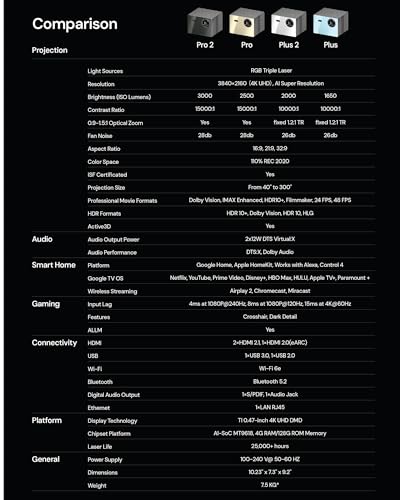
Today we're comparing two projectors that represent completely different philosophies: the Valerion StreamMaster Plus 2, launched in 2025 as a feature-packed budget champion, and the Sony BRAVIA Projector 8, a premium reference-grade machine that costs nearly eight times as much. While both create stunning 4K images, they achieve this through radically different approaches—and understanding these differences is key to making the right choice for your setup.
Before diving into our comparison, it's worth understanding what makes modern projectors tick. The technology has evolved dramatically over the past few years, with laser light sources replacing traditional lamps, HDR (High Dynamic Range) becoming standard, and 4K resolution finally becoming affordable.
The most fundamental difference between projectors lies in how they create the image. Some use a single chip that rapidly shifts pixels to simulate higher resolution (called pixel shifting), while others use multiple chips to display every pixel simultaneously. Think of it like the difference between a painter who quickly moves their brush to create detail versus an artist using three different brushes at once—both can create beautiful results, but through very different methods.
Light sources have also transformed the market. Traditional lamp-based projectors required bulb replacements every few thousand hours and took time to warm up. Modern laser projectors like both our contenders turn on instantly and can run for 20,000+ hours without maintenance—that's over a decade of regular use.
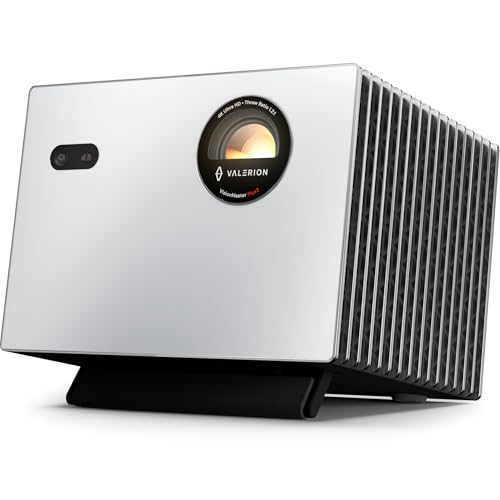
The Valerion StreamMaster Plus 2 launched in 2025 representing a new breed of budget projectors that don't compromise on core features. At roughly $1,700-$2,000 (prices vary by retailer), it packs technology that was exclusive to much more expensive models just a few years ago.
The RGB Triple Laser Advantage
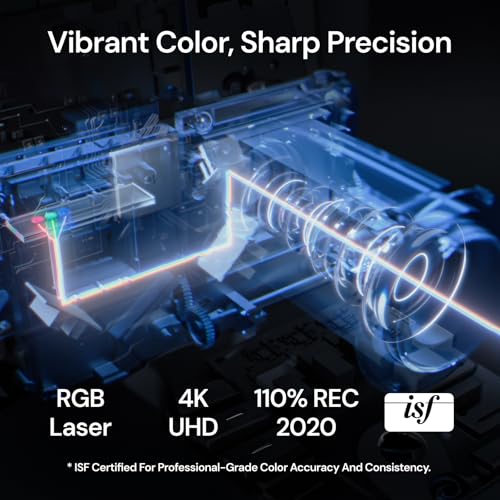
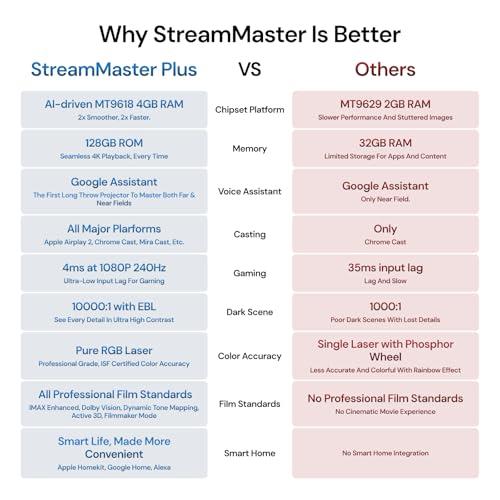
What makes the Valerion special starts with its light source. Instead of using a single laser with a color wheel (common in budget projectors), it employs three separate lasers—one each for red, green, and blue. This RGB triple laser system eliminates the "rainbow effect" that some people notice with single-chip projectors, where fast-moving objects can show brief color separations.
More importantly, this setup allows the StreamMaster Plus 2 to cover 110% of the Rec.2020 color space. To put this in perspective, most TVs cover around 70-80% of this space, and even many premium projectors struggle to exceed 90%. This translates to incredibly vibrant, saturated colors that make animated movies and nature documentaries absolutely pop off the screen.
Smart Features That Actually Work
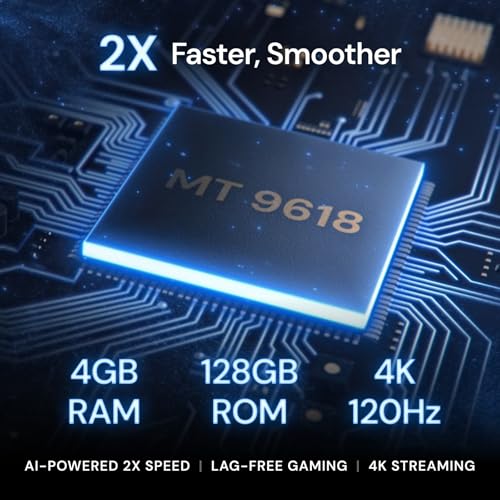
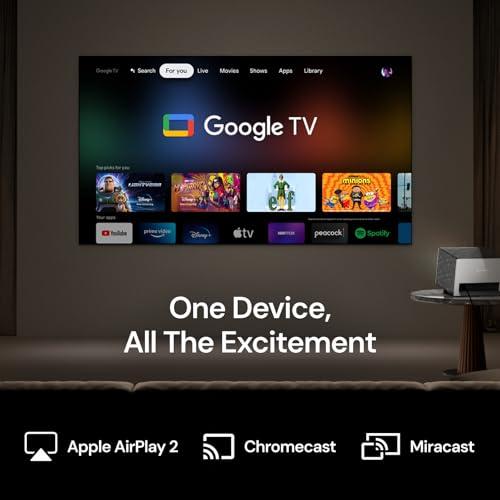
One area where the Valerion truly shines is its built-in Google TV operating system. With 4GB of RAM and 128GB of storage, it runs streaming apps smoothly without the lag that plagued earlier smart projectors. You can launch Netflix, Disney+, or YouTube directly from the projector without needing any external devices.
The voice control integration feels genuinely useful too. Google Assistant responds to both close-range (using the remote) and far-field commands (speaking to the projector directly). After living with smart TVs that barely understand simple commands, having a projector that reliably responds to "dim the lights and play Dune" feels almost magical.
Gaming Performance That Impresses
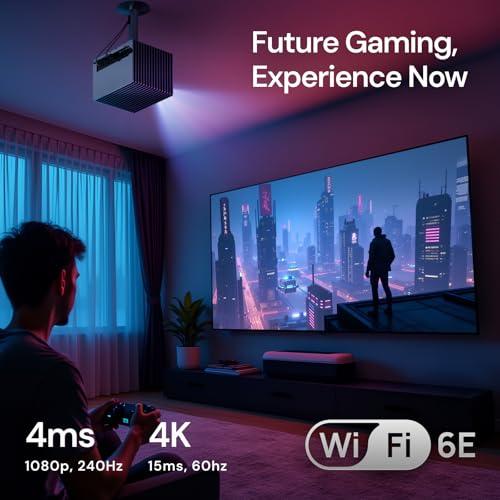
Where the StreamMaster Plus 2 really surprised us in our research was gaming performance. Input lag—the delay between pressing a button and seeing the action on screen—measures just 4ms at 1080p/240Hz. For context, that's better than most TVs and gaming monitors. Even at 4K/60Hz, the 15ms lag is entirely imperceptible during gameplay.
The dedicated gaming modes go beyond simple presets. FPS mode optimizes for first-person shooters with enhanced shadow detail, while RPG mode emphasizes rich colors for adventure games. The crosshair overlay feature might sound gimmicky, but competitive gamers will appreciate the customizable targeting reticle.
The Reality of Pixel Shifting
Here's where we need to address the Valerion's main technical limitation. It uses a single 0.47-inch DLP chip with pixel shifting to achieve 4K resolution. This means it's not displaying all 8.3 million pixels simultaneously—instead, it rapidly moves the image to create the perception of higher resolution.
In practice, this works remarkably well for video content. Movies and games look genuinely sharp and detailed. However, with static text or computer interfaces, you might notice slightly softer edges compared to true native 4K displays. For the vast majority of home theater use, this difference is academic rather than practical.
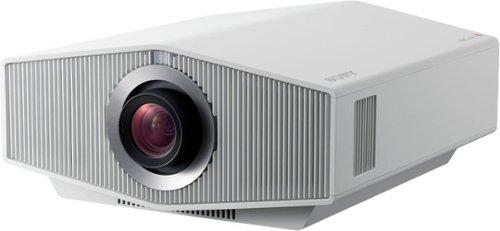
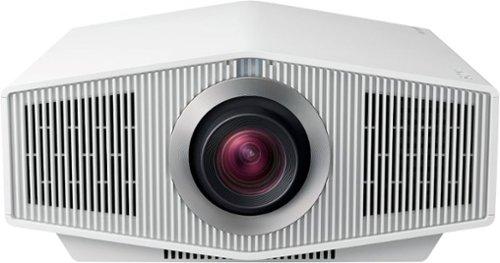
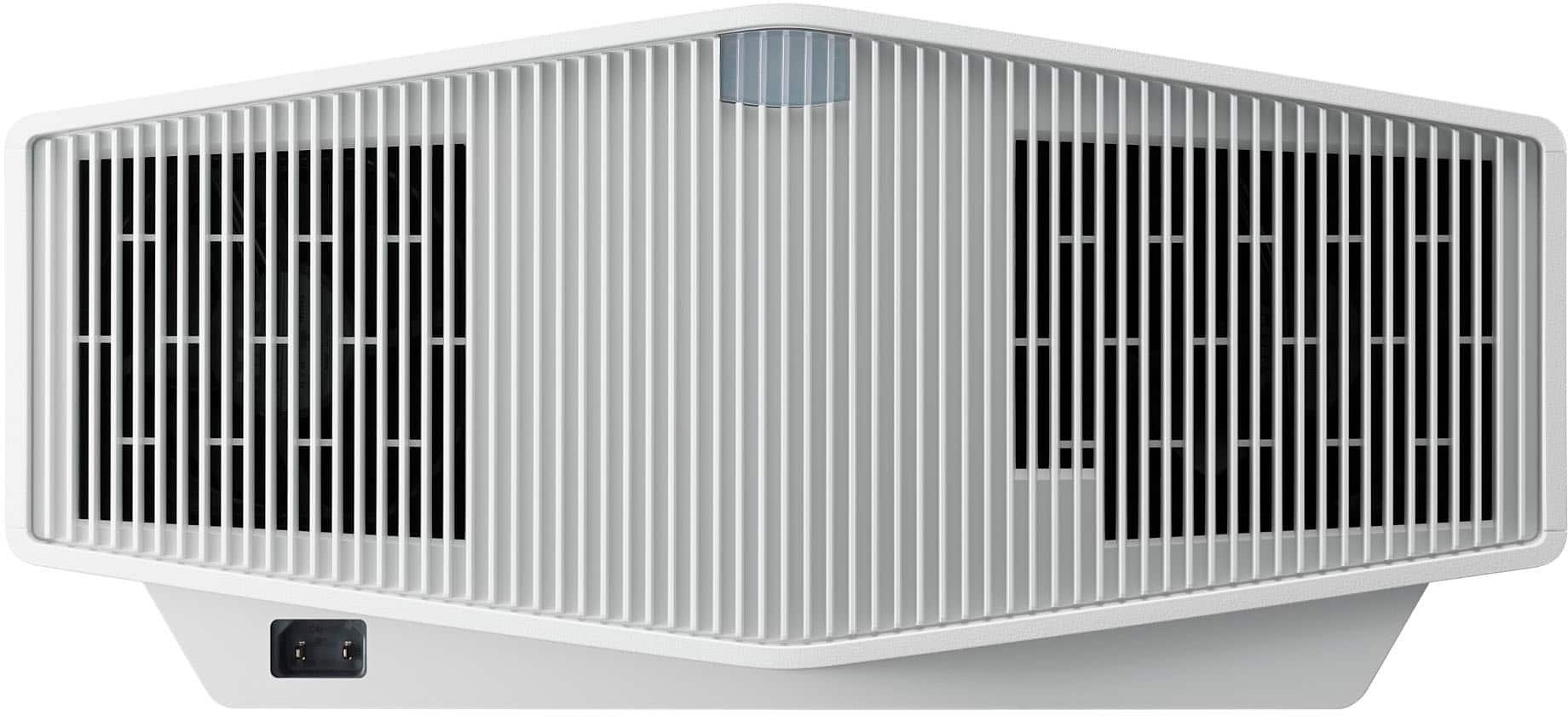
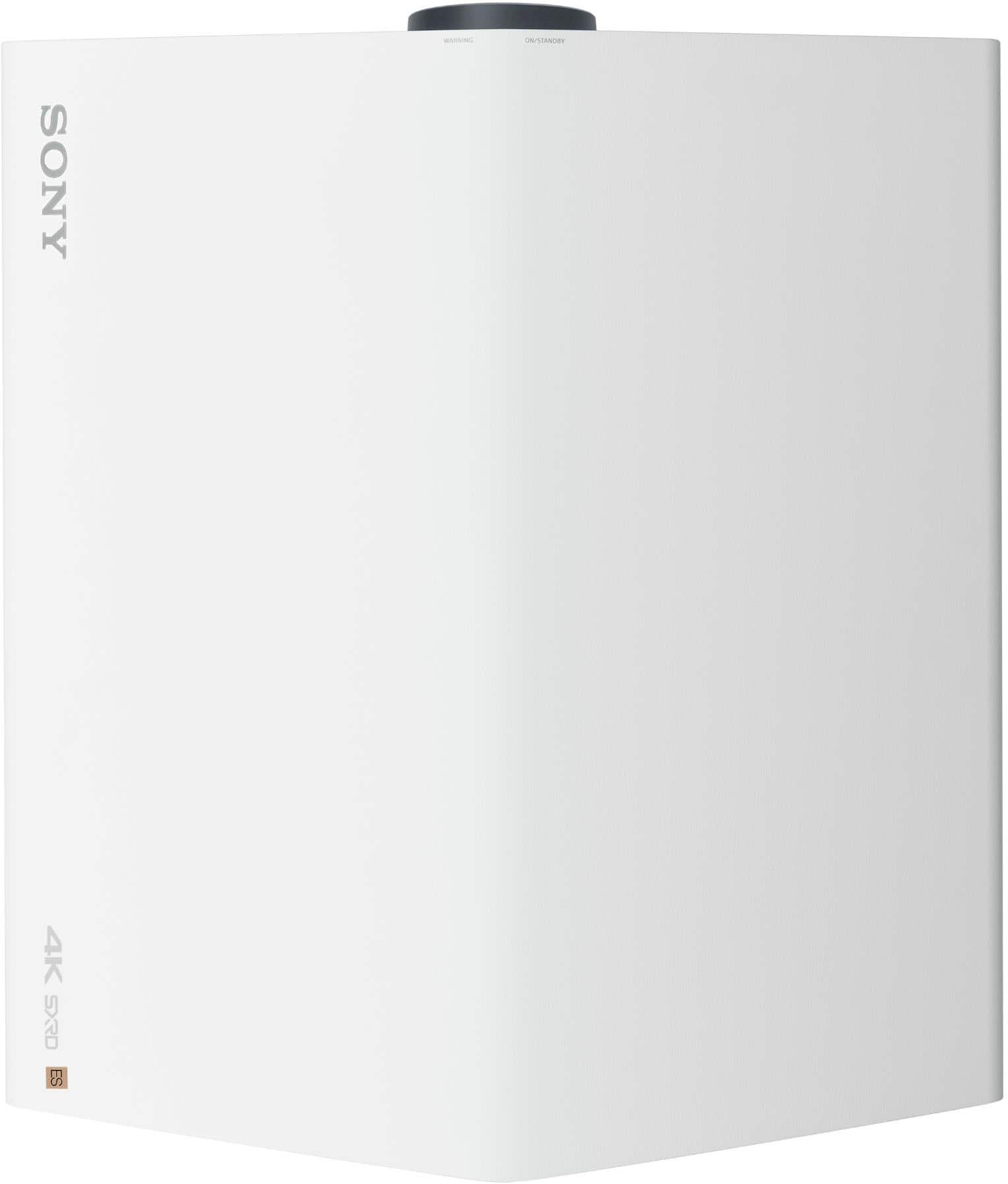
The Sony BRAVIA Projector 8, priced around $16,000 at time of writing, represents a completely different approach to projection. Where the Valerion maximizes features per dollar, the Sony prioritizes absolute image quality and installation flexibility.
True Native 4K: Three Chips, Zero Compromise
The heart of the Sony is its three 0.61-inch SXRD panels—essentially the same technology used in professional cinema projectors. Each panel handles one primary color (red, green, or blue) and displays true 3840 x 2160 resolution with every pixel physically present.
The difference is immediately noticeable with detailed content. Text appears razor-sharp, fine patterns in clothing or architecture show incredible detail, and there's a three-dimensional quality to images that's hard to describe but impossible to miss once you've seen it. The SXRD technology also delivers exceptional black levels—the darkest parts of the image appear truly dark rather than slightly gray.
XR Processing: TV Technology Meets Projection
Sony has adapted its acclaimed BRAVIA TV processing for projection, and the results are impressive. The XR Processor analyzes content frame by frame, identifying objects and adjusting brightness, color, and detail accordingly. This isn't just marketing—the processing genuinely improves both standard content and HDR material.
XR Dynamic Tone Mapping deserves special mention. Instead of applying HDR settings globally across the entire image, it analyzes different areas independently. A sunset scene might have bright, warm highlights in the sky while preserving shadow detail in the foreground—exactly what directors intended when mastering HDR content.
Installation Flexibility That Matters
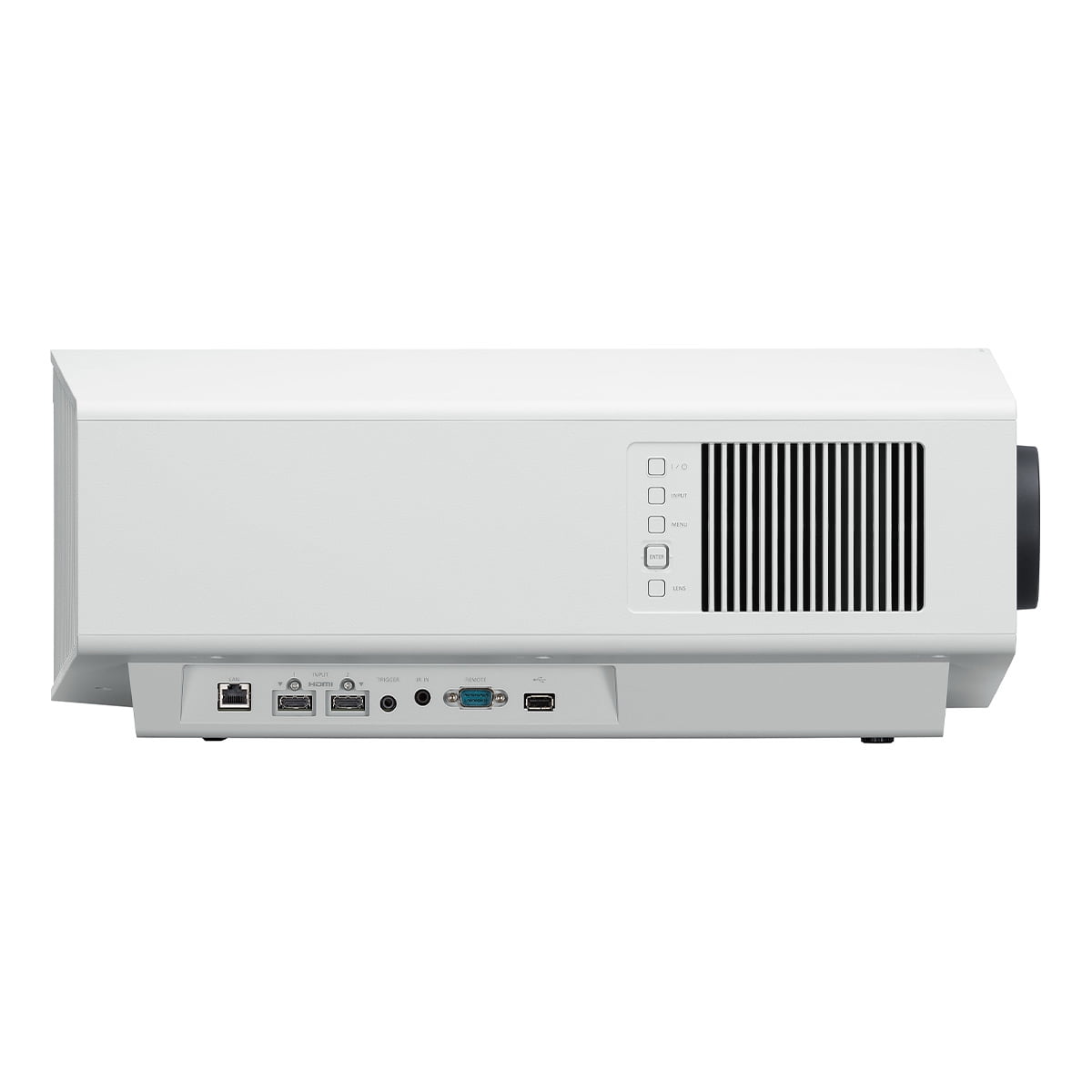
One of the Sony's most practical advantages is its 2.14:1 zoom lens and extensive lens shift capabilities. You can move the image vertically by 85% and horizontally by 36% without any digital processing or image degradation.
In real-world terms, this means the projector can be placed almost anywhere in your room while still perfectly filling your screen. Ceiling mounting becomes much simpler when you don't need millimeter-perfect alignment. The Valerion, with its fixed 1.2:1 throw ratio, requires precise placement that might not work in all rooms.
The Z-Phosphor Laser Advantage
While both projectors use laser light sources, Sony's Z-Phosphor system takes a different approach. Rather than three separate colored lasers, it uses a blue laser with phosphor conversion for other colors. This might sound less advanced than the Valerion's RGB system, but it actually provides more stable, cinema-accurate colors.
The Sony covers over 95% of the DCI-P3 color space—the standard used in commercial cinemas. While this is technically narrower than the Valerion's 110% Rec.2020 coverage, it's more accurate for film content. Colors look natural and realistic rather than artificially enhanced.
Brightness and Real-World Performance
Both projectors claim impressive brightness figures, but the real test is how they perform in actual viewing environments. The Sony outputs 2,700 ANSI lumens compared to the Valerion's 2,000 ISO lumens. However, these different measurement standards make direct comparison tricky.
In practice, both projectors work well in moderate ambient light, though neither is designed for bright daytime viewing. The Sony has a slight edge in brighter rooms, but the difference isn't dramatic enough to be a deciding factor for most users.
HDR Performance: Different Philosophies
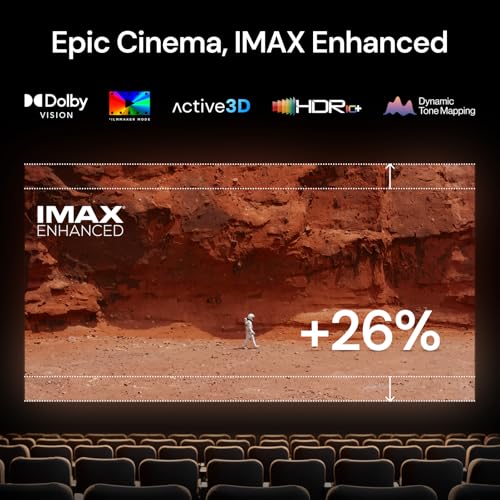
HDR support reveals the philosophical differences between these projectors. The Valerion supports every major HDR format—HDR10, HDR10+, Dolby Vision, and even IMAX Enhanced. Its wide color gamut and enhanced black level mode create images with incredible pop and visual impact.
The Sony takes a more measured approach, focusing on accuracy over impact. Its XR Dynamic Tone Mapping creates more natural-looking HDR that closely matches the filmmaker's intent. Bright scenes don't feel artificially pumped up, and shadow details remain visible even in the darkest scenes.
Neither approach is inherently better—it depends on your preferences. The Valerion creates more "wow factor" images that grab attention, while the Sony produces more film-like, sustainable viewing experiences.
Gaming: Speed vs. Accuracy
For gaming, the Valerion is clearly optimized for competitive play. Its ultra-low input lag and gaming-specific features make it ideal for fast-paced action games where every millisecond matters. The various gaming modes actually make a noticeable difference—FPS mode really does help with spotting enemies in dark corners.
The Sony supports modern gaming standards like HDMI 2.1 and 4K/120Hz, but it's clearly designed with cinematic gaming in mind. Single-player adventures and story-driven games look absolutely stunning, but competitive gamers will prefer the Valerion's response time.
The Budget-Conscious Enthusiast's Dream
The Valerion StreamMaster Plus 2 makes sense for a surprisingly wide range of users. If you're building your first serious home theater, want gaming performance without compromise, or simply want the most features per dollar, it's hard to argue against.
The built-in streaming capabilities alone save you $200-400 on external devices, and the gaming performance rivals dedicated gaming projectors costing twice as much. For most people, the pixel-shifted 4K resolution provides all the detail they'll ever notice, especially from normal viewing distances.
Consider the Valerion if you're working with a budget under $2,500, want a projector that does everything well, or prioritize vibrant, eye-catching images over absolute accuracy.
The Reference-Grade Investment
The Sony BRAVIA Projector 8 justifies its premium pricing through uncompromising image quality and professional-grade features. If you're building a dedicated home theater room, already own high-quality source devices, and want the absolute best projection experience, it delivers.
The installation flexibility alone makes it worth considering for challenging room layouts. When you're investing in a complete theater setup—potentially including acoustic treatments, seating, and lighting control—the projector often represents just one component of a larger system.
Choose the Sony if image quality is paramount, you need installation flexibility, or you're building a reference-grade theater where accuracy matters more than features.
After extensive research into user experiences and expert opinions, both projectors excel in their intended roles. The Valerion StreamMaster Plus 2 proves that modern budget projectors can deliver genuinely impressive performance without major compromises. Its combination of smart features, gaming optimization, and vibrant image quality makes it the clear choice for most first-time projector buyers.
The Sony BRAVIA Projector 8 represents what's possible when cost isn't the primary constraint. Its true native 4K resolution, cinema-grade processing, and installation flexibility justify the premium for serious enthusiasts building dedicated theater spaces.
The choice ultimately comes down to your priorities and budget. Both projectors will transform your viewing experience—the Valerion delivers exceptional value and versatility, while the Sony provides uncompromising performance for those who demand the absolute best. In a market where projector quality has improved dramatically while prices have become more accessible, we're fortunate to have such compelling options at both ends of the spectrum.
| Valerion StreamMaster Plus 2 | Sony BRAVIA Projector 8 |
|---|---|
| Display Technology - Fundamentally different approaches to creating 4K images | |
| Single 0.47" DLP chip with pixel shifting (creates 4K perception through rapid pixel movement) | Three native 0.61" SXRD panels (true 4K with all 8.3 million pixels displayed simultaneously) |
| Brightness - Key factor for room lighting flexibility | |
| 2,000 ISO lumens (good for darkened rooms, adequate for moderate ambient light) | 2,700 ANSI lumens (better performance in brighter environments, more headroom for HDR) |
| Color Gamut - Determines color vibrancy and accuracy | |
| 110% Rec.2020 coverage via RGB triple lasers (exceptionally wide, punchy colors) | >95% DCI-P3 coverage via Z-Phosphor laser (cinema-accurate, natural colors) |
| Contrast Ratio - Critical for deep blacks and image depth | |
| 3,000:1 native, 10,000:1 dynamic with EBL mode | Nearly infinite dynamic contrast through precise laser modulation |
| Installation Flexibility - Determines where you can place the projector | |
| Fixed 1.2:1 throw ratio, no lens shift (requires precise placement at specific distance/height) | 2.14:1 powered zoom, ±85% vertical/±36% horizontal lens shift (flexible placement anywhere in room) |
| Gaming Performance - Input lag matters for responsive gameplay | |
| Ultra-low 4ms @ 1080p/240Hz, 15ms @ 4K/60Hz with dedicated gaming modes | HDMI 2.1 with 4K@120Hz support, optimized for cinematic rather than competitive gaming |
| Smart Features - Built-in streaming and connectivity | |
| Full Google TV OS with 4GB RAM/128GB storage, voice control, all major streaming apps | No built-in smart features, requires external streaming devices |
| Light Source Lifespan - Long-term maintenance considerations | |
| RGB laser rated for 25,000 hours (approximately 12+ years of regular use) | Z-Phosphor laser rated for 20,000 hours (approximately 10+ years of regular use) |
| Weight and Portability - Important for setup and potential moves | |
| 16.5 lbs (portable, easy single-person setup) | ~31 lbs (permanent installation focus, requires more robust mounting) |
| Warranty Coverage - Protection for your investment | |
| 1-2 years standard coverage | 3 years parts and labor (reflects premium positioning and build quality) |
| HDR Implementation - How well it handles high dynamic range content | |
| Supports all formats (HDR10, HDR10+, Dolby Vision, IMAX Enhanced) with vibrant, impactful presentation | XR Dynamic Tone Mapping with frame-by-frame analysis for cinema-accurate HDR reproduction |
The Valerion StreamMaster Plus 2 is significantly better for gaming, offering ultra-low input lag of just 4ms at 1080p/240Hz and 15ms at 4K/60Hz. It includes dedicated gaming modes for different genres (FPS, RPG, RCG) and features like crosshair overlays. The Sony BRAVIA Projector 8 supports 4K@120Hz gaming but is optimized more for cinematic experiences than competitive gaming performance.
The Sony BRAVIA Projector 8 uses three native 4K SXRD panels that display true 4K resolution with all 8.3 million pixels simultaneously, resulting in sharper text and finer detail. The Valerion StreamMaster Plus 2 uses pixel shifting technology on a single DLP chip to create 4K images, which works excellently for movies but may appear slightly softer with static content like computer interfaces.
The Valerion StreamMaster Plus 2 includes built-in Google TV with 4GB RAM and 128GB storage, providing direct access to Netflix, Disney+, YouTube, and other streaming apps without external devices. The Sony BRAVIA Projector 8 has no built-in smart features and requires external streaming devices like Apple TV, Roku, or gaming consoles for content access.
The Sony BRAVIA Projector 8 performs better in brighter environments with its 2,700 ANSI lumens output compared to the Valerion StreamMaster Plus 2's 2,000 ISO lumens. However, both projectors are designed primarily for controlled lighting environments and will struggle in very bright daylight conditions without proper room darkening.
The Sony BRAVIA Projector 8 offers exceptional installation flexibility with a 2.14:1 powered zoom lens and extensive lens shift (±85% vertical, ±36% horizontal), allowing placement almost anywhere in your room. The Valerion StreamMaster Plus 2 has a fixed 1.2:1 throw ratio with no lens shift, requiring precise placement at a specific distance and height from your screen.
This depends on your preference: the Valerion StreamMaster Plus 2 covers 110% of Rec.2020 color space through RGB triple lasers, creating incredibly vibrant and saturated colors that really pop. The Sony BRAVIA Projector 8 covers >95% of DCI-P3 space with more cinema-accurate, natural color reproduction that matches filmmakers' intentions more closely.
The Sony BRAVIA Projector 8 achieves nearly infinite dynamic contrast through precise laser modulation and high-contrast SXRD panels, delivering exceptional black levels. The Valerion StreamMaster Plus 2 offers 3,000:1 native contrast that increases to 10,000:1 with Enhanced Black Level (EBL) mode, which is good but not quite matching the Sony's performance.
The Valerion StreamMaster Plus 2 uses RGB lasers rated for 25,000 hours of operation, while the Sony BRAVIA Projector 8 employs a Z-Phosphor laser system rated for 20,000 hours. Both provide over a decade of regular use without maintenance, a major advantage over traditional lamp-based projectors that require bulb replacements every few thousand hours.
The Sony BRAVIA Projector 8 is better suited for dedicated home theater installations due to its true native 4K resolution, cinema-accurate color reproduction, installation flexibility, and professional-grade processing. The Valerion StreamMaster Plus 2 works well in home theaters too, especially when budget is a primary consideration and you want built-in smart features.
The Valerion StreamMaster Plus 2 supports all major HDR formats including HDR10, HDR10+, Dolby Vision, and IMAX Enhanced, providing broad compatibility with different content sources. The Sony BRAVIA Projector 8 focuses on HDR10 and HLG with XR Dynamic Tone Mapping technology that analyzes content frame-by-frame for optimal HDR reproduction.
The Valerion StreamMaster Plus 2 weighs 16.5 pounds, making it relatively portable for moving between rooms or taking to friends' houses. The Sony BRAVIA Projector 8 weighs approximately 31 pounds and is designed more for permanent installation in dedicated theater spaces, though it can still be moved with proper planning.
The Valerion StreamMaster Plus 2 provides exceptional features-per-dollar value with built-in streaming, gaming optimization, and wide color gamut at a budget-friendly price point, backed by 1-2 years warranty. The Sony BRAVIA Projector 8 commands premium pricing but offers reference-grade performance, installation flexibility, and a comprehensive 3-year warranty for serious home theater enthusiasts.
We've done our best to create useful and informative comparisons to help you decide what product to buy. Our research uses advanced automated methods to create this comparison and perfection is not possible - please contact us for corrections or questions. These are the sites we've researched in the creation of this article: bestbuy.com - valerion.com - youtube.com - valerion.com - youtube.com - projectorcentral.com - youtube.com - valerion.com - avsforum.com - neowin.net - hometheatershack.com - avsforum.com - bestbuy.com - projector-database.com - projectorreviews.com - valueelectronics.com - stereonet.com - crutchfield.com - audioholics.com - crutchfield.com - projectorcentral.com - pro.sony - electronics.sony.com - cepro.com - community.verizon.com

Privacy Policy
Terms and Conditions - Affiliate Policy
Home Security
© Copyright 2008-2026.
11816 Inwood Rd #1211, Dallas, TX 75244