

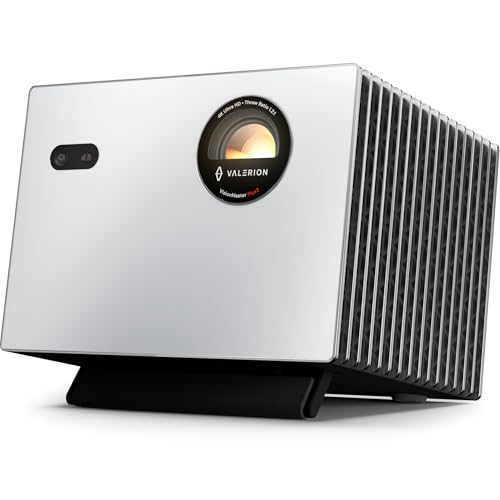


The home theater projector market has split into two fascinating camps that couldn't be more different in their approach. On one side, you have modern smart projectors like the Valerion StreamMaster Plus 2 that pack Google TV, gaming features, and maintenance-free laser technology into an affordable package. On the other, reference-grade cinema projectors like the JVC DLA-NX9 pursue absolute image perfection with massive contrast ratios and professional installation features at premium prices.
Understanding which camp serves your needs requires diving into what makes each approach unique—and why the price difference can stretch to ten times or more between similar brightness levels.
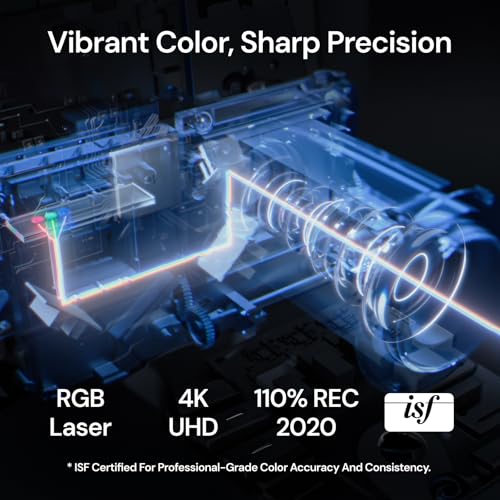
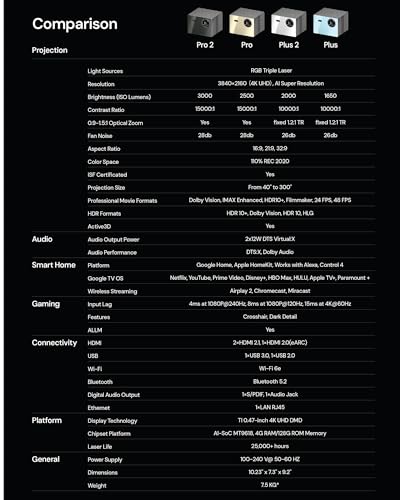
Released in 2025, the Valerion StreamMaster Plus 2 represents the modern smart projector philosophy perfectly. It uses a single 0.47-inch DLP (Digital Light Processing) chip—essentially a tiny mirror array that flips millions of microscopic mirrors thousands of times per second to create images. Combined with an RGB triple laser system, this creates vibrant colors while keeping costs reasonable and eliminating the rainbow effect that plagued older single-chip DLP projectors.
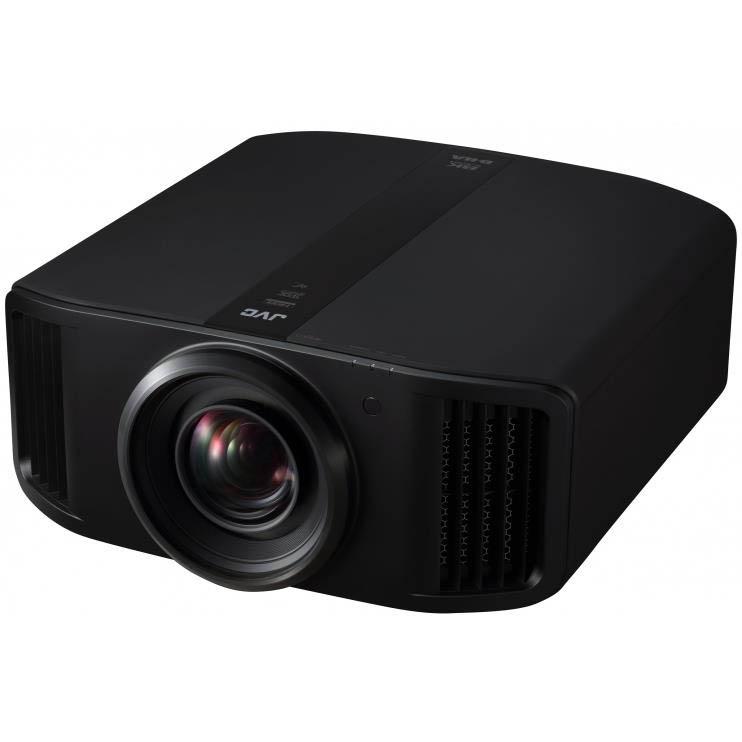
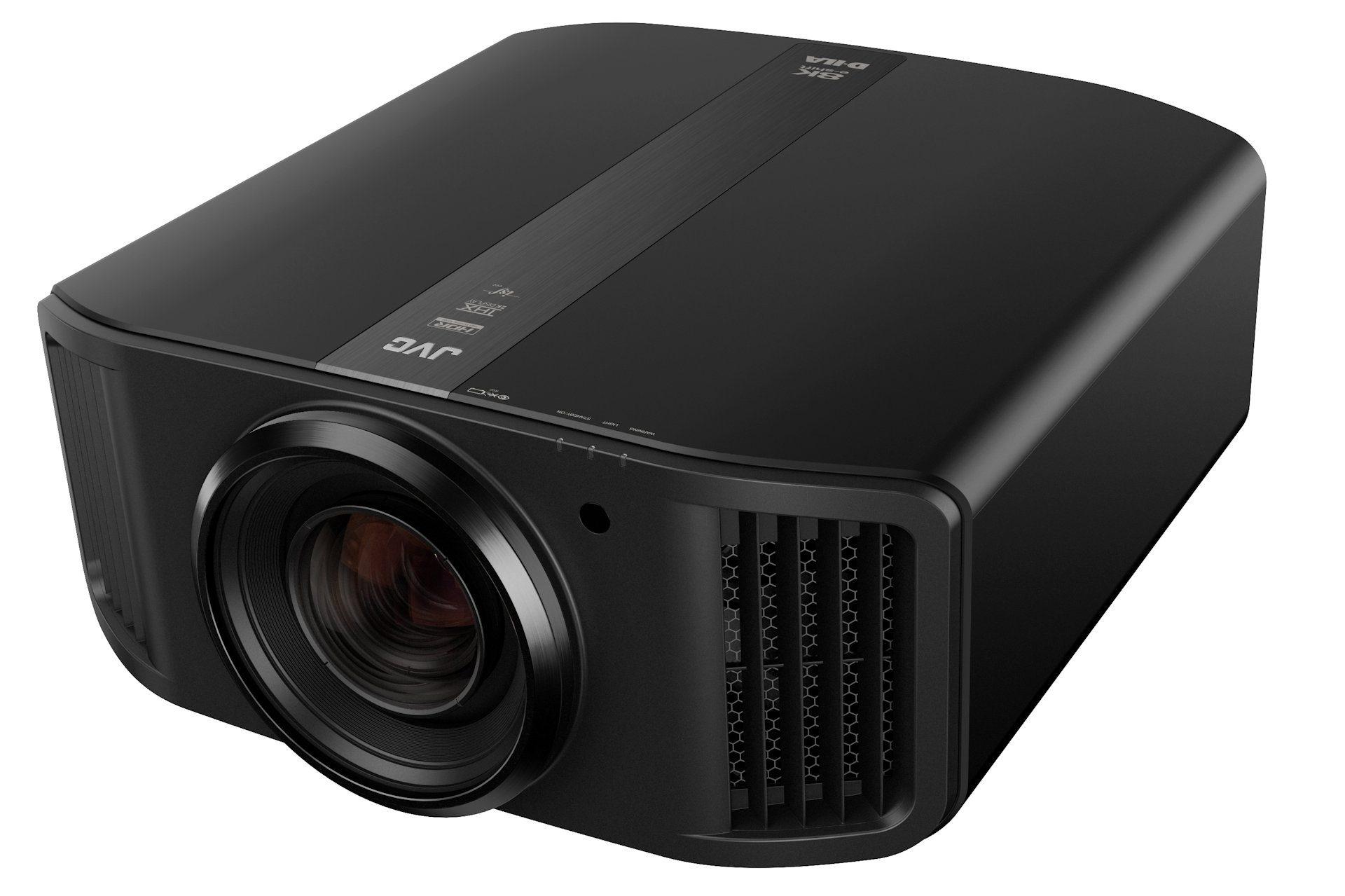
The JVC DLA-NX9, launched in 2018, takes a completely different approach with three separate 0.69-inch D-ILA chips—one each for red, green, and blue. D-ILA (Direct Drive Image Light Amplifier) is JVC's version of reflective LCD technology, where liquid crystals sit on top of a reflective backing. This three-chip design allows for much better contrast and color accuracy, but it's expensive to manufacture and requires precision alignment.
What's particularly interesting is how display technology has evolved since 2018. The Valerion benefits from six years of advancement in laser technology, smart processing, and manufacturing efficiency. RGB laser systems have become more refined and affordable, while AI-powered image processing has improved dramatically. Meanwhile, the JVC represents the peak of traditional lamp-based D-ILA technology before JVC shifted to laser models in their newer lineup.
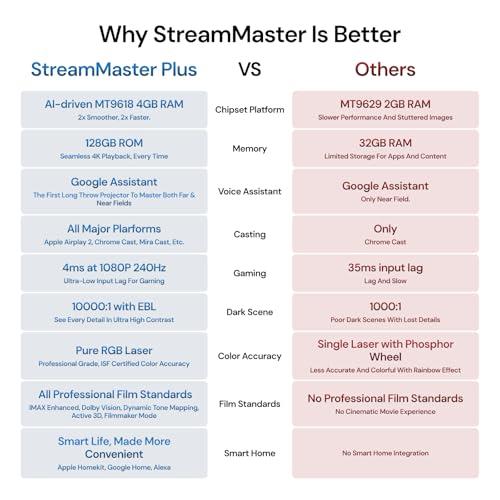
Here's where the technical differences become dramatic performance differences. The JVC DLA-NX9 delivers a native contrast ratio of 100,000:1, which means the brightest whites are 100,000 times brighter than the darkest blacks. With dynamic contrast features engaged, this jumps to 1,000,000:1. The Valerion StreamMaster Plus 2, despite its Enhanced Black Level technology, manages 3,000:1 native and 10,000:1 dynamic.
This isn't just about numbers—contrast ratio directly affects how three-dimensional and realistic images appear. When you're watching a dark space scene in a movie, the JVC can render star fields against truly black space, making the image pop with depth. The Valerion will show the same scene with slightly gray blacks, which reduces the sense of depth but remains perfectly watchable for most viewers.
The technology behind this difference is fundamental. D-ILA's reflective design allows pixels to get much darker than DLP's mirror-based approach. Think of it like the difference between looking at a black piece of paper versus a dark mirror—the paper absorbs more light and appears deeper black.
For home theater use, this contrast advantage becomes most noticeable in dark room viewing with properly mastered content. If your theater room has light control and you're serious about cinema-quality reproduction, the JVC's contrast performance creates a more immersive experience. However, if you're projecting in a living room with some ambient light, the difference becomes less apparent since room lighting raises the black level anyway.
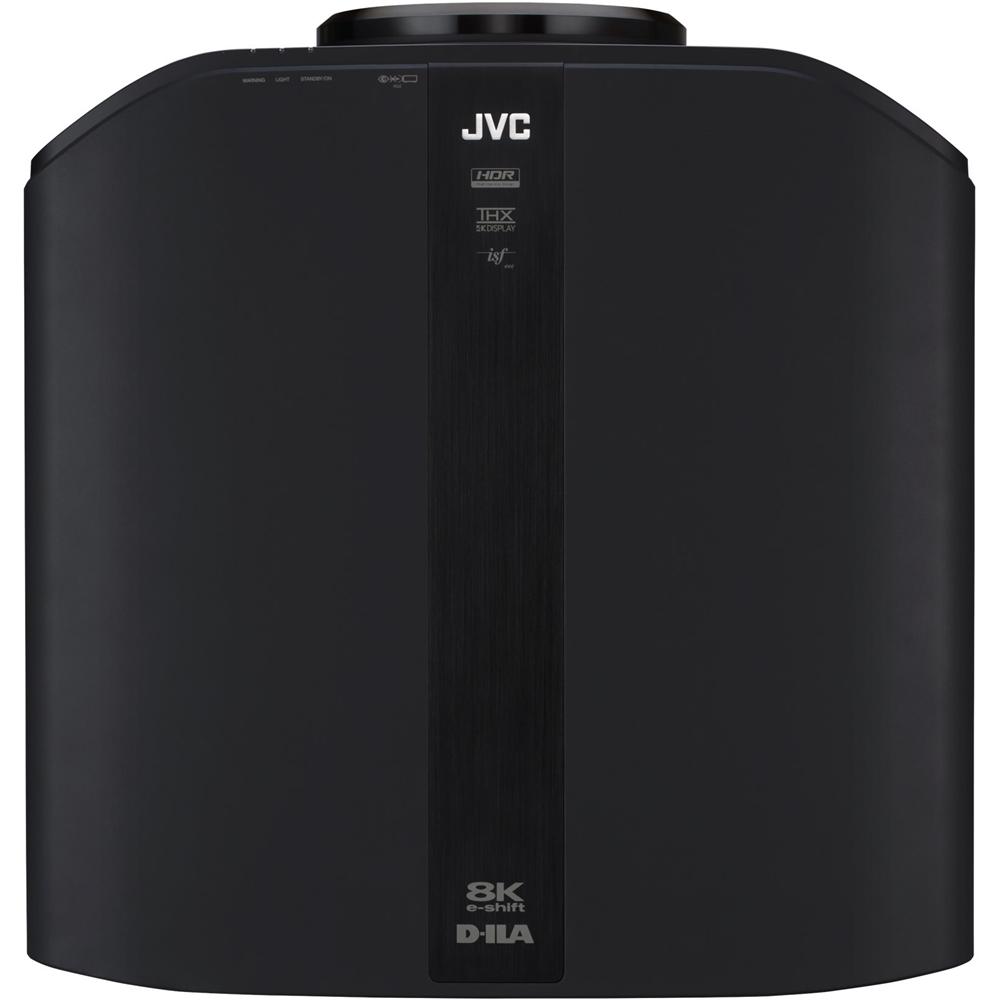
Both projectors claim 4K resolution, but they achieve it differently. The JVC DLA-NX9 uses true native 4K chips at 4096×2160—the same resolution used in digital cinemas. Its 8K e-shift technology then shifts these pixels diagonally by half a pixel to create an effective resolution of 8192×4320, essentially quadrupling the detail information.
The Valerion StreamMaster Plus 2 uses pixel shifting with its 0.47-inch DLP chip to create 3840×2160 resolution—standard UHD 4K. While this involves some processing to achieve 4K from a lower native resolution chip, the results are sharp and detailed for most content.
In practical viewing, the JVC's resolution advantage shows up most clearly with static images, text, and fine detail in movies. The 8K e-shift processing creates an almost film-like texture that's particularly noticeable on larger screens above 120 inches. For typical home theater screen sizes of 100-120 inches, both projectors deliver sharp, detailed images that satisfy most viewers.
The resolution difference matters more if you sit close to a large screen or use the projector for PC applications where text clarity is critical. For normal movie viewing distances, the Valerion's resolution proves perfectly adequate while offering other advantages.
Color reproduction showcases where newer technology shines. The Valerion StreamMaster Plus 2 covers 110% of the Rec.2020 color standard using its RGB laser system. Rec.2020 represents the color gamut used for HDR content, so covering more than 100% means incredibly vibrant, accurate colors that exceed what most TVs can display.
RGB laser technology creates pure red, green, and blue light that combines to form all other colors. This approach eliminates the color wheel found in traditional DLP projectors and creates more saturated, accurate colors throughout the spectrum. The laser light source also maintains consistent color performance throughout its 25,000-hour lifespan.
The JVC DLA-NX9 covers the DCI-P3 color gamut used in digital cinemas, plus some additional range. While this doesn't reach the Valerion's extreme color coverage, it delivers accurate, film-like colors that many videophiles prefer for their natural appearance.
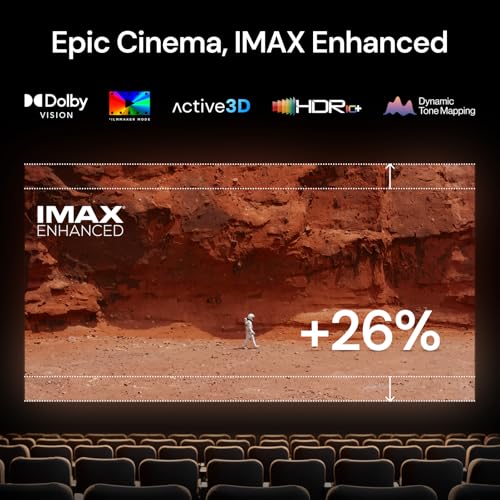
For HDR content, the Valerion supports modern standards like Dolby Vision and HDR10+ with dynamic tone mapping—features that adjust brightness and color scene by scene for optimal presentation. The JVC, being a 2018 model, supports HDR10 but lacks these newer dynamic formats.
In typical home theater use, both projectors deliver excellent color, but they suit different preferences. The Valerion creates more vivid, punchy colors that work well for mixed content including games and modern movies. The JVC produces more natural, film-accurate colors preferred by cinema purists.
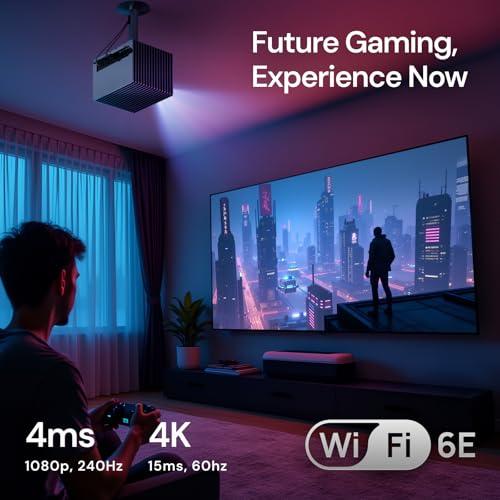
Gaming represents a clear generational divide between these projectors. The Valerion StreamMaster Plus 2 was designed with gaming in mind, delivering input lag as low as 4 milliseconds at 1080p/240Hz. Input lag measures the delay between when your controller sends a signal and when the image appears on screen—crucial for competitive gaming where split-second timing matters.
The projector supports refresh rates up to 240Hz at 1080p, meaning it can display 240 frames per second for incredibly smooth motion in fast-paced games. At 4K resolution, it still manages 15ms input lag, which remains excellent for gaming while delivering full resolution detail.
Gaming modes optimize the image for different game types. FPS (First Person Shooter) mode enhances visibility in dark areas and includes crosshair overlays, while RPG (Role Playing Game) mode emphasizes color richness and detail for exploration games.
The JVC DLA-NX9 doesn't publish input lag specifications because it wasn't designed for gaming. Its processing focuses on cinema-quality image reproduction with features like 24p motion handling for film content. While it can certainly display games, the experience won't match dedicated gaming projectors.
For anyone who games regularly or has family members who do, the Valerion offers a significantly better experience. The low input lag and high refresh rate support make it competitive with gaming TVs while providing the large screen experience gamers love.
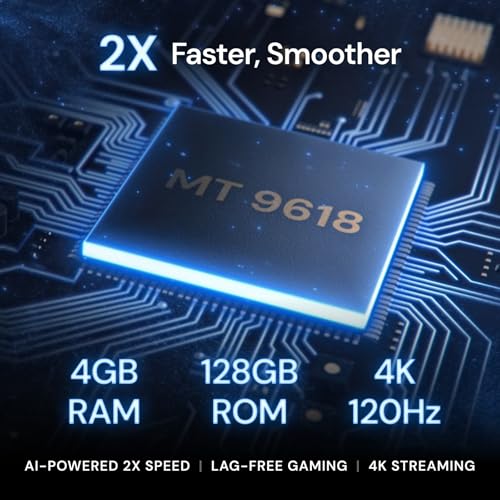
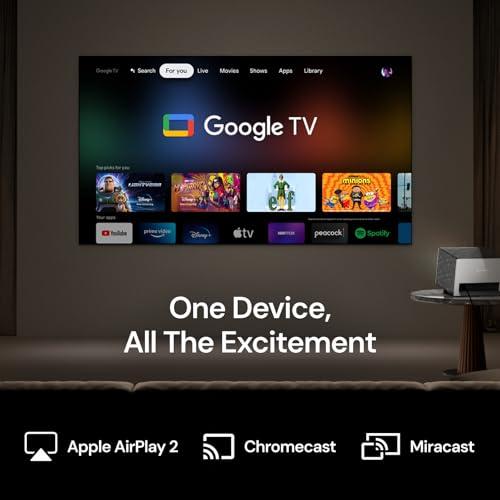
The convenience factor heavily favors the Valerion StreamMaster Plus 2 with its built-in Google TV operating system. This means Netflix, YouTube, Disney+, and other streaming apps run directly on the projector without needing external devices. The system includes 4GB of RAM and 128GB of storage, ensuring smooth app performance and plenty of space for downloaded content.
Voice control through Google Assistant lets you search for content or control smart home devices. AirPlay 2 and Chromecast support make it easy to cast content from phones and tablets. The wireless networking eliminates cable runs for internet connectivity.
The JVC DLA-NX9 offers no smart features whatsoever. Every piece of content requires an external source device—Apple TV, Roku, game console, or media server. While this might seem like a disadvantage, it actually appeals to serious home theater enthusiasts who prefer dedicated source devices and custom control systems.
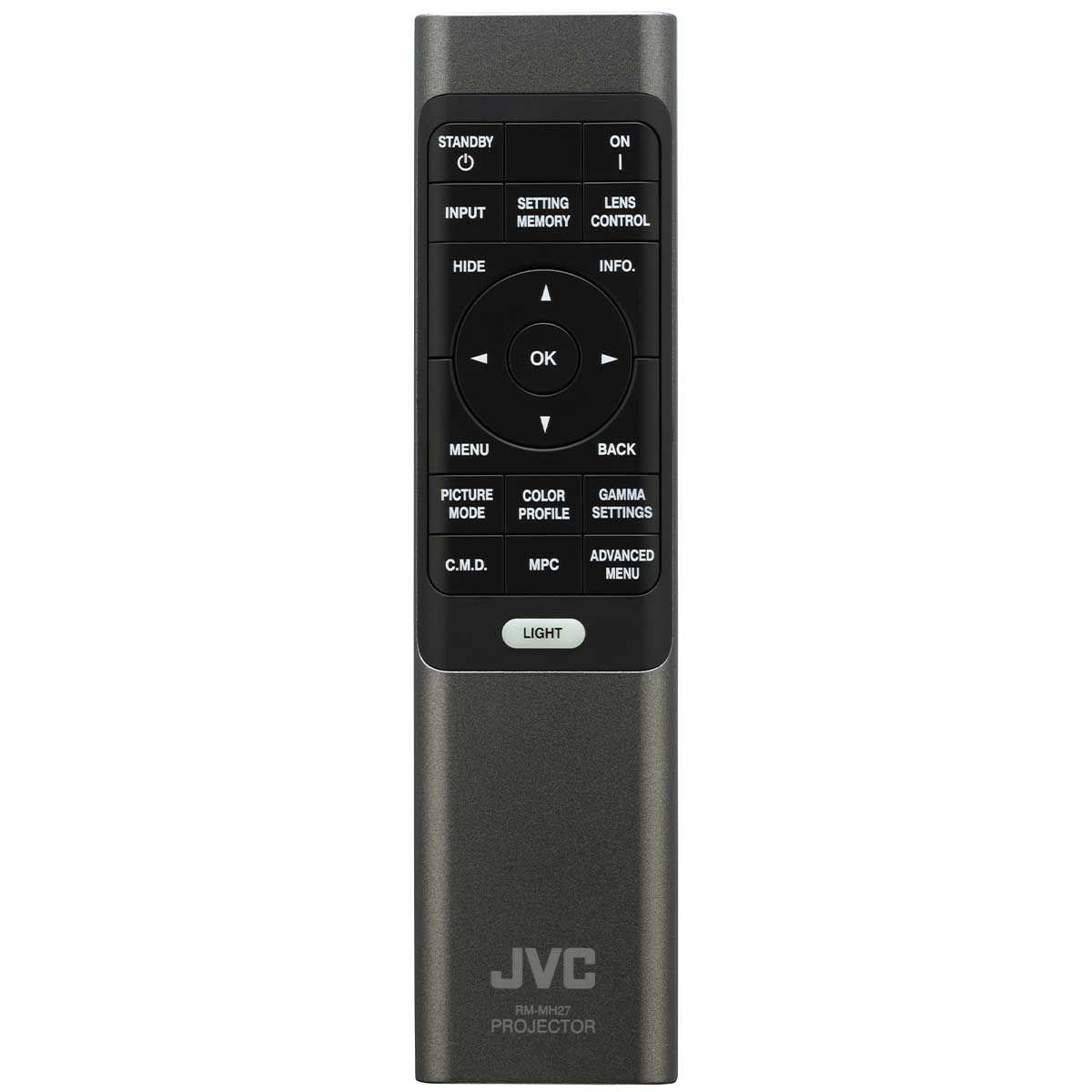
Professional installations often use high-end source devices that outperform built-in smart systems. The JVC includes RS-232 control ports and trigger outputs that integrate with sophisticated home automation systems common in custom theaters.
The choice between built-in smarts and external sources often comes down to convenience versus control. The Valerion offers plug-and-play simplicity that appeals to most users, while the JVC provides the clean signal path preferred by videophiles.
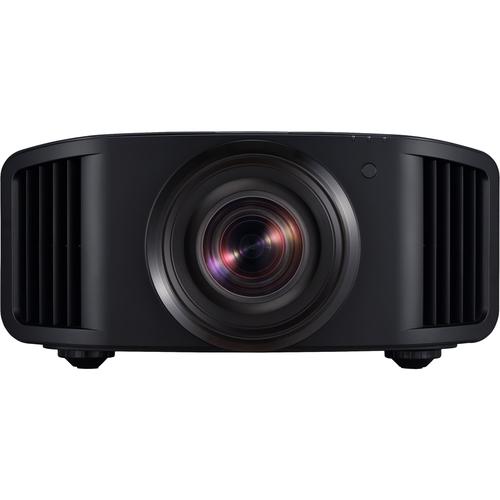
Installation flexibility creates one of the biggest practical differences between these projectors. The JVC DLA-NX9 includes a premium 100mm diameter lens with 2:1 zoom ratio, meaning you can place it anywhere from 11 to 19 feet from a 100-inch screen. More importantly, it offers motorized lens shift of ±100% vertical and ±43% horizontal.
Lens shift allows you to move the projected image up, down, left, or right without moving the projector itself. This is crucial for ceiling installations where the projector might not align perfectly with the screen center. You can mount the JVC offset from the screen and use lens shift to position the image correctly.
The Valerion StreamMaster Plus 2 uses a fixed 1.2:1 throw ratio lens with no optical zoom or lens shift. For a 100-inch screen, the projector must be positioned exactly 8 feet 9 inches away with precise alignment to the screen center. This limits placement options significantly.
Digital zoom and keystone correction can help with minor adjustments on the Valerion, but these features process the image and can reduce quality. The fixed lens design keeps costs down but requires more careful planning for installation.
For dedicated home theaters with ceiling mounts and permanent installation, the JVC's flexibility makes professional installation much easier. For coffee table or shelf placement in living rooms, the Valerion's fixed lens works fine with proper positioning.
The light source difference affects both ongoing costs and performance consistency. The Valerion StreamMaster Plus 2 uses RGB laser technology rated for 25,000 hours—essentially the lifetime of the projector for most users. At 4 hours per day, this equals over 17 years of use. The laser provides instant on/off operation and maintains consistent brightness and color throughout its life.
The JVC DLA-NX9 uses a traditional 265-watt NSH lamp with 3,500-4,500 hours of life depending on usage mode. Replacement lamps cost several hundred dollars, creating ongoing maintenance expenses every few years. The lamp also requires warm-up and cool-down periods and gradually dims over its lifespan.
However, the lamp-based JVC achieves slightly higher brightness at 2,200 ANSI lumens versus the Valerion's 2,000 ISO lumens. More importantly, the larger lens and three-chip design provide more uniform brightness distribution across the image.
For most users, the laser advantage of the Valerion outweighs the small brightness difference. The maintenance-free operation and consistent performance throughout the product's life provide better value and convenience.
The construction difference reflects their market positioning. The JVC DLA-NX9 weighs 48 pounds with substantial all-metal construction designed for permanent installation in custom theaters. The build quality reflects its premium pricing with hand-selected components and precision assembly.
The Valerion StreamMaster Plus 2 weighs 16.5 pounds with a more compact design suitable for both permanent installation and occasional portability. The construction feels solid and well-made, though not at the JVC's reference level.
The size difference matters for installation. The JVC requires proper mounting infrastructure to support its weight and size, while the Valerion can sit on furniture or use simpler mounting solutions.
Both projectors generate minimal noise during operation, making them suitable for quiet theater environments. The JVC runs slightly quieter due to its larger size allowing for bigger, slower fans.
At the time of writing, these projectors represent vastly different value propositions. The Valerion StreamMaster Plus 2 typically retails for under $2,000, while the JVC DLA-NX9 commanded close to $18,000 when available (it's now discontinued). This creates roughly a 10:1 price difference for similar brightness levels.
The Valerion delivers exceptional performance per dollar with RGB laser technology, smart features, gaming optimization, and maintenance-free operation. For most buyers, it provides 85% of the image quality at 10% of the price.
The JVC justifies its premium through superior contrast, native 4K resolution, installation flexibility, and reference-grade build quality. However, this represents a luxury purchase for serious videophiles rather than mainstream value.
Total cost of ownership favors the Valerion even more dramatically when considering lamp replacement costs, the need for external streaming devices, and professional installation requirements for the JVC.
The Valerion StreamMaster Plus 2 suits the vast majority of home theater buyers. Choose it if you want excellent 4K projection with modern smart features, gaming capability, and maintenance-free operation at an accessible price. It works well in living rooms, family rooms, or basement theaters where convenience and versatility matter more than ultimate image quality.
The projector particularly appeals to families with mixed viewing habits—movies, streaming, gaming, and sports. The smart TV integration eliminates complexity while the low input lag satisfies serious gamers. The RGB laser delivers vibrant colors that impress everyone from casual viewers to enthusiasts.
The JVC DLA-NX9 serves a much more specific audience of serious videophiles with dedicated home theaters and substantial budgets. Choose it if contrast and black level performance are paramount, you have a controlled lighting environment, and you're building a reference-grade theater system.
This projector makes sense for users who primarily watch movies in dark rooms, appreciate film-accurate color reproduction, and want the installation flexibility of lens shift and zoom. The discontinued status means availability through remaining inventory or used markets only.
Both projectors excel in their intended roles, but they serve completely different buyers. The Valerion StreamMaster Plus 2 democratizes excellent 4K projection with modern conveniences that most users want. The JVC DLA-NX9 delivers reference-grade performance for the small percentage of buyers who prioritize ultimate image quality above all else.
For the overwhelming majority of buyers, the Valerion provides the better choice with its combination of performance, features, and value. The smart integration, gaming optimization, and laser light source create a compelling package that's hard to beat at its price point.
The JVC remains relevant for buyers building luxury home theaters where budget allows for the best possible image quality. Its contrast performance and installation flexibility justify the premium in high-end applications, but most buyers will find the Valerion delivers impressive results at a fraction of the cost.
The projector market has evolved to serve different needs well. Choose based on your priorities: modern convenience and great value with the Valerion, or ultimate image quality and luxury features with the JVC.
| Valerion StreamMaster Plus 2 | JVC DLA-NX9 |
|---|---|
| Display Technology - Determines image quality fundamentals | |
| Single 0.47" DLP chip with RGB triple laser | Three 0.69" native 4K D-ILA chips |
| Resolution - Affects sharpness and detail | |
| 3840×2160 4K UHD with pixel shifting | 4096×2160 native 4K, 8192×4320 with e-shift |
| Contrast Ratio - Critical for depth and realism in dark scenes | |
| 3,000:1 native (10,000:1 with EBL mode) | 100,000:1 native (1,000,000:1 dynamic) |
| Brightness - Determines screen size and ambient light tolerance | |
| 2,000 ISO lumens | 2,200 ANSI lumens |
| Color Gamut - Affects color vibrancy and HDR performance | |
| 110% Rec.2020 (exceptional wide color) | DCI-P3+ (cinema-accurate colors) |
| Light Source - Impacts maintenance and longevity | |
| RGB laser (25,000 hours, maintenance-free) | 265W NSH lamp (3,500-4,500 hours, requires replacement) |
| Lens System - Determines installation flexibility | |
| Fixed 1.2:1 throw ratio, no zoom or lens shift | 2:1 zoom, motorized lens shift (±100% V, ±43% H) |
| Smart Features - Built-in convenience vs external devices | |
| Google TV OS with 4GB RAM, built-in streaming apps | No smart features, requires external source devices |
| Gaming Performance - Input lag and refresh rate capabilities | |
| 4ms input lag at 1080p/240Hz, gaming modes included | Not optimized for gaming, no published input lag specs |
| HDR Support - Modern format compatibility | |
| HDR10, HDR10+, Dolby Vision, IMAX Enhanced | HDR10 only (predates newer formats) |
| Installation Weight - Affects mounting requirements | |
| 16.5 lbs (portable/flexible installation) | 48 lbs (requires professional mounting) |
| Connectivity - Modern ports and wireless features | |
| HDMI 2.1 × 2, HDMI 2.0 × 1, wireless networking | HDMI 2.0 × 2, RS-232C, 12V triggers |
| Target Audience - Who each projector serves best | |
| Home theater enthusiasts, gamers, families wanting convenience | Serious videophiles with dedicated theaters and premium budgets |
The JVC DLA-NX9 delivers superior home theater performance with its exceptional 100,000:1 contrast ratio and native 4K D-ILA technology, creating deeper blacks and more realistic images in dark rooms. However, the Valerion StreamMaster Plus 2 offers excellent home theater quality at a much lower price point, with built-in Google TV streaming and vibrant RGB laser colors that satisfy most viewers.
The core difference is technology and target market. The Valerion StreamMaster Plus 2 uses modern single-chip DLP with RGB laser technology for convenience and value, while the JVC DLA-NX9 employs premium three-chip D-ILA technology for reference-grade image quality at a significantly higher price point.
The JVC DLA-NX9 dramatically outperforms with 100,000:1 native contrast versus the Valerion StreamMaster Plus 2's 3,000:1 native contrast. This translates to much deeper blacks and more three-dimensional images, especially important for dark movie scenes in dedicated home theaters.
Yes, both support 4K but achieve it differently. The JVC DLA-NX9 offers true native 4K chips plus 8K e-shift technology for enhanced detail, while the Valerion StreamMaster Plus 2 uses pixel shifting to create standard 4K UHD resolution. Both deliver sharp, detailed images for typical viewing.
The Valerion StreamMaster Plus 2 excels for gaming with ultra-low 4ms input lag at high refresh rates and dedicated gaming modes. The JVC DLA-NX9 wasn't designed for gaming and lacks published input lag specifications, making the Valerion the clear choice for gamers.
The Valerion StreamMaster Plus 2 includes full Google TV OS with Netflix, YouTube, and other streaming apps built-in, plus voice control and wireless connectivity. The JVC DLA-NX9 has no smart features and requires external streaming devices for all content.
The Valerion StreamMaster Plus 2 uses maintenance-free RGB laser technology rated for 25,000 hours. The JVC DLA-NX9 uses traditional lamp technology requiring expensive bulb replacements every 3,500-4,500 hours, adding ongoing maintenance costs.
The JVC DLA-NX9 offers superior installation flexibility with 2:1 zoom lens and motorized lens shift for precise image placement from various positions. The Valerion StreamMaster Plus 2 has a fixed lens requiring exact positioning relative to the screen, limiting placement options.
The Valerion StreamMaster Plus 2 provides exceptional value with RGB laser technology, smart features, and gaming optimization at roughly one-tenth the price of the JVC DLA-NX9. The JVC justifies its premium through superior contrast and professional features for dedicated theaters.
The Valerion StreamMaster Plus 2 covers 110% of Rec.2020 color gamut with vibrant RGB laser colors and supports modern HDR formats like Dolby Vision. The JVC DLA-NX9 delivers cinema-accurate DCI-P3+ colors preferred by videophiles but lacks newer HDR format support.
Both projectors perform similarly in bright rooms with comparable brightness levels around 2,000-2,200 lumens. However, the Valerion StreamMaster Plus 2 may handle ambient light better due to its vibrant laser colors, while the JVC DLA-NX9 excels primarily in controlled dark environments.
Choose the Valerion StreamMaster Plus 2 if you want excellent 4K projection with modern smart features, gaming capability, and maintenance-free operation at an accessible price. Select the JVC DLA-NX9 if you're a serious videophile with a dedicated dark theater room and budget for reference-grade contrast performance.
We've done our best to create useful and informative comparisons to help you decide what product to buy. Our research uses advanced automated methods to create this comparison and perfection is not possible - please contact us for corrections or questions. These are the sites we've researched in the creation of this article: bestbuy.com - valerion.com - youtube.com - valerion.com - youtube.com - projectorcentral.com - youtube.com - valerion.com - avsforum.com - neowin.net - hometheatershack.com - avsforum.com - bestbuy.com - projector-database.com - youtube.com - projectorscreen.com - avsforum.com - crutchfield.com - avnirvana.com - flanners.com - projectorcentral.com - soundandvision.com - jvc.com - eu.jvc.com - directappliance.com

Privacy Policy
Terms and Conditions - Affiliate Policy
Home Security
© Copyright 2008-2026.
11816 Inwood Rd #1211, Dallas, TX 75244