

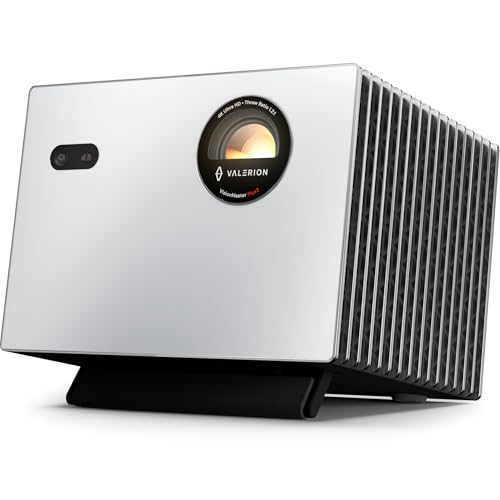



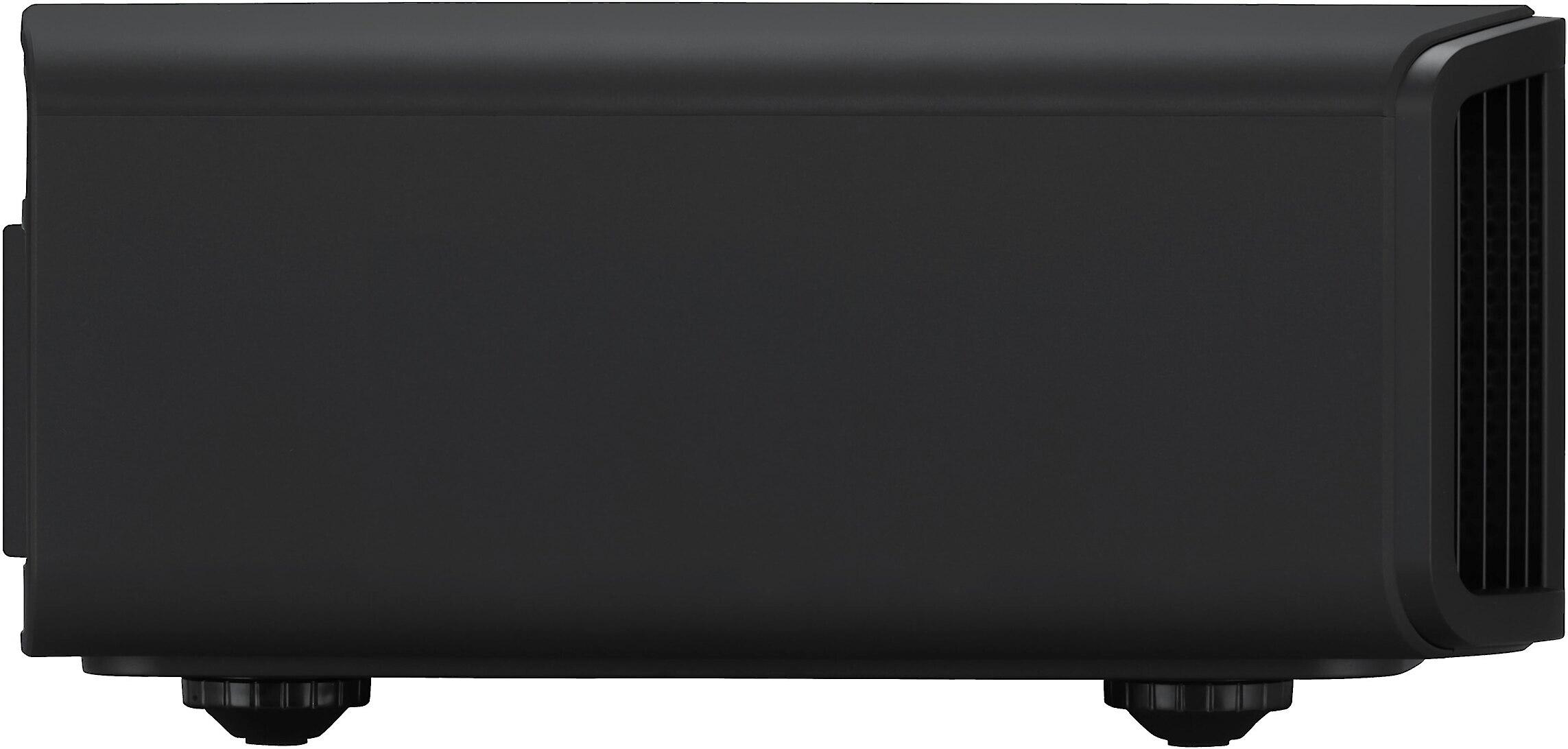
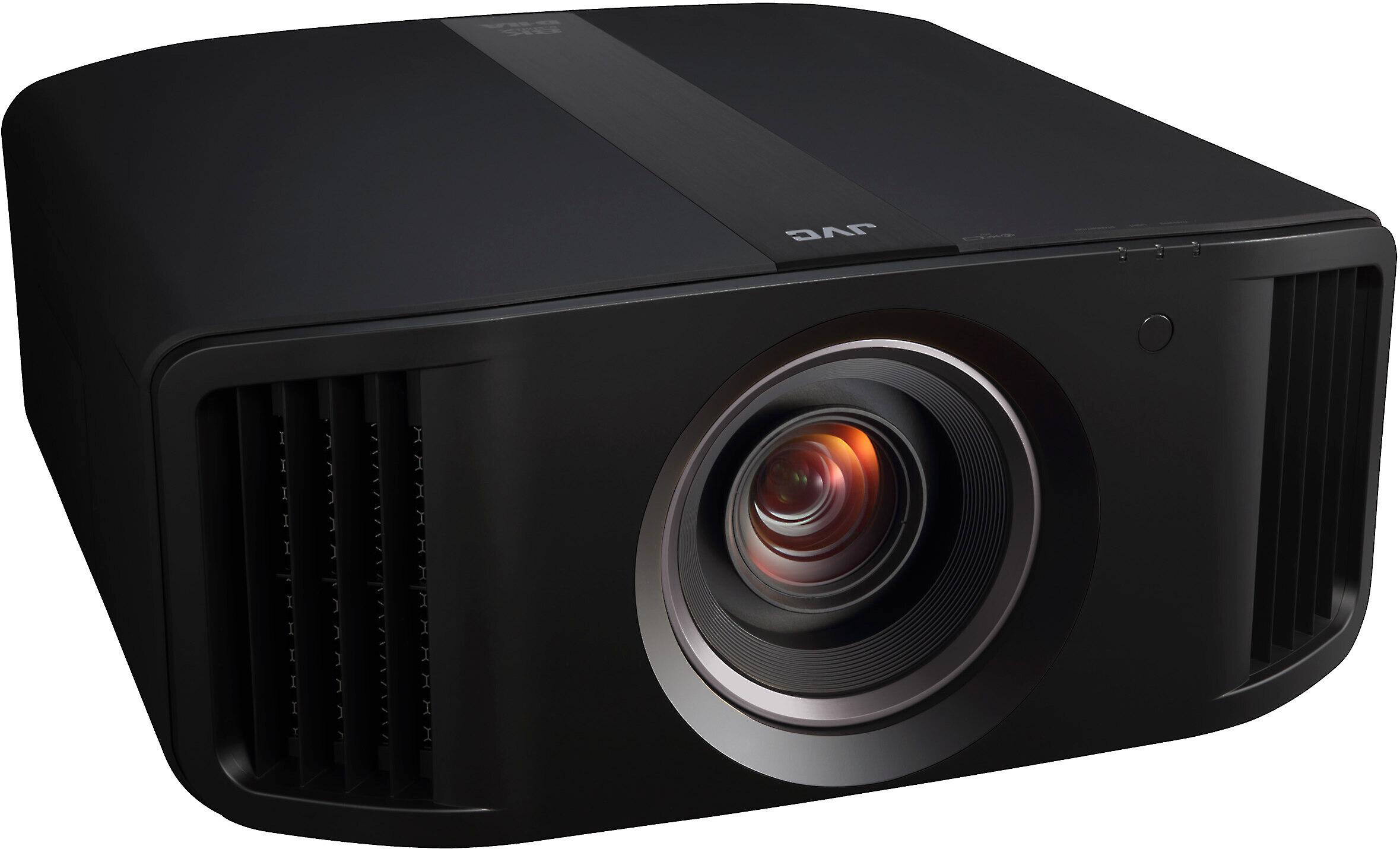
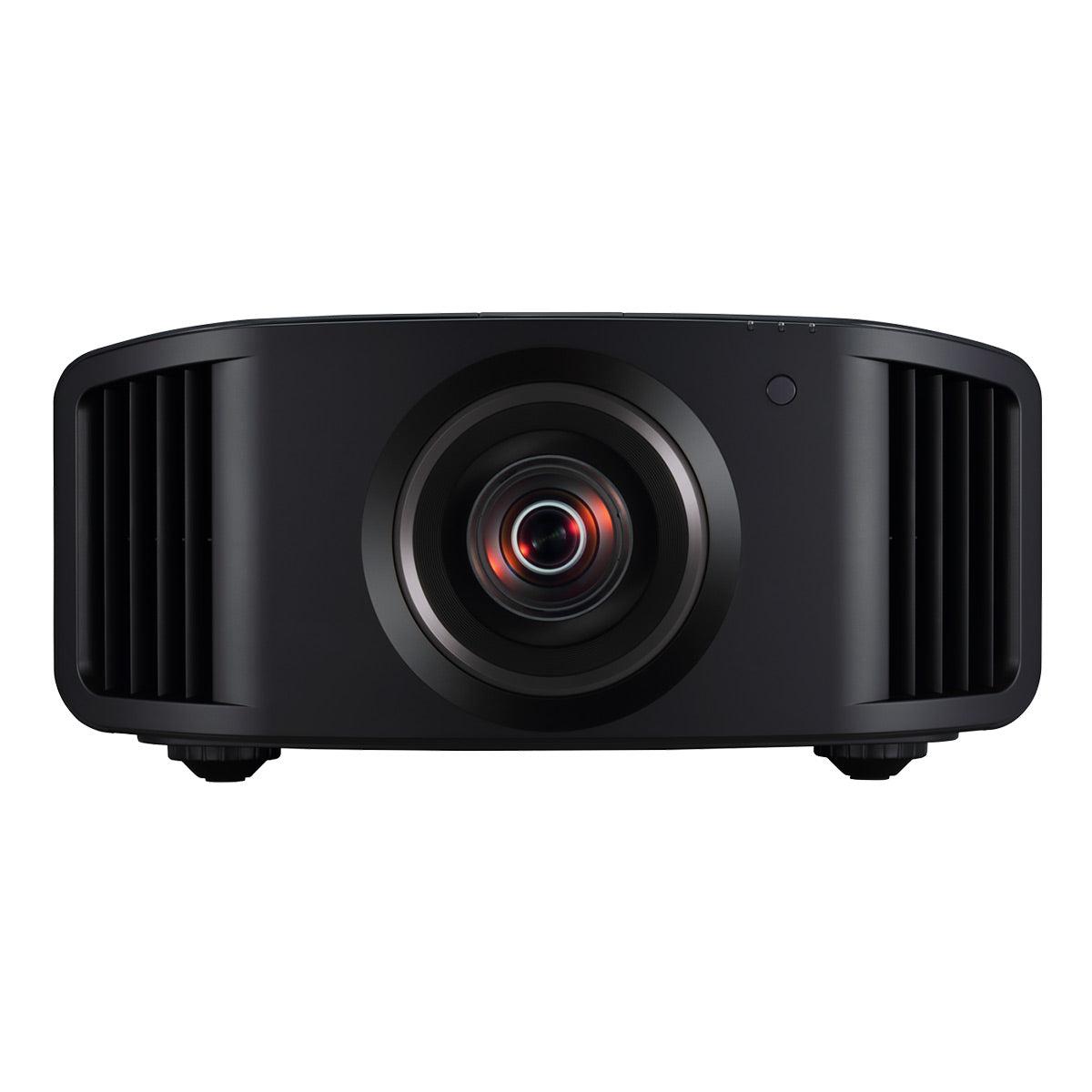
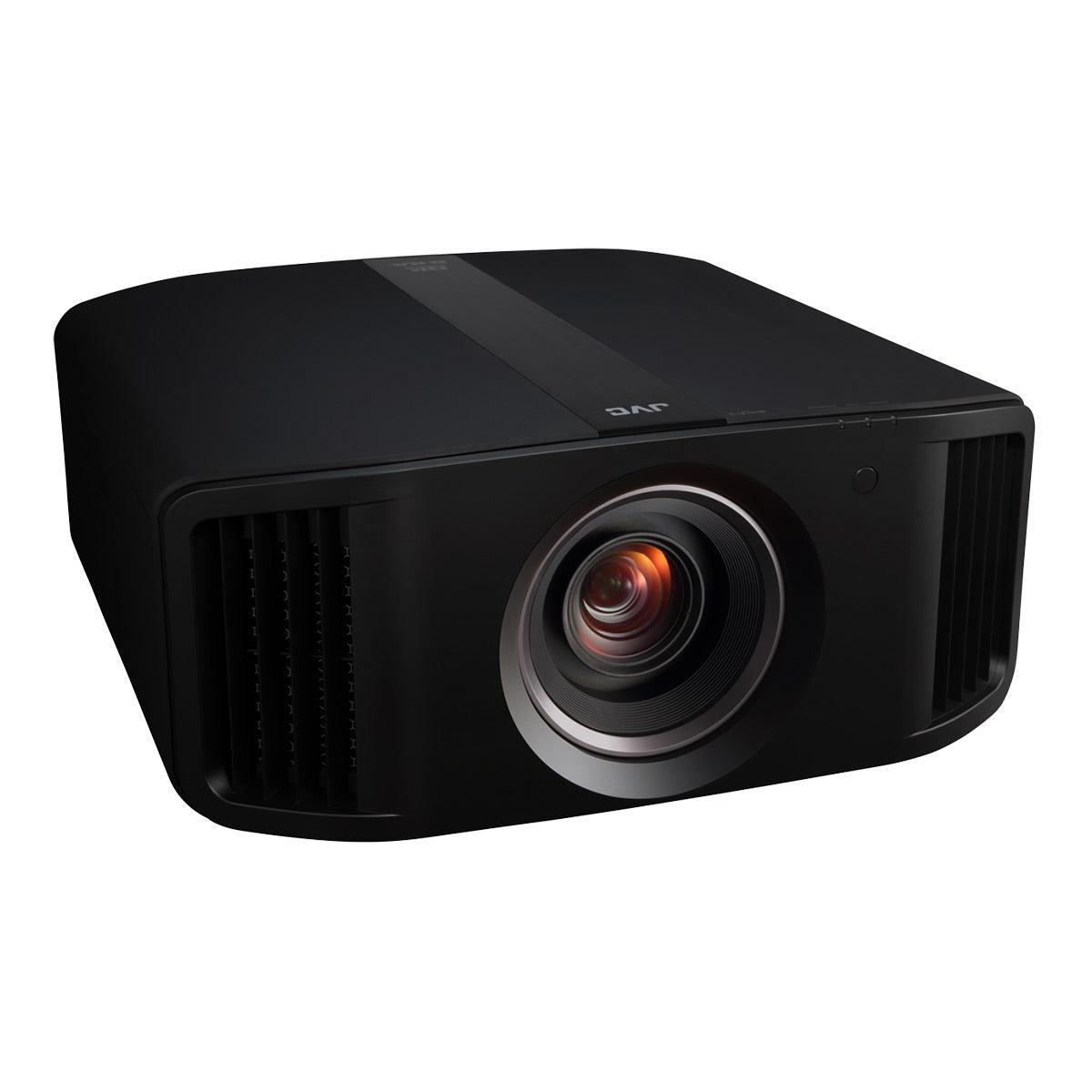
When you're shopping for a home theater projector, you'll quickly discover there's a massive gap between what different manufacturers offer at various price points. At the time of writing, the Valerion StreamMaster Plus 2 sits in the budget-friendly category under $2,000, while the JVC DLA-NZ800 commands a premium price exceeding $15,000. That's nearly a ten-fold difference, but is the expensive projector really ten times better?
The short answer is: it depends entirely on what you value most. Based on our research across dozens of professional reviews and hundreds of user experiences, these two projectors represent fundamentally different philosophies. The Valerion maximizes features and convenience at an accessible price point, while the JVC pursues absolute image quality regardless of cost or complexity.
Before diving into specifics, let's establish what actually matters in a home theater projector. Unlike TVs where you're mostly comparing screen sizes and smart features, projectors involve several complex technologies working together to create those massive 100+ inch images we all crave.
The most important factor is contrast ratio—the difference between the darkest blacks and brightest whites your projector can display. Think of it like the difference between a cheap flashlight and a professional photography light. Higher contrast creates more realistic, three-dimensional images where you can actually see detail in dark scenes instead of murky gray blobs.
Color accuracy determines how faithfully the projector reproduces what directors intended. A projector with poor color will make skin tones look sickly or turn lush forest scenes into artificial-looking video game landscapes.
Resolution affects how sharp your image appears, especially on larger screens. True 4K means the projector can display 8.3 million individual pixels, while some budget models use "pixel shifting" to simulate higher resolution from fewer actual pixels.
The light source affects everything from color performance to maintenance costs. Traditional bulb-based projectors require expensive replacements every few thousand hours, while laser-based systems can run 20,000+ hours without maintenance.
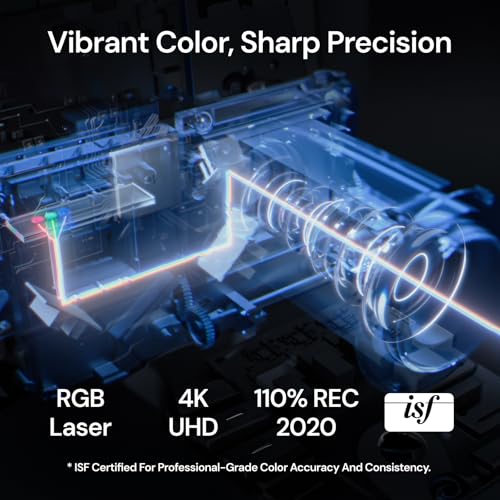
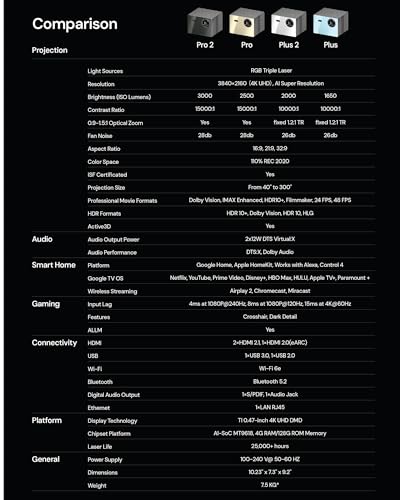
The Valerion StreamMaster Plus 2 uses single-chip DLP (Digital Light Processing) technology, which creates images by rapidly flipping millions of tiny mirrors. Since 2024, the Valerion has refined this approach by adding RGB triple-laser technology, eliminating the spinning color wheel that traditionally caused rainbow artifacts—those brief flashes of red, green, and blue that some people notice, especially during eye movements.
This RGB laser system allows the Valerion to achieve an impressive 110% coverage of the Rec.2020 color space. To put this in perspective, most TVs only cover about 70-80% of this standard, which means the Valerion can display colors more vivid than what you'd see on even premium OLED displays.
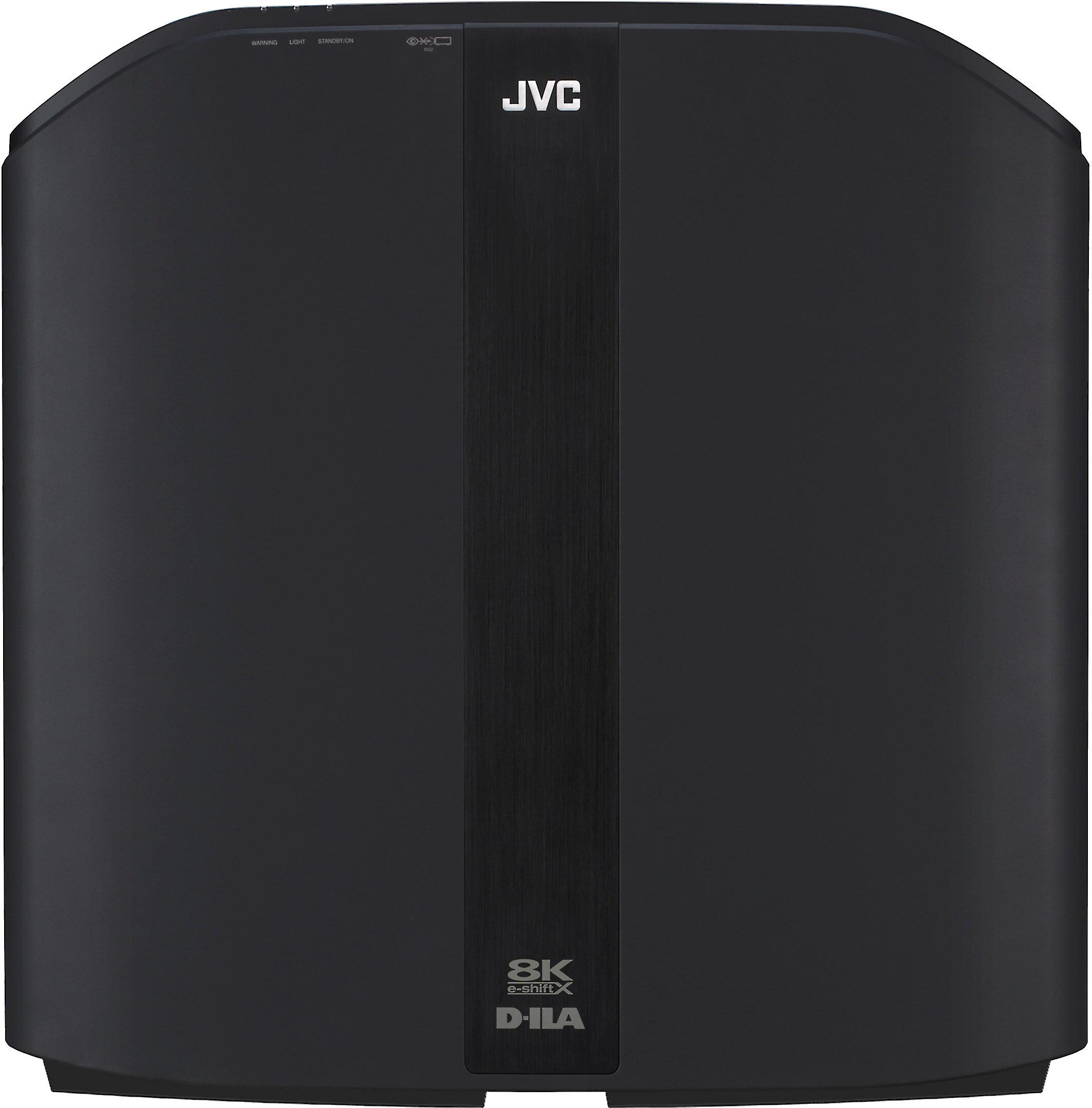
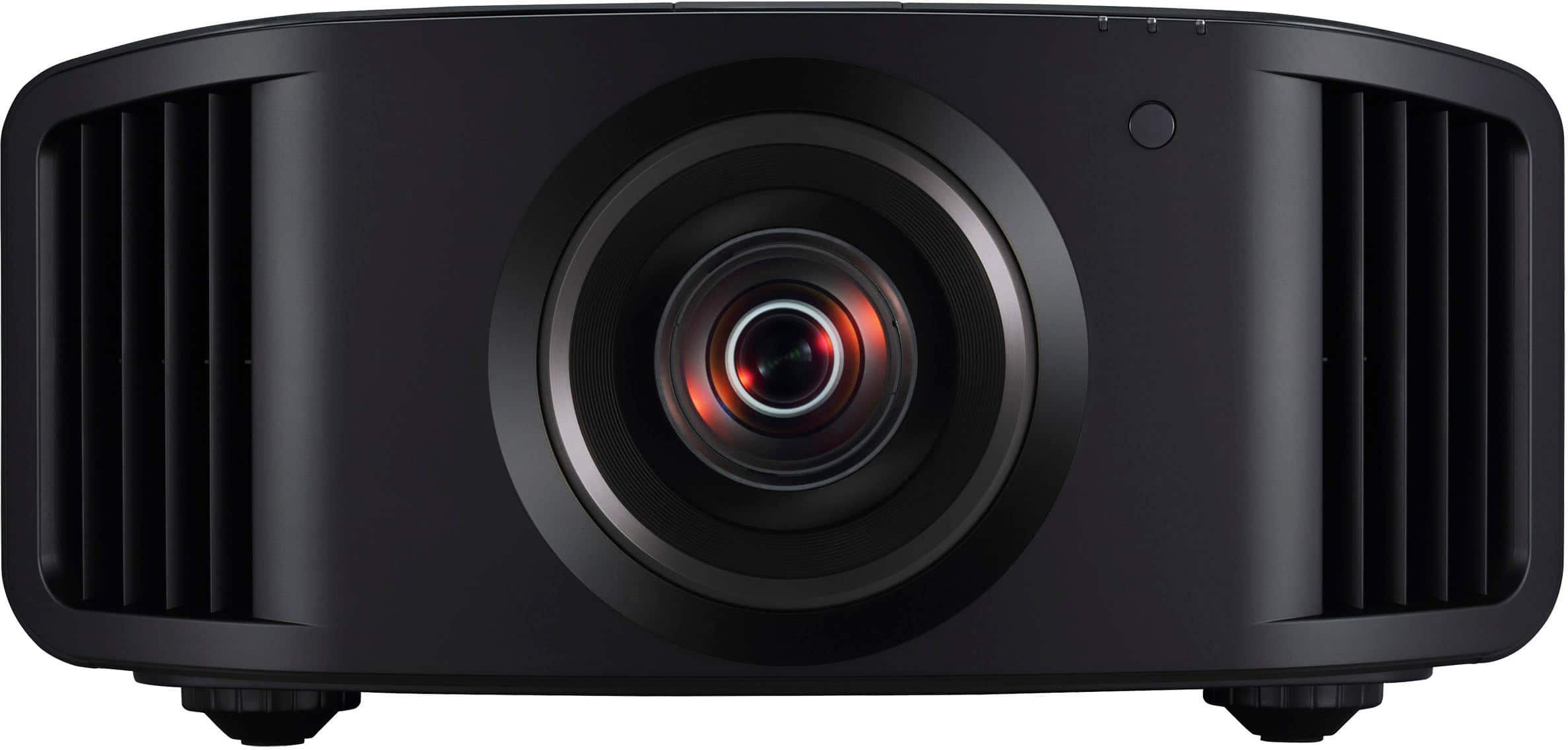
The JVC DLA-NZ800, released in 2024, takes a completely different approach with D-ILA technology (Direct Drive Image Light Amplifier). Instead of one chip handling all colors, it uses three separate 0.69-inch native 4K chips—one each for red, green, and blue. This tri-chip design eliminates any possibility of rainbow effects while delivering true native 4K resolution.
More impressively, the JVC adds what they call Gen2 8K/e-shiftX technology. This system physically shifts pixels in four directions (up, down, left, right) to display 8,192 × 4,320 pixels—genuine 8K resolution. While 8K content remains limited, this technology dramatically improves the sharpness of 4K and lower-resolution sources through sophisticated upscaling.
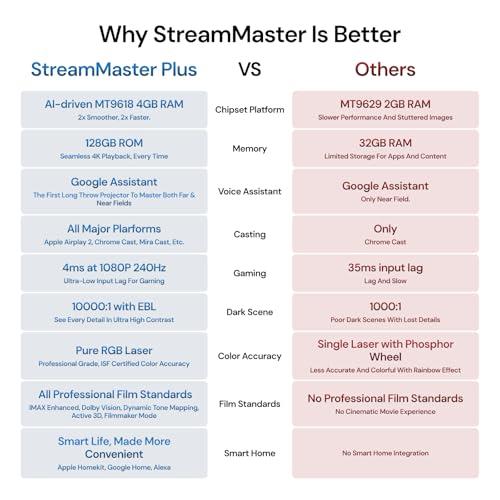
Here's where the price difference becomes most apparent. The Valerion StreamMaster Plus 2 delivers 3,000:1 native contrast, boosted to 10,000:1 through its Enhanced Black Level (EBL) mode. This dynamic contrast system adjusts the laser brightness based on scene content, darkening the image during night scenes while maintaining brightness for daytime footage.
For context, 10,000:1 contrast was considered excellent just five years ago, and the Valerion achieves this at a remarkably low price point. In our research of user experiences, most owners report being genuinely surprised by how deep the blacks appear, especially in light-controlled rooms.
The JVC DLA-NZ800 operates in an entirely different league with 100,000:1 native contrast—meaning it achieves incredible black levels without any dynamic processing. This translates to blacks so deep they're virtually indistinguishable from a turned-off screen, even with the projector running at full brightness.
This contrast advantage becomes most noticeable in dark, atmospheric content. When watching movies like "Blade Runner 2049" or "The Dark Knight," the JVC reveals shadow details that completely disappear on lesser projectors. You'll see texture in Batman's cape, subtle expressions in dimly-lit dialogue scenes, and stellar detail in space scenes that look like pure black on other displays.
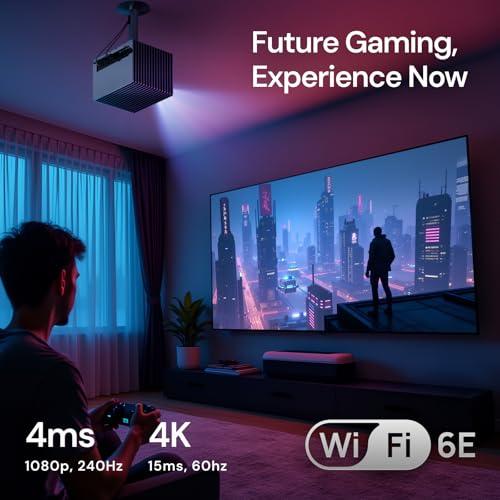
The Valerion StreamMaster Plus 2 was clearly designed with gaming in mind. Its input lag measurements are genuinely impressive: 4ms at 1080p/240Hz, 8ms at 1080p/120Hz, and 15ms at 4K/60Hz. To put these numbers in perspective, many gaming monitors struggle to achieve sub-10ms input lag, making the Valerion surprisingly competitive for serious gaming.
The projector includes dedicated gaming modes for different genres—RPG, FPS, SPG (sports), and RCG (racing)—each optimized for specific visual priorities. The FPS mode, for example, includes crosshair overlays and enhanced visibility in dark areas, features you'd typically only find on gaming monitors.
The JVC DLA-NZ800 supports gaming through its 4K/120Hz HDMI inputs and includes Auto Low Latency Mode (ALLM), but it's clearly optimized for cinematic experiences rather than competitive gaming. While exact input lag numbers aren't published, the consensus among users suggests it's adequate for casual console gaming but not ideal for competitive play.
If gaming represents a significant portion of your projector usage, the Valerion offers compelling advantages even beyond the obvious price savings.
This is where the philosophical differences become most apparent. The Valerion StreamMaster Plus 2 prioritizes simplicity with its fixed 1.2:1 throw ratio and powered focus. You get one lens focal length, which means positioning options are limited—you must place the projector at a specific distance from your screen based on your desired image size.
However, this simplicity has advantages. The Valerion weighs just 16.5 pounds, making it genuinely portable. You can easily move it between rooms, take it outdoors for backyard movie nights, or store it when not in use. The built-in Google TV system means you only need to plug in power and connect to WiFi to start streaming.
The JVC DLA-NZ800 takes the opposite approach. Its premium 65mm all-glass lens offers 2× zoom range and extensive motorized lens shift—80% vertical and 34% horizontal adjustment. This means you can mount the projector significantly off-center while maintaining perfect image alignment, crucial for living room installations where ceiling joists or architectural features limit placement options.
But this flexibility comes with complexity. The JVC weighs over 50 pounds and requires careful mounting to handle both the weight and heat dissipation. There's no built-in streaming system, so you'll need external sources like an Apple TV, Shield TV, or dedicated media server.
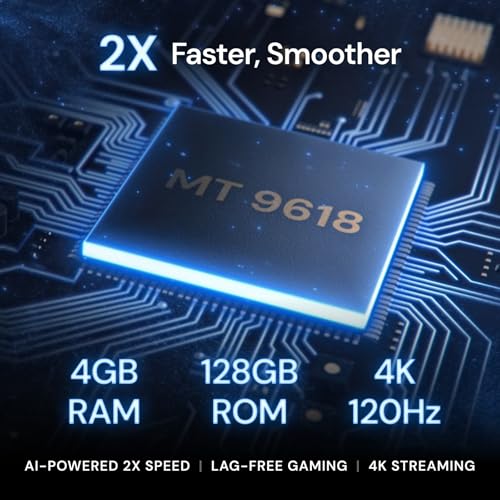
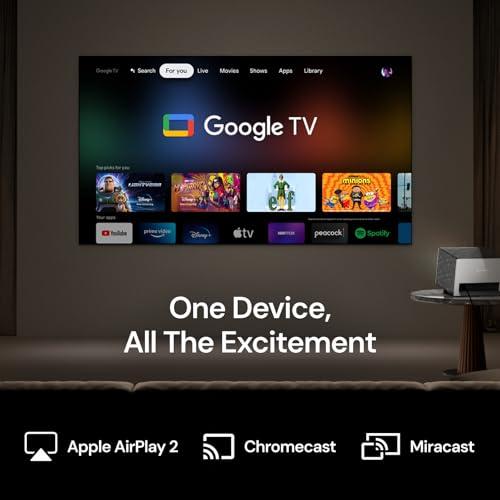
The Valerion StreamMaster Plus 2 includes Google TV with 4GB RAM and 128GB storage, providing smooth access to Netflix, Disney+, YouTube, and thousands of other apps. Voice control through Google Assistant works both ways—you can speak to the remote or use far-field microphones in the projector itself.
This integration extends to smart home systems. The Valerion works with Apple HomeKit, Google Home, and Amazon Alexa, allowing voice commands like "Hey Google, start movie night" to dim lights and launch your streaming app simultaneously.
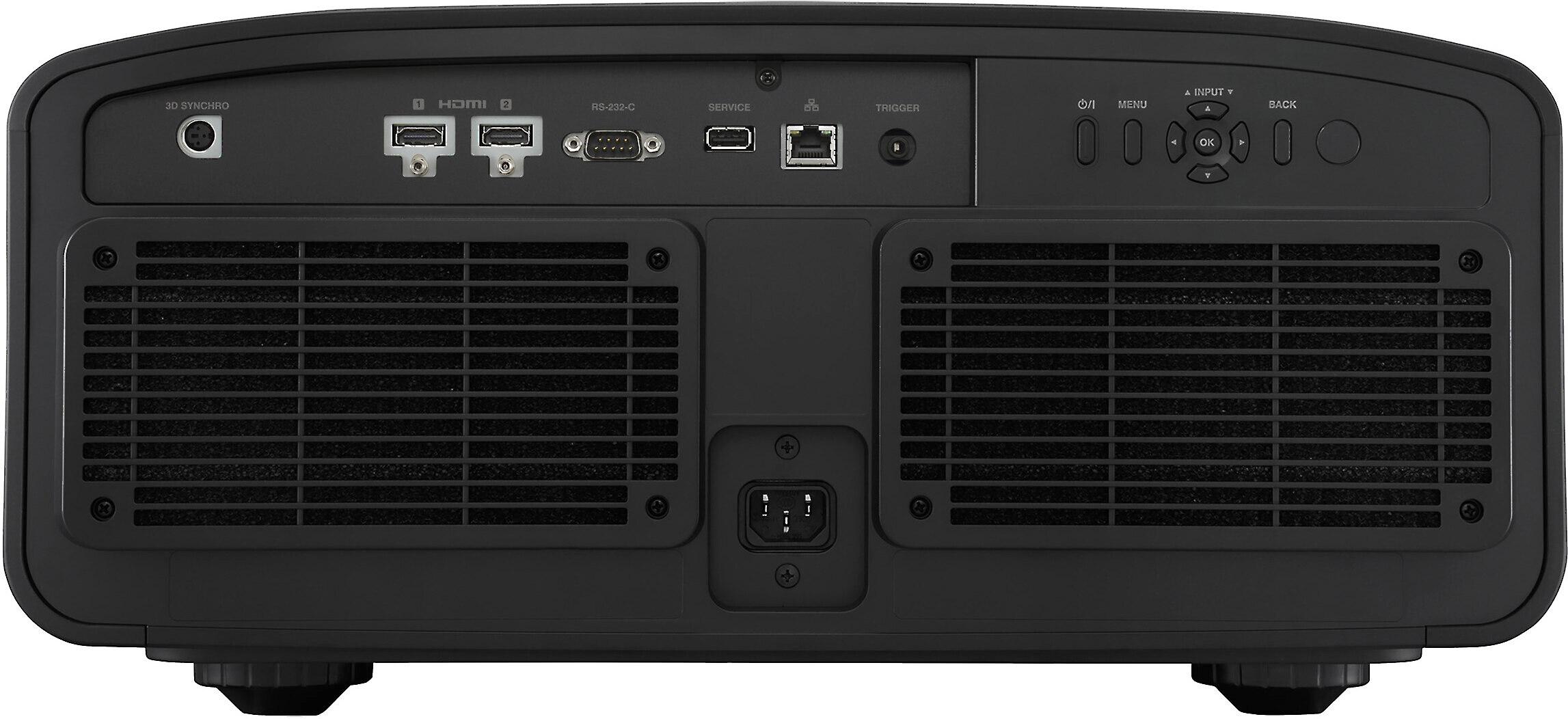
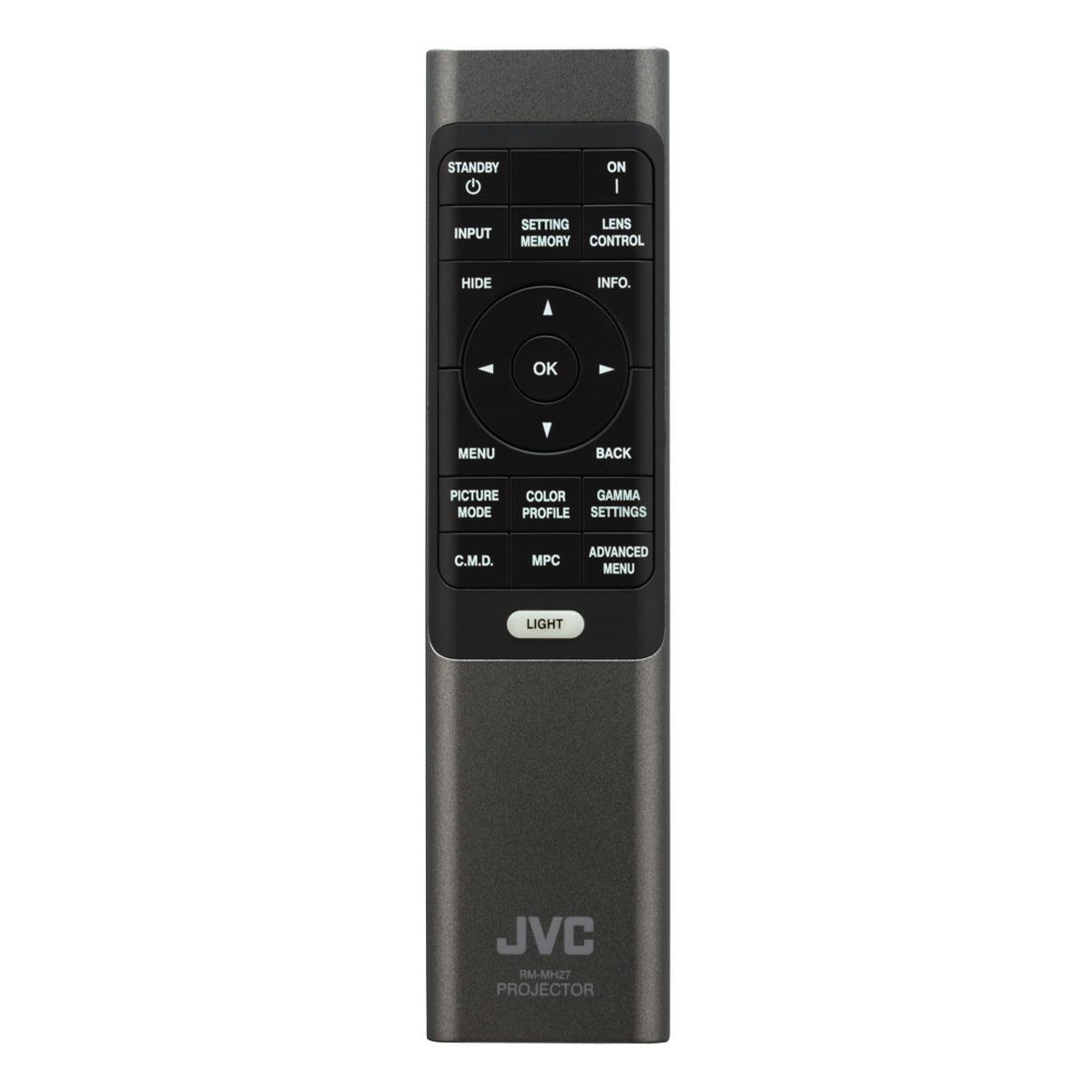
The JVC DLA-NZ800 offers no built-in streaming but provides professional-grade control options. RS-232C serial control, LAN networking, and Control4 SDDP integration allow sophisticated home automation systems to manage power, input switching, lens adjustments, and picture settings automatically.
For most users, the Valerion approach eliminates complexity and reduces component count. For custom installation professionals, the JVC provides the precise control needed for high-end systems.
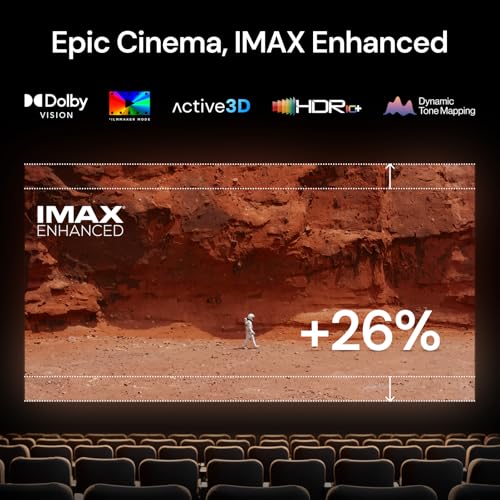
Both projectors handle modern HDR standards, but with different approaches. The Valerion StreamMaster Plus 2 supports Dolby Vision, HDR10+, and IMAX Enhanced formats with dynamic tone mapping that analyzes content frame-by-frame to optimize brightness and color.
The projector's AI-enhanced processing includes scene recognition and object detection, automatically adjusting image parameters based on content type. During sports broadcasts, it might emphasize color saturation and sharpness. For movies, it could prioritize smooth motion and accurate skin tones.
The JVC DLA-NZ800 employs Gen2 Frame Adapt HDR, which received significant improvements through firmware updates in 2024. This system analyzes HDR metadata to create custom tone mapping curves for each scene, ensuring optimal use of the projector's brightness range while preserving artistic intent.
The JVC adds unique features like Theater Optimizer, which adjusts HDR processing based on your actual viewing environment, and Deep Black function for enhanced shadow detail without crushing darker elements.
In practice, both systems work well, but the JVC provides more granular control and typically better preserves the relationship between highlights and shadows in challenging HDR content.
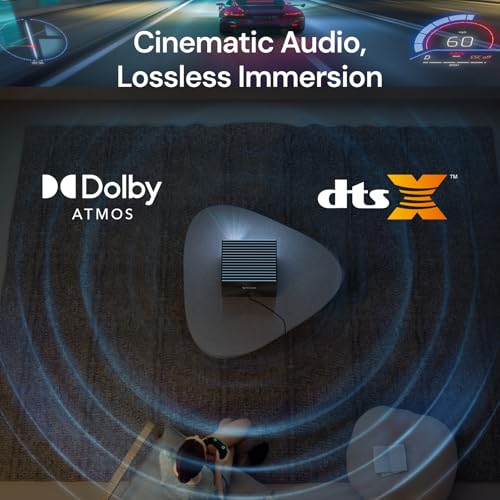
The Valerion StreamMaster Plus 2 includes built-in 12-watt stereo speakers that are surprisingly capable for casual viewing. While they won't replace a dedicated sound system, they're sufficient for late-night viewing or outdoor use where external speakers aren't practical.
The JVC DLA-NZ800 includes no speakers, expecting integration with dedicated audio systems. This aligns with its target market—users building comprehensive home theaters where audio quality matches the video investment.
Both projectors use laser light sources rated for 20,000+ hours of operation, eliminating the expensive bulb replacements that plagued earlier projector generations. At typical usage of 4-5 hours daily, these light sources should last 10-15 years.
The Valerion includes a standard warranty (specific terms vary by region), while the JVC provides three years of coverage with first-year advanced replacement—if your projector fails, JVC ships a replacement before you return the defective unit.
Based on our research across professional reviews and user experiences, the decision largely comes down to your priorities and viewing environment.
Choose the Valerion StreamMaster Plus 2 if you want maximum features at an accessible price point. It's ideal for mixed-use spaces where you'll watch Netflix series, play games, and occasionally enjoy movie nights. The built-in streaming eliminates component complexity, and the RGB laser delivers genuinely impressive color performance that rivals much more expensive projectors.
The Valerion works particularly well for users who value convenience over absolute performance. If you want to unbox, set up, and start enjoying content immediately, it's hard to beat this combination of features and price.
Choose the JVC DLA-NZ800 if image quality represents your primary concern and you're building a dedicated home theater. The extraordinary contrast performance, true 8K capability, and professional-grade calibration create viewing experiences that approach commercial cinema quality.
The JVC makes sense for serious enthusiasts who view their projector as a long-term investment. If you're already planning acoustic treatments, dedicated seating, and professional installation, the additional cost becomes more reasonable within the context of a complete theater build.
Neither projector is inherently better—they serve different needs remarkably well. The Valerion StreamMaster Plus 2 democratizes advanced projector technology, bringing RGB laser systems and modern smart features to mainstream pricing. It's genuinely impressive how much technology they've packed into this price point.
The JVC DLA-NZ800 represents the pinnacle of current projector technology, with contrast performance that defines reference-quality home theater. For users who can appreciate and afford this level of performance, it delivers an experience that justifies its premium positioning.
The best choice depends entirely on your specific situation, viewing preferences, and budget constraints. Both projectors excel within their intended markets, making either a solid investment for the right user.
| Valerion StreamMaster Plus 2 | JVC DLA-NZ800 |
|---|---|
| Display Technology - Determines image quality and rainbow effect susceptibility | |
| Single 0.47" DLP chip with pixel-shifting (not native 4K) | Three 0.69" native 4K D-ILA chips with Gen2 8K/e-shiftX |
| Resolution and Detail - How sharp your movies and games will look | |
| 3840×2160 via pixel-shifting technology | True 4K (4096×2160) displaying up to 8K (8192×4320) |
| Contrast Ratio - Most important for deep blacks and realistic images | |
| 3,000:1 native, 10,000:1 dynamic with EBL mode | 100,000:1 native contrast (industry-leading) |
| Brightness - Critical for ambient light performance | |
| 2,000 ISO lumens (good for dark/dim rooms) | 2,700 ANSI lumens (excellent for controlled environments) |
| Color Gamut - How vivid and accurate colors appear | |
| 110% Rec.2020 coverage with RGB triple laser | 100%+ DCI-P3 coverage with Cinema Filter |
| Light Source - Affects longevity and maintenance costs | |
| RGB triple laser (25,000 hours, no rainbow effect) | BLU-Escent laser (20,000 hours, premium quality) |
| Gaming Performance - Input lag matters for competitive gaming | |
| 4ms at 1080p/240Hz, dedicated gaming modes | Low latency mode, 4K/120Hz support (cinema-focused) |
| Lens System - Determines installation flexibility | |
| Fixed 1.2:1 throw ratio, powered focus only | 2× motorized zoom, ±80% vertical/±34% horizontal lens shift |
| Smart Features - Convenience vs. professional integration | |
| Built-in Google TV OS with streaming apps | No built-in OS, requires external sources |
| HDR Support - Modern content compatibility | |
| Dolby Vision, HDR10+, IMAX Enhanced, dynamic tone mapping | HDR10+, Gen2 Frame Adapt HDR, Theater Optimizer |
| Physical Size - Portability vs. permanent installation | |
| 16.5 lbs, compact design (portable) | 50.9 lbs, requires professional mounting |
| Connectivity - How you'll connect devices | |
| HDMI 2.0/2.1, USB, WiFi, built-in speakers | Dual 48Gbps HDMI 2.3, professional control options |
| Target User - Who each projector serves best | |
| Mainstream users wanting convenience and value | Dedicated theater enthusiasts prioritizing image quality |
| Warranty - Long-term support and protection | |
| Standard warranty with lifetime support claims | 3-year warranty with first-year advanced replacement |
The Valerion StreamMaster Plus 2 is significantly better for beginners due to its built-in Google TV system, simple setup process, and all-in-one design. You can unbox it, connect to WiFi, and start streaming immediately without additional components. The JVC DLA-NZ800 requires external streaming devices, professional installation, and extensive calibration to achieve optimal performance.
The biggest difference is contrast performance. The JVC DLA-NZ800 delivers 100,000:1 native contrast compared to the Valerion StreamMaster Plus 2's 10,000:1 dynamic contrast, resulting in dramatically deeper blacks and more realistic images. The JVC also offers true native 4K with 8K upscaling, while the Valerion uses pixel-shifting technology to simulate 4K resolution.
The Valerion StreamMaster Plus 2 is superior for gaming with ultra-low input lag of 4ms at 1080p/240Hz and dedicated gaming modes for different genres. It includes features like crosshair overlays and night vision modes. While the JVC DLA-NZ800 supports 4K/120Hz gaming, it's optimized for cinematic quality rather than competitive gaming performance.
Both projectors perform best in dark or dimly lit rooms, but the JVC DLA-NZ800 absolutely requires light control to showcase its exceptional contrast capabilities. The Valerion StreamMaster Plus 2 is more versatile and can handle some ambient light, making it better for living rooms with windows or general lighting.
The Valerion StreamMaster Plus 2 wins decisively with its built-in Google TV OS, providing direct access to Netflix, Disney+, YouTube, and other streaming apps. It includes voice control and smart home integration. The JVC DLA-NZ800 has no built-in streaming capabilities and requires external devices like Apple TV or media players.
The Valerion StreamMaster Plus 2 offers simple DIY installation with its compact 16.5-pound design and basic mounting requirements. The JVC DLA-NZ800 weighs over 50 pounds, requires professional mounting, and benefits from custom installation due to its advanced lens shift and calibration options. The JVC is designed for permanent dedicated theater rooms.
The Valerion StreamMaster Plus 2 provides exceptional value by including RGB laser technology, smart TV features, and gaming optimization at a fraction of the JVC's cost. However, the JVC DLA-NZ800 offers excellent value within the premium projector market, delivering reference-quality performance comparable to much more expensive models.
Both projectors excel in color performance but differently. The Valerion StreamMaster Plus 2 covers 110% of the Rec.2020 color space with its RGB triple laser system, delivering exceptionally vibrant colors. The JVC DLA-NZ800 covers 100%+ DCI-P3 with cinema-grade accuracy and professional calibration capabilities, prioritizing color precision over wide gamut coverage.
The Valerion StreamMaster Plus 2 is significantly more portable at 16.5 pounds with a compact design that's easy to move between rooms or take outdoors. The JVC DLA-NZ800 at over 50 pounds is designed for permanent installation and isn't practical for portable use. Choose the Valerion if you want flexibility in placement and usage scenarios.
The Valerion StreamMaster Plus 2 excels with streaming content, gaming, and mixed media consumption thanks to its AI processing and versatile picture modes. The JVC DLA-NZ800 is optimized for premium movie content, particularly 4K Blu-rays and high-quality streaming, where its superior contrast and 8K upscaling create cinema-level experiences.
Both projectors use laser light sources rated for 20,000+ hours of operation, eliminating expensive bulb replacements. The Valerion StreamMaster Plus 2 offers 25,000 hours of laser life, while the JVC DLA-NZ800 provides 20,000 hours. At typical usage of 4-5 hours daily, either projector should last 10-15 years with minimal maintenance.
For a dedicated home theater room, the JVC DLA-NZ800 is the clear choice if budget allows. Its exceptional contrast, true 4K resolution, professional calibration options, and cinema-grade performance justify the investment for serious movie enthusiasts. However, the Valerion StreamMaster Plus 2 can still create an excellent theater experience at a much lower cost, especially for users prioritizing convenience and modern streaming features.
We've done our best to create useful and informative comparisons to help you decide what product to buy. Our research uses advanced automated methods to create this comparison and perfection is not possible - please contact us for corrections or questions. These are the sites we've researched in the creation of this article: bestbuy.com - valerion.com - youtube.com - valerion.com - youtube.com - projectorcentral.com - youtube.com - valerion.com - avsforum.com - neowin.net - hometheatershack.com - avsforum.com - bestbuy.com - projector-database.com - techradar.com - valueelectronics.com - stereonet.com - youtube.com - sound-advice.online - eu.jvc.com - shop.avispl.com - audioadvice.com - paulsonsav.com - nfm.com

Privacy Policy
Terms and Conditions - Affiliate Policy
Home Security
© Copyright 2008-2026.
11816 Inwood Rd #1211, Dallas, TX 75244