

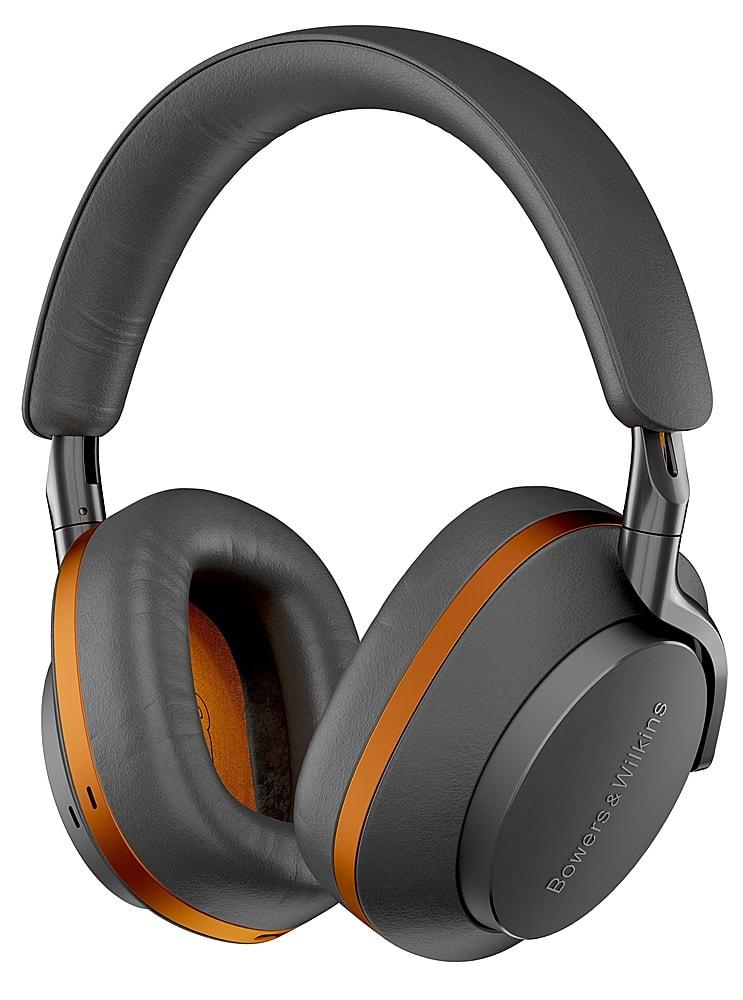
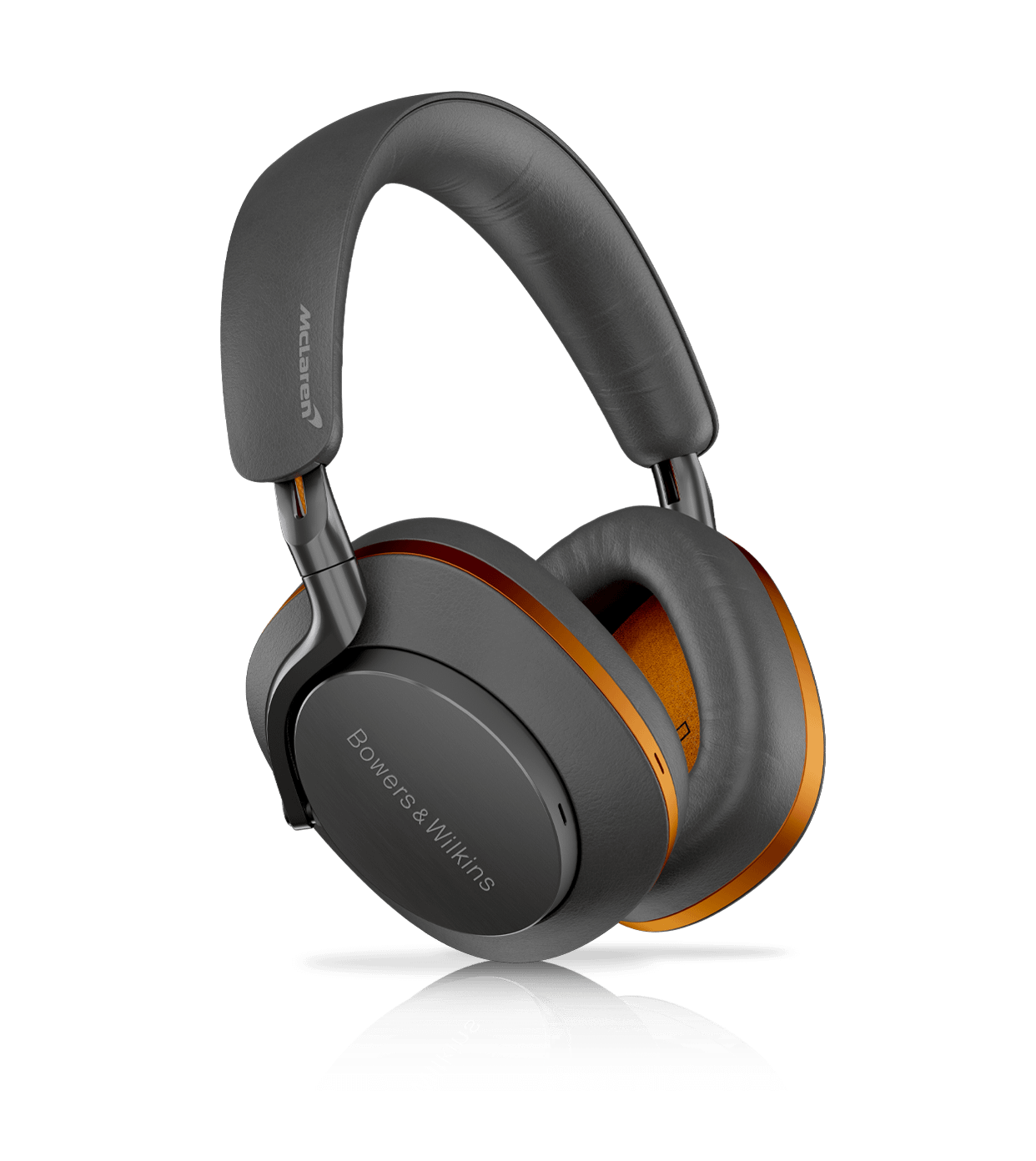
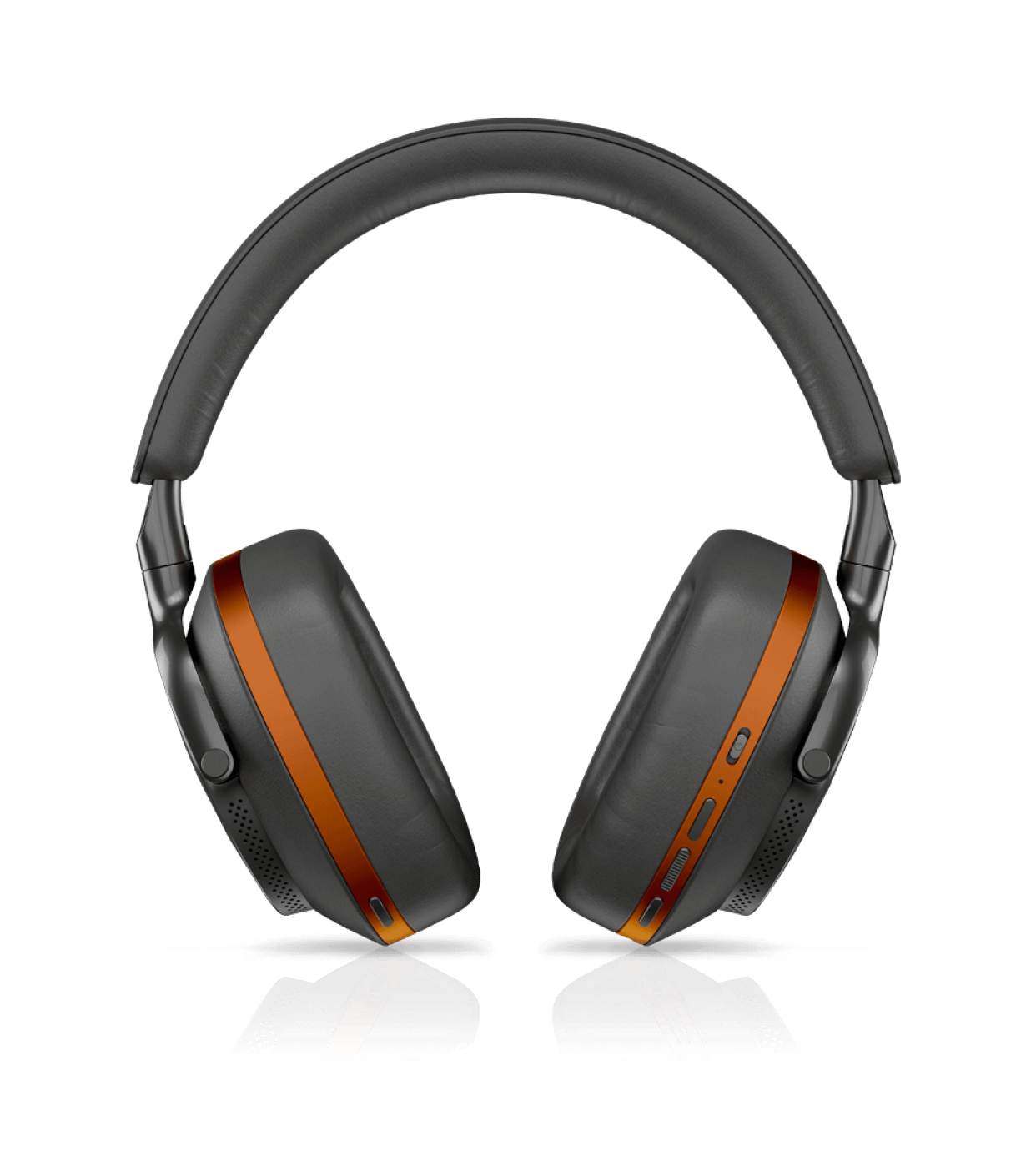
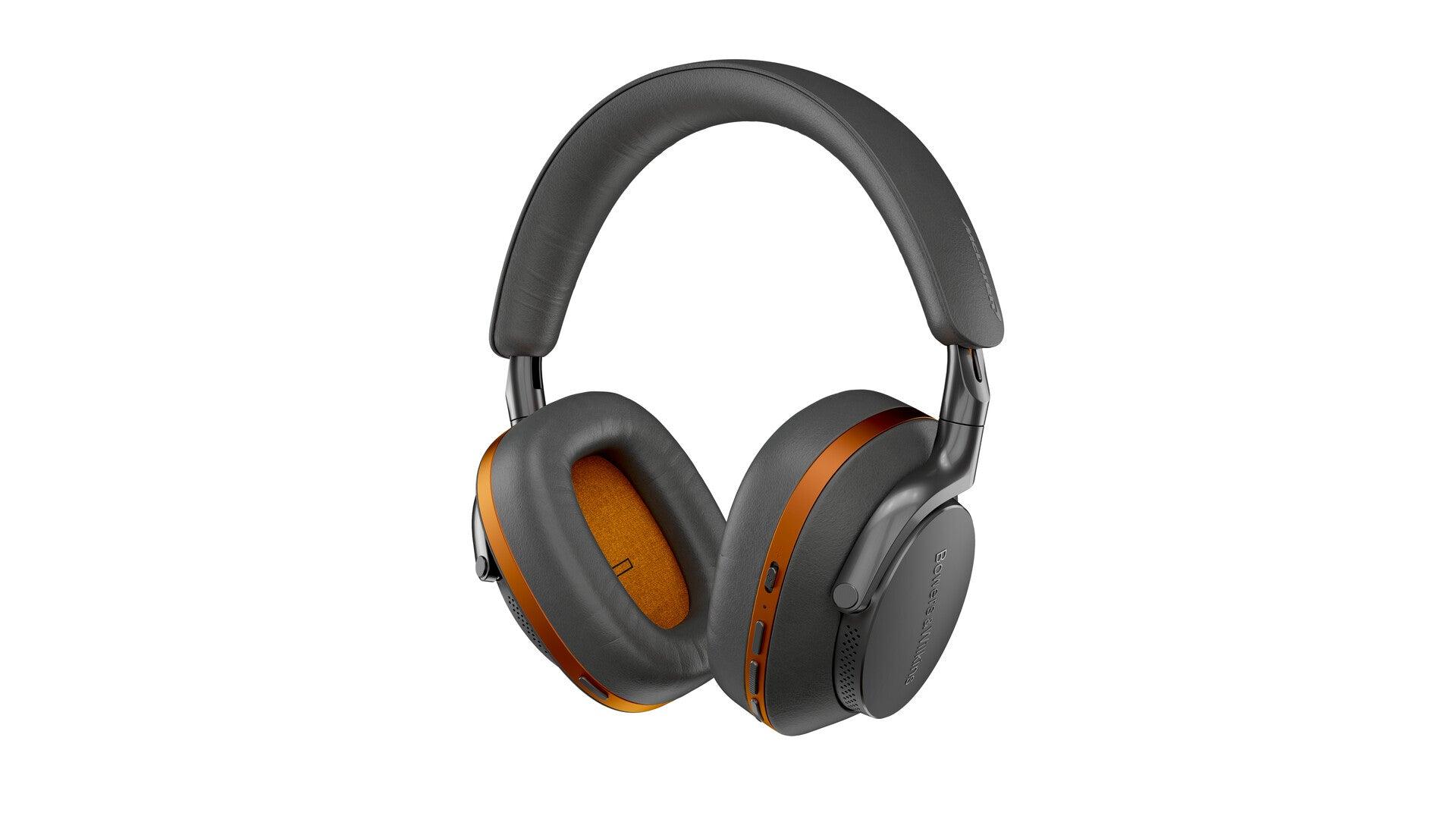
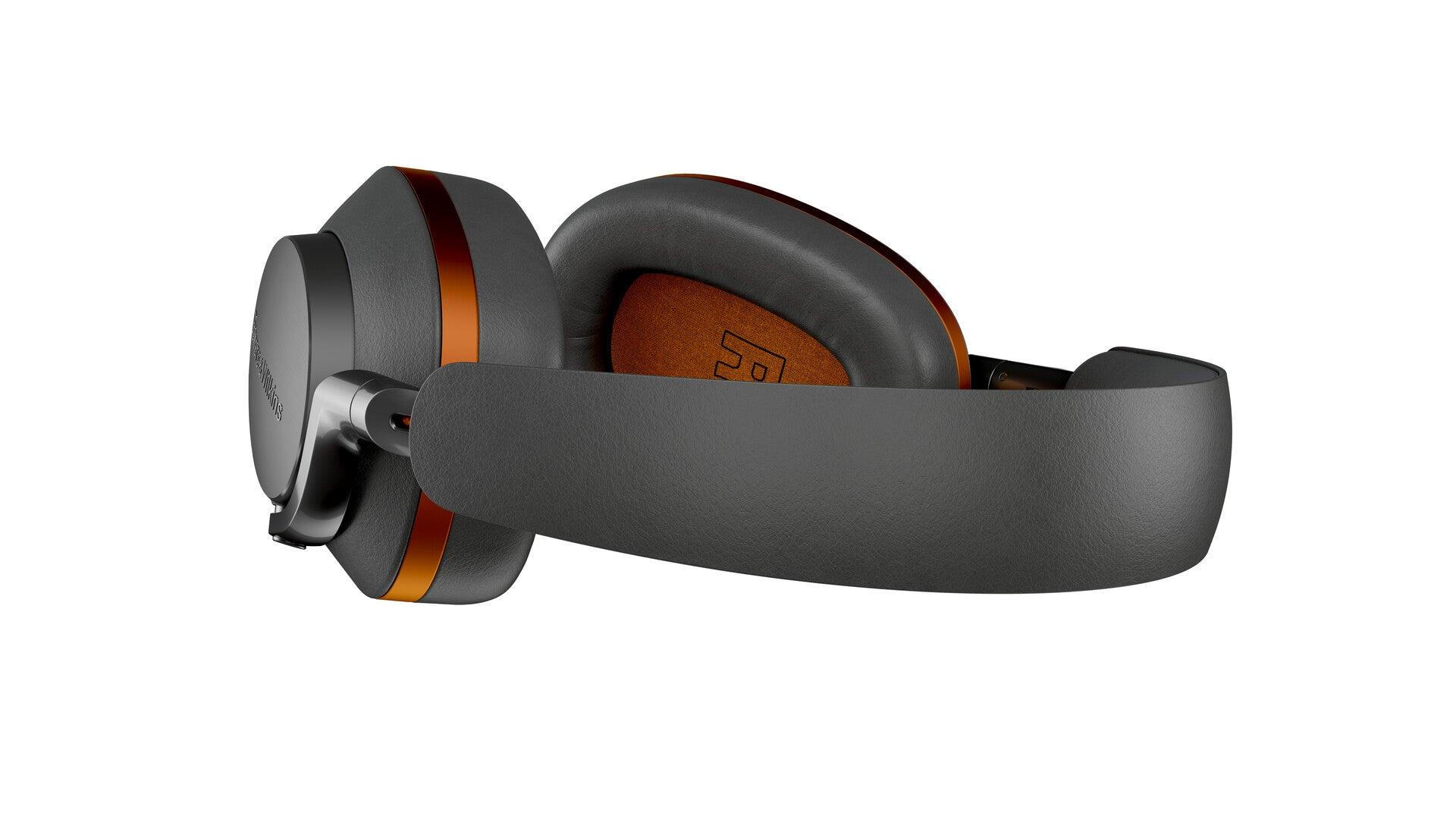
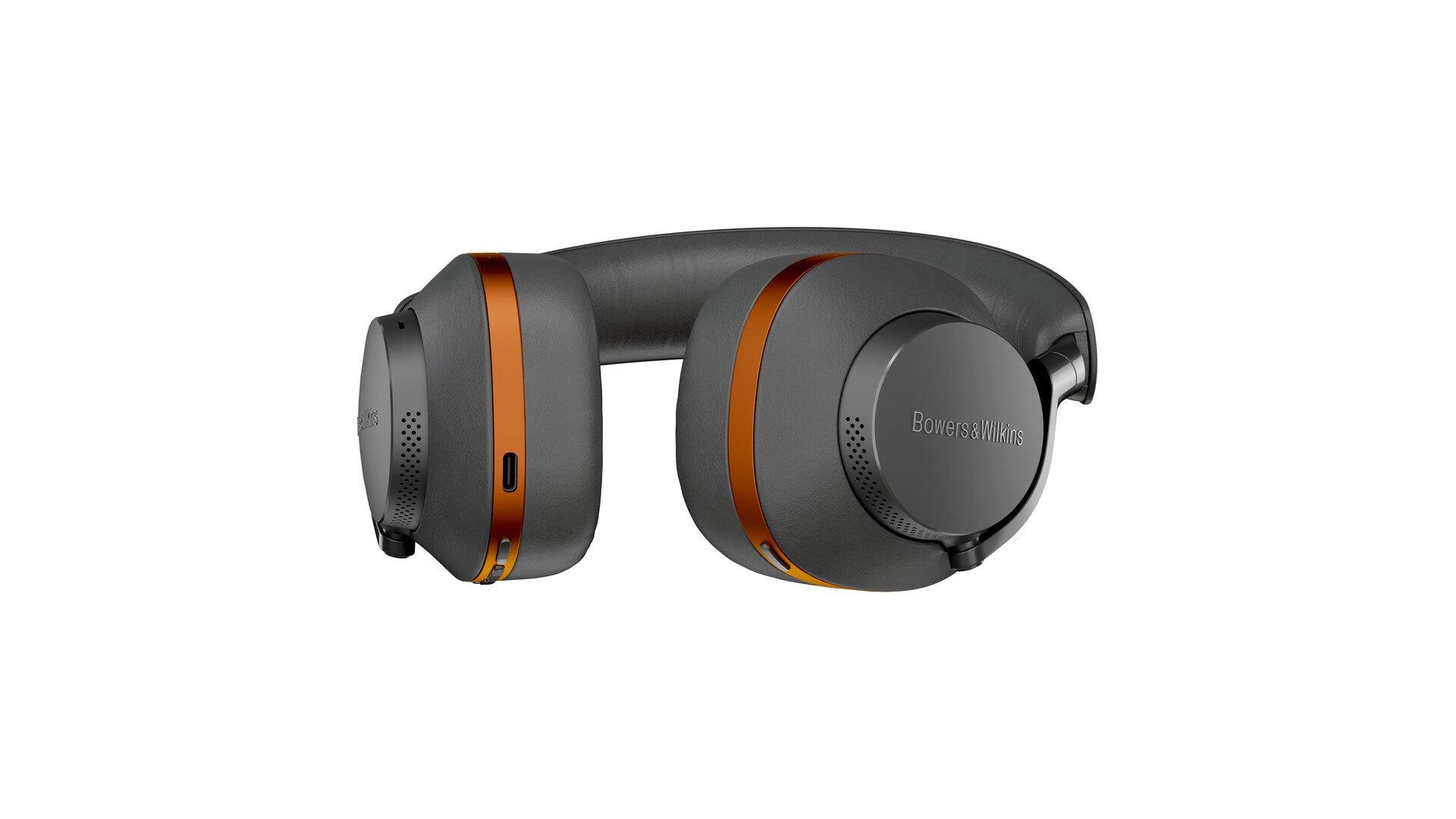
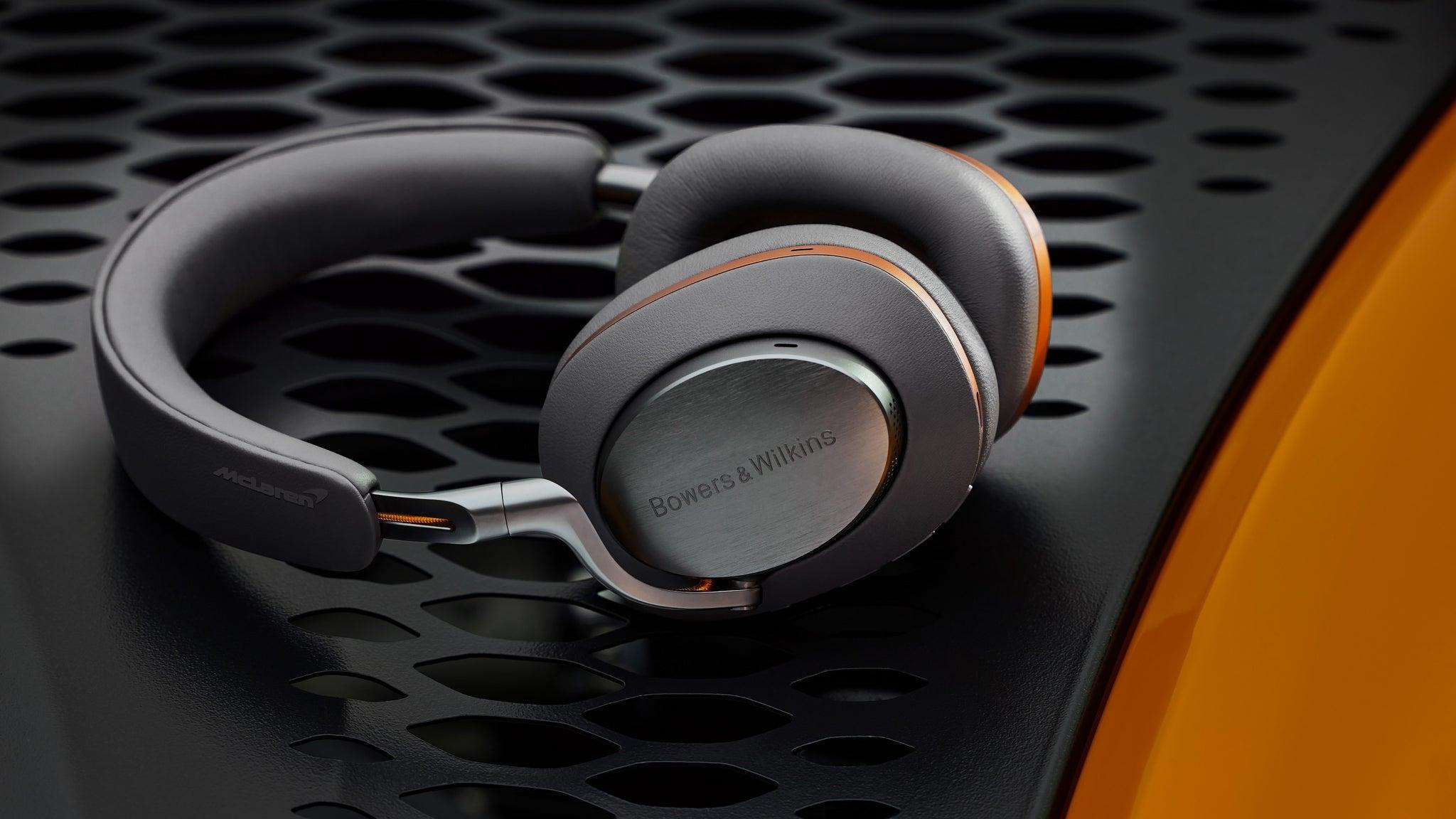


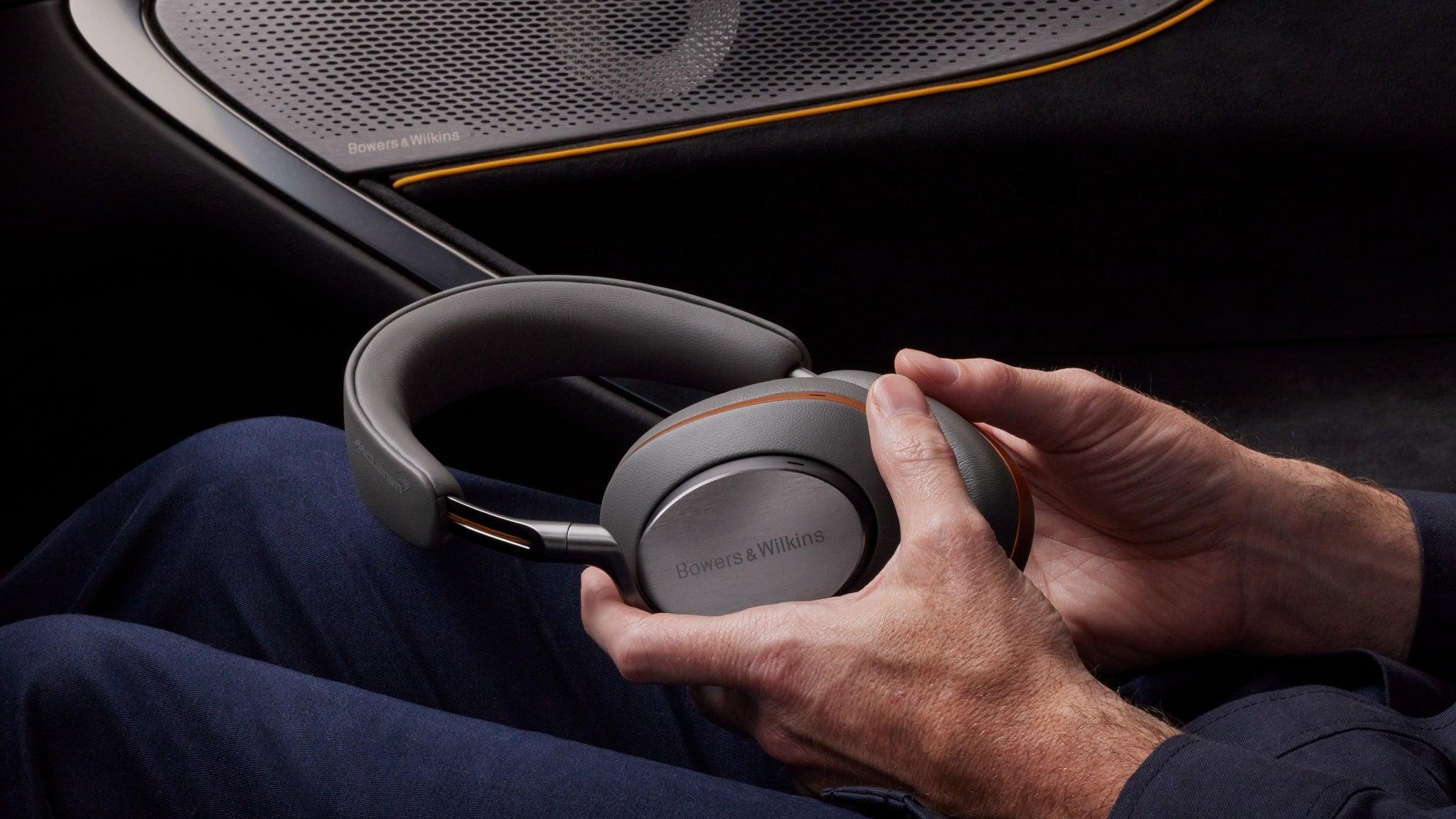
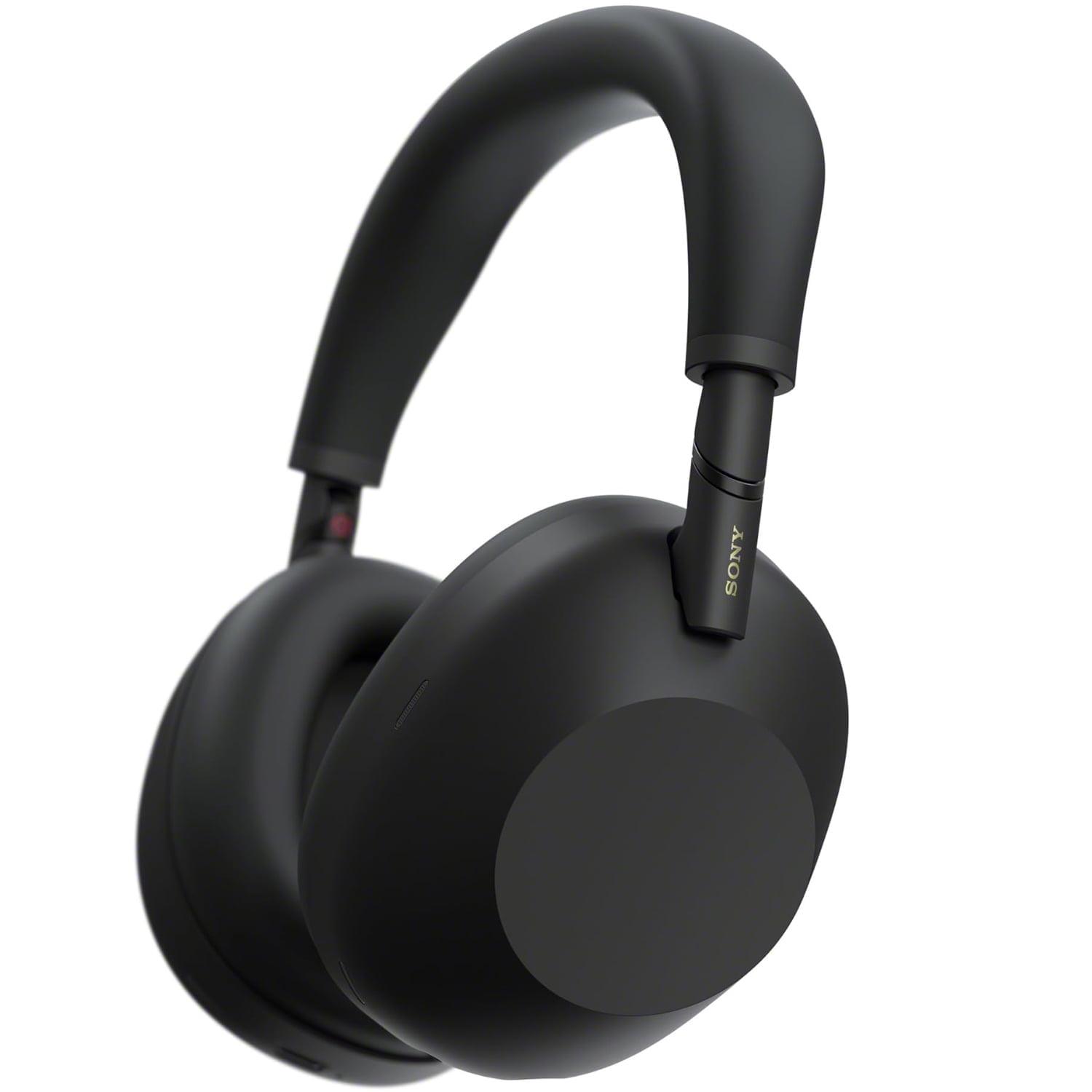
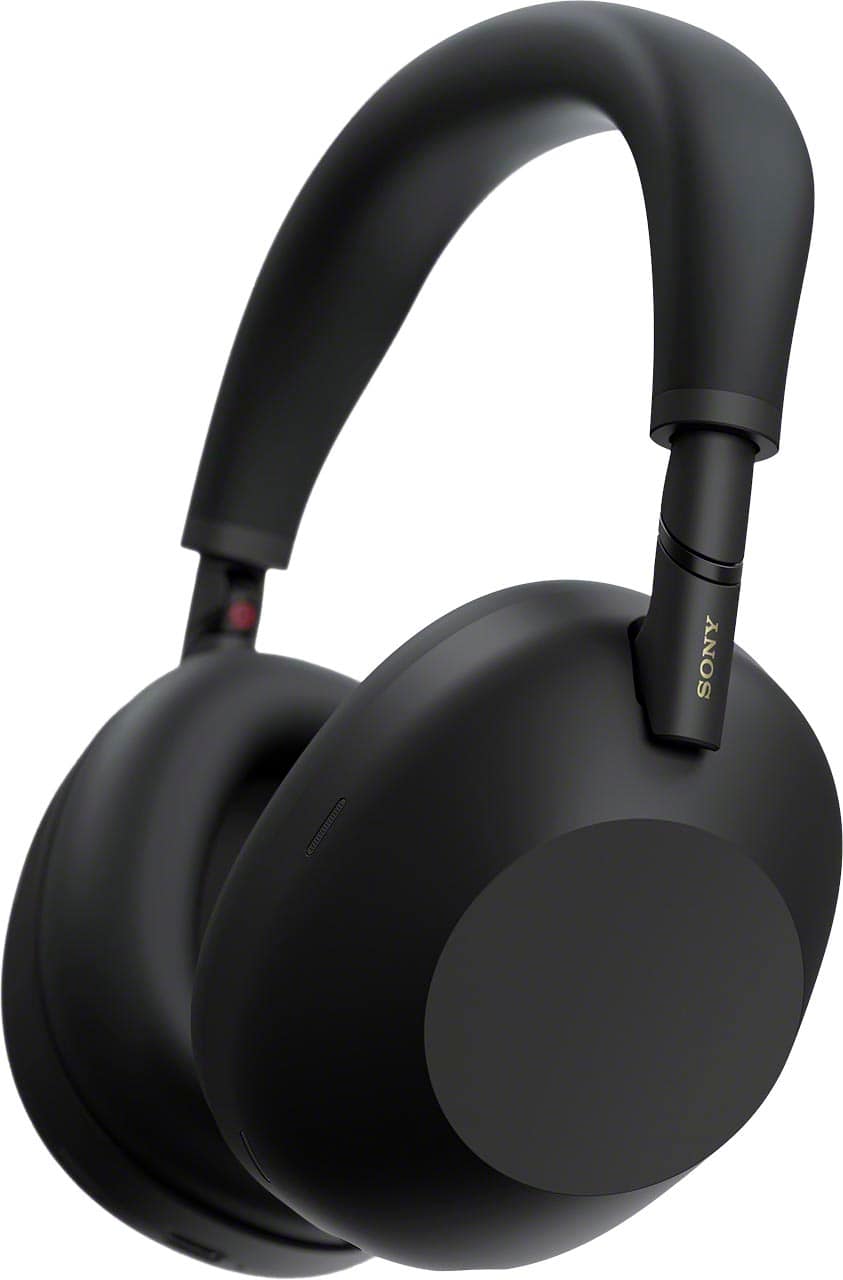

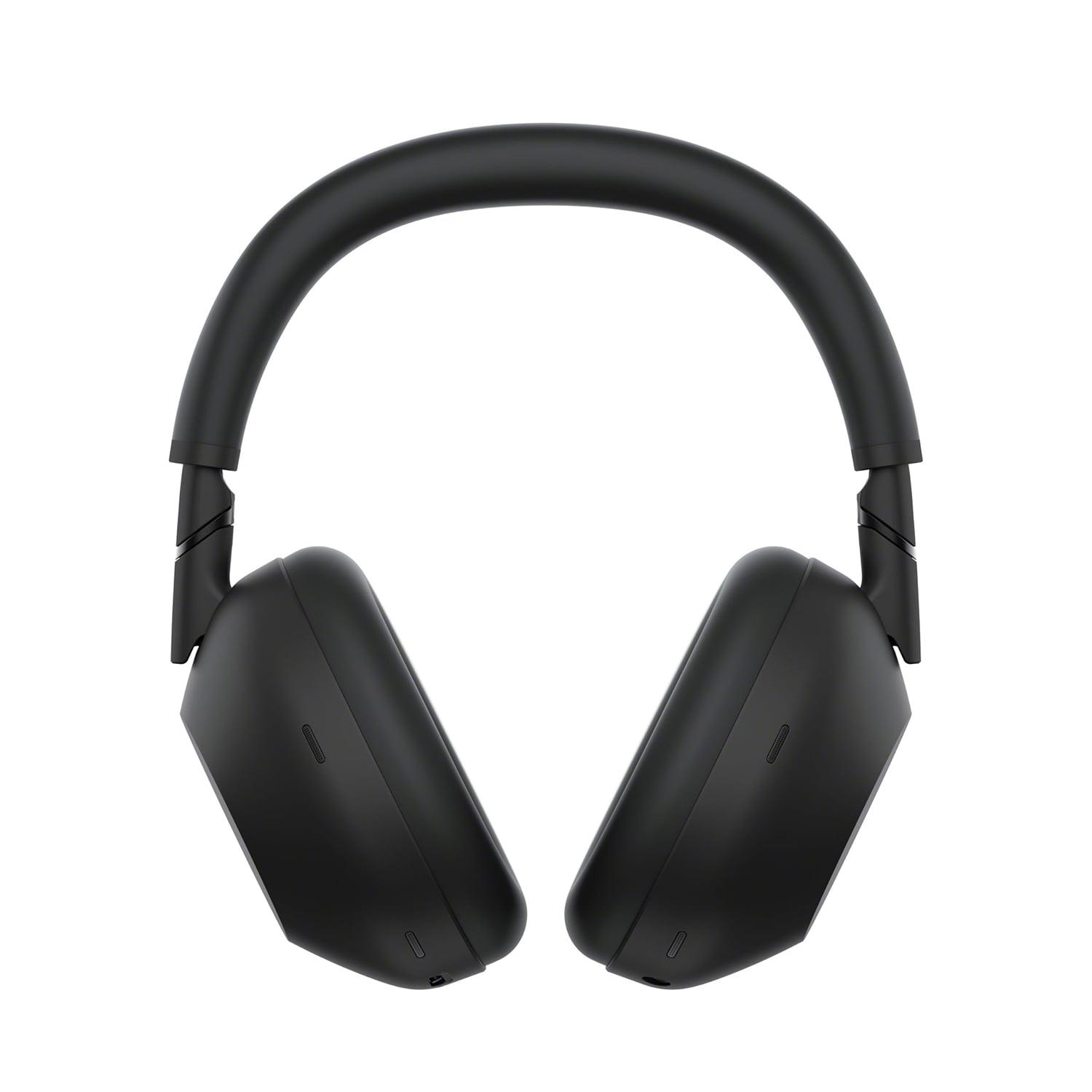




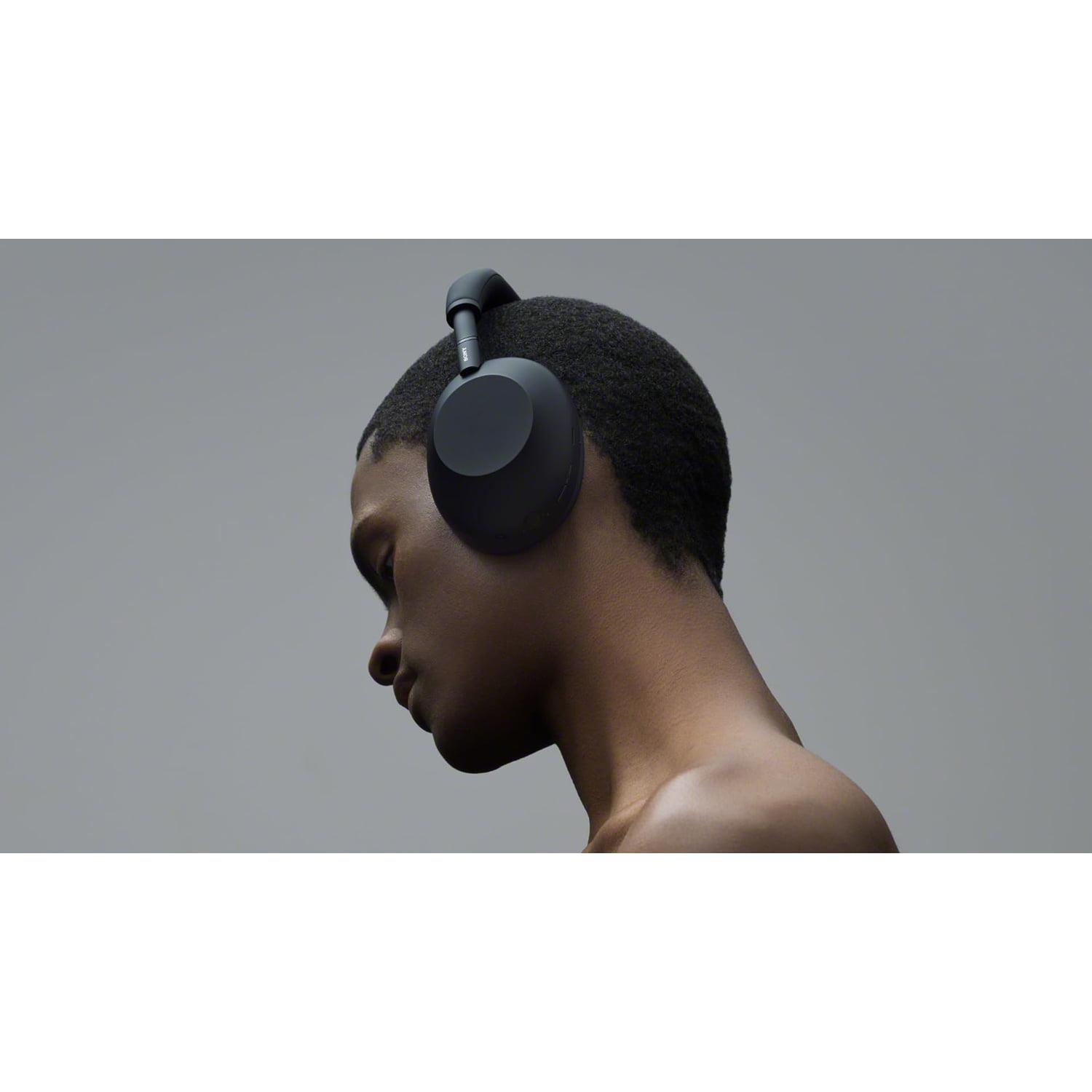

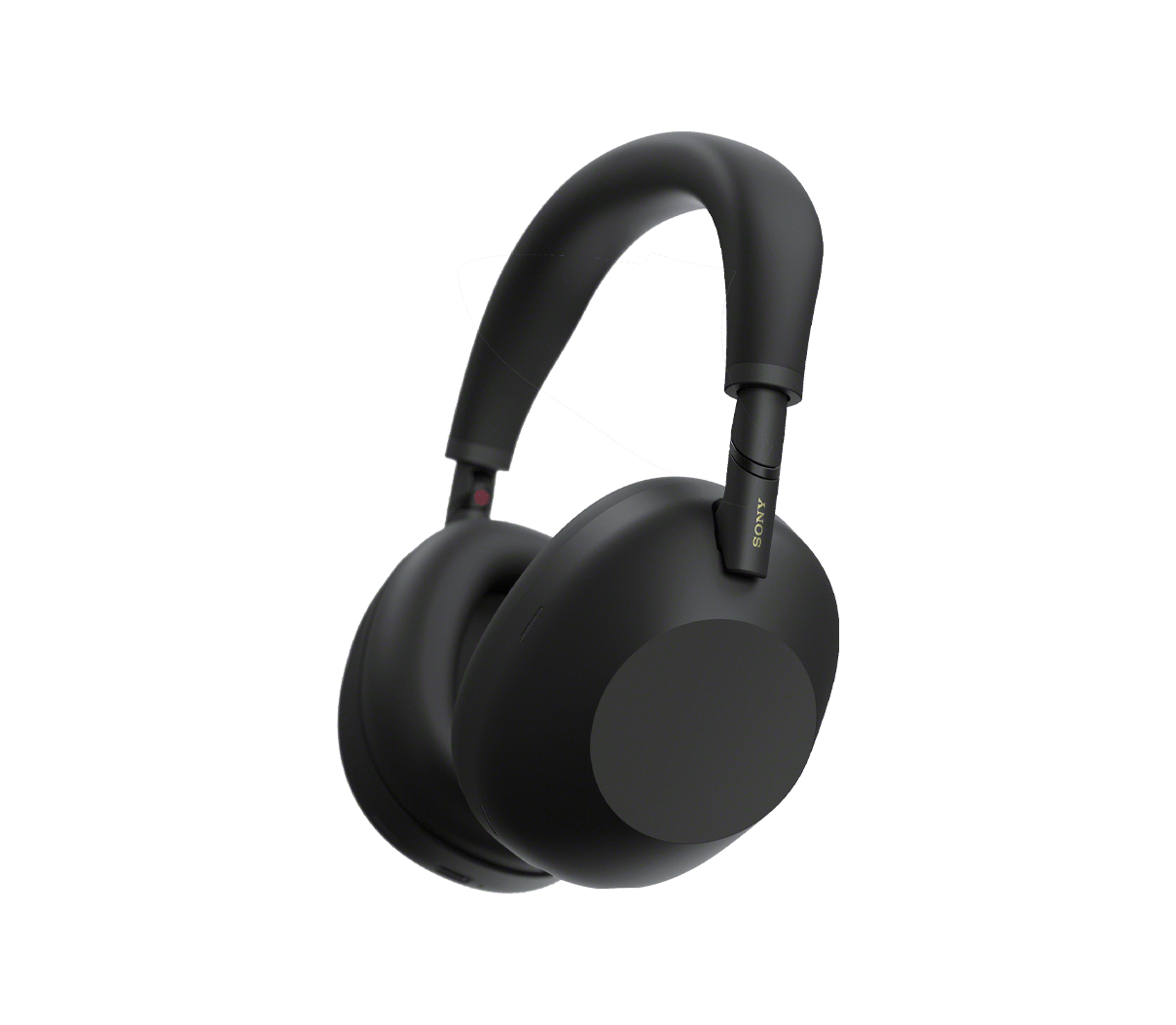

When you're ready to invest in premium wireless headphones, two very different philosophies emerge at the top of the market. The Bowers & Wilkins Px8 McLaren Edition represents the luxury approach—think of it as the high-end sports car of headphones. Meanwhile, the Sony WH-1000XM6 embodies cutting-edge technology and practical innovation, like a sophisticated tech flagship that happens to sound incredible.
At the time of writing, these headphones sit in completely different price brackets, with the McLaren Edition commanding significantly more than the Sony XM6—we're talking about a difference that could buy you another decent pair of headphones. This price gap isn't just about branding; it reflects fundamentally different approaches to what makes headphones "premium."
Before diving into specifics, let's establish what separates premium wireless headphones from the rest of the pack. We're not just talking about wireless connectivity here—that's become standard even in budget models. Premium headphones combine several advanced technologies that work together to create an exceptional listening experience.
First, there's the driver technology—the tiny speakers inside each ear cup that actually produce the sound. Premium models use sophisticated materials and precise engineering to reproduce audio with minimal distortion. Then there's active noise cancellation (ANC), which uses microphones and digital processing to cancel out external noise before it reaches your ears. Add in advanced wireless codecs (specialized compression algorithms that maintain audio quality over Bluetooth), premium materials, and smart features, and you've got the foundation of a truly premium product.
What makes this comparison particularly interesting is how the Px8 McLaren Edition, released in 2023, and the Sony WH-1000XM6, launched in 2025, represent two distinct evolutionary paths in headphone design.
The most crucial aspect of any headphone is how it sounds, and here we see the clearest difference between these two approaches.
The Px8 McLaren Edition employs 40mm Carbon Cone drivers—a sophisticated technology where the driver diaphragm (the part that vibrates to create sound) is made from carbon fiber composite. This material choice isn't just for show; carbon fiber offers exceptional stiffness while remaining lightweight, which means it can move quickly and accurately without flexing or distorting the sound.
What makes the Px8 particularly interesting is how these drivers are angled within each ear cup. Instead of pointing straight at your ears, they're positioned to create a more natural soundstage—imagine the difference between sitting directly in front of a speaker versus sitting in the optimal listening position in a concert hall. This angling helps create a sense of space and dimension that many users find more immersive.
The sound signature tends toward what audiophiles call "warm"—meaning there's a rich, full-bodied quality to the music with particular emphasis on the lower frequencies. Bass isn't just present; it's tactile and impactful. When I listen to something like Hans Zimmer's "Time" from the Inception soundtrack, the Px8 delivers those deep, rumbling notes with a physicality that you can actually feel.
However, this warm tuning means the headphones excel primarily with certain types of music. Jazz, classical, classic rock, and cinematic scores sound absolutely sublime, but if you're primarily listening to modern pop or electronic music, you might find the default tuning too bass-heavy.
The Sony WH-1000XM6 takes a different path entirely. Sony collaborated with mastering engineers—the professionals who put the final touches on recordings—to create what they call a "studio reference" sound. This means the headphones aim to reproduce music as accurately as possible, without adding their own "flavor" to the sound.
The XM6 uses smaller 30mm neodymium drivers, but don't let the size fool you. These drivers benefit from Sony's Digital Signal Processing (DSP) technology, which essentially acts like a sophisticated computer that optimizes the audio signal in real-time. Think of it as having a professional sound engineer constantly adjusting the sound for optimal performance.
What sets the Sony apart is its soundstage width—the sense of how spread out the music feels around your head. When listening to something like Pink Floyd's "Comfortably Numb," the guitar solos don't just play in your ears; they seem to emanate from specific locations in three-dimensional space around you. This creates what many describe as a panoramic listening experience.
The XM6 also supports Sony's LDAC codec, which can transmit up to three times more audio data than standard Bluetooth codecs. In practical terms, this means you're getting much closer to CD-quality audio over a wireless connection—a significant achievement that makes high-resolution music streaming truly worthwhile.
For home theater use, both headphones offer distinct advantages, but the Sony XM6 edges ahead due to its spatial audio capabilities and neutral sound signature. When watching movies, you want accurate dialogue reproduction and precise sound effects positioning—areas where the Sony's reference tuning excels.
The Px8 McLaren Edition can certainly handle movie soundtracks beautifully, especially films with rich orchestral scores, but dialogue might occasionally feel slightly recessed due to that warm tuning. However, for action sequences with deep bass content—think of the rumbling in Dune or the impact sounds in Marvel movies—the Px8 provides a more visceral, theater-like experience.
This is where the generational difference between these headphones becomes most apparent. The Sony WH-1000XM6, being the newer model, showcases just how much noise cancellation technology has advanced.
The XM6 employs Sony's HD Noise Cancelling Processor QN3, which represents a massive leap forward—it's seven times faster than the previous generation processor. But processing power is just part of the equation. The real magic happens with the 12-microphone system that continuously monitors your environment.
Here's how it works: six microphones on each ear cup constantly sample the ambient noise around you. The processor analyzes this information and generates "anti-noise"—sound waves that are exactly opposite to the incoming noise, effectively canceling it out before it reaches your ears. The XM6's system does this adaptation in real-time, so if you're on a plane and the engine noise changes, or if someone starts talking nearby, the system automatically adjusts.
In real-world testing, the Sony XM6 achieves approximately 87% noise reduction across a wide range of frequencies. What's particularly impressive is how well it handles different types of noise—from the constant drone of airplane engines to the variable sounds of a busy coffee shop.
The Px8 McLaren Edition uses a more traditional six-microphone hybrid ANC system. While it's certainly effective for general use—commuting, office work, and casual travel—it doesn't match the sophisticated real-time adaptation of the Sony system.
However, the B&W approach has one notable advantage: it's less prone to the occasional "pumping" or pressure sensation that some users experience with very aggressive noise cancellation. If you're sensitive to the feeling of strong ANC, the Px8's more gentle approach might actually be preferable.
Both headphones offer ambient sound modes that let you hear your surroundings when needed, but they implement this feature differently. The Sony XM6 provides more granular control, allowing you to adjust exactly how much external sound you want to hear. It also includes smart features like "Speak-to-Chat," which automatically pauses your music and activates ambient mode when you start speaking.
The Px8 offers a more straightforward implementation—you can turn ambient mode on or off, but with less fine-tuning available. This simpler approach actually suits some users who prefer not to fiddle with multiple settings.
The physical experience of wearing these headphones reveals their different design philosophies most clearly.
The Px8 McLaren Edition showcases materials that you'd expect in a luxury product. The Galvanic Grey finish with Papaya Orange accents isn't just attractive—it's a direct reference to McLaren's automotive heritage. The aluminum construction provides genuine structural integrity, while the Nappa leather ear pads offer a premium tactile experience.
However, luxury comes with trade-offs. At 320 grams, the Px8 is noticeably heavier than the Sony, and it doesn't fold for storage. The build quality is undeniably exceptional—these headphones feel like they could last decades with proper care—but they're clearly designed more for stationary listening than frequent travel.
The Sony WH-1000XM6 weighs just 254 grams and represents years of ergonomic refinement. Sony has clearly prioritized all-day comfort, using materials and design elements that minimize pressure points and hot spots during extended wear.
The XM6 also brings back the folding design that was absent from the XM5 generation. This might seem like a minor point, but for frequent travelers, the difference between headphones that fold into a compact case versus those that don't can be significant for packing efficiency.
The touch controls on the Sony's right ear cup are more responsive and intuitive than many competitors. Simple gestures—swiping up for volume, tapping to pause, cupping your hand over the ear cup to quickly hear ambient sound—become second nature after a few days of use.
This is where the generational difference becomes most apparent. The Sony WH-1000XM6, being a 2025 release, incorporates several years of additional smart feature development.
The Sony Headphones Connect app offers extensive customization options, including a 10-band equalizer that lets you fine-tune the sound signature to your exact preferences. More importantly, it includes adaptive features that learn your listening habits and automatically adjust settings based on your location and activity.
For example, the XM6 can recognize when you're at home versus on a commute and automatically switch between different noise cancellation profiles. It supports 360 Reality Audio for compatible content, creating an immersive surround sound experience that can make you feel like you're sitting in the middle of a recording studio.
The Sony also supports Bluetooth 5.3 with multipoint connection, meaning you can stay connected to both your phone and laptop simultaneously, automatically switching between devices as needed.
The Px8 McLaren Edition takes a more minimalist approach to smart features. The companion app provides basic EQ adjustment and noise cancellation control, but it doesn't include the extensive adaptive features found in the Sony system.
This isn't necessarily a drawback—some users prefer headphones that focus on core audio performance rather than trying to be smart devices. The Px8 supports aptX Adaptive, which provides excellent wireless audio quality, and includes essential features like multipoint pairing without the complexity of extensive app-based customization.
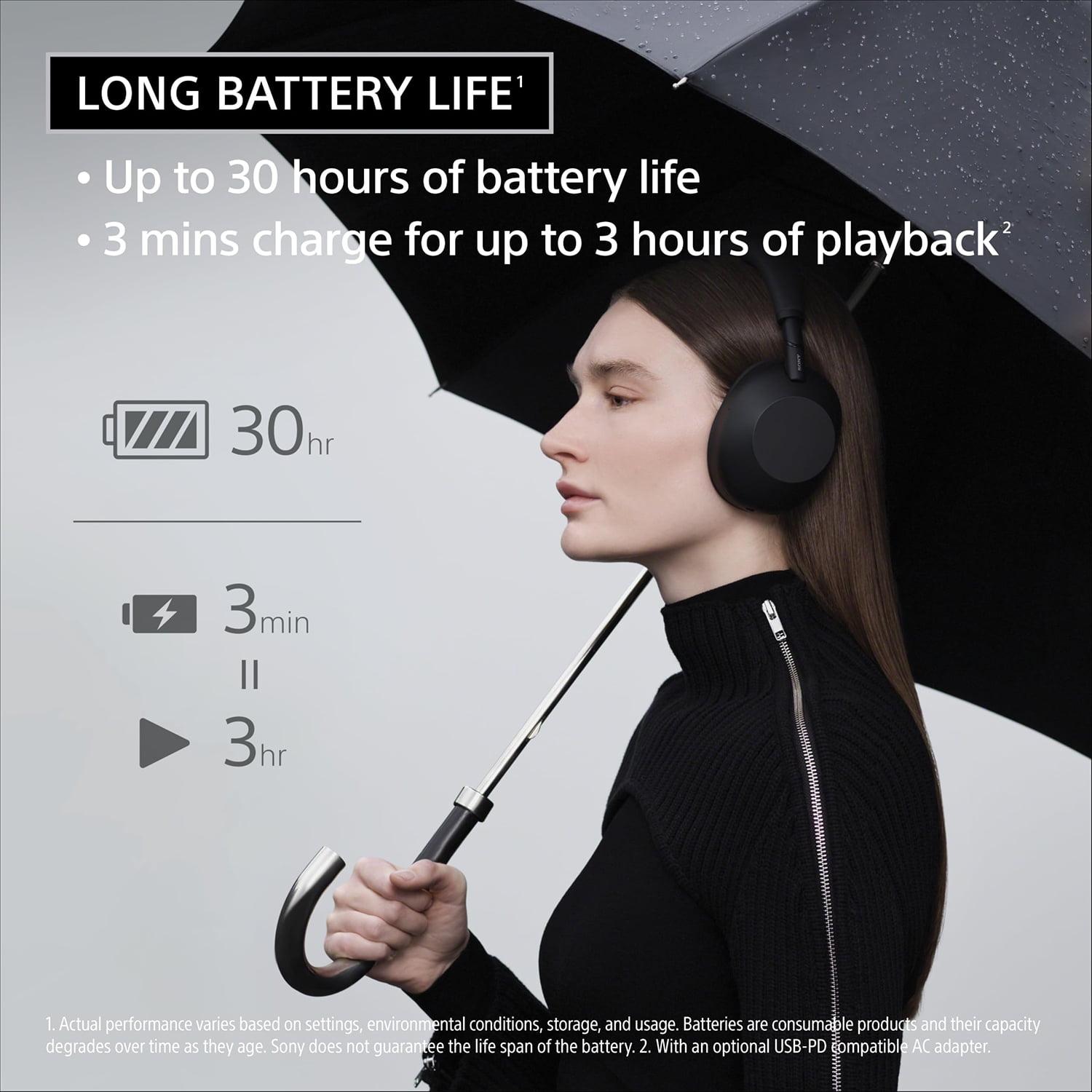
Both headphones offer excellent battery performance, though with different strengths. The Sony XM6 provides up to 30 hours with noise cancellation enabled, extending to 40 hours with ANC disabled. Its quick charge feature delivers 3 hours of playback from just 3 minutes of charging—incredibly useful when you're rushing to catch a flight.
The Px8 McLaren Edition matches the 30-hour ANC-on performance and actually offers superior quick charging, providing 7 hours of playback from a 15-minute charge. Both headphones support listening while charging, which wasn't always possible with earlier wireless models.
At the time of writing, the price difference between these headphones is substantial—the McLaren Edition costs significantly more than the Sony XM6. This price gap reflects their different target markets and design philosophies.
Choose the Sony WH-1000XM6 if you want cutting-edge technology, superior noise cancellation, and comprehensive smart features at a competitive price point. It's the better choice for frequent travelers, daily commuters, and users who want versatile performance across all types of content. The Sony represents exceptional value in the premium headphone market, offering flagship performance without the luxury price premium.
Choose the Bowers & Wilkins Px8 McLaren Edition if you prioritize premium materials, exclusive design, and audiophile-focused sound quality. It's the better choice for home listening, music enthusiasts who primarily enjoy warm, rich genres, and users who value luxury craftsmanship. The McLaren Edition is essentially a collectible audio product that happens to perform exceptionally well.
The Sony XM6 offers better overall value for most users, while the Px8 McLaren Edition serves a specific luxury market where premium materials and exclusive design justify the higher cost. Both are excellent headphones, but they serve distinctly different needs and preferences in the premium audio market.
| Bowers & Wilkins Px8 McLaren Edition | Sony WH-1000XM6 |
|---|---|
| Driver Technology - Determines sound quality and clarity | |
| 40mm Carbon Cone drivers, angled for expanded soundstage | 30mm neodymium dynamic drivers with 24-bit DSP processing |
| Active Noise Cancellation - Critical for travel and noisy environments | |
| 6-microphone hybrid system (good for general use) | 12-microphone system with HD QN3 processor (industry-leading, 87% noise reduction) |
| Weight - Affects comfort during extended listening | |
| 320g (heavier, premium materials but less portable) | 254g (lightweight design optimized for all-day wear) |
| Battery Life - Determines daily usability | |
| 30 hours (ANC on), 15-min charge = 7 hours playback | 30 hours (ANC on), 40 hours (ANC off), 3-min charge = 3 hours playback |
| Sound Signature - Determines musical compatibility | |
| Warm, rich, bass-forward (excellent for jazz, classical, cinematic) | Neutral, balanced reference tuning (versatile across all genres) |
| Wireless Audio Codecs - Affects streaming quality | |
| aptX Adaptive, aptX HD (excellent Android compatibility) | LDAC, AAC, SBC (superior high-res streaming, 3x more data than standard) |
| Build Materials - Impacts durability and luxury feel | |
| Aluminum construction, Nappa leather, McLaren-inspired design | Lightweight materials with fingerprint-resistant coating, foldable design |
| Smart Features - Modern convenience and customization | |
| Basic app with simple EQ, wear detection | Comprehensive app with 10-band EQ, adaptive sound control, Speak-to-Chat |
| Portability - Important for travel and storage | |
| Non-folding design with premium carry case | Foldable design with compact carrying case |
| Bluetooth Connectivity - Device compatibility and convenience | |
| Bluetooth 5.2, multipoint pairing (2 devices) | Bluetooth 5.3, multipoint pairing, LE Audio support |
| Target Market - Who benefits most from each approach | |
| Audiophiles seeking luxury materials and warm sound | Tech enthusiasts wanting cutting-edge features and versatile performance |
The Bowers & Wilkins Px8 McLaren Edition delivers audiophile-grade sound with warm, rich tones that excel with jazz, classical, and cinematic music. The Sony WH-1000XM6 offers more neutral, balanced sound that works well across all music genres. If you prefer impactful bass and premium materials, choose the Px8 McLaren Edition. For versatile, accurate sound reproduction, the Sony WH-1000XM6 is superior.
The Sony WH-1000XM6 significantly outperforms the Bowers & Wilkins Px8 McLaren Edition in noise cancellation. Sony's 12-microphone system with HD QN3 processor achieves 87% noise reduction, making it industry-leading for travel and noisy environments. The Px8 McLaren Edition offers decent 6-microphone ANC that's suitable for office use but can't match the Sony's advanced technology.
Both headphones offer good comfort, but with different approaches. The Sony WH-1000XM6 is lighter at 254g with optimized ergonomics for all-day wear. The Bowers & Wilkins Px8 McLaren Edition weighs 320g but uses premium Nappa leather and materials. For extended daily use, the Sony WH-1000XM6 provides superior comfort due to its lightweight design.
Both the Sony WH-1000XM6 and Bowers & Wilkins Px8 McLaren Edition offer 30 hours of playback with noise cancellation enabled. The Sony extends to 40 hours with ANC off, while the Px8 maintains 30 hours regardless. For quick charging, the Px8 McLaren Edition provides 7 hours from 15 minutes of charging, compared to 3 hours from 3 minutes for the Sony WH-1000XM6.
The Sony WH-1000XM6 offers superior call quality with its advanced 6-microphone beamforming system and AI noise reduction technology. The Bowers & Wilkins Px8 McLaren Edition provides satisfactory call quality but lacks the advanced microphone processing of the Sony. For frequent business calls or remote work, the Sony WH-1000XM6 is the clear choice.
Both headphones excel for home theater use with different strengths. The Sony WH-1000XM6 offers superior spatial audio and neutral sound for accurate dialogue reproduction. The Bowers & Wilkins Px8 McLaren Edition provides more impactful bass for action sequences and cinematic scores. For overall movie versatility, the Sony's balanced sound signature makes it better suited for diverse film content.
The Sony WH-1000XM6 leads in connectivity with Bluetooth 5.3, LDAC codec support, and advanced multipoint pairing. It also supports LE Audio for future compatibility. The Bowers & Wilkins Px8 McLaren Edition offers Bluetooth 5.2 with aptX Adaptive support and basic multipoint connection. For cutting-edge wireless features and broad device compatibility, the Sony WH-1000XM6 is superior.
The Sony WH-1000XM6 is significantly better for travel with its foldable design, lighter weight, and superior noise cancellation. The Bowers & Wilkins Px8 McLaren Edition doesn't fold and weighs more, making it less portable despite including a premium carrying case. For frequent travelers and commuters, the Sony WH-1000XM6 offers much better practicality.
The Sony WH-1000XM6 provides extensive customization through its comprehensive app, including 10-band EQ, adaptive sound control, and smart features like Speak-to-Chat. The Bowers & Wilkins Px8 McLaren Edition offers basic app functionality with simple EQ adjustments and ANC control. For users who want deep customization and smart features, the Sony is far superior.
The Bowers & Wilkins Px8 McLaren Edition excels with warm music genres like jazz, classical, and acoustic music due to its rich, bass-forward signature. The Sony WH-1000XM6 performs consistently well across all genres with its neutral, balanced tuning. If you listen to diverse music styles or prefer accurate reproduction, choose the Sony WH-1000XM6.
The Sony WH-1000XM6 offers better gaming performance with dedicated gaming EQ profiles, lower latency codecs, and superior spatial audio for positional awareness. The Bowers & Wilkins Px8 McLaren Edition can handle gaming but lacks specialized gaming features. For serious gaming use, the Sony WH-1000XM6 provides better optimization and feature support.
The Sony WH-1000XM6 offers exceptional value with cutting-edge technology, superior noise cancellation, and comprehensive features at a competitive price point. The Bowers & Wilkins Px8 McLaren Edition commands a significant premium for luxury materials and exclusive McLaren branding. For most users seeking flagship performance, the Sony WH-1000XM6 provides better overall value and broader appeal.
We've done our best to create useful and informative comparisons to help you decide what product to buy. Our research uses advanced automated methods to create this comparison and perfection is not possible - please contact us for corrections or questions. These are the sites we've researched in the creation of this article: whathifi.com - audiophile.no - head-fi.org - recordingnow.com - bestbuy.com - marius.ink - bestbuy.com - audio46.com - rtings.com - versus.com - crutchfield.com - cars.mclaren.press - bestbuy.com - tecnifi.com - bowerswilkins.com - cars.mclaren.com - bowerswilkins.com - shdigimedia.com - audio46.com - youtube.com - epicsystems.tech - cars.mclaren.press - fullspecs.net - bowerswilkins.com - bowerswilkins.com - moon-audio.com - soundguys.com - electronics.sony.com - recordingnow.com - tomsguide.com - electronics.sony.com - rtings.com - recordingnow.com - youtube.com - soundguys.com - whathifi.com - bhphotovideo.com - sony.com - sony.com - bestbuy.com - youtube.com - sony.eu - soundguys.com - audio46.com - electronics.sony.com

Privacy Policy
Terms and Conditions - Affiliate Policy
Home Security
© Copyright 2008-2026.
11816 Inwood Rd #1211, Dallas, TX 75244