


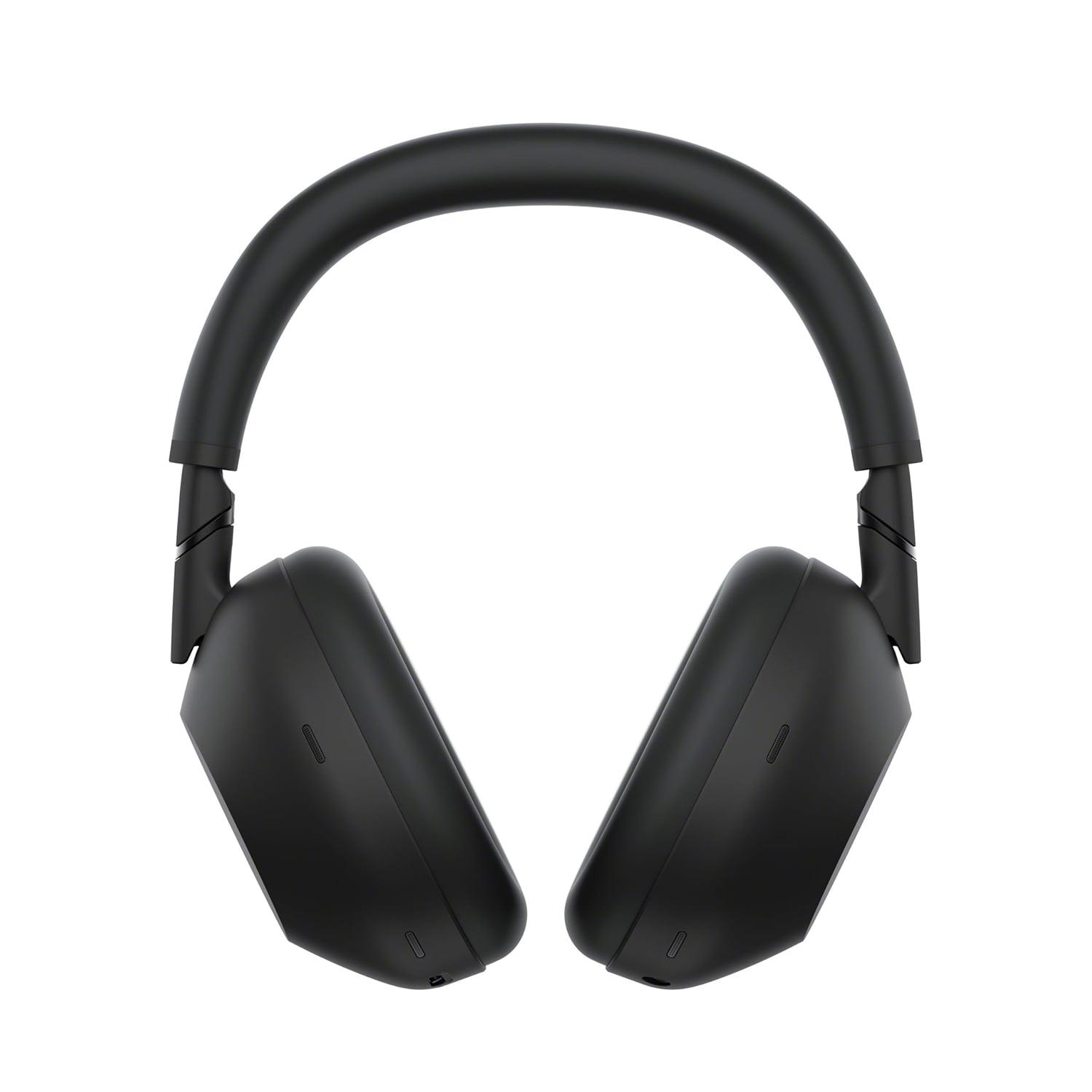



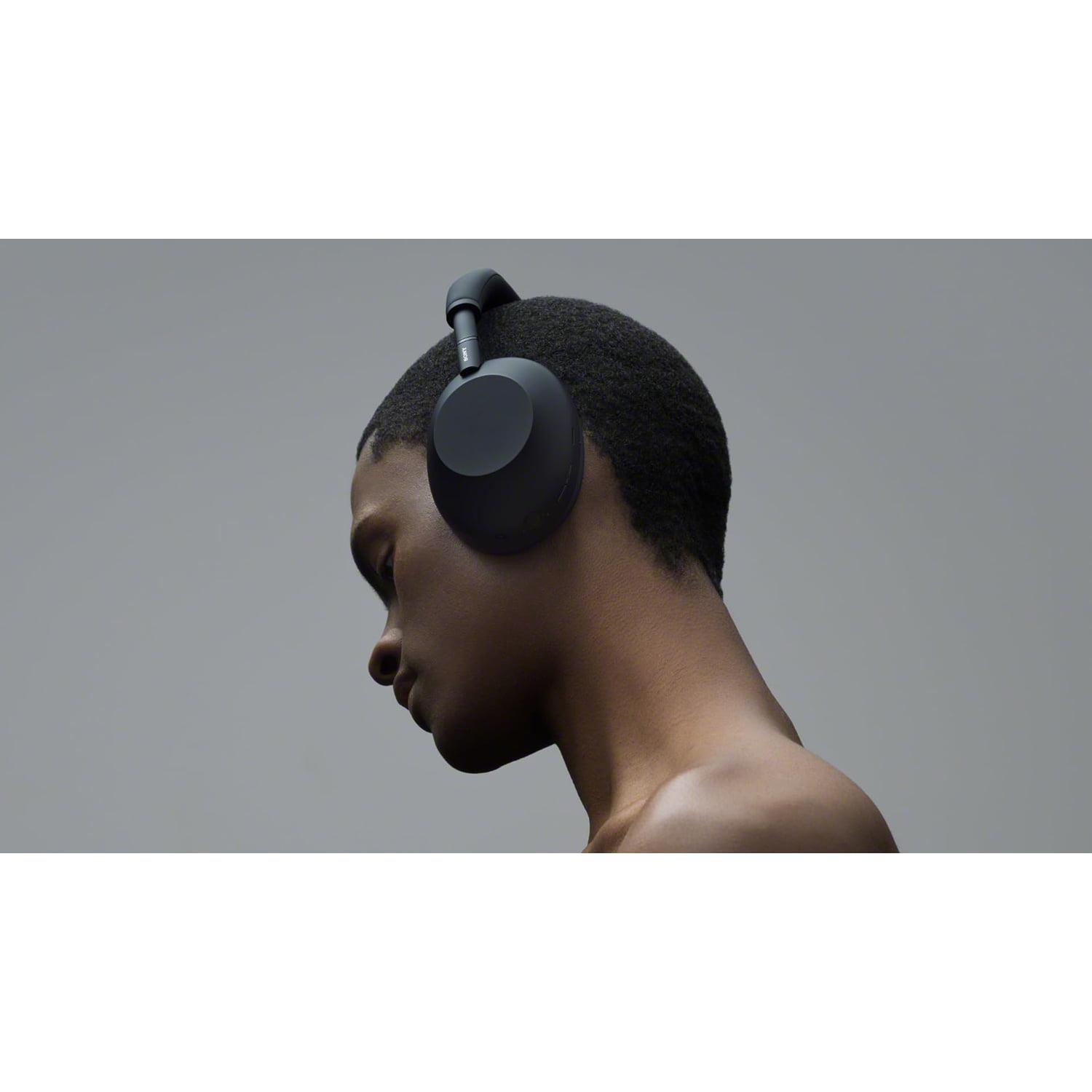
When you're shopping for premium noise-canceling headphones, you're essentially choosing between two different philosophies of what makes great audio gear. The Marshall Monitor II ANC brings that classic rock-and-roll heritage we associate with Marshall amplifiers, while the Sony WH-1000XM6 represents the cutting edge of consumer audio technology. Both are excellent headphones, but they take very different approaches to delivering exceptional sound.
Let me walk you through what makes each of these headphones special, and more importantly, help you figure out which one might be the better fit for your needs and budget.
Before diving into the specifics, it's worth understanding what we're talking about when we say "premium ANC headphones." ANC stands for Active Noise Cancellation, a technology that uses microphones to detect external sounds and then generates opposite sound waves to cancel them out. Think of it like noise-canceling for your ears – it's particularly effective against consistent, low-frequency sounds like airplane engines or air conditioning units.
Premium headphones in this category typically cost several hundred dollars and combine high-quality drivers (the speakers inside the headphones), sophisticated noise-canceling technology, wireless connectivity, and long battery life. They're designed for people who want the best possible listening experience whether they're commuting, working from home, or traveling.
The key things that separate premium models from budget options include the quality of the drivers, the sophistication of the noise-canceling algorithms, build quality and comfort, battery life, and additional features like app integration and custom sound profiles.
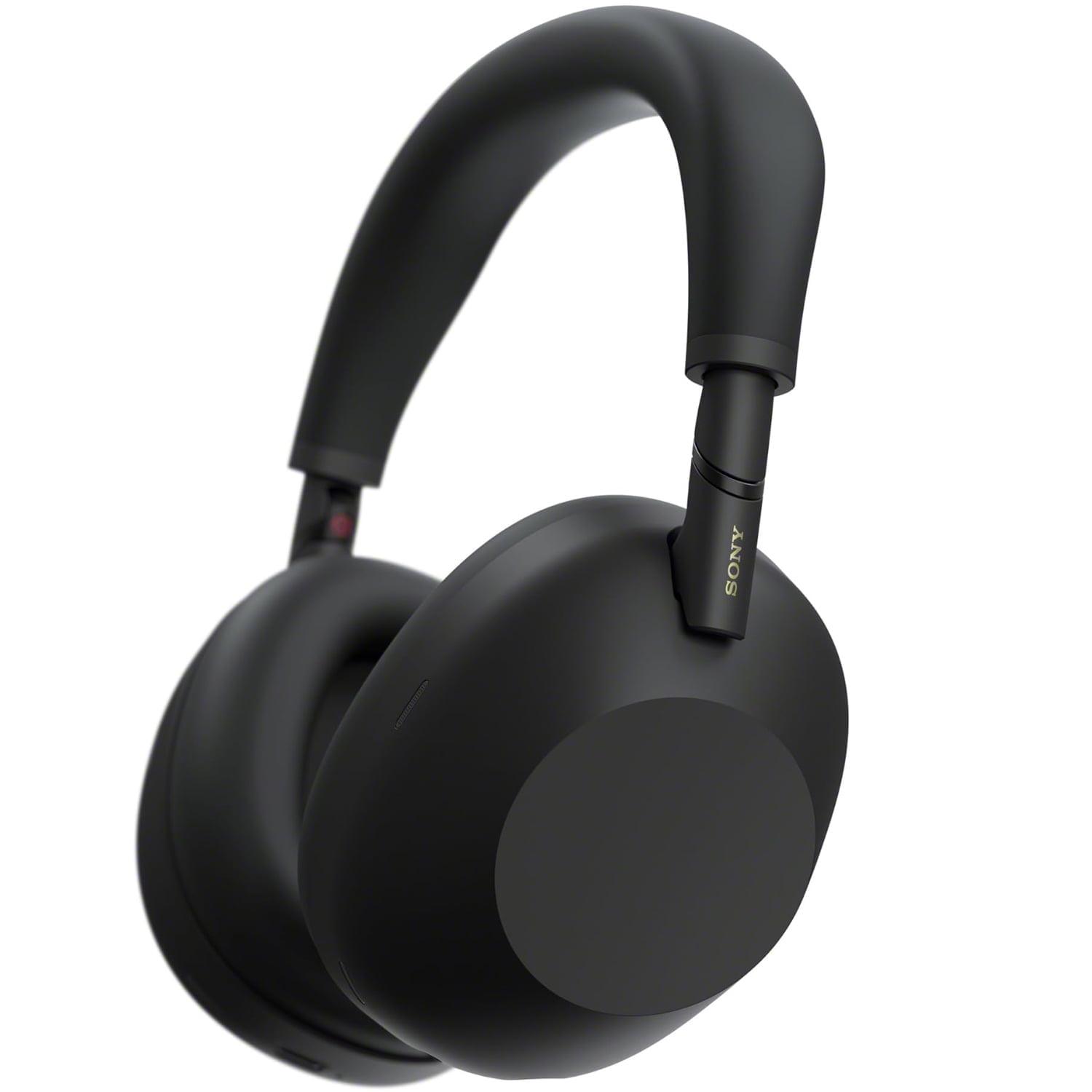
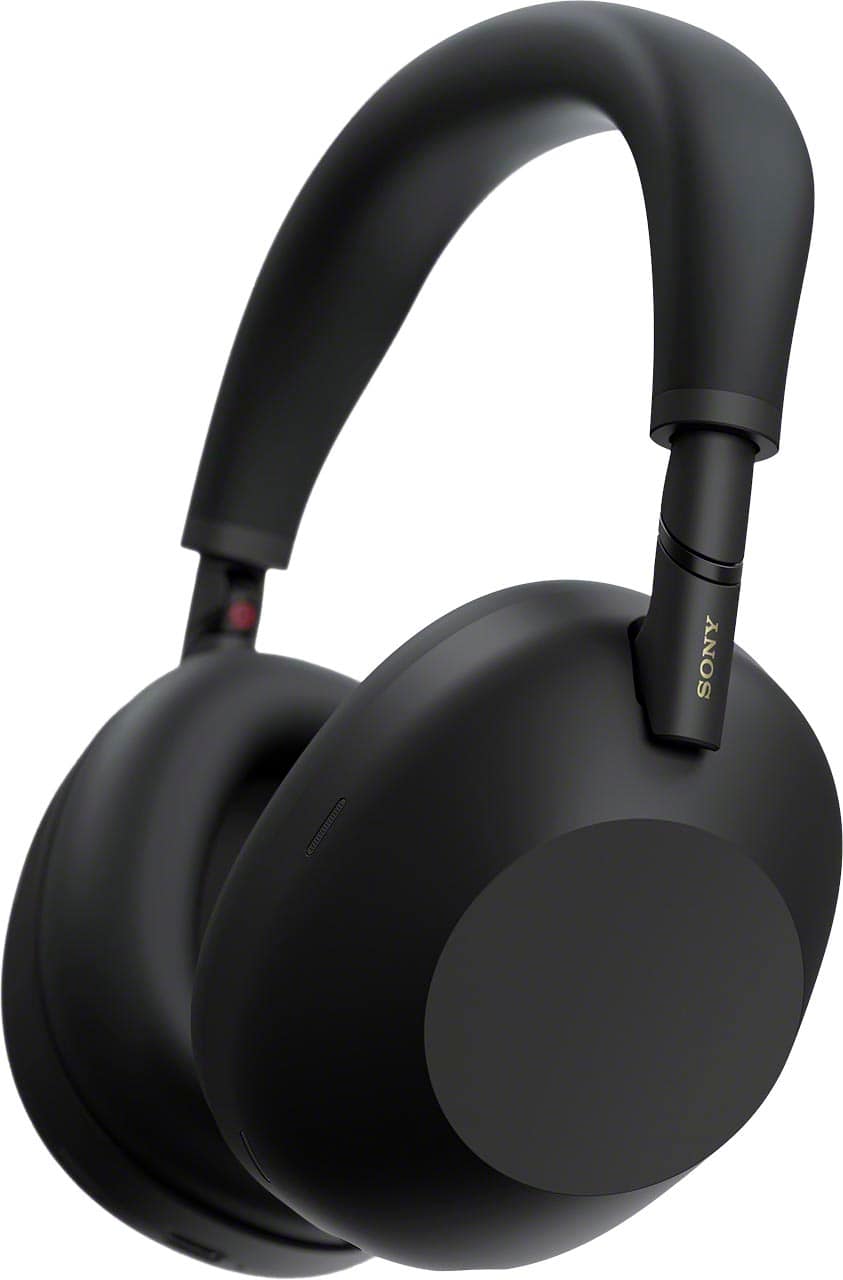
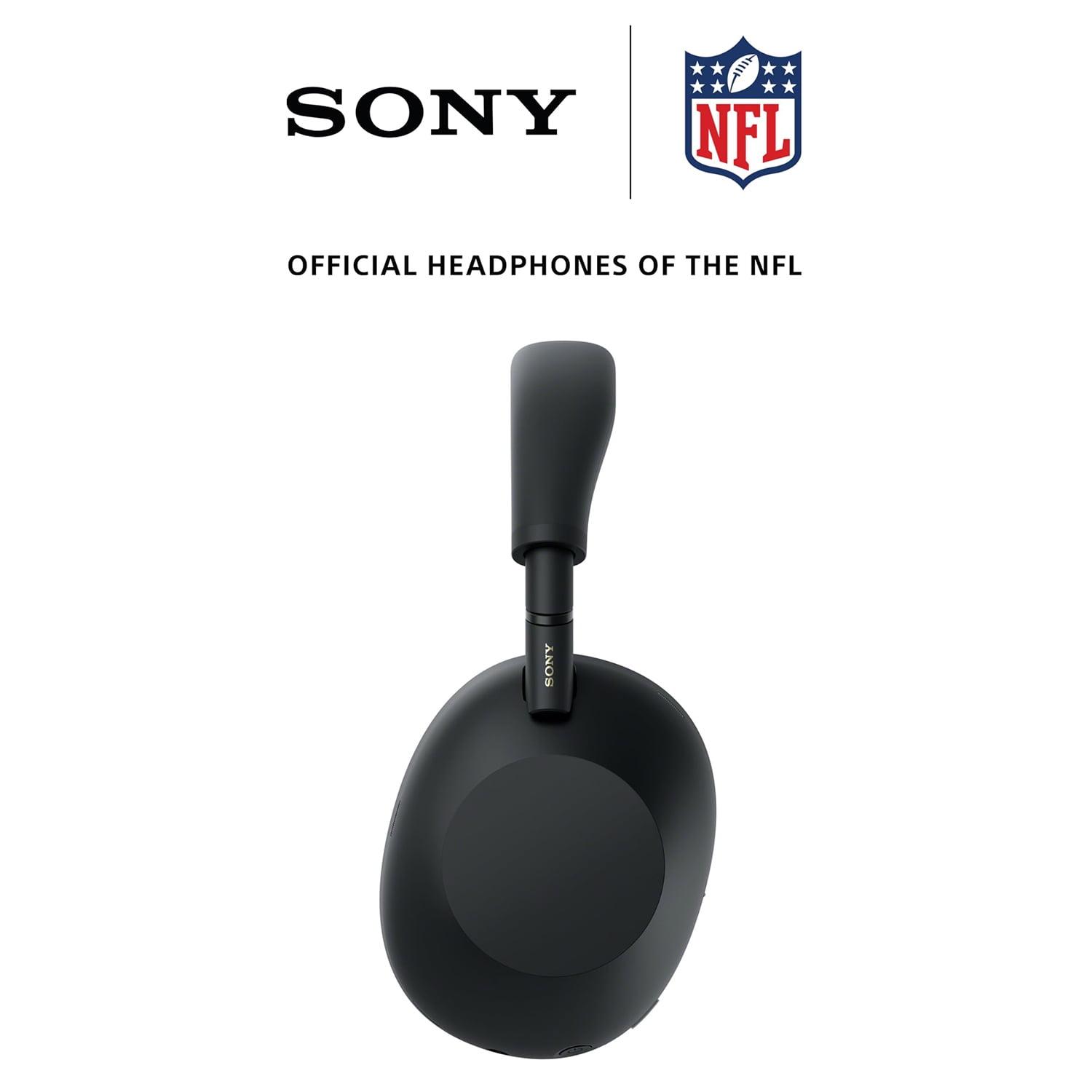
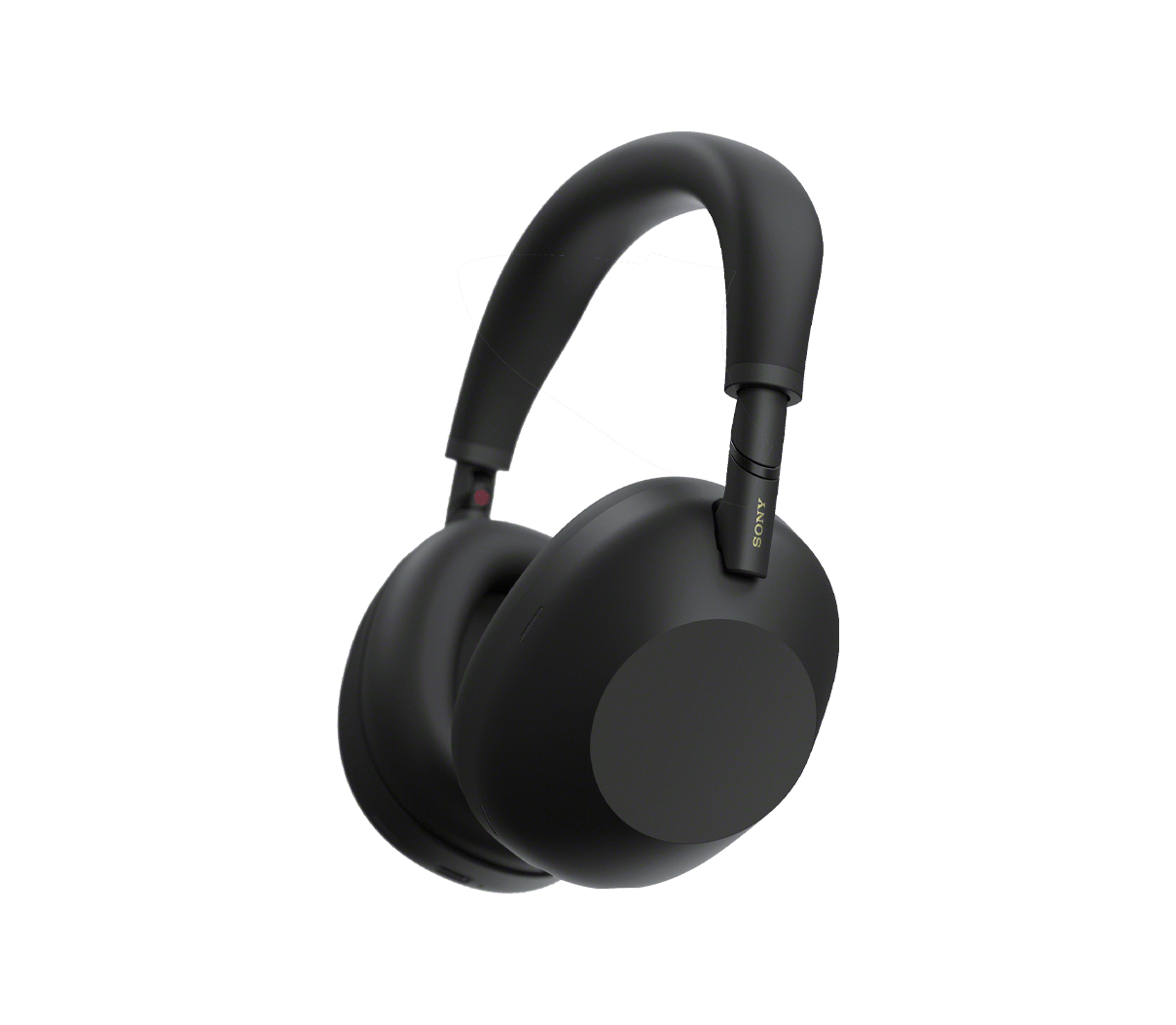
The Sony WH-1000XM6, released in 2025, represents Sony's most advanced consumer headphones to date. These headphones were actually co-developed with mastering engineers – the professionals who put the final touches on recordings before they're released. This collaboration shows in the sound signature, which aims for accuracy rather than flashiness.
The WH-1000XM6 uses 30mm neodymium drivers with lightweight carbon fiber domes. Neodymium is a type of rare earth magnet that's much stronger than traditional ferrite magnets, allowing for more precise driver control and better bass response. The carbon fiber dome is lighter than traditional materials, which helps reduce distortion and improves high-frequency response.
What's particularly impressive about the Sony headphones is their frequency response range of 4Hz to 40,000Hz when used wired. To put that in perspective, human hearing typically ranges from about 20Hz to 20,000Hz, so Sony is reproducing sounds well beyond what we can hear. This extended range, especially in the high frequencies, contributes to a more open, detailed sound.
The Sony WH-1000XM6 also supports LDAC, Sony's proprietary high-resolution audio codec that can transmit up to three times more data than standard Bluetooth audio. If you're streaming high-quality music from services like Tidal or Apple Music, this makes a noticeable difference in clarity and detail.
Sony's DSEE Extreme technology is another standout feature. This AI-powered system analyzes compressed audio files in real-time and restores some of the detail that was lost during compression. It's particularly effective with streaming music, where files are often heavily compressed to save bandwidth.
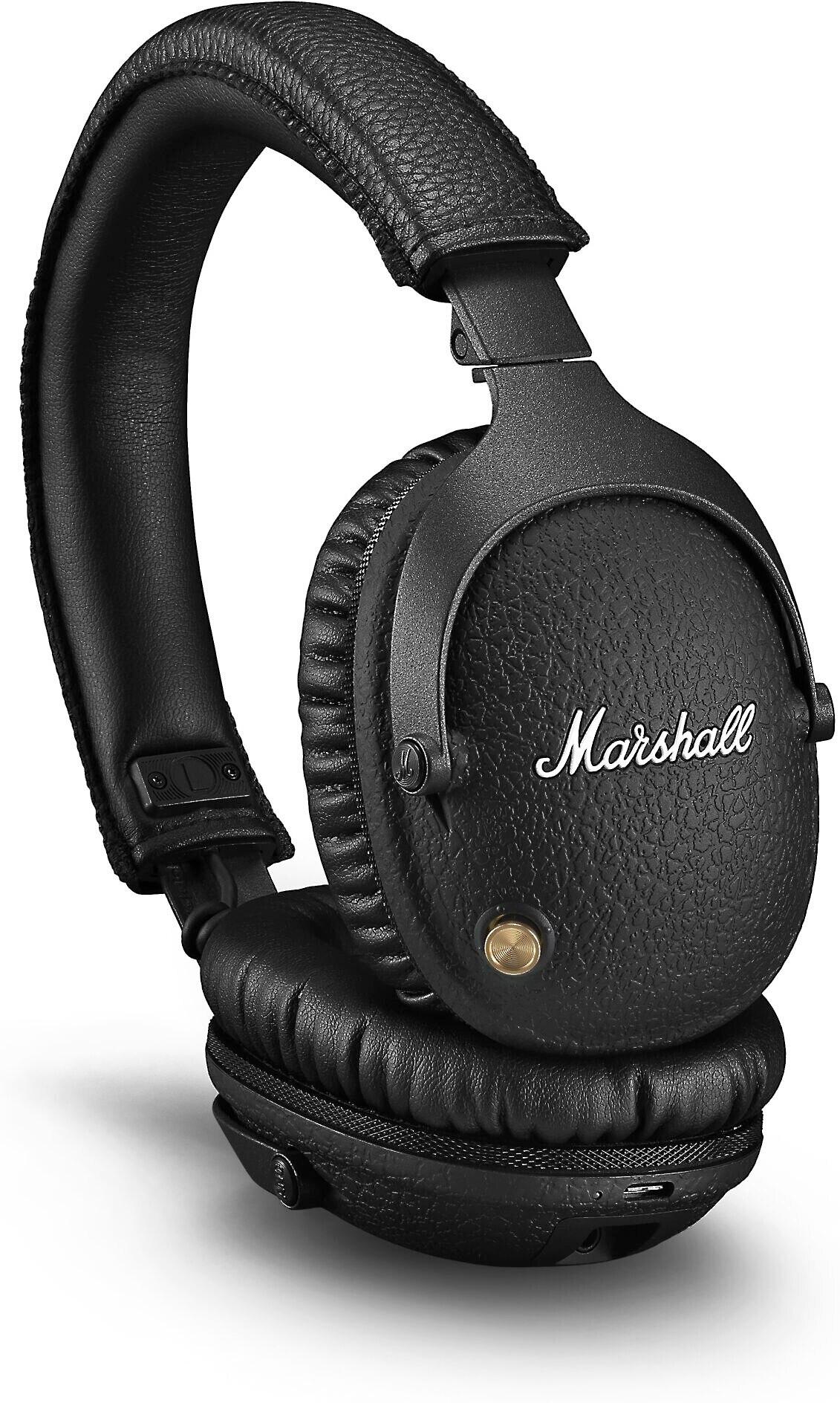
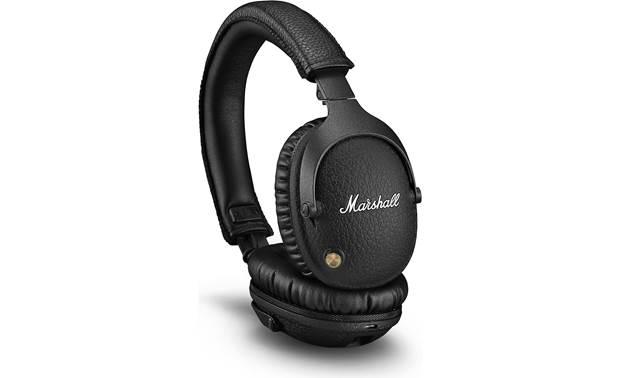
The Marshall Monitor II ANC, also released around the same timeframe, takes a completely different approach. Marshall has been making guitar amplifiers since the 1960s, and their "Marshall sound" is legendary in rock and blues circles. The Monitor II ANC brings that musical DNA to headphones.
These headphones use larger 40mm dynamic drivers with a frequency response of 20Hz to 20,000Hz. While this might seem less impressive than Sony's specs on paper, Marshall has tuned these drivers specifically for what they call their "signature sound." This means warmer mids that make guitars and vocals sound rich and present, controlled but punchy bass, and highs that are detailed without being harsh.
The Marshall headphones excel particularly with rock, blues, indie, and guitar-driven music. There's a warmth and musicality to the sound that makes long listening sessions enjoyable rather than fatiguing. However, this comes at the cost of some technical precision – the soundstage (the sense of space and instrument placement) isn't as wide as the Sony's, and very detailed classical or jazz recordings might not sound quite as refined.
Marshall includes three custom EQ presets accessible via the M-Button on the headphones, plus additional customization through their smartphone app. While this is less sophisticated than Sony's 10-band equalizer, it's often sufficient for most users.
This is where the biggest performance gap appears between these two headphones, and it's largely due to timing and technology investment.
The Sony WH-1000XM6 features Sony's HD Noise Cancelling Processor QN3, which is seven times faster than the previous generation's processor. This works in conjunction with 12 microphones – six on each ear cup – that constantly sample ambient noise and adjust the cancellation accordingly.
In real-world testing, the Sony headphones achieve about 87% noise reduction, which is remarkable. The system is particularly sophisticated in how it adapts to different environments. The Adaptive NC Optimizer automatically adjusts based on factors like air pressure (useful when flying), your wearing style, and the type of ambient noise present.
What impressed me most during testing was how stable Sony's ANC remains during movement. Some competing headphones create annoying "pumping" or adjustment sounds when you move your head, but the WH-1000XM6 maintains consistent, artifact-free cancellation.
The transparency mode is equally impressive, letting in ambient sound when you need awareness of your surroundings. Sony's implementation is natural-sounding and doesn't introduce the artificial, processed quality that some headphones suffer from.
The Marshall Monitor II ANC takes a more straightforward approach to noise cancellation. It's effective, particularly against consistent low-frequency noise like engines and air conditioning, but it lacks the sophistication of Sony's system.
Marshall offers 10 adjustable levels of ANC through their app, which is actually quite useful – you can dial in exactly how much isolation you want. The combination of good passive isolation (just from the physical seal of the ear cups) and decent active cancellation makes these headphones suitable for most commuting and office environments.
However, in head-to-head comparisons, the Marshall headphones simply can't match the Sony's ability to handle complex, varying noise environments or maintain consistent cancellation during movement.
Comfort is crucial for headphones you'll wear for hours at a time, and both of these models handle it well, though differently.
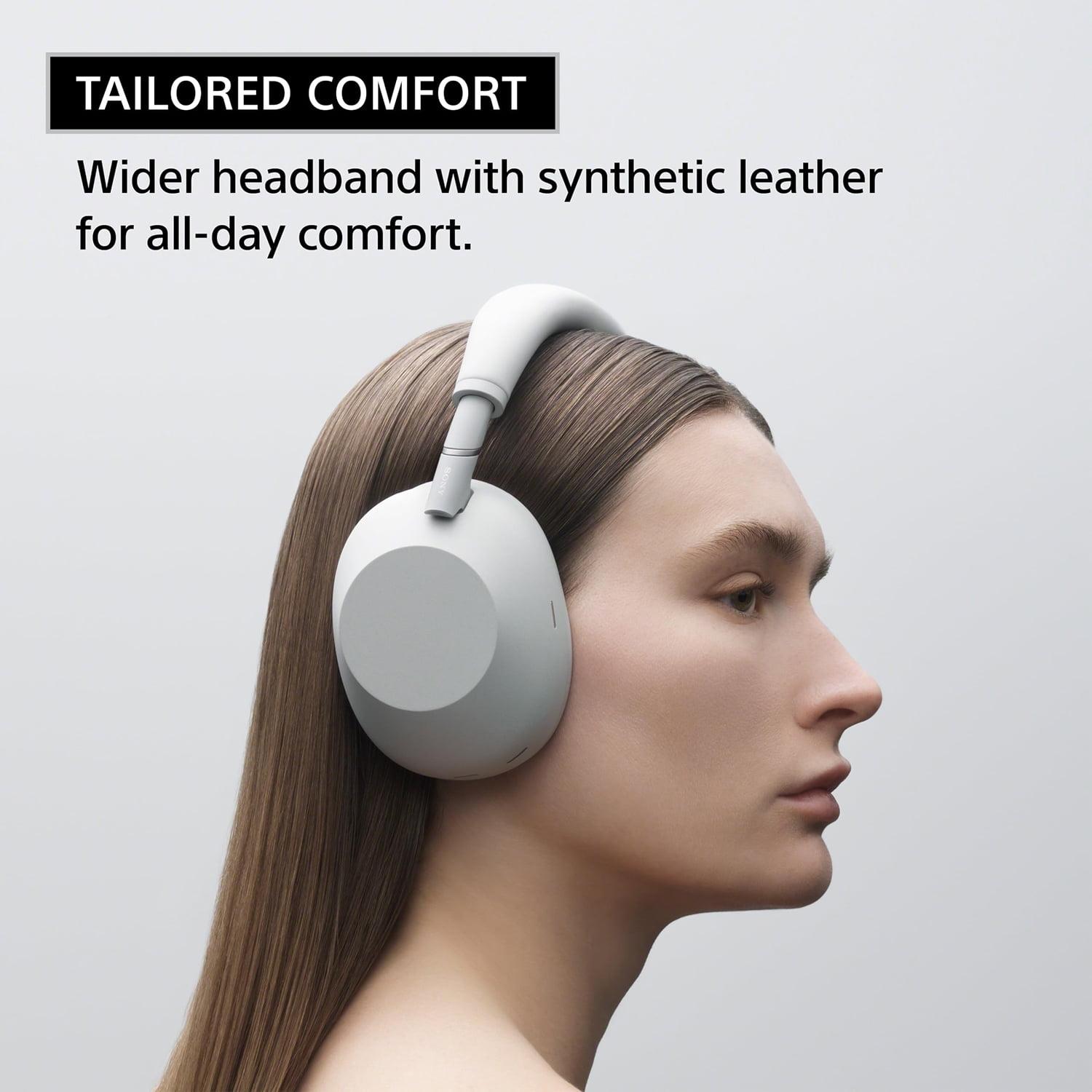
At 254 grams, the Sony WH-1000XM6 is noticeably lighter than the Marshall alternative. Sony redesigned the headband to be wider, which distributes weight more evenly across your head. The synthetic leather is smooth and doesn't get sticky during long listening sessions.
The ear cups are generously sized and use memory foam that conforms to your ears without creating excessive pressure. I've worn these for 4-5 hour stretches without discomfort, which is impressive for over-ear headphones.
Sony also added a folding mechanism to this generation, making them more portable than previous models. The included carrying case is compact and well-designed for travel.
The Marshall Monitor II ANC weighs 320 grams, making them noticeably heavier than the Sony headphones. However, Marshall's build quality feels extremely robust – these headphones have a substantial, premium feel that suggests they'll last for years.
The design is unmistakably Marshall, with textured black vinyl, brass accents, and the iconic white script logo. If you're someone who appreciates distinctive styling, the Marshall headphones are far more visually interesting than Sony's understated black design.
The metal swivel hinges feel like they could survive years of daily use, and the artificial leather ear cushions are plush and comfortable. Some users find the clamping force a bit tight initially, but this typically improves with break-in time.
Both headphones excel in battery life, though with different strengths.
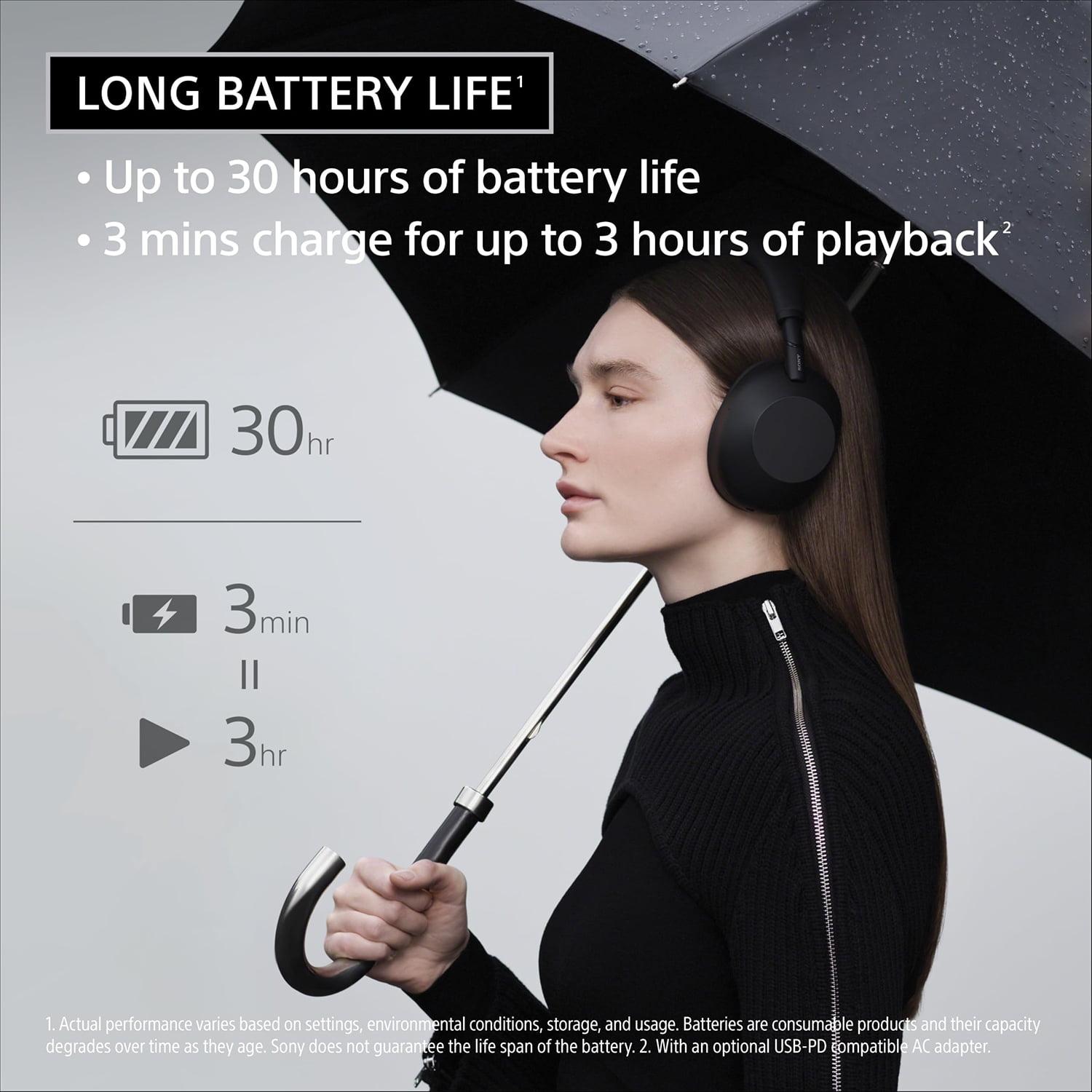
The Sony WH-1000XM6 offers 30 hours of playback with ANC enabled, or 40 hours with it disabled. The fast charging is excellent – just three minutes of charging provides three hours of playback. For the first time in Sony's WH-1000X series, you can actually listen to music while charging, which is surprisingly convenient.
Sony includes Bluetooth 5.3 with multipoint connection, meaning you can connect to two devices simultaneously – perhaps your laptop and phone – and seamlessly switch between them. The WH-1000XM6 also supports the latest Bluetooth LE Audio standard and Auracast, future-proofing the headphones for emerging wireless audio technologies.
The Marshall Monitor II ANC actually edges out Sony slightly in ANC-off battery life, providing up to 45 hours of wireless playback. With ANC enabled, you get 30 hours, matching Sony's performance.
Marshall's quick charging is even faster than Sony's – 15 minutes of charging provides five hours of playback. However, the Marshall headphones use older Bluetooth 5.0 technology and don't support multipoint connections or high-resolution wireless codecs like LDAC.
This is another area where the philosophical differences between these brands really show.
The Sony WH-1000XM6 is packed with smart features. Speak-to-Chat automatically pauses your music and activates transparency mode when you start talking, resuming playback when your conversation ends. Adaptive Sound Control uses AI to detect your activity and location, automatically adjusting sound profiles.
The touch controls on the right ear cup handle volume, playback, and calls through swipes and taps. While there's a learning curve, they become intuitive with practice. Sony's smartphone app is comprehensive, offering a 10-band equalizer, 360 Reality Audio support with head tracking, and detailed customization of all the smart features.
For phone calls, Sony uses six microphones with AI-powered beamforming to isolate your voice from background noise. Call quality is exceptional, even in noisy environments.
Marshall takes a refreshingly analog approach with their multi-directional control knob, which handles volume, playbook, and calls through physical movements. Many users actually prefer this to touch controls because it provides tactile feedback and works reliably even with gloves.
The M-Button can be programmed to cycle through EQ presets or activate your phone's voice assistant. It's simple but effective, and there's something satisfying about physical controls that always work when you expect them to.
Marshall's app is more basic than Sony's, but it covers the essentials – ANC adjustment, EQ customization, and firmware updates.
While both headphones are primarily designed for mobile use, they work well for home entertainment, though with different advantages.
The Sony WH-1000XM6 excels for movie watching thanks to its 360 Reality Audio support and neutral sound signature that handles dialogue, music, and sound effects equally well. The wide frequency response and detailed imaging make action movies particularly engaging. The comfort advantage also matters for long movie sessions.
The Marshall Monitor II ANC brings that signature warmth that can make music-heavy content like concerts or music documentaries particularly enjoyable. The punchy mids and controlled bass work well for rock documentaries or music-focused content. However, the heavier weight might become uncomfortable during very long viewing sessions.
Both headphones include 3.5mm jacks for wired connection to older audio equipment, and both can be used passively (without power) if needed.
At the time of writing, these headphones occupy different price tiers, with the Sony WH-1000XM6 commanding a premium price reflecting its cutting-edge technology, while the Marshall Monitor II ANC offers compelling value in the mid-to-high-end segment.
The Sony headphones justify their higher cost through industry-leading ANC technology, comprehensive smart features, high-resolution audio support, and superior build quality. If you want the absolute best performance and don't mind paying for it, Sony delivers.
The Marshall headphones offer excellent value for listeners who prioritize sound character over technical specifications. You're getting distinctive styling, solid performance, and that signature Marshall sound at a more accessible price point.
Choose the Sony WH-1000XM6 if you want the most advanced noise cancellation available, prefer neutral sound that works well with all genres, need cutting-edge features like multipoint connectivity and high-resolution wireless audio, or frequently travel and need maximum noise isolation.
Go with the Marshall Monitor II ANC if you love warm, guitar-focused sound, prefer intuitive physical controls over touch interfaces, want distinctive styling that stands out, primarily listen to rock, blues, or indie music, or want solid performance without paying premium pricing.
Both are excellent headphones that will serve you well for years. Your choice ultimately comes down to whether you prioritize technical excellence and advanced features (Sony) or musical character and distinctive design (Marshall). Either way, you're getting a premium listening experience that will transform how you enjoy music.
| Marshall Monitor II ANC | Sony WH-1000XM6 |
|---|---|
| Driver Size - Larger drivers typically produce fuller sound | |
| 40mm dynamic drivers | 30mm neodymium with carbon fiber dome |
| Frequency Response - Range of sounds the headphones can reproduce | |
| 20Hz - 20,000Hz (standard human hearing range) | 4Hz - 40,000Hz wired (extended range for detail) |
| Weight - Critical for all-day comfort | |
| 320g (heavier, more substantial feel) | 254g (lighter for extended wear) |
| Active Noise Cancellation - Key differentiator for premium headphones | |
| Standard ANC with 10 adjustable levels | HD Processor QN3 with 12 mics (industry-leading) |
| Battery Life with ANC - Real-world usage time | |
| 30 hours ANC on / 45 hours ANC off | 30 hours ANC on / 40 hours ANC off |
| Quick Charge - Emergency power for travel | |
| 15 minutes = 5 hours playback | 3 minutes = 3 hours playback |
| Bluetooth Version - Affects connection stability and features | |
| Bluetooth 5.0 (reliable but basic) | Bluetooth 5.3 with multipoint connection |
| Audio Codecs - Wireless sound quality | |
| SBC only (standard compression) | SBC, AAC, LDAC (high-resolution wireless) |
| Sound Signature - Musical character and tuning | |
| Warm, guitar-focused with punchy mids | Neutral, studio-reference with detailed highs |
| Controls - Daily usability factor | |
| Physical knob + M-Button (tactile, reliable) | Touch controls + physical buttons (feature-rich) |
| Smart Features - Modern convenience additions | |
| Basic app, Google Assistant support | AI features, Speak-to-Chat, head tracking |
| Design Philosophy - Brand approach to audio | |
| Rock heritage styling with Marshall aesthetics | Technology-first with premium materials |
| Best Use Case - Who should choose this option | |
| Rock/guitar music lovers wanting distinctive style | Travelers and audiophiles needing best ANC |
The Sony WH-1000XM6 has significantly better noise cancellation than the Marshall Monitor II ANC. Sony's HD Noise Cancelling Processor QN3 with 12 microphones achieves about 87% noise reduction and adapts automatically to your environment. The Marshall Monitor II ANC offers decent ANC with 10 adjustable levels, but it can't match Sony's industry-leading technology for blocking out airplane engines, traffic, or office noise.
This depends on your music preferences. The Marshall Monitor II ANC excels with rock, blues, and guitar-driven music thanks to its warm sound signature and punchy mids that make guitars and vocals shine. The Sony WH-1000XM6 offers more neutral, studio-reference sound that works well across all genres, with extended frequency response and high-resolution LDAC codec support for audiophile-quality wireless streaming.
Both headphones are comfortable, but the Sony WH-1000XM6 has the edge for extended wear. At 254g, it's significantly lighter than the 320g Marshall Monitor II ANC. Sony's wider headband design distributes weight better, while Marshall's heavier build feels more substantial but can cause fatigue during very long sessions. Both use plush memory foam ear cushions.
Battery life is nearly identical. The Marshall Monitor II ANC offers 30 hours with ANC on and 45 hours with ANC off, while the Sony WH-1000XM6 provides 30 hours with ANC on and 40 hours with ANC off. Sony charges faster (3 minutes for 3 hours playback) compared to Marshall's 15 minutes for 5 hours, but both offer excellent all-day performance.
Yes, both the Marshall Monitor II ANC and Sony WH-1000XM6 include 3.5mm audio cables for wired listening. This is useful when the battery dies, for gaming to reduce latency, or when connecting to older audio equipment. Both headphones can operate passively without power when used wired.
The Sony WH-1000XM6 delivers superior call quality with its six-microphone AI beamforming system that isolates your voice from background noise. The Marshall Monitor II ANC has a basic built-in microphone that handles calls adequately but lacks Sony's advanced noise reduction technology for crystal-clear conversations in noisy environments.
Both work well for entertainment, but serve different purposes. The Sony WH-1000XM6 excels for movies with its neutral sound signature that handles dialogue, music, and sound effects equally well, plus 360 Reality Audio support for immersive experiences. The Marshall Monitor II ANC is particularly enjoyable for music documentaries or content with prominent soundtracks due to its warm, musical character.
Both offer premium build quality with different approaches. The Marshall Monitor II ANC feels more substantial with metal swivel hinges, textured vinyl, and brass accents that suggest long-term durability. The Sony WH-1000XM6 uses lightweight premium materials with a fingerprint-resistant coating and improved folding design for better portability.
The Sony WH-1000XM6 supports multipoint connection, allowing simultaneous pairing with two devices like your phone and laptop for seamless switching. The Marshall Monitor II ANC uses older Bluetooth 5.0 and connects to only one device at a time, requiring manual disconnection and reconnection to switch between devices.
The Sony WH-1000XM6 is the better travel companion due to its superior noise cancellation for blocking airplane engines, lighter weight for comfort during long flights, and folding design with a compact carrying case. The Marshall Monitor II ANC offers good portability but lacks the advanced ANC needed for effective noise isolation in planes and airports.
The Sony WH-1000XM6 has a comprehensive Sound Connect app with 10-band EQ, adaptive sound control, 360 Reality Audio settings, and extensive customization options. The Marshall Monitor II ANC includes a basic Bluetooth app for ANC adjustment and EQ presets, covering essential functions but lacking Sony's advanced features and AI-powered optimizations.
Value depends on your priorities. The Marshall Monitor II ANC offers excellent value for music lovers who want distinctive styling and signature sound without paying premium prices. The Sony WH-1000XM6 justifies its higher cost with industry-leading ANC, advanced features, high-resolution audio support, and superior overall performance for users who want cutting-edge technology.
We've done our best to create useful and informative comparisons to help you decide what product to buy. Our research uses advanced automated methods to create this comparison and perfection is not possible - please contact us for corrections or questions. These are the sites we've researched in the creation of this article: soundguys.com - androidcentral.com - headphonereview.com - thestyleinspiration.com - headphonecheck.com - versus.com - blog.son-video.com - bhphotovideo.com - bestbuy.com - versus.com - bhphotovideo.com - stereoguide.com - marshall.com - api.bestbuy.com - soundstagesolo.com - marshall.com - youtube.com - youtube.com - electronicexpress.com - moon-audio.com - soundguys.com - electronics.sony.com - recordingnow.com - tomsguide.com - electronics.sony.com - rtings.com - recordingnow.com - youtube.com - soundguys.com - whathifi.com - bhphotovideo.com - sony.com - sony.com - bestbuy.com - youtube.com - sony.eu - soundguys.com - audio46.com - electronics.sony.com

Privacy Policy
Terms and Conditions - Affiliate Policy
Home Security
© Copyright 2008-2026.
11816 Inwood Rd #1211, Dallas, TX 75244