

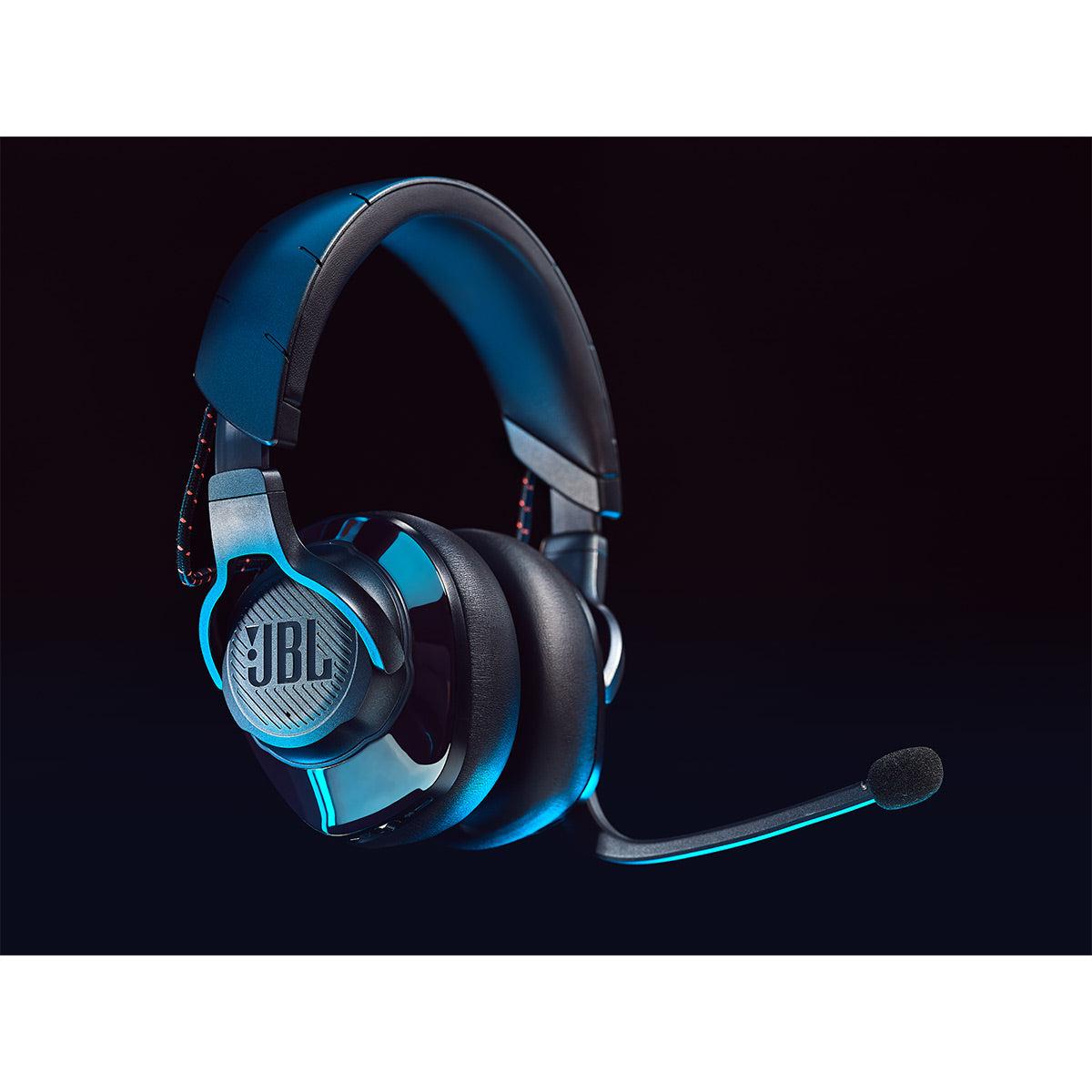
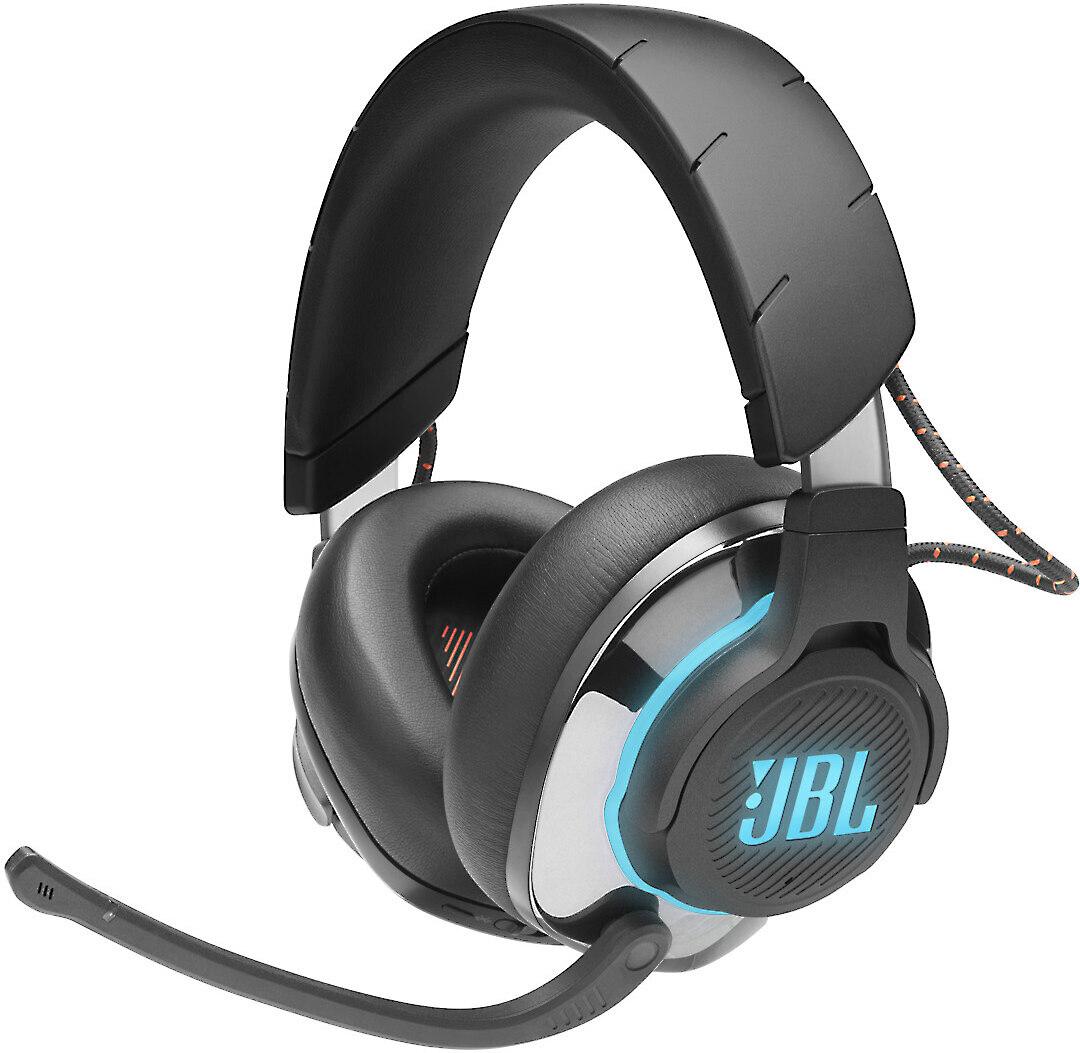
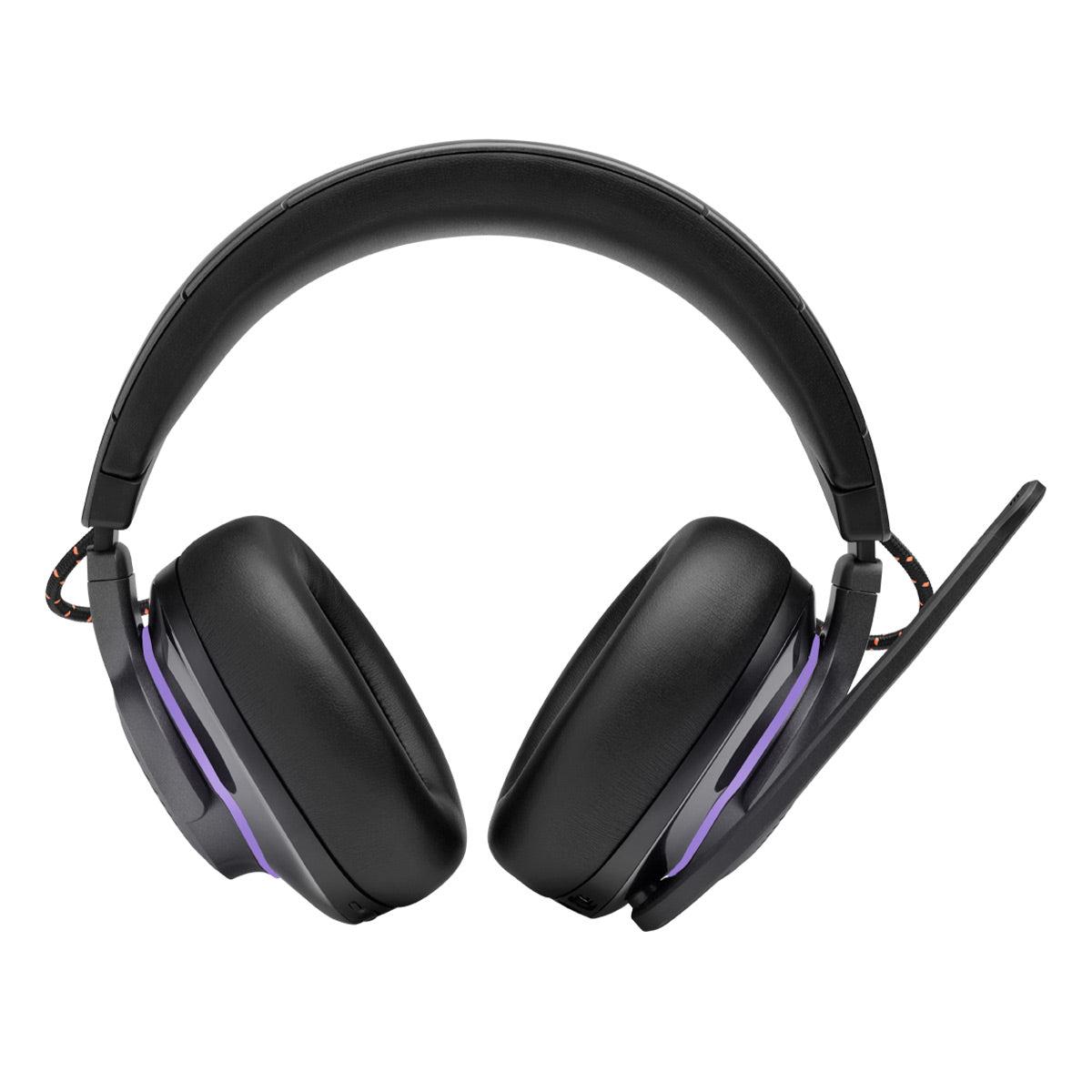
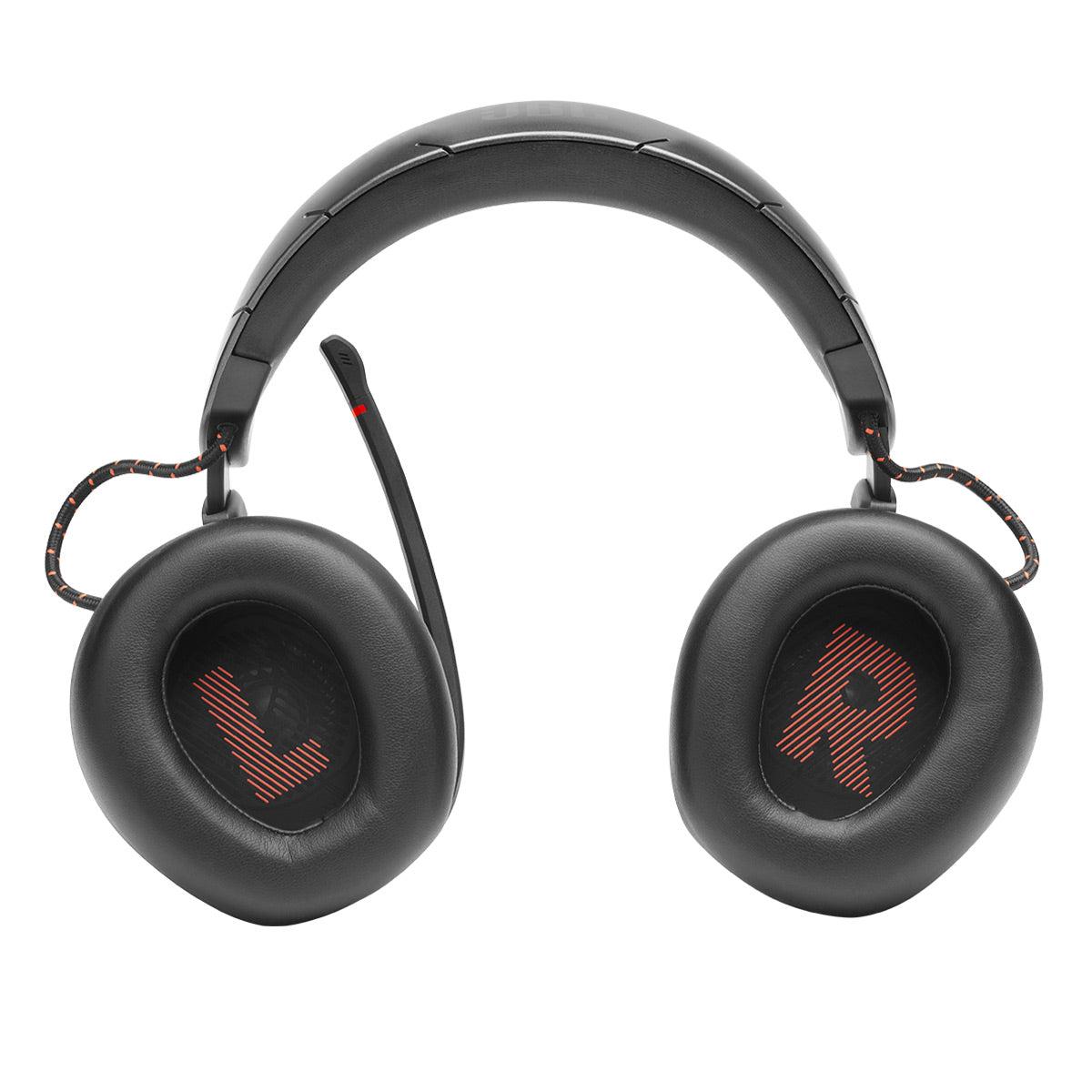
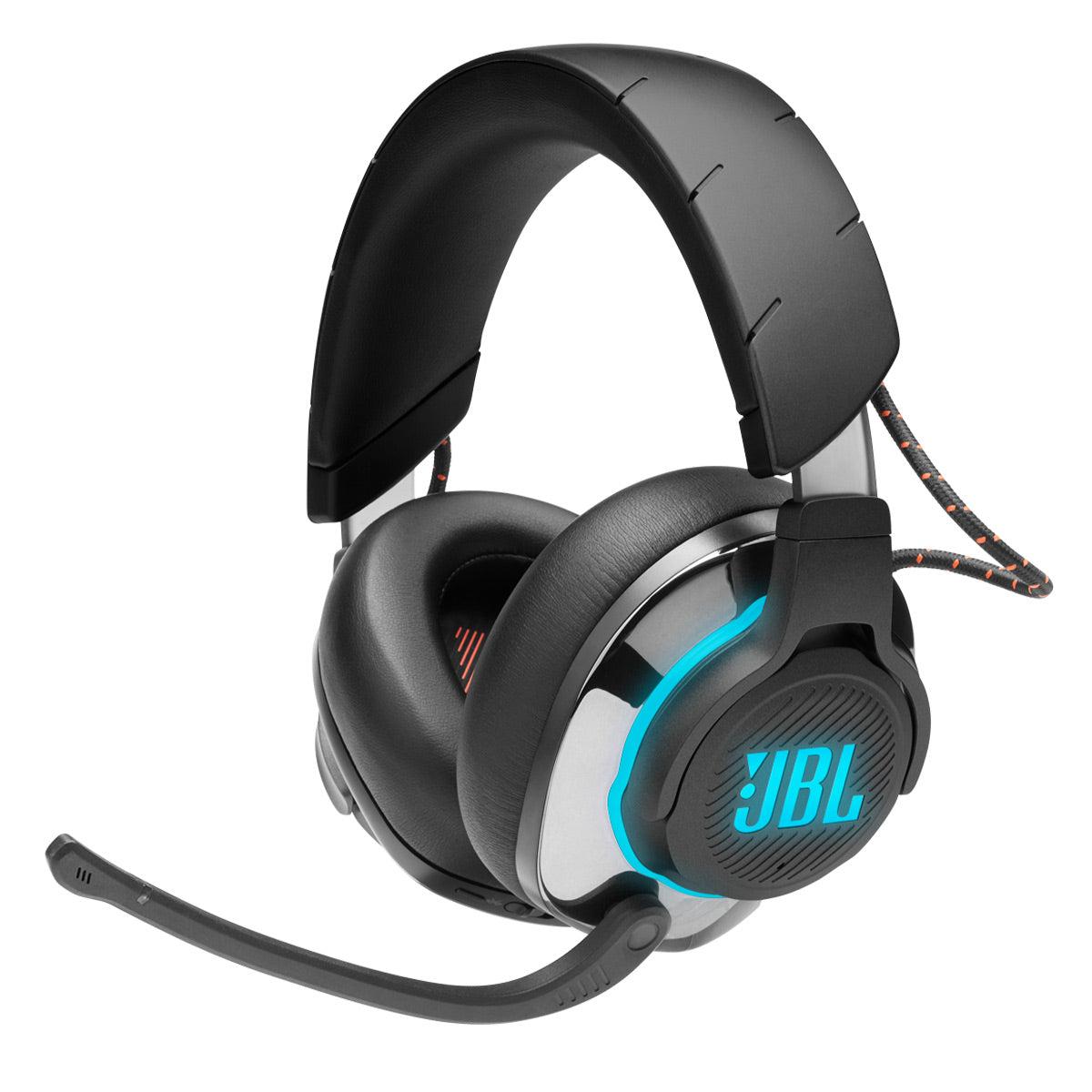
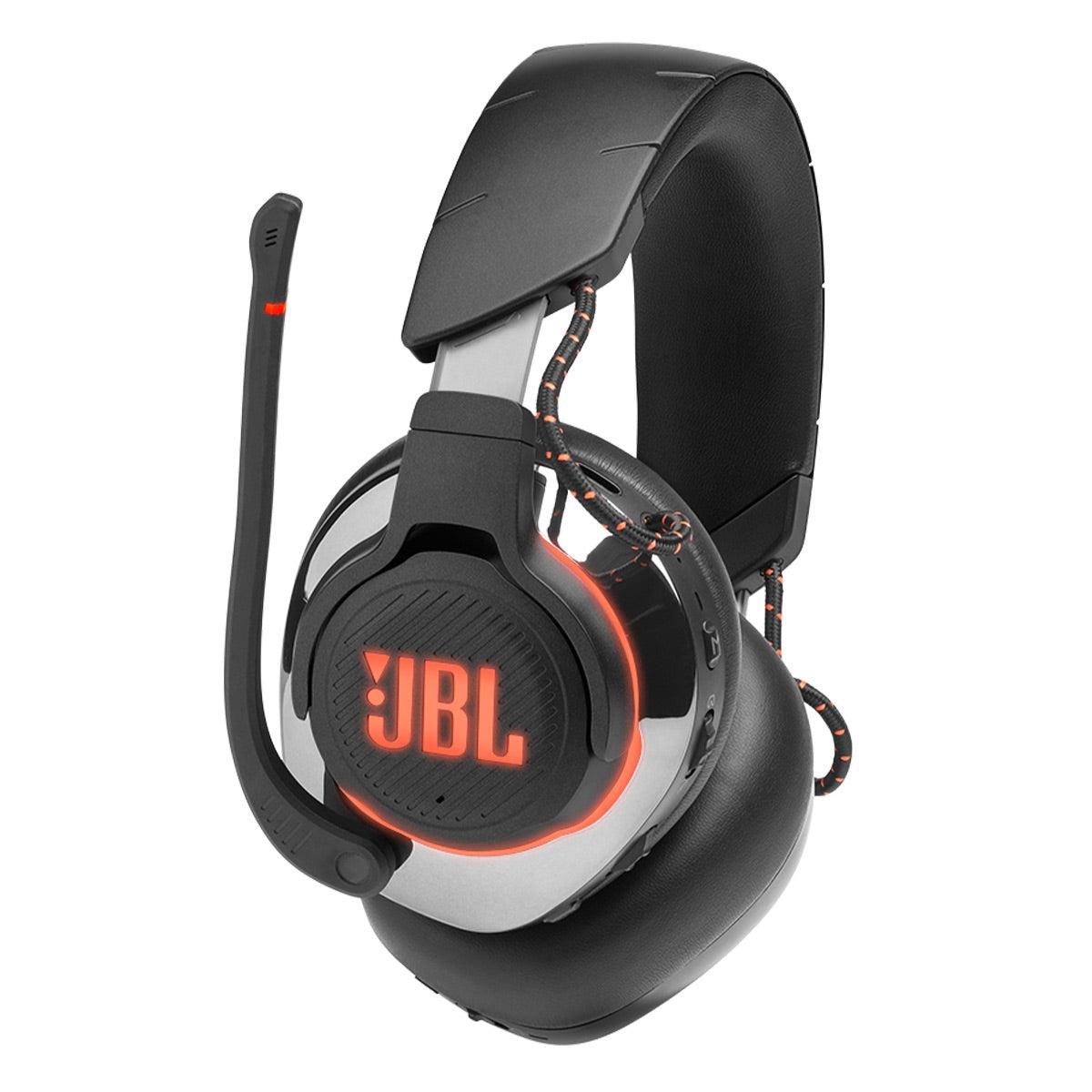
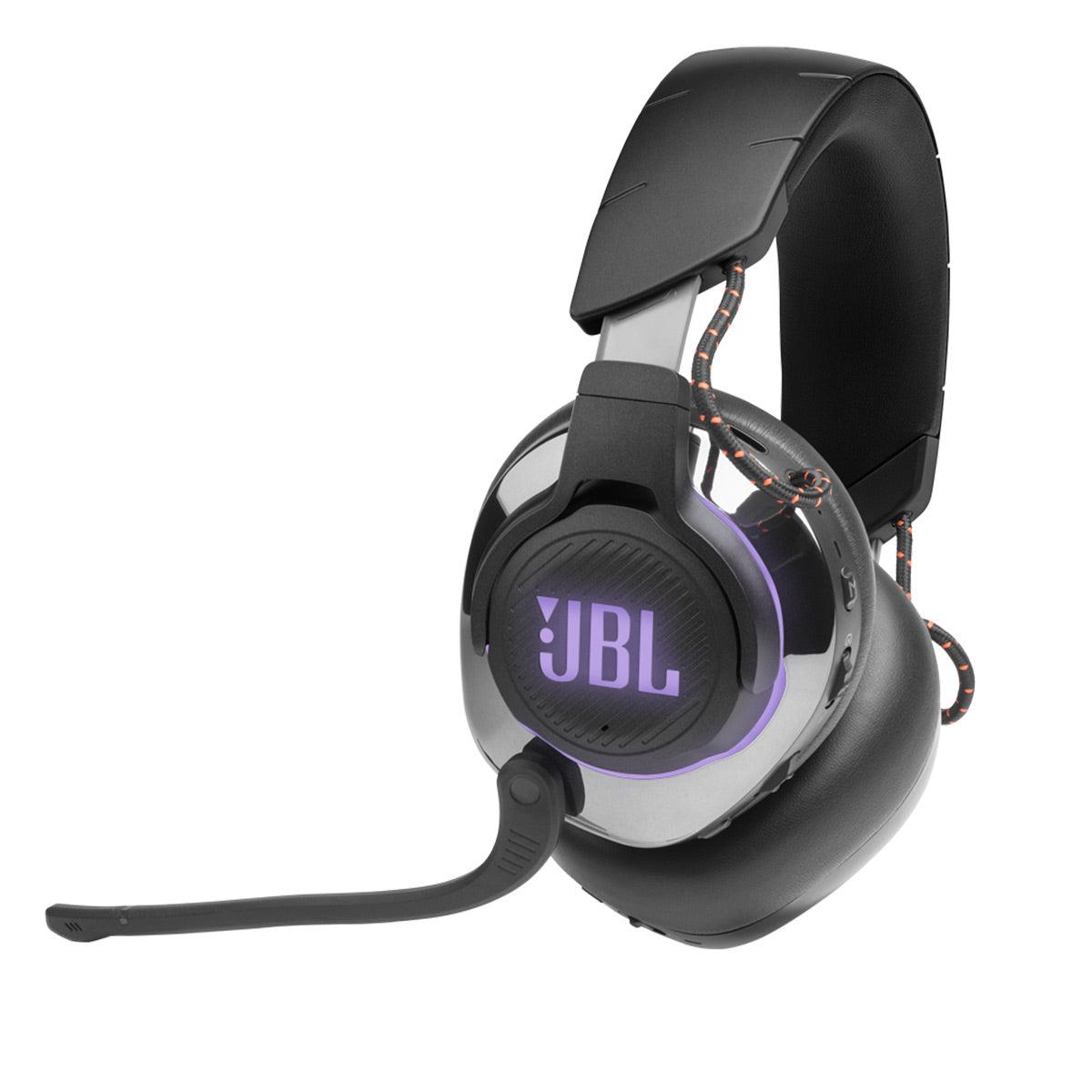
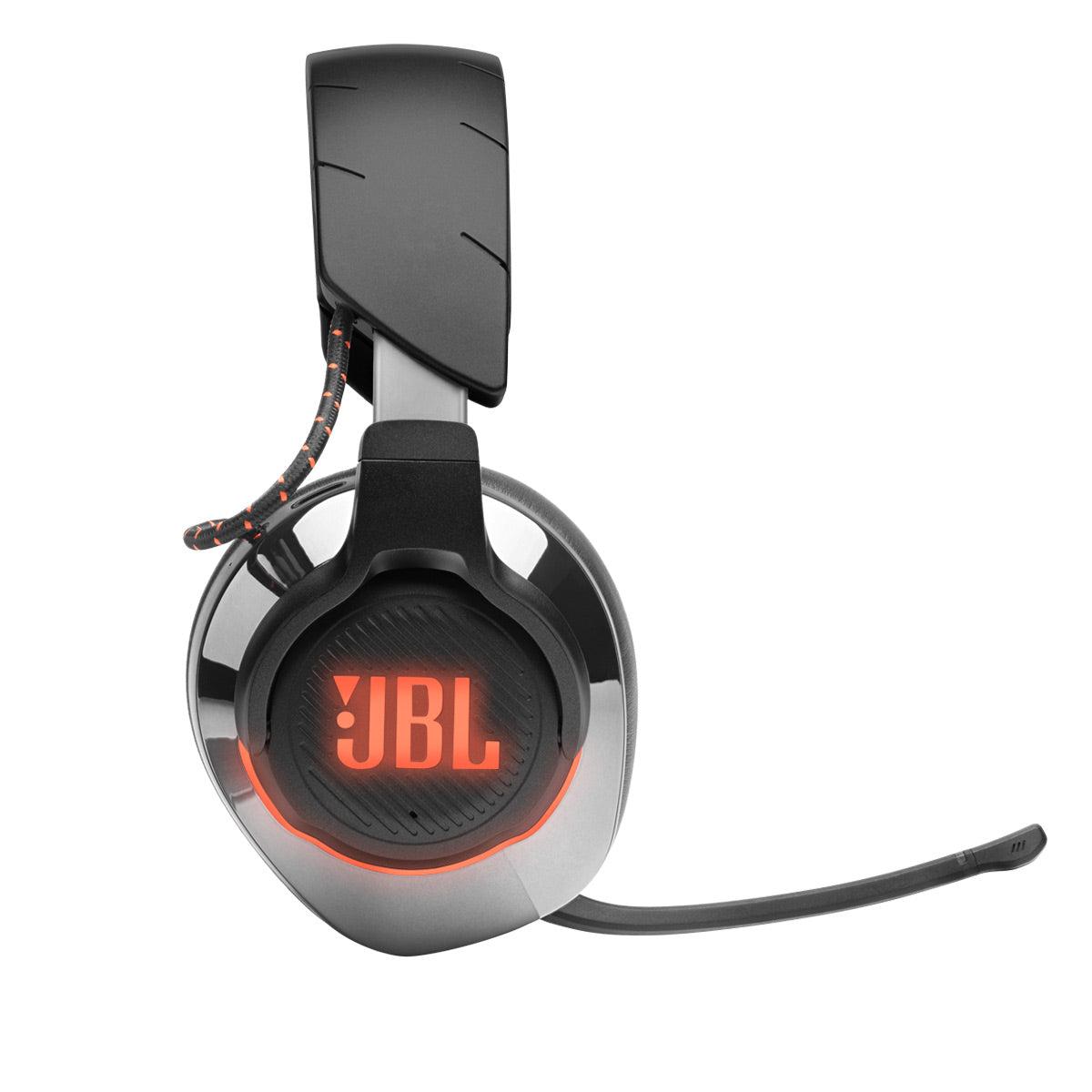
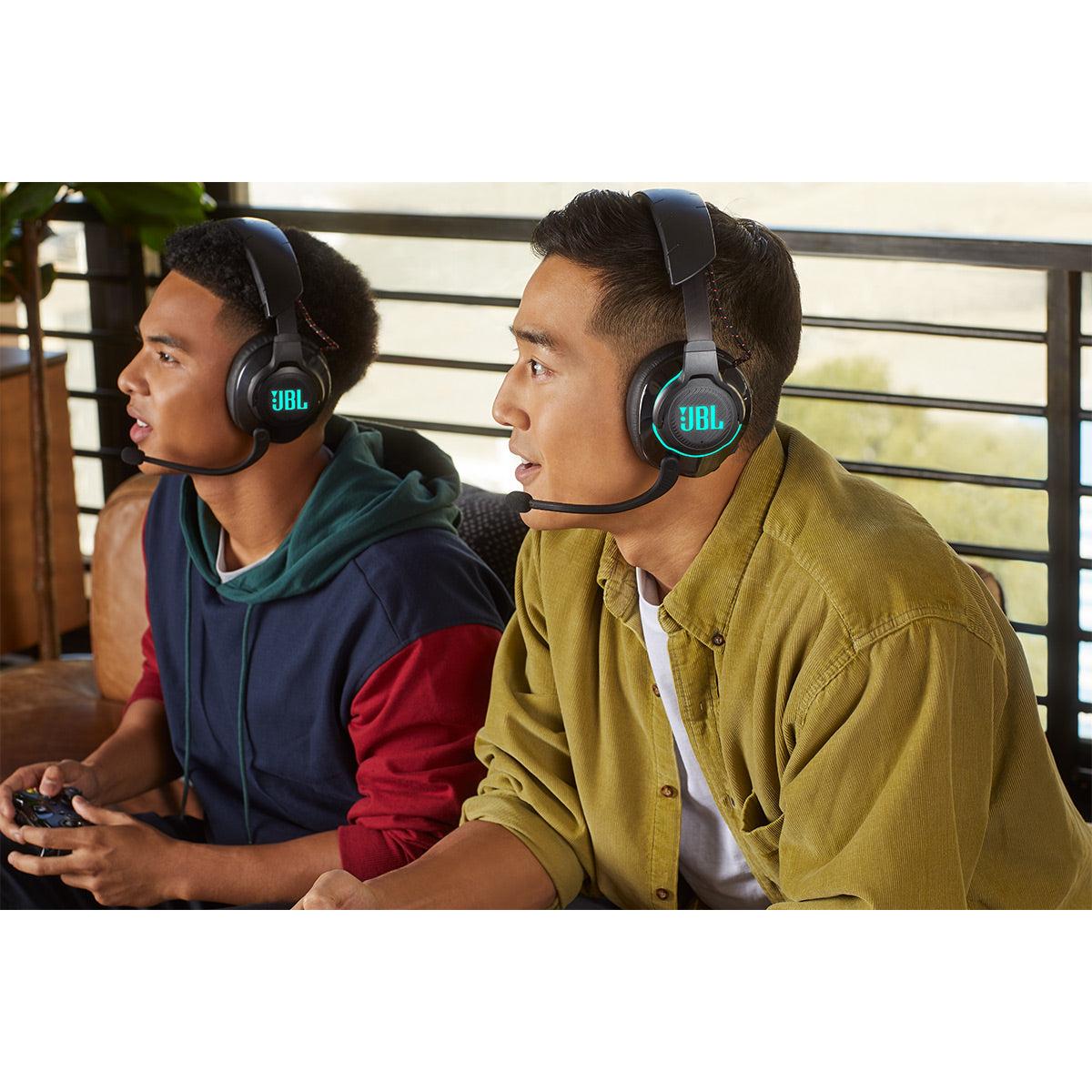
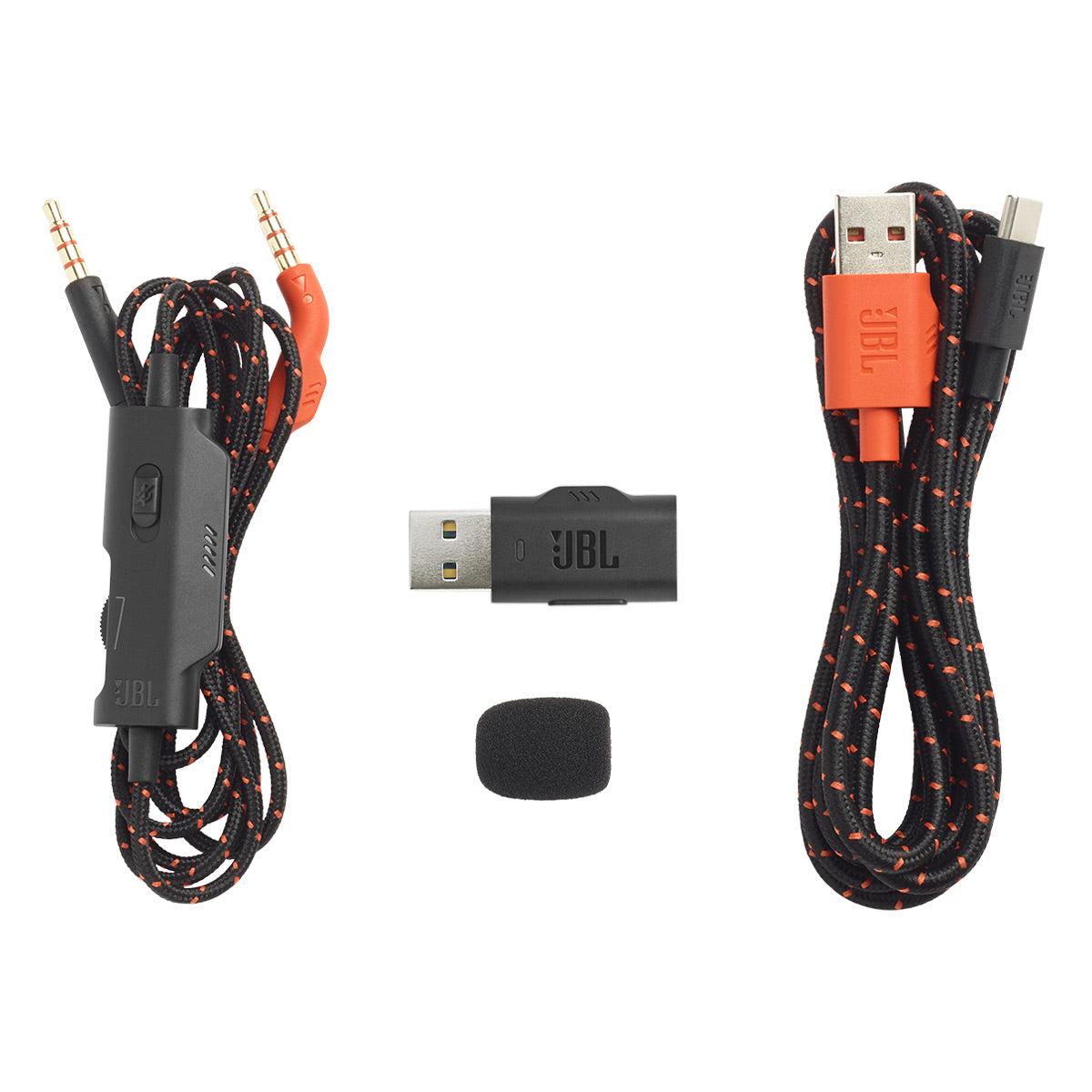
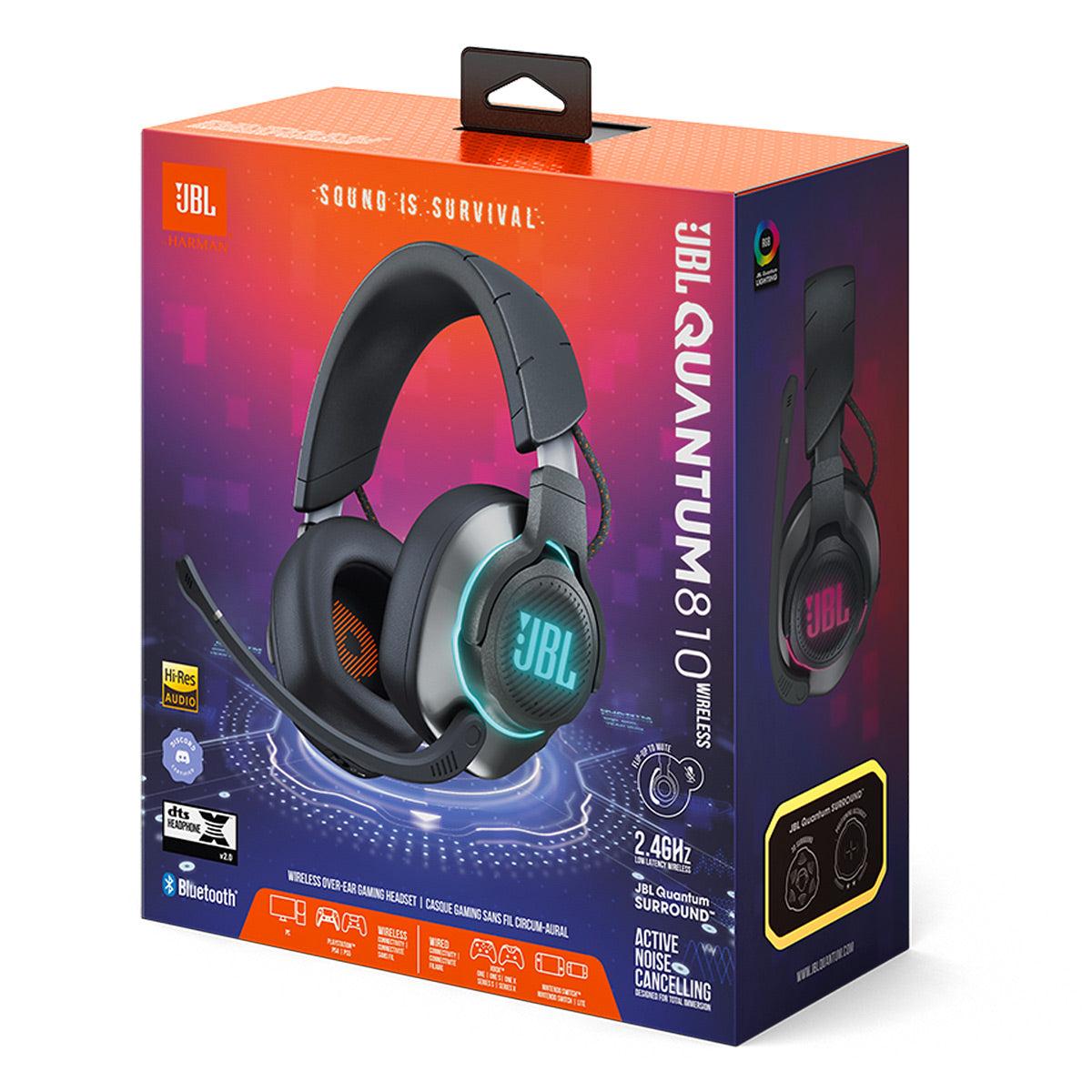
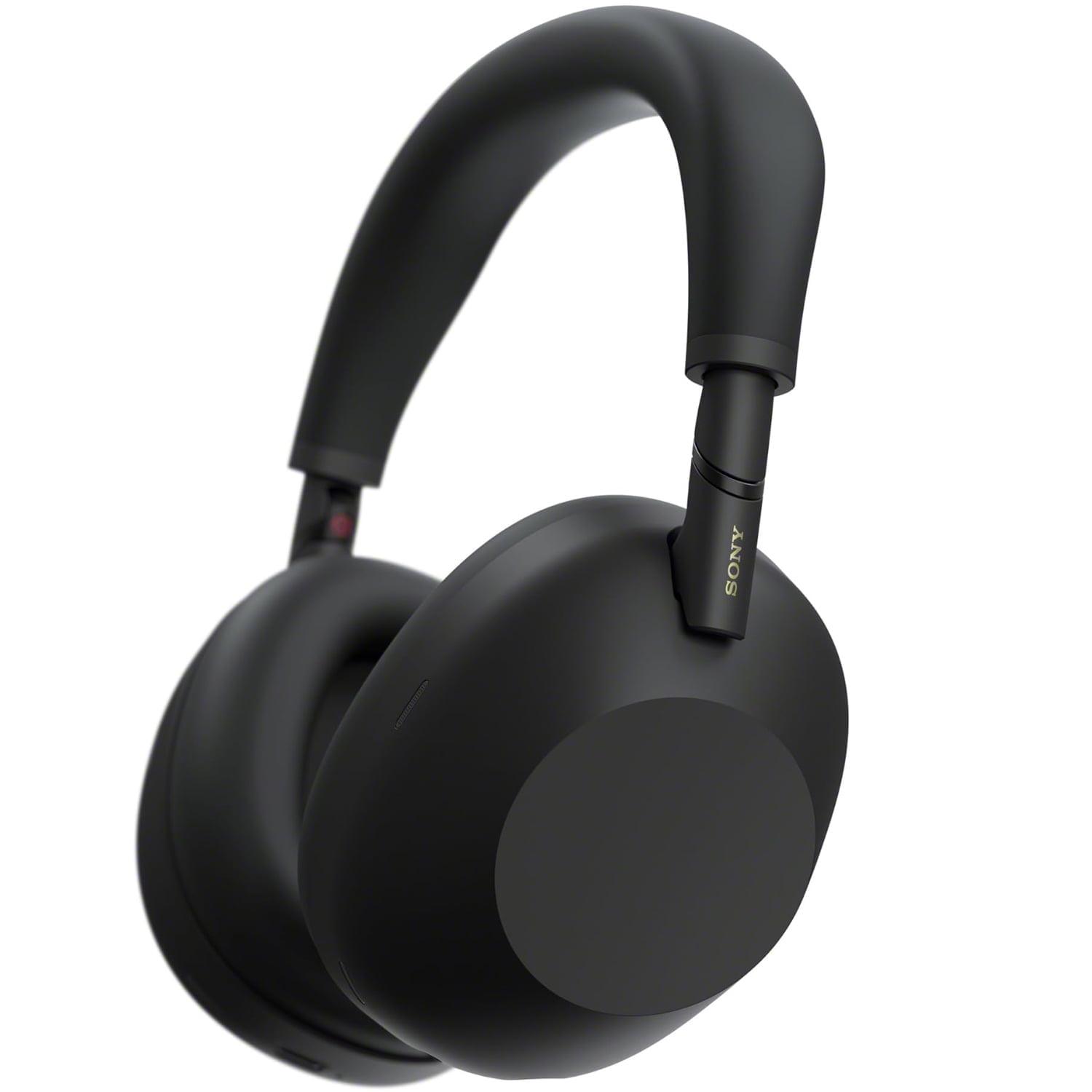
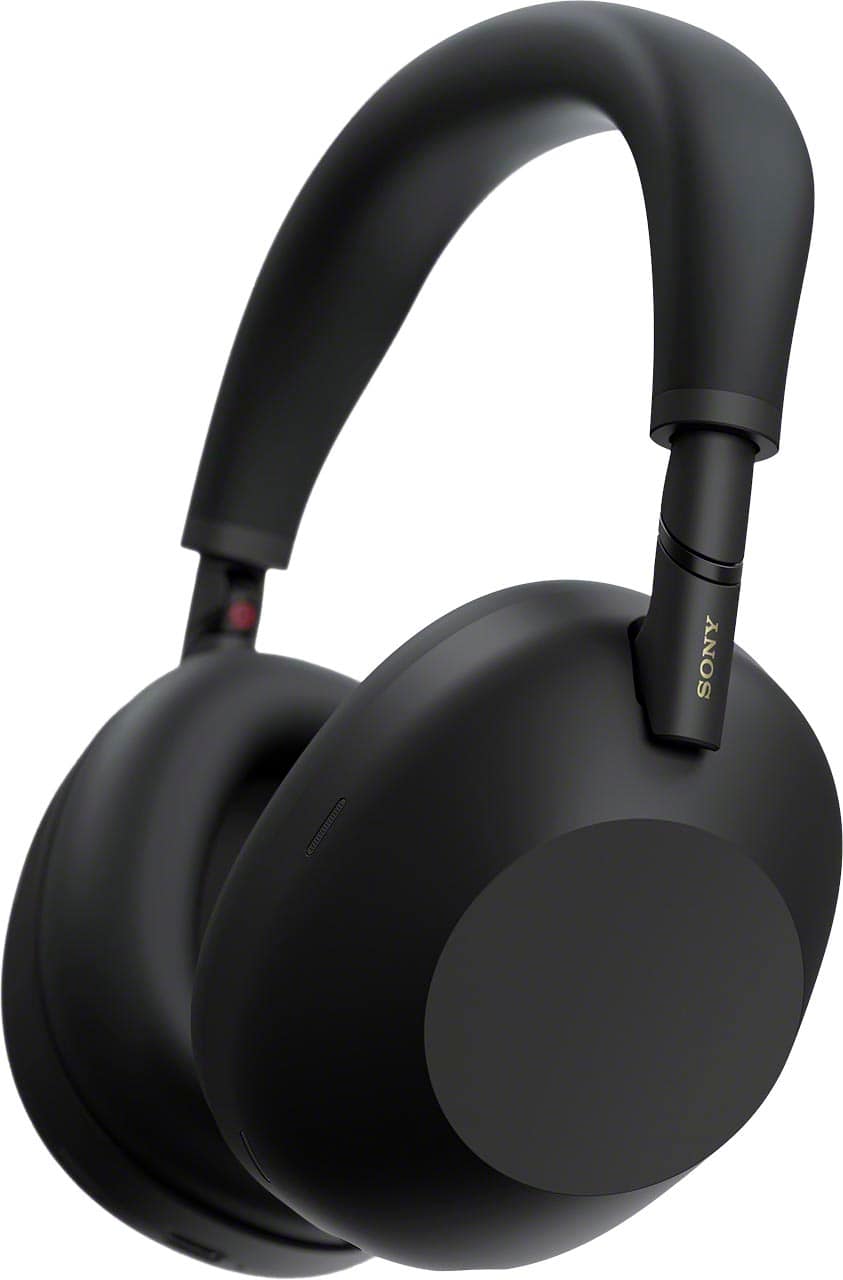
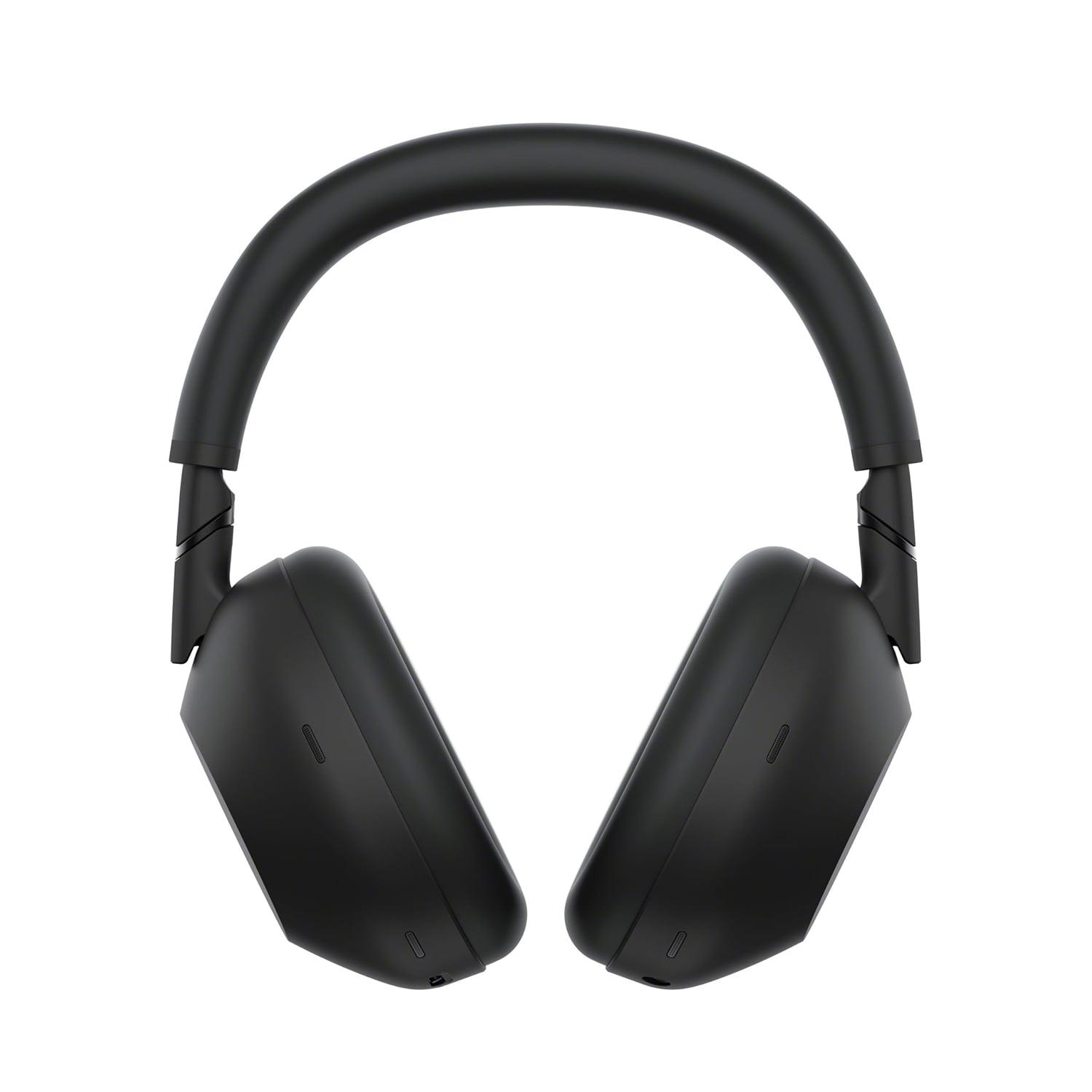
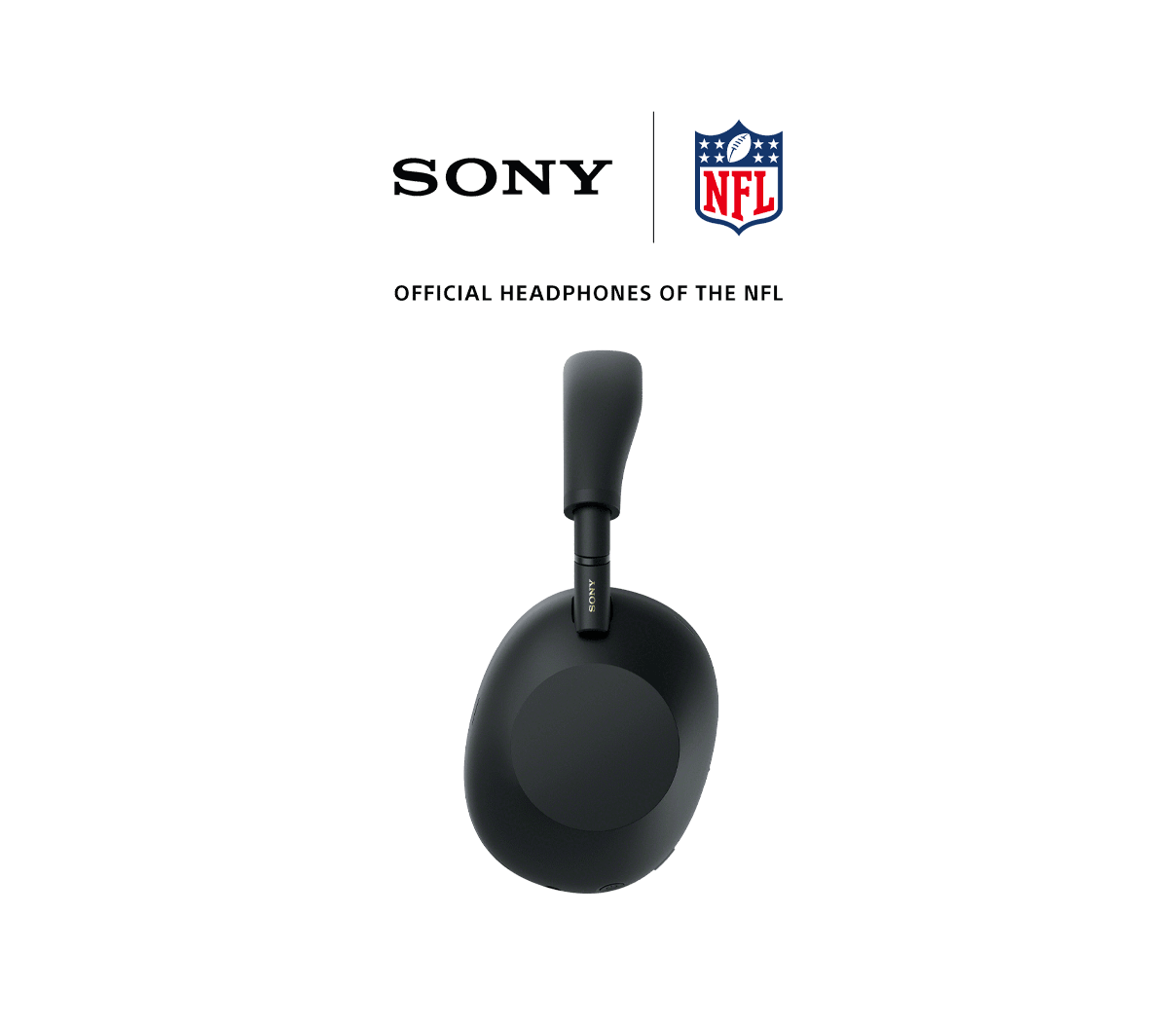
When you're shopping for wireless headphones, you might find yourself torn between two very different philosophies. On one side, you have gaming-focused headsets like the JBL Quantum 810 that prioritize competitive performance and communication features. On the other, premium consumer headphones like the Sony WH-1000XM6 focus on audiophile-quality sound reproduction and cutting-edge noise cancellation technology.
The choice isn't always obvious, especially if you're someone who both games and listens to music regularly. While both products deliver wireless audio to your ears, they approach the task from completely different angles—and understanding these differences is crucial to making the right purchase decision.
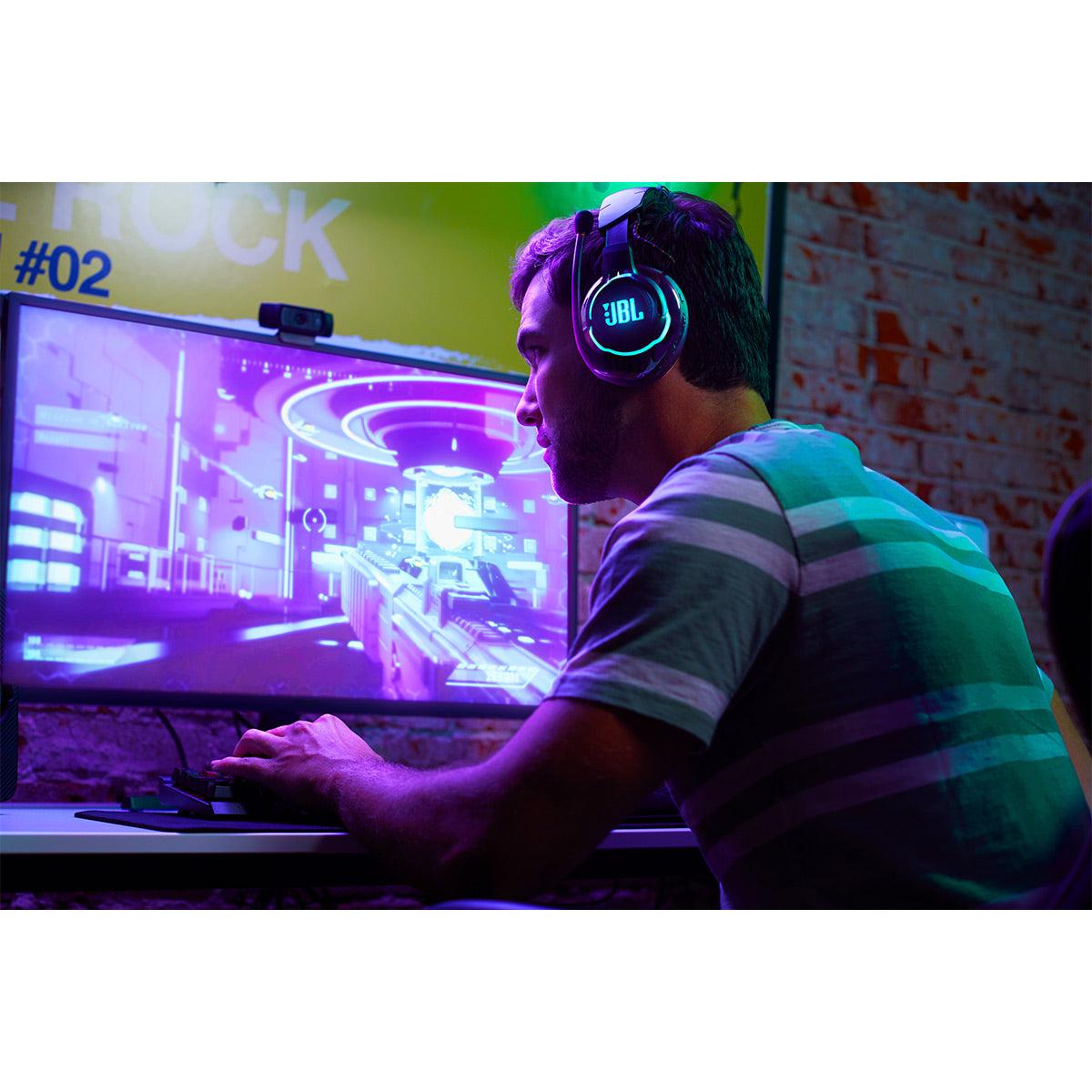
The JBL Quantum 810, released in 2022 as part of JBL's gaming-focused lineup, represents the gaming headset approach to wireless audio. Everything about its design prioritizes competitive gaming performance: ultra-low latency wireless transmission, spatial audio processing for directional awareness, and communication features that help you coordinate with teammates effectively.
The Sony WH-1000XM6, launched in 2025 as the latest evolution of Sony's flagship noise-canceling series, takes the premium consumer route. It's engineered by the same teams that create studio monitoring equipment, with every component tuned for musical accuracy, travel comfort, and the kind of noise cancellation that makes long flights bearable.
These different philosophies create headphones that excel in their intended environments but make compromises elsewhere. A gaming headset optimized for hearing enemy footsteps might make your favorite songs sound analytical and cold. Conversely, headphones tuned for rich, warm music reproduction might blur the precise audio cues that help you win competitive matches.
The most fundamental difference between these headphones lies in their audio philosophy. The JBL Quantum 810 uses 50mm drivers—significantly larger than typical gaming headsets—with Hi-Res Audio certification. But here's the key: JBL tuned these drivers specifically for gaming scenarios. The frequency response emphasizes the ranges where important game sounds live: the low-frequency rumble of explosions, the mid-frequency crack of gunshots, and the high-frequency detail of footsteps on different surfaces.
JBL's QuantumSURROUND technology works with DTS Headphone:X v2.0 to create virtual surround sound that helps you pinpoint exactly where sounds are coming from in 3D space. This isn't just marketing fluff—in competitive gaming, being able to tell whether an enemy is approaching from your left rear or right rear can mean the difference between victory and respawn. The processing algorithms analyze incoming audio and create the illusion of multiple speakers around your head, even though you're only wearing two drivers.
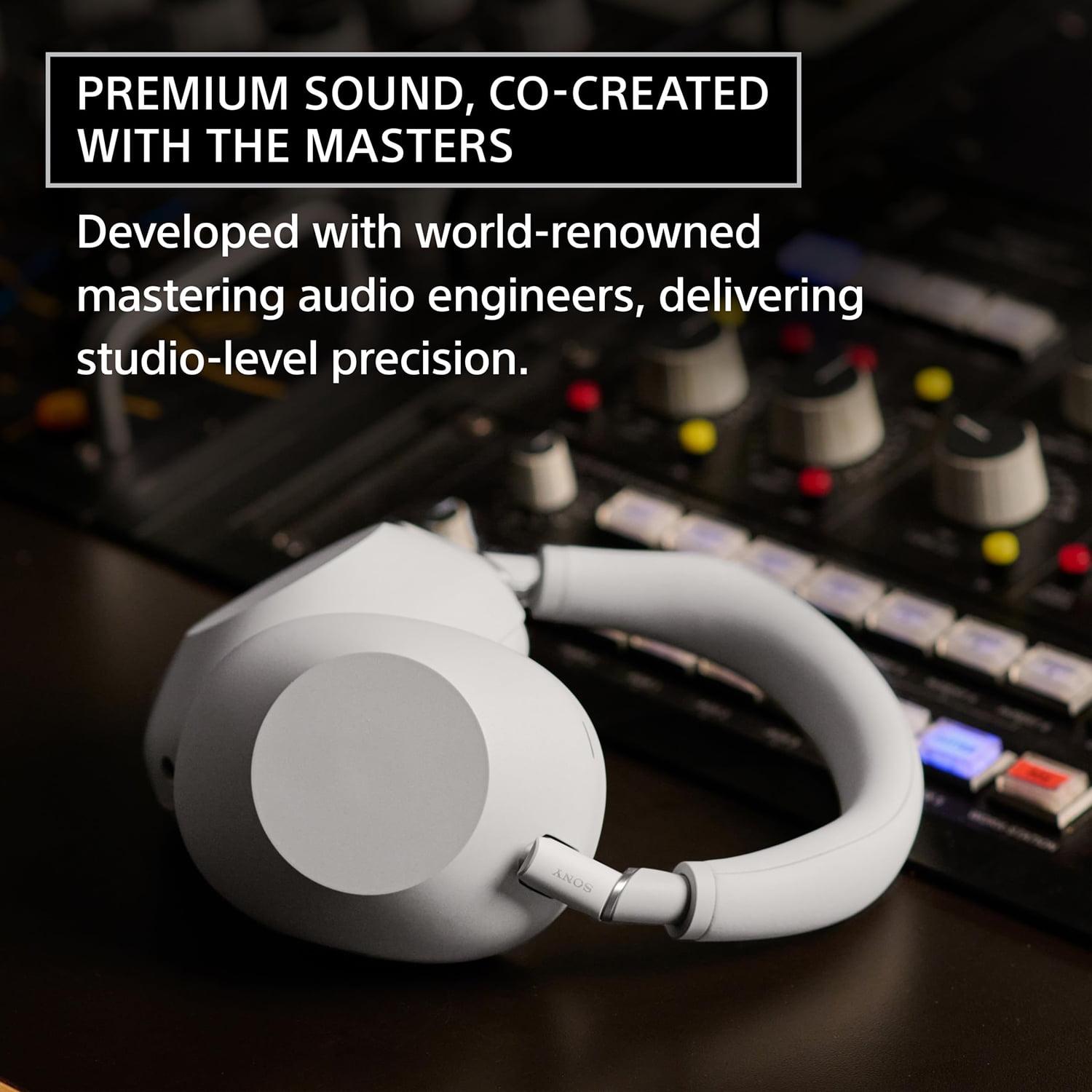
The Sony WH-1000XM6 takes a completely different approach with its 30mm drivers. These might seem smaller, but Sony engineered them in collaboration with mastering studio professionals—the same people who put the final touches on the music you stream. The drivers use neodymium magnets and lightweight carbon fiber cones to reproduce audio with incredible accuracy across the entire frequency spectrum.
Sony's DSEE Extreme technology deserves special attention here. This AI-powered system analyzes compressed audio files in real-time and attempts to reconstruct the detail that was lost during compression. When you're streaming music from Spotify or Apple Music, you're hearing compressed files that have had information removed to save bandwidth. DSEE Extreme uses machine learning algorithms trained on thousands of songs to intelligently fill in those gaps, essentially upgrading your music on the fly.
The difference in sound signatures is immediately apparent when switching between these headphones. The JBL Quantum 810 delivers what audio enthusiasts call an "analytical" sound—everything is clearly separated and defined, but it might sound a bit cold or clinical with music. The Sony WH-1000XM6 offers a warmer, more musical presentation that makes vocals sound intimate and instruments feel like they're occupying real space around you.
For gaming applications, the JBL's approach wins decisively. The analytical tuning helps you identify audio cues more quickly, and the virtual surround processing provides genuine competitive advantages. However, for music listening, the Sony's collaboration with mastering engineers pays dividends. Every genre sounds engaging and emotionally involving in a way that the JBL simply can't match.
This is where the fundamental design philosophies create the biggest performance gap. The JBL Quantum 810 was engineered from the ground up for gaming, and it shows in every technical decision.
The most important factor for competitive gaming is latency—the delay between when a sound occurs in the game and when you hear it through your headphones. The JBL uses a dedicated 2.4GHz wireless connection through a USB dongle, which creates what's essentially a private radio channel between your computer and the headset. This eliminates the processing delays inherent in Bluetooth connections, delivering audio with minimal latency that's crucial for competitive gaming.
Bluetooth connections, which the Sony WH-1000XM6 relies on for wireless operation, introduce unavoidable delays as the audio signal gets compressed, transmitted, and decompressed. For music listening, this 100-200 millisecond delay is imperceptible. For gaming, it can make the difference between reacting to a sound cue in time or getting eliminated because your audio was slightly behind the action.
The JBL also includes a game-changing feature that most people don't fully appreciate: independent audio stream control. Gaming PCs can send game audio and chat audio through separate channels, and the JBL Quantum 810 has physical controls that let you adjust the balance between these streams in real-time. When your teammates are talking over important game audio, you can quickly dial down chat volume without missing crucial sound cues. This might seem like a small convenience, but it's the kind of feature that becomes essential once you've experienced it.
The microphone situation heavily favors gaming applications as well. The JBL's boom microphone uses directional pickup patterns and voice-focus technology to capture your voice clearly while rejecting background noise. The flip-to-mute mechanism provides instant, obvious feedback about whether your mic is active—crucial for avoiding embarrassing hot-mic situations during streams or team play.
The Sony WH-1000XM6 can certainly be used for gaming, but with significant limitations. When connected wirelessly via Bluetooth, the latency makes competitive gaming frustrating. However, when connected with the included 3.5mm cable, it delivers excellent audio quality for single-player games where precise timing isn't critical. The Sony actually excels for story-driven games where you want to be immersed in the soundtrack and voice acting rather than hunting for competitive advantages.
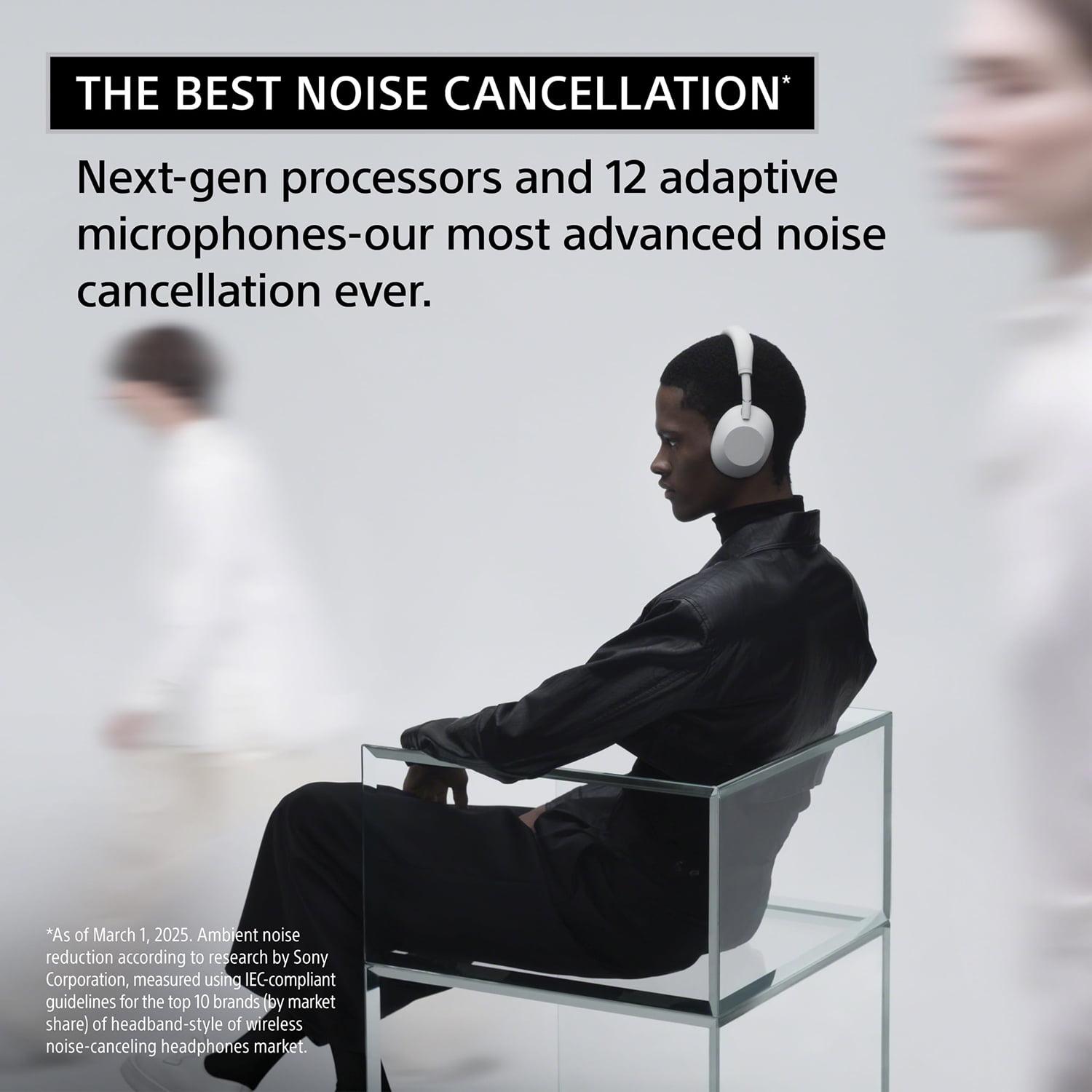
Here's where the Sony WH-1000XM6 showcases technology that's genuinely revolutionary. Sony's HD Noise Canceling Processor QN3 represents a seven-fold improvement in processing power over the previous generation, working with 12 individual microphones to create what many consider the best active noise cancellation available in consumer headphones.
Active Noise Cancellation (ANC) works by using external microphones to detect ambient noise, then generating "anti-noise" through the headphone drivers that cancels out unwanted sound. Think of it like noise-canceling waves that destructively interfere with incoming sound waves. The QN3 processor can perform these calculations in real-time for thousands of different frequencies simultaneously, adapting continuously to your environment.
The Sony's system goes beyond basic noise cancellation with features like Atmospheric Pressure Optimizing, which adjusts the ANC algorithms based on air pressure changes during flights. The Adaptive NC Optimizer runs periodic tests to ensure optimal performance based on how the headphones fit on your specific head shape, hair style, and whether you wear glasses.
The JBL Quantum 810 includes ANC technology, but it's specifically tuned for gaming environments rather than maximum noise reduction. The goal isn't to eliminate all outside sound—that would be problematic for gaming, where you might need to hear important real-world sounds like doorbells or fire alarms. Instead, JBL's ANC focuses on reducing distracting ambient noise while preserving the audio frequencies that matter for gaming communication and environmental awareness.
For home theater applications, this difference becomes crucial. The Sony WH-1000XM6 can create a completely isolated audio environment that makes you feel like you're in a private cinema, even with a noisy household around you. The JBL Quantum 810 provides enough noise reduction to minimize distractions without completely cutting you off from your surroundings—better for gaming but less immersive for movie watching.
Battery technology reveals another philosophical difference between these products. The JBL Quantum 810 prioritizes maximum runtime, delivering up to 43 hours of continuous use with RGB lighting disabled. This marathon endurance reflects the gaming community's preference for extended play sessions without interruption.
The JBL also implements dual wireless connectivity, which is more sophisticated than it initially sounds. You can simultaneously connect to a PC via the 2.4GHz dongle for gaming audio while maintaining a Bluetooth connection to your smartphone for calls or music. This means you can be in the middle of a gaming session and seamlessly take a phone call without unplugging anything or switching connections.
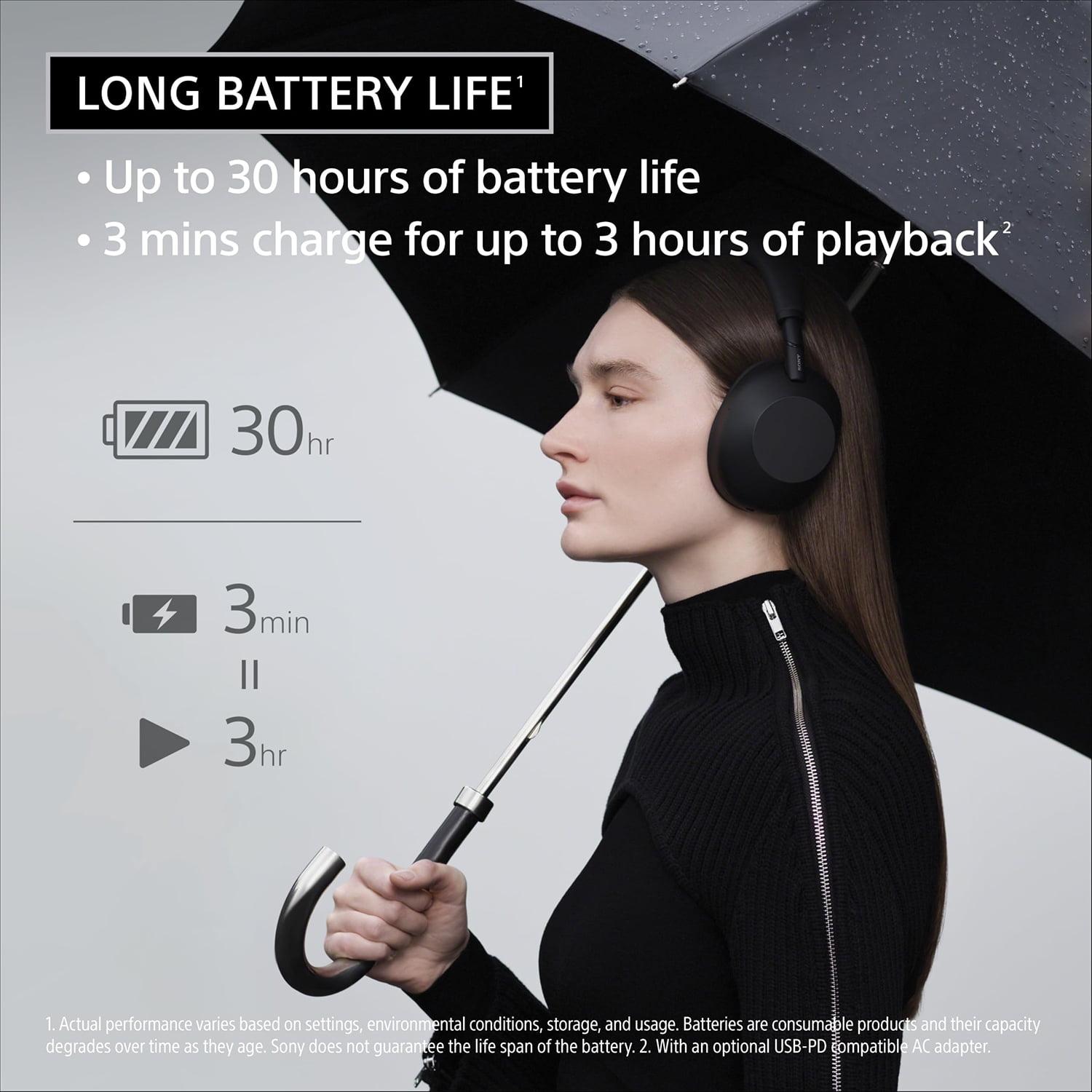
The Sony WH-1000XM6 offers 30 hours with ANC enabled—excellent by any standard, but reflecting different usage patterns. Sony assumes you'll be turning the headphones on and off throughout the day rather than wearing them for marathon sessions. The quick-charge technology reinforces this philosophy: three minutes of charging provides three hours of playback, perfect for the traveler who realizes their headphones are dead just before boarding a flight.
Sony's Bluetooth 5.3 implementation includes support for emerging technologies like Bluetooth LE Audio and Auracast, which enable new features like audio sharing and improved power efficiency. The multipoint connection allows seamless switching between two paired devices—useful for someone who moves between a laptop for work and a smartphone for personal use throughout the day.
Physical comfort reflects each product's intended use case. The JBL Quantum 810 weighs 418 grams and uses thick memory foam ear cushions designed for extended gaming sessions. The clamping force is calibrated to stay secure during enthusiastic gaming without becoming uncomfortable over several hours. The RGB lighting system adds visual appeal for streaming or just personal enjoyment, though it does impact battery life significantly.
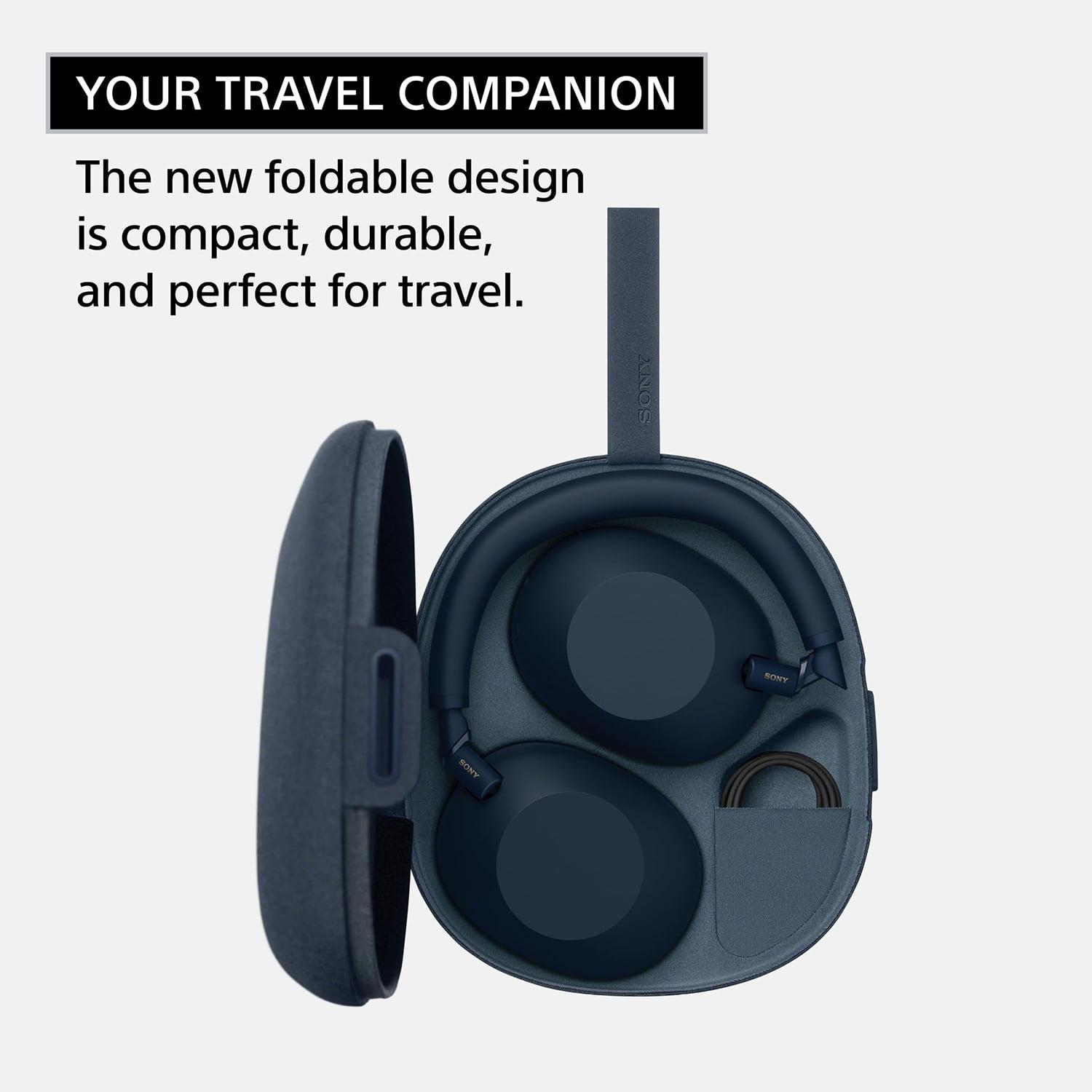
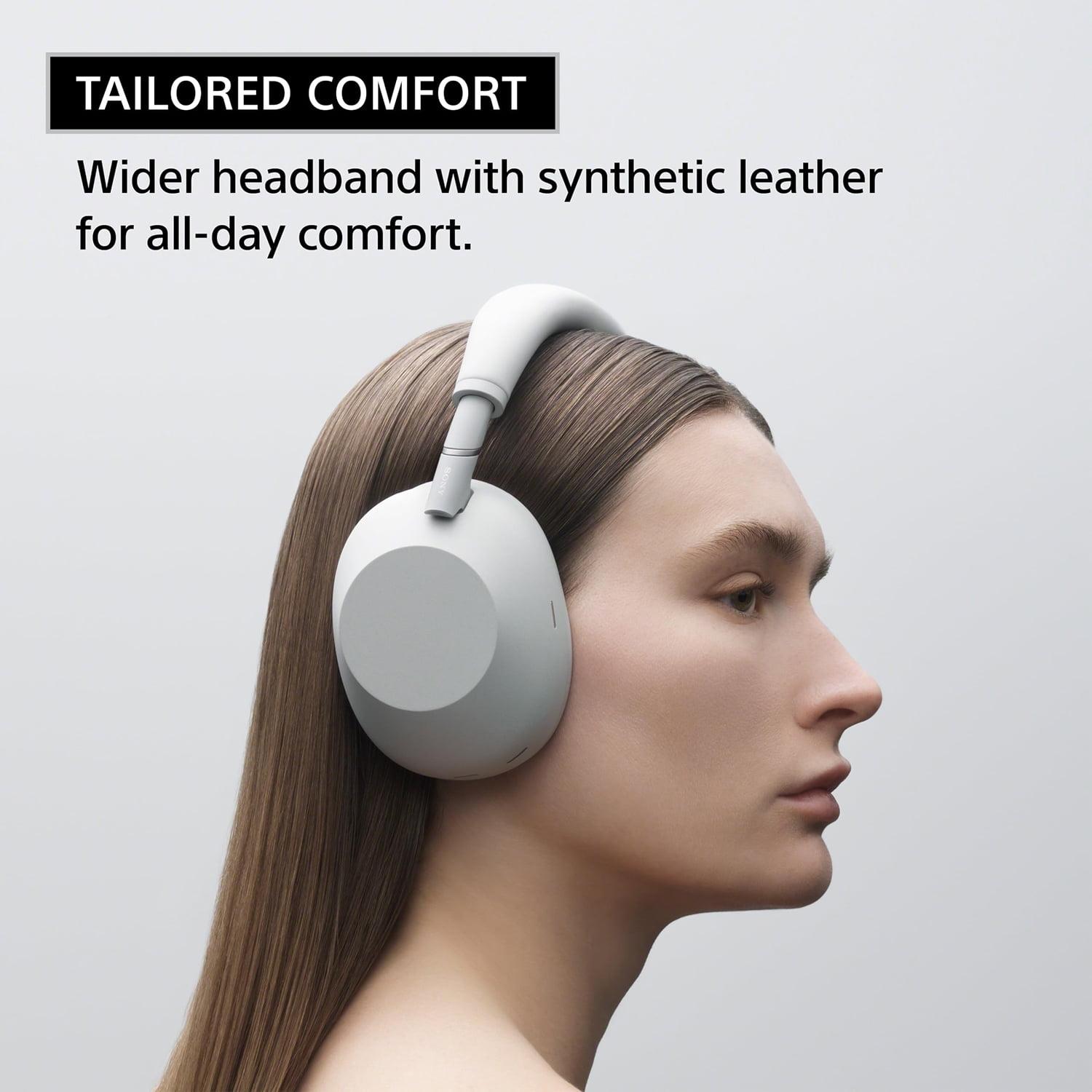
The Sony WH-1000XM6 weighs just 254 grams—nearly 40% lighter than the JBL. This reflects Sony's focus on all-day wearability for commuters, office workers, and travelers who might wear headphones intermittently throughout long days. The foldable design with included carrying case makes it practical for frequent transport, while the synthetic leather and wider headband distribute weight evenly for pressure-free wearing.
For home theater use, comfort becomes a significant factor during movie marathons or binge-watching sessions. The lighter weight of the Sony WH-1000XM6 provides an advantage for extended viewing, though the JBL Quantum 810 offers better stability if you tend to move around or recline in different positions while watching.
At the time of writing, these products occupy different price tiers that reflect their market positioning and feature sets. The JBL Quantum 810 typically retails in the premium gaming headset range, offering features that would cost significantly more in other gaming-focused brands. The 43-hour battery life alone represents exceptional value in the gaming headset market, where many competitors offer less than half that endurance.
The Sony WH-1000XM6 commands premium pricing that reflects its position as a flagship consumer audio product. However, the technology included—particularly the advanced noise cancellation and audio processing—would cost significantly more if purchased from audiophile-focused brands. When found on sale, the Sony represents exceptional value for anyone prioritizing music listening and travel comfort.
The value equation changes based on your primary use case. If gaming represents 70% or more of your headphone usage, the JBL delivers more relevant features per dollar spent. If music listening, travel, and general multimedia consumption dominate your usage, the Sony's premium features justify the higher investment.
The JBL Quantum 810 launched in 2022 during a period when gaming headset manufacturers were finally taking wireless performance seriously. Earlier gaming headsets often suffered from connectivity issues and poor battery life, but the Quantum 810 represents JBL's successful integration of reliable wireless technology with gaming-specific features.
The Sony WH-1000XM6, released in 2025, benefits from three additional years of technological development. The QN3 processor represents a genuine generational leap in noise cancellation technology, while support for newer Bluetooth standards provides better futureproofing. The collaboration with mastering engineers also reflects Sony's deeper integration between their consumer and professional audio divisions.
The decision ultimately depends on honest self-assessment of your primary use cases and priorities.
Choose the JBL Quantum 810 if competitive gaming represents your primary headphone usage. The low-latency wireless connection, gaming-optimized audio tuning, and communication features provide genuine advantages that translate to better performance. It's also the better choice if you value maximum battery life and dual wireless connectivity. The headset works well enough for music listening during downtime, though it won't provide the premium audio experience that dedicated music headphones offer.
The Sony WH-1000XM6 makes sense for users who prioritize music listening, travel, and general multimedia consumption. The superior noise cancellation makes it exceptional for commuting, flying, or working in noisy environments. For single-player gaming and home theater applications, the superior audio quality enhances immersion in ways that gaming-tuned headphones can't match. However, serious competitive gamers will find the Bluetooth latency frustrating.
For the hybrid user who splits time between gaming and music, consider which use case would benefit most from specialized optimization. Gaming performance is more binary—either the headset provides competitive advantages or it doesn't. Music enjoyment is more subjective and forgiving—even gaming headsets can provide pleasant music listening experiences.
The Sony WH-1000XM6 represents the safer choice for most users, offering excellent performance across a wider range of applications. The JBL Quantum 810 provides superior performance in its specialized domain but requires gaming to be your dominant use case to justify the trade-offs.
Both represent well-engineered products that excel in their intended markets. The key is choosing the one that aligns with your actual usage patterns rather than aspirational ones.
| JBL Quantum 810 Wireless Gaming Headset | Sony WH-1000XM6 Wireless Noise Canceling Headphones |
|---|---|
| Driver Size - Larger drivers generally provide better bass response and soundstage | |
| 50mm Hi-Res certified dynamic drivers | 30mm neodymium dynamic drivers with carbon fiber cones |
| Primary Audio Tuning - Determines overall sound character and best use cases | |
| Gaming-optimized analytical tuning for spatial awareness | Mastering studio collaboration for musical accuracy and warmth |
| Wireless Connection Type - Critical for gaming latency and audio quality | |
| 2.4GHz lossless + Bluetooth 5.2 dual connectivity | Bluetooth 5.3 with LE Audio, LDAC, and multipoint |
| Gaming Latency Performance - Essential for competitive gaming responsiveness | |
| Ultra-low latency via 2.4GHz dongle (gaming-optimized) | High Bluetooth latency (wired connection recommended for gaming) |
| Active Noise Cancellation - Determines isolation quality for focus and travel | |
| Gaming-tuned ANC (preserves important environmental awareness) | Industry-leading HD Processor QN3 with 12 mics (87% noise reduction) |
| Battery Life - Important for extended use without charging interruptions | |
| Up to 43 hours (RGB off), 3.5hr charge time | Up to 30 hours (ANC on), 3min quick charge = 3hrs playback |
| Microphone Design - Critical for communication quality and convenience | |
| Detachable boom mic with flip-to-mute and voice focus | Built-in beamforming array with AI noise reduction |
| Gaming-Specific Features - Specialized tools for competitive and communication advantages | |
| Discord-certified game/chat mix dial, QuantumSURROUND, DTS:X | None (optimized for music/calls, basic gaming via wired connection) |
| Weight and Portability - Affects comfort for extended wear and travel convenience | |
| 418g, gaming headset design (not foldable) | 254g, foldable design with premium carrying case |
| Platform Compatibility - Determines which devices can access full feature sets | |
| Full features on PC, wireless on PlayStation/Switch, wired on Xbox/mobile | Universal Bluetooth compatibility, full features across all platforms |
| Audio Codec Support - Affects wireless sound quality and device compatibility | |
| Standard wireless gaming codecs | SBC, AAC, LDAC, LC3 (high-resolution and future-proof) |
| Use Case Optimization - Shows which activities each product handles best | |
| Competitive gaming, streaming, long gaming sessions | Music listening, travel, office work, single-player gaming (wired) |
The JBL Quantum 810 is significantly better for gaming, especially competitive gaming. It features ultra-low latency 2.4GHz wireless connection, gaming-optimized audio tuning for directional awareness, and specialized features like Discord-certified game/chat audio mixing. The Sony WH-1000XM6 can work for gaming when connected via the 3.5mm cable, but its Bluetooth connection introduces too much latency for competitive play.
The Sony WH-1000XM6 delivers superior music quality with its mastering studio-tuned 30mm drivers, DSEE Extreme AI upscaling, and support for high-resolution LDAC codec. The sound signature is warm and musical, perfect for all genres. While the JBL Quantum 810 offers decent music playback, its analytical gaming tuning makes music sound less engaging and emotionally involving.
The JBL Quantum 810 offers longer battery life with up to 43 hours of playback when RGB lighting is disabled. The Sony WH-1000XM6 provides up to 30 hours with active noise cancellation enabled. However, Sony's quick-charge feature gives 3 hours of playback from just 3 minutes of charging, which is more convenient for daily use.
The Sony WH-1000XM6 has significantly superior noise cancellation with its HD Noise Canceling Processor QN3 and 12-microphone system, reducing ambient noise by up to 87%. The JBL Quantum 810 includes active noise cancellation, but it's specifically tuned for gaming environments to maintain some environmental awareness rather than maximum noise isolation.
Both are comfortable for extended use but in different ways. The JBL Quantum 810 weighs 418g and uses thick memory foam ear cushions designed for marathon gaming sessions. The Sony WH-1000XM6 is much lighter at 254g with a wider headband design that distributes weight evenly, making it better for all-day wearing during travel or office work.
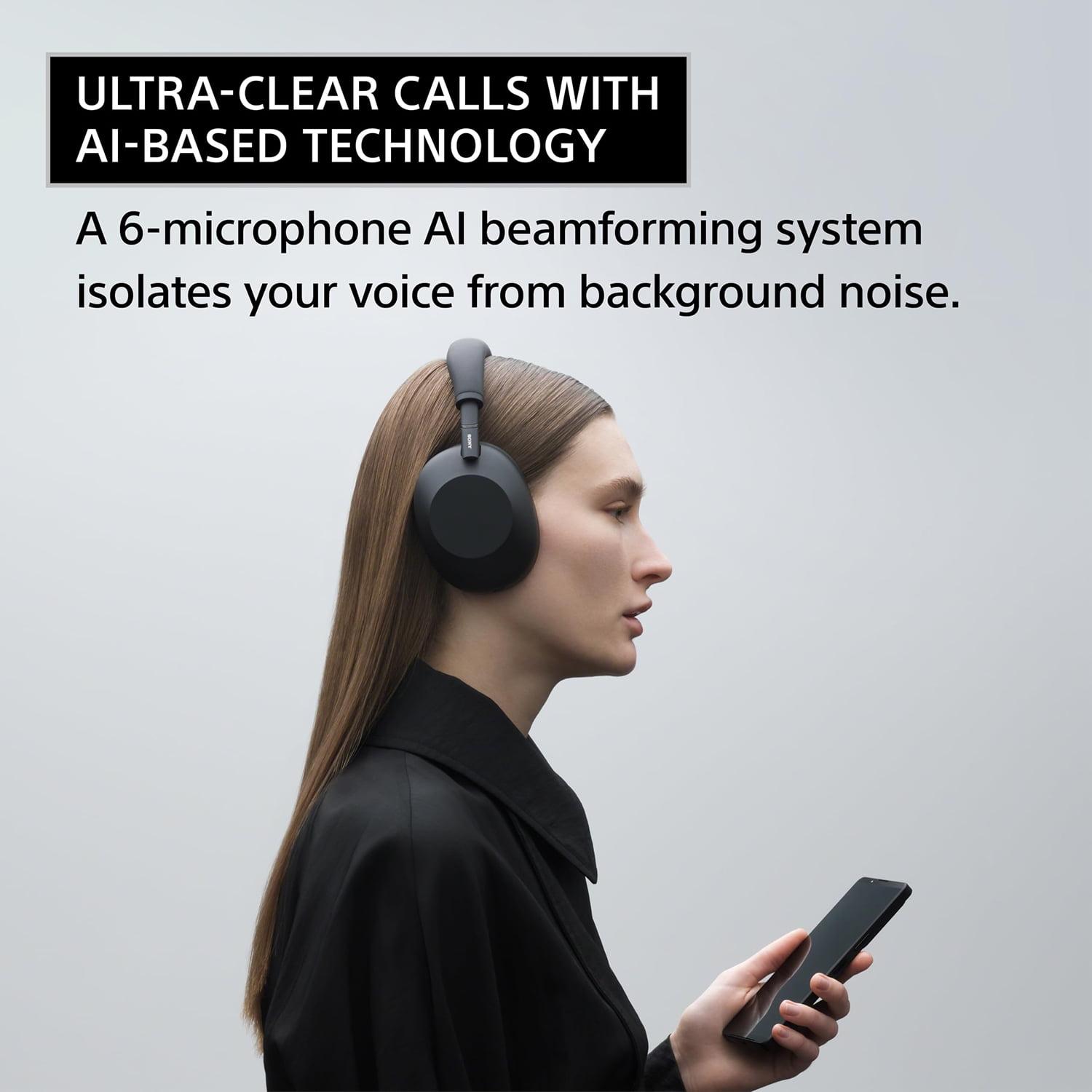
The Sony WH-1000XM6 excels for professional calls with its advanced beamforming microphone array and AI noise reduction that isolates your voice from background noise. While the JBL Quantum 810 has a high-quality boom microphone that's excellent for gaming communication, the Sony's built-in system is more convenient and professional for business calls.
The JBL Quantum 810 works wirelessly with PlayStation 4 and 5 via its 2.4GHz USB dongle, and with Nintendo Switch when docked. For Xbox, you'll need to use the wired connection. The Sony WH-1000XM6 can connect via Bluetooth to any console that supports it, but the latency makes it unsuitable for competitive gaming.
For home theater use, the Sony WH-1000XM6 provides a more immersive experience with its superior noise cancellation creating a private cinema environment, plus its warm sound signature enhances dialogue and soundtracks. The JBL Quantum 810 can work for movies but its gaming-tuned audio processing is less optimal for cinematic content.
The JBL Quantum 810 offers dual wireless connectivity: 2.4GHz lossless connection via USB dongle (for gaming) plus Bluetooth 5.2 simultaneously. The Sony WH-1000XM6 uses Bluetooth 5.3 with advanced features like multipoint connection, LE Audio support, and high-resolution LDAC codec for superior music streaming quality.
If gaming represents 70% or more of your usage, choose the JBL Quantum 810 for its specialized gaming features and acceptable music performance. If music listening and general use dominate, the Sony WH-1000XM6 offers superior audio quality and can handle casual gaming via wired connection. The decision depends on which use case is more important to you.
Both offer excellent value in their respective categories. The JBL Quantum 810 provides premium gaming features like dual wireless connectivity and 43-hour battery life at a competitive gaming headset price point. The Sony WH-1000XM6 delivers flagship-level noise cancellation and audio quality that justifies its premium positioning in the consumer headphone market.
The Sony WH-1000XM6 is designed for travel with its lightweight 254g construction, foldable design, and included carrying case. The superior noise cancellation also makes flights and commutes more comfortable. The JBL Quantum 810 is bulkier and doesn't fold, making it less practical for frequent travel, though its longer battery life could be advantageous for extended trips.
We've done our best to create useful and informative comparisons to help you decide what product to buy. Our research uses advanced automated methods to create this comparison and perfection is not possible - please contact us for corrections or questions. These are the sites we've researched in the creation of this article: techradar.com - youtube.com - gamingtrend.com - gamingaustralia.com.au - youtube.com - jbl.com - jbl.com - youtube.com - harmanaudio.com - versus.com - microcenter.com - crutchfield.com - jbl.com - mm.jbl.com - cdwg.com - jbl.com - en.jblthailand.com - nfm.com - jblonlinestore.com - scribd.com - harmanaudio.com - samsung.com - moon-audio.com - soundguys.com - electronics.sony.com - recordingnow.com - tomsguide.com - electronics.sony.com - rtings.com - recordingnow.com - youtube.com - soundguys.com - whathifi.com - bhphotovideo.com - sony.com - sony.com - bestbuy.com - youtube.com - sony.eu - soundguys.com - audio46.com - electronics.sony.com

Privacy Policy
Terms and Conditions - Affiliate Policy
Home Security
© Copyright 2008-2026.
11816 Inwood Rd #1211, Dallas, TX 75244