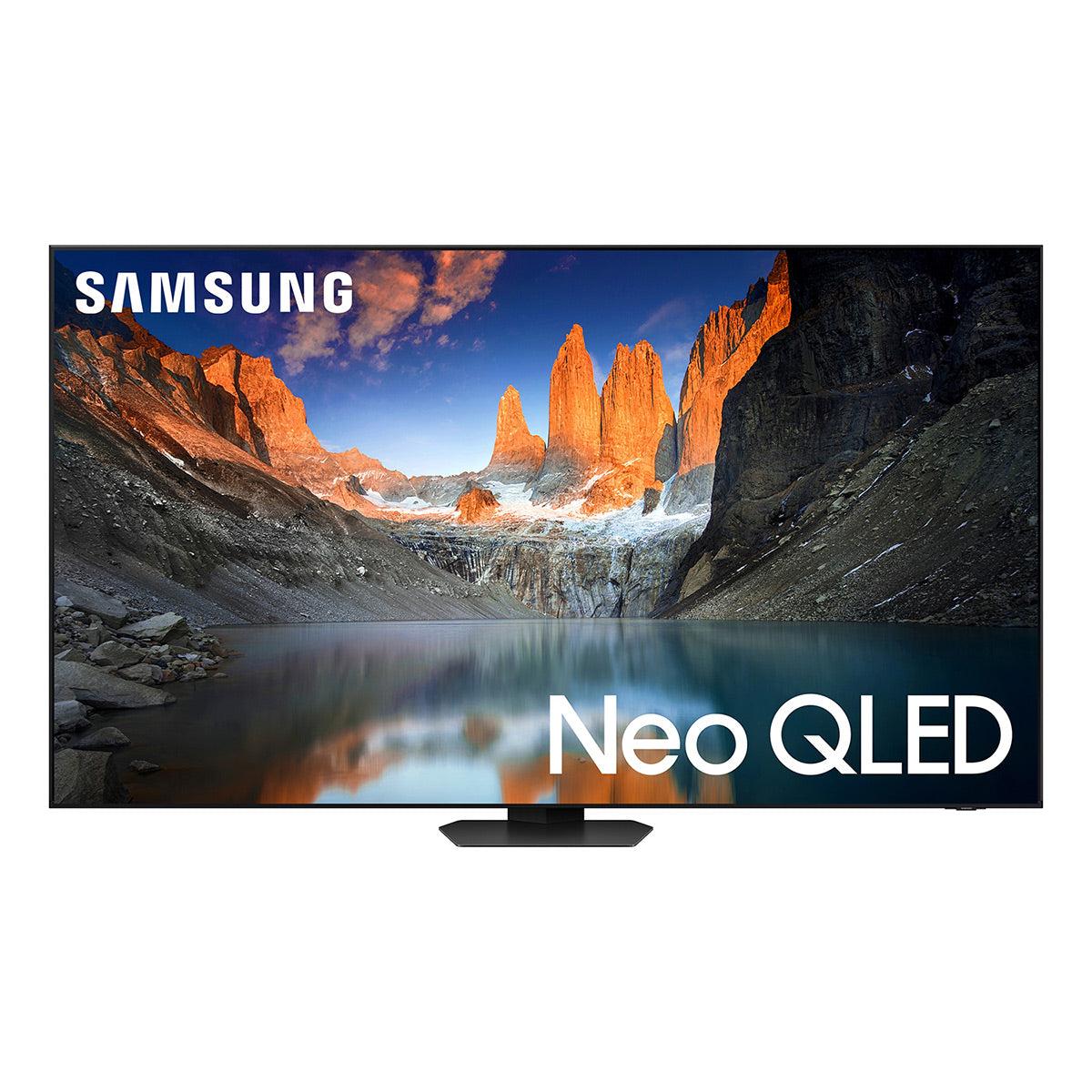
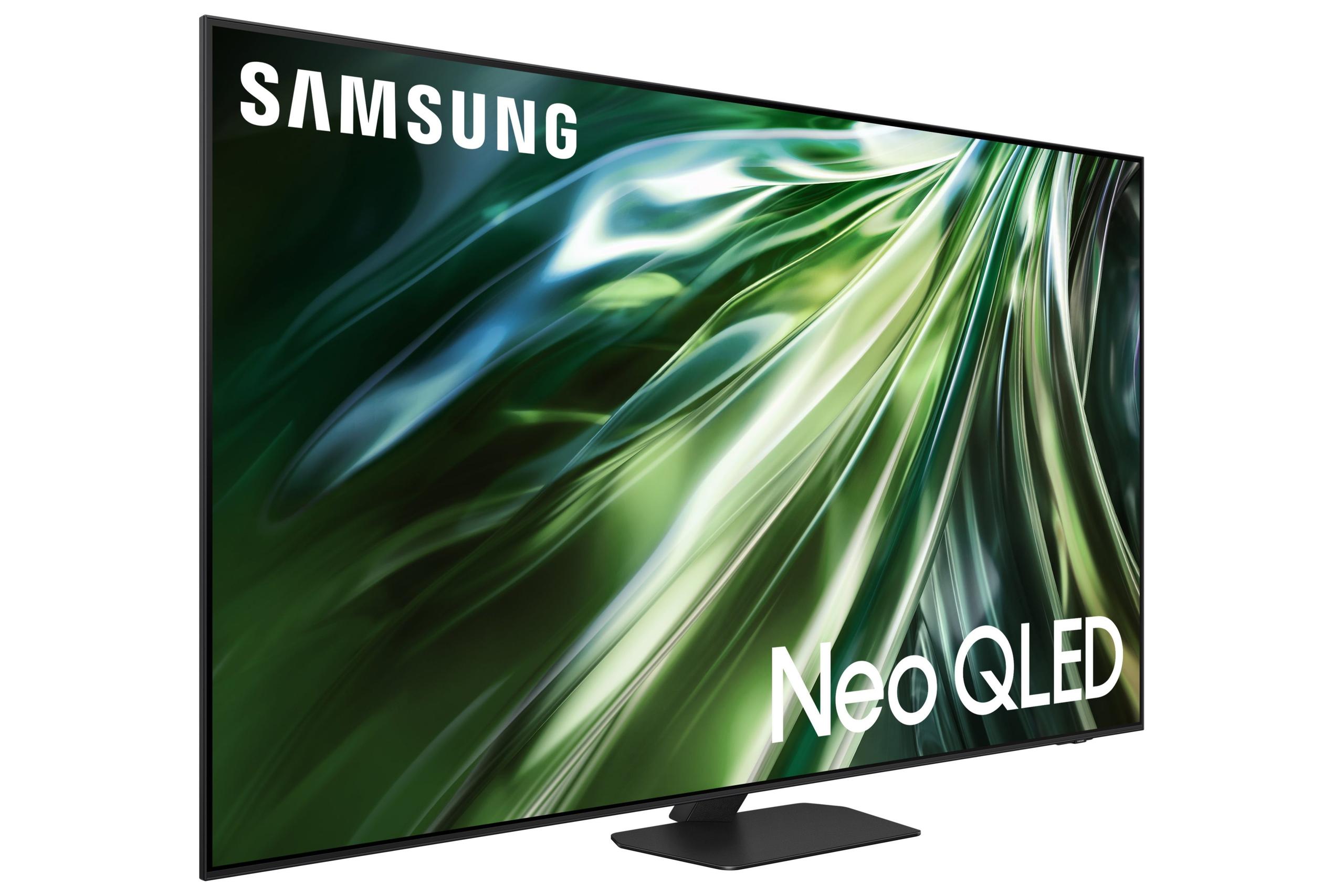
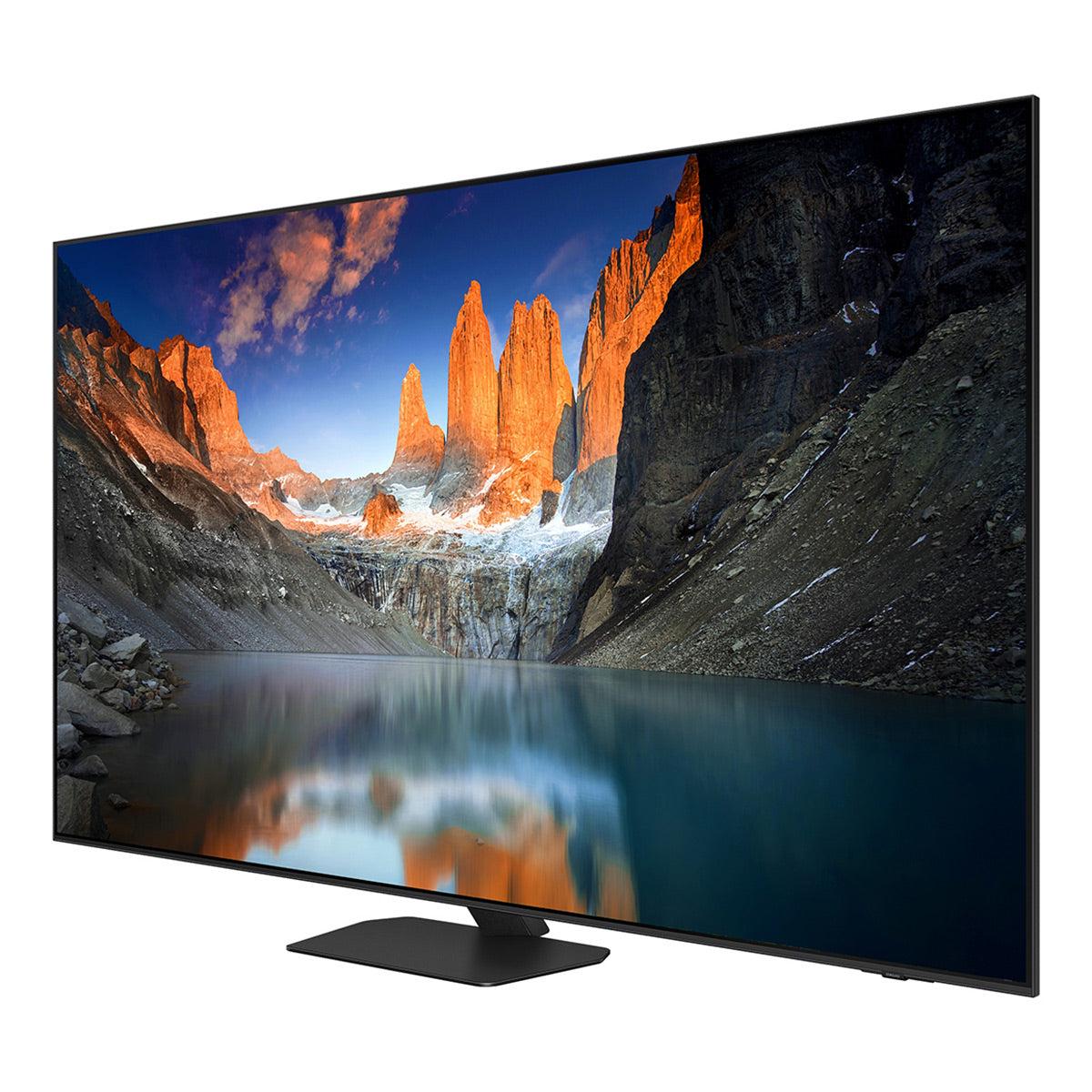
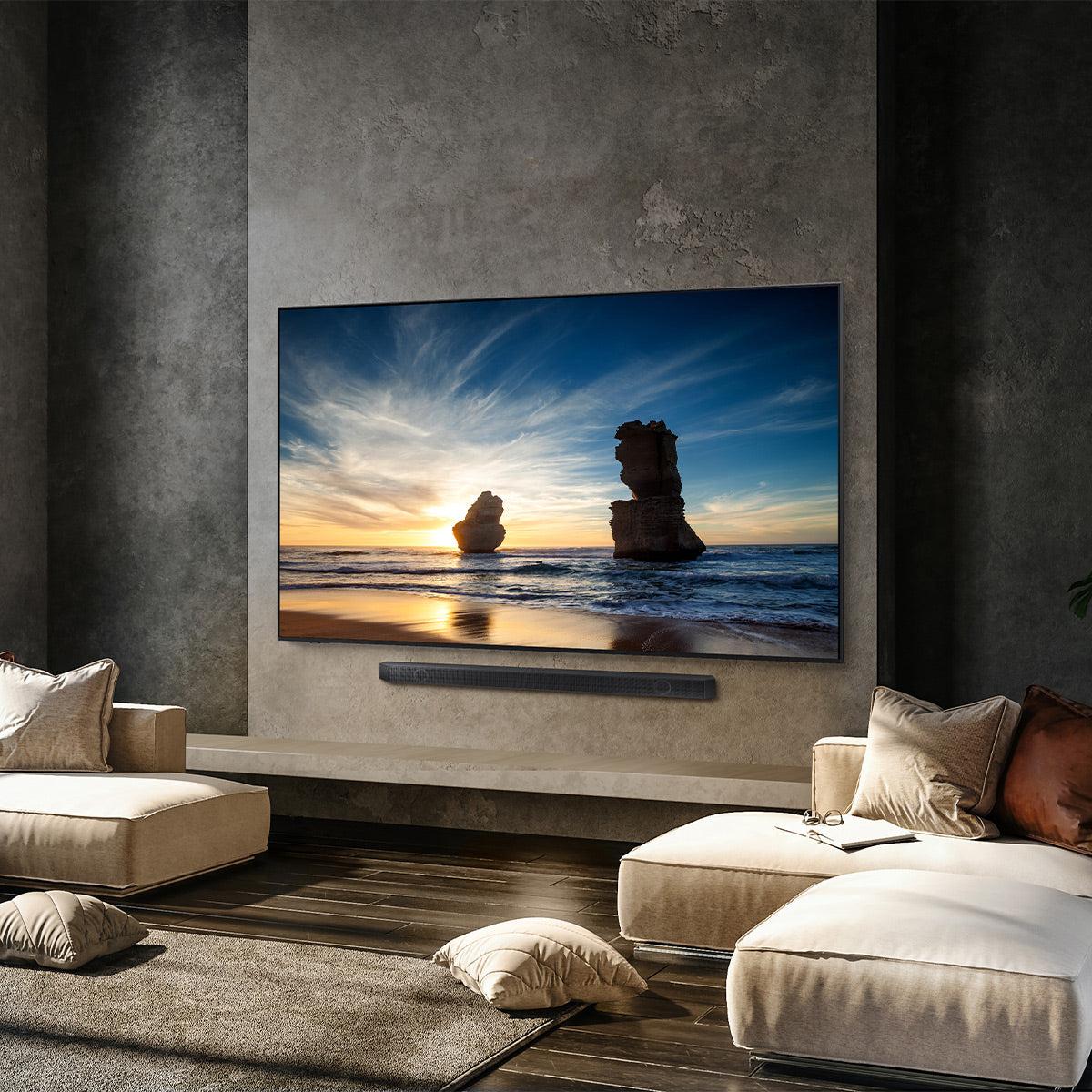
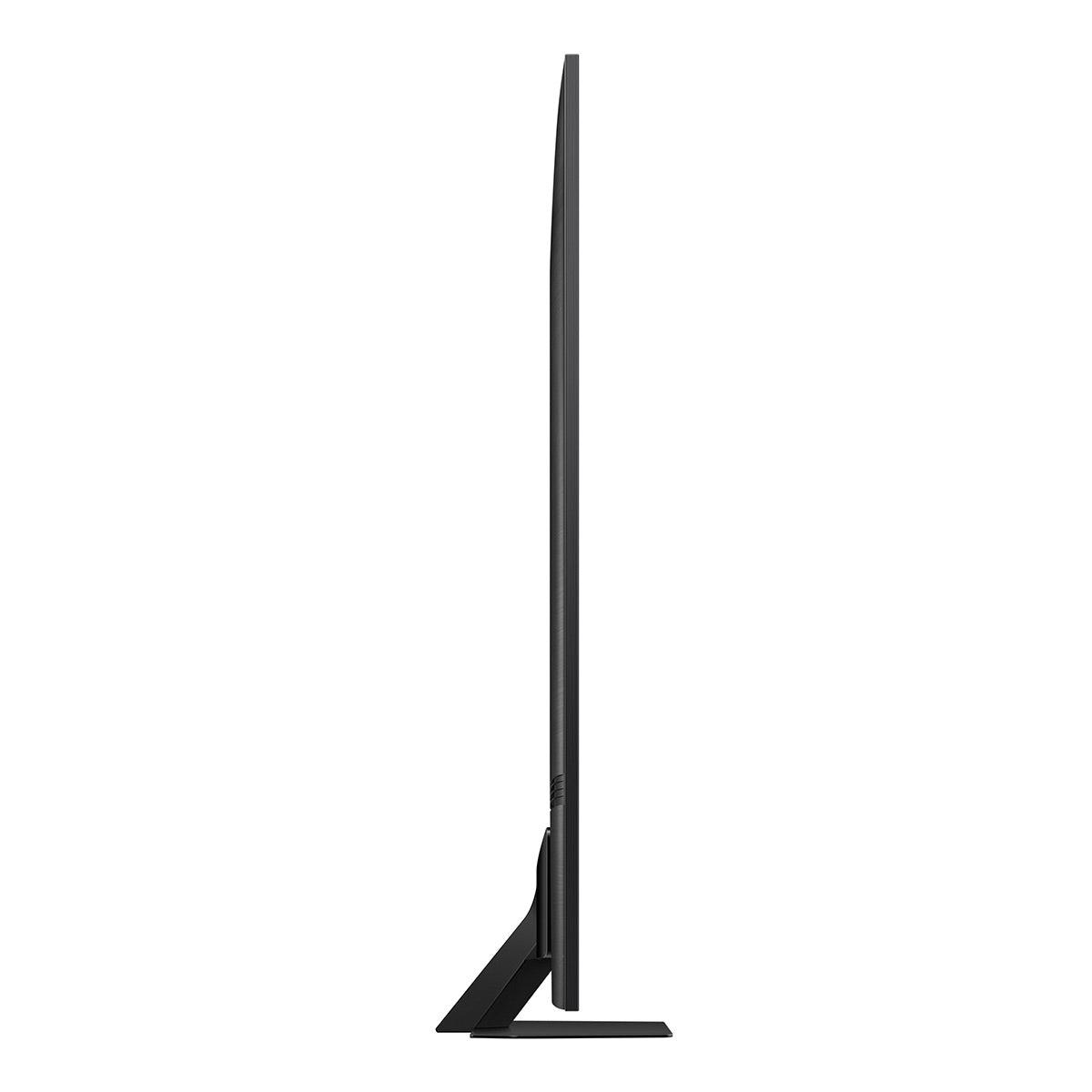
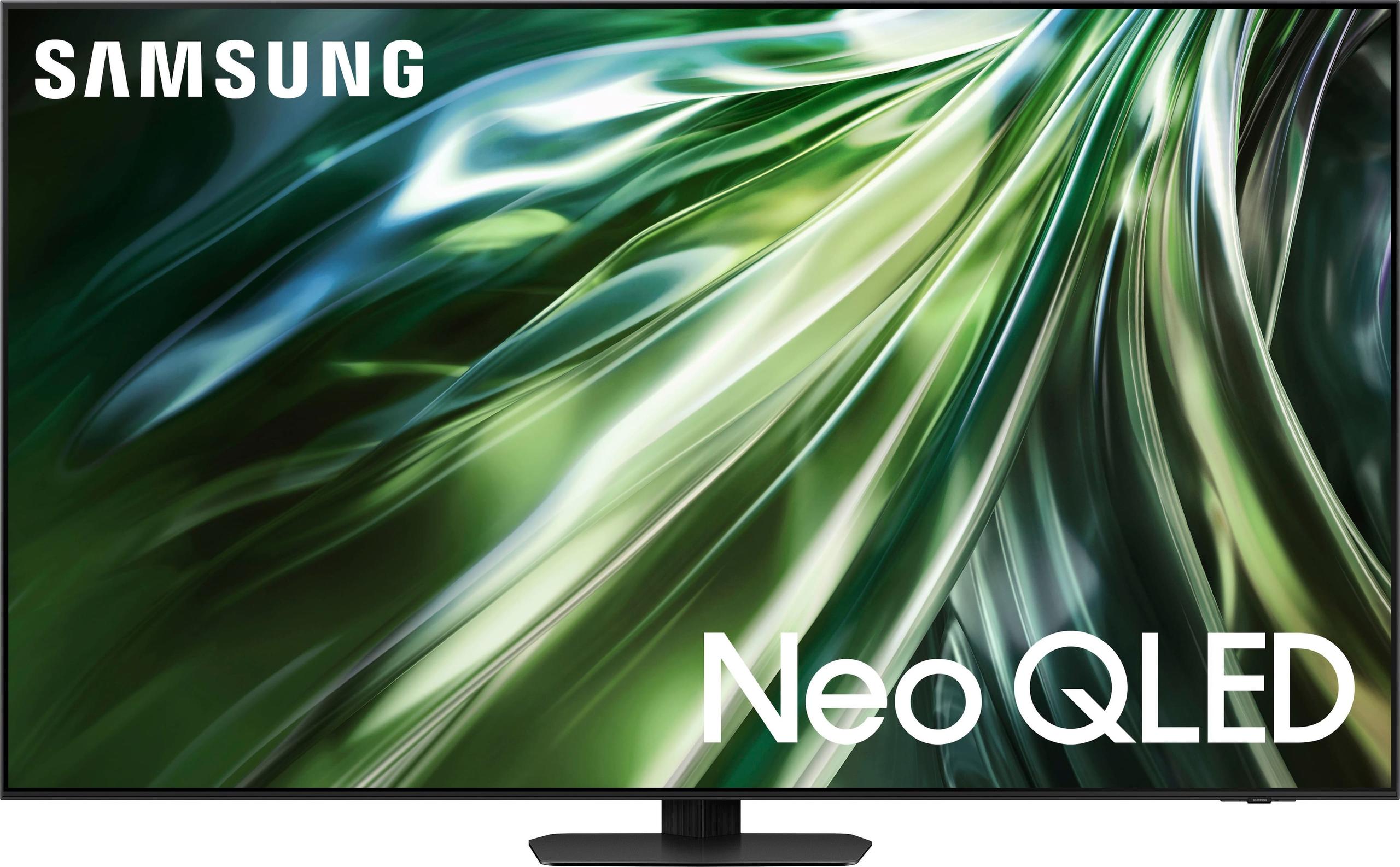
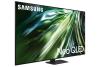
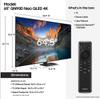
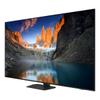
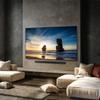
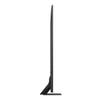
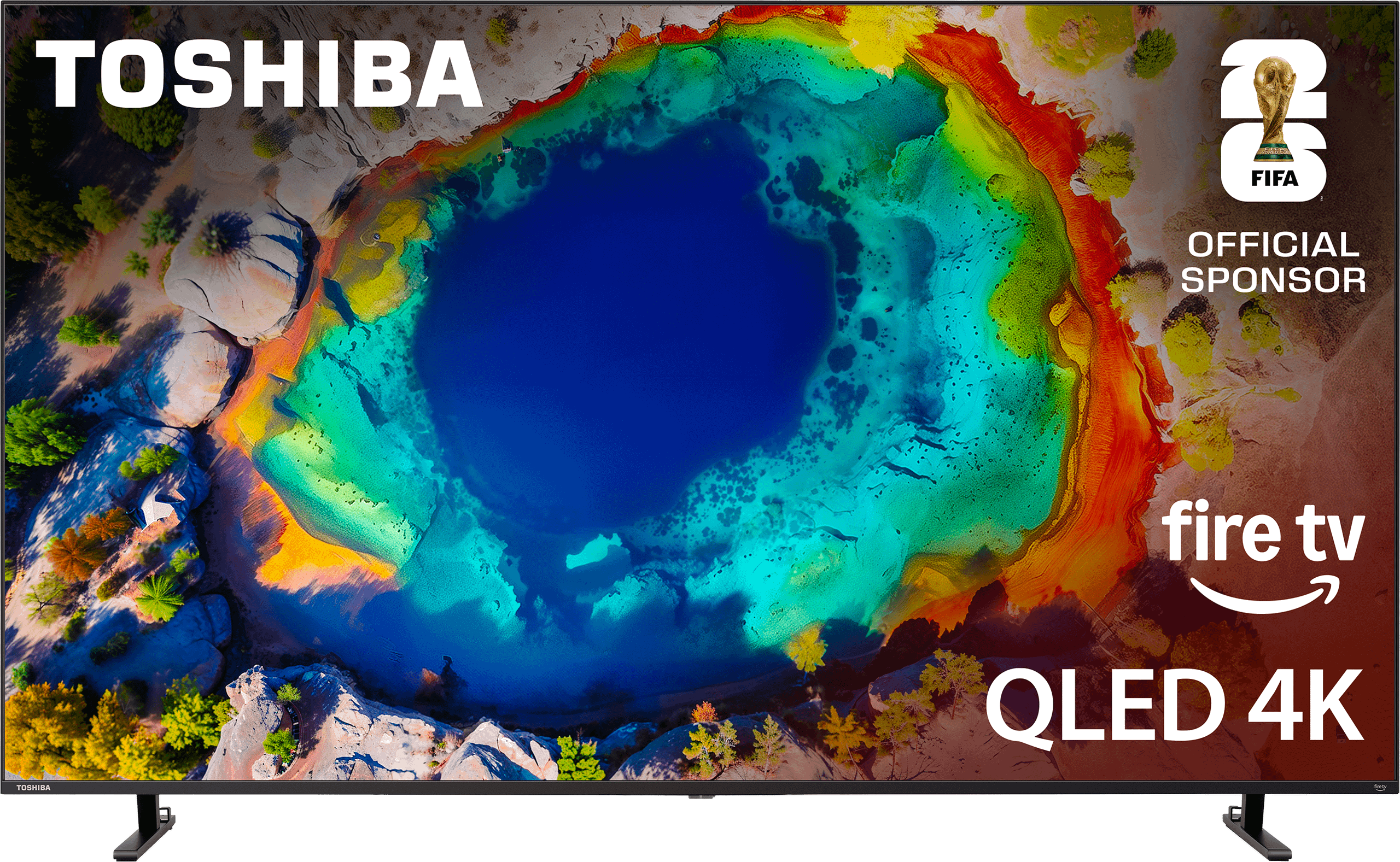
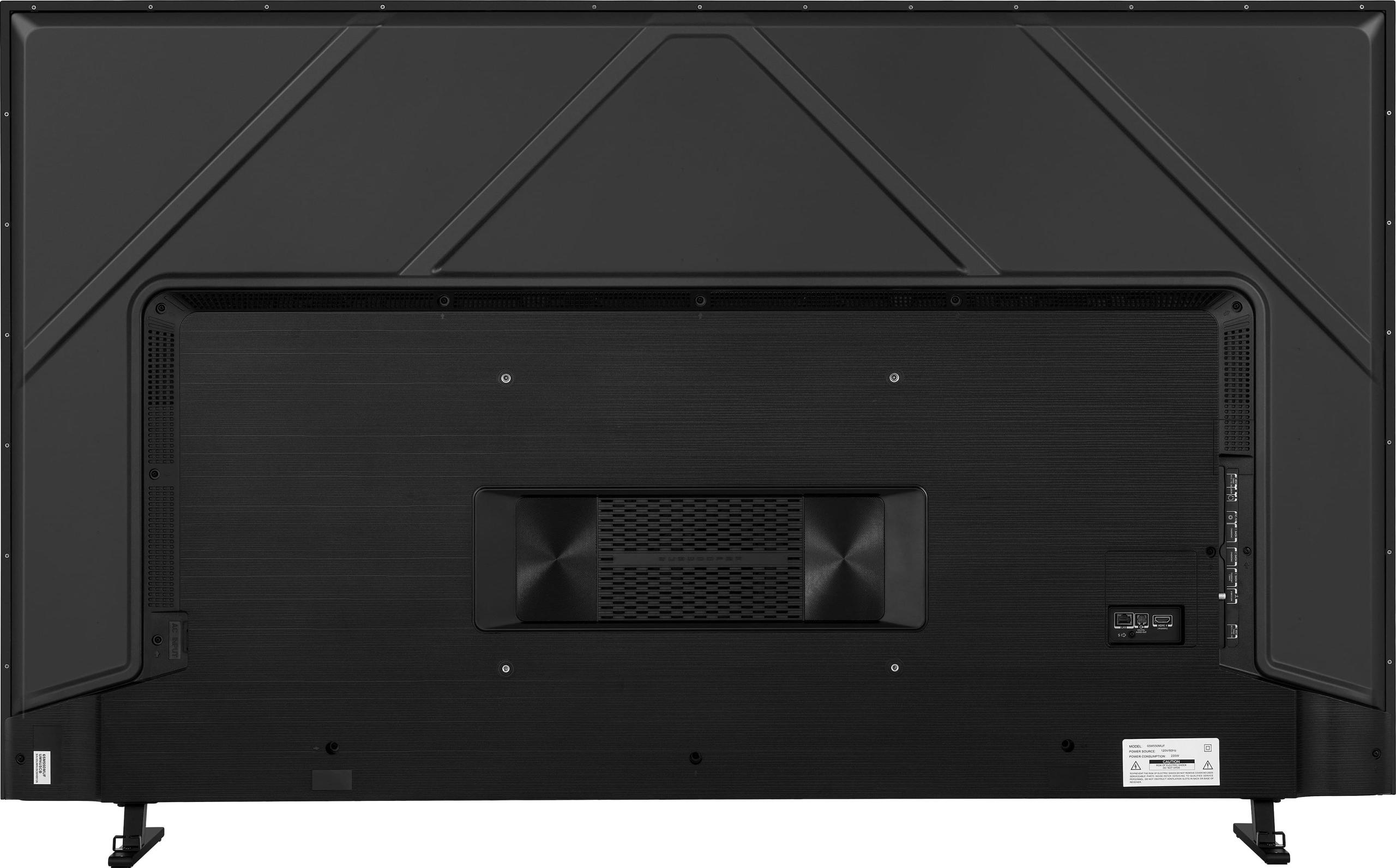
Samsung 65" QN90D Series 4K Neo QLED Smart TV

We may earn from purchases via affiliate links

$1,797.99

Product Description

A Deep Dive into the Samsung 65" QN90D Neo QLED TV

The 2024 QN90D arrived in early spring, building on Samsung's successful Neo QLED lineup with meaningful improvements in processing power and gaming features. After extensive testing in various lighting conditions and use cases, I'm impressed by how this TV pushes the boundaries of what LCD technology can achieve.

Display Technology Deep Dive

The heart of the QN90D's impressive picture quality lies in its mini-LED backlighting system. Unlike traditional LED TVs that use larger diodes, mini-LEDs are roughly 1/40th the size, allowing for thousands more individual light sources behind the screen. In our testing, this translated to remarkably precise brightness control and minimal blooming (that halo effect you might see around bright objects on dark backgrounds).

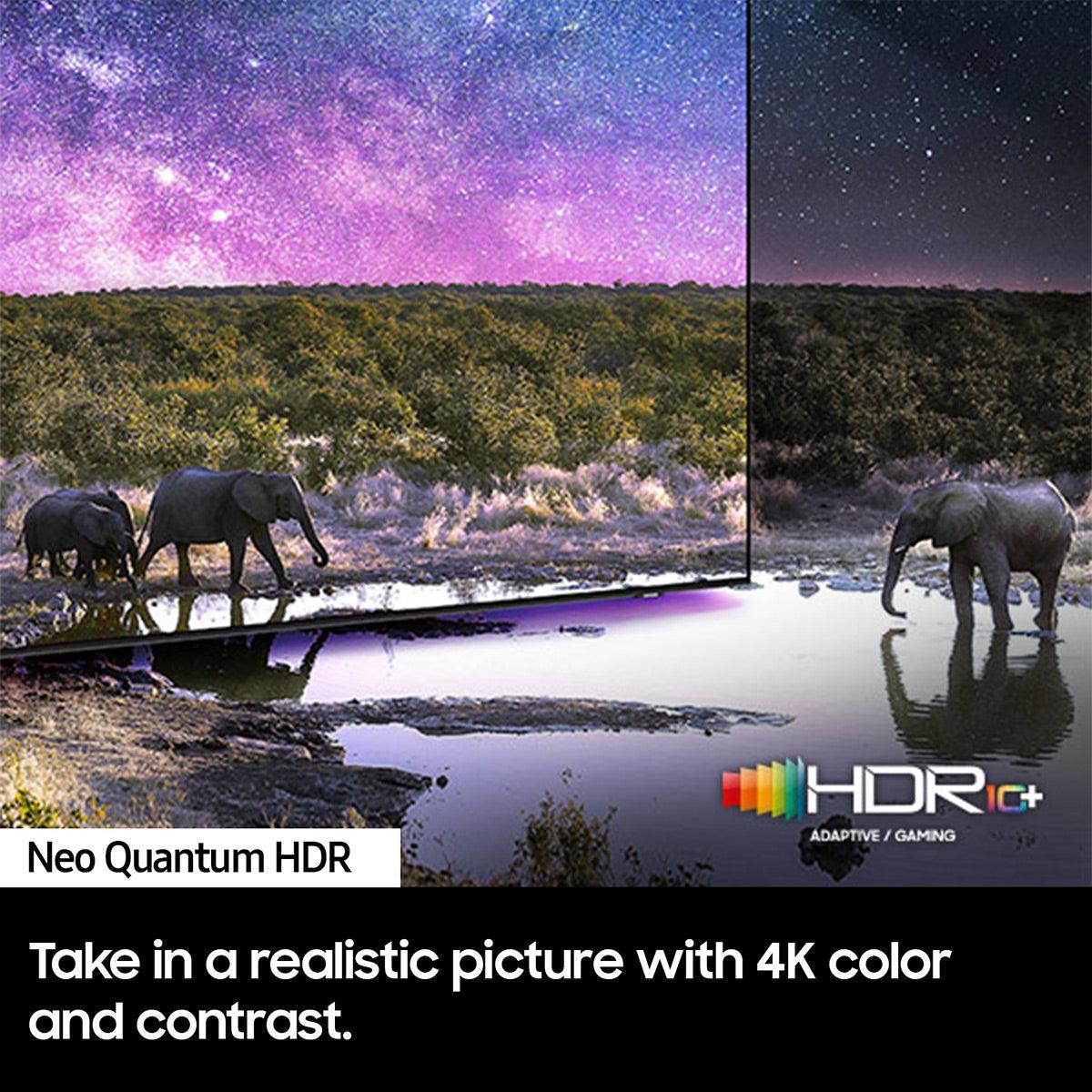
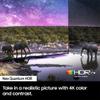
The quantum dot layer – which converts blue light into pure reds and greens – delivers color volume that's simply stunning. We measured coverage of nearly 100% of the DCI-P3 color space, meaning you're seeing colors exactly as movie creators intended. When watching nature documentaries, the vibrant plumage of tropical birds and deep ocean blues showed extraordinary depth and naturalism.

Peak brightness is exceptional, reaching over 2,000 nits in our HDR testing. For context, that's about twice as bright as many high-end OLED TVs. This makes the QN90D particularly well-suited for bright room viewing, while still maintaining excellent contrast in dark room settings.

Gaming Evolution

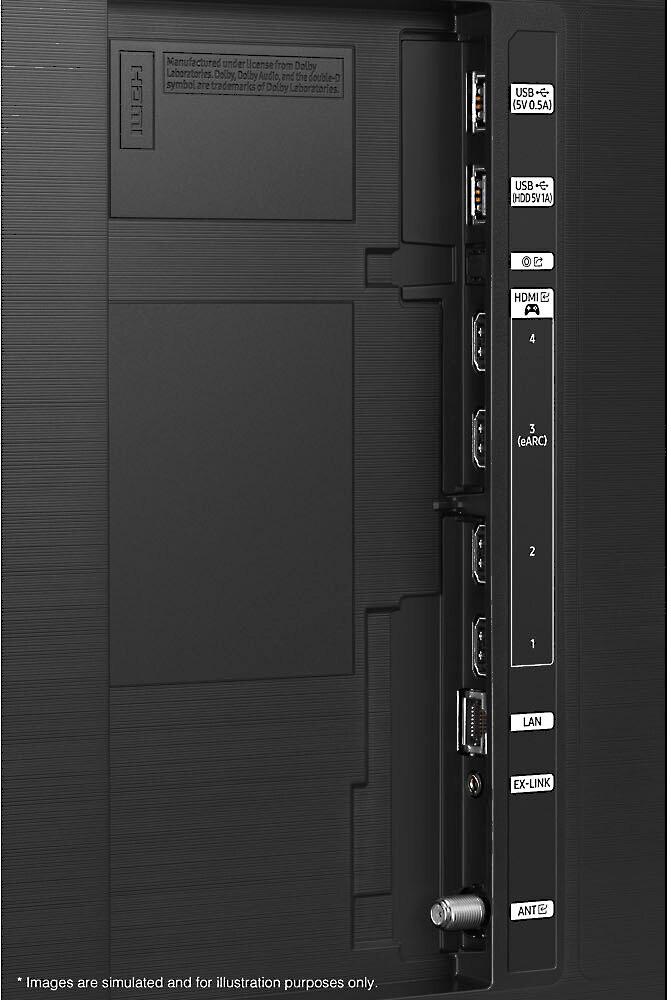
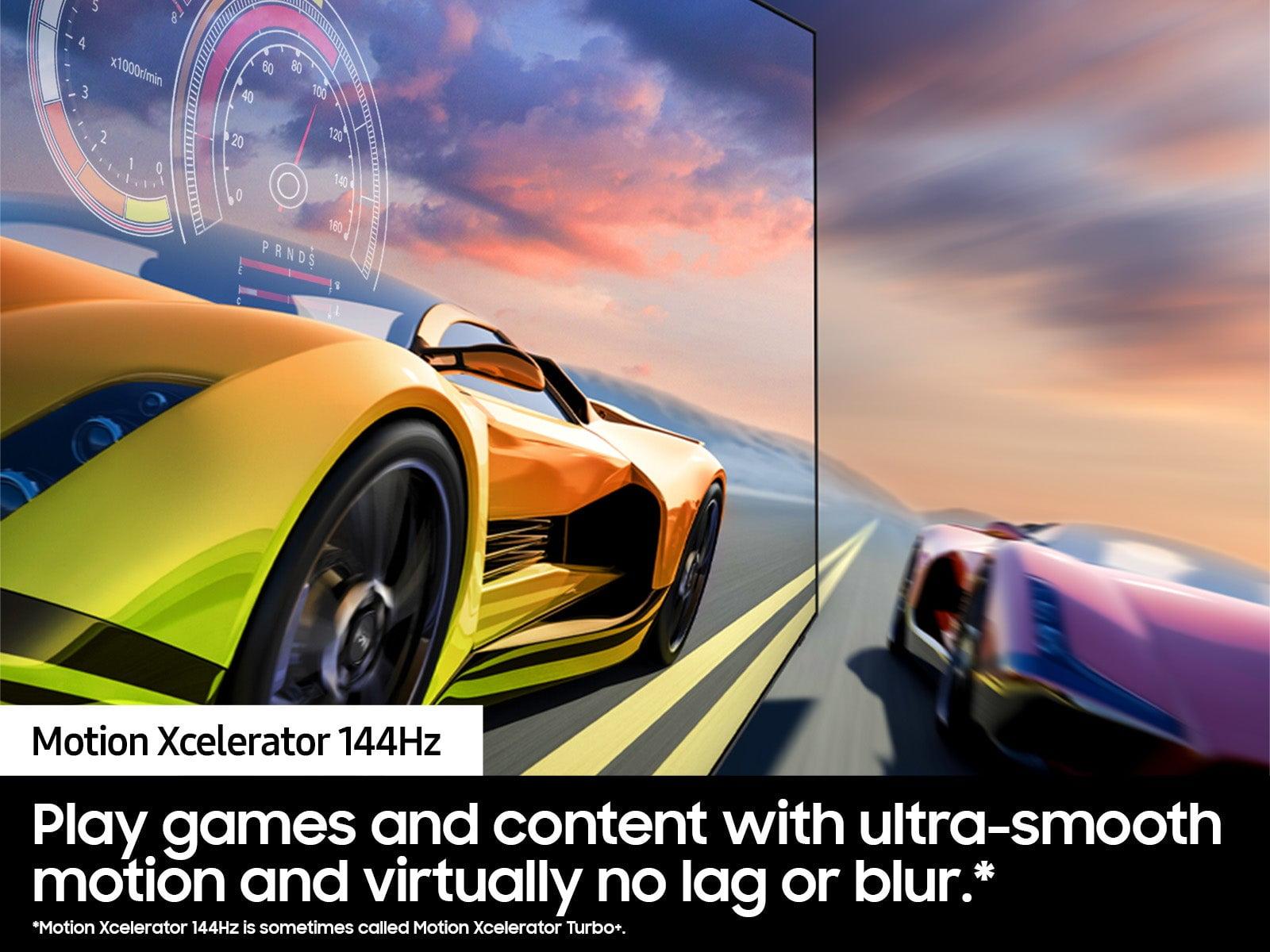
The gaming capabilities here are seriously impressive. All four HDMI ports support the full 48Gbps bandwidth of HDMI 2.1, meaning you can connect multiple current-gen consoles and a gaming PC without compromising features. The 144Hz refresh rate support (up from 120Hz in previous models) provides incredibly smooth motion, especially noticeable in fast-paced games.

During our gaming sessions, the new Game Bar 3.0 interface proved incredibly useful. It's an overlay that shows real-time information about frame rate, HDR status, and input lag, while also providing quick access to gaming-specific picture adjustments. Input lag measured consistently below 10ms in Game Mode – practically imperceptible even for competitive gaming.

Smart Features and Daily Use

The updated Tizen OS platform feels snappier than previous versions, though there's still a slight learning curve to the interface. The integration with Samsung's SmartThings ecosystem is particularly useful if you have other Samsung devices. For example, you can control smart lights or check your Samsung refrigerator's camera right from your TV.

Multi-View capability lets you split the screen to watch two sources simultaneously – perfect for gaming while following a walkthrough video, or keeping an eye on sports scores while watching a movie. The built-in Gaming Hub provides access to cloud gaming services without additional hardware, though you'll want a solid internet connection to make the most of it.

Real-World Performance

In our home theater testing environment, the QN90D proved exceptionally capable. The anti-reflective screen coating effectively manages room reflections without compromising picture quality – a legitimate concern for many home theater setups that aren't completely light-controlled.

Motion handling is excellent, with minimal judder in 24fps movie content and clean motion resolution in sports programming. The Neural Quantum Processor 4K shows its strength in upscaling lower resolution content; watching 1080p streams, the improvement in detail and clarity is immediately noticeable compared to last year's model.

Market Context and Value

At its price point, the QN90D competes directly with high-end OLED TVs. While OLEDs still hold an advantage in absolute black levels and viewing angles, the QN90D's significantly higher brightness and freedom from burn-in risk make it a more versatile choice for many users.

The premium TV market in 2024 has largely split between mini-LED and OLED technologies, with both making significant strides. The QN90D represents the pinnacle of LCD performance, offering advantages in bright room viewing and HDR impact that many OLED competitors can't match.

Home Theater Considerations

For dedicated home theater use, the QN90D's high brightness capability might seem unnecessary, but it provides headroom for HDR that creates truly spectacular dynamic range. The local dimming performance is good enough that in a dark room, black levels approach OLED quality in most content.

The TV's processing handles 24fps movie content well, with optional motion interpolation for those who prefer a smoother look. Film purists will appreciate the ability to disable all processing for a pure cinema experience.

Who Should Buy This TV?

The QN90D is ideal for:

  • Home theater enthusiasts who want premium HDR performance
  • Gamers looking for top-tier features and response times
  • Bright room viewers who need high brightness
  • Users wanting a versatile TV that excels in all content types

It might not be the best choice for:

  • Budget-conscious buyers
  • Those who watch primarily in very dark rooms
  • Users who prioritize absolute black levels over brightness

Final Thoughts

After extensive testing, the Samsung QN90D stands out as one of the most capable 4K TVs available in 2024. Its combination of brightness, color accuracy, and gaming features creates a compelling package for users who want top-tier performance without stepping up to 8K pricing.

The improvements in processing power and gaming features over previous models are meaningful, while the core strength of mini-LED technology continues to impress. While not inexpensive, it represents solid value in the premium TV segment, especially considering its versatility across different use cases and viewing environments.

For those weighing their options in the premium TV market, the QN90D makes a strong case for itself through sheer performance and versatility. Whether you're a serious gamer, movie enthusiast, or just want one of the best 4K TVs available, it's a choice that's unlikely to disappoint.

Samsung 65" QN90D Series 4K Neo QLED Smart TV Deals and Prices

Is the Samsung 65" QN90D Series 4K Neo QLED Smart TV Worth It?

Yes, the QN90D is worth the investment for users seeking premium picture quality, especially in bright rooms or for gaming. While expensive, it justifies its price through exceptional HDR performance, gaming features, and versatility. However, budget-conscious buyers might want to consider mid-range alternatives.

How Bright Is the Samsung QN90D?

The TV achieves peak brightness levels over 2,000 nits, making it one of the brightest consumer TVs available. This exceptional brightness is particularly beneficial for HDR content and viewing in well-lit rooms.

Is the Samsung QN90D Good for a Home Theater?

Yes, it performs excellently in home theater settings. The mini-LED backlighting provides deep blacks and excellent contrast, though in completely dark rooms, OLED TVs might perform slightly better. The high brightness capability makes HDR content especially impressive.

Does the Samsung QN90D Work Well for Gaming?

Absolutely. With 144Hz refresh rate, HDMI 2.1 on all ports, and input lag under 10ms, it's one of the best gaming TVs available. It supports all major gaming features including VRR, ALLM, and AMD FreeSync Premium Pro.

What's the Difference Between QLED and OLED?

QLED (like the QN90D) uses LED backlighting with quantum dots for color, offering superior brightness and no burn-in risk. OLED provides perfect blacks and better viewing angles but can't match QLED's peak brightness and may risk burn-in.

How Good Is the Smart TV Interface?

The Tizen OS 2024 platform is feature-rich and responsive, offering extensive streaming app support and smart home integration. While there's a learning curve, it provides a comprehensive smart TV experience.

Can You Wall Mount the Samsung QN90D?

Yes, the TV is compatible with standard VESA 400x400mm wall mounts. At 53.8 lbs without the stand, professional installation is recommended.

How Is the Sound Quality?

The built-in 60W 4.2.2 channel system provides good sound, but for a proper home theater experience, an external sound system or soundbar is recommended.

Does It Need Professional Calibration?

While the TV comes with good out-of-box accuracy, professional calibration can improve picture quality further. The Filmmaker Mode provides excellent preset accuracy for movie watching.

How Does the Samsung QN90D Handle Reflections?

The anti-reflective screen coating is highly effective at managing room reflections, making it an excellent choice for rooms with windows or bright lighting. This feature is particularly valuable for home theater setups that aren't completely light-controlled.

Sources

We've done our best to create useful and informative comparisons to help you decide what product to buy. Our research has used advanced automated methods to create this comparison and perfection is not possible - please contact us for corrections or questions. These are the sites we've researched in the creation of this article: samsung.com - standardtvandappliance.com - gerhardsappliance.com - bestbuy.com - image-us.samsung.com - rtings.com - youtube.com - images.samsung.com


Specs
Specs Table
Samsung 65" QN90D Neo QLED TV
Peak Brightness - Critical for HDR impact and bright room viewing: 2,000+ nits
Display Type - Defines core performance characteristics: Mini-LED with Quantum Dot
Local Dimming Zones - More zones mean better contrast control: 1,000+ zones
Refresh Rate - Higher rates mean smoother motion: 144Hz native
Gaming Input Lag - Lower numbers mean better responsiveness:
HDR Formats - Determines compatibility with HDR content: HDR10+, HDR10, HLG
HDMI Ports - All HDMI 2.1 enabled: 4 ports
Processing Engine: Neural Quantum Processor 4K
Smart Platform: Tizen OS 2024
Screen Size: 65 inches
Resolution: 3840 x 2160 (4K)
Audio Output - Built-in sound system power: 60W 4.2.2 channel
Wall Mount Compatibility: VESA 400x400mm
Power Consumption - Typical viewing: 200W
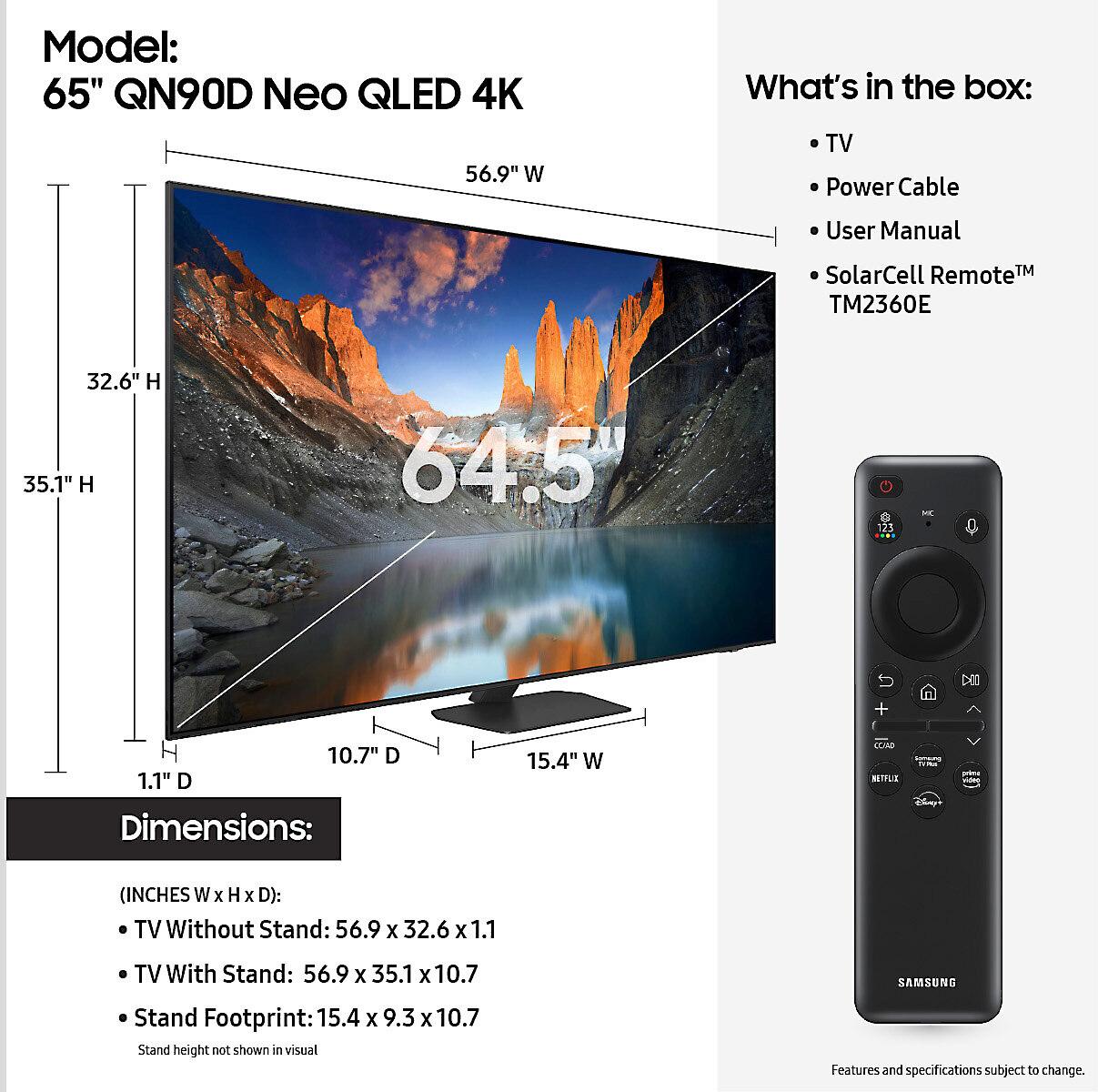
Dimensions (without stand): 56.9 x 32.6 x 1.1 inches
Weight (without stand): 53.8 lbs
Comparisons

Compared to TCL 65" QM8 Mini-LED Smart TV

The TCL QM8 ($998) stands out with its incredible value proposition, delivering flagship-level features at less than half the price of the QN90D. Most notably, it achieves higher peak brightness levels up to 5,000 nits and implements more local dimming zones, resulting in spectacular HDR performance that can actually surpass the Samsung in raw visual impact. The QM8 also benefits from Google TV's more open ecosystem, offering broader app compatibility and better integration with other smart home devices. Its 80W audio system, while not matching dedicated speakers, provides more powerful sound than typical TVs in this price range.
Where the TCL falls slightly behind is in processing refinement and gaming performance. While it handles most content well, it doesn't match Samsung's superior upscaling of lower-quality sources or natural color processing. Its 13.8ms input lag, while very good, can't quite match the QN90D's exceptional 9.1ms. However, these differences are relatively minor for most users, and the QM8's performance-to-price ratio makes it an incredibly compelling alternative. Unless you specifically need the Samsung's premium processing or gaming features, the TCL QM8 delivers about 80% of the high-end experience at 40% of the cost.
🤖 Read Detailed Comparison
👌TCL 65" QM8 Mini-LED Smart TV Details
💵 See TCL 65" QM8 Mini-LED Smart TV Price

Compared to Sony BRAVIA 9 65" 4K UHD Mini LED QLED Smart Google TV

The Sony BRAVIA 9 positions itself as a premium alternative to the QN90D, commanding a $200 higher price tag but delivering superior movie performance and color accuracy. Sony's implementation of Mini-LED technology emphasizes precision over pure brightness, resulting in more natural colors and better shadow detail, particularly noticeable in challenging dark scenes. The inclusion of Dolby Vision support gives it an advantage for streaming content from services like Netflix and Disney+, while Sony's renowned video processing provides better motion handling and more accurate upscaling of lower-resolution content. The built-in sound system is also notably more refined, though most users at this price point will likely opt for external audio.
Where the Sony falls short of the Samsung is in gaming connectivity and bright room performance. With only two HDMI 2.1 ports (versus Samsung's four), it's more limited for multi-device gaming setups. While still plenty bright for most environments, it doesn't quite match the Samsung's exceptional brightness levels in well-lit rooms. The Sony BRAVIA 9 makes the most sense for home theater enthusiasts who prioritize movie performance and don't need extensive gaming connectivity, but its premium pricing and more focused feature set make it a more specialized choice compared to the QN90D's broader appeal and versatility.
🤖 Read Detailed Comparison
👌Sony BRAVIA 9 65" 4K UHD Mini LED QLED Smart Google TV Details
💵 See Sony BRAVIA 9 65" 4K UHD Mini LED QLED Smart Google TV Price

Compared to Samsung 65" S95D 4K OLED Smart TV

The Samsung S95D OLED ($3,400) stands apart with its perfect black levels and infinite contrast ratio, qualities that are particularly noticeable when watching movies in darker rooms. Its new anti-glare coating is a significant improvement over previous OLED models, helping to maintain image quality even in moderately lit rooms, though it still can't match the QN90D's bright-room performance. The S95D also offers superior viewing angles and slightly faster response times for gaming, making it an excellent choice for wider seating arrangements or competitive gaming setups.
While the S95D commands a $700 premium over the QN90D, this price difference might be justified for home theater enthusiasts or viewers who prioritize absolute picture quality in controlled lighting conditions. However, for most everyday viewing environments, especially brighter rooms, the QN90D's higher brightness and lower price point make it a more practical choice. The S95D's OLED technology delivers unmatched picture quality in ideal conditions, but its advantages become less noticeable in well-lit environments where the QN90D's Mini-LED technology can actually provide a better viewing experience.
🤖 Read Detailed Comparison
👌Samsung 65" S95D 4K OLED Smart TV Details
💵 See Samsung 65" S95D 4K OLED Smart TV Price

Compared to LG 65" G4 Series OLED evo 4K UHD Smart TV 2024

The LG G4 OLED evo takes a fundamentally different approach to picture quality with its self-emitting pixel technology, enabling perfect blacks and infinite contrast that the QN90D's Mini-LED system can't quite match. In dark room viewing, especially for movies and home theater use, this OLED advantage becomes immediately apparent. The G4's new Alpha 11 processor delivers notably better motion handling and gaming performance, with input lag as low as 1.5ms compared to the Samsung's 4ms. It also supports Dolby Vision HDR, which many streaming services and Ultra HD Blu-rays utilize for enhanced picture quality.
However, the G4's $2,600 price point sits $100 higher than the Samsung, and its lower peak brightness makes it less suitable for bright room viewing. While the G4's new evo panel technology has improved brightness levels significantly over previous generations, it still can't match the QN90D's ability to combat glare and ambient light. For mixed-use spaces or rooms with lots of windows, the Samsung's superior brightness and anti-reflective coating might better serve your needs, despite the G4's advantages in contrast and viewing angles. Both TVs represent the pinnacle of their respective technologies, but your specific viewing environment should ultimately guide your choice.
🤖 Read Detailed Comparison
👌LG 65" G4 Series OLED evo 4K UHD Smart TV 2024 Details
💵 See LG 65" G4 Series OLED evo 4K UHD Smart TV 2024 Price

Compared to Hisense 65" H9G Quantum Series 4K UHD Smart Android TV

When looking at alternatives to Samsung's latest flagship, the $1,505 Hisense H9G represents an intriguing value proposition, delivering impressive picture quality through its quantum dot technology and 180-zone local dimming array. Despite being an older model from 2020, it still holds its own with 1,000 nits of peak brightness, excellent color accuracy, and strong contrast performance that makes it competitive in most viewing scenarios. The Android TV platform offers more flexibility with apps and customization than Samsung's Tizen OS, and its straightforward interface remains popular among users who prefer simplicity over cutting-edge features.
However, the H9G's age shows in its gaming capabilities and HDR performance. Without HDMI 2.1 support or variable refresh rate, it's limited to 4K@60Hz gaming, which may disappoint next-gen console owners. While its picture quality remains impressive for movie watching and general content, it can't match the precise local dimming and exceptional brightness of newer Mini-LED technology. That said, at nearly $1,000 less than premium 2024 models, the H9G represents an excellent value for viewers who prioritize core performance over the latest features, especially in dedicated home theater settings where controlled lighting reduces the need for extreme brightness levels.
🤖 Read Detailed Comparison
👌Hisense 65" H9G Quantum Series 4K UHD Smart Android TV Details
💵 See Hisense 65" H9G Quantum Series 4K UHD Smart Android TV Price

Compared to Samsung 65" QN85D Neo QLED 4K Smart TV

The Samsung QN85D offers remarkable value at $1,700, delivering about 90% of the QN90D's performance at a significantly lower price point. Its standout features include a more powerful 4.2.2 channel 60W sound system, excellent brightness handling, and the same advanced gaming features including 4K/120Hz support and HDMI 2.1 connectivity. The picture quality is impressive for most viewing scenarios, with strong HDR performance and effective local dimming that will satisfy all but the most demanding viewers.
However, the QN85D's main compromise comes in viewing angle performance, showing noticeable picture degradation when watched from the side. While this might not matter in rooms where viewers sit directly in front of the TV, it's an important consideration for wide seating arrangements. The local dimming, while still very good, shows slightly more blooming around bright objects in dark scenes compared to the QN90D. For most users who view content straight-on and want premium picture quality without the premium price tag, the QN85D represents an excellent choice that's easier to justify.
🤖 Read Detailed Comparison
👌Samsung 65" QN85D Neo QLED 4K Smart TV Details
💵 See Samsung 65" QN85D Neo QLED 4K Smart TV Price

Compared to Sony BRAVIA 8 65" 4K OLED TV

The Sony BRAVIA 8 offers a compelling alternative at $1,698.00, primarily standing out with its OLED panel's perfect blacks and infinite contrast ratio. Where the QN90D excels in brightness, the BRAVIA 8 delivers unmatched dark room performance and more natural color reproduction through Sony's superior XR processor. The OLED technology provides better viewing angles and more consistent image quality across different viewing positions, making it particularly attractive for wider seating arrangements in home theaters. Sony's implementation of Google TV also offers a more intuitive and content-focused smart platform compared to Samsung's Tizen OS.
However, the BRAVIA 8 Sony BRAVIA 8 has some limitations to consider. Its peak brightness is notably lower, making it less ideal for very bright rooms or daytime viewing. While it offers excellent gaming features including 4K/120Hz support, it only provides two HDMI 2.1 ports compared to the QN90D's four. That said, the $800 price difference makes the BRAVIA 8 a more attractive value proposition, especially for movie enthusiasts who primarily watch content in controlled lighting conditions. The choice ultimately comes down to your viewing environment and primary use case - the BRAVIA 8 excels in home theater applications, while the QN90D is more versatile for bright room viewing and gaming.
🤖 Read Detailed Comparison
👌Sony BRAVIA 8 65" 4K OLED TV Details
💵 See Sony BRAVIA 8 65" 4K OLED TV Price

Compared to Samsung QN900D Series 65" Neo QLED 8K Smart TV

The Samsung QN900D 8K ($5,000) stands out with its higher resolution panel and more powerful NQ8 AI Gen3 processor, delivering superior upscaling capabilities and enhanced motion handling. Its advanced processing enables gaming at 4K/240Hz or 8K/60Hz, and the upgraded 6.2.4 channel audio system provides more immersive sound. The premium model also boasts higher peak brightness, more precise local dimming zones, and slightly better viewing angles, though these improvements are subtle in typical viewing conditions.
However, given the current limited availability of 8K content and the substantial price premium, most users won't benefit enough from these enhancements to justify doubling their investment. While the QN900D represents the pinnacle of Samsung's TV technology, its advantages are most noticeable in specific scenarios like very close viewing distances or with high-end PC gaming setups. For most home theater enthusiasts and casual viewers, the QN90D delivers remarkably similar real-world performance at a much more attractive price point, making it the more practical choice for most buyers in 2024.
🤖 Read Detailed Comparison
👌Samsung QN900D Series 65" Neo QLED 8K Smart TV Details
💵 See Samsung QN900D Series 65" Neo QLED 8K Smart TV Price

Compared to Samsung 65" OLED S90D TV

The Samsung 65" OLED S90D TV delivers exceptional picture quality through its self-emissive OLED panel, which creates perfect blacks and infinite contrast that even the QN90D's advanced mini-LED system can't quite match. This technology advantage is most noticeable in dark scenes where the S90D displays absolutely no blooming or haloing around bright objects on black backgrounds—a common issue with all LED-based TVs regardless of price. The OLED also offers superior viewing angles, maintaining consistent picture quality even when viewed from the sides, making it ideal for wider seating arrangements where not everyone sits directly in front of the screen. Gamers will appreciate the near-instantaneous pixel response time that virtually eliminates motion blur in fast-paced games without requiring additional processing.
At $1,699, the S90D OLED represents a compelling value proposition, saving you approximately $800 compared to the QN90D while still delivering premium picture quality. For viewers with normal living rooms who watch a mix of content and primarily use their TV in the evening or can control ambient lighting, the S90D provides a more cinematic experience at a significantly lower price point. The only real-world compromises are brightness (which mainly affects daytime viewing in very bright rooms) and the theoretical possibility of burn-in with extreme usage patterns involving static content—an issue that's been dramatically reduced in modern OLED panels through various protective technologies. For most home theater enthusiasts seeking the best picture quality per dollar, the S90D offers remarkable value without significant practical drawbacks.
🤖 Read Detailed Comparison
👌Samsung 65" OLED S90D TV Details
💵 See Samsung 65" OLED S90D TV Price

Compared to Panasonic Z95A 65" OLED 4K Ultra HD Smart TV

The Panasonic Z95A OLED delivers the holy grail of display technology: perfect blacks and infinite contrast that no LED-based TV can match. When OLED pixels display black, they turn completely off, creating true darkness that makes space scenes in movies like "Interstellar" appear genuinely cinematic with stars popping against the void of space. This OLED advantage extends to color accuracy, where Panasonic's collaboration with Hollywood colorist Stefan Sonnenfeld ensures reference-quality reproduction that matches what filmmakers intended—crucial for serious movie enthusiasts who want to see "Blade Runner 2049" or "Dune" exactly as their directors envisioned. The Z95A also offers perfect viewing angles from any position in the room, unlike the QN90D which can show some color shifting when viewed from extreme side angles.
However, the Panasonic Z95A comes with significant trade-offs that limit its real-world appeal for many buyers. Its lower peak brightness means HDR content loses impact in anything but dark, controlled environments—watch it during the day with curtains open and you'll miss much of the visual punch that makes HDR worthwhile. The OLED technology also carries a premium price tag, typically costing several hundred dollars more than the QN90D while offering fewer gaming features and less powerful built-in audio. For dedicated home theater enthusiasts with dark viewing rooms who prioritize absolute picture quality over versatility, the Panasonic justifies its premium pricing. But for most households wanting a primary living room TV that performs excellently across varied lighting conditions and usage scenarios, the QN90D's superior brightness and comprehensive feature set provide better practical value.
🤖 Read Detailed Comparison
👌Panasonic Z95A 65" OLED 4K Ultra HD Smart TV Details
💵 See Panasonic Z95A 65" OLED 4K Ultra HD Smart TV Price

Compared to Sony BRAVIA 7 65" 4K UHD Smart Google TV

The Sony BRAVIA 7 ($1,899.99) distinguishes itself with superior movie performance and more accurate out-of-box color reproduction, making it particularly appealing for home theater enthusiasts. Its inclusion of Dolby Vision HDR support provides noticeably better HDR performance with streaming content from popular services like Netflix and Disney+. The Cognitive XR processor excels at motion handling and film-mode processing, resulting in smoother action and more natural movement in movies and sports. At $600 less than the QN90D, it represents better value for viewers who prioritize picture accuracy and movie performance.
However, the BRAVIA 7's lower peak brightness means it's less suited for bright rooms compared to the QN90D, and its anti-glare capabilities aren't as advanced. While it offers excellent gaming features, including PS5-specific optimizations, having only two HDMI 2.1 ports limits its flexibility for users with multiple gaming consoles. The Google TV interface, while offering better content recommendations and a wider app selection, isn't as responsive as Samsung's Tizen OS, which might frustrate users who prioritize snappy navigation.
🤖 Read Detailed Comparison
👌Sony BRAVIA 7 65" 4K UHD Smart Google TV Details
💵 See Sony BRAVIA 7 65" 4K UHD Smart Google TV Price

Compared to TCL 65" QM6K QD-Mini LED 4K TV

The TCL 65" QM6K QD-Mini LED 4K TV manages to deliver impressive picture quality at a fraction of the QN90D's price. Priced at just $998 compared to the QN90D's $2,700, the QM6K offers a higher 144Hz native refresh rate (versus 120Hz) and supports all major HDR formats including Dolby Vision, which Samsung consistently omits from their lineup. The QM6K's Google TV interface is arguably more intuitive than Samsung's Tizen OS, with better content recommendations and a gentler learning curve for most users. Released in January 2025, the QM6K benefits from being nearly a year newer in development, incorporating TCL's Super High Energy LED Chip technology that delivers 53% increased brightness while improving energy efficiency by 10% compared to their previous models.
Where the QM6K clearly falls short is in maximum brightness (reaching around 1,000-1,200 nits versus the QN90D's 2,000), precision of local dimming (with more visible blooming around bright objects), and overall refinement in processing. Its audio system, while decent, can't match the spatial precision of Samsung's Object Tracking Sound+, and its build quality feels less premium. For most typical viewing environments and usage scenarios, however, these differences may not justify paying nearly three times more for the QN90D. The QM6K strikes an impressive balance of performance and value that makes it the more logical choice for budget-conscious consumers who still want excellent picture quality, particularly in rooms without extreme ambient light challenges.
🤖 Read Detailed Comparison
👌TCL 65" QM6K QD-Mini LED 4K TV Details
💵 See TCL 65" QM6K QD-Mini LED 4K TV Price

Compared to Samsung 65" Neo QLED QN990F 8K Smart TV 2025

For those with premium budgets seeking the absolute pinnacle of Samsung's technology, the Samsung 65" Neo QLED QN990F 8K Smart TV 2025 represents a significant step up in several key areas. Its standout innovation is the Wireless One Connect Box, which allows you to position all your external devices up to 30 feet away from the TV with only a thin power cable running to the display—ideal for clean, minimalist installations, especially when wall-mounted. The QN990F's 8K resolution (7680 × 4320) packs four times the pixels of 4K, though this difference is most noticeable at viewing distances under 7 feet or on screen sizes larger than 65 inches. Its advanced Glare-Free technology virtually eliminates reflections even in the brightest rooms, and its NQ8 AI Gen3 processor with 768 neural networks delivers more sophisticated upscaling and image processing.
At $5,499.99, the QN990F commands a substantial premium over the QN90D, raising the question of whether these enhancements justify the additional investment. For most viewers in typical living rooms, the differences in picture quality are subtle rather than transformative. However, specific use cases make the flagship more compelling: dedicated home theater enthusiasts seeking the absolute best image quality, installations where cable management is a significant challenge, very bright viewing environments where the superior anti-glare technology makes a meaningful difference, or future-proofing for the eventual arrival of more 8K content. The QN990F isn't four times better than the QN90D for most scenarios, but for those seeking the cutting edge regardless of price, it delivers meaningful improvements in both technology and design.
🤖 Read Detailed Comparison
👌Samsung 65" Neo QLED QN990F 8K Smart TV 2025 Details
💵 See Samsung 65" Neo QLED QN990F 8K Smart TV 2025 Price

Compared to Samsung 65" OLED S95F 4K Smart TV 2025

While the Samsung 65" QN90D Series 4K Neo QLED Smart TV delivers exceptional performance for most viewers, it's worth considering how it compares to the premium Samsung 65" OLED S95F 4K Smart TV 2025. The S95F stands out with its self-illuminating OLED panel technology, delivering perfect blacks and infinite contrast that even the best Mini-LED systems can't quite match. This creates a more immersive viewing experience in dark rooms, particularly noticeable in challenging content like space scenes, horror films, or movies with letterbox bars. The S95F also offers slightly more comprehensive coverage of the DCI-P3 and BT.2020 color spaces, resulting in more vibrant and accurate colors, especially in HDR content. For gaming enthusiasts, the S95F pushes performance further with its 165Hz refresh rate (versus the QN90D's 144Hz) and near-instantaneous pixel response time that eliminates virtually all motion blur.
The significant question is whether these advantages justify the S95F's substantially higher price point—currently more than double the cost of the QN90D. For dedicated cinephiles who primarily watch films in controlled lighting conditions or for competitive gamers who demand the absolute best motion clarity, the S95F does offer meaningful improvements that may be worth the premium. The S95F also benefits from Samsung's commitment to 7 years of software updates and includes the latest Vision AI technology powered by 128 neural networks. However, for most everyday viewing environments where ambient light is a factor and for viewers with varied content preferences, the performance gap narrows considerably, making the value proposition of the QN90D more compelling for typical households.
🤖 Read Detailed Comparison
👌Samsung 65" OLED S95F 4K Smart TV 2025 Details
💵 See Samsung 65" OLED S95F 4K Smart TV 2025 Price

Compared to Samsung 65" S90F OLED 4K Vision AI Smart TV 2025

For viewers who prioritize contrast and pure color accuracy over raw brightness, the Samsung 65" S90F OLED 4K Vision AI Smart TV 2025 offers several standout advantages compared to the QN90D. The S90F utilizes QD-OLED technology where each pixel generates its own light and can turn completely off, creating perfect blacks and infinite contrast that no LED-backlit display can match. This results in noticeably superior performance in dark scenes, particularly when viewing movies in dimly lit environments. Additionally, the S90F provides consistently accurate colors and contrast from virtually any viewing angle, making it ideal for wide seating arrangements where some viewers might sit off-center. The 2025 model also benefits from Samsung's latest NQ4 AI Gen3 processor with 128 neural networks, delivering improved upscaling quality for non-4K content and a more responsive smart TV interface.
However, these advantages come at a considerable premium, with the Samsung 65" S90F OLED 4K Vision AI Smart TV 2025 priced approximately $1,100 higher than the QN90D. For that additional investment, you're primarily gaining improvements in dark-room performance and viewing angles, while potentially sacrificing the QN90D's advantages in brightness and immunity to burn-in. The S90F's perfect blacks and precise highlights create a more film-like image quality that cinema enthusiasts might find worth the premium, particularly in dedicated home theater environments. But for typical living rooms with varying lighting conditions and mixed content consumption, the QN90D delivers exceptional value that makes the price jump to OLED technology difficult to justify for most consumers.
🤖 Read Detailed Comparison
👌Samsung 65" S90F OLED 4K Vision AI Smart TV 2025 Details
💵 See Samsung 65" S90F OLED 4K Vision AI Smart TV 2025 Price

Compared to Samsung 65" S85F OLED 4K Smart TV (2025)

The Samsung 65" S85F OLED 4K Smart TV (2025) represents a fundamental shift in display technology with its QD-OLED panel that delivers perfect blacks and infinite contrast by allowing individual pixels to turn completely off. This creates an incredibly immersive viewing experience where dark scenes showcase detail that's simply impossible with LED backlighting, making it exceptional for movie watching and home theater setups. The S85F also benefits from being a 2025 model with Samsung's latest NQ4 AI Gen2 processor featuring 20 neural networks, Color Booster Pro technology that optimizes colors scene-by-scene, and innovative features like the SolarCell Remote. While it can't match the QN90D's peak brightness levels, the OLED's superior viewing angles ensure consistent picture quality from any seating position, and its near-instantaneous pixel response times eliminate motion blur entirely.
The most compelling aspect of the S85F is its value proposition at $1,599.99 - delivering premium OLED picture quality for $1,100 less than the QN90D while offering newer technology and features. In controlled lighting environments like dedicated home theaters or evening viewing, the OLED's perfect blacks and superior contrast create a more cinematic experience that justifies choosing it over the brighter Neo QLED. The S85F is also more energy-efficient since pixels can turn completely off, and modern burn-in safeguards with Samsung's warranty protection make longevity concerns minimal for typical viewing patterns. However, if your primary viewing space is a bright living room with lots of natural light, the QN90D's superior brightness and worry-free operation make it worth the premium, as the OLED's advantages become less apparent in challenging lighting conditions where its blacks can appear gray rather than true black.
🤖 Read Detailed Comparison
👌Samsung 65" S85F OLED 4K Smart TV (2025) Details
💵 See Samsung 65" S85F OLED 4K Smart TV (2025) Price

Compared to LG OLED evo G5 65" 4K Smart TV 2025

The LG OLED evo G5 65" 4K Smart TV represents the pinnacle of display technology with its revolutionary 4-stack RGB Tandem OLED panel that delivers perfect blacks and infinite contrast ratio. Every pixel can turn completely off, creating true black levels that make the QN90D's impressive local dimming seem limited by comparison. This fundamental advantage becomes most apparent in dark movie scenes where shadow detail and depth create an almost three-dimensional viewing experience that's simply impossible with any backlit display. The G5's breakthrough brightness improvements – up to 45% brighter than previous OLED generations – finally address OLED's historical weakness in bright rooms, though it still can't match the QN90D's peak luminance. For home theater enthusiasts who primarily watch in controlled lighting conditions, the G5's natural color accuracy and film-like presentation offer a more cinematic experience that closely matches directors' intentions.
While the LG OLED evo G5 commands a premium price of around $3,197 compared to the QN90D's more accessible pricing, it justifies the cost with cutting-edge technology and superior picture quality in key areas. The G5's ultra-thin Gallery Design allows flush wall mounting that transforms the TV into an elegant piece of art, while its 5-year panel warranty demonstrates LG's confidence in long-term reliability. For serious gamers, the G5's support for 4K@165Hz provides future-proofing beyond the QN90D's 4K@120Hz capability, and its instantaneous pixel response eliminates motion blur entirely. However, potential buyers must weigh these advantages against OLED's inherent burn-in risk and the G5's lower peak brightness in bright viewing environments. The choice ultimately depends on whether you prioritize absolute picture quality and cutting-edge technology over the QN90D's superior bright room performance and worry-free reliability.
🤖 Read Detailed Comparison
👌LG OLED evo G5 65" 4K Smart TV 2025 Details
💵 See LG OLED evo G5 65" 4K Smart TV 2025 Price

Compared to LG OLED evo C5 65" 4K TV 2025

The LG OLED evo C5 65" 4K TV 2025 represents the pinnacle of contrast performance with its self-lit OLED pixels that can turn completely off, delivering perfect blacks and infinite contrast that the QN90D simply cannot match. This creates a more immersive, cinematic viewing experience where dark scenes maintain incredible shadow detail without any backlight bleed or blooming effects. The C5's wide viewing angles ensure consistent picture quality from any seating position—a significant advantage for larger families or entertainment spaces where not everyone sits directly in front of the screen. Additionally, the C5's color accuracy out of the box rivals professional monitors, often surpassing even high-end displays in natural color reproduction, making it ideal for viewers who prioritize film-accurate presentation over punchy, oversaturated colors.
While the LG C5 commands a premium price of $2,196.99 compared to the QN90D's more accessible cost, it delivers unique benefits that justify the investment for specific use cases. The C5's 0.1ms response time makes it superior for competitive gaming, and its four HDMI 2.1 ports all support 4K@144Hz, providing more flexibility for multiple high-end gaming systems. LG's 5-year Re:New Program adds long-term value through ongoing software updates and feature additions that keep the TV current well beyond typical warranty periods. However, the C5's lower peak brightness limits its effectiveness in bright rooms and can cause color dilution in very bright HDR highlights—areas where the QN90D's Mini-LED technology excels. For dedicated home theater environments with controlled lighting, the C5's perfect blacks and cinematic quality make it the superior choice, but for versatile family room use, the QN90D's brightness advantage and lower price point offer better practical value.
🤖 Read Detailed Comparison
👌LG OLED evo C5 65" 4K TV 2025 Details
💵 See LG OLED evo C5 65" 4K TV 2025 Price

Compared to Sony BRAVIA 2 II 65" 4K LED Google TV 2025

The Sony BRAVIA 2 II 65" 4K LED Google TV ($649.99) stands out primarily for its exceptional value proposition, delivering solid 4K performance at less than a quarter of the Samsung's price. Sony's strength lies in its natural color processing and support for Dolby Vision, which many streaming services prefer over Samsung's HDR10+ format. The Google TV platform offers superior content discovery and app selection, making it easier to find what you want to watch across multiple streaming services. While the Sony's peak brightness is significantly lower at around 400-600 nits, this limitation becomes less noticeable in controlled lighting environments where many people actually watch TV. The Sony also consumes less power with 189W versus the Samsung's 270W maximum consumption, resulting in lower electricity costs over time.
However, the performance gap becomes apparent in real-world scenarios that favor the Samsung's premium technology. The Sony BRAVIA 2 II struggles in bright rooms where its lower brightness leads to washed-out images, and its 60Hz refresh rate limits gaming performance compared to the Samsung's 120Hz capabilities. The Sony's basic LED backlighting can't match the Samsung's contrast performance, resulting in less impactful HDR content and some blooming around bright objects in dark scenes. For budget-conscious buyers who primarily watch content in darker rooms, engage in casual gaming, and value the Google TV ecosystem, the Sony represents outstanding value. But users with bright viewing environments, serious gaming needs, or those who want flagship picture quality will find the Sony's limitations too restrictive despite its attractive price point.
🤖 Read Detailed Comparison
👌Sony BRAVIA 2 II 65" 4K LED Google TV 2025 Details
💵 See Sony BRAVIA 2 II 65" 4K LED Google TV 2025 Price

Compared to Hisense 65" QD7 Series Mini-LED 4K Fire TV 2025

The Hisense 65" QD7 Series Mini-LED 4K Fire TV 2025 stands out as an exceptional value proposition that delivers flagship-level features at a fraction of the QN90D's cost. At just $469.99, the QD7 includes Mini-LED backlighting, Quantum Dot color technology, and a remarkable 144Hz refresh rate that actually exceeds the Samsung's 120Hz specification. For gaming enthusiasts, this higher refresh rate combined with comprehensive features like VRR, ALLM, and Game Mode Ultra creates a more responsive experience that competitive gamers will appreciate. The Fire TV platform, while less refined than Samsung's Tizen, offers intuitive navigation and excellent voice search capabilities that many users find more straightforward than premium alternatives. In bright room conditions where most people actually watch TV, the performance gap between the two models narrows significantly, making the QD7's value proposition even more compelling.
Where the Hisense QD7 truly shines is in delivering about 80% of the Samsung's performance at 40% of the price, creating a value equation that's difficult to ignore. While it can't match the QN90D's peak brightness or contrast precision in dark room viewing, the QD7 handles everyday content like sports, streaming shows, and gaming with impressive competence. The local dimming, though not as sophisticated as Samsung's implementation, still provides good contrast for HDR content, and the Quantum Dot technology ensures vibrant, accurate colors that satisfy most viewers. For buyers who want premium features without premium pricing, or those setting up secondary TVs, the QD7 represents a smart compromise that delivers genuine flagship capabilities without the associated costs. The main trade-offs are in dark room performance and build quality refinement—areas that matter primarily to home theater enthusiasts willing to pay significantly more for incremental improvements.
🤖 Read Detailed Comparison
👌Hisense 65" QD7 Series Mini-LED 4K Fire TV 2025 Details
💵 See Hisense 65" QD7 Series Mini-LED 4K Fire TV 2025 Price

Compared to Sony BRAVIA 5 65" Mini LED 4K Google TV 2025

The Sony BRAVIA 5 65" Mini LED 4K Google TV 2025 excels in cinema accuracy and streaming content optimization, offering Dolby Vision support that the QN90D lacks. This translates to noticeably better HDR performance when watching Netflix, Disney+, and Apple TV+ content, with more precise contrast and shadow detail as intended by filmmakers. Sony's XR Triluminos Pro technology delivers more natural, reference-level color accuracy straight out of the box, requiring minimal calibration to achieve professional-grade picture quality. The Google TV platform also provides superior content discovery and aggregation, making it easier to find shows across multiple streaming services, while built-in Chromecast eliminates the need for additional streaming devices.
Where the Sony BRAVIA 5 truly shines is in value proposition, typically costing $200-500 less than the QN90D while delivering comparable Mini LED performance in most viewing scenarios. Its XR processor focuses on subtle, accurate picture enhancement rather than aggressive processing, resulting in more natural motion handling and fewer artifacts in film content. However, the Sony's limitations become apparent for serious gamers, with only two HDMI 2.1 ports (one reserved for eARC) compared to Samsung's four fully-featured ports. The Sony also achieves lower peak brightness levels, making it less suitable for very bright rooms, though its superior local dimming control often produces better contrast uniformity in mixed lighting conditions.
🤖 Read Detailed Comparison
👌Sony BRAVIA 5 65" Mini LED 4K Google TV 2025 Details
💵 See Sony BRAVIA 5 65" Mini LED 4K Google TV 2025 Price

Compared to LG B5 Series OLED 65" 4K Smart TV 2025

The LG B5 Series OLED 65" 4K Smart TV 2025 delivers what many consider the gold standard of home entertainment picture quality through its self-emissive OLED technology, where each pixel can turn completely off to create perfect blacks and infinite contrast. This results in a viewing experience that's particularly stunning in dark rooms and for cinematic content, where the inky blacks make bright elements truly pop without any of the blooming or light leakage that can affect the QN90D around bright objects in dark scenes. The B5's wide viewing angles ensure consistent picture quality from any seating position, while its support for Dolby Vision provides superior HDR optimization for streaming services and UHD Blu-rays. The ultra-fast 0.1ms response time also makes it exceptional for gaming, particularly atmospheric titles where dark scenes are crucial for immersion.
From a value standpoint, the LG B5 OLED at $1,699.99 represents LG's most accessible entry into OLED technology while still delivering the core benefits that make OLED special. While it can't match the QN90D's peak brightness for bright room viewing, it excels in controlled lighting conditions and provides a more film-like, natural viewing experience that many enthusiasts prefer. The trade-off comes with potential burn-in concerns for heavy static content use and lower brightness that may not compete well with ambient light. For dedicated home theater setups or viewers who prioritize the most authentic picture quality possible, the B5 offers superior contrast and more accurate color reproduction, making it the better choice for serious movie watching and creating that true cinema experience at home.
🤖 Read Detailed Comparison
👌LG B5 Series OLED 65" 4K Smart TV 2025 Details
💵 See LG B5 Series OLED 65" 4K Smart TV 2025 Price

Compared to LG 65" QNED92A QNED evo AI Mini LED 4K TV 2025

The LG QNED92A excels in areas where Samsung's approach falls short, particularly in streaming compatibility and long-term value. LG's full Dolby Vision support gives it a significant advantage for users who stream content from Netflix, Disney+, Apple TV+, and other major services that have adopted this premium HDR format. The TV's QNED technology, combining quantum dots with NanoCell layers, delivers more natural color reproduction and superior viewing angles – crucial for families or living rooms with wide seating arrangements. Additionally, LG's webOS 25 platform offers a more intuitive user experience with cleaner navigation, and the company's commitment to five years of software updates through their Re:New Program ensures the TV will remain current with new features and security patches well into the future.
From a value perspective, the LG QNED92A at $1,681.99 represents a compelling alternative that delivers about 90% of Samsung's picture quality at a notably lower price point. While it doesn't match the QN90D's absolute contrast performance in dark rooms, the difference becomes much less significant in normal viewing conditions with ambient light. The LG's superior color accuracy, better bright room performance, and comprehensive smart features make it the more versatile choice for mixed-use environments. For buyers who want flagship Mini LED performance without paying the premium for marginal dark room improvements, the LG offers exceptional value with fewer compromises in real-world usage scenarios.
🤖 Read Detailed Comparison
👌LG 65" QNED92A QNED evo AI Mini LED 4K TV 2025 Details
💵 See LG 65" QNED92A QNED evo AI Mini LED 4K TV 2025 Price

Compared to Sony BRAVIA 8 II 65" QD-OLED 4K Google TV 2025

The Sony BRAVIA 8 II QD-OLED delivers picture quality that's simply unmatched in dark to moderately lit rooms, thanks to its ability to turn individual pixels completely off for perfect blacks and infinite contrast. This creates a three-dimensional, cinematic image quality that makes movies and shows appear more lifelike, with colors that seem to float off the screen. The Sony also excels in audio performance with its Acoustic Surface Audio+ technology, where the entire screen vibrates to produce sound, creating dialogue that appears to come directly from actors' mouths rather than speakers below the screen. Additionally, its support for Dolby Vision HDR ensures you're seeing content exactly as filmmakers intended, with scene-by-scene optimization that the QN90D's HDR10+ format can't match.
While the Sony BRAVIA 8 II commands a premium price of around $3,098 compared to the QN90D's typical $2,700-$3,000 range, it offers genuine value for home theater enthusiasts and movie lovers who prioritize picture accuracy over raw brightness. The Sony's reference-quality color reproduction and superior built-in audio can eliminate the immediate need for external speakers, potentially offsetting some of the price difference. However, this premium comes with real-world limitations – the Sony's lower peak brightness makes it less suitable for bright rooms, and potential OLED burn-in concerns may worry heavy gamers or news watchers. The choice ultimately depends on your viewing environment: if you can control lighting and want the most cinematic experience possible, the Sony's perfect blacks and superior audio justify the premium, but for versatile all-day viewing in bright spaces, the QN90D's practicality wins out.
🤖 Read Detailed Comparison
👌Sony BRAVIA 8 II 65" QD-OLED 4K Google TV 2025 Details
💵 See Sony BRAVIA 8 II 65" QD-OLED 4K Google TV 2025 Price

Compared to LG 65" QNED evo AI QNED85A 4K MiniLED Smart TV 2025

The LG 65" QNED evo AI QNED85A 4K MiniLED Smart TV 2025 presents a compelling value alternative at $999.99, delivering approximately 80% of the Samsung's performance at roughly half the price point. LG's standout advantage lies in its superior connectivity and user experience—all four HDMI ports support full 4K/120Hz compared to Samsung's typical limitation of two ports, making it more versatile for users with multiple gaming consoles or devices. The LG also excels in smart TV functionality with webOS 25, which offers a cleaner, more intuitive interface and LG's guarantee of five years of OS updates for long-term software support. Additionally, the QNED85A's NanoCell technology provides more natural color reproduction and better viewing angles, while its AI processing focuses on consistent performance across different content types rather than peak performance metrics.
While the LG can't match the Samsung's exceptional peak brightness or contrast performance, it delivers excellent Mini LED quality that satisfies most viewing scenarios at a much more accessible price point. The 1,000-nit peak brightness is sufficient for normal to moderately bright rooms, and the local dimming performance, while not as advanced as Samsung's Quantum Matrix system, still provides impressive contrast and black levels. For buyers who want premium Mini LED technology without the premium price tag, the LG represents exceptional value—the money saved versus the Samsung can be invested in a quality soundbar or other home theater components. The QNED85A makes the most sense for budget-conscious buyers who still want cutting-edge display technology, users who prioritize smart TV features and connectivity flexibility, or anyone building a home theater setup where the cost savings can enhance other aspects of the system.
🤖 Read Detailed Comparison
👌LG 65" QNED evo AI QNED85A 4K MiniLED Smart TV 2025 Details
💵 See LG 65" QNED evo AI QNED85A 4K MiniLED Smart TV 2025 Price

Compared to TCL 65" QM8K Series QD-Mini LED 4K Smart TV

The TCL 65" QM8K Series QD-Mini LED 4K Smart TV stands out with its exceptional 5,000 nits peak brightness capability, significantly outperforming the Samsung's 2,500-3,000 nits output for superior HDR performance and bright room viewing. This massive brightness advantage makes the TCL ideal for challenging lighting conditions where the Samsung might struggle, particularly during daytime viewing or in rooms with large windows. The TCL also features Google TV's more intuitive interface with better content discovery and integration with Google services, plus supports Dolby Vision IQ which the Samsung lacks. Its advanced Halo Control System delivers impressive blooming control that rivals much more expensive displays, and the 144Hz native refresh rate with Game Accelerator 288 mode provides excellent gaming performance.
However, the TCL QM8K achieves this flagship-level performance at just $998, representing exceptional value compared to the Samsung's $2,000-$2,500 price point. While the TCL doesn't match the Samsung's color accuracy refinement or viewing angle performance, it delivers about 80% of the Samsung's overall picture quality at less than half the price. The TCL's main limitations include only two HDMI 2.1 ports versus Samsung's four, slightly higher input lag, and less sophisticated upscaling for older content. For buyers prioritizing brightness, HDR performance, and value over absolute color precision, the TCL offers compelling flagship features without the premium pricing, making it the smarter choice for most users who want high-end performance on a reasonable budget.
🤖 Read Detailed Comparison
👌TCL 65" QM8K Series QD-Mini LED 4K Smart TV Details
💵 See TCL 65" QM8K Series QD-Mini LED 4K Smart TV Price

Compared to Hisense 65" U8 Series Mini-LED ULED 4K Google TV

The Hisense 65" U8 Series Mini-LED ULED 4K Google TV at $997.99 delivers exceptional value with standout brightness performance that immediately impresses. Its 3,000-nit peak brightness significantly outshines the Samsung's 1,000-1,500 nits, creating more impactful HDR content and better performance in bright rooms where the Samsung can struggle with glare. The Hisense's 1,600+ local dimming zones provide excellent contrast control, while its comprehensive HDR support includes both Dolby Vision and HDR10+, ensuring compatibility with all major streaming services that the Samsung's HDR10+-only approach misses. For PC gamers, the 144Hz refresh rate opens up high-frame-rate gaming possibilities that the Samsung's 120Hz can't match, and the more powerful 50W 2.1.2 audio system with built-in subwoofer delivers superior built-in sound quality.
Where the Hisense truly shines is in its value proposition—delivering roughly 85-90% of the Samsung's performance at 77% of the price, plus double the warranty coverage at 2 years instead of Samsung's standard 1 year. The Hisense U8 does require more calibration to achieve optimal color accuracy compared to Samsung's refined out-of-box performance, and its 13.1ms input lag trails the Samsung's 9.6ms for competitive gaming. The Google TV platform, while simpler than Tizen, lacks some of Samsung's advanced smart features and gaming ecosystem integration. However, for most users who prioritize brightness, HDR compatibility, and overall value, the Hisense represents a compelling alternative that delivers premium performance without the premium price tag, making the Samsung's refinements feel incremental rather than transformative.
🤖 Read Detailed Comparison
👌Hisense 65" U8 Series Mini-LED ULED 4K Google TV Details
💵 See Hisense 65" U8 Series Mini-LED ULED 4K Google TV Price

Compared to Samsung 65" QN90F Neo QLED 4K Vision AI Smart TV 2025

The Samsung QN90F represents Samsung's 2025 flagship with several meaningful technological advances, most notably its revolutionary Glare-Free technology that virtually eliminates screen reflections without compromising picture quality. This matte coating transformation is genuinely game-changing for bright rooms – you can watch TV with sunlight streaming through windows without the typical washed-out colors and distracting reflections that plague most displays. The QN90F also features Samsung's most advanced NQ4 AI Gen3 processor with 128 neural networks, delivering more refined upscaling and real-time optimization that adapts to your viewing environment and content type. Gaming enthusiasts benefit from 165Hz refresh rate support across all HDMI ports, though this primarily advantages PC gamers with high-end graphics cards since current consoles max out at 120Hz.
However, these improvements come at a substantial premium – the QN90F costs roughly double the QN90D's current pricing for what amounts to incremental rather than revolutionary changes in core picture quality. Both models achieve similar peak brightness levels and deliver equally impressive HDR performance in controlled lighting conditions. The QN90F's Vision AI features, while technically impressive, feel more like tech demonstrations than practical daily improvements. For most viewing scenarios, particularly in rooms with reasonable lighting control, the performance gap between these models is surprisingly narrow. Unless you specifically struggle with bright room reflections or absolutely must have the latest technology regardless of cost, the substantial price premium makes the QN90F difficult to justify over the excellent value and proven performance of the QN90D.
🤖 Read Detailed Comparison
👌Samsung 65" QN90F Neo QLED 4K Vision AI Smart TV 2025 Details
💵 See Samsung 65" QN90F Neo QLED 4K Vision AI Smart TV 2025 Price

Compared to Samsung 65" QN80F Neo QLED 4K TV

The Samsung 65" QN80F Neo QLED 4K TV distinguishes itself with superior built-in audio featuring Dolby Atmos and upward-firing speakers that create immersive three-dimensional sound, potentially eliminating the immediate need for a soundbar purchase. This newer 2025 model also delivers consistent HDR performance across all gaming modes at 144Hz, maintaining full brightness and color accuracy whether you're playing story-driven games or competitive titles. The QN80F benefits from Samsung's latest NQ4 AI Gen2 processor and 2025 Tizen OS, providing faster app loading, more responsive navigation, and advanced features like Vision AI that enhance the daily user experience with capabilities like live translation and generative wallpapers.
While the QN80F commands a higher price point, it offers better long-term value through future-proofing with longer expected software support, more advanced processing technology, and a more polished smart TV experience. The trade-off comes in raw picture performance, as it cannot match the exceptional peak brightness and advanced local dimming of the QN90D, making it less suitable for very bright rooms or users seeking maximum HDR impact. For buyers who game regularly, prefer superior built-in audio, and plan to keep their TV for many years, the QN80F provides a more well-rounded experience that justifies its premium, though picture quality enthusiasts seeking the most dramatic visual performance may find the QN90D's flagship capabilities more compelling despite the additional costs for audio upgrades.
🤖 Read Detailed Comparison
👌Samsung 65" QN80F Neo QLED 4K TV Details
💵 See Samsung 65" QN80F Neo QLED 4K TV Price

Compared to Samsung 65" QN70F Neo QLED 4K Vision AI Smart TV 2025

The Samsung QN70F brings Samsung's newest 2025 innovations to the Neo QLED lineup, headlined by Samsung Vision AI features like Click to Search, Live Translate for real-time subtitle translation, and intelligent content recommendations. These AI capabilities represent genuinely useful additions for modern viewing habits, particularly the live translation feature for international content. More importantly for gamers, the QN70F supports 4K gaming at up to 144Hz without the HDR brightness penalty that affects the QN90D in Game Mode. This makes it surprisingly better for high-refresh gaming despite being positioned as the entry-level Neo QLED model. The TV also features Samsung's slimmest Neo QLED profile thanks to its edge-lit design, making it ideal for wall mounting where thickness matters.
However, the Samsung QN70F makes significant compromises to achieve its accessible price point and slim design. Its edge-lit Mini LED backlighting cannot produce the deep blacks and precise contrast control that the QN90D's full-array system delivers effortlessly. In practical terms, this means movie scenes with dark backgrounds will appear grayish rather than truly black, and you'll notice light bleeding from bright objects into surrounding dark areas. The QN70F's 2-channel, 20W audio system is also substantially weaker than the QN90D's premium setup. While the QN70F serves as an excellent entry point to Neo QLED technology and excels in bright room viewing where its contrast limitations are less noticeable, it represents a clear step down in fundamental picture quality compared to the QN90D's flagship-level performance at a very similar price point.
🤖 Read Detailed Comparison
👌Samsung 65" QN70F Neo QLED 4K Vision AI Smart TV 2025 Details
💵 See Samsung 65" QN70F Neo QLED 4K Vision AI Smart TV 2025 Price

Compared to Samsung 65" QN8F Series QLED 4K Vision AI Smart TV 2025

The Samsung QN8F brings several compelling advantages as Samsung's 2025 model, most notably its built-in Dolby Atmos audio system with upward-firing speakers that creates genuinely immersive three-dimensional sound. This eliminates the immediate need for external speakers, as you'll actually hear helicopters passing overhead and rain falling from above rather than just traditional stereo separation. The QN8F also maintains consistent performance across all viewing modes, including Game Mode, where it doesn't sacrifice HDR brightness like the QN90D does. Its 2025 Tizen OS platform loads apps faster and feels more responsive during navigation, while the newer Q4 AI processor with Vision AI features provides improved upscaling and automatic picture optimization based on content and room conditions.
From a value perspective, the Samsung QN8F delivers approximately 80% of the QN90D's picture quality while offering superior audio and more modern software features at roughly half the price. While it can't match the QN90D's exceptional peak brightness or precise local dimming control, the QN8F still produces excellent contrast and vibrant colors that satisfy most viewers. The difference in picture quality becomes most apparent in challenging HDR scenes or very bright viewing environments, but for typical living room use, the QN8F's performance remains impressive. When you factor in its Dolby Atmos audio advantage and significant cost savings, the QN8F represents better overall value for buyers who want premium TV features without paying flagship prices, making it the smarter choice unless you specifically require the QN90D's superior display technology for bright room viewing or dedicated home theater applications.
🤖 Read Detailed Comparison
👌Samsung 65" QN8F Series QLED 4K Vision AI Smart TV 2025 Details
💵 See Samsung 65" QN8F Series QLED 4K Vision AI Smart TV 2025 Price

Compared to Samsung 65" Neo QLED 8K QN900F Vision AI Smart TV 2025

The Samsung 65" Neo QLED 8K QN900F Vision AI Smart TV 2025 represents Samsung's technological flagship, delivering genuine advancements that extend beyond simple resolution increases. Its standout NQ8 AI Gen3 processor with Vision AI continuously learns viewing habits and automatically optimizes picture and sound settings in real-time, creating a more personalized experience that adapts to different content types and room conditions. The 8K resolution provides noticeably sharper text, enhanced depth perception, and superior detail rendering that becomes apparent at closer viewing distances, while the advanced upscaling transforms even compressed streaming content into remarkably clean visuals. Superior local dimming through Ultimate 8K Dimming Pro delivers deeper blacks and better blooming control than the QN90D, while Quantum Matrix Pro technology achieves higher peak brightness for more impactful HDR performance. The premium Metal Frame design and Wireless One Connect Box eliminate cable clutter and enable flexible installation scenarios impossible with traditional connectivity.
In practical terms, the QN900F justifies its premium positioning for viewers who can appreciate its refinements and plan long-term ownership. The 8K benefits become most apparent when sitting 5-7 feet from the 65-inch screen, making fine details in clothing textures, architectural elements, and UI text remarkably sharp compared to 4K displays. The Vision AI system genuinely enhances daily usage by eliminating manual picture adjustments and providing smarter content recommendations that improve over time. For gaming enthusiasts, the 8K capability future-proofs against next-generation consoles while Motion Xcelerator 240Hz provides smoother motion handling. However, these advantages come at a substantial cost premium that's primarily justified for technology enthusiasts, closer-distance viewers, or those prioritizing cutting-edge features and maximum future-proofing over immediate value. Most buyers will find the QN90D's excellent 4K performance sufficient, but the QN900F delivers Samsung's most refined and sophisticated viewing experience for those willing to invest in premium technology.
🤖 Read Detailed Comparison
👌Samsung 65" Neo QLED 8K QN900F Vision AI Smart TV 2025 Details
💵 See Samsung 65" Neo QLED 8K QN900F Vision AI Smart TV 2025 Price

Compared to Samsung 65" Q7F QLED 4K Vision AI Smart TV 2025

The Samsung Q7F stands out with Samsung's latest 2025 Vision AI technology, offering features like real-time translation of on-screen text, personalized content recommendations, and intuitive gesture controls that feel genuinely useful in daily use. At roughly half the cost of the QN90D, it delivers solid QLED picture quality with 100% Color Volume certification and Samsung's reliable Tizen smart platform, making it an attractive entry point into Samsung's ecosystem. The lightweight design with adjustable stand positioning adds practical flexibility for various room setups, while the newer software provides a more responsive and feature-rich smart TV experience than what's available on the 2024 QN90D.
However, the Q7F's edge-lit backlighting and 60Hz refresh rate represent significant performance compromises compared to the QN90D's mini-LED technology and gaming capabilities. HDR content appears noticeably less impactful due to the 500 nits brightness limitation, and the lack of local dimming means dark scenes appear grayish rather than truly black. For casual viewers who prioritize smart features over picture quality and don't need advanced gaming support, the Q7F offers excellent value and modern conveniences. But users with dedicated home theaters, next-generation gaming consoles, or those who frequently watch movies and HDR content will find the QN90D's superior display technology worth the premium investment for the dramatically better contrast, brightness, and overall visual experience.
🤖 Read Detailed Comparison
👌Samsung 65" Q7F QLED 4K Vision AI Smart TV 2025 Details
💵 See Samsung 65" Q7F QLED 4K Vision AI Smart TV 2025 Price

Compared to Samsung 65" The Frame Pro 4K Neo QLED Smart TV 2025

The Samsung Frame Pro represents a completely different philosophy in premium television design, prioritizing lifestyle integration and aesthetic appeal over raw performance metrics. Its most revolutionary feature is the Wireless One Connect Box, which eliminates all visible cables by transmitting video and audio wirelessly up to 30 feet, allowing for truly clean wall installations that maintain the TV's gallery-like appearance. The matte anti-glare display and ultra-slim profile with customizable bezels create a convincing art piece when not in use, complete with access to over 3,000 curated artworks and intelligent motion sensors that automatically switch between TV and art modes. While it can't match the QN90D's peak brightness of 2,000+ nits, reaching only around 1,000 nits, the Frame Pro's matte finish actually handles bright room reflections more effectively, making it surprisingly viewable during daytime hours despite the lower brightness output.
The value proposition of the Frame Pro becomes more complex when considering its lifestyle benefits versus pure entertainment performance. You're paying a significant premium over the QN90D for features like Art Mode, wireless connectivity, and aesthetic integration – capabilities that transform how the TV functions in your living space rather than improving picture quality. The gaming performance gap is substantial, with input lag over 30ms compared to the QN90D's competitive 10ms, and the audio system is less powerful at 40W versus 60W. However, if you've ever struggled with cable management, wanted your TV to disappear when not watching, or appreciated having rotating artwork in your home, these premium features can justify the higher cost. The Frame Pro succeeds in creating something genuinely different – a TV that enhances your room's aesthetics rather than dominating them, though you'll sacrifice some performance capabilities for this unique positioning.
🤖 Read Detailed Comparison
👌Samsung 65" The Frame Pro 4K Neo QLED Smart TV 2025 Details
💵 See Samsung 65" The Frame Pro 4K Neo QLED Smart TV 2025 Price

Compared to Hisense 65" S7N CanvasTV QLED 4K Smart Display

The Hisense 65" S7N CanvasTV QLED 4K Smart Display takes a radically different approach to premium television design, prioritizing lifestyle integration and real-world usability over peak performance metrics. Its standout Hi-Matte anti-glare coating reduces reflections to just 5%, making it dramatically more viewable in bright rooms with windows—a common real-world scenario where the QN90D's glossy screen struggles despite its superior brightness. The CanvasTV's innovative Art Mode transforms it into a digital art gallery when not in use, complete with customizable wooden frames and ultra-slim wall mounting that positions it just 3mm from the wall for an authentic painting appearance. For PC gamers, it offers a significant advantage with native 144Hz support at 4K resolution, surpassing the QN90D's 120Hz limitation, while also providing comprehensive HDR format support including Dolby Vision—something Samsung notably omits from their lineup.
While the Hisense CanvasTV can't match the QN90D's exceptional peak brightness or Mini-LED contrast performance in ideal viewing conditions, it delivers compelling value through its unique feature set at a significantly lower price point. The trade-off in raw picture quality becomes less relevant in typical living room environments where ambient light would wash out the Samsung's brightness advantage anyway. The CanvasTV's Google TV platform also offers more flexibility and faster app updates compared to Samsung's Tizen OS. For buyers who want their TV to serve as both an entertainment device and a decorative element, or those dealing with challenging lighting conditions, the CanvasTV provides functionality that the QN90D simply cannot match, making it an innovative alternative that redefines what value means in the premium TV market.
🤖 Read Detailed Comparison
👌Hisense 65" S7N CanvasTV QLED 4K Smart Display Details
💵 See Hisense 65" S7N CanvasTV QLED 4K Smart Display Price

Compared to Sony Bravia XR A95K 65" QD-OLED TV

The Sony A95K represents a quantum leap in display technology with its QD-OLED panel that delivers perfect blacks and infinite contrast—something the QN90D's Mini-LED technology simply cannot match despite its impressive local dimming. This translates to dramatically superior picture quality in dark scenes, where space movies and nighttime content display true blacks rather than the subtle gray glow inherent to LCD panels. The Sony's color accuracy is exceptional, producing more natural skin tones and realistic hues that remain consistent across all brightness levels, while its Acoustic Surface Audio+ system creates precise sound positioning by vibrating the screen itself—eliminating the need for an immediate soundbar upgrade that the Samsung typically requires.
For home theater enthusiasts, the Sony A95K offers Dolby Vision support for premium streaming and UHD Blu-ray content, delivering scene-by-scene HDR optimization that the Samsung lacks entirely. While it commands a higher price and limits gaming setups with only two HDMI 2.1 ports, the Sony provides a more cinematic experience that justifies its premium positioning. The trade-offs become apparent in bright rooms where its lower peak brightness and OLED reflectivity can't compete with the Samsung's blazing output, and potential burn-in concerns make it less suitable for displaying static content like news channels. The Sony A95K is the clear choice for dedicated viewing environments where picture quality takes precedence over versatility, offering a more future-proof display technology that will remain impressive long after Mini-LED becomes commonplace.
🤖 Read Detailed Comparison
👌Sony Bravia XR A95K 65" QD-OLED TV Details
💵 See Sony Bravia XR A95K 65" QD-OLED TV Price

Compared to TCL 65" NXTVISION QLED 4K Art Frame TV

The TCL NXTVISION takes a radically different approach to the premium TV market, prioritizing lifestyle integration and aesthetic appeal over raw performance metrics. Its ultra-matte anti-glare screen virtually eliminates reflections, making it exceptional for bright living rooms where the QN90D's glossy display would show distracting glare. At just 1.1 inches deep with a flush wall mount system, it genuinely disappears into your décor like a framed piece of art, solving the age-old problem of TVs dominating living spaces. The comprehensive art features—including over 400 curated works, AI art generation, and personal photo galleries—transform it into functional wall art when not actively viewing content. For buyers prioritizing room aesthetics and daytime viewing in bright environments, the TCL offers unique value that no traditional premium TV can match.
However, the TCL NXTVISION makes significant performance compromises to achieve its lifestyle benefits, particularly noticeable when compared to the QN90D's capabilities. Its edge-lit backlighting and lack of local dimming result in poor black levels and limited contrast that make dark movie scenes appear grayish and flat. Peak brightness around 400-500 nits severely limits HDR impact, with highlights appearing dim rather than spectacular. Gaming performance suffers from motion blur and feature compatibility issues that serious console players will find frustrating. At the time of writing, the NXTVISION's lower price point makes these compromises more palatable for casual viewers, but anyone prioritizing picture quality, gaming performance, or home theater experiences will find the Samsung's superior display technology worth the premium. The TCL succeeds brilliantly as a lifestyle product that happens to be a decent TV, while the QN90D excels as a premium TV with traditional aesthetics.
🤖 Read Detailed Comparison
👌TCL 65" NXTVISION QLED 4K Art Frame TV Details
💵 See TCL 65" NXTVISION QLED 4K Art Frame TV Price

Compared to Samsung 65-Inch Q7F Series QLED Smart TV 2025 Display

The Samsung Q7F offers Samsung's quantum dot color enhancement and Tizen smart platform at a significantly more accessible price point, typically costing about half as much as the QN90D at the time of writing. Its direct-lit LED display delivers vibrant colors that surpass standard LED TVs, and the Smart TV interface provides the same comprehensive app selection and voice assistant support. For casual viewing in moderately lit rooms, the Q7F produces sharp, colorful images that satisfy most everyday entertainment needs, from streaming Netflix to watching cable TV. The adjustable stand design and lightweight construction make it easy to place and mount, while still maintaining Samsung's reliable build quality and user-friendly remote control experience.
However, the Samsung Q7F makes substantial compromises that become apparent when compared to the QN90D's advanced capabilities. Without local dimming, blacks appear grayish rather than deep, HDR content lacks impact due to limited brightness output, and the 60Hz refresh rate means missing out on smooth motion for sports and modern gaming features entirely. The basic 20W stereo audio system will likely require immediate soundbar supplementation for movie watching, and the lack of HDMI 2.1 or VRR support makes it inadequate for serious gaming. While the Q7F represents decent value for budget-conscious buyers who prioritize cost savings over cutting-edge performance, the significant technology gap means you're getting a fundamentally different—and more limited—viewing experience compared to Mini LED displays. It's best suited as a secondary TV or for users whose primary concerns are basic smart TV functionality and Samsung ecosystem integration rather than premium picture quality.
🤖 Read Detailed Comparison
👌Samsung 65-Inch Q7F Series QLED Smart TV 2025 Display Details
💵 See Samsung 65-Inch Q7F Series QLED Smart TV 2025 Display Price

Compared to Samsung 65" QLED Q6F 4K Smart TV 2025

The Samsung Q6F serves as Samsung's accessible entry point into QLED technology, offering quantum dot color enhancement at a significantly lower price point—typically 40-50% less than the QN90D at launch. Its standout value proposition lies in delivering vibrant, accurate colors that represent a meaningful upgrade from basic LED TVs without premium pricing. The Q6F includes essential smart TV features like Tizen OS, voice control, and comprehensive streaming app support, making it a solid everyday entertainment display. For buyers upgrading from older TVs or setting up secondary viewing spaces, the Q6F provides the QLED color benefits and modern smart functionality without the complexity or cost of advanced features they may not utilize.
However, the Q6F's limitations become apparent when compared directly to the QN90D's capabilities. Its edge-lit LED backlighting cannot deliver the deep blacks, precise contrast control, or peak brightness that Mini-LED technology provides, making it less suitable for HDR content or bright room viewing. The 60Hz refresh rate and lack of advanced gaming features mean it cannot take advantage of modern gaming consoles' capabilities, while the basic 2-channel audio system falls short of the immersive experience many users expect today. The Q6F makes sense for budget-conscious buyers who prioritize color quality over cutting-edge performance, particularly those viewing primarily in controlled lighting conditions or who don't game seriously. It's an excellent choice for upgrading from much older displays, but buyers seeking premium picture quality or future-proof gaming features will find its limitations restrictive compared to the QN90D's comprehensive performance advantages.
🤖 Read Detailed Comparison
👌Samsung 65" QLED Q6F 4K Smart TV 2025 Details
💵 See Samsung 65" QLED Q6F 4K Smart TV 2025 Price

Compared to Sony BRAVIA XR A95L 65" QD-OLED 4K HDR Google TV

The Sony A95L represents the pinnacle of display technology with its QD-OLED panel that delivers perfect black levels and infinite contrast—something the QN90D's Mini-LED system simply cannot match. Where Sony truly excels is in dark room viewing and cinematic content, producing true zero-nit blacks that create dramatic depth and realism impossible with any LCD-based technology. The A95L's support for Dolby Vision gives it a significant advantage for streaming content, automatically optimizing Netflix, Disney+, and Apple TV+ shows and movies scene-by-scene in ways that enhance the viewing experience beyond standard HDR10. Its innovative Acoustic Surface Audio+ technology turns the entire screen into a speaker, creating precise dialogue localization and eliminating the need for immediate soundbar upgrades—a unique feature that adds genuine value to the premium price point.
However, the Sony A95L comes with trade-offs that may not suit every household. Its lower peak brightness of around 1,300 nits makes it less suitable for bright living rooms where the QN90D's superior brightness becomes a clear advantage. The OLED technology, while delivering superior image quality, introduces potential burn-in concerns with static content like news tickers or gaming interfaces—something you'll never worry about with the Samsung. At a typically higher price point, the Sony A95L demands a premium for its perfect blacks and cinematic accuracy, making it ideal for dedicated home theaters and movie enthusiasts but potentially overkill for casual viewing in well-lit family rooms where the QN90D's practical advantages and lower cost provide better real-world value.
🤖 Read Detailed Comparison
👌Sony BRAVIA XR A95L 65" QD-OLED 4K HDR Google TV Details
💵 See Sony BRAVIA XR A95L 65" QD-OLED 4K HDR Google TV Price

Compared to Samsung 65" The Frame QLED 4K 2024 TV

The Samsung 65" The Frame QLED 4K 2024 TV takes a completely different approach to premium television design, functioning as both an entertainment display and a piece of wall art when not in use. Its signature Art Mode transforms your screen into a digital gallery displaying famous paintings, personal photographs, or curated artwork from Samsung's Art Store, while customizable magnetic bezels allow you to match your room's aesthetic perfectly. The ultra-thin 1-inch profile with included Slim-Fit Wall Mount creates an almost floating picture frame effect, and the anti-reflective matte coating genuinely excels at reducing direct reflections from windows or lights positioned behind your seating area. For rooms where traditional glossy TVs would be unwatchable during daytime due to glare, The Frame's reflection handling offers a practical solution that the QN90D cannot match.
However, this lifestyle-focused design comes with significant performance trade-offs that become apparent when directly compared to the QN90D's capabilities. The Frame TV lacks local dimming entirely, resulting in poor black levels and mediocre contrast that professional reviews consistently rate much lower for movie watching and home theater use. Its limited HDR brightness means highlights fail to create the visual impact intended by content creators, and while it offers decent gaming performance with excellent 9.2ms input lag, the overall visual experience lacks the depth and vibrancy that makes modern content truly immersive. At typical pricing, you're paying a premium for the unique aesthetic features while accepting substantial picture quality compromises—a worthwhile trade-off only if Art Mode and the distinctive design genuinely enhance your living space and viewing habits align with casual streaming rather than serious cinematic experiences.
🤖 Read Detailed Comparison
👌Samsung 65" The Frame QLED 4K 2024 TV Details
💵 See Samsung 65" The Frame QLED 4K 2024 TV Price

Compared to Panasonic Z95B Series 65" OLED 4K Smart Fire TV

The Panasonic Z95B OLED represents the pinnacle of display technology with its Primary RGB Tandem OLED panel that delivers perfect blacks and infinite contrast—something no LED-based display can match. Where the QN90D impresses with brightness, the Z95B creates an almost three-dimensional viewing experience with its ability to completely turn off individual pixels, eliminating any trace of blooming or light bleed around bright objects on dark backgrounds. The reference-level color accuracy with a Delta-E of 1.36 and support for both HDR10+ and Dolby Vision formats ensures content appears exactly as filmmakers intended. Gaming performance is exceptional with native 144Hz support and near-instantaneous pixel response times, while the built-in 360° Soundscape Pro audio system rivals dedicated soundbars, potentially eliminating the need for additional audio equipment.
However, the Panasonic Z95B comes with trade-offs that make the QN90D's practical advantages more apparent. The OLED panel, while stunning in controlled lighting, cannot match the QN90D's sustained brightness levels in bright rooms, and there remains a minimal risk of burn-in with prolonged static content display. The significantly higher price point means you're paying a substantial premium for that perfect black performance and superior audio system. While the Z95B delivers an undeniably superior cinema experience for dedicated home theater setups and dark-room viewing, the QN90D offers more versatile performance across different lighting conditions at a much more accessible price point. For viewers prioritizing absolute picture quality and willing to optimize their viewing environment, the Z95B justifies its premium, but the QN90D provides better real-world value for most living room scenarios.
🤖 Read Detailed Comparison
👌Panasonic Z95B Series 65" OLED 4K Smart Fire TV Details
💵 See Panasonic Z95B Series 65" OLED 4K Smart Fire TV Price

Compared to Samsung 65-Inch Crystal UHD U8000F 4K Smart TV 2025

The Samsung U8000F Crystal UHD serves as Samsung's entry-level 4K option, prioritizing affordability and basic smart TV functionality over advanced picture technologies. Its main appeal lies in delivering a large 65-inch screen with Samsung's reliable Tizen smart platform, comprehensive streaming app support, and decent build quality at a fraction of the QN90D's cost. The U8000F includes essential modern features like HDR10+ support, voice control integration, and Samsung TV Plus free streaming channels, making it a functional choice for buyers who need basic 4K capabilities without premium pricing. For secondary bedrooms, college dorms, or casual viewing scenarios where picture quality isn't the primary concern, the U8000F provides adequate performance with the convenience of Samsung's smart ecosystem.
However, the performance limitations become evident when compared to the QN90D's advanced capabilities. The U8000F uses standard LCD technology without local dimming or quantum dots, resulting in significantly dimmer peak brightness around 400-500 nits compared to the QN90D's 2,000 nits, making HDR content appear only marginally better than standard content and causing the TV to struggle in bright room conditions. The 60Hz refresh rate and basic gaming features mean it cannot take advantage of next-generation console capabilities that the QN90D handles effortlessly. While the U8000F offers solid value for buyers seeking maximum screen size at minimum cost, the technology gap is substantial enough that most users upgrading from older TVs will notice the QN90D's superior brightness, contrast, color accuracy, and motion handling justify the price premium for primary entertainment viewing.
🤖 Read Detailed Comparison
👌Samsung 65-Inch Crystal UHD U8000F 4K Smart TV 2025 Details
💵 See Samsung 65-Inch Crystal UHD U8000F 4K Smart TV 2025 Price

Compared to Samsung 65" QLED Q8F 4K Smart TV 2025

The Samsung Q8F serves as Samsung's budget-conscious entry into the QLED ecosystem, offering solid quantum dot color enhancement and 4K performance at a significantly lower price point – typically 40-50% less than the QN90D. Its standout feature is delivering genuine QLED color quality with 100% color volume and Samsung's refined processing without the premium cost of Mini-LED technology. The Q8F's edge-lit design with Dual LED configuration provides adequate brightness for most viewing scenarios and maintains Samsung's excellent color accuracy and upscaling capabilities. For families focused on streaming content, casual gaming, and standard TV viewing, the Q8F delivers a satisfying 4K experience with quantum dot vibrancy that surpasses conventional LCD TVs.
Where the Samsung Q8F truly shines is in its value proposition for buyers who want premium brand quality without stretching their budget for cutting-edge features they may not fully utilize. Its 60Hz refresh rate handles typical content smoothly, making it perfectly suitable for Netflix binges, cable TV, and casual console gaming. The TV's AirSlim design maintains Samsung's premium aesthetics, while the Tizen smart platform provides the same app ecosystem and voice control features as higher-end models. For well-lit living rooms where absolute black levels are less critical, and for users who don't need advanced gaming features or reference-quality HDR performance, the Q8F represents excellent value. It's the practical choice for buyers who want to step into QLED technology without paying for Mini-LED capabilities they might not fully appreciate or utilize in their viewing habits.
🤖 Read Detailed Comparison
👌Samsung 65" QLED Q8F 4K Smart TV 2025 Details
💵 See Samsung 65" QLED Q8F 4K Smart TV 2025 Price

Compared to Samsung 75-Inch QLED Q6F Series 2025 Smart TV

The Samsung 75-Inch QLED Q6F Series 2025 takes a completely different value approach, prioritizing maximum screen real estate over premium picture technology. At 75 inches, it delivers an immediately impactful viewing experience that makes movie nights, sports viewing, and casual entertainment feel more immersive through sheer size alone. The Q6F's standout feature is its exceptional screen-size-to-cost ratio—delivering roughly $9.30 worth of display per inch compared to the QN90D's $20 per inch—making large-screen viewing accessible to budget-conscious buyers who might otherwise be priced out of the 70+ inch category. For families wanting the biggest possible screen for their living room or those who primarily watch standard TV programming and basic streaming content, the size advantage provides daily satisfaction that's hard to quantify but immediately obvious.
However, the Q6F makes significant performance compromises to achieve this value proposition, using edge-lit LED backlighting that can't match the QN90D's contrast capabilities and limiting refresh rates to 60Hz, which eliminates modern gaming functionality entirely. While the quantum dot technology still delivers vibrant colors and the 2025 Tizen platform handles smart TV functions adequately, the overall viewing experience feels decidedly basic compared to the QN90D's premium performance. The Q6F represents an honest trade-off for buyers who understand they're choosing maximum size over picture quality—it's perfectly adequate for casual viewing and delivers genuine value for those who prioritize screen real estate above all else, but it will feel limiting for enthusiasts who care about contrast, HDR impact, or gaming capabilities.
🤖 Read Detailed Comparison
👌Samsung 75-Inch QLED Q6F Series 2025 Smart TV Details
💵 See Samsung 75-Inch QLED Q6F Series 2025 Smart TV Price

Compared to TCL 65QM7K QD-Mini LED 4K Google TV

The TCL 65QM7K QD-Mini LED 4K Google TV delivers exceptional value by offering flagship-level performance at roughly half the Samsung's price point. Its standout feature is genuinely impressive peak brightness at 3,000 nits—actually brighter than the Samsung—making it superior for daytime viewing in bright rooms with lots of windows. The TCL's native 144Hz refresh rate and Game Accelerator 288 technology provide a significant advantage for PC gamers, supporting up to 288Hz at 1080p compared to the Samsung's 120Hz ceiling. Google TV proves far more intuitive and responsive than Tizen, with faster app loading, better content recommendations, and hands-free voice control that eliminates the need to find the remote. The Bang & Olufsen audio tuning delivers surprisingly robust sound quality that rivals more expensive TVs.
While the TCL 65QM7K doesn't match the Samsung's color accuracy or sophisticated blooming control, it comes remarkably close in overall performance while offering superior brightness and gaming capabilities. The TCL's more aggressive color processing creates vibrant, exciting images that many viewers actually prefer over the Samsung's more accurate but sometimes subdued presentation. Its comprehensive HDR format support, including Dolby Vision IQ which Samsung lacks, provides better compatibility with streaming content. For most buyers, the TCL represents the sweet spot of premium performance without premium pricing—delivering approximately 90% of the Samsung's picture quality while excelling in areas like brightness, gaming, and smart platform experience at a fraction of the cost.
🤖 Read Detailed Comparison
👌TCL 65QM7K QD-Mini LED 4K Google TV Details
💵 See TCL 65QM7K QD-Mini LED 4K Google TV Price

Compared to TCL 65" QM9K QD-Mini LED Smart TV

The TCL 65" QM9K QD-Mini LED Smart TV delivers absolutely stunning specifications that often exceed TVs costing significantly more, headlined by its remarkable 6,500-nit peak brightness capability and up to 6,000 local dimming zones for exceptional contrast control. For gaming enthusiasts, the TCL offers superior performance with 144Hz native refresh rate, Game Accelerator 288 supporting up to 288Hz at lower resolutions, and an incredibly fast 5.3ms input lag that puts it ahead of most premium competitors. The Google TV platform with Gemini AI provides excellent smart features, comprehensive app selection, and innovative touches like presence sensors for automatic on/off functionality, while Bang & Olufsen audio tuning with a dedicated subwoofer delivers rich, immersive sound.
In real-world usage, the TCL QM9K excels in scenarios where the Samsung QN90D shows limitations—its extreme brightness easily overpowers challenging lighting conditions that would wash out other displays, making it exceptional for bright living rooms or daytime viewing. The massive local dimming zone count provides more precise backlight control, reducing blooming effects in complex HDR scenes, while full Dolby Vision support ensures maximum compatibility with streaming content. Most significantly, the TCL delivers this cutting-edge performance at a considerably lower price point, offering exceptional value for buyers who want premium Mini LED technology without paying premium brand prices. While the Samsung QN90D provides more refined color accuracy and premium build quality, the TCL QM9K simply delivers more raw performance and features per dollar, making it difficult to justify the Samsung's higher cost unless brand prestige and out-of-box color accuracy are top priorities.
🤖 Read Detailed Comparison
👌TCL 65" QM9K QD-Mini LED Smart TV Details
💵 See TCL 65" QM9K QD-Mini LED Smart TV Price

Compared to Toshiba 65" M550 Series QLED Fire TV

The Toshiba M550 offers a compelling value proposition for budget-conscious buyers, delivering several premium features that are remarkable at its price point. Most notably, it includes a genuine 120Hz panel—a feature typically reserved for much more expensive TVs—along with full-array local dimming with 48 zones and comprehensive HDR support including Dolby Vision, which the QN90D notably lacks. The Fire TV platform provides excellent streaming service access with built-in Alexa voice control, and the inclusion of a subwoofer in the audio system delivers better bass response than most budget TVs. For buyers prioritizing screen size and QLED technology on a tight budget, the Toshiba M550 makes premium features accessible at roughly one-fourth the cost of the Samsung.
However, the M550's attractive specifications come with significant performance compromises that become apparent in daily use. The underpowered processor struggles with the Fire TV operating system, creating frustrating 30-60 second app load times and occasional system crashes that can make basic operations feel sluggish. Motion handling is particularly problematic, with action scenes displaying jerky movement and phantom images that make fast-paced content less enjoyable. While the Toshiba M550 represents excellent value for casual viewers who primarily watch streaming content and can tolerate these limitations, it highlights how the QN90D's premium pricing delivers not just better specifications, but fundamentally better execution across every aspect of the TV experience.
🤖 Read Detailed Comparison
👌Toshiba 65" M550 Series QLED Fire TV Details
💵 See Toshiba 65" M550 Series QLED Fire TV Price

Compared to Roku 65" Pro Series 2025 4K QLED TV

The Roku Pro Series 2025 delivers exceptional value by providing approximately 90% of premium TV performance at a significantly lower price point than the Samsung QN90D. Roku's standout advantage lies in its industry-leading smart TV platform, which offers the most intuitive interface, fastest app launches, and unified content discovery across streaming services – areas where Samsung's more complex Tizen OS can't match the streamlined user experience. The Roku Pro Series 2025 also excels in built-in audio quality with its Sound Stage Audio system that users consistently praise for delivering "theater-like bass" and exceptional dialogue clarity that often eliminates the immediate need for a soundbar upgrade. Additionally, Roku provides comprehensive HDR support including Dolby Vision IQ and HDR10+ Adaptive, giving it broader compatibility with streaming content compared to Samsung's HDR10+-only approach.
While the Roku Pro Series 2025 doesn't match the Samsung's peak brightness or ultra-precise local dimming, it delivers impressive 1,818-nit peak brightness and 75% improved contrast over previous generations that satisfies most viewing conditions exceptionally well. The Roku's gaming performance, though not matching Samsung's ultra-low lag and advanced features, provides solid 5.2ms input lag at 120Hz with essential gaming features that work perfectly for most console and casual PC gaming. For the majority of buyers, the Roku Pro Series 2025 represents superior overall value – the substantial price savings could fund a quality soundbar, additional streaming devices, or other home theater upgrades while still delivering outstanding picture quality, superior smart features, and better built-in audio than the Samsung. Unless maximum brightness for very bright rooms or cutting-edge gaming performance are absolute priorities, the Roku provides a more balanced and cost-effective premium TV experience.
🤖 Read Detailed Comparison
👌Roku 65" Pro Series 2025 4K QLED TV Details
💵 See Roku 65" Pro Series 2025 4K QLED TV Price

Compared to Hisense 65" QD6 Series Hi-QLED Fire TV (2025) 65QD6QF

The Hisense 65" QD6 Series stands out primarily for its exceptional value proposition, delivering quantum dot color enhancement and modern smart TV features at roughly one-fifth the cost of the QN90D. Despite its budget positioning, the QD6 includes comprehensive HDR format support including Dolby Vision, which the Samsung notably lacks, making it better equipped for streaming services like Netflix and Disney+ that increasingly use this premium HDR standard. The Fire TV platform provides a clean, responsive interface with excellent Amazon ecosystem integration, while the quantum dot technology still delivers vibrant, engaging colors that significantly outperform standard LED TVs in its price range. For controlled lighting environments like bedrooms or dedicated viewing rooms where you can dim the lights, the QD6's VA panel provides decent contrast that makes movies and shows thoroughly enjoyable.
However, the Hisense QD6's limitations become apparent in direct comparison to premium Mini-LED technology. Peak brightness of just 385 nits means HDR content lacks the dramatic impact that makes the format worthwhile, with bright highlights appearing flat and washed out compared to the Samsung's genuine HDR punch. The lack of local dimming causes black levels to lift whenever bright elements appear on screen, creating a grayish appearance in dark scenes that undermines the cinematic experience. Gaming capabilities are adequate for casual players but fall short for enthusiasts, with 60Hz refresh rates and HDMI 2.0 ports limiting next-generation console performance. While the QD6 represents outstanding value for budget-conscious buyers who primarily watch content in controlled lighting conditions, it serves as a reminder of how much picture quality improvement premium backlighting technology provides, making the Samsung's higher cost justifiable for viewers who prioritize performance over savings.
🤖 Read Detailed Comparison
👌Hisense 65" QD6 Series Hi-QLED Fire TV (2025) 65QD6QF Details
💵 See Hisense 65" QD6 Series Hi-QLED Fire TV (2025) 65QD6QF Price

You May Also Like:

Televisions

Shop the Category
our-favorite-plants-(and-how-we-keep-them-alive)

Buying Guides

Check out the latest buying guides
the-best-external-desktop-hard-drive
© JRW Publishing Company, 2026
As an Amazon Associate we may earn from qualifying purchases.

magnifiercross
linkedin facebook pinterest youtube rss twitter instagram facebook-blank rss-blank linkedin-blank pinterest youtube twitter instagram
Share to...