

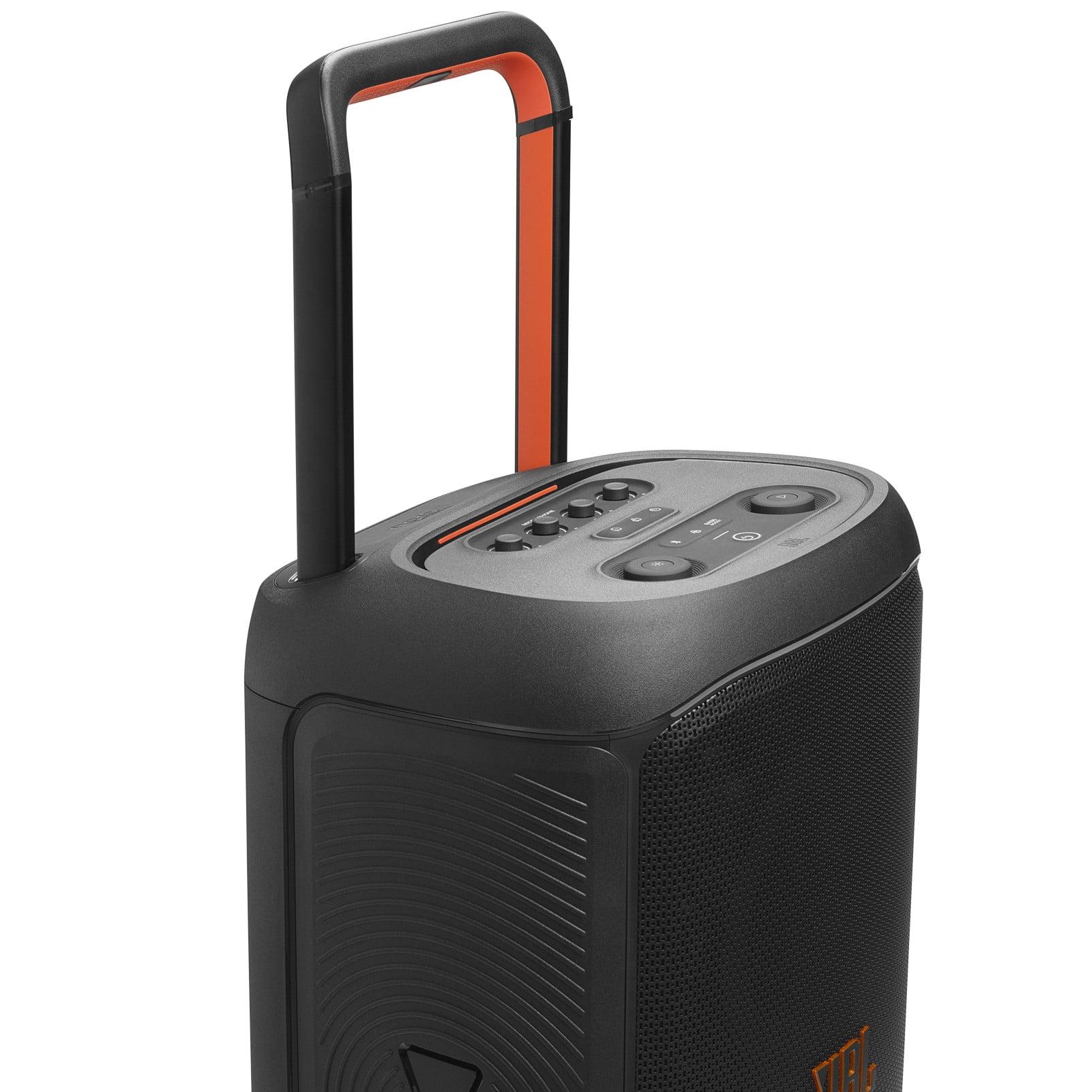
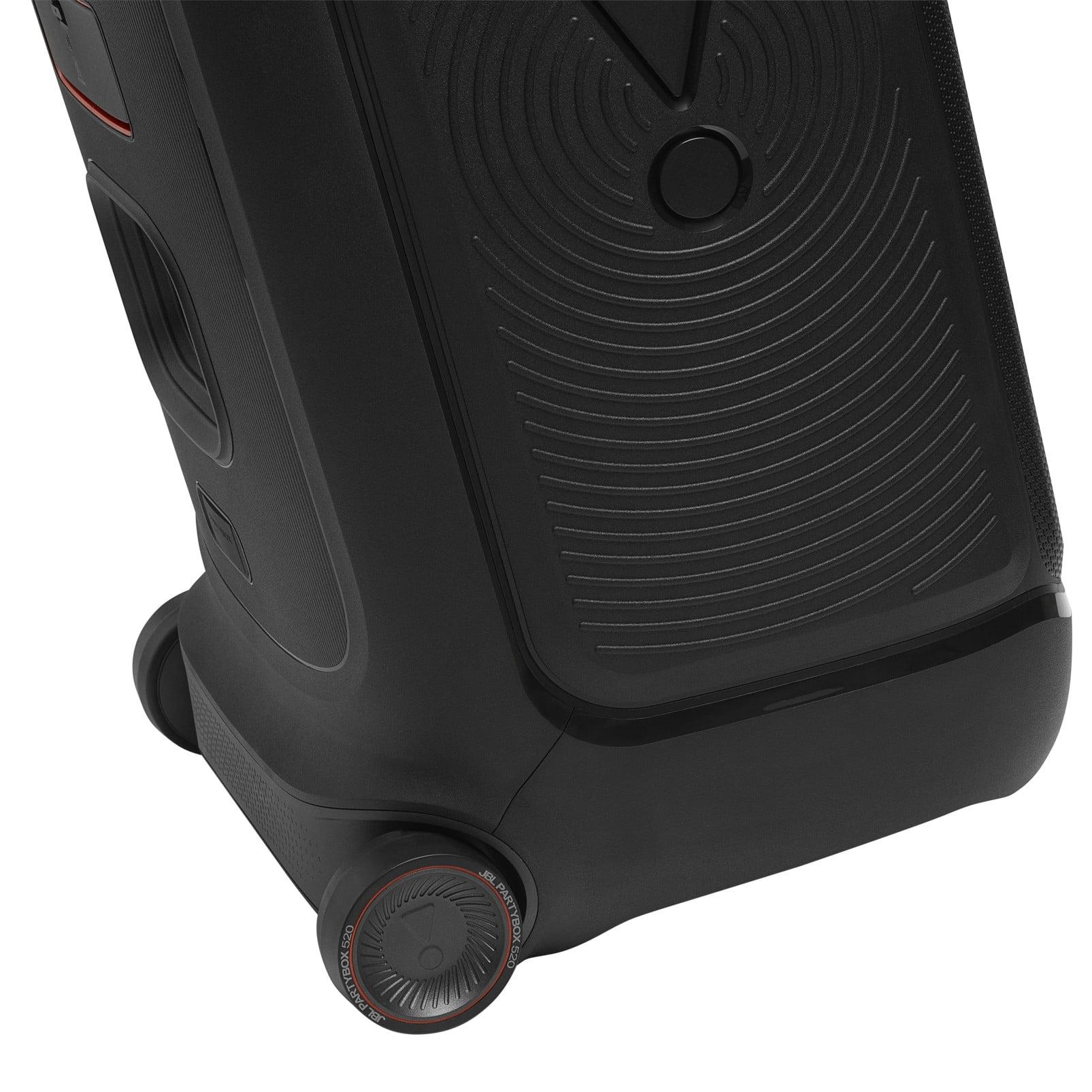
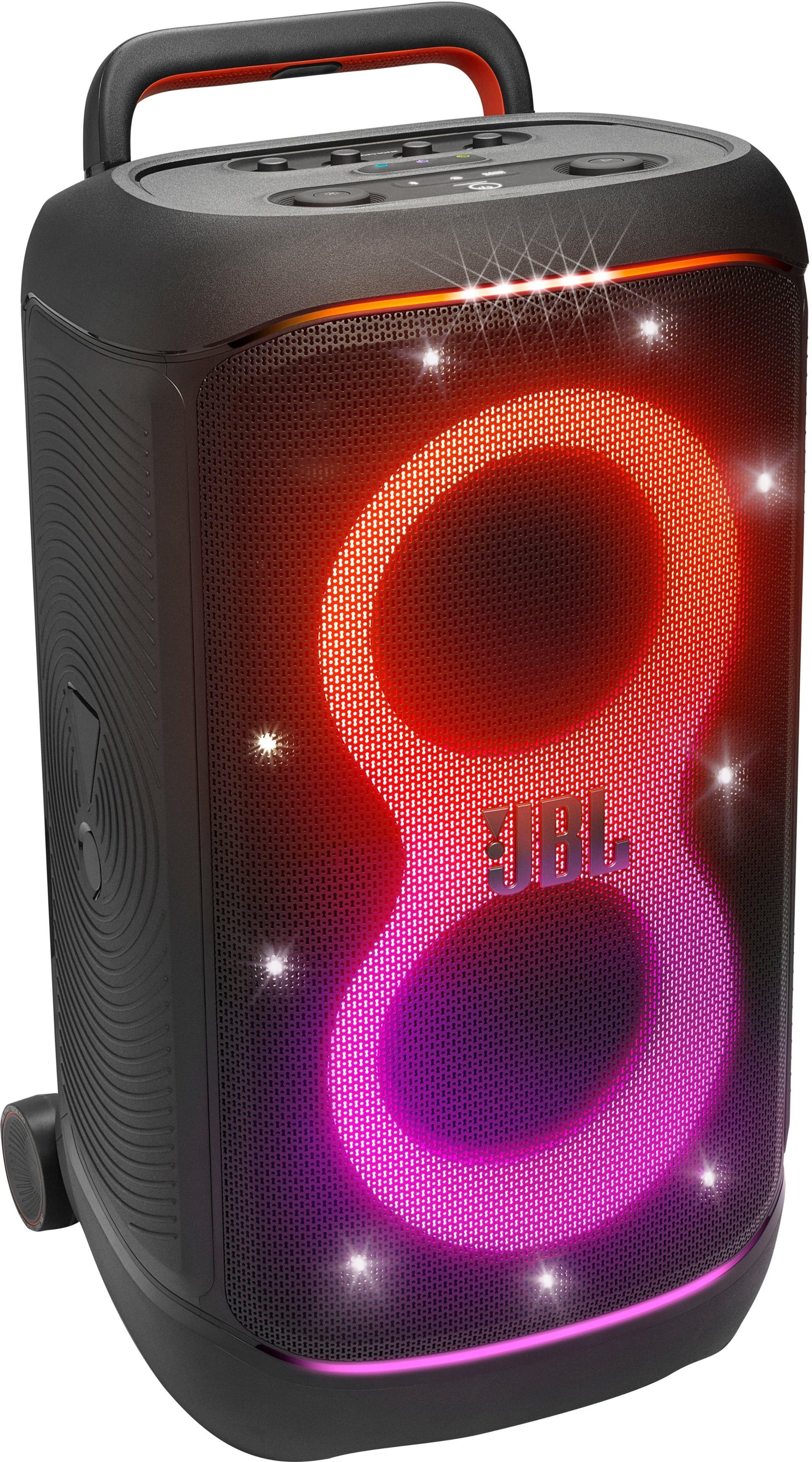
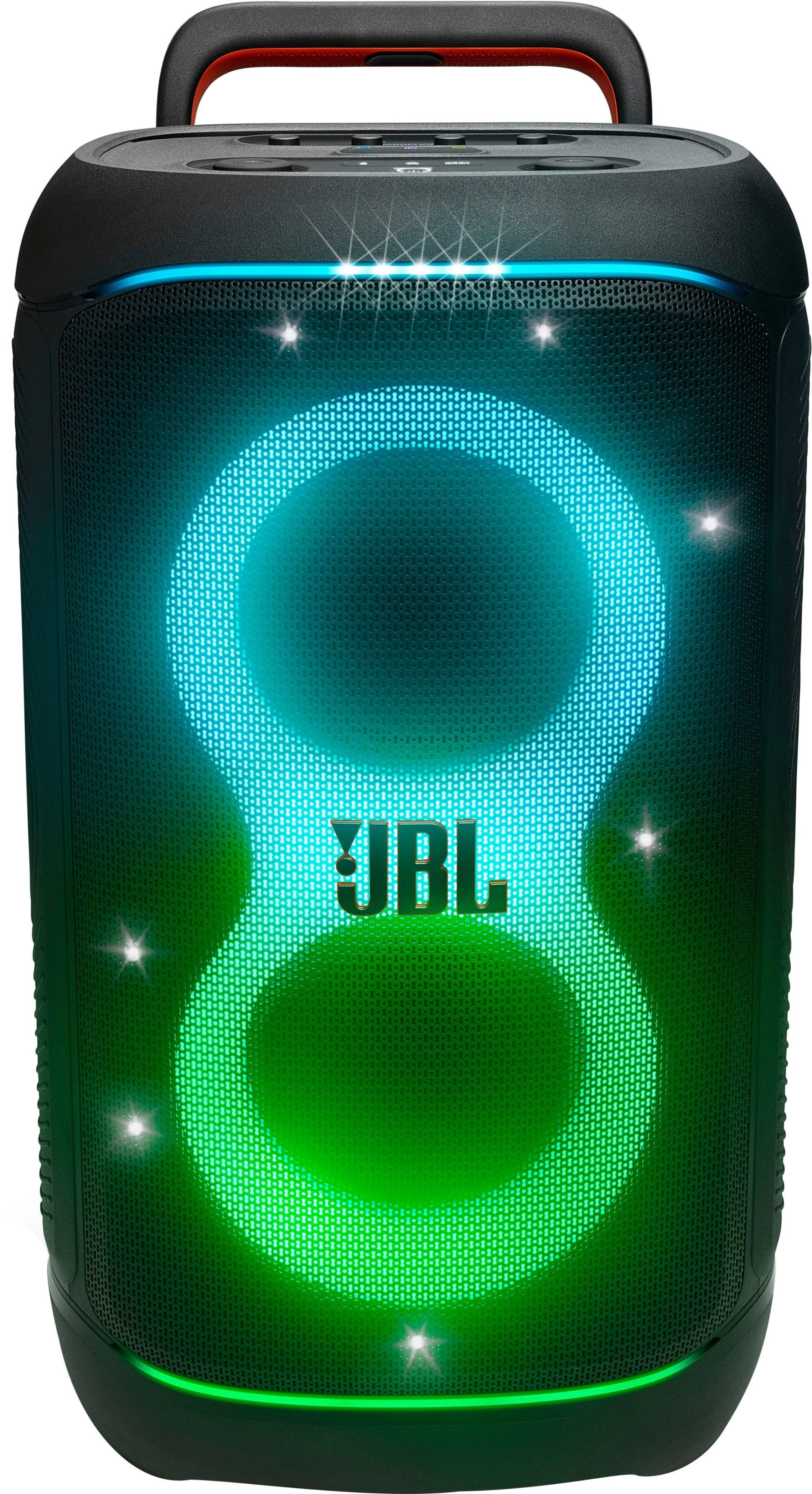
Picture this: you're planning the perfect party, but you're stuck choosing between two very different approaches to big sound. The JBL PartyBox 520 and Sony ULT FIELD 7 both promise to get your guests moving, but they take completely different paths to get there. One's a powerhouse designed to anchor your home entertainment setup, while the other's built to follow you wherever the party goes.
Released in 2024, both speakers represent the latest thinking in portable party audio, but they couldn't be more different in philosophy. Understanding these differences is crucial because picking the wrong one could leave you with buyer's remorse—or worse, a quiet party.
Party speakers aren't just regular speakers turned up loud. They're purpose-built entertainment machines designed around specific priorities that regular speakers often ignore. The most important factor is dynamic range—how well a speaker handles the sudden volume changes between quiet verses and explosive choruses without losing clarity or punching you in the face with distortion.
Bass response matters enormously because it's what gets people moving. But it's not just about how deep the bass goes; it's about how controlled and impactful it feels. A great party speaker delivers bass you can feel in your chest without turning vocals into mush.
Maximum volume capability is obvious but often misunderstood. It's not just about raw decibel output—it's about how clean the speaker sounds when pushed to its limits. Many speakers sound great at moderate volumes but fall apart when you really need them to perform.
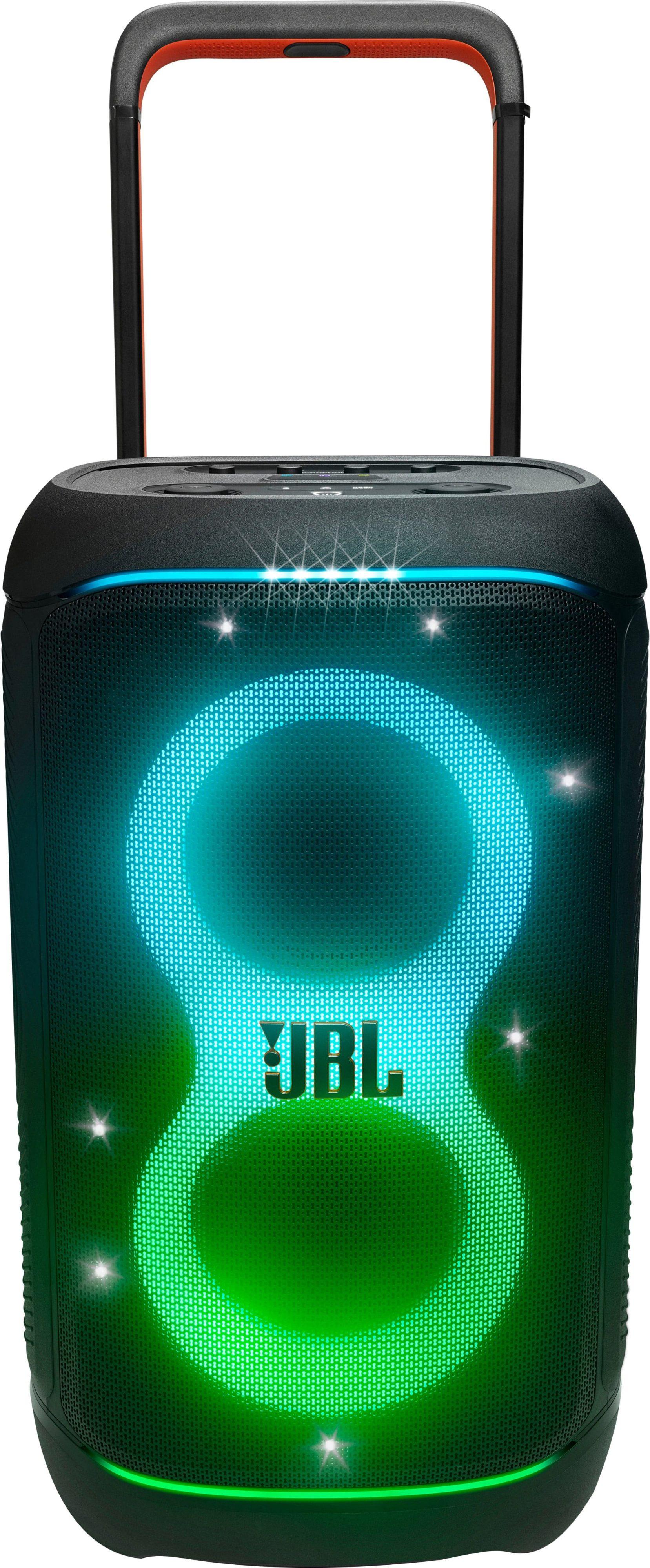
Then there are the party-specific features: lighting effects that sync with music, microphone inputs for karaoke or announcements, and app control that lets you fine-tune everything without walking over to the speaker. These aren't just bells and whistles—they're what separate a party speaker from a really loud bookshelf speaker.
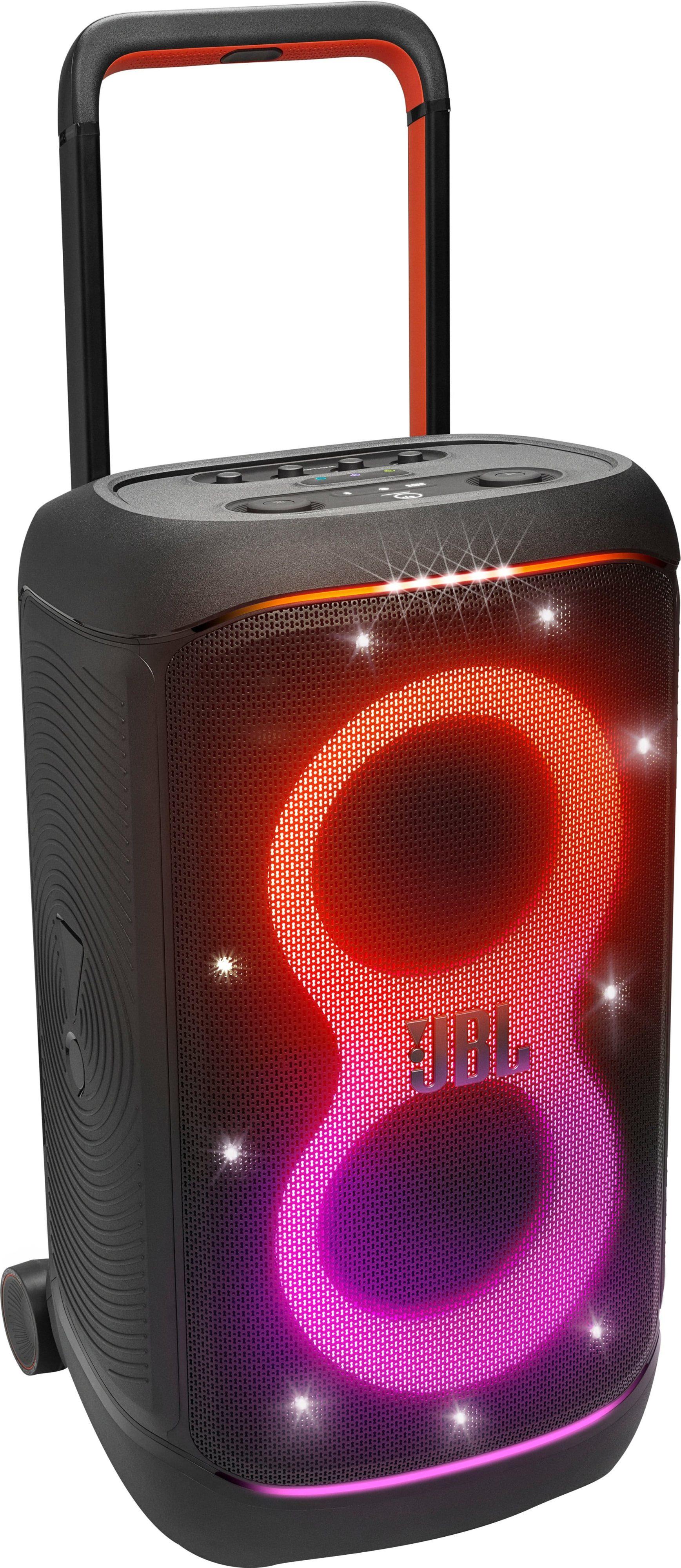
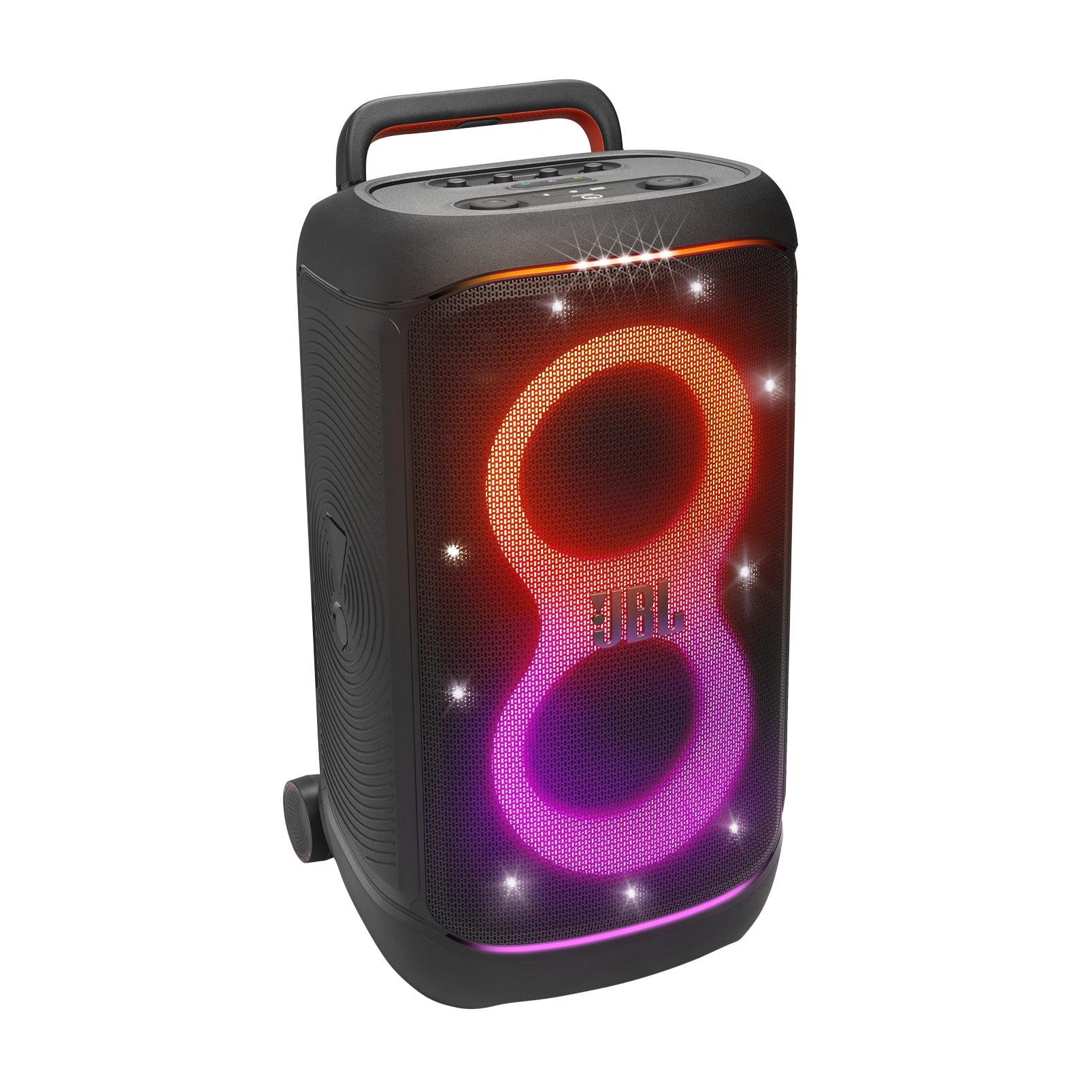
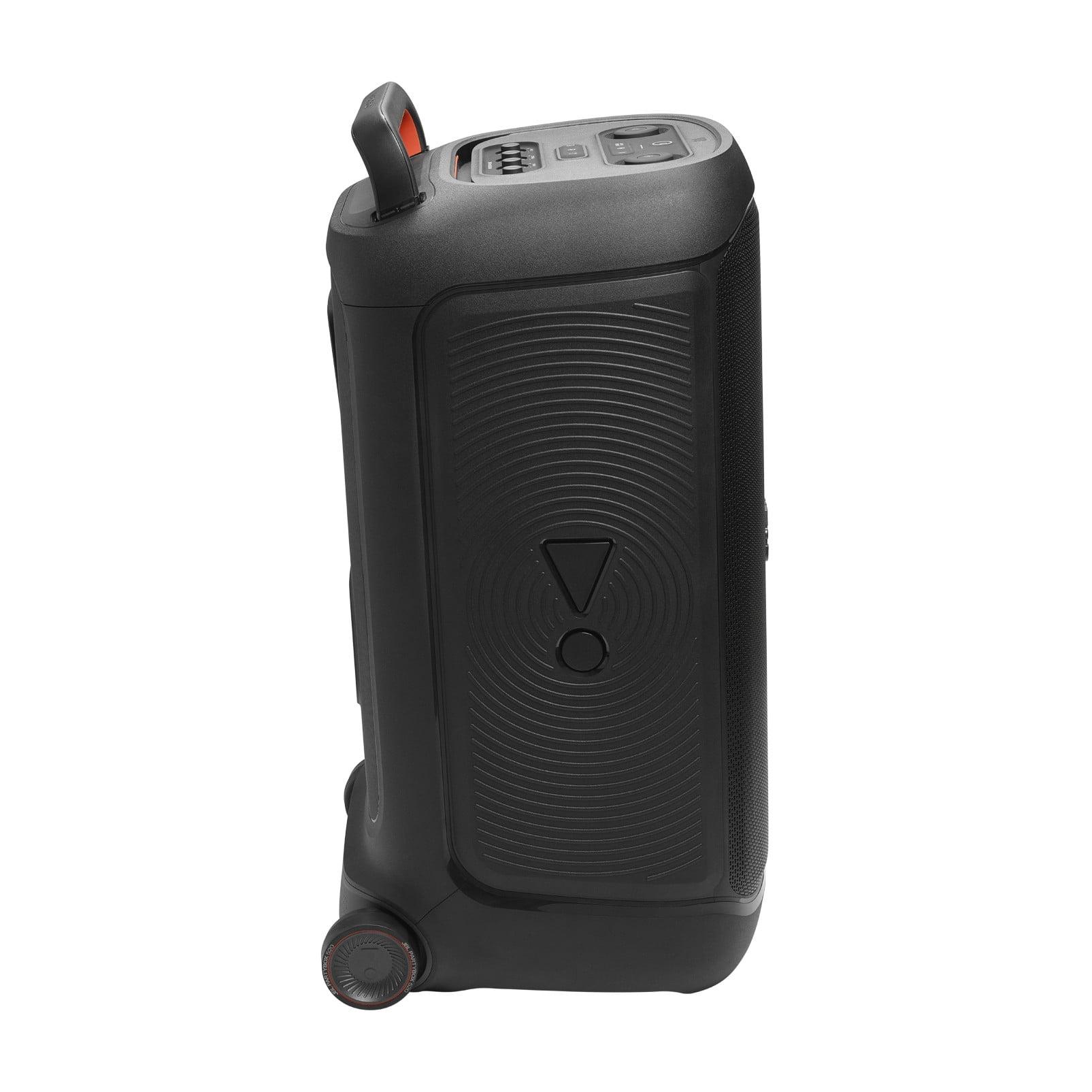
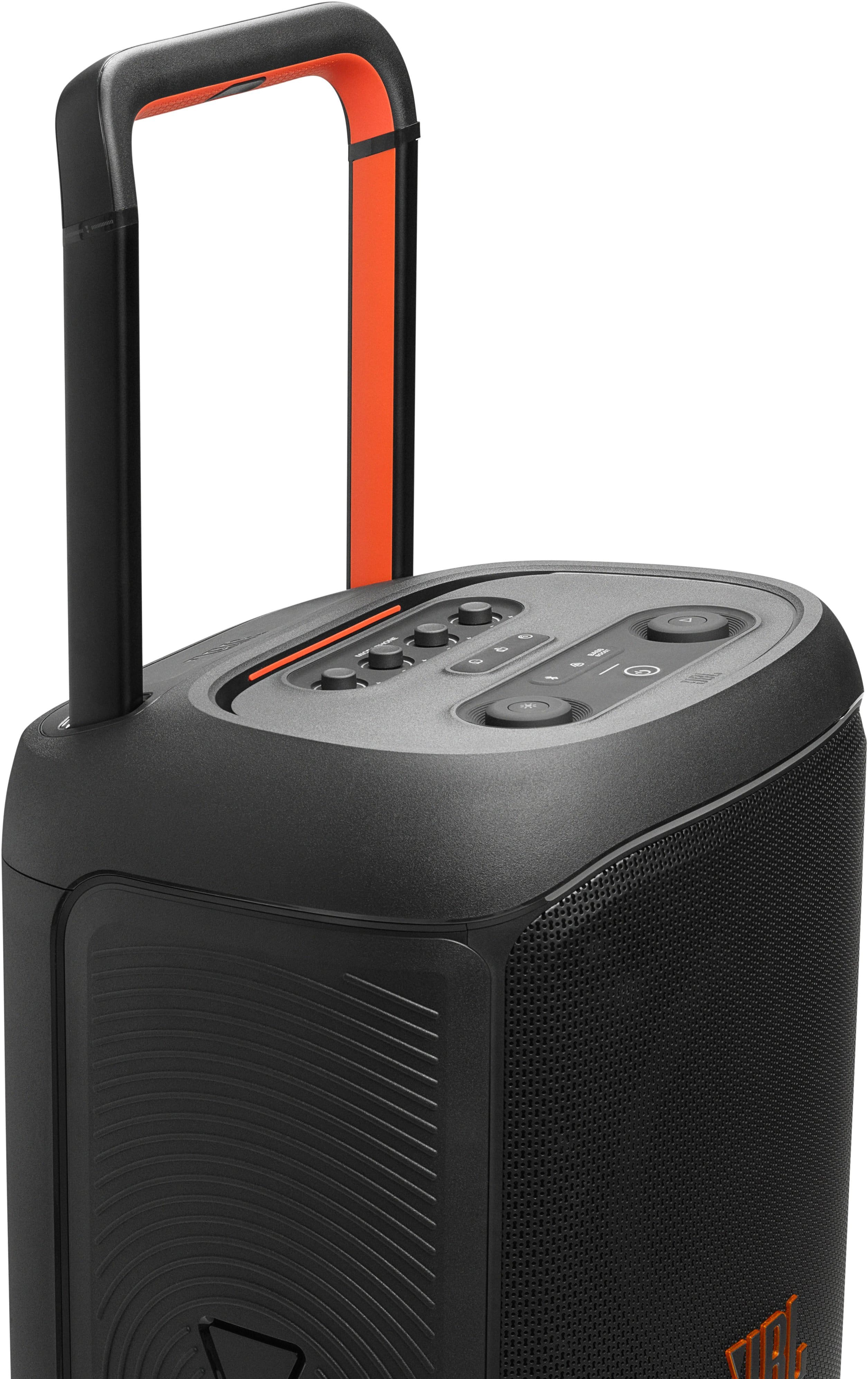
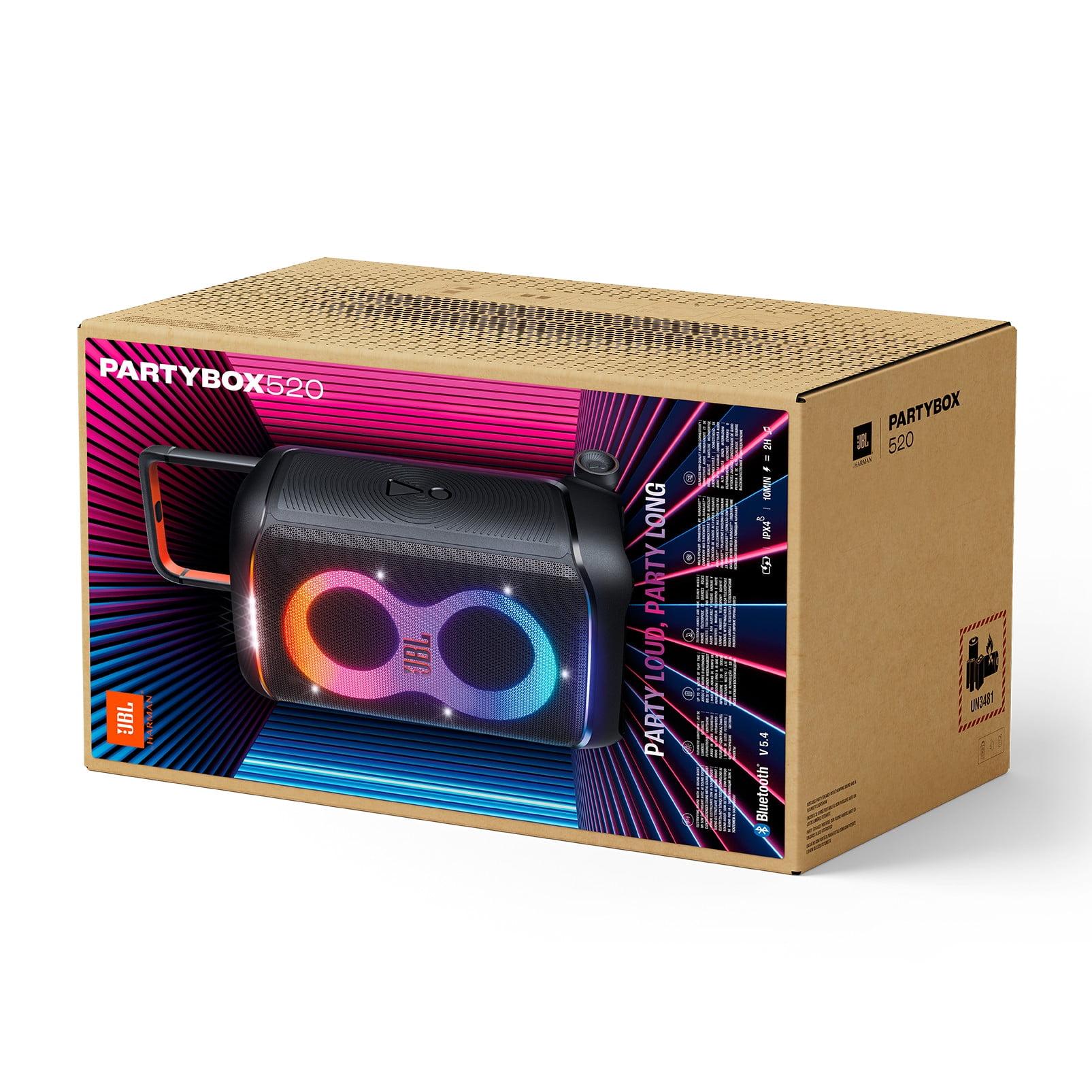
The JBL PartyBox 520, launched in 2024, represents JBL's vision of the ultimate home party centerpiece. At 56 pounds, it's not pretending to be something you'll casually carry to the beach. This is a speaker that finds a spot in your living room, basement, or patio and becomes the anchor of your entertainment setup.
JBL built this around their new AI Sound Boost technology—essentially a smart algorithm that analyzes your music in real-time and adjusts the output to prevent distortion while maximizing impact. Think of it as having a professional audio engineer constantly tweaking your sound, but automated and instantaneous.
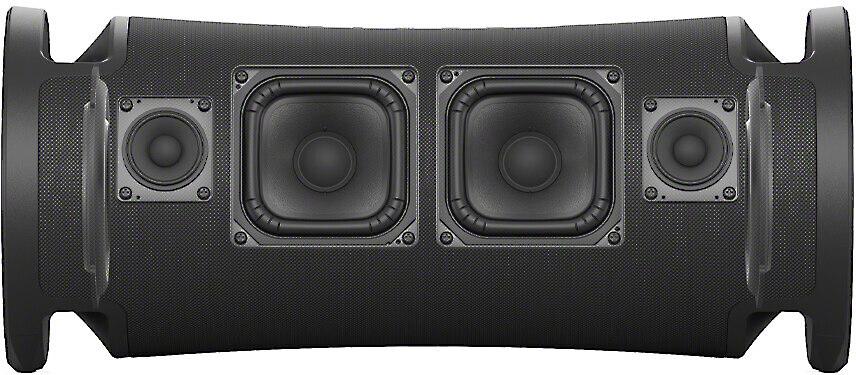
The PartyBox 520 packs 400 watts RMS (Root Mean Square—the actual continuous power, not the inflated peak numbers some companies use) through dual 7.5-inch woofers and dual 1-inch tweeters. This isn't just about getting loud; it's about maintaining clarity and impact across the entire frequency spectrum, from the deepest bass notes to the crispest cymbal crashes.
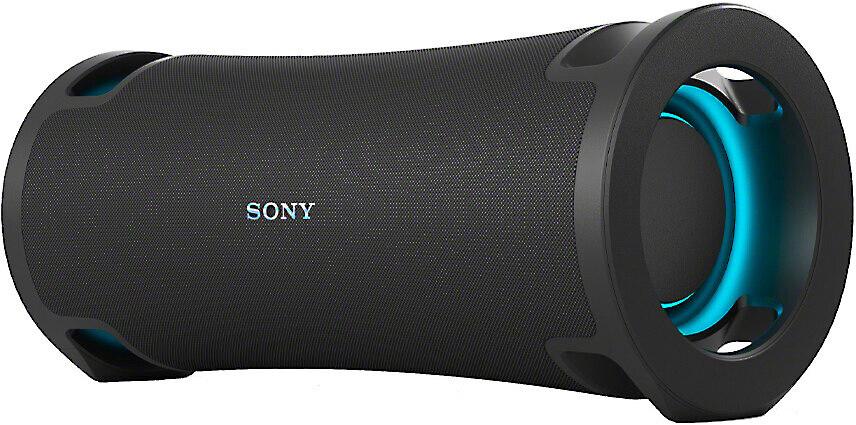
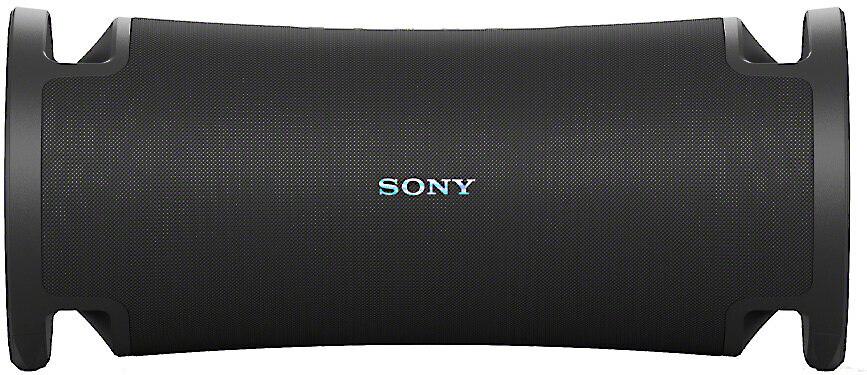
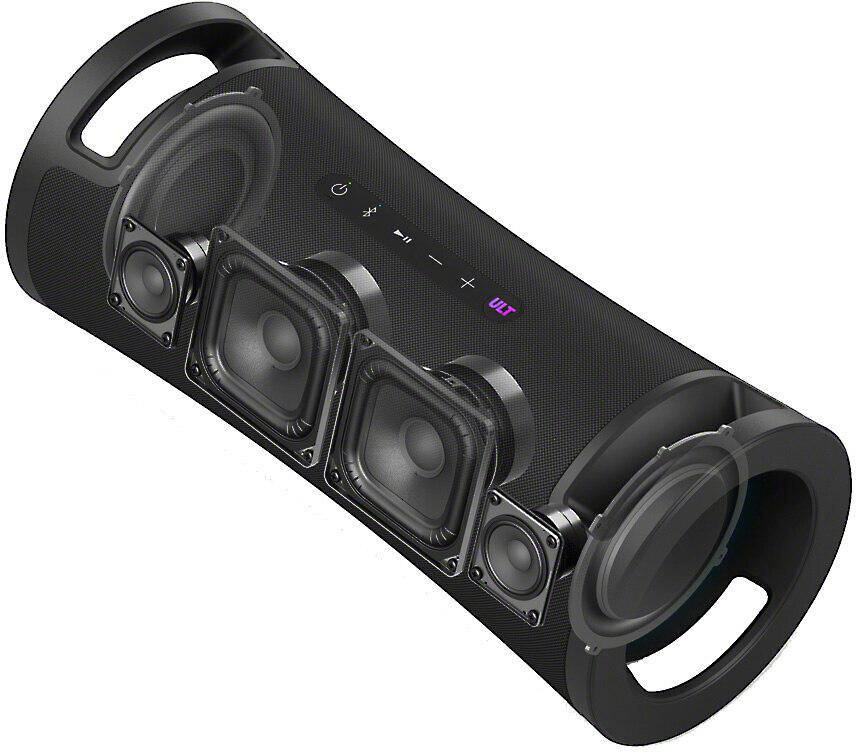
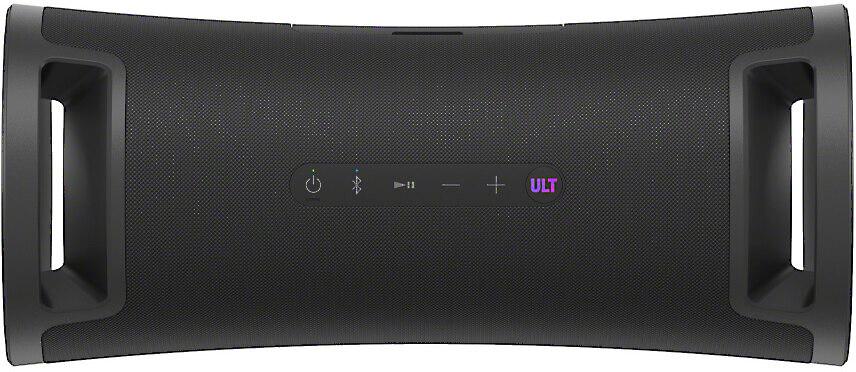
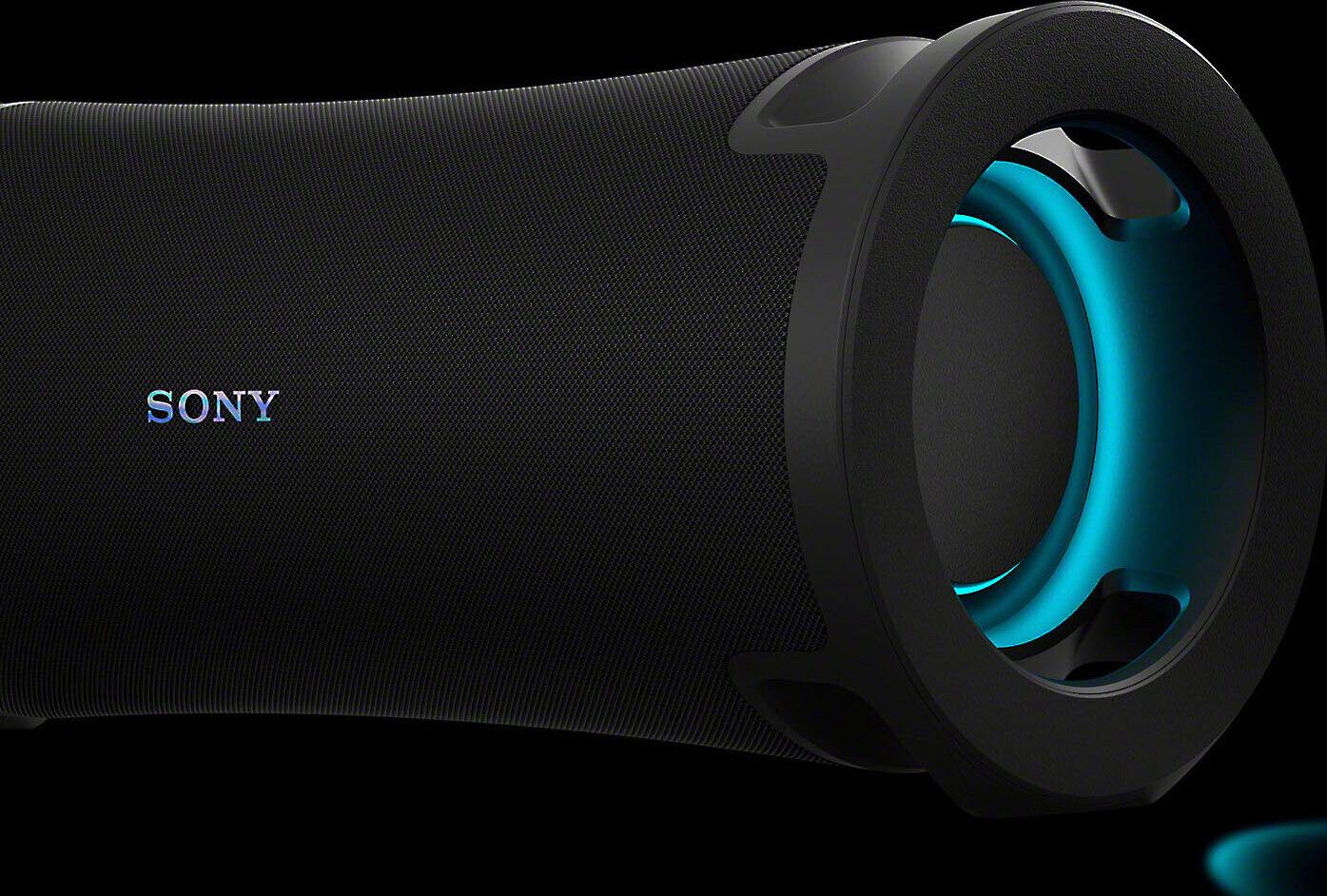
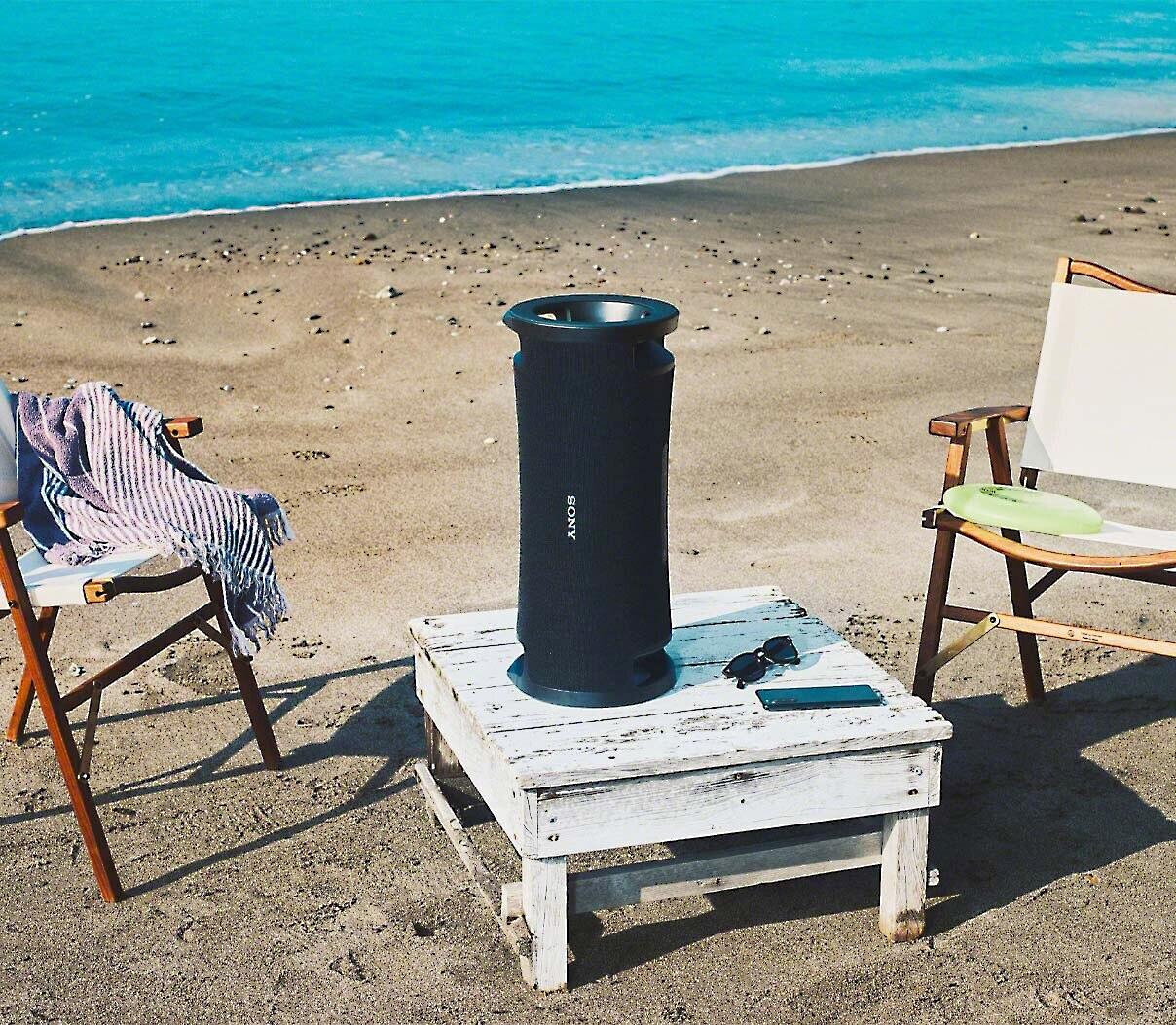
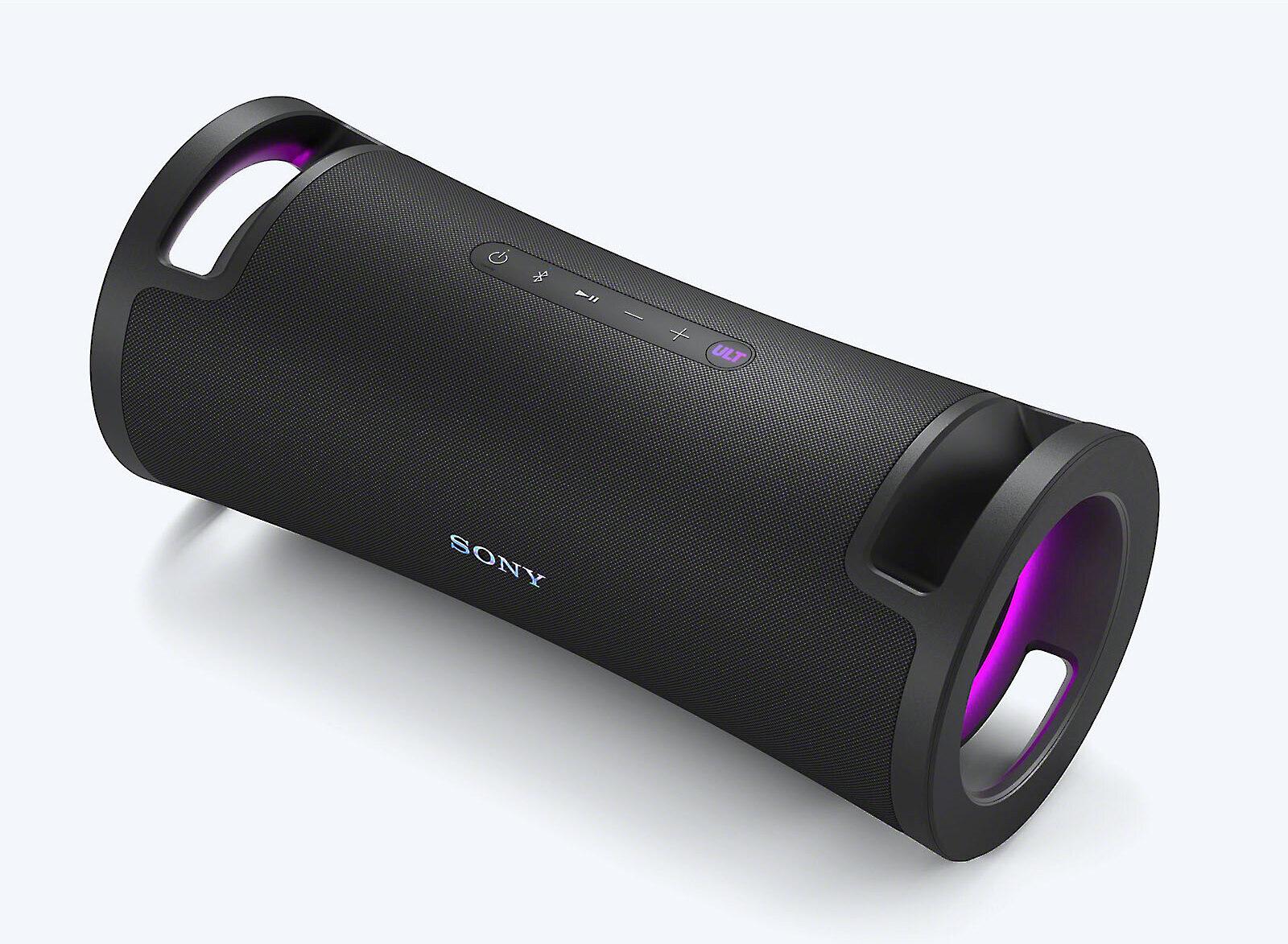
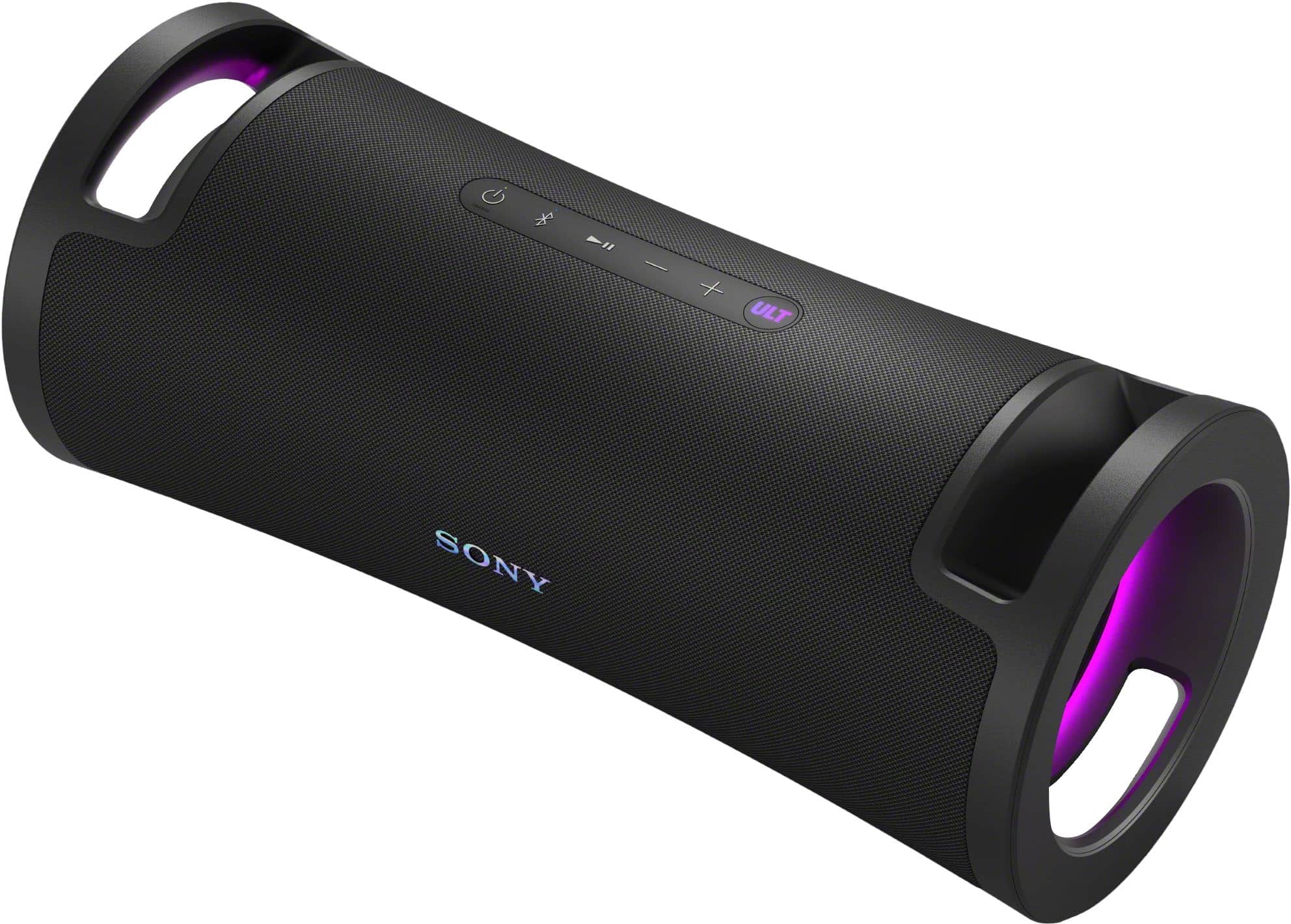
Sony's approach with the ULT FIELD 7, also from 2024, is fundamentally different. At just 14 pounds, it's designed around the idea that great sound should go wherever you do. The "FIELD" in its name isn't marketing speak—it's a promise that this speaker can handle whatever outdoor conditions you throw at it.
The key innovation here is Sony's ULT Power Sound technology, which offers two distinct bass modes. ULT1 adds deep, resonating bass that extends the low-end response, while ULT2 brings what Sony calls "attack bass"—punchy, aggressive low frequencies that cut through ambient noise. It's like having two different subwoofers built into one speaker, selectable based on your music and environment.
Sony also integrated Sound Field Optimization, which uses built-in microphones to analyze ambient noise and adjust the sound profile accordingly. Playing music at a noisy pool party? The speaker automatically compensates. Moved to a quiet indoor setting? It dials back the compensation for more natural sound.
Our research into professional reviews and user feedback reveals a clear distinction in sound philosophy between these speakers. The JBL PartyBox 520 prioritizes frequency response accuracy—audiophile-speak for how faithfully it reproduces the original recording. Professional measurements consistently show the JBL maintaining balanced output across the frequency spectrum, meaning vocals sit naturally in the mix, bass doesn't overpower everything else, and treble details come through without harshness.
This accuracy becomes crucial when you're playing diverse music styles at a party. The PartyBox 520 handles everything from hip-hop's deep bass to rock's complex midrange equally well. The AI Sound Boost technology proves its worth here—as volume increases, it dynamically prevents the bass from overwhelming other frequencies, a common problem with lesser speakers.
The Sony ULT FIELD 7, meanwhile, takes a more colored approach—meaning it intentionally shapes the sound for specific effects. The ULT bass modes aren't trying to be neutral; they're designed to make music more exciting and impactful. User reviews consistently praise how the Sony makes bass-heavy tracks feel more visceral, even if purists might argue it's not "accurate."
In real-world testing scenarios, the Sony's approach often wins for outdoor use. When you're competing with wind, conversation, and ambient noise, perfect accuracy matters less than cutting through the chaos. The ULT modes help music maintain its energy even in challenging acoustic environments.
The power difference between these speakers is substantial—400 watts RMS for the JBL versus approximately 100 watts for the Sony. But raw numbers don't tell the whole story.
The PartyBox 520 can genuinely fill large spaces with authoritative sound. Reviews consistently note its ability to maintain composure even at ear-splitting volumes, with minimal compression or distortion. This makes it capable of serving as the primary audio source for gatherings of 75+ people in spaces up to 300 square meters.
The Sony ULT FIELD 7 takes a more efficient approach. Its lower power output is carefully optimized for its drivers and enclosure design. User reports suggest it can effectively serve groups of 20-40 people in outdoor settings, and its efficiency means that power translates into surprisingly long battery life.
The volume difference becomes most apparent in direct comparisons. The JBL simply gets significantly louder while maintaining clarity—crucial for larger gatherings or when you need to overcome significant ambient noise.
Battery performance reveals another philosophical divide. The JBL PartyBox 520 uses a replaceable battery system—a 99.02 Wh lithium-ion pack that provides up to 15 hours of playback. The genius here is replaceability; you can buy spare batteries and essentially eliminate downtime during extended events.
The Sony ULT FIELD 7 takes the optimization route with up to 30 hours of claimed battery life from its integrated battery. This exceptional endurance comes from careful power management—the speaker automatically adjusts performance based on remaining battery life and usage patterns.
Real-world testing by users suggests the Sony's battery claims hold up well under moderate usage conditions, while the JBL's shorter but swappable approach offers more flexibility for power users who host frequent or extended events.
Weather resistance highlights perhaps the biggest practical difference between these speakers. The PartyBox 520 carries an IPX4 rating—splash-proof protection that handles spills and light rain but isn't designed for submersion or harsh outdoor conditions.
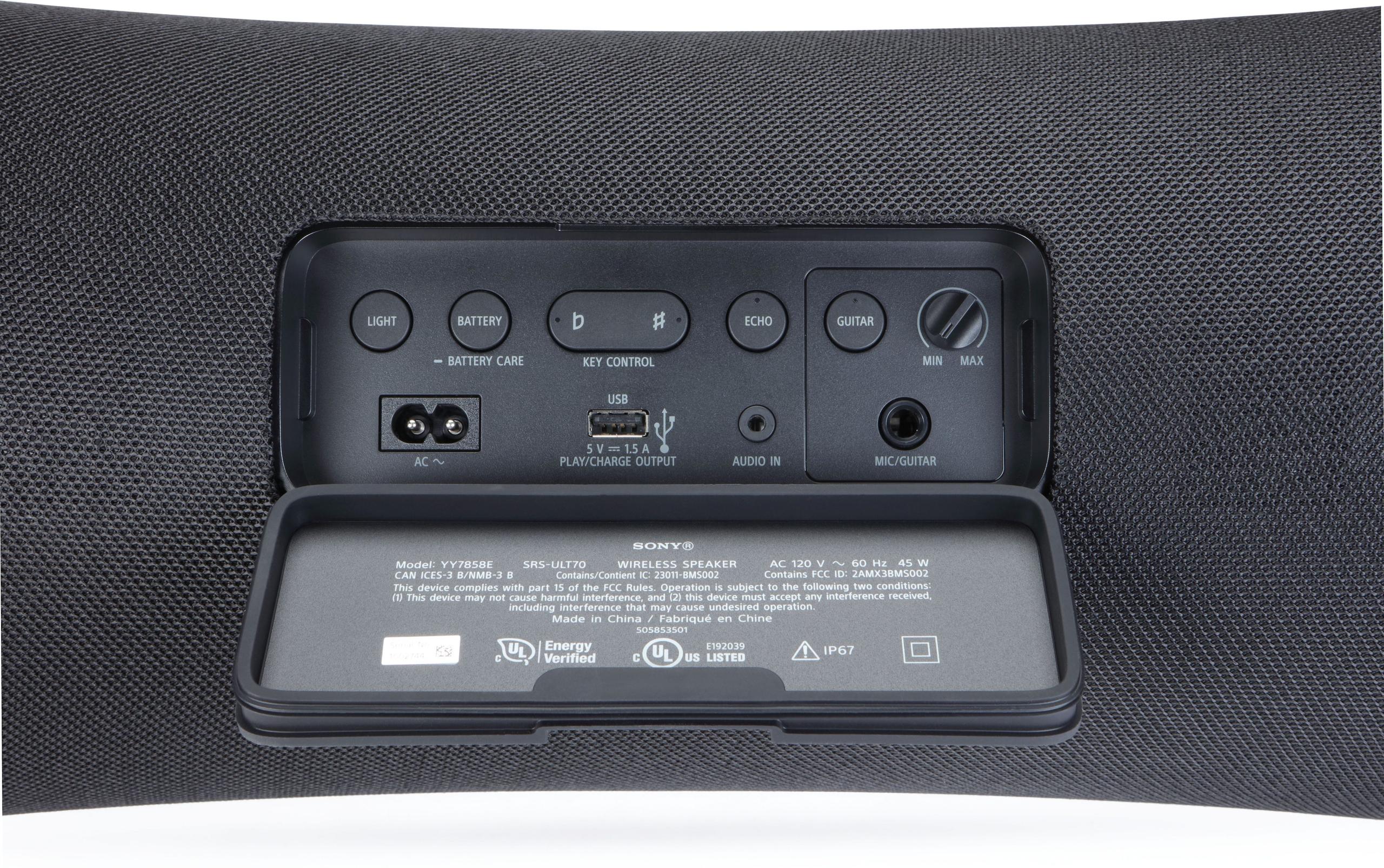
The Sony ULT FIELD 7 boasts IP67 rating—completely dust-tight and submersible up to 1 meter for 30 minutes. This isn't just marketing; it represents genuinely different use case scenarios. The Sony can handle pool parties, beach trips, and camping adventures that would be risky for the JBL.
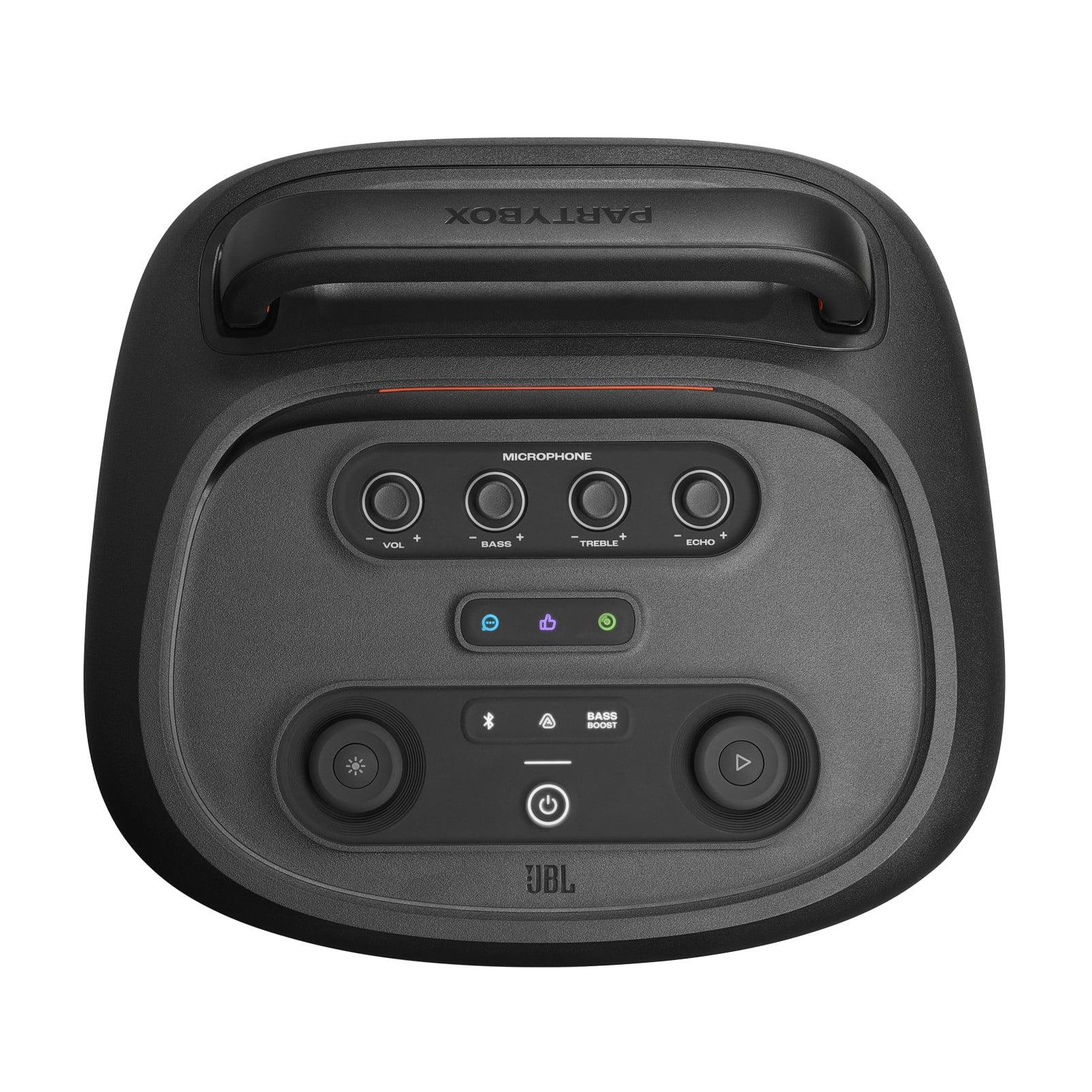
The JBL PartyBox 520 offers notably more professional connectivity options. Its dual XLR/combo inputs accept both microphones and instruments directly, with independent volume and EQ controls. This makes it genuinely suitable for small venue use, live performances, or serious karaoke setups.
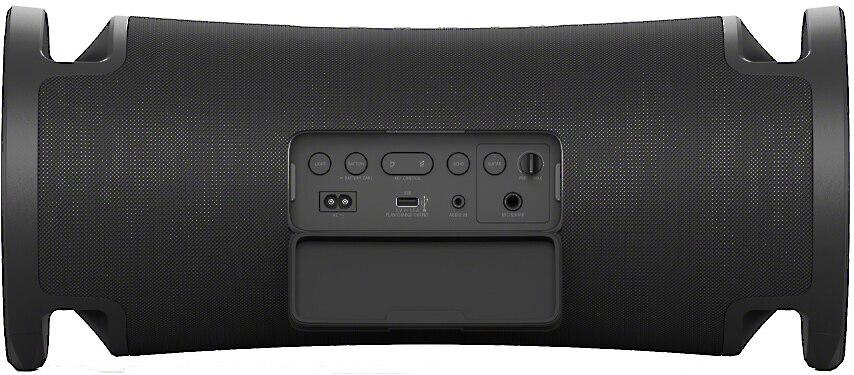
The Sony ULT FIELD 7 simplifies with a single 6.35mm microphone input but adds consumer-friendly features like built-in echo effects and pitch adjustment—perfect for casual karaoke without additional equipment.
Both support modern Bluetooth codecs, but the Sony's inclusion of LDAC—Sony's proprietary high-resolution audio codec—gives it an edge for Android users with compatible devices. LDAC can transmit nearly three times more data than standard Bluetooth audio, resulting in noticeably better wireless sound quality when streaming from compatible sources.
The JBL PartyBox 520 pairs with JBL's comprehensive control app, offering a 7-band graphic equalizer and extensive lighting customization. For audio enthusiasts who enjoy tweaking their sound, this level of control is invaluable.
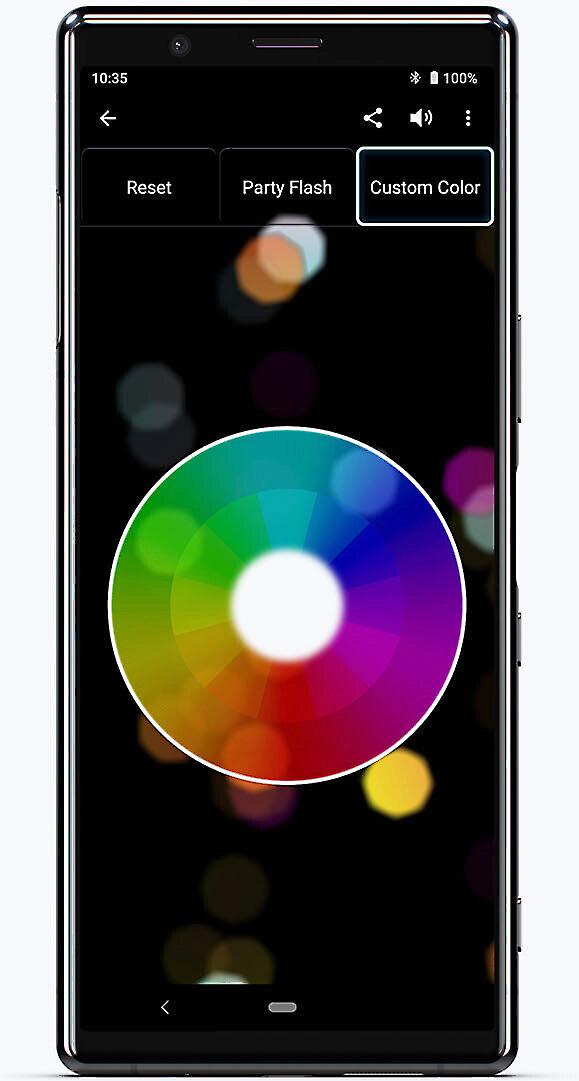
The Sony ULT FIELD 7 uses Sony's Music Center app, which focuses more on simplicity and automation. The Sound Field Optimization happens automatically, requiring less user intervention but offering fewer manual controls.
At the time of writing, these speakers occupy very different price tiers, with the JBL PartyBox 520 commanding a significantly higher price—nearly double the Sony ULT FIELD 7. This price difference reflects their different target markets and capabilities.
The JBL's premium pricing makes sense when you consider its power output, audio quality, and professional features. For someone hosting regular indoor parties or events where audio quality is paramount, the higher investment pays off in performance and flexibility.
The Sony represents exceptional value in the portable party speaker category. Its combination of true portability, weather resistance, and impressive battery life delivers capabilities that speakers costing twice as much often can't match.
Neither speaker is designed primarily for home theater use, but both can serve in this role with caveats. The PartyBox 520 has enough power and clarity to serve as the primary speakers for a casual home theater setup, especially in smaller rooms. Its multiple inputs allow for direct connection to TV audio outputs.
However, both speakers have higher latency than dedicated home theater speakers—the delay between video and audio that becomes noticeable when watching movies. This is more problematic with Bluetooth connections; wired connections reduce but don't eliminate this issue.
For occasional movie nights during parties, both work fine. For dedicated home theater use, traditional speaker systems remain the better choice.
The JBL PartyBox 520 earns our recommendation for anyone prioritizing audio quality and maximum impact over portability. Its AI Sound Boost technology genuinely improves the listening experience, and its professional connectivity options provide flexibility that serious entertainers will appreciate. The replaceable battery system is brilliant for power users, even if the speaker itself isn't something you'll want to move frequently.
Choose the JBL if you host indoor parties regularly, have a dedicated entertainment space, or need professional-level audio performance. The premium price pays for genuinely premium performance.
The Sony ULT FIELD 7 gets the nod for everyone else. Its combination of portability, weather resistance, and impressive battery life creates usage opportunities that the JBL simply can't match. The ULT bass modes make music more engaging, even if they sacrifice some accuracy for impact.
Choose the Sony if you want one speaker that can handle pool parties, camping trips, backyard barbecues, and indoor gatherings equally well. Its versatility and value proposition are hard to beat.
Both the JBL PartyBox 520 and Sony ULT FIELD 7 succeed brilliantly at their intended purposes. The JBL is the better speaker in pure audio terms, while the Sony is the better product for most people's actual usage patterns.
The key is honestly assessing how you'll actually use the speaker. If it's going to live in your living room and occasionally move to the patio, the JBL's superior performance justifies its higher cost and weight. If you want a speaker that can adapt to whatever adventure comes up, the Sony's compromises in absolute performance are easily offset by its versatility and value.
Either choice will transform your parties—they're just optimized for different kinds of fun.
| JBL PartyBox 520 | Sony ULT FIELD 7 |
|---|---|
| Power Output - Determines maximum volume and bass impact | |
| 400W RMS (fills large spaces, 75+ people) | ~100W impulse (optimized for 20-40 people) |
| Weight and Portability - Critical for transport frequency | |
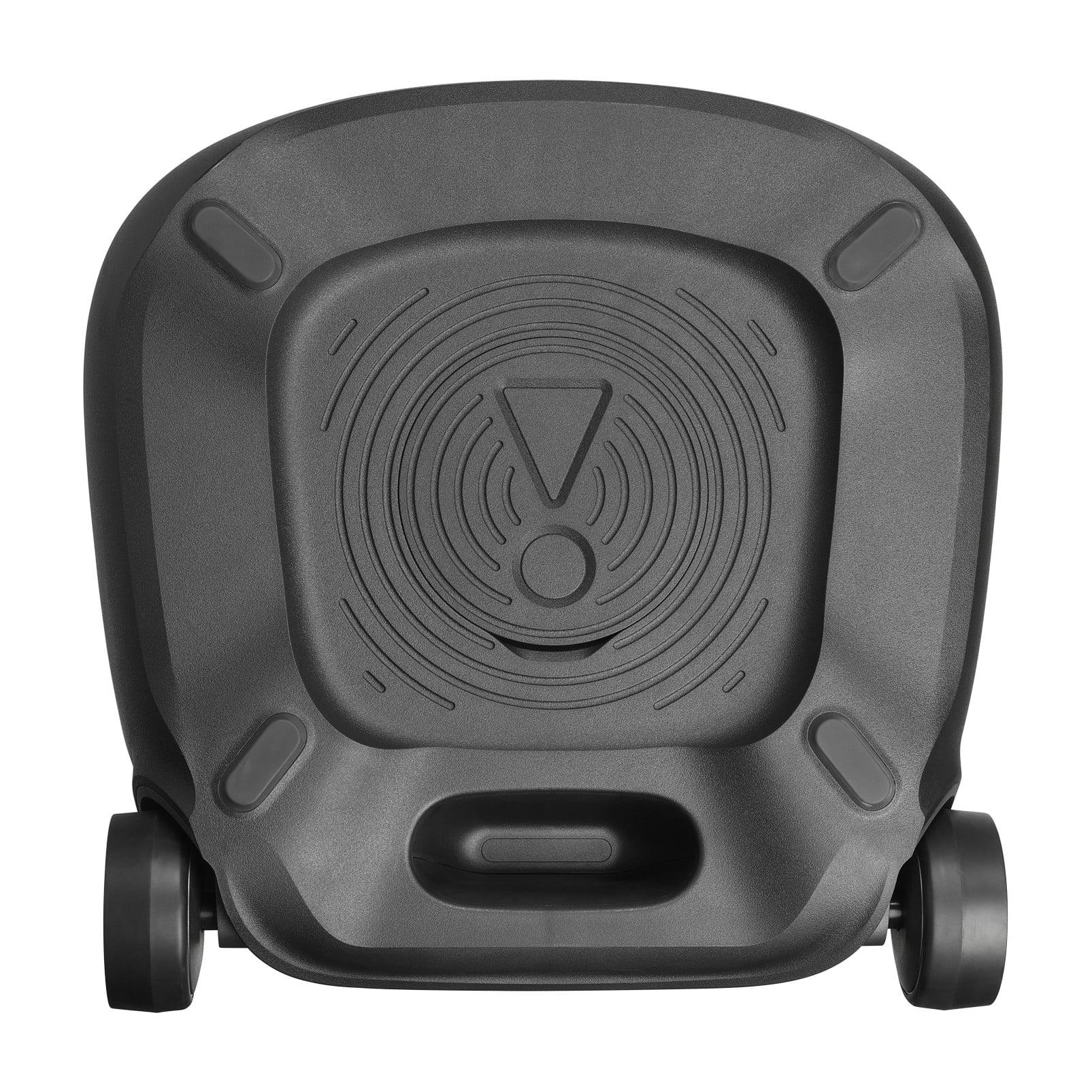
| 56.2 lbs with wheels and handle (occasional moving only) | 13.9 lbs with carry handles (true portability) |
| Weather Resistance - Essential for outdoor use | |
| IPX4 splash-proof (light rain and spills) | IP67 fully submersible (pools, beaches, camping) |
| Battery Life - Runtime for extended events | |
| Up to 15 hours with replaceable battery system | Up to 30 hours with integrated battery |
| Audio Quality Approach - Sound signature and accuracy | |
| AI Sound Boost with frequency response accuracy | ULT bass modes prioritize impact over neutrality |
| Connectivity Options - Input flexibility for different uses | |
| 2x XLR/combo, USB-C, AUX, Bluetooth 5.4 | 1x 6.35mm mic, USB-A, 3.5mm, Bluetooth 5.2 with LDAC |
| Microphone Features - Karaoke and announcement capability | |
| Professional dual inputs with independent controls | Single input with built-in echo and pitch effects |
| App Control and EQ - Sound customization options | |
| 7-band graphic EQ with extensive lighting control | Simplified controls with automatic Sound Field Optimization |
| Multi-Speaker Pairing - Expanding your sound system | |
| Auracast™ enabled for linking multiple JBL speakers | Party Connect with other compatible Sony speakers |
| Best Use Scenario - Where each speaker excels | |
| Indoor parties, home entertainment, stationary setups | Outdoor events, travel, weather-exposed gatherings |
The Sony ULT FIELD 7 is significantly better for outdoor parties due to its IP67 waterproof rating, lightweight 14-pound design, and 30-hour battery life. The JBL PartyBox 520 is only splash-resistant (IPX4) and weighs 56 pounds, making it impractical for true outdoor use.
The JBL PartyBox 520 gets much louder with its 400W RMS output compared to the Sony ULT FIELD 7's 100W. The JBL can fill spaces for 75+ people while the Sony works best for gatherings of 20-40 people.
The JBL PartyBox 520 offers superior overall sound quality with more accurate frequency response and AI Sound Boost technology that prevents distortion at high volumes. The Sony ULT FIELD 7 focuses more on bass impact with its ULT modes rather than neutral accuracy.
The Sony ULT FIELD 7 is far more portable at 14 pounds with integrated carry handles versus the JBL PartyBox 520's 56-pound weight that requires wheels and a telescopic handle for movement.
The Sony ULT FIELD 7 offers up to 30 hours of battery life, double the JBL PartyBox 520's 15 hours. However, the JBL features a replaceable battery system for continuous operation with spare batteries.
The JBL PartyBox 520 is better for serious karaoke with dual XLR microphone inputs and professional-level controls. The Sony ULT FIELD 7 offers simpler karaoke features with built-in echo effects but only one microphone input.
The Sony ULT FIELD 7 provides better value for most users, offering excellent portability, weather resistance, and long battery life at nearly half the cost of the JBL PartyBox 520.
The JBL PartyBox 520 excels for home use with superior audio quality, extensive app controls, and professional connectivity options. Its stationary design works well as a permanent entertainment centerpiece.
Neither speaker is ideal for home theater due to higher latency than dedicated systems. However, the JBL PartyBox 520 can serve casual home theater needs better with its superior power and multiple input options compared to the Sony ULT FIELD 7.
The JBL PartyBox 520 delivers more powerful, accurate bass with physical impact, while the Sony ULT FIELD 7 offers customizable bass enhancement through its ULT1 and ULT2 modes that prioritize punch over accuracy.
The Sony ULT FIELD 7 is significantly more weatherproof with IP67 rating allowing full submersion, compared to the JBL PartyBox 520's basic IPX4 splash-resistance that only protects against light rain and spills.
Choose the JBL PartyBox 520 if you prioritize maximum audio quality, power, and professional features for indoor home entertainment. Choose the Sony ULT FIELD 7 if you need portability, weather resistance, and versatility for outdoor adventures at a lower cost.
We've done our best to create useful and informative comparisons to help you decide what product to buy. Our research uses advanced automated methods to create this comparison and perfection is not possible - please contact us for corrections or questions. These are the sites we've researched in the creation of this article: soundguys.com - rtings.com - rtings.com - rtings.com - letemsvetemapplem.eu - youtube.com - worldwidestereo.com - youtube.com - global.jbl.com - youtube.com - soundguys.com - youtube.com - youtube.com - comparisontabl.es - youtube.com - youtube.com - youtube.com - gzhls.at - sweetwater.com - static.pcrichard.com - brandsmartusa.com - news.harman.com - jbl.com - ro.harmanaudio.com - jbl.com - creativeaudio.net - rtings.com - hifipicks.com - thesonyshop.ca - techradar.com - rtings.com - sony-africa.com - videoandaudiocenter.com - sony.com - youtube.com - johnlewis.com

Privacy Policy
Terms and Conditions - Affiliate Policy
Home Security
© Copyright 2008-2026.
11816 Inwood Rd #1211, Dallas, TX 75244