

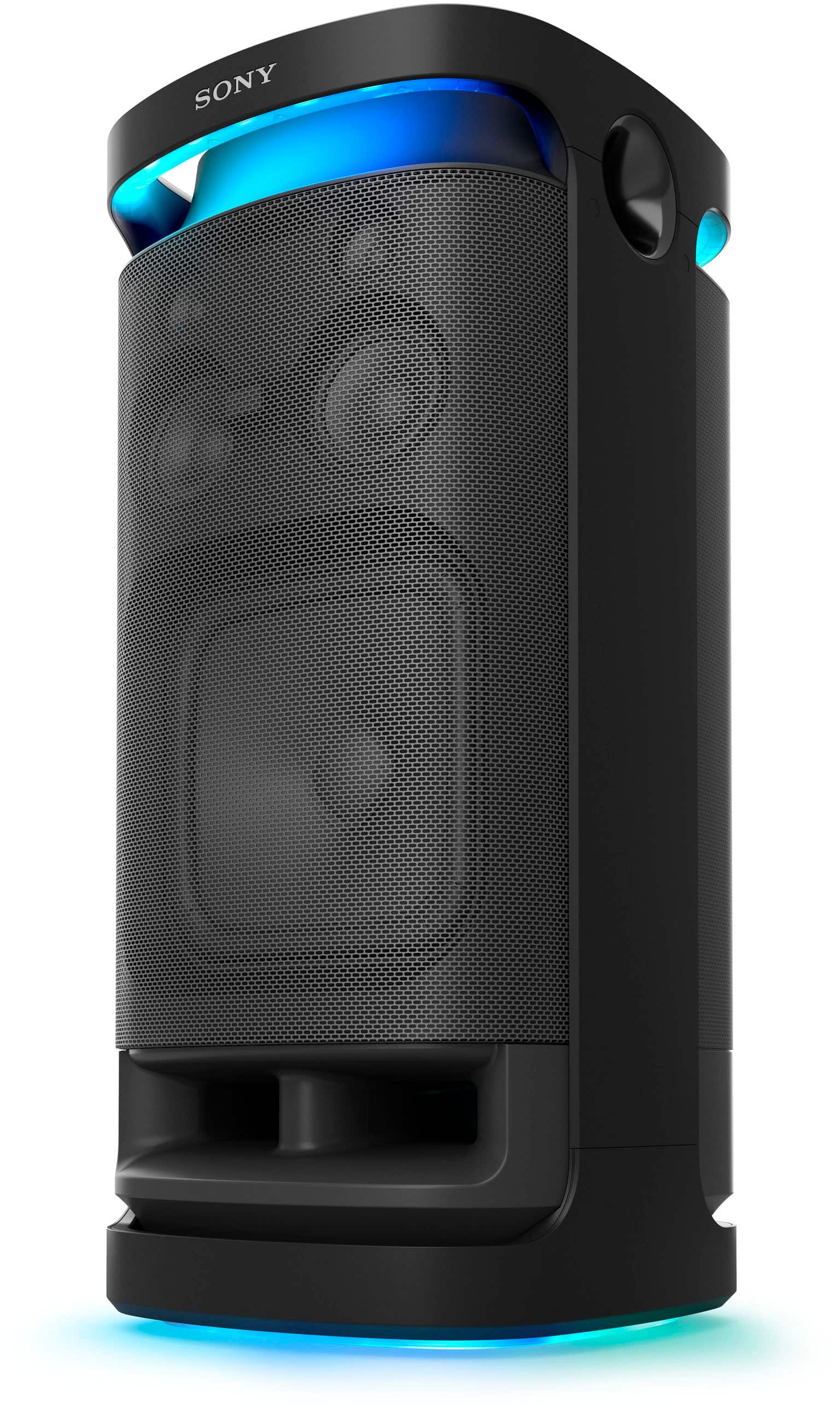
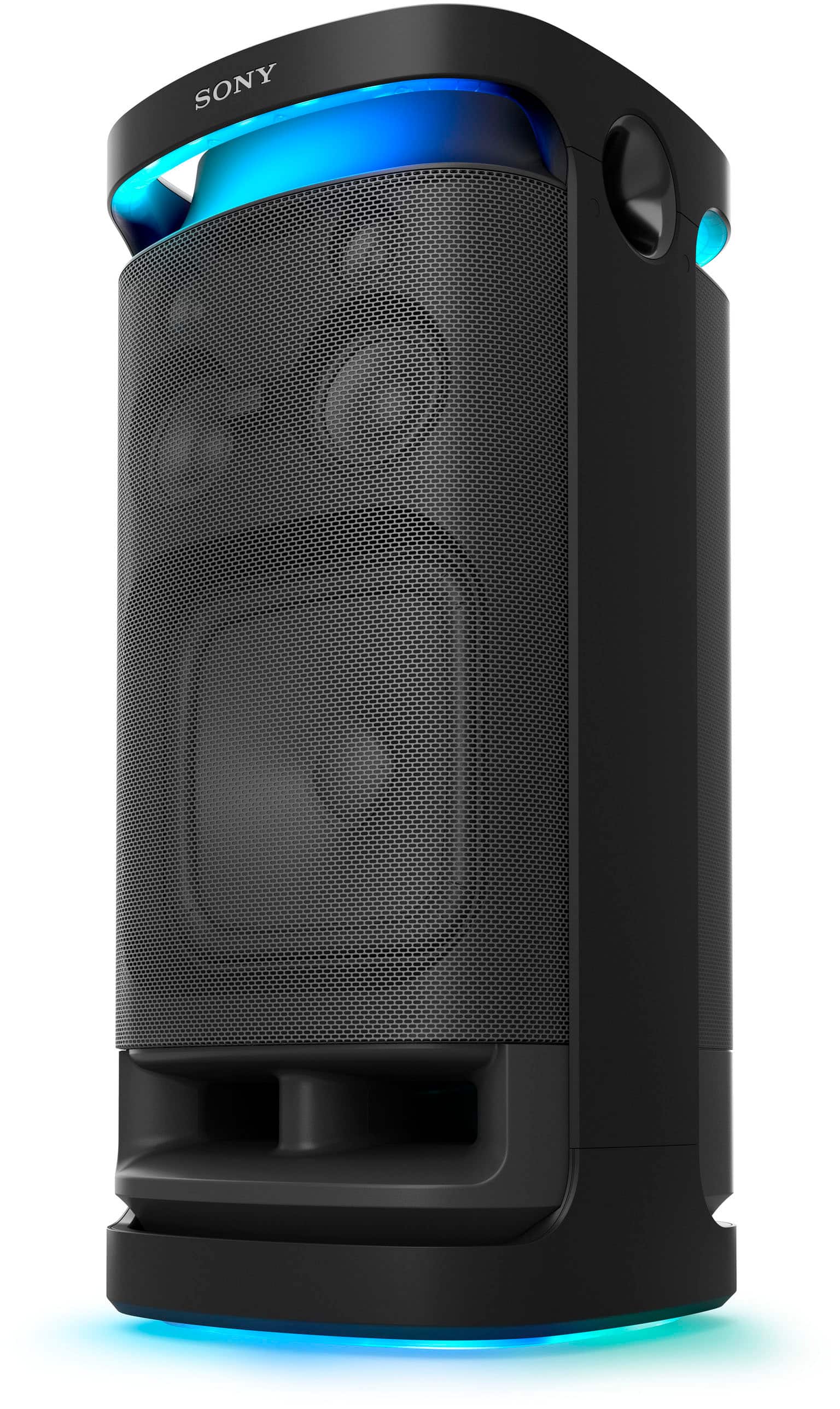
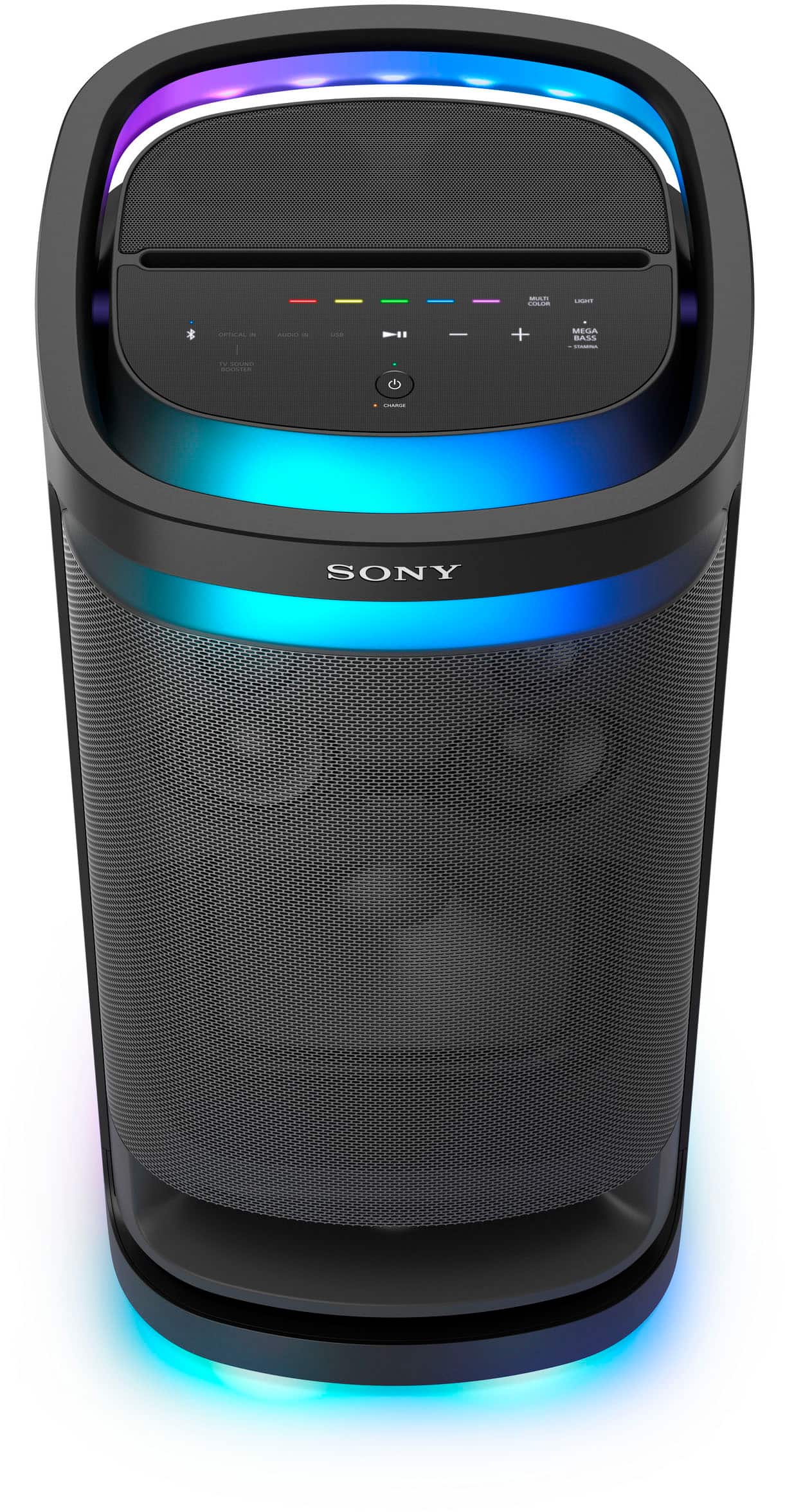
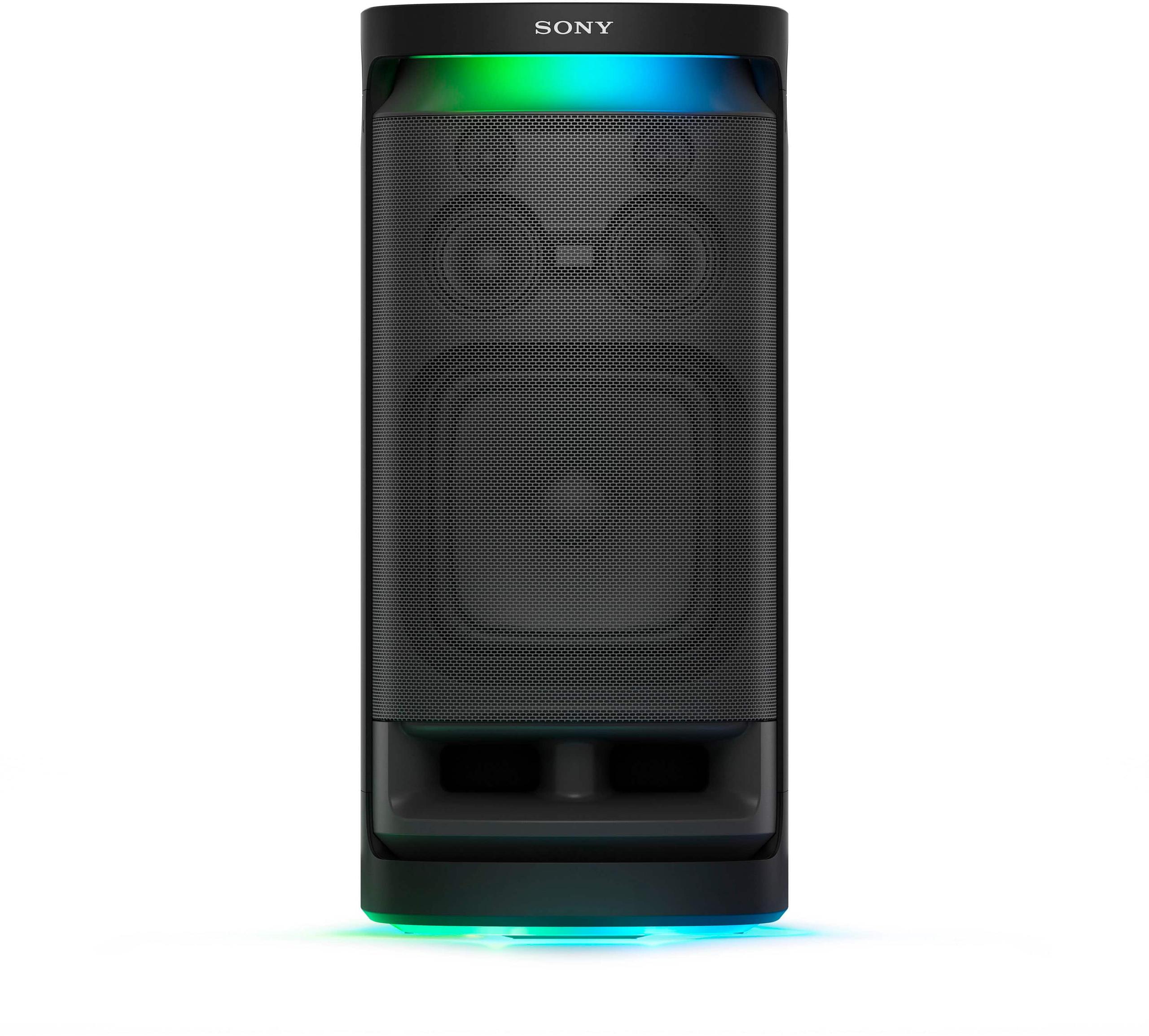
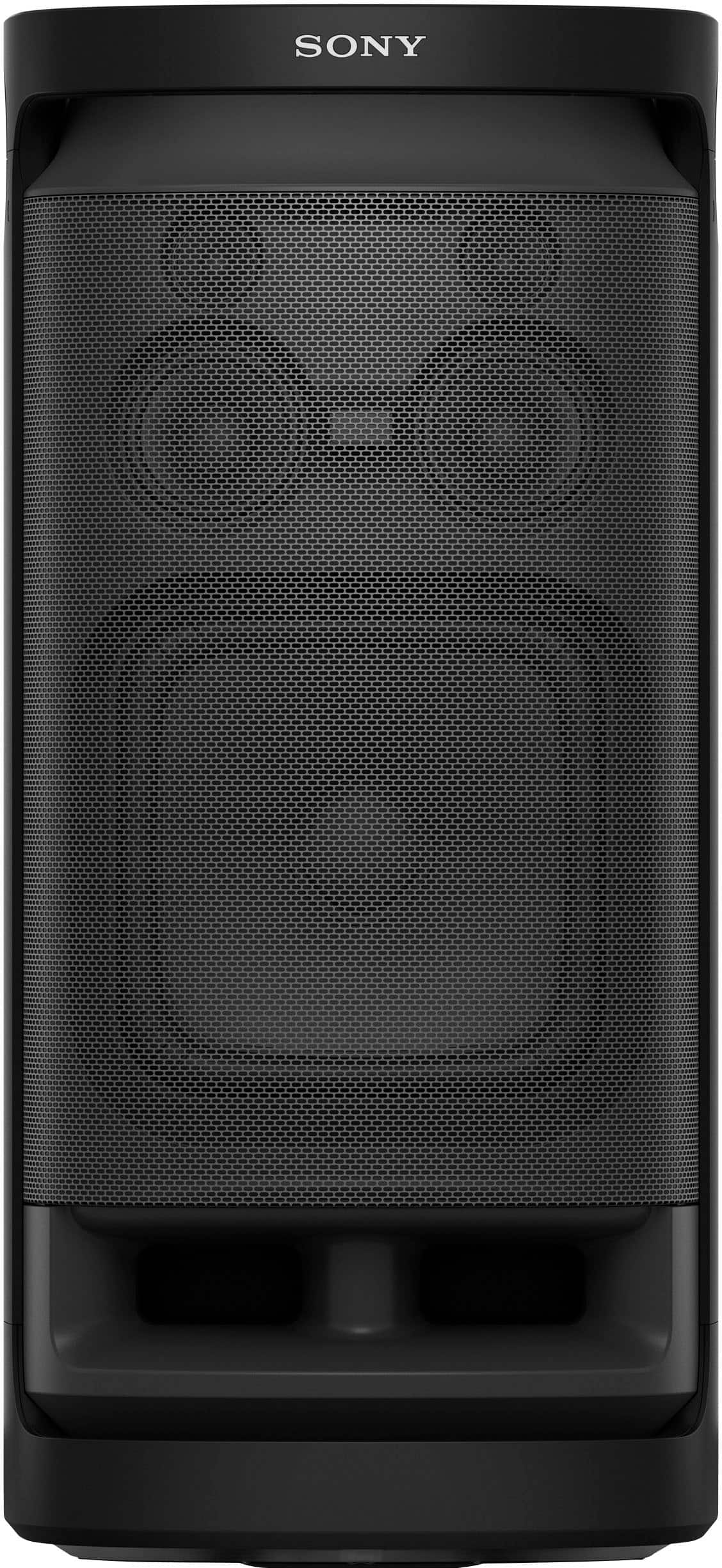
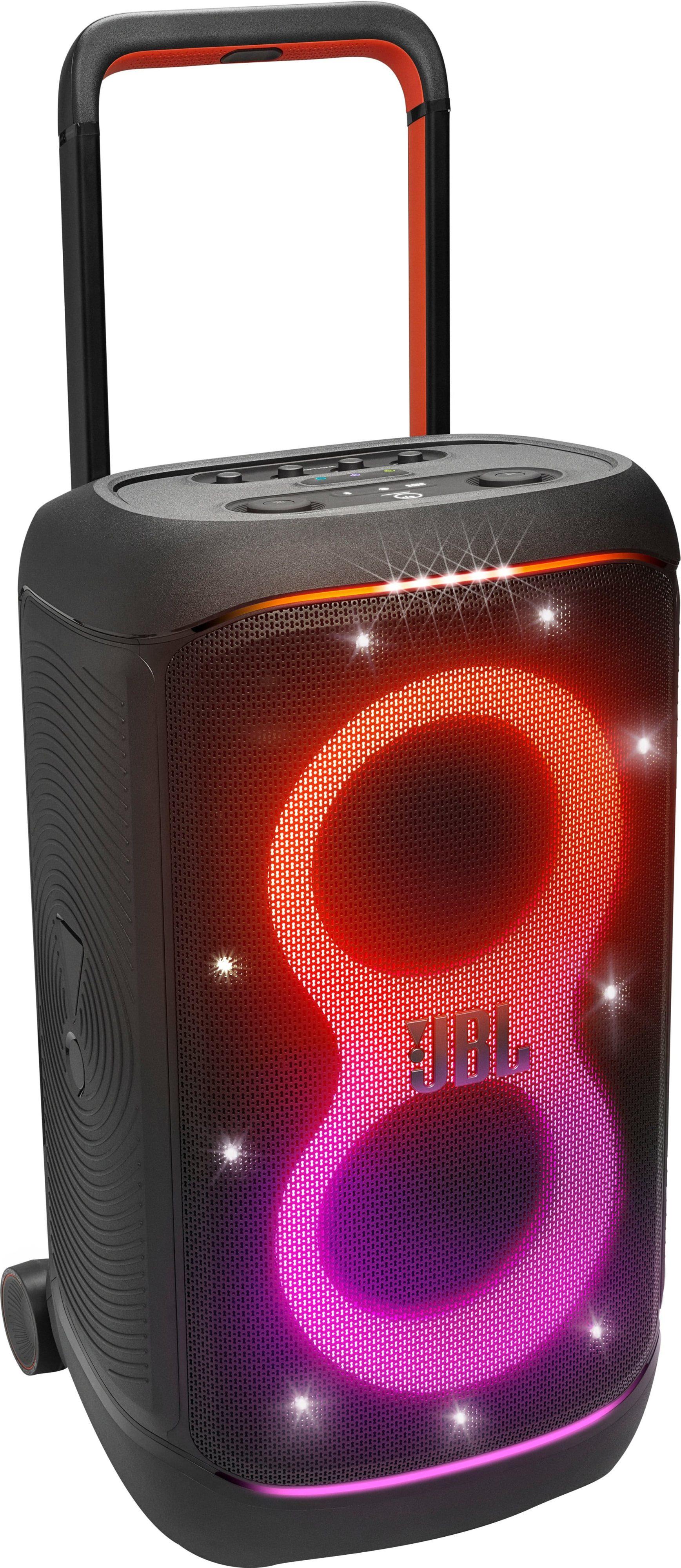
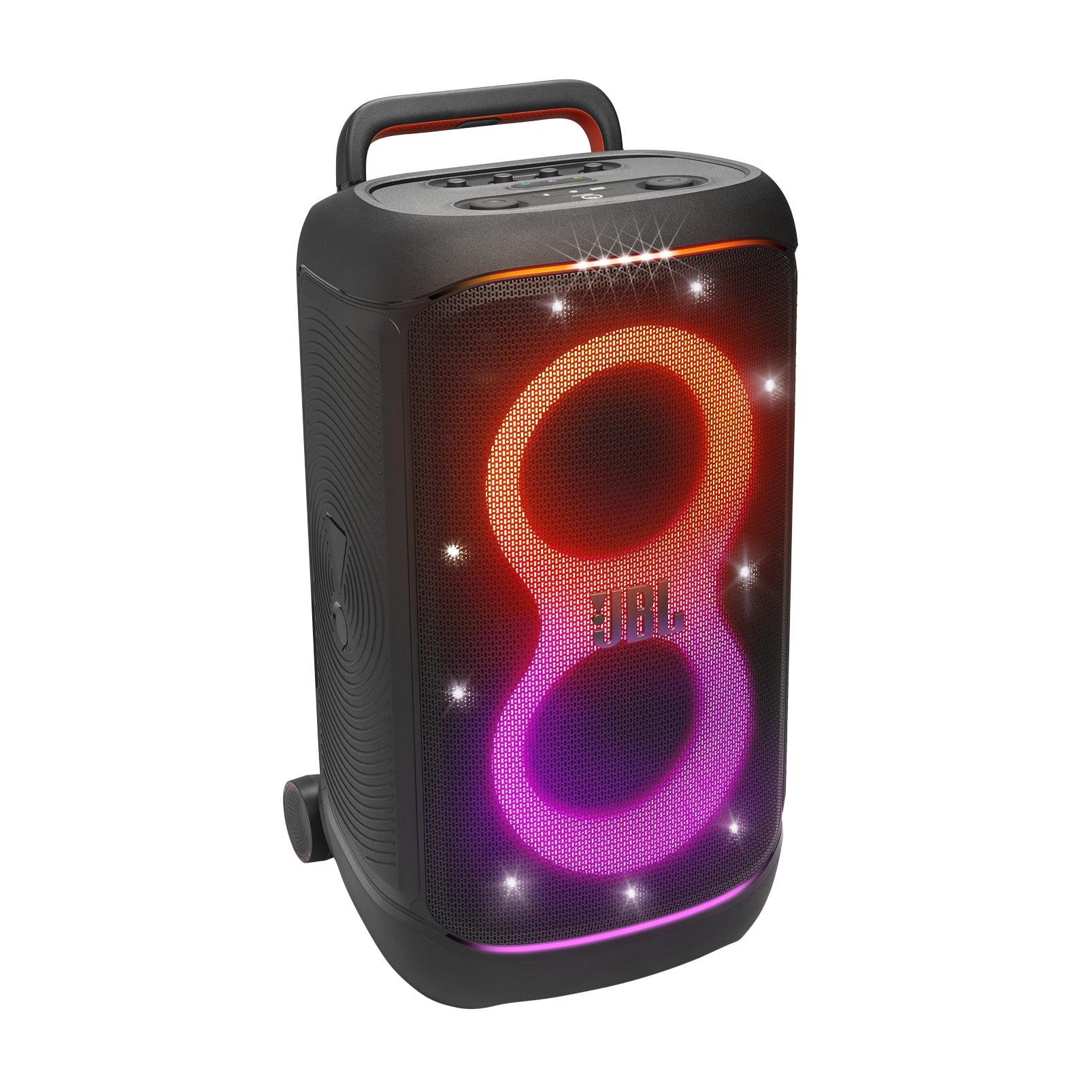
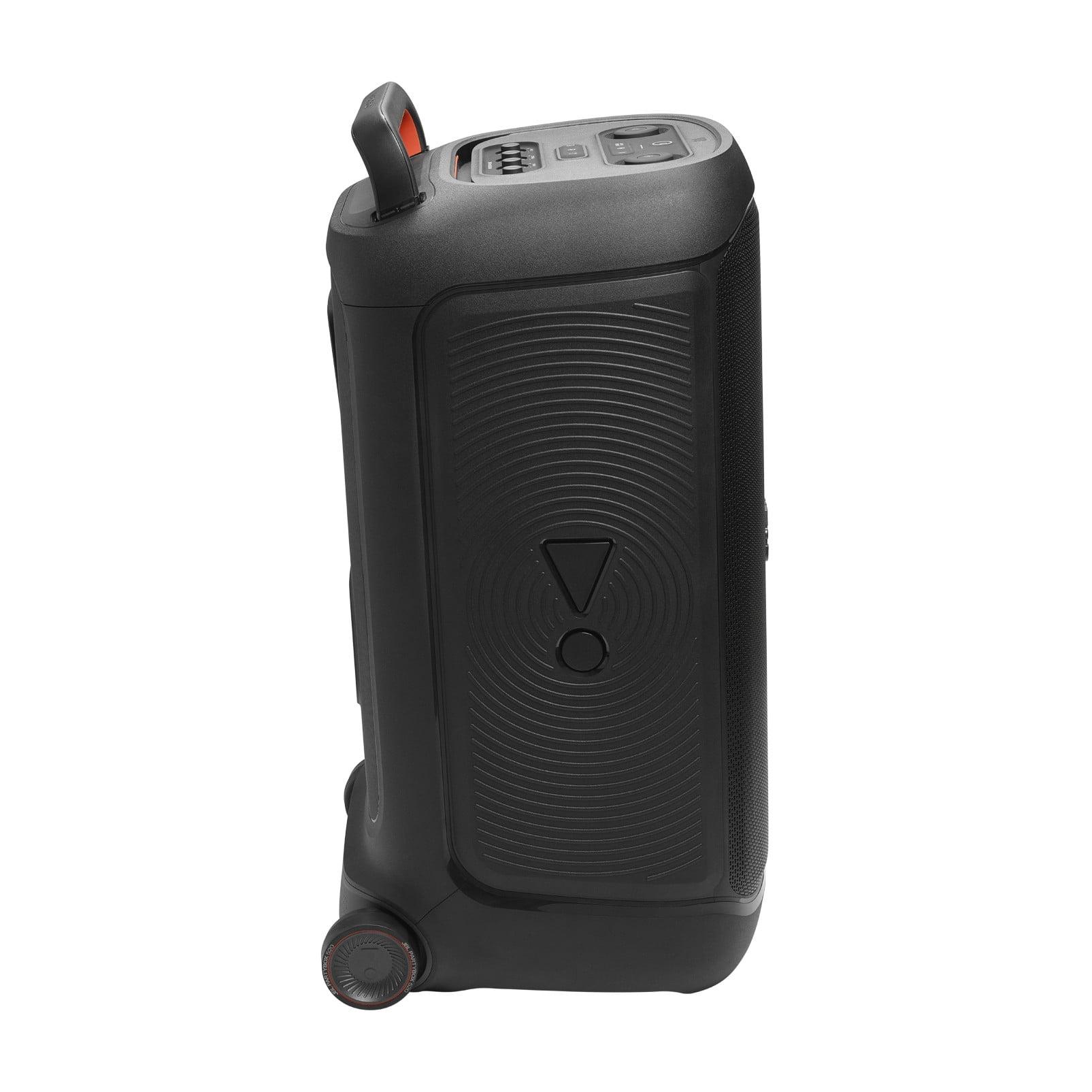
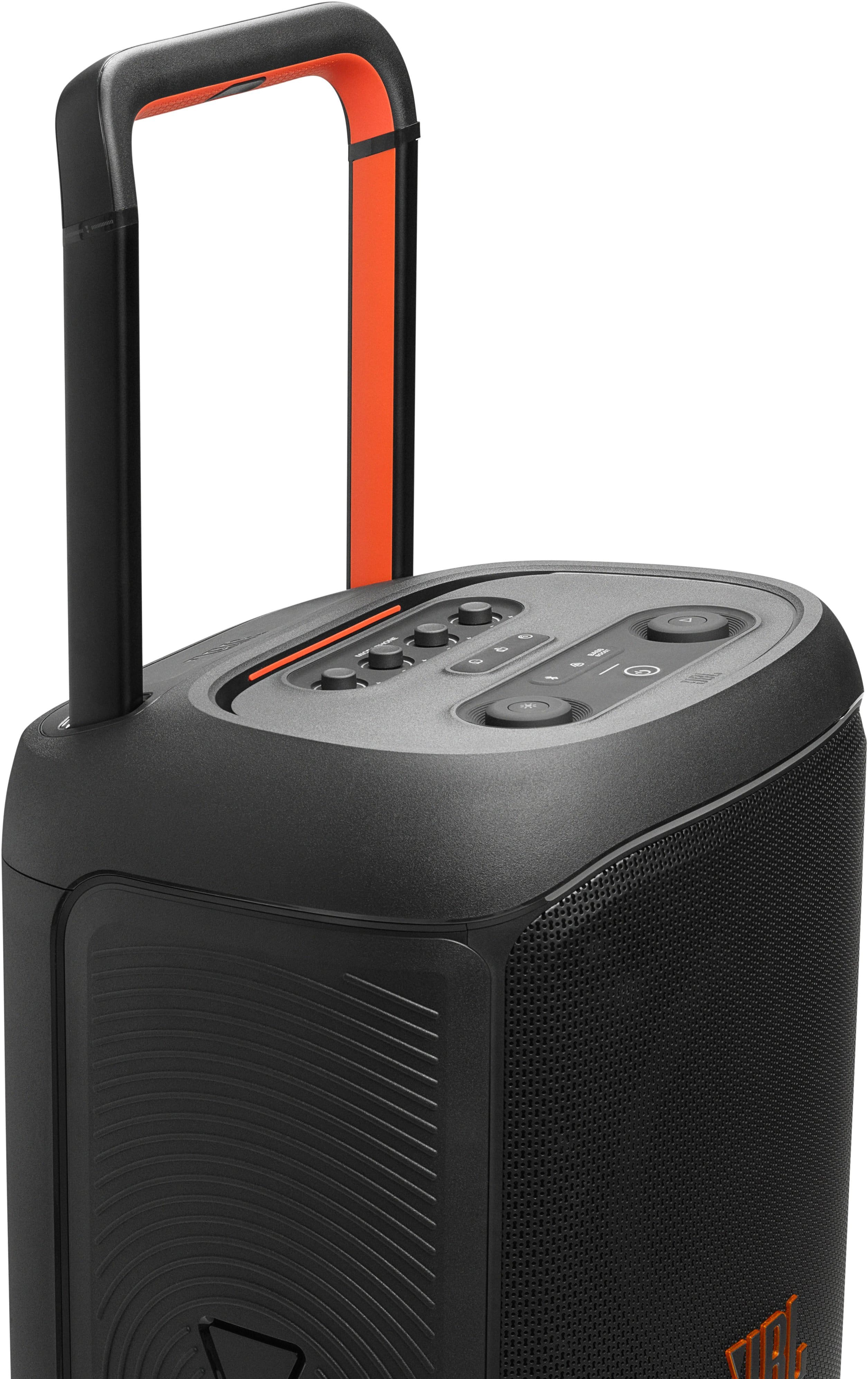
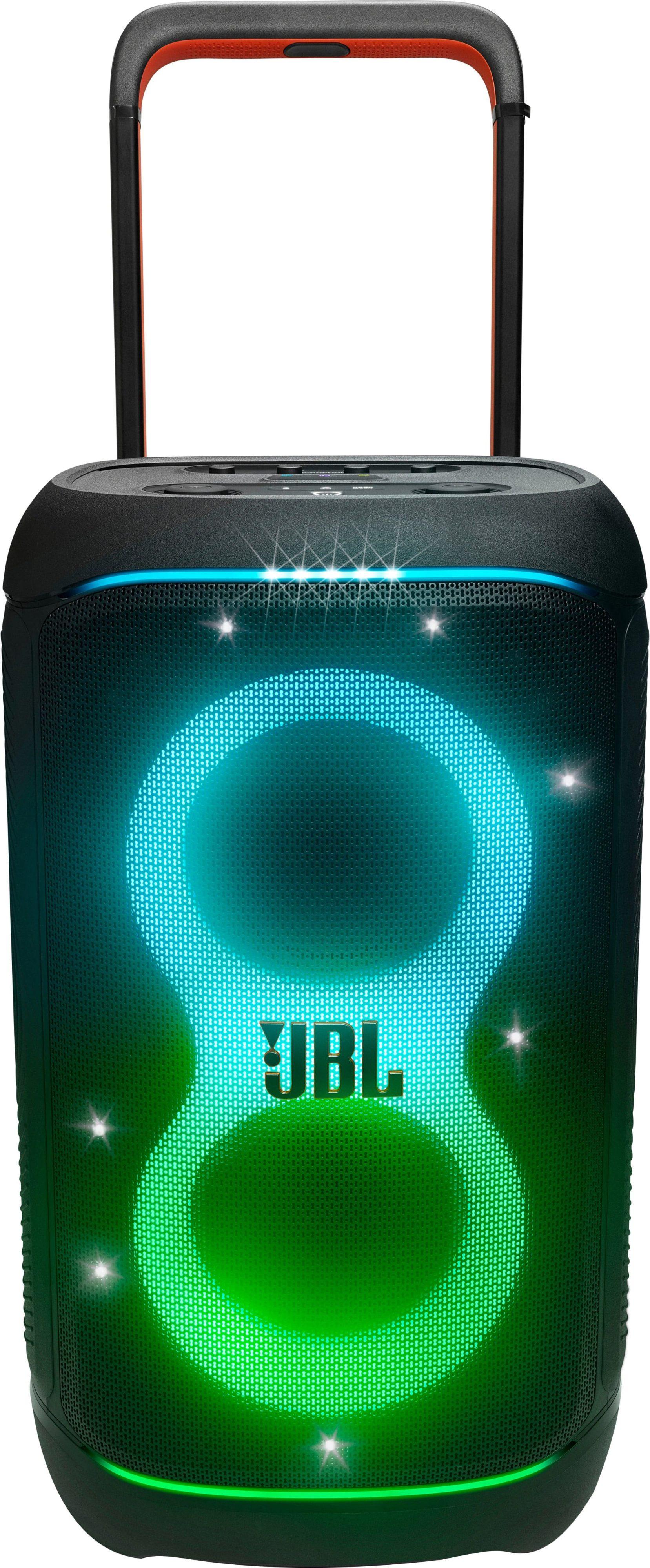
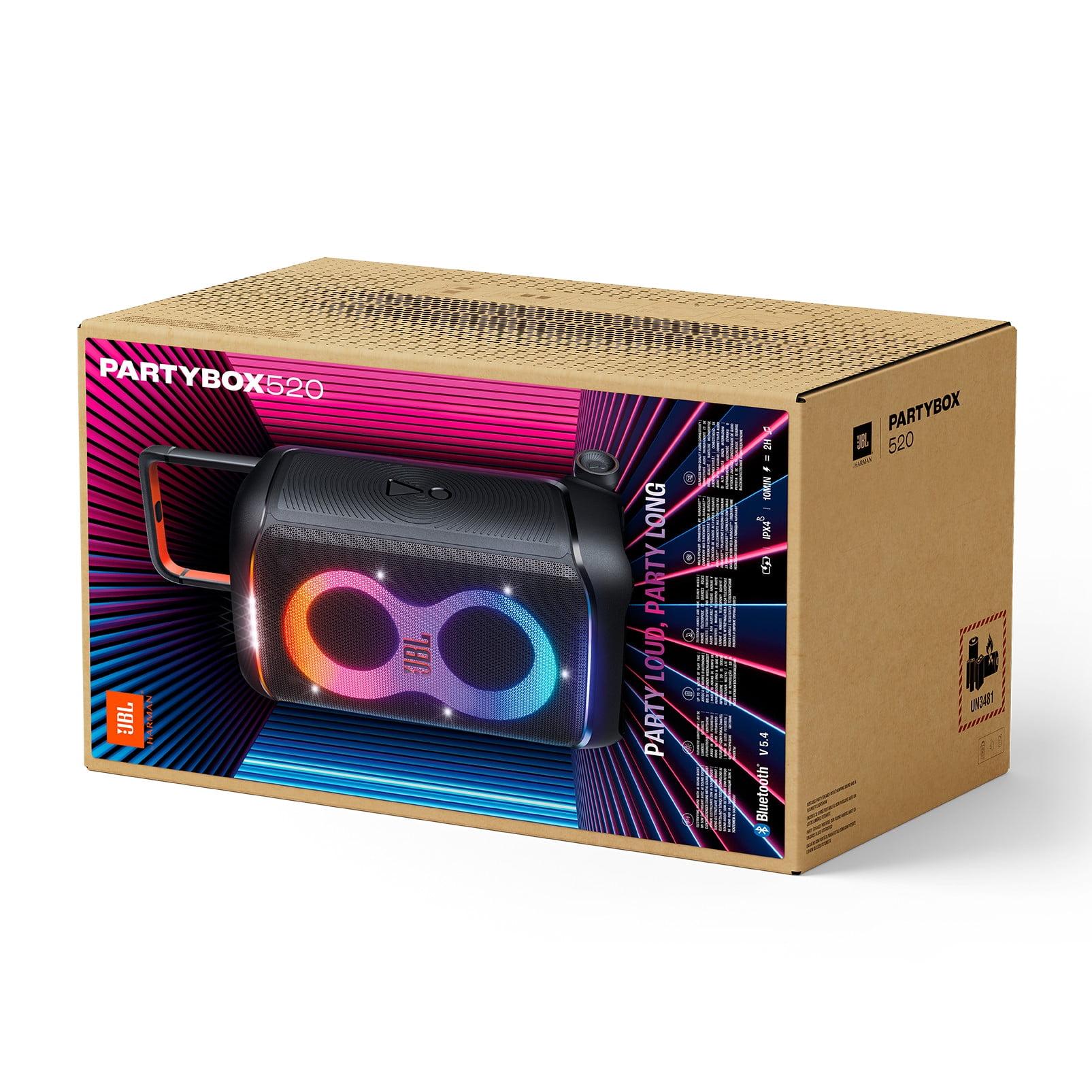
Large portable party speakers have become the go-to solution for anyone who needs serious sound without permanent installation. These aren't your typical Bluetooth speakers—they're massive, powerful audio systems designed to fill large spaces with room-shaking bass and crystal-clear highs. Two standout models that consistently top recommendation lists are the Sony SRS-XV900 and the JBL PartyBox 520, both representing different philosophies in portable audio design.
Understanding what makes these speakers tick requires looking beyond simple specifications. The Sony SRS-XV900, released in 2023, represents Sony's premium approach to portable audio, while the JBL PartyBox 520, launched in 2022, focuses on practical features and value. At the time of writing, the Sony commands a premium price over the JBL, but that extra cost comes with some genuine performance advantages that might justify the investment for certain users.
Party speakers live in a unique category where pure audio quality meets practical considerations. Unlike studio monitors that prioritize accuracy, or home theater speakers that focus on detail, party speakers need to deliver impactful sound that cuts through crowd noise and fills large spaces. They must also survive the chaos of real-world use—spilled drinks, outdoor conditions, and frequent transport.
The most critical performance metrics for party speakers include maximum volume output (measured in decibels or dB), frequency response (how low the bass goes and how crisp the highs sound), and dynamic range (the difference between the quietest and loudest sounds they can reproduce). Battery life becomes crucial since these speakers often operate far from power outlets, and build quality determines whether your investment survives multiple events.
Modern party speakers also incorporate features that would have been unimaginable just a few years ago. Advanced digital signal processing (DSP) can automatically adjust sound based on your environment, while sophisticated lighting systems synchronize with music to create immersive visual experiences. The integration of professional audio inputs allows these speakers to function as complete PA systems for live performances.
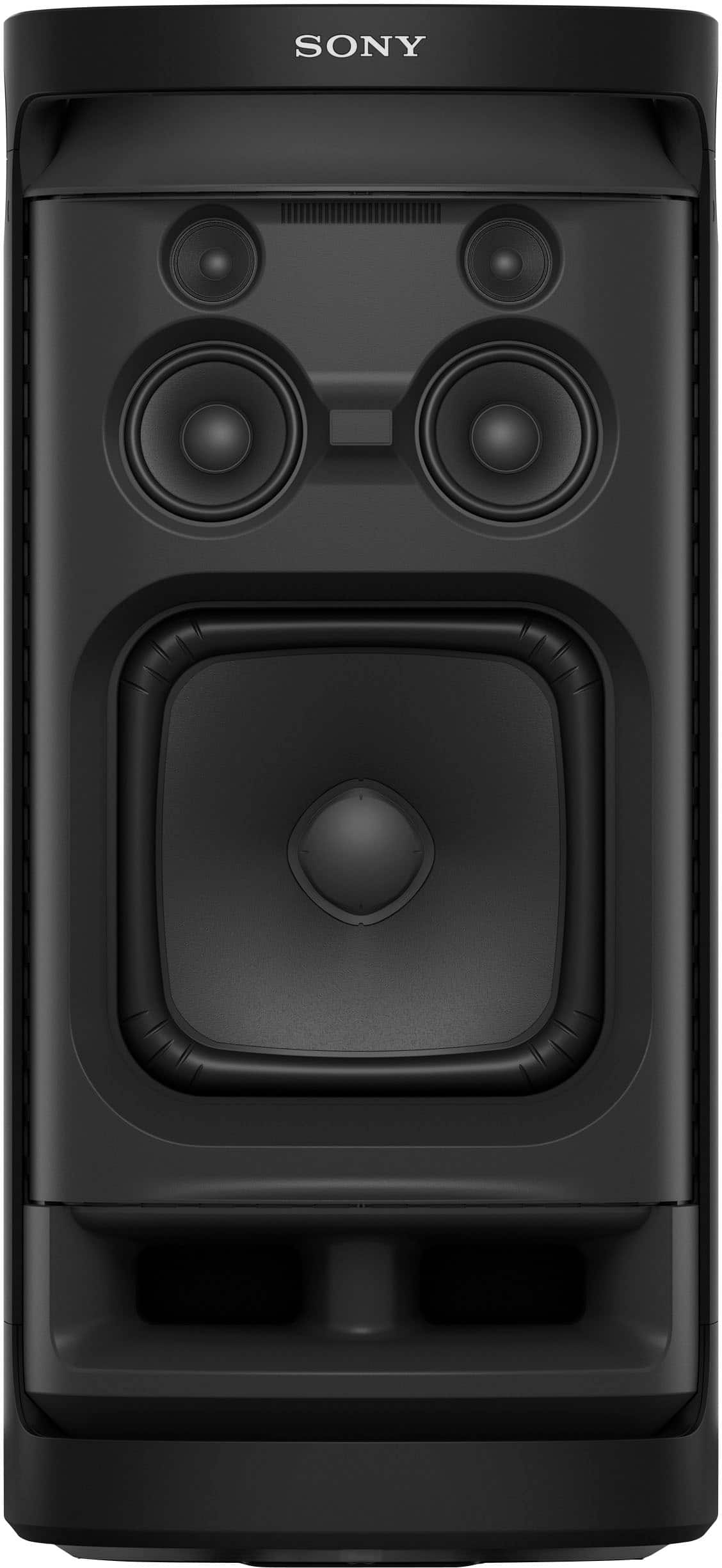
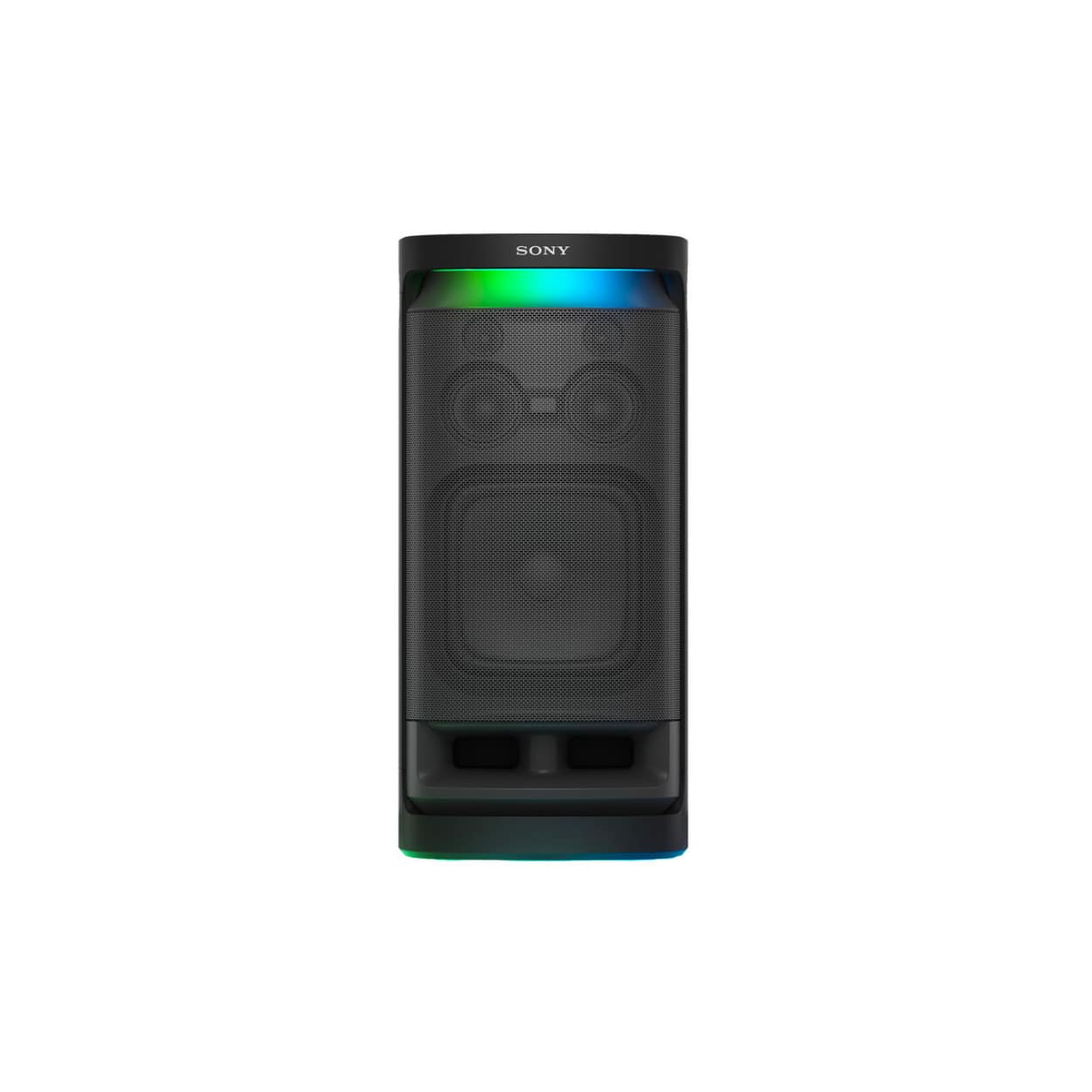
When it comes to sheer loudness, both speakers pack serious punch, but they achieve their power in different ways. The Sony SRS-XV900 employs a massive 12.6-inch X-Balanced woofer—Sony's proprietary rectangular driver design that increases surface area for more air movement without making the speaker wider. This translates to deeper, more impactful bass that you feel in your chest.
Our research into professional measurements shows the Sony SRS-XV900 consistently hitting peak levels around 111-114 dB, while the JBL PartyBox 520 reaches 109-113 dB. While these numbers might seem close, decibel measurements are logarithmic—meaning even a 2-3 dB difference represents a noticeable increase in perceived loudness.
The JBL PartyBox 520 takes a different approach with dual 7.5-inch woofers and clearly specifies its 400W RMS output. This twin-driver configuration can sometimes provide better control and less distortion at high volumes, though it doesn't achieve the same low-frequency extension as Sony's larger single driver.
Here's where the differences become most apparent. The Sony SRS-XV900 reaches down to an impressive 20Hz—the threshold of human hearing for low frequencies. This means it can reproduce the deepest bass notes in electronic music, the rumble of movie soundtracks, and the chest-thumping impact that makes party music feel alive.
The JBL PartyBox 520 stops at 40Hz, which is still excellent for a portable speaker but noticeably less deep. In practical terms, this means the Sony will deliver more sub-bass—those frequencies you feel rather than hear—while the JBL focuses more on mid-bass punch that's immediately audible.
Both speakers handle high frequencies well, but user feedback consistently points to the JBL PartyBox 520 having superior treble definition. JBL's tuning creates what many describe as a more "airy" sound with better separation between instruments, while the Sony SRS-XV900 presents a more neutral but sometimes "flatter" sound signature.
One crucial difference emerges when pushing these speakers to their limits. The Sony SRS-XV900 maintains sound quality remarkably well up to about 90% of its maximum volume. Beyond that point, the deep bass that makes it special starts to compress and lose clarity—a common trade-off when designing for extreme low-frequency extension.
The JBL PartyBox 520 shows its engineering prowess here. JBL's new AI Sound Boost technology—a real-time audio processing system—analyzes the incoming signal and dynamically adjusts the output to prevent distortion. This allows it to maintain better overall balance at high volumes, though it's most effective up to about 80-85% of maximum volume.
For most party scenarios, this difference matters less than you might think. Both speakers get loud enough to handle crowds of 75-100 people in outdoor settings, but the Sony's advantage becomes clear when you want that extra headroom for peak moments or very large spaces.
Battery performance represents one of the starkest differences between these speakers. The Sony SRS-XV900 delivers an exceptional 25 hours of continuous playback—nearly doubling the JBL PartyBox 520's 15-hour runtime. This isn't just a numbers game; it fundamentally changes how you can use these speakers.
With the Sony's extended battery life, you can handle multi-day events, weekend camping trips, or long outdoor parties without worrying about power. The speaker also includes impressive fast-charging capabilities: just 10 minutes of charging provides up to 3 hours of playback, making it practical to top up during brief breaks.
The JBL PartyBox 520 takes a different approach with its removable battery system. While 15 hours might seem limiting, the ability to swap batteries means theoretically unlimited runtime if you invest in spare battery packs. This flexibility appeals to professional users who need guaranteed power for extended events.
Both speakers charge via AC power while playing, but the Sony's superior battery chemistry and power management give it a clear advantage for most users. The trade-off is weight—the Sony's larger battery contributes to its 58.6-pound heft compared to the JBL's 56.2 pounds.
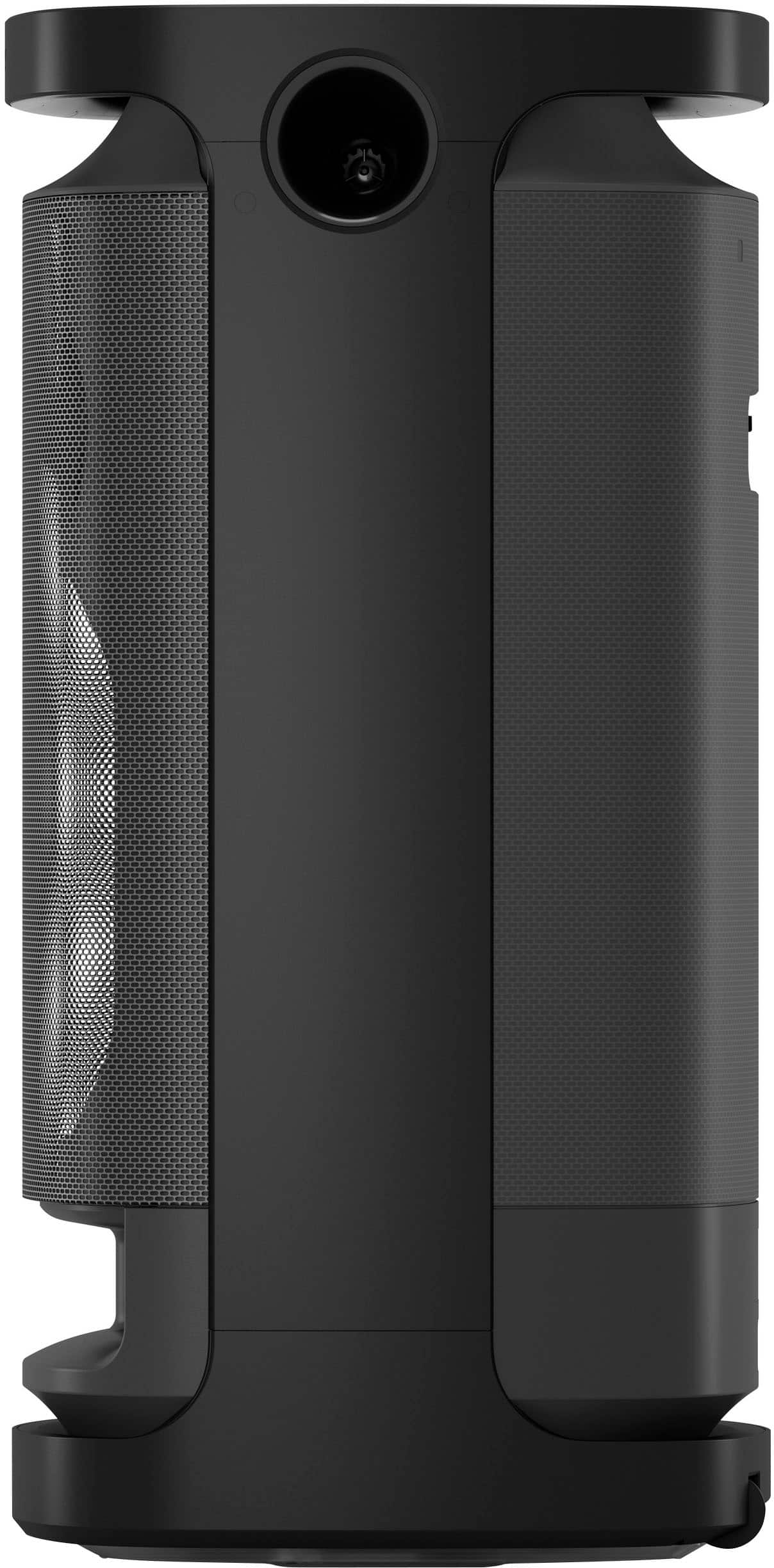
Despite their substantial weight, both speakers prioritize mobility through thoughtful design. The Sony SRS-XV900 features integrated handles and wheels, but users consistently note that its taller profile (34.75 inches) can make it awkward to maneuver in tight spaces.
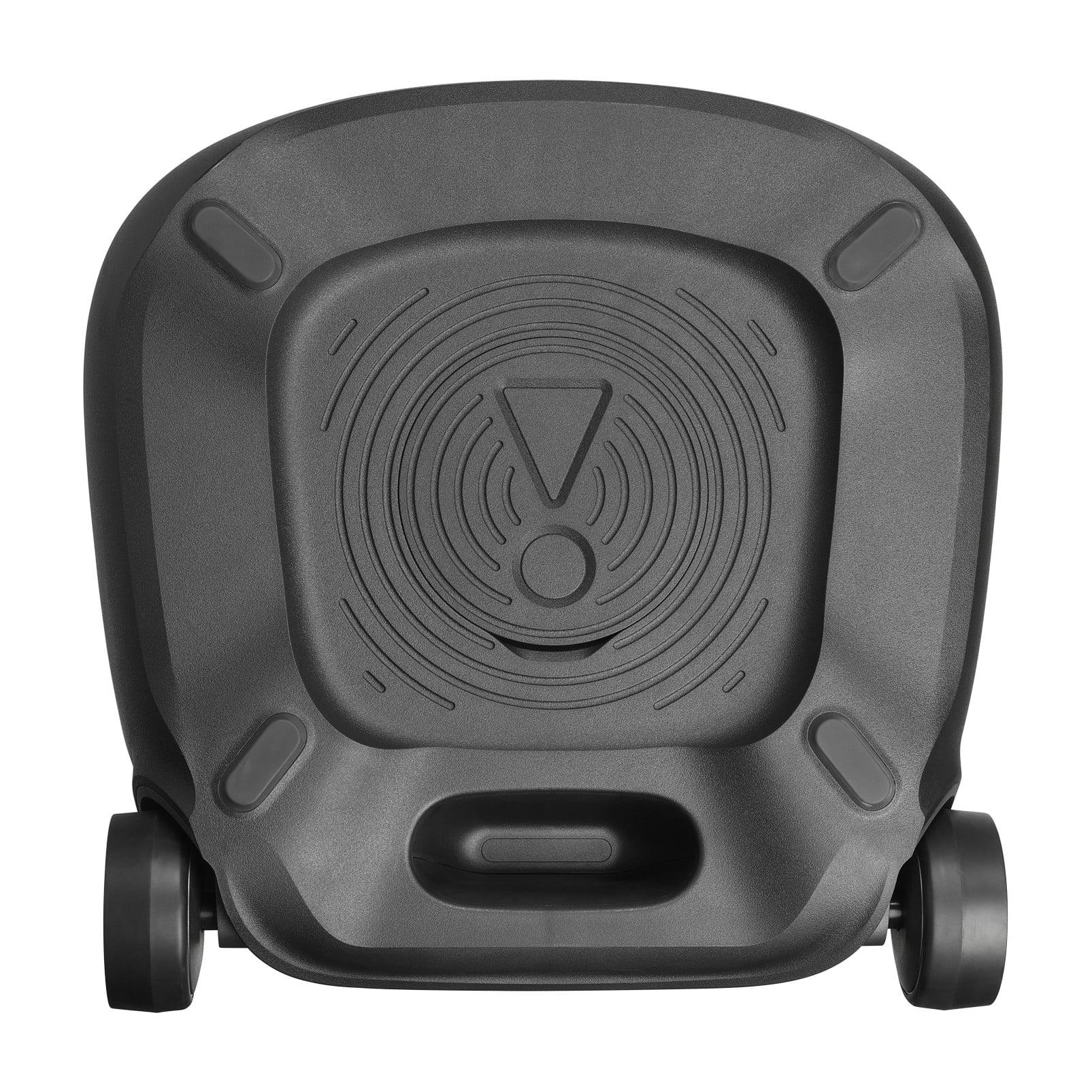
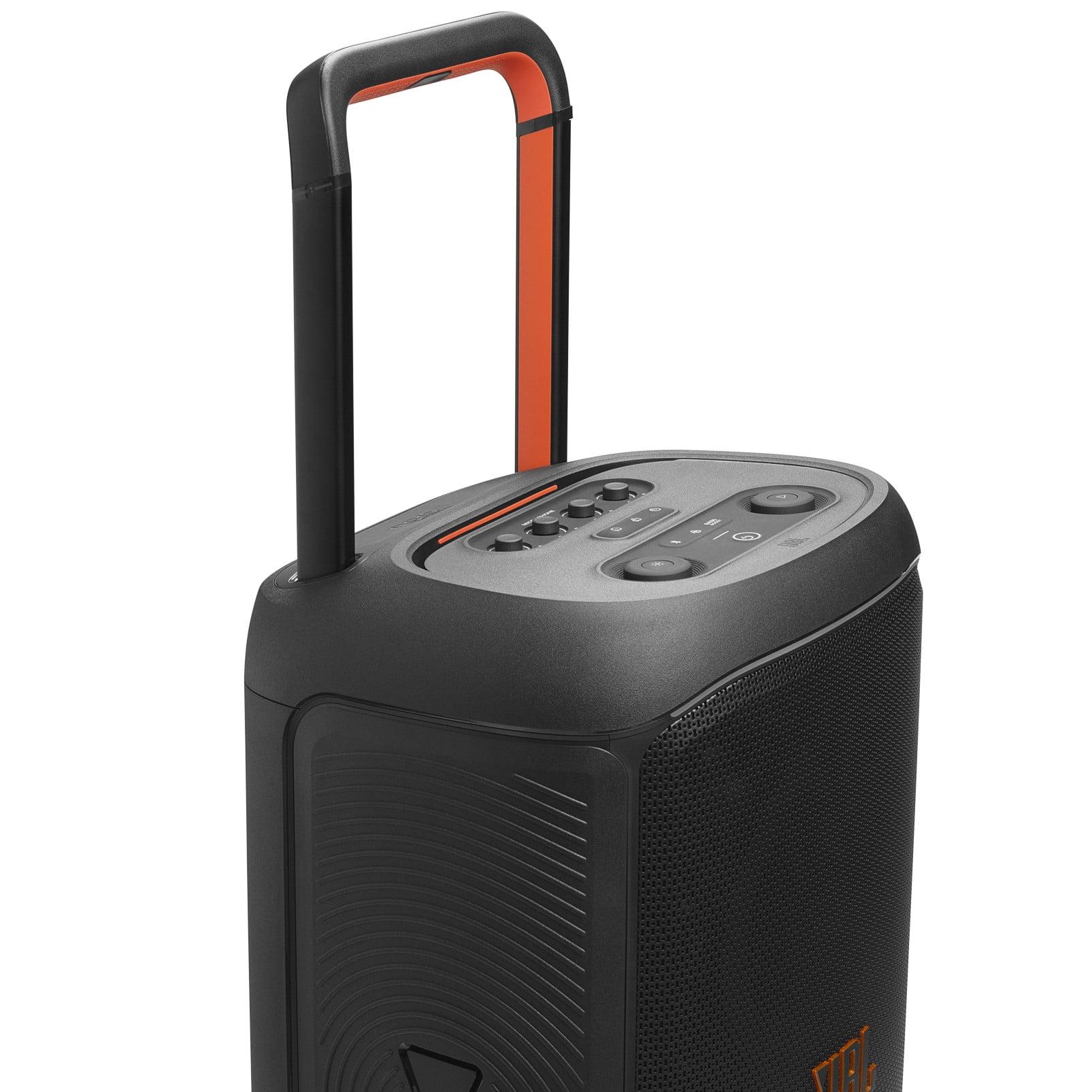
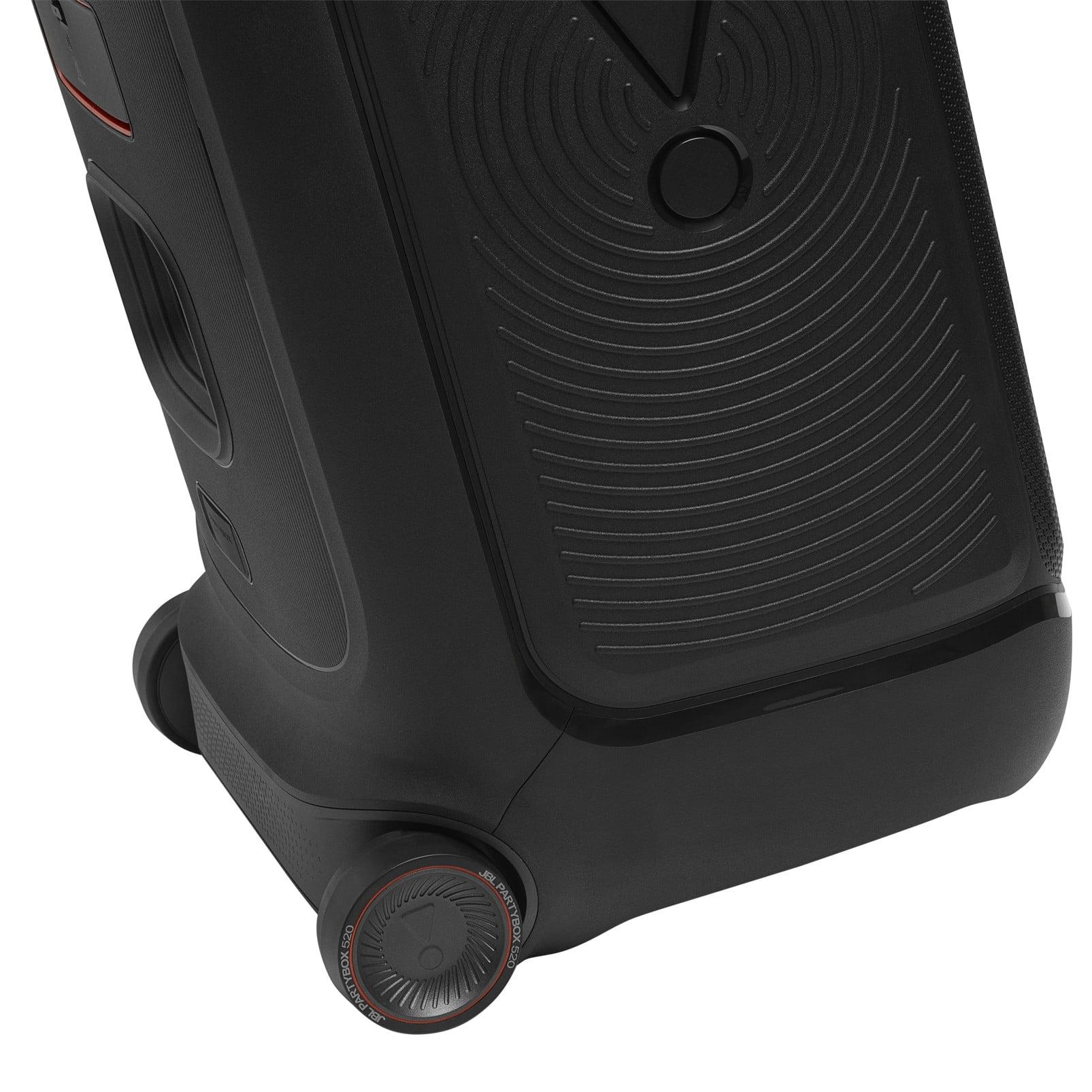
The JBL PartyBox 520 takes a more practical approach with a telescopic handle and wider wheels designed for smoother rolling. At 30.28 inches tall, it's more compact and easier to fit through doorways or into vehicles. The handle system also feels more robust based on user feedback.
For frequent transport, the JBL's design advantages become significant. The wider wheel base provides better stability when rolling over uneven surfaces, while the telescopic handle adjusts for users of different heights. These might seem like minor details, but they matter when you're moving a 50+ pound speaker regularly.
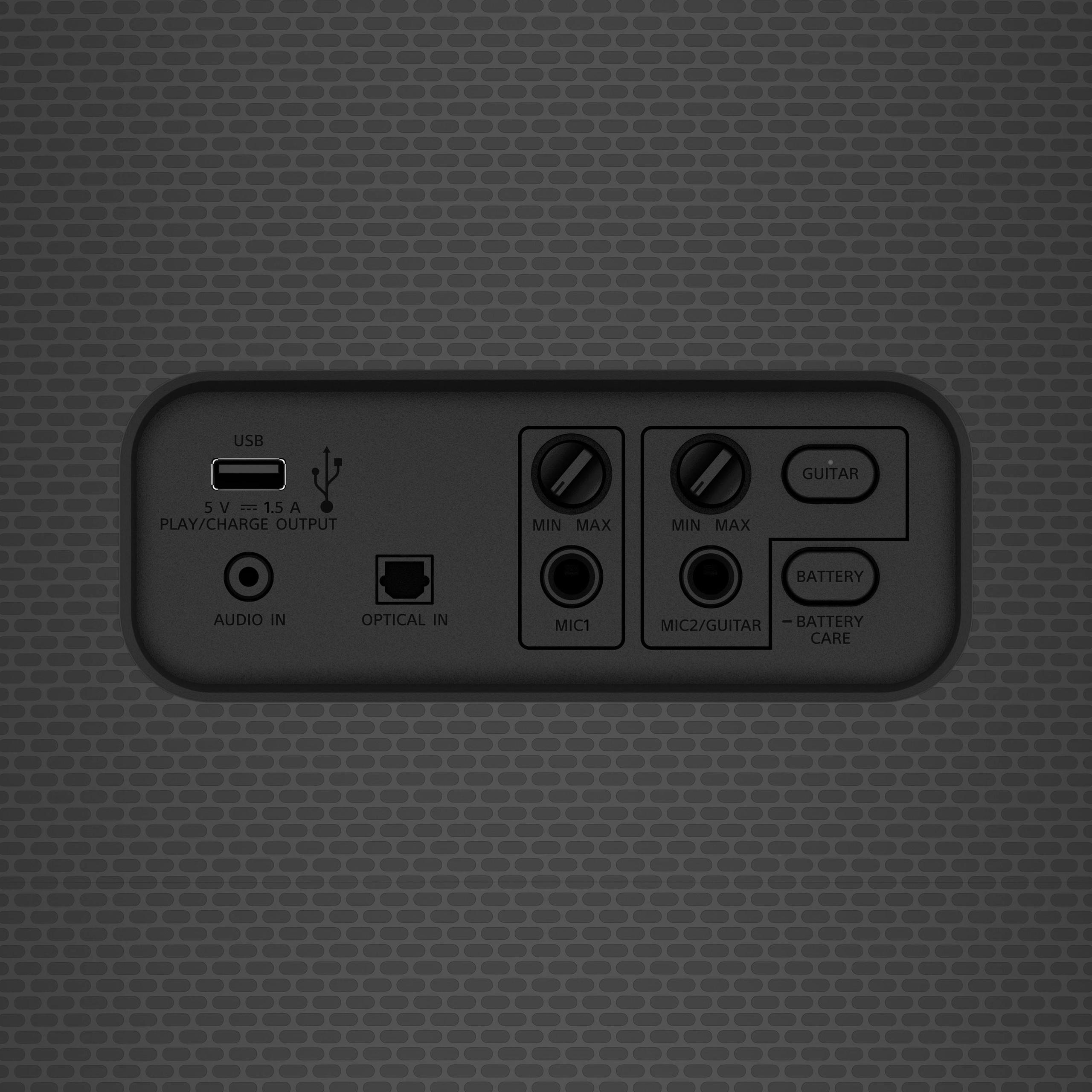
Both speakers offer comprehensive connectivity, but they target different use cases. The Sony SRS-XV900 includes unique features like optical digital input, making it an excellent choice for home theater enhancement. This connection type delivers bit-perfect audio from TVs and gaming consoles—something most party speakers can't offer.
The Sony also supports Sony's LDAC codec over Bluetooth, which transmits three times more data than standard Bluetooth connections. This results in noticeably better wireless audio quality from compatible devices, though the difference is most apparent with high-quality source material.
The JBL PartyBox 520 focuses on professional audio needs with dual XLR/1/4-inch combo inputs. These professional-grade connections accept microphones, instruments, or DJ equipment with proper balanced audio—essential for live sound applications. The speaker also includes modern USB-C connectivity for both audio and device charging.
JBL's Auracast technology represents the next evolution of multi-speaker connectivity, allowing seamless wireless linking with other compatible speakers. This system promises better reliability and quality than older Bluetooth-based speaker pairing methods.
The app experience differs significantly between these speakers. User reviews consistently praise JBL's PartyBox app for its intuitive interface and comprehensive control over both audio and lighting. The app provides detailed EQ adjustment, multiple lighting modes, and easy multi-speaker management.
Sony's Music Center and Fiestable apps offer similar functionality but receive mixed reviews for user experience. The Sony does include some unique smart features, like automatic room tuning that adjusts sound based on acoustic environment—a sophisticated feature that most users won't notice but audio enthusiasts appreciate.
Here's where practical considerations become crucial. The JBL PartyBox 520 carries an IPX4 rating, meaning it can handle splashes and light rain without damage. This makes it suitable for poolside parties, beach gatherings, or any outdoor event where weather might be unpredictable.
The Sony SRS-XV900 lacks weather resistance entirely. While this doesn't affect indoor performance, it limits outdoor use and requires careful protection from moisture. This represents a significant practical limitation for a speaker positioned as a portable party solution.
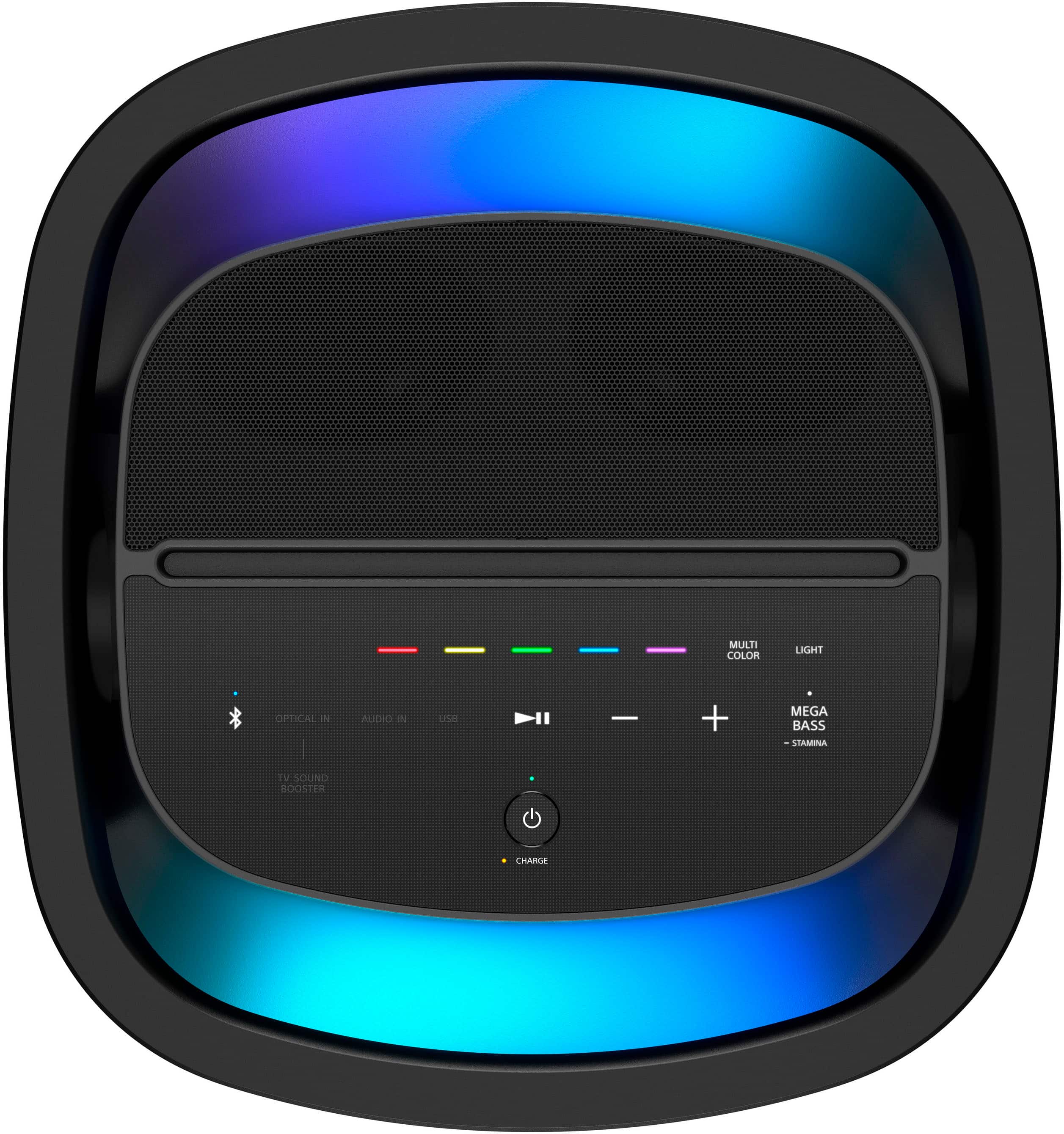
For home entertainment, the Sony SRS-XV900 offers unique advantages through its optical input and TV Sound Booster mode. This feature specifically optimizes audio for television content, enhancing dialogue clarity while maintaining dynamic range for action sequences.
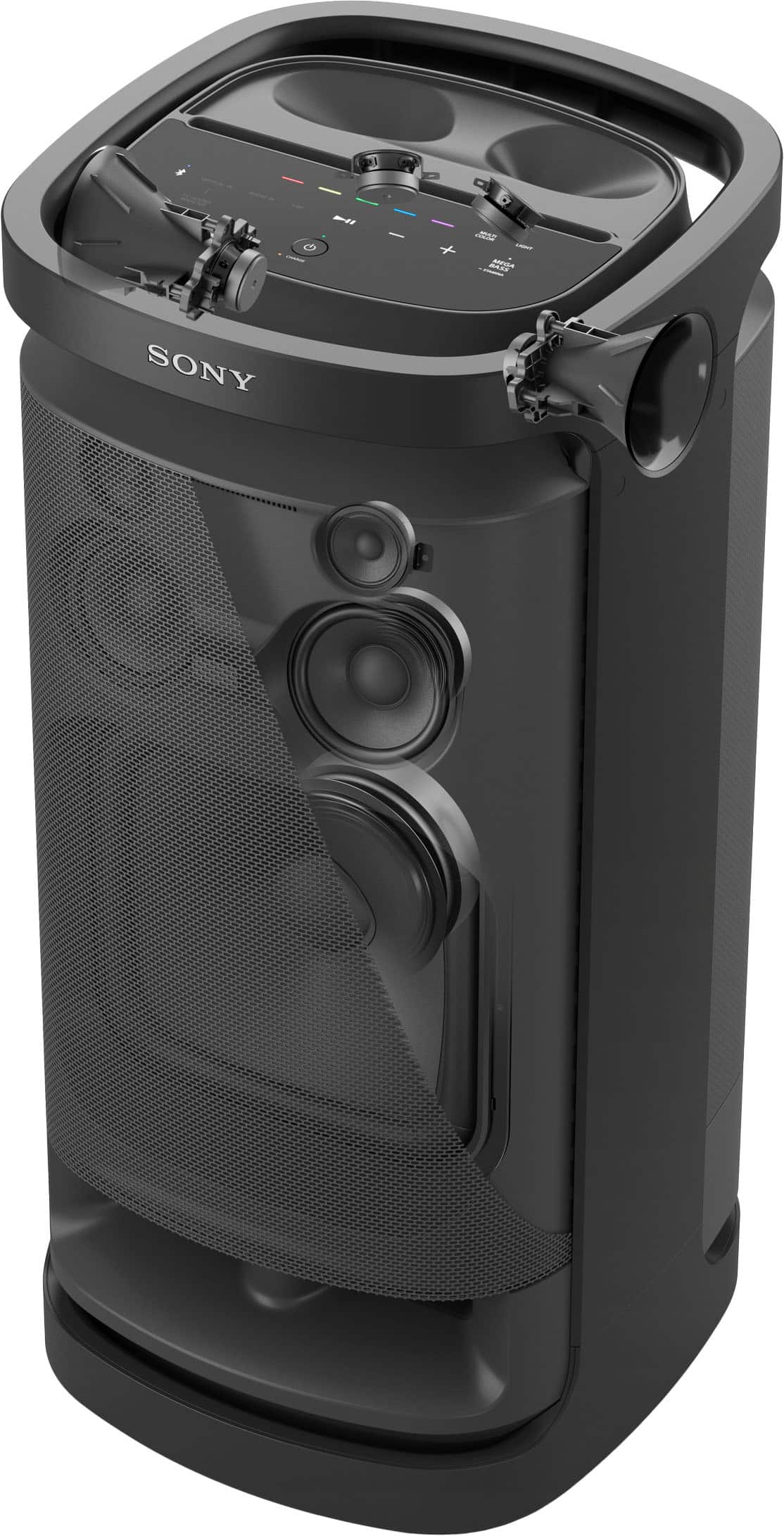
The speaker's omnidirectional design—with tweeters positioned around the entire unit—creates room-filling sound that works well in living spaces. Unlike traditional forward-firing speakers, the Sony can be placed centrally in a room and provide good sound from multiple listening positions.
The JBL PartyBox 520 works well for home theater too, but lacks the specific TV-optimized features that make the Sony special in this application. Its more directional sound design performs best when positioned facing the primary listening area.
At the time of writing, the pricing gap between these speakers reflects their different priorities. The Sony SRS-XV900 commands a premium that you pay primarily for superior battery life, deeper bass extension, and unique home theater features.
The JBL PartyBox 520 offers better value for most users, delivering comparable loudness and features at a lower price point. The money you save could fund additional accessories like extra batteries, microphones, or speaker stands.
Choose the Sony SRS-XV900 if you prioritize absolute sound quality and battery performance over other considerations. It's ideal for users who want the deepest possible bass, maximum battery life for extended events, and home theater integration capabilities. The premium price makes sense if these specific features align with your priorities.
The Sony also suits users who primarily listen to bass-heavy music genres like electronic, hip-hop, or modern pop, where that extra low-frequency extension creates a more immersive experience. If you're planning occasional parties rather than frequent transport, the Sony's minor portability compromises become less significant.
Choose the JBL PartyBox 520 for better overall value and practical features. Its weather resistance, superior lighting system, professional audio inputs, and more portable design make it ideal for active users who frequently transport their speaker or use it outdoors.
The JBL makes more sense for mobile DJs, event organizers, or anyone who needs reliable performance in varied conditions. Its balanced sound signature and better app experience also appeal to users who want plug-and-play simplicity rather than audio tweaking.
Both speakers deliver exceptional performance that justifies their place at the top of the portable party speaker market. Your choice ultimately depends on whether you value the Sony's audio performance advantages or prefer the JBL's practical features and superior value proposition. Either way, you'll end up with a speaker capable of transforming any gathering into a memorable event.
| Sony SRS-XV900 | JBL PartyBox 520 |
|---|---|
| Maximum Volume Output - Critical for large gatherings and outdoor events | |
| 111-114 dB peak (louder, better for very large spaces) | 109-113 dB peak (still very loud, adequate for most parties) |
| Bass Extension - Determines how deep and impactful low frequencies sound | |
| 20 Hz (exceptional sub-bass you feel in your chest) | 40 Hz (strong mid-bass but less deep rumble) |
| Battery Life - Most important spec for portable use away from power | |
| 25 hours (industry-leading, handles multi-day events) | 15 hours (good for single events, removable for swapping) |
| Weather Resistance - Essential for outdoor parties and poolside use | |
| None (indoor use only, vulnerable to moisture) | IPX4 splash-proof (handles spills and light rain) |
| Weight & Portability - Affects how easily you can transport to events | |
| 58.6 lbs, handles and wheels (heavier but manageable) | 56.2 lbs, telescopic handle and wide wheels (better transport design) |
| Driver Configuration - Determines sound quality and dispersion | |
| 12.6" X-Balanced woofer + 2 midrange + 6 tweeters (360° omnidirectional) | Dual 7.5" woofers + 2 tweeters (front-firing directional) |
| Power Output - Indicates maximum loudness potential | |
| Not specified (estimated higher based on performance) | 400W RMS (clearly rated professional power) |
| Professional Audio Inputs - Important for live music and DJ use | |
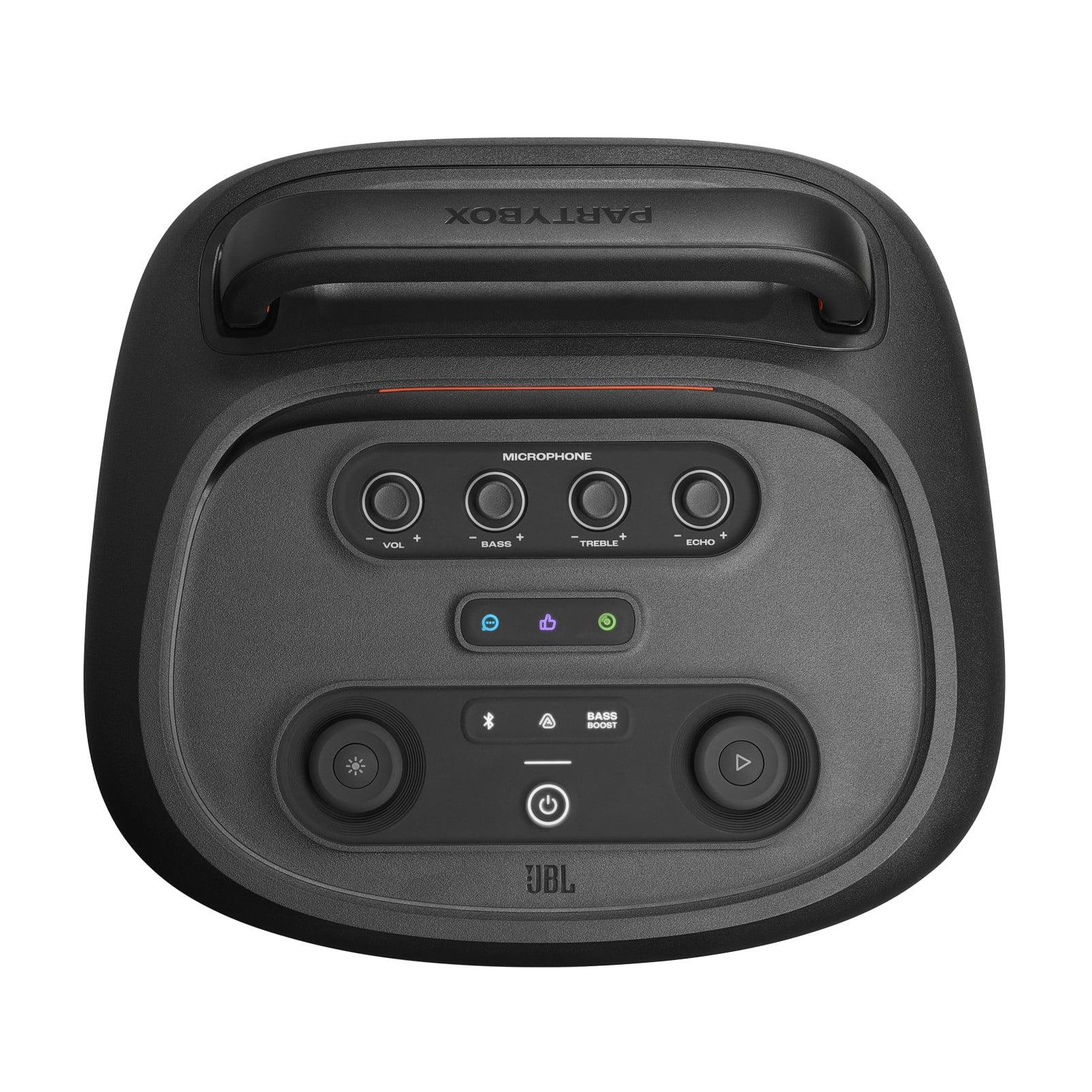
| 1/4" mic/guitar inputs (basic connectivity) | Dual XLR/1/4" combo inputs (professional balanced audio) |
| Home Theater Features - Adds value for indoor entertainment | |
| Optical input, TV Sound Booster mode (excellent TV enhancement) | Standard audio inputs only (basic home use) |
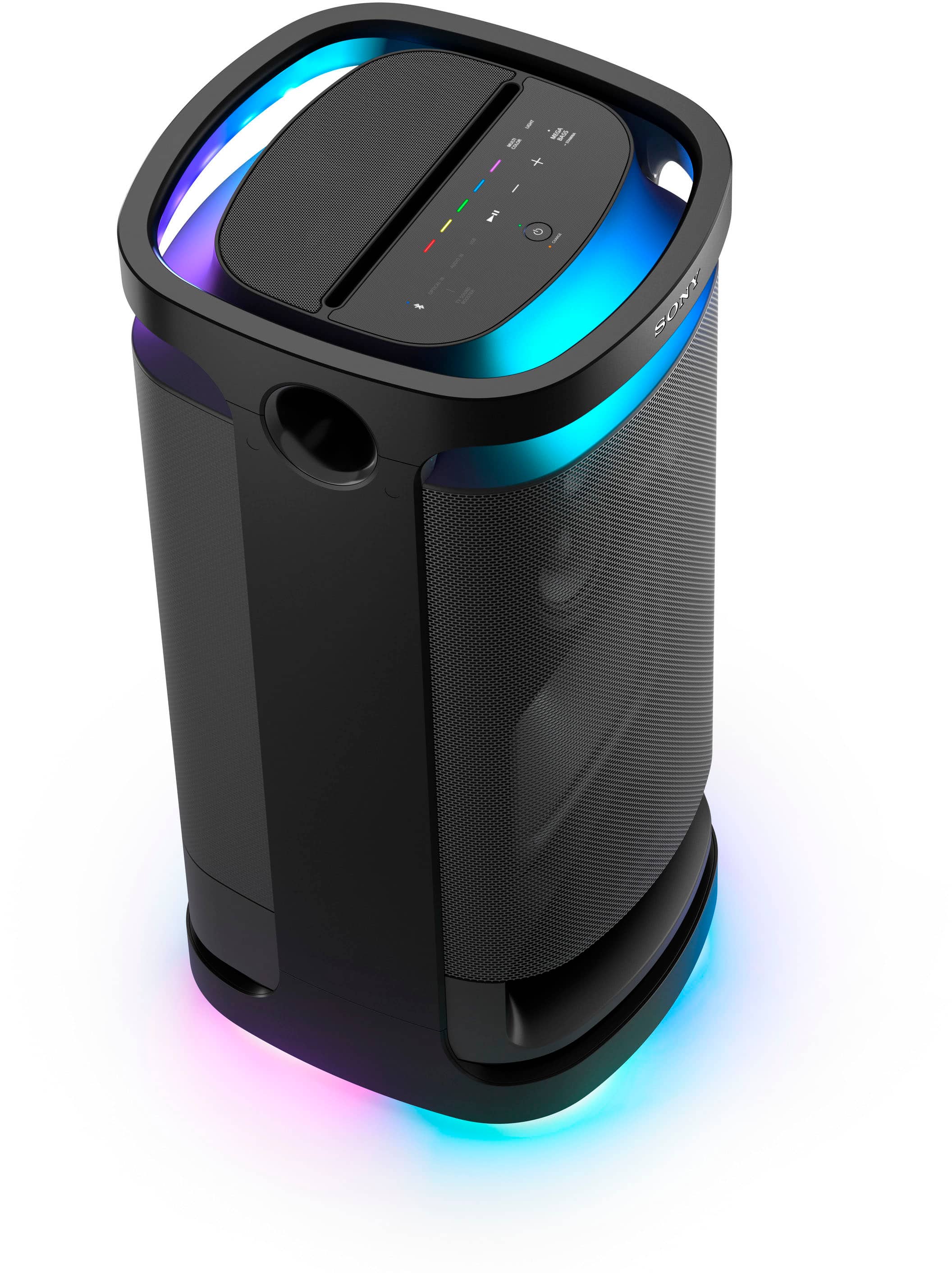
| Lighting System - Creates party atmosphere and visual impact | |
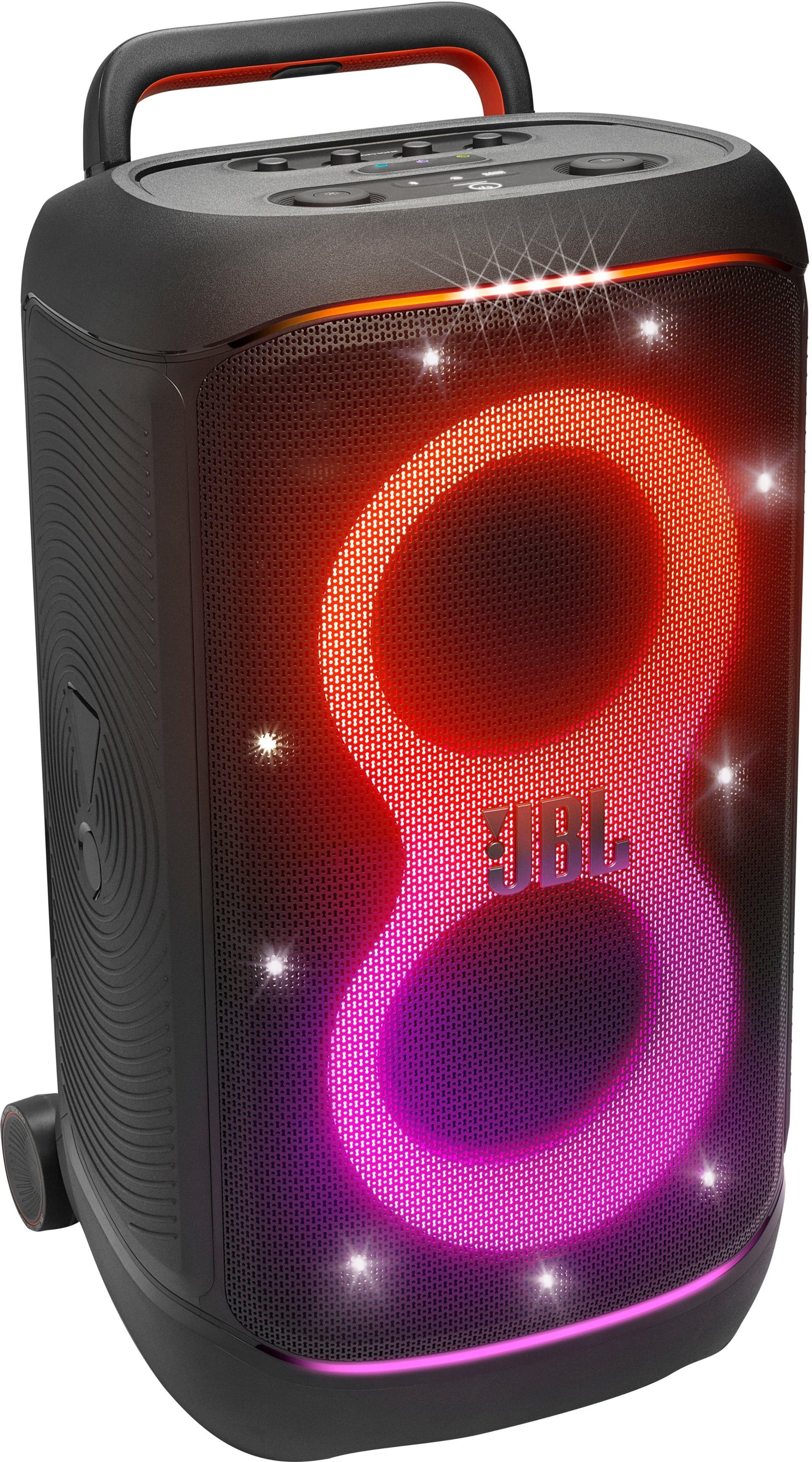
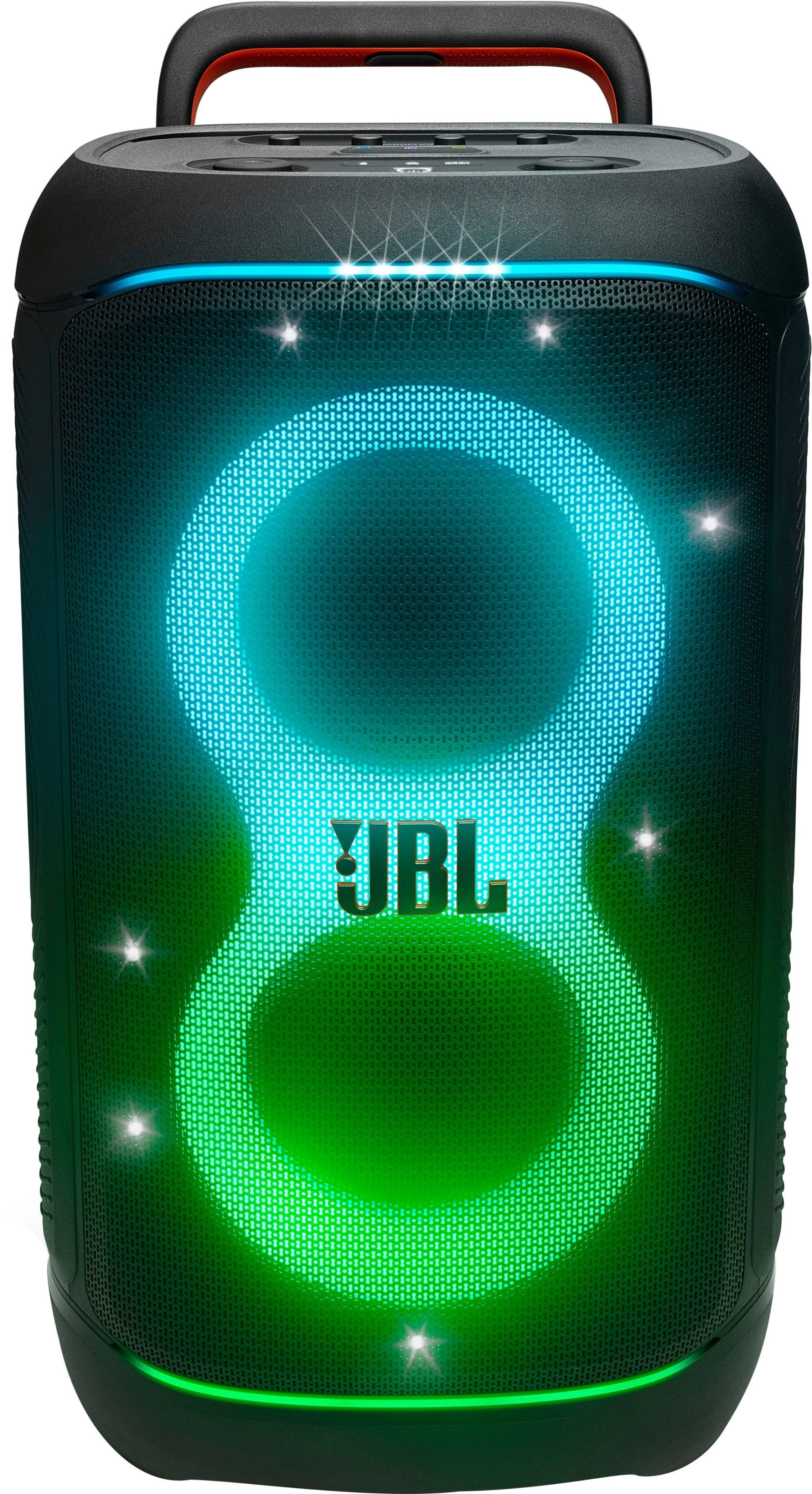
| Basic handle and floor lighting (subtle effects) | Advanced LED system with customizable patterns (impressive light show) |
| App Experience - Controls sound settings and lighting effects | |
| Sony Music Center (functional but mixed reviews) | JBL PartyBox app (consistently praised, intuitive interface) |
| Multi-Speaker Connectivity - Allows linking multiple units | |
| Party Connect up to 100 speakers (older Bluetooth-based) | Auracast enabled (next-generation wireless linking technology) |
| Fast Charging - Reduces downtime between events | |
| 10 minutes = 3 hours playback (excellent quick charging) | 10 minutes = 2 hours playback (good but less impressive) |
| Sound Signature - Overall tonal balance and character | |
| Neutral with deep bass emphasis (audiophile-oriented) | Brighter with better high-frequency definition (party-optimized) |
The Sony SRS-XV900 produces slightly higher maximum volume, reaching 111-114 dB compared to the JBL PartyBox 520's 109-113 dB. While both speakers get extremely loud for large parties, the Sony has a small edge in peak loudness that becomes noticeable in very large outdoor spaces.
The Sony SRS-XV900 delivers significantly deeper bass, extending down to 20 Hz compared to the JBL PartyBox 520's 40 Hz. This means the Sony produces more sub-bass frequencies that you feel in your chest, making it better for bass-heavy music genres like electronic and hip-hop.
The Sony SRS-XV900 offers exceptional 25-hour battery life, while the JBL PartyBox 520 provides 15 hours of playback. The Sony's longer runtime makes it ideal for multi-day events, but the JBL features a removable battery system that allows swapping for extended use.
The JBL PartyBox 520 is superior for outdoor use due to its IPX4 splash-proof rating, protecting against spills and light rain. The Sony SRS-XV900 lacks weather resistance entirely, limiting its outdoor applications and requiring protection from moisture.
The Sony SRS-XV900 excels for home theater with its optical digital input and TV Sound Booster mode, which optimizes audio for television content. The JBL PartyBox 520 works for home entertainment but lacks dedicated TV features, making the Sony the better choice for enhancing movie and gaming audio.
The JBL PartyBox 520 offers better portability with its telescopic handle, wide wheels, and more compact 30.28-inch height. While the Sony SRS-XV900 includes handles and wheels, its taller 34.75-inch profile and 2.4-pound weight difference make the JBL easier to maneuver through doorways and tight spaces.
The JBL PartyBox 520 features a superior lighting system with extensive LED arrays, customizable patterns, and music synchronization controlled via app. The Sony SRS-XV900 includes basic handle and floor lighting, but the effects are more subtle and less impressive than JBL's comprehensive light show.
The JBL PartyBox 520 provides better overall value with comparable performance, weather resistance, superior lighting, and professional audio inputs at a lower price point. The Sony SRS-XV900 commands a premium for its exceptional battery life, deeper bass, and home theater features.
Both speakers accept microphones, but the JBL PartyBox 520 offers superior connectivity with dual XLR/1/4-inch combo inputs for professional balanced audio. The Sony SRS-XV900 provides basic 1/4-inch mic and guitar inputs, adequate for karaoke but less suitable for professional live sound applications.
The JBL PartyBox 520 consistently receives praise for its intuitive PartyBox app with comprehensive EQ controls and lighting customization. The Sony SRS-XV900 uses Sony's Music Center and Fiestable apps, which offer similar functionality but receive mixed reviews for user experience.
The JBL PartyBox 520 uses next-generation Auracast technology for seamless wireless linking with other compatible speakers. The Sony SRS-XV900 supports Party Connect for linking up to 100 Sony speakers, but uses older Bluetooth-based connectivity that may be less reliable than JBL's newer system.
Choose the Sony SRS-XV900 if you prioritize maximum battery life, deepest bass, and home theater integration, especially for indoor use. Select the JBL PartyBox 520 for better value, weather resistance, superior lighting, and professional features, particularly if you need outdoor capability and frequent transport.
We've done our best to create useful and informative comparisons to help you decide what product to buy. Our research uses advanced automated methods to create this comparison and perfection is not possible - please contact us for corrections or questions. These are the sites we've researched in the creation of this article: bestbuy.com - youtube.com - crutchfield.com - versus.com - youtube.com - versus.com - youtube.com - comparisontabl.es - tech.hindustantimes.com - youtube.com - electronics.sony.com - youtube.com - crutchfield.com - centresdirect.co.uk - sony-asia.com - nikktech.com - sony.com - youtube.com - reliancedigital.in - sonyworld.ae - sony.com - shopjetson.com - bestbuy.com - versus.com - soundguys.com - rtings.com - rtings.com - rtings.com - letemsvetemapplem.eu - youtube.com - worldwidestereo.com - youtube.com - global.jbl.com - youtube.com - soundguys.com - youtube.com - youtube.com - comparisontabl.es - youtube.com - youtube.com - youtube.com - gzhls.at - sweetwater.com - static.pcrichard.com - brandsmartusa.com - news.harman.com - jbl.com - ro.harmanaudio.com - jbl.com - creativeaudio.net

Privacy Policy
Terms and Conditions - Affiliate Policy
Home Security
© Copyright 2008-2026.
11816 Inwood Rd #1211, Dallas, TX 75244