

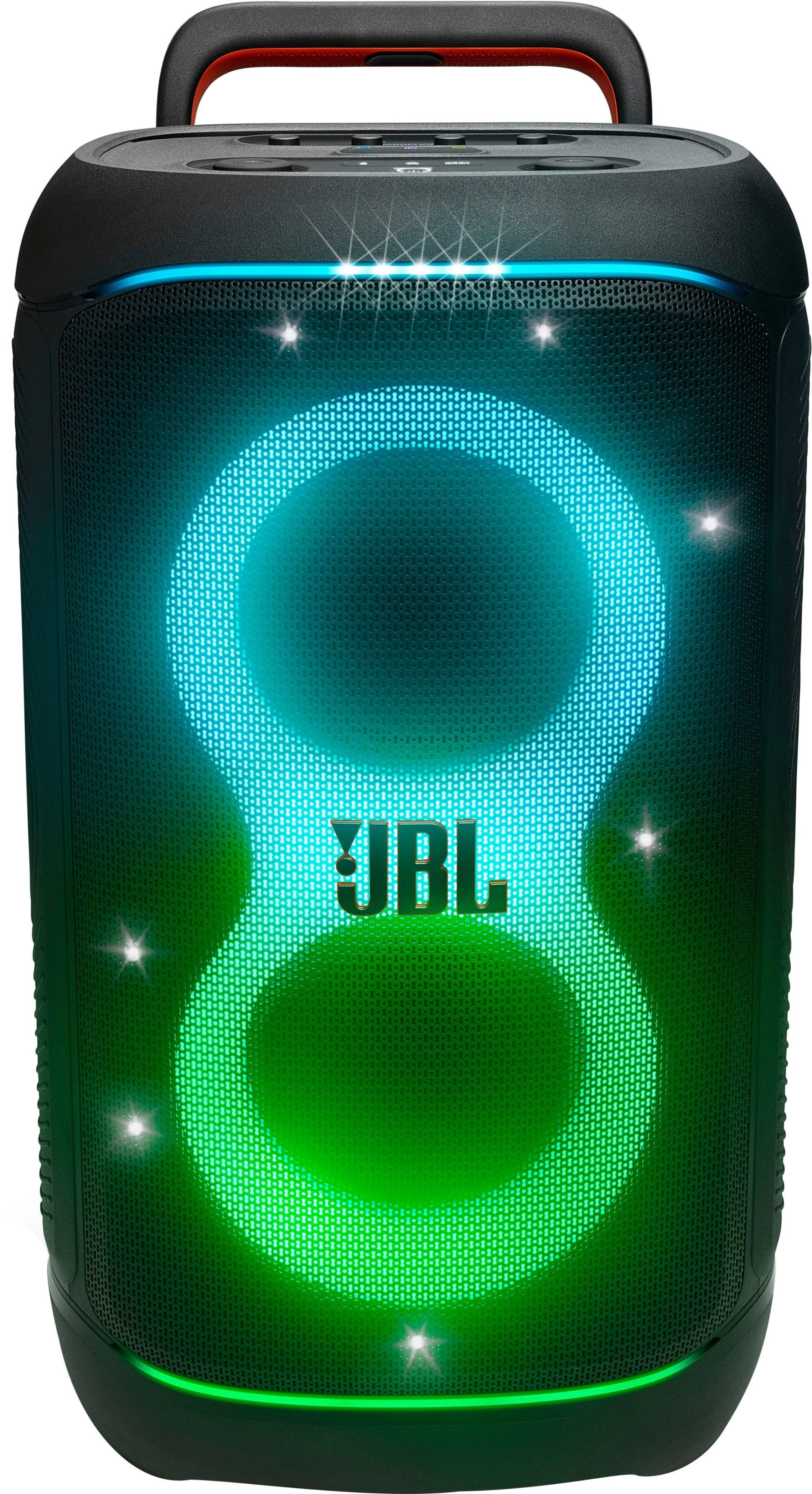
When you're planning the next big gathering—whether it's a backyard barbecue, birthday party, or impromptu dance session—the right speaker can make or break the vibe. Today's party speakers have evolved far beyond simple boom boxes, packing features like karaoke effects, light shows, and enough power to fill entire neighborhoods with sound. But with options ranging from budget-friendly to premium, how do you know which one delivers the best bang for your buck?
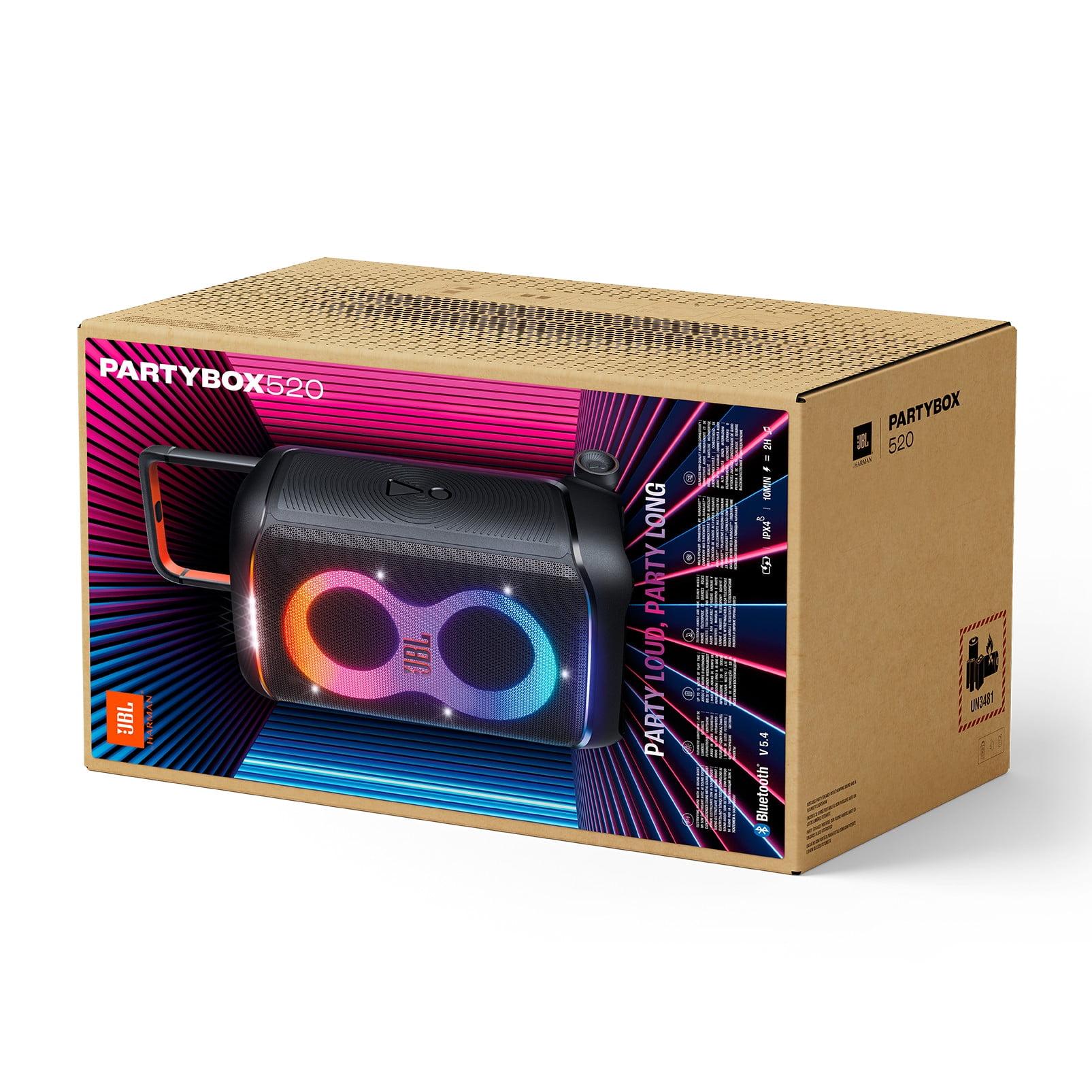
We've spent considerable time researching two popular party speakers that represent very different approaches to the same goal: the budget-conscious Philips TAX5206 and the premium JBL PartyBox 520. While both promise to get your party started, they couldn't be more different in execution. Let's break down what really matters when choosing between them.
Party speakers occupy a unique niche in the audio world. Unlike home theater speakers that prioritize accuracy, or portable Bluetooth speakers designed for personal listening, party speakers are built around one core mission: getting people moving. This means they need to check several specific boxes that regular speakers don't.
First and most importantly, they need serious volume capability. We're talking about speakers that can compete with conversation, laughter, and general party chaos while still sounding good. Second, they need to be portable enough to move around but sturdy enough to handle the inevitable bumps and spills. Third, modern party speakers need entertainment features—think karaoke inputs, light shows, and easy connectivity for multiple devices.
The Philips TAX5206, released around 2022, takes the "value-first" approach, packing essential party features into an affordable package. The JBL PartyBox 520, launched in 2024, represents the premium end with advanced audio processing and professional-grade features. Both have evolved significantly since the early days of party speakers, but they've taken different paths to get there.
When we talk about speaker power, we're really talking about two things: how loud it can get, and how good it sounds when pushed to those limits. This is where the fundamental difference between these speakers becomes crystal clear.
The JBL PartyBox 520 delivers a massive 400 watts RMS (Root Mean Square—the continuous power output that matters more than peak ratings). To put that in perspective, this is enough power to easily cover outdoor spaces up to 300 square meters or indoor parties with 75+ people. Based on our research into user experiences, this speaker can get uncomfortably loud in smaller spaces, which is exactly what you want for larger gatherings.
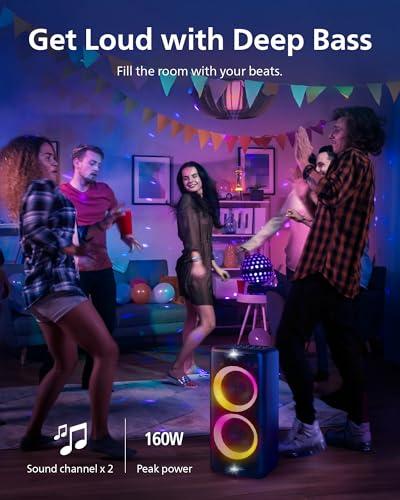
The Philips TAX5206, by contrast, puts out 80 watts RMS with peaks up to 160 watts. While this might seem dramatically less powerful on paper, it's actually plenty for most home party scenarios. Professional reviewers consistently rate its loudness as excellent within its power class, and real-world user feedback suggests it handles medium-sized indoor gatherings without breaking a sweat.
Here's what this power difference means in practice: if you're hosting 15-30 people in your living room or backyard, the Philips will likely provide all the volume you need. But if you're planning outdoor events, large basement parties, or need to compete with significant ambient noise, the JBL becomes essential.
The quality of that power matters just as much as the quantity. The JBL PartyBox 520 includes what JBL calls "AI Sound Boost"—essentially an intelligent limiter that analyzes the audio signal in real-time and prevents distortion even at maximum volume. This technology, which wasn't available in earlier party speakers, means you can push the speaker to its limits without the harsh, compressed sound that typically comes with maximum volume settings.
The Philips uses more traditional audio processing, which works fine at moderate volumes but can show its limitations when really pushed. Expert reviews suggest the sound quality remains acceptable but not exceptional at higher volumes, with some compression in the bass frequencies that makes the overall sound somewhat bright.
While party speakers aren't known for audiophile-quality sound, the difference in approach between these two models reveals a lot about their target markets.
The JBL PartyBox 520 uses a sophisticated driver configuration with dual 7.5-inch woofers and dual 1-inch dome tweeters. The smaller woofers might seem like a disadvantage compared to the Philips TAX5206's dual 8-inch drivers, but JBL's approach prioritizes accuracy and control. The result is what reviewers consistently describe as a balanced, neutral sound profile that works well across different music genres.
The frequency response—the range of sounds a speaker can reproduce—spans from 40Hz to 20kHz on both speakers, covering the full range of human hearing. However, the JBL maintains much better accuracy across this range. Expert measurements show excellent frequency response linearity, meaning the speaker doesn't artificially boost certain frequencies at the expense of others.
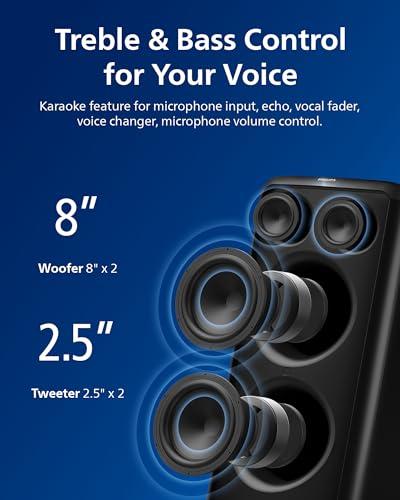
The Philips takes a more typical party speaker approach with its larger 8-inch woofers and 2.5-inch tweeters. While this configuration can produce impressive bass presence, professional reviews consistently note that the bass quality is "mediocre" and the overall clarity suffers compared to more expensive options. The sound is tuned for immediate impact rather than long-term listening quality.
For most party scenarios, this difference might not matter much—when people are talking, dancing, and generally not focusing intently on the music, the Philips's approach works fine. But for more serious listening sessions or events where audio quality matters, the JBL delivers noticeably superior performance.
Here's where things get interesting, because the "better" choice depends entirely on your specific needs and physical capabilities.
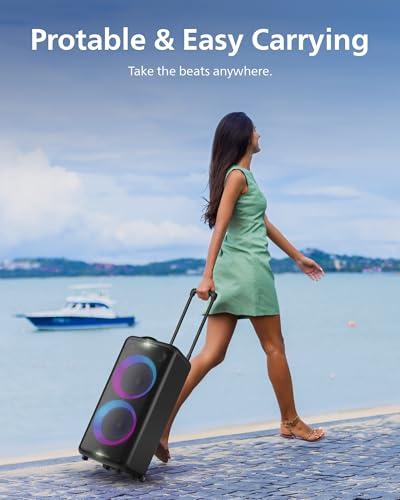
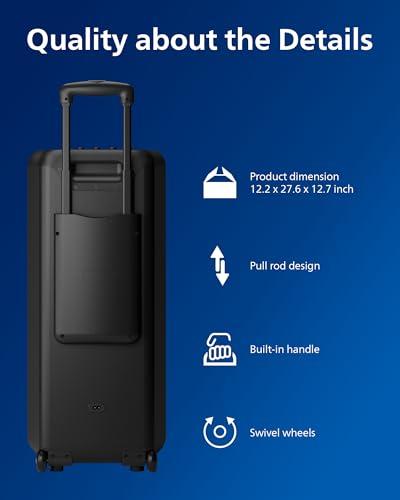
The Philips TAX5206 weighs in at a manageable 10.52 kilograms (about 23 pounds) with dimensions that make it relatively compact for a party speaker. Its trolley design includes built-in wheels and a carry handle, making it genuinely portable for most people. If you frequently move your speaker between locations, need to carry it up stairs, or store it in tight spaces, this portability advantage is significant.
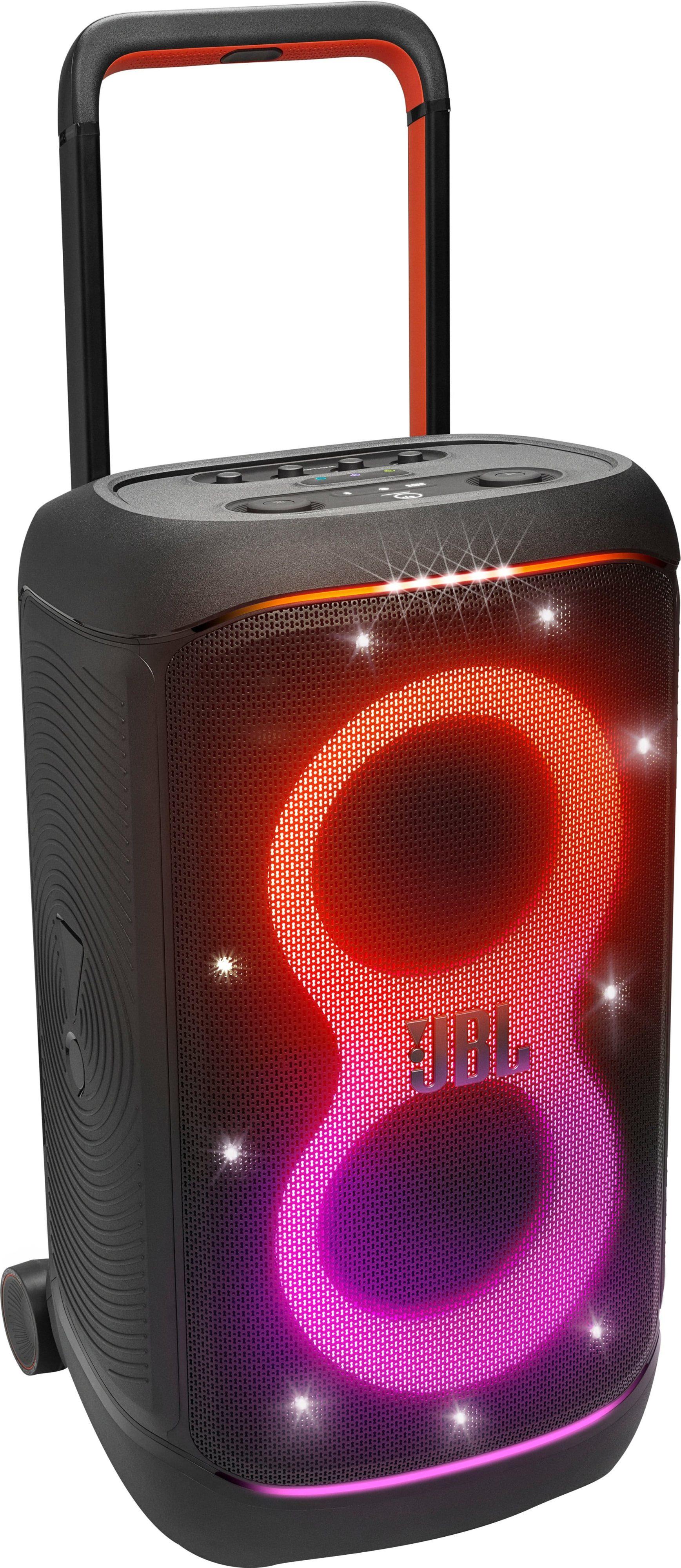
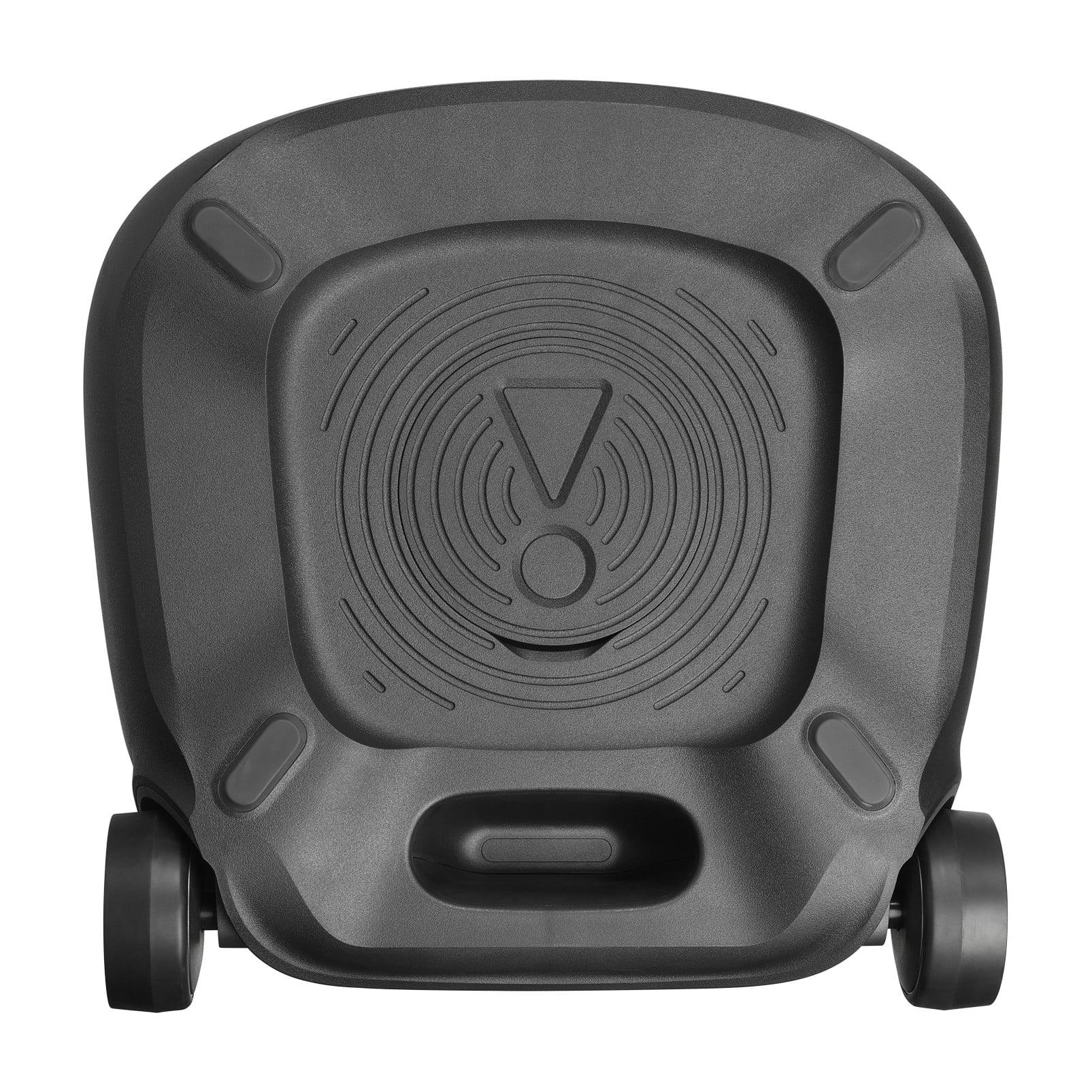
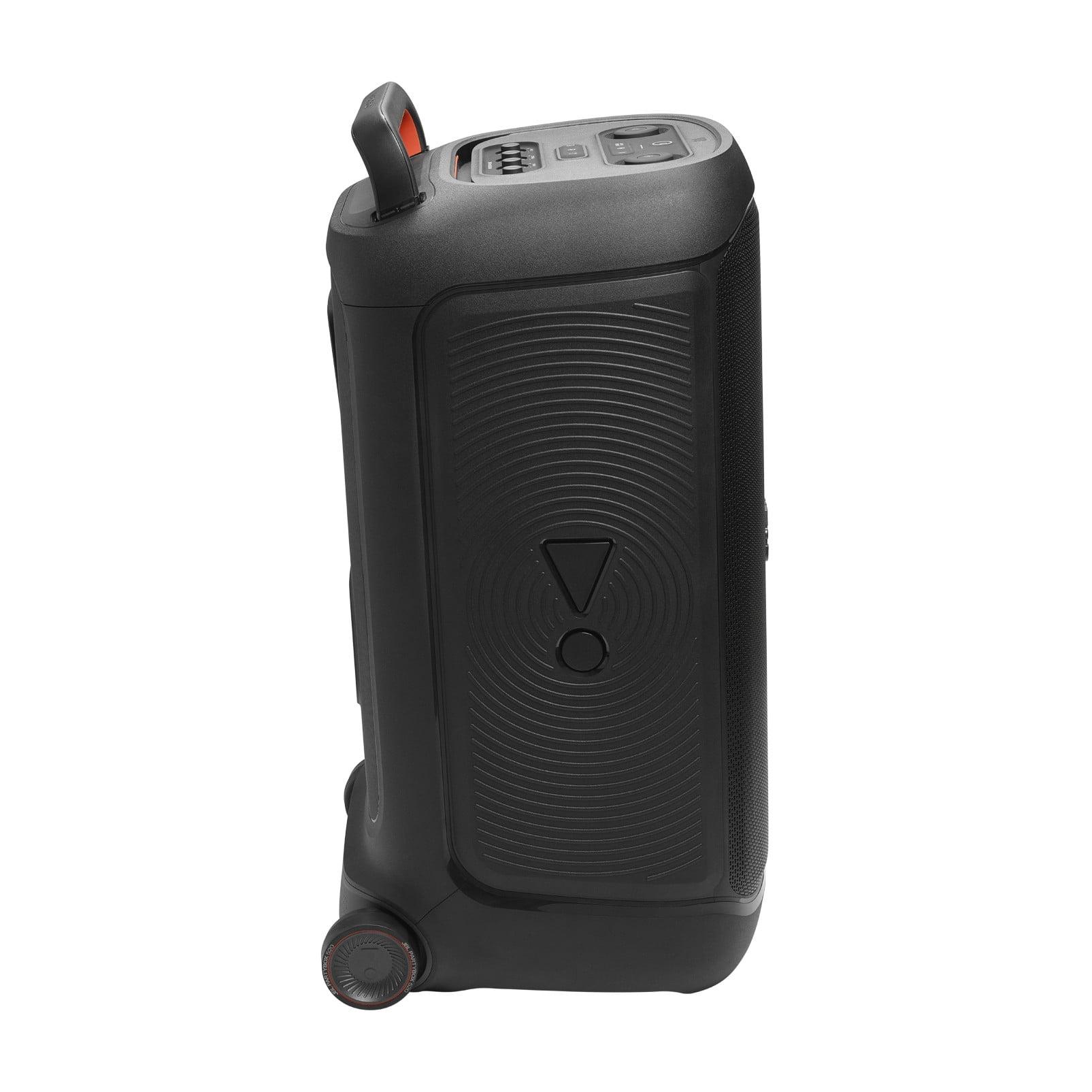
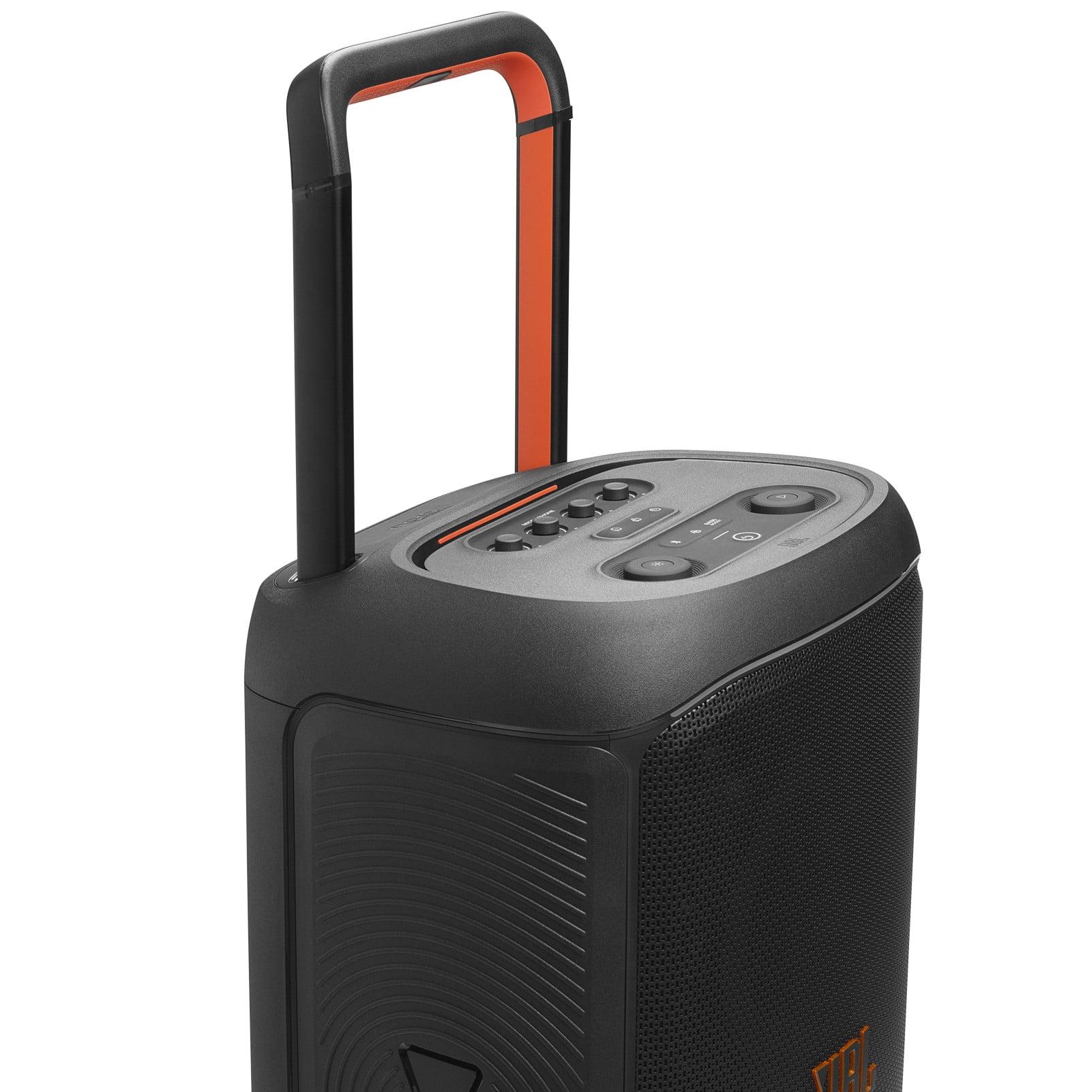
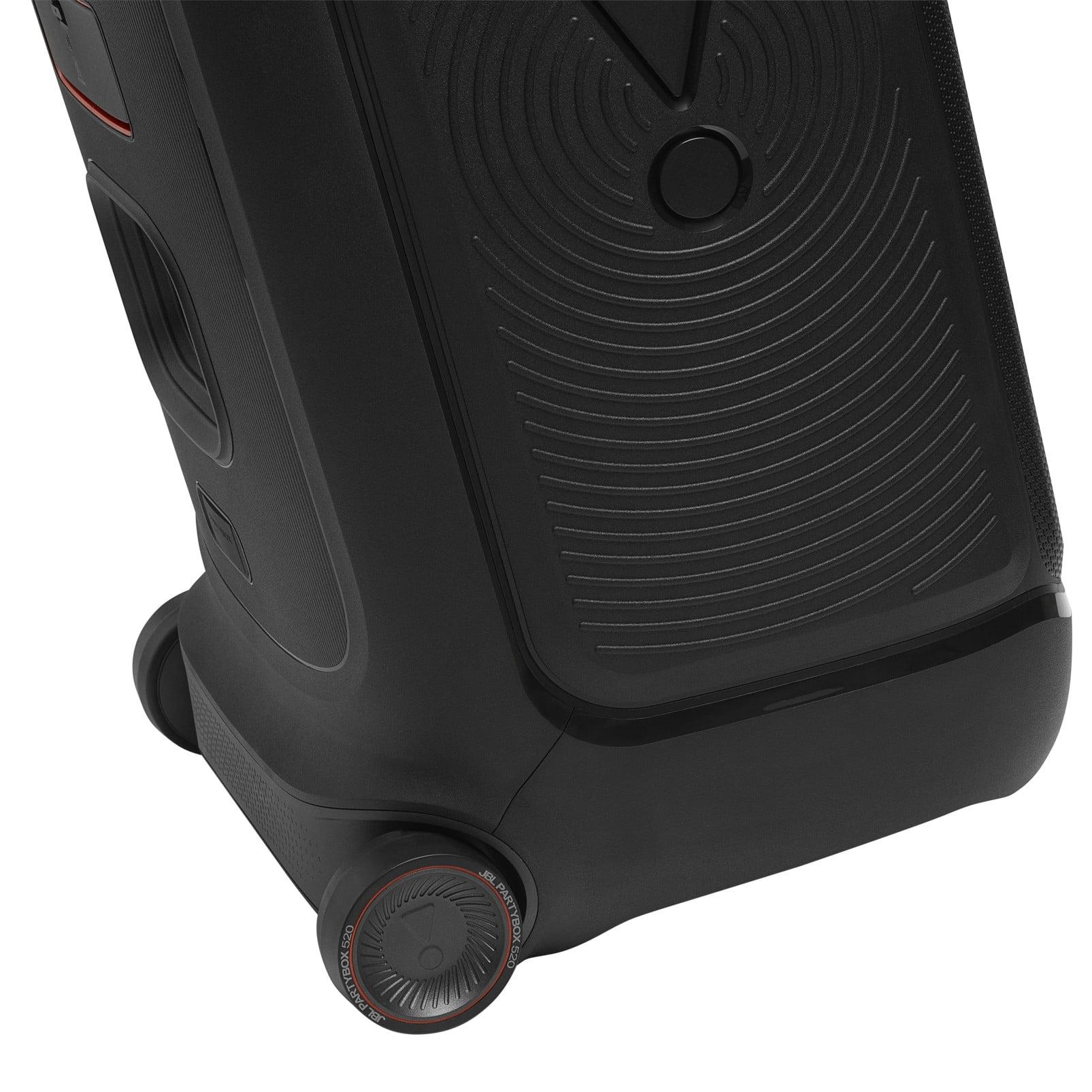
The JBL PartyBox 520 is a different beast entirely at 25.5 kilograms (56.2 pounds). This puts it firmly in the "two-person lift" or "very careful rolling" category. However, JBL has engineered the portability features thoughtfully—the telescopic handle adjusts to different user heights, and the wide, sturdy wheels are designed for smooth rolling across various surfaces.
More importantly, the JBL includes an IPX4 splash-proof rating, meaning it can handle light rain and accidental spills. The Philips lacks any official water resistance rating, making it more vulnerable to outdoor conditions.
In our assessment, the Philips wins for users who frequently move their speaker solo, while the JBL makes more sense for those who can handle the weight and prioritize durability for outdoor use.
Modern party speakers need to connect to everything from smartphones to microphones to DJ equipment, and these two models take dramatically different approaches.
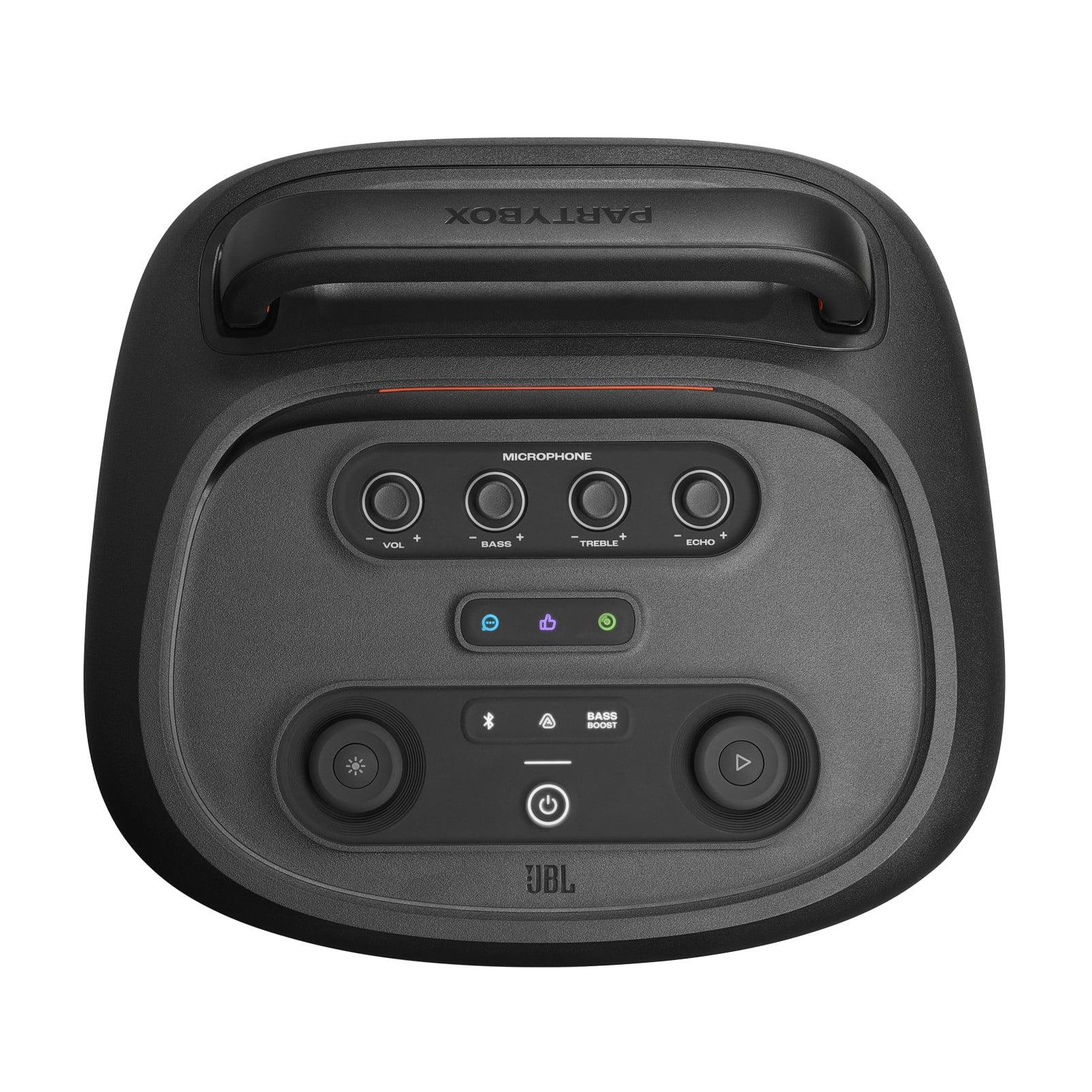
The JBL PartyBox 520 represents the cutting edge of party speaker connectivity. Its Bluetooth 5.4 implementation supports multipoint pairing, meaning you can connect two devices simultaneously—perfect for sharing DJ duties or seamlessly switching between playlists. The Auracast technology is particularly impressive, allowing you to wirelessly link multiple JBL speakers for stereo setups or to cover larger areas.
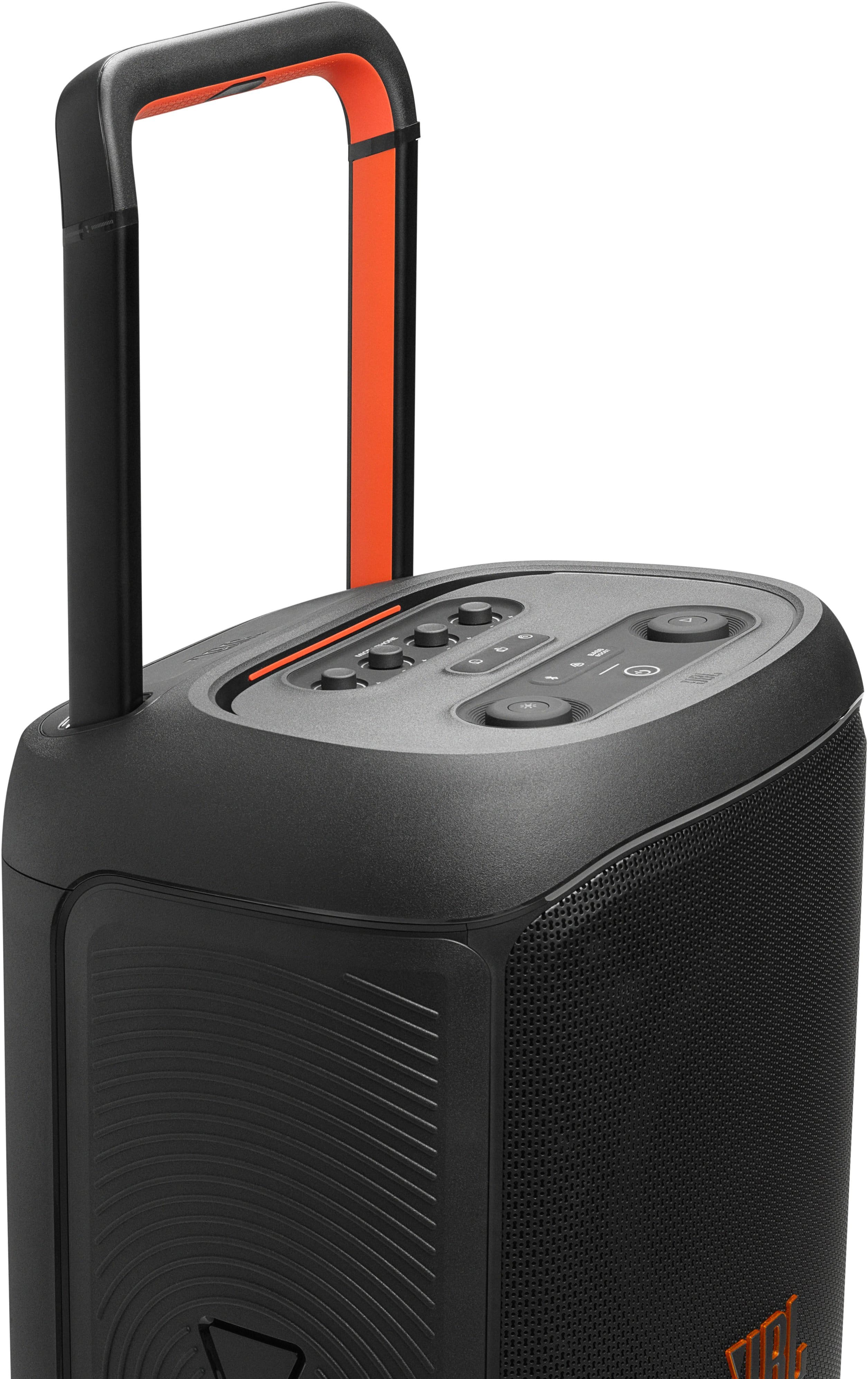
The USB-C connection supports both high-quality audio input and device charging, while the dual combo XLR/¼-inch inputs accept professional microphones, guitars, or DJ equipment. The JBL PartyBox app provides a 7-band graphic equalizer and lighting control, giving you fine-tuned control over both audio and visual aspects.
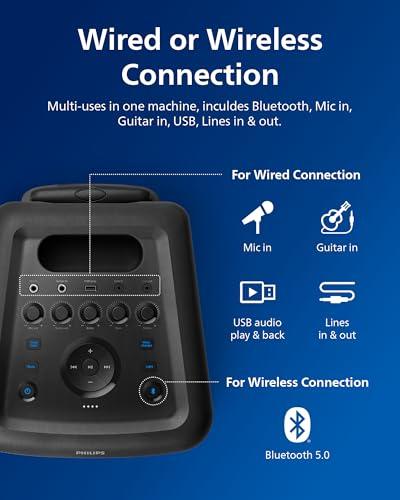
The Philips TAX5206 keeps things simpler with Bluetooth 5.0, USB-A playback for common audio formats, and basic 3.5mm connections. What it lacks in sophistication, it makes up for in straightforward operation—everything is controlled via clearly labeled physical buttons and rotary knobs on the speaker itself.
For casual users who want to plug in and play, the Philips's simplicity is actually an advantage. There's no app to download, no complex setup, and no confusion about which input to use. For more demanding users or those who want maximum flexibility, the JBL delivers professional-grade connectivity options.
Both speakers recognize that karaoke is a major part of the party speaker experience, but they approach it differently.
The Philips TAX5206 is clearly designed with karaoke as a primary use case. It includes dedicated 6.3mm inputs for both microphone and guitar, each with individual volume controls built into the speaker. The karaoke effects are comprehensive: echo control for that professional reverb sound, vocal fader to minimize original vocals in songs, and even voice changer effects for entertainment value.
The physical controls are particularly well thought out—separate rotary knobs for microphone volume, guitar volume, and echo adjustment mean you can make real-time adjustments without menu diving or app switching. For spontaneous karaoke sessions, this immediate control access is invaluable.
The JBL PartyBox 520 takes a more professional approach with its combo XLR/¼-inch inputs that can handle both microphones and instruments. However, it doesn't include built-in vocal effects or voice changing features. Instead, it focuses on providing clean, high-quality audio reproduction that works well with external effects processors or mixing boards.
For casual karaoke fun, the Philips clearly wins with its built-in effects and simple operation. For more serious performance applications or users with their own audio equipment, the JBL's professional inputs offer more flexibility.
Both speakers offer impressive battery performance, but with different strengths.
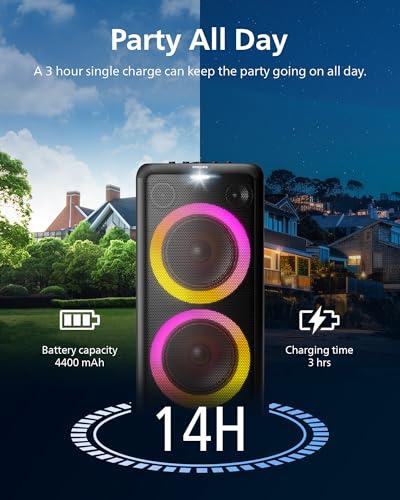
The Philips TAX5206 delivers 14 hours of playback from its 4400mAh battery, which charges fully in about 3 hours. It also functions as a power bank with 5V/1A output, letting you charge phones or other small devices—a nice touch for outdoor events where power access might be limited.
The JBL PartyBox 520 pushes battery life to 15-18 hours depending on volume levels and audio sources, powered by a larger 99.02Wh battery pack. More importantly, JBL has made the battery user-replaceable. This means you can buy spare battery packs for unlimited runtime during extended events, or replace the battery when it eventually degrades after years of use.
The JBL also includes fast charging capability—a 10-minute quick charge provides about 2 hours of additional playback, perfect for those "oops, forgot to charge it" moments.
Both speakers perform better when plugged into AC power, with the JBL gaining 2-3 dB of additional output when connected to mains power. This is normal for high-powered portable speakers and shouldn't be considered a limitation.
Modern party speakers aren't just about audio—they're entertainment systems that create atmosphere through visual effects.
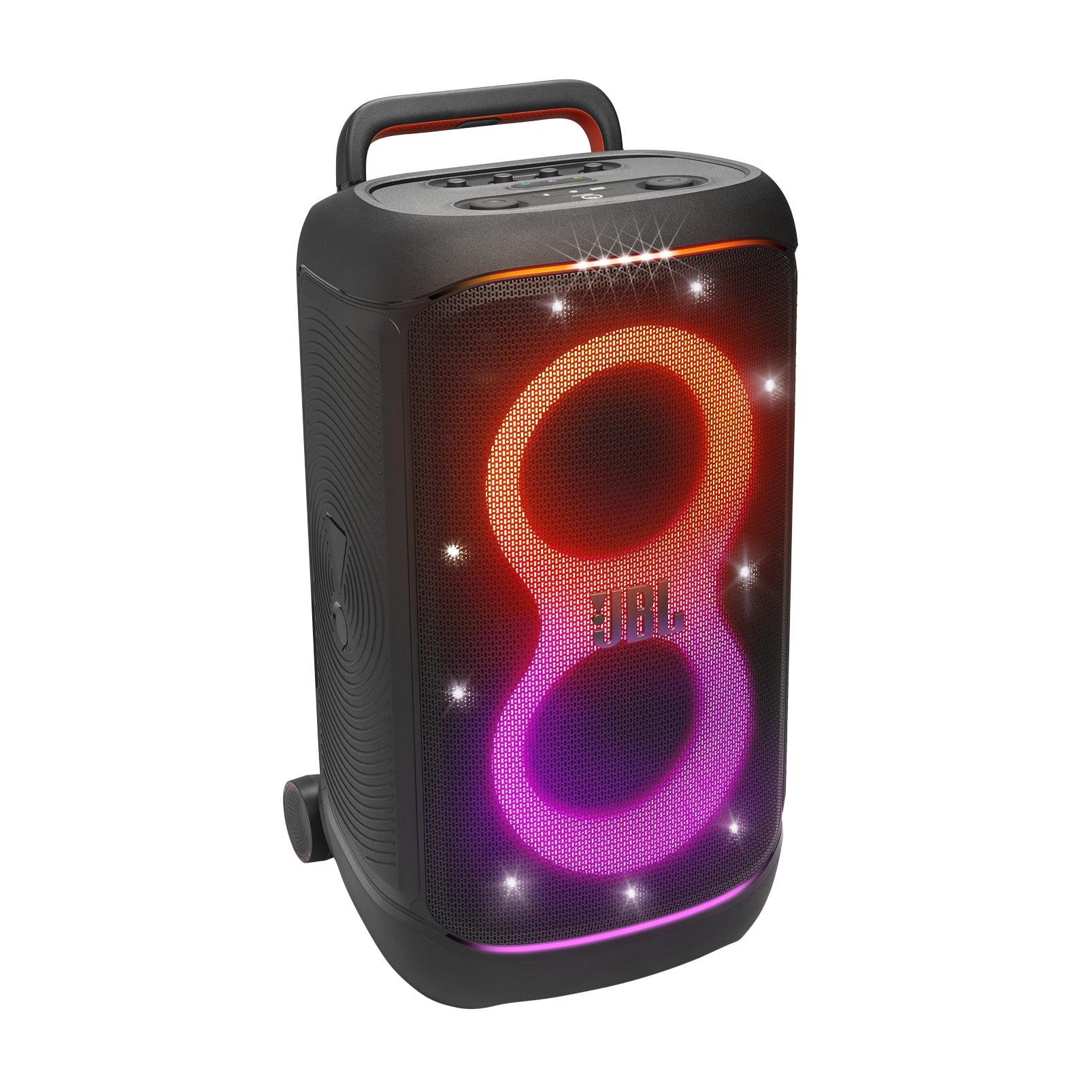
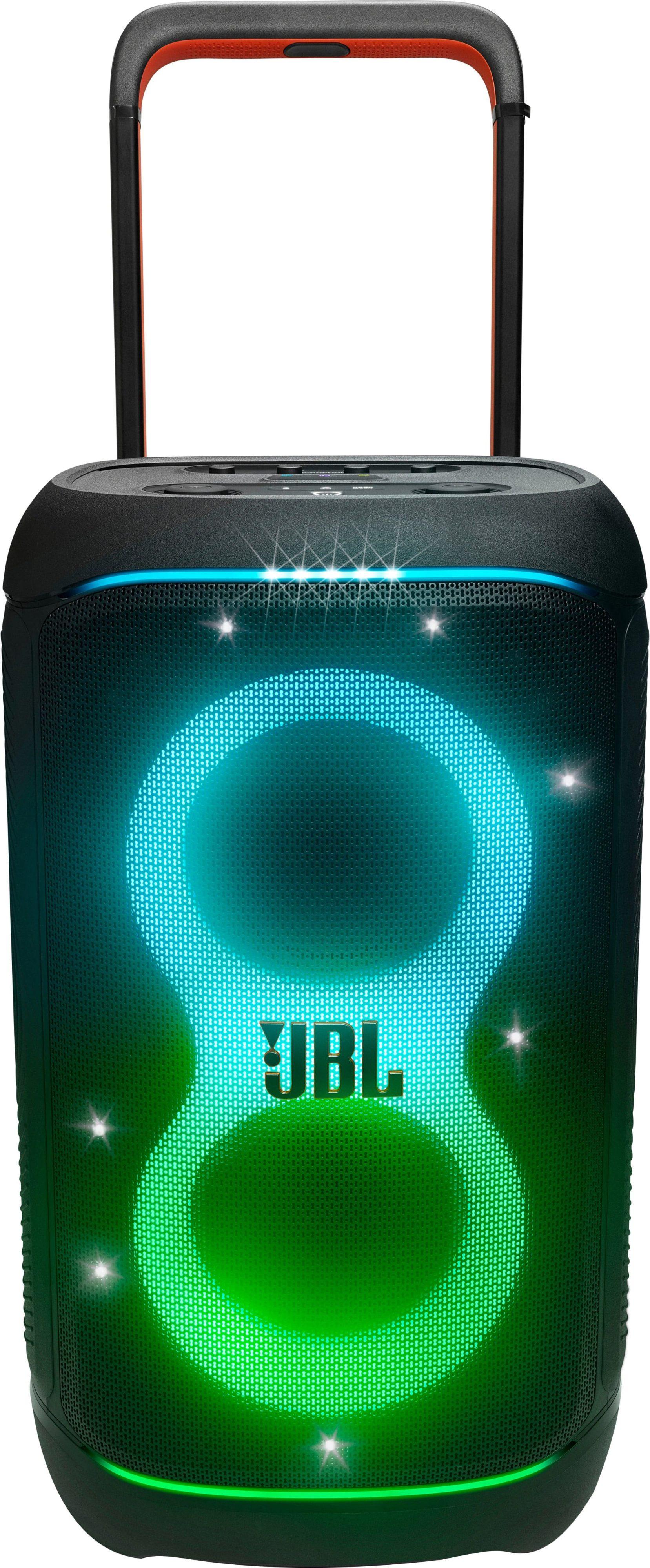
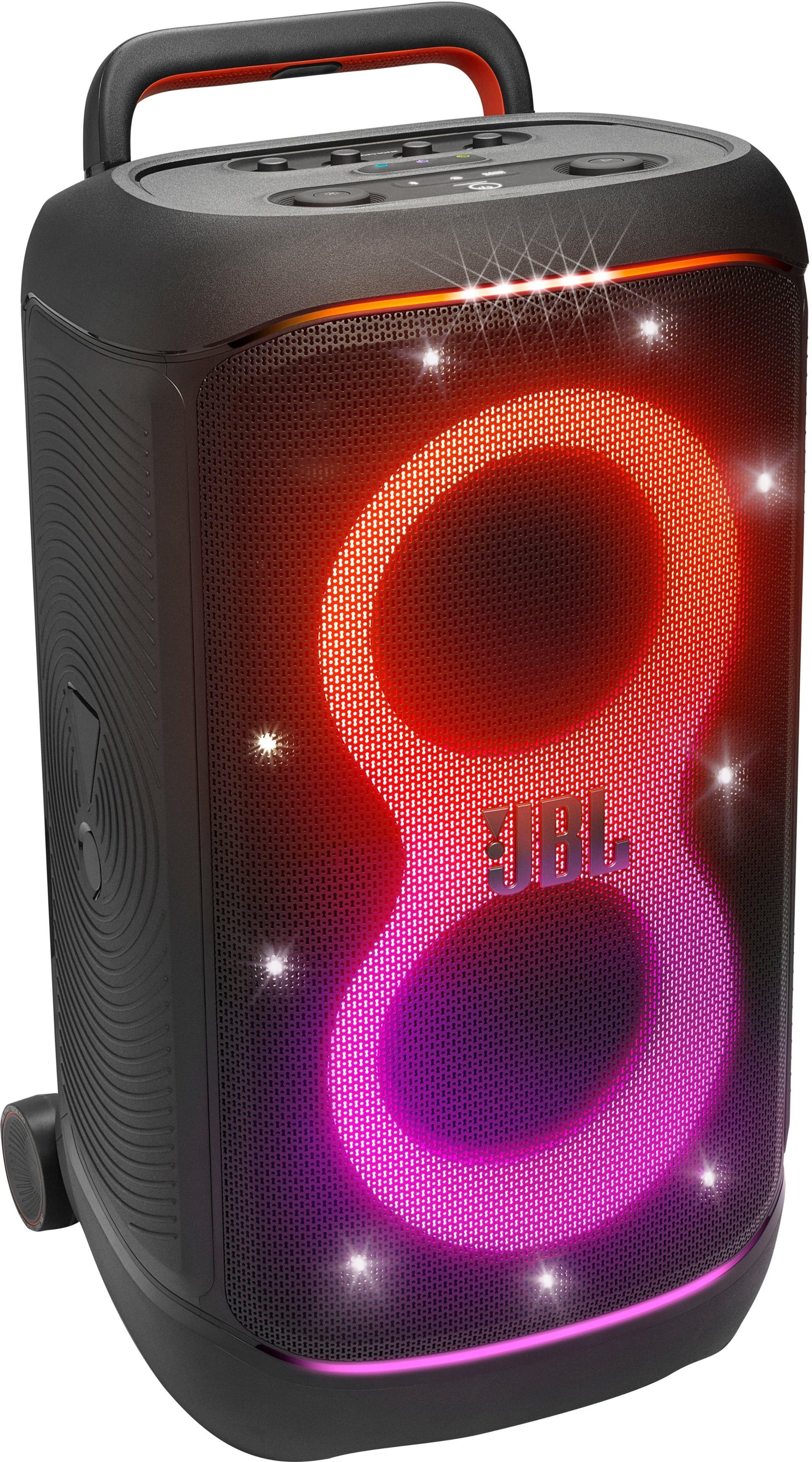
The JBL PartyBox 520 features what JBL calls a "futuristic lightshow" with customizable patterns and effects. The lighting system is controlled through the JBL PartyBox app, offering significant customization options for different moods and music styles. The lights sync with the music and can be fine-tuned to match your preference for subtlety or full disco mode.
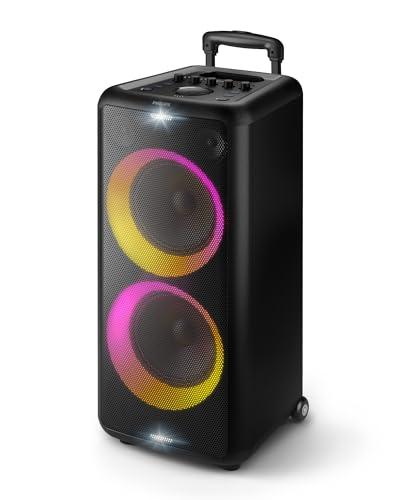
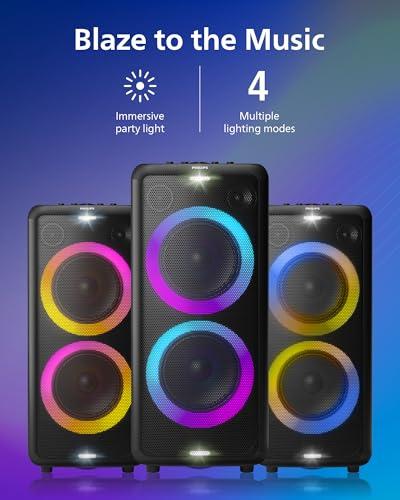
The Philips TAX5206 includes a ring of colored LED lights around the drivers with four different lighting modes and an independent strobe function. While not as sophisticated as the JBL's system, it creates a fun party atmosphere and the physical button control means no app is required to change settings.
Both lighting systems work well in their intended contexts—the JBL offers more sophistication and customization, while the Philips provides immediate fun without complexity.
At the time of writing, these speakers occupy very different price brackets, with the Philips TAX5206 positioned as a budget option and the JBL PartyBox 520 commanding a significant premium.
The Philips represents exceptional value for casual party hosting. It delivers all the essential features—good volume, karaoke capabilities, portability, and party lighting—at a price point that won't break the bank. For many users, especially those new to party speakers or hosting smaller gatherings, it provides everything needed without unnecessary complexity.
The JBL PartyBox 520 asks for a substantial investment but justifies it with professional-grade features, superior sound quality, and robust construction. The replaceable battery system, weather resistance, and advanced connectivity suggest this speaker will serve demanding users well for many years.
Long-term ownership costs favor the JBL for heavy users. The replaceable battery means the speaker won't become obsolete when the battery degrades, and the more robust construction should handle frequent transport and outdoor use better than the Philips.
After extensive research and analysis, both speakers succeed in their intended markets, but they serve fundamentally different users.
Choose the Philips TAX5206 if you're looking for immediate party functionality without a major investment. It's perfect for smaller gatherings (10-30 people), indoor use, and users who prioritize karaoke features and simple operation. The lightweight design makes it ideal for people who frequently move their speaker between locations or need something manageable for solo setup.
The JBL PartyBox 520 makes sense for serious entertainers who regularly host large events, need maximum volume and sound quality, or want professional connectivity options. Its weather resistance and robust construction make it the clear choice for outdoor events, while the advanced features justify the premium for users who will take advantage of them.
For home theater use, neither speaker is ideal—both are designed for parties rather than critical listening. However, if forced to choose, the JBL's more balanced sound profile and superior connectivity would work better for movie audio, though dedicated home theater speakers would be a better investment.
The bottom line: the Philips delivers impressive value for casual users, while the JBL provides professional capabilities for demanding applications. Your choice should depend on your typical use cases, budget, and how much you value convenience versus capability. Both will get your party started—the question is how far you want that party to go.
| Philips TAX5206 | JBL PartyBox 520 |
|---|---|
| Power Output - Determines maximum volume and crowd size you can handle | |
| 80W RMS (160W peak) - good for 15-30 people indoors | 400W RMS - handles 75+ people and large outdoor spaces |
| Weight and Portability - Critical for solo setup and frequent moving | |
| 10.52kg (23 lbs) - manageable for one person to carry and move | 25.5kg (56 lbs) - requires two people or careful rolling |
| Battery Life - Hours of unplugged party time | |
| 14 hours playbook, 3-hour charge time | 15-18 hours playback, 3-hour charge, replaceable battery |
| Water Resistance - Protection for outdoor events and spills | |
| No official IP rating - indoor use recommended | IPX4 splash-proof - handles light rain and party accidents |
| Karaoke Features - Built-in entertainment capabilities | |
| Echo control, voice changer, vocal fader, dedicated mic/guitar inputs | Professional XLR/¼" inputs but no built-in vocal effects |
| Connectivity - How devices connect and control options | |
| Bluetooth 5.0, USB-A, physical controls only | Bluetooth 5.4 multipoint, USB-C, app control with 7-band EQ |
| Driver Configuration - Impacts sound quality and frequency response | |
| 2x 8" woofers, 2x 2.5" tweeters - party-tuned sound | 2x 7.5" woofers, 2x 1" dome tweeters - balanced audiophile sound |
| Multi-Speaker Connectivity - Expanding your sound system | |
| Basic daisy-chain via 3.5mm line-out | Auracast wireless linking with other JBL speakers for stereo |
| LED Lighting Effects - Visual party atmosphere | |
| Ring of colored lights, 4 modes, strobe function | Customizable lightshow with app control and music sync |
| Professional Features - DJ and live performance capabilities | |
| Simple rotary controls, basic line inputs | Combo XLR inputs, app EQ, USB-C audio, device charging |
The JBL PartyBox 520 is significantly louder with 400W RMS output compared to the Philips TAX5206's 80W RMS. The JBL can handle outdoor events with 75+ people, while the Philips is better suited for indoor gatherings of 15-30 people.
The JBL PartyBox 520 offers balanced, audiophile-quality sound with excellent frequency response accuracy, while the Philips TAX5206 prioritizes party-focused sound with emphasized bass but less overall clarity. The JBL includes AI Sound Boost technology to prevent distortion at high volumes.
The Philips TAX5206 is much more portable at 10.52kg (23 lbs) and can be easily moved by one person. The JBL PartyBox 520 weighs 25.5kg (56 lbs) and typically requires two people to lift, though it has excellent wheels and a telescopic handle for rolling.
Both speakers offer excellent battery life - the Philips TAX5206 provides 14 hours of playback, while the JBL PartyBox 520 delivers 15-18 hours. The key advantage of the JBL is its replaceable battery system, allowing unlimited runtime with spare batteries.
The Philips TAX5206 excels at karaoke with built-in echo control, voice changer, and vocal fader effects. The JBL PartyBox 520 has professional XLR microphone inputs but lacks built-in vocal effects, making the Philips better for casual karaoke fun.
The JBL PartyBox 520 has IPX4 splash-proof rating, making it suitable for outdoor use and resistant to light rain and spills. The Philips TAX5206 has no official water resistance rating and is better suited for indoor or covered outdoor use.
The JBL PartyBox 520 provides superior connectivity with Bluetooth 5.4 multipoint pairing, USB-C audio, professional XLR inputs, and app control. The Philips TAX5206 offers basic Bluetooth 5.0, USB-A playback, and simple physical controls without app functionality.
Yes, but differently - the JBL PartyBox 520 uses advanced Auracast technology for wireless linking with other JBL speakers, creating true stereo setups. The Philips TAX5206 can daisy-chain via its 3.5mm line-out, but with more limited functionality.
Both offer party lighting, but the JBL PartyBox 520 provides more sophisticated customizable lightshows controlled via app with music synchronization. The Philips TAX5206 has a simpler ring of colored lights with 4 modes and strobe function controlled by physical buttons.
Neither speaker is ideal for home theater - both are designed for parties rather than critical listening. However, the JBL PartyBox 520 would work better for movie audio due to its more balanced sound profile and superior connectivity options, though dedicated home theater speakers would be preferable.
This depends on your needs - the Philips TAX5206 offers exceptional value for casual party hosting with all essential features at a budget-friendly price. The JBL PartyBox 520 justifies its premium price with professional features, superior sound quality, and durability for serious entertainers.
Both speakers charge fully in about 3 hours. The Philips TAX5206 can charge small devices with its 5V/1A power bank function. The JBL PartyBox 520 offers more advanced USB-C charging with higher power output and also includes 10-minute fast charging for 2 hours of additional playback.
We've done our best to create useful and informative comparisons to help you decide what product to buy. Our research uses advanced automated methods to create this comparison and perfection is not possible - please contact us for corrections or questions. These are the sites we've researched in the creation of this article: youtube.com - documents.philips.com - cutetechgadgets.com - odpbusiness.com - usa.philips.com - hitechers.com - youtube.com - documents.philips.com - youtube.com - walmart.com - walmart.com - device.report - flipkart.com - brightstarcomp.com - youtube.com - philips.co.in - documents.philips.com - fullspecs.net - documents.philips.com - soundguys.com - rtings.com - rtings.com - rtings.com - letemsvetemapplem.eu - youtube.com - worldwidestereo.com - youtube.com - global.jbl.com - youtube.com - soundguys.com - youtube.com - youtube.com - comparisontabl.es - youtube.com - youtube.com - youtube.com - gzhls.at - sweetwater.com - static.pcrichard.com - brandsmartusa.com - news.harman.com - jbl.com - ro.harmanaudio.com - jbl.com - creativeaudio.net

Privacy Policy
Terms and Conditions - Affiliate Policy
Home Security
© Copyright 2008-2026.
11816 Inwood Rd #1211, Dallas, TX 75244