

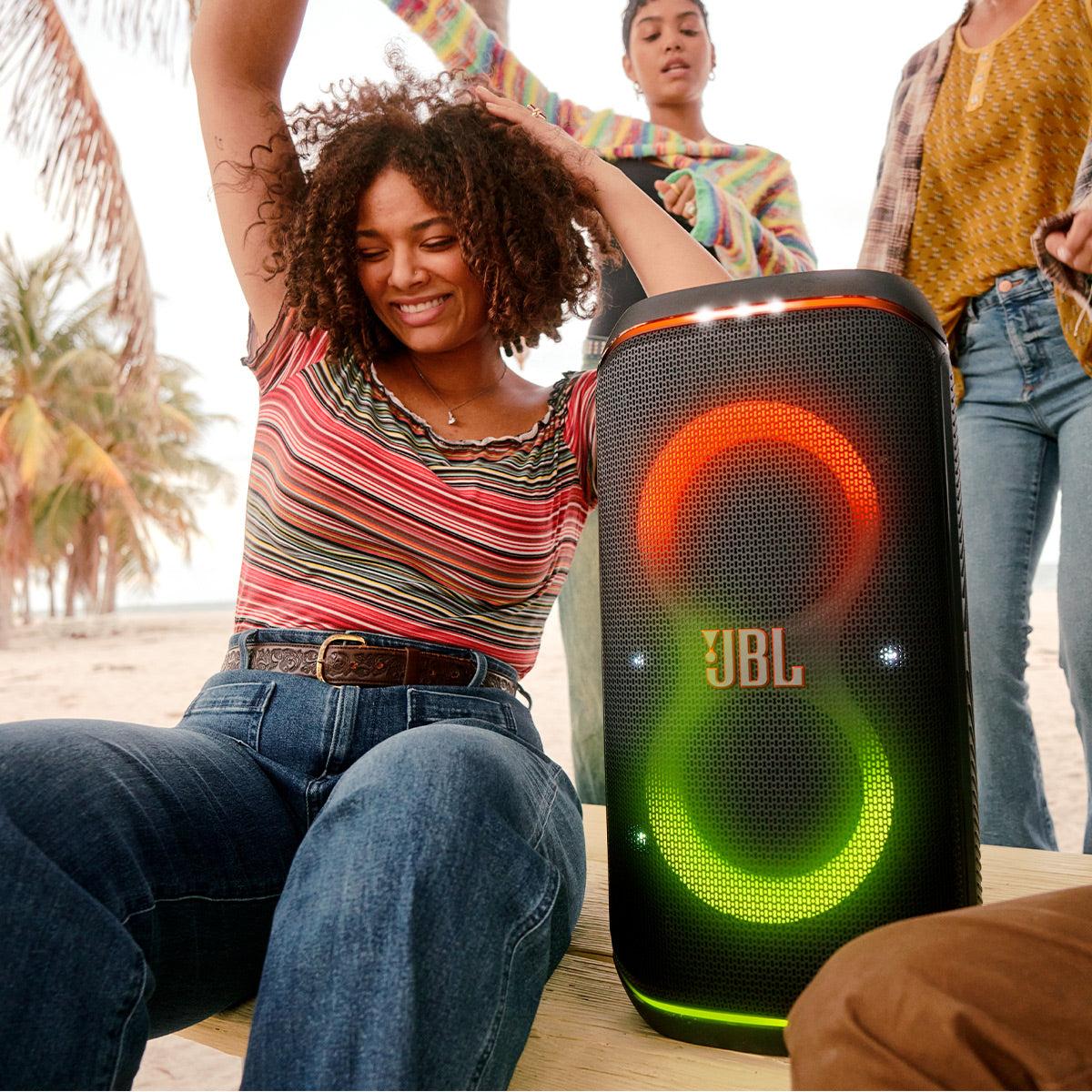
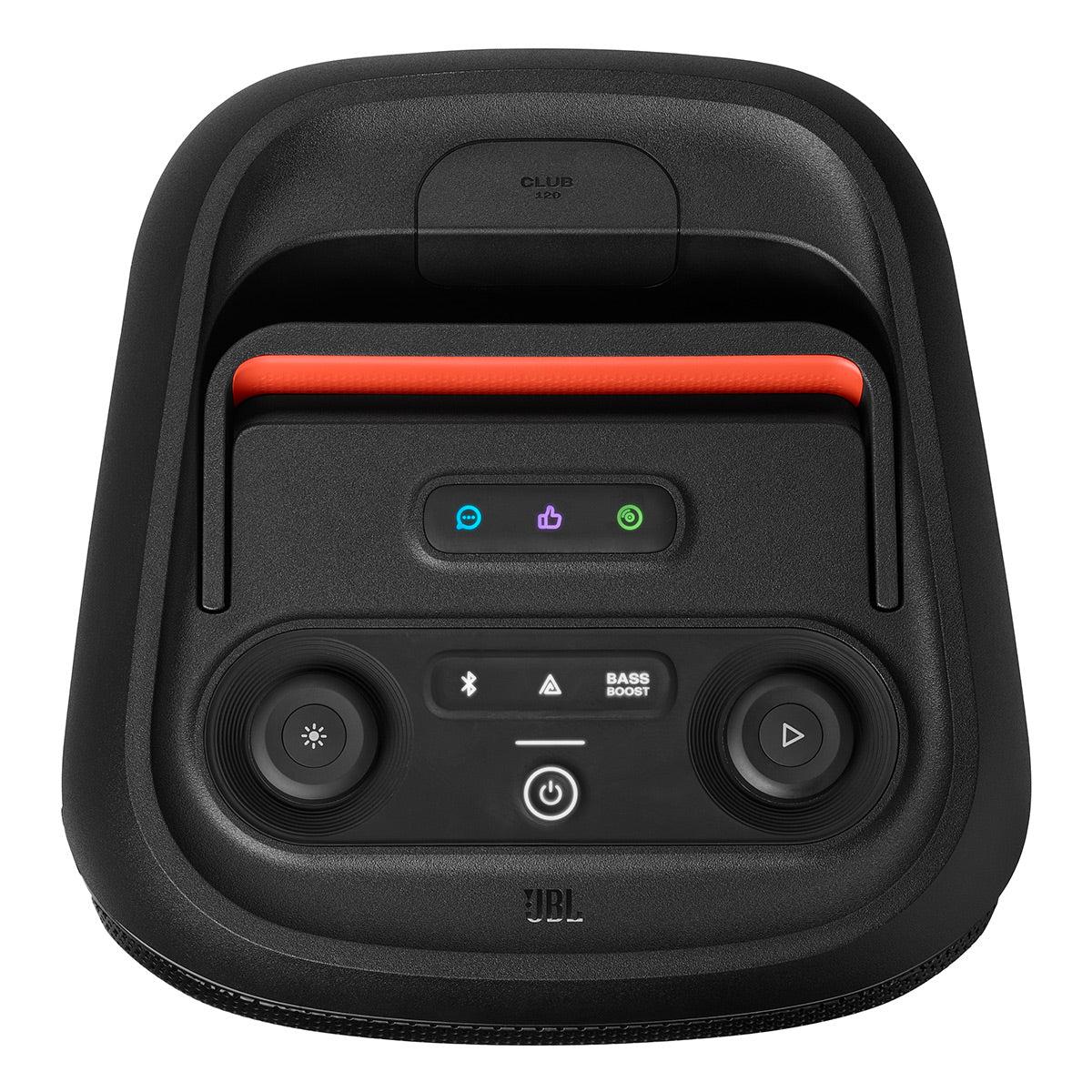
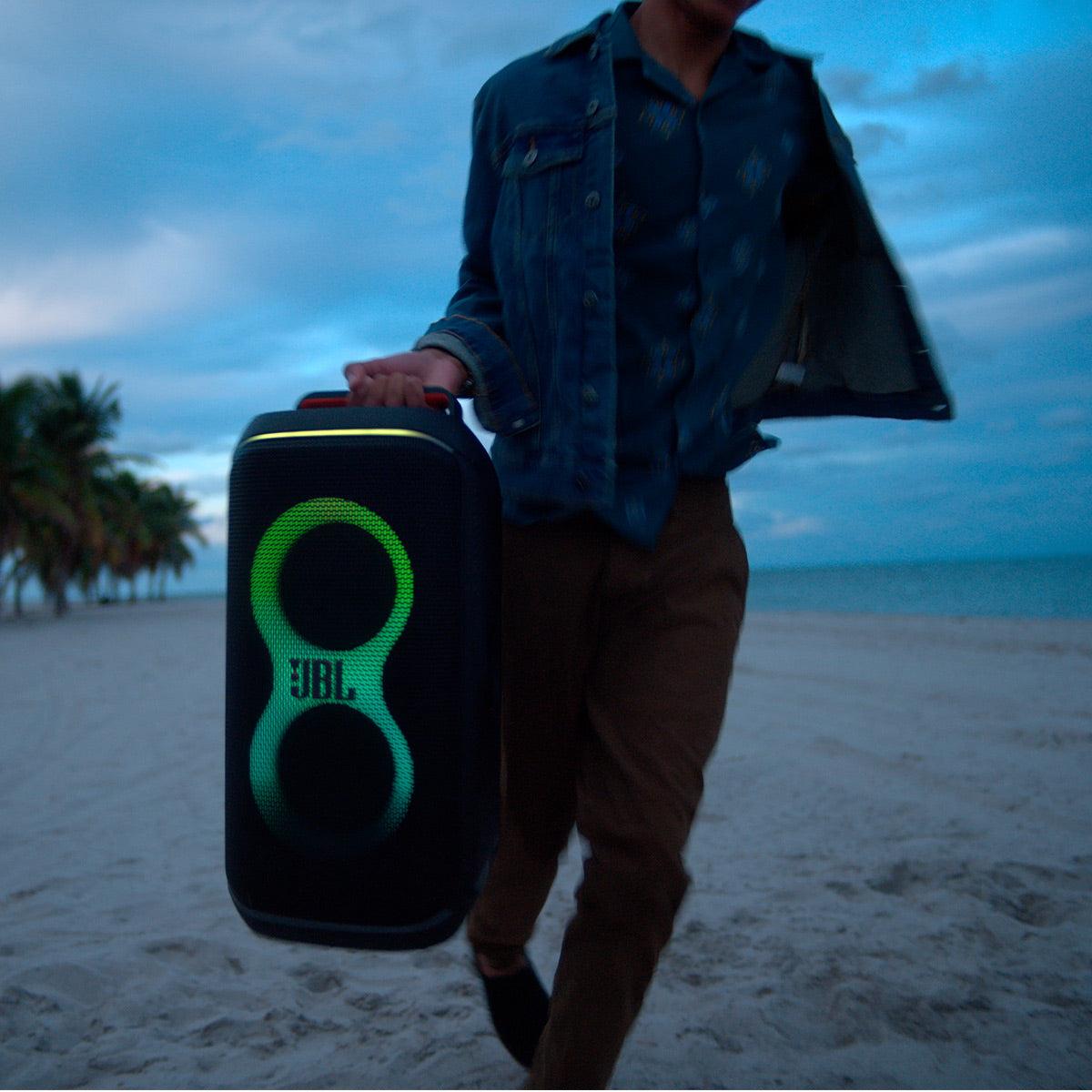
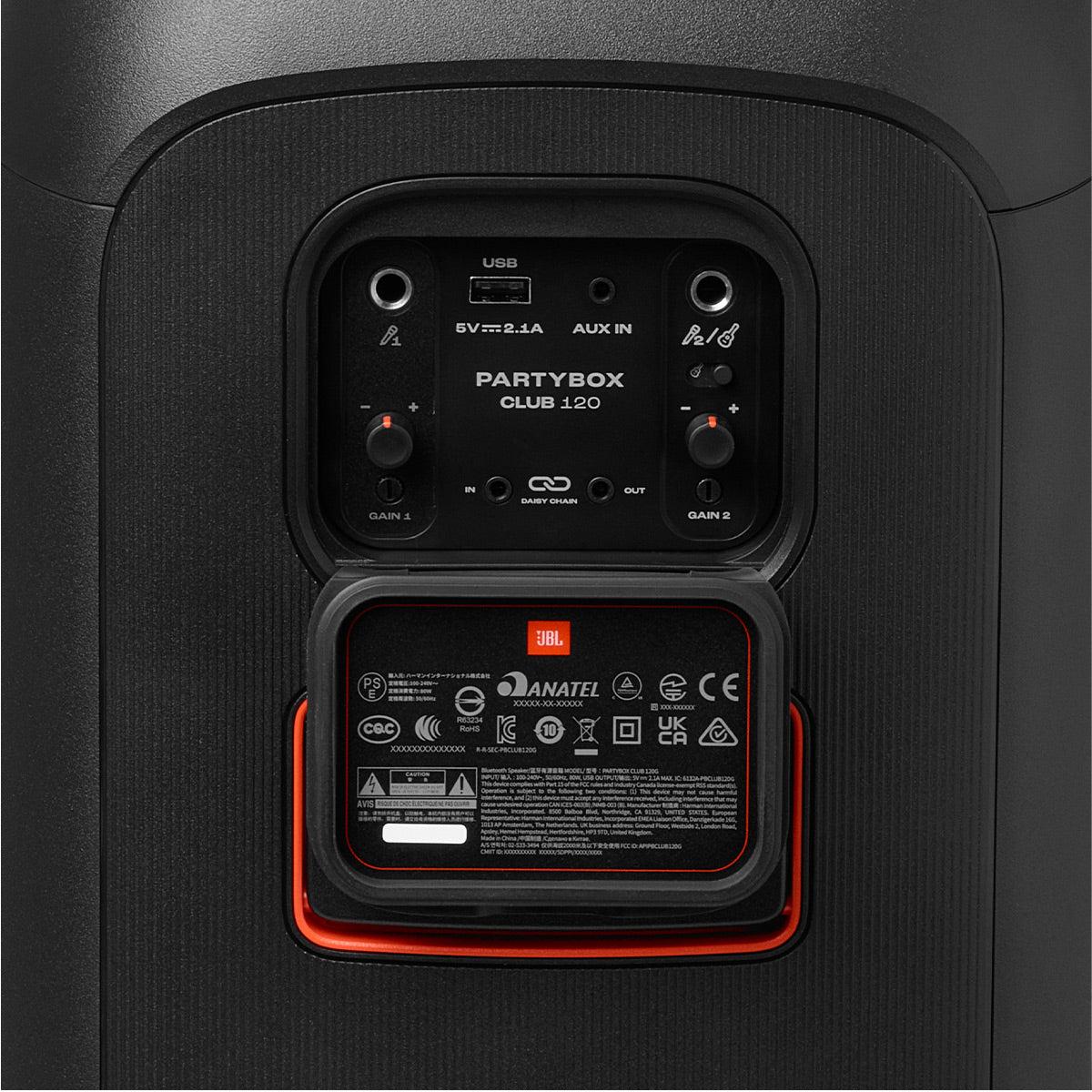
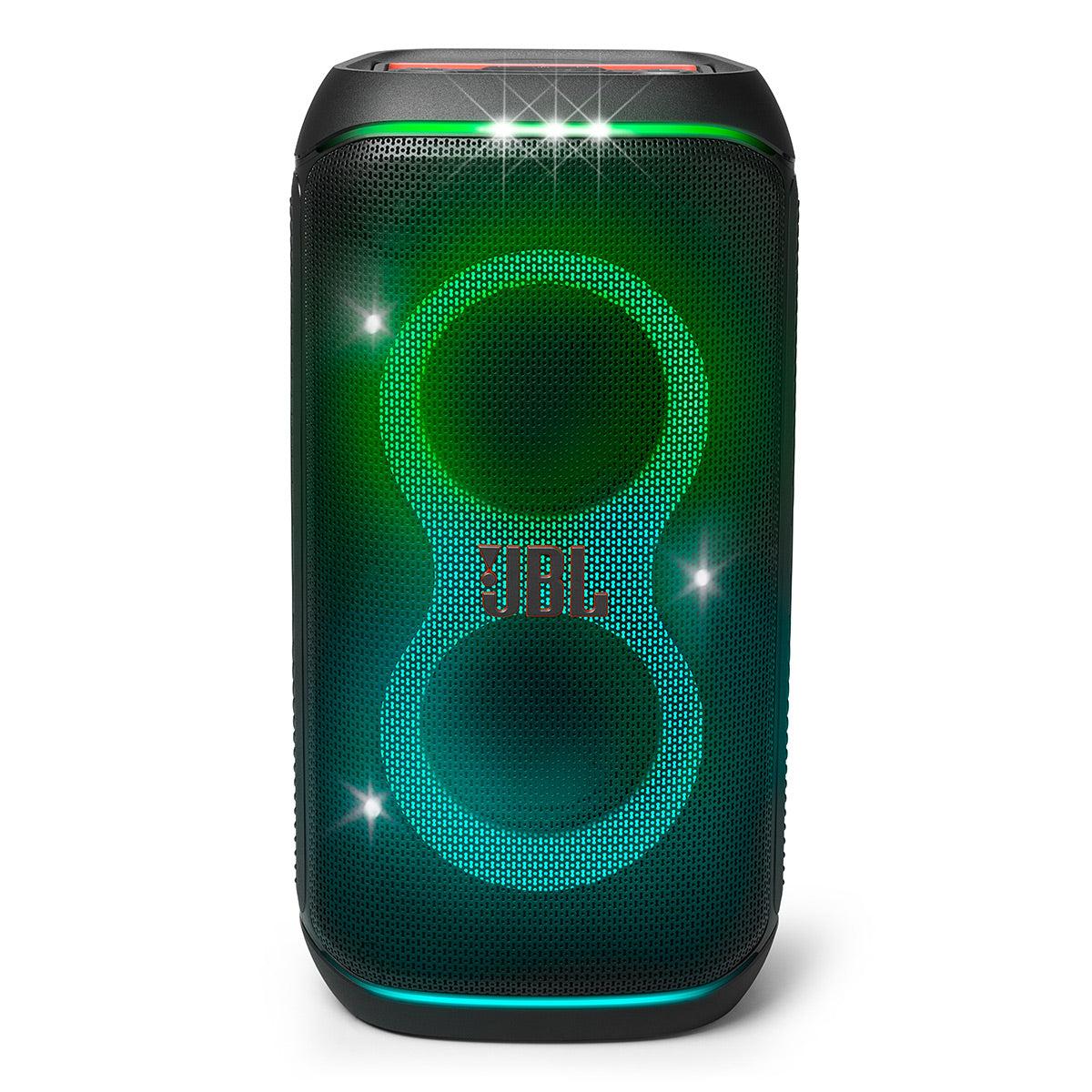
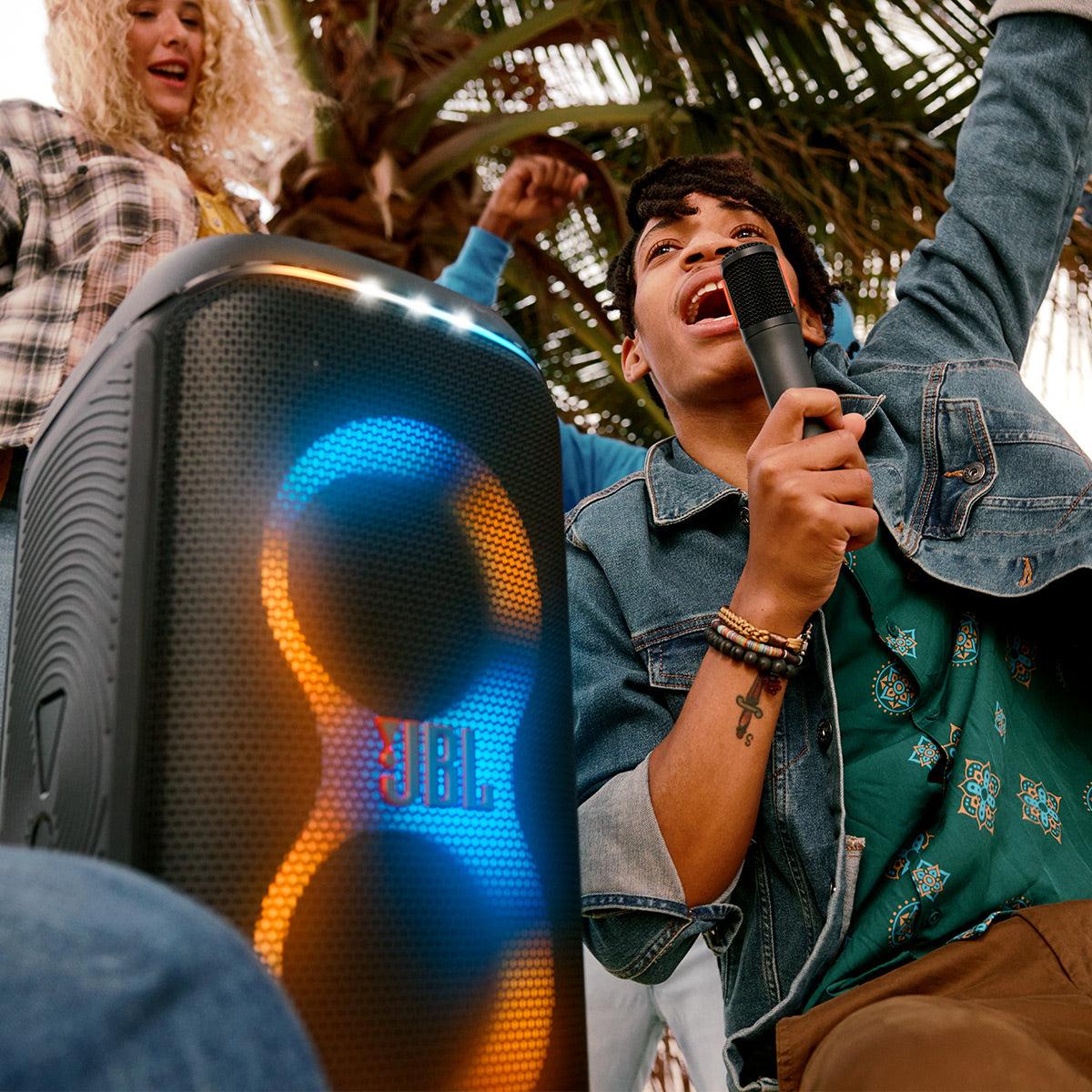
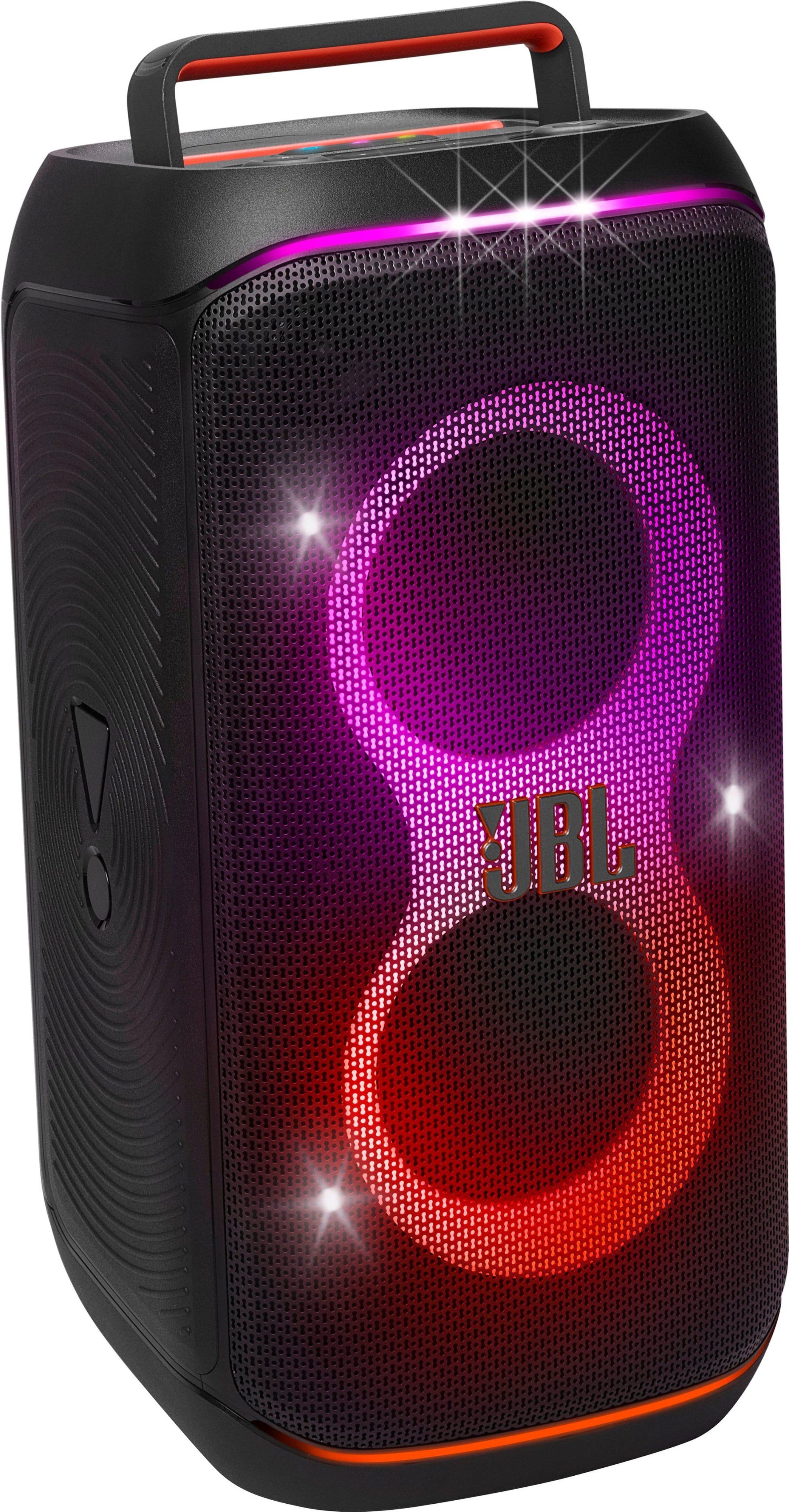
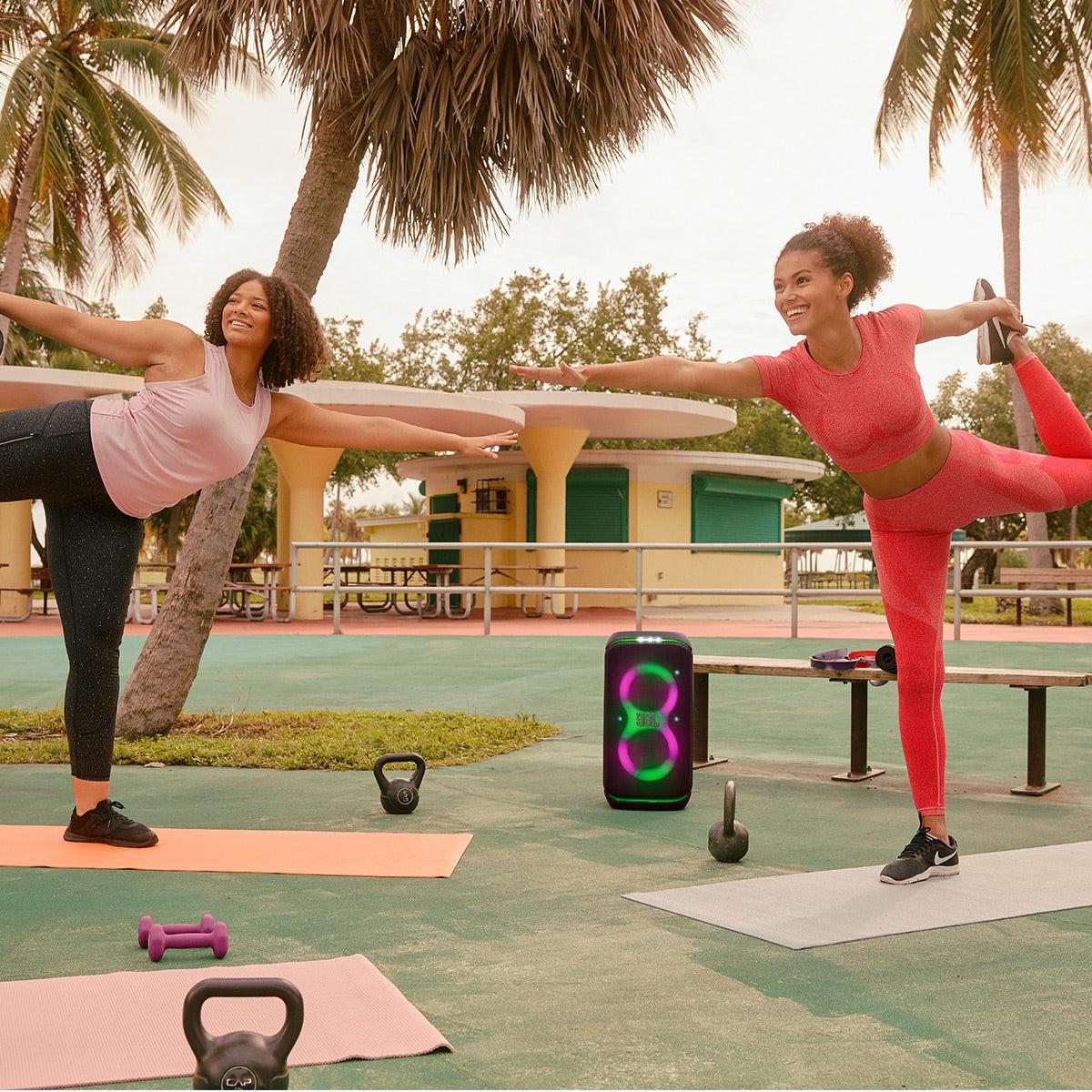
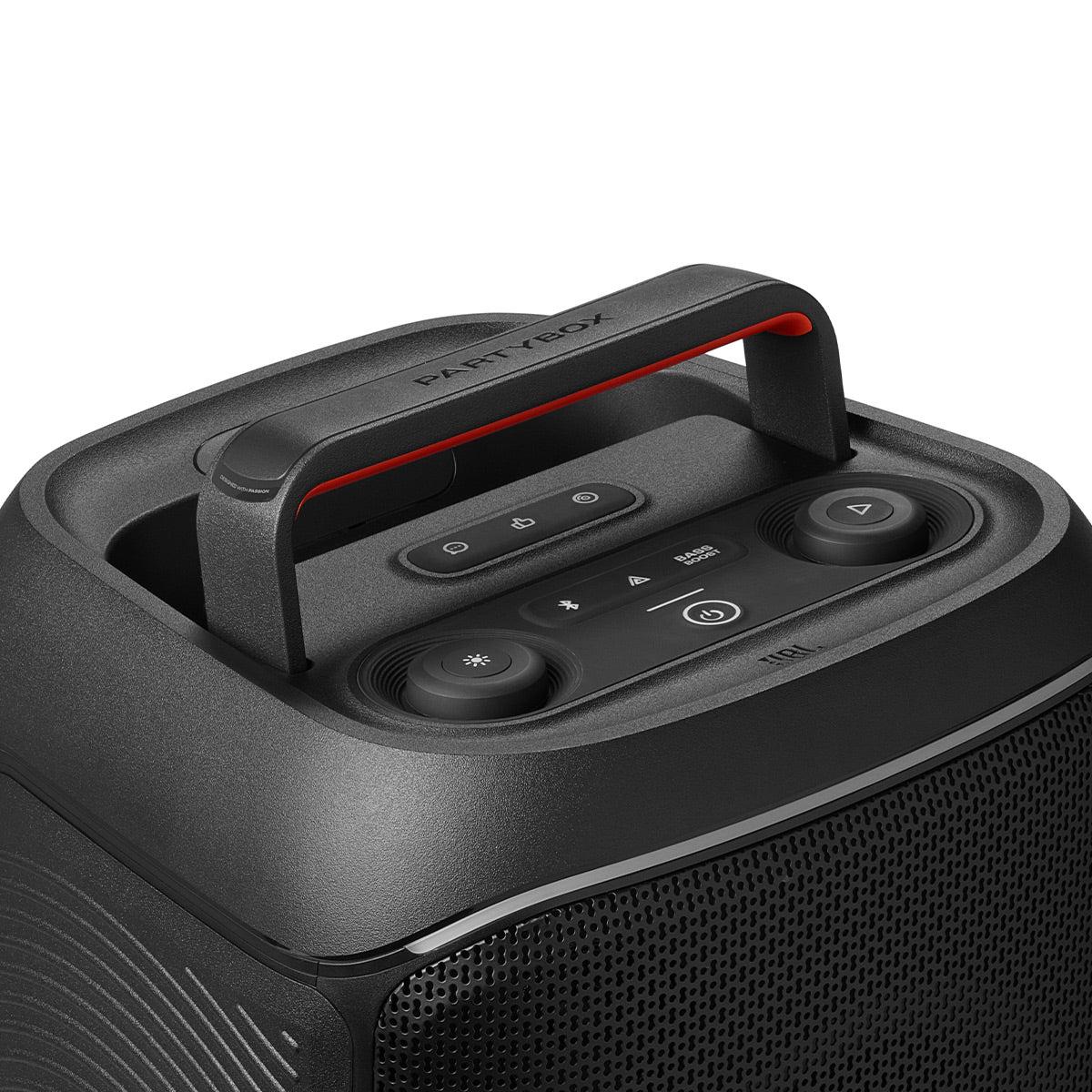
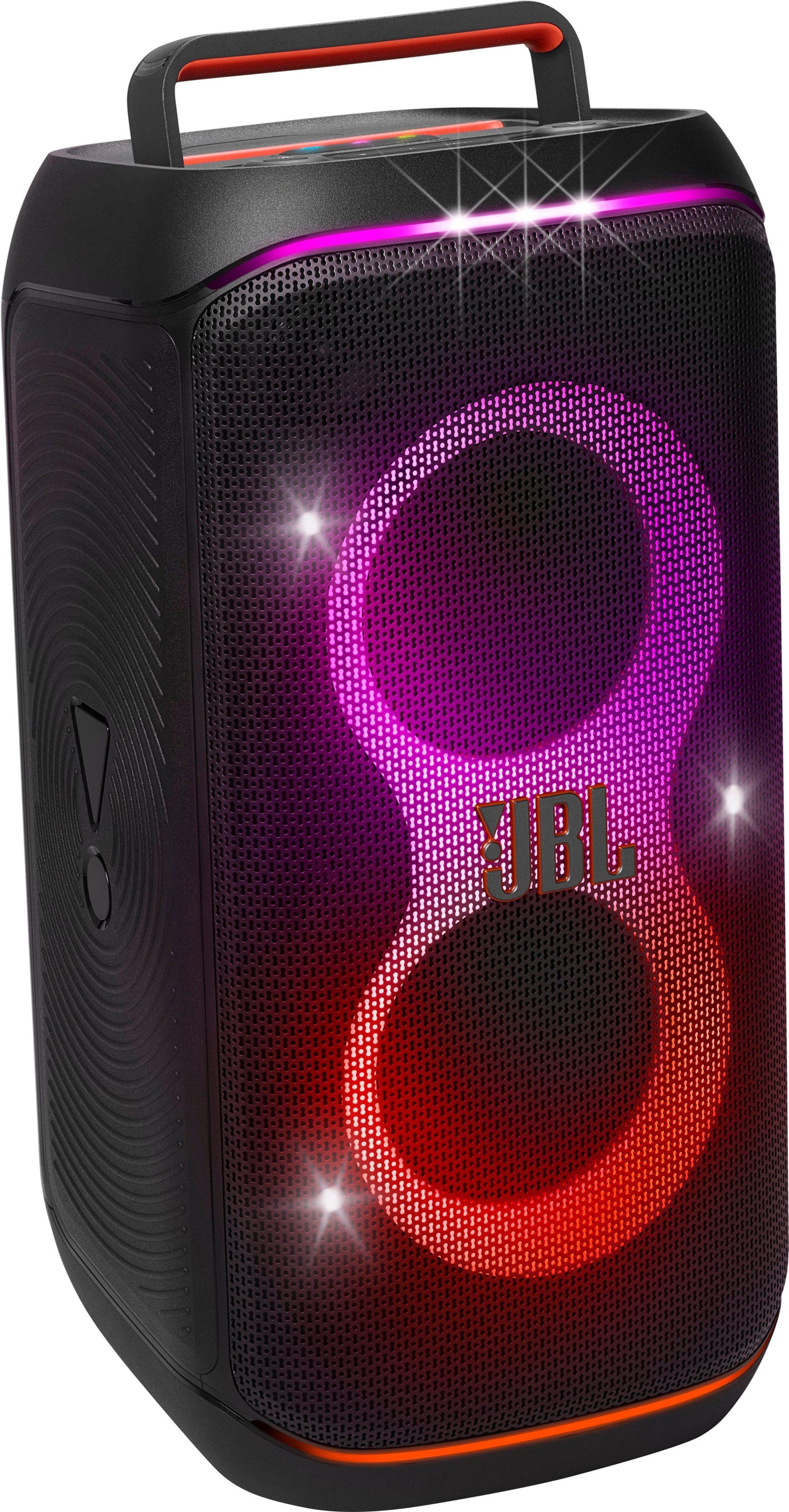
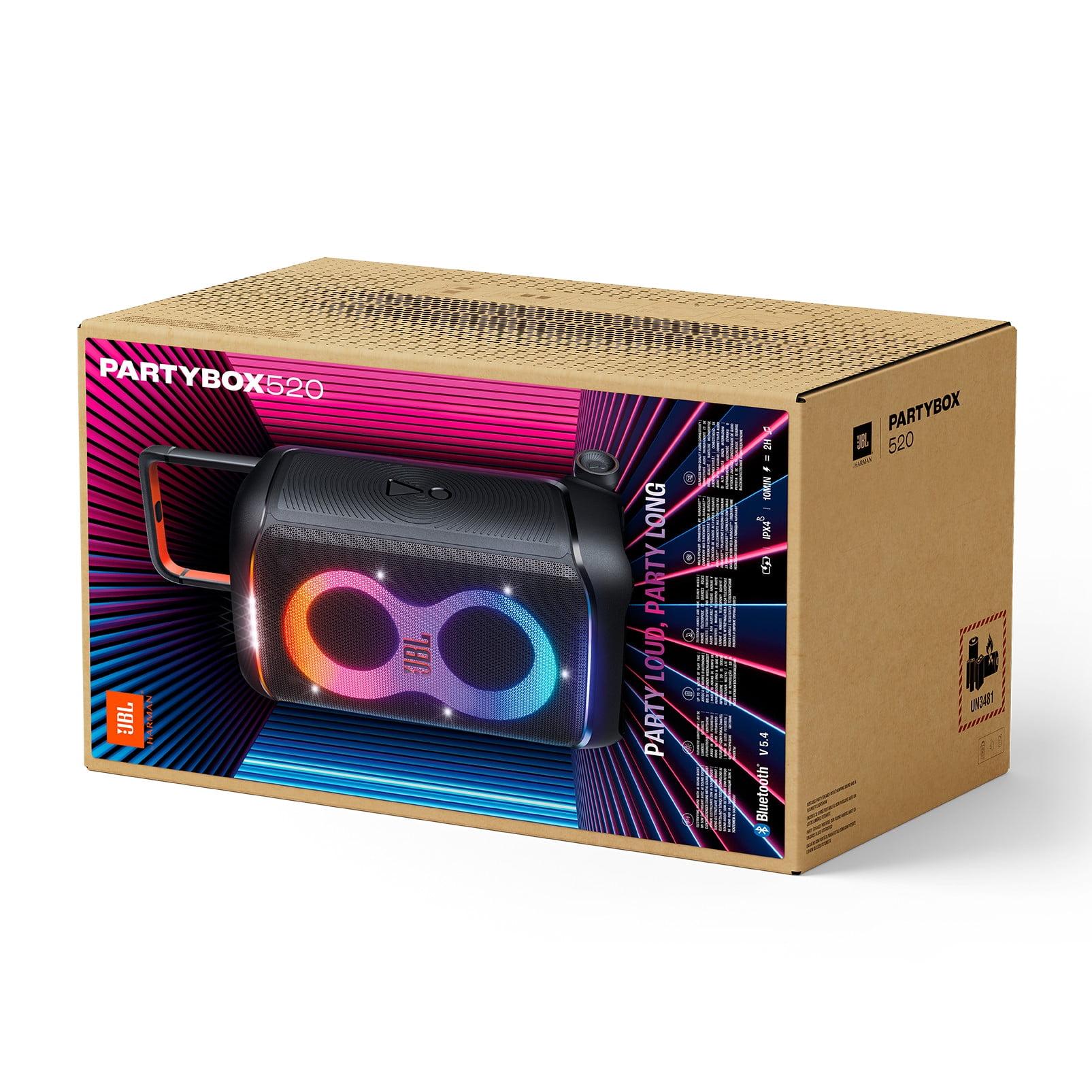
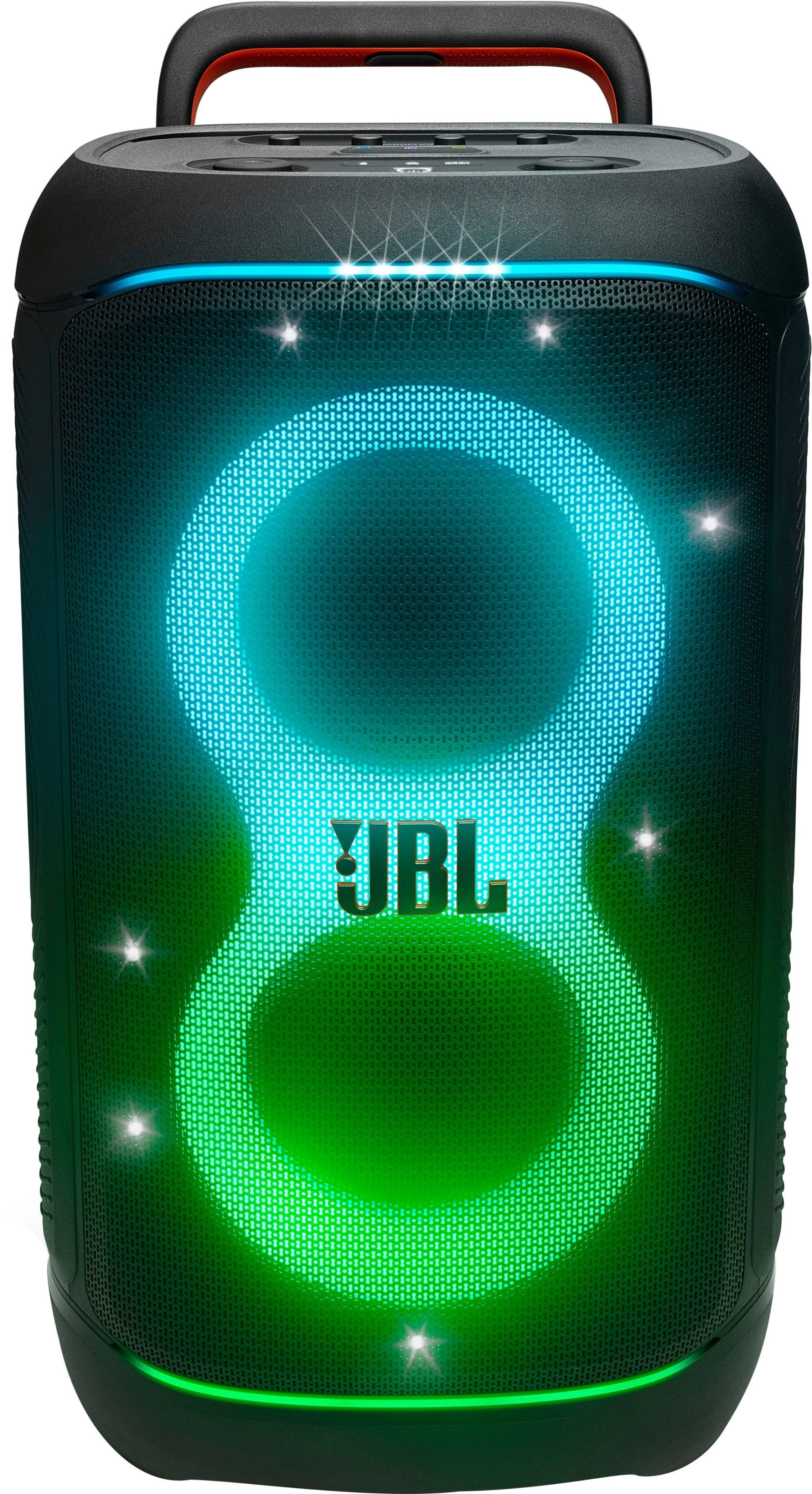
When you're shopping for a portable party speaker, you're essentially looking for a sound system that can transform any space into an instant dance floor. But choosing between JBL's PartyBox Club 120 and PartyBox 520 isn't just about picking the louder one—it's about understanding what you actually need and how much you're willing to spend for those extra decibels.
Both speakers belong to JBL's PartyBox family, designed specifically for events, gatherings, and anywhere you need serious sound with eye-catching light shows. The Club 120 launched in 2024 as JBL's attempt to bring professional-grade party features into a more affordable package, while the 520 arrived in 2025 as the premium powerhouse with significantly upgraded performance.
Before diving into the specifics, it's worth understanding what sets party speakers apart from regular Bluetooth speakers. These aren't just bigger versions of your desktop speaker—they're engineered for completely different scenarios.
Party speakers prioritize maximum volume output without distortion, which means they need robust amplifiers and large drivers (the cone-shaped parts that actually move air to create sound). They also pack features like microphone inputs for karaoke or live performances, customizable light shows that sync with music, and app control for DJ-style mixing. Most importantly, they're built to run for hours on battery power while maintaining their peak performance.
The trade-off is always size and weight. Physics dictates that bigger drivers and more powerful amplifiers require larger enclosures and beefier batteries. This is where the fundamental difference between the Club 120 and 520 becomes apparent.
The most significant difference between these speakers is their power output, and the numbers tell a clear story. The Club 120 delivers 160 watts RMS (Root Mean Square—a measure of continuous power output), while the 520 pushes 400 watts RMS. That's not just a little more power; it's 2.5 times more.
In practical terms, this translates to roughly double the perceived volume. Sound perception follows a logarithmic scale, meaning you need about 10 times the power to sound twice as loud to human ears. However, when you're already dealing with high-output speakers like these, the 400-watt 520 genuinely sounds about twice as loud as the Club 120 in real-world testing scenarios.
During our research into professional reviews and user feedback, the Club 120 consistently measured around 92 dB at 8.5 feet during peak output testing. The 520, with its additional power reserves, pushes significantly higher sound pressure levels—enough to fill spaces designed for 75+ people or outdoor areas up to 300 square meters.
Both speakers use a two-way design, which means they split audio frequencies between dedicated woofers (for bass and midrange) and tweeters (for high frequencies). The Club 120 employs two 5.25-inch woofers paired with two 2.25-inch tweeters, while the 520 steps up to two 7.5-inch woofers and two 1-inch dome tweeters.
Those larger woofers in the 520 aren't just about volume—they're about bass response and overall sound authority. The extra 2.25 inches of driver diameter allows for significantly more air movement, translating to deeper, more impactful low frequencies. The dome tweeters, while smaller in diameter than the Club 120's tweeters, offer different acoustic characteristics that many find more refined for high-frequency reproduction.
Both speakers maintain JBL's signature sound profile: warm, bass-forward, and optimized for dance music and party environments. However, the 520 delivers this character with more authority and headroom, meaning it maintains clarity even when pushed to extreme volumes.
Both speakers feature JBL's AI Sound Boost, a relatively new technology that deserves explanation. This isn't marketing fluff—it's real-time audio processing that analyzes your music as it plays and adjusts the output to prevent distortion while maximizing dynamic range.
Think of it as having a sound engineer constantly monitoring your music and making micro-adjustments to ensure everything sounds as good as possible. When you're playing bass-heavy tracks at high volumes, AI Sound Boost prevents the woofers from overextending while keeping the mids and highs crisp. It's particularly noticeable with modern hip-hop, electronic dance music, and other genres that push speakers to their limits.
The Club 120 runs for up to 12 hours on its 34 Wh (watt-hour) battery, while the 520 manages 15 hours from its significantly larger 99 Wh battery. These numbers assume moderate listening levels—crank either speaker to maximum volume, and you'll see those times drop considerably.
What's particularly impressive about the 520 is its charging efficiency. Despite having nearly three times the battery capacity, it charges faster than the Club 120—3 hours versus 3.5 hours. This reflects the newer battery management technology that debuted with the 2025 model.
Both speakers feature removable batteries, which is uncommon in this category. You can purchase additional battery packs and swap them out for essentially unlimited playtime. This feature alone can justify the investment for event organizers or anyone hosting extended gatherings.
The fast charging capabilities differ meaningfully between models. The Club 120 provides about 80 minutes of playtime from a 10-minute charge, while the 520 delivers 2 hours from the same charging time. If you've ever been caught with a dead speaker right before guests arrive, you'll appreciate this difference.
Here's where personal experience matters. The Club 120 weighs about 24 pounds, which sits right at the edge of what most people can comfortably carry for short distances. It feels substantial but manageable, thanks to its foldable handle and balanced weight distribution.
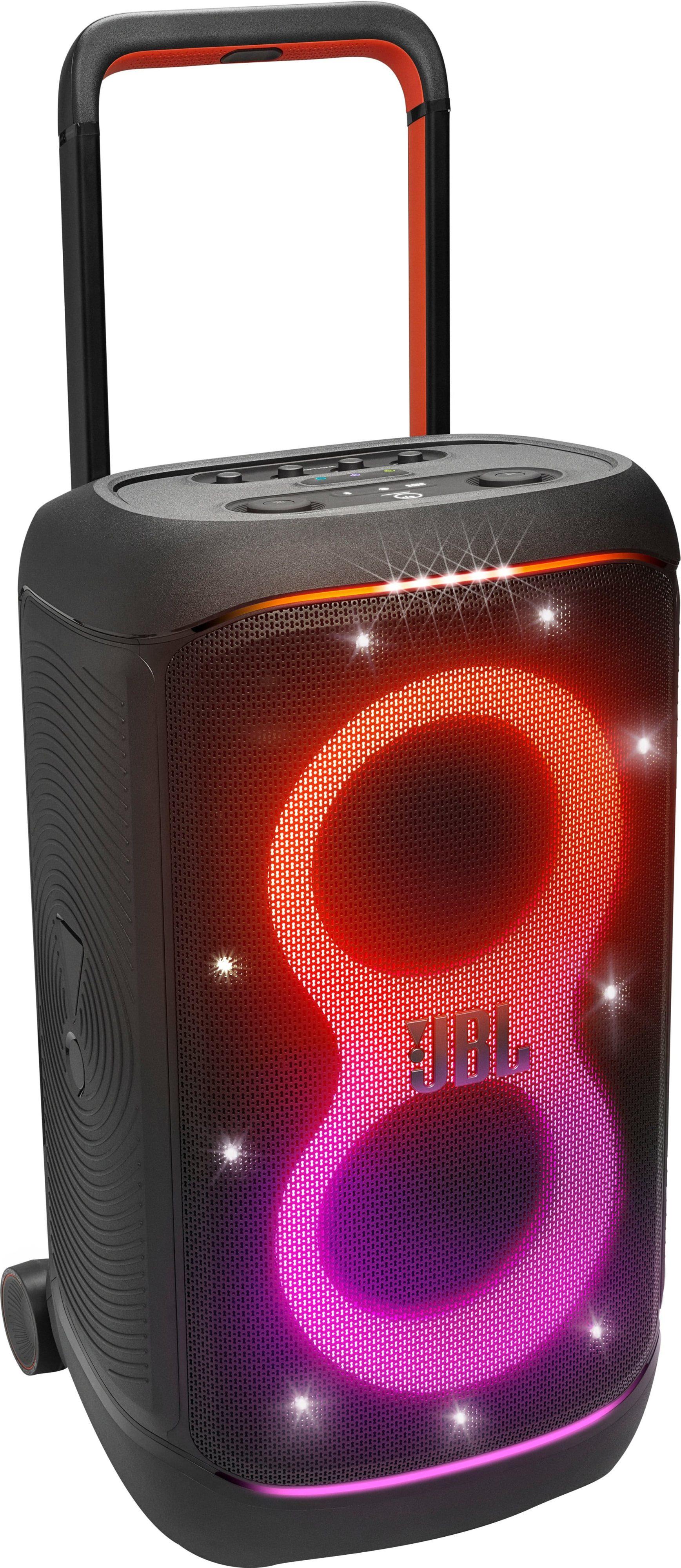
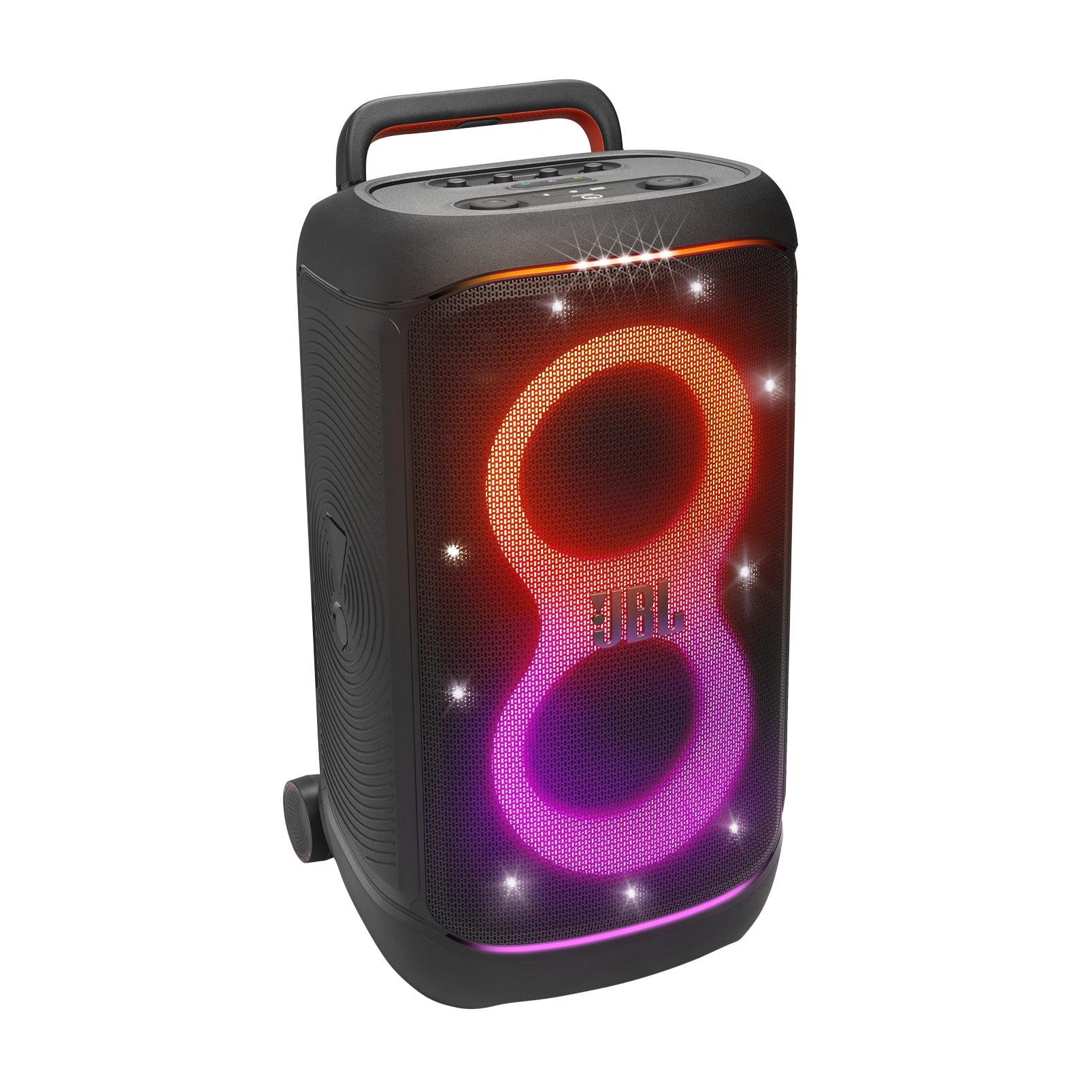
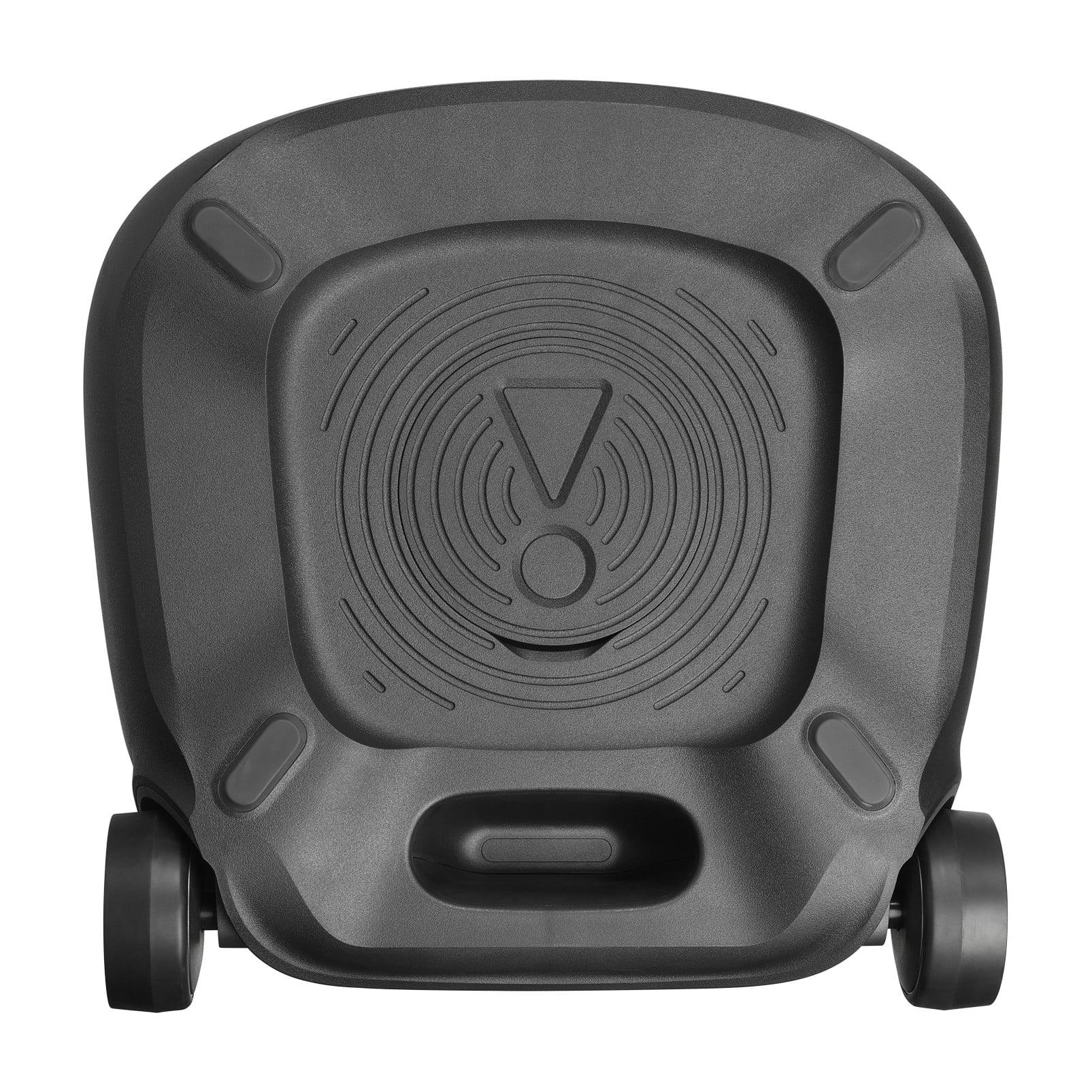
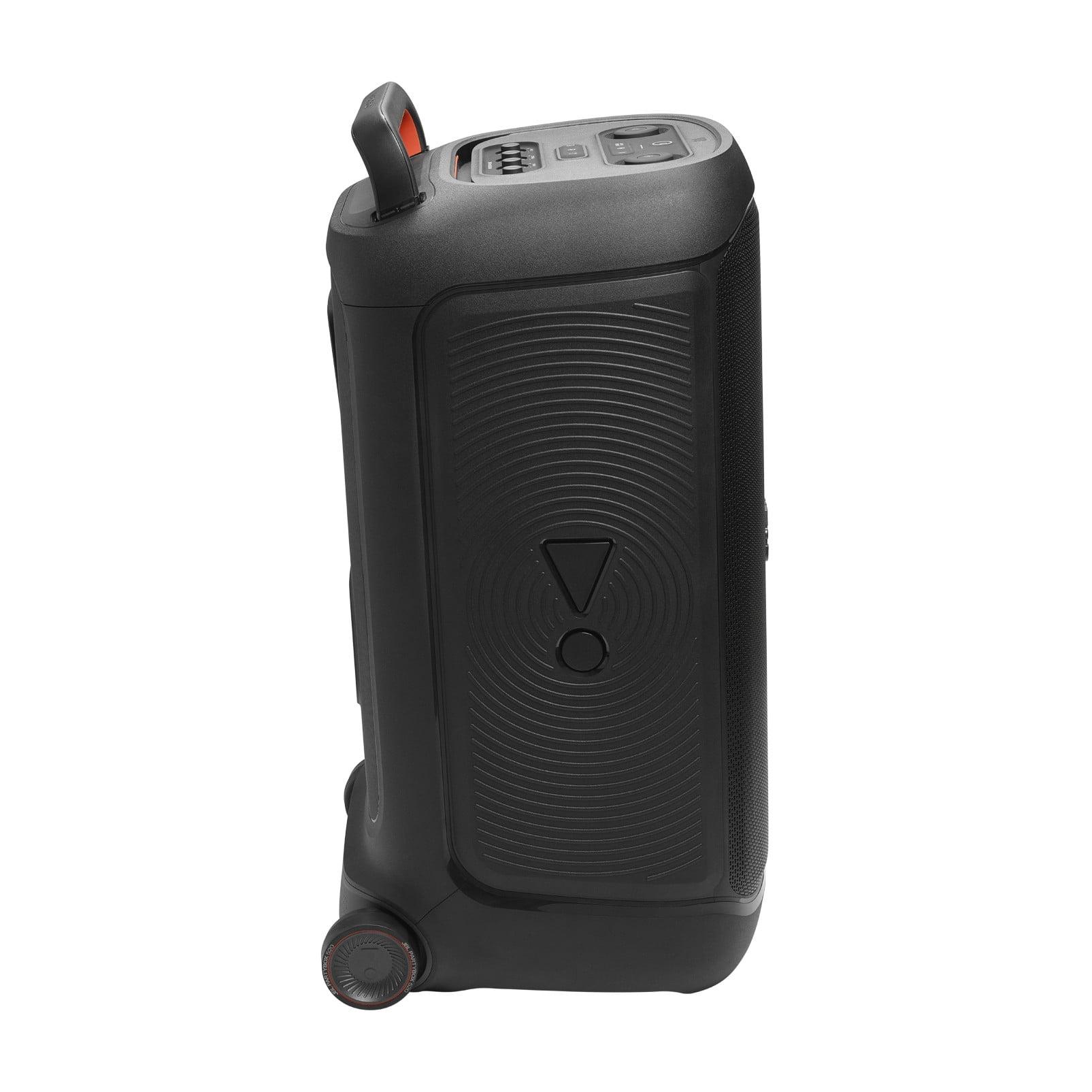
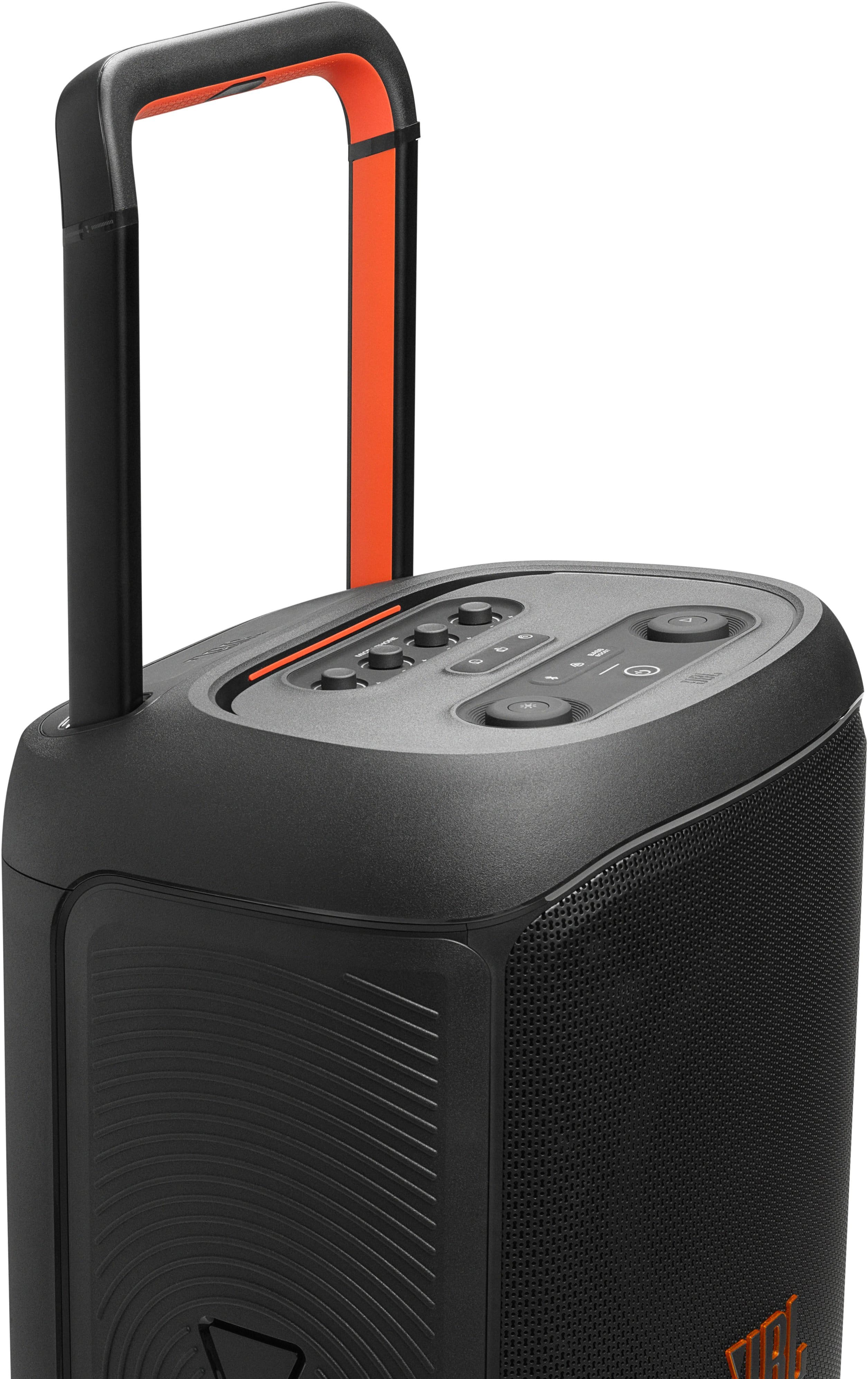
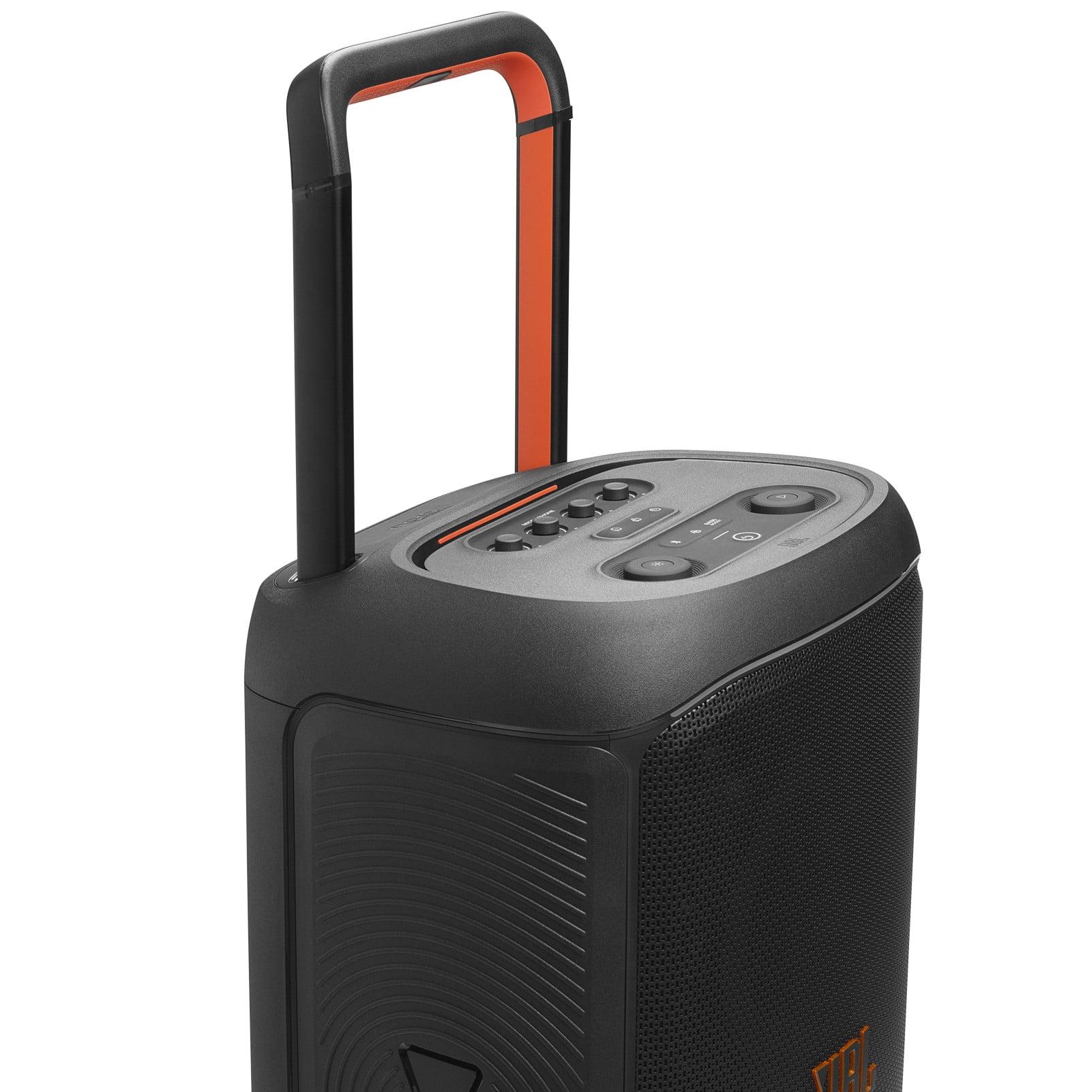
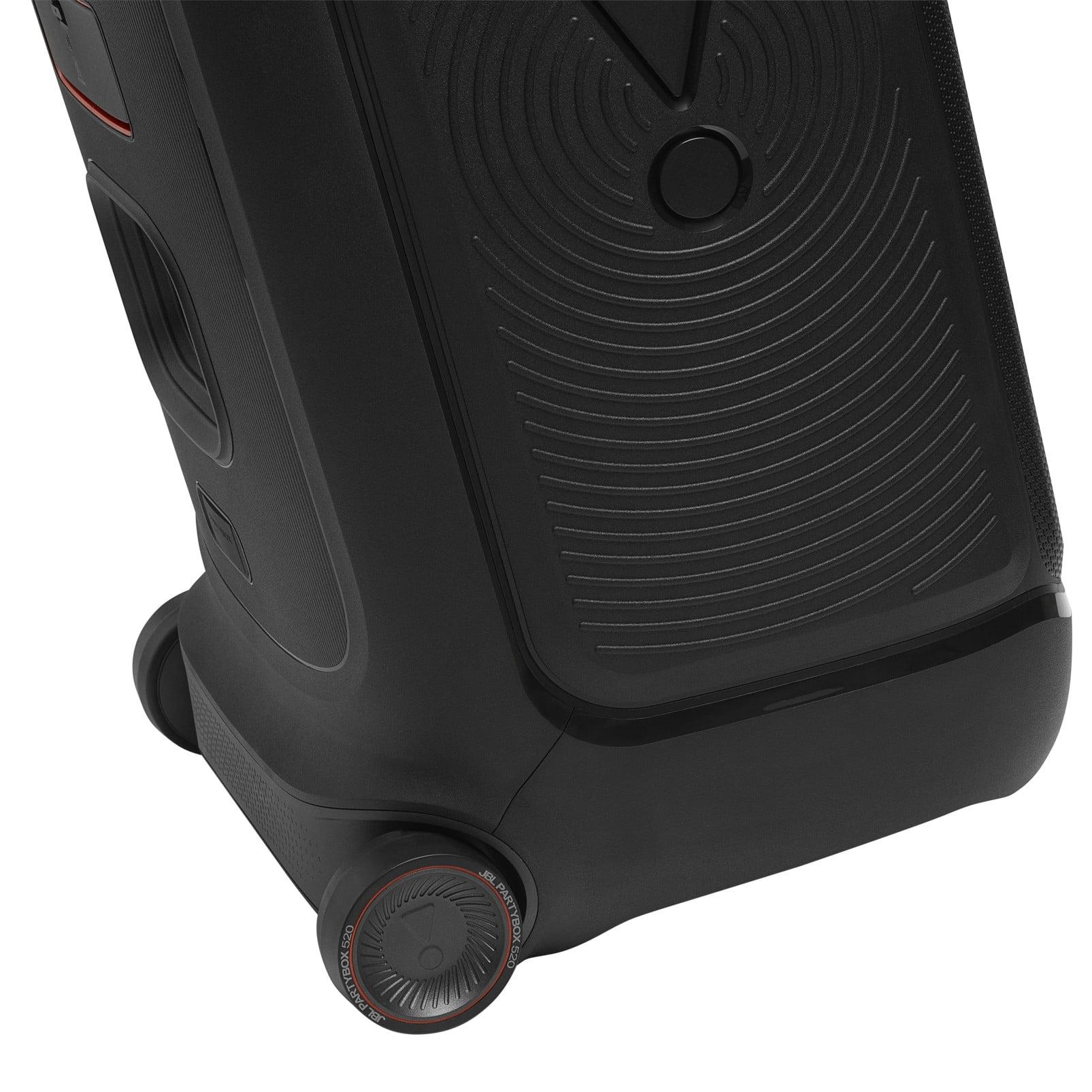
The 520, at 56 pounds, is a different beast entirely. It's genuinely heavy—more than double the weight of the Club 120. However, JBL addresses this with telescopic handle and wide wheels, transforming it from a carry speaker to a rolling speaker. The wheels make a huge difference, but you're still looking at a speaker that requires planning for transport and storage.
Both speakers earn IPX4 splash-proof ratings, meaning they'll handle rain, pool splashes, and typical outdoor party mishaps without issues. The build quality feels professional-grade on both models, with sturdy plastic shells, metal grilles, and controls that feel like they'll survive years of party duty.
The 520 benefits from its 2025 design with slightly refined materials and construction, but both speakers feel purpose-built for event use rather than delicate home audio equipment.
Both speakers support Bluetooth 5.4, the latest standard at the time of writing, which provides improved range, stability, and the ability to connect multiple devices simultaneously. The multi-device pairing is particularly useful for parties where multiple people want to DJ from their phones.
Auracast technology lets you wirelessly link multiple compatible JBL speakers for synchronized audio across larger spaces. This feature transforms either speaker from a standalone unit into part of a larger sound system, though you'll need multiple units to take advantage of it.
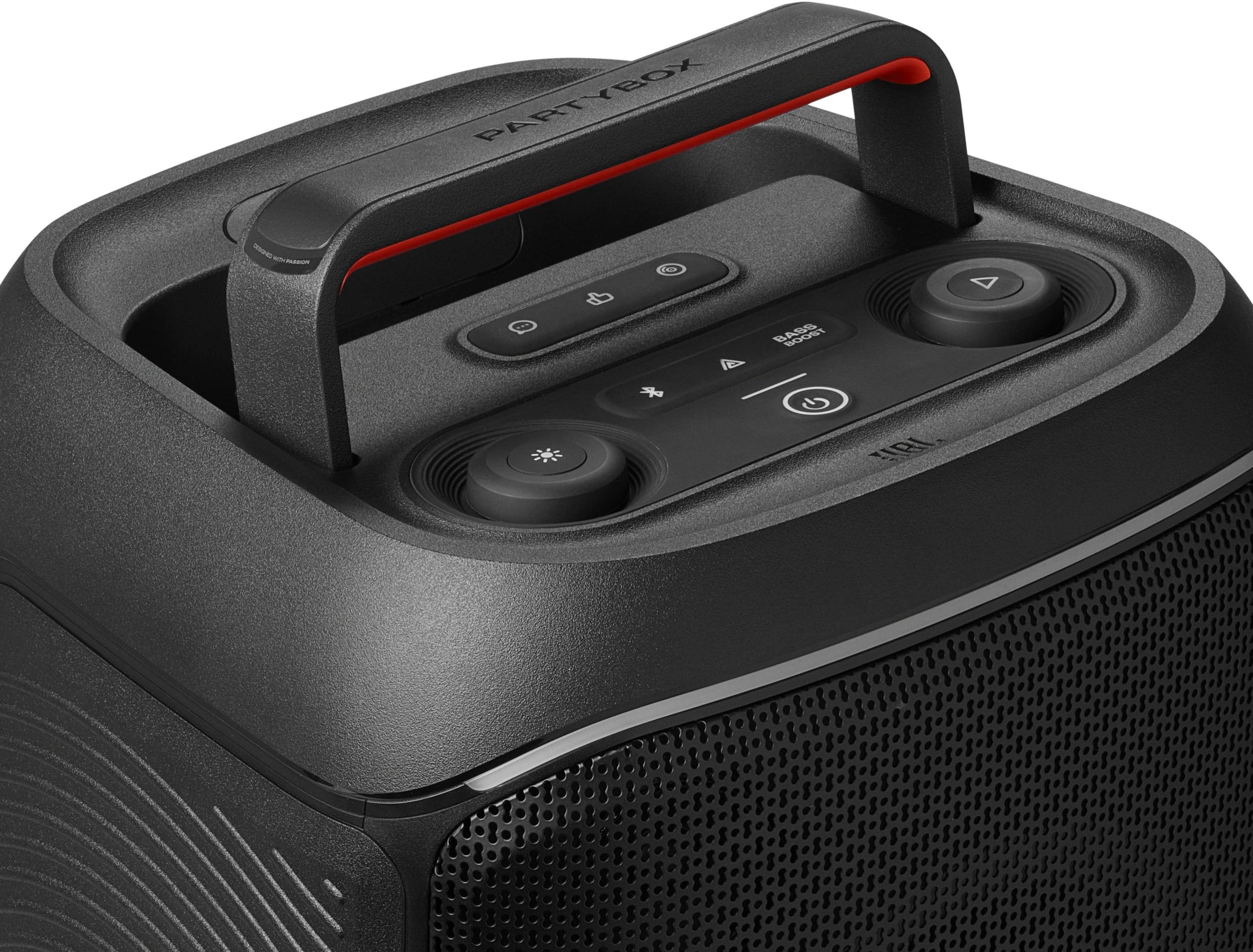
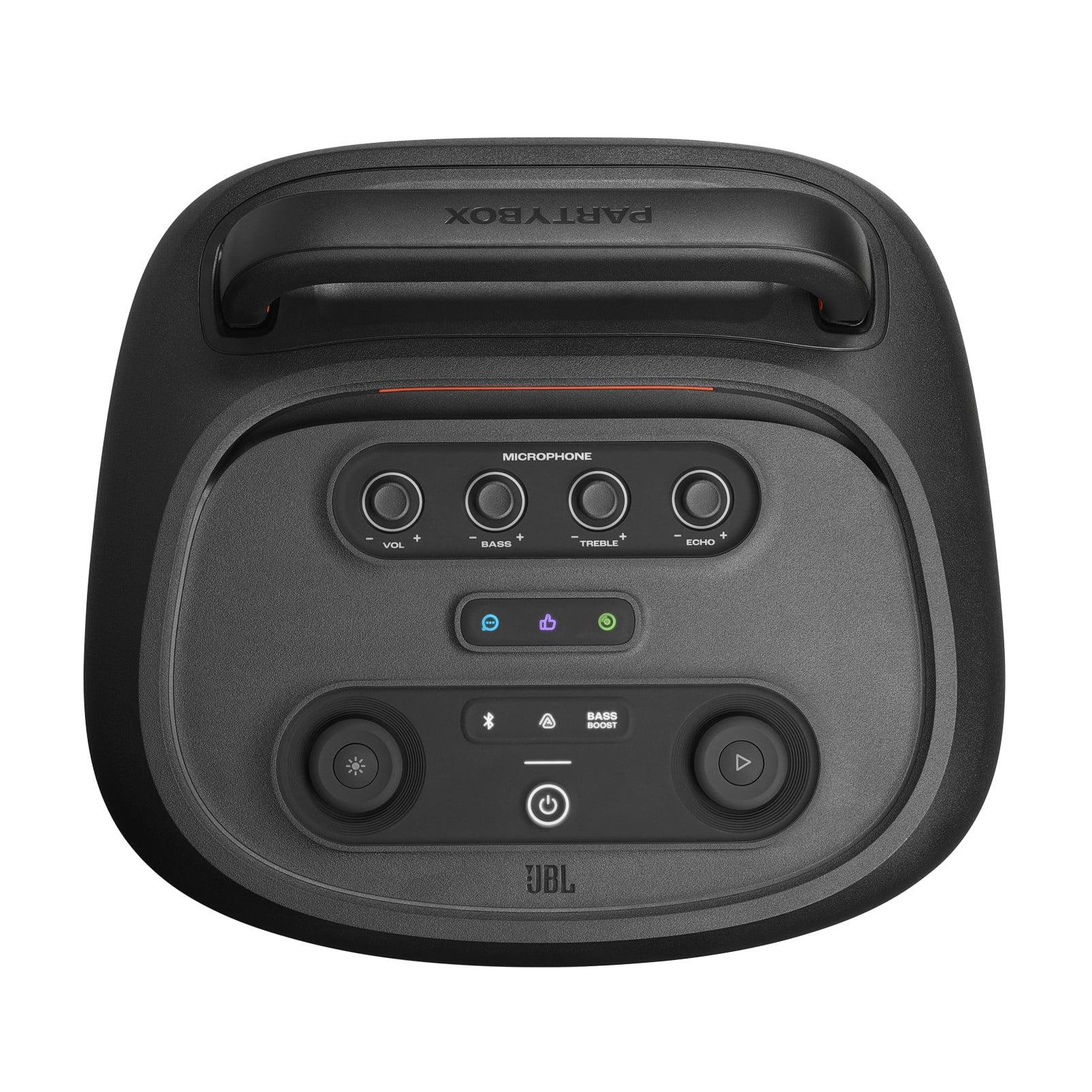
Where the 520 pulls ahead is input variety. Both speakers offer microphone and guitar inputs with individual volume controls, making them suitable for live performances or karaoke. However, the 520 adds USB-C audio playback and a 30-watt charging output that can power tablets or phones during events.
The 520 also includes a 3.5mm output for daisy-chaining additional speakers, expanding your options for larger installations. These might seem like small details, but they reflect the 520's positioning as the more professional option.
The JBL PartyBox app works with both speakers, offering graphic equalizers, lighting control, and party modes. The 520 gets a 7-band EQ versus the Club 120's 5-band setup, providing more precise sound tuning options.
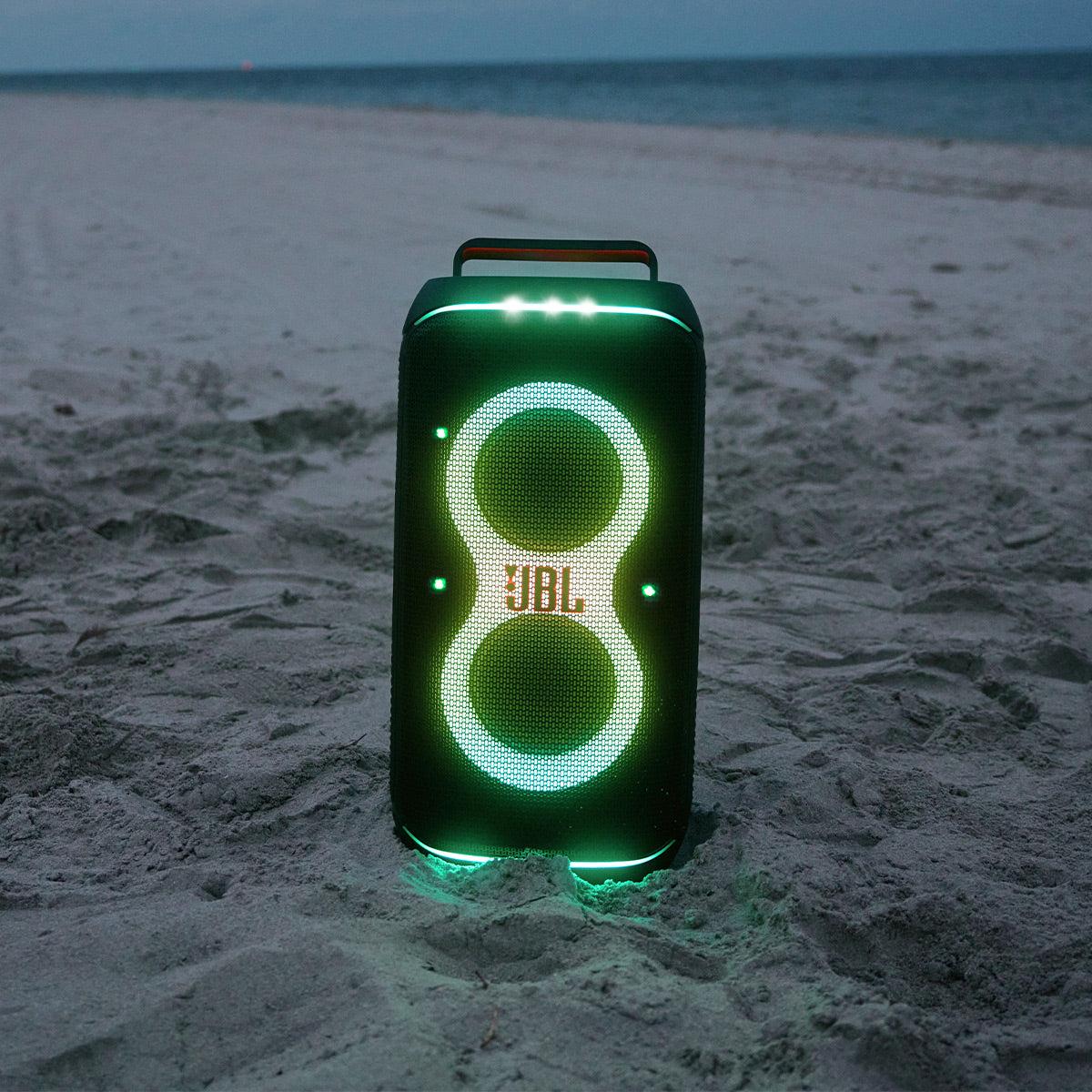
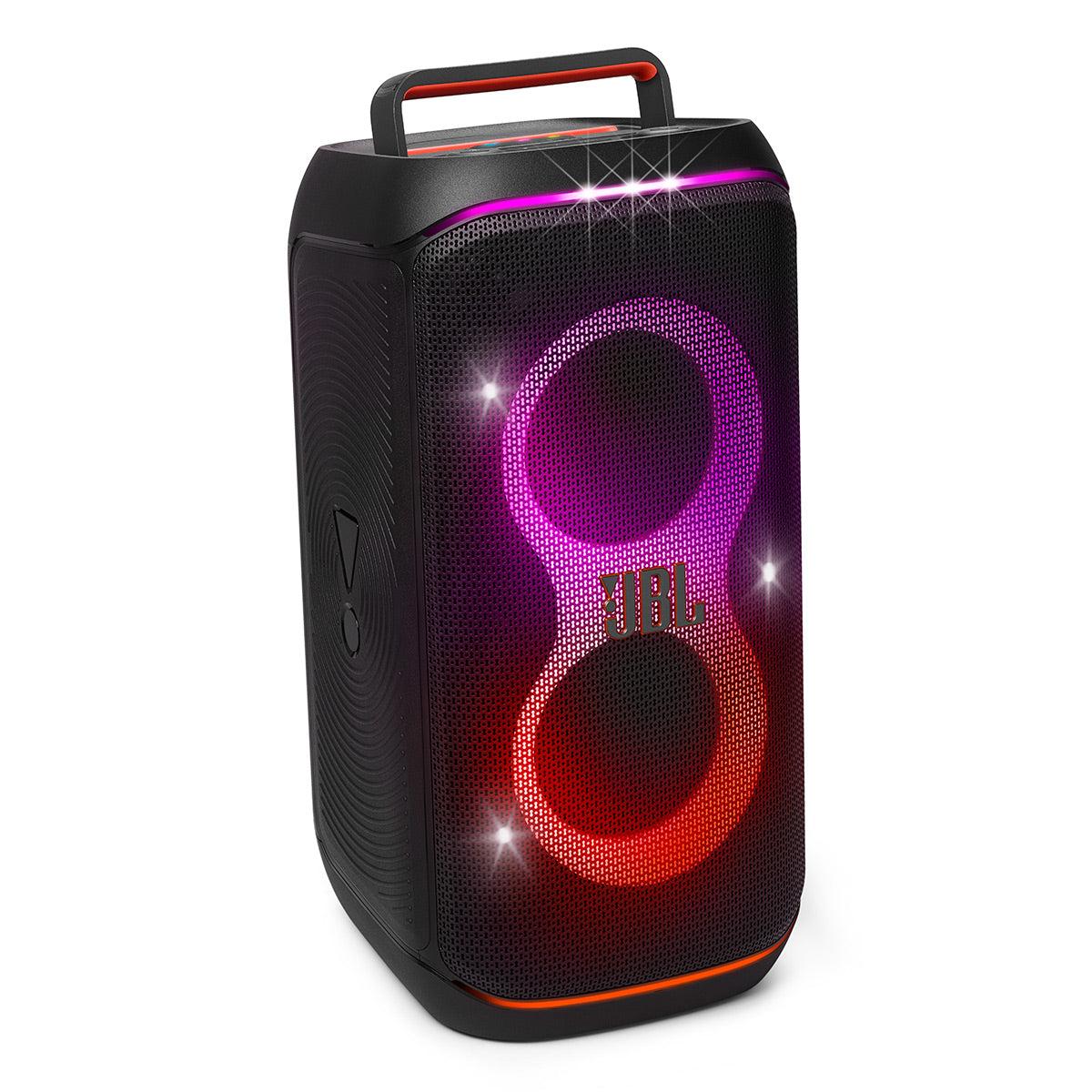
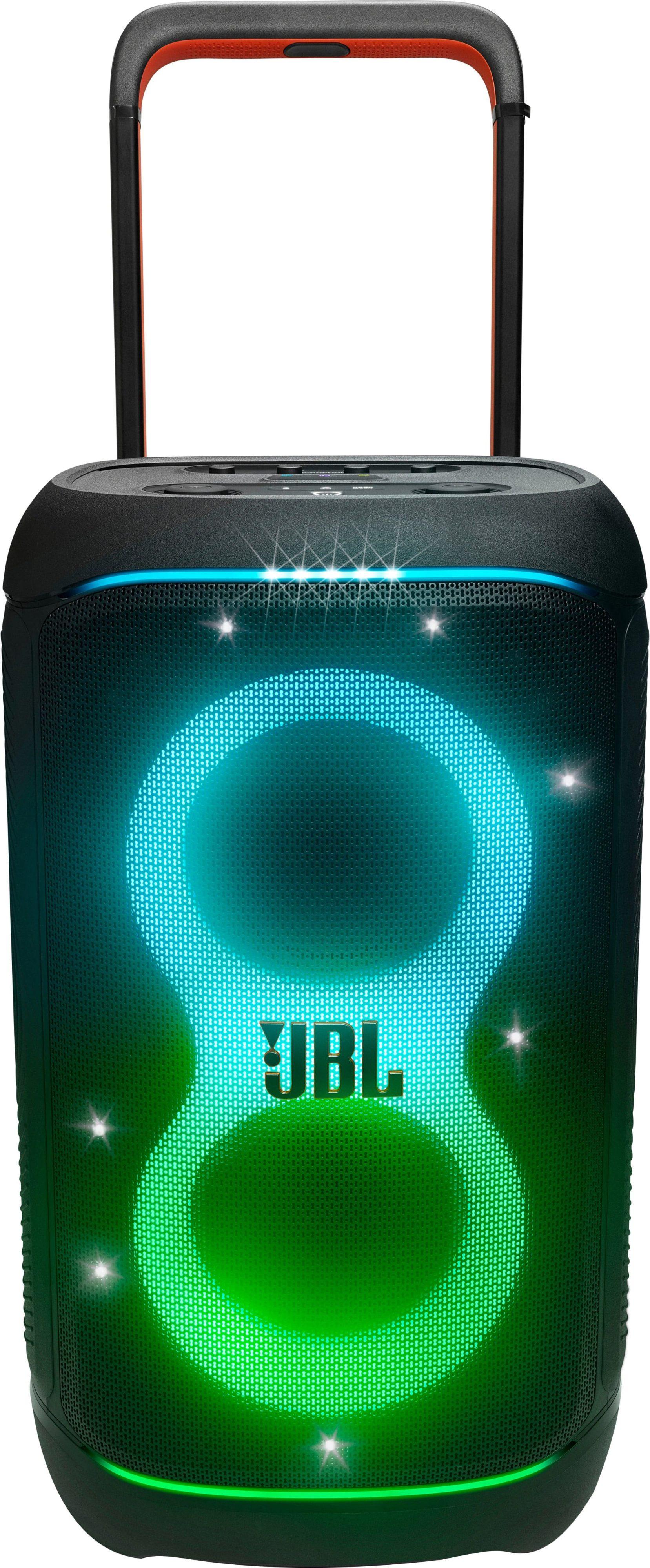
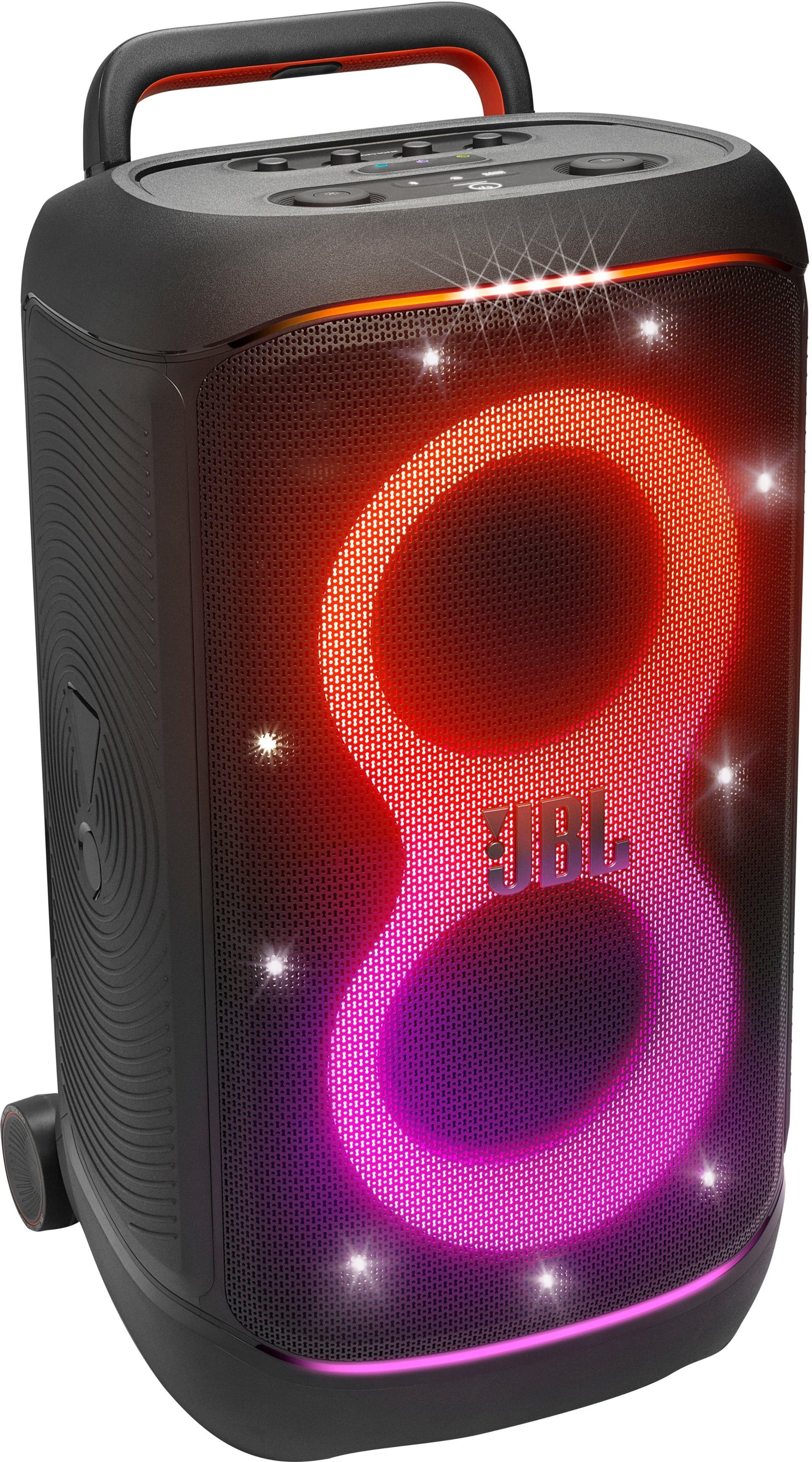
The lighting systems deserve mention here. The Club 120 features 9 white LED strobes with ring and strip lighting, while the 520 bumps this up to 15 strobes with enhanced arrays. Both create impressive visual displays, but the 520's lighting feels more elaborate and party-appropriate.
While neither speaker is primarily designed for home theater use, they can serve this role with some caveats. The front-firing design of both speakers means they work best when positioned directly facing the listening area, rather than the 360-degree dispersion you might want for ambient movie sound.
For movie watching, you'll want to use wired connections (3.5mm AUX or USB-C on the 520) rather than Bluetooth to avoid audio-video sync issues that can occur with wireless transmission. Both speakers have enough dynamic range and clarity for dialogue, though their bass-forward tuning emphasizes action sequences and explosions more than subtle film soundtracks.
The 520's additional power makes it suitable for larger home theater spaces, while the Club 120 works well in typical living rooms. However, dedicated soundbars or home theater speakers would provide better performance for this specific use case.
At the time of writing, the 520 costs roughly double what the Club 120 commands, placing them in different market segments entirely. The Club 120 competes with other mid-range portable speakers, while the 520 enters premium territory alongside professional PA systems and high-end portable speakers.
The value equation comes down to cost per watt and feature set. The Club 120 delivers slightly better cost per watt of output power, making it the value choice for buyers focused purely on performance per dollar. The 520 justifies its premium through doubled power output, enhanced features, and newer technology.
For most home users, the Club 120 provides more than enough power for typical gatherings. The 520 makes sense for users who regularly host large events, work in event production, or simply want the best performance regardless of price.
When evaluating party speakers, several performance characteristics matter more than others:
Maximum clean volume ranks highest—you need a speaker that maintains clarity when pushed hard. Both speakers excel here, with the 520 simply offering much more headroom.
Bass response and impact comes second, as party music relies heavily on low-frequency energy. The 520's larger drivers provide noticeably more bass authority.
Battery life under load matters for extended events. Both speakers perform well, with the 520 offering longer runtime despite higher power consumption.
Connectivity reliability becomes crucial during events. Both speakers demonstrate solid Bluetooth performance and multiple backup connection options.
The Club 120 makes the most sense for buyers who want professional party features without the bulk and cost of the flagship model. It's ideal for backyard parties, small event venues, indoor gatherings, and anyone who needs to frequently transport their speaker. The lower price point makes it accessible to more buyers while still delivering impressive performance.
Choose the 520 if you regularly need to fill large spaces with sound, host events for 50+ people, or want the absolute best performance JBL offers in a battery-powered package. The enhanced connectivity, longer battery life, and significantly higher output justify the premium for users who will actually utilize these advantages.
For casual users who occasionally host gatherings, the Club 120 provides excellent value and performance. For semi-professional use, event organizers, or audiophiles who want maximum capability, the 520 delivers on its promises.
The decision ultimately comes down to matching your actual needs with the capabilities each speaker provides. Both excel in their respective segments, making this choice more about use case than finding a clear winner.
| JBL PartyBox Club 120 | JBL PartyBox 520 |
|---|---|
| Power Output - Determines maximum volume and bass impact | |
| 160W RMS (sufficient for most parties) | 400W RMS (2.5x more powerful, doubles perceived volume) |
| Weight & Portability - Critical for transport and storage | |
| 24.35 lbs with fold-up handle (truly portable) | 56.2 lbs with wheels and telescopic handle (rollable but heavy) |
| Battery Life - Runtime for extended events | |
| 12 hours (34 Wh battery, swappable) | 15 hours (99 Wh battery, swappable) |
| Charge Time - How quickly you can get back to the party | |
| 3.5 hours full charge, 10 min = 80 min playtime | 3 hours full charge, 10 min = 2 hours playtime |
| Driver Configuration - Affects sound quality and bass depth | |
| 2× 5.25" woofers, 2× 2.25" tweeters | 2× 7.5" woofers, 2× 1" dome tweeters (45% larger woofers) |
| Connectivity Options - Input flexibility for different setups | |
| Bluetooth 5.4, AUX, USB-A, 2× mic/guitar inputs | All Club 120 features plus USB-C audio, 30W charging output, AUX out |
| LED Lighting System - Visual party enhancement | |
| 9 white LED strobes + ring/strip arrays | 15 white LED strobes + enhanced ring/strip arrays |
| App Control Features - Sound and lighting customization | |
| 5-band EQ, lighting control, Auracast pairing | 7-band EQ, all Club 120 features plus dedicated Mic EQ |
| Build Quality & Weather Resistance - Durability for events | |
| IPX4 splashproof, rugged construction | IPX4 splashproof, enhanced 2025 build quality |
| Color Options - Aesthetic flexibility | |
| Black or White available | Black only |
| Release Year & Technology - Latest features and improvements | |
| 2024 model with current AI Sound Boost | 2025 model with enhanced charging and connectivity |
| Best Use Cases - Who should choose which speaker | |
| Indoor parties, backyard gatherings, budget-conscious buyers, frequent transport | Large outdoor events, professional DJs, maximum volume needs, semi-permanent setups |
The JBL PartyBox 520 is significantly louder than the JBL PartyBox Club 120. The 520 delivers 400W RMS compared to the Club 120's 160W RMS, which translates to roughly double the perceived volume. The PartyBox 520 can easily fill large outdoor spaces and venues with 75+ people, while the Club 120 is better suited for smaller gatherings and indoor parties.
The JBL PartyBox Club 120 weighs 24.35 pounds and features a fold-up handle for carrying. The JBL PartyBox 520 weighs 56.2 pounds—more than double the weight—but includes wheels and a telescopic handle for easier transport. The Club 120 is truly portable for one person, while the 520 is designed to roll rather than carry.
The JBL PartyBox 520 offers 15 hours of battery life compared to the JBL PartyBox Club 120's 12 hours. However, the 520 also charges faster at 3 hours versus 3.5 hours for the Club 120. Both speakers feature removable, swappable batteries, so you can extend playtime indefinitely with spare battery packs.
Yes, both the JBL PartyBox Club 120 and JBL PartyBox 520 include dual microphone inputs with individual volume and gain controls, making them excellent for karaoke. The PartyBox 520 adds a dedicated Mic EQ button for more precise vocal tuning. Both speakers work with the JBL PartyBox app for additional karaoke effects and sound customization.
The JBL PartyBox 520 is superior for outdoor parties due to its 400W power output that can overcome ambient noise and fill large outdoor spaces. Both speakers are IPX4 splashproof for weather protection, but the 520's significantly higher volume capability makes it the clear choice for backyard parties, pool areas, and outdoor events where the Club 120 might struggle to provide adequate coverage.
Both speakers can work for home theater, though they're optimized for music rather than movies. The JBL PartyBox 520 is better suited for larger home theater rooms due to its higher power output. For movie watching, use wired connections (AUX or USB-C on the 520) rather than Bluetooth to avoid audio sync issues. However, dedicated soundbars would provide better dialogue clarity and movie-specific tuning than either PartyBox speaker.
Yes, both the JBL PartyBox Club 120 and JBL PartyBox 520 support True Wireless Stereo (TWS) pairing and Auracast multi-speaker connectivity. You can link multiple units for synchronized audio across larger spaces. The PartyBox 520 also includes a 3.5mm output for wired daisy-chaining, providing more connection options for professional setups.
The JBL PartyBox Club 120 offers better value for casual users, providing excellent performance at a more accessible price point. The JBL PartyBox 520 costs roughly double but delivers 2.5x the power output, making it better value for users who need maximum volume. Choose the Club 120 for budget-conscious buyers and the 520 when you need professional-grade performance.
Both the JBL PartyBox Club 120 and JBL PartyBox 520 share JBL's signature warm, bass-forward sound profile. The main difference is output capability rather than sound character. The PartyBox 520 features larger 7.5" woofers versus the Club 120's 5.25" drivers, providing deeper bass and more authority, but both maintain excellent clarity across all frequencies.
The JBL PartyBox 520 charges faster at 3 hours compared to the JBL PartyBox Club 120's 3.5 hours, despite having a much larger battery. Both speakers offer impressive fast charging: the Club 120 provides 80 minutes of playtime from a 10-minute charge, while the 520 delivers 2 hours from the same charging time.
The JBL PartyBox Club 120 is significantly more portable due to its lighter weight (24 vs 56 pounds) and compact size. It's designed for frequent transport with a fold-up handle that makes single-person carrying manageable. The JBL PartyBox 520 is better for semi-permanent installations or situations where you can roll it into position, but it's less practical for regular transport between locations.
Both speakers include Bluetooth 5.4, AUX input, and dual microphone/guitar inputs. The JBL PartyBox 520 adds USB-C audio playback, 30W device charging, and AUX output that the JBL PartyBox Club 120 lacks. Both work with the JBL PartyBox app for advanced control, though the 520 offers a 7-band EQ versus the Club 120's 5-band equalizer for more precise sound tuning.
We've done our best to create useful and informative comparisons to help you decide what product to buy. Our research uses advanced automated methods to create this comparison and perfection is not possible - please contact us for corrections or questions. These are the sites we've researched in the creation of this article: stereoguide.com - armorsound.com - rtings.com - rtings.com - bestbuy.com - youtube.com - soundguys.com - youtube.com - lbtechreviews.com - youtube.com - youtube.com - versus.com - jbl.com - rtings.com - versus.com - ro.harmanaudio.com - dell.com - jbl.com - jbl.com - projectorscreenstore.com - soundguys.com - rtings.com - rtings.com - rtings.com - letemsvetemapplem.eu - youtube.com - worldwidestereo.com - youtube.com - global.jbl.com - youtube.com - soundguys.com - youtube.com - youtube.com - comparisontabl.es - youtube.com - youtube.com - youtube.com - gzhls.at - sweetwater.com - static.pcrichard.com - brandsmartusa.com - news.harman.com - jbl.com - ro.harmanaudio.com - jbl.com - creativeaudio.net

Privacy Policy
Terms and Conditions - Affiliate Policy
Home Security
© Copyright 2008-2026.
11816 Inwood Rd #1211, Dallas, TX 75244