

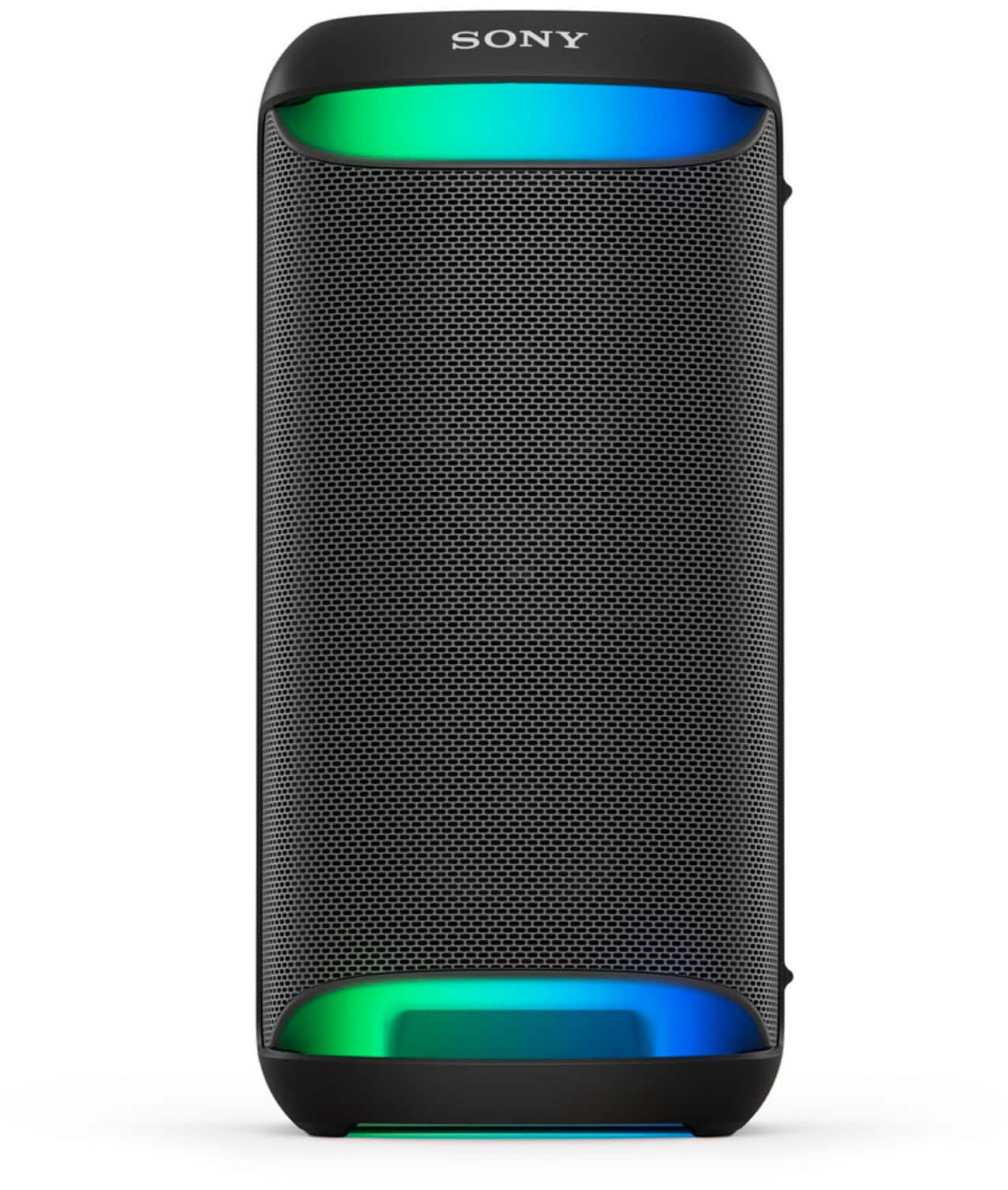
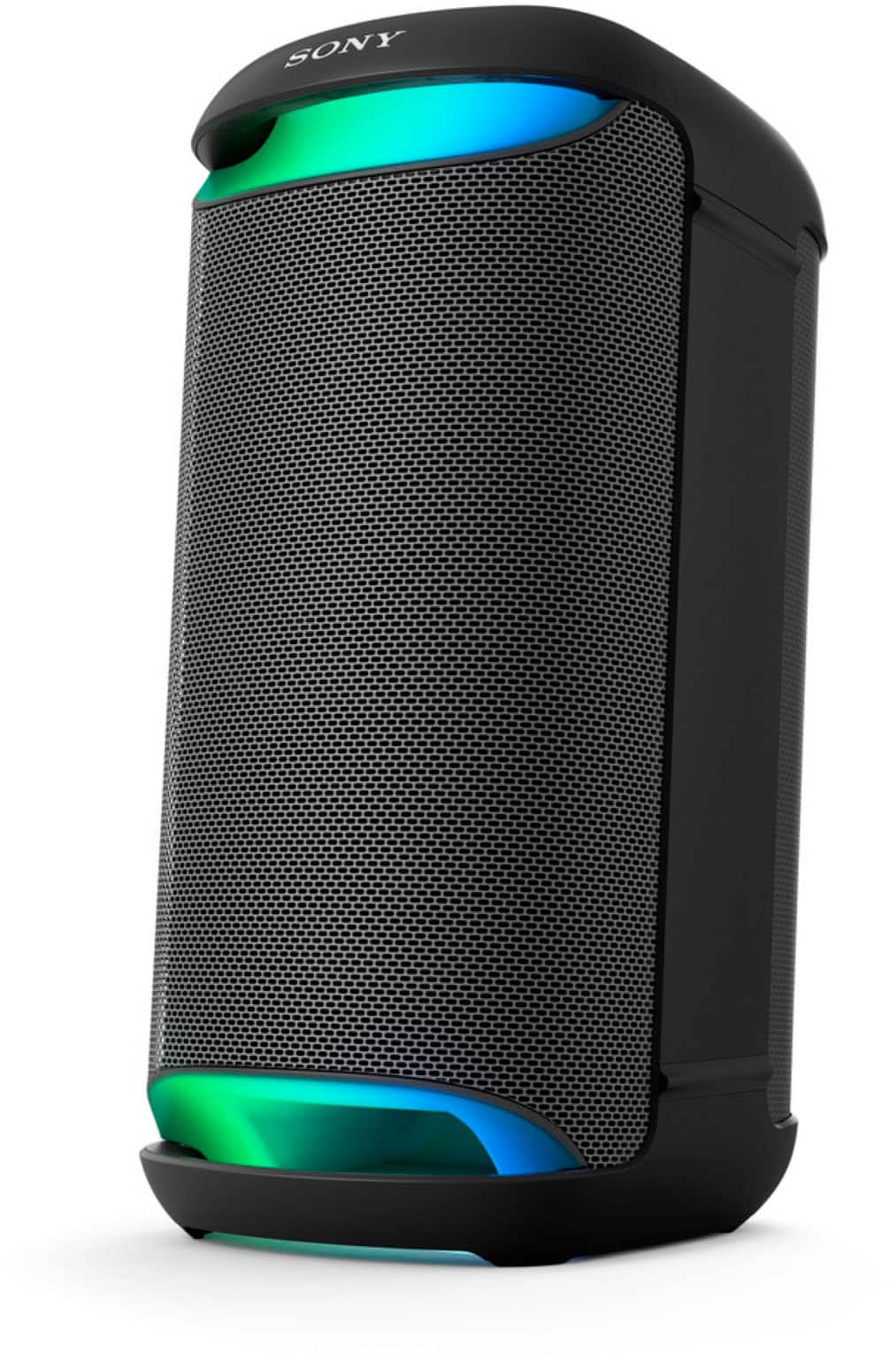
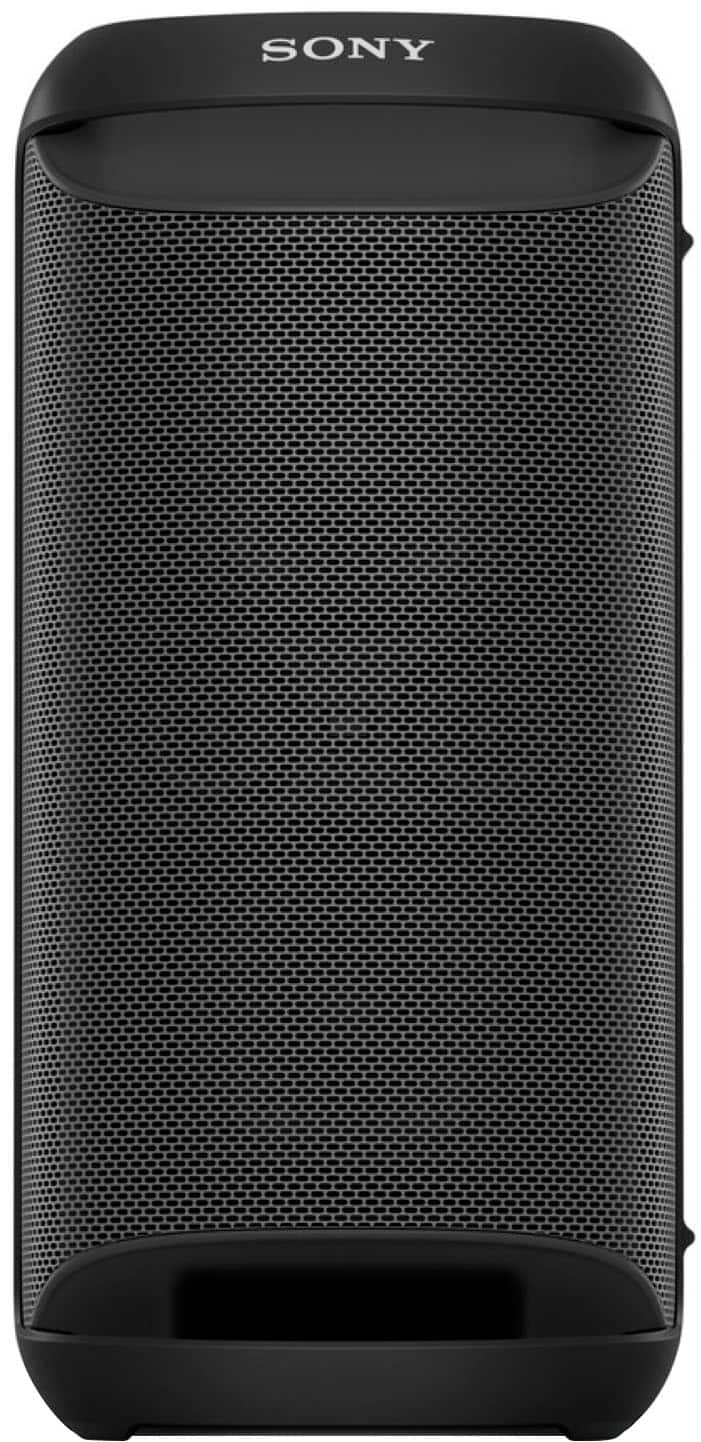
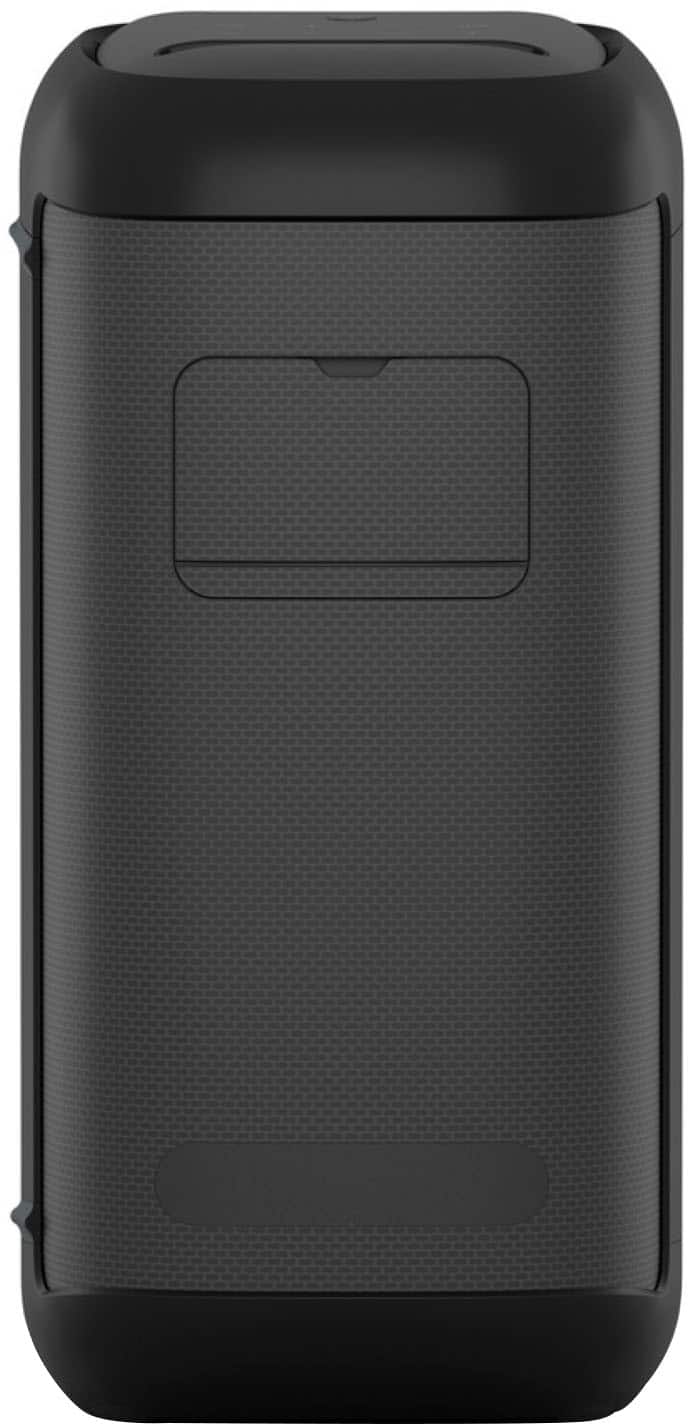
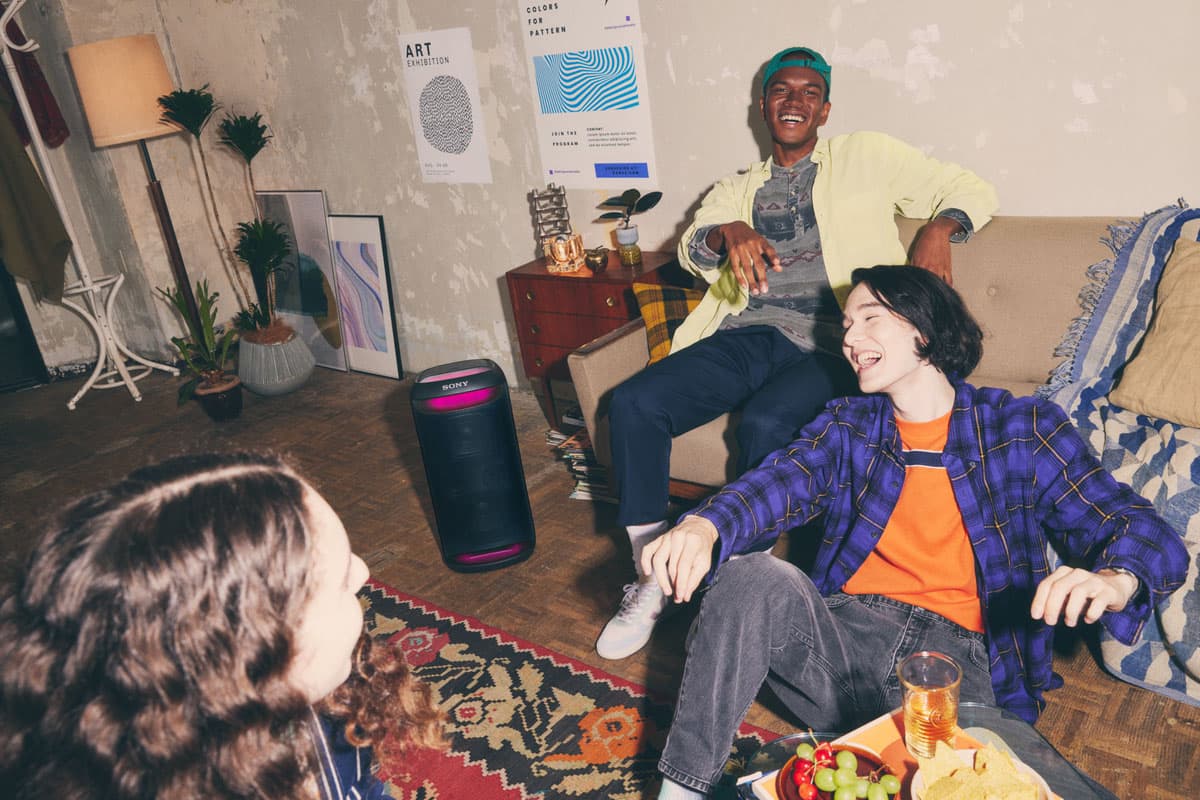
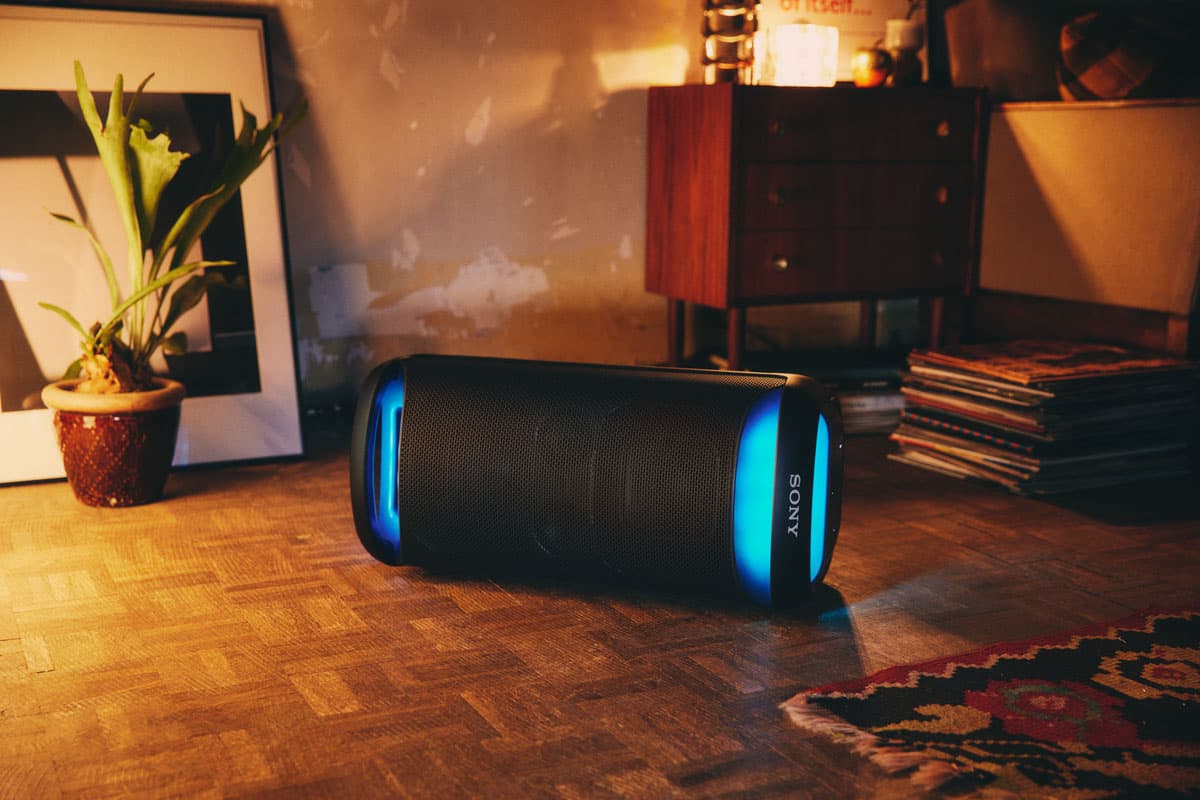

Picture this: you're planning a backyard BBQ, a pool party, or maybe you just want to turn your living room into a dance floor. You need a speaker that can fill the space with powerful sound, but you're stuck choosing between two very different approaches. The Sony SRS-XV500 promises excellent value with marathon battery life, while the JBL PartyBox 520 delivers flagship power that can literally shake your walls. Both are wireless party speakers, but they couldn't be more different in their philosophy.
Party speakers occupy a unique space in the audio world. Unlike regular Bluetooth speakers that prioritize portability, or high-end bookshelf speakers that chase perfect sound reproduction, party speakers are built for one thing: getting people moving. They emphasize powerful bass response (the low-frequency sounds you feel in your chest), maximum volume output measured in decibels (dB), and entertainment features like synchronized lighting and microphone inputs for karaoke.
The Sony SRS-XV500, released in 2024, represents Sony's refined approach to party speakers. At the time of writing, it costs significantly less than premium competitors while delivering features typically found in much more expensive models. Sony positioned this as their "Goldilocks" speaker—not too big, not too small, but just right for most users.
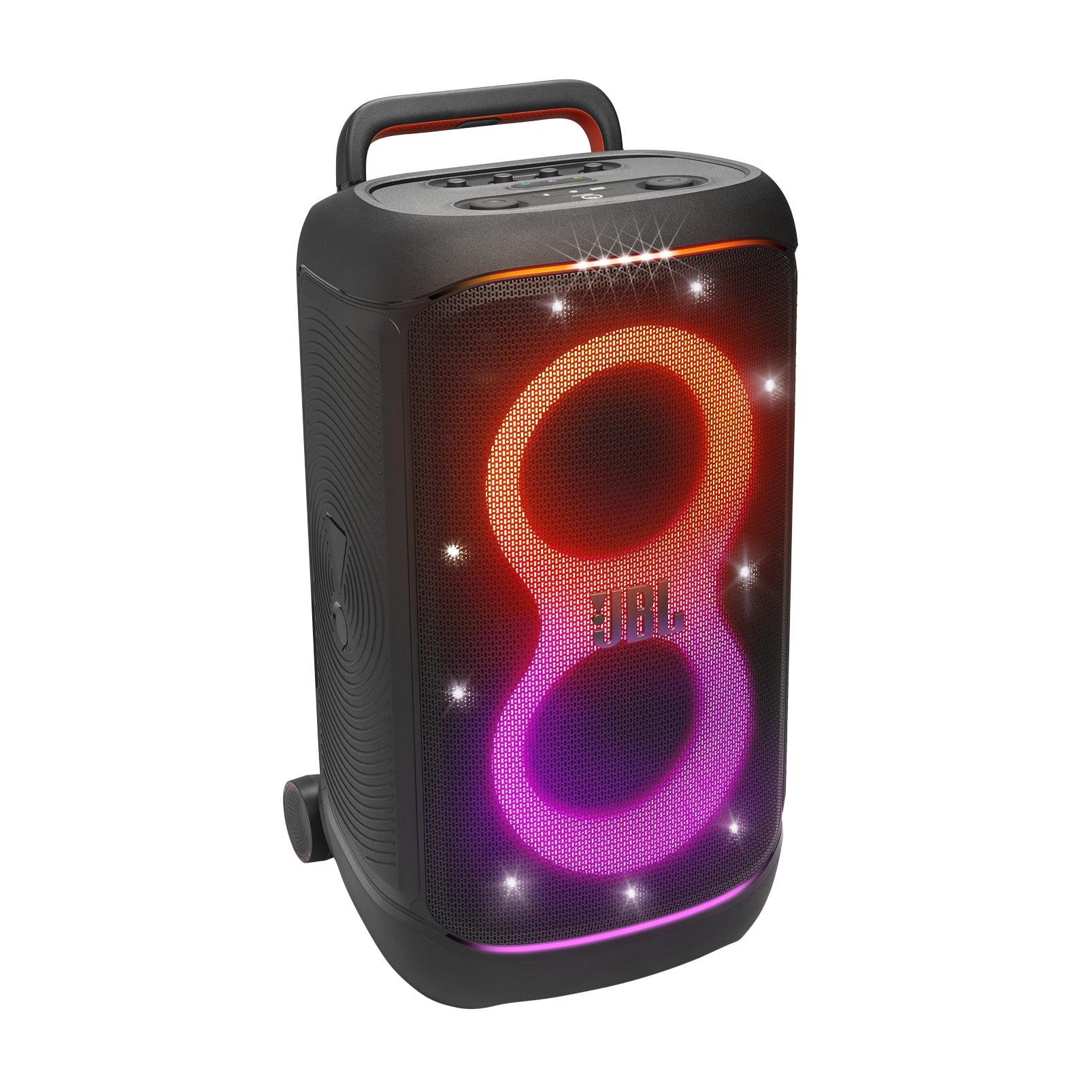
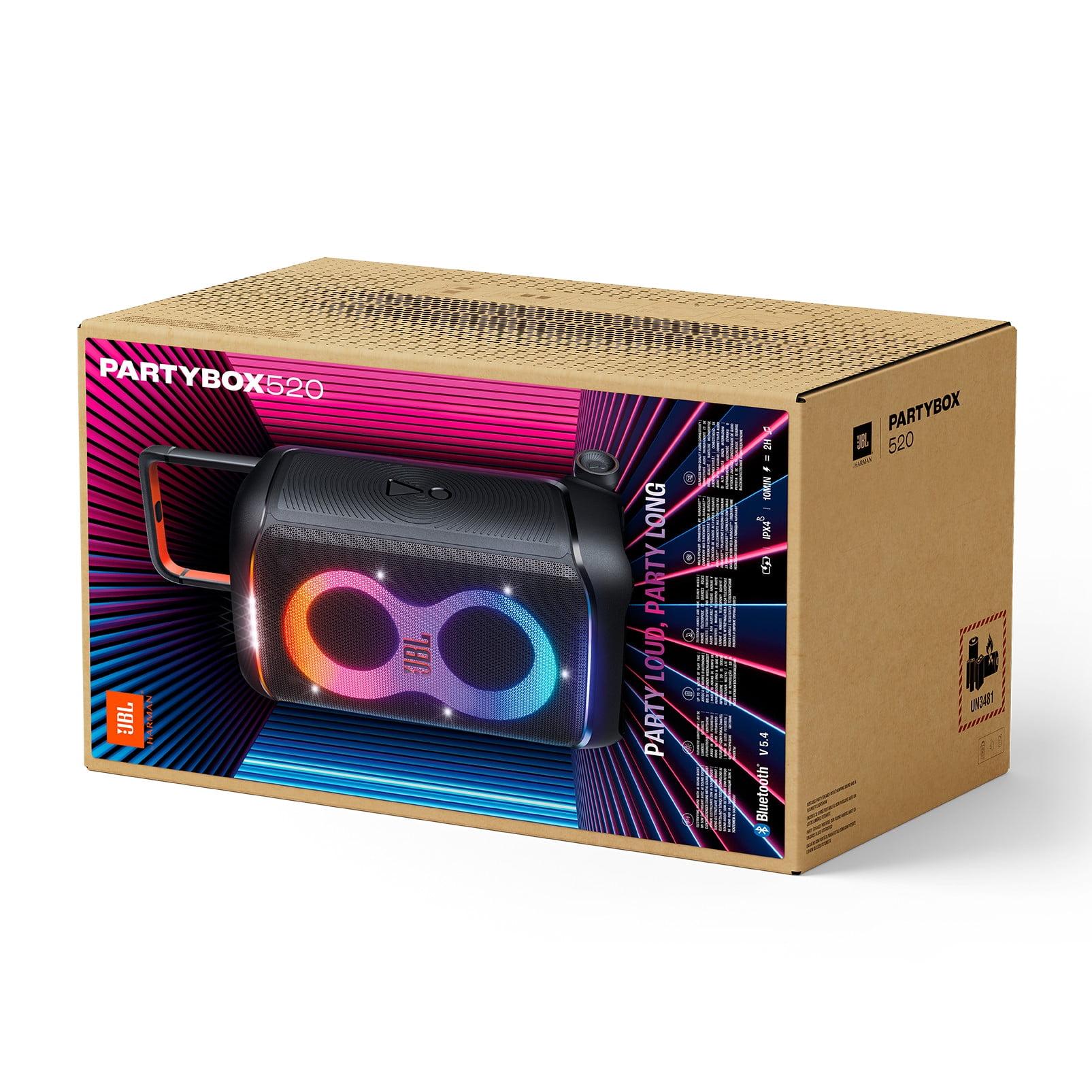
The JBL PartyBox 520, launched in 2025, takes the opposite approach. JBL designed this as their flagship party speaker, incorporating cutting-edge technology and professional-grade features. It commands a premium price—roughly double the Sony at the time of writing—but delivers performance that justifies the cost for serious party hosts.
The fundamental difference comes down to philosophy: Sony prioritized balance and accessibility, while JBL went for maximum impact and professional capability.
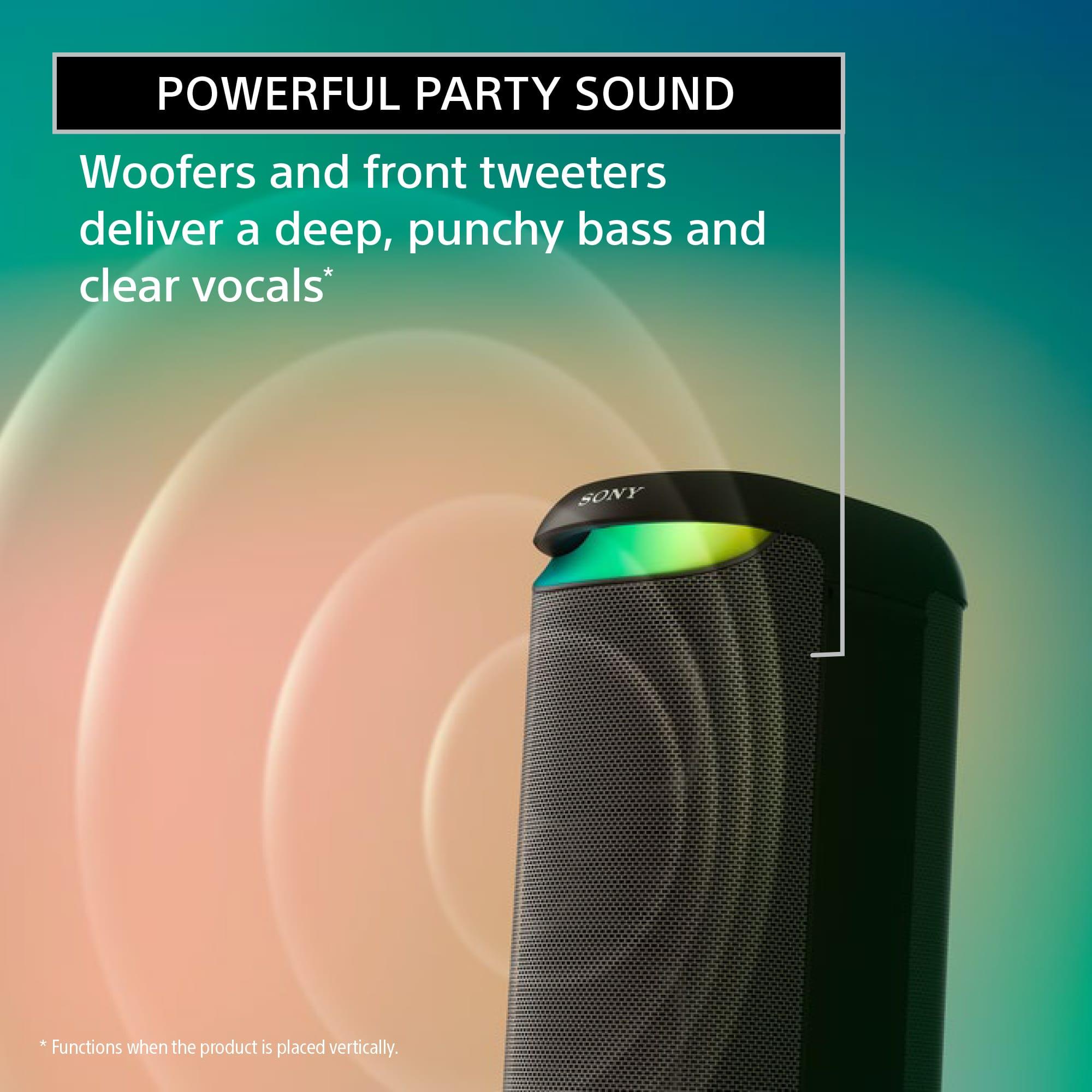
When it comes to audio performance, these speakers represent distinct schools of thought. The Sony SRS-XV500 uses a 2.0 stereo configuration, meaning it has separate left and right audio channels. This creates a wider soundstage—the perceived width and depth of the sound—making music feel more spacious and natural. Sony equipped it with dual 140mm X-Balanced woofers (the drivers that produce bass and mid-range sounds) and dual 60mm tweeters (smaller drivers for high-frequency sounds like cymbals and vocals).
The result is remarkably balanced sound for a party speaker. Based on our research of professional reviews and user feedback, the Sony SRS-XV500 delivers prominent vocals, clear mid-range definition, and bass that's audible without being overwhelming. This makes it versatile—it sounds great whether you're playing hip-hop, rock, jazz, or even using it for movie dialogue in a home theater setup.
The JBL PartyBox 520, by contrast, uses a 1.0 mono configuration but compensates with raw power. Its dual 7.5-inch woofers and dual 1-inch dome tweeters push out 400 watts RMS (Root Mean Square—a measurement of continuous power output). More importantly, JBL's AI Sound Boost technology analyzes the music signal in real-time and adjusts the output to maximize acoustic performance while preventing distortion.
Expert reviews consistently note that the JBL's bass isn't just louder—it's more physical. Place it against a wall, and the rear-firing bass port (an opening that enhances low-frequency response) will literally rattle the structure. This creates what audio enthusiasts call "visceral" bass—you don't just hear it, you feel it throughout your body.
However, this power comes with trade-offs. The mono configuration means the JBL PartyBox 520 lacks the spatial qualities of stereo sound, and several reviews mention it can sound "narrow" compared to the Sony's wider presentation. At volumes above 80-85%, some users report brightness fatigue—a phenomenon where the treble becomes harsh and tiring to listen to over extended periods.
Battery performance reveals another fundamental difference in design philosophy. The Sony SRS-XV500 delivers an impressive 25 hours of continuous playbook on a single charge—nearly double what most party speakers offer. Sony achieved this through efficient power management and a large internal battery, though it's not user-replaceable.
The JBL PartyBox 520 provides 15 hours of battery life, which is still respectable but 40% less than the Sony. However, JBL made a smart design choice: the battery is completely swappable. You can purchase additional battery packs and hot-swap them during events, theoretically providing unlimited runtime as long as you have charged batteries available.
Both speakers offer fast charging capabilities. The Sony SRS-XV500 provides 2.5 hours of playback from just 10 minutes of charging—perfect for those "oops, forgot to charge it" moments. The JBL PartyBox 520 charges to full capacity in 3 hours and can function as a powerful USB-C power bank, delivering 30W of charging power to phones and tablets compared to the Sony's 7.5W USB-A output.
For home theater use, the battery life difference becomes crucial. If you're setting up outdoor movie nights or want the flexibility to move your speaker around without being tethered to outlets, the Sony's marathon battery life provides significant advantages.
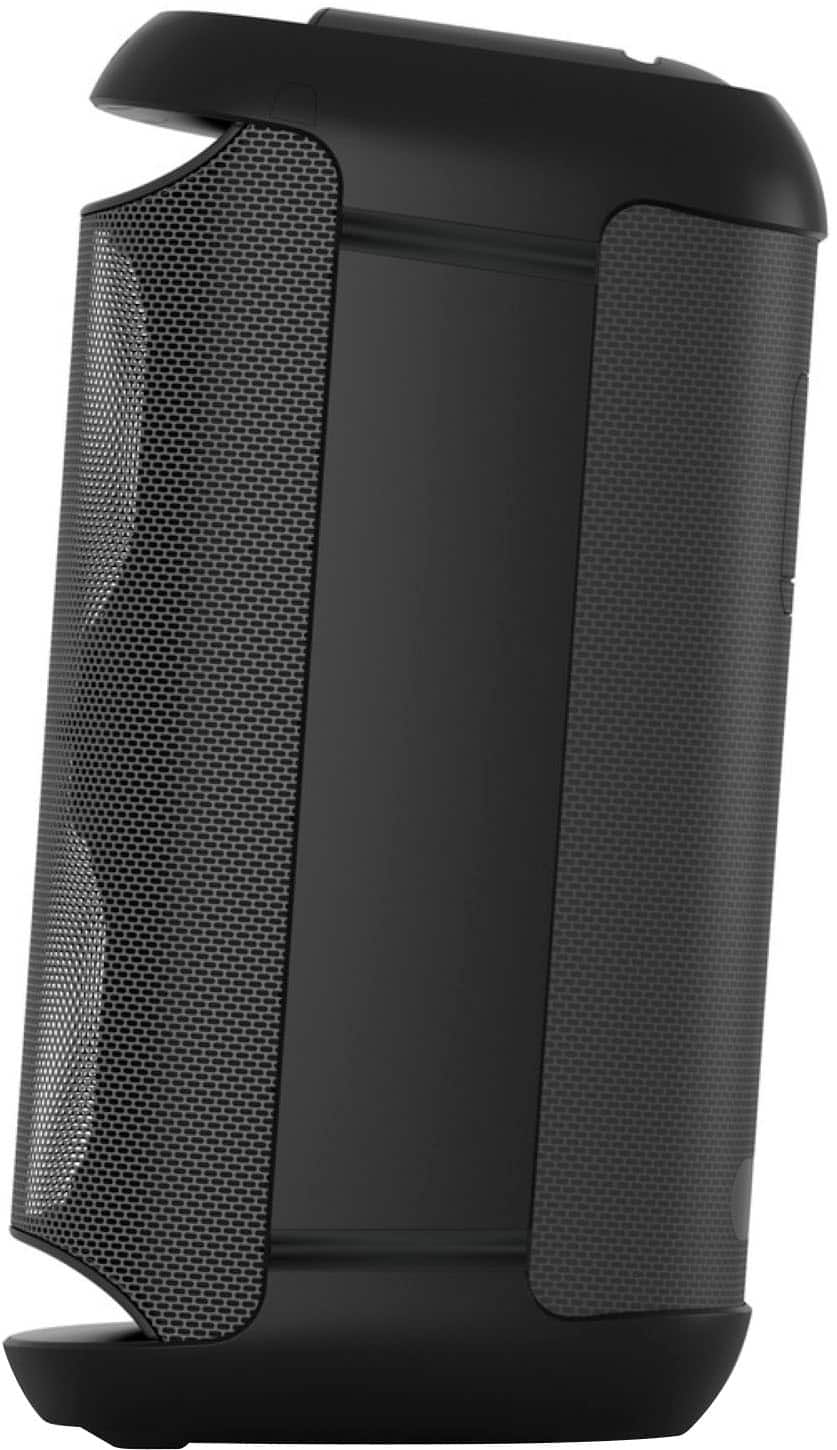
Here's where marketing meets physics. Both companies call these "portable" speakers, but the reality is more nuanced. The Sony SRS-XV500 weighs 11.2 kg (about 25 pounds) and features dual carry handles. While substantial, it's genuinely carriable for most adults—you can reasonably move it from your house to the backyard, or load it in a car for beach trips.
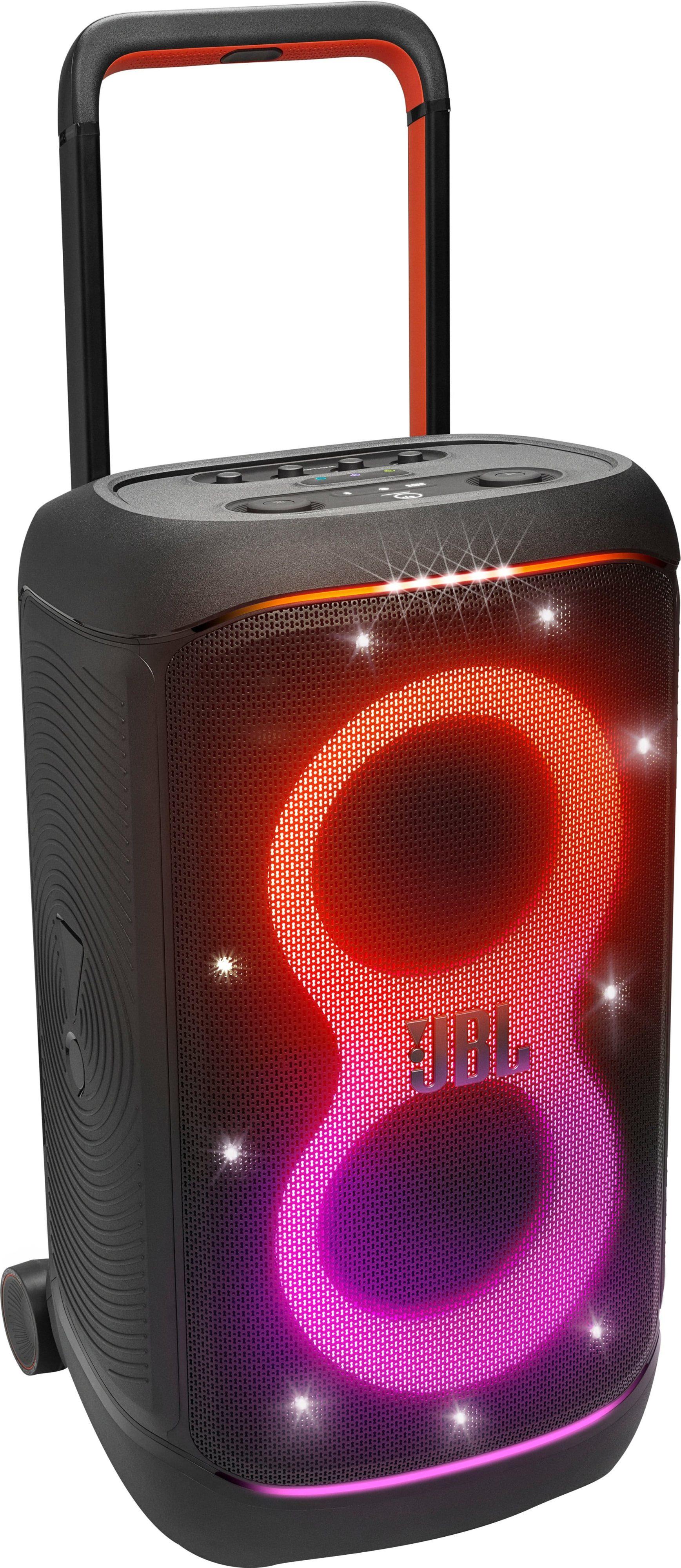
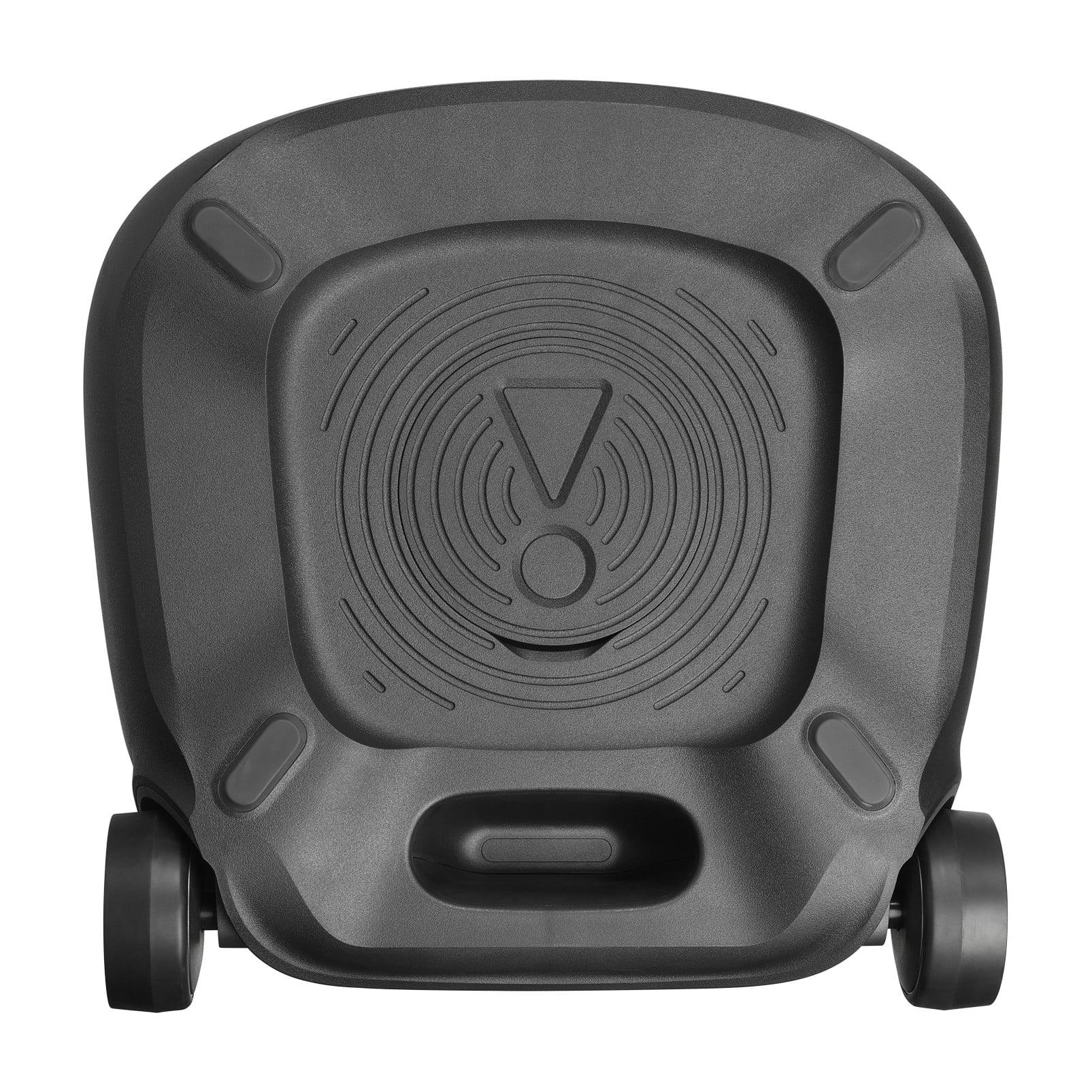
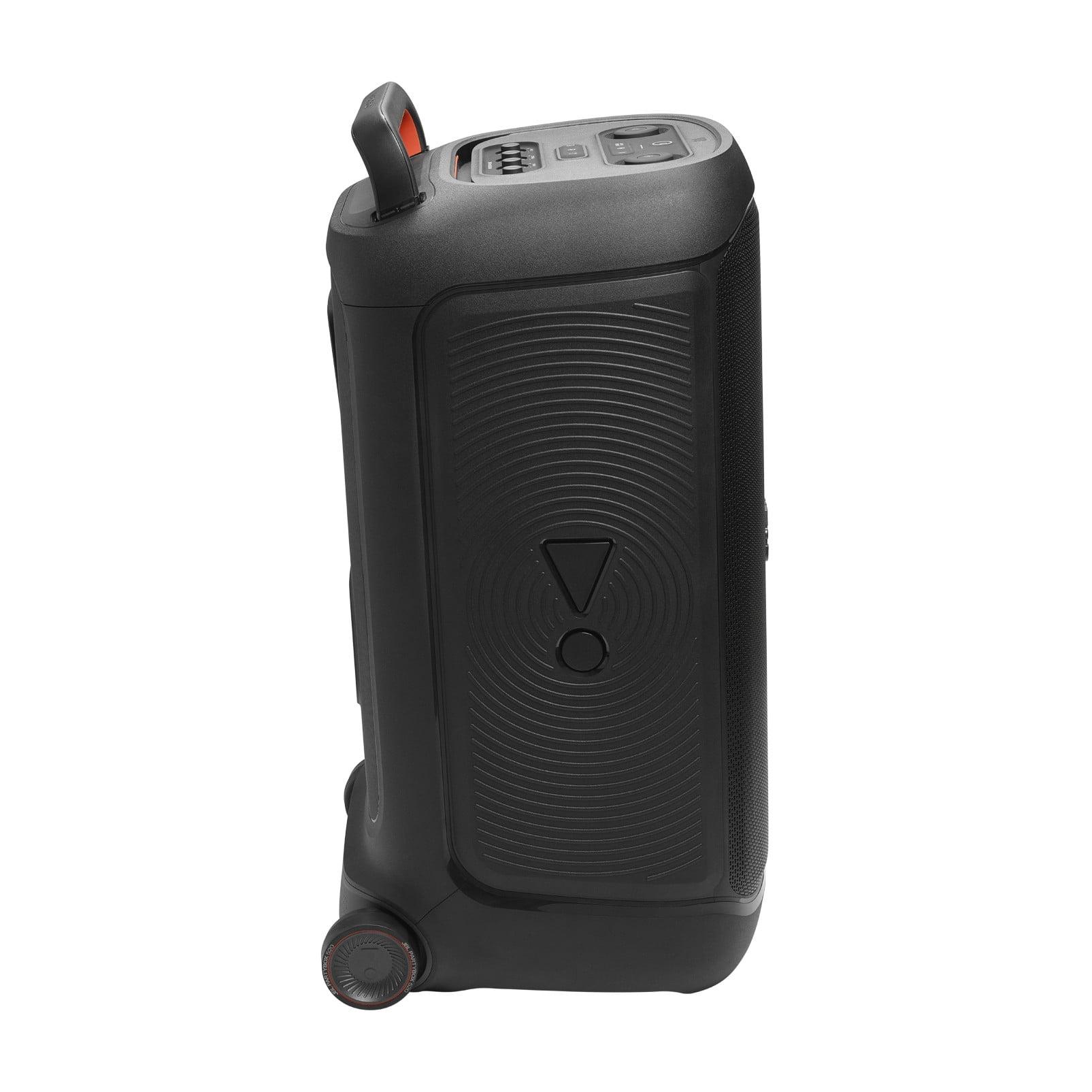
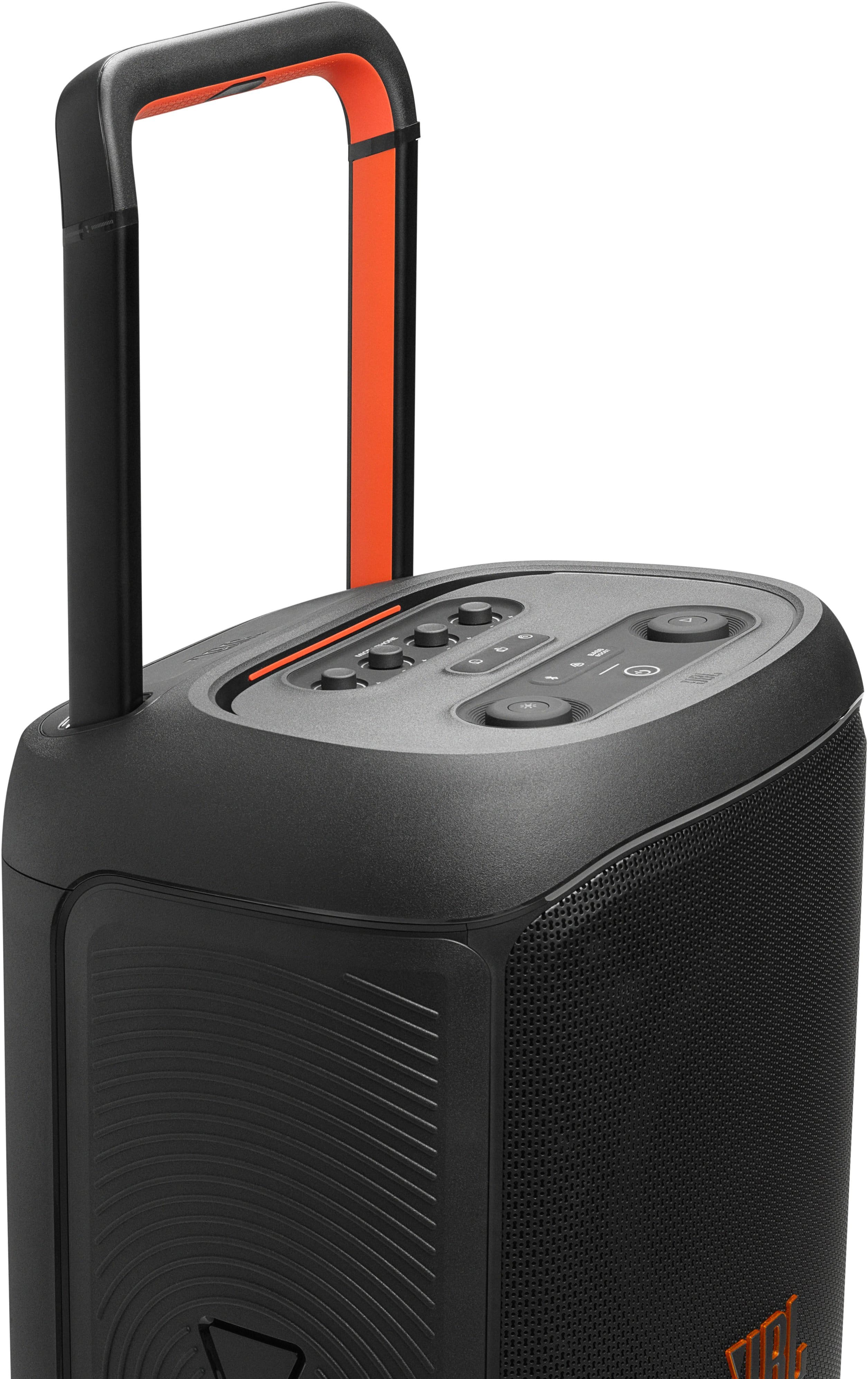
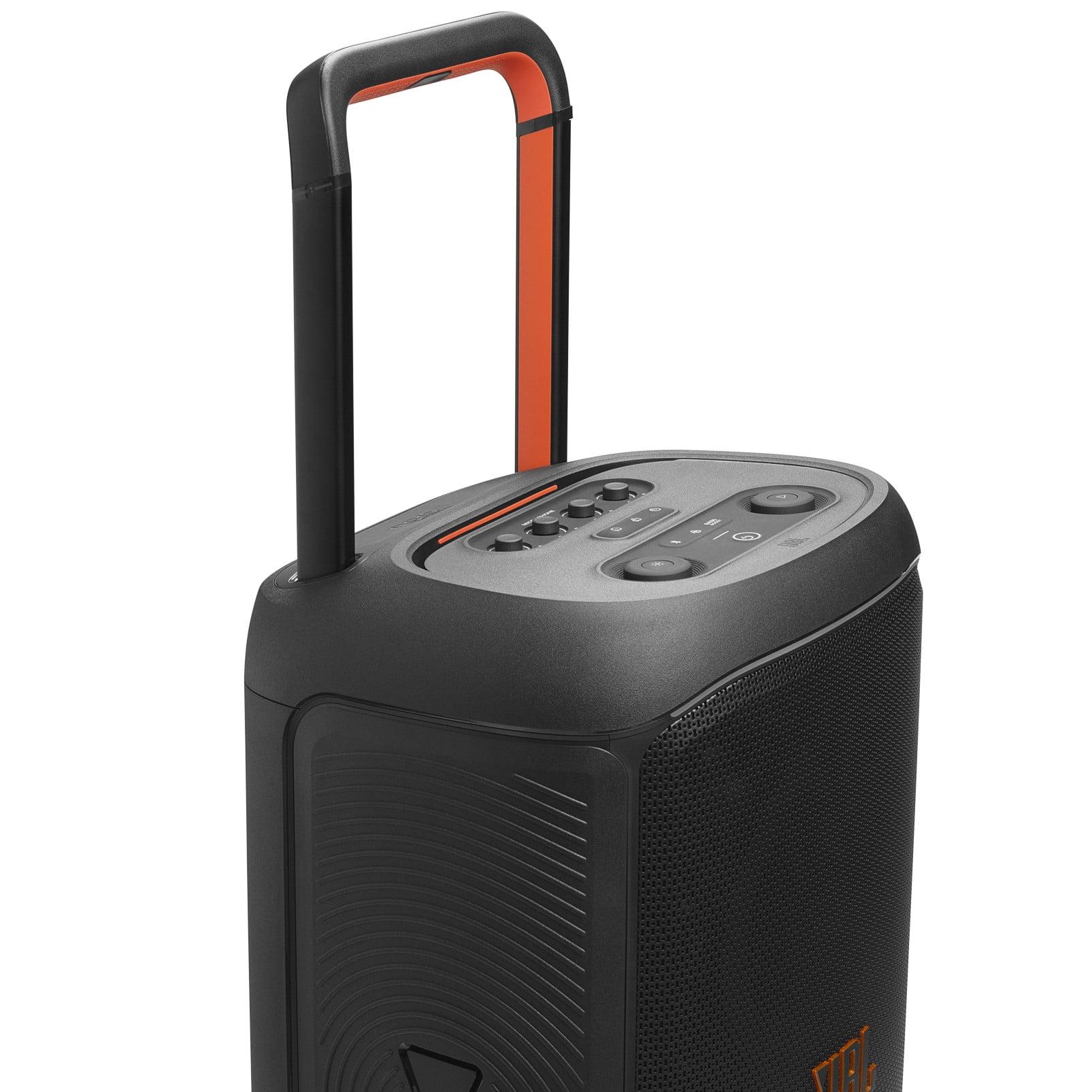
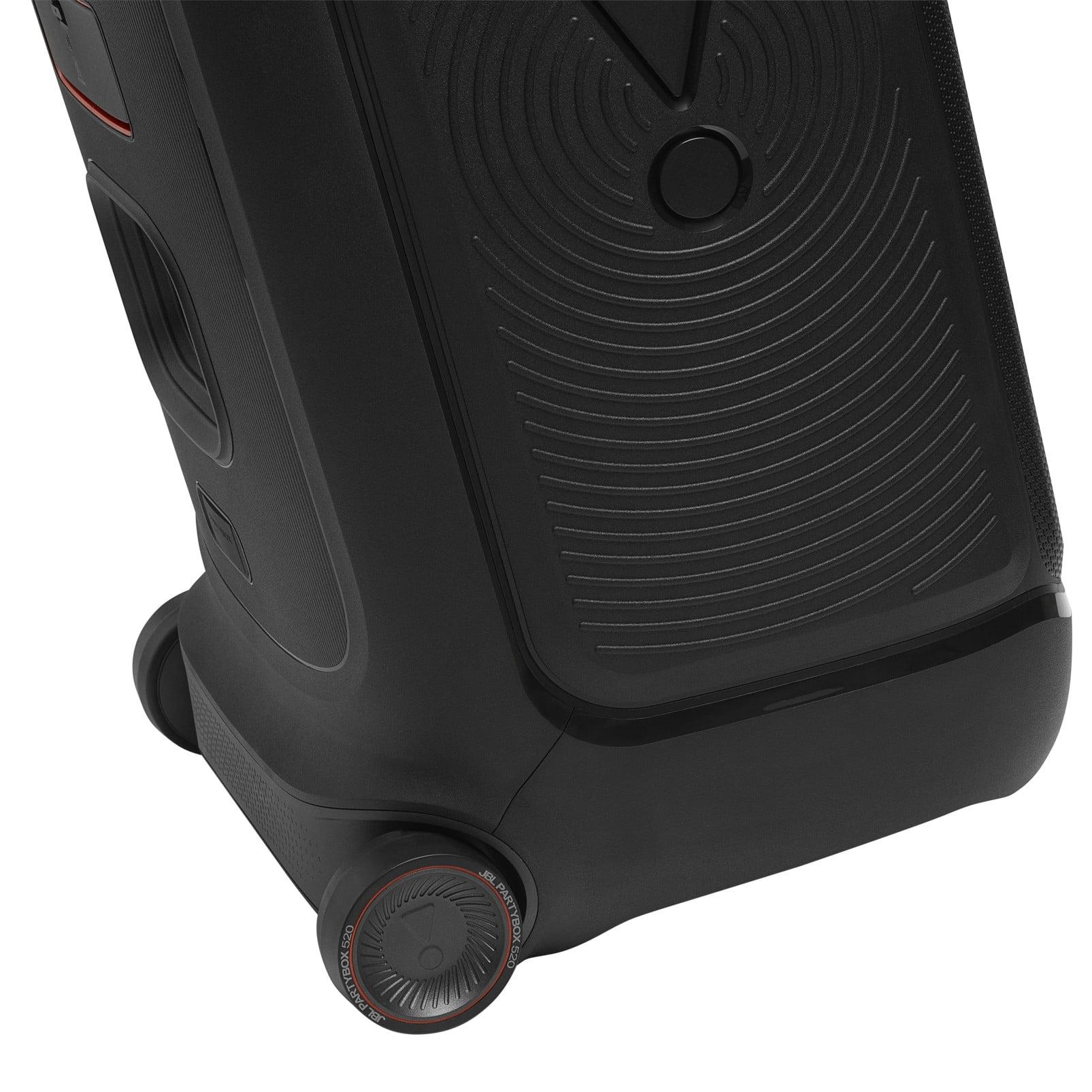
The JBL PartyBox 520 weighs 25.5 kg (over 56 pounds) and measures nearly 77cm tall. JBL equipped it with a telescopic handle and wide, sturdy wheels because carrying it isn't practical for most people. It's "portable" in the same way a rolling suitcase is portable—moveable, but requiring wheels for reasonable transport.
This weight difference fundamentally changes how you'll use these speakers. The Sony encourages spontaneous use—grab it for an impromptu gathering or move it wherever the party naturally flows. The JBL demands more intentional setup—you'll likely choose a spot and leave it there for the duration of your event.
Modern party speakers need to handle more than just Bluetooth streaming. Both speakers include microphone inputs for karaoke, but their implementation reveals their different target audiences.
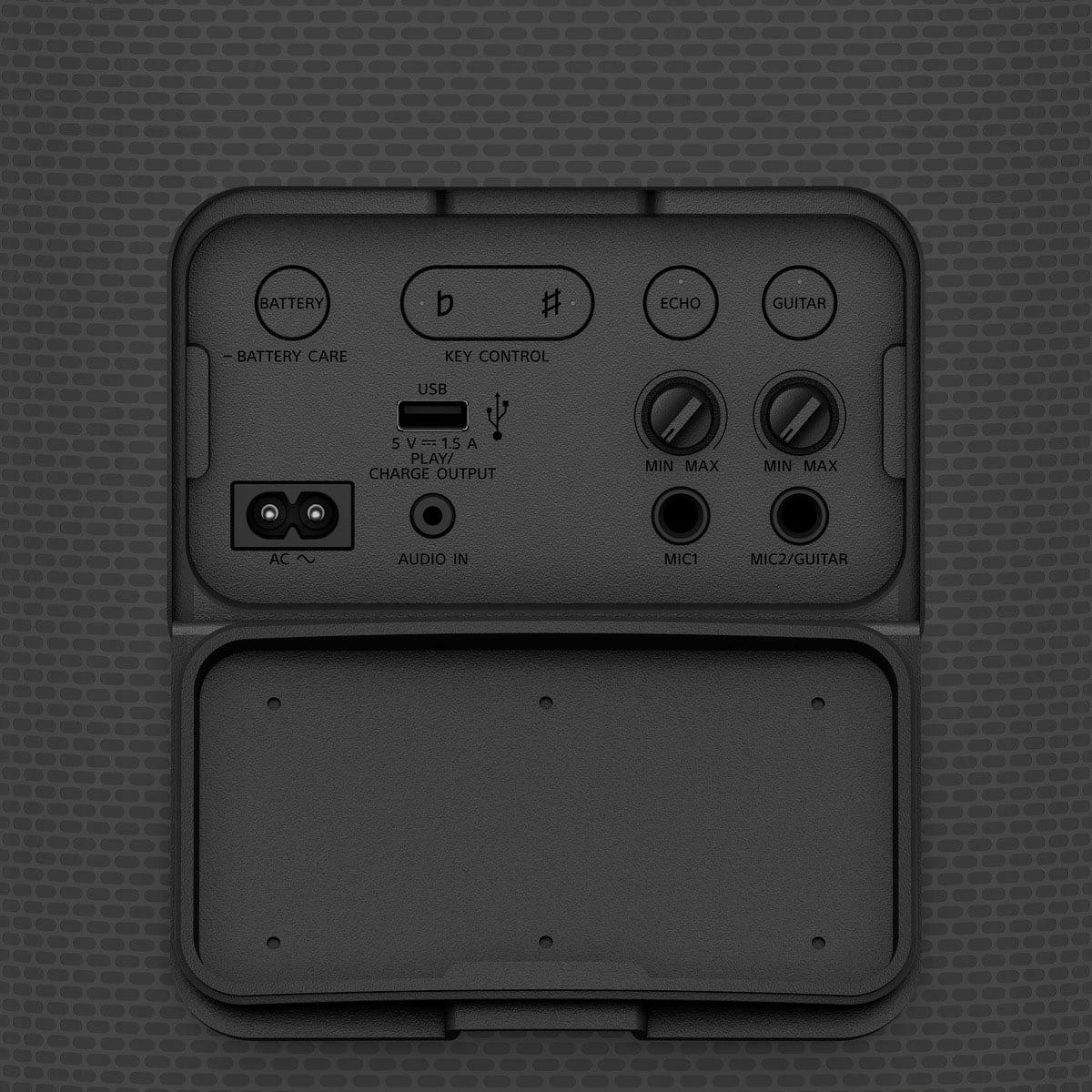
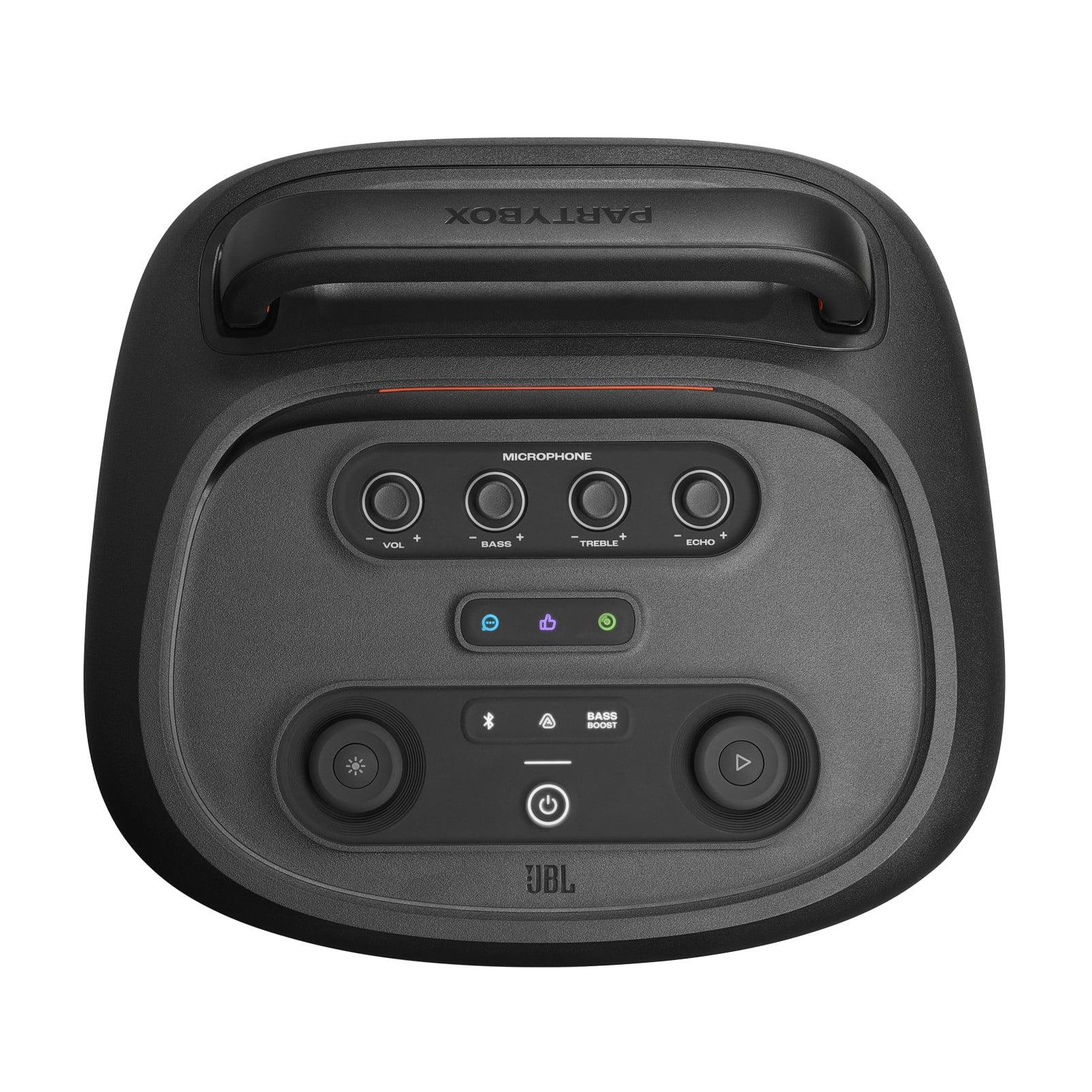
The Sony SRS-XV500 provides two 1/4-inch inputs: one dedicated microphone input and another that can handle either a second microphone or guitar input. Sony included physical controls for echo effects and key control (pitch shifting for singers), making karaoke setup straightforward for casual users.
The JBL PartyBox 520 steps up to professional-grade connectivity with dual XLR/TRS combo inputs. XLR connections are the gold standard for professional audio equipment—they're more robust than 1/4-inch connections and provide better signal quality. This makes the JBL suitable for DJ use, live performances, or connecting professional microphones and instruments.
The connectivity differences extend to audio sources as well. Both speakers offer Bluetooth (5.2 for Sony, 5.4 for JBL) and 3.5mm auxiliary inputs, but the JBL PartyBox 520 adds USB-C audio input for lossless digital playback and a 3.5mm output for daisy-chaining multiple speakers.
For multi-speaker setups, Sony offers Party Connect technology, which can link up to 100 compatible speakers, while JBL uses Auracast—a newer Bluetooth standard that provides more stable connections and lower latency.
Party speakers aren't just about sound—they're about creating an atmosphere. Both speakers feature customizable LED lighting systems, but with different approaches.
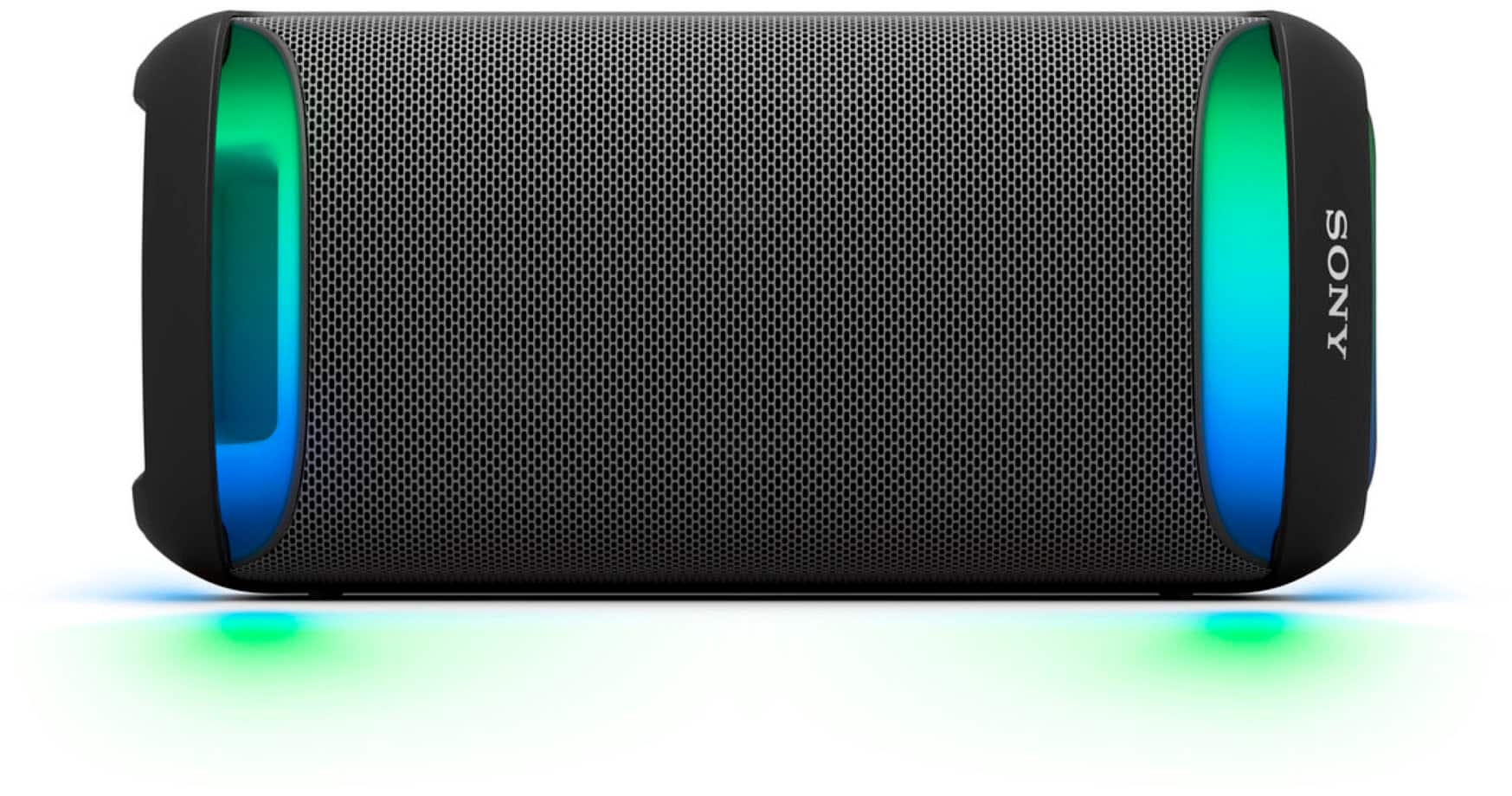
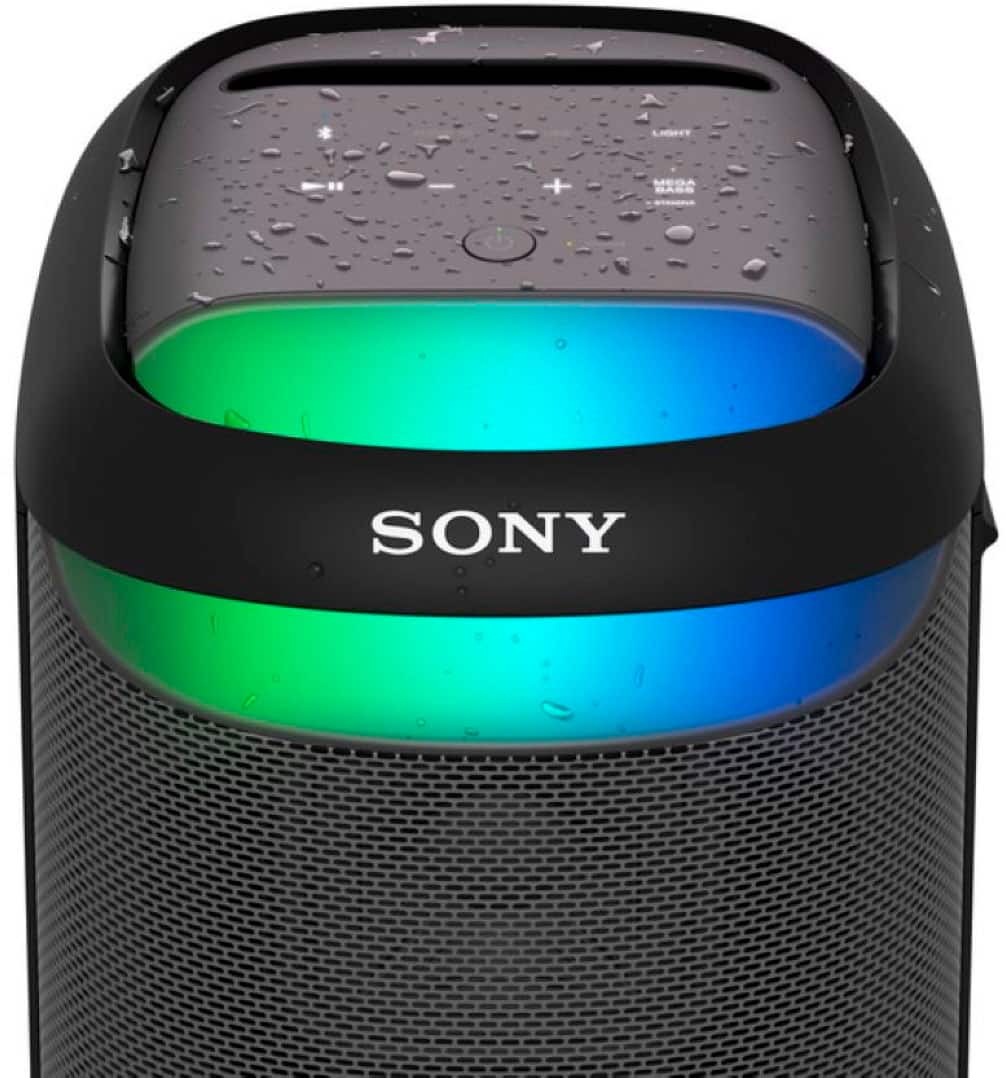
The Sony SRS-XV500 incorporates RGB lighting that syncs with music, controlled through Sony's Music Center and Fiestable apps. The lighting is tasteful rather than overwhelming, adding ambiance without dominating the visual space.
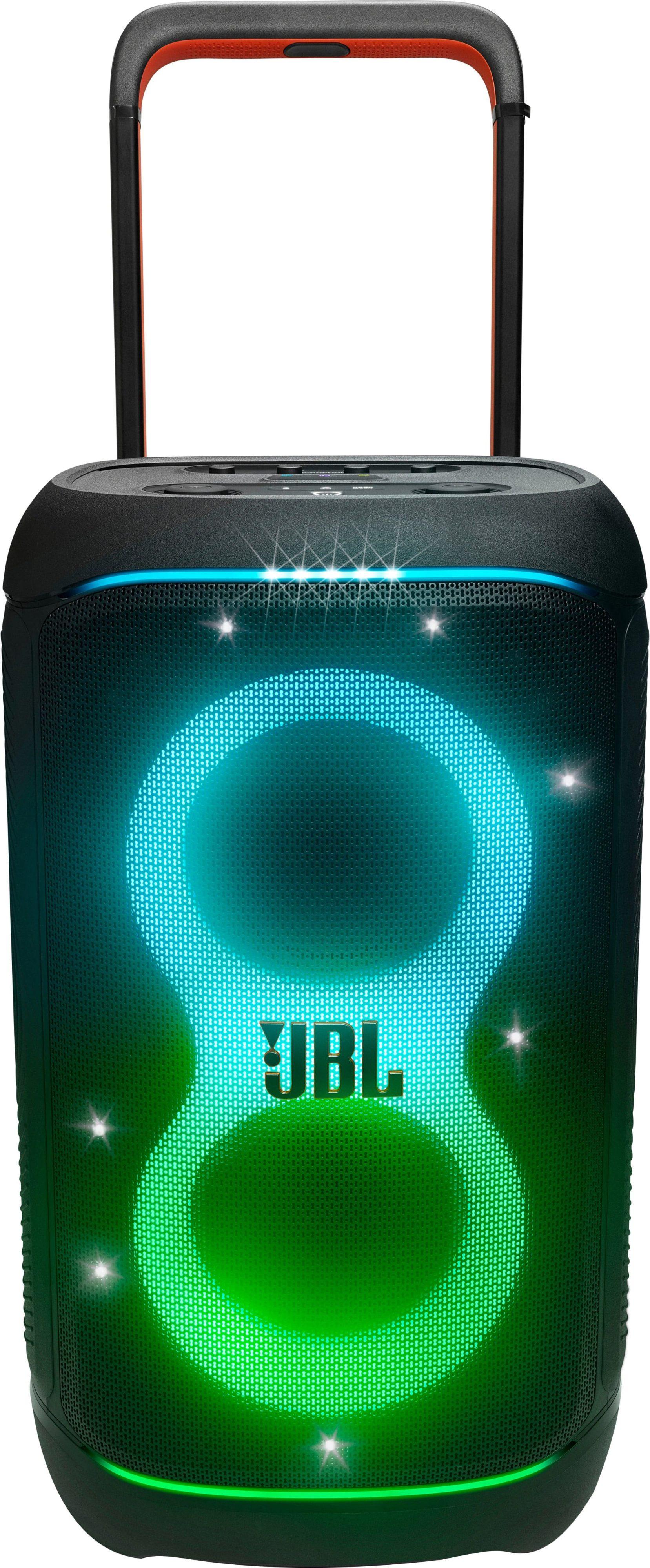
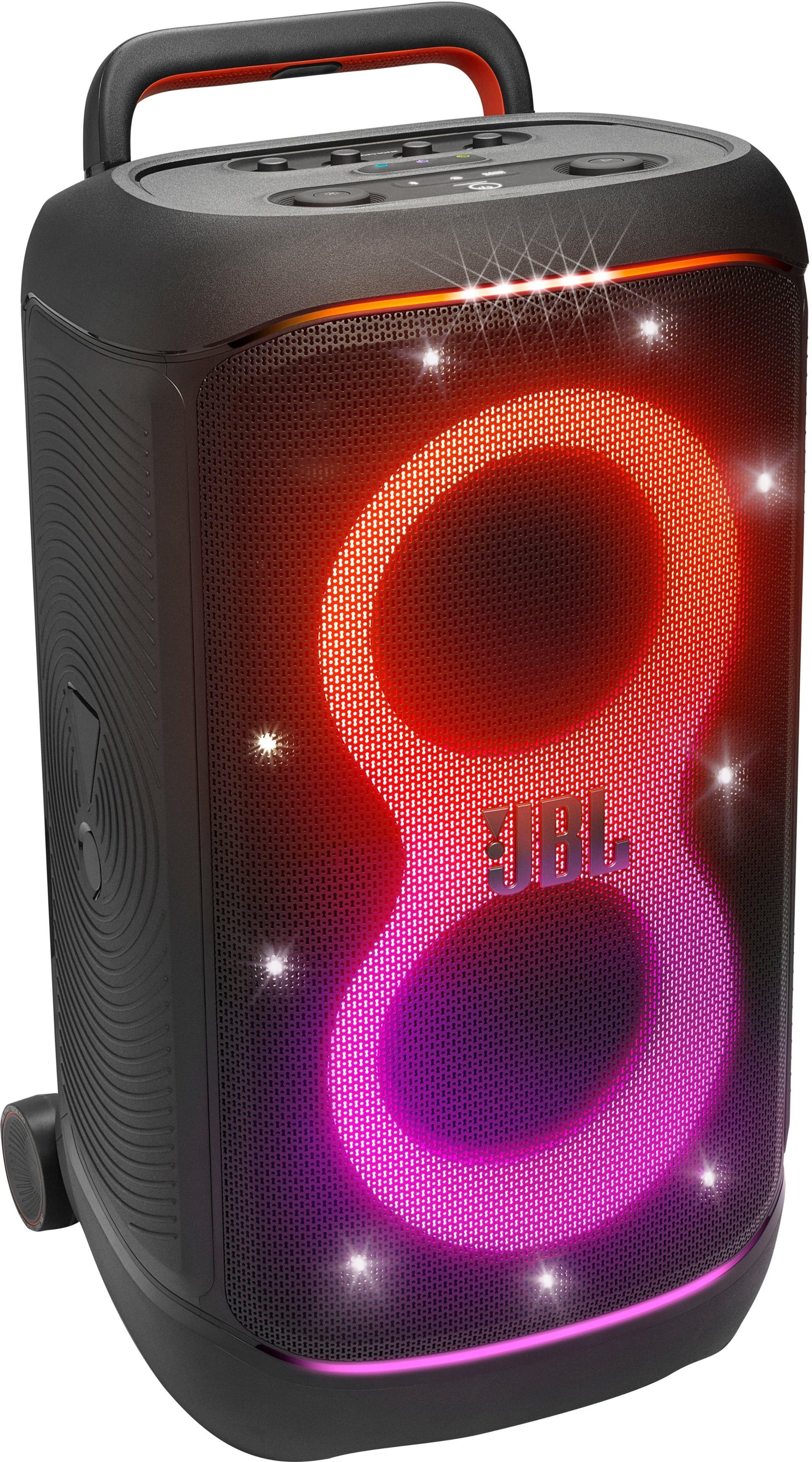
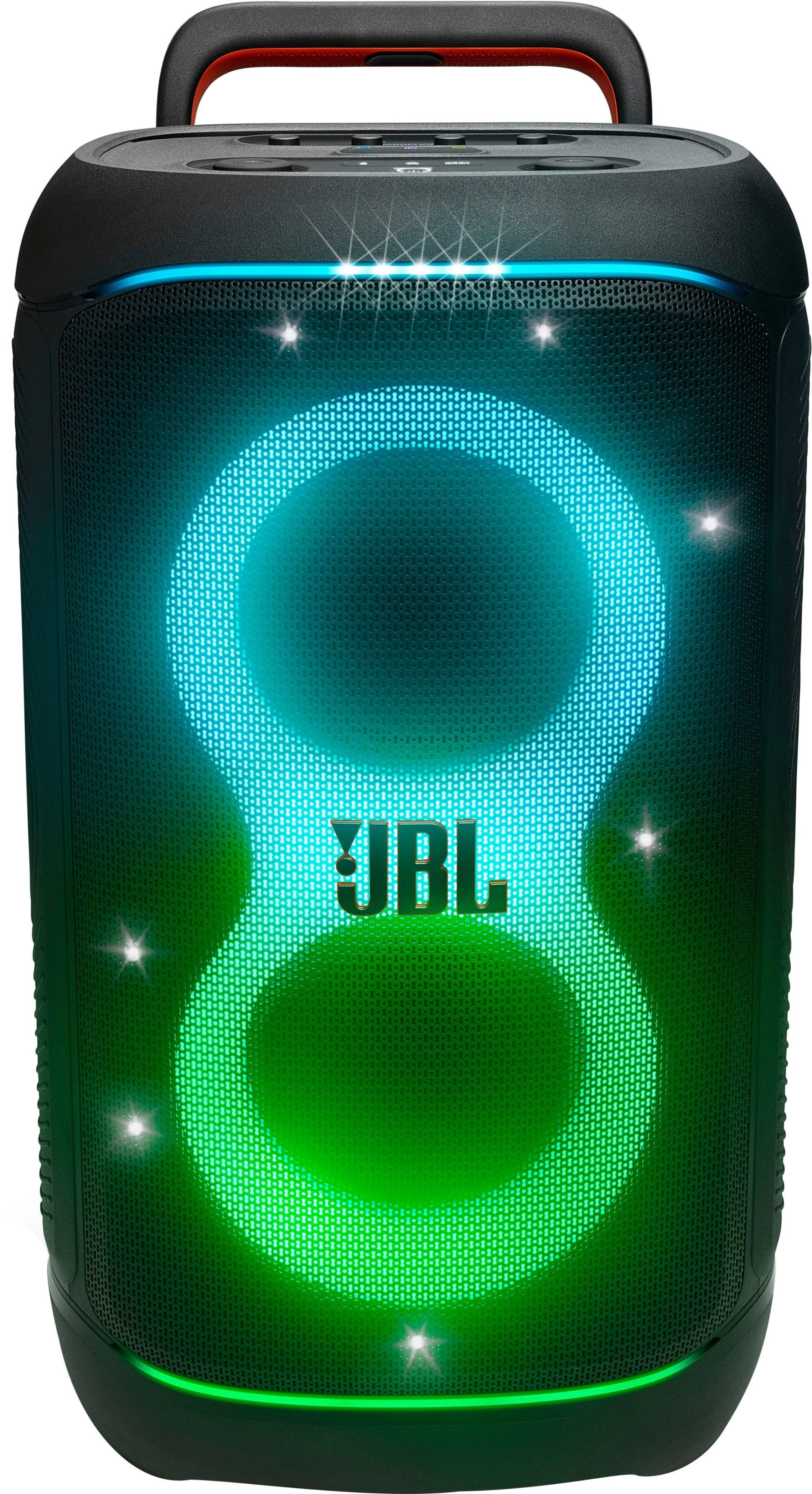
The JBL PartyBox 520 goes bigger with its "futuristic lightshow," featuring 15 white strobe LEDs plus colored LED rings and strips around the drivers. The strobe function can create club-like effects, and the JBL PartyBox app provides extensive customization options. For serious party hosts, these lighting effects can transform a space.
Home Theater Use: The Sony SRS-XV500 excels here due to its stereo configuration and balanced sound signature. Movie dialogue comes through clearly, and the 25-hour battery life means you can set up outdoor movie nights without worrying about power. However, for large outdoor screens or spaces that need maximum volume, the JBL PartyBox 520's superior power output becomes valuable.
Small to Medium Parties (up to 50 people): The Sony SRS-XV500 provides adequate power while being easy to position optimally. Its balanced sound works well for mixed music tastes, and the long battery life handles extended events.
Large Parties and Dance Floors: The JBL PartyBox 520 dominates here. Its 400W output and physical bass response can fill large spaces and get people moving. The professional inputs allow for DJ mixing, and the swappable battery system prevents power anxiety during long events.
Outdoor Events: Both speakers offer IPX4 splash resistance, handling light rain and spills. The Sony's lighter weight makes it easier to reposition for optimal sound coverage, while the JBL's higher output better overcomes outdoor sound dissipation.
At the time of writing, the price gap between these speakers is substantial—the JBL PartyBox 520 costs roughly double the Sony SRS-XV500. This raises important value questions.
The Sony SRS-XV500 delivers exceptional value by offering premium features at a mid-tier price point. Its 25-hour battery life, genuine portability, and balanced sound quality provide utility that many users will appreciate daily. The main long-term concern is the non-replaceable battery, which may require service after several years of use.
The JBL PartyBox 520 commands premium pricing but delivers flagship performance. Its professional inputs, maximum power output, and modular battery system provide long-term value for serious users. The ability to replace batteries extends the speaker's useful life significantly.
The JBL PartyBox 520, being a 2025 release, incorporates newer technology like Bluetooth 5.4 and AI Sound Boost. These features provide better connectivity stability and audio optimization. However, the Sony SRS-XV500's 2024 release isn't far behind, and Sony's refinements to their party speaker platform show mature engineering.
Both speakers support their respective ecosystem apps, but JBL's platform tends to receive more frequent updates and feature additions based on historical patterns.
Choose the Sony SRS-XV500 if:
Choose the JBL PartyBox 520 if:
Both speakers excel at their intended purposes, but they serve different users and scenarios. The Sony SRS-XV500 represents outstanding value for most people—it's genuinely portable, offers balanced performance, and provides features typically found in much more expensive speakers. Unless you specifically need maximum power or professional connectivity, it's the more practical choice.
The JBL PartyBox 520 justifies its premium pricing for users who need its unique capabilities. If you're serious about party hosting, need professional features, or want the absolute maximum bass impact, the additional cost delivers proportional value.
For most buyers, the Sony hits the sweet spot of performance, features, and value. But if you need what the JBL offers, there really isn't a substitute—it's in a class by itself for power and professional capability. Consider your actual needs, not your aspirational ones, and you'll make the right choice.
| Sony SRS-XV500 | JBL PartyBox 520 |
|---|---|
| Power Output - Determines maximum volume and bass impact | |
| ~55W (adequate for most gatherings up to 50 people) | 400W RMS (extreme power for large events and dance floors) |
| Audio Configuration - Affects soundstage and spatial quality | |
| 2.0 Stereo (wider, more natural sound presentation) | 1.0 Mono (focused output but narrower soundstage) |
| Battery Life - Critical for untethered operation | |
| 25 hours (marathon performance for extended events) | 15 hours (solid but 40% less runtime) |
| Weight & Portability - Impacts how you'll actually use the speaker | |
| 11.2 kg / 25 lbs (genuinely portable with dual handles) | 25.5 kg / 56 lbs (requires wheels, not truly portable) |
| Battery System - Affects long-term usability | |
| Non-replaceable (eventual service required) | Swappable battery packs (unlimited runtime with spares) |
| Professional Inputs - Important for DJ use and live performance | |
| Two 1/4" inputs (basic mic/guitar connectivity) | Two XLR/TRS combo inputs (professional-grade mixing) |
| Bluetooth Version - Newer standards offer better connectivity | |
| 5.2 (reliable but not cutting-edge) | 5.4 (latest standard with improved stability) |
| Maximum Volume - Measured capability for large spaces | |
| ~110 dB (sufficient for medium gatherings) | ~112 dB (significantly louder for large crowds) |
| Device Charging - Power bank functionality | |
| 7.5W USB-A (basic phone charging) | 30W USB-C (fast charging for tablets and laptops) |
| Release Year - Indicates technology generation | |
| 2024 (recent but not cutting-edge features) | 2025 (latest technology including AI Sound Boost) |
| Lighting Effects - Visual entertainment features | |
| RGB sync lighting (tasteful ambiance) | Advanced lightshow with 15 strobe LEDs (club-like effects) |
| Multi-Speaker Connectivity - For expanded setups | |
| Party Connect (up to 100 Sony speakers) | Auracast (newer standard with better stability) |
| Price Positioning - Value consideration at time of writing | |
| Mid-tier pricing (exceptional value proposition) | Premium flagship pricing (roughly double the Sony) |
The Sony SRS-XV500 is better for small to medium parties up to 50 people. Its balanced sound quality, genuine portability at 25 pounds, and 25-hour battery life make it ideal for casual gatherings. The stereo configuration provides wider sound coverage, and it's easy to move around as the party flows between different areas.
The JBL PartyBox 520 significantly outperforms in volume and bass impact. With 400W RMS power output versus the Sony's ~55W, the JBL can reach higher decibel levels and delivers physically felt bass that can shake walls. It's designed for large gatherings of 75+ people and dance floor environments where maximum impact matters.
The Sony SRS-XV500 offers superior battery life with 25 hours of continuous playback compared to the JBL PartyBox 520's 15 hours. However, the JBL features swappable battery packs, allowing unlimited runtime with spare batteries, while the Sony has a non-replaceable battery that requires charging the entire unit.
The Sony SRS-XV500 is significantly more portable, weighing 25 pounds with dual carry handles versus the JBL PartyBox 520's 56 pounds requiring wheels and a telescopic handle. The Sony can be genuinely carried between locations, while the JBL is designed for rolling transport and more permanent setup locations.
Both speakers support karaoke, but with different capabilities. The Sony SRS-XV500 has two 1/4" inputs suitable for basic microphone and guitar use with built-in echo and key control features. The JBL PartyBox 520 offers professional XLR/TRS combo inputs ideal for DJ mixing, professional microphones, and live performance setups.
The Sony SRS-XV500 provides exceptional value, offering premium party speaker features at a mid-tier price point. The JBL PartyBox 520 costs roughly double but delivers flagship performance with professional features. For most users, the Sony represents better value unless you specifically need maximum power or professional connectivity.
The Sony SRS-XV500 delivers more balanced, musical sound with a stereo configuration that creates wider soundstage and clearer vocals. The JBL PartyBox 520 prioritizes power and bass impact with AI Sound Boost technology, but uses mono configuration that can sound narrower. The Sony works better for mixed content, while the JBL excels for dance music.
Both speakers feature IPX4 splash-proof ratings suitable for outdoor parties, poolside use, and light rain exposure. The Sony SRS-XV500's lighter weight makes it easier to reposition for optimal outdoor sound coverage, while the JBL PartyBox 520's higher power output better overcomes outdoor sound dissipation in large spaces.
Yes, both speakers support multi-speaker connectivity. The Sony SRS-XV500 uses Party Connect technology to link up to 100 compatible Sony speakers, while the JBL PartyBox 520 features Auracast technology for connecting multiple JBL speakers with improved stability and lower latency than older Bluetooth standards.
The Sony SRS-XV500 is better suited for home theater use due to its stereo configuration providing better dialogue clarity and spatial audio for movies. The 25-hour battery life enables extended movie marathons and outdoor cinema setups. The JBL PartyBox 520 can work for home theater but its mono configuration and bass-heavy tuning are less ideal for dialogue-focused content.
Both speakers offer Bluetooth connectivity, with the Sony SRS-XV500 using version 5.2 and the JBL PartyBox 520 featuring newer Bluetooth 5.4. The Sony includes 3.5mm AUX input and USB-A charging port, while the JBL adds USB-C audio input for lossless playback, 3.5mm output for daisy-chaining, and more powerful 30W USB-C device charging.
Choose the Sony SRS-XV500 if you want excellent value, genuine portability, balanced sound quality, and marathon battery life for gatherings under 50 people. Select the JBL PartyBox 520 if you need maximum volume and bass impact, professional mixing capabilities, cutting-edge technology, and regularly host large parties of 75+ people where the higher cost and weight are justified by superior performance.
We've done our best to create useful and informative comparisons to help you decide what product to buy. Our research uses advanced automated methods to create this comparison and perfection is not possible - please contact us for corrections or questions. These are the sites we've researched in the creation of this article: bestbuy.com - rtings.com - bestbuy.com - youtube.com - rtings.com - versus.com - youtube.com - versus.com - youtube.com - youtube.com - guidingtech.com - crutchfield.com - sony.com - sony.com - bestbuy.com - helpguide.sony.net - smappliance.com - youtube.com - helpguide.sony.net - videoandaudiocenter.com - electronics.sony.com - linqcdn.avbportal.com - soundguys.com - rtings.com - rtings.com - rtings.com - letemsvetemapplem.eu - youtube.com - worldwidestereo.com - youtube.com - global.jbl.com - youtube.com - soundguys.com - youtube.com - youtube.com - comparisontabl.es - youtube.com - youtube.com - youtube.com - gzhls.at - sweetwater.com - static.pcrichard.com - brandsmartusa.com - news.harman.com - jbl.com - ro.harmanaudio.com - jbl.com - creativeaudio.net

Privacy Policy
Terms and Conditions - Affiliate Policy
Home Security
© Copyright 2008-2026.
11816 Inwood Rd #1211, Dallas, TX 75244