

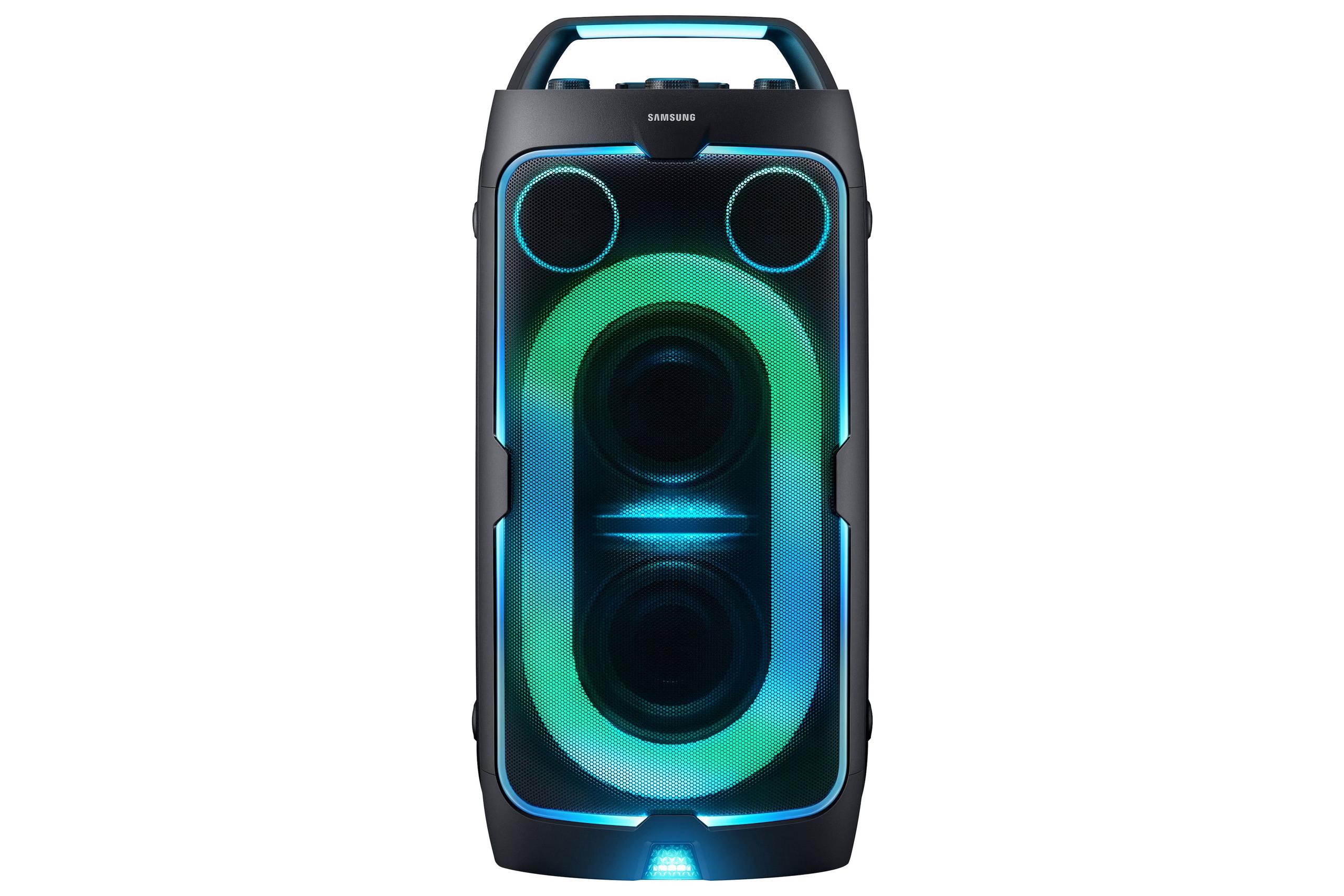
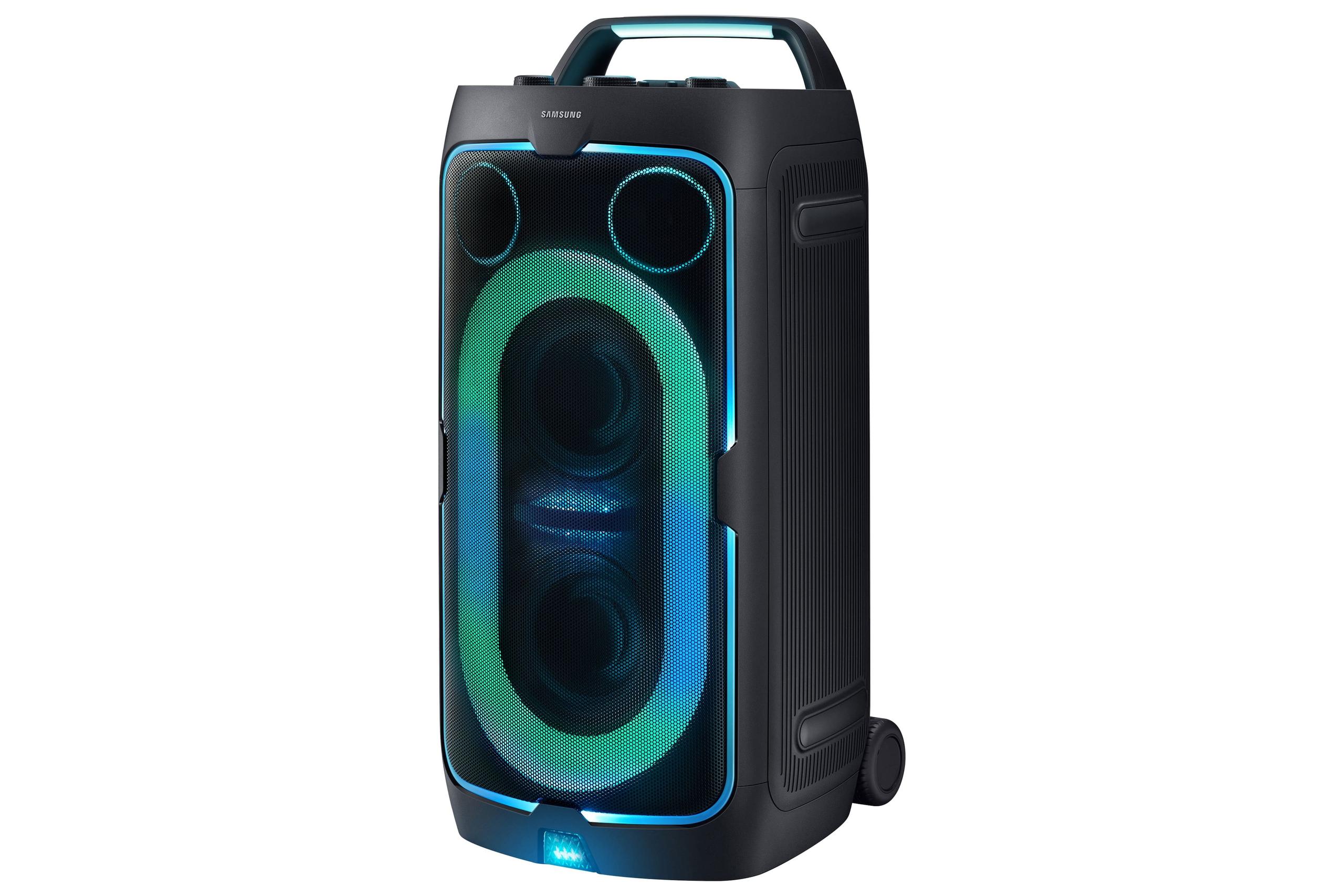
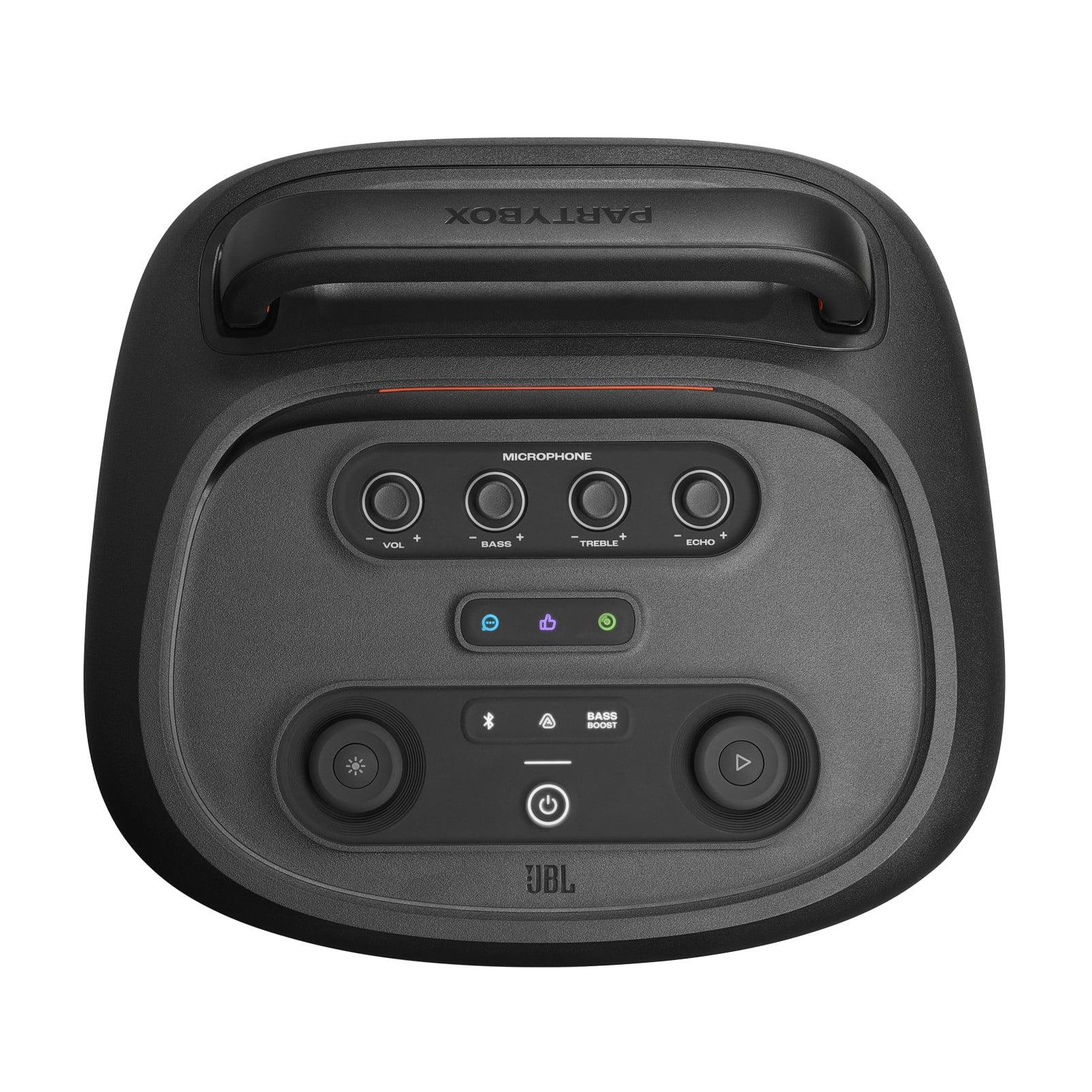
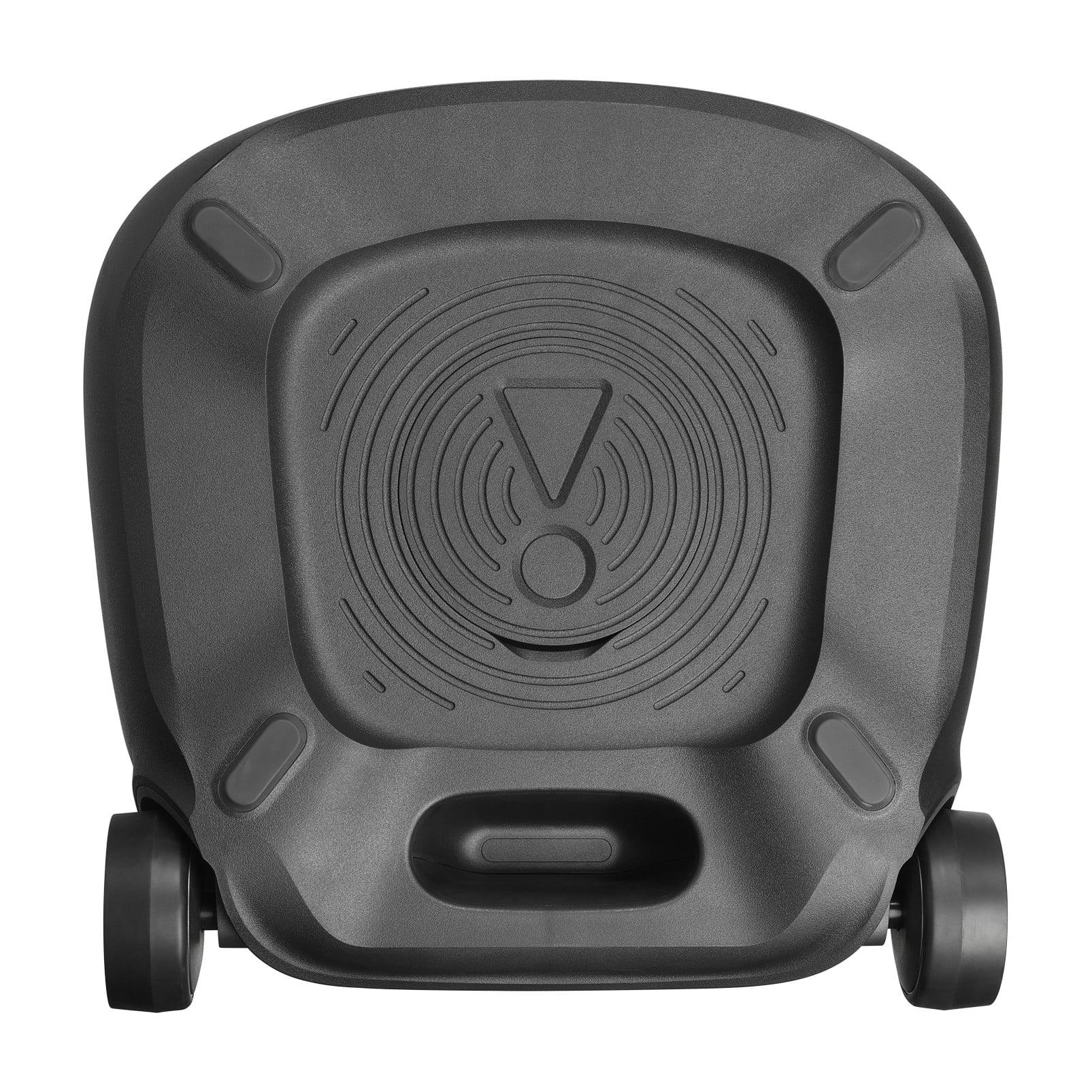
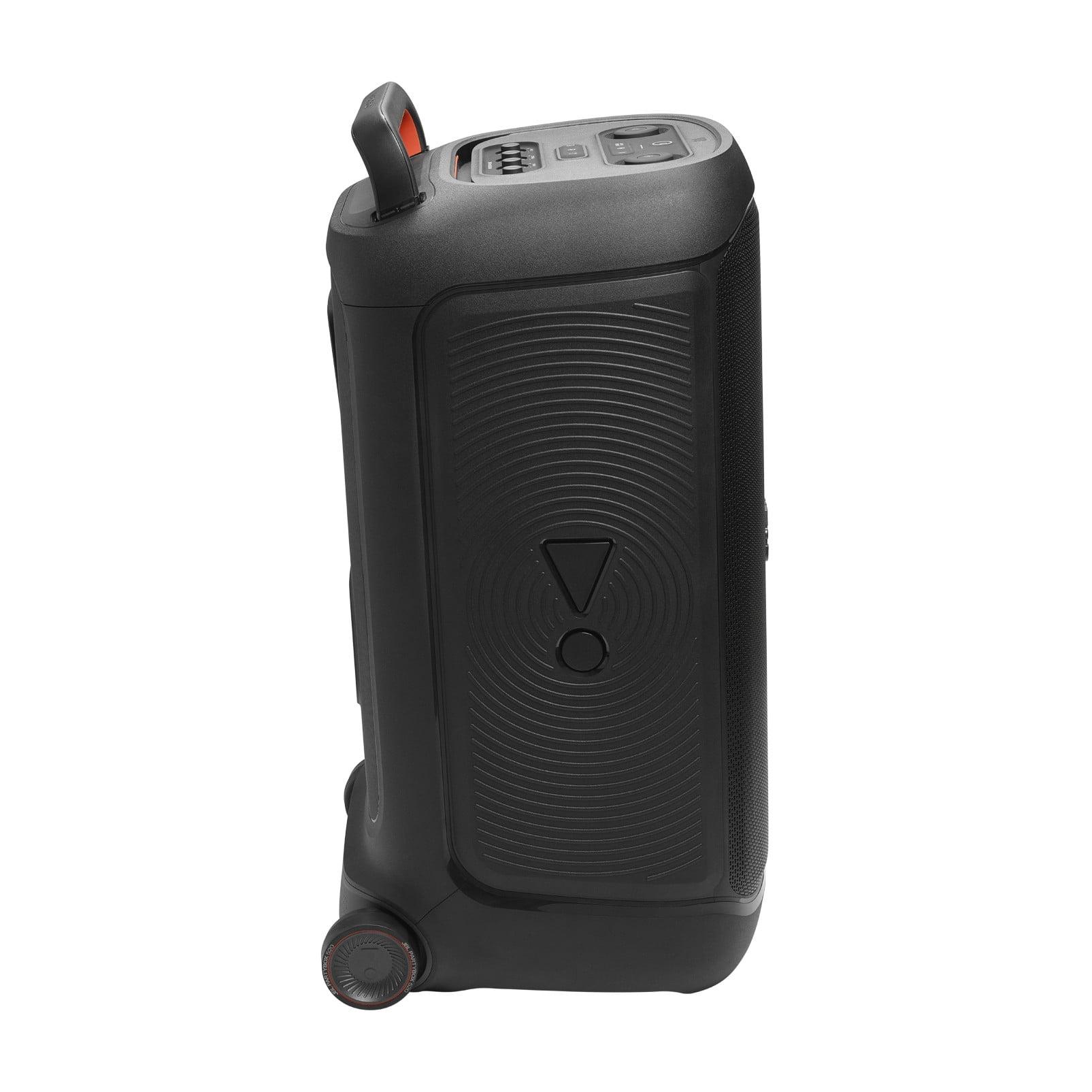
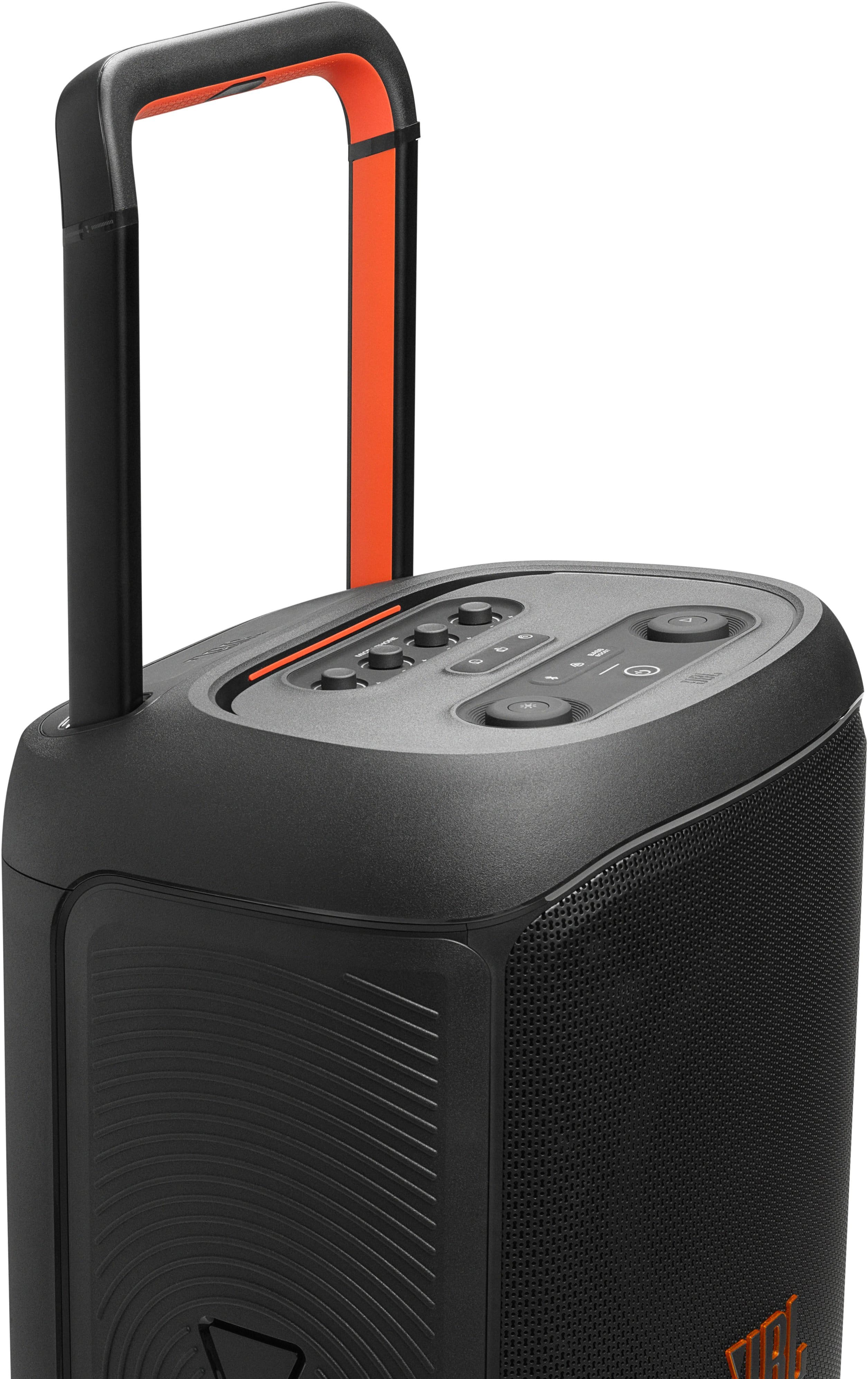
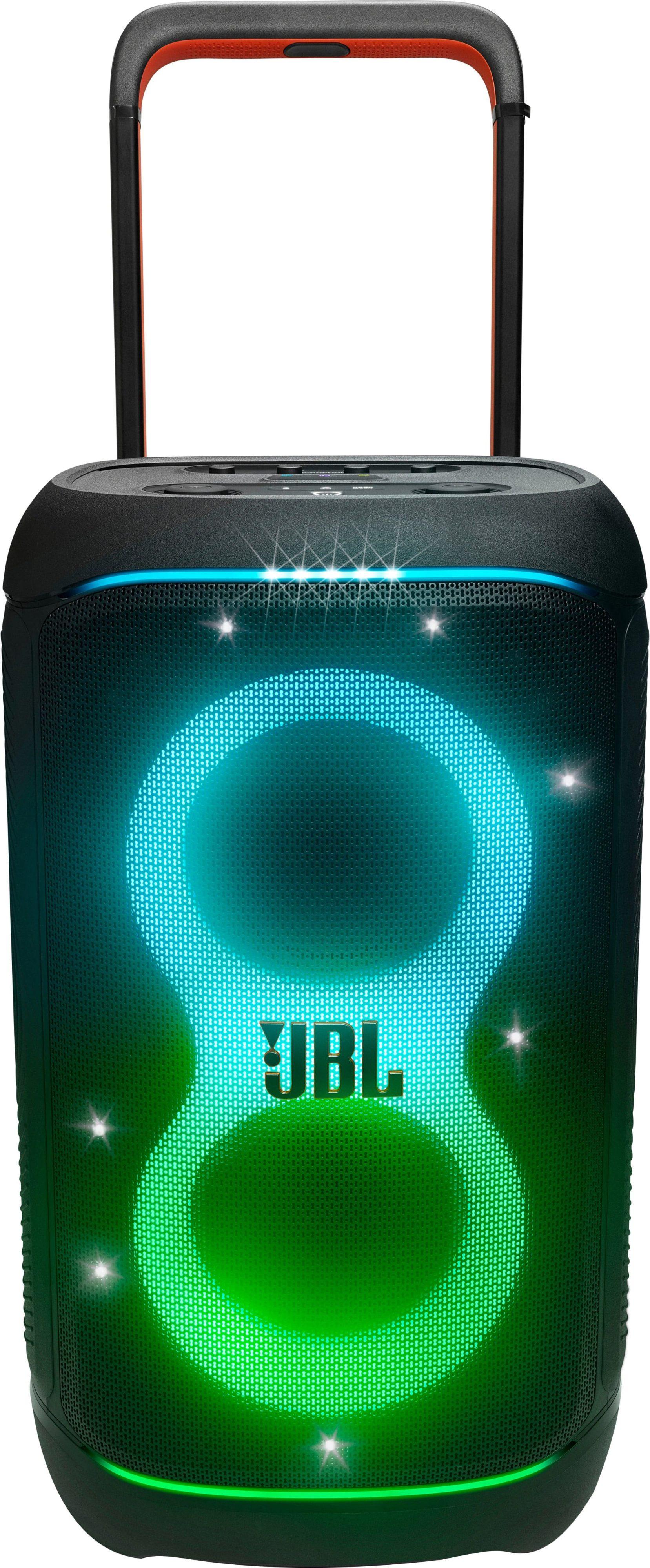
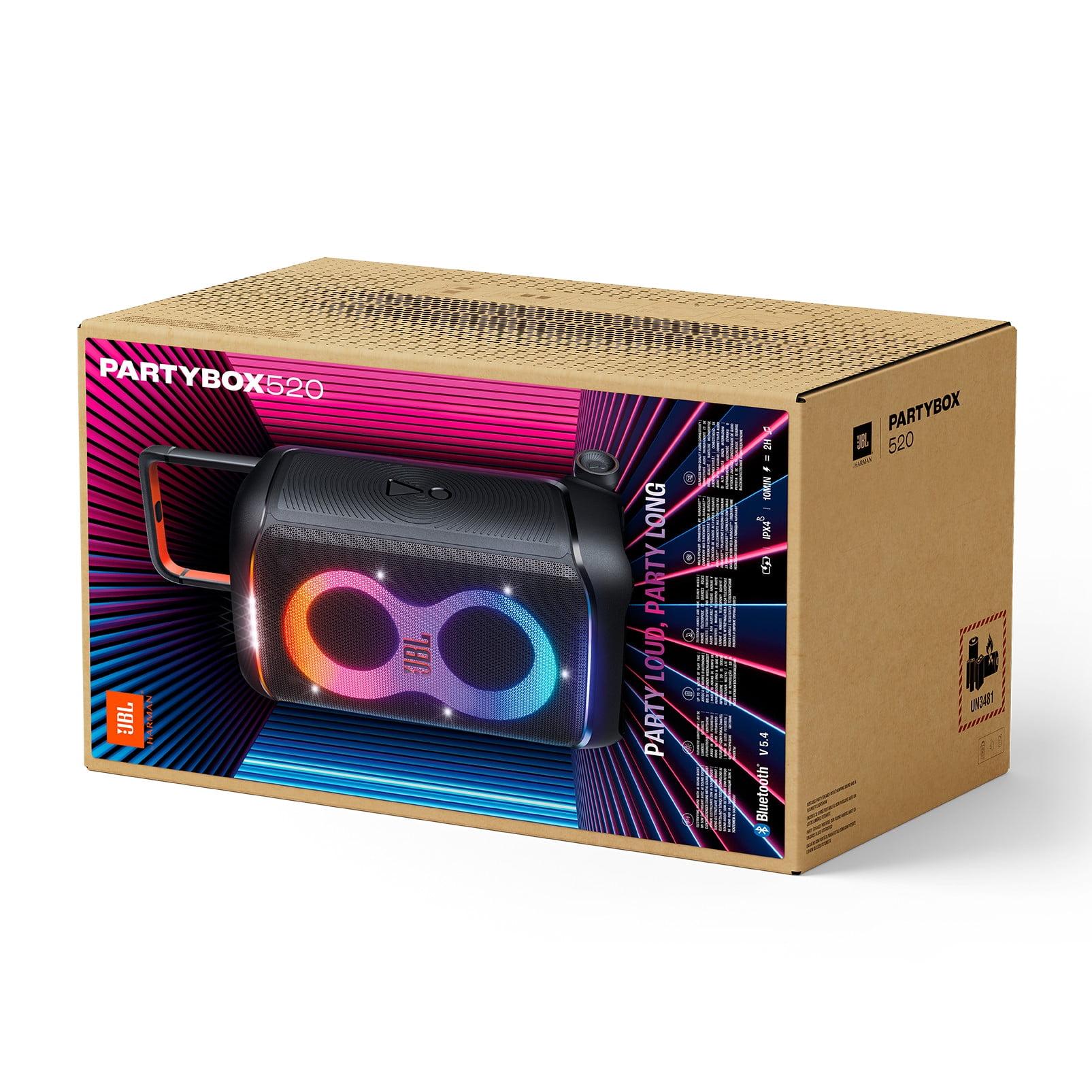
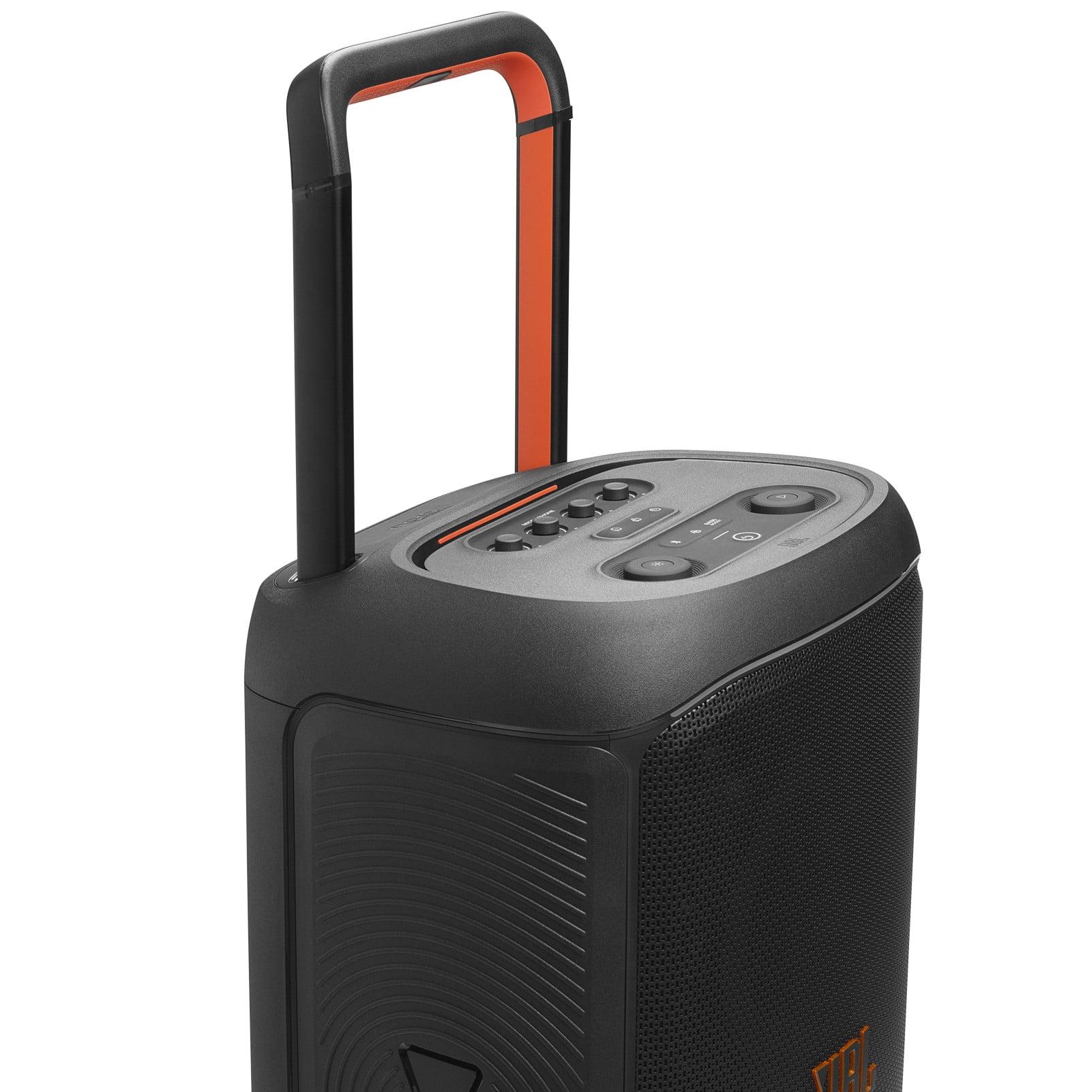
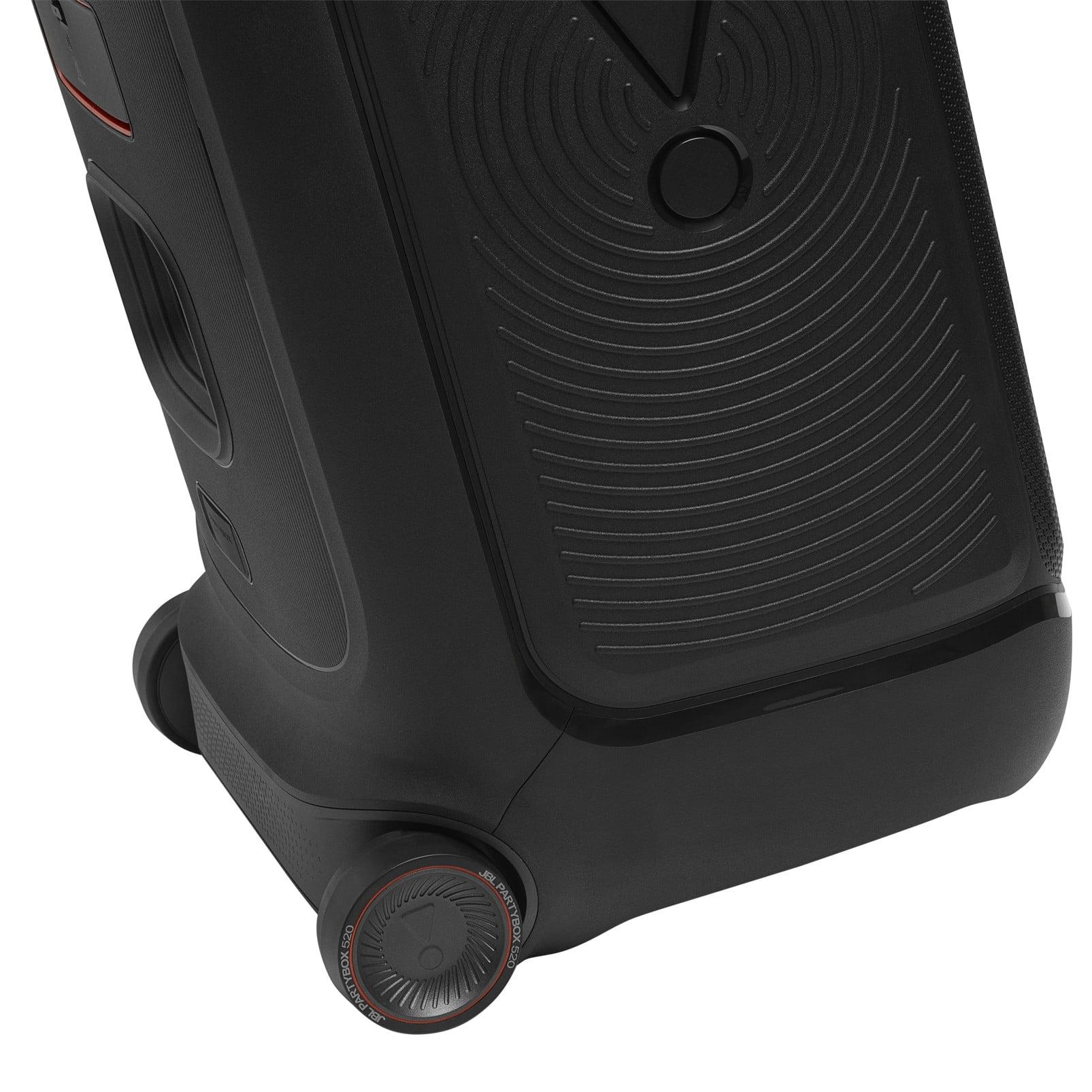
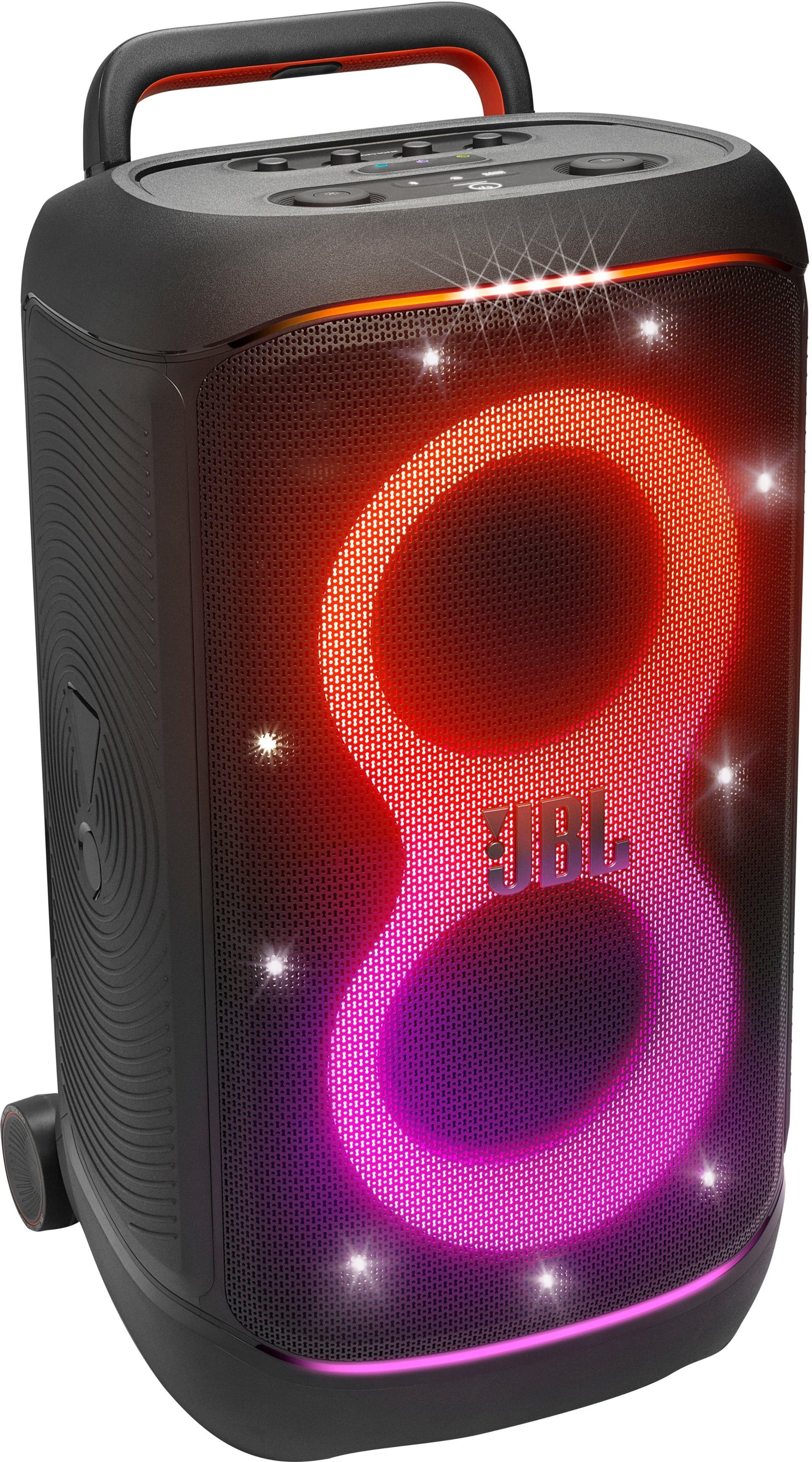
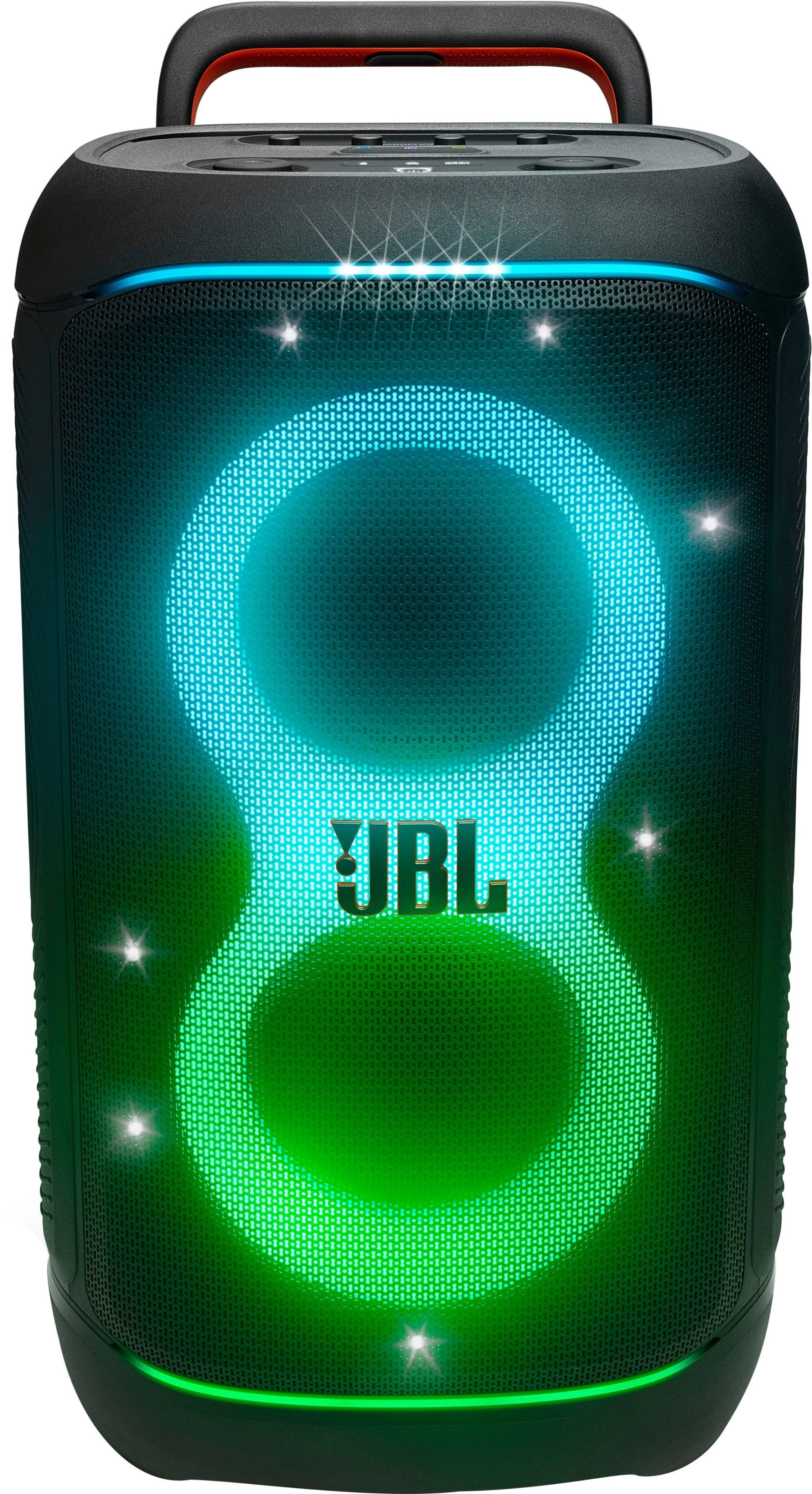
When you're looking to bring serious sound to your next gathering, the party speaker market has exploded with options that promise earth-shaking bass and light shows worthy of a nightclub. At the heart of the premium portable party speaker category sit two compelling 2025 releases: the Samsung MX-ST50F Sound Tower and the JBL PartyBox 520. Both speakers launched this year at nearly identical price points—around $700 at the time of writing—but they represent fundamentally different approaches to delivering party-ready audio.
Before diving into these specific models, it's worth understanding what separates party speakers from regular Bluetooth speakers or home theater systems. Party speakers prioritize four key elements: raw volume output, deep bass response that you can feel in your chest, visual appeal through synchronized lighting, and enough portability to move between venues. Unlike audiophile speakers designed for critical listening, these towers focus on creating an experience—getting people moving and maintaining energy throughout long events.
The most important performance metric for party speakers is sound pressure level (SPL), which measures how loud the speaker can get before distortion ruins the experience. A good party speaker should hit at least 100 dB at one meter distance, with the best models pushing 110 dB or higher. Bass response matters enormously too, since dance music, hip-hop, and electronic genres rely on that thumping low-end to create the physical sensation that makes people want to move.
The Samsung MX-ST50F and JBL PartyBox 520 take notably different approaches to sound reproduction, and understanding these differences will likely determine which speaker works better for your needs.
The JBL PartyBox 520 delivers significantly more raw power, putting out 400 watts of RMS (root mean square) power—a measurement that represents continuous power rather than peak bursts. JBL claims a total system power of 1,500 watts, but that's marketing speak for the combined peak power of all components. The 400W RMS figure is what actually matters for sustained volume levels.
In contrast, the Samsung MX-ST50F outputs 240 watts when plugged into AC power, but here's where things get interesting: it drops to just 90 watts when running on battery power. This dramatic power reduction means the Samsung loses significant volume capability when unplugged—something to consider if you're planning outdoor events without nearby electrical outlets.
From our research into user experiences and professional reviews, the volume difference is immediately apparent. The JBL PartyBox 520 consistently gets described as "seriously loud" and suitable for gatherings of 75 people or more. The Samsung MX-ST50F, while still capable, seems better suited for smaller gatherings of 25-50 people, especially when running on battery power.
Here's where the Samsung MX-ST50F shows its unique character. While the JBL PartyBox 520 produces more overall bass volume, the Samsung focuses on deeper bass penetration. Think of it this way: the JBL creates more "house-shaking" bass that fills the room with low-frequency energy, while the Samsung punches deeper into the sub-bass frequencies that you feel more than hear.
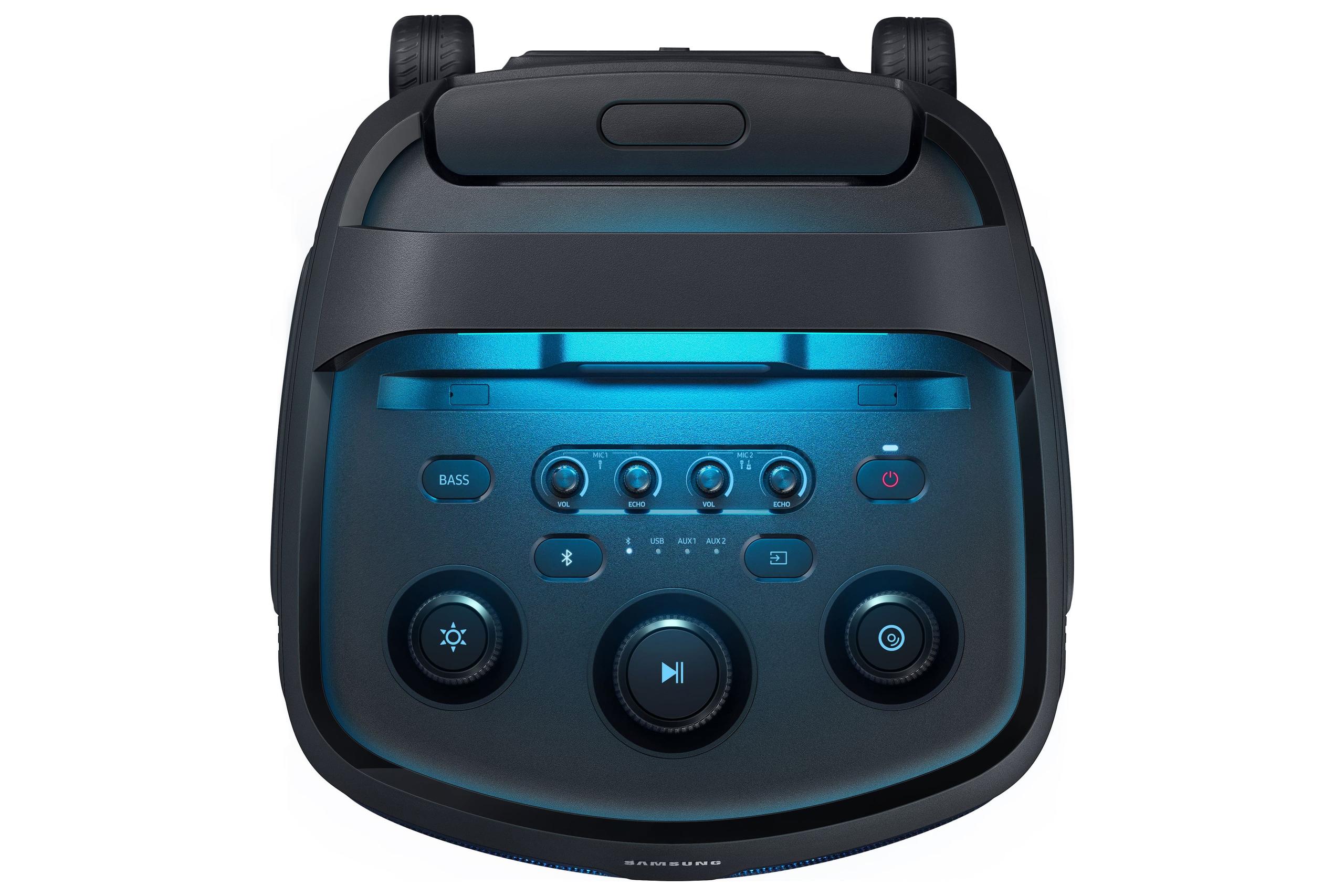
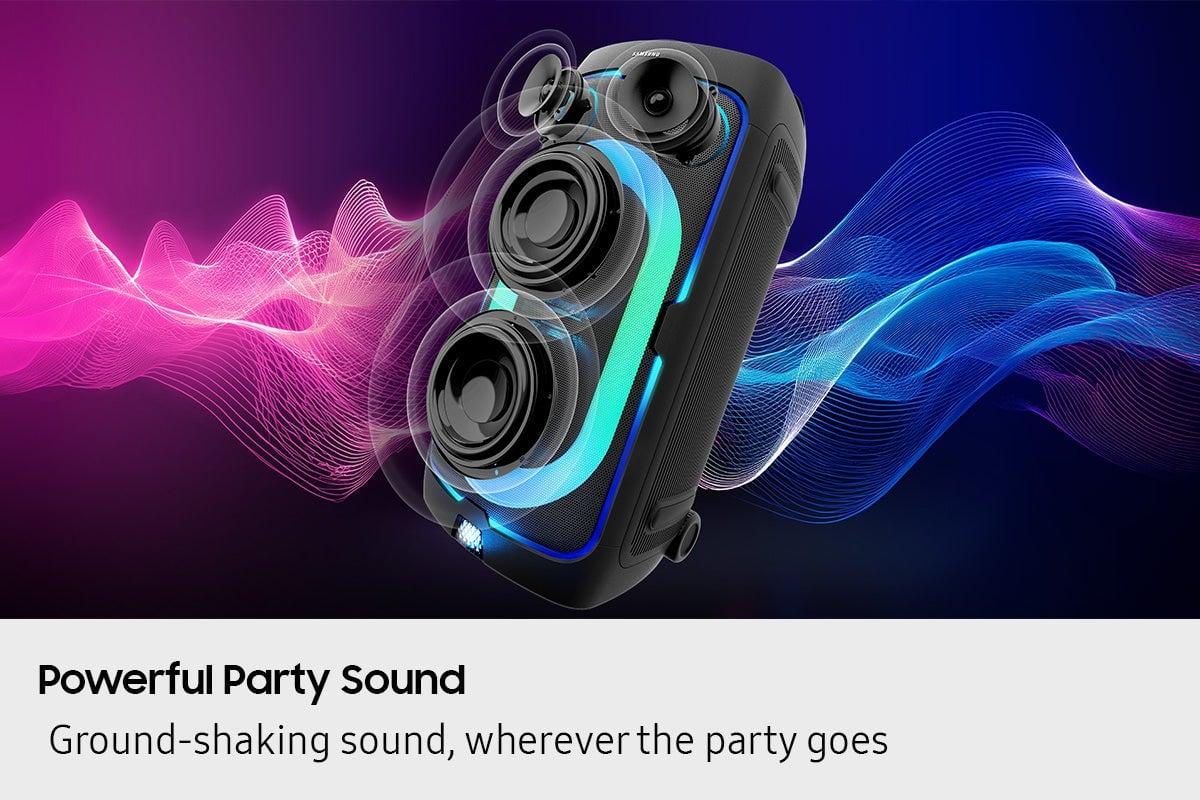
The Samsung achieves this through its dual 6.5-inch woofers (the drivers responsible for bass frequencies) combined with three selectable bass modes: Deep, Punchy, and Gentle. This customization lets you adapt the bass response to different music styles—Deep mode for electronic music with synthesized bass, Punchy for hip-hop with sharp kick drums, and Gentle for genres where bass shouldn't overpower vocals.
The JBL PartyBox 520 uses a more complex three-way driver system with two mid-woofers and a dedicated large subwoofer. This configuration provides more balanced frequency response across the entire audio spectrum, meaning vocals, instruments, and bass all get proper attention rather than emphasizing one frequency range.
Professional reviewers consistently praise the JBL PartyBox 520 for its frequency response accuracy—how evenly it reproduces different frequencies from 40Hz (deep bass) to 20kHz (the highest treble most people can hear). The speaker maintains clarity even at maximum volumes thanks to JBL's AI Sound Boost technology, which analyzes the audio signal in real-time and prevents distortion by optimizing the output dynamically.
The Samsung MX-ST50F takes a different approach with four sound modes (Standard, Wide, Stadium, Outdoor) that reshape the frequency response for different environments. Stadium mode, for example, likely boosts midrange frequencies to cut through crowd noise, while Outdoor mode probably enhances bass and treble to compensate for open-air acoustics where sound dissipates more quickly.
One crucial difference that often gets overlooked is how these speakers disperse sound throughout a space. The Samsung MX-ST50F's vertical tower design with waveguide technology creates more omnidirectional sound dispersion. Waveguides are specially shaped channels around the tweeters (high-frequency drivers) that control how sound waves spread, creating wider coverage patterns.
This means the Samsung sounds more consistent whether you're standing directly in front of it, off to the side, or even behind it. For house parties where people move around freely, this 360-degree approach makes more sense.
The JBL PartyBox 520 uses a front-facing design that projects most of its sound forward. This creates more focused, powerful sound if you're positioned in the "sweet spot" directly in front of the speaker, but the sound quality drops noticeably when you move to the sides. This directional characteristic makes the JBL better suited for setups where you can position it against a wall with the audience primarily in front, like a backyard barbecue or poolside party.
Both speakers feature replaceable battery systems—a smart design choice that extends their useful life since batteries degrade over time. However, their power management strategies differ significantly.
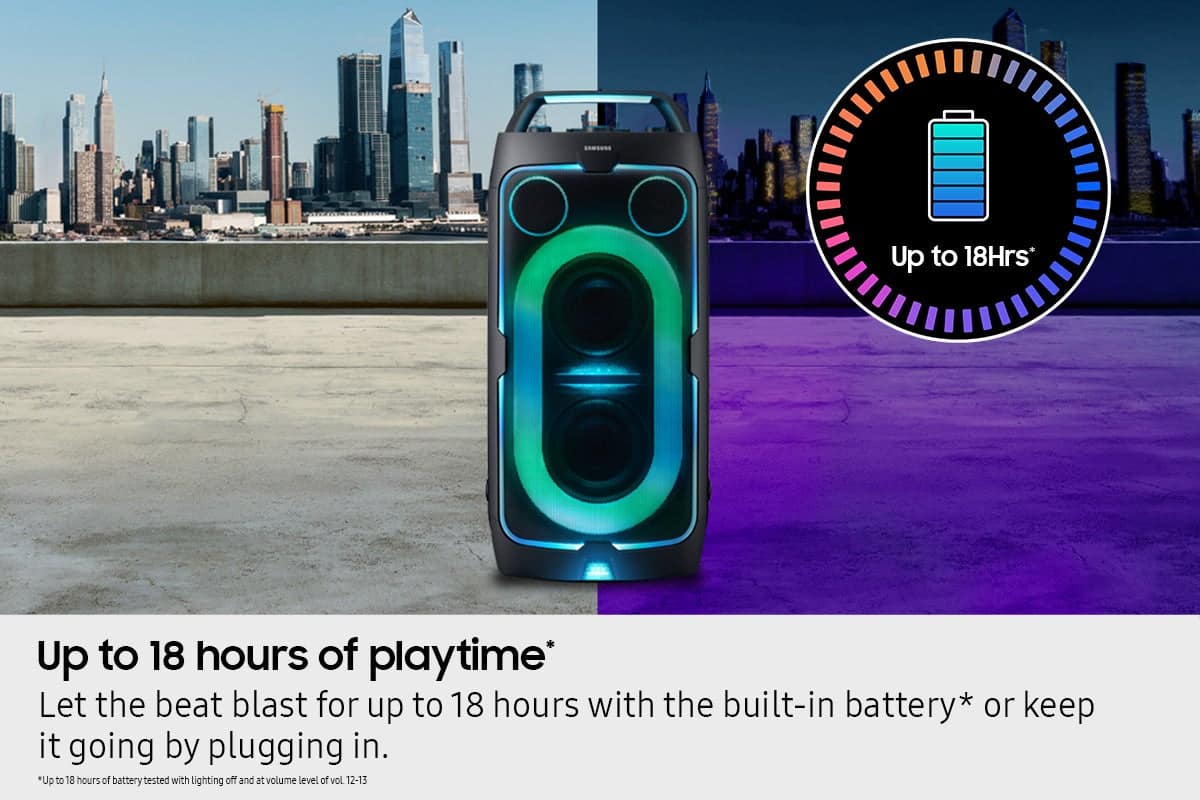
The Samsung MX-ST50F claims up to 18 hours of battery life, which sounds impressive until you consider the significant power reduction when unplugged. Those 18 hours are at the reduced 90-watt output level, not the full 240-watt AC performance. This creates a frustrating compromise: longer battery life but substantially reduced volume and bass impact.
The JBL PartyBox 520 offers 15 hours of battery life while maintaining much more consistent performance between AC and battery operation. The difference is only about 2-3 decibels (dB)—barely noticeable to most listeners. JBL also includes fast charging that adds two hours of playtime from just 10 minutes of charging, which can save the day when you realize the battery is low right before guests arrive.
For outdoor events or situations where you can't guarantee access to power outlets, the JBL's consistent battery performance gives it a significant advantage despite the shorter overall runtime.
Modern party speakers need to handle more than just Bluetooth music streaming. Both speakers include multiple input options, but they target slightly different use cases.
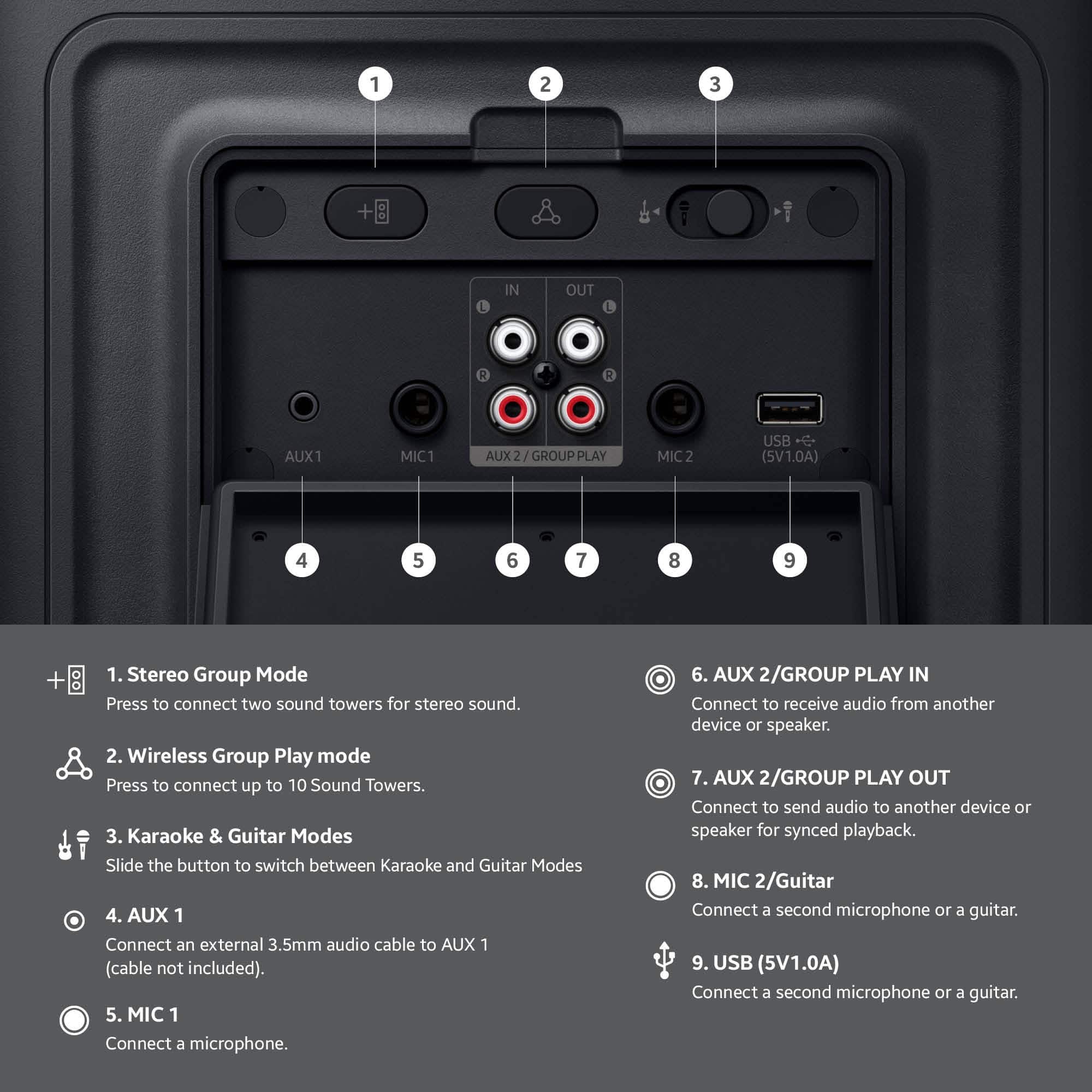
The Samsung MX-ST50F focuses heavily on karaoke and amateur performance with dual microphone inputs—one standard mic jack and one combination mic/guitar input. This setup works well for casual karaoke sessions or situations where someone wants to play acoustic guitar along with backing tracks. The Samsung also supports simultaneous Bluetooth connections to two smartphones, making it easier for multiple people to queue up songs without constant re-pairing.
The JBL PartyBox 520 takes a more professional approach with XLR combo inputs that can handle microphones, guitars, or even DJ mixing consoles. XLR connections provide better audio quality and more reliable connections than standard 1/4-inch jacks, making the JBL more suitable if you plan to host events with live performers or DJs who bring their own equipment.
The JBL also includes USB-C audio input, which provides digital-quality sound from compatible devices without the compression artifacts that can occur with Bluetooth transmission. This feature particularly benefits users who care about audio fidelity or notice the slight delay (latency) that Bluetooth can introduce when watching videos.
Both speakers support Auracast technology for connecting multiple units, but with different capabilities. The Samsung MX-ST50F can connect up to 10 speakers in a group play configuration, making it potentially better for very large events that need sound coverage across multiple zones. Samsung also supports true wireless stereo (TWS) pairing, where two speakers can function as separate left and right channels for wider stereo imaging.
The JBL PartyBox 520 offers standard Auracast connectivity but integrates better with JBL's broader ecosystem of party speakers. If you already own other JBL PartyBox models or plan to expand with different sizes in the future, the JBL provides more seamless integration.
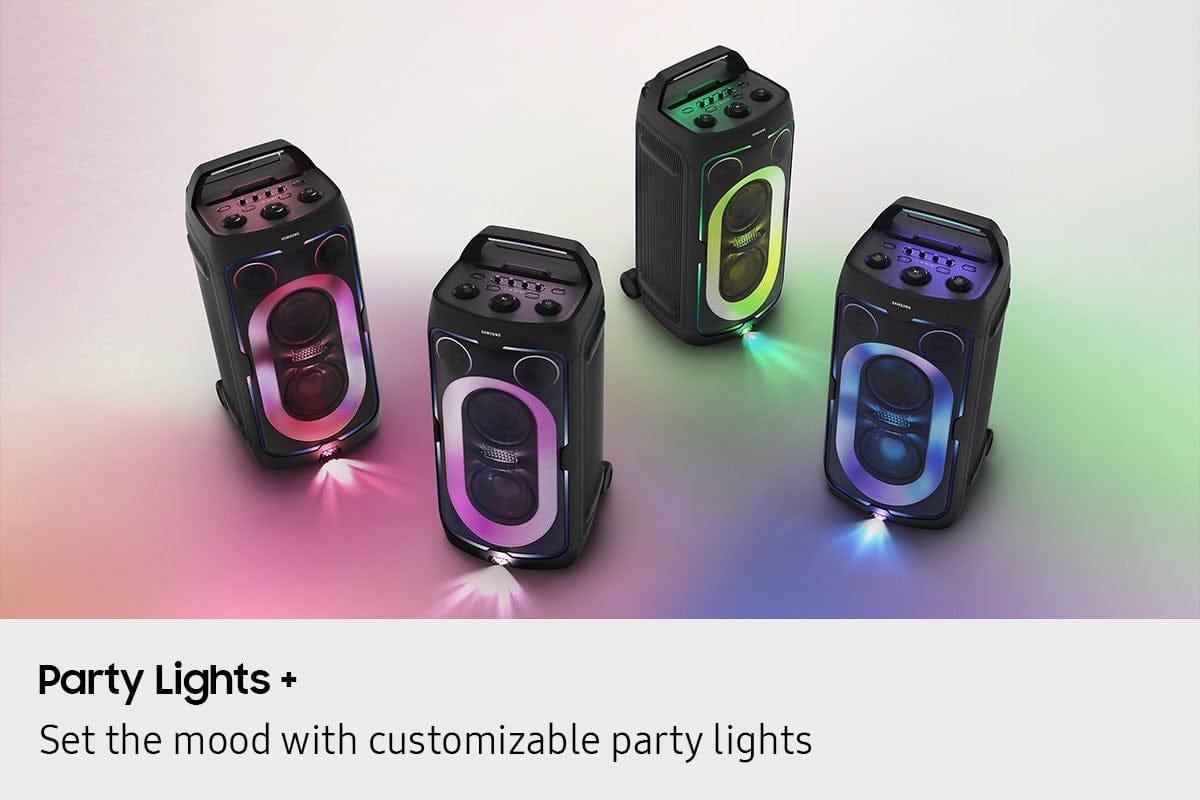
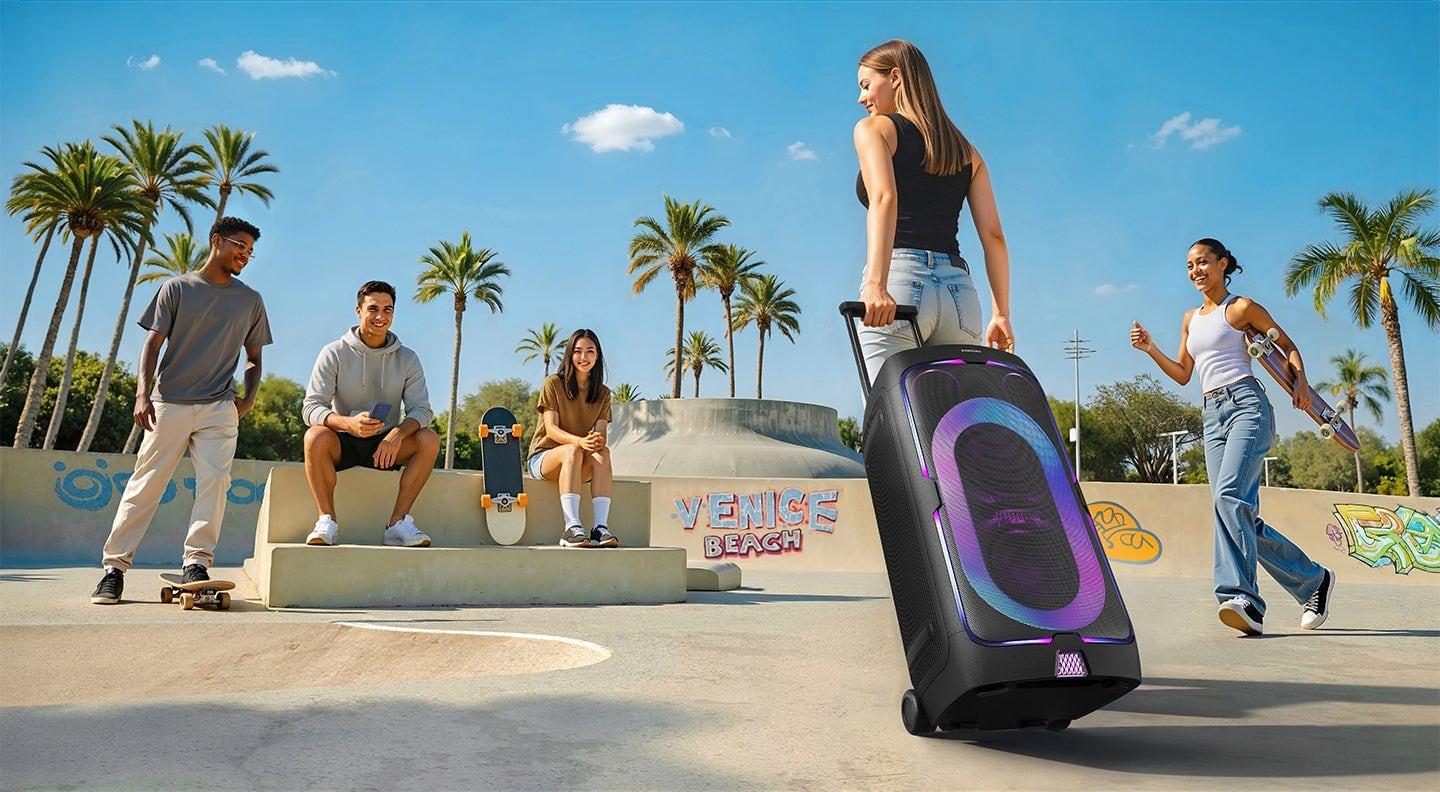
Party lighting has become increasingly important as these speakers compete to create Instagram-worthy experiences. The Samsung MX-ST50F takes lighting seriously with six customizable patterns across five different zones of the speaker. The 360-degree LED coverage includes the track, ring, line, crystal elements, and even the telescopic handle, creating a more comprehensive light show that's visible from any angle.
Samsung's Party Lights+ system offers five mood presets that automatically sync with different music genres, plus manual customization through their mobile app. The lighting reacts in real-time to music dynamics, creating effects like waves, trails, sparks, and flowing patterns that enhance the party atmosphere.
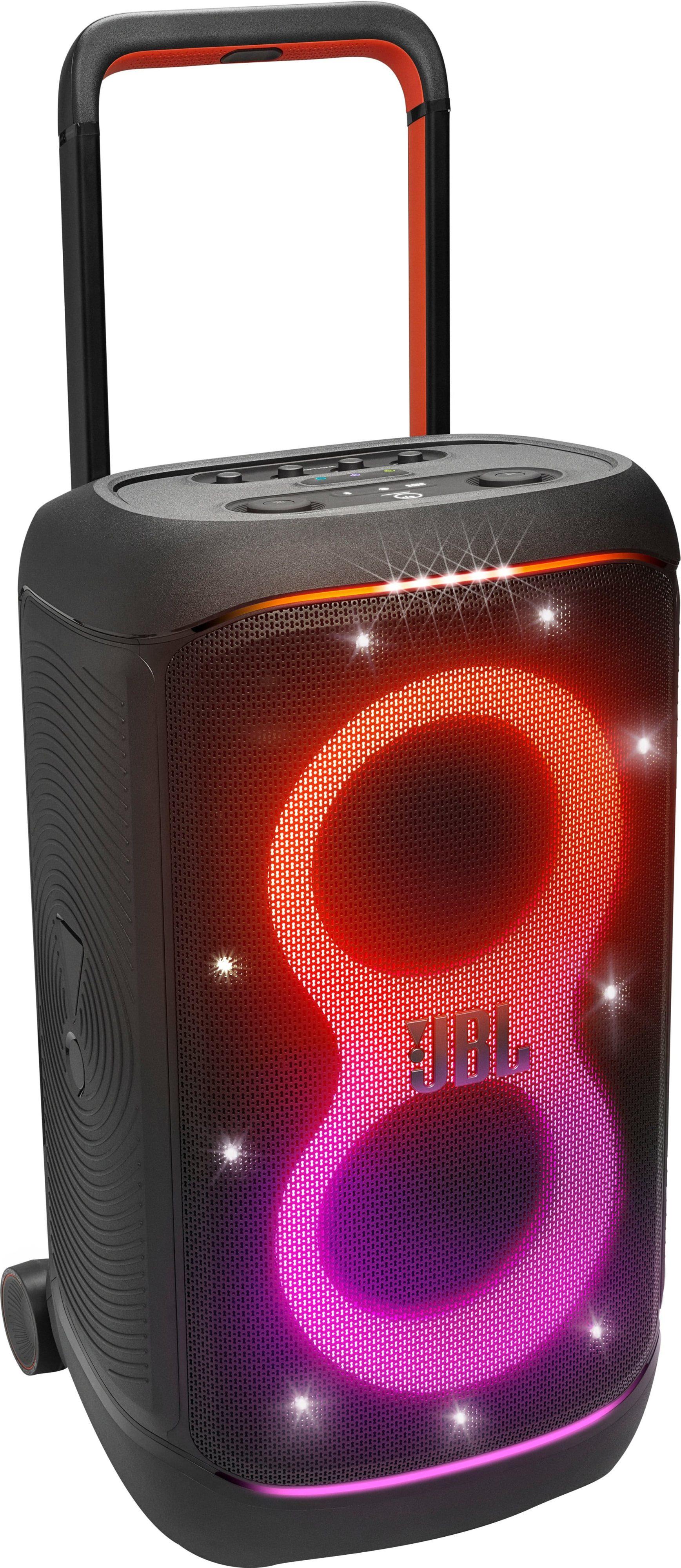
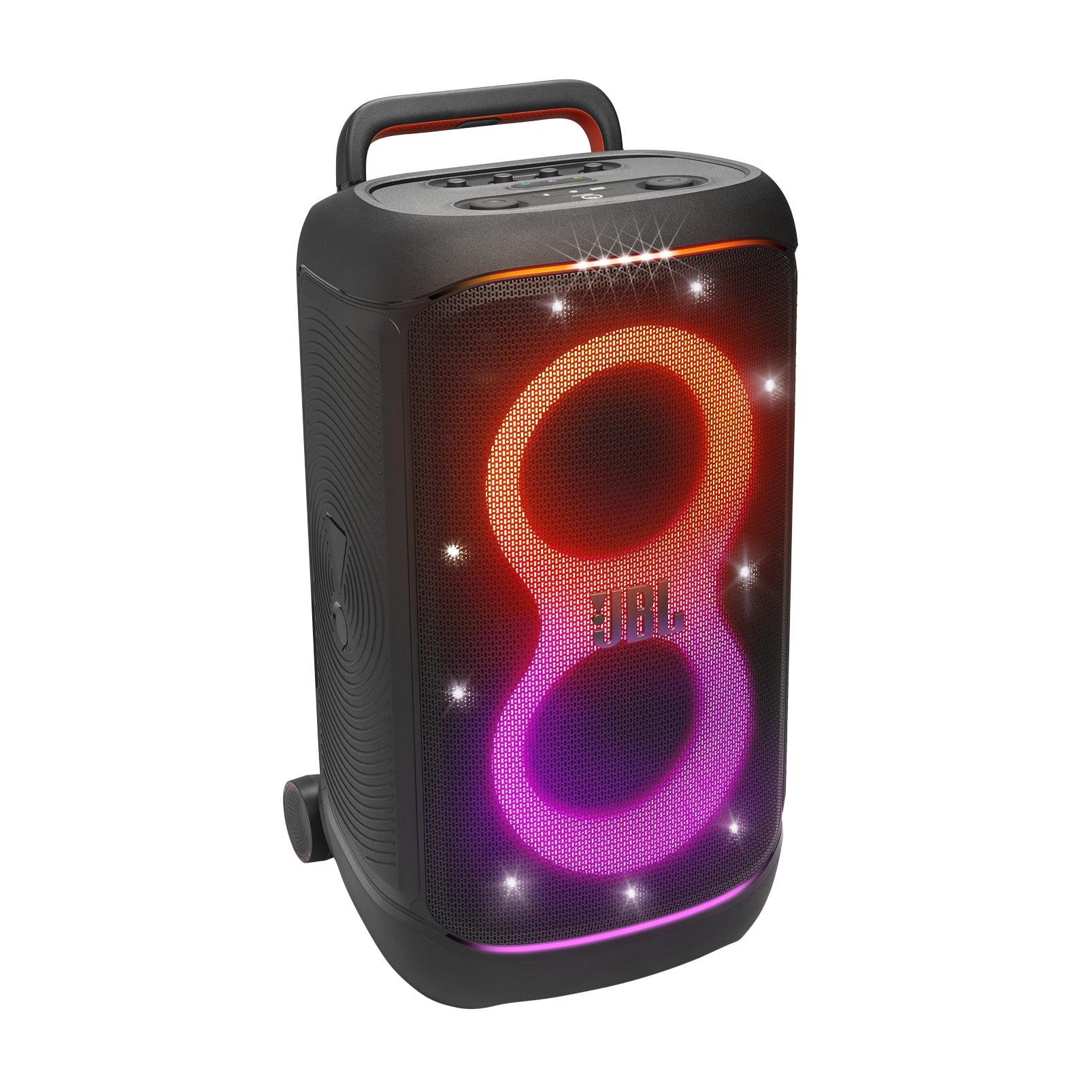
The JBL PartyBox 520 features what they call a "futuristic lightshow" with customizable patterns and strobe effects. While it may have fewer lighting zones than the Samsung, JBL's implementation tends to be more refined, with cleaner color transitions and more sophisticated synchronization with the music. The lighting covers the area around the drivers, creating a focused visual impact that complements the speaker's front-facing sound design.
The quality of the companion smartphone app can make or break the user experience with these complex speakers. The JBL PartyBox 520 includes a more sophisticated app with a 7-band graphic equalizer that lets you precisely adjust different frequency ranges. This level of control allows you to compensate for room acoustics or personal preferences—boost the midrange if vocals sound muffled, or reduce harsh treble frequencies if the sound becomes fatiguing at high volumes.
JBL's app also includes multiple EQ presets optimized for different music genres, taking the guesswork out of sound optimization. The lighting controls are comprehensive, offering both automatic modes that sync with music and manual control over colors and patterns.
The Samsung MX-ST50F app provides basic but functional control over sound modes, lighting patterns, and DJ effects. While it lacks the detailed EQ control of the JBL app, it includes 12 sampler effects and 5 DJ effects that can add excitement to music playback. The app also enables karaoke features like voice recording and basic vocal adjustments.
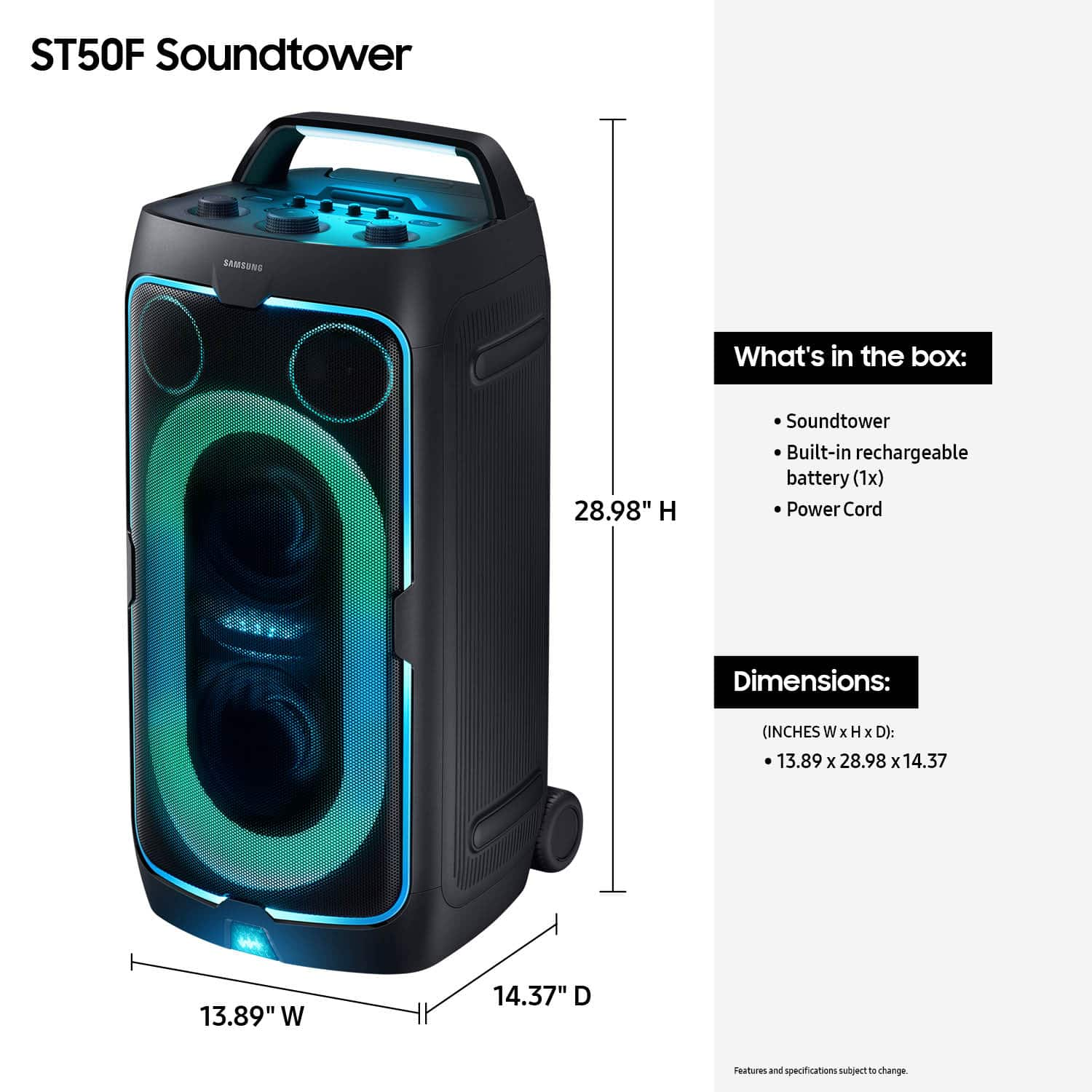
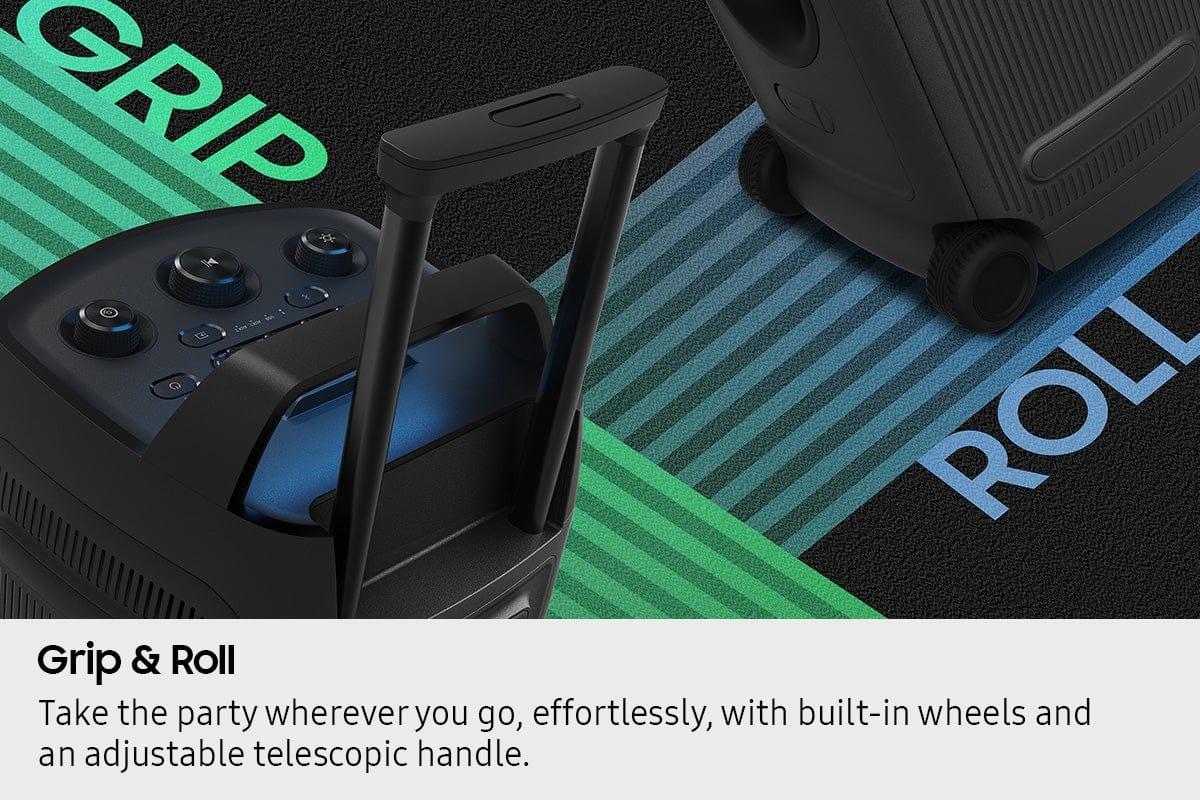
Both speakers face the challenge of balancing portability with performance—bigger drivers and amplifiers create better sound but add weight and bulk. The Samsung MX-ST50F weighs about 40.5 pounds and measures roughly 14 inches wide by 29 inches tall. Its vertical tower design creates a smaller footprint that fits better in tight spaces, and the five-level telescopic handle adjusts to different user heights for more comfortable transport.
The JBL PartyBox 520 is significantly heavier at 56+ pounds, requiring more effort to move but suggesting more robust internal components. JBL includes wide, sturdy wheels designed for rolling across various surfaces, and the build quality feels more substantial overall.
Both speakers carry IPX4 splash resistance ratings, meaning they can handle light rain and accidental spills but shouldn't be submerged or exposed to heavy downpours. This level of protection makes them suitable for poolside parties (as long as they stay away from the actual pool) and outdoor events with uncertain weather.
While these speakers primarily target party and outdoor use, some buyers might consider them for home theater applications. Neither speaker is ideal for this purpose, but they each have characteristics worth considering.
The Samsung MX-ST50F's omnidirectional sound dispersion could work for casual movie watching in large, open spaces where traditional stereo imaging isn't critical. However, the bass-heavy tuning would likely overpower dialogue and create an unbalanced experience for movies and TV shows.
The JBL PartyBox 520's more balanced frequency response makes it somewhat better for home theater use, but the single-point stereo design can't create the spatial audio effects that make movies engaging. Both speakers also have elevated Bluetooth latency that can cause lip-sync issues with video content, though the JBL's USB-C and analog connections can eliminate this problem.
For dedicated home theater use, traditional bookshelf speakers or a proper soundbar would provide better results. These party speakers excel at creating atmosphere and energy rather than accurate audio reproduction.
Understanding how these speakers perform in various real-world situations helps clarify which might work better for your needs.
Small Indoor Parties (15-30 people): Both speakers have more than enough volume, but the Samsung MX-ST50F's omnidirectional dispersion and comprehensive lighting make it more engaging in spaces where people move around freely. The customizable bass modes also let you adapt to different music preferences throughout the night.
Large Outdoor Events (50+ people): The JBL PartyBox 520 pulls ahead with its higher power output and consistent battery performance. Outdoor environments absorb and disperse sound more than indoor spaces, requiring more raw power to maintain energy levels. The JBL's superior volume capabilities become essential in these scenarios.
Pool Parties and Backyard Barbecues: The directional nature of the JBL PartyBox 520 works well when positioned at one end of the area with seating arranged in front. Its more balanced sound signature also works better for background music during conversations and dining.
Karaoke and Amateur Performance: The Samsung MX-ST50F's dual microphone inputs and karaoke-specific features make it the obvious choice for events centered around singing and amateur performance. The app includes voice recording and basic vocal adjustments that enhance the karaoke experience.
DJ and Live Music Events: The JBL PartyBox 520's XLR inputs and more professional connectivity options make it better suited for events with live performers or DJs using professional equipment. The superior app-based EQ controls also allow for more precise sound optimization.
At similar price points around $700 (at the time of writing), these speakers offer different value propositions based on your priorities and intended use.
The JBL PartyBox 520 provides better raw performance value with significantly higher power output, more consistent battery operation, and superior build quality. If you need maximum volume and plan to host large events regularly, the JBL justifies its higher weight and more directional design with substantially better performance capabilities.
The Samsung MX-ST50F offers specialized value for users who prioritize specific features over raw performance. The omnidirectional sound dispersion, comprehensive lighting system, and superior multi-speaker connectivity create unique capabilities that may be more valuable than extra volume for certain users and venues.
From a long-term perspective, both speakers include replaceable battery systems that extend their useful life beyond what you'd expect from sealed units. The JBL's more robust build quality and stronger brand reputation in professional audio suggest it might maintain better performance over many years of use.
Choose the Samsung MX-ST50F if you host smaller, more intimate gatherings where people move around freely, value deep bass impact over overall volume, want comprehensive party lighting effects, or plan to expand with multiple connected speakers. The Samsung also makes sense if portability matters more than maximum performance, since its lighter weight and smaller footprint make it easier to transport and position.
Choose the JBL PartyBox 520 if you need maximum volume for large outdoor events, value balanced sound quality over bass emphasis, plan to connect professional audio equipment, or want consistent performance regardless of power source. The JBL is the better choice for users who can handle the extra weight in exchange for significantly better overall performance.
Both speakers represent solid engineering and offer compelling features at their price points. The decision ultimately comes down to whether you prioritize specialized features and easier portability (Samsung) or maximum performance and professional capabilities (JBL). Either choice should provide years of party-ready entertainment, but understanding these fundamental differences ensures you'll pick the speaker that best matches your specific needs and expectations.
| Samsung MX-ST50F Sound Tower Party Speaker | JBL PartyBox 520 Speaker |
|---|---|
| Power Output - Critical for maximum volume at parties | |
| 240W AC / 90W battery (significant drop on battery) | 400W RMS (consistent AC and battery performance) |
| Driver Configuration - Affects sound quality and bass response | |
| 2x 6.5" woofers, 2x 1" tweeters (bass-focused) | 2x 7.5" woofers, 2x 1" tweeters, dedicated subwoofer (balanced) |
| Sound Dispersion - Important for room coverage and positioning flexibility | |
| 360-degree omnidirectional (consistent sound from any angle) | Front-facing directional (best when positioned against wall) |
| Battery Life - Essential for outdoor events without power | |
| Up to 18 hours (at reduced 90W power level) | 15 hours (at full performance level) |
| Weight - Affects portability despite having wheels | |
| 40.5 lbs (easier to maneuver) | 56+ lbs (more substantial but harder to transport) |
| Audio Inputs - Determines compatibility with mics and instruments | |
| 2x mic inputs (1 standard, 1 mic/guitar combo) | 2x XLR combo inputs (professional grade connections) |
| Multi-Speaker Connectivity - For larger venue sound coverage | |
| Up to 10 speakers via Auracast, TWS stereo pairing | Standard Auracast pairing with other JBL speakers |
| Party Lighting - Visual appeal and atmosphere creation | |
| 6 patterns across 5 zones with 360° coverage | Futuristic lightshow with customizable strobe effects |
| App Features - Controls sound customization and lighting | |
| Basic EQ, DJ effects, karaoke features | 7-band graphic EQ, genre presets, advanced controls |
| Water Resistance - Protection for outdoor use | |
| IPX4 splash resistant | IPX4 splash resistant |
| Bass Customization - Ability to adapt to different music styles | |
| 3 bass modes (Deep, Punchy, Gentle) plus sound modes | Bass Boost button, AI Sound Boost technology |
The JBL PartyBox 520 is significantly louder with 400W RMS output compared to the Samsung MX-ST50F's 240W AC power. The JBL maintains consistent volume on battery power, while the Samsung drops to just 90W when unplugged. For parties over 50 people or outdoor events, the JBL PartyBox 520 provides the volume you need.
Both speakers excel at bass but in different ways. The Samsung MX-ST50F delivers deeper, more penetrating bass with three customizable bass modes (Deep, Punchy, Gentle). The JBL PartyBox 520 produces more overall bass volume and house-shaking impact. Choose the Samsung MX-ST50F for bass depth or the JBL for bass quantity.
The Samsung MX-ST50F offers up to 18 hours of battery life, while the JBL PartyBox 520 provides 15 hours. However, the Samsung's longer runtime comes at reduced 90W power, whereas the JBL maintains nearly full performance on battery. For consistent party volume, the JBL PartyBox 520 is more reliable despite shorter runtime.
The Samsung MX-ST50F is lighter at 40.5 pounds with a 5-level telescopic handle and smaller footprint. The JBL PartyBox 520 weighs over 56 pounds but has wider, sturdier wheels. Both have wheels and handles, but the Samsung is easier for one person to maneuver, especially up stairs or into tight spaces.
The Samsung MX-ST50F is specifically designed for karaoke with dual microphone inputs, voice recording features, and karaoke modes in the app. The JBL PartyBox 520 has professional XLR inputs that work with mics but lacks dedicated karaoke features. For casual karaoke parties, choose the Samsung MX-ST50F.
The JBL PartyBox 520 offers more balanced, accurate sound across all frequencies with its three-way driver system and AI Sound Boost technology. The Samsung MX-ST50F is more bass-focused, which some prefer for dance music but may overpower vocals. For overall sound quality and clarity, the JBL PartyBox 520 is superior.
Yes, both speakers support multi-speaker connectivity. The Samsung MX-ST50F can connect up to 10 speakers via Auracast Group Play and supports stereo pairing. The JBL PartyBox 520 offers standard Auracast pairing with other JBL speakers. The Samsung provides more expansion options for very large events.
The JBL PartyBox 520 is better for outdoor use due to its higher power output, consistent battery performance, and more focused sound projection. Outdoor environments require more volume to maintain energy levels. Both speakers are IPX4 splash-resistant, but the JBL PartyBox 520's superior power makes it more effective in open spaces.
The Samsung MX-ST50F features more comprehensive lighting with 6 patterns across 5 zones and 360-degree coverage including the handle. The JBL PartyBox 520 has a "futuristic lightshow" with customizable strobe effects around the drivers. The Samsung offers more lighting coverage, while the JBL provides more refined effects.
The JBL PartyBox 520 has a more sophisticated app with 7-band graphic EQ, multiple genre presets, and detailed sound customization. The Samsung MX-ST50F app offers basic EQ control plus DJ effects and karaoke features. For serious sound tuning, the JBL PartyBox 520 app is superior.
Neither speaker is ideal for home theater, but the JBL PartyBox 520 is slightly better due to its more balanced frequency response and lower Bluetooth latency when using wired connections. Both lack true stereo separation and are designed for party atmosphere rather than movie dialogue clarity. Consider dedicated soundbars for home theater instead.
Value depends on your needs. The JBL PartyBox 520 offers better performance per dollar with higher power output and superior build quality. The Samsung MX-ST50F provides specialized value with omnidirectional sound, comprehensive lighting, and easier portability. Choose the JBL PartyBox 520 for maximum performance or the Samsung MX-ST50F for unique features.
We've done our best to create useful and informative comparisons to help you decide what product to buy. Our research uses advanced automated methods to create this comparison and perfection is not possible - please contact us for corrections or questions. These are the sites we've researched in the creation of this article: bestbuy.com - news.samsung.com - youtube.com - youtube.com - videoandaudiocenter.com - youtube.com - youtube.com - samsung.com - crutchfield.com - youtube.com - arrowassociatedstores.com - brandsmartusa.com - bestbuy.com - crutchfield.com - samsung.com - icecat.in - thefrogpadappliances.com - news.samsung.com - soundguys.com - rtings.com - rtings.com - rtings.com - letemsvetemapplem.eu - youtube.com - worldwidestereo.com - youtube.com - global.jbl.com - youtube.com - soundguys.com - youtube.com - youtube.com - comparisontabl.es - youtube.com - youtube.com - youtube.com - gzhls.at - sweetwater.com - static.pcrichard.com - brandsmartusa.com - news.harman.com - jbl.com - ro.harmanaudio.com - jbl.com - creativeaudio.net

Privacy Policy
Terms and Conditions - Affiliate Policy
Home Security
© Copyright 2008-2026.
11816 Inwood Rd #1211, Dallas, TX 75244