

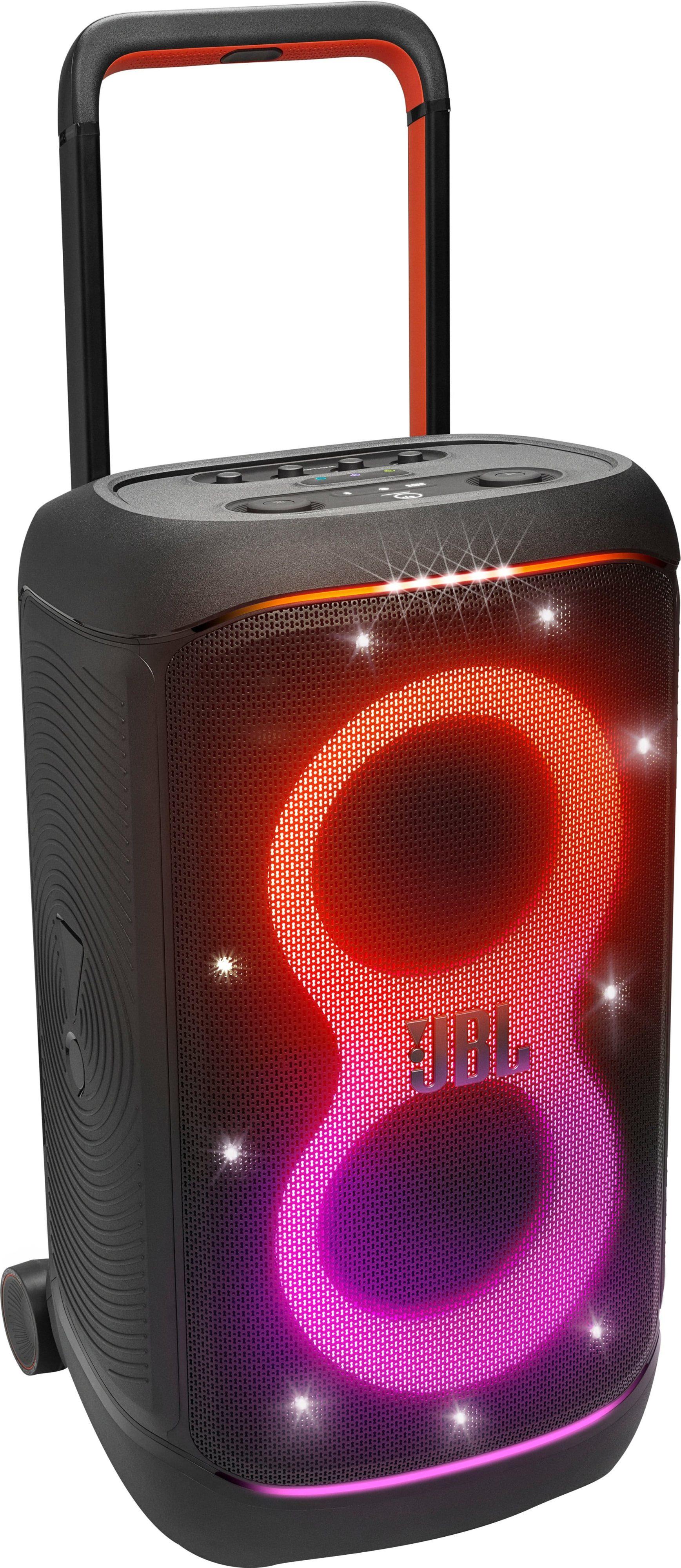
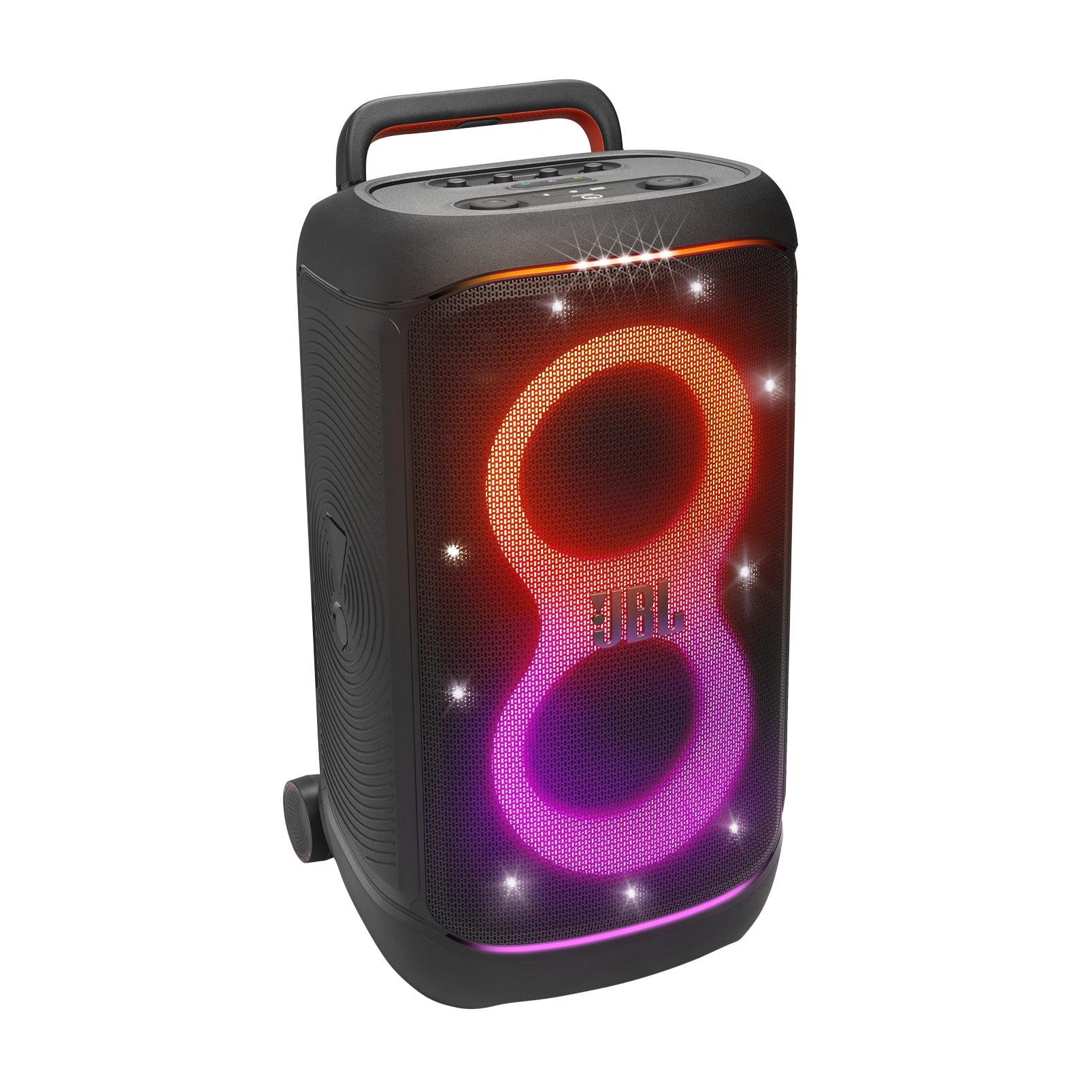
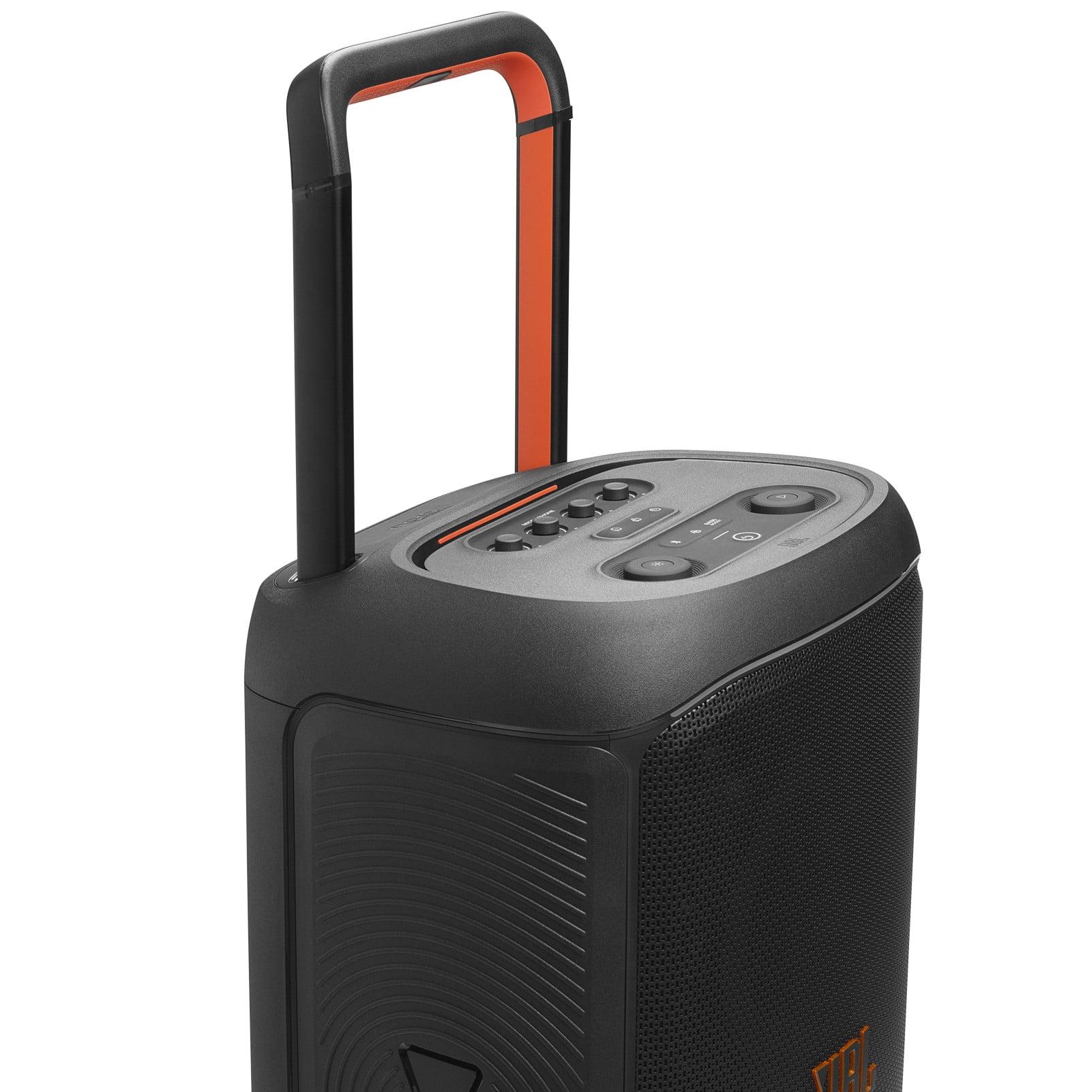
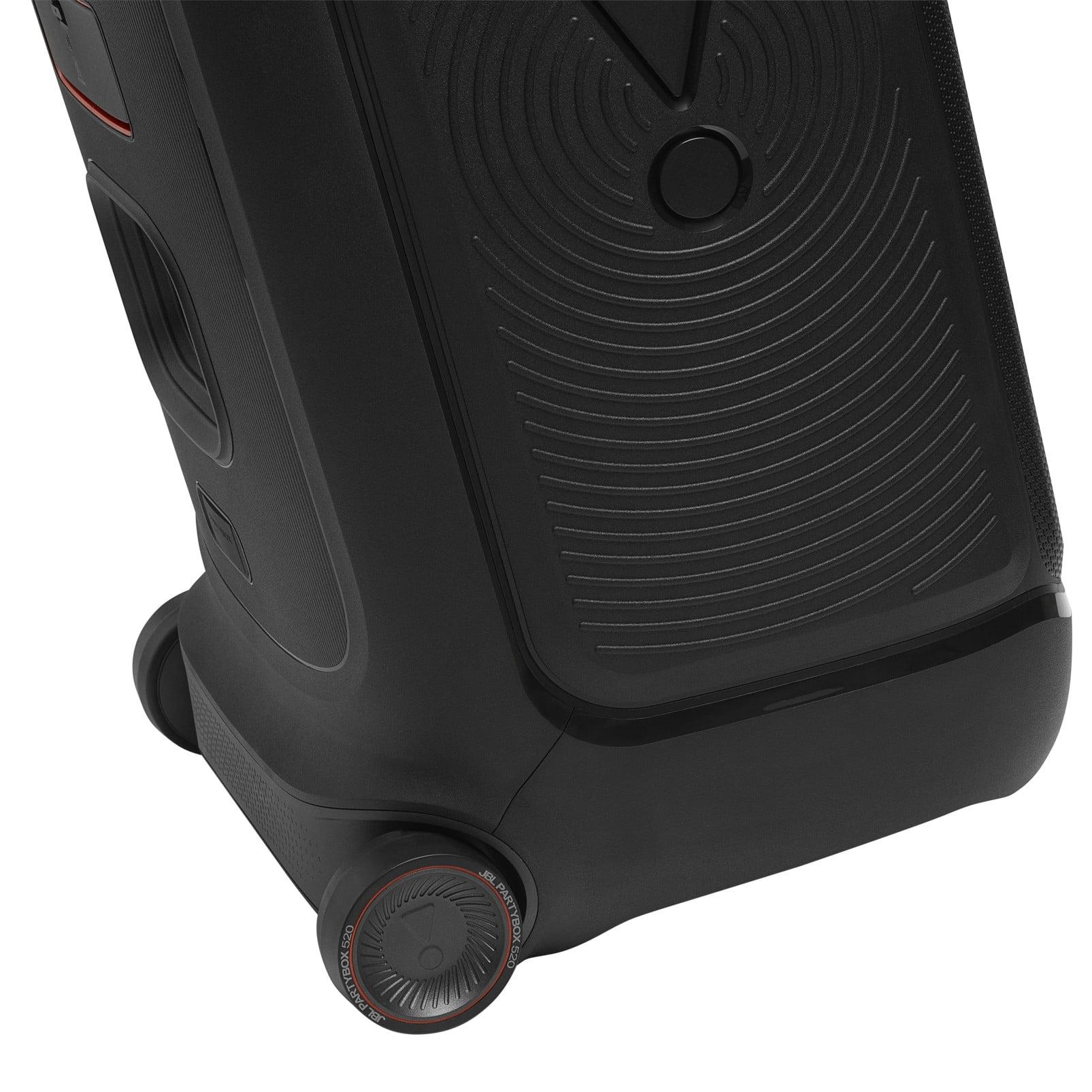
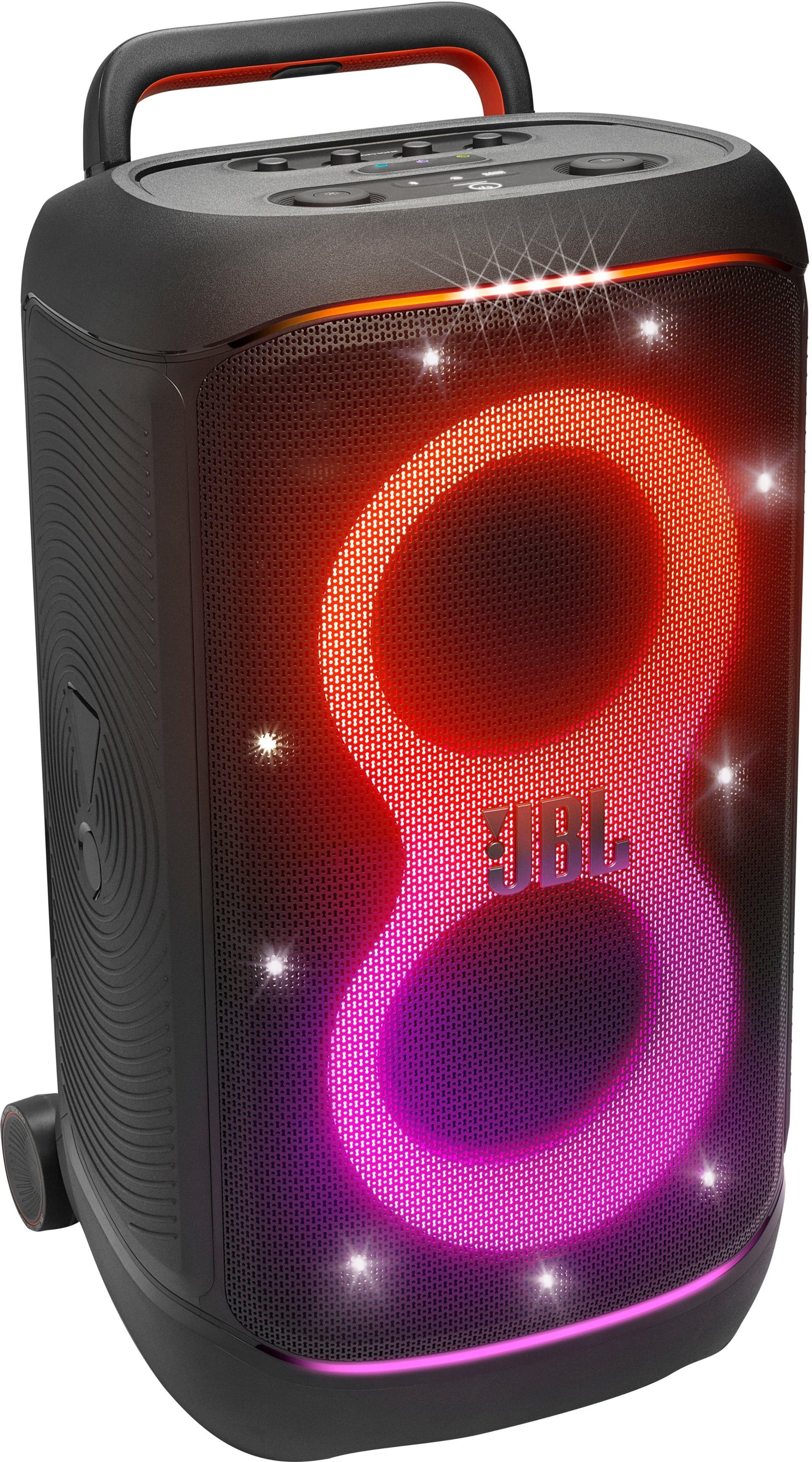
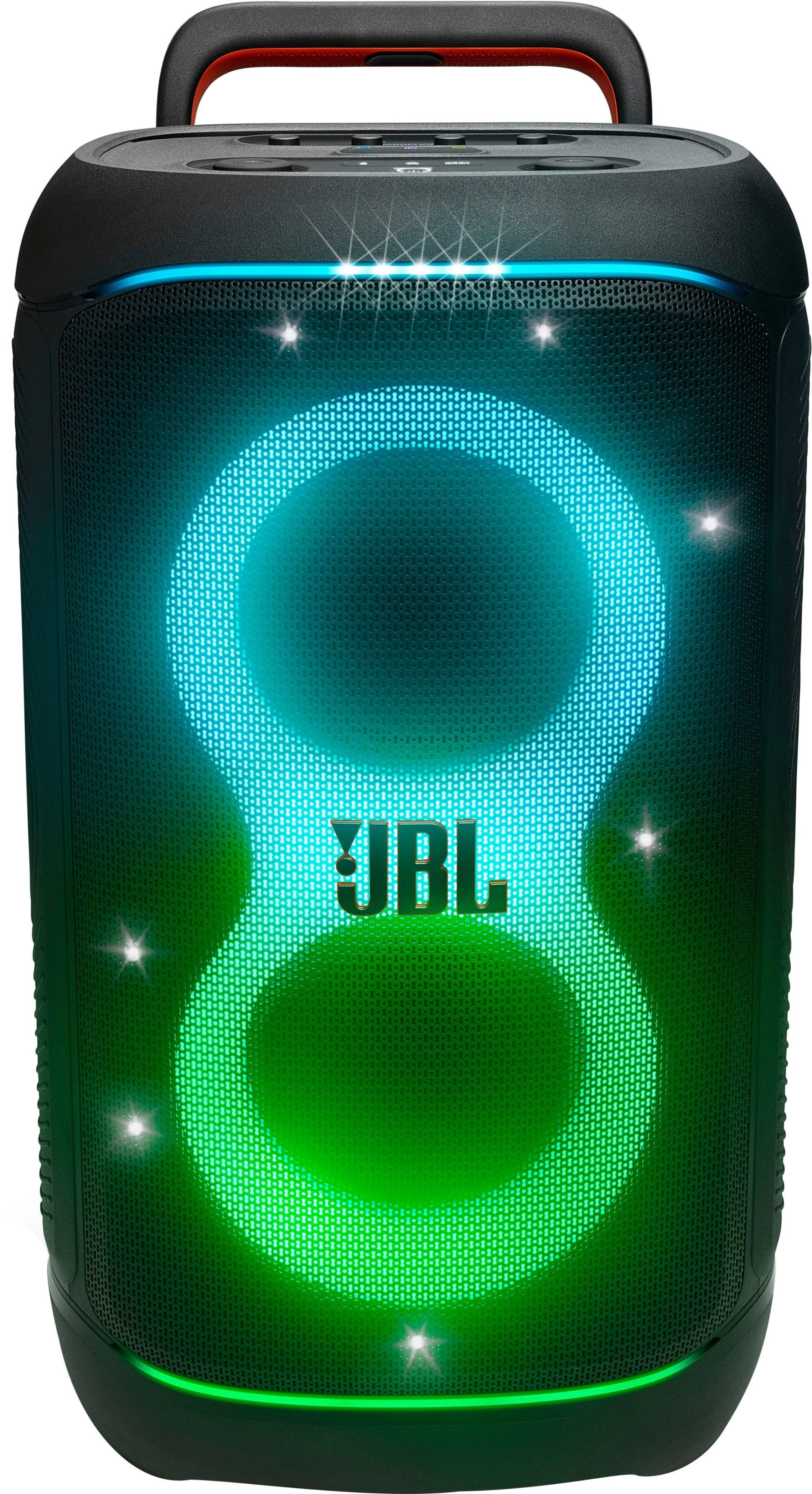
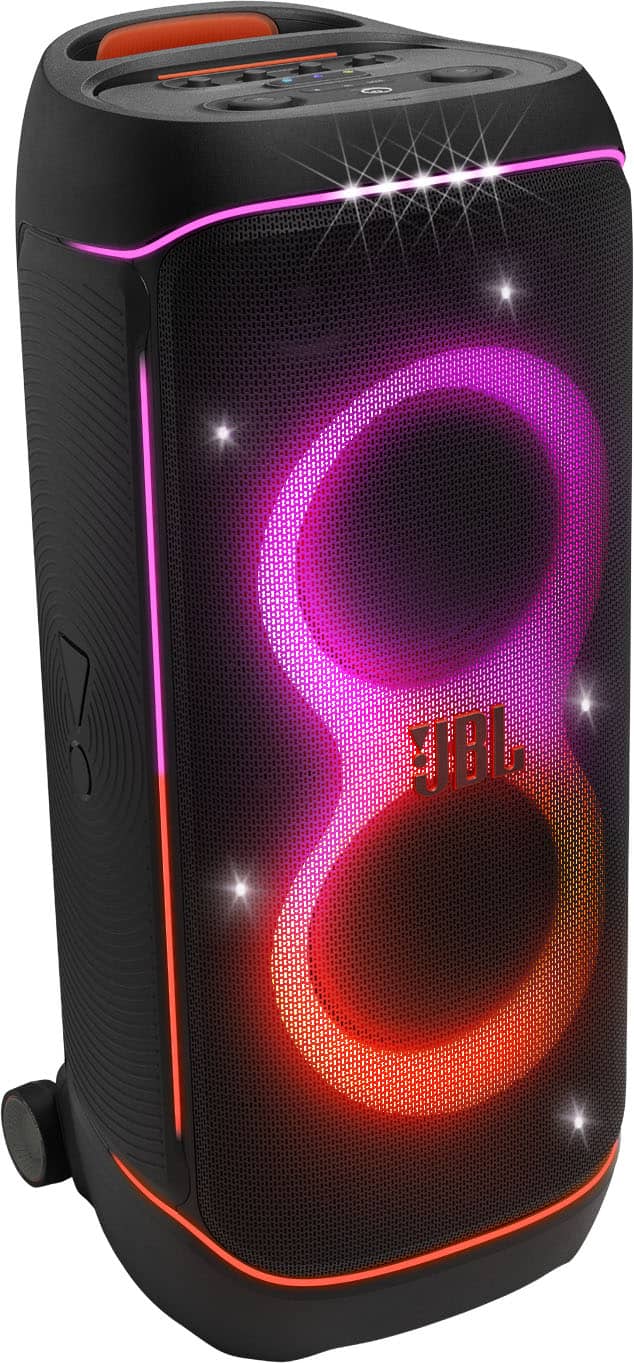
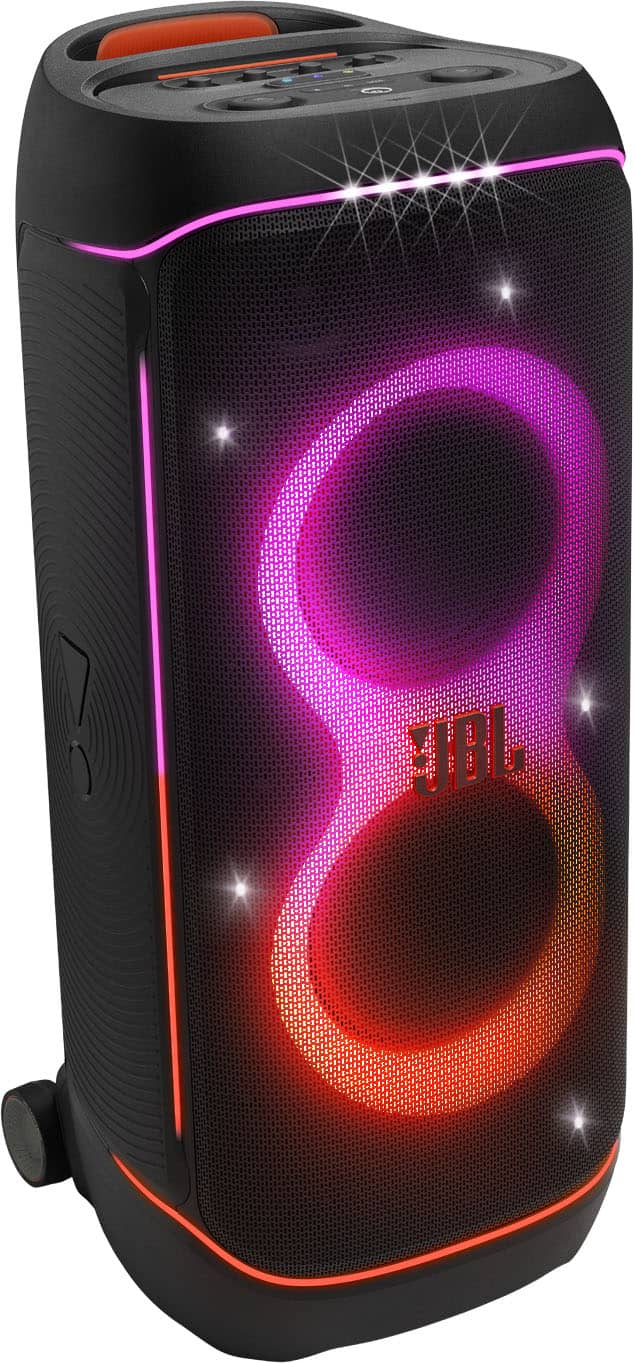
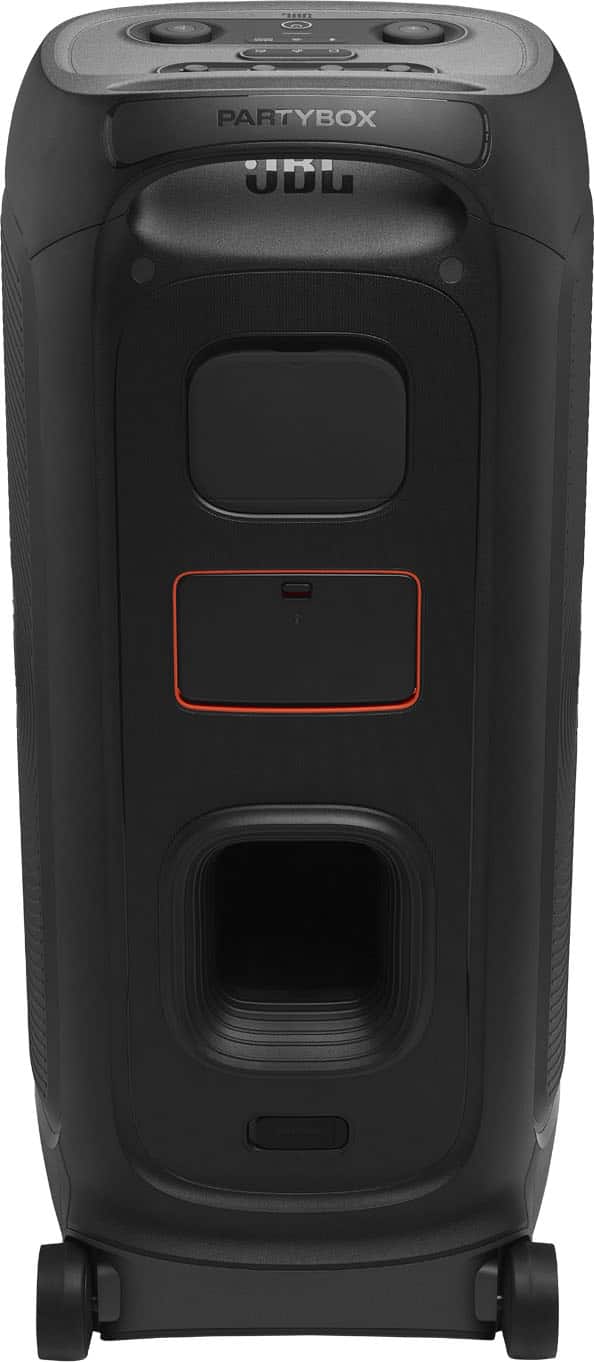
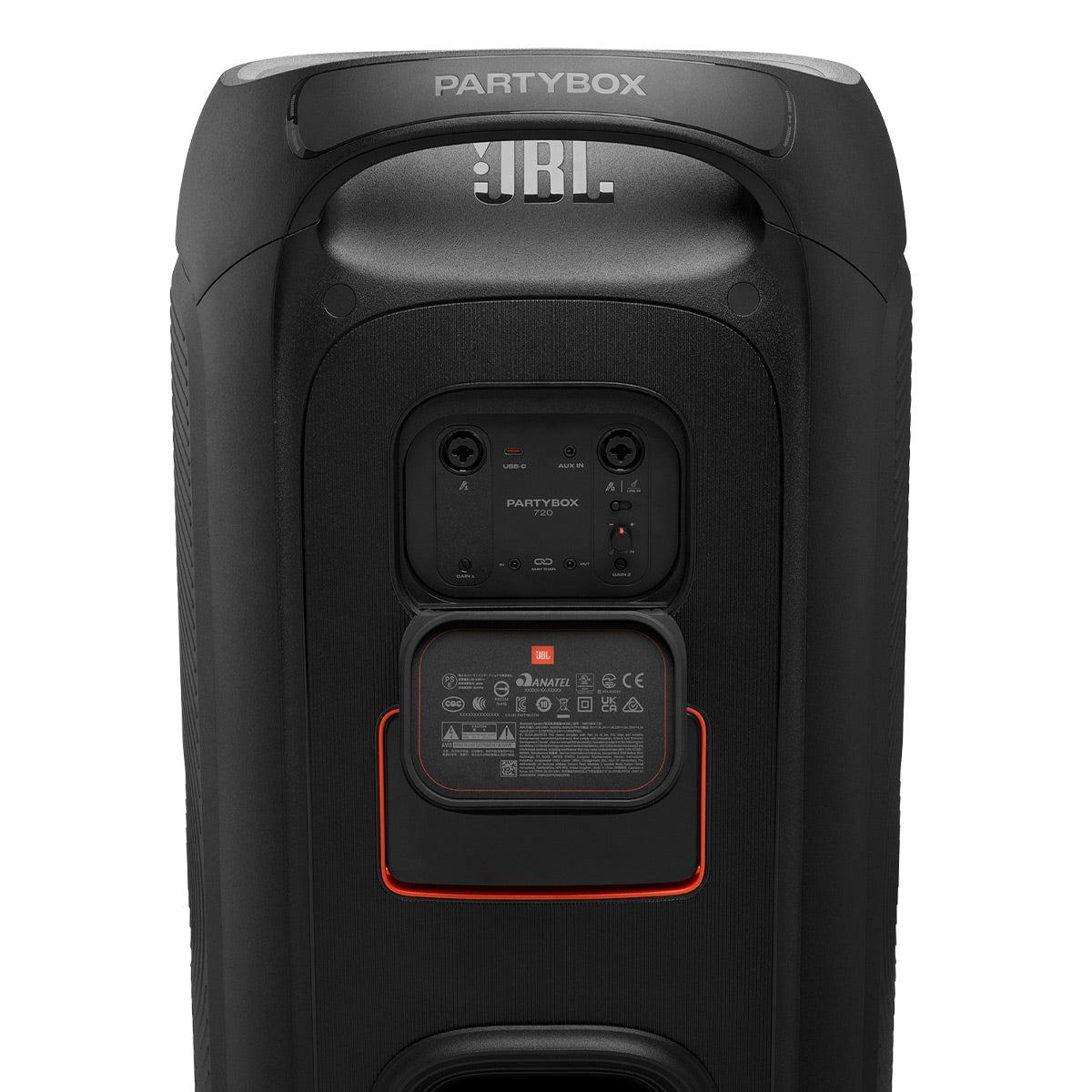
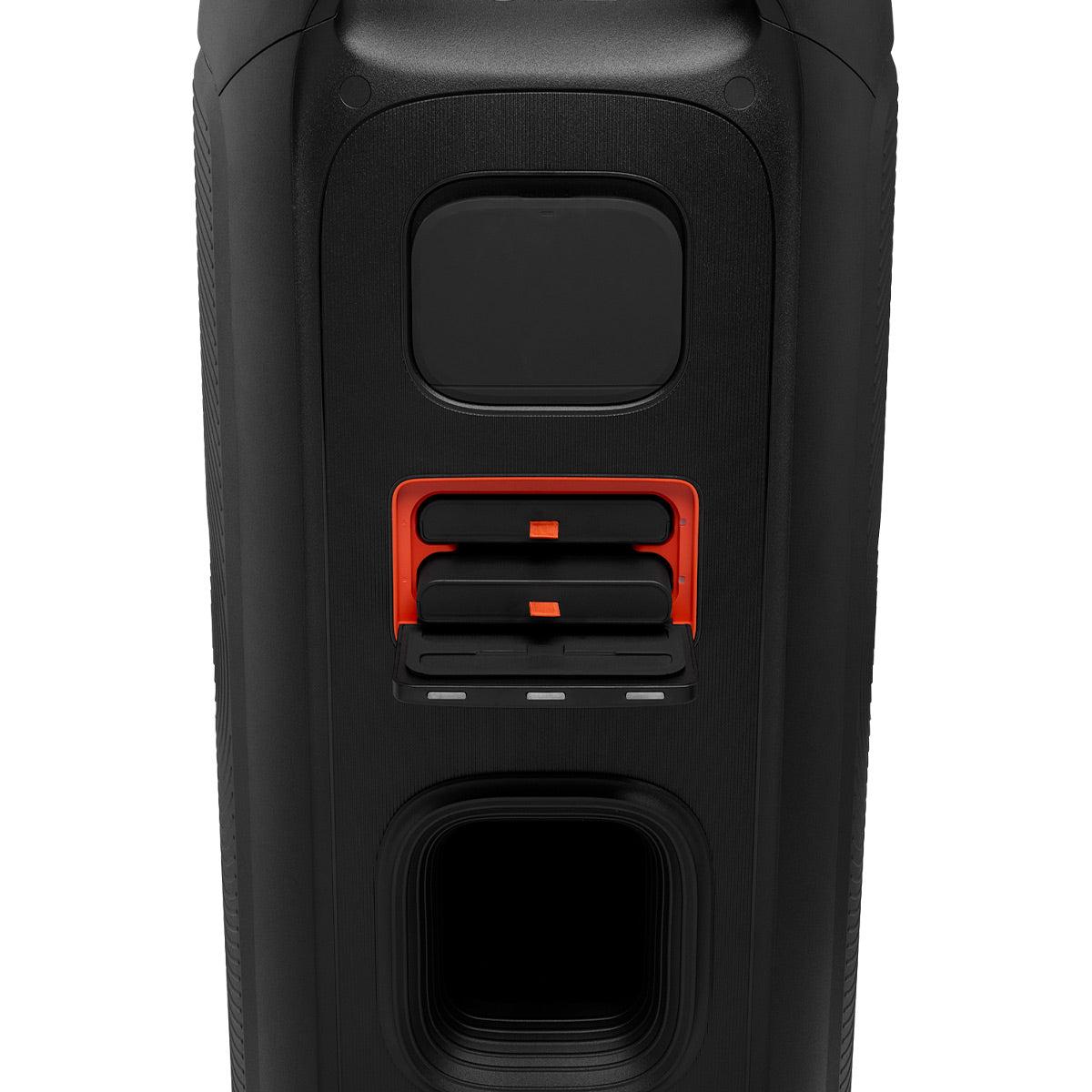
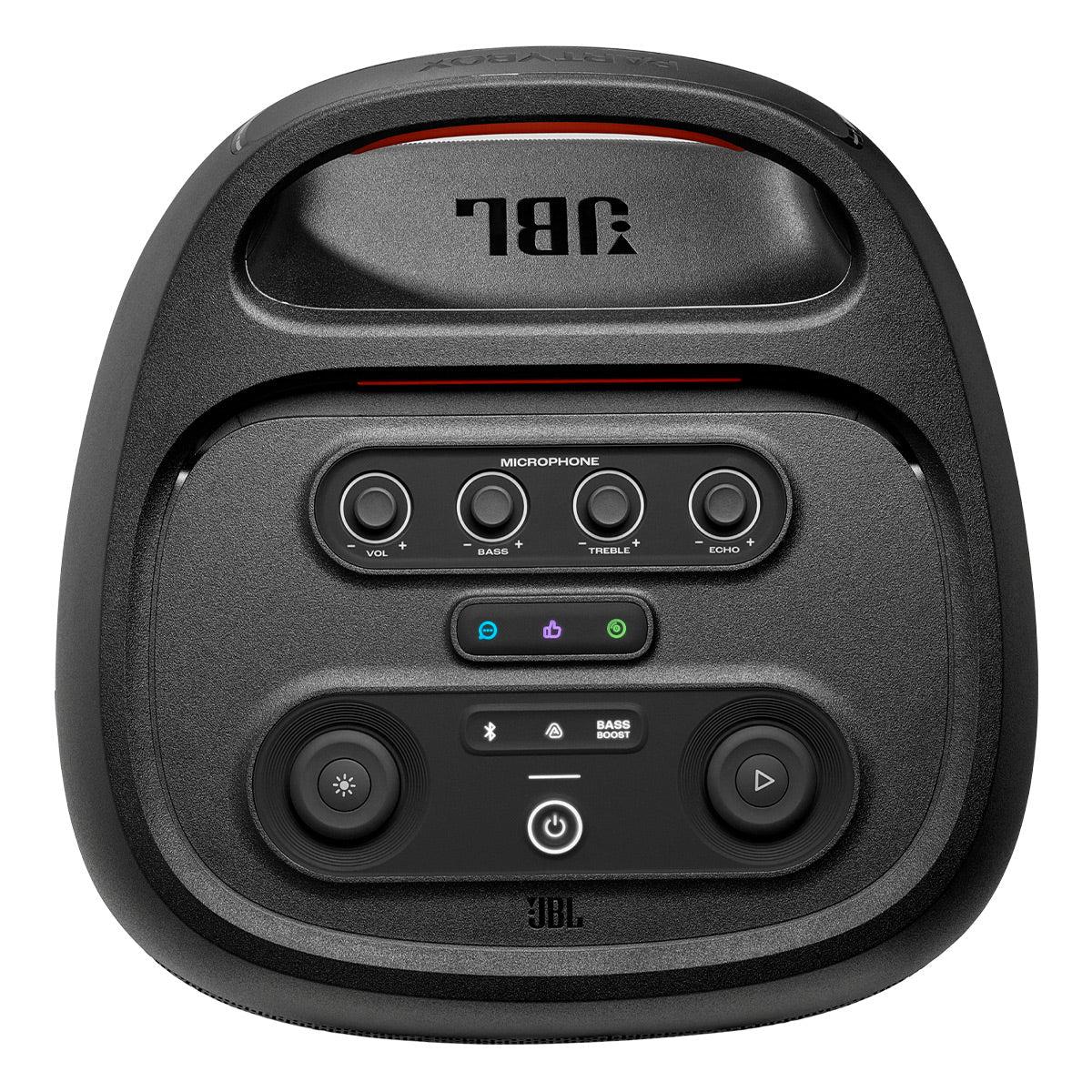
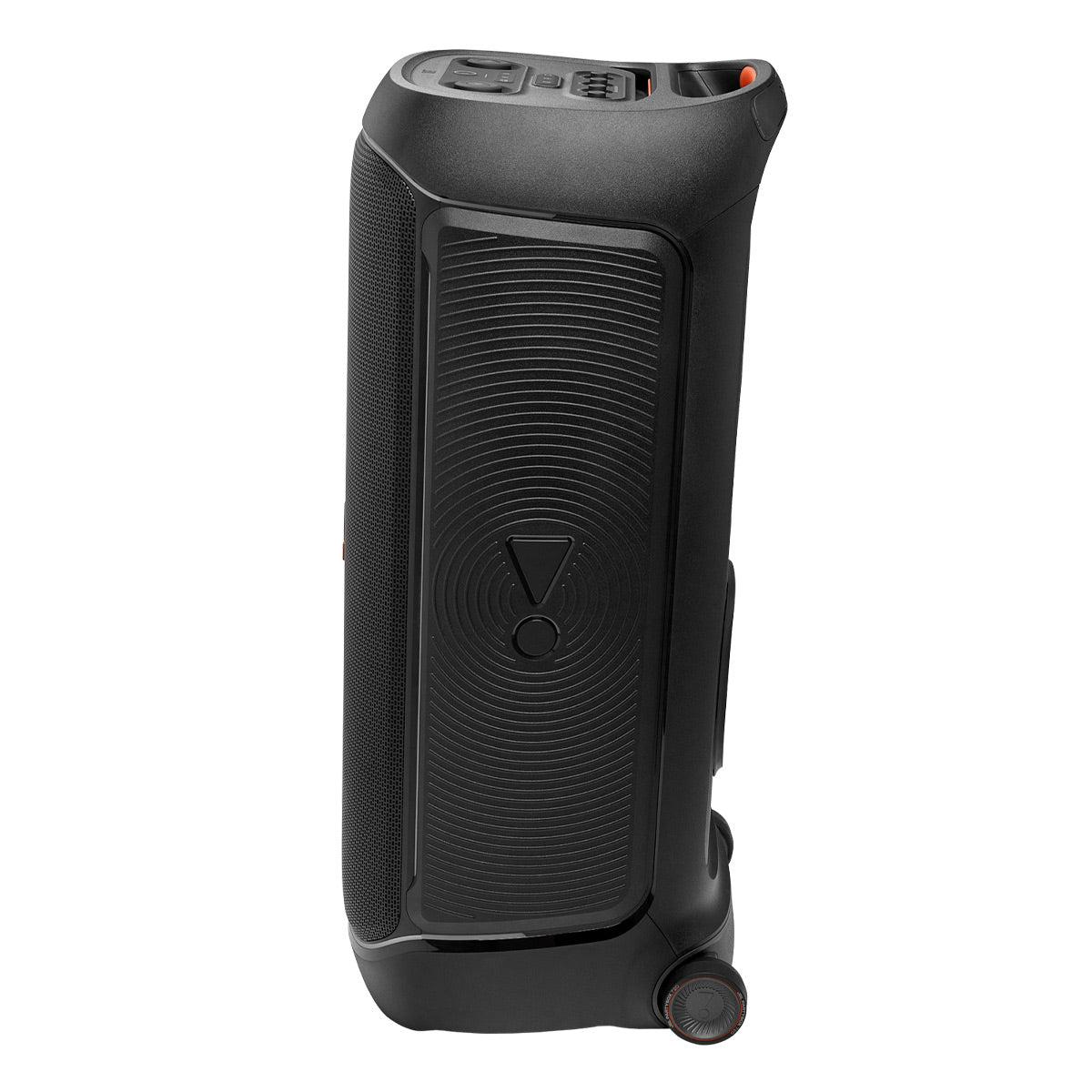
When you're looking to bring serious sound to your next gathering, portable party speakers have become the go-to solution for everything from backyard BBQs to beach parties. These aren't your typical Bluetooth speakers—they're powerhouses designed to fill large spaces with room-shaking bass and crystal-clear highs, all while running on battery power. JBL's PartyBox lineup has dominated this category, and their 2025 releases, the PartyBox 520 and PartyBox 720, represent the latest evolution in portable party audio.
The party speaker category sits in a unique sweet spot between home audio and professional PA systems. Unlike regular speakers that work well in living rooms, these speakers need to compete with outdoor ambient noise, conversations, and the general chaos of parties. They also need to be tough enough to handle splashes, drops, and frequent transport while delivering the kind of bass-heavy sound that gets people moving.
Before diving into the specifics of these two speakers, it's worth understanding what separates a good party speaker from a great one. The most critical factor is power output, measured in watts RMS (Root Mean Square). RMS gives you the continuous power a speaker can handle without distortion—it's a much more honest measurement than the "peak power" numbers you sometimes see in marketing materials.
Frequency response is equally important. This tells you the range of sounds a speaker can reproduce, from deep bass rumbles to sparkling highs. Most party speakers emphasize the low end (bass frequencies) because that's what people feel in their chest and what drives dancing. The PartyBox 520 covers 40 Hz to 20 kHz, while the PartyBox 720 digs slightly deeper to 32 Hz. To put this in perspective, the lowest note on a standard piano is around 27 Hz, so both speakers can handle virtually any musical content.
Driver configuration—the actual speakers inside the box—determines how this power gets translated into sound. Woofers handle bass and midrange frequencies, while tweeters reproduce the highs. Larger woofers generally mean deeper, more powerful bass, which is why the PartyBox 720's 9-inch woofers have an advantage over the PartyBox 520's 7.5-inch drivers.
JBL released both speakers in 2025 as part of their updated PartyBox lineup, incorporating several technological improvements over previous generations. The most significant upgrade is AI Sound Boost, a real-time audio processing system that analyzes your music and optimizes the output to prevent distortion at high volumes. Think of it as having a sound engineer constantly tweaking the audio to sound its best, regardless of whether you're playing hip-hop with thunderous bass or acoustic music with delicate details.
Both speakers also feature JBL's new Auracast technology, which allows you to wirelessly link multiple speakers for synchronized playback. This is a major improvement over older Bluetooth pairing methods—Auracast can handle more speakers with better stability and lower latency (the delay between when a sound is sent and when you hear it).
At first glance, the PartyBox 520 and 720 might seem like simply small and large versions of the same speaker. While they share many core technologies and features, the differences go deeper than just size and power output.
The most obvious difference between these speakers is raw power. The PartyBox 520 delivers 400 watts RMS, while the PartyBox 720 doubles that to 800 watts. In the audio world, doubling power typically results in about a 3-decibel increase in maximum volume. While 3dB might not sound like much, it represents a noticeable difference in how loud these speakers can get.
But here's where things get interesting: for most real-world usage, this power difference doesn't translate to dramatically better sound quality. Both speakers use the same fundamental acoustic design philosophy, just scaled up for the larger model. Our research into user and expert reviews consistently shows that both speakers deliver similar sound signatures—punchy bass, clear mids, and detailed highs.
The PartyBox 720's larger 9-inch woofers do provide slightly deeper bass extension, reaching down to 32 Hz compared to the PartyBox 520's 40 Hz limit. In practical terms, this means the 720 can reproduce the deepest bass notes in modern music with a bit more authority. However, both speakers deliver the kind of chest-thumping bass that defines a good party speaker.
One area where both speakers show their limitations is in the midrange. Neither includes dedicated midrange drivers, relying instead on their woofers to handle both bass and midrange frequencies. This design choice prioritizes powerful bass over nuanced instrument separation, which is exactly what most party scenarios call for, but it means vocals and instruments can sometimes feel less open and detailed than on speakers with dedicated midrange drivers.
Battery performance is crucial for portable speakers, and both JBL models handle this differently despite achieving the same 15-hour runtime. The PartyBox 520 uses a single 99.02 Wh battery pack, while the PartyBox 720 includes two identical battery packs for a total of 198.04 Wh.
You might wonder why the PartyBox 720, with double the power consumption, achieves the same battery life as the 520. The answer lies in efficiency scaling and battery management. The 720's dual-battery system allows for more sophisticated power distribution, and JBL's engineers have optimized the amplifier efficiency to make the most of the available power.
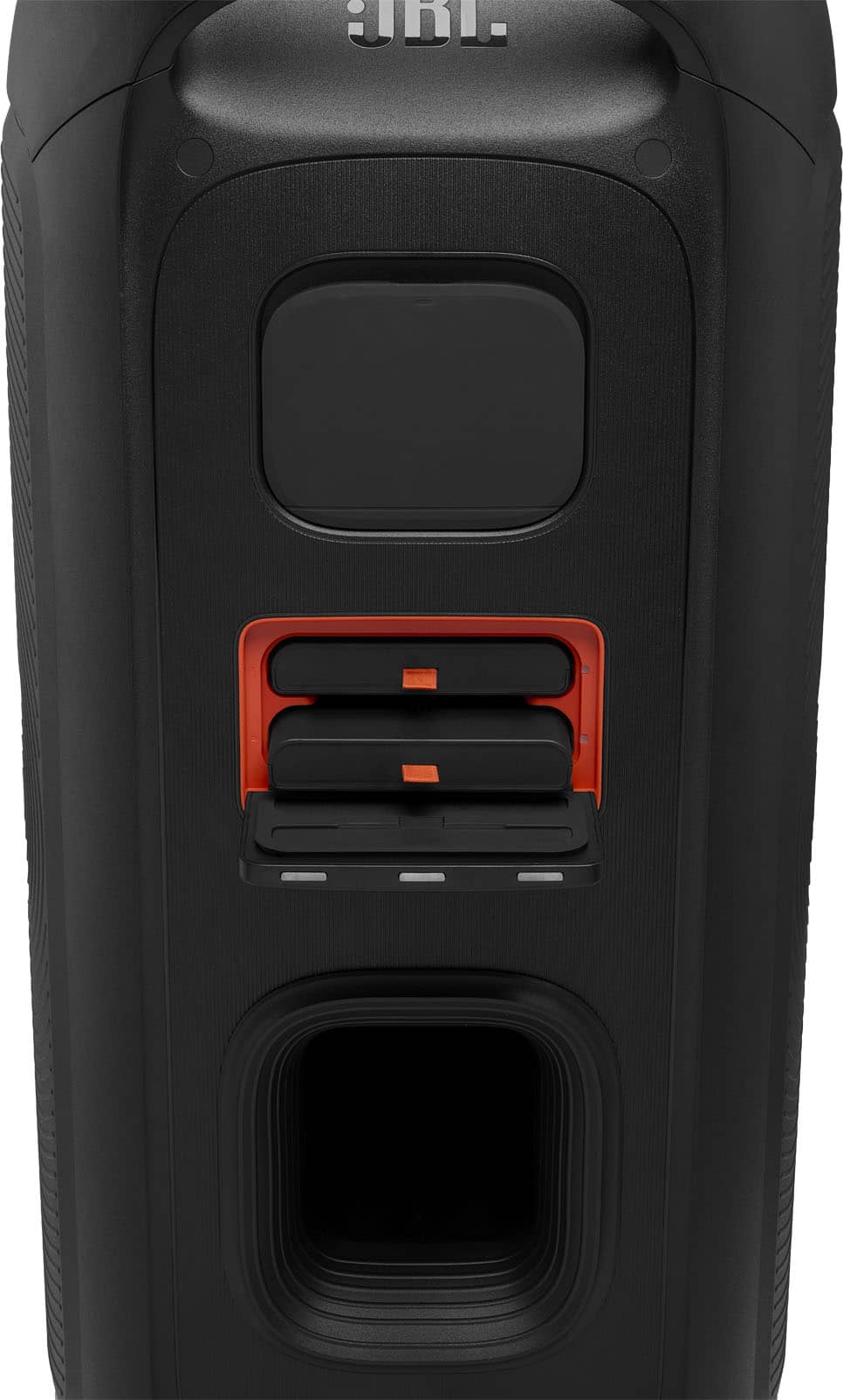
The real advantage of the 720's dual-battery setup becomes apparent during extended events. Both batteries are hot-swappable, meaning you can replace a dead battery without turning off the speaker. For DJs or event organizers running multi-day festivals or extremely long parties, this flexibility is invaluable. The PartyBox 520 requires a complete shutdown for battery swaps, creating awkward silent moments.
Both speakers support fast charging, delivering two hours of additional playtime from just 10 minutes of charging. This feature has proven incredibly useful for those "oh no, the battery died" moments that inevitably happen during the best parts of parties.
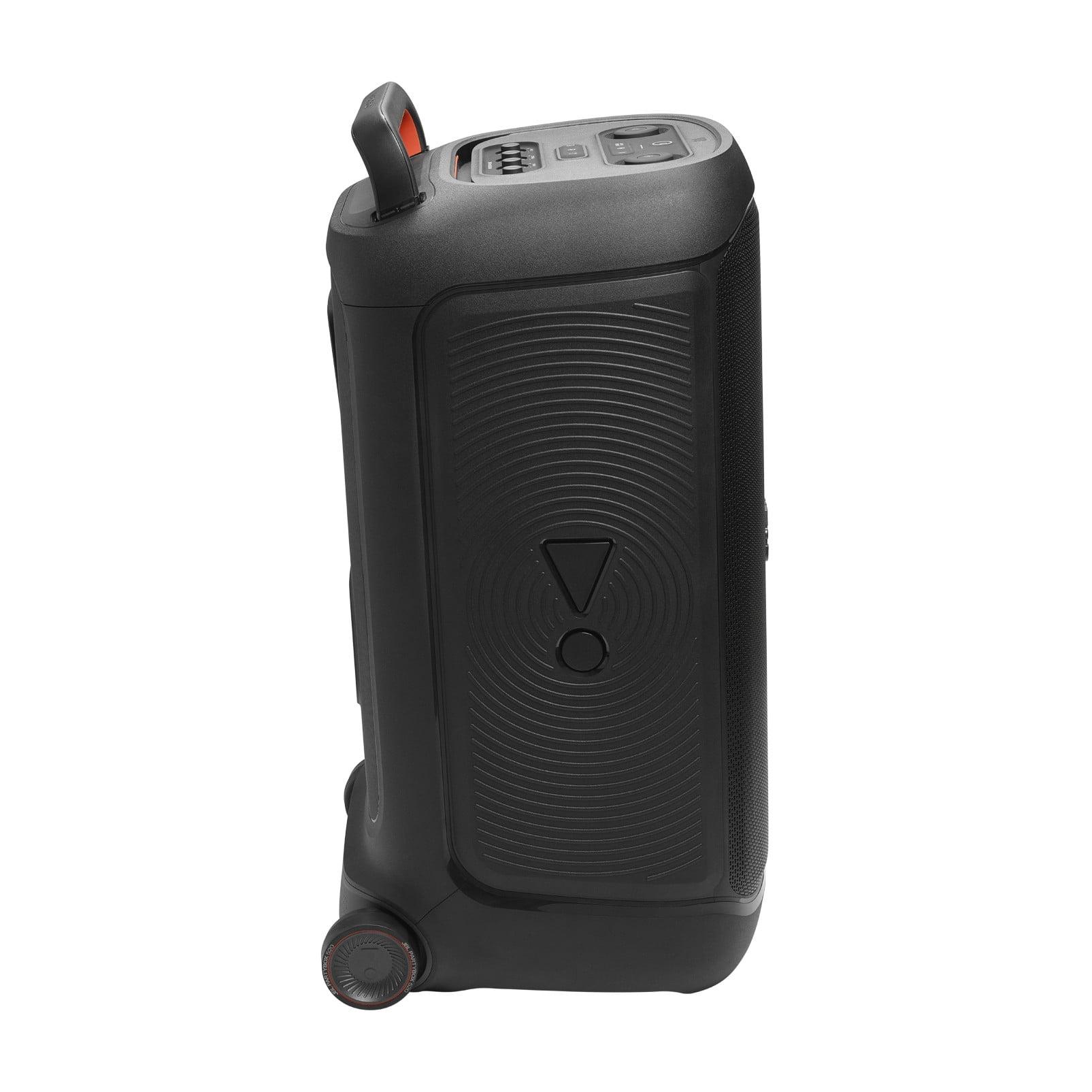
Here's where the differences between these speakers become most apparent in daily use. The PartyBox 520 weighs 56.2 pounds and stands about 30 inches tall—it's hefty, but most adults can manage it solo for short distances. The PartyBox 720 tips the scales at 68.3 pounds and stretches to 37 inches in height.
That 12-pound difference might not sound like much, but it represents the boundary between "difficult but manageable" and "definitely need help." Loading the PartyBox 720 into an SUV or carrying it up stairs typically requires two people, while the PartyBox 520 remains barely within single-person territory.
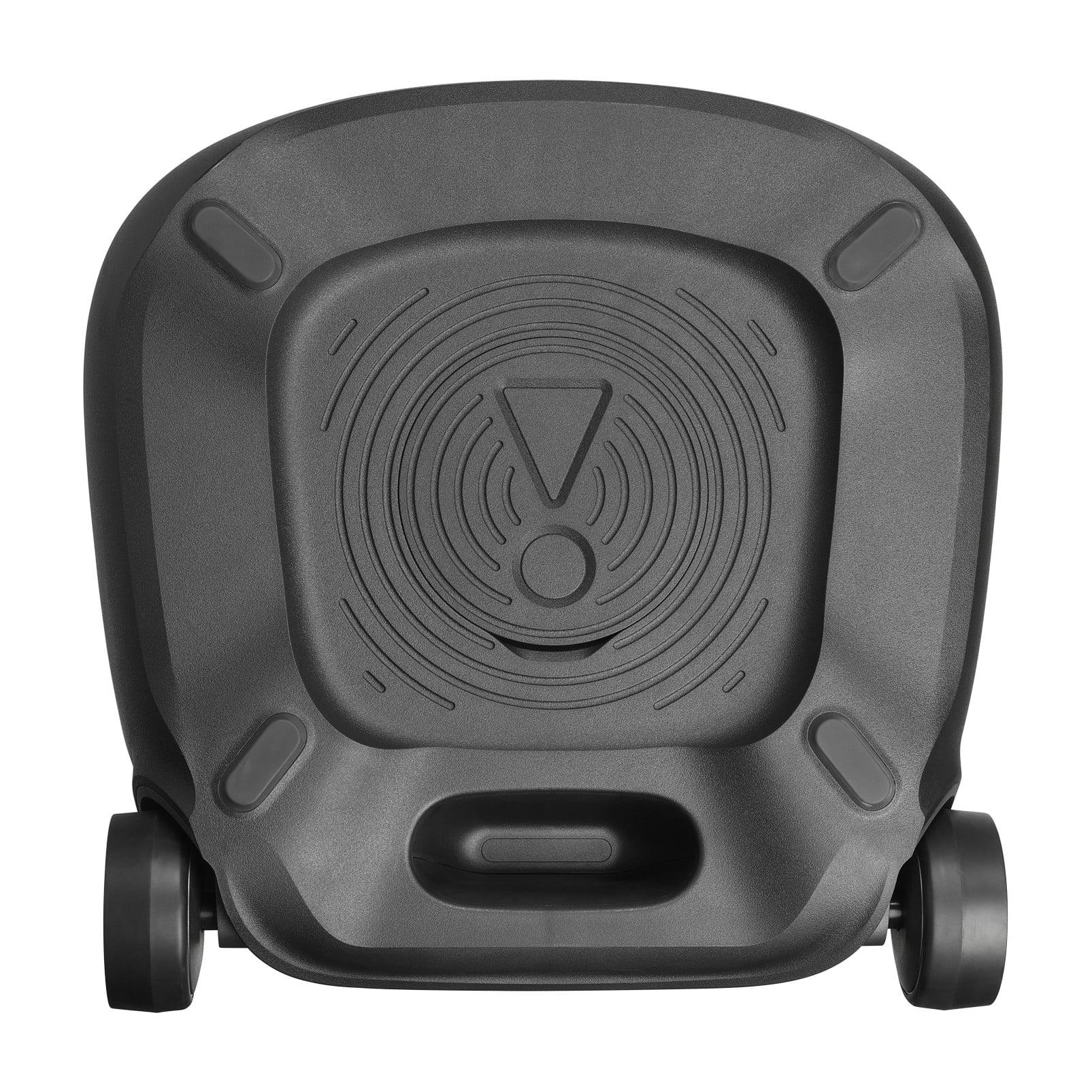
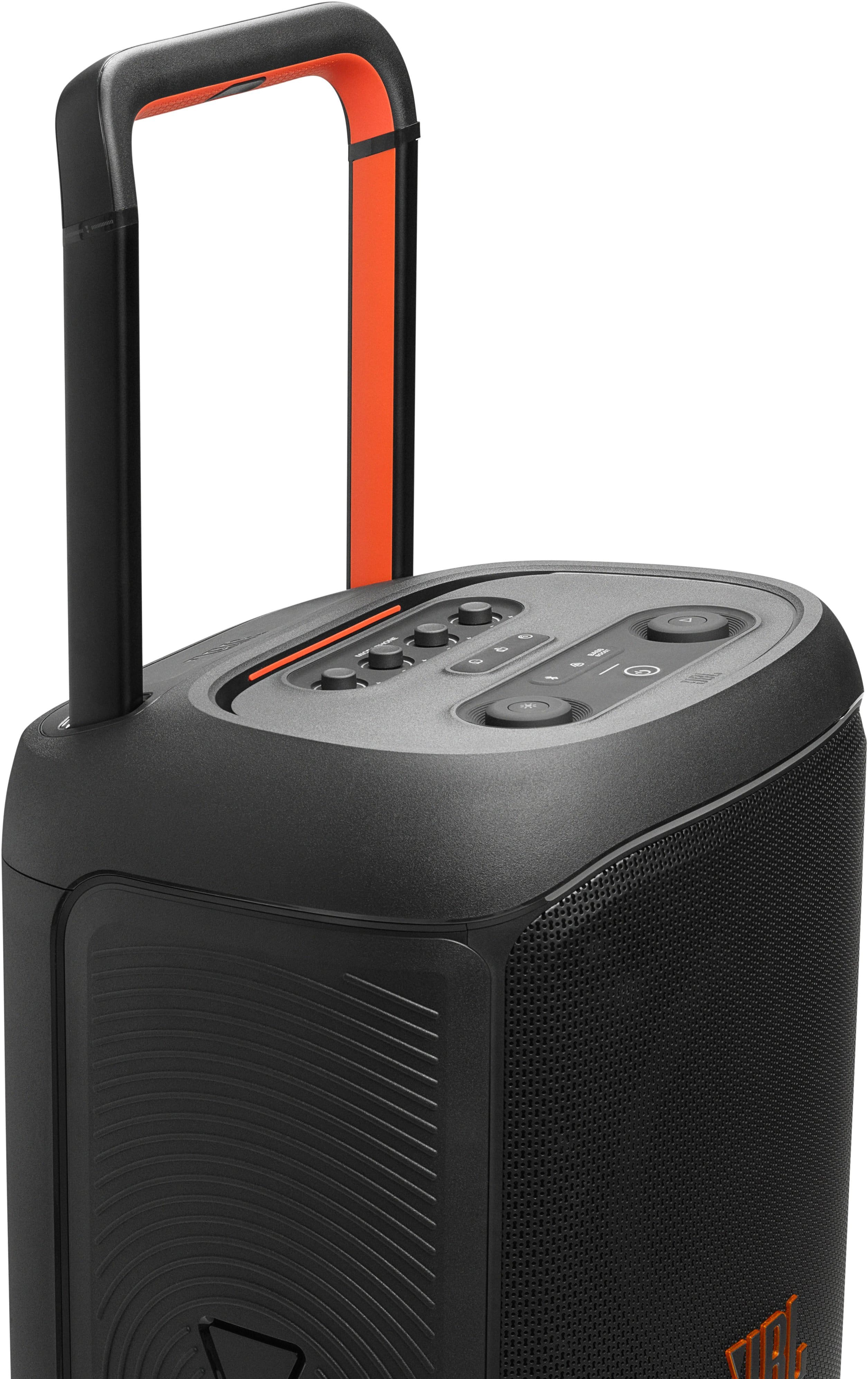
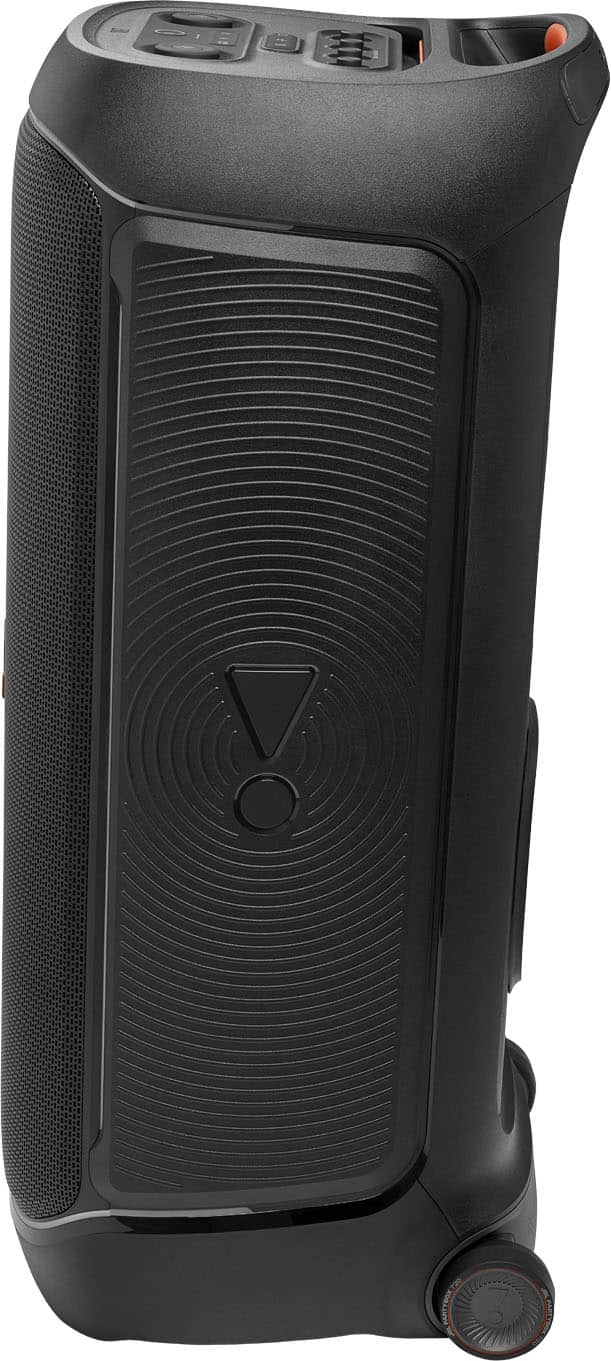
Both speakers include sturdy wheels and telescoping handles, making them easy to roll across flat surfaces. The wheels are wide and grippy enough for grass and gravel, though neither speaker is designed for rough terrain hiking. The IPX4 splash-proof rating on both models means they can handle poolside splashes and light rain, but don't expect them to survive a full dunking.
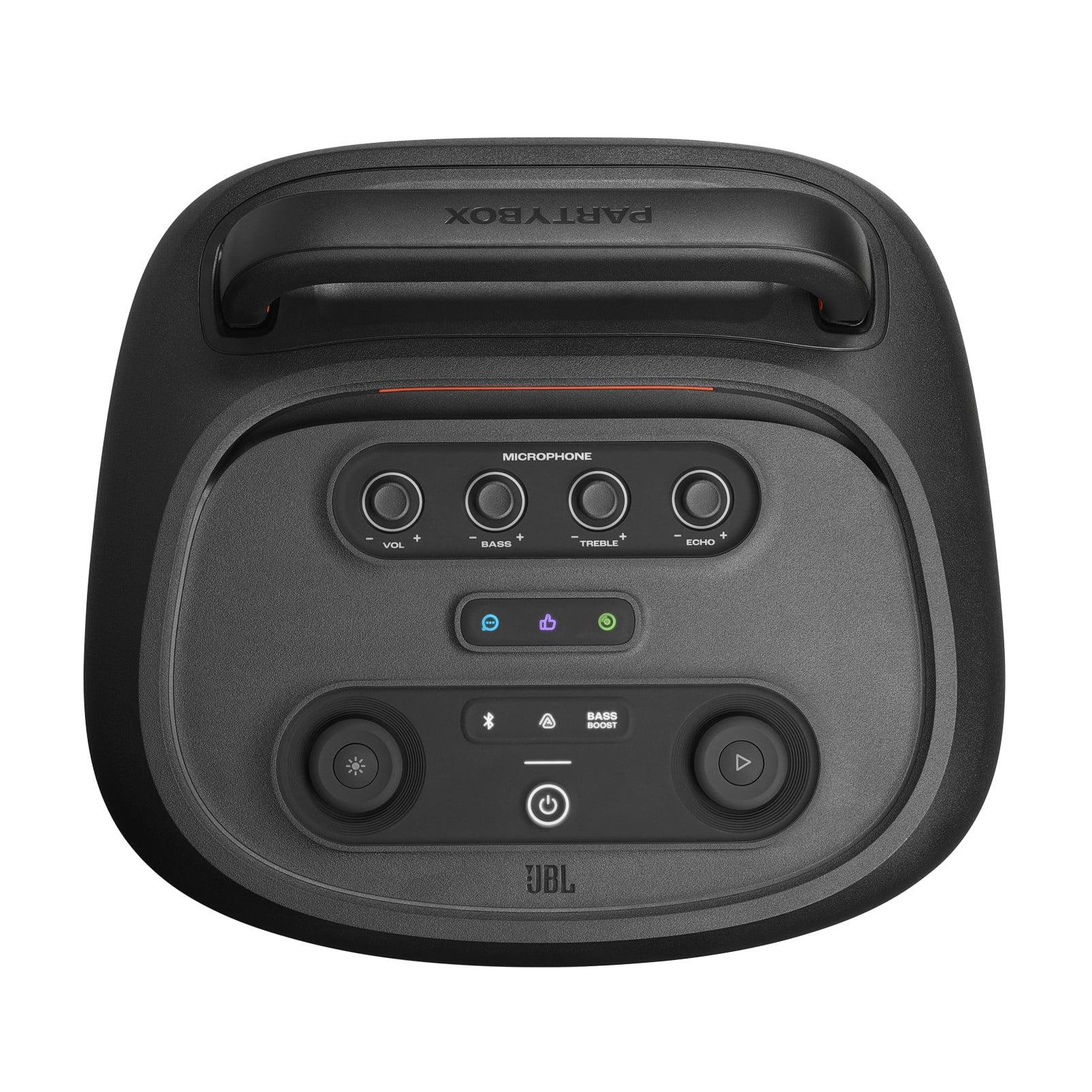
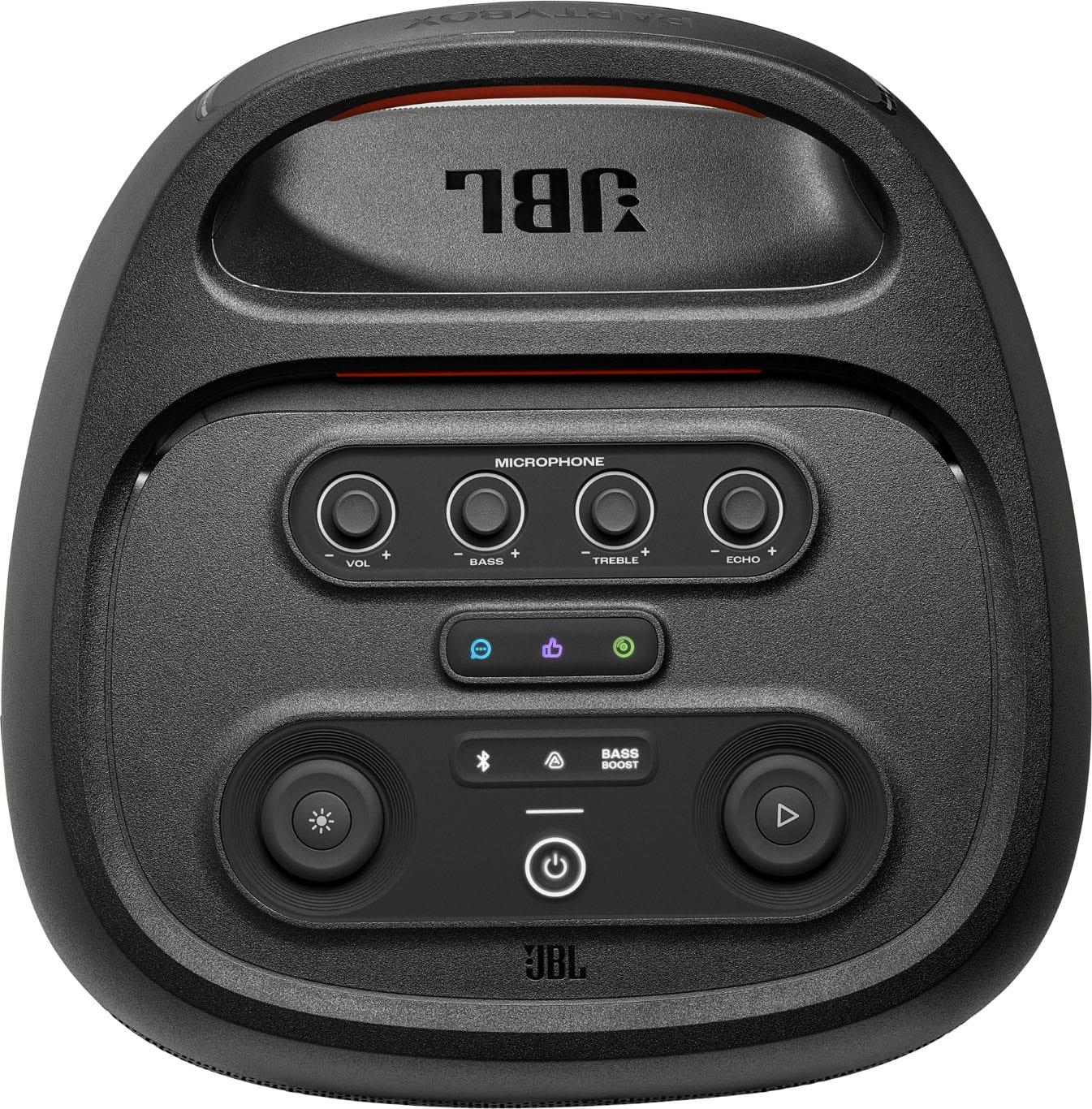
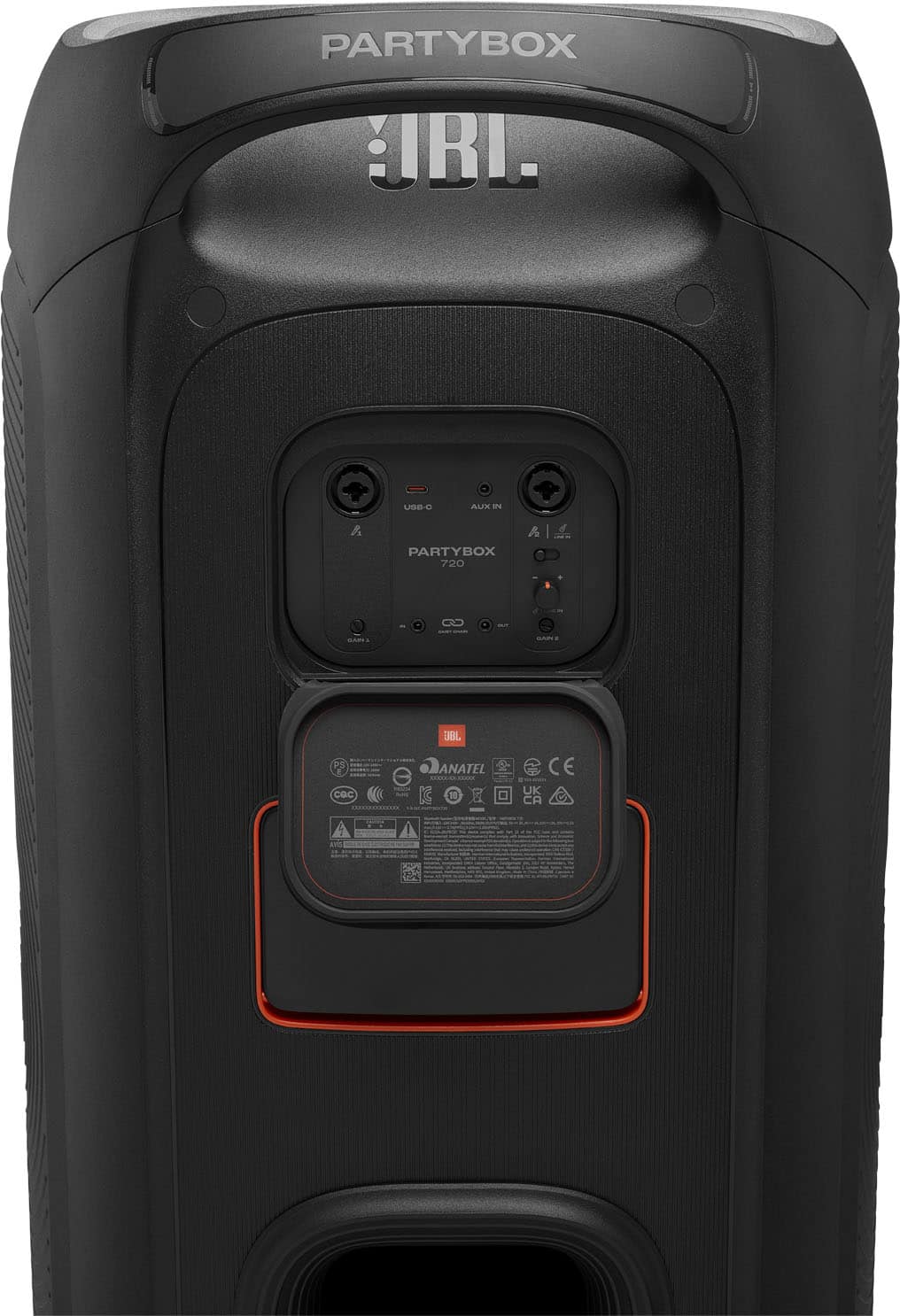
Both speakers excel in connectivity and party-focused features. The dual XLR inputs accept professional microphones and instruments, making them equally capable for karaoke nights or live acoustic performances. The microphone controls include volume, bass, treble, and echo adjustments—enough to make anyone sound like a star.
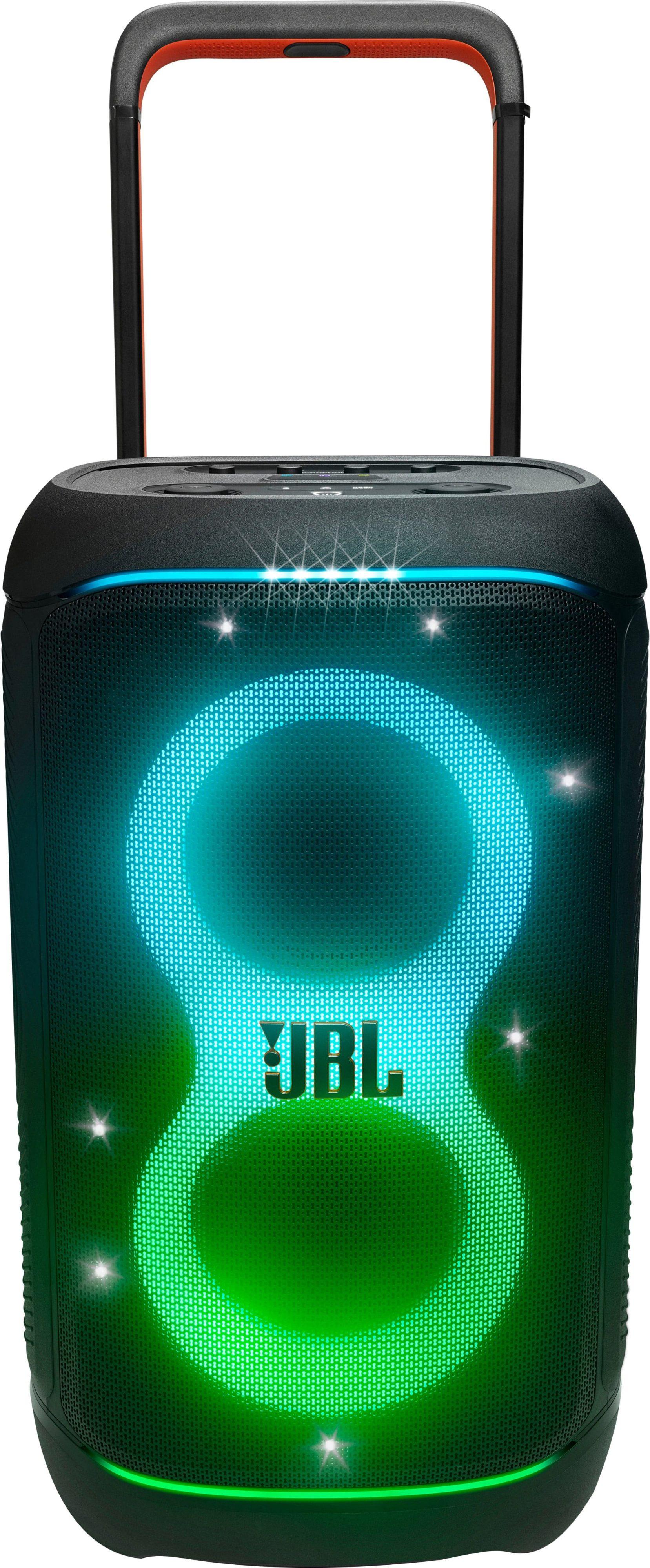
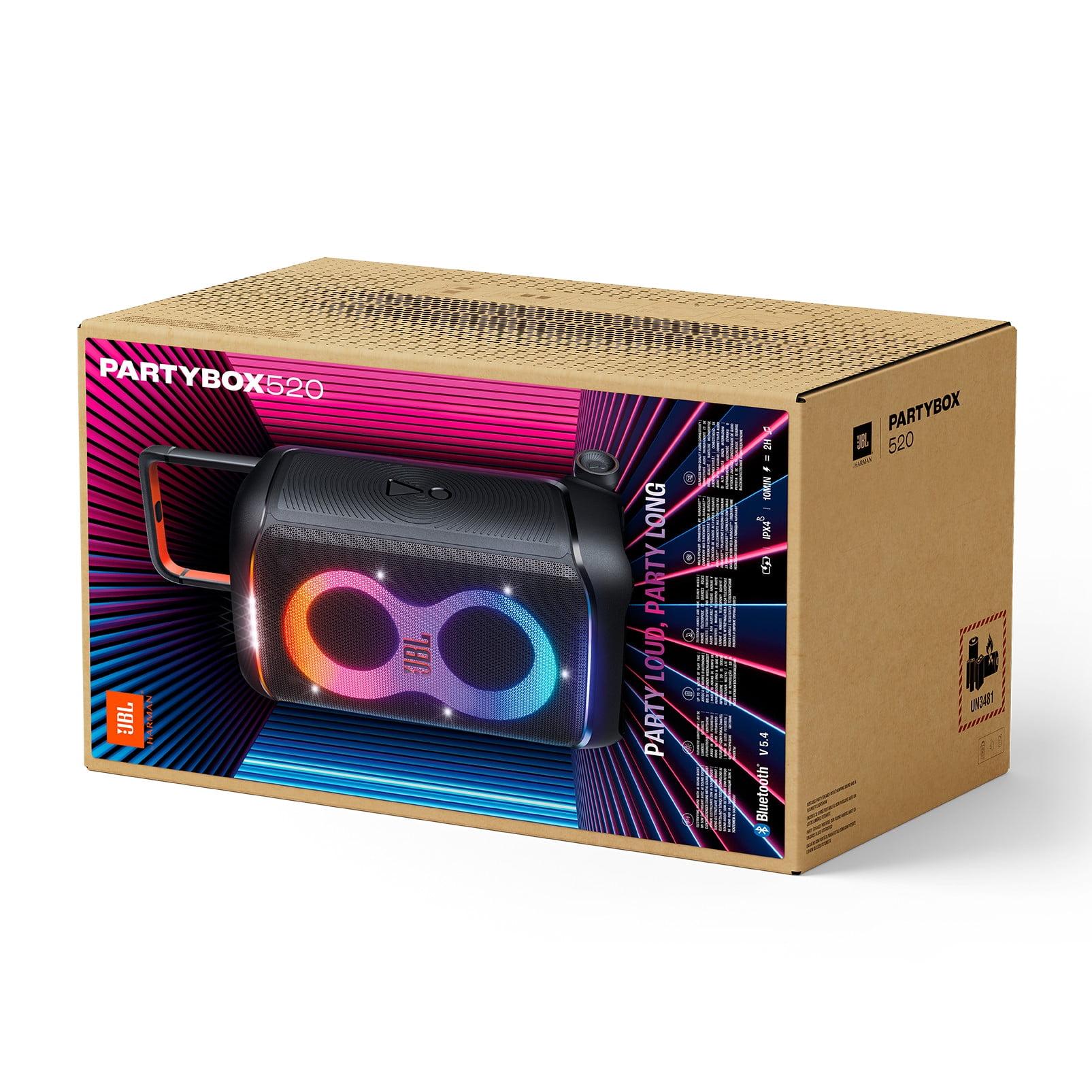
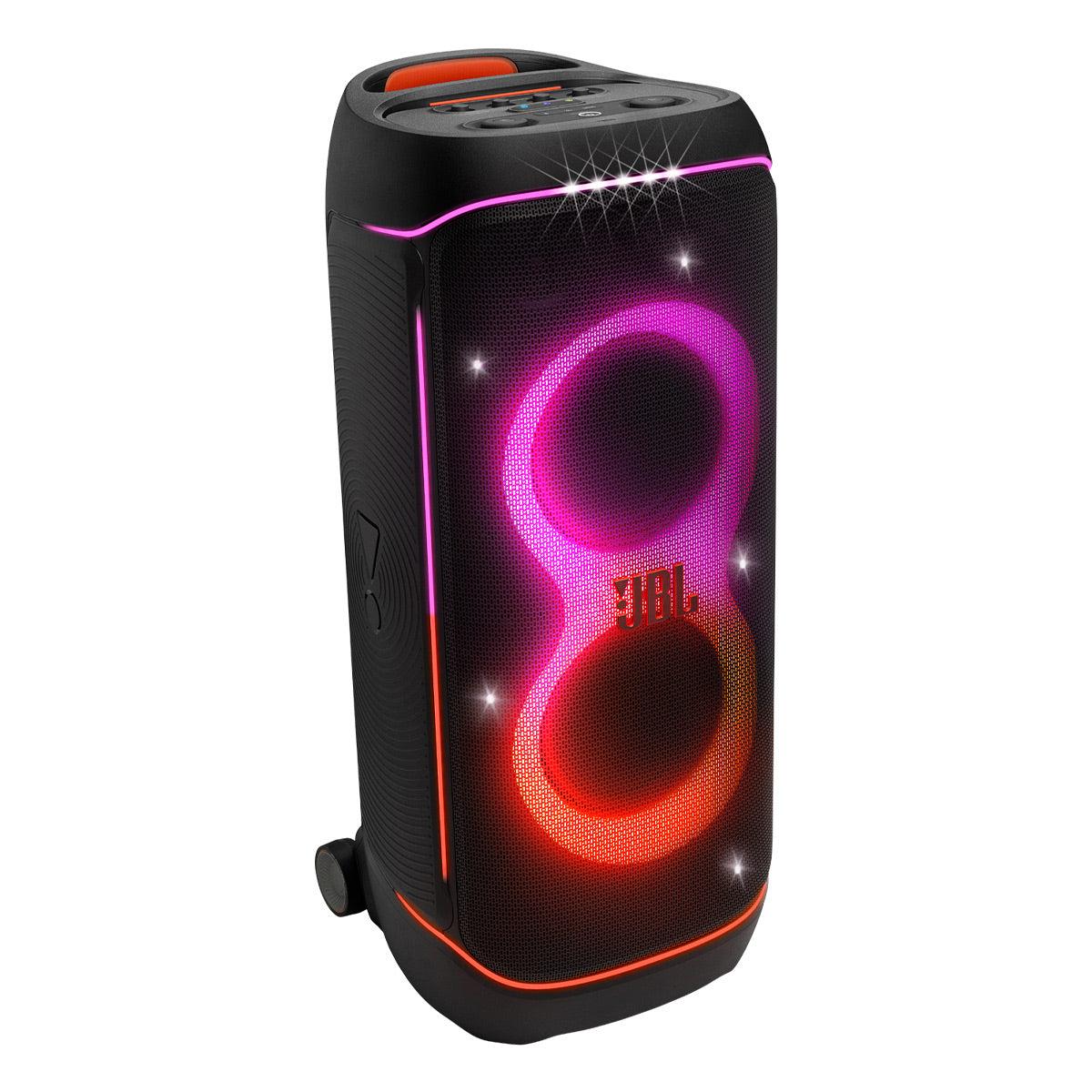
The lighting systems deserve special mention. The PartyBox 520 features LED rings around each driver plus additional light strips, while the PartyBox 720 ups the ante with more strips and additional strobe LEDs. Both create impressive light shows synchronized to your music, with customizable patterns controlled through JBL's PartyBox app.
Speaking of the app, it's genuinely useful rather than just a marketing checkbox. The 7-band graphic equalizer lets you tune the sound to your preferences or room acoustics, while the lighting controls offer surprising depth. You can adjust colors, patterns, and intensity to match your event's vibe.
For home theater use, both speakers offer interesting possibilities, though they're not traditional home theater solutions. The powerful output and wide frequency response handle movie soundtracks impressively, and the ability to wirelessly link multiple speakers could create an unconventional but effective surround sound setup. However, the party-focused sound signature emphasizes bass over dialogue clarity, making them better for action movies than drama.
At the time of writing, the PartyBox 520 represents significantly better value for most users. It delivers professional-grade performance in a more manageable package, with identical features to its larger sibling. The price difference between the two speakers is substantial—about 25% more for the 720—while the real-world benefits are limited to specific use cases.
The PartyBox 720 makes sense for users who genuinely need maximum volume output or the battery hot-swap capability. For everyone else, the extra size, weight, and cost deliver diminishing returns. Our evaluation of expert and user reviews consistently points to the 520 as the sweet spot in JBL's lineup.
The PartyBox 520 is the clear choice for most buyers. It handles typical backyard parties (25-50 people) with room to spare, remains manageable for solo transport, and delivers exceptional value. If you're hosting indoor events, the 520's power output is often more appropriate—the PartyBox 720 can quickly become overwhelming in enclosed spaces.
The PartyBox 720 serves a specific niche: users who regularly host events exceeding 75 people, need maximum volume for large outdoor spaces, or run professional DJ setups where the enhanced lighting and battery flexibility justify the additional cost and bulk. If you have reliable help for transport and setup, and your events genuinely demand maximum output, the 720 delivers.
For home use, both speakers offer more power than most situations require, but the PartyBox 520's smaller footprint makes it more practical for basement parties or garage hangouts. The PartyBox 720 is simply too large and powerful for typical home environments.
Consider your typical use case honestly. Most people overestimate how much power they need and underestimate how much size and weight matter in real-world usage. The PartyBox 520 provides enough volume to satisfy the vast majority of party scenarios while remaining practical for regular use.
Choose the PartyBox 720 only if you can answer "yes" to most of these questions: Do you regularly host events with 75+ people? Do you have reliable help for transport? Is maximum volume output essential for your space? Can you justify the significant price premium for the enhanced lighting?
The audio quality difference between these speakers is minimal—you're primarily paying for additional power output and visual spectacle with the 720. For most users, the PartyBox 520 offers the perfect balance of performance, practicality, and value, making it the smarter choice for bringing professional-quality sound to your celebrations.
Both speakers represent solid engineering and deliver on JBL's promise of bringing the party wherever you go. The question isn't whether they're good speakers—they both are—but rather which one fits your specific needs and budget. In most cases, that answer is the PartyBox 520.
| JBL PartyBox 520 | JBL PartyBox 720 |
|---|---|
| Power Output - Determines maximum volume and sound authority | |
| 400W RMS (loud enough for 50+ people outdoors) | 800W RMS (handles 75+ people, noticeably louder) |
| Driver Configuration - Affects bass depth and overall sound quality | |
| 2× 7.5" woofers, 2× 1" tweeters | 2× 9" woofers, 2× 1.25" tweeters |
| Frequency Response - Shows how deep the bass goes | |
| 40 Hz – 20 kHz (excellent bass for most music) | 32 Hz – 20 kHz (slightly deeper bass extension) |
| Weight & Dimensions - Critical for portability and storage | |
| 56.2 lbs, 30.3" tall (manageable for solo transport) | 68.3 lbs, 37.1" tall (typically requires two people) |
| Battery System - Affects runtime flexibility and replacement options | |
| Single 99.02 Wh battery, 15 hours playbook | Dual 99.02 Wh batteries, 15 hours playback |
| Battery Management - Important for extended events | |
| Requires shutdown for battery swaps | Hot-swappable batteries (no interruption) |
| Lighting System - Enhances party atmosphere and visual impact | |
| 2 LED rings, 2 strips, 15 strobe LEDs | 2 LED rings, 4 strips, 20 strobe LEDs (more dramatic) |
| Connectivity & Features - All the essentials for parties and events | |
| Bluetooth 5.4, dual XLR inputs, USB-C charging, Auracast, IPX4 rated | Identical connectivity and features to PartyBox 520 |
| Value Proposition - Performance per dollar spent | |
| Excellent value for most users, manageable size | 25% price premium for doubled power, limited real-world benefit |
| Best Use Cases - Who should choose each speaker | |
| Backyard parties, indoor events, frequent transport, value-conscious buyers | Large outdoor events, professional DJ use, users with transport assistance |
The JBL PartyBox 520 is the better choice for most users. It delivers excellent sound quality and plenty of power for typical parties while being more manageable to transport and offering better value. The PartyBox 720 is only worth considering if you regularly host very large events or need maximum volume output.
The primary difference is power output - the JBL PartyBox 720 delivers 800W RMS compared to the PartyBox 520's 400W RMS. This means the 720 gets noticeably louder and has slightly deeper bass, but it's also significantly larger, heavier, and more expensive.
The JBL PartyBox 720 produces approximately 3dB more maximum volume than the PartyBox 520. While this represents a noticeable difference at peak levels, both speakers provide more than enough volume for most party scenarios.
Both the JBL PartyBox 520 and PartyBox 720 can work for home theater, but they're optimized for parties rather than movies. They excel with action films and music-heavy content but may not provide the dialogue clarity of dedicated home theater speakers. The PartyBox 520 is more practical for home use due to its smaller size.
The JBL PartyBox 520 is significantly easier to transport, weighing 56.2 pounds versus the PartyBox 720's 68.3 pounds. The 520 can be managed by one person for short distances, while the 720 typically requires two people for stairs or vehicle loading.
Yes, both the JBL PartyBox 520 and PartyBox 720 offer up to 15 hours of battery life. However, the PartyBox 720 has dual batteries that can be hot-swapped during use, while the PartyBox 520 requires shutdown for battery replacement.
The sound quality is remarkably similar between the JBL PartyBox 520 and PartyBox 720. Both use the same acoustic design philosophy with similar frequency response and sound signature. The PartyBox 720 offers slightly deeper bass and higher maximum volume but doesn't provide dramatically better sound quality.
The JBL PartyBox 520 offers significantly better value for most buyers. It provides excellent performance at a lower cost while being more practical for regular use. The PartyBox 720 costs considerably more for benefits that most users won't fully utilize.
Yes, both the JBL PartyBox 520 and PartyBox 720 support Auracast technology for wirelessly linking multiple speakers. You can pair two speakers for stereo sound or connect several for synchronized playback across larger areas.
The JBL PartyBox 520 is perfect for backyard parties (25-50 people), indoor events, and regular gatherings. The PartyBox 720 is better suited for large outdoor events (75+ people), professional DJ use, or situations requiring maximum volume output.
Yes, the JBL PartyBox 520 and PartyBox 720 have identical connectivity options including Bluetooth 5.4, dual XLR inputs, USB-C charging, and JBL PartyBox app control. The main difference is that the PartyBox 720 has more elaborate lighting effects with additional LED strips.
For most outdoor parties, the JBL PartyBox 520 provides plenty of power while being easier to transport and set up. Choose the PartyBox 720 only if you're hosting very large outdoor events with 75+ people or need maximum volume to fill extremely large spaces.
We've done our best to create useful and informative comparisons to help you decide what product to buy. Our research uses advanced automated methods to create this comparison and perfection is not possible - please contact us for corrections or questions. These are the sites we've researched in the creation of this article: soundguys.com - rtings.com - rtings.com - rtings.com - letemsvetemapplem.eu - youtube.com - worldwidestereo.com - youtube.com - global.jbl.com - youtube.com - soundguys.com - youtube.com - youtube.com - comparisontabl.es - youtube.com - youtube.com - youtube.com - gzhls.at - sweetwater.com - static.pcrichard.com - brandsmartusa.com - news.harman.com - jbl.com - ro.harmanaudio.com - jbl.com - creativeaudio.net - stereoindex.com - youtube.com - youtube.com - youtube.com - youtube.com - comparisontabl.es - jbl.com - youtube.com - youtube.com - bestbuy.com - versus.com - youtube.com - youtube.com - versus.com - youtube.com - jbl.com - news.jbl.com - engadget.com - news.harman.com - youtube.com - creativeaudio.net - jbl.com - skybygramophone.com - crutchfield.com - manuals.plus - youtube.com

Privacy Policy
Terms and Conditions - Affiliate Policy
Home Security
© Copyright 2008-2026.
11816 Inwood Rd #1211, Dallas, TX 75244