

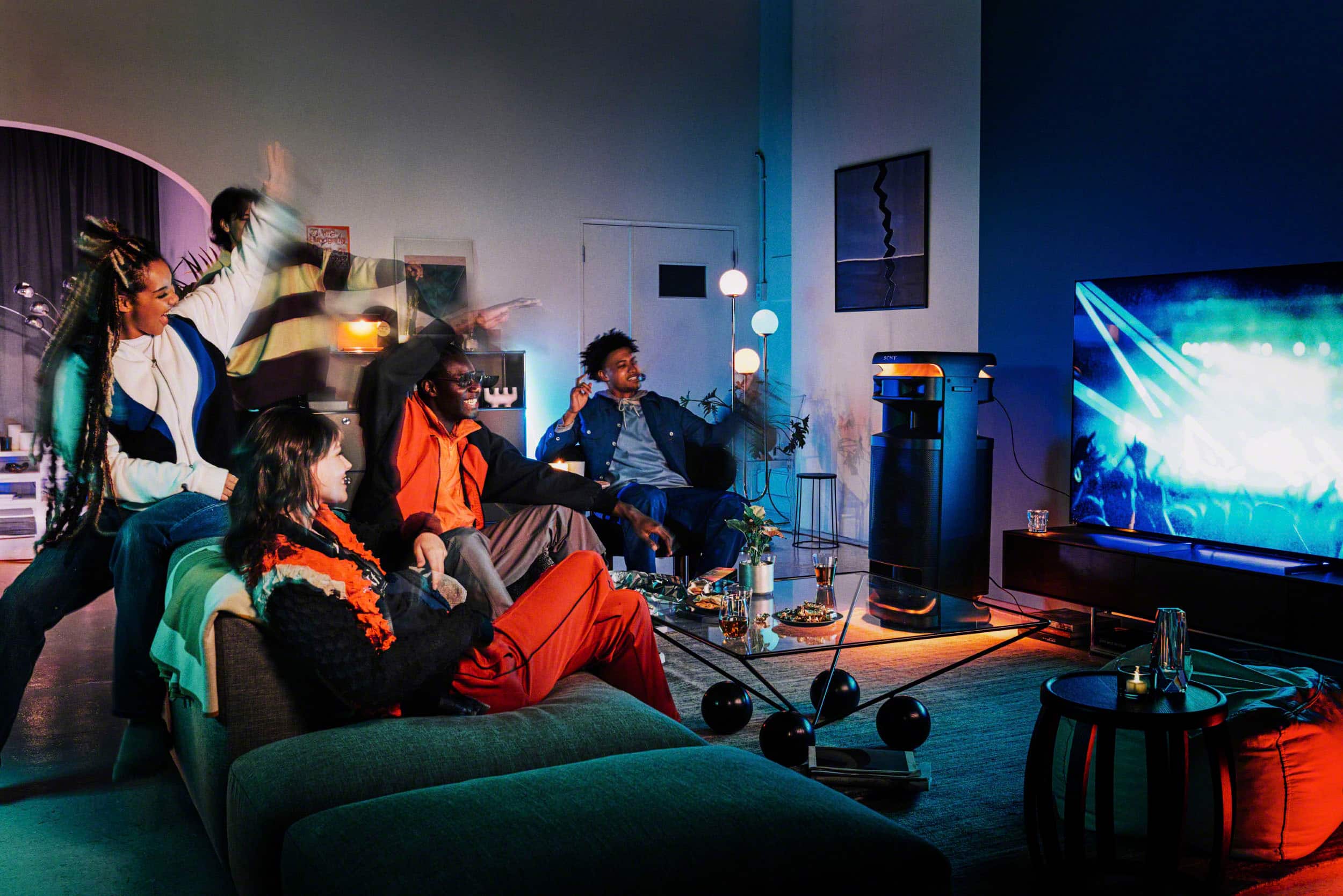
When you're looking to turn your backyard into the neighborhood's hottest hangout spot or want to make your living room feel like a concert venue, you need more than just any Bluetooth speaker. You need a party speaker that can fill large spaces with powerful, room-shaking sound while keeping everyone entertained. That's exactly what the JBL PartyBox 520 and Sony ULT Tower 10 are designed to do—but they take very different approaches to get there.
Released in 2024, both speakers represent the latest thinking in large-scale portable audio. The JBL PartyBox 520 continues JBL's focus on maximum portability and DJ-friendly features, while the Sony ULT Tower 10 marks Sony's aggressive push into the high-performance party speaker market with their new ULT (Ultimate Low-frequency Technology) approach. At the time of writing, these speakers sit in different price tiers, with the JBL positioned as the more affordable option and the Sony commanding a premium for its enhanced audio capabilities.
Before diving into the specifics, it's important to understand what separates party speakers from regular Bluetooth speakers. These aren't just bigger versions of your desktop speaker—they're engineered to solve specific challenges that come with entertaining larger groups in bigger spaces.
The key difference lies in sound pressure level (SPL), which measures how loud a speaker can get before the audio starts distorting. While a typical Bluetooth speaker might max out around 85-90 decibels, party speakers need to reach 110+ decibels to properly fill outdoor spaces or compete with crowd noise. But loudness alone isn't enough—the sound needs to maintain clarity at high volumes, provide enough bass to get people moving, and ideally offer some visual entertainment through lighting effects.
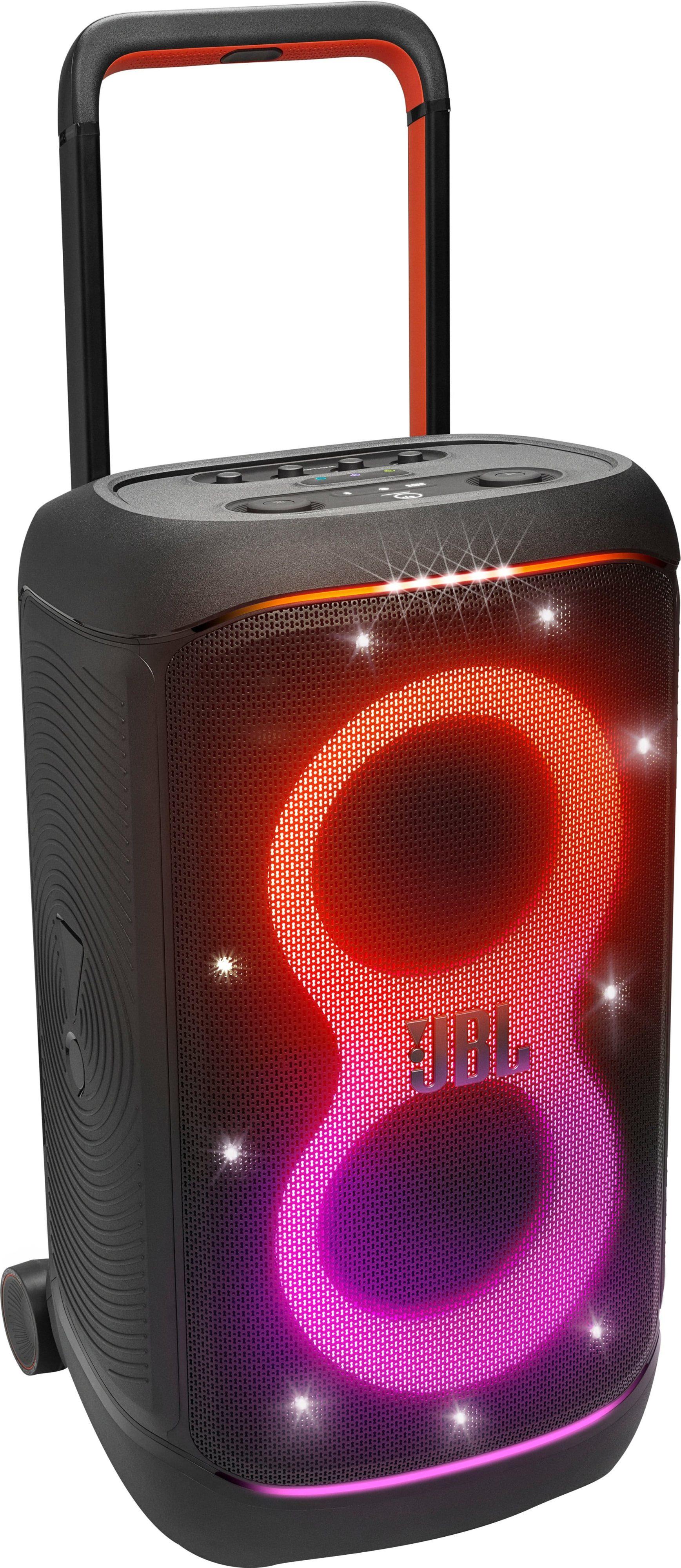
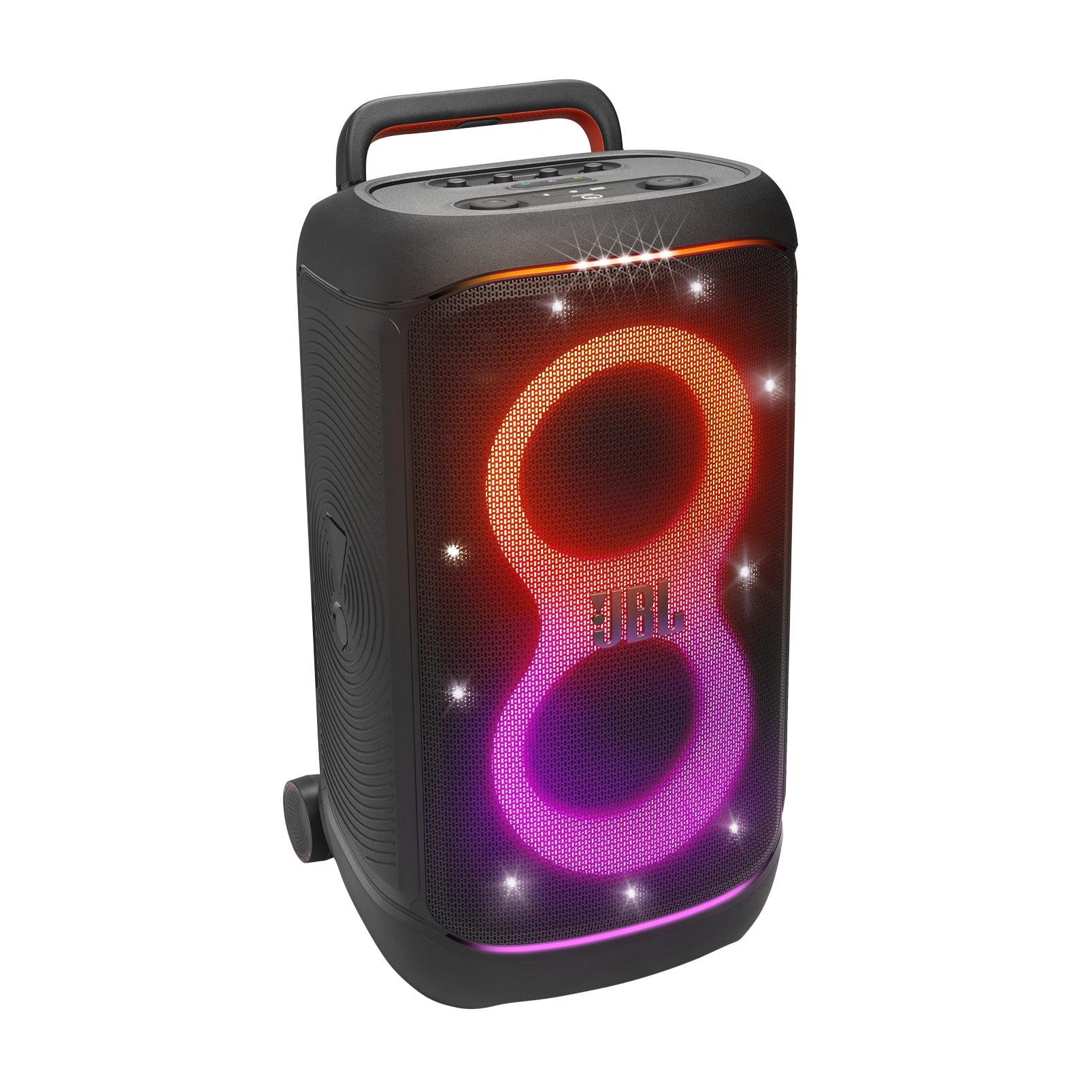
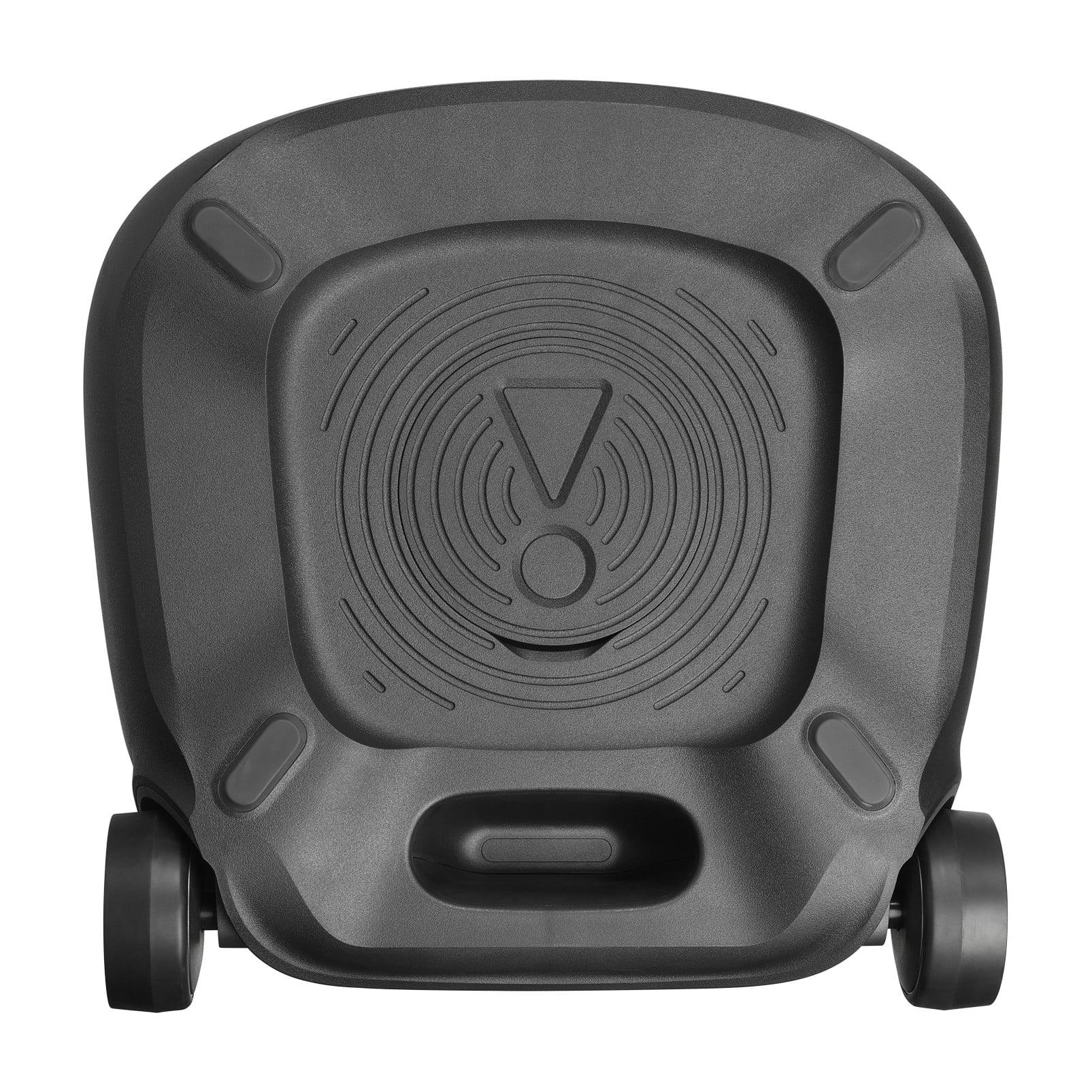
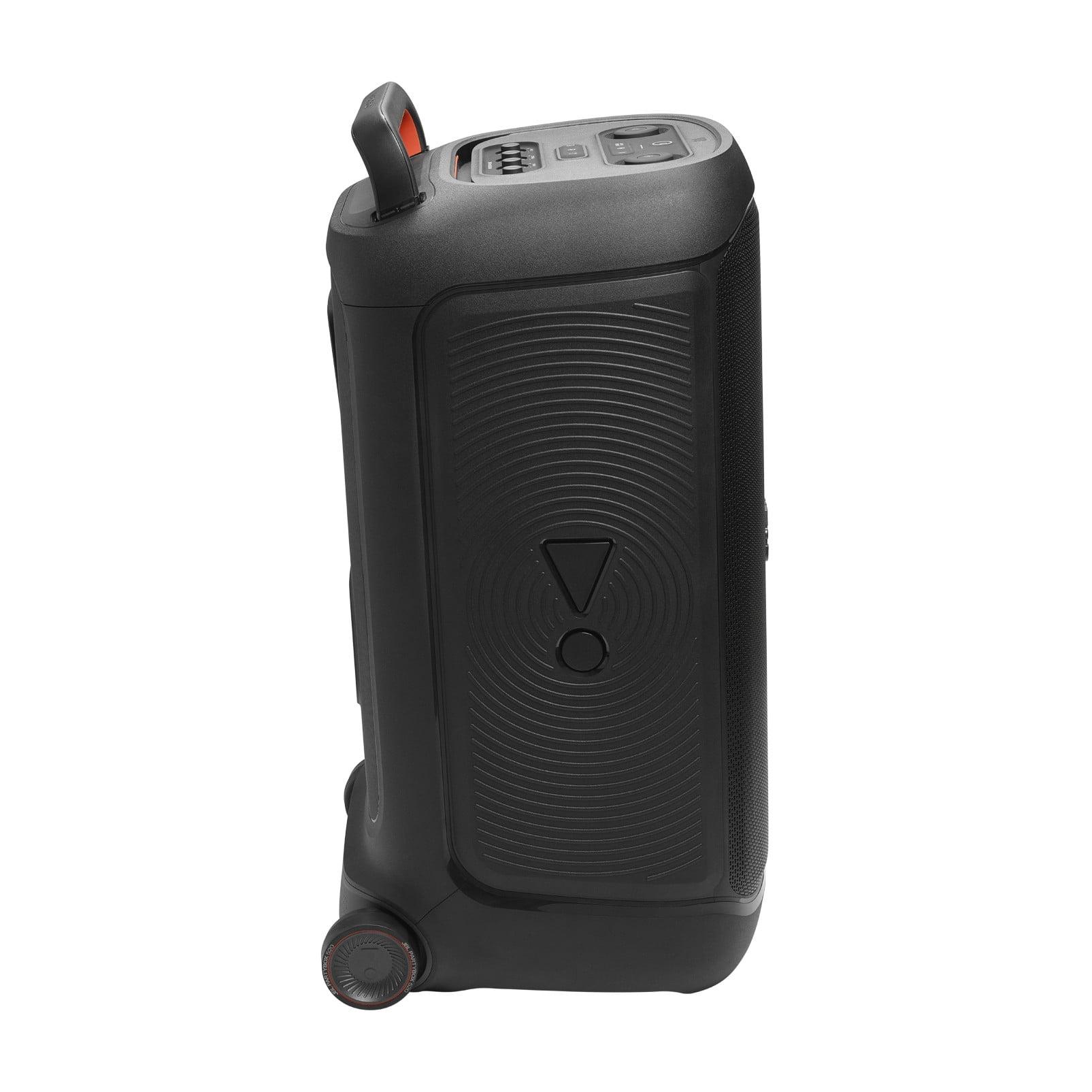
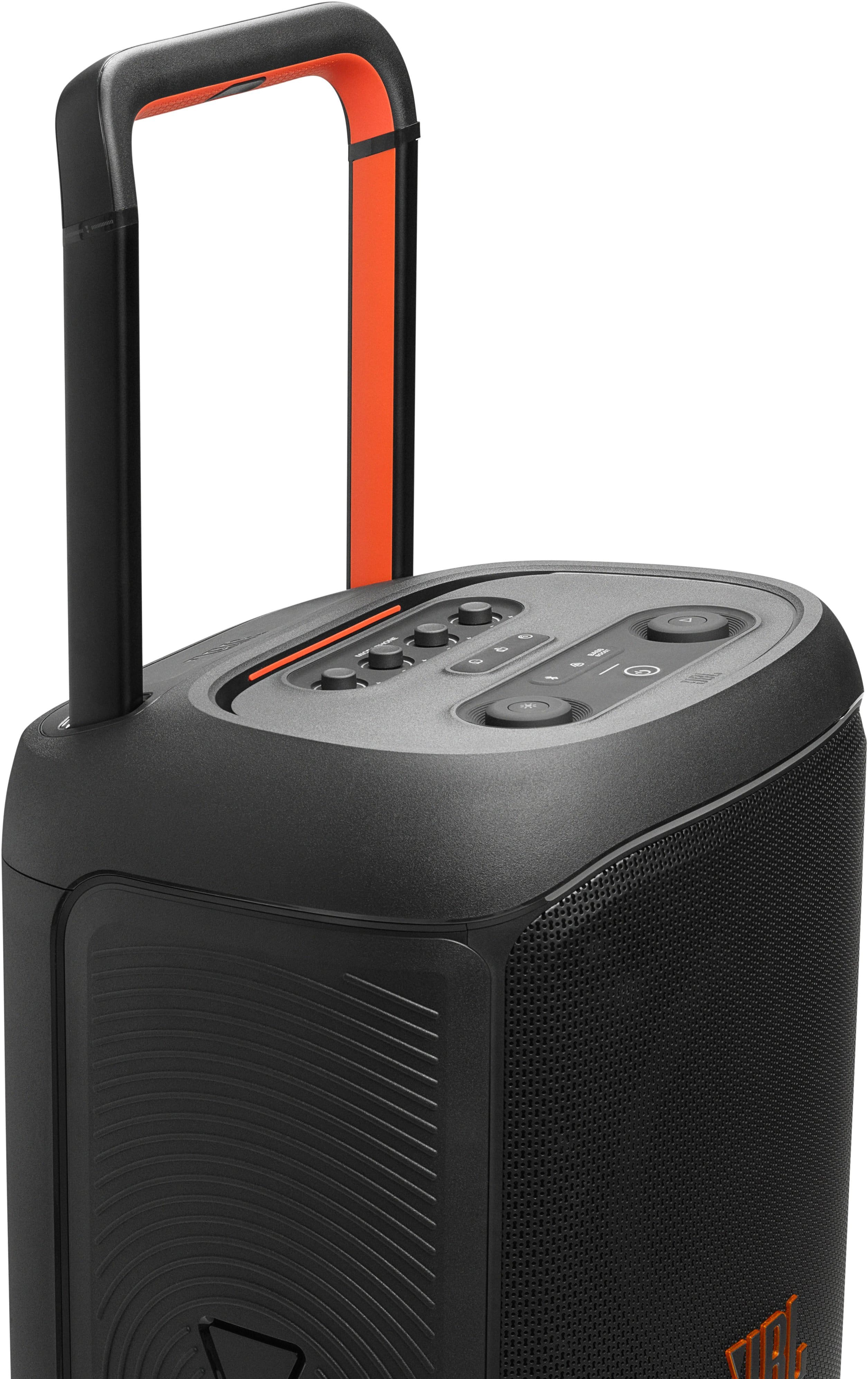
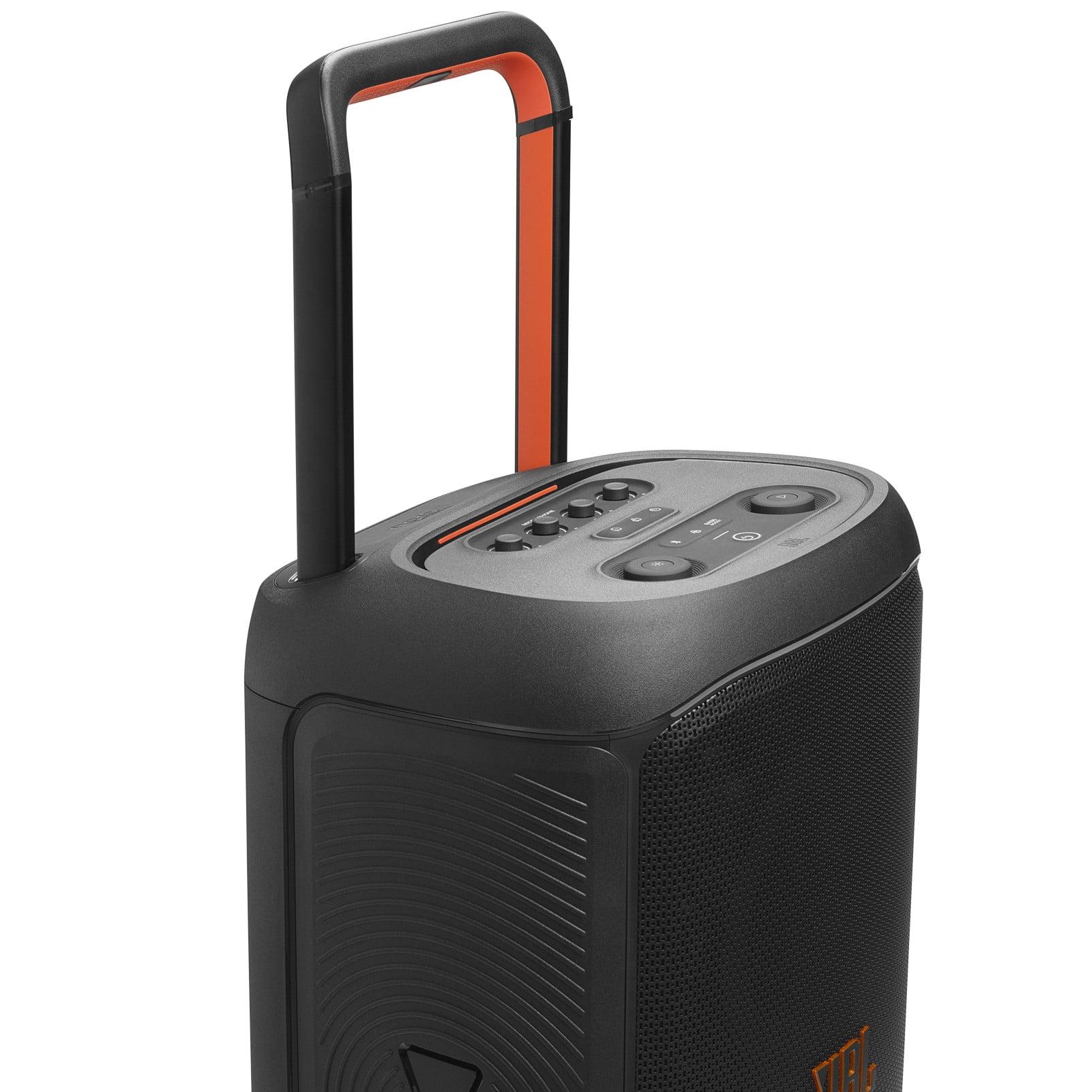
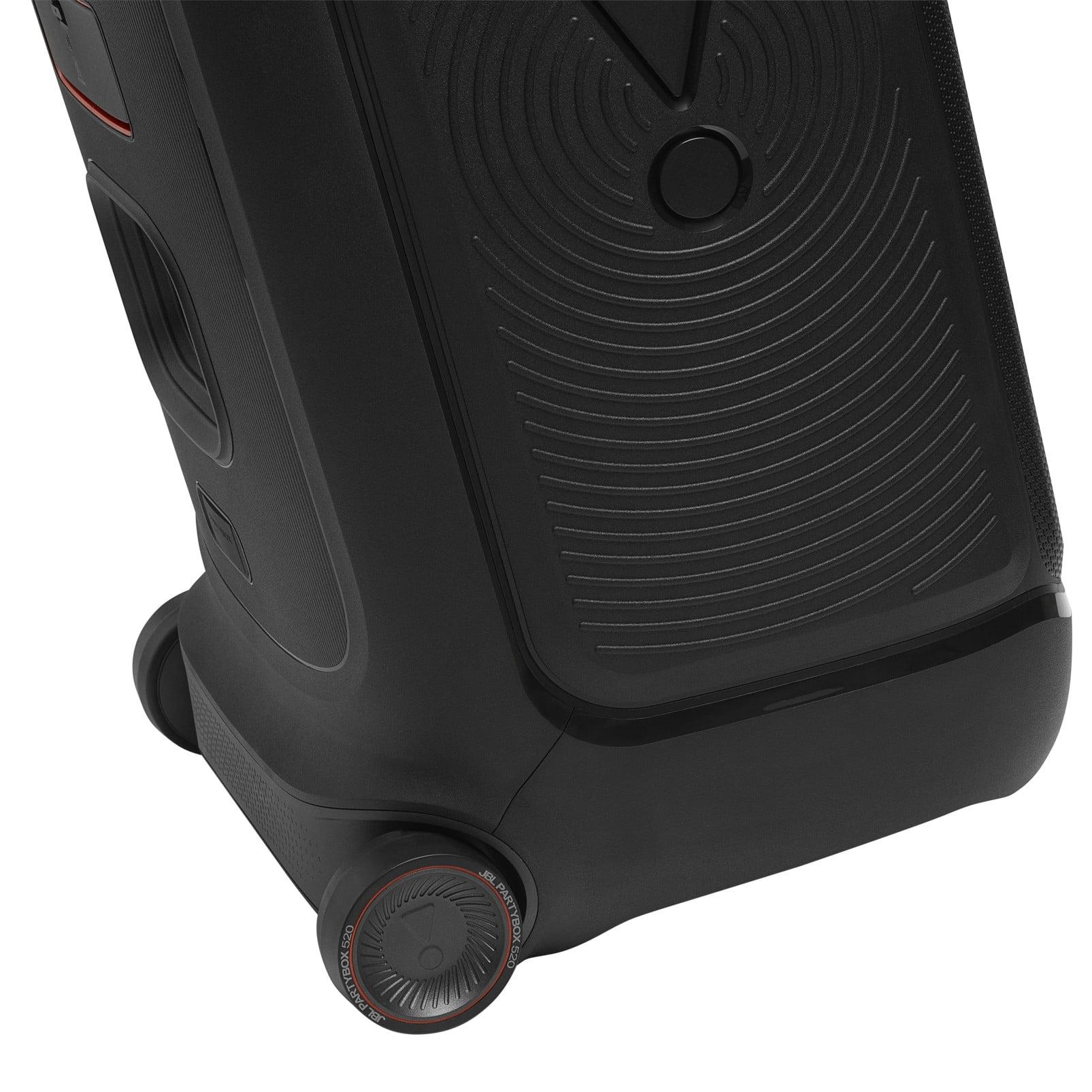
The most fundamental difference between these speakers becomes clear the moment you see them. The JBL PartyBox 520 embodies the "party anywhere" philosophy—it's built like a rolling suitcase with a telescopic handle and sturdy wheels, designed for someone who might host a pool party on Saturday and a friend's birthday on Sunday.
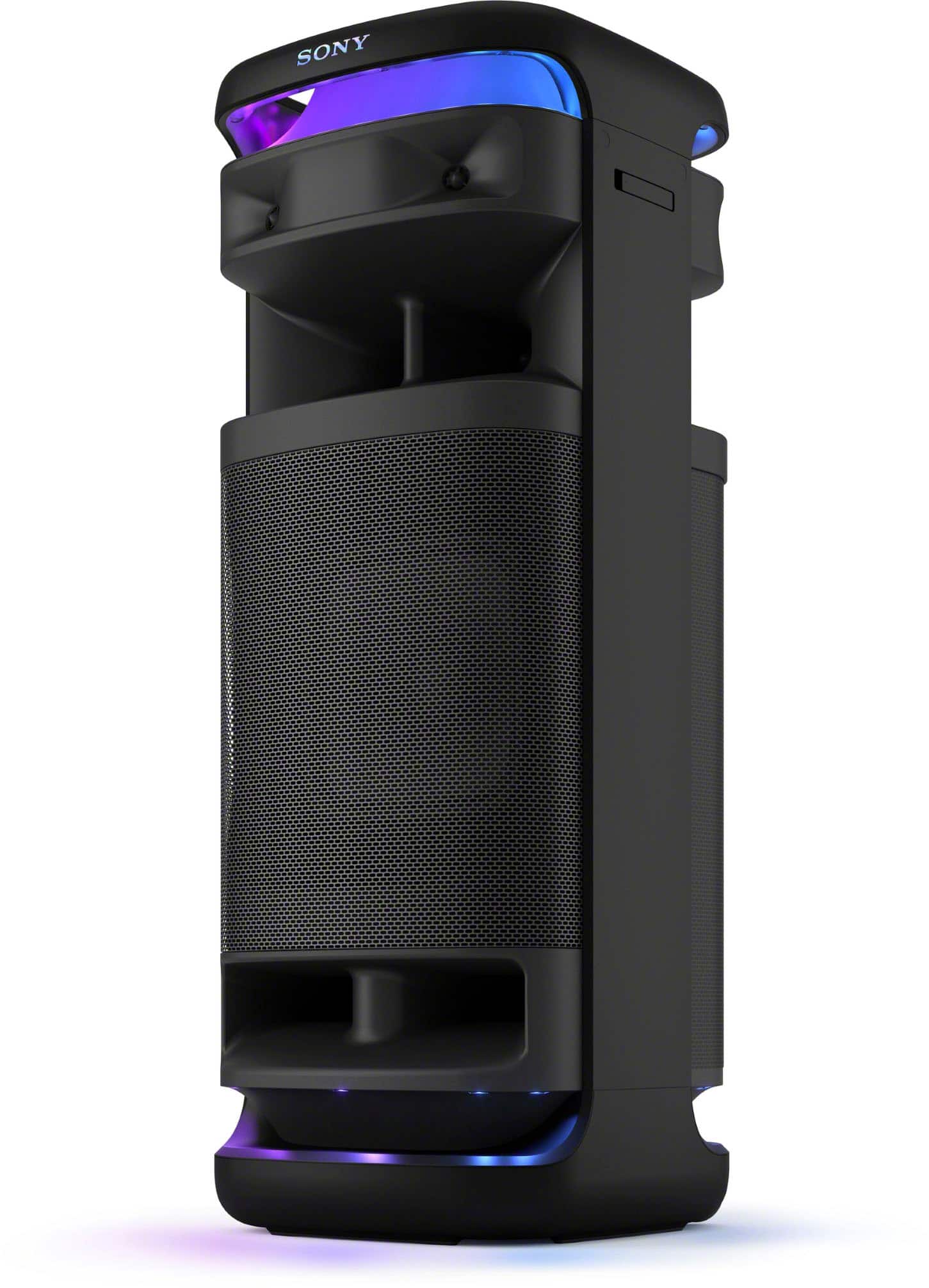
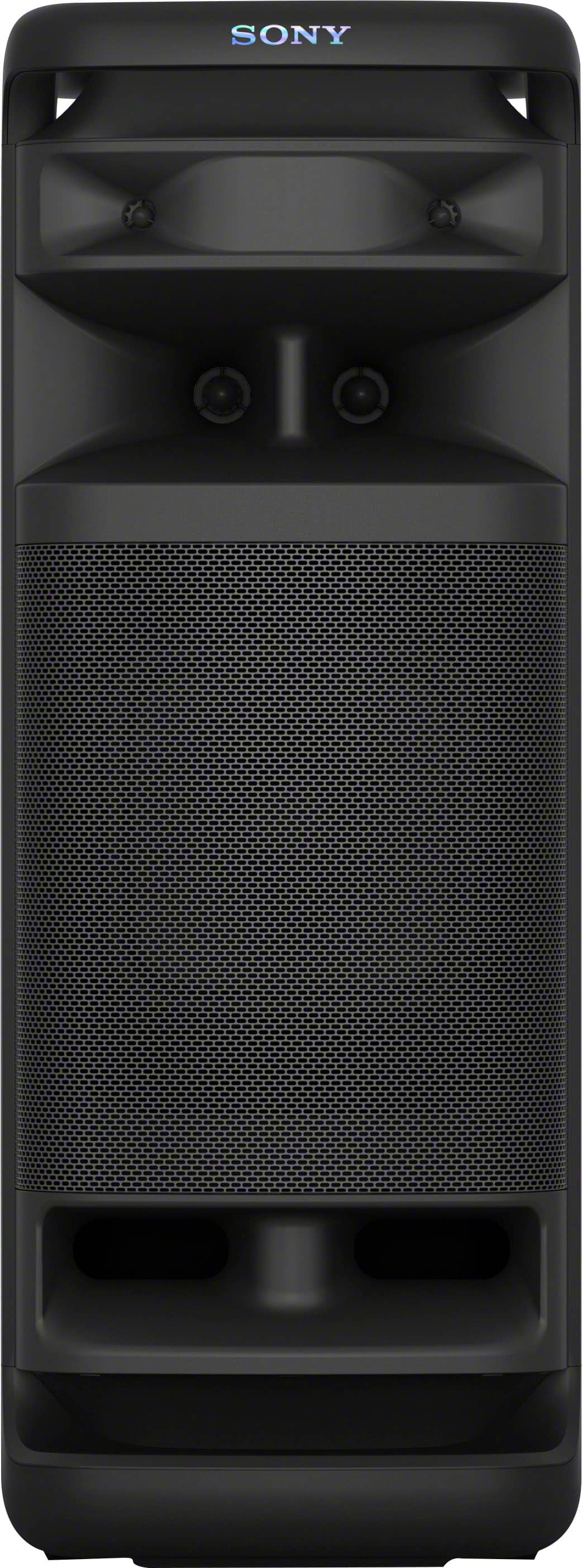
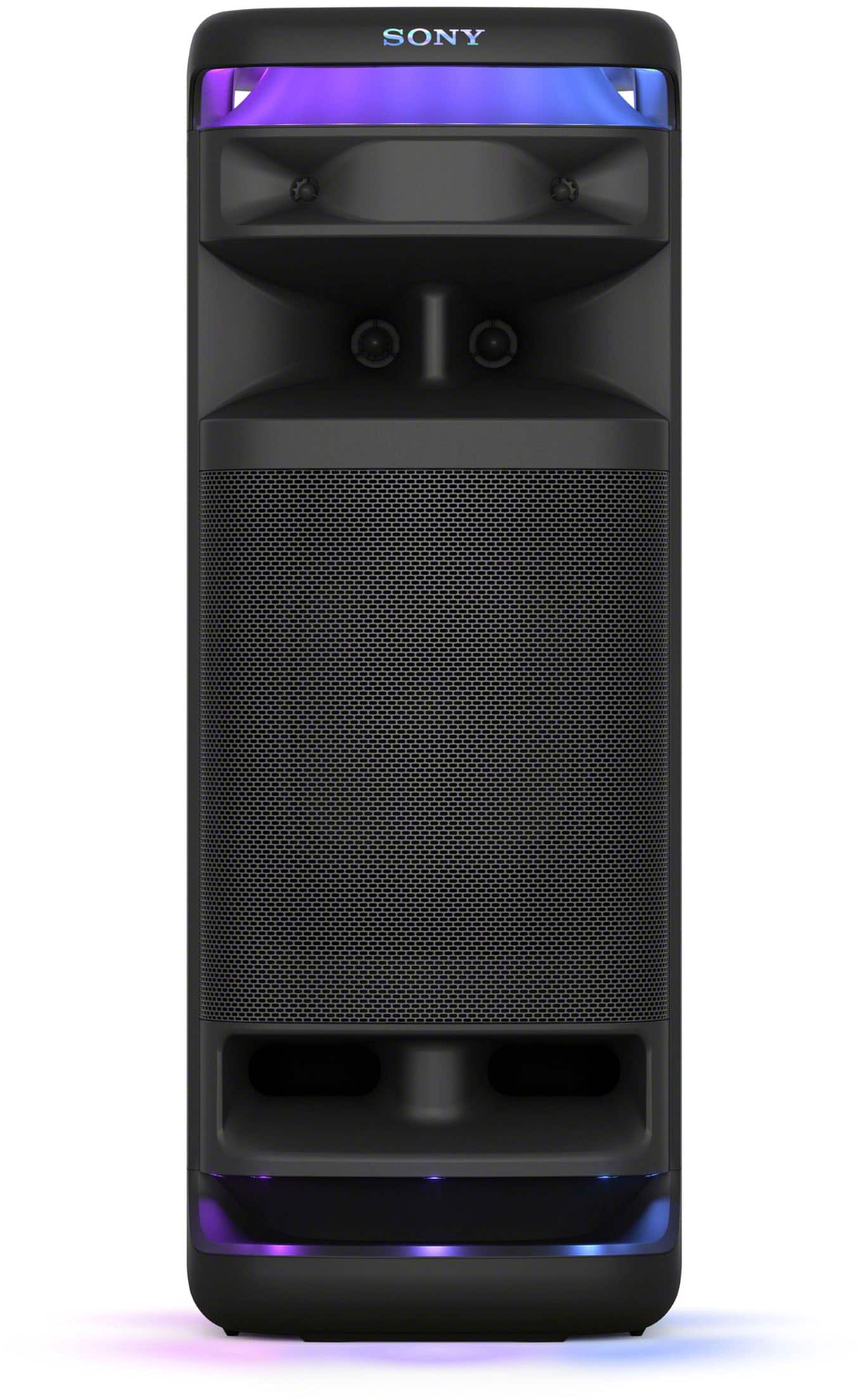
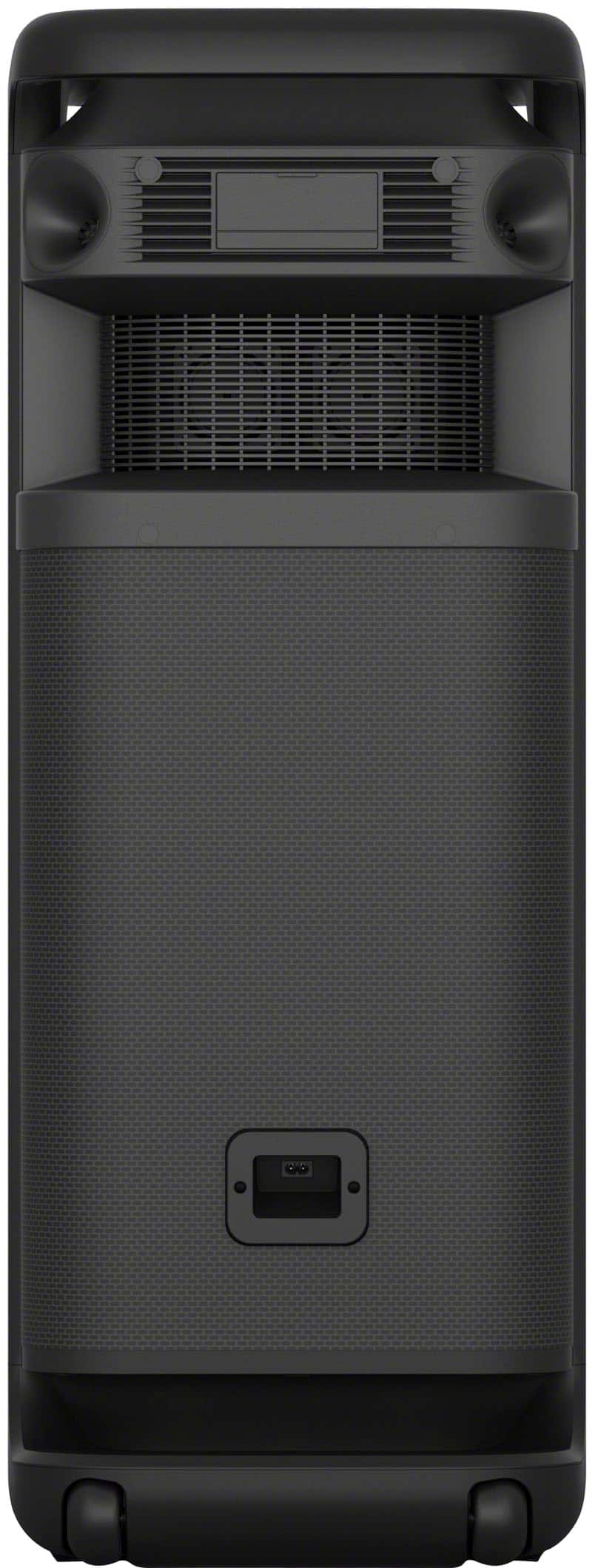
The Sony ULT Tower 10, standing over three and a half feet tall, takes the opposite approach. It's designed like a piece of furniture that happens to be a speaker—something you'd set up in your basement, patio, or entertainment room and leave there. This isn't necessarily a limitation; it's a deliberate choice that allows Sony to prioritize audio performance over portability.
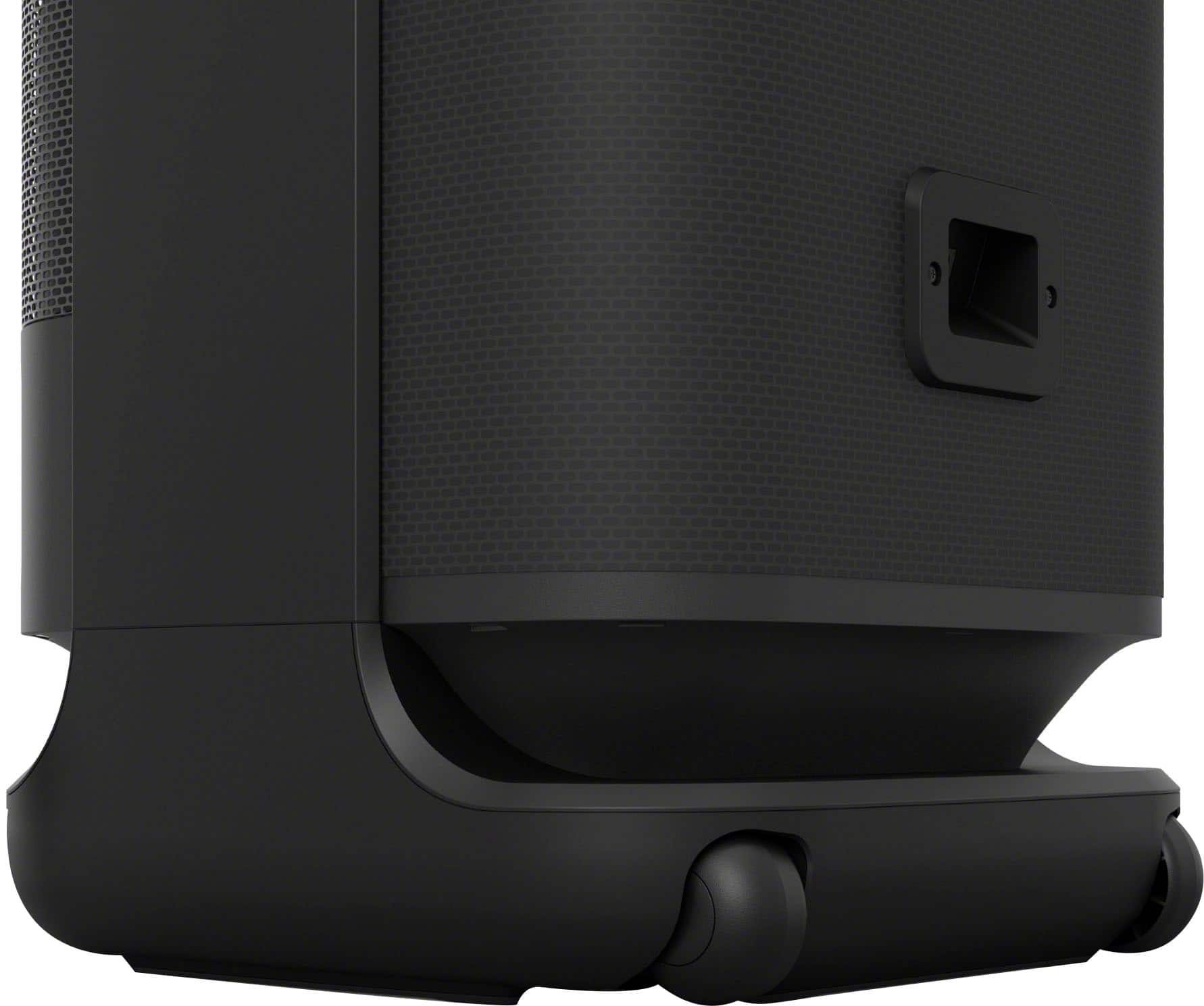
This design difference extends to power sources in a crucial way. The JBL PartyBox 520 runs on a removable battery that provides up to 15 hours of playtime. Even better, you can buy spare batteries and swap them out when one dies, giving you essentially unlimited party time as long as you plan ahead. The Sony ULT Tower 10 requires a wall outlet, period. No battery backup, no portable power—if you don't have AC power, you don't have music.
Here's where things get interesting, and where our research into professional reviews and user feedback reveals some surprising insights.
Both speakers can get loud enough for any reasonable party scenario. Professional measurements show both reaching the 111-112 decibel range, which is genuinely ear-splitting if you're standing close. To put that in perspective, that's louder than a motorcycle or a rock concert from the front row. For practical purposes, both speakers have more volume than you'll likely ever need.
But there's more to powerful sound than just volume. Sound intensity measures how much acoustic energy the speaker actually puts into the air—think of it as the difference between someone shouting and someone projecting their voice. Based on professional testing data, the Sony ULT Tower 10 produces significantly more acoustic intensity, measuring about 4 decibels higher than the JBL PartyBox 520. While 4 decibels might not sound like much, it's actually quite noticeable—roughly equivalent to doubling the perceived loudness.
This difference becomes especially important outdoors, where sound energy dissipates quickly. In a backyard setting, that extra intensity means the Sony will sound fuller and more impactful at the same volume level, reaching people at the far end of the party more effectively.
This is where the Sony ULT Tower 10 pulls dramatically ahead. The Sony's massive 12.5-inch subwoofer—a square-shaped driver that's nearly the size of a dinner plate—produces bass that's measurably stronger than what the JBL PartyBox 520 can achieve with its two smaller 7.5-inch woofers.
Professional measurements show the Sony producing nearly 9 decibels more bass output at 40Hz, which is the frequency range where you really feel the music in your chest rather than just hearing it. To understand how significant this is, consider that every 3 decibels represents roughly a doubling of acoustic power. The Sony isn't just a little bassier—it's producing dramatically more low-frequency energy.
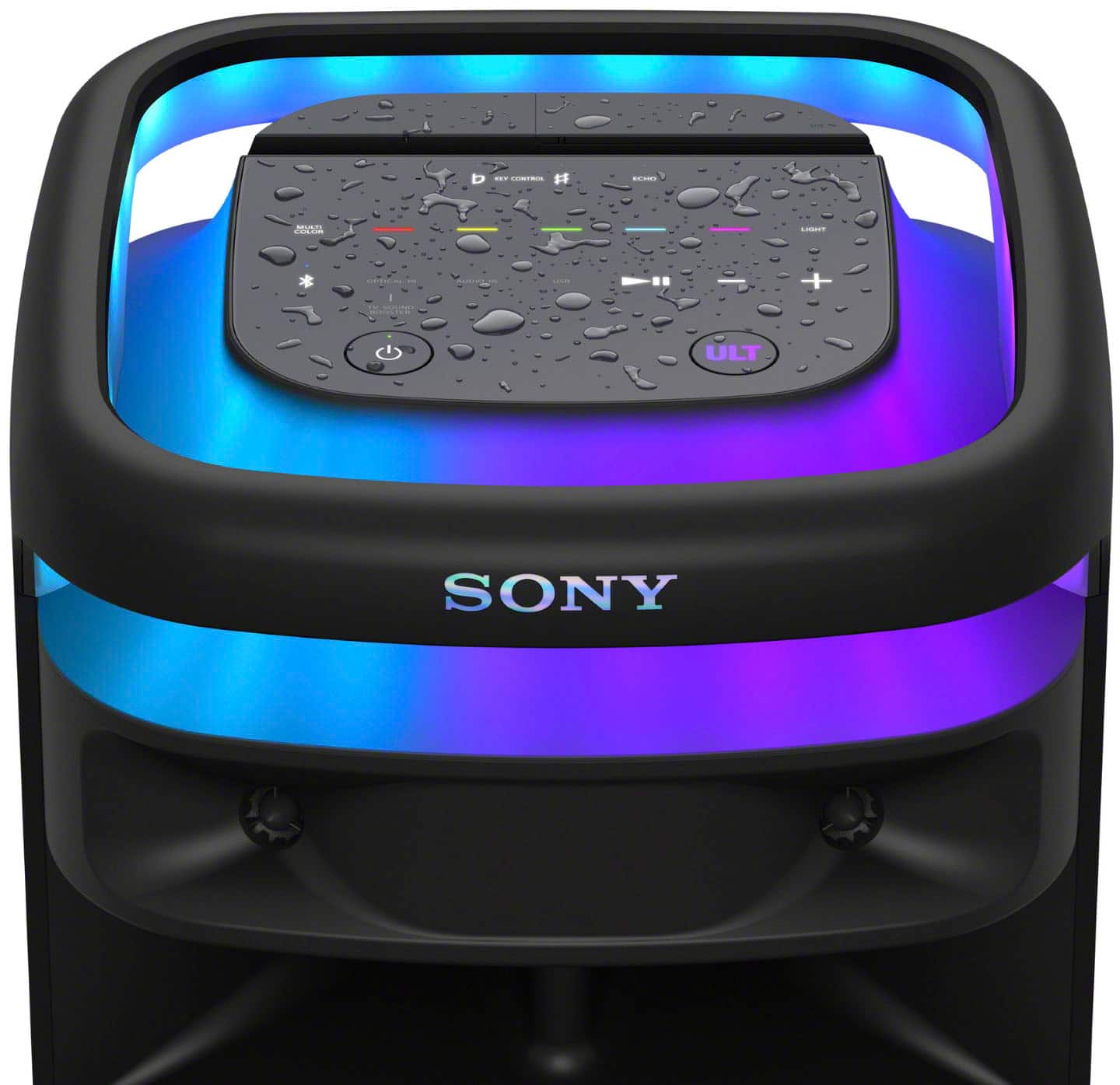
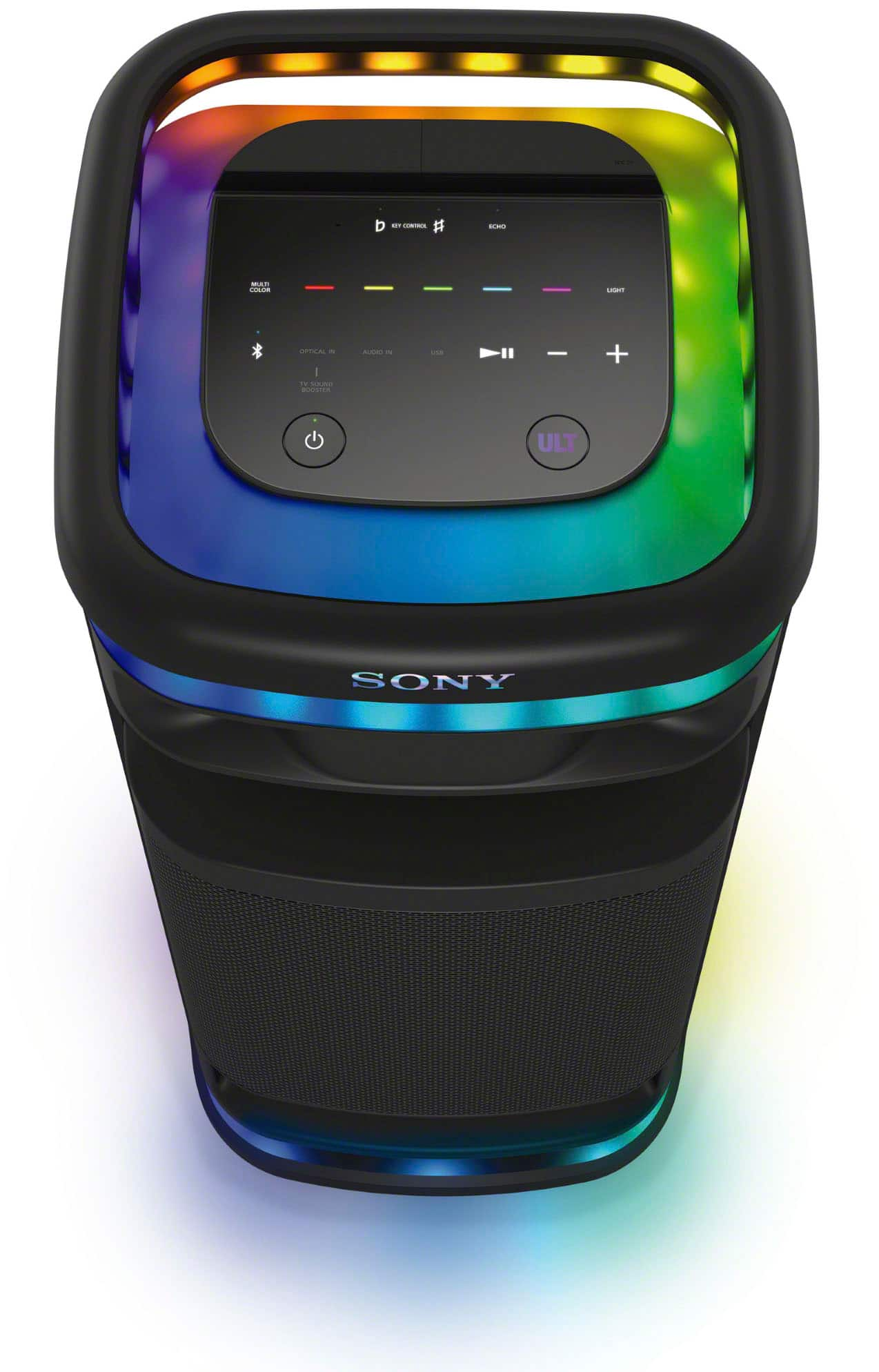
The Sony's ULT technology (Ultimate Low-frequency Technology) adds another layer to this advantage. This system offers three bass modes: ULT OFF for balanced sound, ULT 1 for deep, rumbling bass that emphasizes sub-bass frequencies, and ULT 2 for punchy, upper-bass that works especially well with electronic music and hip-hop. You can switch between these modes instantly using a button on the speaker or through Sony's app.
The JBL PartyBox 520 includes its own AI Sound Boost technology, which analyzes the music in real-time and adjusts the output to prevent distortion at high volumes. While this helps the JBL maintain cleaner sound when pushed hard, it doesn't fundamentally change the fact that smaller drivers simply can't move as much air as larger ones.
Beyond raw output, the Sony ULT Tower 10 employs a more sophisticated approach to audio reproduction. Its three-way design includes dedicated midrange drivers for vocals and instruments, something the JBL PartyBox 520 lacks entirely. This means vocals sound clearer and more natural on the Sony, while the JBL asks its woofers to handle both bass and midrange frequencies—a compromise that works but isn't ideal.
The Sony's 360-degree sound dispersion, achieved through rear-mounted tweeters, creates more consistent audio coverage throughout a room. The JBL PartyBox 520 uses a more traditional front-firing design, which can create "sweet spots" where the sound is optimal and other areas where it's less impressive.
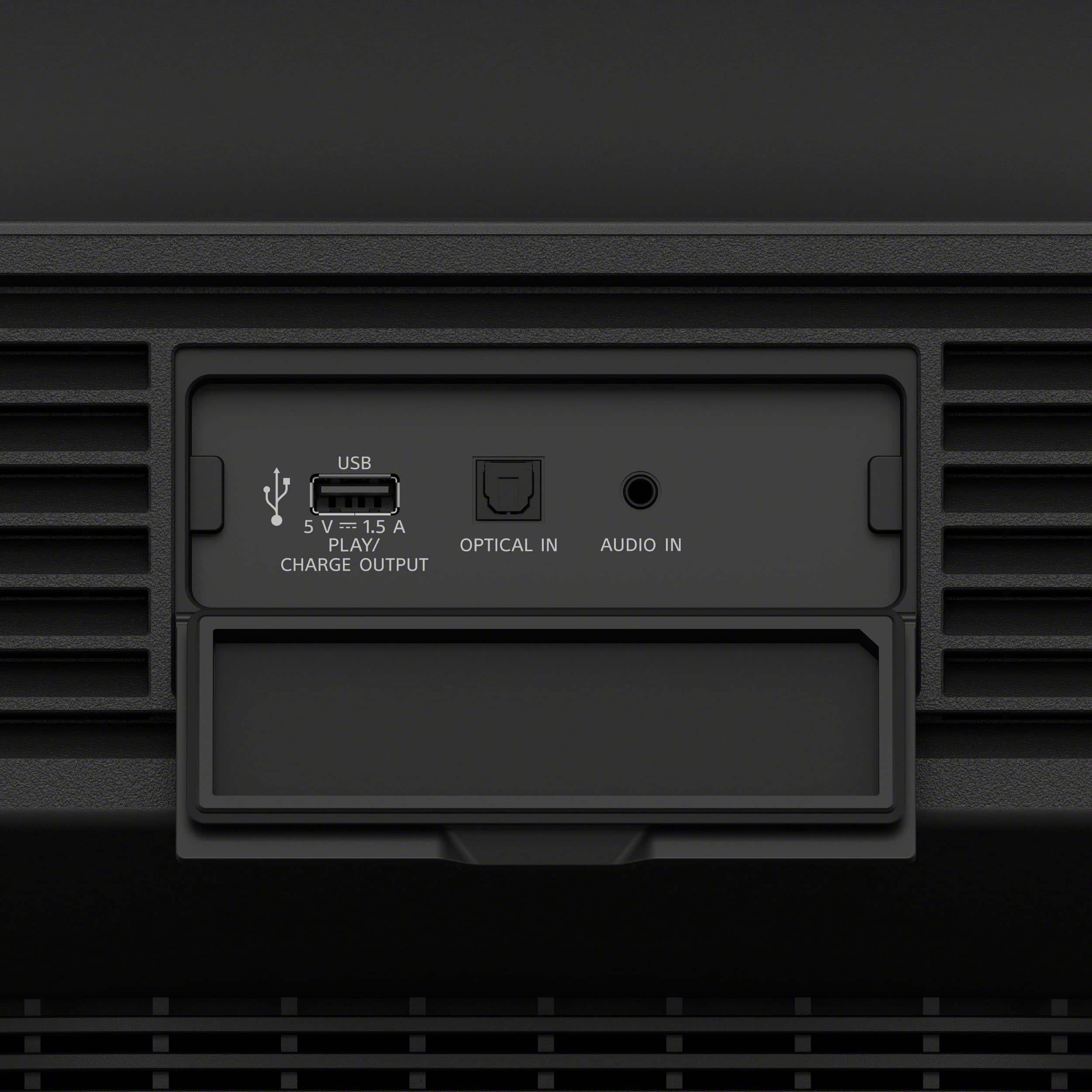
For home theater use, the Sony ULT Tower 10 offers a significant advantage with its optical digital input, allowing direct connection to TVs for enhanced movie and TV show audio. The dedicated midrange drivers make dialogue clearer, while the powerful subwoofer adds impact to action scenes. The JBL PartyBox 520 can certainly work for TV audio through Bluetooth or its analog input, but it's not specifically optimized for this use case.
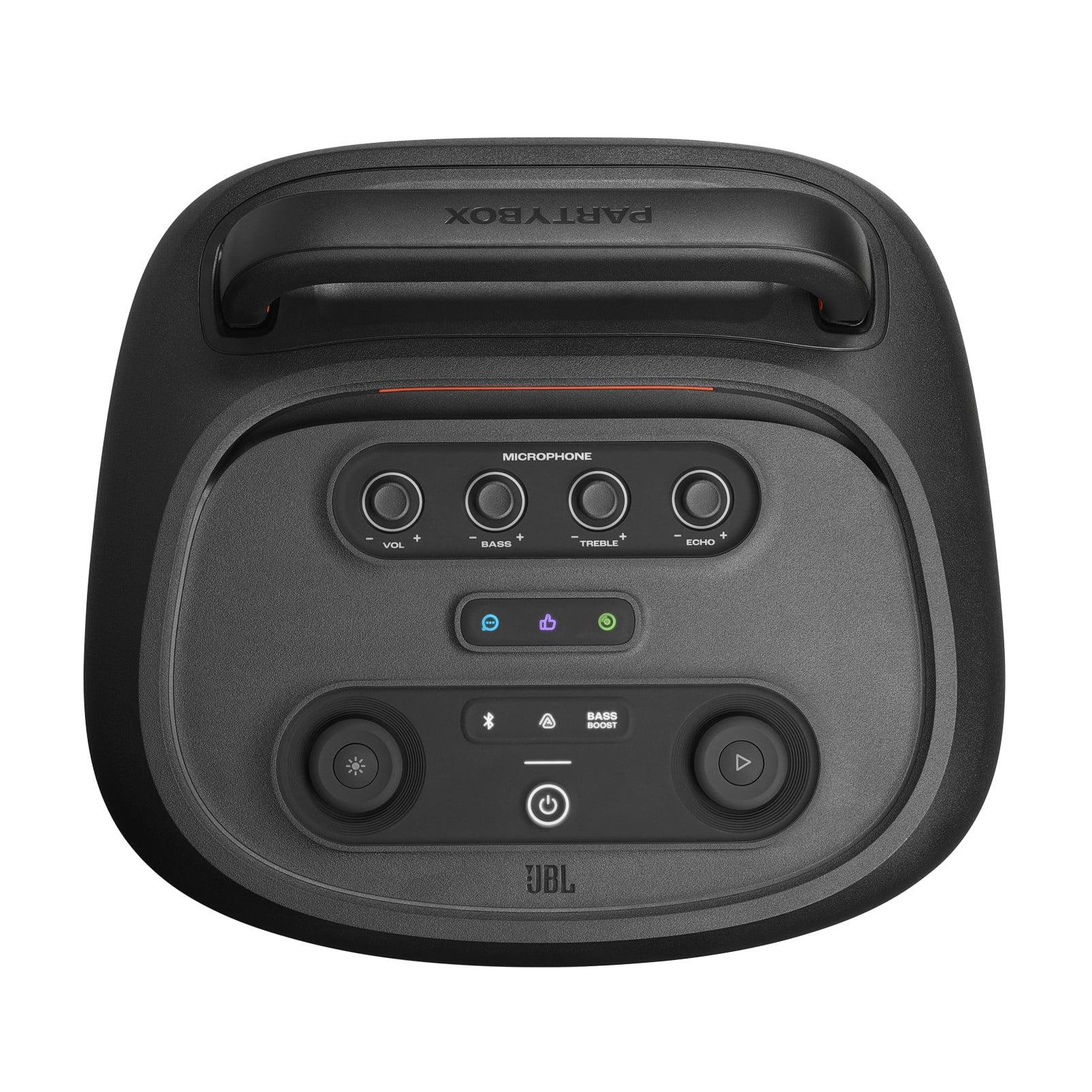
The JBL PartyBox 520 takes a clear lead in professional connectivity options. Its dual XLR combo jacks accept both microphone and line-level signals, making it genuinely useful for DJs, musicians, or anyone who needs to connect mixing equipment. These are the same type of connections you'd find on professional audio gear, complete with individual gain controls and EQ adjustments for each input.
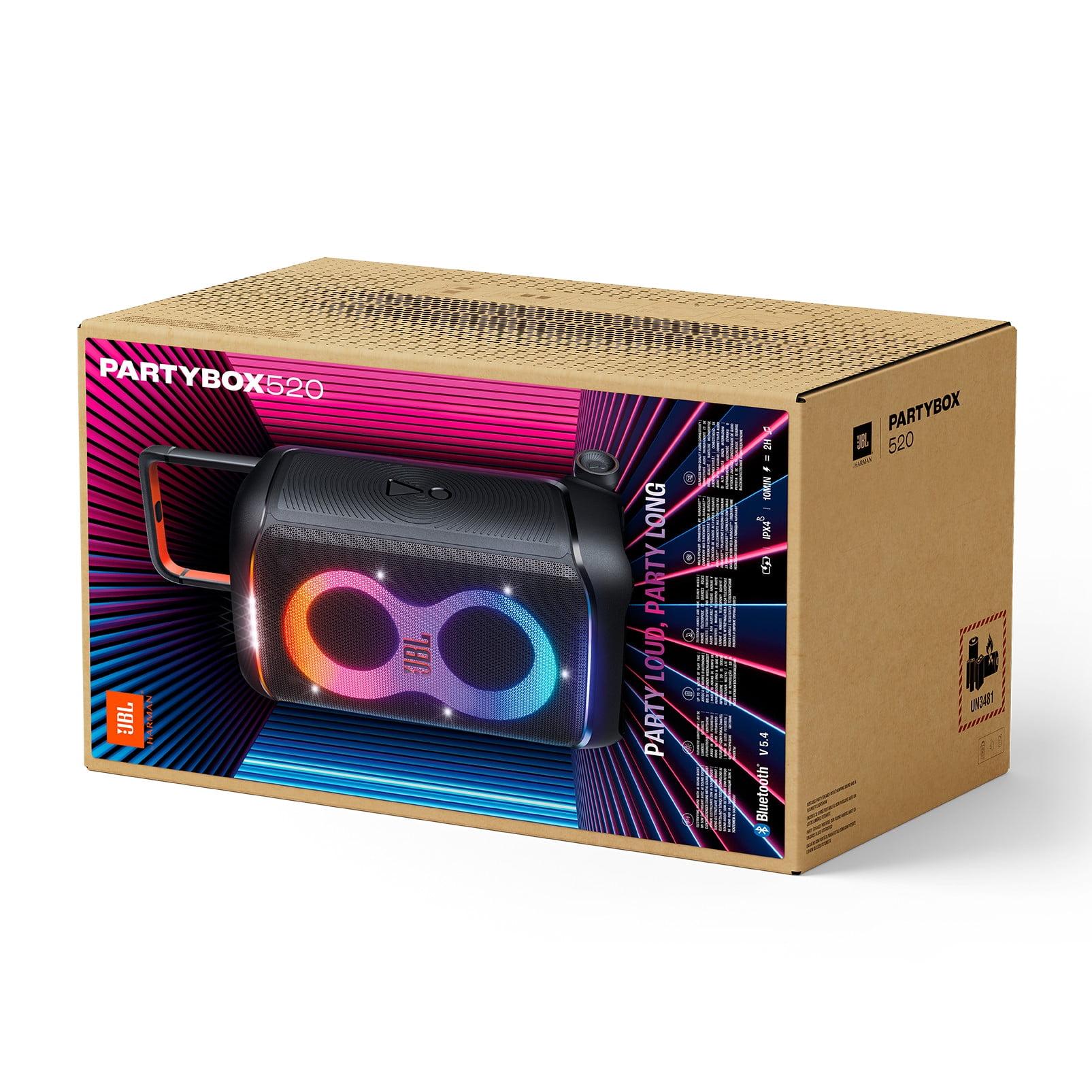
The speaker also includes USB-C audio input, which supports lossless digital audio from compatible devices—a feature that audiophiles will appreciate for the cleanest possible sound quality. Bluetooth 5.4 with multipoint connection lets you have two devices paired simultaneously, automatically switching between them when one starts playing music.
The Sony ULT Tower 10 focuses more on consumer convenience than professional features. Its Bluetooth 5.2 with LDAC support can stream higher-quality audio from compatible Android devices, and the optical input opens up high-quality TV audio connections. However, it only offers a single 1/4-inch input for microphones or instruments, limiting its appeal for more complex audio setups.
Both speakers include microphone systems, but with different strengths. The JBL PartyBox 520 comes with a wired microphone and offers full control over the mic sound—you can adjust bass, treble, and echo levels to customize how voices sound. This level of control is genuinely useful for karaoke or live performances where you want to tailor the vocal sound to different singers.
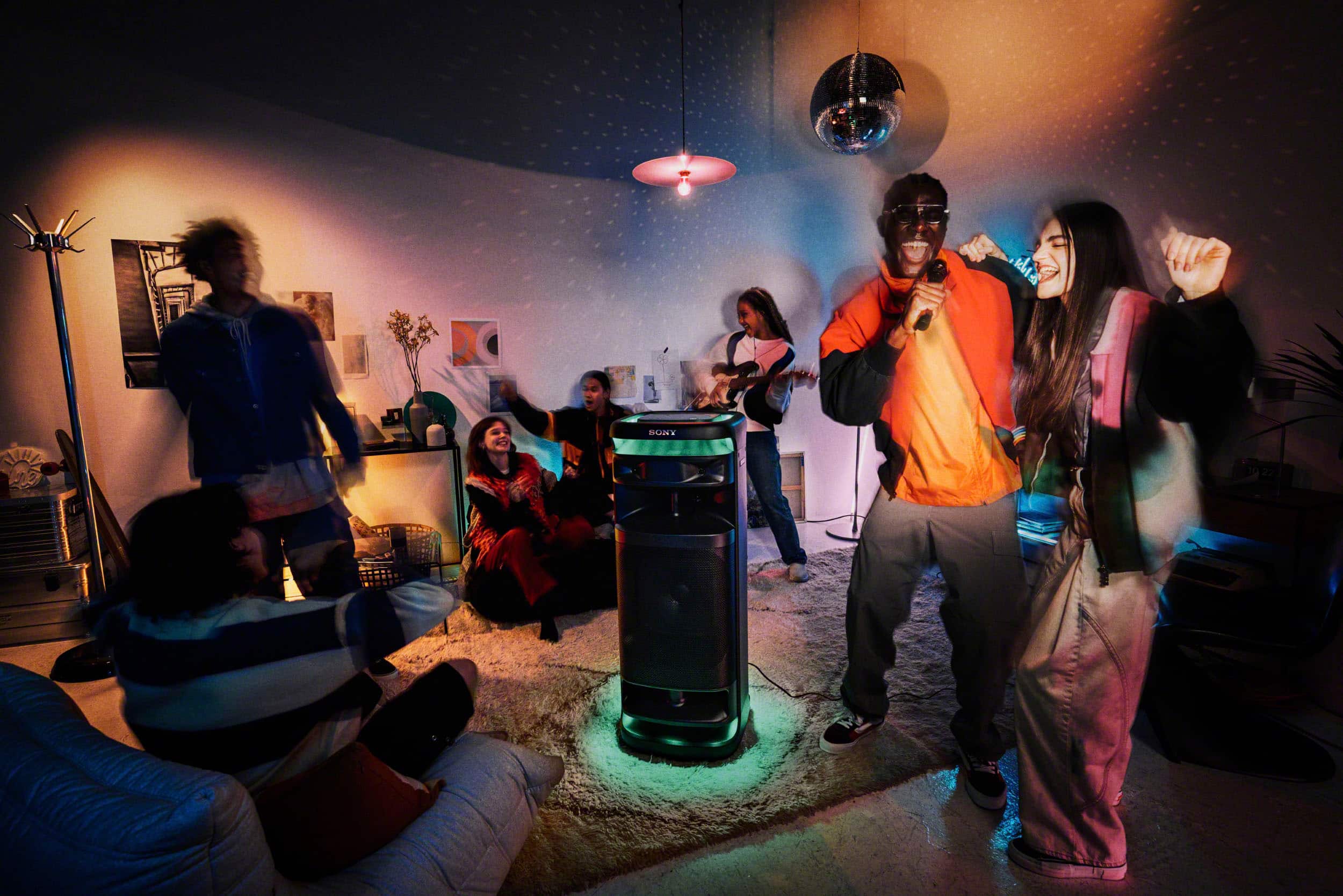
The Sony ULT Tower 10 includes a wireless microphone with consistent 20-hour battery life, matching the receiver's endurance. While you can't adjust the microphone's sound characteristics like you can with the JBL, the wireless convenience and reliable battery performance make it more practical for casual karaoke sessions.
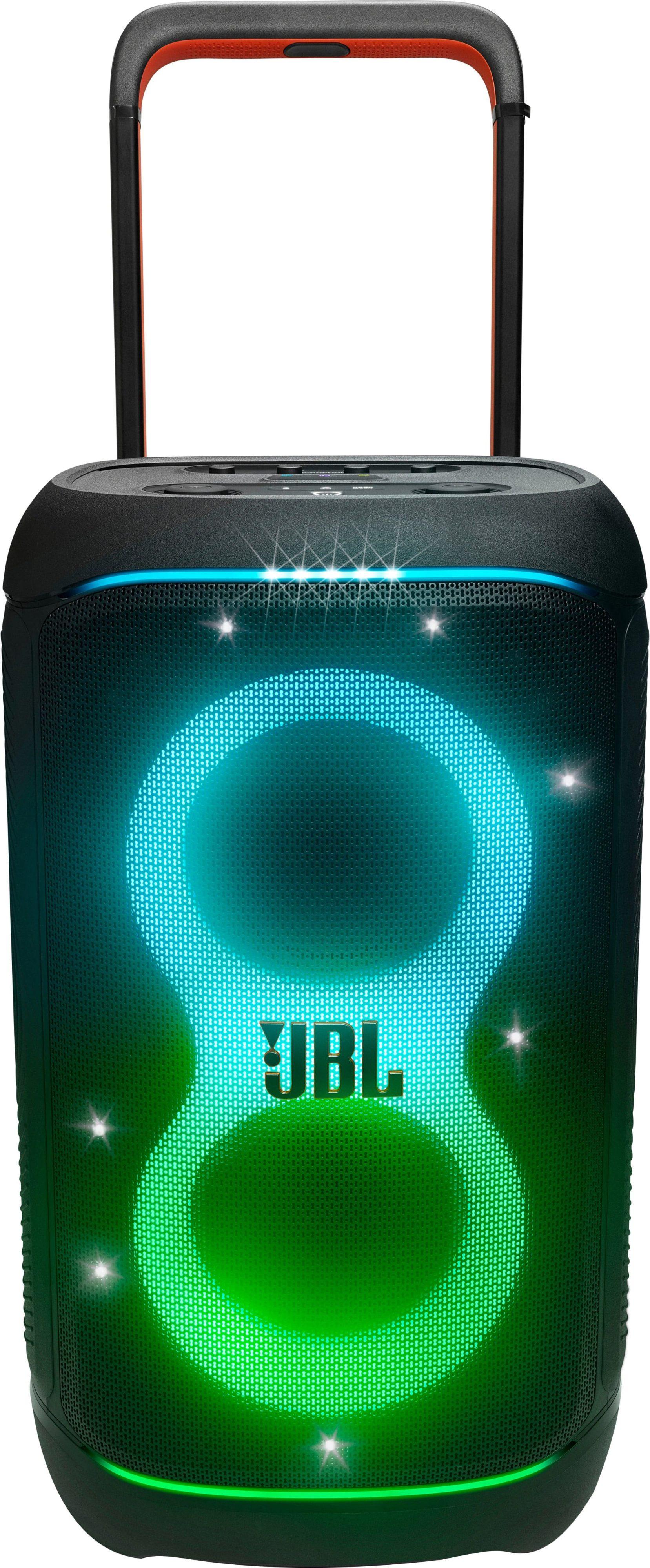
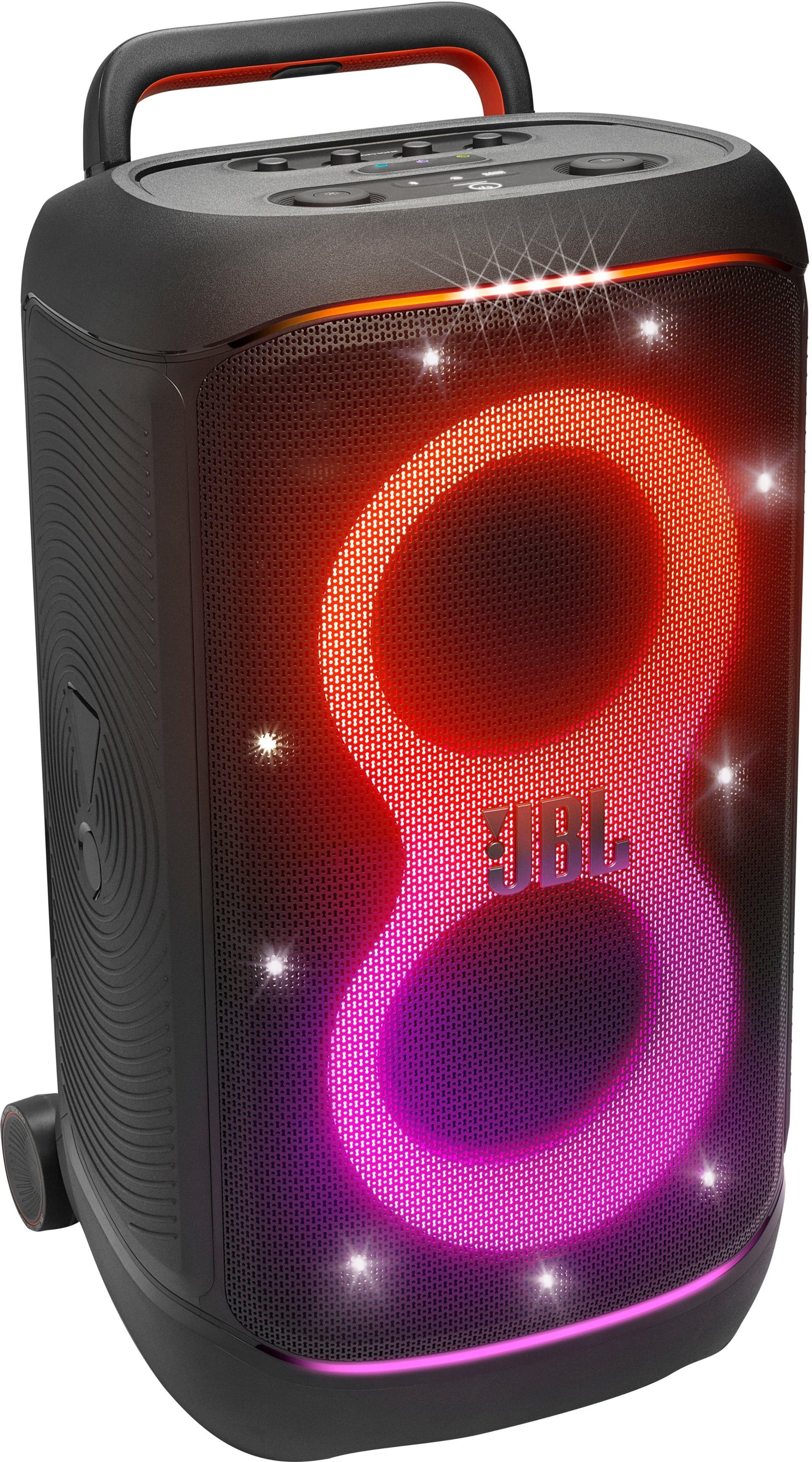
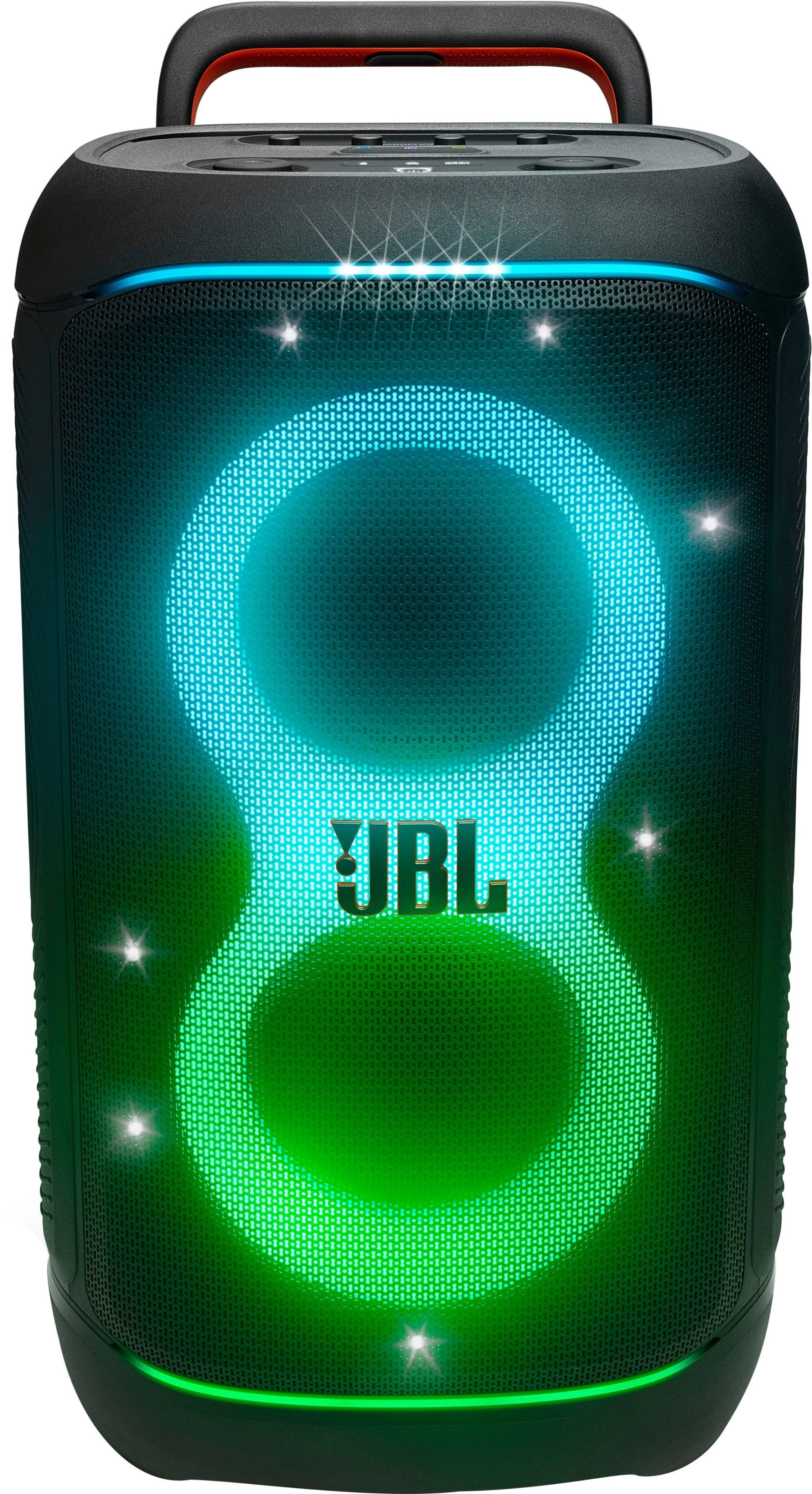
The JBL PartyBox 520 clearly wins the visual entertainment battle. Its lighting system is integrated throughout the speaker—lights inside the woofer cones, LED bars on top and bottom, and additional side elements create a genuinely impressive light show that syncs with the music. You can customize colors, patterns, and effects through JBL's app, and the lighting definitely contributes to the party atmosphere.
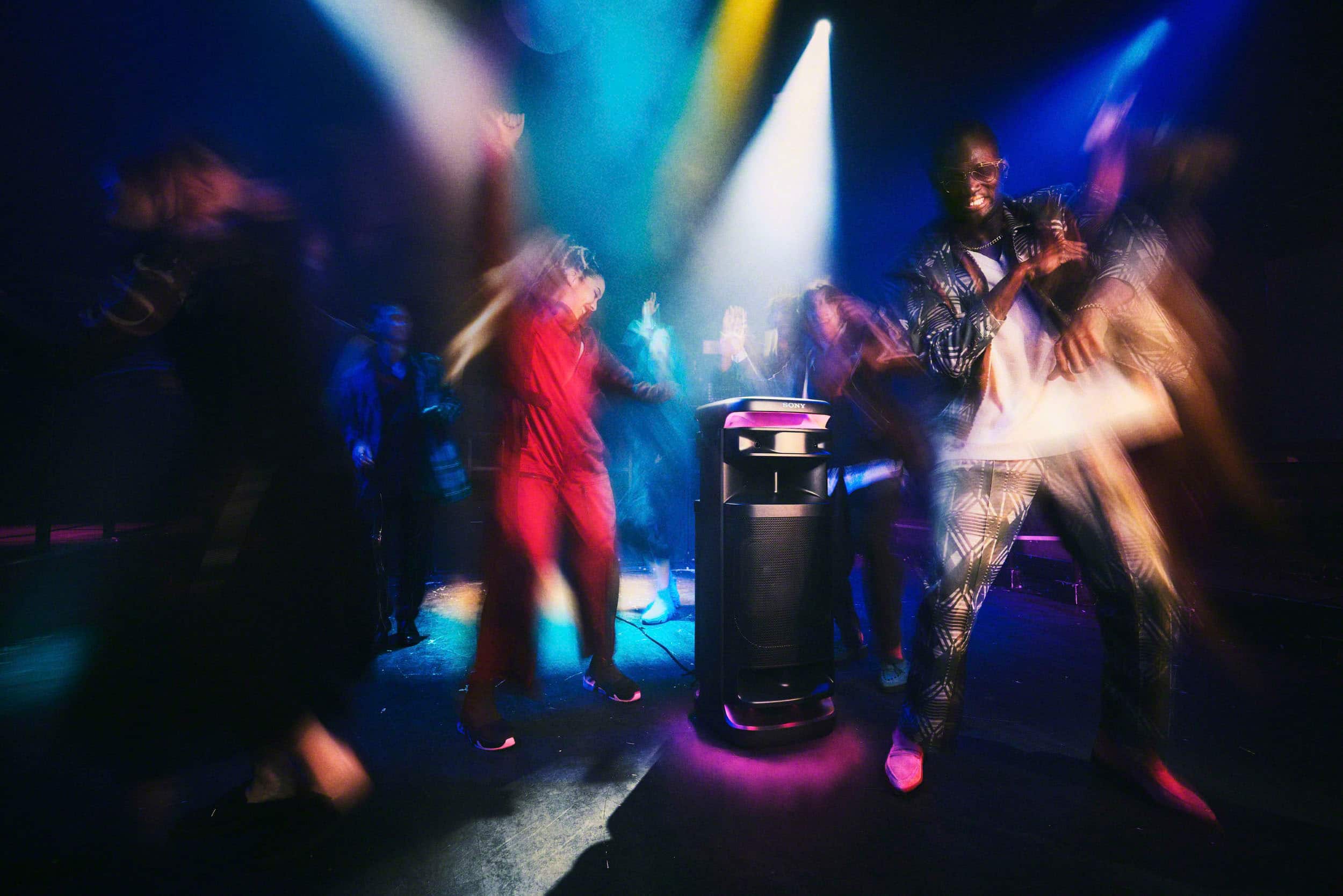
The Sony ULT Tower 10 takes a more understated approach with LED lighting limited to the top and bottom of the speaker. It's pleasant ambient lighting that creates atmosphere without being distracting, but it's not going to wow anyone looking for visual spectacle.
Both speakers offer comprehensive smartphone apps for controlling EQ settings, lighting effects, and linking multiple speakers together. Sony's Party Connect technology can link up to 100 compatible speakers, while JBL's ecosystem connects with other JBL speakers and even separate Party Light accessories for enhanced visual effects.
At the time of writing, the JBL PartyBox 520 typically costs several hundred dollars less than the Sony ULT Tower 10, making it the clear value choice if your budget is limited. However, the price difference reflects genuine performance differences, not just brand positioning.
The JBL's removable battery system adds both flexibility and potential long-term costs. While you can extend party time indefinitely with spare batteries, those batteries will eventually wear out and need replacement—typically every 3-5 years depending on usage. Replacement batteries cost around $200, which should factor into your long-term ownership calculations.
The Sony ULT Tower 10 avoids battery-related costs and concerns entirely, but its AC-only operation permanently limits where you can use it. There's no degradation in performance over time, and you'll never face the frustration of a dead battery during an important event.
The decision between these speakers really comes down to understanding how and where you'll use them most often.
Choose the JBL PartyBox 520 if you value flexibility above all else. It's the obvious choice for someone who hosts parties in different locations—maybe your backyard one week, a friend's house the next, and the local park for a family reunion. The professional XLR inputs make it genuinely useful for DJs, musicians, or anyone who needs to connect mixing equipment. The impressive lighting system and lower price point add to its appeal for users who want great value without compromising too much on performance.
The Sony ULT Tower 10 is the choice for audio enthusiasts who want the best possible sound quality and don't mind being tethered to a power outlet. If you're setting up a permanent or semi-permanent entertainment space—whether that's a basement rec room, a covered patio, or a dedicated party area—the Sony's superior bass output and overall audio quality justify its higher price. It's also the better choice for home theater applications, thanks to its optical input and dedicated midrange drivers.
Consider the Sony if you frequently host large outdoor events where maximum sound impact matters. That extra bass output and acoustic intensity make a real difference when you're trying to fill a big backyard or compete with outdoor ambient noise. However, you'll need either nearby AC power or a portable generator to make it work.
The JBL PartyBox 520 makes more sense for most people who want a party speaker that can adapt to different situations. Its combination of portability, professional features, and competitive performance covers the widest range of use cases, even if it doesn't excel in any single area quite like the Sony does with bass output.
Both speakers represent excellent engineering and will dramatically upgrade your entertainment capabilities compared to smaller Bluetooth speakers. The choice between them isn't about picking a winner—it's about matching the right tool to your specific needs and usage patterns. Consider where you'll use it most, how important maximum audio quality is versus portability, and whether you need professional connectivity options. Either way, you'll end up with a speaker that can turn any gathering into a memorable party.
| JBL PartyBox 520 | Sony ULT Tower 10 |
|---|---|
| Power Source - Determines where you can use the speaker | |
| Removable battery (15 hours) + AC power | AC power only (no battery option) |
| Maximum Sound Output - How loud it gets for large gatherings | |
| 400W RMS, 111.7 dB peak | 1,000W, 112 dB peak |
| Bass Performance - Most noticeable difference between these speakers | |
| Dual 7.5" woofers, 99.6 dB at 40Hz | Single 12.5" subwoofer, 108.3 dB at 40Hz (9 dB stronger) |
| Sound Dispersion - How evenly sound fills the space | |
| Front-firing directional sound | 360° omnidirectional coverage |
| Audio Architecture - Affects overall sound quality | |
| 2-way design (no dedicated midrange) | 3-way design with dedicated midrange drivers |
| Professional Connectivity - Important for DJs and musicians | |
| Dual XLR combo jacks + USB-C audio | Single 1/4" input only |
| Portability - Ease of moving between locations | |
| 56.2 lbs with telescopic handle and wheels | 63.9 lbs, tower design with handles/casters |
| Weather Resistance - Outdoor use capability | |
| IPX4 splashproof (pool/light rain safe) | Basic splash resistance (indoor focused) |
| Lighting Effects - Visual entertainment value | |
| Extensive: woofer lights, LED bars, side elements | Minimal: top and bottom ambient lighting only |
| Microphone System - Karaoke and announcements | |
| Wired mic with full bass/treble control | Wireless mic with 20-hour battery life |
| Home Theater Integration - TV and movie enhancement | |
| Bluetooth/analog only | Optical digital input for direct TV connection |
| Multi-Speaker Linking - Expanding your setup | |
| JBL PartyBox 520 ecosystem + Auracast | Party Connect (up to 100 Sony speakers) |
| Long-term Costs - Ongoing ownership expenses | |
| Battery replacement (~$200 every 3-5 years) | No battery maintenance required |
The JBL PartyBox 520 is significantly better for outdoor parties due to its removable battery system that provides up to 15 hours of playtime without needing a power outlet. It's also IPX4 splashproof, making it safe around pools and light rain. The Sony ULT Tower 10 requires AC power at all times, severely limiting outdoor use unless you have access to a generator or outdoor electrical outlet.
The Sony ULT Tower 10 delivers superior sound quality with its 3-way speaker design that includes dedicated midrange drivers for clearer vocals and a massive 12.5-inch subwoofer that produces 9 dB more bass than the JBL PartyBox 520. The Sony also features 360-degree sound dispersion for more even coverage throughout a room, while the JBL uses a front-firing design.
The JBL PartyBox 520 is more portable despite both speakers having wheels and handles. At 56.2 pounds with a telescopic handle design, it's lighter and more compact than the Sony ULT Tower 10, which weighs 63.9 pounds and stands over 3.5 feet tall in a tower configuration that's less convenient for frequent transport.
The Sony ULT Tower 10 is much better for home theater applications, featuring an optical digital input for direct TV connection and dedicated midrange drivers that make dialogue clearer. The JBL PartyBox 520 can connect to TVs via Bluetooth or analog input, but lacks the specialized features and sound optimization for movie and TV content.
The Sony ULT Tower 10 has dramatically better bass performance with its 12.5-inch subwoofer producing nearly 9 dB more bass output than the JBL PartyBox 520's dual 7.5-inch woofers. The Sony also includes ULT bass technology with three different bass modes (ULT 1, ULT 2, and Off) that you can adjust based on your music genre and preferences.
Both speakers support karaoke, but with different approaches. The JBL PartyBox 520 includes a wired microphone with full bass, treble, and echo controls, plus dual XLR inputs for professional microphones. The Sony ULT Tower 10 comes with a wireless microphone that has 20-hour battery life, but offers limited sound customization options.
The JBL PartyBox 520 typically offers better value due to its lower price point while still delivering strong performance, extensive connectivity options, and superior portability. However, if sound quality is your top priority and you don't need battery operation, the Sony ULT Tower 10 justifies its higher price with significantly better audio performance and bass output.
The JBL PartyBox 520 is much better for DJ use with dual XLR combo jacks that accept professional mixing equipment, plus individual gain controls and EQ adjustments. The Sony ULT Tower 10 only offers a single 1/4-inch input, making it less suitable for complex DJ setups or professional audio equipment connections.
The JBL PartyBox 520 has far superior lighting effects with LEDs integrated into the woofer cones, multiple LED bars, and side elements that create an impressive synchronized light show. The Sony ULT Tower 10 features minimal ambient lighting limited to the top and bottom sections, focusing more on sound quality than visual entertainment.
Both speakers achieve similar maximum volume levels around 111-112 dB, but the Sony ULT Tower 10 produces higher sound intensity that feels more impactful, especially in large outdoor spaces. The Sony's superior bass output and 360-degree dispersion also help it fill larger areas more effectively than the JBL PartyBox 520.
The JBL PartyBox 520 may have higher long-term costs due to battery replacement needs every 3-5 years (typically around $200 per battery), but offers the flexibility of swappable batteries for extended use. The Sony ULT Tower 10 has no battery-related maintenance costs but permanently requires access to AC power for operation.
Choose the JBL PartyBox 520 if you need maximum portability, frequently move between locations, want professional DJ connectivity, or have a tighter budget. Choose the Sony ULT Tower 10 if you prioritize the best possible sound quality and bass performance, have reliable AC power access, want home theater capabilities, or plan to use it primarily in a fixed location.
We've done our best to create useful and informative comparisons to help you decide what product to buy. Our research uses advanced automated methods to create this comparison and perfection is not possible - please contact us for corrections or questions. These are the sites we've researched in the creation of this article: soundguys.com - rtings.com - rtings.com - rtings.com - letemsvetemapplem.eu - youtube.com - worldwidestereo.com - youtube.com - global.jbl.com - youtube.com - soundguys.com - youtube.com - youtube.com - comparisontabl.es - youtube.com - youtube.com - youtube.com - gzhls.at - sweetwater.com - static.pcrichard.com - brandsmartusa.com - news.harman.com - jbl.com - ro.harmanaudio.com - jbl.com - creativeaudio.net - stereoguide.com - crutchfield.com - youtube.com - electronics.sony.com - youtube.com - helpguide.sony.net - bestbuy.com - sony.com - us.community.sony.com - youtube.com - sony.com - nfm.com - sony.com - videoandaudiocenter.com - youtube.com

Privacy Policy
Terms and Conditions - Affiliate Policy
Home Security
© Copyright 2008-2026.
11816 Inwood Rd #1211, Dallas, TX 75244