

The party speaker market has exploded in recent years, with manufacturers racing to deliver bigger sound, longer battery life, and more eye-catching features. These aren't your typical Bluetooth speakers—we're talking about substantial, wheeled units designed to power outdoor gatherings, backyard barbecues, and indoor dance parties. Two standout options that represent very different approaches to party audio are the Marshall Bromley 750 and the JBL PartyBox 520.
At the time of writing, these speakers sit in different price tiers, with the Marshall commanding a significant premium over the JBL. But as we'll explore, that price difference reflects some fundamental differences in design philosophy, target audience, and capabilities.
Before diving into our comparison, it's worth understanding what sets party speakers apart from regular Bluetooth speakers. These units prioritize maximum volume output over portability, typically featuring multiple large drivers (the individual speaker components that produce sound), substantial amplification systems, and batteries designed for all-day use.
The key performance metrics that matter most are maximum sound pressure level (SPL)—essentially how loud they can get without distortion—frequency response across the audio spectrum, and total harmonic distortion at high volumes. Unlike studio monitors that prioritize accuracy, party speakers are tuned for impact and excitement, with emphasis on punchy bass and clear vocals that can cut through crowd noise.
The Marshall Bromley 750, launched in 2024, represents Marshall's first serious entry into the portable party speaker market. For decades, Marshall had been synonymous with guitar amplifiers and rock concert stages, so their approach to party speakers unsurprisingly draws heavily from that professional audio heritage.
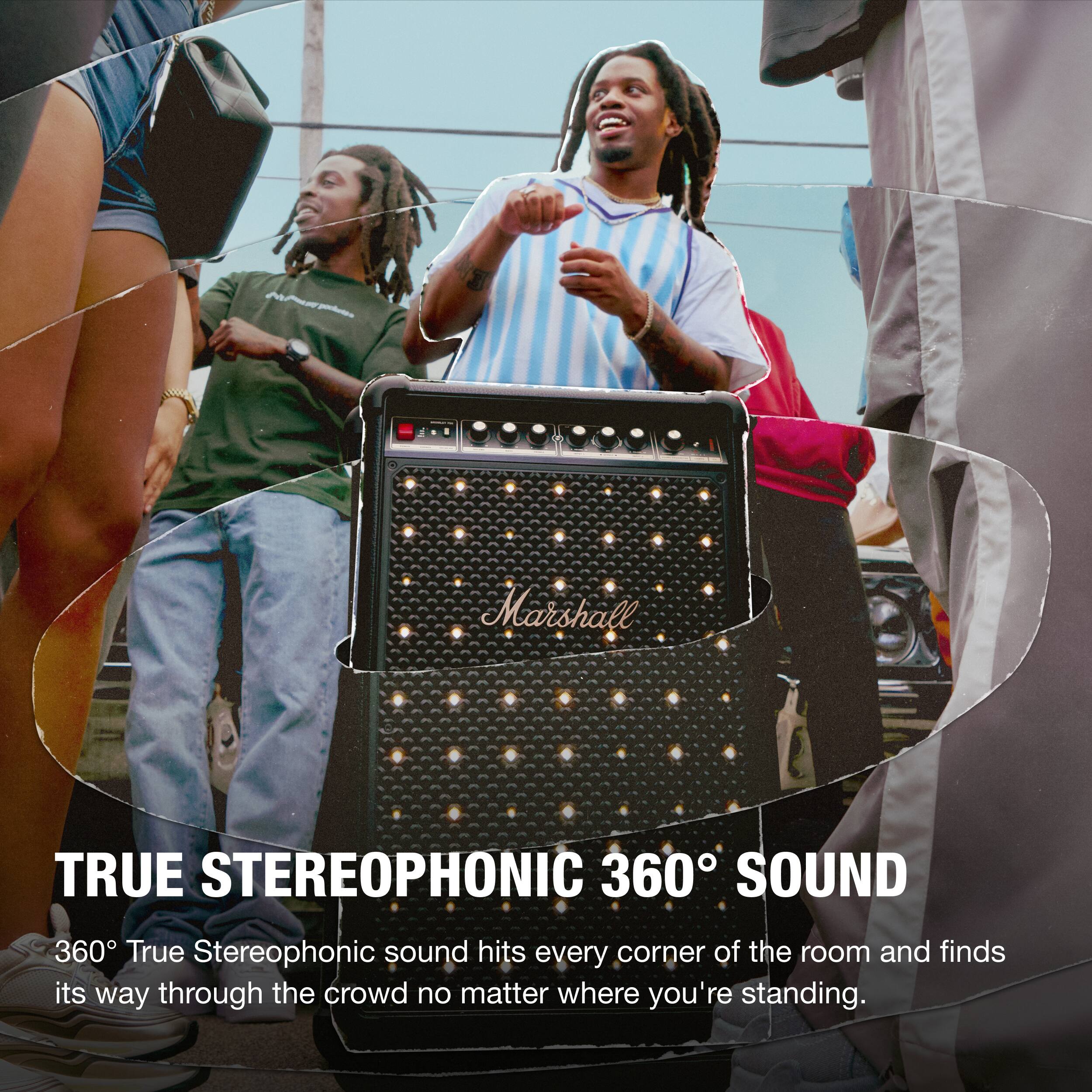
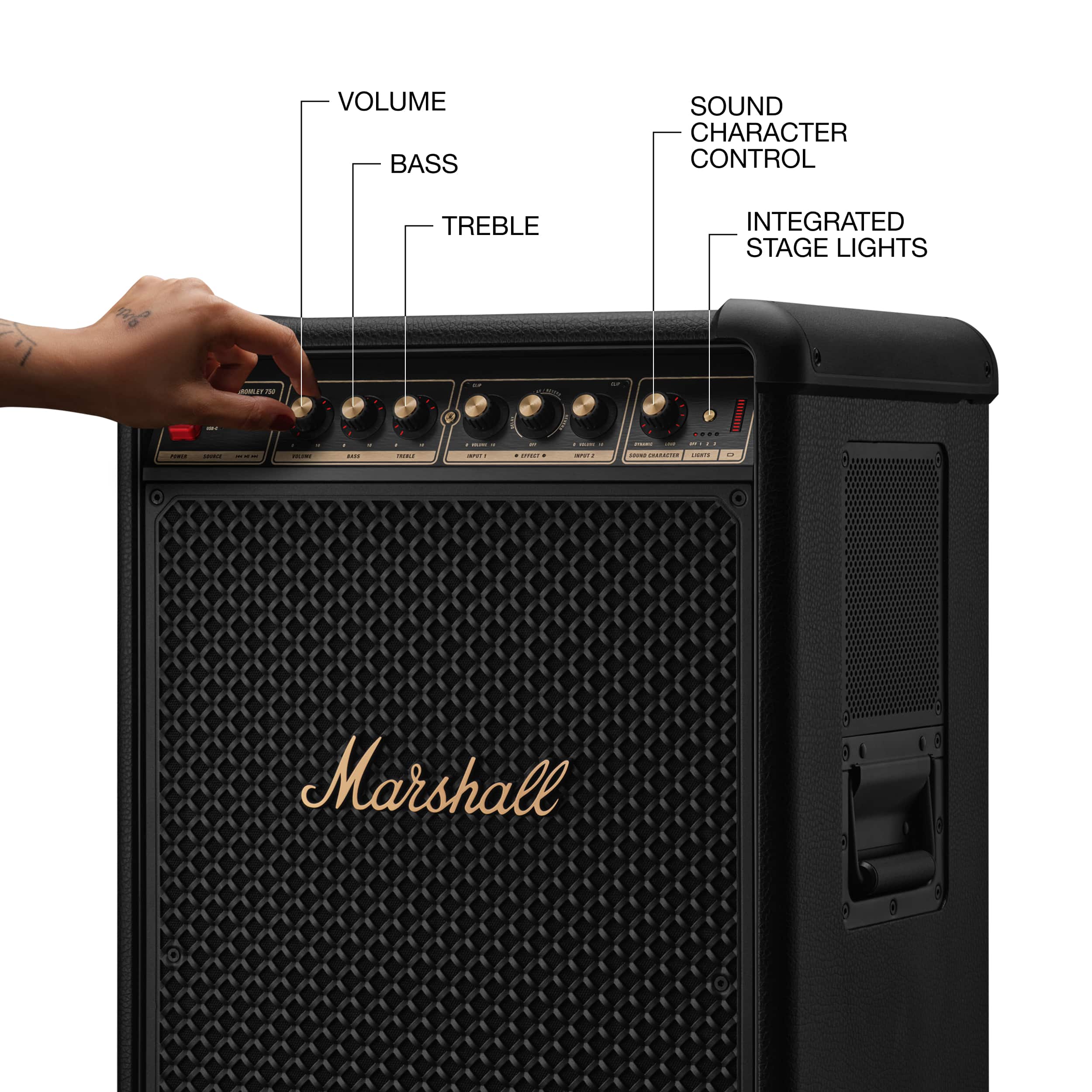
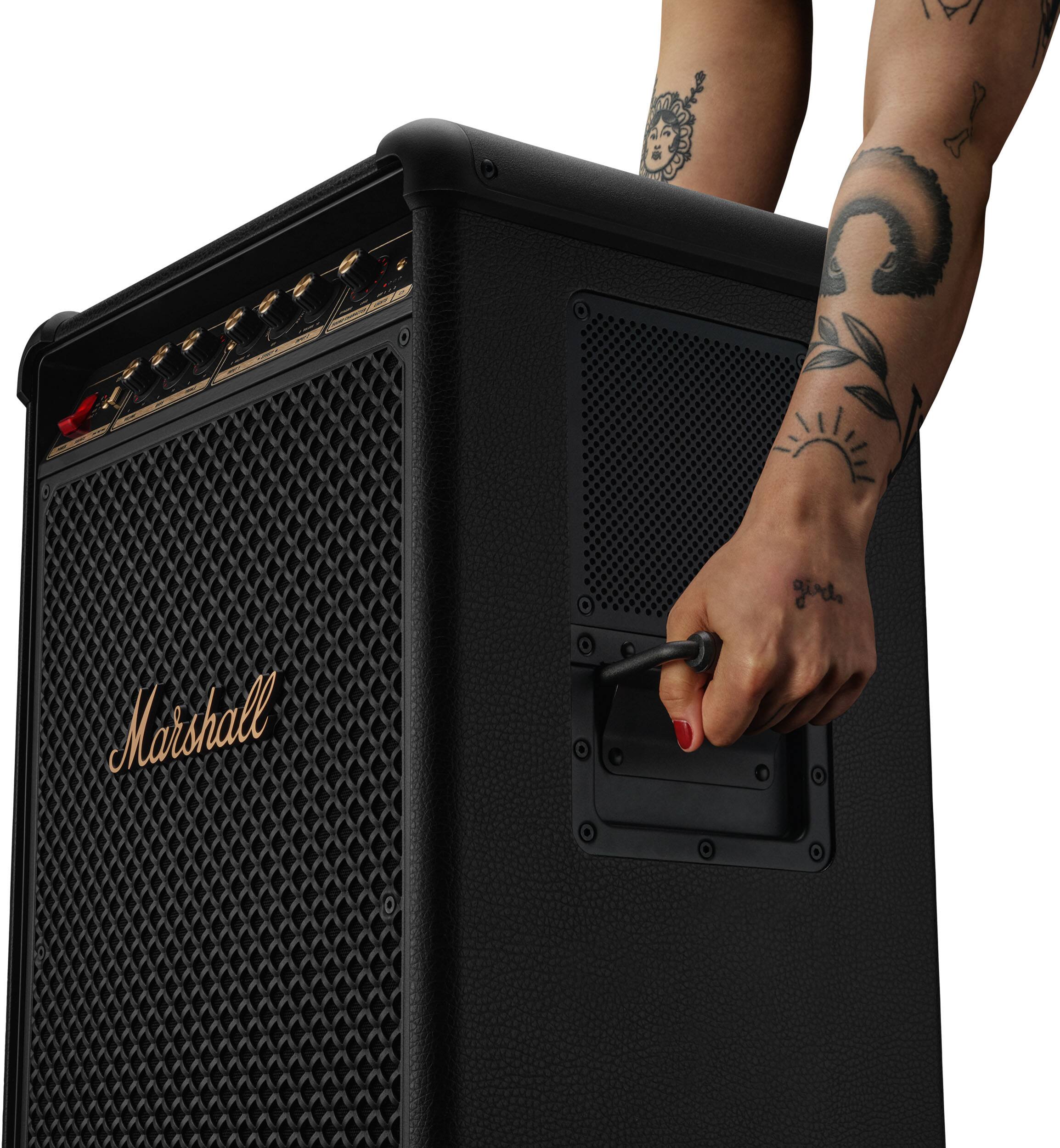
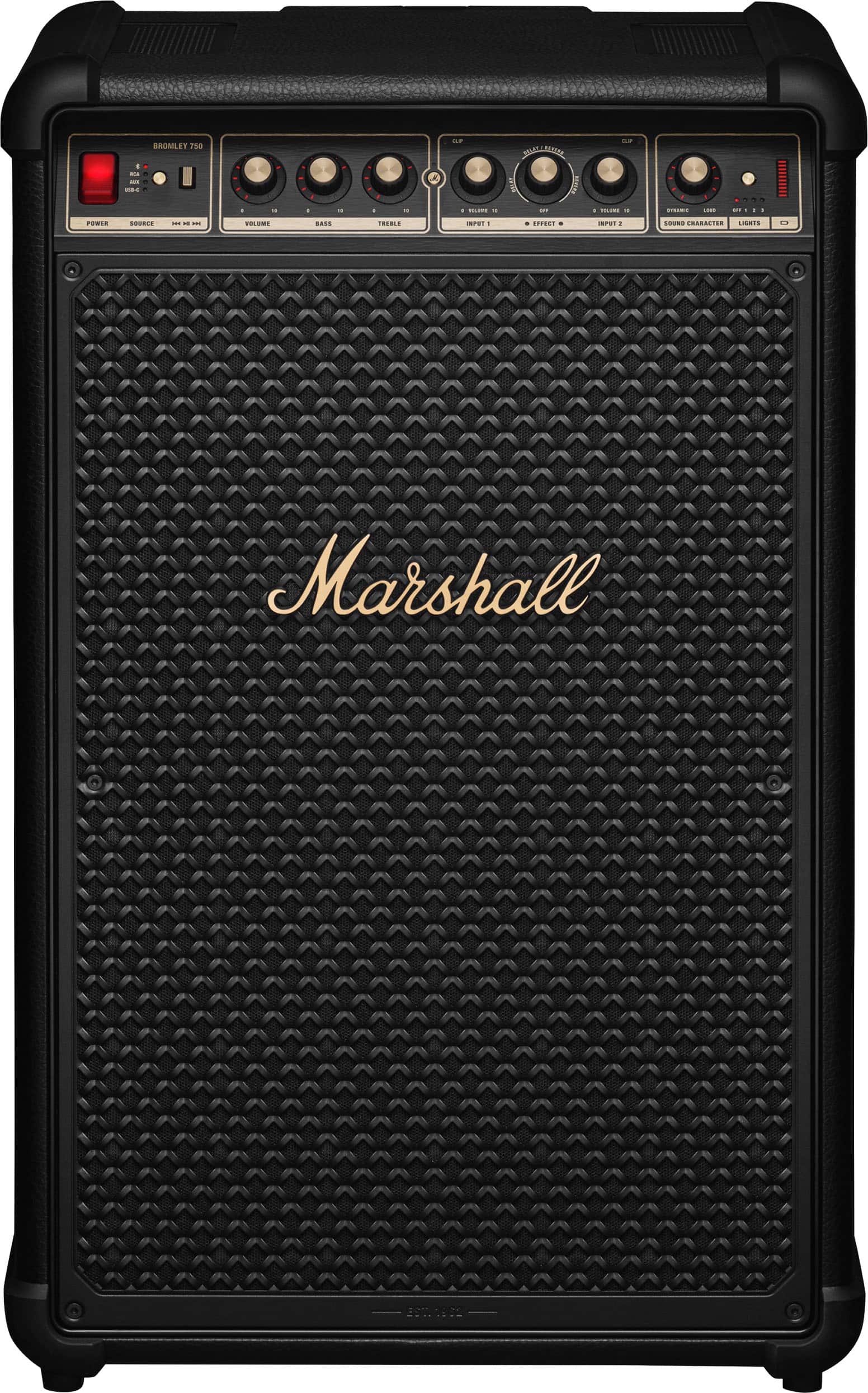
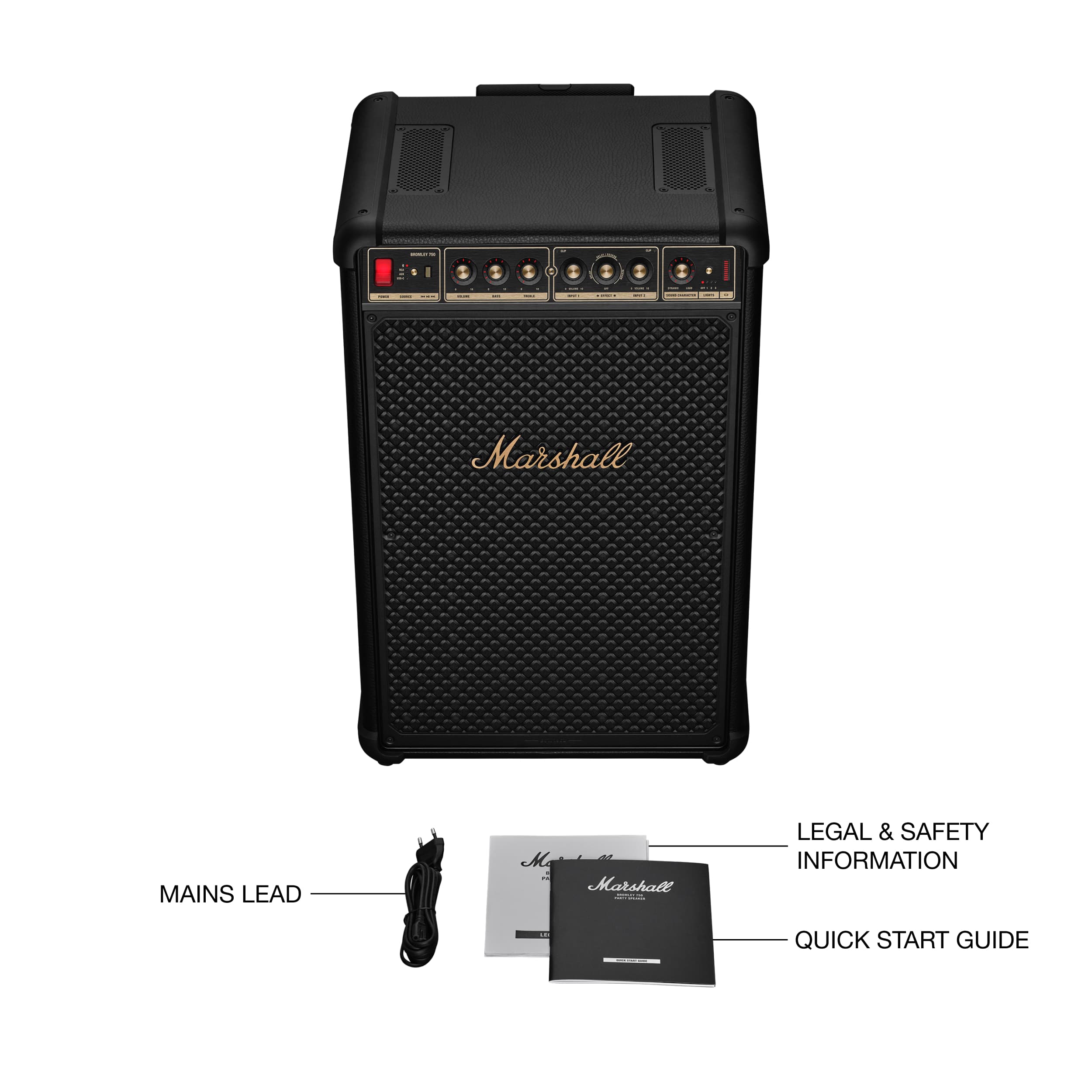
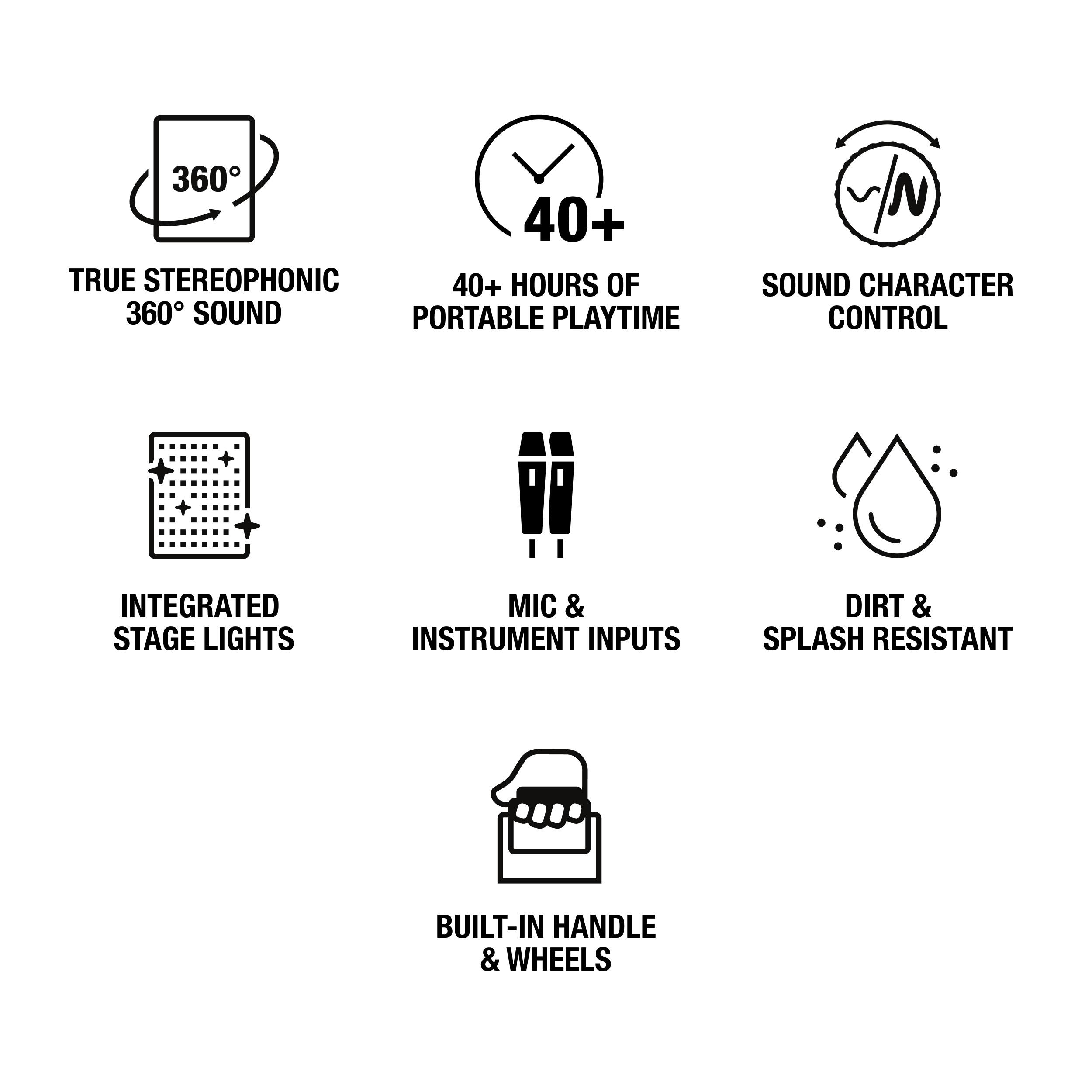
What's immediately striking about the Marshall Bromley 750 is its visual design—it looks like a scaled-down version of a classic Marshall amp stack, complete with the iconic brushed metal control panel and corner protectors. But this isn't just aesthetic nostalgia; it reflects a fundamentally different approach to party audio that prioritizes durability, professional connectivity, and what Marshall calls "True Stereophonic" 360-degree sound distribution.
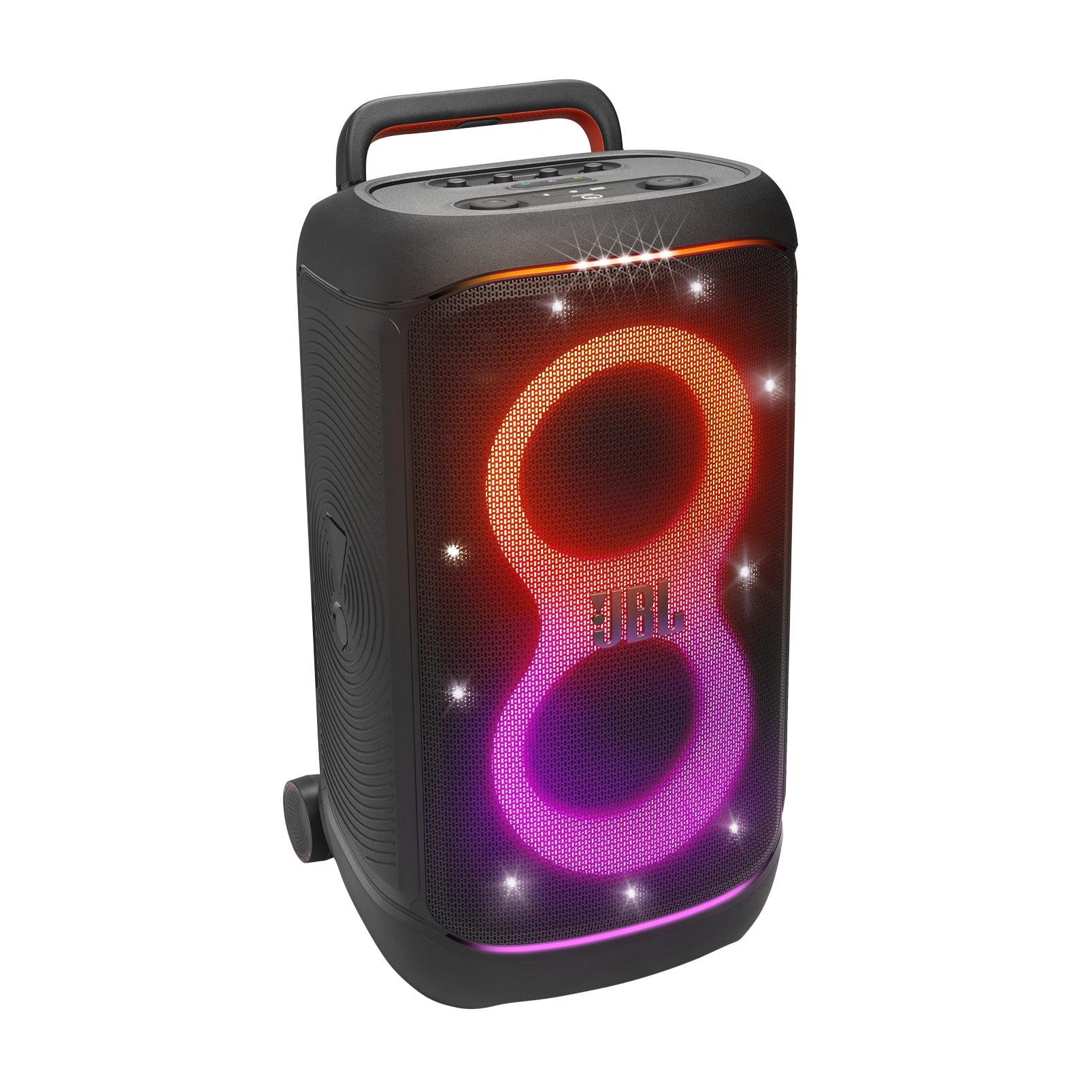
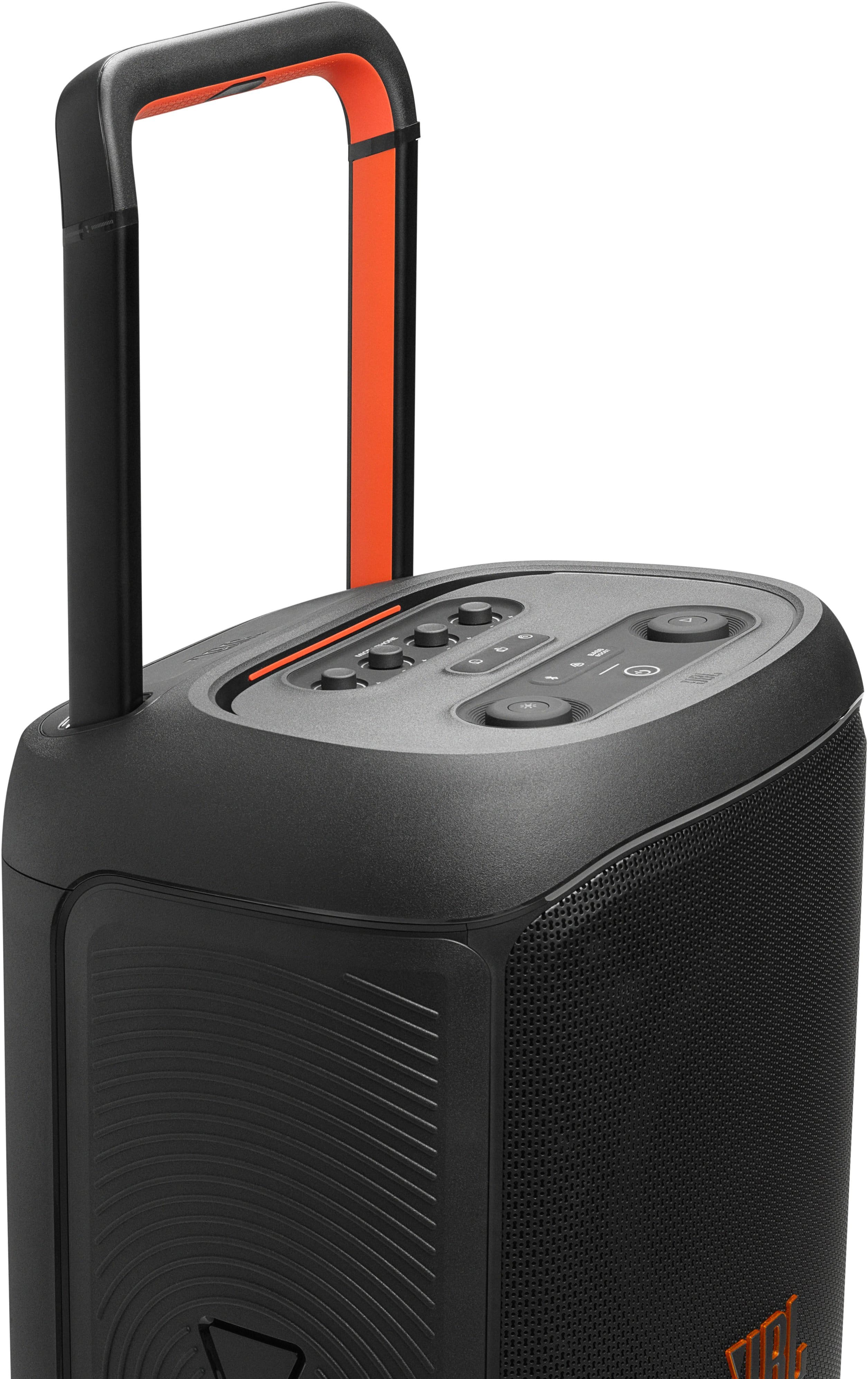
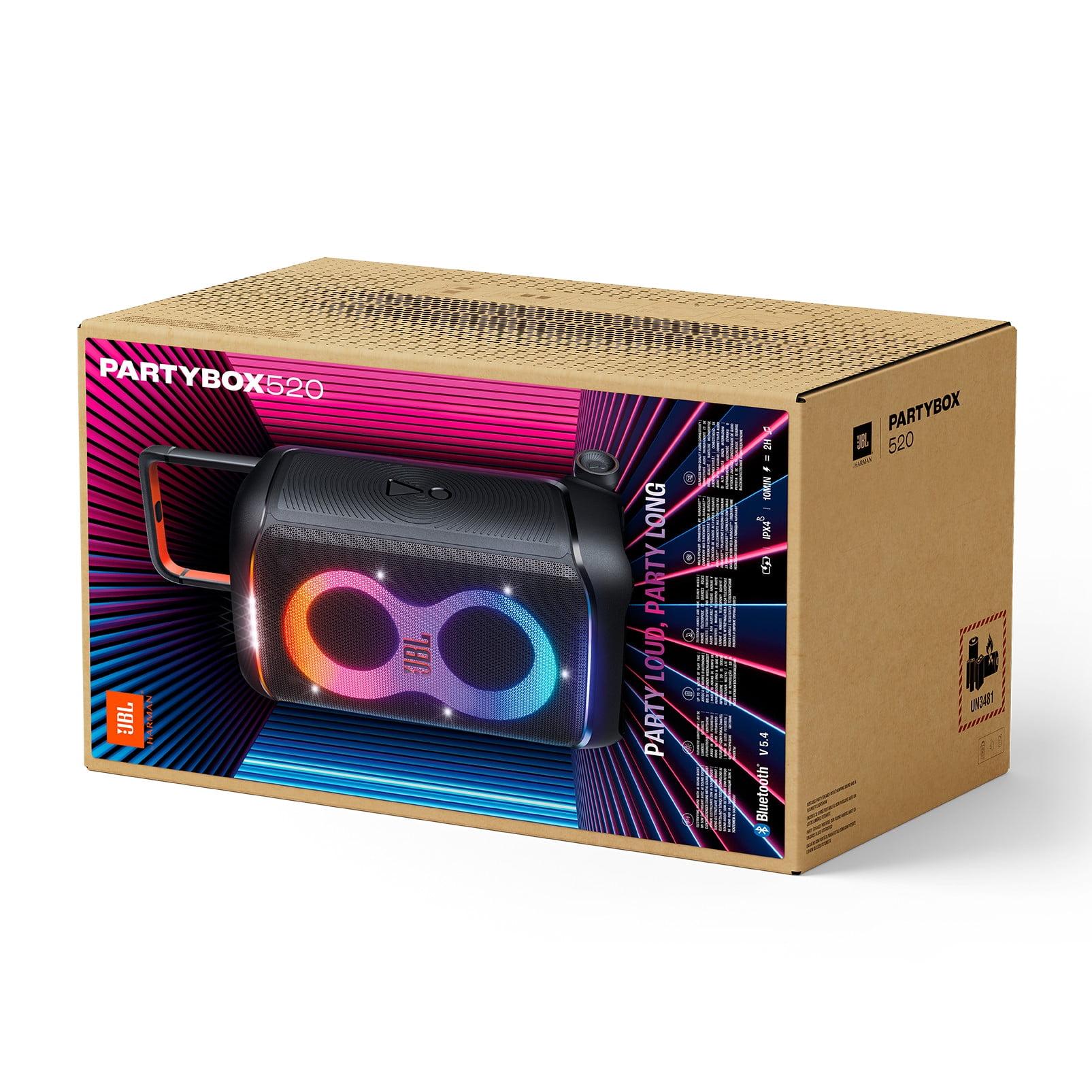
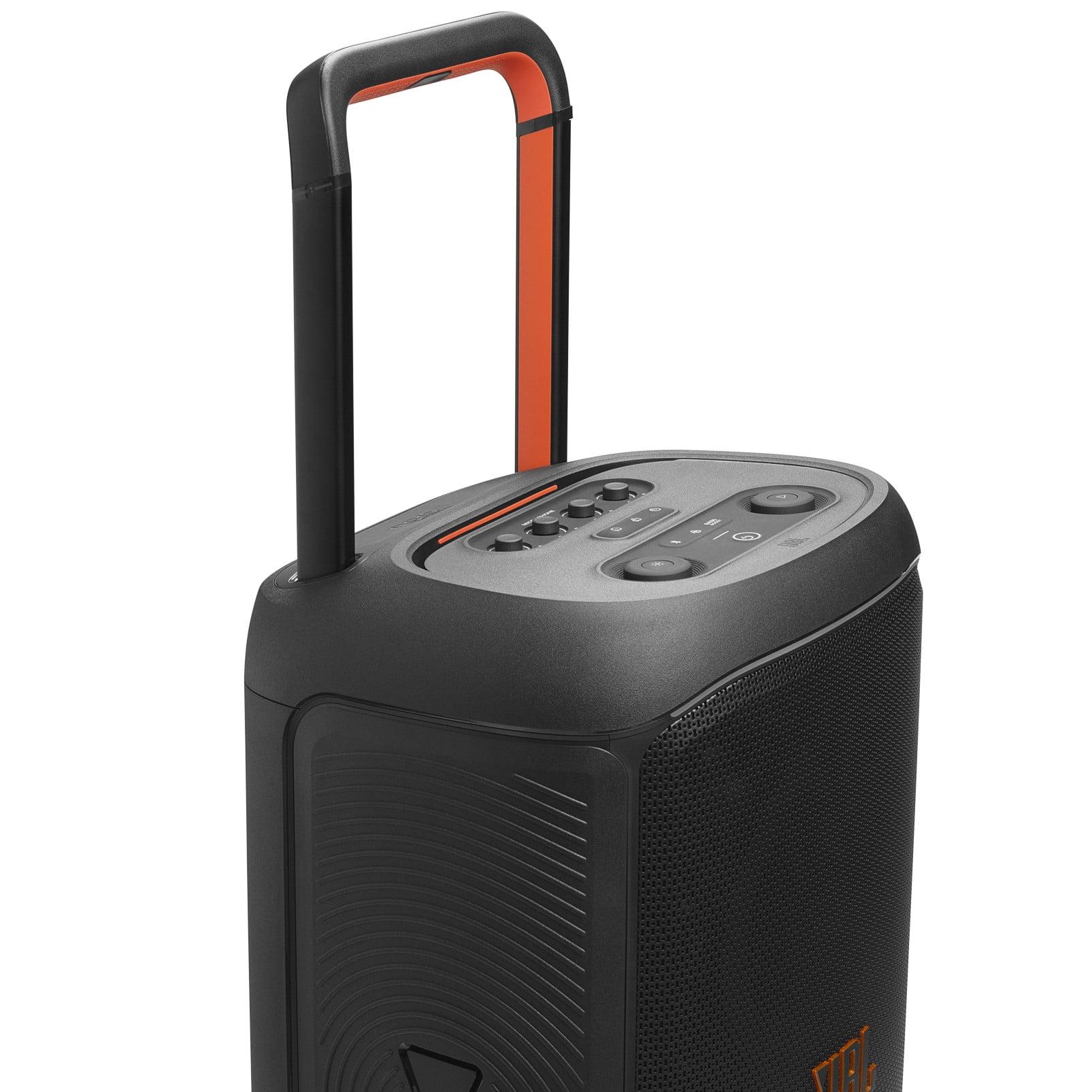
The JBL PartyBox 520, updated in 2024, comes from a company that's been dominating the party speaker space for several years. JBL's approach has always been more consumer-focused, emphasizing ease of use, flashy lighting effects, and integration with smartphone apps for customization.
What JBL does particularly well is understanding that most people want to plug in their phone and immediately get great sound without fiddling with complex controls. Their PartyBox line has evolved to include features like AI Sound Boost—a real-time audio optimization system that analyzes your music and automatically adjusts the output to maximize clarity and minimize distortion at high volumes.
When it comes to raw power output, the Marshall Bromley 750 takes the lead with 500 watts of Class D amplification distributed across eight individual drivers. This includes two substantial 10-inch woofers for deep bass, dual 5.25-inch mid-range drivers for vocal clarity, and four separate tweeters (the small drivers responsible for high frequencies) positioned to create that 360-degree soundfield.
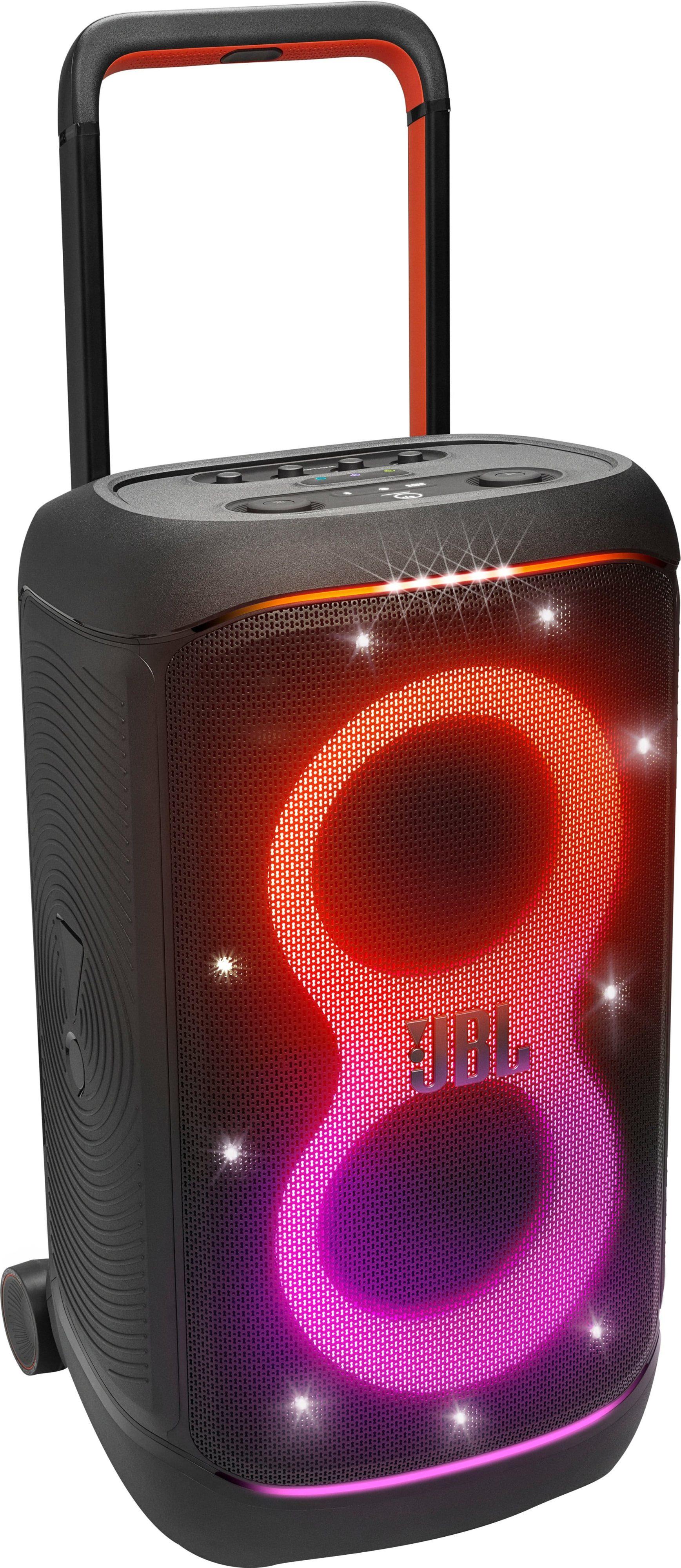
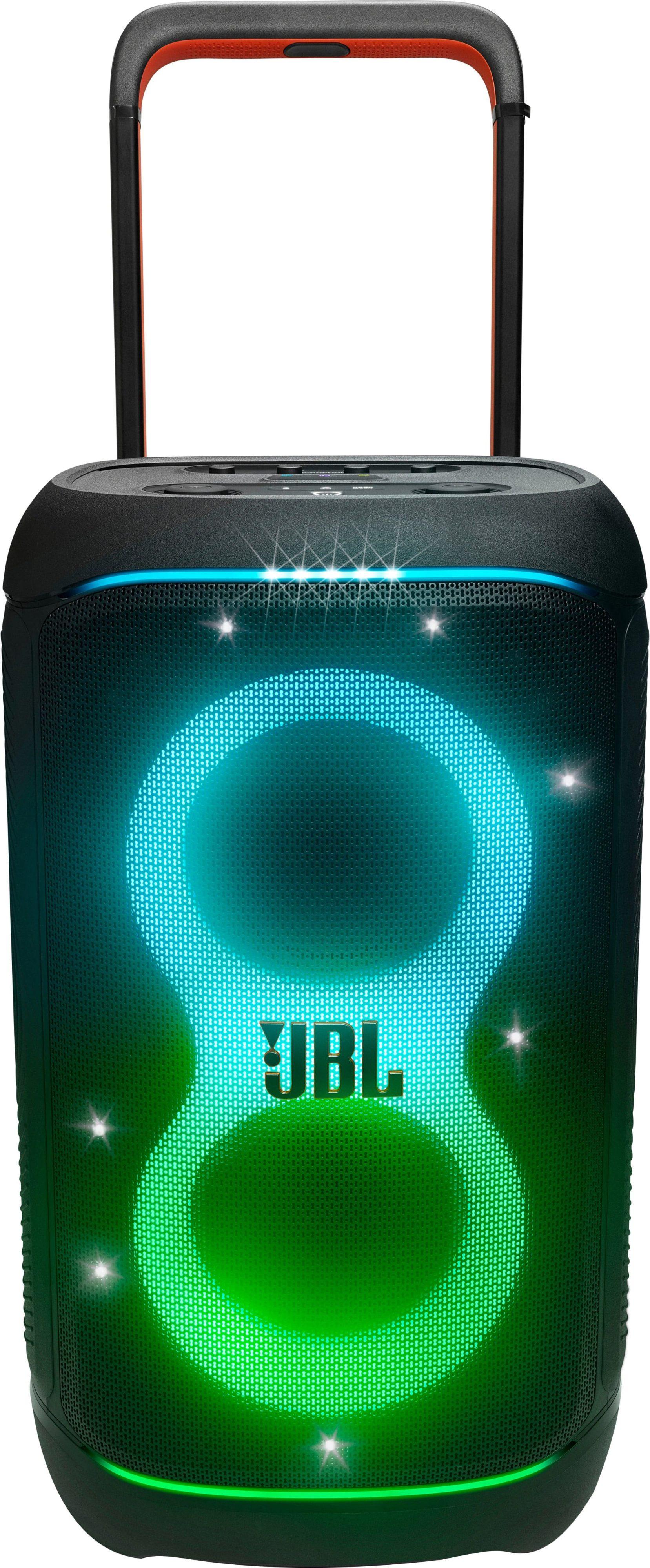
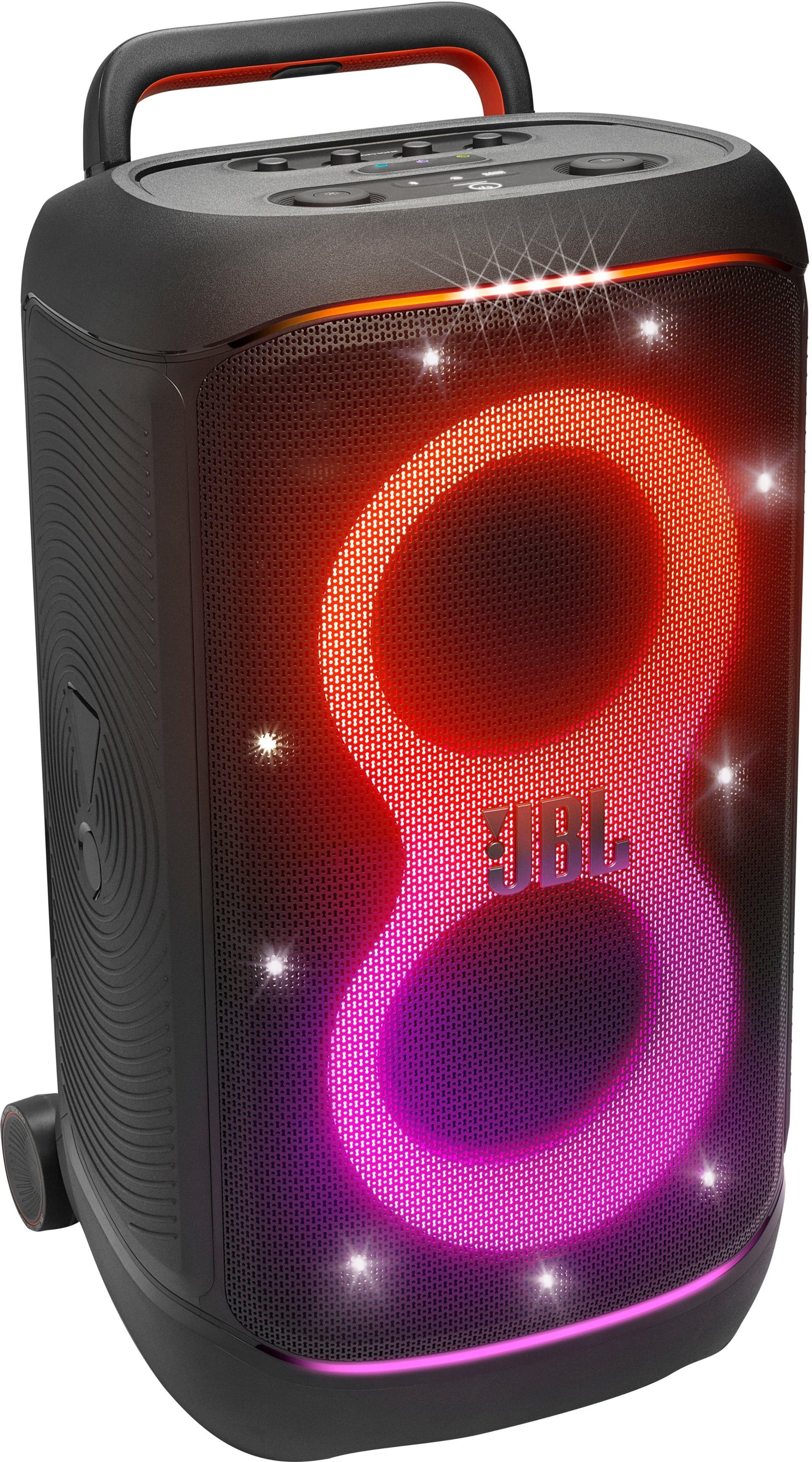
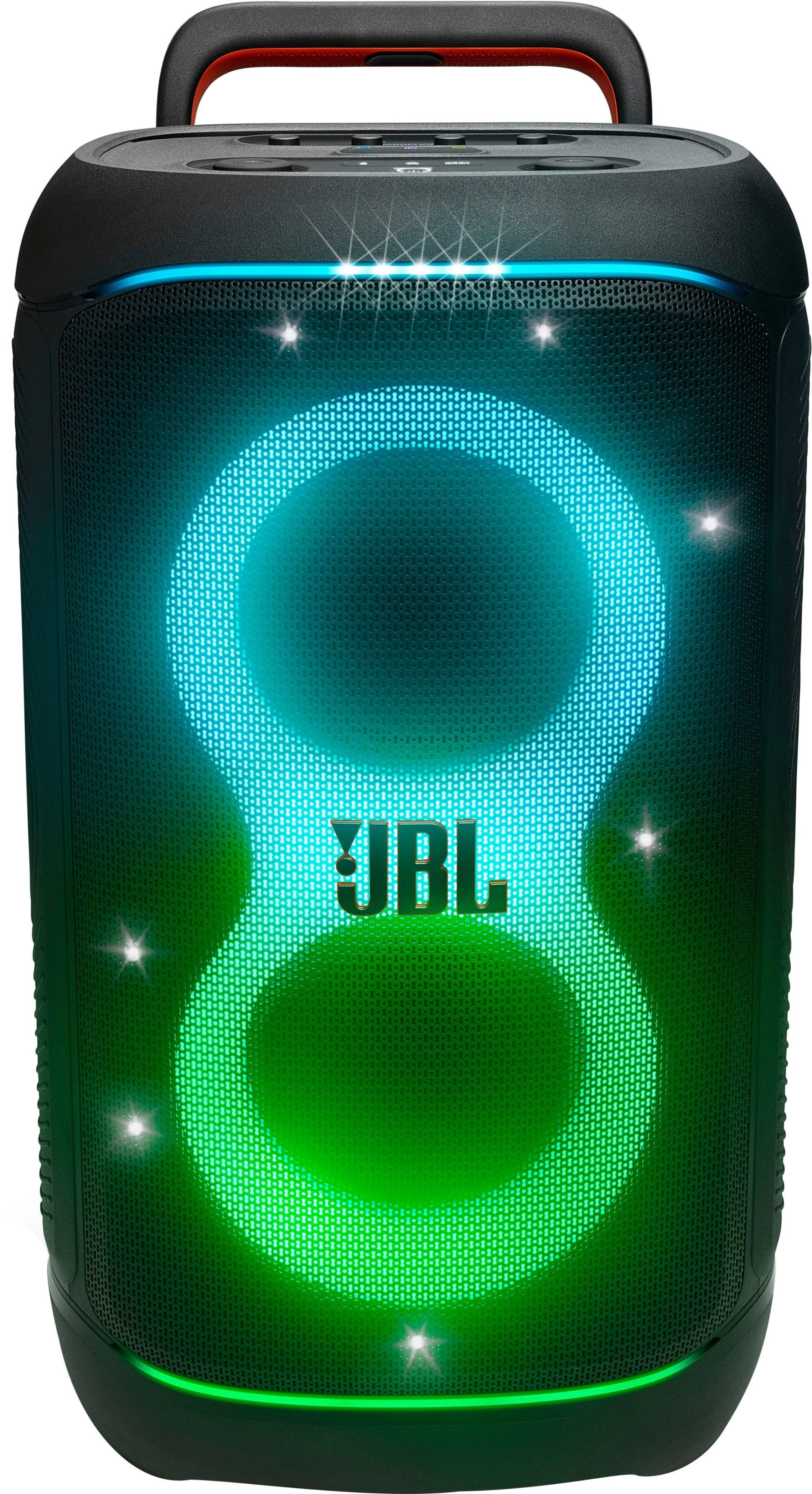
The JBL PartyBox 520 delivers 400 watts through a more traditional configuration: dual 7.5-inch woofers and dual 1-inch dome tweeters. While this is 100 watts less than the Marshall, JBL's AI Sound Boost technology helps extract maximum performance from these components by constantly analyzing the audio signal and preventing the drivers from being pushed beyond their limits.
In practical terms, both speakers can easily fill a backyard party or large indoor space with sound. The Marshall Bromley 750 can achieve up to 127 decibels of sound pressure level—loud enough to satisfy most outdoor gatherings without distortion. The JBL PartyBox 520, while not officially rated for maximum SPL, delivers impressive volume with JBL's signature punchy bass response.
The key difference lies in how that sound is distributed. Marshall's 360-degree approach means consistent volume and tonal balance whether you're standing directly in front of the speaker or off to the side. The JBL PartyBox 520's front-firing design provides more focused projection, which can be advantageous for directional setups but may create dead zones in certain room configurations.
Sound quality in party speakers involves balancing accuracy with excitement. You want music that sounds engaging and energetic, but you also need vocals that remain intelligible when the volume cranks up and conversation competes with the music.
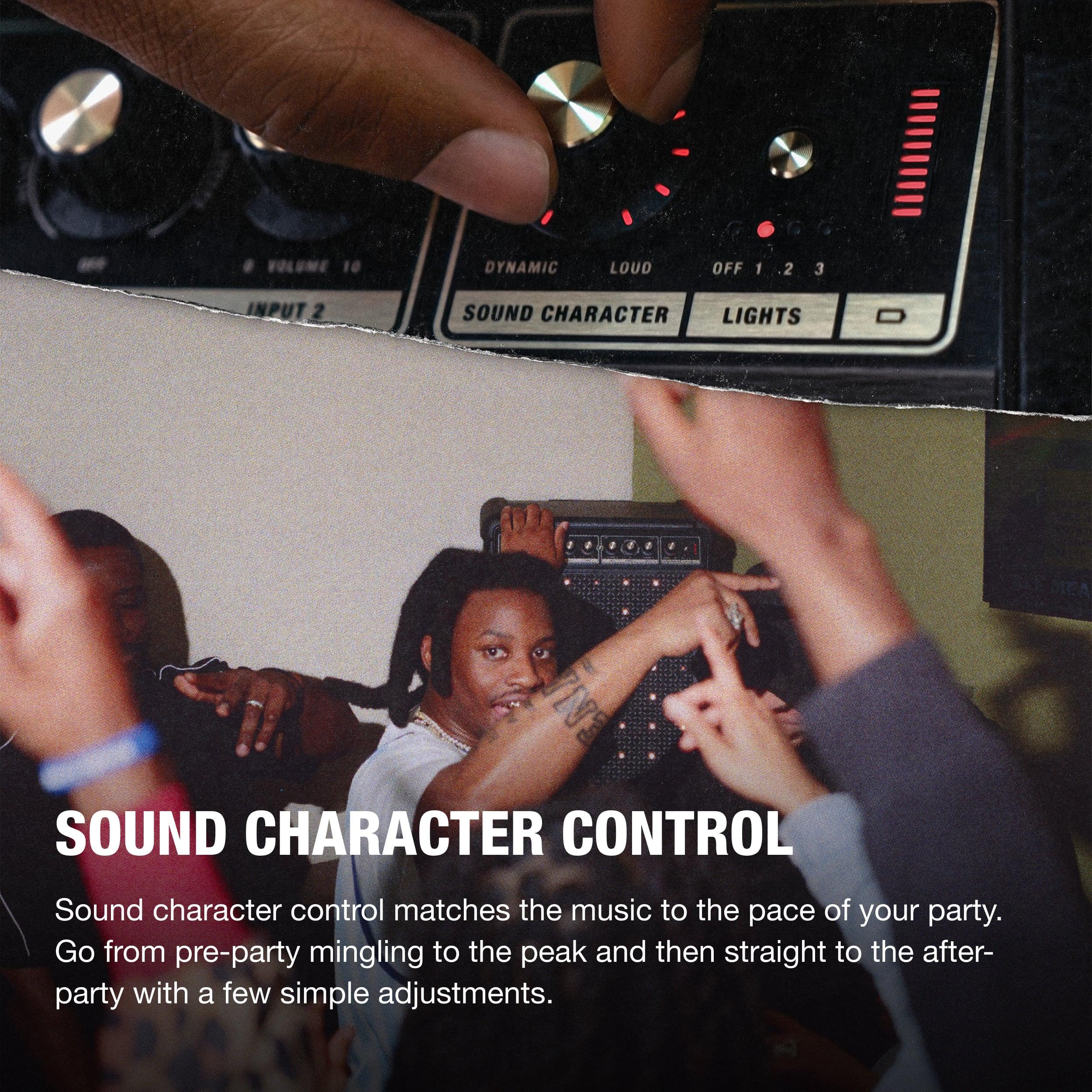
The Marshall Bromley 750 employs a closed-box design, meaning the drivers are sealed within the enclosure rather than using ports to enhance bass response. This approach typically produces tighter, more controlled bass that doesn't boom or overwhelm the midrange frequencies where vocals live. Marshall's Sound Character control is particularly clever—it allows you to adjust the tonal balance between "Dynamic" mode for detailed indoor listening and "Loud" mode for outdoor gatherings where you need more aggressive sound to cut through ambient noise.
Based on our research into user and expert reviews, the JBL PartyBox 520 excels in frequency response accuracy, delivering excellent bass depth without sacrificing vocal clarity. The AI Sound Boost feature genuinely seems to make a difference in maintaining sound quality at high volumes, automatically backing off frequencies that would cause distortion while boosting others to maintain impact.
However, the JBL PartyBox 520's front-facing design creates what's called "angle sensitivity"—the sound changes noticeably depending on where you're positioned relative to the speaker. This isn't necessarily a drawback if you can position the speaker optimally, but it's something to consider for parties where people will be spread throughout a space.
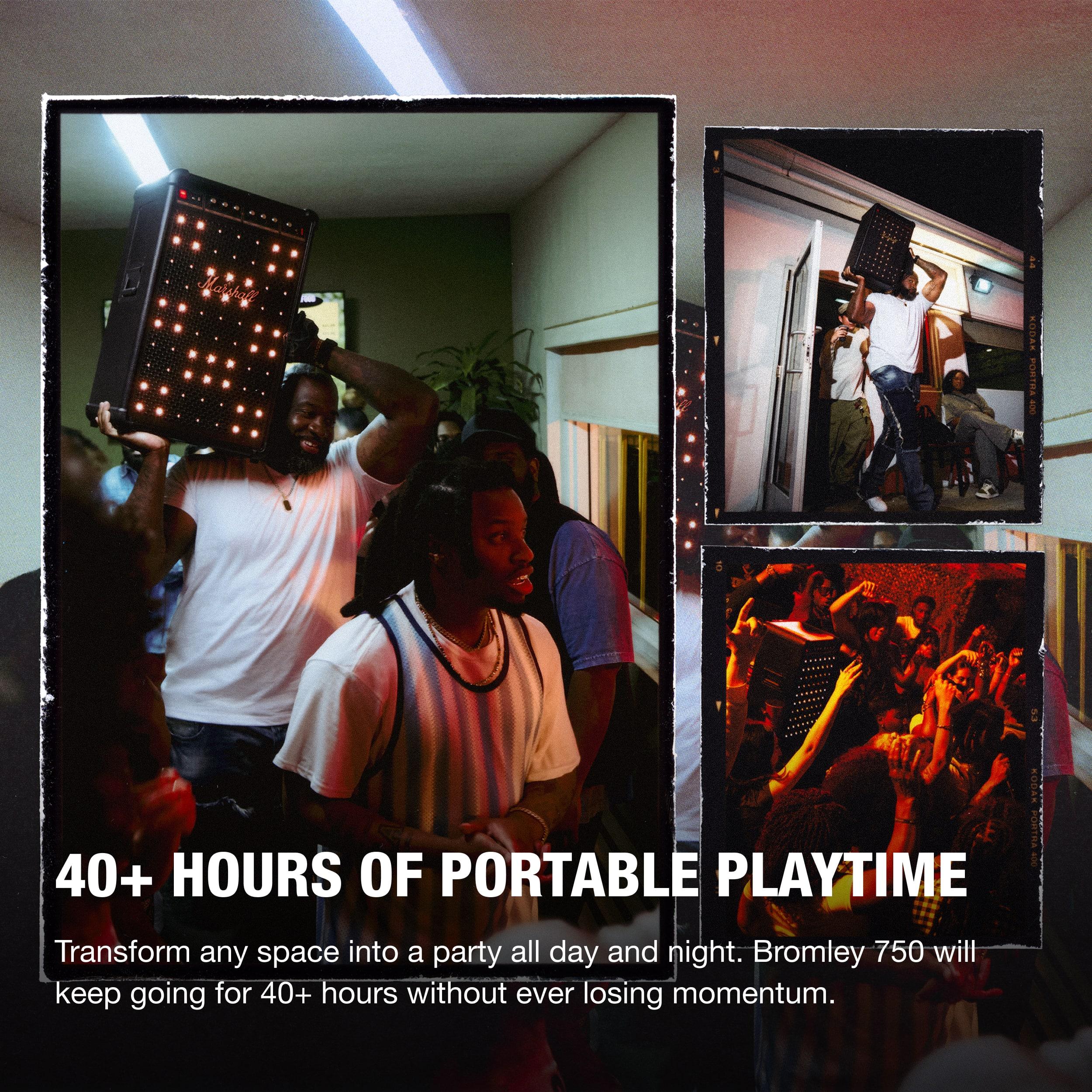
Here's where the Marshall Bromley 750 truly distinguishes itself. With over 40 hours of continuous playback, it essentially eliminates battery anxiety for most events. This isn't just marketing hyperbole—the engineering required to achieve this runtime while maintaining high power output represents a significant technical achievement.
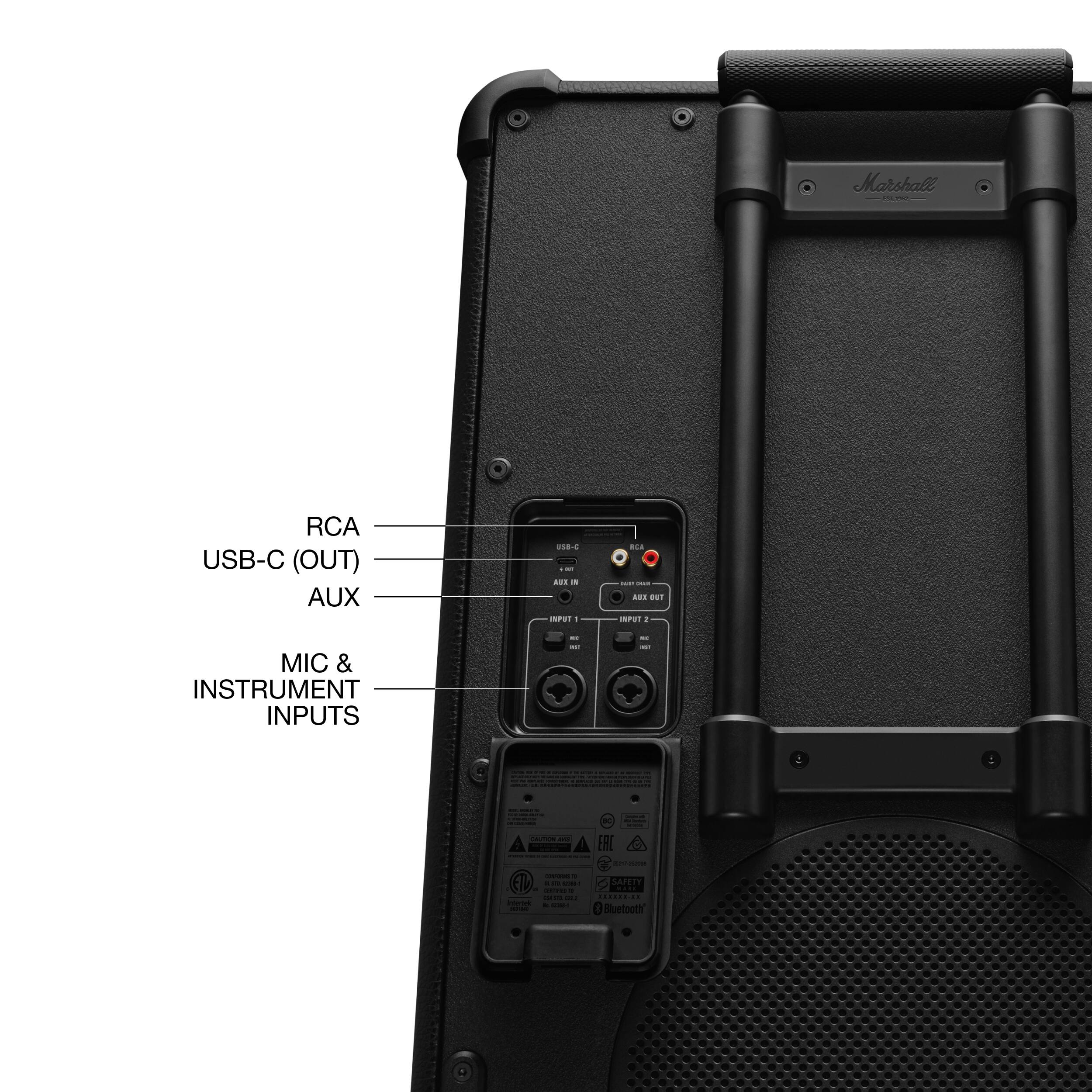
The battery system is also user-replaceable, meaning you can theoretically run events indefinitely by swapping in fresh batteries. The battery even doubles as a power bank, capable of charging your phone or other devices via USB-C. A quick 20-minute charge provides about 5 hours of playback, which is remarkably fast for such a large capacity battery.
The JBL PartyBox 520 offers 15 hours of battery life, which is respectable but represents less than half the runtime of the Marshall. It also features a replaceable battery system, though with more modest quick-charge capabilities—10 minutes provides about 2 hours of additional playback.
For most casual users, 15 hours is probably sufficient for typical parties or events. But for serious entertainers, camping trips, or multi-day festivals, that 40-hour capability becomes transformative. You're no longer planning around charging cycles or worrying about finding power outlets.
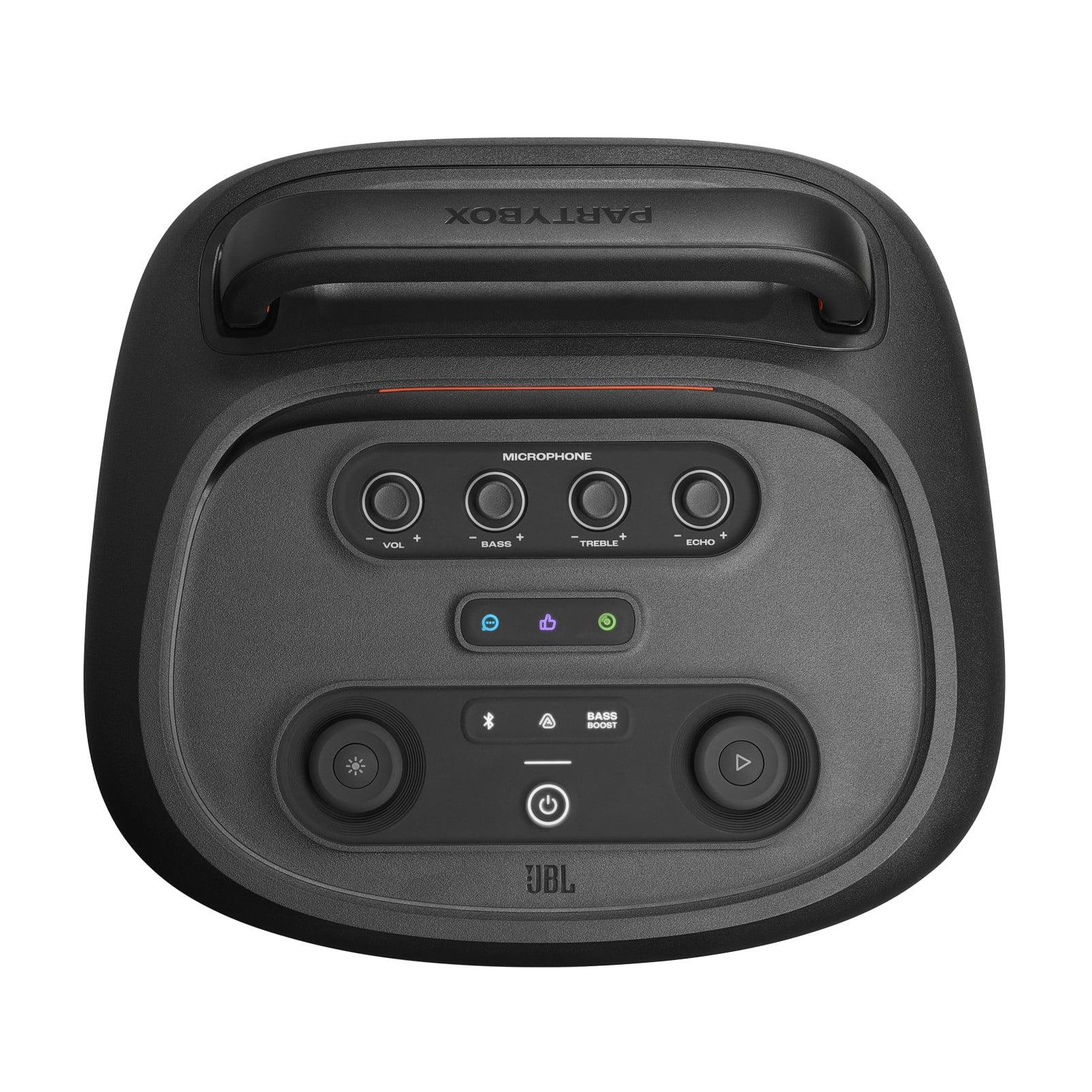
Both speakers offer comprehensive connectivity, but they approach it differently. The Marshall Bromley 750 emphasizes professional audio connections with dual XLR/quarter-inch combo jacks that accept microphones or musical instruments directly. It includes onboard effects processing with reverb and delay, essentially functioning as a small PA system for live performance or karaoke.
The JBL PartyBox 520 provides similar inputs but focuses more on consumer convenience with extensive smartphone app integration. The JBL PartyBox app offers a 7-band graphic equalizer, multiple sound presets, and complete control over the lighting system. You can fine-tune the sound signature to match different music genres or room acoustics.
Interestingly, the JBL PartyBox 520 supports Auracast technology and multi-speaker pairing, allowing you to connect multiple compatible JBL speakers for stereo sound or synchronized audio across larger spaces. The Marshall Bromley 750 currently lacks multi-speaker pairing, which could be limiting for users wanting to expand their setup.
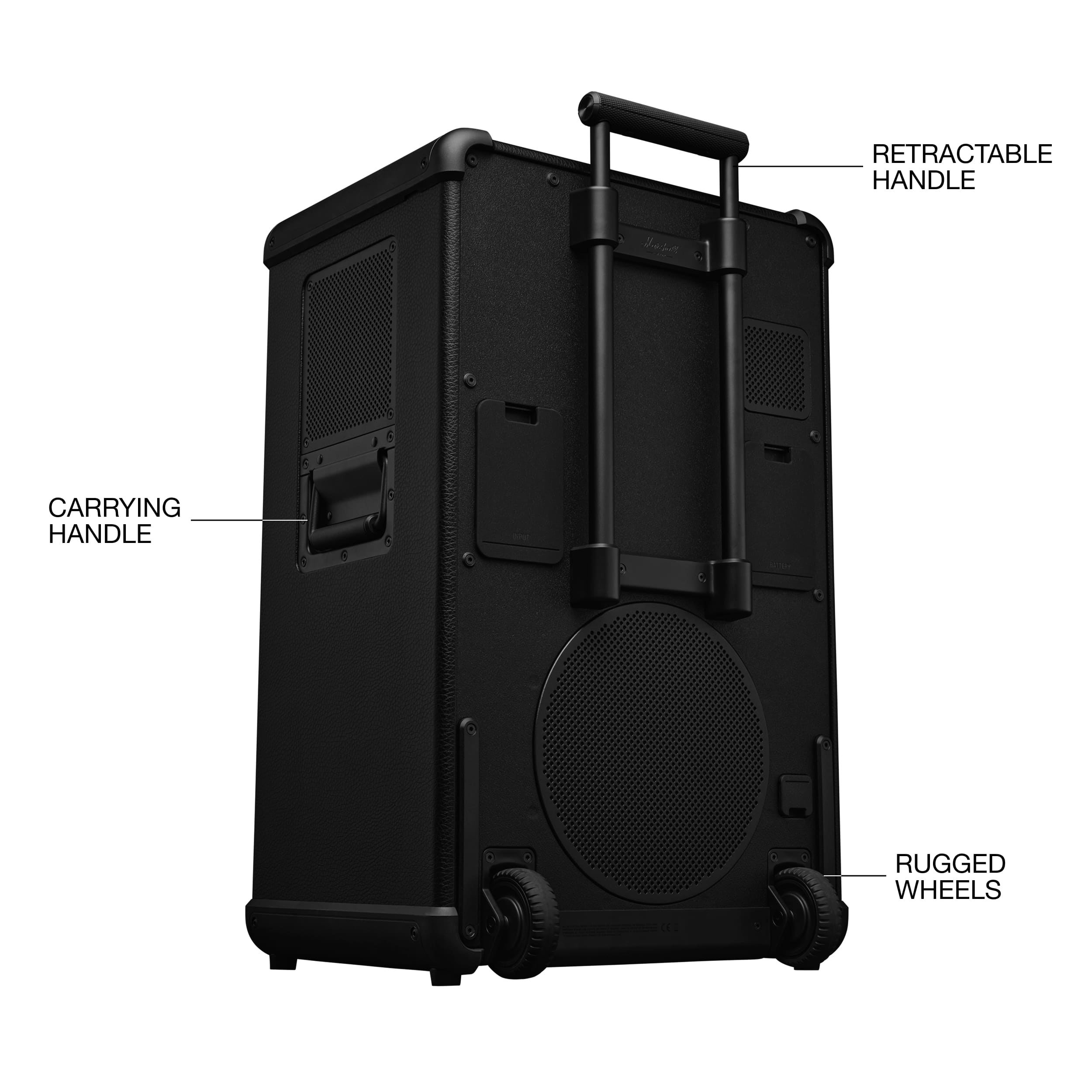
Marshall's amplifier heritage shows in the Marshall Bromley 750's construction. The IP54 weather rating means it's protected against dust and splashing water, while the specialized drainage system protects the drivers from moisture damage. The materials feel premium—brushed metal controls, water-resistant leather-like covering, and solid metal grilles that should withstand years of transport and outdoor use.
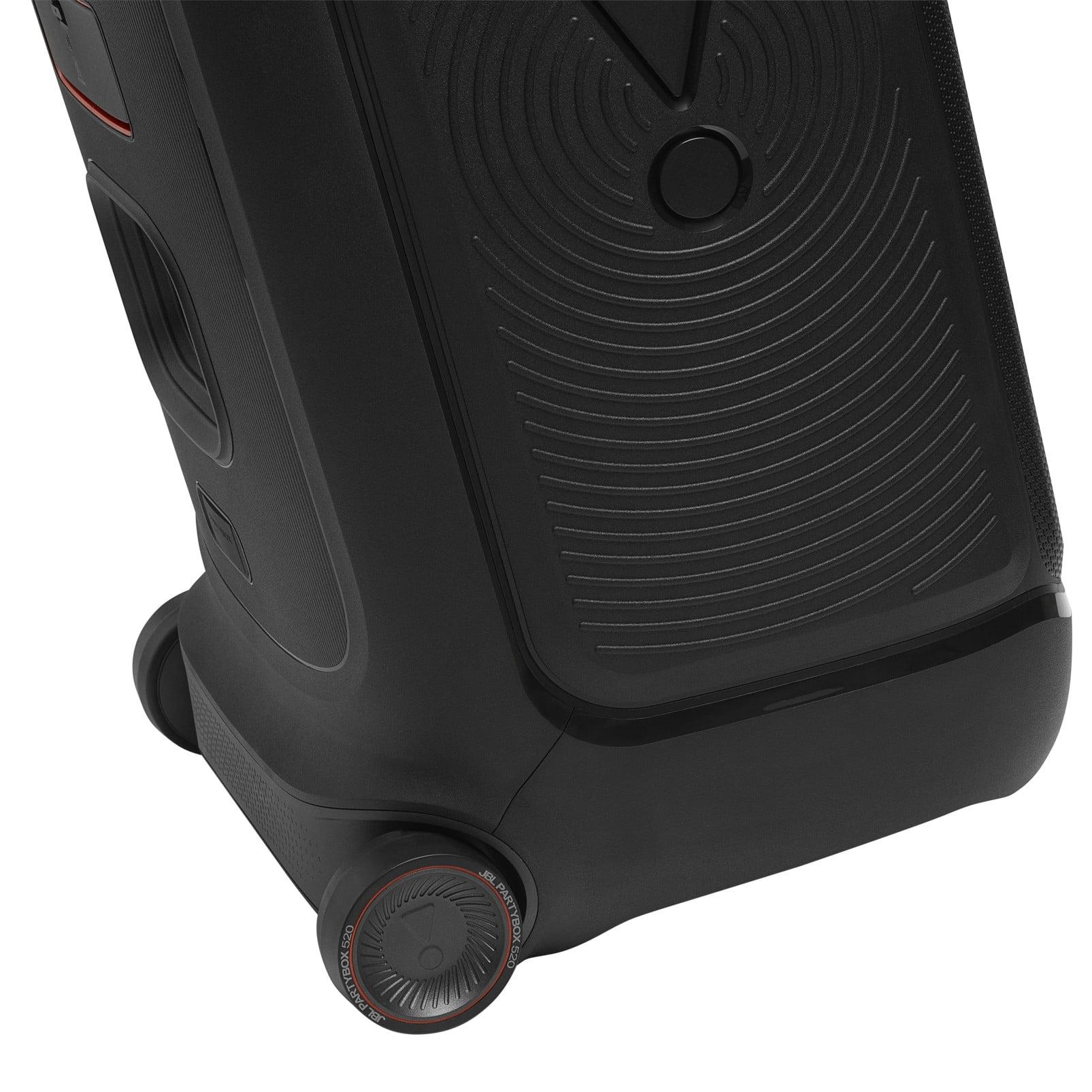
The JBL PartyBox 520 features IPX4 splash resistance and solid plastic construction that's clearly built for regular transport. While it doesn't feel as premium as the Marshall, it's certainly robust enough for typical party speaker duties.
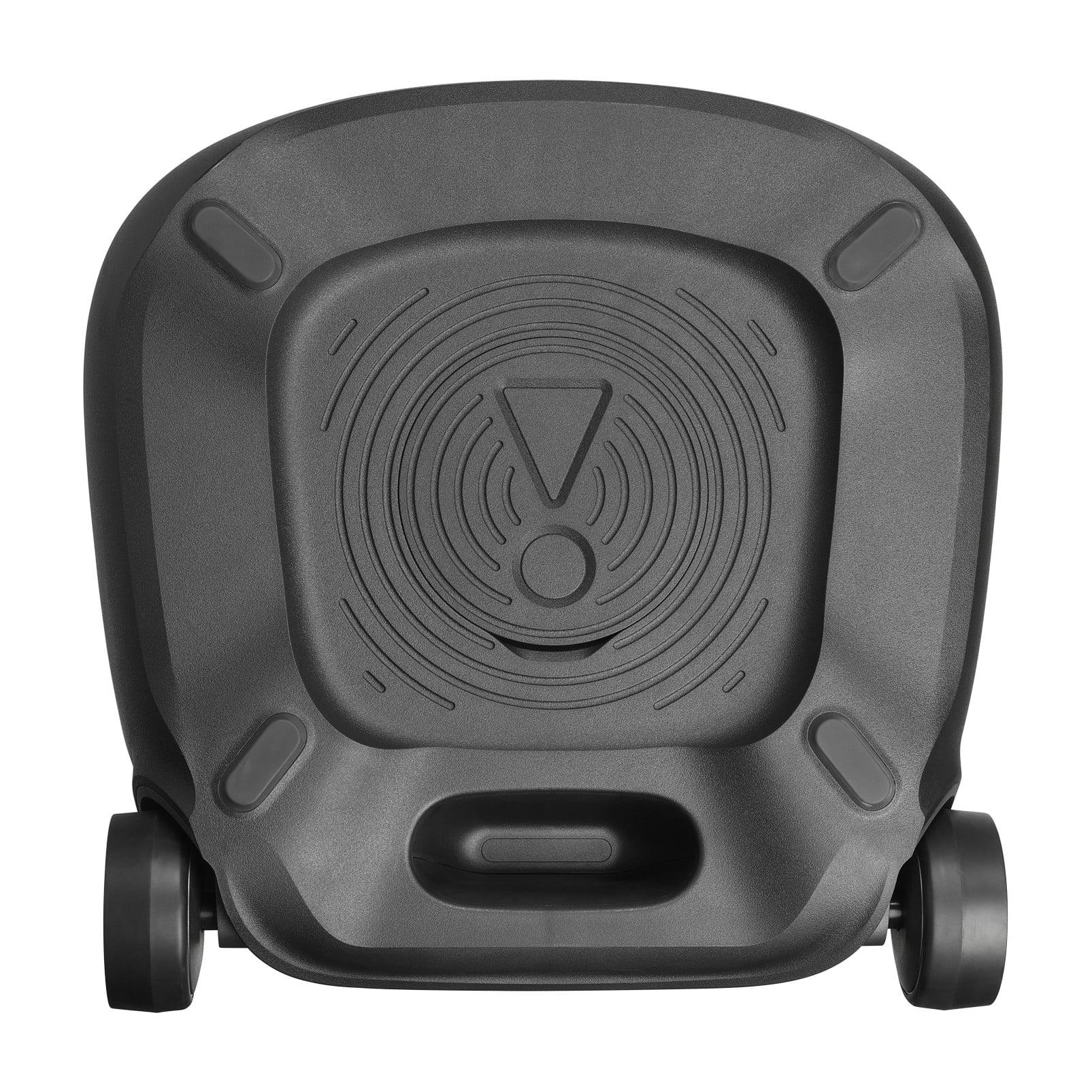
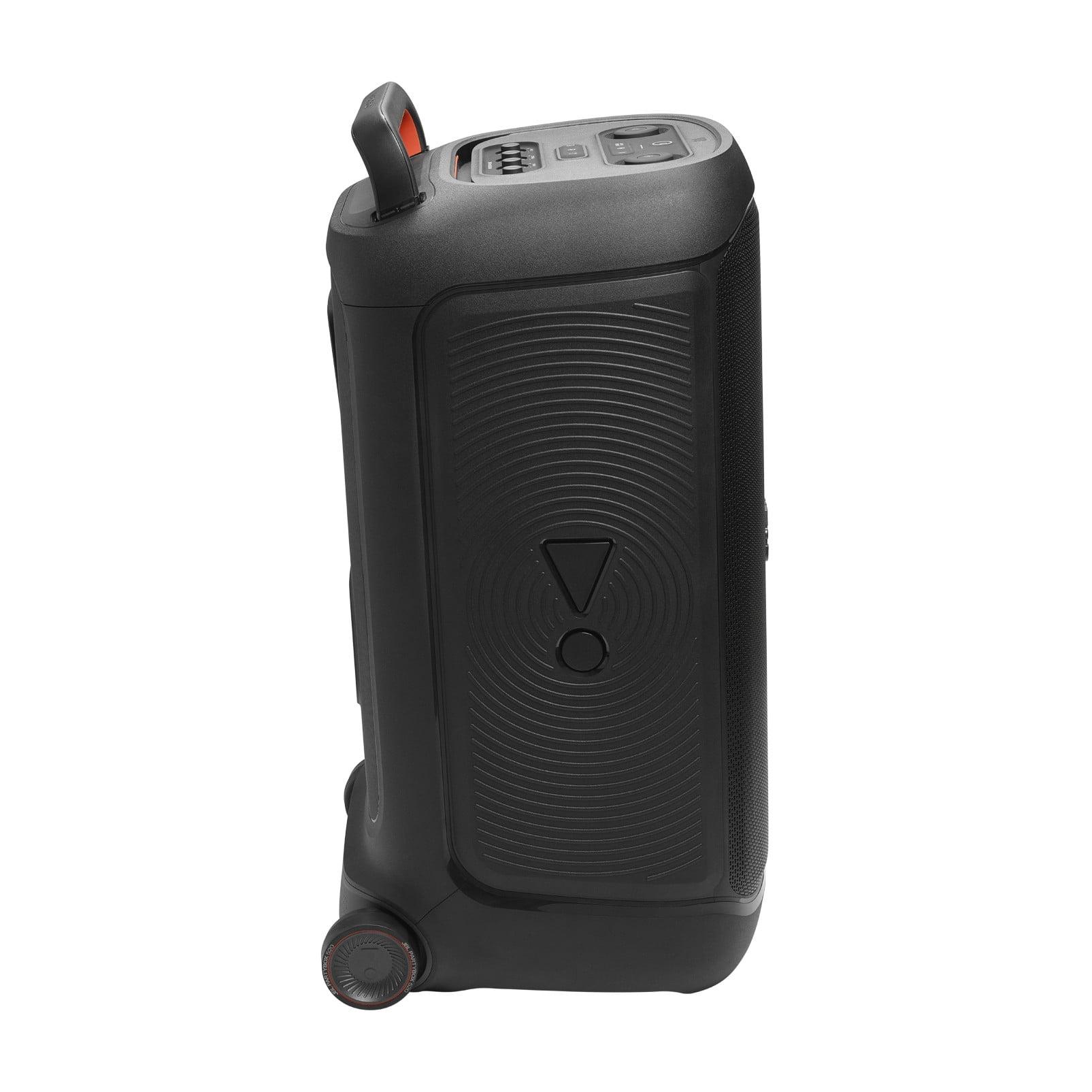
Both speakers include wheels and telescoping handles for transport, which is essential given their substantial weight. The Marshall Bromley 750 weighs about 53 pounds while the JBL PartyBox 520 tips the scales at 56 pounds—these aren't speakers you'll be carrying by hand for any distance.
This is where personal preference plays a big role. The JBL PartyBox 520 goes all-in on colorful lighting effects with multiple presets, strobe functions, and full smartphone control. If you want your speaker to be a visual centerpiece that adds to the party atmosphere, JBL delivers.
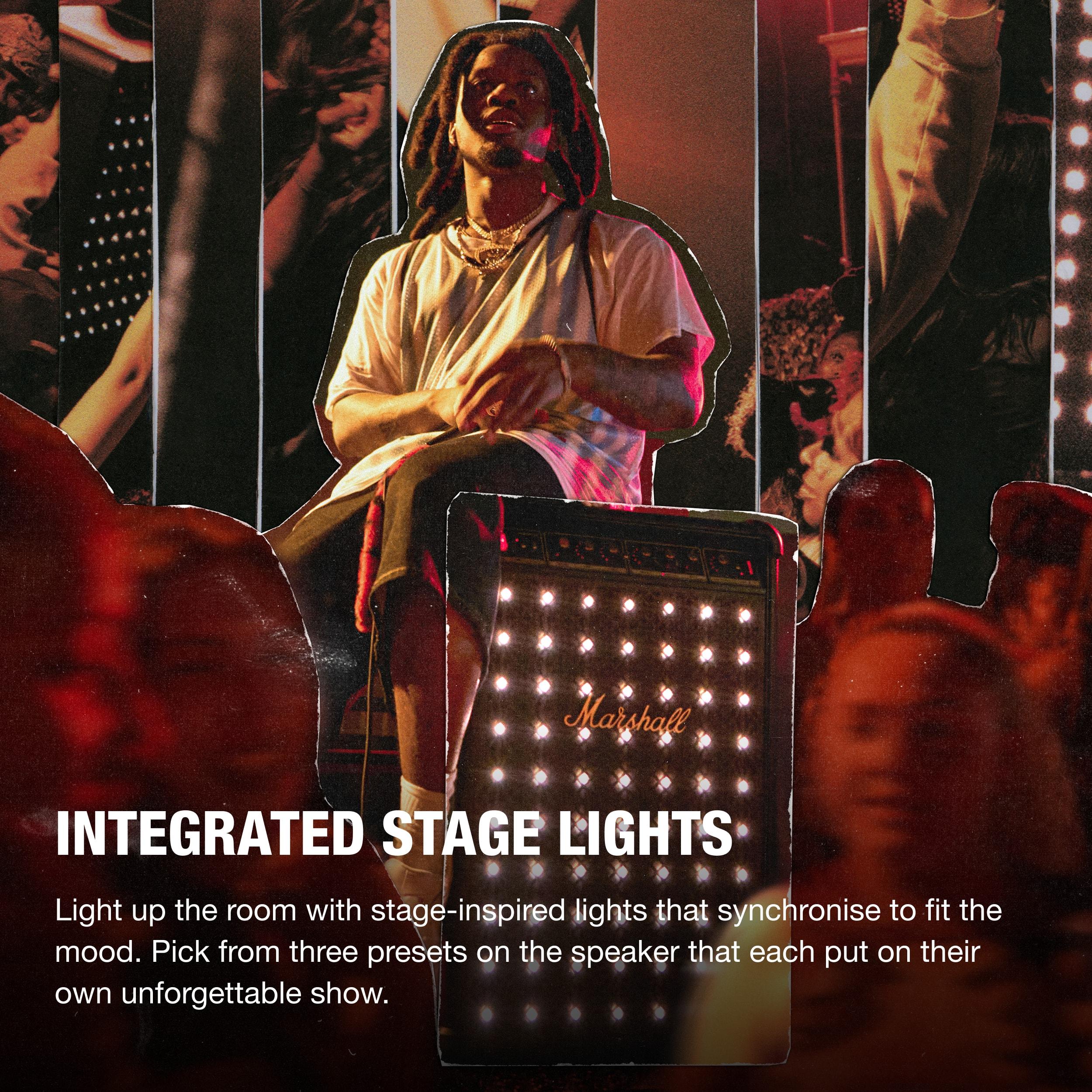
The Marshall Bromley 750 takes a more sophisticated approach with white LED lighting that's designed to complement rather than dominate. The lighting is concealed behind the front grille and produces what Marshall describes as "stage-inspired" illumination—think concert venue spotlights rather than disco ball effects.
The choice here really depends on your aesthetic preferences and the type of events you're hosting. The JBL approach works well for younger crowds and high-energy gatherings, while Marshall's understated lighting might appeal more to adults who want ambiance without spectacle.
While these are primarily party speakers, both could potentially serve as temporary home theater solutions for outdoor movie nights or large room setups where traditional soundbars might be underpowered.
The Marshall Bromley 750's 360-degree sound distribution could work well for outdoor movie screenings where viewers are spread across a wide area. However, neither speaker is optimized for dialogue clarity or the precise sound staging that makes for great movie audio.
For home theater use, you'd want to consider the Bluetooth latency issues that can cause lip-sync problems with video content. Both speakers offer wired connections that eliminate this concern, but you'd need a device capable of driving them via analog or USB-C connections.
At the time of writing, the Marshall Bromley 750 commands a significant premium over the JBL PartyBox 520—we're talking about a price difference of several hundred dollars. This positions them for somewhat different audiences despite their overlapping capabilities.
The JBL PartyBox 520 represents excellent value for most casual users. You get proven performance, extensive features, and the reliability of an established product line. If you're hosting occasional parties, backyard barbecues, or small events, the 15-hour battery life and comprehensive app controls provide everything most people need.
The Marshall Bromley 750 justifies its premium pricing through that exceptional 40-hour battery life, professional connectivity, and superior build quality. It's positioned for serious entertainers, musicians, or anyone who regularly hosts extended events where battery life becomes critical.
The party speaker category has evolved rapidly since 2020, with manufacturers competing primarily on battery life, maximum volume, and feature integration. Both the 2024 Marshall Bromley 750 and updated JBL PartyBox 520 represent the current state of the art in their respective approaches.
Marshall's entry represents a significant shift—bringing high-end audio engineering to a category that's often focused more on features than fundamental sound quality. The 40-hour battery life sets a new benchmark that other manufacturers will likely need to match.
JBL's AI Sound Boost technology represents the growing integration of real-time digital signal processing in consumer audio products. This isn't just marketing—the ability to analyze audio content and optimize output in real-time genuinely improves performance at high volumes.
The choice between the Marshall Bromley 750 and JBL PartyBox 520 ultimately comes down to your priorities and usage patterns.
Choose the Marshall Bromley 750 if you're a serious entertainer who hosts frequent events, needs professional microphone connectivity, values premium build quality, and can justify the price premium for that exceptional battery life. It's also the better choice if you prefer sophisticated aesthetics and want a speaker that could double as a conversation piece in your home.
The JBL PartyBox 520 makes more sense for occasional users who want proven performance, extensive customization options, and strong value. It's particularly appealing if you already own other JBL speakers and want the ability to pair them together, or if you enjoy tweaking sound settings and lighting effects through a comprehensive smartphone app.
Both speakers will satisfactorily power most parties and gatherings. The decision really comes down to whether you're willing to pay a premium for Marshall's unique strengths—that marathon battery life, professional connectivity, and distinctive design approach—or whether JBL's more traditional but well-executed feature set meets your needs at a lower price point.
In my opinion, the Marshall Bromley 750 represents the future of premium party speakers, with battery technology and build quality that justify its positioning. But the JBL PartyBox 520 remains a smart choice for most users, offering 90% of the performance at a significantly lower cost. The key is honestly assessing how you'll actually use the speaker and whether those premium Marshall features align with your real-world needs.
| Marshall Bromley 750 | JBL PartyBox 520 |
|---|---|
| Power Output - Determines maximum volume and bass impact | |
| 500W Class D amplification (127dB SPL max) | 400W RMS with AI Sound Boost optimization |
| Battery Life - Critical for outdoor events and extended parties | |
| 40+ hours continuous playbook, user-replaceable | 15 hours playback, replaceable battery system |
| Speaker Configuration - Affects sound quality and coverage | |
| 8 drivers: 2x 10" woofers, 2x 5.25" mids, 4 tweeters (360° sound) | Dual 7.5" woofers, dual 1" dome tweeters (front-firing) |
| Weight and Portability - Important for transport between venues | |
| 53 lbs with telescoping handle and wheels | 56 lbs with telescoping handle and wide wheels |
| Professional Connectivity - Essential for live music and karaoke | |
| 2x XLR/6.35mm combo jacks, onboard effects processing | 2x XLR/1/4" inputs, basic microphone controls |
| Weather Resistance - Protection for outdoor use | |
| IP54 rating with specialized drainage system | IPX4 splashproof rating |
| Sound Customization - Ability to tailor audio to different environments | |
| Physical Sound Character control (Dynamic to Loud) | 7-band EQ via comprehensive smartphone app |
| Lighting Effects - Visual enhancement for party atmosphere | |
| White LED grid with 3 stage-inspired presets | Full-color customizable lighting with 6 presets |
| Multi-Speaker Pairing - Expand system for larger events | |
| No multi-speaker connectivity available | Auracast pairing, stereo mode, daisy-chaining support |
| Build Materials - Affects durability and premium feel | |
| Brushed metal controls, water-based PU leather, metal grille | Robust plastic construction with metal grille |
| Quick Charge Capability - Useful for extending party duration | |
| 20 minutes = 5 hours playback | 10 minutes = 2 hours playback |
| Bluetooth Technology - Affects connection stability and features | |
| Bluetooth 5.3 with Auracast support | Bluetooth 5.4 with multipoint pairing |
The Marshall Bromley 750 is louder with 500W of power output compared to the JBL PartyBox 520's 400W. The Marshall can reach up to 127dB SPL, making it better suited for large outdoor events. However, the JBL PartyBox 520's AI Sound Boost technology helps maximize its 400W output efficiently.
The Marshall Bromley 750 offers exceptional 40+ hours of continuous playback, while the JBL PartyBox 520 provides 15 hours. Both have replaceable batteries, but the Marshall Bromley 750's marathon battery life makes it ideal for multi-day events or camping trips.
Both deliver excellent party sound, but differently. The Marshall Bromley 750 offers 360-degree sound coverage with consistent quality from all angles, while the JBL PartyBox 520 provides more directional, front-firing sound with excellent frequency accuracy. The Marshall is better for dispersed crowds, while the JBL works well when positioned optimally.
Yes, both speakers support microphones. The Marshall Bromley 750 has dual XLR/6.35mm combo jacks with onboard effects processing (reverb and delay), making it more professional. The JBL PartyBox 520 also has dual XLR/1/4" inputs but with more basic microphone controls.
The Marshall Bromley 750 is better for outdoor use with its IP54 rating and specialized drainage system, compared to the JBL PartyBox 520's IPX4 splashproof rating. The Marshall's 40-hour battery and weather-resistant build make it ideal for extended outdoor events.
Neither speaker is optimized for home theater use. Both lack the precise dialogue clarity and sound staging needed for movies. However, they could work for outdoor movie nights or large spaces where traditional soundbars are underpowered. Wired connections are recommended to avoid Bluetooth latency issues with video.
Only the JBL PartyBox 520 supports multi-speaker pairing through Auracast technology, allowing stereo setups and synchronized audio across multiple units. The Marshall Bromley 750 currently doesn't offer multi-speaker connectivity, limiting expansion options.
The JBL PartyBox 520 offers superior app integration with a comprehensive smartphone app featuring 7-band EQ, multiple presets, and full lighting control. The Marshall Bromley 750 emphasizes physical controls with limited app functionality, focusing on its unique Sound Character knob.
Both speakers weigh over 50 pounds but include wheels and telescoping handles for transport. The Marshall Bromley 750 weighs 53 lbs while the JBL PartyBox 520 weighs 56 lbs. Neither is truly portable by hand, but both are manageable for short-distance rolling transport.
The JBL PartyBox 520 features full-color customizable lighting with six presets including strobe effects for vibrant party visuals. The Marshall Bromley 750 uses more sophisticated white LED lighting with three stage-inspired presets that complement rather than dominate the atmosphere.
The JBL PartyBox 520 provides better value for casual users, offering proven performance and extensive features at a lower price point. The Marshall Bromley 750 justifies its premium pricing through exceptional 40-hour battery life, professional connectivity, and superior build quality for serious entertainers.
Yes, both speakers can charge external devices. The Marshall Bromley 750's battery doubles as a power bank via USB-C, while the JBL PartyBox 520 also offers USB-C charging output. The Marshall's larger battery capacity makes it more effective for extended device charging during long events.
We've done our best to create useful and informative comparisons to help you decide what product to buy. Our research uses advanced automated methods to create this comparison and perfection is not possible - please contact us for corrections or questions. These are the sites we've researched in the creation of this article: theluxereview.com - techradar.com - whathifi.com - routenote.com - techradar.com - marshall.com - newatlas.com - marshall.com - youtube.com - wallpaper.com - sweetwater.com - soundguys.com - t3.com - bestbuy.com - hiconsumption.com - architeg-prints.com - soundguys.com - rtings.com - rtings.com - rtings.com - letemsvetemapplem.eu - youtube.com - worldwidestereo.com - youtube.com - global.jbl.com - youtube.com - soundguys.com - youtube.com - youtube.com - comparisontabl.es - youtube.com - youtube.com - youtube.com - gzhls.at - sweetwater.com - static.pcrichard.com - brandsmartusa.com - news.harman.com - jbl.com - ro.harmanaudio.com - jbl.com - creativeaudio.net

Privacy Policy
Terms and Conditions - Affiliate Policy
Home Security
© Copyright 2008-2026.
11816 Inwood Rd #1211, Dallas, TX 75244