


The world of high-powered portable party speakers has evolved dramatically over the past few years. What started as simple boom boxes has transformed into sophisticated entertainment systems that can fill large spaces with room-shaking sound while running on battery power for hours. If you're in the market for a premium party speaker, two models stand out from the crowd: the Sony ULT TOWER 9 and the JBL PartyBox 520.
Both speakers launched in 2024 and represent the latest thinking in portable audio technology. At the time of writing, they're priced competitively in the premium segment, typically retailing within $50 of each other around the $900 mark. But despite similar pricing, these speakers take very different approaches to delivering powerful sound and party atmosphere.
Before diving into the comparison, it's worth understanding what makes a great party speaker. Unlike regular Bluetooth speakers designed for casual listening, party speakers prioritize maximum volume output, extended bass response, long battery life, and entertainment features like lighting effects and karaoke capabilities. Think of them as portable PA systems designed for fun rather than professional sound reinforcement.
The key specifications that matter most are power output (measured in watts), frequency response (how low the bass goes and how high the treble extends), battery life, and maximum volume before distortion sets in. Modern party speakers also incorporate features that would have been unthinkable just five years ago, including AI-powered sound optimization, wireless multi-speaker connectivity, and smartphone apps that control everything from equalizer settings to light shows.
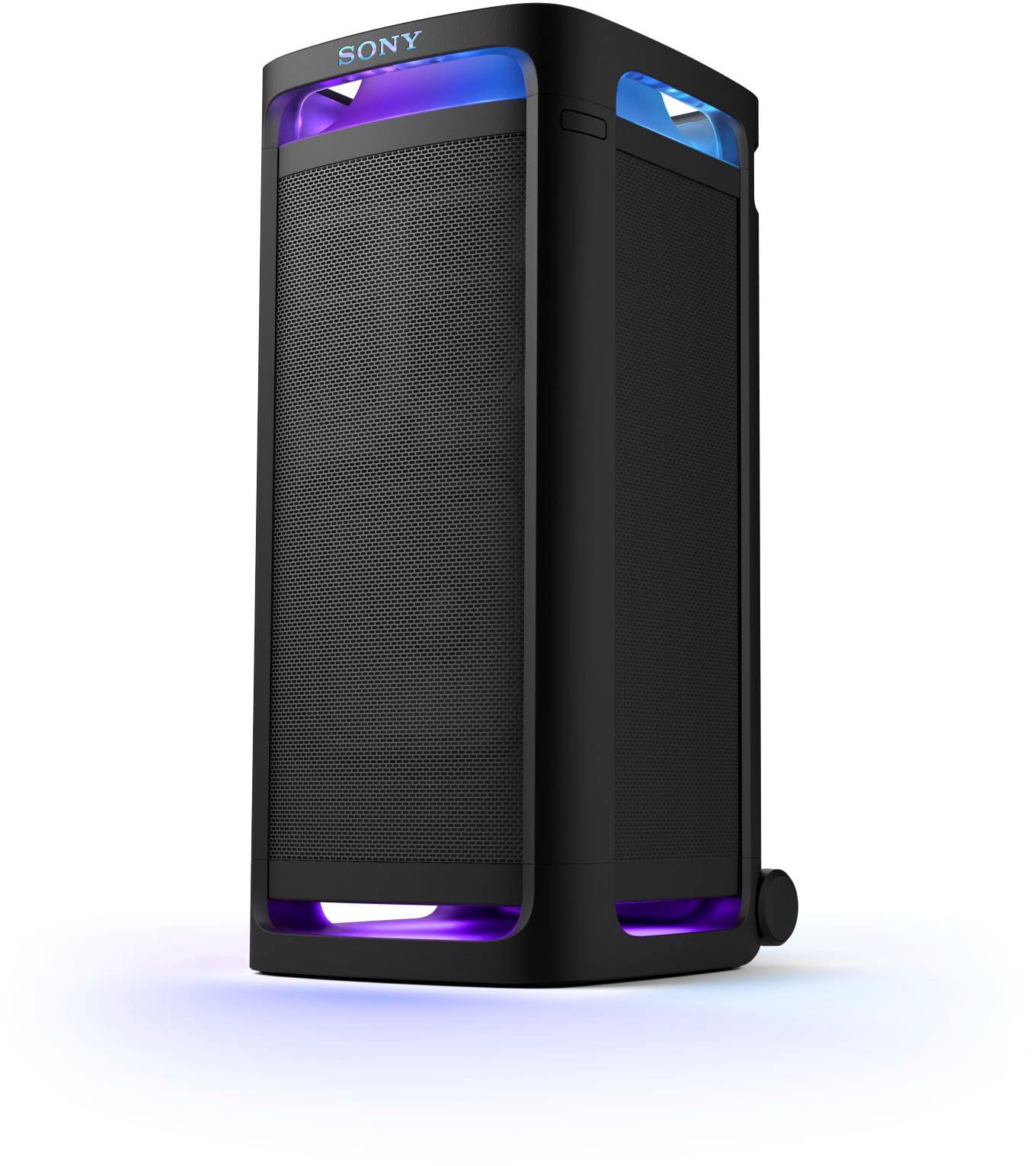
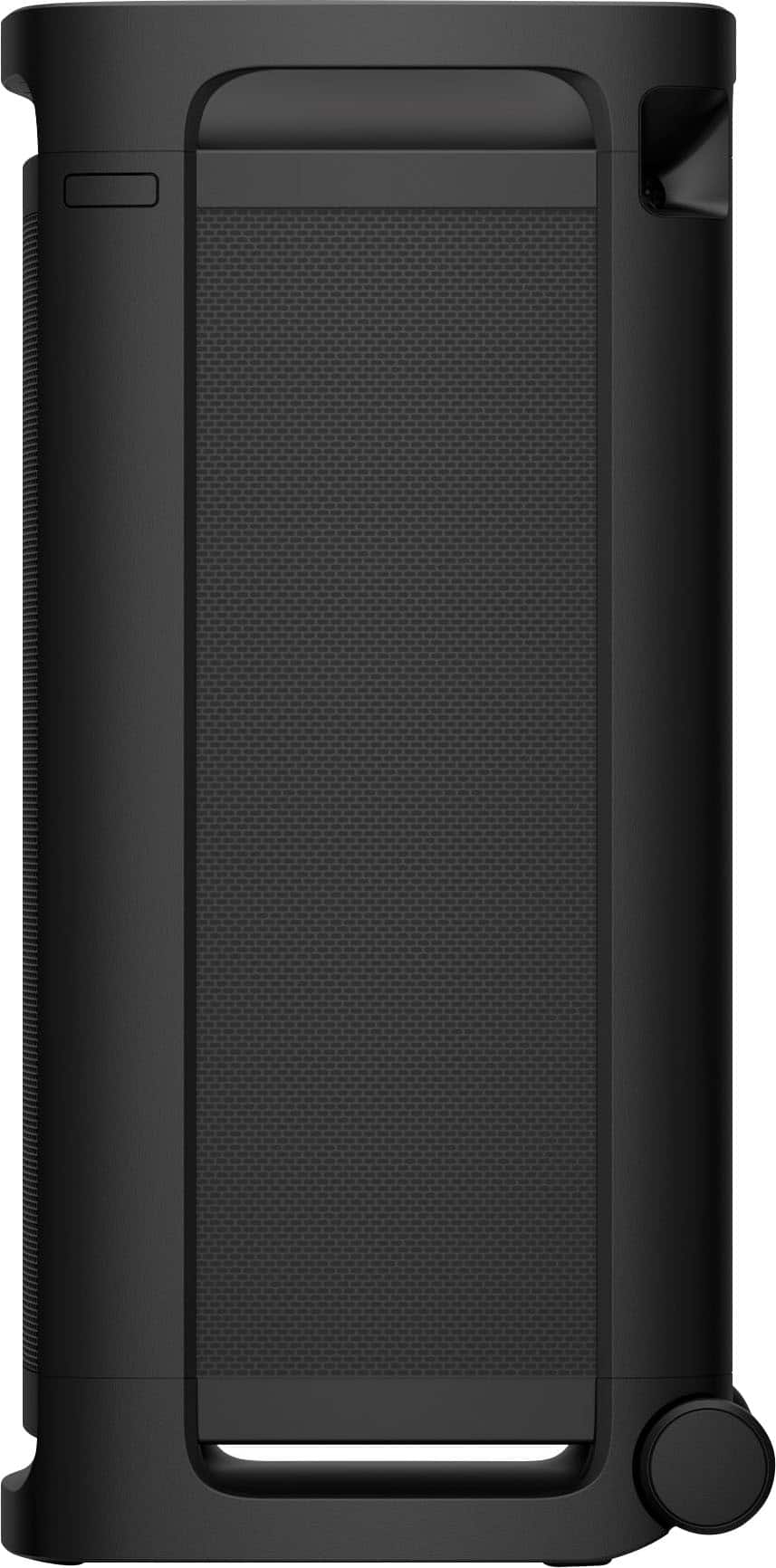
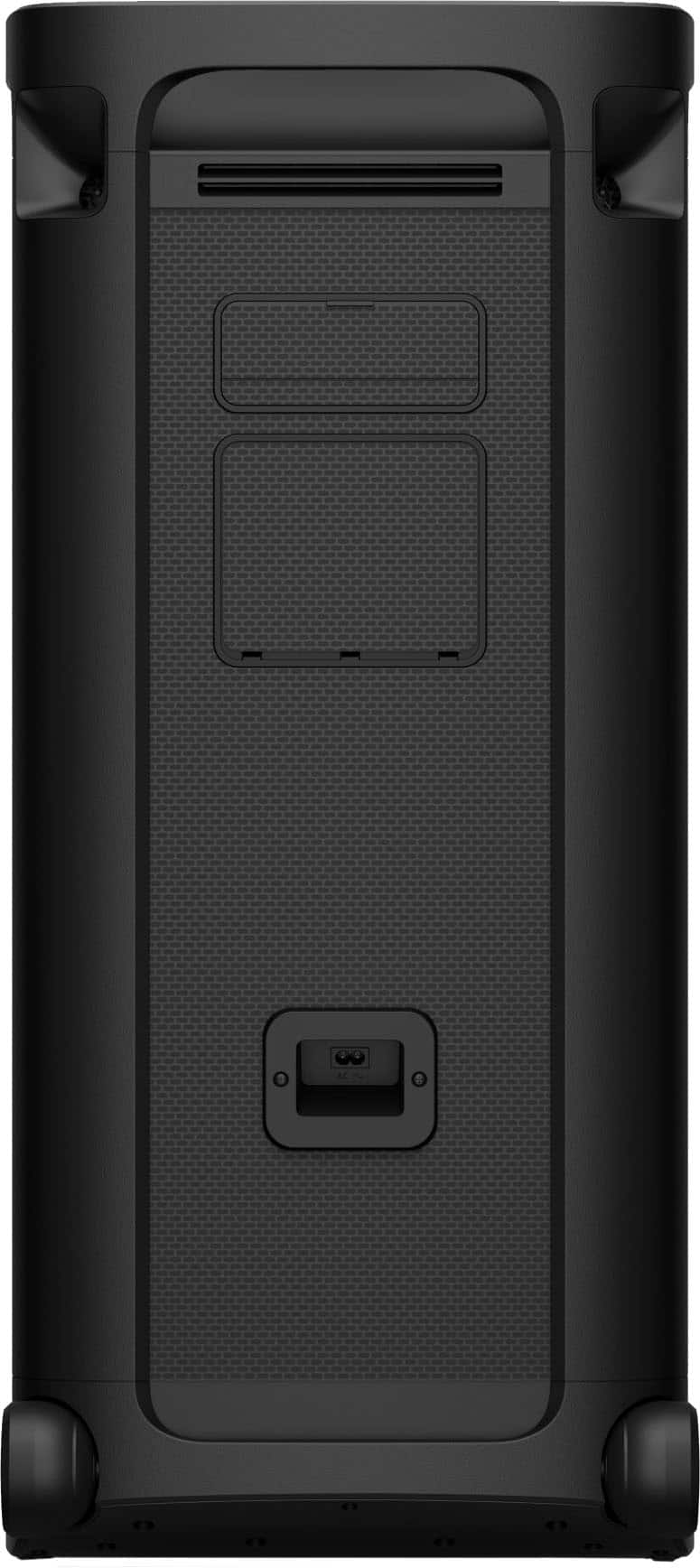
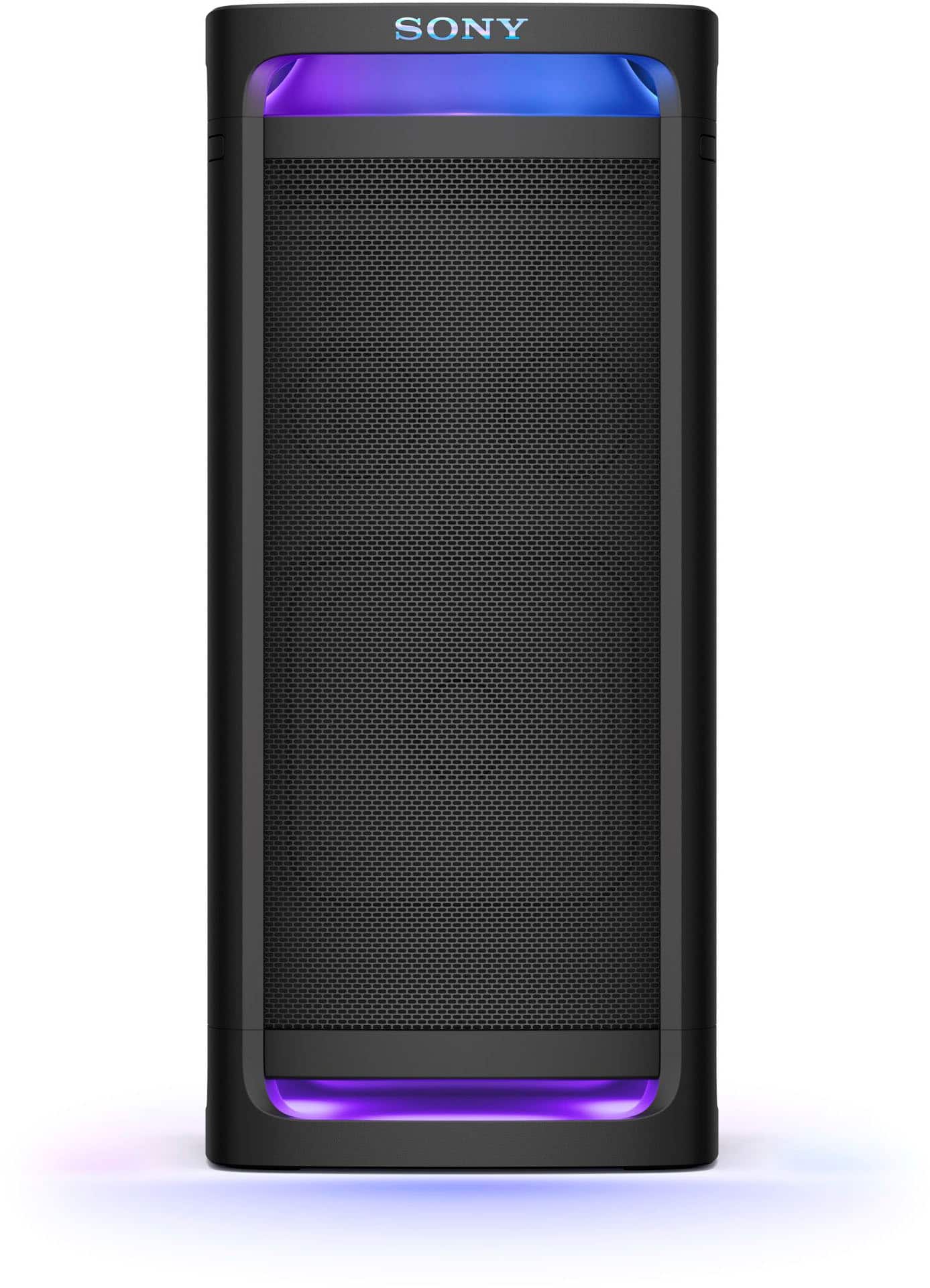
The Sony ULT TOWER 9 lives up to its name with a true tower design that stands nearly three feet tall. At 65 pounds, it's substantial but manageable thanks to built-in casters (wheels) and a retractable handle. The tower form factor isn't just for looks – it allows Sony to stack multiple drivers vertically, creating what audio engineers call a "line array" effect that projects sound more evenly across large spaces.
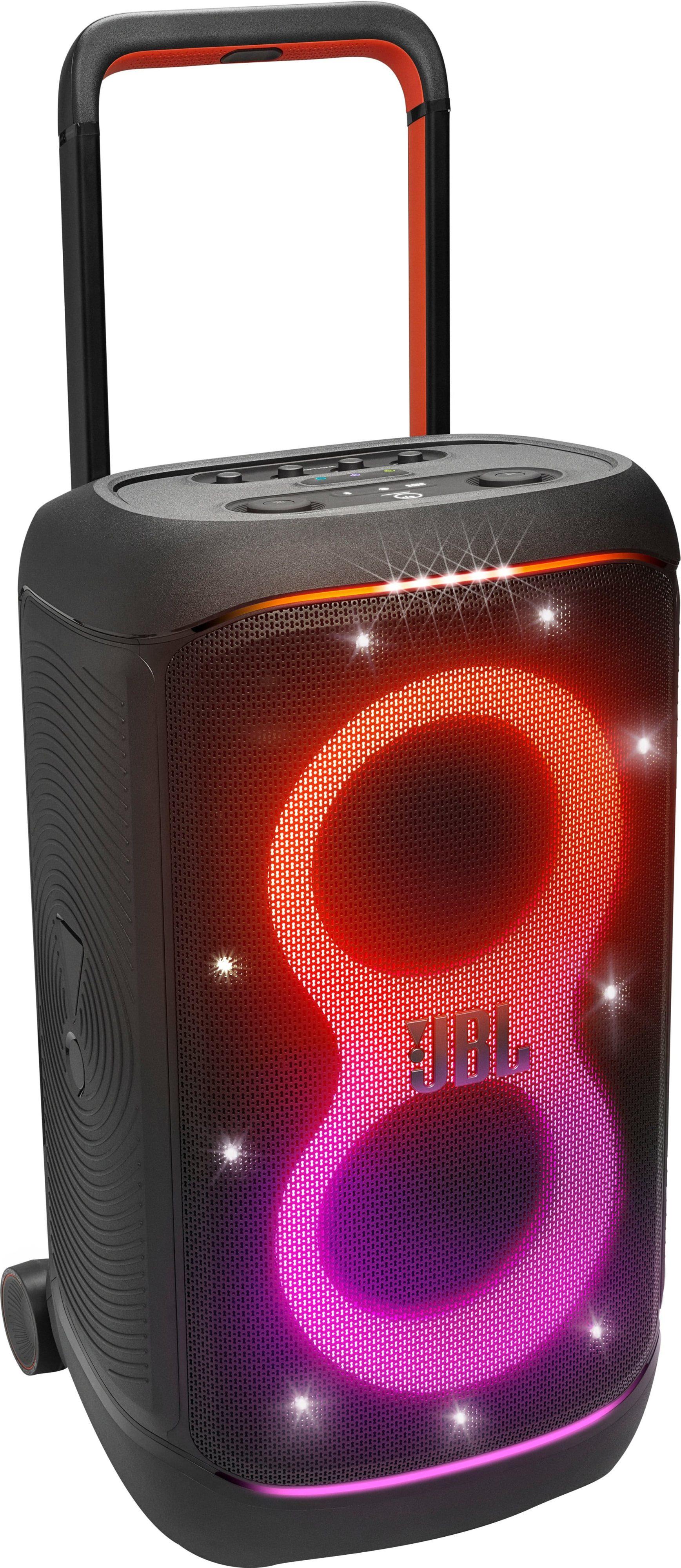
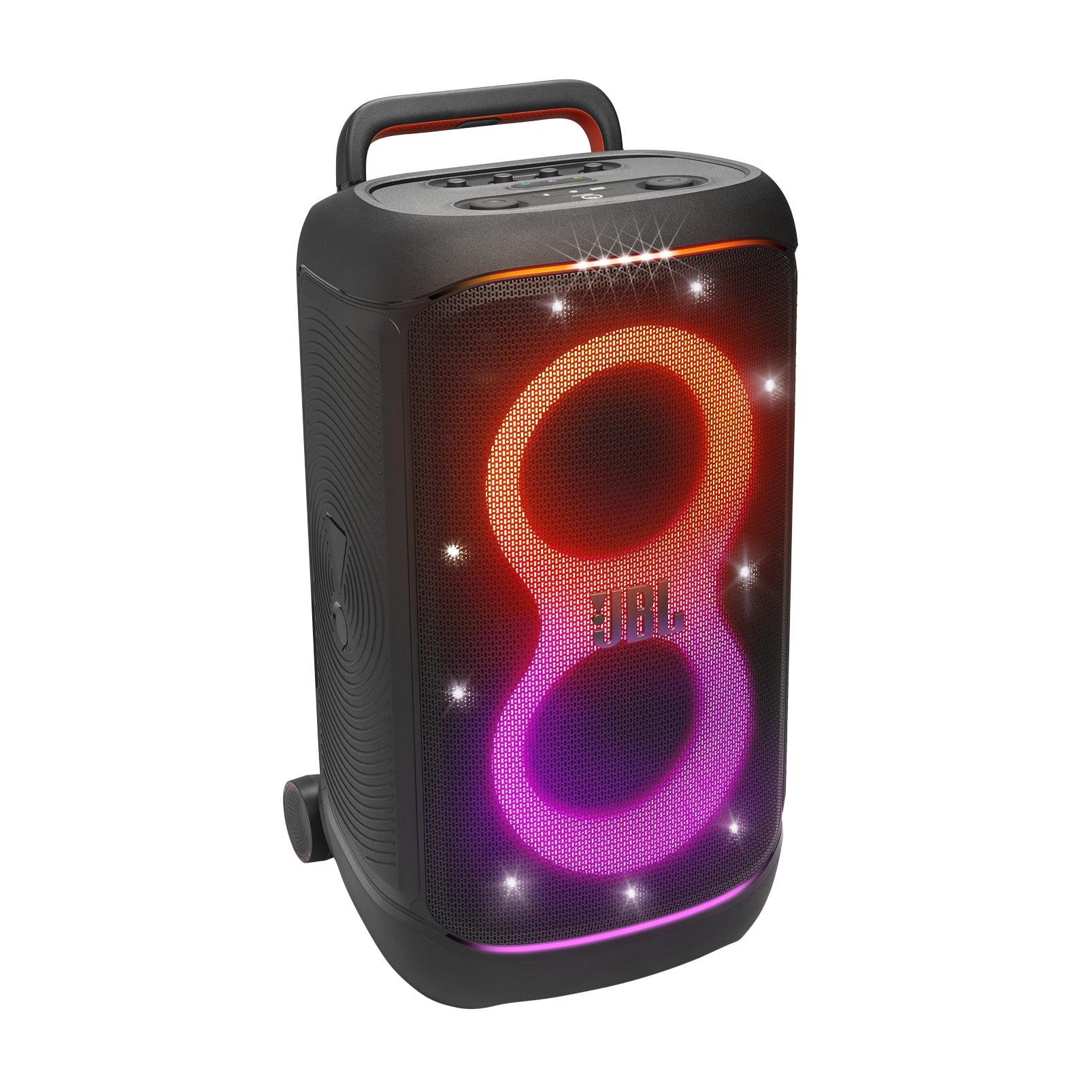
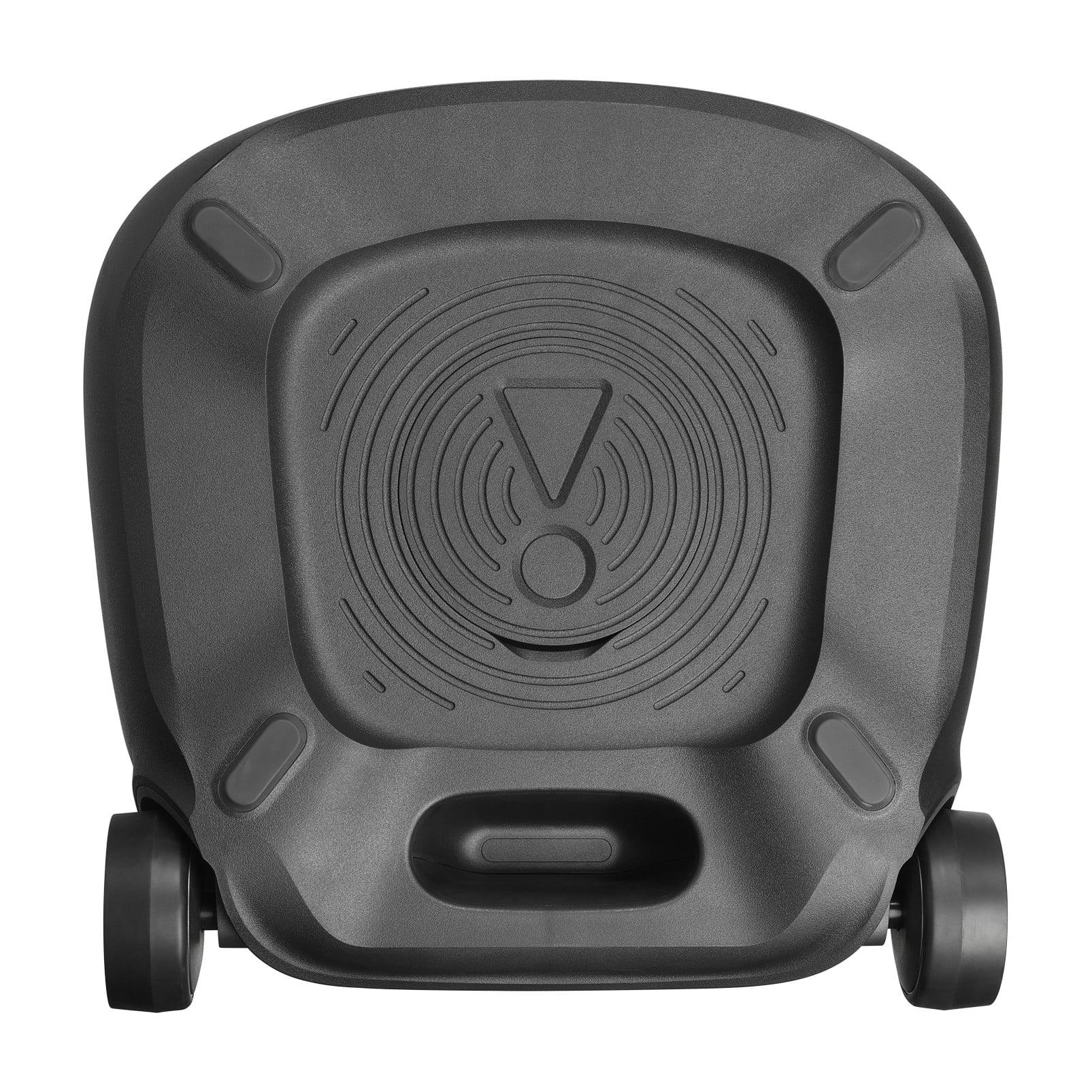
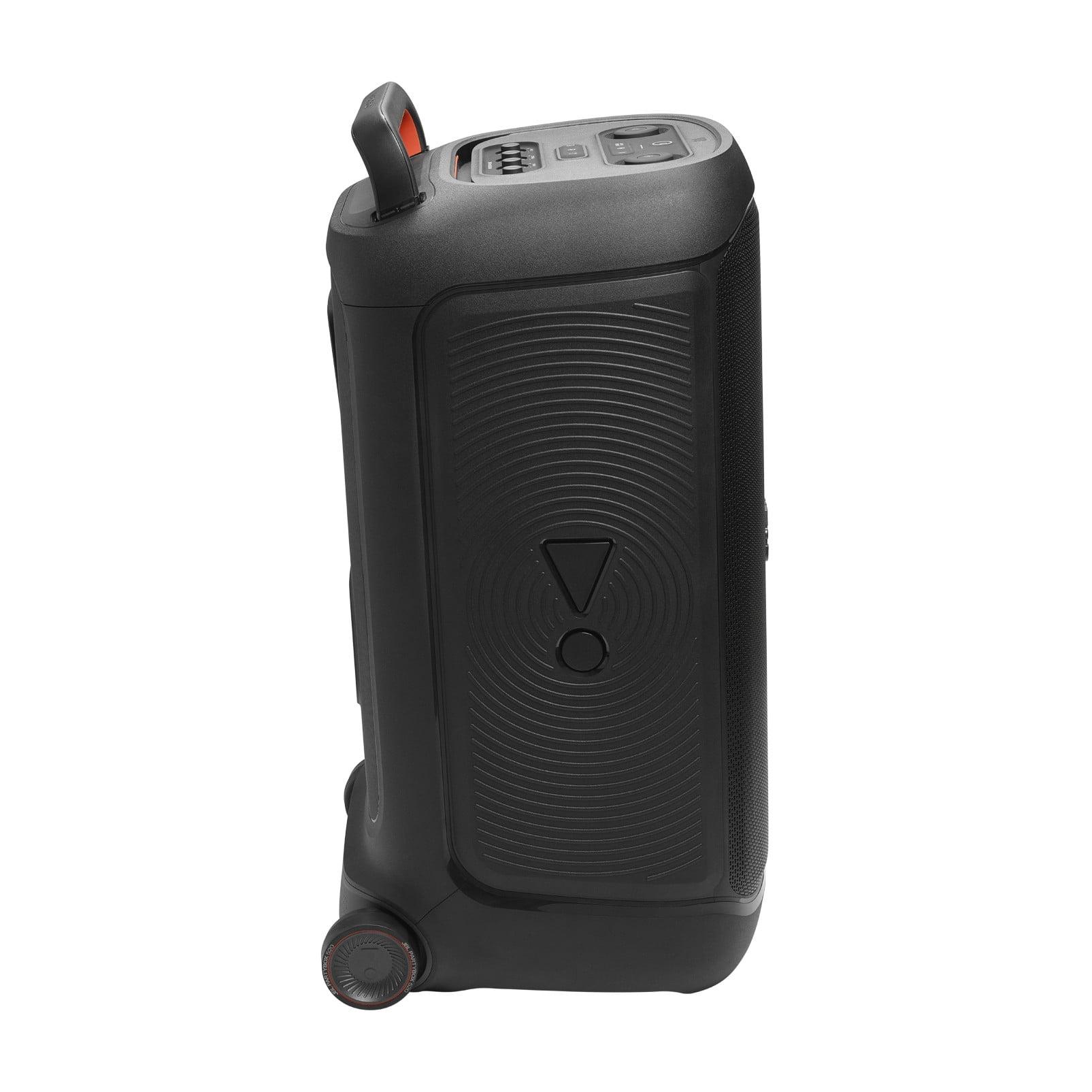
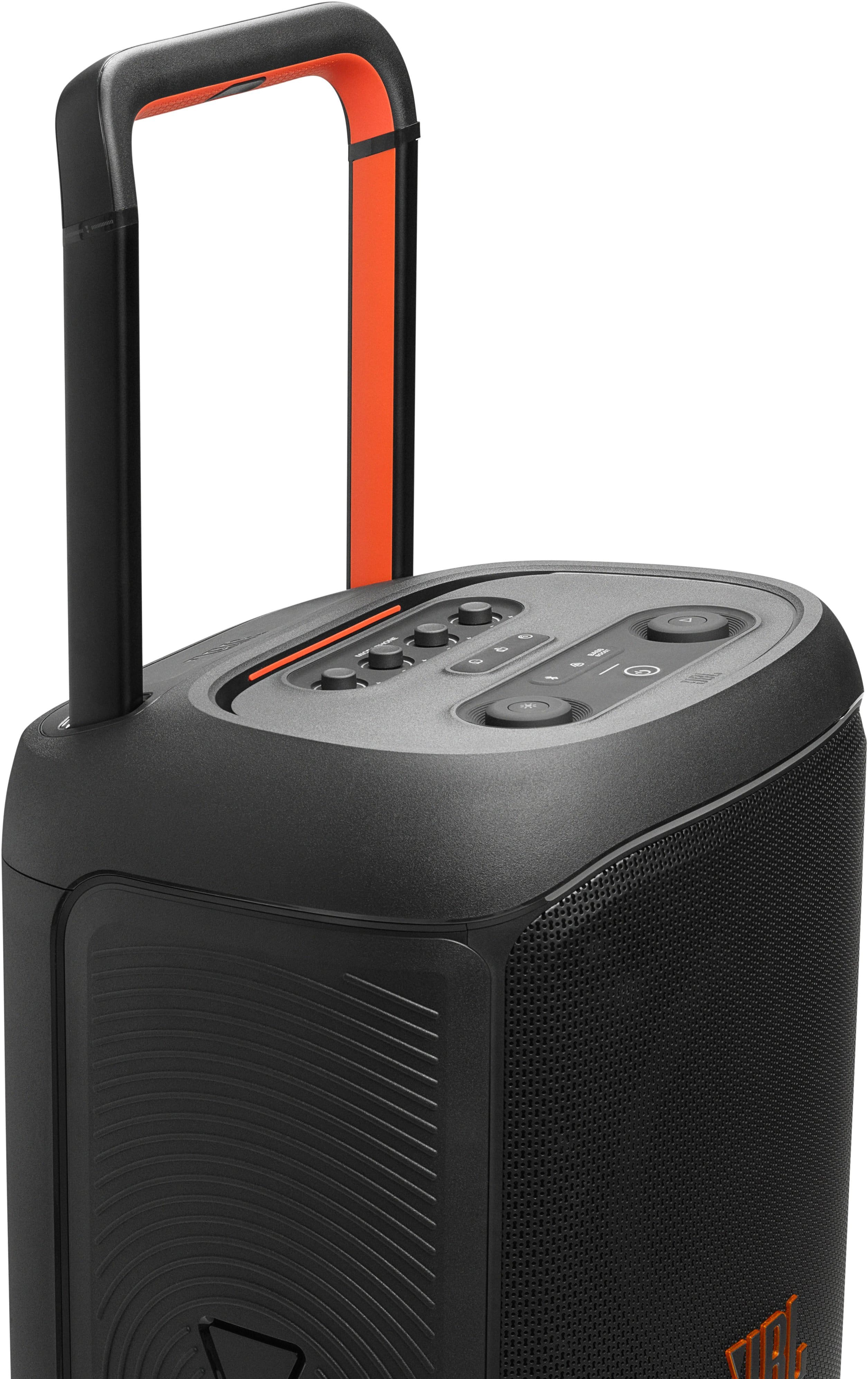
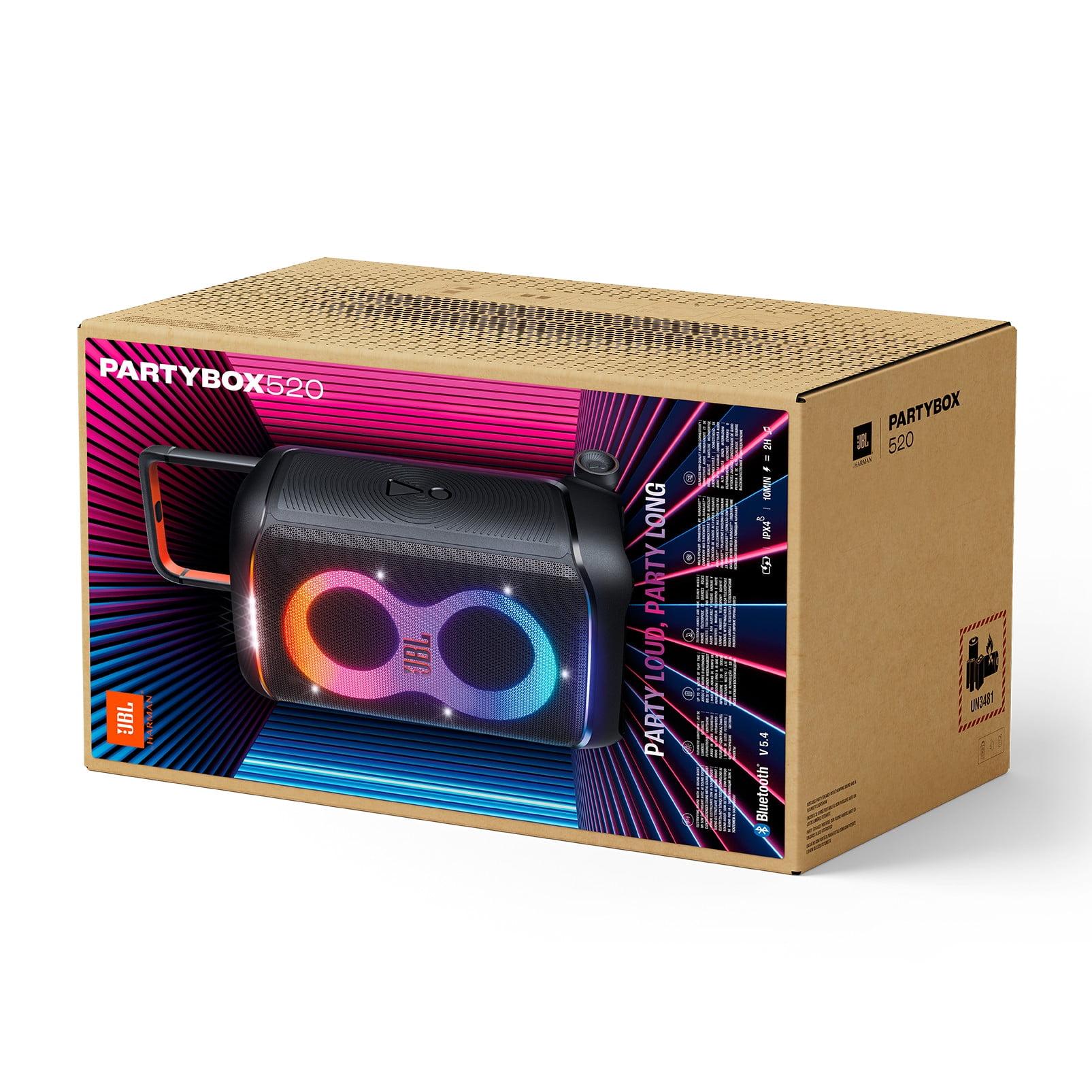
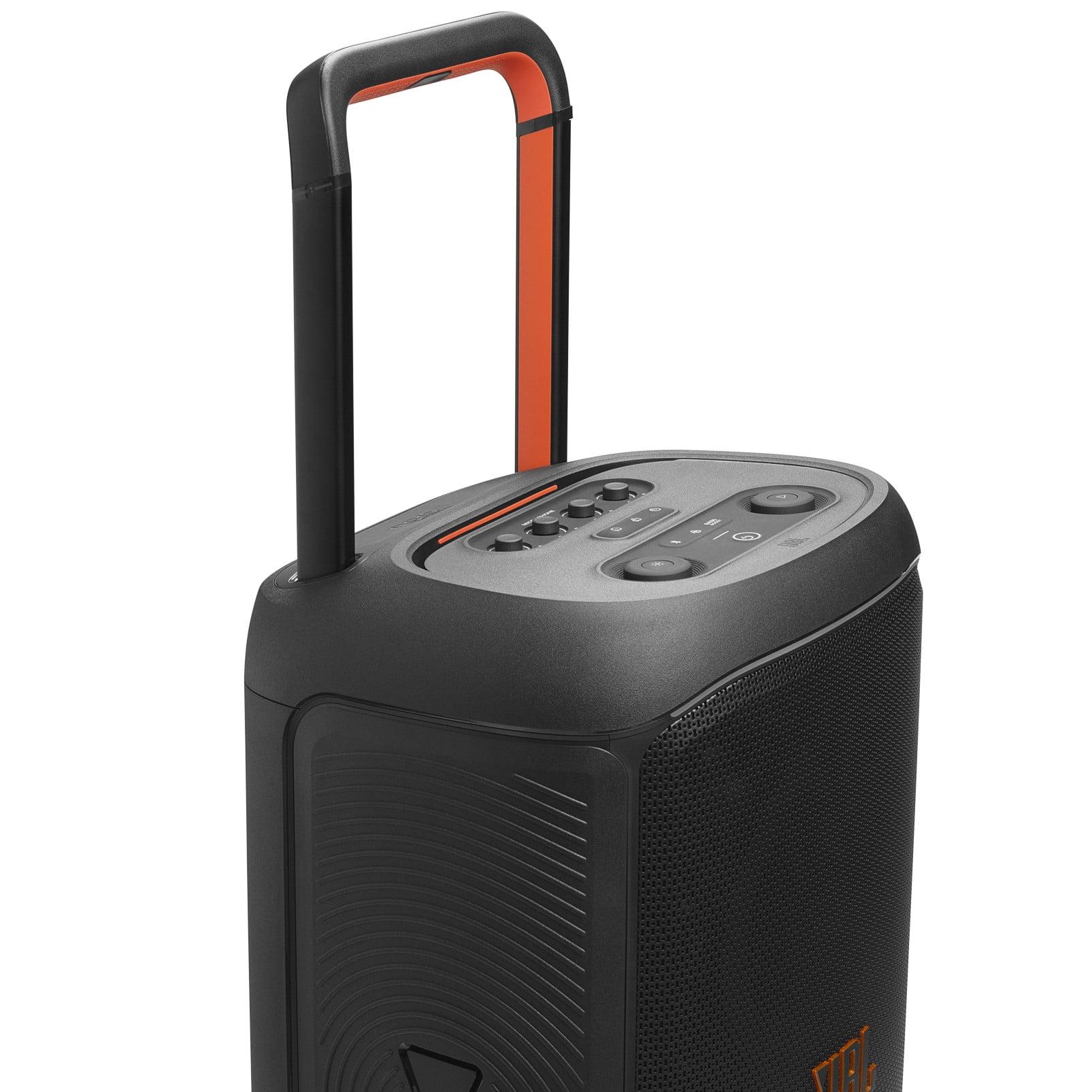
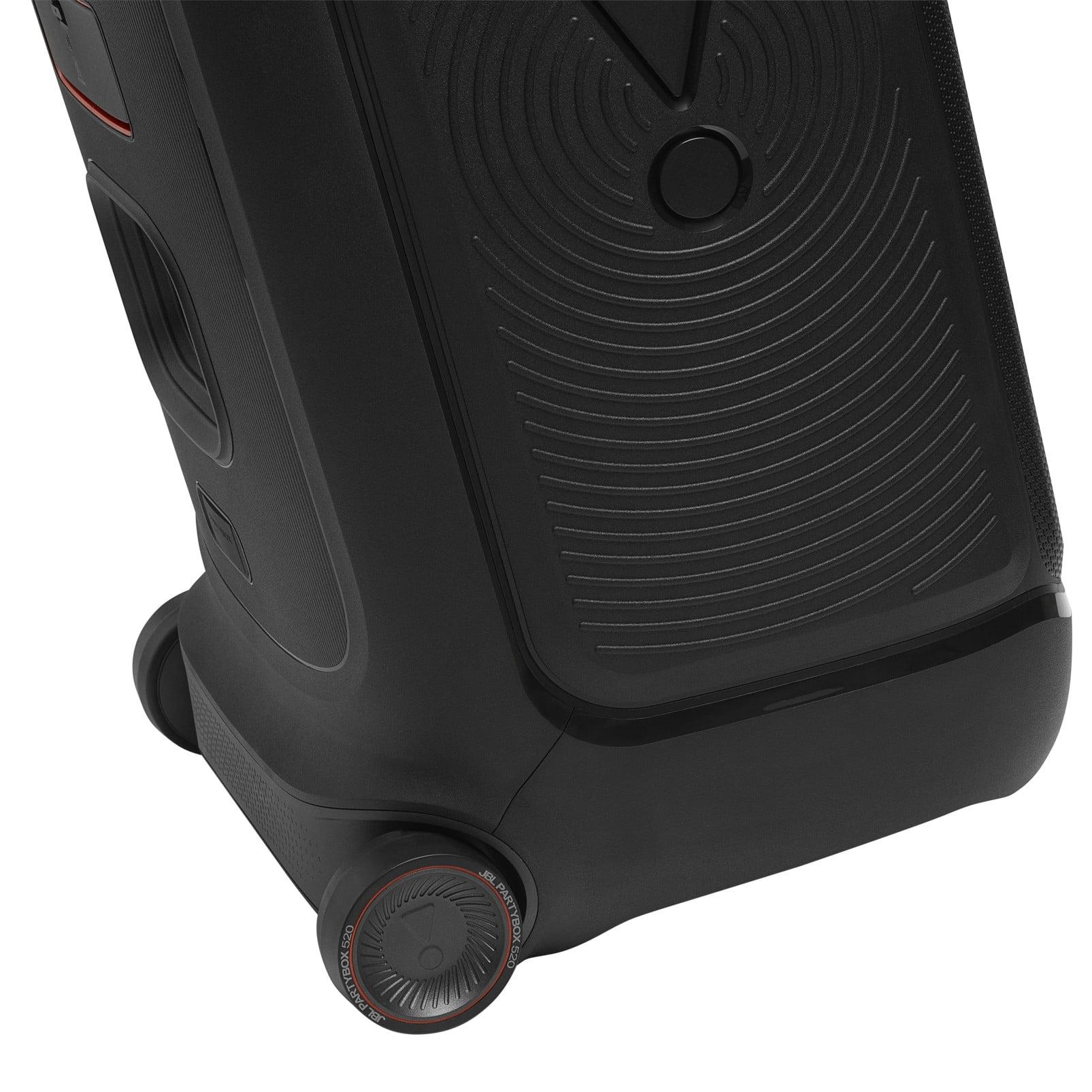
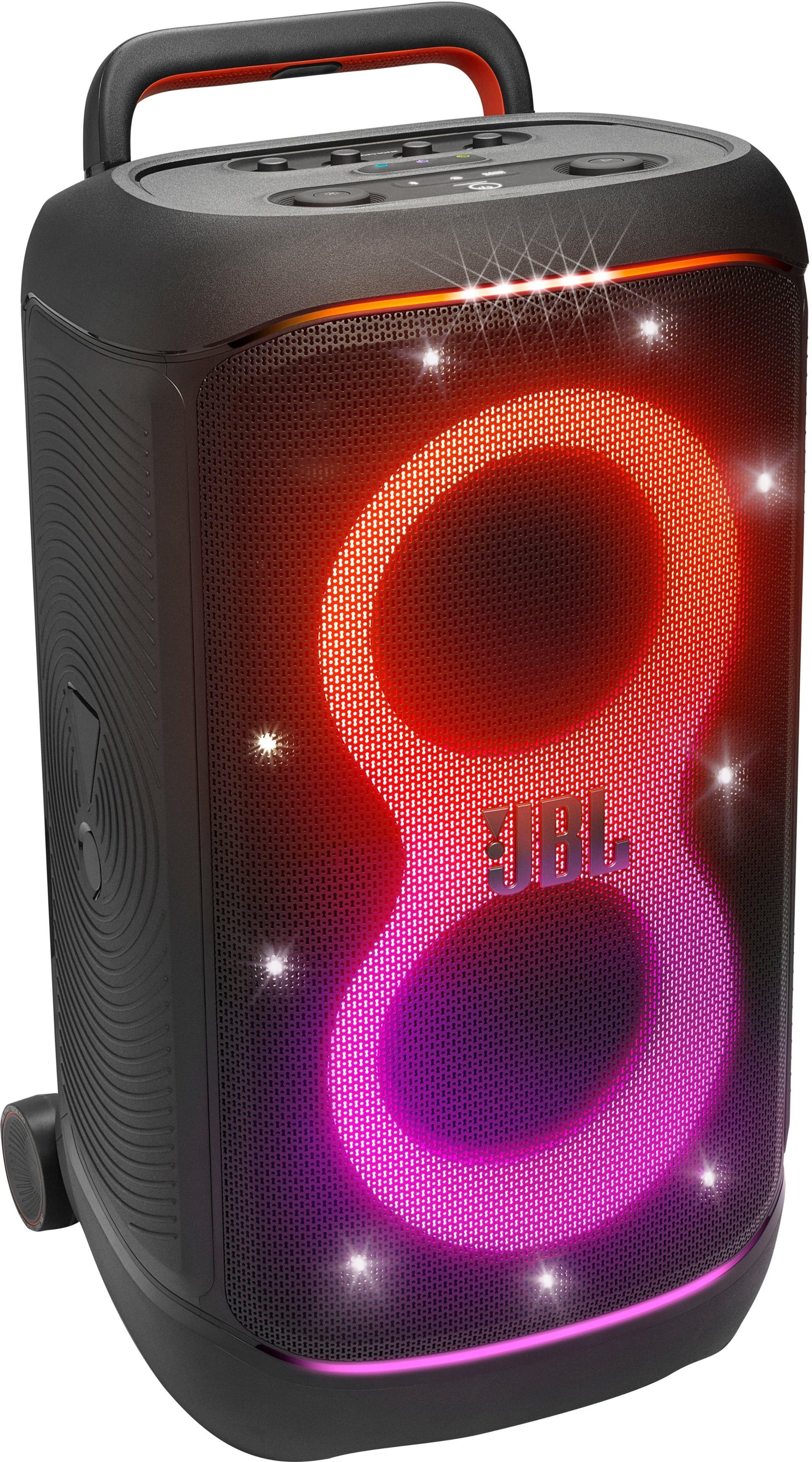
The JBL PartyBox 520, while still tall at about 30 inches, takes a more traditional party speaker approach with a rectangular cabinet design. It's actually lighter at 56 pounds and features what might be the best mobility system in the category: wide, grippy wheels and a telescopic handle that makes rolling it around surprisingly easy, even over slightly uneven surfaces.
Both speakers are built tough with reinforced plastic construction and metal grilles to protect the drivers. The JBL gains an edge in outdoor use with its IPX4 splash-proof rating, meaning it can handle some rain or poolside splashes. The Sony ULT TOWER 9 includes a splash-resistant top panel but isn't fully weather-sealed.
In terms of pure portability, neither speaker is something you'd want to carry far, but both excel at different types of movement. The JBL's superior wheel system makes it better for rolling across various surfaces, while the Sony's lighter weight gives it an advantage when you need to lift it over obstacles or carry it up stairs.
This is where these two speakers truly diverge, and understanding their different approaches to sound reproduction is crucial for making the right choice.
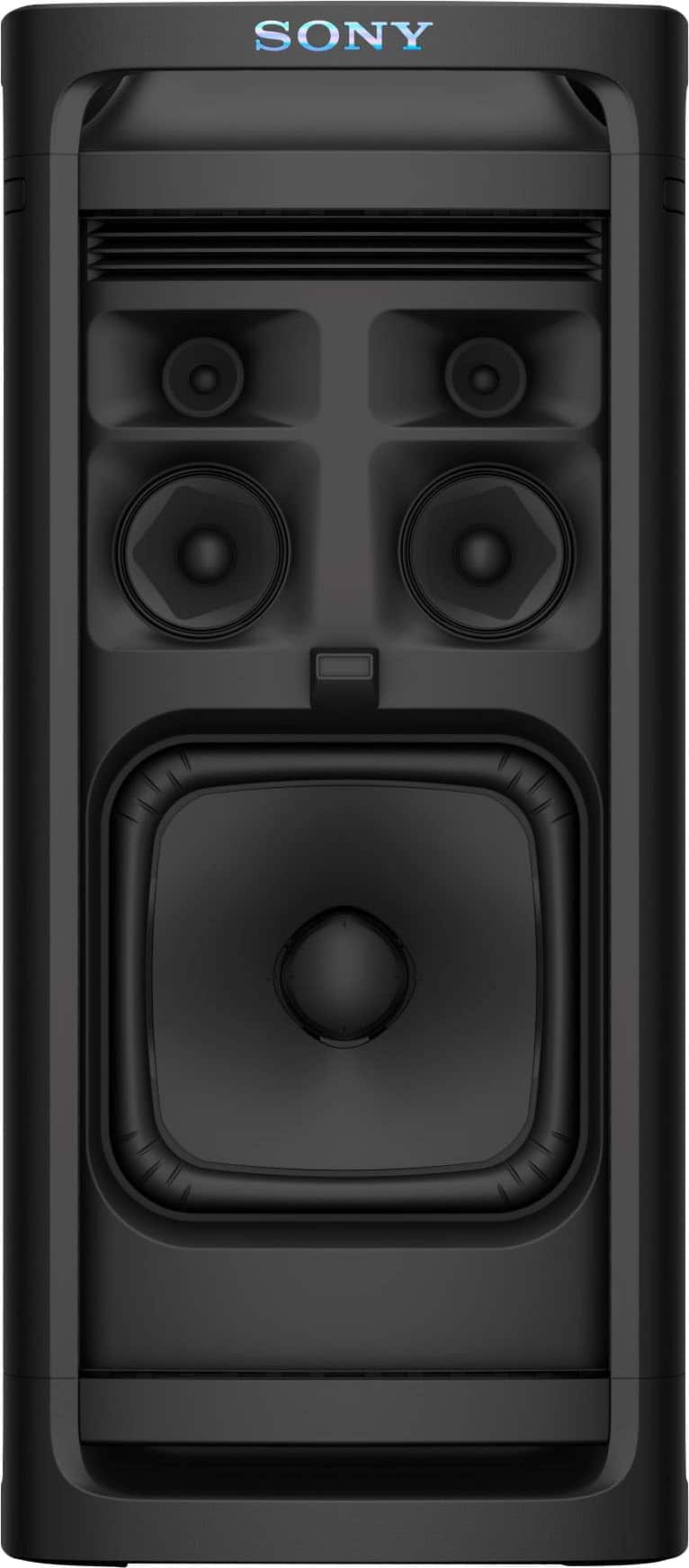
The Sony ULT TOWER 9 employs what's called a 3-way driver system, which means it uses different speakers optimized for different frequency ranges. At the bottom sits a massive 12.6-inch X-Balanced woofer – Sony's proprietary rectangular driver design that increases surface area compared to traditional round drivers. This creates more air movement for deeper, more impactful bass with less distortion.
Above that, two dedicated 4.8-inch midrange drivers handle vocals and instruments, while four dome tweeters (two facing forward, two facing backward) reproduce high frequencies like cymbals and vocal details. This separation of duties allows each driver to focus on what it does best, resulting in clearer, more detailed sound.
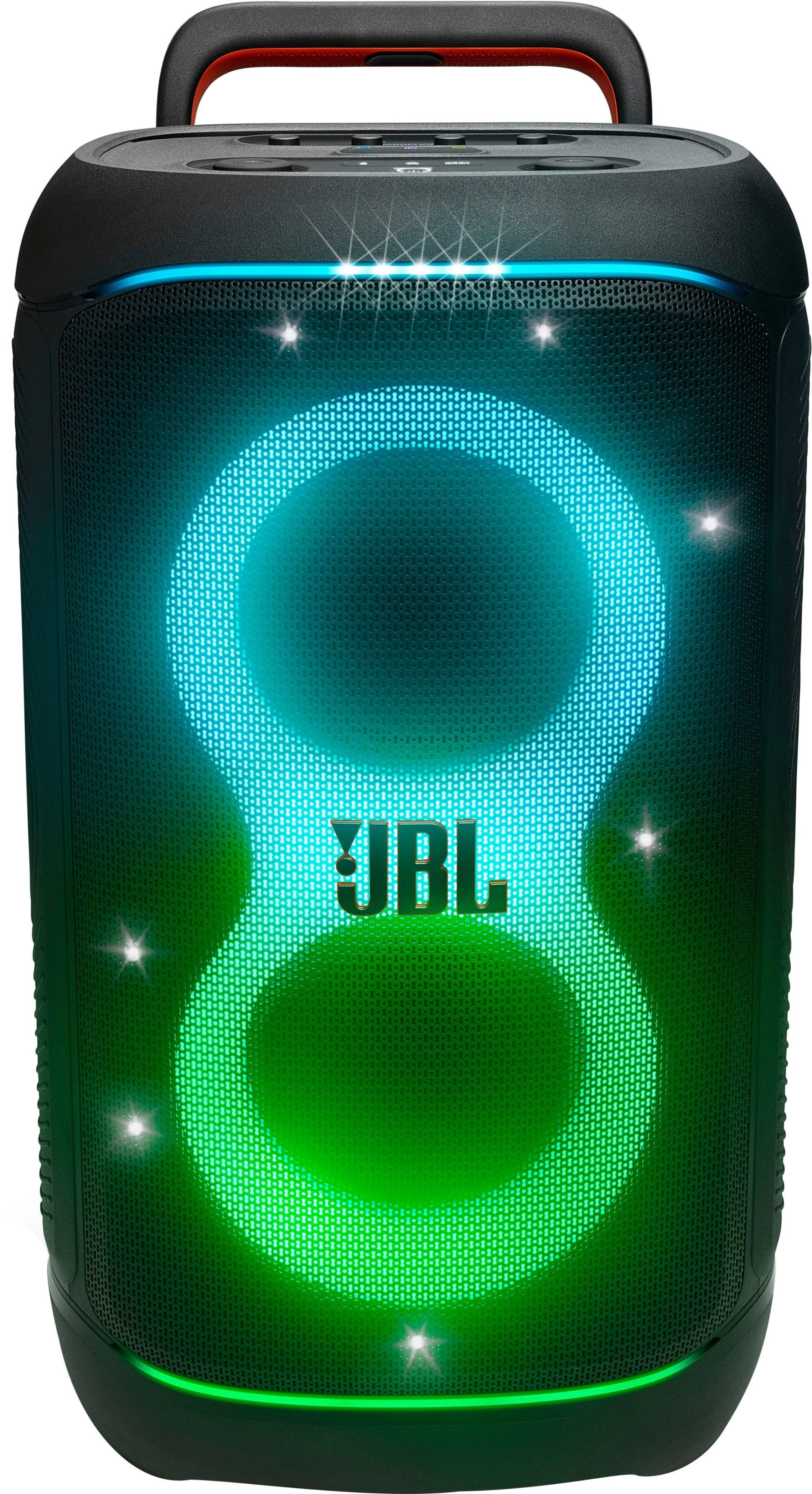
The JBL PartyBox 520 takes a simpler but still effective 2-way approach with dual 7.5-inch woofers and dual 1-inch dome tweeters. While this means the woofers have to handle both bass and midrange frequencies, JBL's decades of experience in professional audio shows in the execution. The AI Sound Boost technology, introduced in 2024, continuously analyzes the audio signal and adjusts the speaker's output in real-time to prevent distortion and maximize clarity at high volumes.
Our research into user and expert reviews reveals a consistent pattern: the Sony ULT TOWER 9 delivers more balanced, audiophile-friendly sound, while the JBL PartyBox 520 prioritizes bass impact and party-friendly sound signatures.
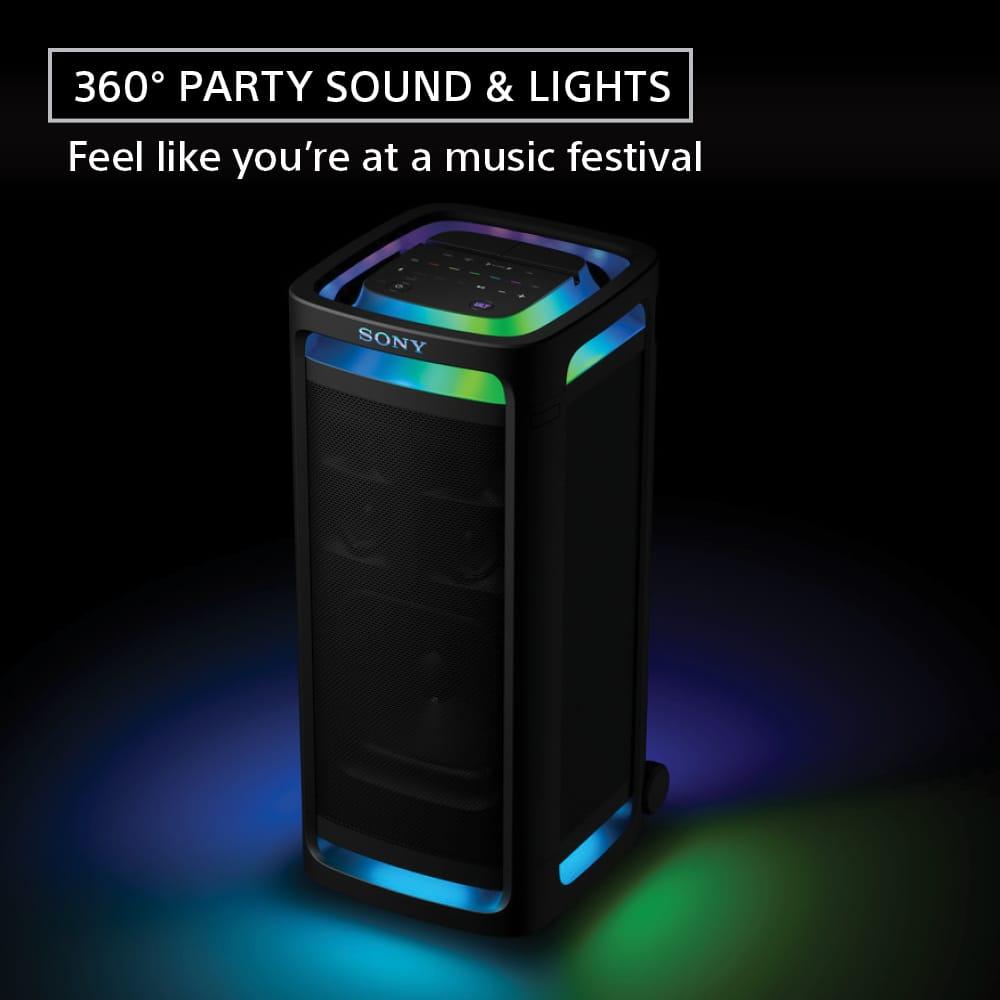
The Sony's frequency response extends from 20Hz to 20kHz, but its real strength lies in the critical midrange where vocals and most instruments live. The dedicated midrange drivers and rear-firing tweeters create what's called a 360-degree soundfield, meaning the audio disperses in all directions rather than projecting straight ahead. This reduces dead spots in large rooms and creates a more immersive listening experience.
The JBL digs deeper into the bass frequencies, reaching down to around 20Hz or lower – frequencies you feel in your chest rather than just hear. This makes it exceptional for bass-heavy genres like hip-hop, EDM, and reggaeton. However, some users report that vocals can get overshadowed by the aggressive bass tuning, especially in smaller rooms where the low frequencies can become overwhelming.
Both speakers get impressively loud – loud enough for outdoor parties with 75-100 people. The JBL PartyBox 520 delivers 400 watts RMS (Root Mean Square – the continuous power output), while Sony doesn't publish specific wattage figures but independent testing suggests similar power levels.
More important than raw power is how cleanly each speaker handles high volumes. The Sony ULT TOWER 9 consistently maintains better composure at maximum volume, with less compression and distortion. This means you can crank it up for hours without listener fatigue. The JBL can achieve slightly higher peak volumes but may show some strain in the lower frequencies at maximum output.
Both speakers provide a small power boost when plugged into AC power compared to battery operation, but the difference is subtle – maybe 2-3 decibels, which is barely noticeable to most listeners.
Modern party speakers aren't just about playing music loudly – they're entertainment hubs with sophisticated connectivity options and smart features.
Both the Sony ULT TOWER 9 and JBL PartyBox 520 support Bluetooth 5.3, the latest version that provides better connection stability and slightly improved audio quality. The Sony goes further with LDAC codec support, which can transmit higher-quality audio over Bluetooth when paired with compatible Android devices or Sony audio players.
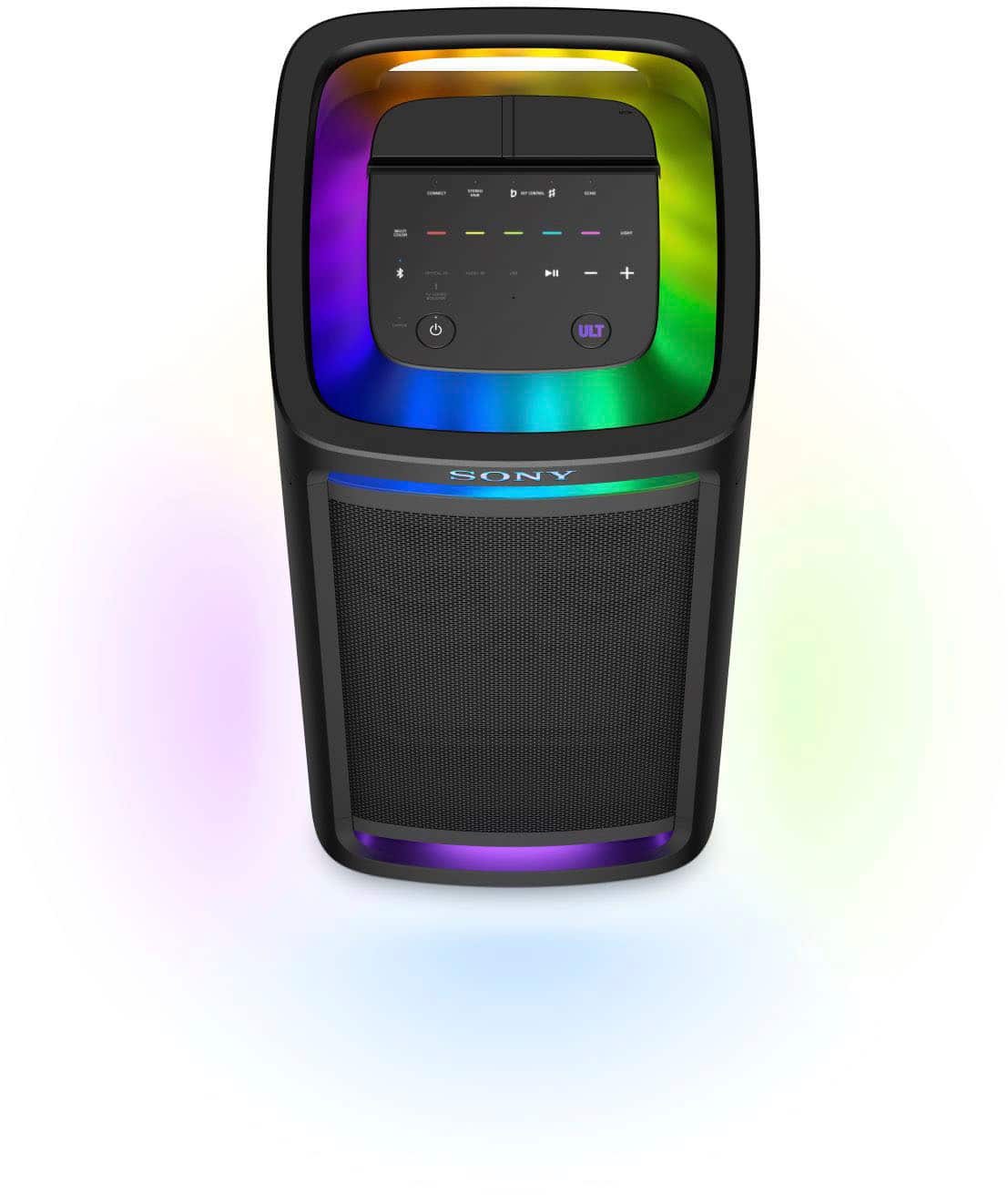
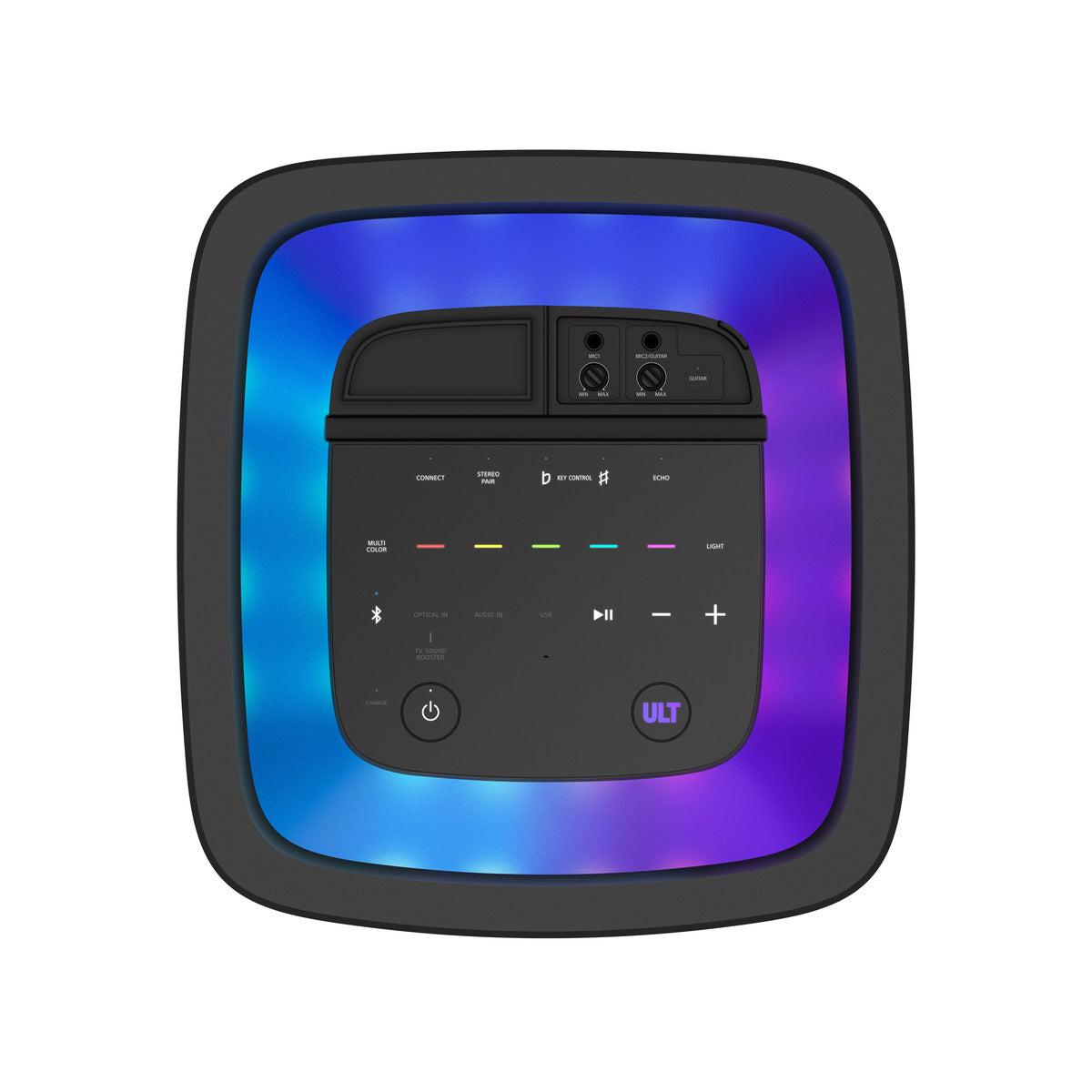
Where they really differ is in physical connectivity. The Sony ULT TOWER 9 includes an optical digital input with cable included – a feature that makes it excellent as a TV soundbar replacement. Connect it to your TV's optical output, and suddenly your living room has concert-level sound for movies and shows. The USB-A port handles both music playback from flash drives and device charging, while dual microphone inputs support karaoke and live performance.
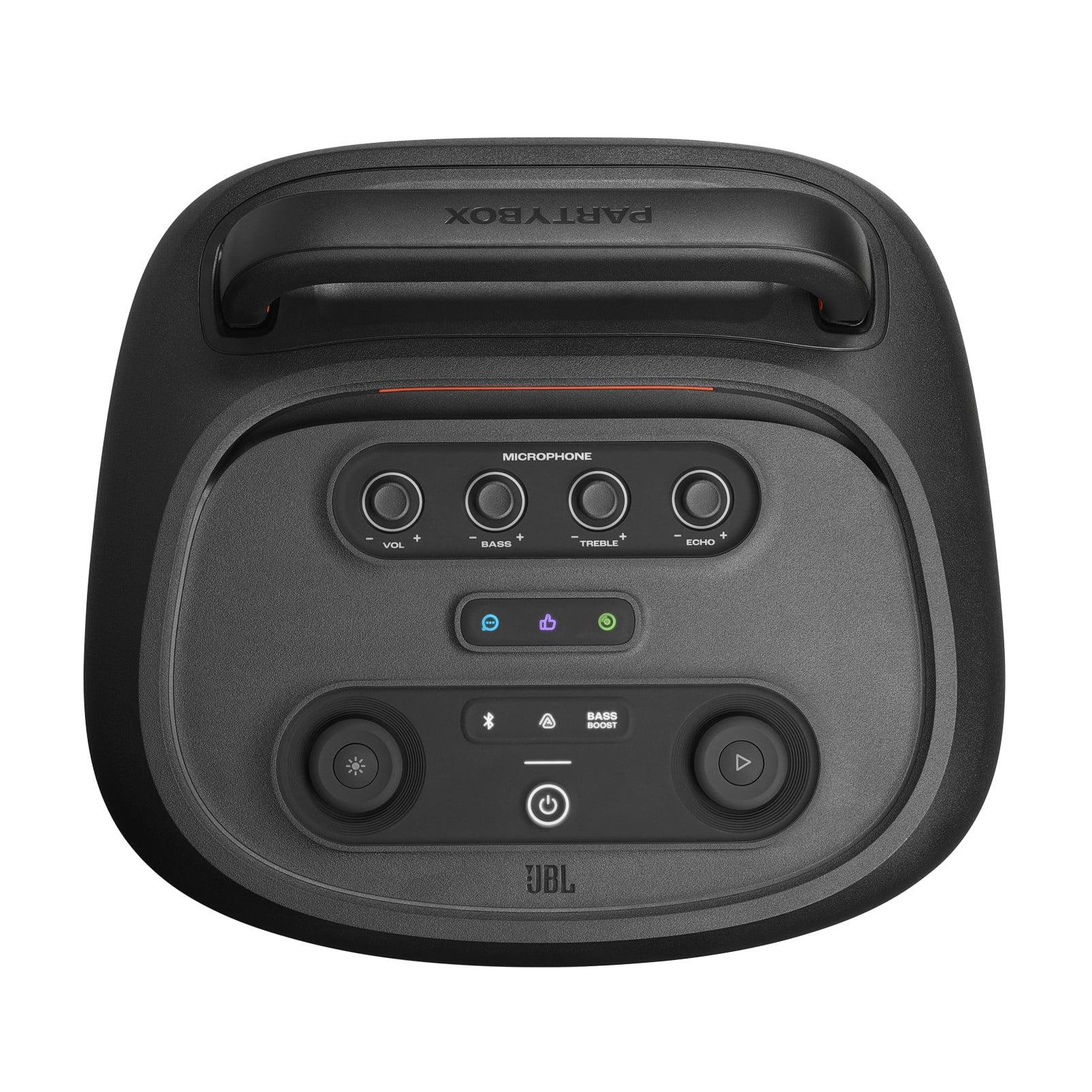
The JBL PartyBox 520 skips the optical input but offers more professional-grade connectivity with combination XLR/quarter-inch inputs that accept both microphones and line-level sources from DJ mixers or other audio equipment. The USB-C port is more versatile than Sony's USB-A, supporting both audio playback and faster device charging.
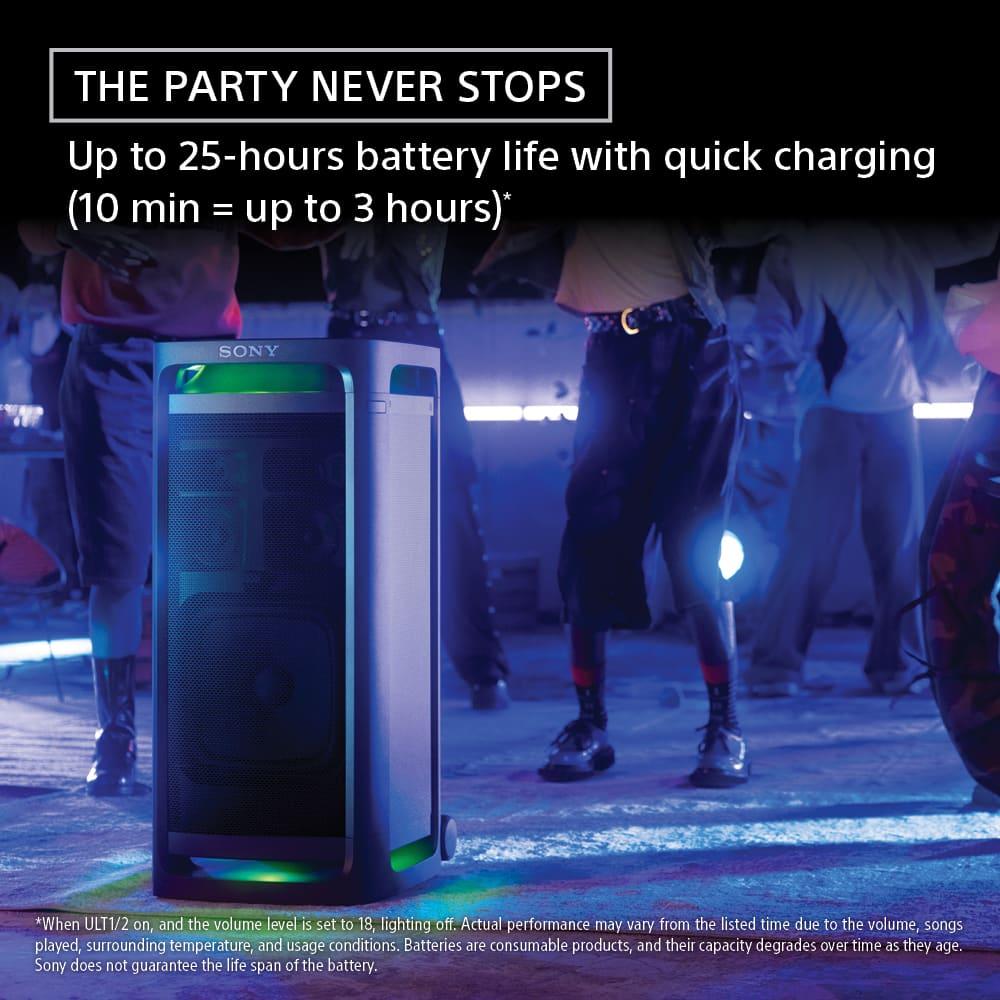
Battery performance can make or break a party speaker, and here the Sony ULT TOWER 9 takes a commanding lead. Sony claims up to 25 hours of playback time, and real-world testing by users suggests you can easily get 15-20 hours of mixed-volume listening. The quick-charge feature provides three hours of playback from just 10 minutes of charging – perfect for those "Oh no, the speaker's dead" moments.
The JBL PartyBox 520 offers up to 15 hours of playback, which is still respectable but notably less than the Sony. However, JBL's ace in the hole is the removable battery system. The battery pack slides out for replacement, meaning you can buy spare batteries for extended events or easily replace the battery when it eventually degrades after years of use. This is a significant advantage for professional users or anyone planning very long events.
Both speakers can operate while charging, so you're never completely stuck if the battery dies during a party.
Modern party speakers are expected to provide visual entertainment alongside audio, and both deliver impressive light shows, though with different approaches.
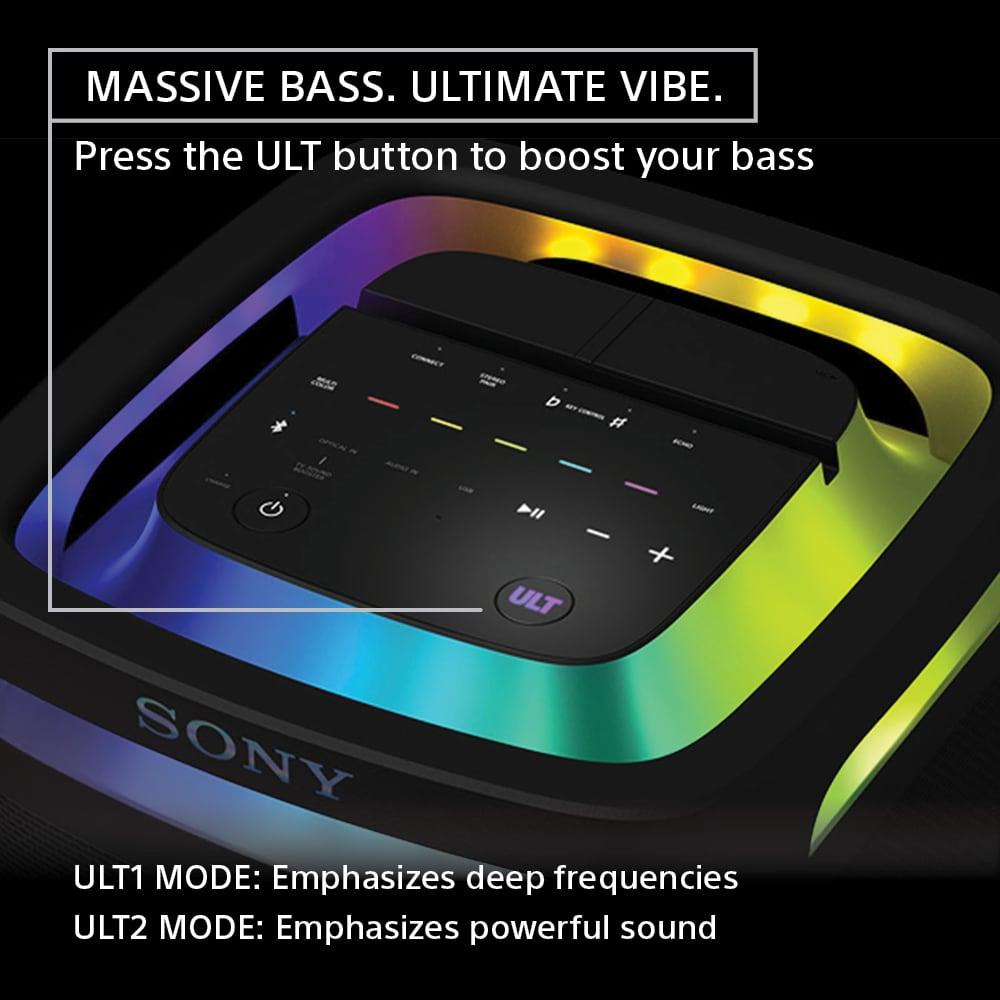
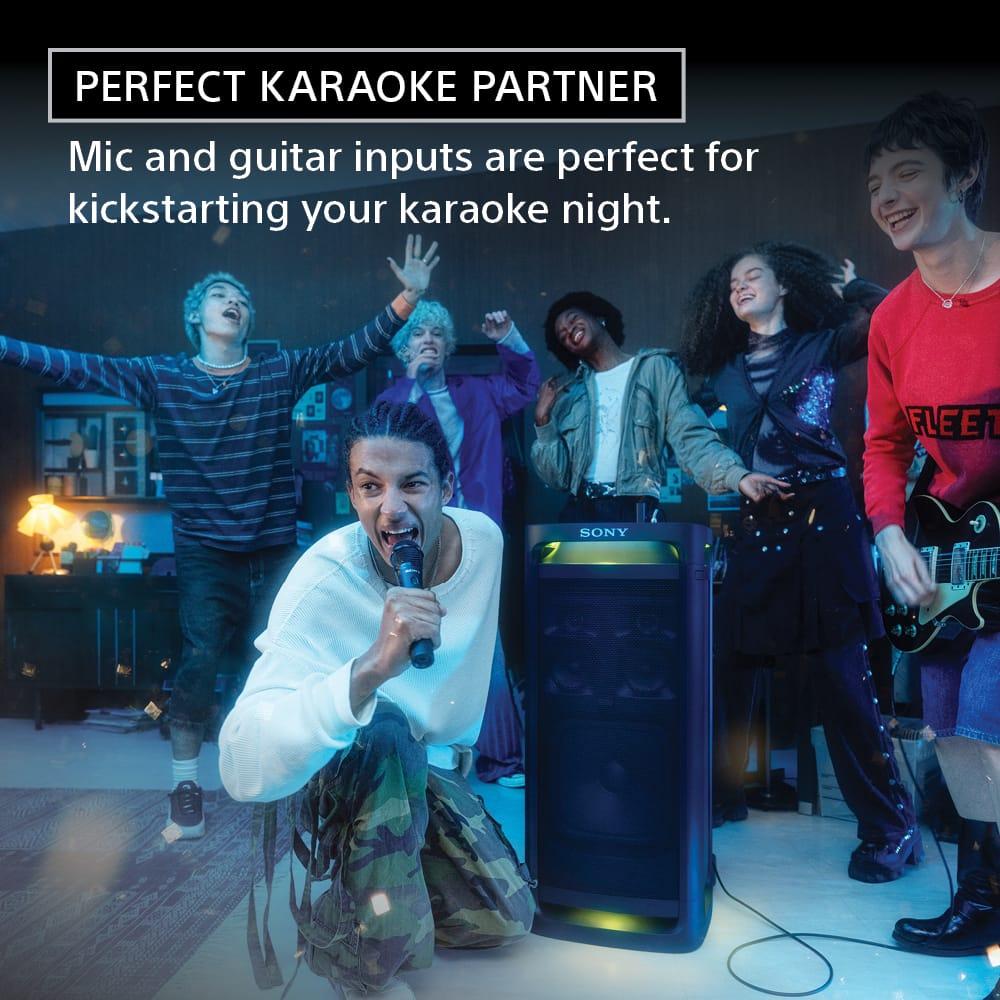
The Sony ULT TOWER 9 features 360-degree Party Light with customizable patterns that sync to the music. The lighting creates a pleasant ambient glow that fills the room, but it's more subtle than some competitors. Where Sony really shines is in karaoke features. The speaker includes Key Control for changing the pitch of songs, Echo Control for that authentic karaoke reverb, and various voice effects. It's also compatible with Sony's ULT MIC wireless microphone system, which includes features like Duet Assist for balancing harmonies when multiple people sing together.
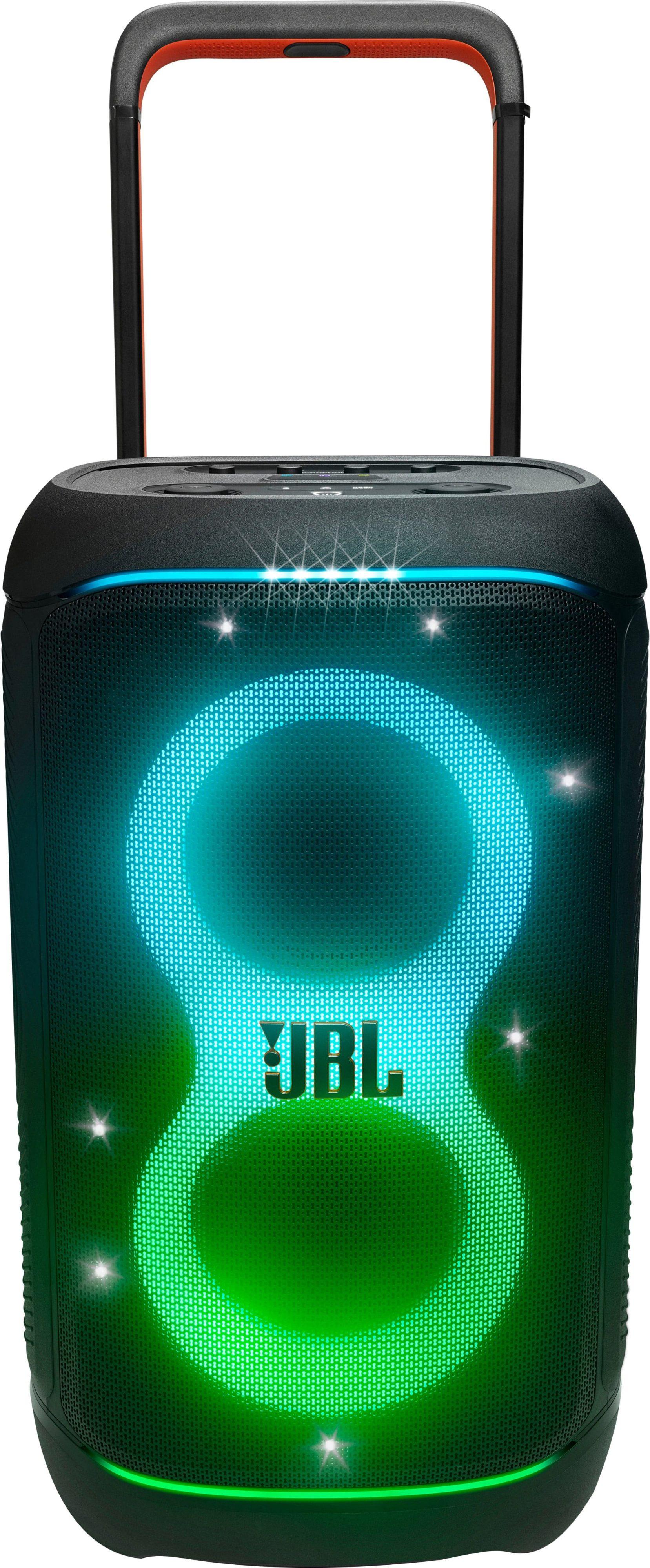
The JBL PartyBox 520 takes a more dramatic approach to lighting with bright LED effects around the drivers and color-changing strobes. The lights are more attention-grabbing and party-focused, though some might find them distracting during casual listening. The karaoke features are more basic than Sony's offering, but the speaker makes up for it with better professional connectivity options.
Both speakers support connecting multiple units together, but they use different technologies. The Sony ULT TOWER 9 can pair with another identical unit for true stereo separation or connect with up to 100 compatible Sony speakers using Party Connect technology for synchronized audio and lighting across large venues.
The JBL PartyBox 520 uses Auracast technology, which is more open and can potentially connect with third-party speakers that support the standard. This gives it more flexibility in mixed-brand setups, though the technology is still relatively new.
If you're considering using either speaker as a TV soundbar replacement, the Sony ULT TOWER 9 is the clear winner. The included optical cable and TV Sound Booster feature specifically optimize the speaker for dialogue clarity and movie soundtracks. The 360-degree sound dispersion creates a more cinematic experience than traditional soundbars, and the massive bass driver delivers the kind of low-frequency impact that makes action movies truly exciting.
The JBL PartyBox 520 can certainly improve TV audio when connected via auxiliary input, but without optical connectivity and dialogue-specific tuning, it's not as well-suited for regular TV viewing. Its bass-heavy tuning might actually make dialogue less clear in some content.
At the time of writing, both speakers typically retail within $50 of each other in the $850-950 range, making value comparison crucial. The Sony ULT TOWER 9 offers better audio quality, longer battery life, and more comprehensive entertainment features, making it excellent value for users who prioritize sound fidelity and versatility. The included optical cable and TV integration capabilities add significant value if you plan to use it as a home audio upgrade.
The JBL PartyBox 520 provides maximum bass impact, professional connectivity, and a more dramatic visual presentation, offering better value for users focused on party atmosphere and bass-heavy music. The removable battery system also provides better long-term value, as battery replacement doesn't require professional service.
Both speakers come with one-year manufacturer warranties, which is standard for the category. However, the JBL's user-serviceable battery gives it an advantage in long-term reliability and cost of ownership.
After extensive research into user feedback and expert reviews, the choice between these speakers comes down to your primary use case and audio preferences.
Choose the Sony ULT TOWER 9 if you want the best overall audio quality and versatility. Its balanced sound signature makes it excellent for diverse music genres, and the superior battery life means you won't be constantly worried about power. The karaoke features are genuinely impressive, and the optical input makes it a legitimate home theater upgrade. It's the better choice for music lovers who want powerful sound without sacrificing clarity.
Choose the JBL PartyBox 520 if maximum bass impact and party atmosphere are your priorities. It delivers deeper, more physical bass that's perfect for dance music and outdoor gatherings where volume and impact matter more than nuanced audio reproduction. The professional connectivity options make it suitable for DJ use, and the dramatic lighting creates a more visually exciting party environment.
For most users who want a single speaker that can handle both casual listening and party duties, the Sony ULT TOWER 9 is the more versatile choice. Its superior sound quality and battery life make it better suited for daily use, while still delivering impressive performance when the party starts.
However, if your primary goal is to recreate the club experience at home or you regularly host bass-heavy music events, the JBL PartyBox 520 delivers the kind of physical impact that will get everyone moving. Just be prepared for a more bass-forward sound signature that might not suit all types of music equally well.
Both speakers represent the cutting edge of portable audio technology in 2024, and either choice will significantly upgrade your audio experience compared to smaller Bluetooth speakers. The decision ultimately comes down to whether you prioritize balanced audiophile sound quality or maximum party impact – and fortunately, both speakers excel at their respective strengths.
| Sony ULT TOWER 9 | JBL PartyBox 520 |
|---|---|
| Power Output - Determines maximum volume and bass impact | |
| Not specified (estimated ~400W based on performance) | 400W RMS (delivers chest-thumping bass) |
| Driver Configuration - Affects sound quality and clarity | |
| 3-way system: 12.6" X-Balanced woofer, 2x 4.8" midrange, 4x dome tweeters | 2-way system: 2x 7.5" woofers, 2x 1" dome tweeters |
| Frequency Response - How deep the bass goes and high the treble extends | |
| 20Hz - 20kHz (balanced across all frequencies) | 40Hz - 20kHz (deeper perceived bass impact) |
| Battery Life - Critical for all-day events without power access | |
| Up to 25 hours (industry-leading endurance) | Up to 15 hours (solid but requires more frequent charging) |
| Weight and Dimensions - Affects portability and setup flexibility | |
| 65.2 lbs, 35.8" tall (lighter but taller tower design) | 56.2 lbs, 30.3" tall (heavier but more compact) |
| Weather Resistance - Important for outdoor use | |
| Splash-resistant top panel only | IPX4 splash-proof rating (better outdoor protection) |
| Connectivity Options - Determines compatibility with devices and professional equipment | |
| Bluetooth 5.3, USB-A, 3.5mm aux, optical input, 2x 1/4" mic inputs | Bluetooth 5.4, USB-C, 3.5mm aux, 2x XLR/1/4" combo inputs |
| Sound Dispersion - Affects how sound fills the room | |
| 360° sound with rear tweeters (eliminates dead zones) | Front-firing design (more directional, angle-dependent) |
| Karaoke Features - Important for entertainment and vocal performance | |
| Advanced: Key Control, Echo Control, voice effects, ULT MIC compatibility | Basic: Volume and EQ controls for microphones |
| Multi-Speaker Connectivity - For expanding system size | |
| Party Connect (up to 100 Sony speakers) | Auracast (broader compatibility with various brands) |
| Battery System - Affects long-term usability and service | |
| Built-in non-removable (requires professional service eventually) | Removable battery pack (user-replaceable, buy spares) |
| Lighting Effects - Creates party atmosphere and visual impact | |
| 360° Party Light with customizable patterns (subtle ambient) | Dynamic LED effects with strobes (more dramatic and attention-grabbing) |
| TV Integration - Useful for home theater enhancement | |
| Optical input with TV Sound Booster feature (excellent soundbar replacement) | AUX input only (basic TV audio improvement) |
The Sony ULT TOWER 9 delivers superior overall sound quality with its 3-way driver system that includes dedicated midrange drivers and four tweeters. This creates clearer vocals and better instrument separation. The JBL PartyBox 520 focuses more on bass impact and party-friendly sound, which can sometimes overshadow vocal clarity. For balanced, audiophile-quality sound, the Sony ULT TOWER 9 is the clear winner.
Both the Sony ULT TOWER 9 and JBL PartyBox 520 reach similar maximum volume levels suitable for large gatherings of 75-100 people. The JBL PartyBox 520 can achieve slightly higher peak volumes, but the Sony ULT TOWER 9 maintains better sound quality at maximum volume with less distortion and compression.
The Sony ULT TOWER 9 offers significantly longer battery life with up to 25 hours of playback compared to the JBL PartyBox 520's 15 hours. However, the JBL PartyBox 520 has a removable battery system, allowing you to swap in fresh batteries for extended events, while the Sony's battery is built-in.
The JBL PartyBox 520 delivers deeper, more aggressive bass that extends down to 20Hz, making it excellent for bass-heavy genres like hip-hop and EDM. The Sony ULT TOWER 9 produces more balanced bass with its ULT modes, offering powerful low-end without overwhelming other frequencies. Choose the JBL for maximum bass impact, or the Sony for more musical bass response.
The Sony ULT TOWER 9 excels as a TV soundbar replacement with its included optical input and TV Sound Booster feature that optimizes dialogue clarity. The 360-degree sound creates an immersive home theater experience. The JBL PartyBox 520 can improve TV audio through its auxiliary input but lacks the specialized features and connectivity for optimal TV use.
Despite being heavier at 56 pounds, the JBL PartyBox 520 is more portable thanks to its superior telescopic handle and wide, grippy wheels that roll smoothly over various surfaces. The Sony ULT TOWER 9 is lighter at 65 pounds but its tower design makes it more challenging to navigate stairs or uneven terrain, though it includes built-in casters for flat surface movement.
The Sony ULT TOWER 9 offers advanced karaoke features including Key Control for pitch adjustment, Echo Control, voice effects, and compatibility with Sony's ULT MIC wireless microphones. The JBL PartyBox 520 provides basic microphone support with volume and EQ controls but lacks the sophisticated karaoke features and effects found in the Sony system.
The JBL PartyBox 520 features more dramatic and attention-grabbing LED effects with strobes and color-changing patterns around the drivers. The Sony ULT TOWER 9 offers 360-degree Party Light with customizable patterns that create subtle ambient lighting. Choose the JBL for maximum visual impact or the Sony for more understated party atmosphere.
Both speakers support multi-speaker connectivity but use different technologies. The Sony ULT TOWER 9 uses Party Connect to link up to 100 compatible Sony speakers for synchronized audio and lighting. The JBL PartyBox 520 features Auracast technology, which offers broader compatibility with various speaker brands beyond just JBL products.
The JBL PartyBox 520 is better suited for outdoor use with its IPX4 splash-proof rating that protects against rain and poolside splashes. It also delivers the kind of bass-heavy sound that works well in open outdoor spaces. The Sony ULT TOWER 9 only has splash-resistant top panel protection and is better suited for covered outdoor areas or indoor use.
The Sony ULT TOWER 9 provides more comprehensive connectivity with Bluetooth 5.3, USB-A, 3.5mm auxiliary, optical digital input, and dual microphone inputs. The JBL PartyBox 520 offers Bluetooth 5.4, USB-C, 3.5mm auxiliary, and professional XLR/quarter-inch combo inputs. The Sony is better for home integration, while the JBL suits professional DJ setups.
Both the Sony ULT TOWER 9 and JBL PartyBox 520 are similarly priced in the premium party speaker segment. The Sony ULT TOWER 9 offers better value for users wanting superior sound quality, longer battery life, and home theater integration. The JBL PartyBox 520 provides better value for those prioritizing maximum bass impact, professional connectivity, and dramatic lighting effects.
We've done our best to create useful and informative comparisons to help you decide what product to buy. Our research uses advanced automated methods to create this comparison and perfection is not possible - please contact us for corrections or questions. These are the sites we've researched in the creation of this article: theshortcut.com - skybygramophone.com - bestbuy.com - crutchfield.com - soundguys.com - videoandaudiocenter.com - electronics.sony.com - helpguide.sony.net - youtube.com - youtube.com - youtube.com - sony.com - youtube.com - skybygramophone.com - sony.com - manuals.plus - stereoguide.com - helpguide.sony.net - soundguys.com - rtings.com - rtings.com - rtings.com - letemsvetemapplem.eu - youtube.com - worldwidestereo.com - youtube.com - global.jbl.com - youtube.com - soundguys.com - youtube.com - youtube.com - comparisontabl.es - youtube.com - youtube.com - youtube.com - gzhls.at - sweetwater.com - static.pcrichard.com - brandsmartusa.com - news.harman.com - jbl.com - ro.harmanaudio.com - jbl.com - creativeaudio.net

Privacy Policy
Terms and Conditions - Affiliate Policy
Home Security
© Copyright 2008-2026.
11816 Inwood Rd #1211, Dallas, TX 75244