

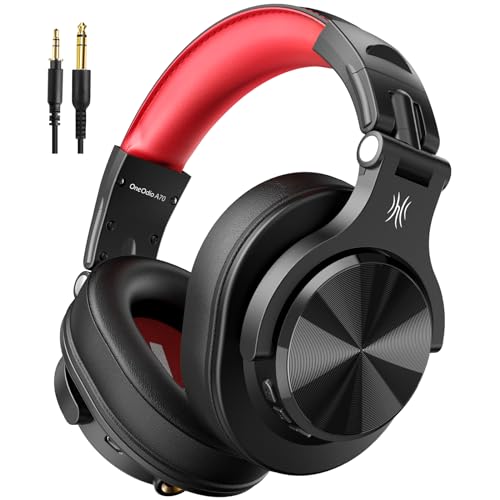




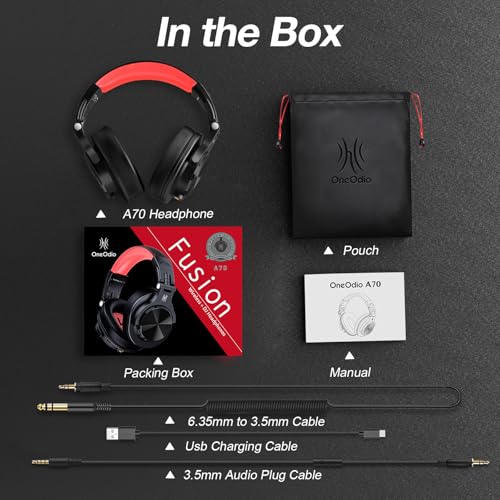

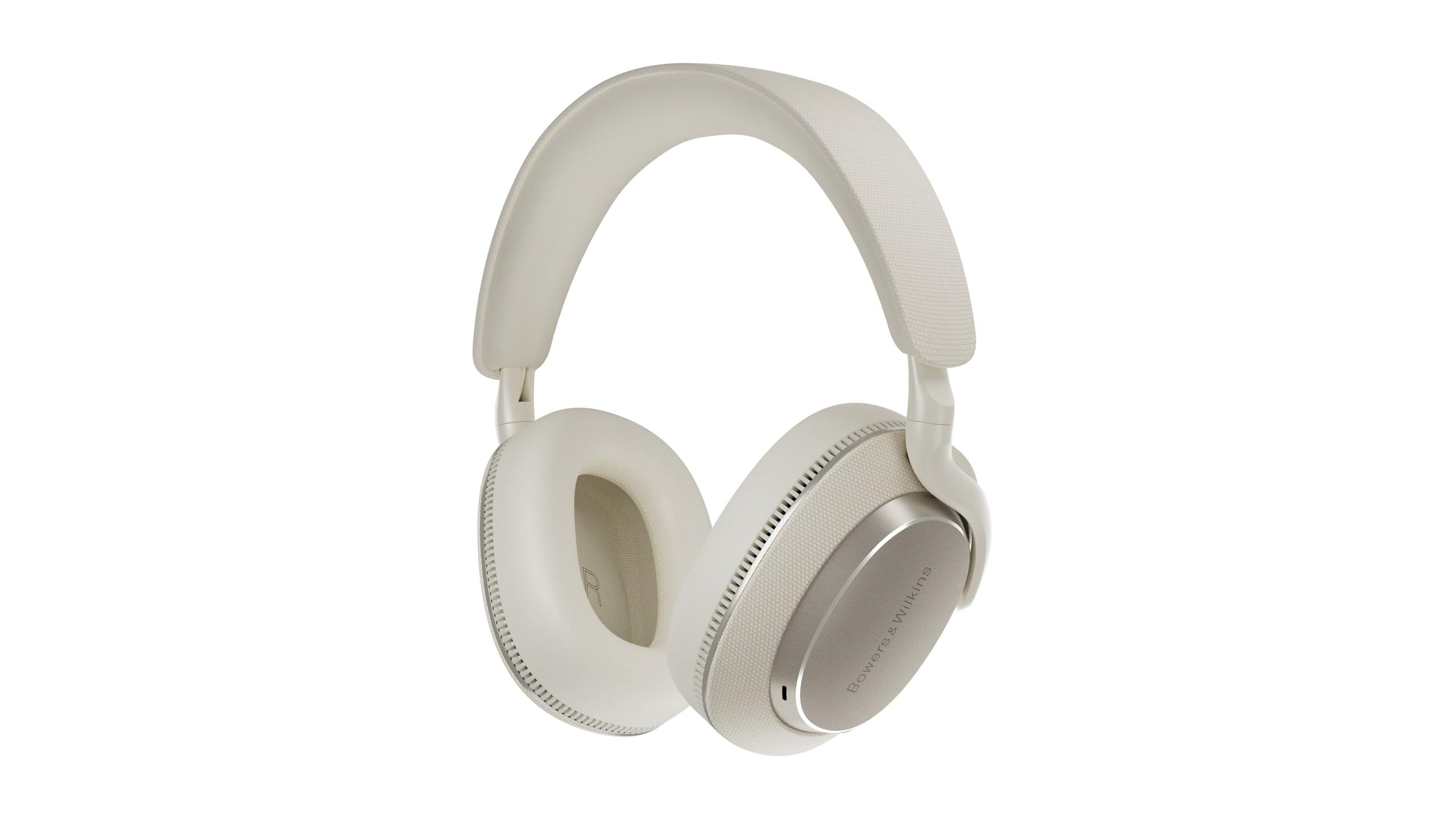
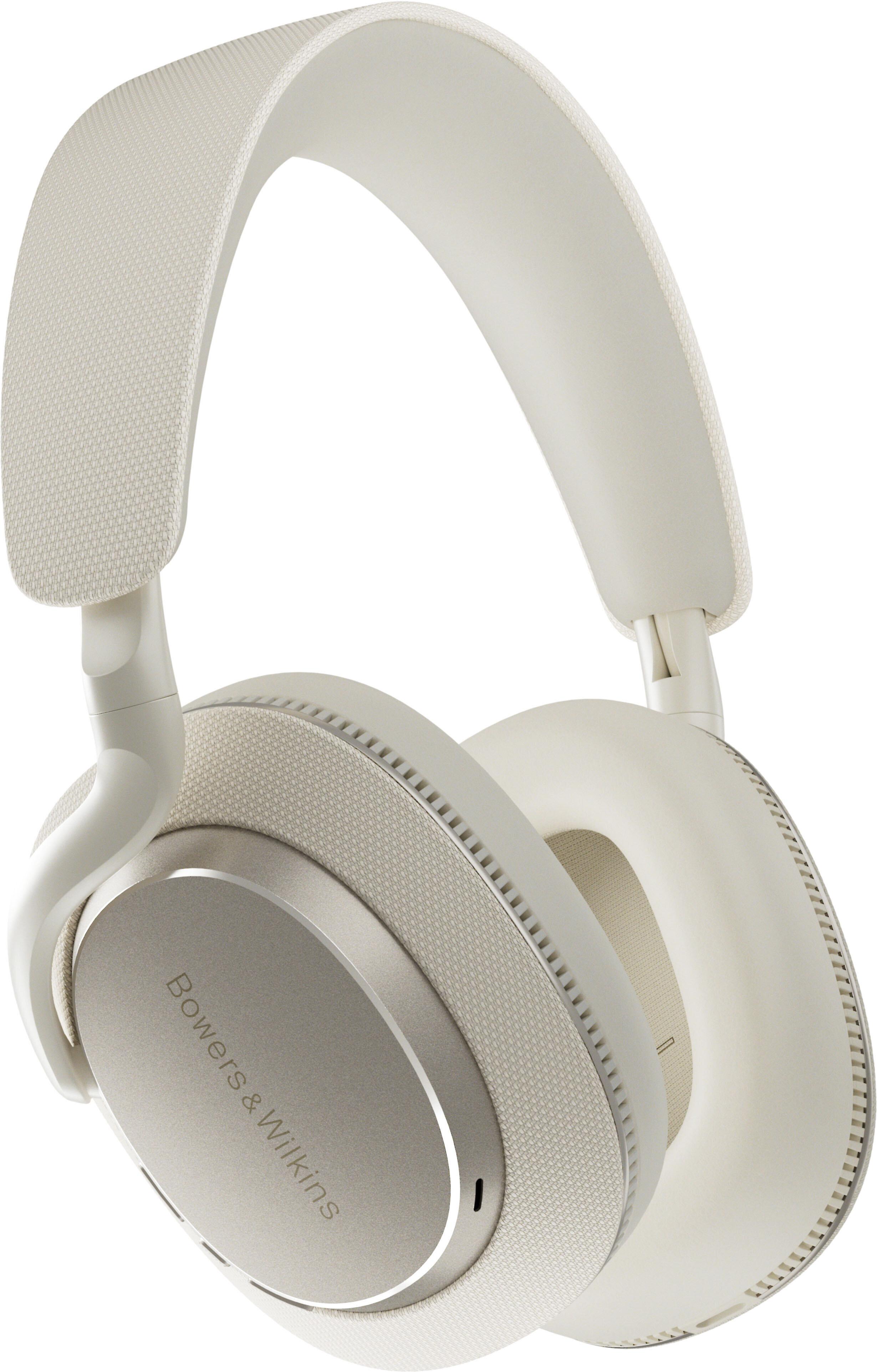
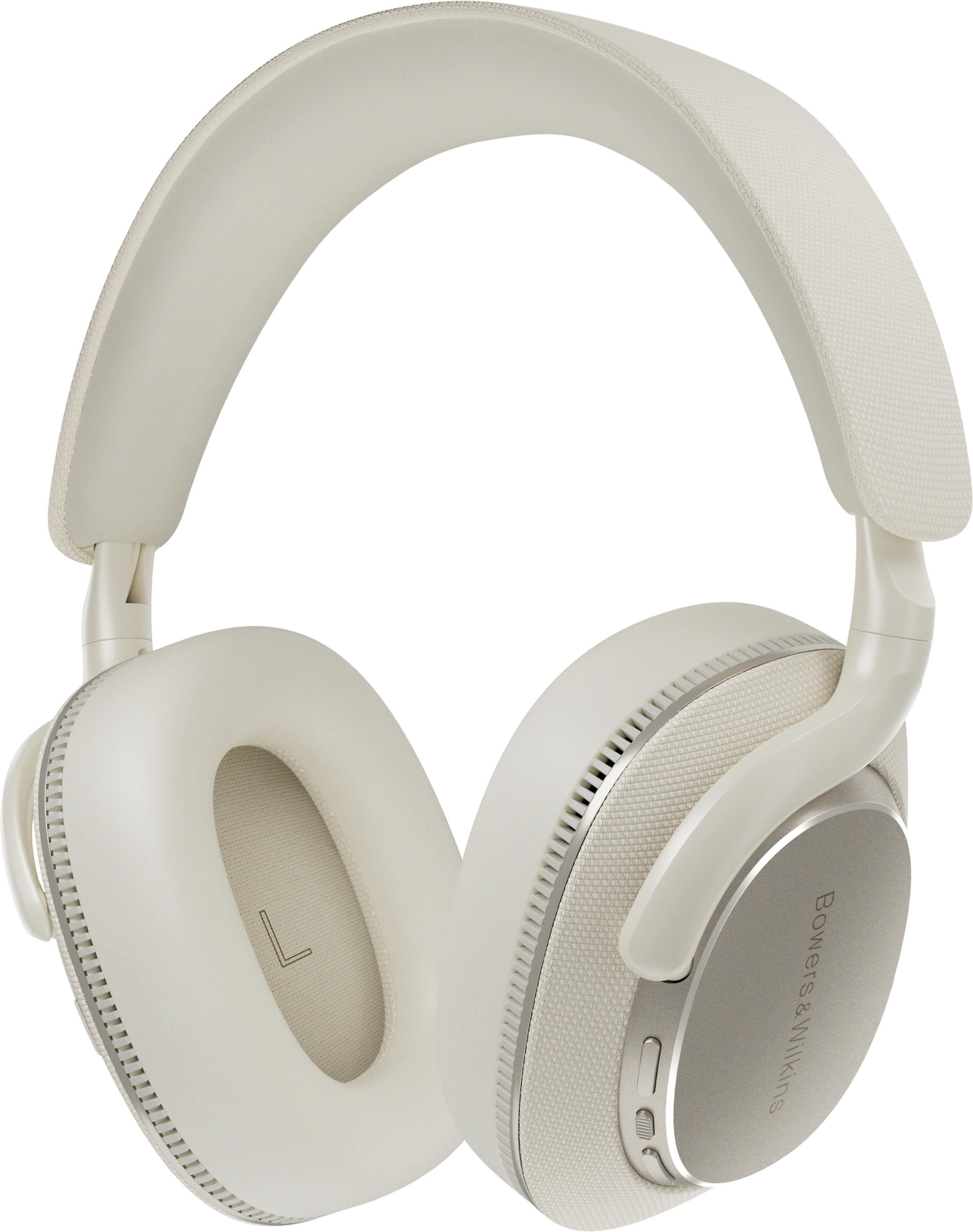
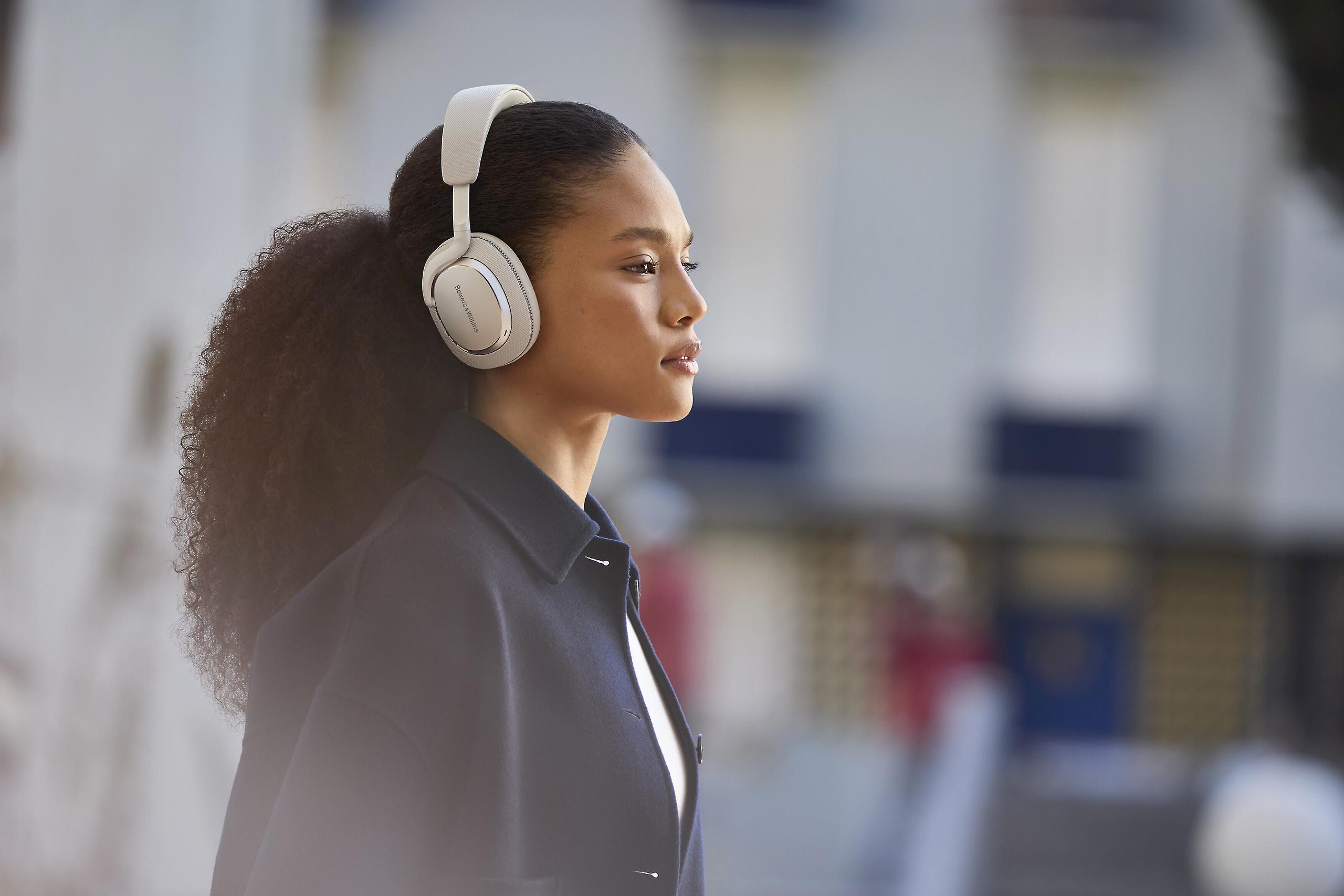
When shopping for over-ear headphones, you'll quickly discover that the market spans from budget-friendly options under $100 to premium models approaching $500 and beyond. Today, we're comparing two headphones that represent opposite ends of this spectrum: the OneOdio Fusion A70 and the Bowers & Wilkins Px7 S3. While both sit over your ears and play music wirelessly, they approach the headphone experience in fundamentally different ways.
The headphone market has evolved dramatically over the past few years. The OneOdio Fusion A70, which appeared in 2023, represents the budget segment's push toward feature-packed versatility. Meanwhile, the Bowers & Wilkins Px7 S3, launched in 2025, showcases how premium brands continue refining audio technology to justify higher price points. Understanding these different philosophies will help you choose the right pair for your needs and budget.
Over-ear headphones work by placing large drivers (the speakers inside the headphones) around your entire ear rather than on it or in it. This design creates a sealed environment that can produce better bass response and often more immersive sound than smaller headphone types. However, not all over-ear headphones are created equal.
The most critical factors when evaluating any over-ear headphone include sound quality, comfort for long listening sessions, build quality, and features like noise cancellation. For wireless models, battery life becomes crucial since dead headphones are useless headphones. The challenge lies in balancing these priorities within your budget and use cases.
What's particularly interesting about comparing the OneOdio Fusion A70 and Bowers & Wilkins Px7 S3 is how they prioritize these factors differently. The A70 maximizes versatility and battery life while keeping costs low, while the Px7 S3 focuses on delivering the best possible audio experience regardless of cost.
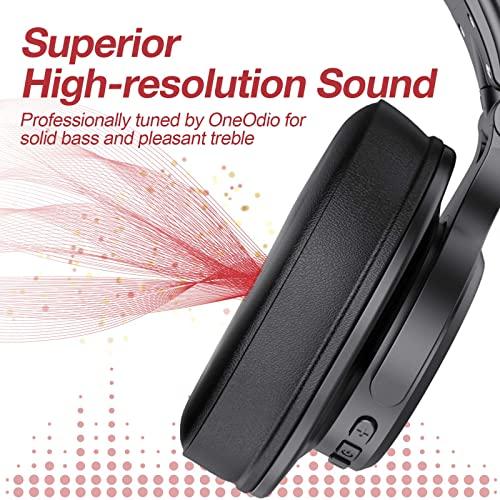
The OneOdio Fusion A70 uses 40mm dynamic drivers—the size is actually quite standard across both budget and premium headphones. However, driver size alone doesn't determine sound quality; it's how those drivers are implemented that matters. OneOdio has tuned these headphones with what audio engineers call a "V-shaped" sound signature, meaning the bass (low frequencies) and treble (high frequencies) are emphasized while the midrange is slightly recessed.
This tuning makes the A70 immediately engaging when you first put them on. Drums hit harder, bass lines thump more prominently, and cymbals sparkle with extra presence. It's a "fun" sound that works particularly well with electronic dance music, hip-hop, and pop. However, this excitement comes at the cost of accuracy—vocals can sound slightly distant, and the overall presentation lacks the nuanced detail that reveals subtle elements in well-recorded music.
The A70's frequency response extends from 20Hz to an impressive 40,000Hz on paper, earning it Hi-Res Audio certification. While most humans can't hear frequencies above 20,000Hz, this extended range can sometimes contribute to a sense of "air" and openness in the sound. That said, the meaningful audio content rarely extends beyond 20,000Hz, so this specification is more marketing than practical benefit.
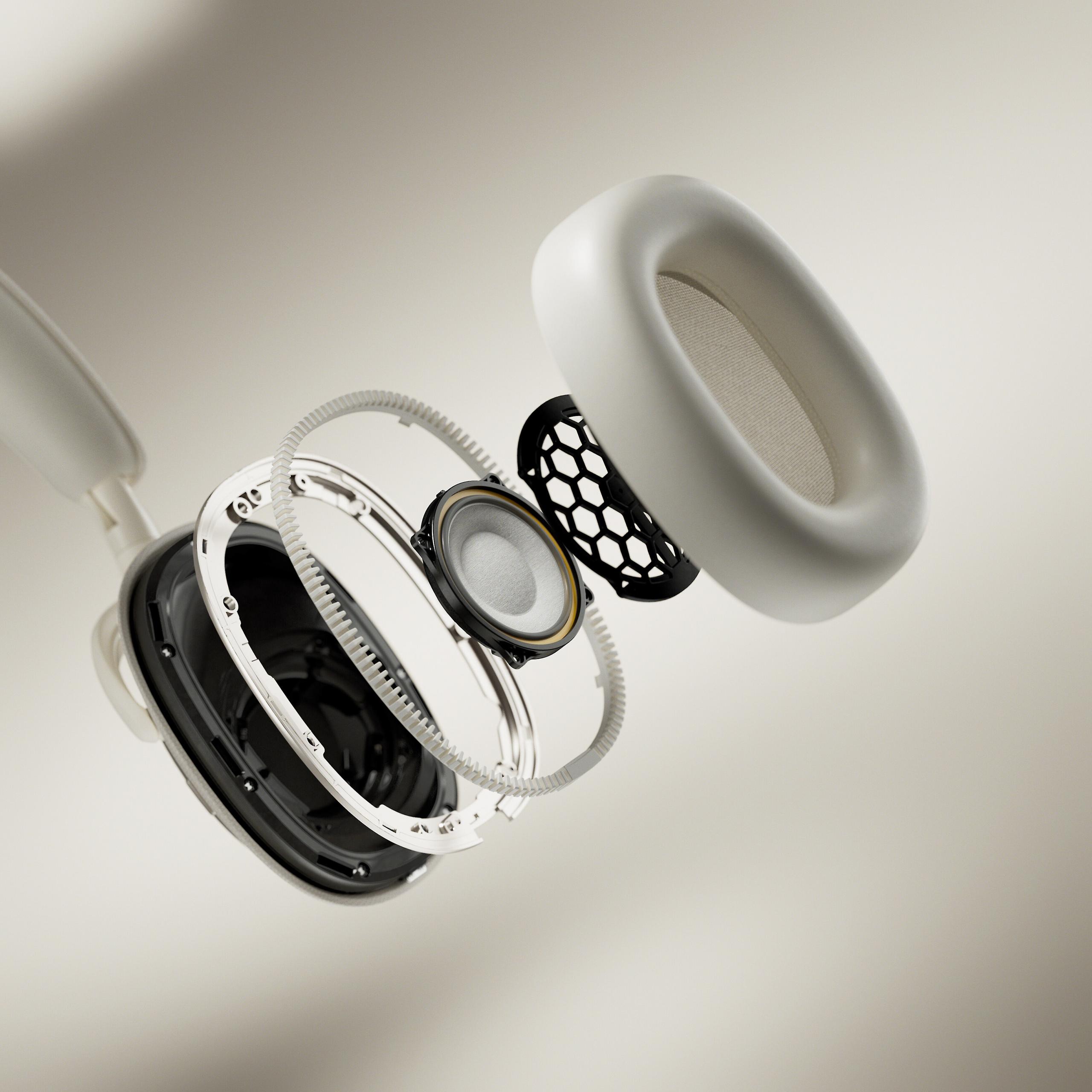
The Bowers & Wilkins Px7 S3 takes an entirely different approach. These headphones feature what B&W calls "bio-cellulose" drivers—a fancy term for drivers made from a special paper-like material that's both lightweight and rigid. This material choice, combined with completely redesigned voice coils (the part that moves the driver), magnets, and suspension systems, creates what reviewers consistently describe as exceptional clarity and detail retrieval.
Rather than artificially boosting certain frequencies, the Px7 S3 aims for a more balanced presentation that reveals what's actually in your music. This approach means they might sound less immediately impressive than bass-heavy headphones, but they reveal layers of detail that colored headphones often mask. When listening to a complex orchestral piece, you can pick out individual instruments in the mix. Vocals sound natural and present, neither pushed forward nor recessed.
The Px7 S3 also includes dedicated amplification for its drivers—essentially a tiny, high-quality amplifier built into each ear cup. This internal amplification provides better control over the drivers, resulting in tighter bass response and improved dynamics (the difference between soft and loud sounds).
In practical terms, these different approaches create distinct listening experiences. The OneOdio A70 makes your music sound exciting and energetic, but it can also make some recordings sound similar to each other due to the imposed sound signature. The Px7 S3 acts more like a magnifying glass for your music—it reveals the actual character of different recordings, whether that's the warm analog sound of a vintage album or the pristine clarity of a modern studio production.
For home theater use, these differences become even more pronounced. The A70's emphasis on bass can make action movies more thrilling, but dialogue might require volume adjustments to remain clear. The Px7 S3's balanced approach ensures dialogue remains intelligible while still delivering impactful sound effects, making it better suited for extended movie-watching sessions.
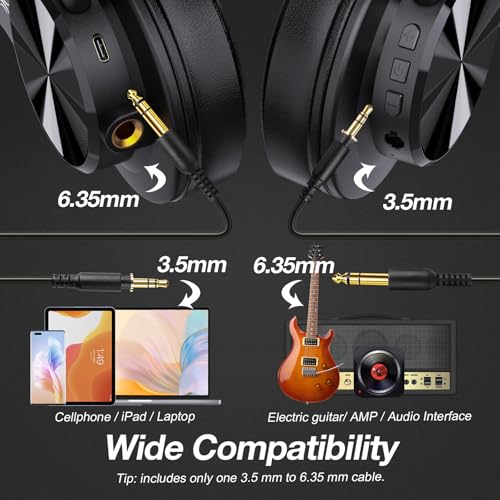
Where the OneOdio Fusion A70 truly shines is connectivity options. These headphones can connect in multiple ways: standard Bluetooth wireless, 3.5mm cable (the regular headphone jack), and even 6.35mm cable (the larger quarter-inch jack used on professional audio equipment). This versatility makes them genuinely useful for DJs, musicians, or anyone who needs to connect to various devices without adapters.
The A70 also features something called SharePort technology, which allows you to daisy-chain audio to another pair of headphones. Essentially, when you're connected wirelessly to your phone, you can use a cable to connect another pair of headphones, allowing two people to listen to the same audio source simultaneously. It's a clever feature that eliminates the need for separate headphone splitters.
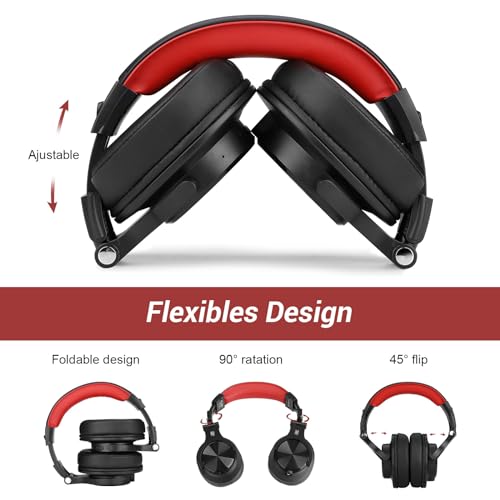
The swiveling ear cups on the A70 aren't just for comfort—they're designed for DJ use, allowing you to monitor audio with one ear while keeping the other ear free to hear the room or communicate with others. Combined with the professional cable options, this makes the A70 genuinely useful for semi-professional applications despite its budget price point.
The Bowers & Wilkins Px7 S3 approaches connectivity with a focus on wireless excellence rather than broad compatibility. It supports Bluetooth 5.3, the latest version at the time of writing, along with advanced audio codecs like aptX Adaptive and aptX Lossless. These codecs essentially compress your music less during wireless transmission, preserving more of the original audio quality.
The Px7 S3's multipoint connectivity allows seamless switching between two devices—you might have them connected to both your laptop for work calls and your phone for music, automatically switching between them as needed. This feature has become increasingly important as our lives involve multiple connected devices.
For wired use, the Px7 S3 includes a USB-C to 3.5mm cable that supports true 24-bit/96kHz audio playback. This means when connected to a computer or high-quality music player, the headphones can function as their own digital-to-analog converter (DAC), potentially improving sound quality compared to your device's built-in headphone output.
This is where the OneOdio Fusion A70 delivers its most impressive specification: up to 72 hours of wireless playback. This isn't a typo—these headphones can genuinely play music for three full days without charging. This exceptional battery life comes from a large 650mAh battery and efficient electronics that prioritize longevity over features like noise cancellation.
For travelers, students, or anyone who forgets to charge their devices regularly, this battery life is transformative. You can take these on a week-long trip without bringing a charging cable and still have power left over.
The Px7 S3 offers a more typical 30 hours of playback with noise cancellation enabled. While this might seem modest compared to the A70, it's actually quite good for a premium headphone with advanced features. The Px7 S3 also supports fast charging—15 minutes of charging provides about 7 hours of playback, which can save you when you've forgotten to charge overnight.
Here's where these headphones diverge most dramatically. The OneOdio A70 offers no active noise cancellation whatsoever. It relies entirely on passive isolation—the physical blocking of sound by the ear cups themselves. This provides some noise reduction, particularly of higher-frequency sounds, but does little to block the constant drone of airplane engines, air conditioning systems, or traffic noise.
The Bowers & Wilkins Px7 S3 features a sophisticated active noise cancellation (ANC) system using eight microphones—four in each ear cup. Six of these microphones focus on noise cancellation, while all eight work together for call quality. The system continuously monitors your environment and generates inverse sound waves to cancel out unwanted noise.
ANC technology has improved significantly in recent years, and the Px7 S3 represents current state-of-the-art performance. Unlike early ANC systems that could create an uncomfortable "vacuum" feeling or negatively impact sound quality, modern systems like this one provide effective noise reduction without compromising the music experience.
For frequent travelers or office workers in noisy environments, effective ANC can be transformative. The ability to reduce ambient noise means you can listen at lower volumes, reducing listening fatigue and potentially protecting your hearing. The Px7 S3 also includes transparency mode, which uses the same microphones to let ambient sound through when you need to hear your surroundings.
Both headphones use over-ear designs, but their execution differs significantly. The OneOdio A70 weighs approximately 242 grams and uses primarily plastic construction with artificial leather ear pads. The build quality is adequate for the price point—these won't fall apart with normal use—but they feel distinctly budget-oriented in your hands.
The comfort story is mixed. The lighter weight helps during extended wear, but some users report the padding doesn't conform well to head shapes, creating pressure points after an hour or two of use. The artificial leather can also become warm during long sessions.
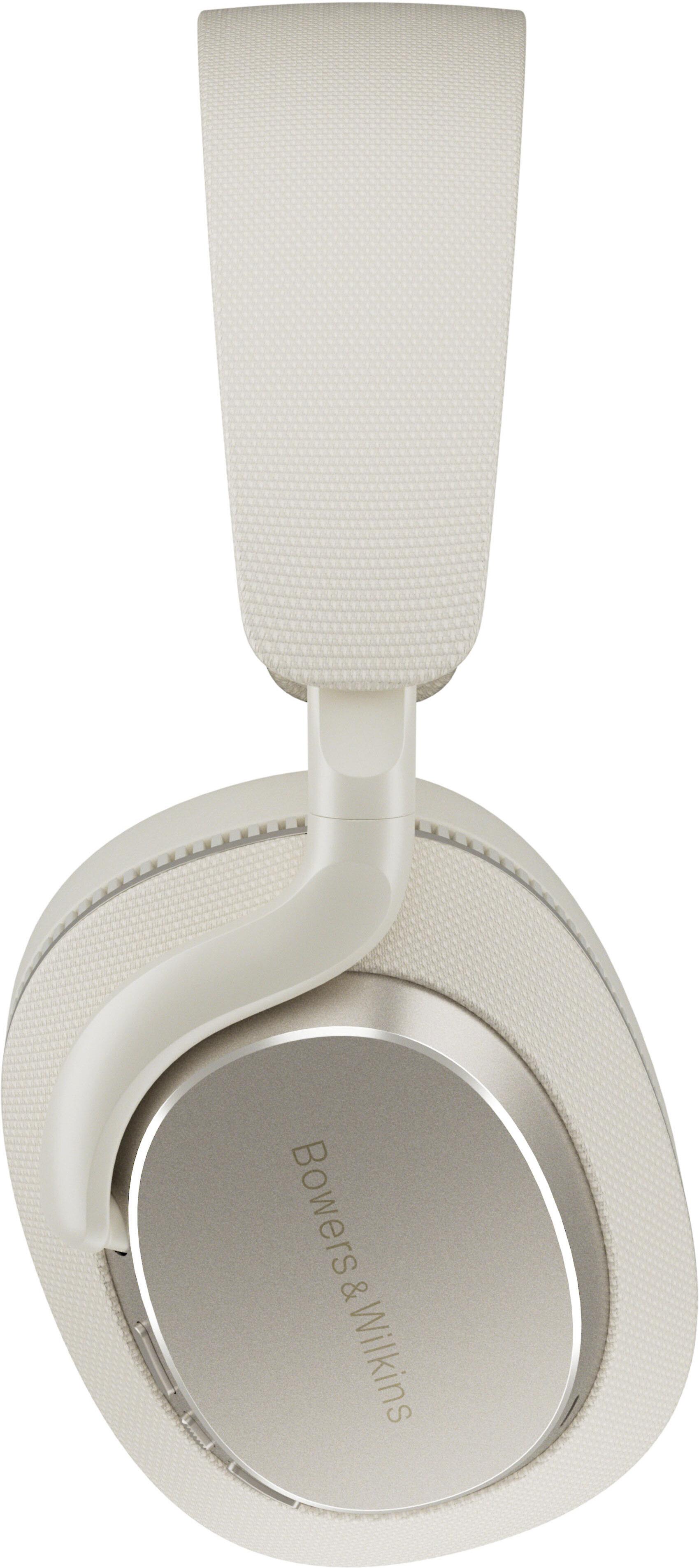
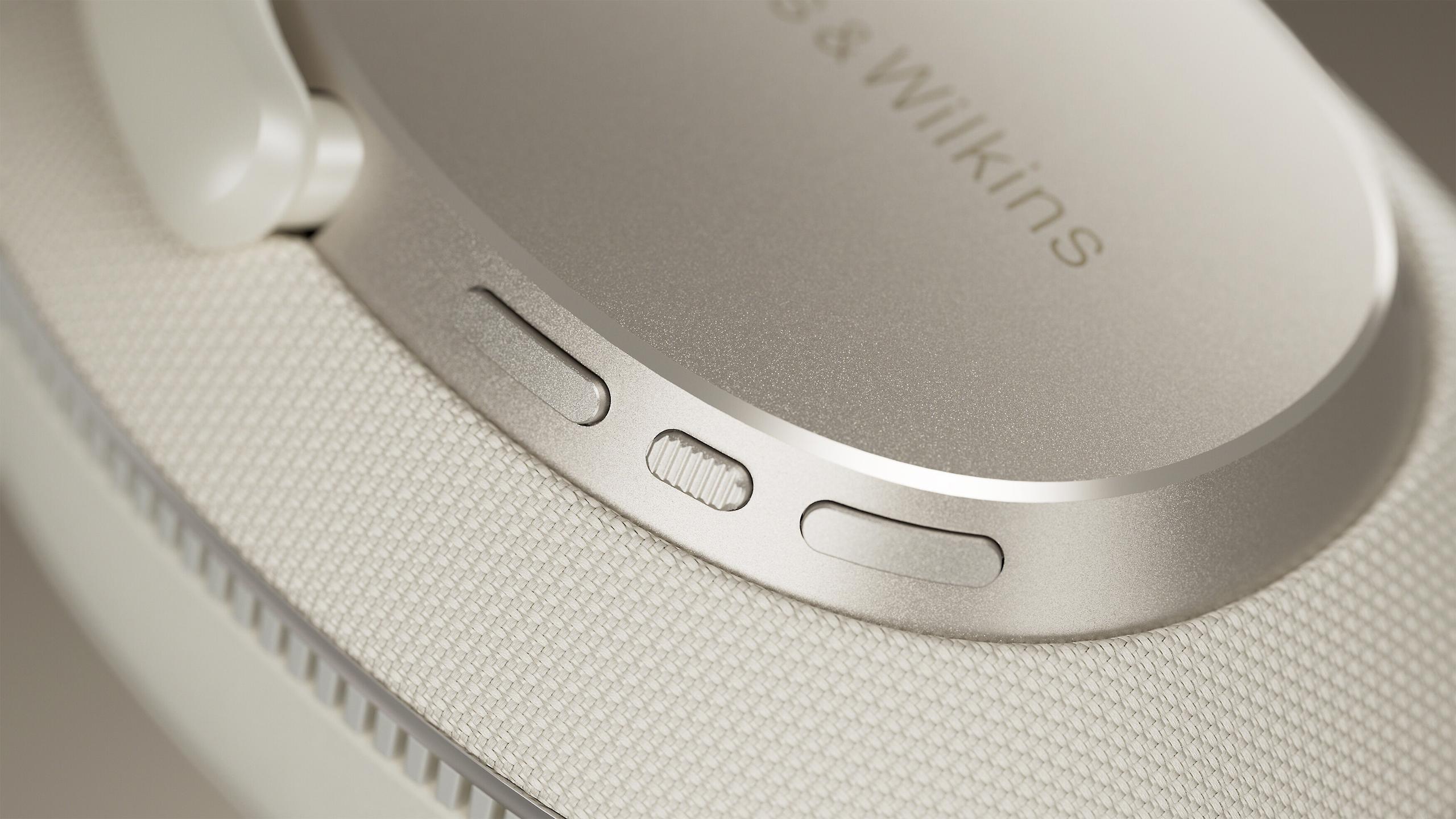
The Bowers & Wilkins Px7 S3 weighs about 298 grams—noticeably heavier than the A70 but still reasonable for extended wear. The weight difference comes from premium materials including metal components in the frame and higher-quality plastics. The memory foam padding is noticeably more comfortable, conforming better to different head shapes and maintaining comfort during multi-hour listening sessions.
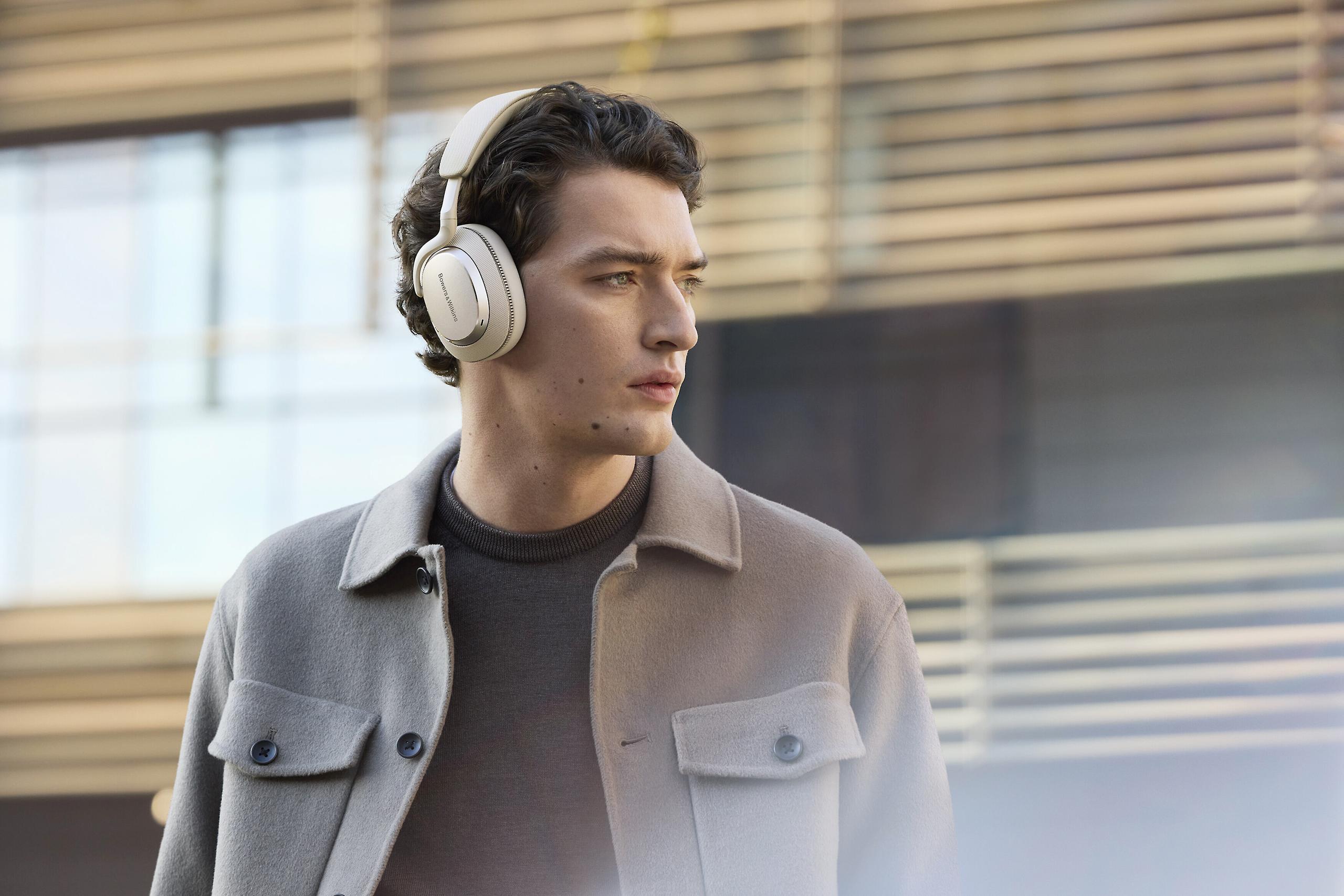
B&W has also refined the headband design based on ergonomic testing, creating what they describe as a slimmer, more refined profile that sits closer to the head. In practice, this translates to better comfort and a less conspicuous appearance when wearing them in public.
At the time of writing, these headphones occupy entirely different price segments. The OneOdio A70 typically sells for under $100, while the Px7 S3 commands around $450—more than four times the price.
The A70 represents exceptional value if you prioritize versatility, battery life, and basic wireless functionality over audio fidelity. For students, casual listeners, or anyone needing headphones primarily for background music, phone calls, and occasional media consumption, spending more may not provide meaningful benefits.
The Px7 S3 justifies its premium pricing through superior audio performance, advanced features, and build quality that should last years rather than months. For audio enthusiasts, professionals who rely on good sound for their work, or anyone who considers headphones a long-term investment, the price difference often proves worthwhile.
For home theater use, both headphones offer different advantages. The OneOdio A70's bass emphasis can make action movies more exciting, and the exceptional battery life means you're unlikely to have them die during a movie marathon. However, the recessed midrange can make dialogue less clear, particularly in complex soundtracks.
The Px7 S3's balanced sound signature makes it superior for mixed content—dialogue remains clear while sound effects maintain impact. The USB-C connection option also allows for higher-quality audio from compatible devices, potentially improving the overall experience compared to standard Bluetooth transmission.
Neither headphone is specifically designed for home theater use, and dedicated home theater headphones often provide features like simulated surround sound. However, both can serve this purpose adequately, with the Px7 S3 providing a more refined experience overall.
Choose the OneOdio Fusion A70 if you need maximum versatility on a limited budget. These headphones excel for users who value battery life above all else, need professional connectivity options, or want a fun, bass-heavy sound signature for casual listening. They're also excellent as backup headphones or for situations where you're concerned about theft or damage.
The A70 makes particular sense for DJs, musicians on a budget, students, or anyone who frequently switches between multiple devices and connection types. The 72-hour battery life alone can be worth the purchase for frequent travelers or people who regularly forget to charge their devices.
Select the Bowers & Wilkins Px7 S3 if audio quality is your primary concern and you can justify the higher investment. These headphones reward listeners with high-quality music libraries, provide essential noise cancellation for travel or noisy environments, and offer the build quality to justify their position as a long-term purchase.
The Px7 S3 particularly suits audio enthusiasts, frequent travelers, professionals requiring excellent call quality, or anyone who views headphones as an investment in daily comfort and enjoyment rather than a basic necessity.
The choice ultimately depends on how you prioritize features, budget constraints, and intended use cases. Both headphones succeed within their respective market segments, but they're solving fundamentally different problems for different users. Understanding which problems matter most to you will guide you to the right choice.
| OneOdio Fusion A70 | Bowers & Wilkins Px7 S3 |
|---|---|
| Audio Quality - The most important factor for music enjoyment | |
| V-shaped sound with emphasized bass/treble, fun but less accurate | Balanced, detailed sound with bio-cellulose drivers, audiophile-grade |
| Active Noise Cancellation - Essential for travel and noisy environments | |
| None (passive isolation only) | Advanced 8-microphone hybrid ANC system |
| Battery Life - Critical for wireless headphones | |
| 72 hours (exceptional for long trips) | 30 hours with ANC (standard for premium models) |
| Connectivity Options - Important for versatility | |
| Bluetooth 5.2 + 3.5mm + 6.35mm jacks, SharePort daisy-chaining | Bluetooth 5.3 with multipoint, USB-C audio, premium codecs (aptX Lossless) |
| Build Quality - Affects durability and comfort | |
| Lightweight plastic, artificial leather pads (242g) | Premium materials with metal frame, memory foam (298g) |
| Driver Technology - Determines sound reproduction capability | |
| 40mm dynamic drivers, 20Hz-40kHz range | 40mm bio-cellulose drivers with dedicated amplification |
| Comfort for Extended Use - Important for long listening sessions | |
| Basic padding, some pressure points after 1+ hours | Ergonomically tested design, excellent long-term comfort |
| Professional Features - Valuable for DJs and content creators | |
| Swiveling cups, multiple cables, quarter-inch jack compatibility | Premium call quality with ADI Pure Voice, studio-grade wired mode |
| App Integration - Enhances customization and control | |
| Limited or no app support | Full-featured Bowers & Wilkins Music app with 5-band EQ |
| Target Market - Who each product serves best | |
| Budget-conscious users, DJs, students wanting maximum versatility | Audio enthusiasts and professionals prioritizing sound quality |
The Bowers & Wilkins Px7 S3 delivers significantly better sound quality with its bio-cellulose drivers and balanced audio signature. The OneOdio Fusion A70 offers a fun, bass-heavy sound that's enjoyable for casual listening but lacks the detail and accuracy of the Px7 S3.
No, only the Bowers & Wilkins Px7 S3 features active noise cancellation with an 8-microphone system. The OneOdio Fusion A70 relies solely on passive noise isolation from its closed-back design, making it unsuitable for noisy environments like airplanes or busy offices.
The OneOdio Fusion A70 has exceptional battery life at 72 hours of playback, while the Bowers & Wilkins Px7 S3 provides 30 hours with ANC enabled. For extended travel or users who forget to charge devices, the A70 is clearly superior in battery longevity.
Both can work for home theater, but the Bowers & Wilkins Px7 S3 is better suited due to its balanced sound that keeps dialogue clear while maintaining impactful sound effects. The OneOdio A70 may require volume adjustments for dialogue due to its bass-heavy tuning.
The Bowers & Wilkins Px7 S3 offers superior comfort with memory foam padding and ergonomic design tested for extended wear. The OneOdio Fusion A70 is lighter but may create pressure points after an hour of use due to less sophisticated padding.
The OneOdio Fusion A70 excels here with both 3.5mm and 6.35mm (quarter-inch) jack compatibility, making it ideal for DJ mixers and studio gear. The Bowers & Wilkins Px7 S3 focuses on wireless use with limited wired connectivity options.
The Bowers & Wilkins Px7 S3 provides superior call quality with ADI Pure Voice technology and an 8-microphone array for clear voice pickup and background noise suppression. The OneOdio A70 has basic microphone functionality suitable for casual calls.
The Bowers & Wilkins Px7 S3 handles all genres excellently due to its balanced sound signature that reveals each recording's true character. The OneOdio Fusion A70 works best with bass-heavy genres like EDM and hip-hop but may not flatter acoustic or classical music.
This depends on your priorities. The OneOdio Fusion A70 offers exceptional value for budget-conscious buyers seeking versatility and long battery life. The Bowers & Wilkins Px7 S3 justifies its premium cost through superior audio quality and advanced features for serious listeners.
The Bowers & Wilkins Px7 S3 supports multipoint connectivity, allowing simultaneous connection to two devices with automatic switching. The OneOdio A70 features unique SharePort technology for daisy-chaining to another pair of headphones but doesn't support multipoint Bluetooth.
The Bowers & Wilkins Px7 S3 uses premium materials including metal components and higher-grade plastics for long-term durability. The OneOdio Fusion A70 features adequate plastic construction for its price point but feels less premium in build quality.
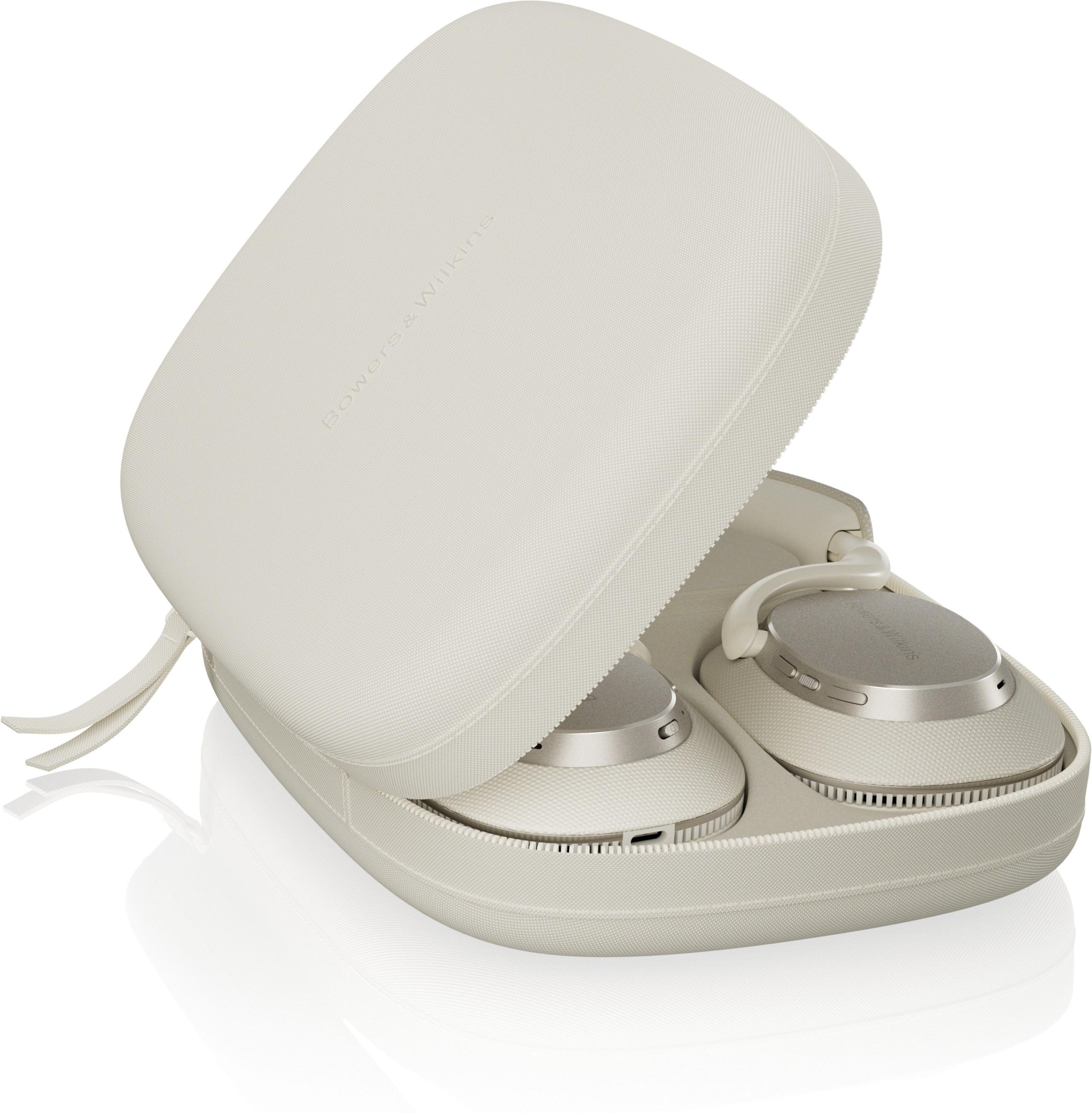
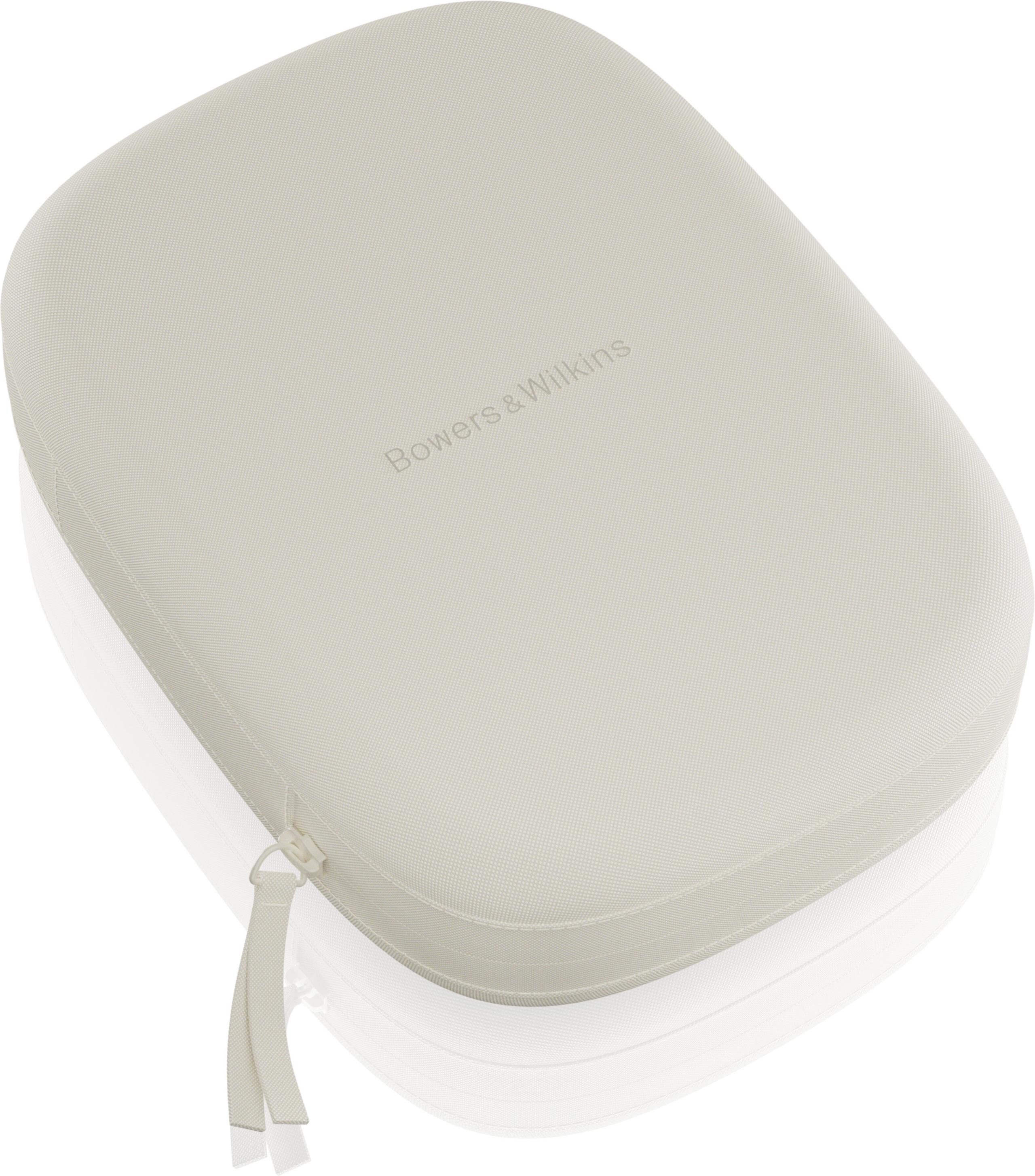
The Bowers & Wilkins Px7 S3 is excellent for travel with effective noise cancellation, premium comfort, and a quality carry case. The OneOdio A70 works for travel due to its incredible 72-hour battery life, but lacks noise cancellation for noisy transport environments.
We've done our best to create useful and informative comparisons to help you decide what product to buy. Our research uses advanced automated methods to create this comparison and perfection is not possible - please contact us for corrections or questions. These are the sites we've researched in the creation of this article: audiostance.com - attackmagazine.com - soundphilereview.com - versus.com - homestudiobasics.com - versus.com - audiofool.reviews - e-catalog.com - whatgear.net - e-catalog.com - thomannmusic.com - audioreviews.org - oneodio.com - wepc.com - seriousinsights.net - oneodio.com - oneodio.com - audioreputation.com - manuals.plus - newegg.com - musicbliss.com.my - walmart.com - techradar.com - recordingnow.com - tomsguide.com - tomsguide.com - loudersound.com - whathifi.com - headphonecheck.com - loudnwireless.com - recordingnow.com - techradar.com - bowerswilkins.com - bhphotovideo.com - audio46.com - bowerswilkins.com - smarthomesounds.co.uk - audioadvisor.com - audiograde.uk - bowerswilkins.com - my.tcacoustic.asia - whathifi.com

Privacy Policy
Terms and Conditions - Affiliate Policy
Home Security
© Copyright 2008-2026.
11816 Inwood Rd #1211, Dallas, TX 75244