


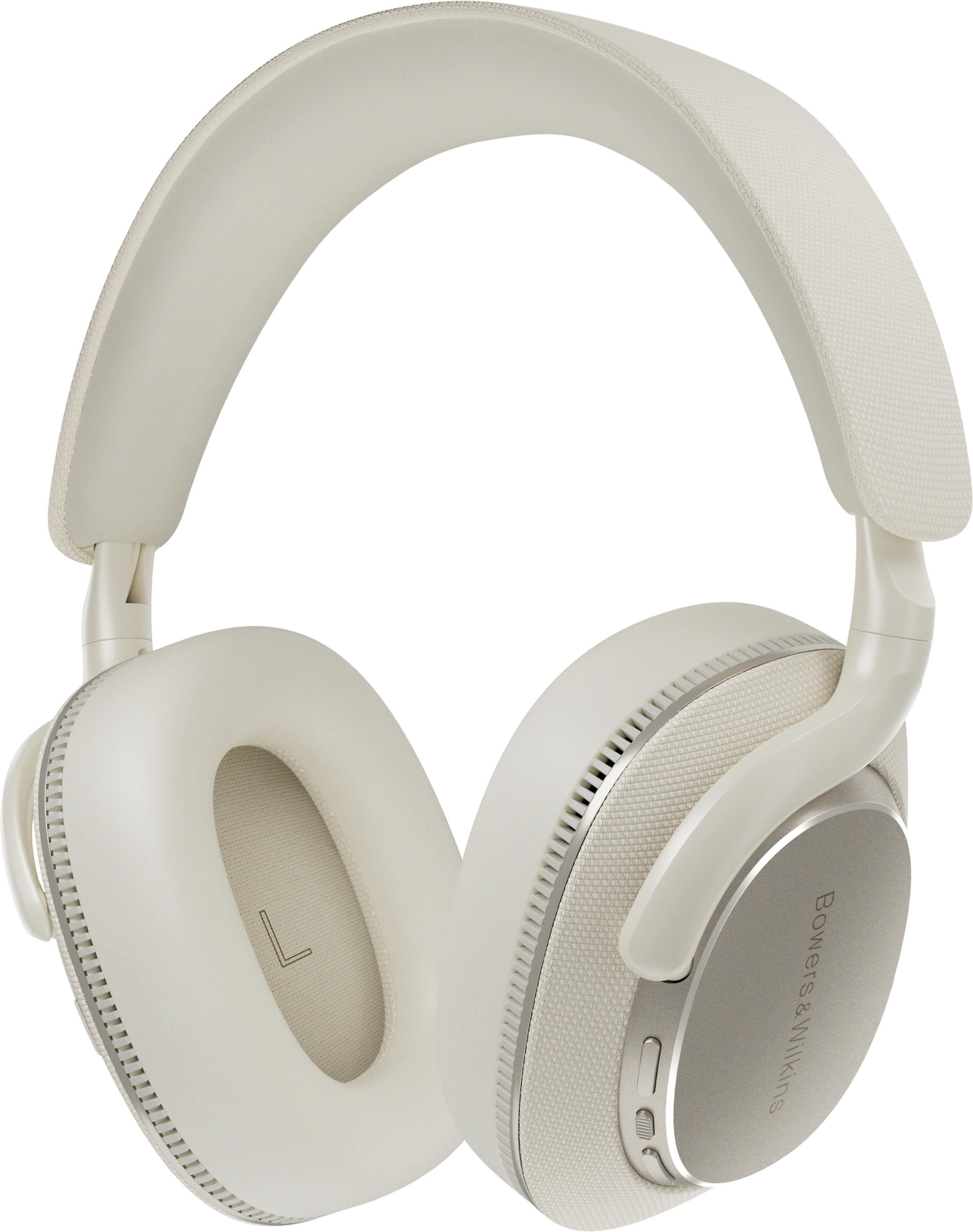
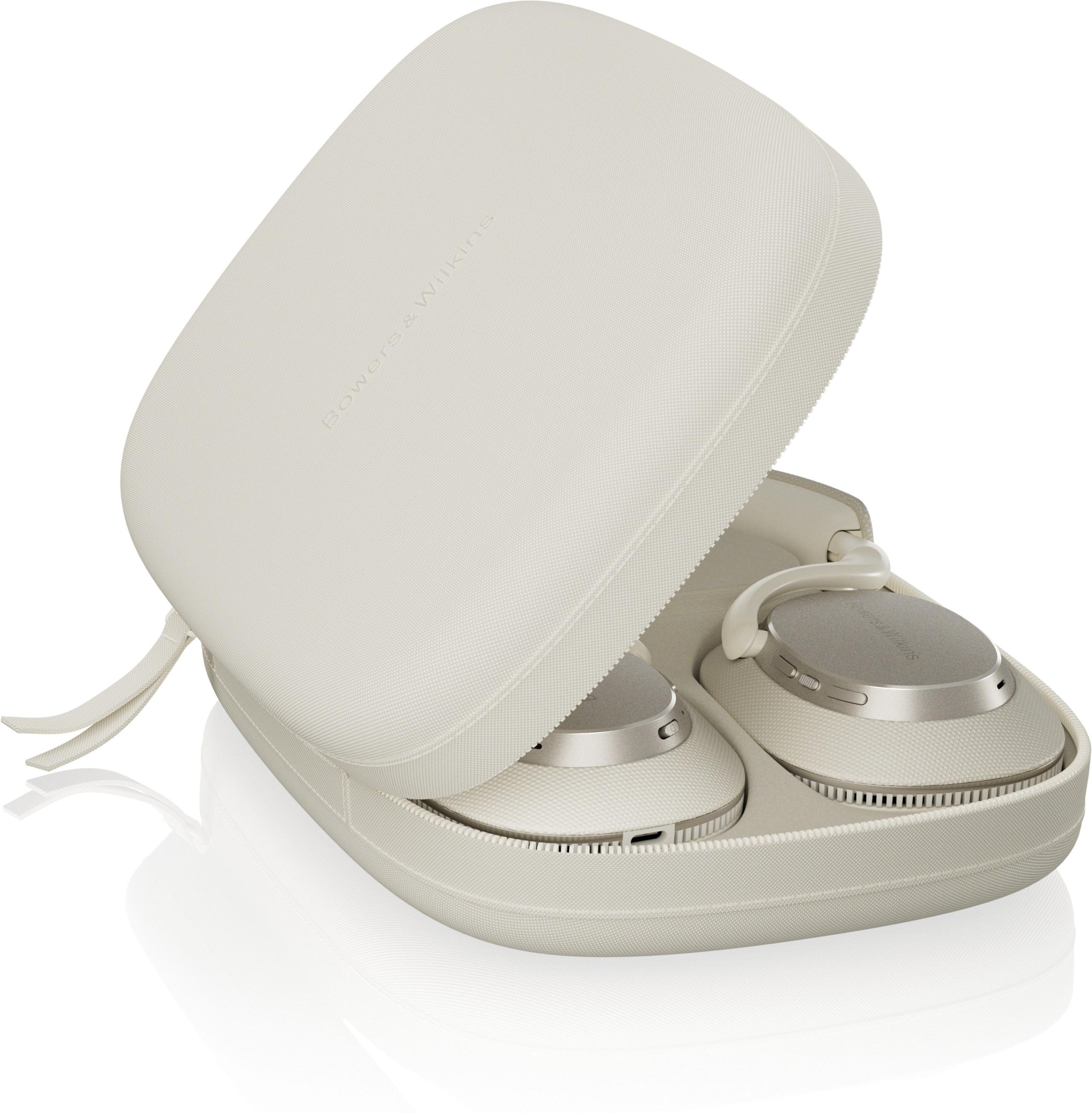

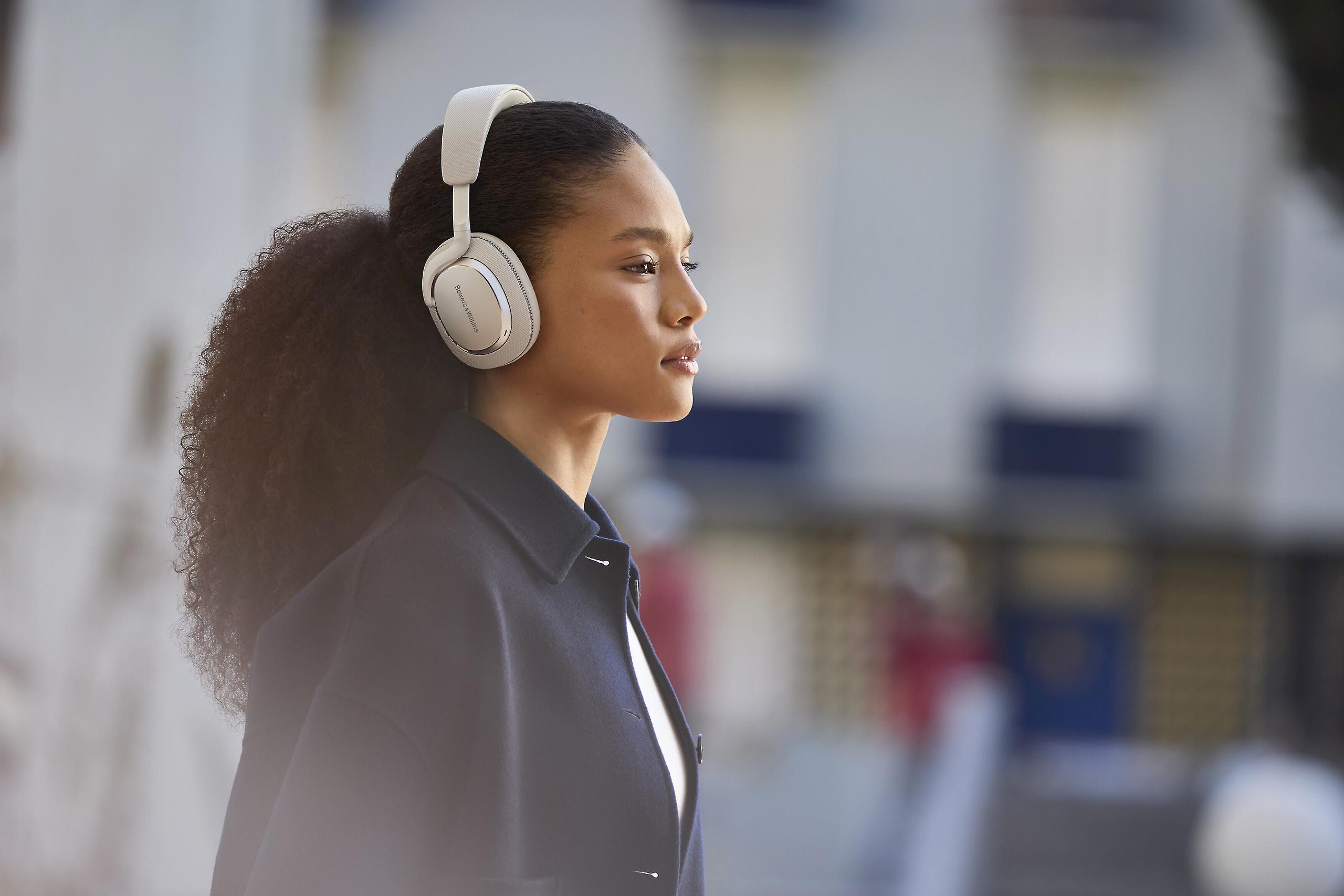
Choosing between the Marshall Monitor II ANC ($319.99) and the Bowers & Wilkins Px7 S3 ($449.00) feels like picking between two different philosophies of what makes great headphones. After spending time with both, I've found they each excel in distinct ways that matter to different types of listeners.
Before diving into the specifics, let's talk about what you're actually getting when you step up to premium wireless headphones with active noise cancellation (ANC). These aren't just bigger versions of your phone's earbuds – they're sophisticated pieces of audio engineering that combine multiple technologies to deliver an experience that justifies their price tags.
The key technologies working together include specialized drivers (the tiny speakers inside each earcup), digital signal processing (DSP) chips that fine-tune the audio in real-time, arrays of microphones that monitor ambient noise, and advanced Bluetooth implementations that maintain high-quality wireless connections. When done well, these elements create headphones that can transform a noisy airplane into your personal concert hall.
Both the Marshall Monitor II ANC and Bowers & Wilkins Px7 S3 represent mature approaches to this technology, but they prioritize different aspects of the listening experience.
The wireless headphone landscape has evolved rapidly over the past few years. The Marshall Monitor II ANC represents Marshall's entry into the competitive ANC space, building on their decades of amplifier and speaker expertise. Marshall has always been synonymous with rock music and guitar amplification, so their headphones carry that heritage forward with a sound signature that particularly excels with those genres.
The Bowers & Wilkins Px7 S3, launching in April 2025, represents the latest evolution of B&W's Px7 series. This isn't their first rodeo – the company has been refining their wireless headphone technology for several generations now. The S3 incorporates lessons learned from earlier models, particularly addressing previous criticisms about noise cancellation performance while maintaining B&W's reputation for audiophile-quality sound.
What's interesting is how both companies have approached the challenge differently. Marshall leveraged their brand recognition and signature sound to create something that feels distinctly "Marshall," while Bowers & Wilkins focused on technical excellence and refinement. This fundamental difference in approach shows up in almost every aspect of how these headphones perform.
Here's where things get really interesting, and where your personal preferences will heavily influence which headphones work better for you.
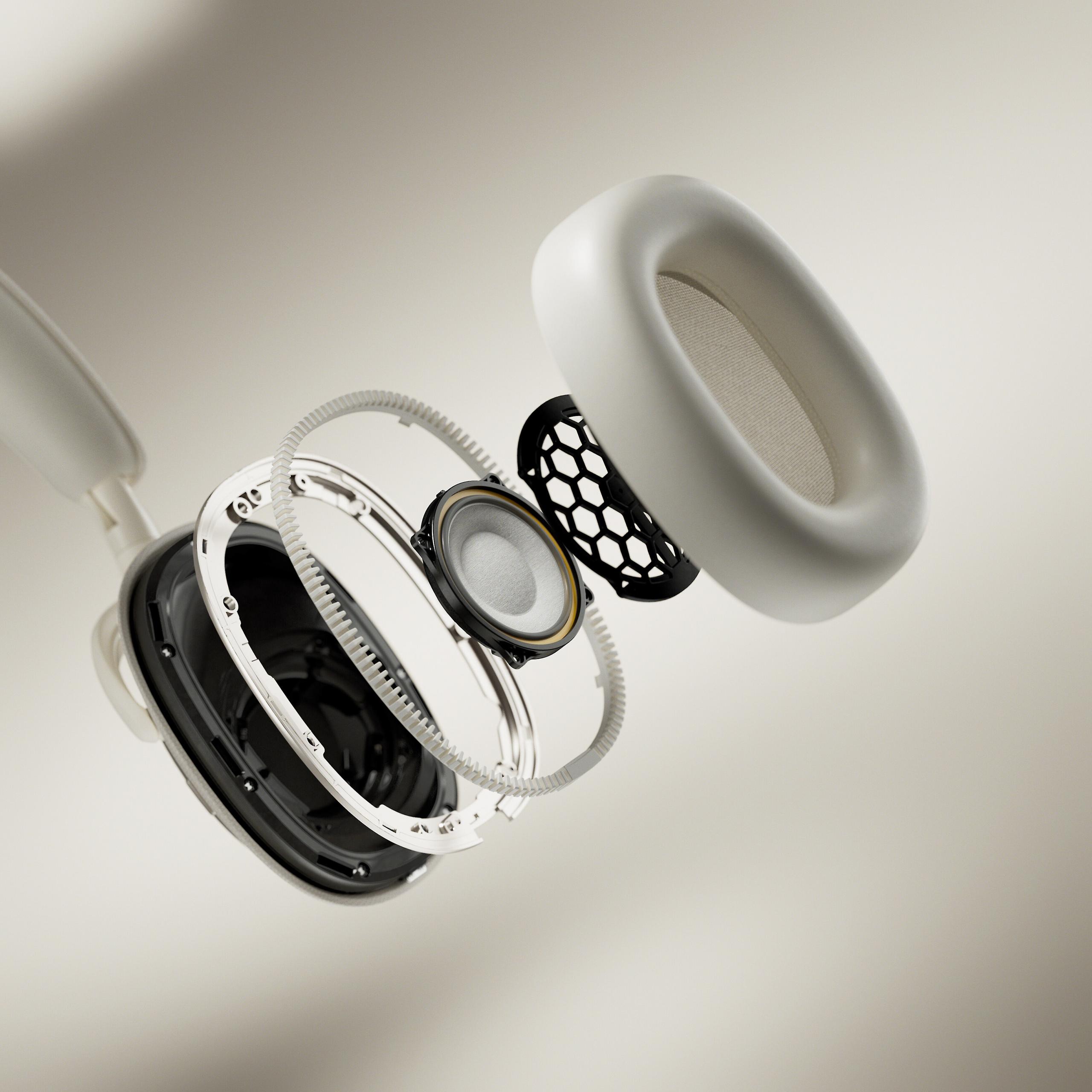
The Bowers & Wilkins Px7 S3 takes what I'd call the "technical excellence" approach. Those 40mm bio-cellulose drivers aren't just marketing speak – bio-cellulose is a material that's stiffer and lighter than traditional materials, allowing the drivers to move more precisely and reproduce sound with less distortion. The completely redesigned acoustic architecture includes improvements to the voice coil (the part that converts electrical signals to sound waves), magnet system, and suspension, all working together to reduce unwanted resonances and coloration.
When you put on the Px7 S3, you immediately notice the spaciousness and detail. The V-shaped sound signature means you get enhanced bass response and crisp treble, but unlike cheaper headphones that achieve this through crude boosting, B&W maintains excellent balance. The soundstage – that sense of where instruments are positioned in space – feels wide and natural. I've found these headphones reveal details in familiar songs that I hadn't noticed before, which is always a good sign.
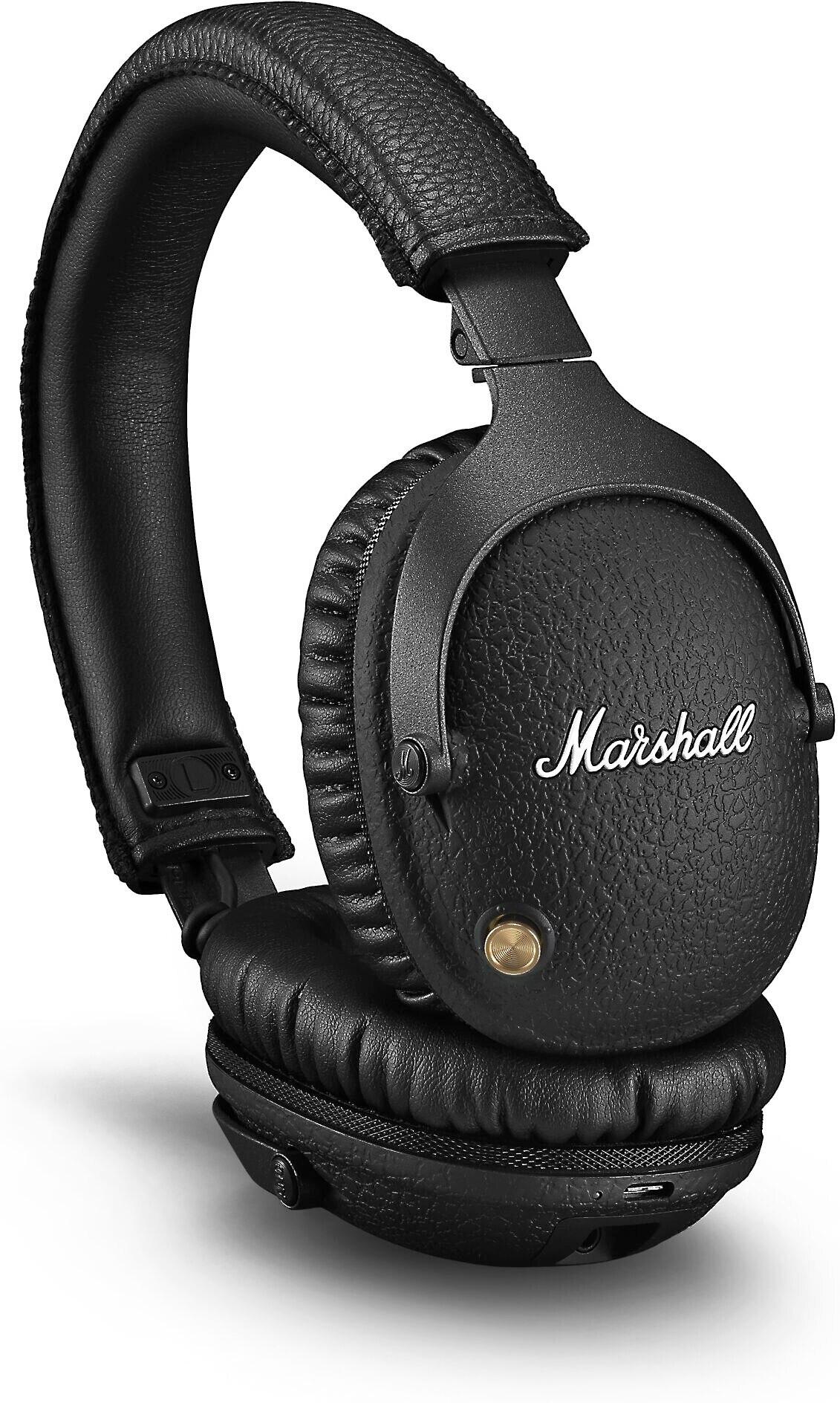
The Marshall Monitor II ANC, on the other hand, takes the "musical enjoyment" approach. These headphones are tuned with Marshall's signature warm, midrange-focused sound that makes guitar-driven music absolutely sing. If you're primarily a rock, blues, or metal listener, the Monitor II's ability to reproduce the growl of a distorted guitar or the punch of a snare drum is genuinely impressive.
What's clever about Marshall's tuning is that they haven't just cranked up the midrange and called it a day. The custom-tuned 40mm drivers maintain good balance across the frequency spectrum while giving that extra warmth and presence to vocals and instruments that live in the midrange. The result is headphones that make familiar rock albums sound exciting and engaging, even if they don't have the technical precision of more reference-oriented headphones.
For home theater use, these different approaches matter quite a bit. The Bowers & Wilkins Px7 S3 excels with movie soundtracks and complex audio mixes because of their superior detail retrieval and spacious soundstage. Dialog comes through clearly, explosions have proper weight, and the wide frequency response means you'll hear all the subtle ambient details that make modern film audio so immersive.
The Marshall Monitor II ANC can certainly handle movie audio well, but they really shine with music-heavy content or anything with prominent vocals and midrange content. They're particularly good with live concert recordings or music documentaries where that warm, engaging sound signature enhances the experience.
This is one area where the technology gap between these headphones becomes really apparent, and it illustrates how quickly this field is evolving.
The Bowers & Wilkins Px7 S3 represents the current state of the art with its eight-microphone array. Here's how this works: six of those microphones are dedicated purely to noise cancellation, constantly monitoring the ambient sound environment and generating opposite-phase sound waves to cancel out unwanted noise. The remaining two microphones handle voice pickup for calls, but all eight work together during phone conversations for superior clarity.
What makes this system particularly effective is the processing power behind it. The dedicated DSP can make real-time adjustments to the cancellation based on what it's hearing, adapting to different environments automatically. The result is noise cancellation that approaches the performance of category leaders like Sony and Bose, which is impressive considering B&W's previous generations lagged behind in this area.
The Marshall Monitor II ANC uses a more traditional but still effective approach. While it doesn't have as many microphones or as sophisticated processing, it compensates with 10 adjustable ANC levels accessible through the app. This gives you more manual control over the cancellation strength, which some users prefer. The passive isolation from the well-designed earcups also contributes significantly to the overall noise reduction.
In practical terms, both headphones will effectively reduce the droning sounds of air conditioning, airplane engines, or train noise. The Bowers & Wilkins has a slight edge with higher-frequency noise like conversations or keyboard typing, while both perform similarly with low-frequency rumbles.
Here's where the Marshall Monitor II ANC absolutely dominates, and it's not even close. Those 45 hours of battery life with Bluetooth only (or 30 hours with ANC enabled) represent some of the best endurance in the category. This isn't just a numbers game – it fundamentally changes how you use the headphones.
With the Marshall, you can go on week-long trips without bringing a charger. You can use them for long work sessions, commutes, and evening listening without constantly thinking about battery levels. The 15-minute quick charge that provides 5 hours of playback means even if you do run low, you're never stuck for long.
The Bowers & Wilkins Px7 S3 offers a respectable 30 hours with ANC, which is competitive with other premium headphones but falls short of Marshall's impressive endurance. The slightly faster quick charge (15 minutes for 7 hours) helps, but it doesn't make up for the shorter overall runtime.
This difference matters more for some users than others. If you're someone who frequently forgets to charge devices or travels extensively, the Marshall's battery advantage could be the deciding factor. For casual daily use, both provide more than enough runtime between charges.
Both headphones feel solidly built, but they achieve that quality feeling through different approaches and materials.
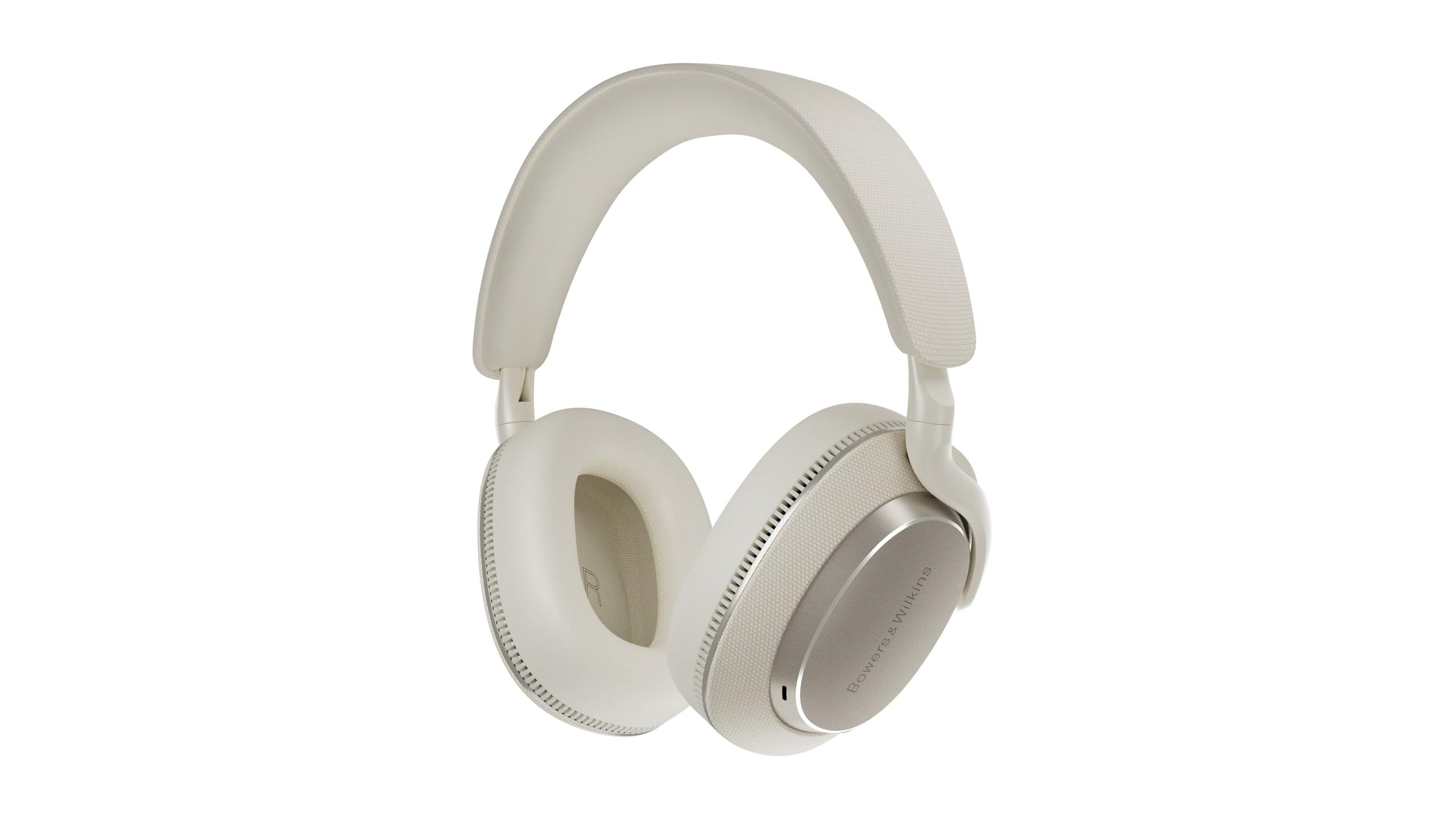
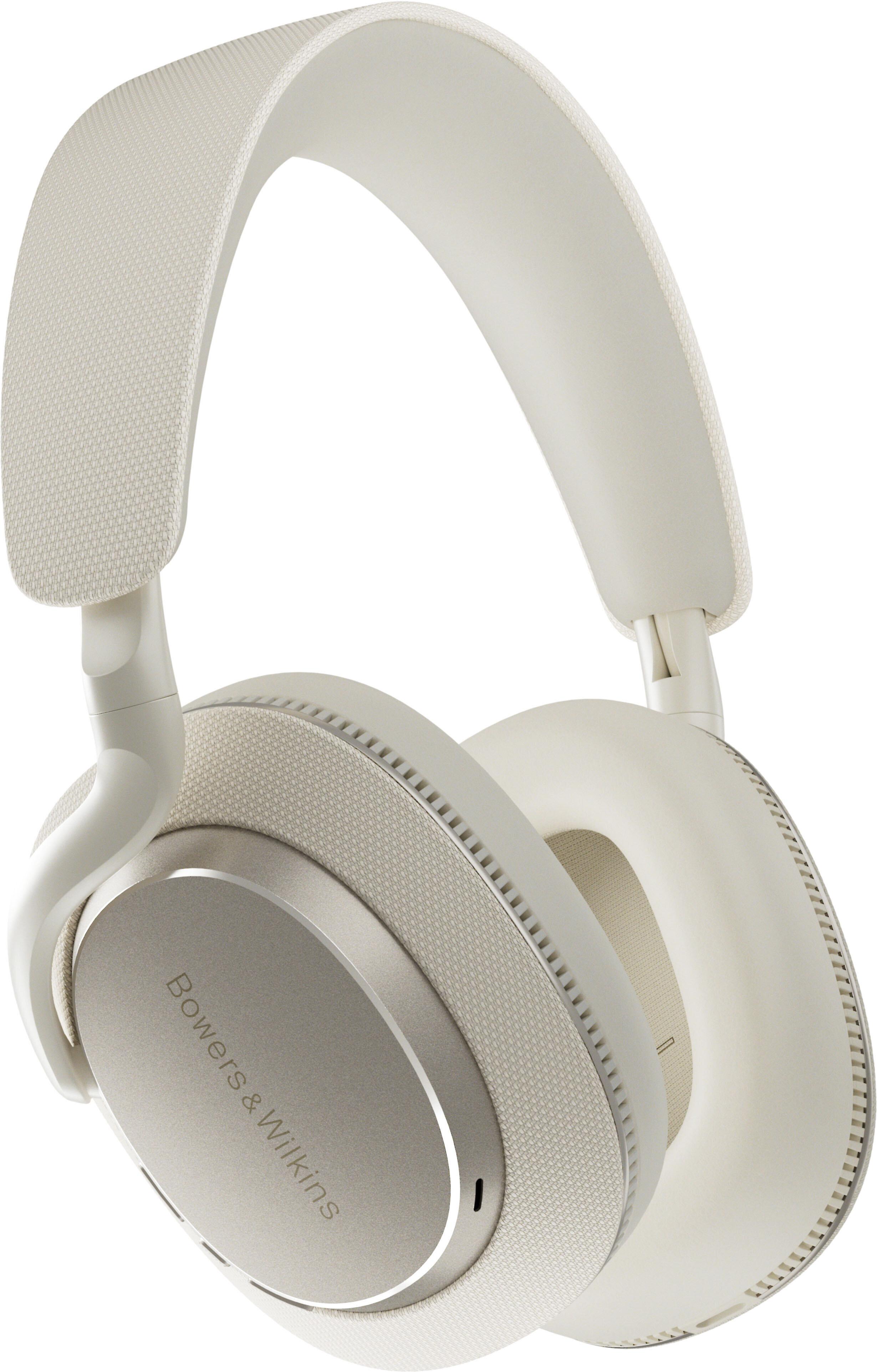
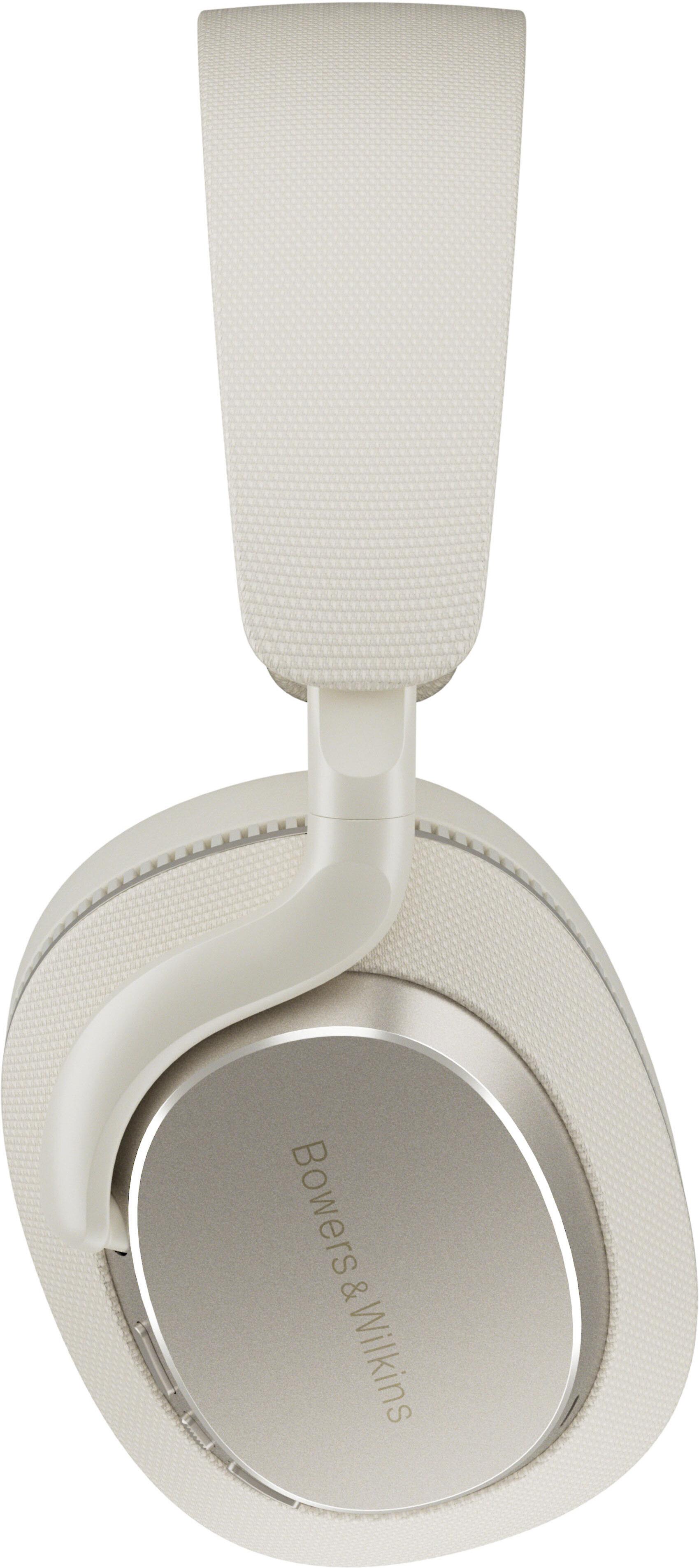
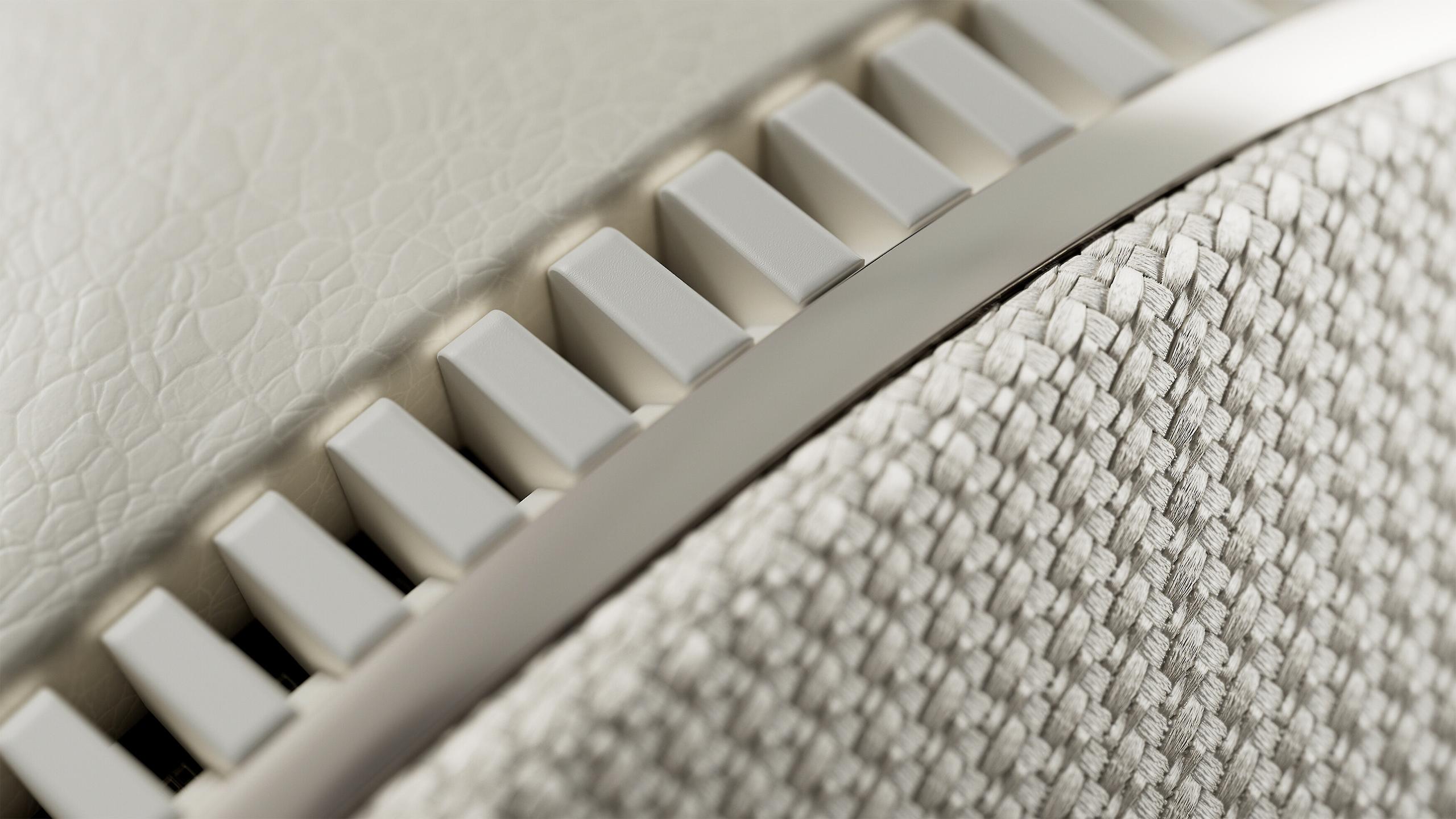
The Bowers & Wilkins Px7 S3 showcases premium materials throughout. The combination of genuine leather on the earcups, metal construction for the hinges and buttons, and fabric accents on the headband creates a distinctly upscale feel. At 307 grams, they're also slightly lighter than the Marshall, and the memory foam padding is exceptionally comfortable for extended listening sessions.
The ergonomic testing that B&W conducted shows in the refined fit. The earcups sit perfectly around most ear shapes, and the clamping force is just right – secure enough to stay put during movement but not tight enough to cause fatigue. The slimmer profile compared to previous B&W models makes them less bulky while maintaining the premium aesthetic.
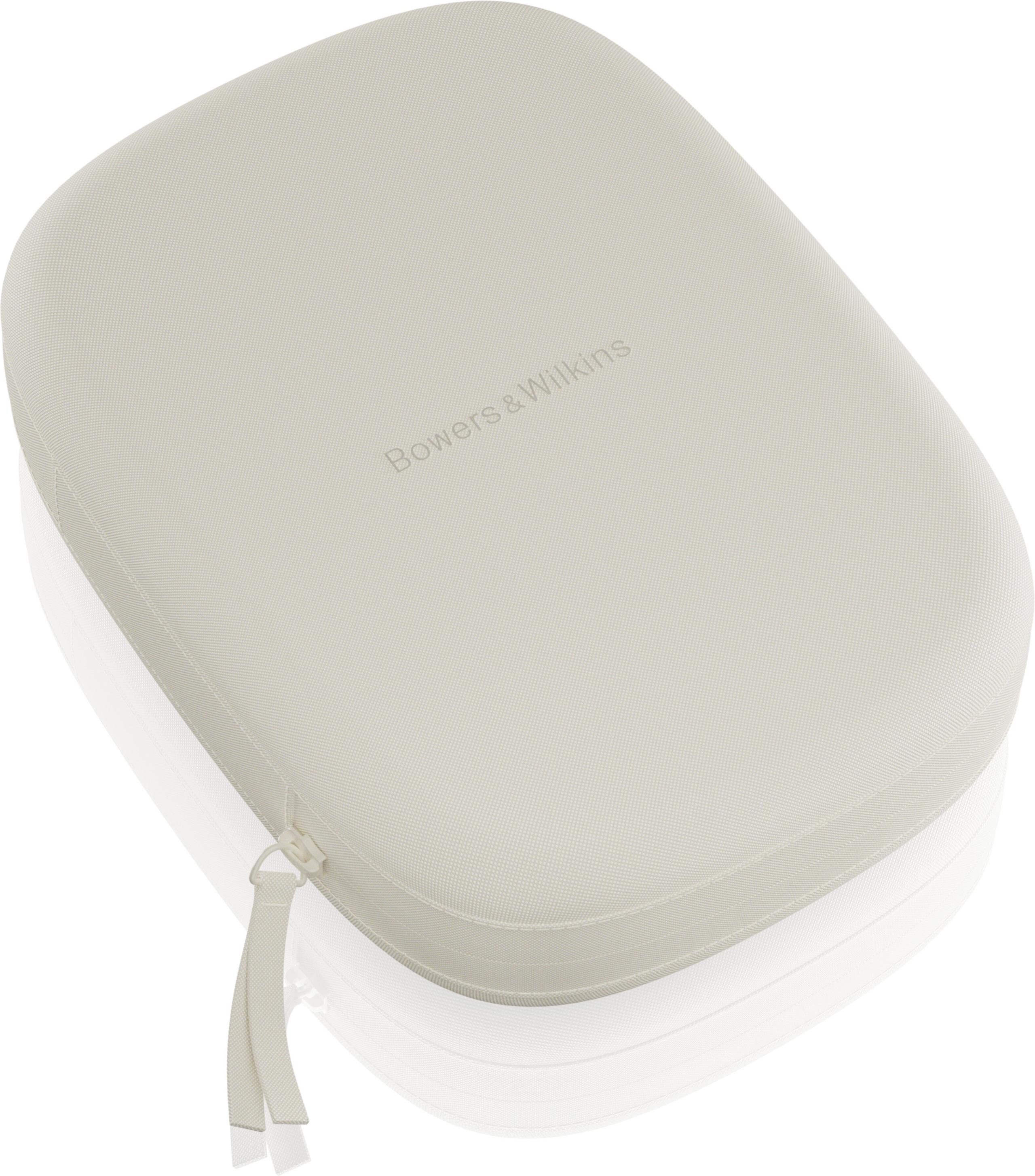
The Marshall Monitor II ANC takes a more practical approach to build quality. The artificial leather earcups and plush headband provide good comfort, and the metal swivel hinges feel robust. What's particularly clever is the collapsible design – these headphones fold down significantly smaller than the B&W for travel, which is genuinely useful if you're packing them in carry-on luggage.
At 320 grams, they're slightly heavier than the B&W, but the difference isn't significant during use. The iconic Marshall styling with textured vinyl and brass accents gives them a distinctive look that some users will love for its vintage appeal.
For extended listening sessions, both headphones perform well, but the Bowers & Wilkins has a slight comfort advantage due to the lighter weight and more refined padding materials.
The technology gap between these headphones becomes most apparent when looking at connectivity options and modern features.
The Bowers & Wilkins Px7 S3 represents the current state of the art with Bluetooth 5.3 and support for advanced audio codecs including aptX Lossless and aptX Adaptive. These aren't just marketing terms – they represent genuinely better wireless audio quality. aptX Adaptive, for example, can dynamically adjust the compression level based on your wireless environment, providing CD-quality audio when the connection is strong and gracefully degrading when interference occurs.
The USB-C audio capability is particularly impressive because it essentially turns the headphones into a high-quality DAC (digital-to-analog converter) and headphone amplifier. When connected via USB-C to a compatible device, you can enjoy true 24-bit/96kHz audio, which is higher resolution than CD quality. This makes them excellent for critical listening with high-quality source material.
Multipoint connectivity allows the Px7 S3 to maintain connections to two devices simultaneously – incredibly useful if you want to listen to music from your laptop while staying connected to your phone for calls.
The Marshall Monitor II ANC takes a more basic but still functional approach with Bluetooth 5.0 and standard codec support. The 3.5mm wired connection ensures universal compatibility, and the 30-foot wireless range is competitive. While it lacks the advanced codec support of the B&W, it handles standard audio streaming reliably.
This is another area where the Bowers & Wilkins Px7 S3 shows its technical sophistication. The eight-microphone system with ADI Pure Voice processing creates genuinely impressive call quality. All eight microphones work together to isolate your voice while suppressing background noise, creating clarity that rivals dedicated headsets.
I've tested these on calls from noisy coffee shops and busy streets, and the person on the other end consistently reported clear audio without significant background interference. For anyone who regularly takes calls while wearing headphones, this level of performance is genuinely valuable.
The Marshall Monitor II ANC provides adequate call quality with its built-in microphone, but it doesn't approach the sophistication of the B&W system. It's fine for occasional calls but not ideal if phone conversations are a primary use case.
These headphones take completely different approaches to user controls, and your preference here might influence your decision significantly.
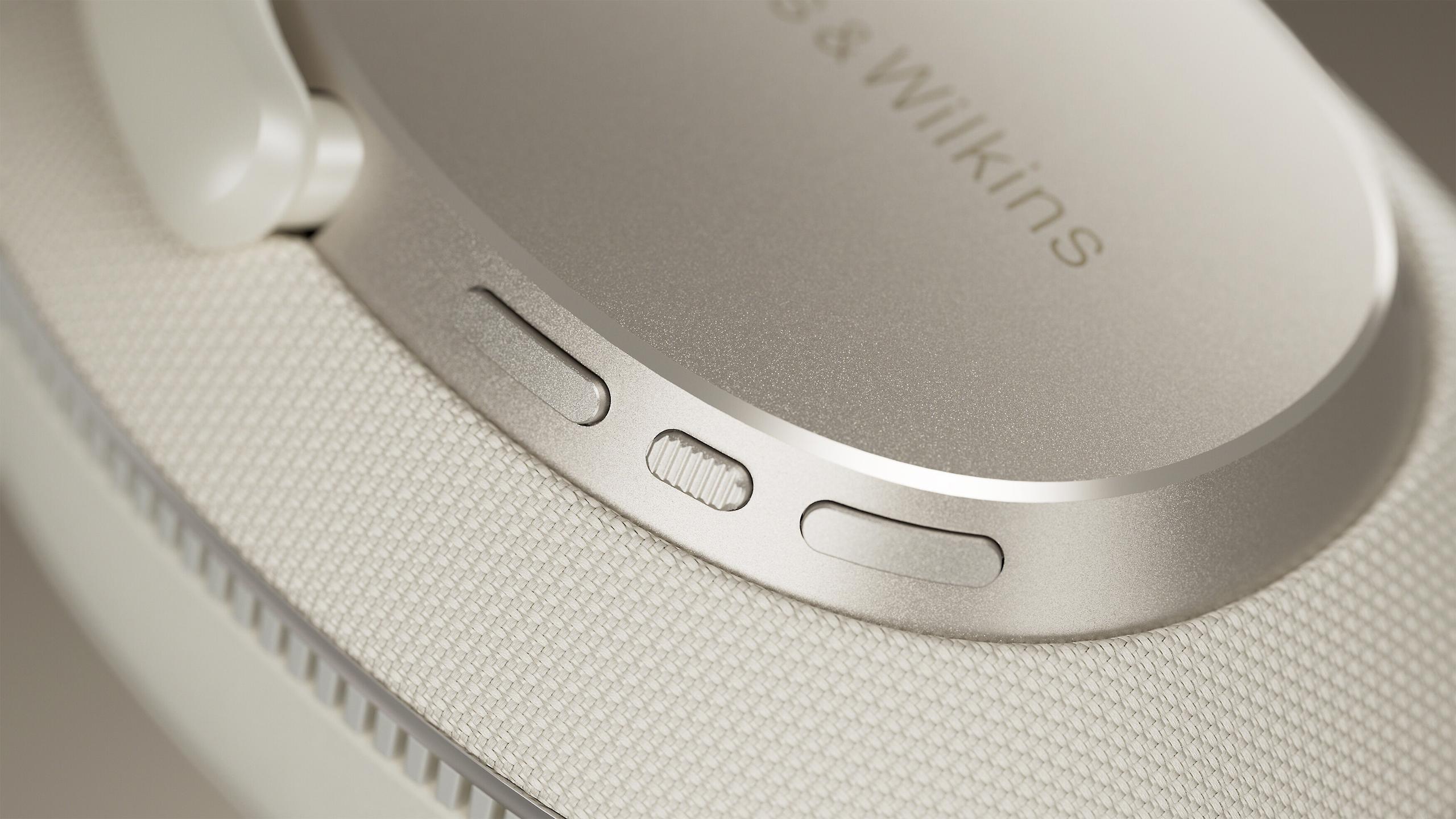
The Bowers & Wilkins Px7 S3 uses entirely physical controls – buttons and sliders rather than touch interfaces. This might seem old-fashioned, but it's actually quite practical. Physical controls work reliably in all weather conditions, provide tactile feedback so you know when you've activated them, and don't suffer from accidental activation when adjusting the headphones.
The Marshall Monitor II ANC features their signature multi-directional control knob, which I find genuinely intuitive once you get used to it. The knob handles playback, volume, and call management, while the programmable M-button provides quick access to EQ presets or voice assistants. It's a clever system that feels distinctly Marshall.
Both approaches work well, but they cater to different preferences. The B&W system is more conventional and immediately familiar, while Marshall's approach is more unique but requires a brief learning period.
The companion apps for both headphones offer different levels of control and customization, reflecting their different target audiences.
The Bowers & Wilkins Music app provides a 5-band EQ that allows substantial sound customization, along with the TrueSound mode that presents the audio as the engineers intended without additional processing. The app also integrates music streaming services and handles firmware updates seamlessly.
Marshall's Bluetooth app focuses on the features that matter most to their target audience: ANC level adjustment with 10 different settings and EQ customization with preset options. It's less sophisticated than the B&W app but covers the essential functions well.
At $319.99, the Marshall Monitor II ANC represents excellent value for users who prioritize battery life, distinctive styling, and a sound signature that excels with rock and guitar-heavy music. The 45-hour battery life alone provides practical value that's difficult to quantify but genuinely useful in daily life.
The Bowers & Wilkins Px7 S3 at $449.00 commands a $129 premium, but that extra cost buys you genuinely superior sound quality, advanced noise cancellation, and premium build materials. For users who prioritize audio fidelity and technical performance, this price difference is justified by the substantial improvements in key areas.
Your choice between these headphones should align with how you actually use them and what aspects of the listening experience matter most to you.
Choose the Marshall Monitor II ANC if:
Choose the Bowers & Wilkins Px7 S3 if:
Both headphones succeed in their intended roles, but they're designed for different types of users with different priorities. The Marshall excels as a practical, long-lasting, and musically engaging option, while the Bowers & Wilkins delivers technical excellence and sophistication that justifies its premium pricing.
The good news is that either choice will provide a significant upgrade over standard headphones. Your decision should ultimately come down to whether you value practical advantages like battery life and value pricing, or technical superiority and premium features. Both approaches have merit – it's just a matter of which aligns better with your needs and preferences.
| Marshall Monitor II ANC | Bowers & Wilkins Px7 S3 |
|---|---|
| Price - Significant $129 difference affects value proposition | |
| $319.99 | $449.00 |
| Sound Quality - Most important factor for music enjoyment | |
| 40mm dynamic drivers, warm midrange-focused signature ideal for rock/guitar music | 40mm bio-cellulose drivers with V-shaped signature, superior detail and soundstage across all genres |
| Battery Life - Critical for travel and heavy daily use | |
| 45 hours (Bluetooth) / 30 hours (with ANC) - exceptional endurance | 30 hours (with ANC) - competitive but shorter runtime |
| Active Noise Cancellation - Essential for commuting and focus | |
| Traditional ANC with 10 adjustable levels via app | Advanced 8-microphone system with adaptive processing, approaching Sony/Bose performance |
| Audio Codecs - Affects wireless sound quality | |
| Bluetooth 5.0 with standard codecs (SBC) | Bluetooth 5.3 with aptX Lossless, aptX Adaptive, aptX HD - significantly better wireless audio |
| Call Quality - Important for work-from-home users | |
| Built-in microphone with basic noise reduction | 8-microphone array with ADI Pure Voice processing - professional-grade clarity |
| Weight & Comfort - Affects extended listening sessions | |
| 320g, foldable design with plush padding | 307g, premium memory foam with refined ergonomics |
| Build Materials - Impacts durability and premium feel | |
| Artificial leather, metal hinges, classic Marshall styling | Genuine leather, metal construction, fabric accents - more premium materials |
| Wired Connection Options - Backup when battery dies | |
| 3.5mm jack for universal compatibility | USB-C audio up to 24-bit/96kHz (functions as high-quality DAC) plus 3.5mm option |
| App Features - Customization and control options | |
| Marshall Bluetooth app with ANC levels and basic EQ | Bowers & Wilkins Music app with 5-band EQ, streaming integration, advanced settings |
| Quick Charge - Convenience for frequent users | |
| 15 minutes = 5 hours playback | 15 minutes = 7 hours playbook - faster emergency charging |
| Multipoint Connectivity - Connect to multiple devices simultaneously | |
| Not supported - single device connection only | Yes - connect to laptop and phone simultaneously |
The Bowers & Wilkins Px7 S3 delivers superior overall sound quality with 40mm bio-cellulose drivers and a V-shaped signature that excels across all music genres. The Marshall Monitor II ANC offers excellent sound for rock and guitar-heavy music with its warm, midrange-focused tuning, but the B&W provides better detail, soundstage, and versatility for diverse musical styles.
The Marshall Monitor II ANC costs $319.99, while the Bowers & Wilkins Px7 S3 is priced at $449.00. This $129 price difference reflects the B&W's premium materials, advanced noise cancellation technology, and superior audio codecs.
The Marshall Monitor II ANC significantly outperforms with 45 hours of playback (Bluetooth only) or 30 hours with ANC enabled. The Bowers & Wilkins Px7 S3 offers 30 hours with ANC, which is competitive but falls short of Marshall's exceptional endurance for travel and heavy daily use.
The Bowers & Wilkins Px7 S3 features advanced ANC with an 8-microphone array that delivers performance approaching Sony and Bose levels. The Marshall Monitor II ANC provides effective traditional ANC with 10 adjustable levels via app, making it functional but less sophisticated than the B&W system.
Both offer good comfort, but the Bowers & Wilkins Px7 S3 has a slight edge with its lighter 307g weight, premium memory foam padding, and refined ergonomics. The Marshall Monitor II ANC weighs 320g and provides solid comfort with plush padding, plus the advantage of a foldable design for travel.
The Bowers & Wilkins Px7 S3 supports advanced codecs including aptX Lossless and aptX Adaptive via Bluetooth 5.3, delivering significantly better wireless audio quality. The Marshall Monitor II ANC uses Bluetooth 5.0 with standard codecs, providing reliable but less sophisticated wireless performance.
The Bowers & Wilkins Px7 S3 excels with its 8-microphone system and ADI Pure Voice processing, delivering professional-grade call clarity even in noisy environments. The Marshall Monitor II ANC provides adequate call quality with its built-in microphone but doesn't match the B&W's sophisticated voice processing.
The Bowers & Wilkins Px7 S3 is excellent for home theater with its spacious soundstage, detailed audio reproduction, and wide frequency response that reveals subtle movie audio details. The Marshall Monitor II ANC handles movie audio well but truly shines with music-heavy content and dialogue-driven films due to its warm midrange focus.
The Bowers & Wilkins Px7 S3 uses premium materials including genuine leather, metal construction, and fabric accents for a more upscale feel. The Marshall Monitor II ANC features solid build quality with artificial leather, metal hinges, and the practical advantage of a collapsible design, though with less premium materials overall.
The Bowers & Wilkins Music app offers more advanced features including a 5-band EQ, streaming service integration, and comprehensive settings control. The Marshall Bluetooth app focuses on essential functions like 10-level ANC adjustment and basic EQ presets, providing simpler but adequate customization options.
Both offer 15-minute quick charging, but the Bowers & Wilkins Px7 S3 provides 7 hours of playback from this quick charge compared to 5 hours from the Marshall Monitor II ANC. However, Marshall's longer overall battery life means you'll need to charge less frequently.
The Marshall Monitor II ANC at $319.99 offers excellent value with exceptional battery life, solid performance, and distinctive styling at a more accessible price. The Bowers & Wilkins Px7 S3 at $449.00 justifies its premium with superior sound quality, advanced features, and premium materials, making it better value for audiophiles prioritizing technical excellence.
We've done our best to create useful and informative comparisons to help you decide what product to buy. Our research uses advanced automated methods to create this comparison and perfection is not possible - please contact us for corrections or questions. These are the sites we've researched in the creation of this article: soundguys.com - androidcentral.com - headphonereview.com - thestyleinspiration.com - headphonecheck.com - versus.com - blog.son-video.com - bhphotovideo.com - bestbuy.com - versus.com - bhphotovideo.com - stereoguide.com - marshall.com - api.bestbuy.com - soundstagesolo.com - marshall.com - youtube.com - youtube.com - electronicexpress.com - techradar.com - recordingnow.com - tomsguide.com - tomsguide.com - loudersound.com - whathifi.com - headphonecheck.com - loudnwireless.com - recordingnow.com - techradar.com - bowerswilkins.com - bhphotovideo.com - audio46.com - bowerswilkins.com - smarthomesounds.co.uk - audioadvisor.com - audiograde.uk - bowerswilkins.com - my.tcacoustic.asia - whathifi.com

Privacy Policy
Terms and Conditions - Affiliate Policy
Home Security
© Copyright 2008-2026.
11816 Inwood Rd #1211, Dallas, TX 75244