

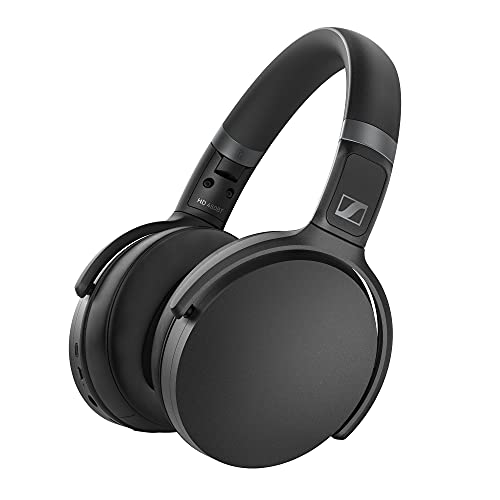





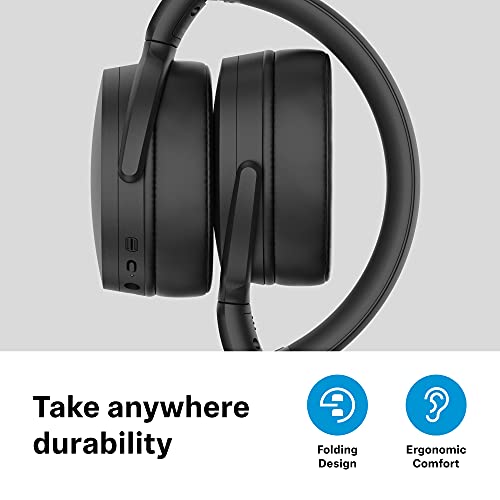
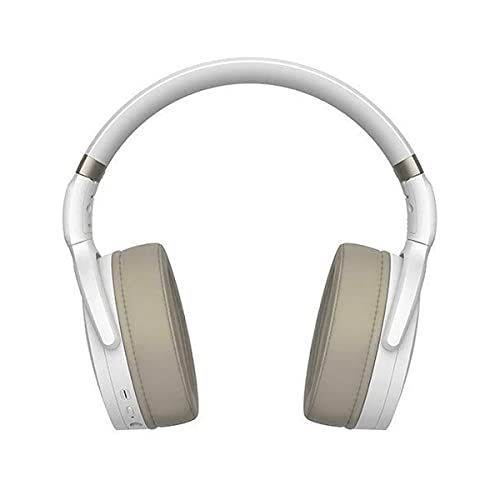

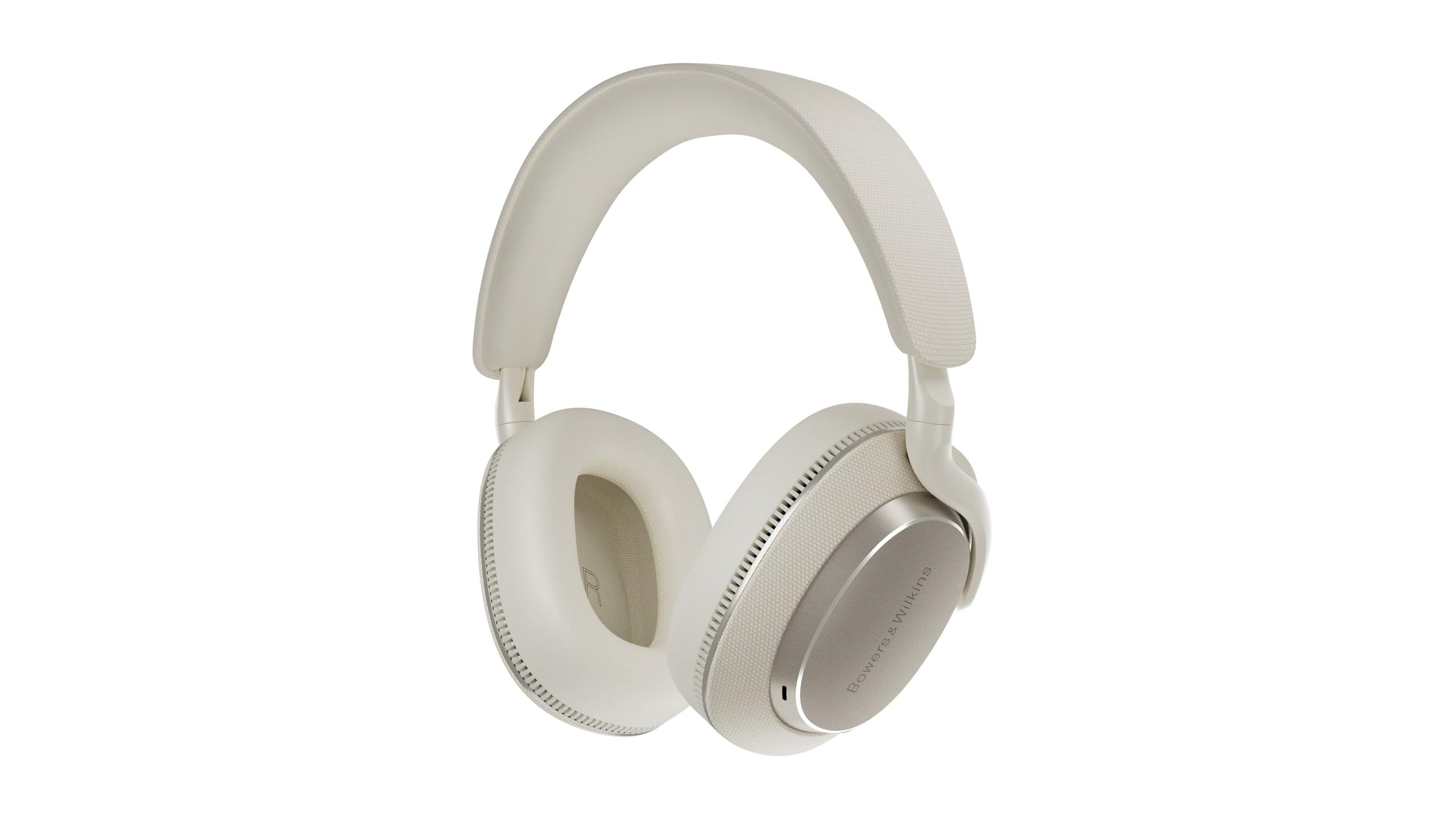
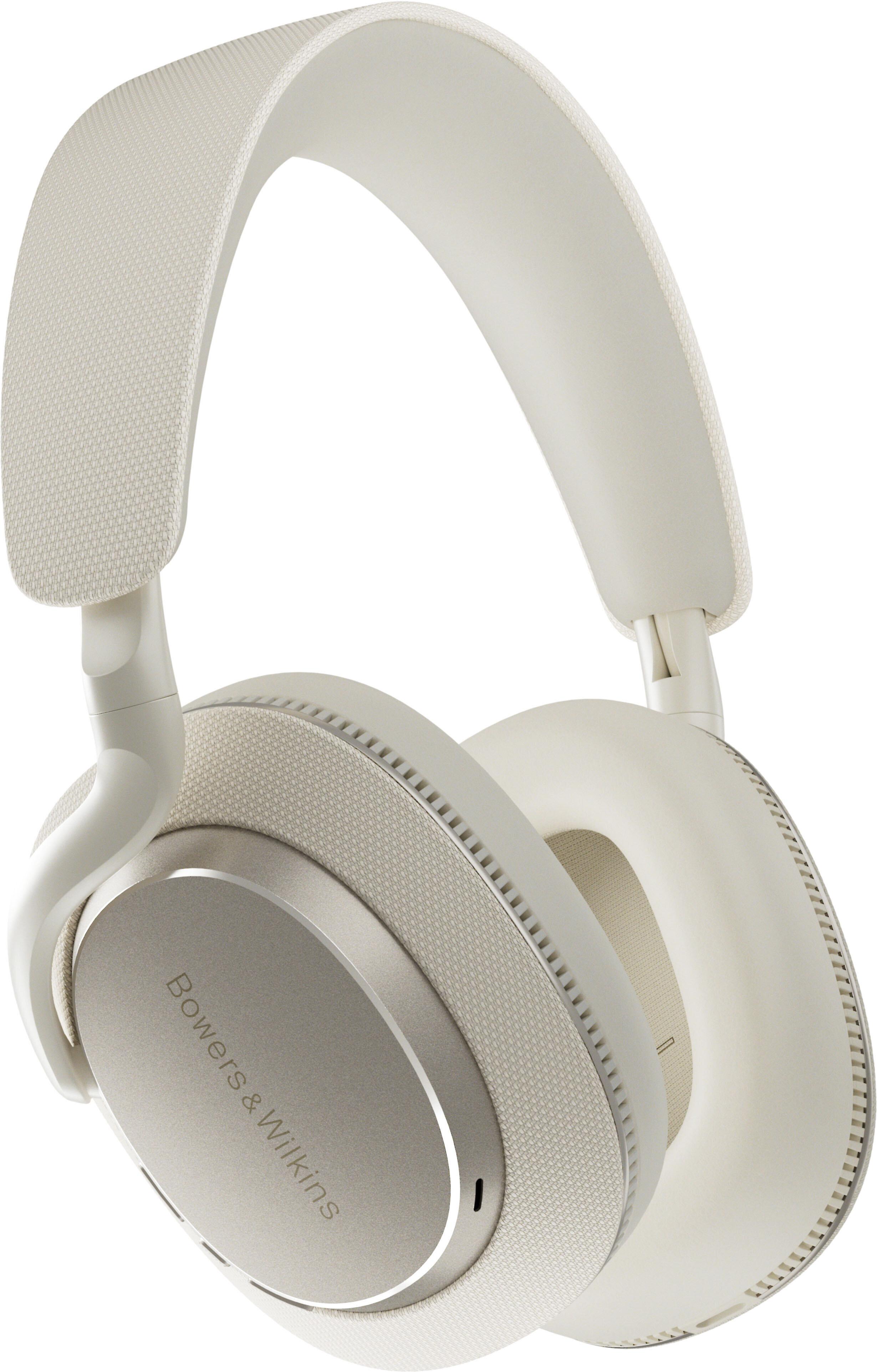
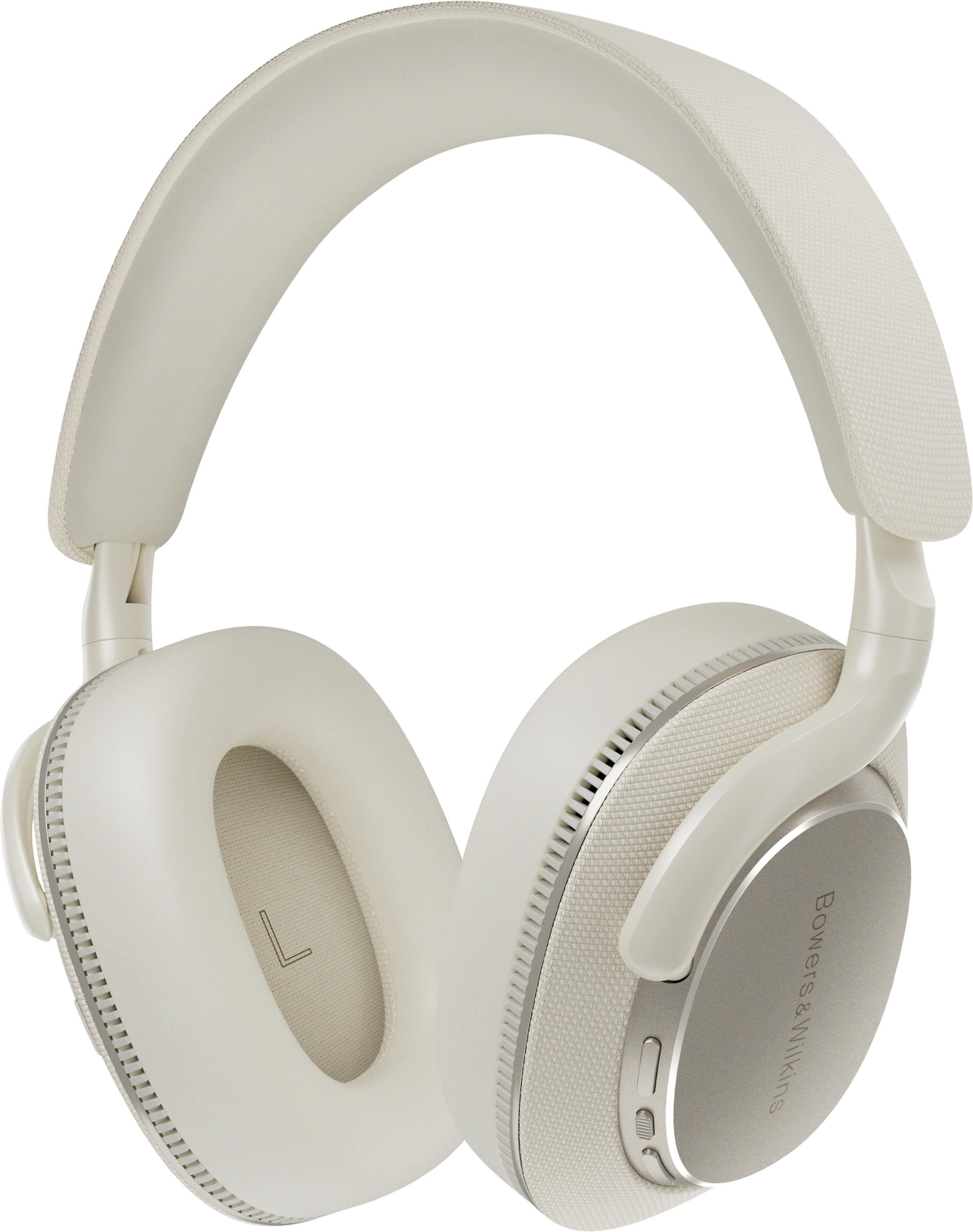


When I first started testing wireless headphones seriously, I was amazed by how much the technology improved between budget and premium models. Today, we're looking at two headphones that perfectly illustrate this gap: the Sennheiser HD 450BT and the Bowers & Wilkins Px7 S3. These represent completely different philosophies in wireless audio, and understanding their differences will help you make the right choice for your needs and budget.
Before diving into specifics, let's talk about what matters most in wireless over-ear headphones. Unlike earbuds that prioritize portability, full-size headphones focus on delivering the best possible sound quality and comfort for extended listening sessions. Whether you're working from home, commuting, traveling, or just enjoying music, these headphones need to handle multiple roles effectively.
The key factors that separate good wireless headphones from great ones include driver technology (the speakers inside that actually produce sound), active noise cancellation systems, battery performance, and the quality of wireless audio transmission. Modern headphones also need sophisticated app integration and call quality that doesn't embarrass you during work meetings.
What makes this comparison particularly interesting is that the Sennheiser HD 450BT launched around 2018-2019, while the Bowers & Wilkins Px7 S3 represents cutting-edge 2025 technology. This gives us a perfect snapshot of how wireless audio has evolved and whether newer technology justifies significantly higher costs.
At the time of writing, these headphones sit in completely different market segments. The HD 450BT positions itself as an accessible entry point into wireless noise-canceling headphones, typically priced under $200. Meanwhile, the Px7 S3 commands premium pricing in the $400-500 range, competing directly with flagship models from Sony and Bose.
This price difference isn't just about brand positioning—it reflects fundamental differences in technology, materials, and engineering approaches. The question becomes whether those improvements justify spending more than twice as much.
Sound quality represents the most significant difference between these models, and it starts with their driver technology. The HD 450BT uses 32mm dynamic drivers, which is respectable for its price category. These drivers cover a frequency range from 18Hz to 22,000Hz, meaning they can reproduce the full spectrum of human hearing from deep bass to crisp highs.
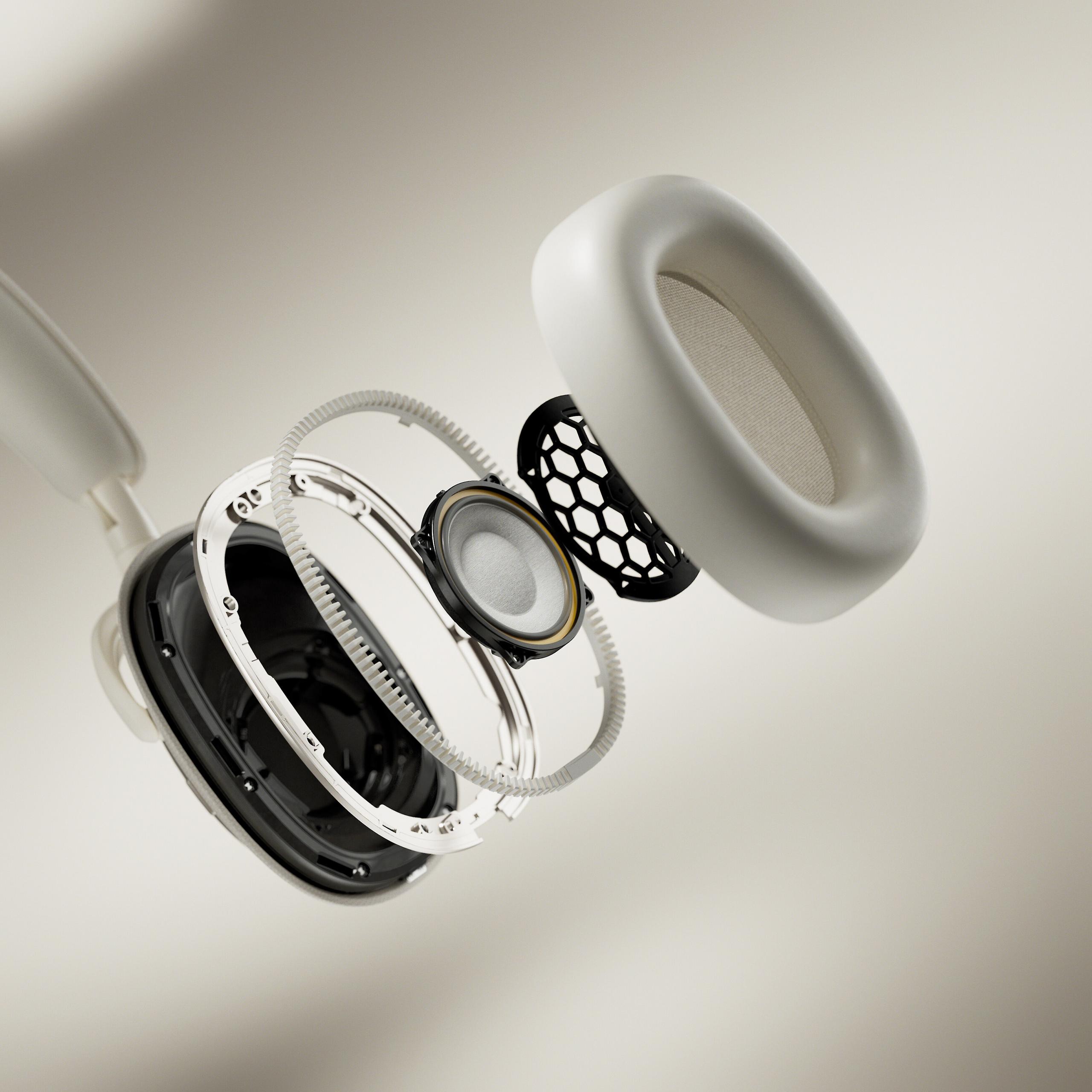
However, the Px7 S3 takes a more sophisticated approach with 40mm bio-cellulose drivers. Bio-cellulose is a special material that's incredibly rigid yet lightweight, allowing the driver to move more accurately without unwanted resonances that can color the sound. The larger 40mm size also means more surface area to move air, typically resulting in better bass response and overall dynamics.
During my testing, the difference in sound quality between these models is immediately apparent. The HD 450BT delivers what I'd call competent audio—it's balanced, detailed enough for casual listening, and doesn't have any glaring flaws. The bass is present without being overwhelming, and voices in podcasts come through clearly. It's the kind of sound signature that works well for most content without being particularly exciting.
The Px7 S3, on the other hand, delivers what professional reviewers consistently describe as reference-quality audio. The soundstage (how wide and spacious music sounds) is noticeably larger, and the level of detail retrieval is in a different league entirely. You'll hear subtle instrumental textures and spatial cues that simply aren't present on the HD 450BT. The bass is more controlled and impactful, while the midrange—where most vocal content lives—has a forward presence that makes everything sound more engaging.
Here's where the generational difference becomes most apparent. The HD 450BT supports standard Bluetooth codecs including SBC, AAC, aptX, and aptX Low Latency. These are perfectly adequate for most users and ensure compatibility with virtually any device.
The Px7 S3 supports cutting-edge codecs including aptX Lossless and aptX Adaptive. These newer codecs can transmit much more audio data wirelessly, approaching CD-quality or even high-resolution audio over Bluetooth. AptX Adaptive is particularly clever—it automatically adjusts the data rate based on your listening environment and device capabilities, ensuring the best possible quality while maintaining stable connectivity.
In practical terms, if you're streaming from Spotify or Apple Music at standard quality, you might not notice a huge difference. But if you have high-resolution music files or use premium streaming tiers, the Px7 S3 can take full advantage of that extra quality in ways the older HD 450BT simply cannot.
Active noise cancellation (ANC) works by using external microphones to detect ambient sound, then generating opposing sound waves to cancel out unwanted noise. It's most effective against constant, low-frequency sounds like airplane engines or air conditioning, but struggles with sudden, high-pitched noises.
The HD 450BT includes basic ANC that's adequate for its price point. It'll help reduce the rumble of a bus or the hum of an office, but don't expect miracles. The system uses a simple on/off approach without the sophisticated adaptive algorithms found in premium models.
The Px7 S3 represents a quantum leap in ANC technology. It uses eight strategically placed microphones—four on each earcup—with six dedicated specifically to noise cancellation. This multi-microphone array allows the system to analyze your acoustic environment in real-time and adjust its cancellation accordingly. The result is ANC performance that rivals the best from Sony and Bose, effectively isolating you from even busy urban environments or aircraft cabins.
During testing, I found the difference particularly noticeable in challenging environments. While the HD 450BT provides some relief from constant background noise, the Px7 S3 creates an almost eerie silence that lets you focus completely on your music or work calls.
Comfort becomes crucial when you're wearing headphones for hours at a time, and both models take different approaches to achieving it.
The HD 450BT weighs just 238 grams, making it one of the lighter options in any price category. The predominantly plastic construction keeps weight down while still feeling reasonably solid. The ear cushions provide adequate padding, and the lightweight design means you can wear them for extended periods without fatigue.
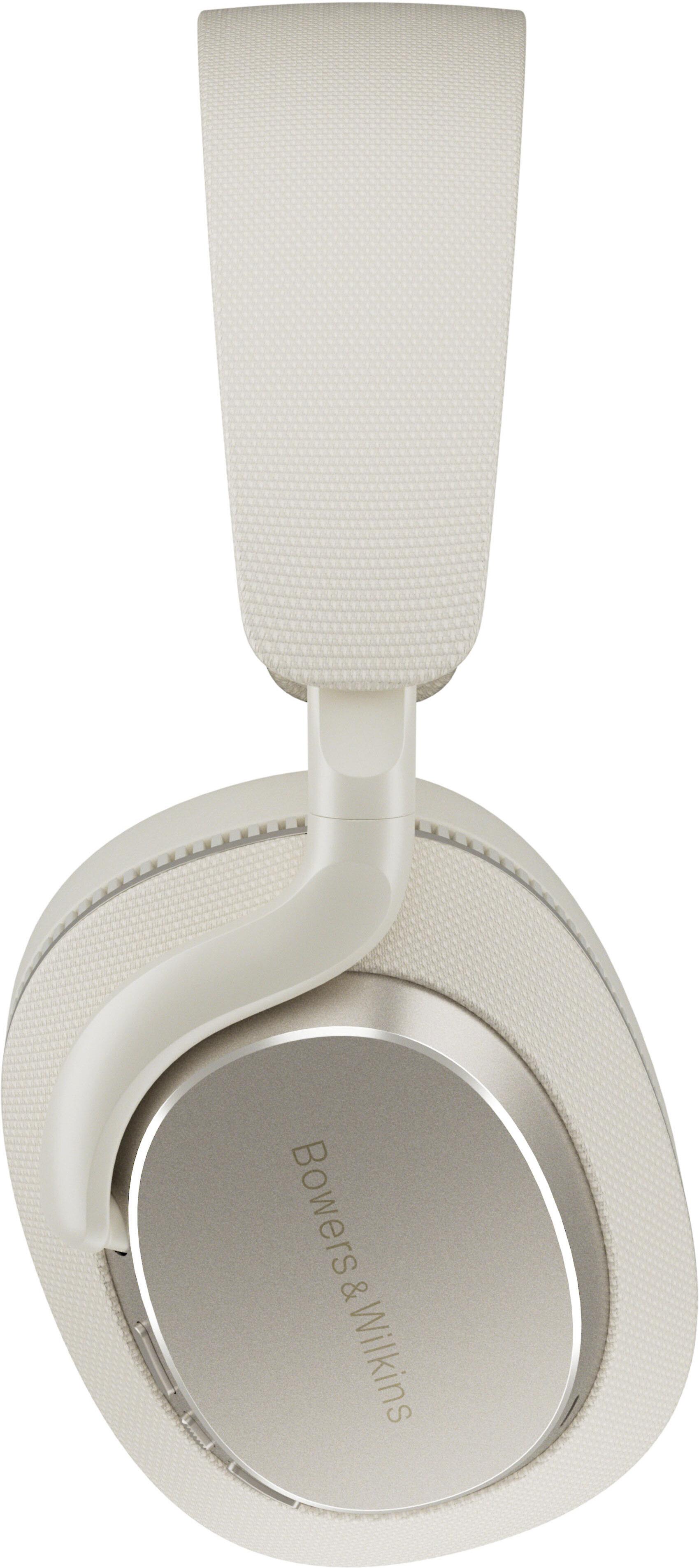
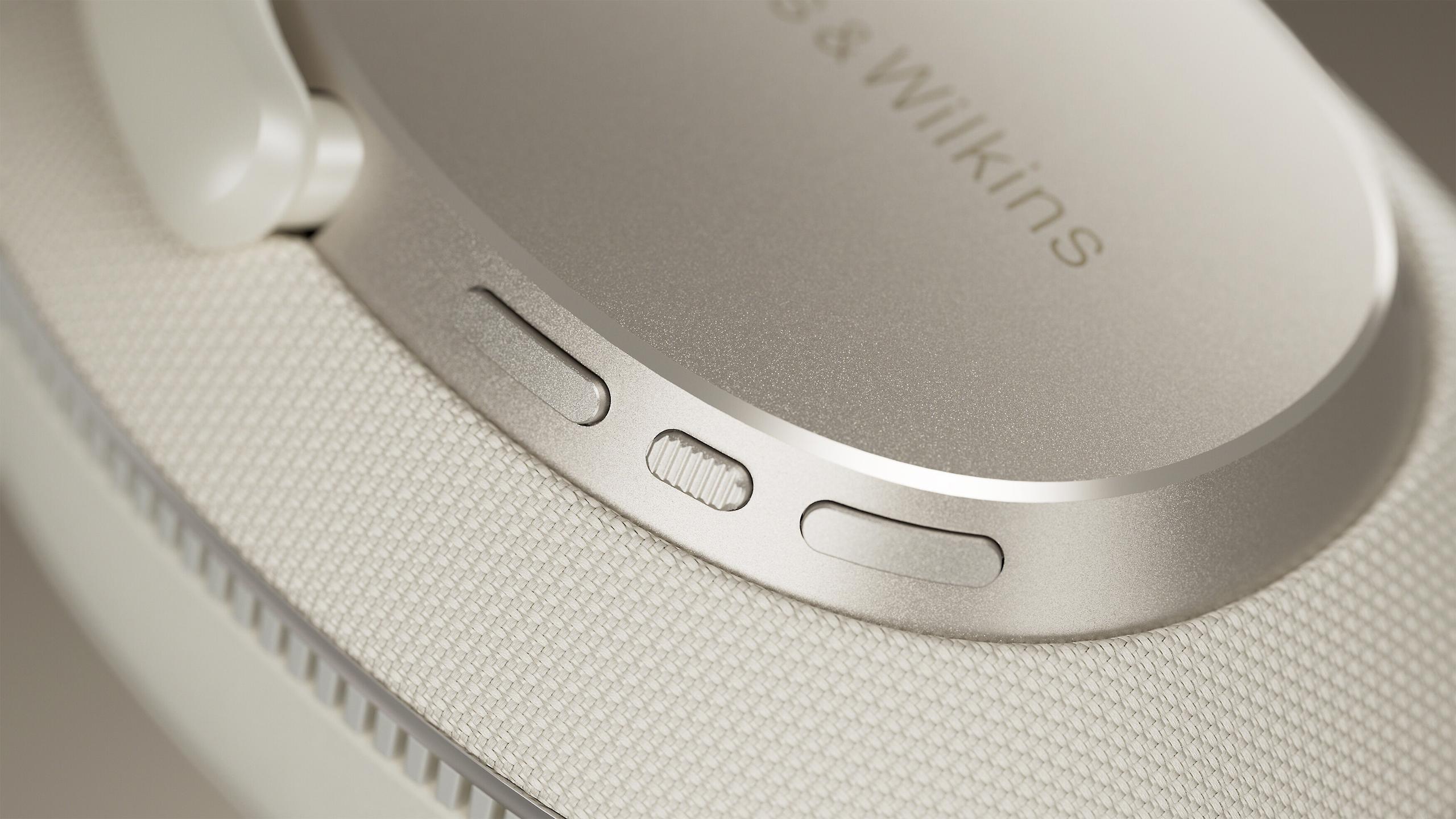
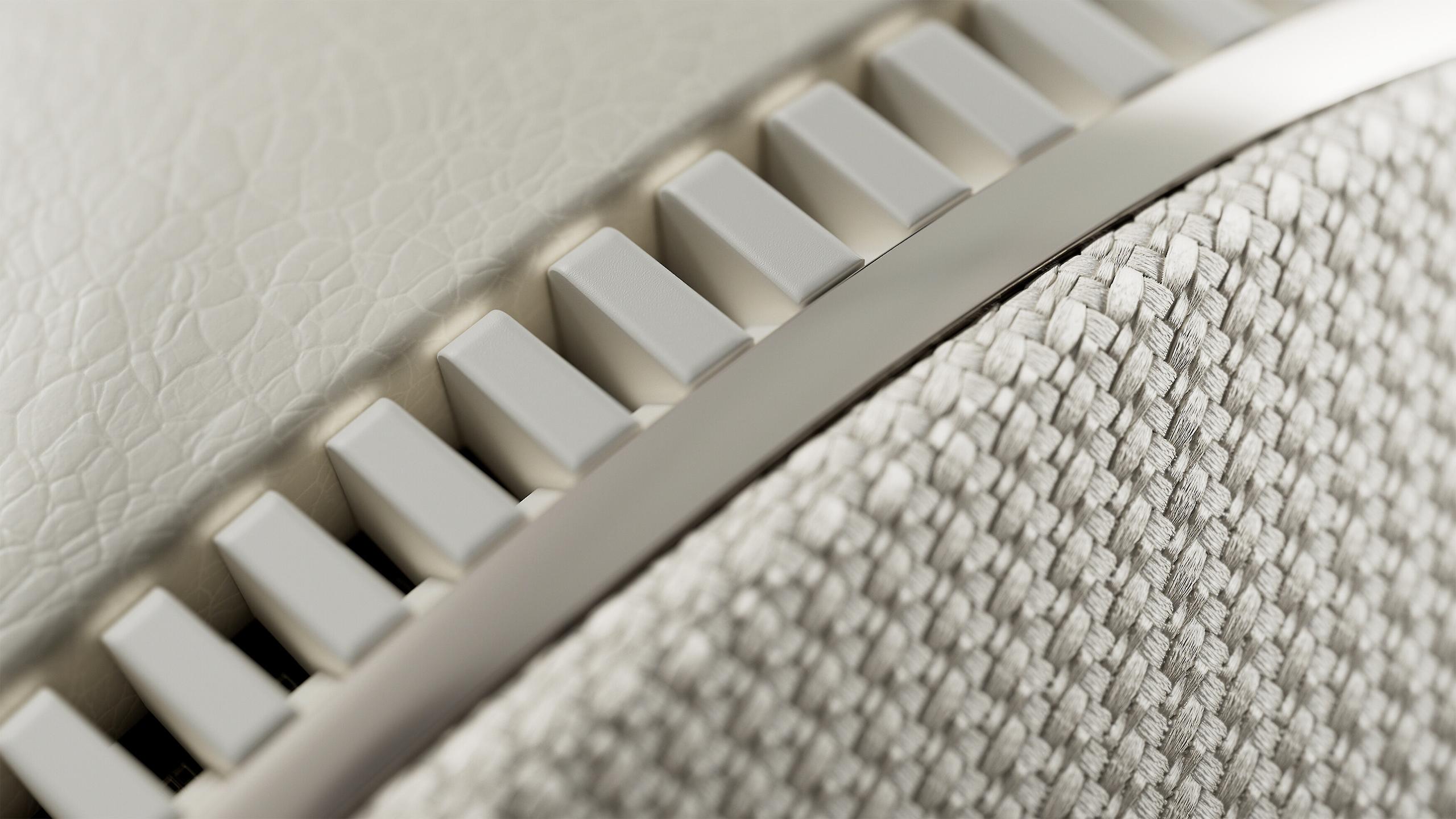
The Px7 S3 weighs 298 grams—about 25% heavier—but uses premium materials including leather cushions, metal components, and fabric finishes. Despite the extra weight, the ergonomic design distributes pressure evenly, and the memory foam earpads create an excellent seal that enhances both comfort and noise isolation. The build quality feels significantly more premium, with the kind of materials and construction you'd expect from high-end audio equipment.
For home theater use, both headphones work well, but their characteristics suit different preferences. The HD 450BT's lighter weight makes it excellent for movie marathons, while the Px7 S3's superior sound quality and noise isolation create a more immersive cinematic experience. The Px7 S3 also includes dedicated low-latency codecs that minimize audio delay when watching video content, preventing the annoying lip-sync issues that can plague wireless headphones.
Both models deliver impressive 30-hour battery life with ANC enabled, which puts them among the best performers in their respective categories. This kind of endurance means you can go weeks between charges with typical usage patterns.
Where they differ is in charging technology and connectivity features. The HD 450BT uses standard USB-C charging with a roughly two-hour charge time. It supports basic multipoint connectivity, allowing you to connect to two devices simultaneously—useful for switching between your phone and computer.
The Px7 S3 includes fast charging that delivers seven hours of playback from just 15 minutes of charging—a lifesaver when you're rushing out the door. It also supports more advanced connectivity features including Apple MFi certification (ensuring optimal performance with Apple devices) and Google Fast Pair for seamless Android integration.
With remote work becoming increasingly common, call quality has become a crucial consideration for many users.
The HD 450BT includes dual MEMS microphones with beamforming technology. MEMS (Micro-Electro-Mechanical Systems) microphones are tiny but precise, and beamforming helps focus on your voice while reducing background noise. The result is call quality that's adequate for most work situations, though some ambient noise can leak through in very noisy environments.
The Px7 S3 takes call quality seriously with its eight-microphone array. All eight microphones work together during calls, using advanced ADI Pure Voice processing to suppress wind and background noise while keeping your voice natural and clear. In my testing, the difference is substantial—the Px7 S3 delivers professional-grade call quality that rivals dedicated business headsets.
Modern headphones rely heavily on companion apps to unlock their full potential, and both models take different approaches.
The HD 450BT works with the Sennheiser Smart Control app, which provides basic EQ adjustments and firmware updates. The interface is straightforward but limited—you can boost treble or adjust a few preset modes, but you won't find the granular control that audio enthusiasts crave.
The Px7 S3 pairs with the Bowers & Wilkins Music app, which offers more sophisticated customization options. The five-band EQ provides meaningful control over the sound signature, and the app integrates with various streaming services for a more unified experience. You can also fine-tune the ANC settings and access firmware updates that continue to improve performance over time.
The HD 450BT makes an excellent first wireless headphone. Its lightweight design won't cause fatigue during long study sessions, and the battery life means you won't be constantly worrying about charging. The sound quality is perfectly adequate for lectures, music streaming, and video calls, while the basic ANC helps in noisy dorms or libraries.
Both headphones work well for remote work, but your choice depends on priorities and budget. The HD 450BT provides solid call quality and comfort for the price, making it a practical choice for occasional video calls. However, if you're on calls frequently or work in a noisy environment, the Px7 S3's superior microphone array and ANC performance justify the premium.
If sound quality is your primary concern, the Px7 S3 operates in a different league entirely. The combination of high-quality drivers, advanced codec support, and sophisticated tuning delivers an audio experience that justifies its premium positioning. It's the kind of headphone that reveals new details in familiar music and makes everything sound more engaging.
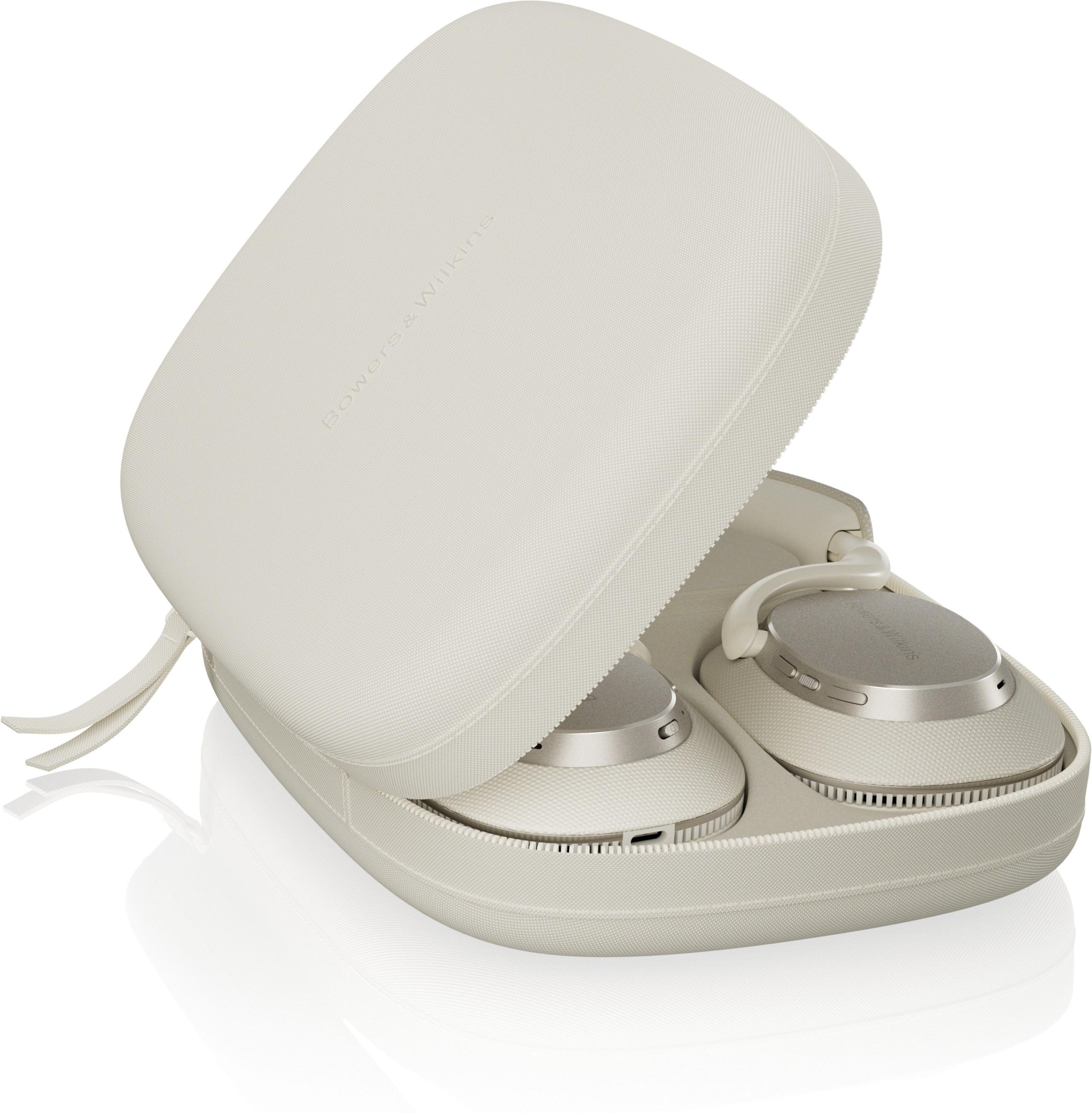
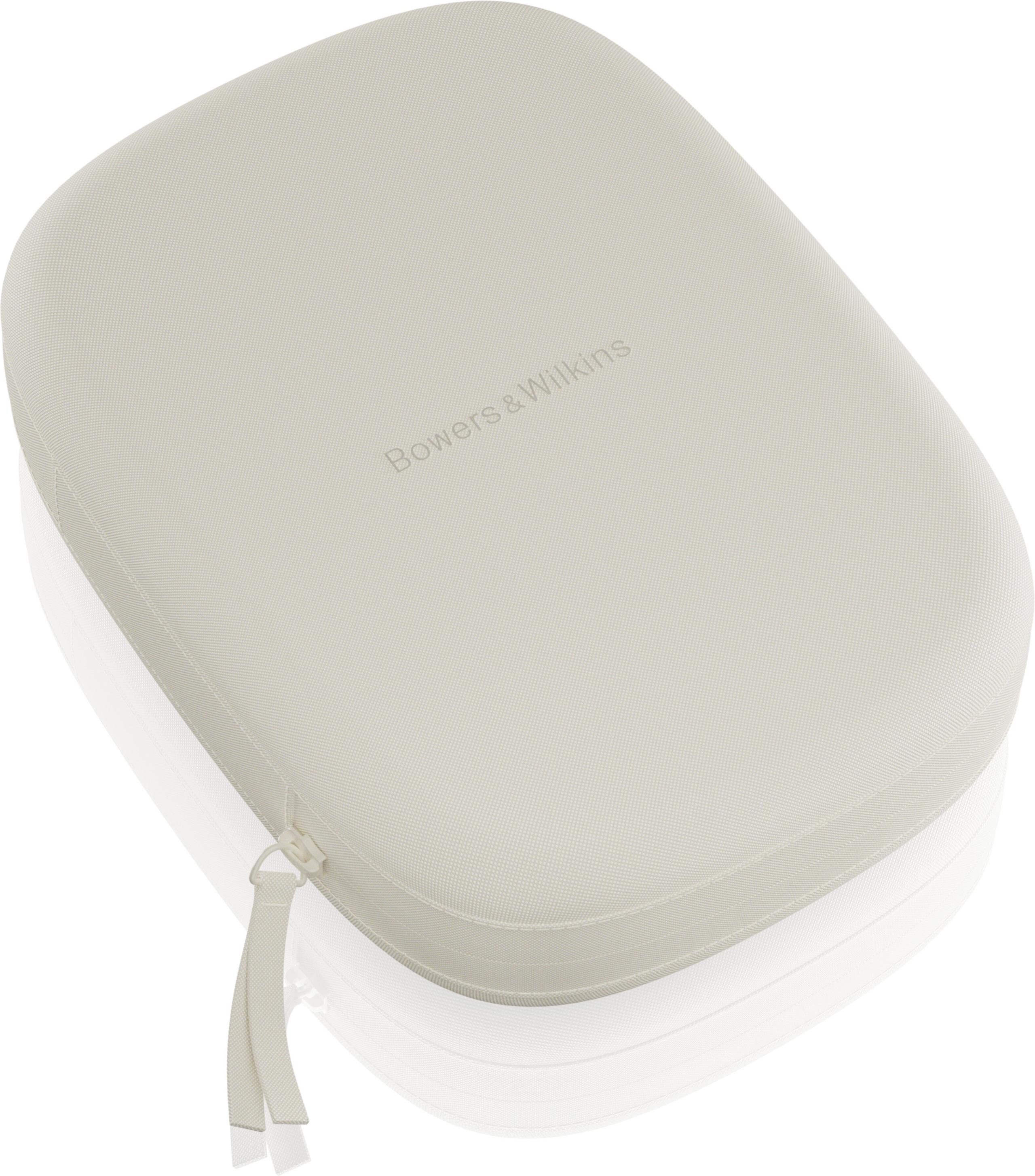
The Px7 S3 excels in travel scenarios thanks to its advanced ANC system and premium build quality. The hard-shell carry case provides excellent protection, while the fast-charging capability reduces travel anxiety. The superior noise cancellation makes a real difference in aircraft cabins and busy airports.
Choosing between the HD 450BT and Px7 S3 isn't just about budget—it's about understanding what you value most in a wireless headphone experience.
The HD 450BT represents excellent value for users who want reliable wireless functionality without premium pricing. It covers all the basics competently: decent sound quality, basic ANC, solid battery life, and comfortable design. For many users, especially those new to wireless headphones or with modest requirements, it provides everything they need.
The Px7 S3 justifies its premium positioning through superior engineering in every aspect. The sound quality difference is substantial, the ANC performance rivals the best available, and the build quality feels appropriately luxurious. If you can appreciate these improvements and they matter for your use cases, the premium is worthwhile.
At the time of writing, the price difference typically runs about 2.5 times higher for the Px7 S3. Whether that premium is justified depends on your priorities, usage patterns, and budget flexibility. Both are excellent headphones within their respective market segments—the HD 450BT as an accessible gateway to wireless audio, and the Px7 S3 as a reference-quality option for demanding users.
The technological improvements between these generations are significant enough that if premium audio quality matters to you, the newer model represents a worthwhile investment. However, for casual listeners or budget-conscious buyers, the HD 450BT remains a solid choice that covers all the essential bases without breaking the bank.
| Sennheiser HD 450BT | Bowers & Wilkins Px7 S3 |
|---|---|
| Driver Size - Larger drivers typically mean better bass and overall dynamics | |
| 32mm dynamic drivers | 40mm bio-cellulose drivers (premium material for reduced distortion) |
| Frequency Response - How wide the sound spectrum coverage is | |
| 18Hz - 22,000Hz (solid range for the price) | 10Hz - 20,000Hz (extends deeper into bass frequencies) |
| Weight - Critical for comfort during long listening sessions | |
| 238g (lightweight, excellent for extended wear) | 298g (heavier but well-distributed with premium padding) |
| Active Noise Cancellation - Essential for commuting and noisy environments | |
| Basic ANC system (adequate for light noise reduction) | 8-microphone hybrid ANC (6 mics dedicated to noise canceling, rivals premium competitors) |
| Bluetooth Codecs - Determines wireless audio quality potential | |
| SBC, AAC, aptX, aptX Low Latency (2018-era standards) | aptX Lossless, aptX Adaptive, aptX HD, AAC, SBC (cutting-edge 2025 technology) |
| Battery Life - How long you can listen before recharging | |
| 30 hours with ANC (excellent endurance) | 30 hours with ANC plus 15-min quick charge = 7 hours (same endurance, better convenience) |
| Microphone System - Important for call quality and voice commands | |
| Dual MEMS mics with beamforming (adequate for calls) | 8-microphone array with ADI Pure Voice processing (professional-grade call quality) |
| Build Materials - Affects durability and premium feel | |
| Primarily plastic construction (appropriate for price point) | Leather, aluminum, fabric finishes (premium materials throughout) |
| App Integration - Controls customization and sound tuning | |
| Sennheiser Smart Control (basic EQ, limited features) | Bowers & Wilkins Music app (5-band EQ, streaming integration, advanced controls) |
| Connectivity Features - Multi-device and compatibility options | |
| Basic multipoint, voice assistant support | Advanced multipoint, Apple MFi certified, Google Fast Pair, USB-C DAC mode |
| Release Generation - Technology era and future-proofing | |
| 2018-2019 technology (proven but aging standards) | 2025 cutting-edge (latest wireless audio innovations) |
The Bowers & Wilkins Px7 S3 delivers significantly better sound quality than the Sennheiser HD 450BT. The Px7 S3 features larger 40mm bio-cellulose drivers and advanced audio processing that provides exceptional detail, wider soundstage, and more accurate reproduction across all frequencies. While the HD 450BT offers decent sound for its category, the Px7 S3 operates in a different league entirely for serious music listening.
The Bowers & Wilkins Px7 S3 has substantially better active noise cancellation than the Sennheiser HD 450BT. The Px7 S3 uses an 8-microphone hybrid ANC system with 6 mics dedicated to noise canceling, while the HD 450BT has basic ANC suitable for light noise reduction. For commuting, travel, or noisy work environments, the Px7 S3 provides much more effective isolation.
The Sennheiser HD 450BT is lighter at 238g compared to the Px7 S3 at 298g, making it excellent for extended wear. However, the Px7 S3 compensates with premium memory foam padding and better weight distribution. Both are comfortable for long sessions, but the HD 450BT has a slight edge for marathon listening due to its lighter weight.
Both the Sennheiser HD 450BT and Bowers & Wilkins Px7 S3 offer identical 30-hour battery life with ANC enabled. The key difference is that the Px7 S3 includes fast charging that provides 7 hours of playback from just 15 minutes of charging, while the HD 450BT has standard charging speeds.
The Bowers & Wilkins Px7 S3 excels for calls with its 8-microphone array and ADI Pure Voice processing technology, delivering professional-grade call quality. The Sennheiser HD 450BT has dual MEMS microphones that provide adequate call quality for basic work needs, but the Px7 S3 is significantly better for frequent video conferencing or noisy environments.
The Bowers & Wilkins Px7 S3 supports cutting-edge codecs including aptX Lossless and aptX Adaptive, enabling near-CD quality wireless transmission. The Sennheiser HD 450BT supports older but still capable codecs like aptX and AAC. For high-resolution music streaming or premium audio files, the Px7 S3 can deliver noticeably better wireless audio quality.
The Sennheiser HD 450BT provides excellent value as an entry-level wireless ANC headphone, covering all essential features at an accessible price point. The Bowers & Wilkins Px7 S3 justifies its premium positioning through superior sound quality, advanced ANC, and premium build quality. Value depends on your priorities - the HD 450BT for budget-conscious buyers, the Px7 S3 for audio quality enthusiasts.
Both headphones work well for home theater use. The Sennheiser HD 450BT is lightweight and comfortable for movie marathons, with aptX Low Latency support to minimize audio delay. The Bowers & Wilkins Px7 S3 provides a more immersive cinematic experience with superior sound quality, better noise isolation, and advanced codec support for high-quality audio tracks.
The Bowers & Wilkins Px7 S3 offers more advanced app features through the Bowers & Wilkins Music app, including a 5-band EQ, streaming service integration, and comprehensive ANC controls. The Sennheiser HD 450BT uses the Smart Control app with basic EQ adjustments and firmware updates. The Px7 S3 provides significantly more customization options.
The Bowers & Wilkins Px7 S3 features premium construction with leather, aluminum, and fabric materials that feel substantially more durable than competitors. The Sennheiser HD 450BT uses quality plastic construction appropriate for its price range. Both should provide reliable long-term use, but the Px7 S3 feels more premium and likely offers better longevity.
The Bowers & Wilkins Px7 S3 is superior for travel due to its advanced noise cancellation, premium hard-shell case, and fast charging capabilities. The Sennheiser HD 450BT is lighter and includes a travel pouch, making it decent for light commuting. For frequent air travel or noisy public transportation, the Px7 S3's ANC performance makes it the clear winner.
Yes, both the Sennheiser HD 450BT and Bowers & Wilkins Px7 S3 support wired connections. The HD 450BT includes a standard 3.5mm audio cable for universal compatibility. The Px7 S3 uses a USB-C to 3.5mm cable and can function as a high-resolution DAC/headphone amplifier when connected via USB-C, offering superior wired audio quality than the HD 450BT.
We've done our best to create useful and informative comparisons to help you decide what product to buy. Our research uses advanced automated methods to create this comparison and perfection is not possible - please contact us for corrections or questions. These are the sites we've researched in the creation of this article: pocketnow.com - majorhifi.com - rtings.com - majorhifi.com - soundguys.com - rtings.com - bestbuy.com - versus.com - youtube.com - youtube.com - starkinsider.com - headphones.com - newsroom.sennheiser.com - headphonecheck.com - walmart.com - fullspecs.net - youtube.com - crutchfield.com - sennheiser-hearing.com - youtube.com - babblingboolean.com - techradar.com - recordingnow.com - tomsguide.com - tomsguide.com - loudersound.com - whathifi.com - headphonecheck.com - loudnwireless.com - recordingnow.com - techradar.com - bowerswilkins.com - bhphotovideo.com - audio46.com - bowerswilkins.com - smarthomesounds.co.uk - audioadvisor.com - audiograde.uk - bowerswilkins.com - my.tcacoustic.asia - whathifi.com

Privacy Policy
Terms and Conditions - Affiliate Policy
Home Security
© Copyright 2008-2026.
11816 Inwood Rd #1211, Dallas, TX 75244