


When I first heard about open-ear headphones, I was skeptical. How could speakers that don't even touch your ears deliver good sound without everyone around you hearing your music? But after spending time with both the innovative nwm ONE Wireless Open-Ear Headphones and the premium Bowers & Wilkins Px7 S3 Wireless Over-Ear Headphones, I've realized we're looking at two completely different philosophies for personal audio—and both have their place.
These headphones represent a fascinating divide in the audio world. One keeps you connected to your environment while the other creates your own private sound bubble. Understanding which approach fits your lifestyle is crucial to making the right choice.
The headphone market has evolved dramatically over the past few years. Traditional over-ear headphones like the Bowers & Wilkins Px7 S3 have perfected the art of audio isolation, using active noise cancellation (ANC)—technology that uses microphones and speakers to actively cancel out external noise—to create immersive listening experiences. Released in 2024, the Px7 S3 represents the latest evolution of this approach, building on decades of acoustic engineering.
Meanwhile, open-ear headphones like the nwm ONE take the opposite approach entirely. Also released in 2024, they use revolutionary technology to deliver sound while keeping your ears completely open to the world around you. It's a relatively new category that's gaining serious traction, especially as more people work from home and want to stay connected to their environment.
The fundamental question isn't which is better—it's which matches how you actually live and listen to audio.
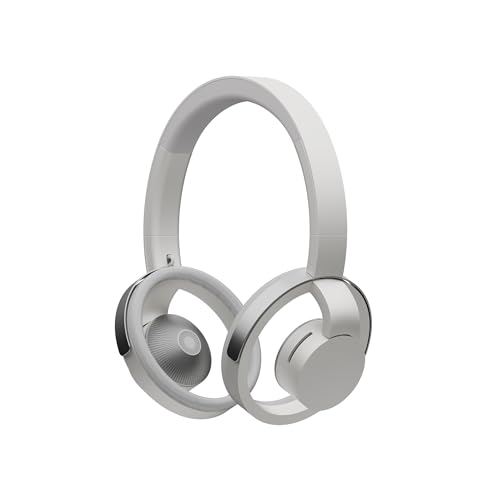
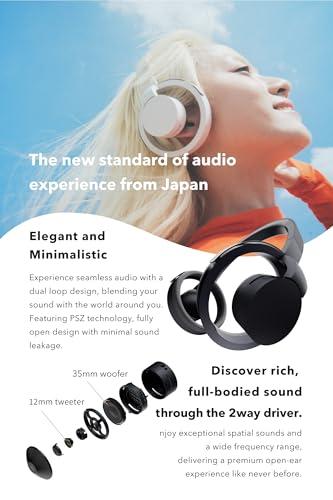
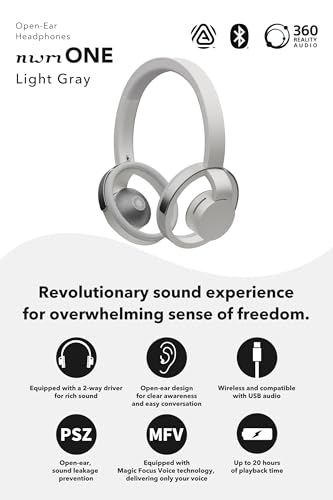
The nwm ONE represents a breakthrough in what's called "personalized sound zone" technology. Here's how it works: instead of sealing around your ears, the headphones sit over your ears with speakers positioned just outside your ear canals. They use two different drivers (the speakers inside headphones)—a larger 35mm driver handles bass and low frequencies, while a smaller 12mm driver takes care of mids and highs.
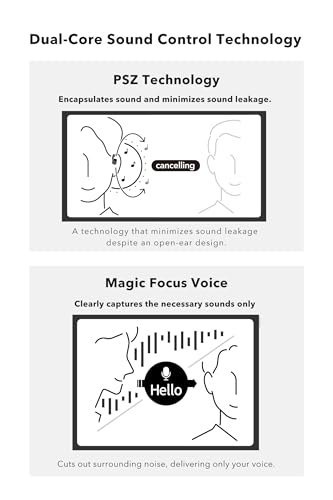
But here's the clever part: that smaller driver doesn't just play music. It also generates what's called "inverse phase waves"—sound waves that are perfectly opposite to any audio that might leak out. This PSZ (Personalized Sound Zone) technology essentially cancels out sound leakage before it reaches other people's ears. When I first tried this, I was genuinely surprised. Even at higher volumes, people sitting nearby couldn't hear what I was listening to.
The nwm ONE also includes something called Magic Focus Voice technology for calls. This system uses beamforming—a technique that focuses the microphones on your voice while filtering out background noise through spectral filtering. In practical terms, this means clearer phone calls even in noisy environments, without the sealed-ear design that can make your own voice sound odd during calls.
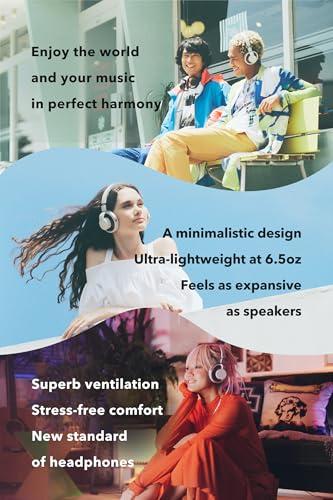
At 185 grams, these headphones are remarkably light. For context, that's about the weight of a smartphone. The dual-loop design distributes weight evenly, and because they don't press against your ears at all, you can genuinely wear them for hours without discomfort.
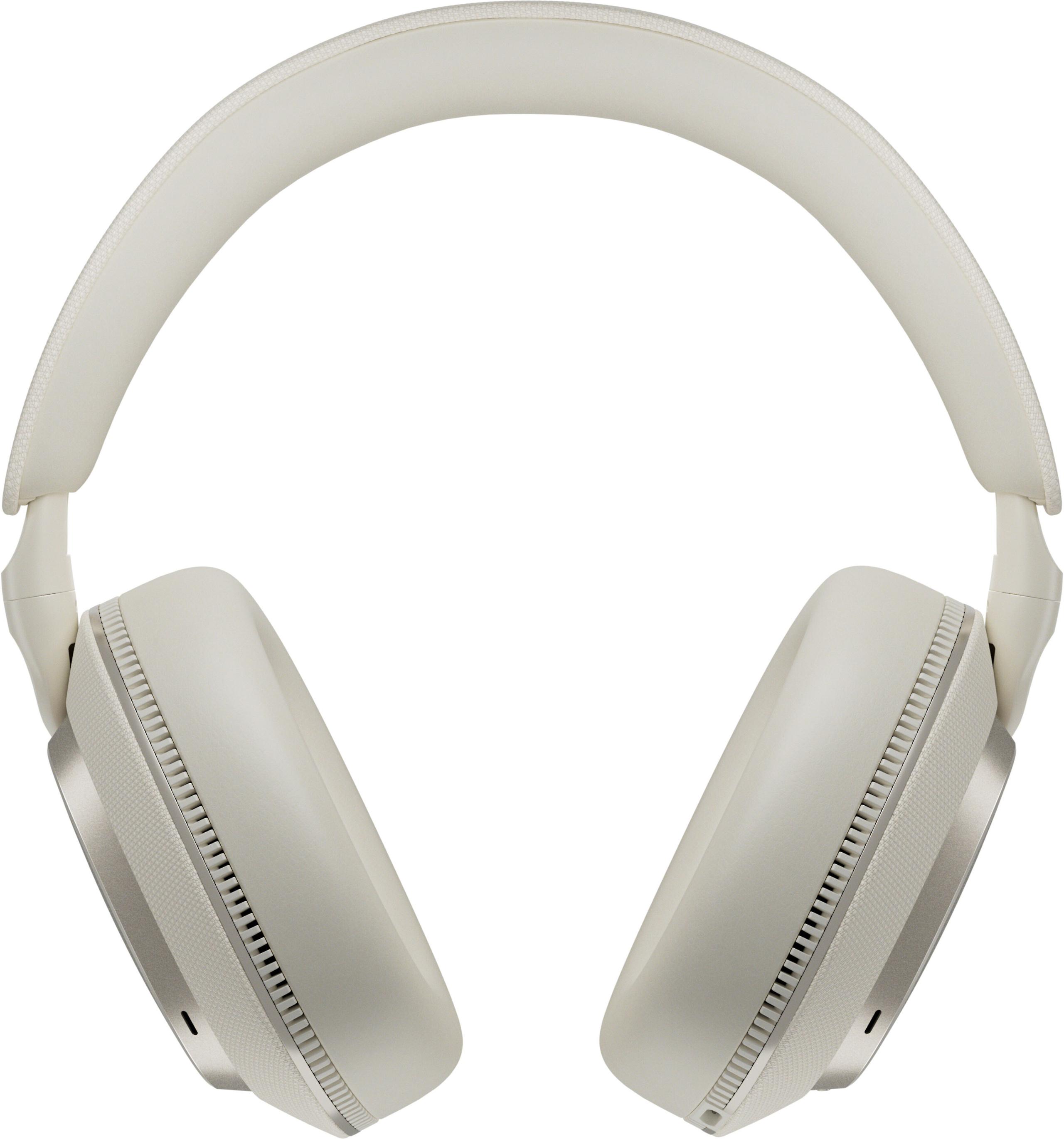
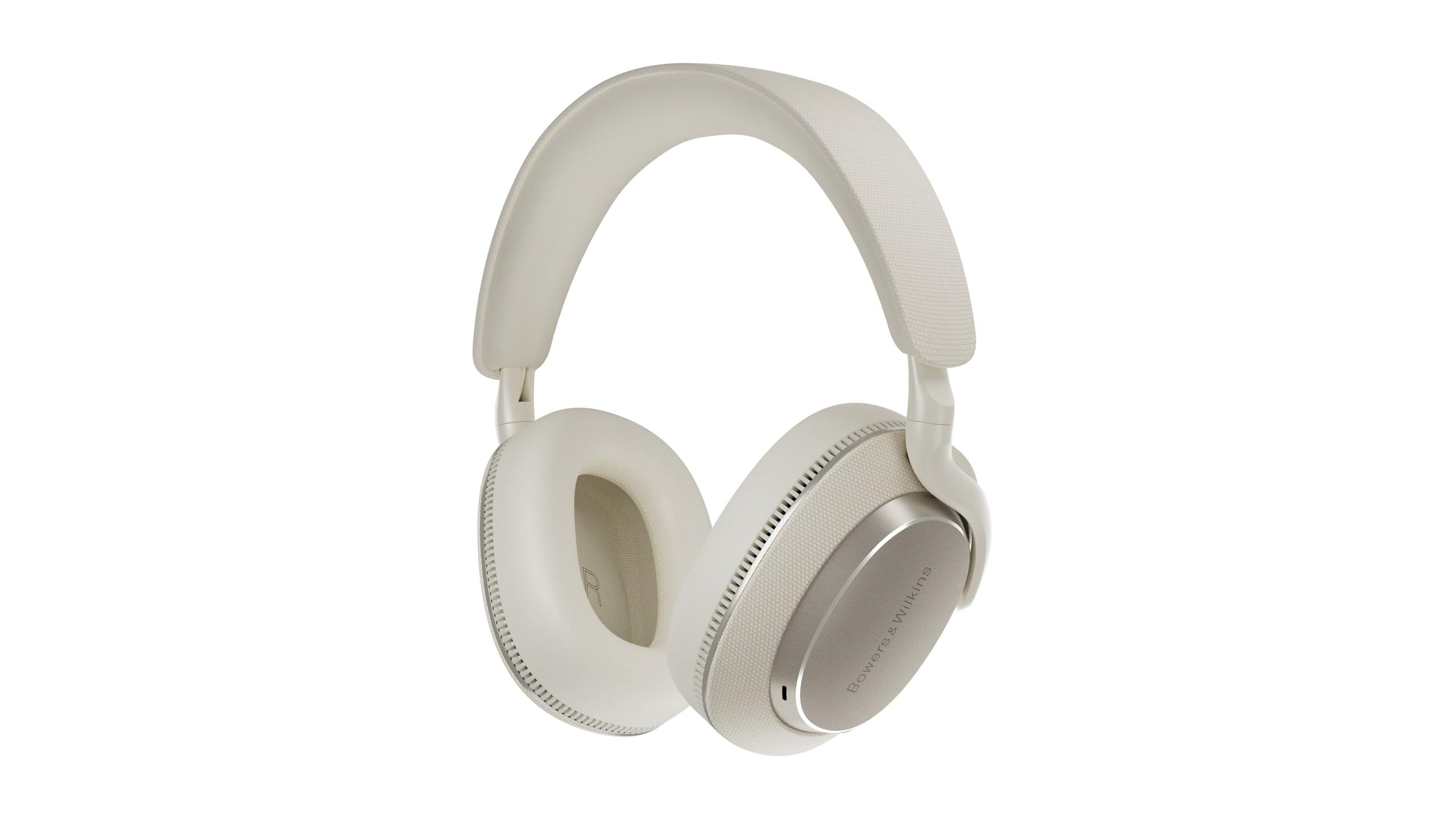
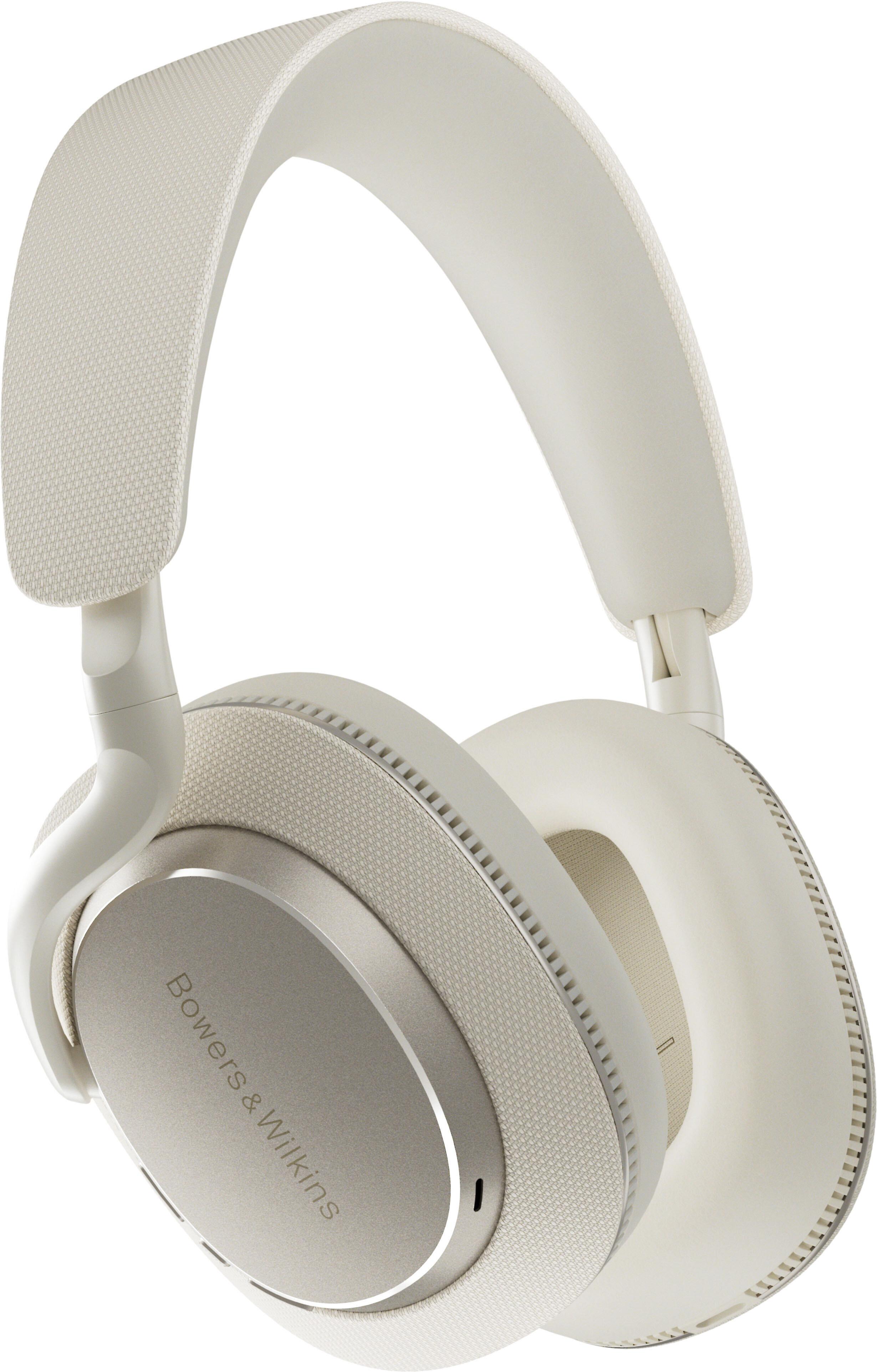
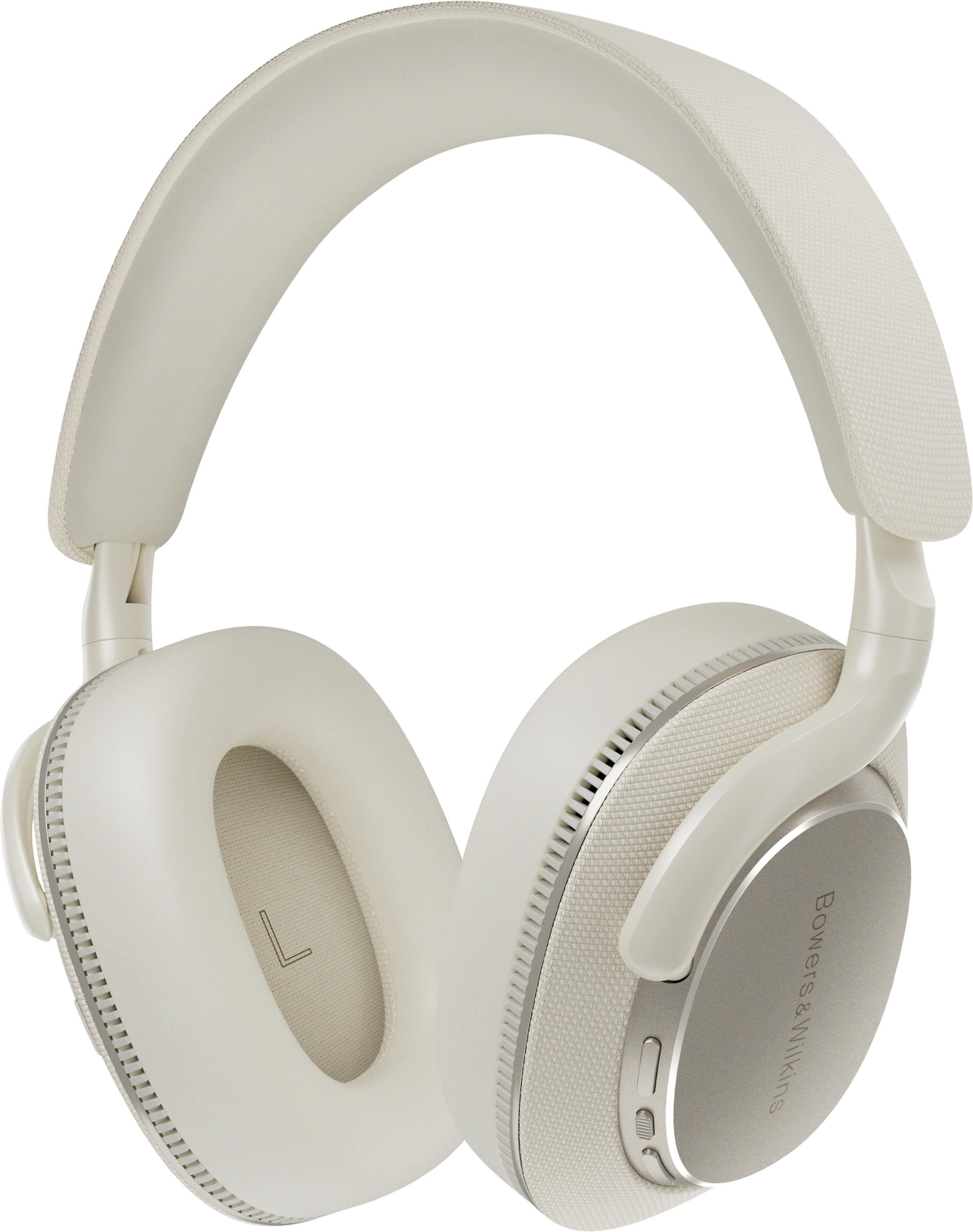
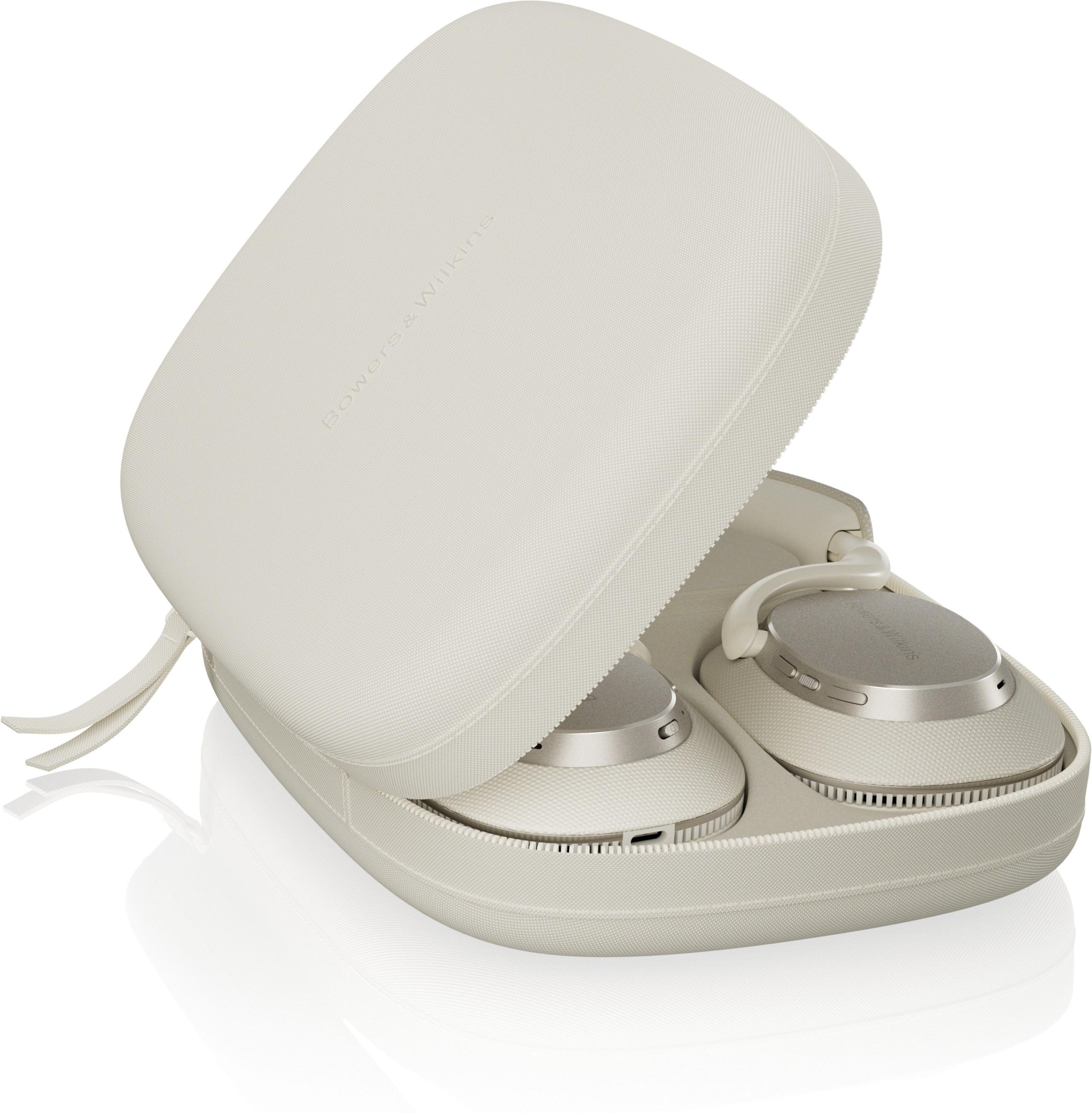
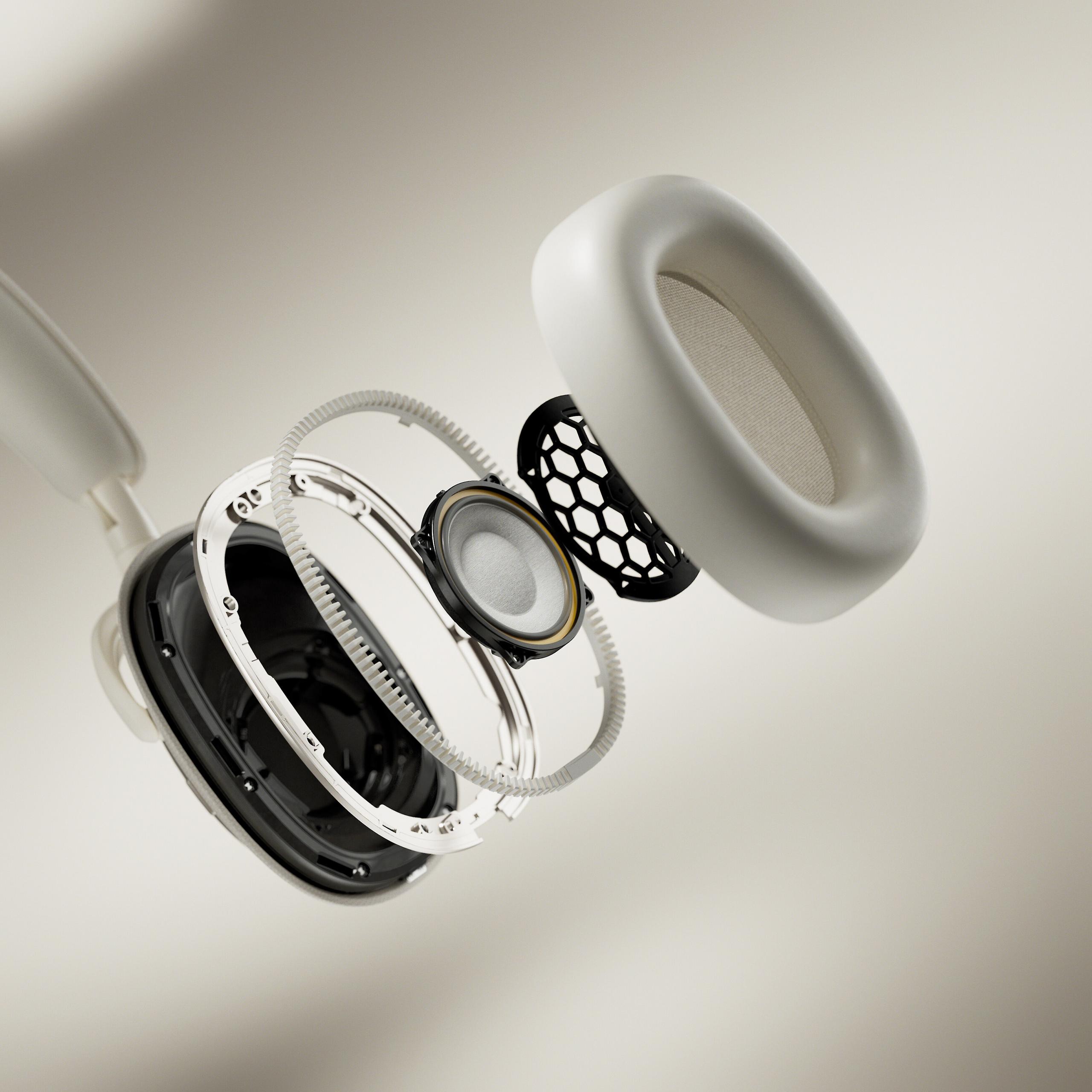
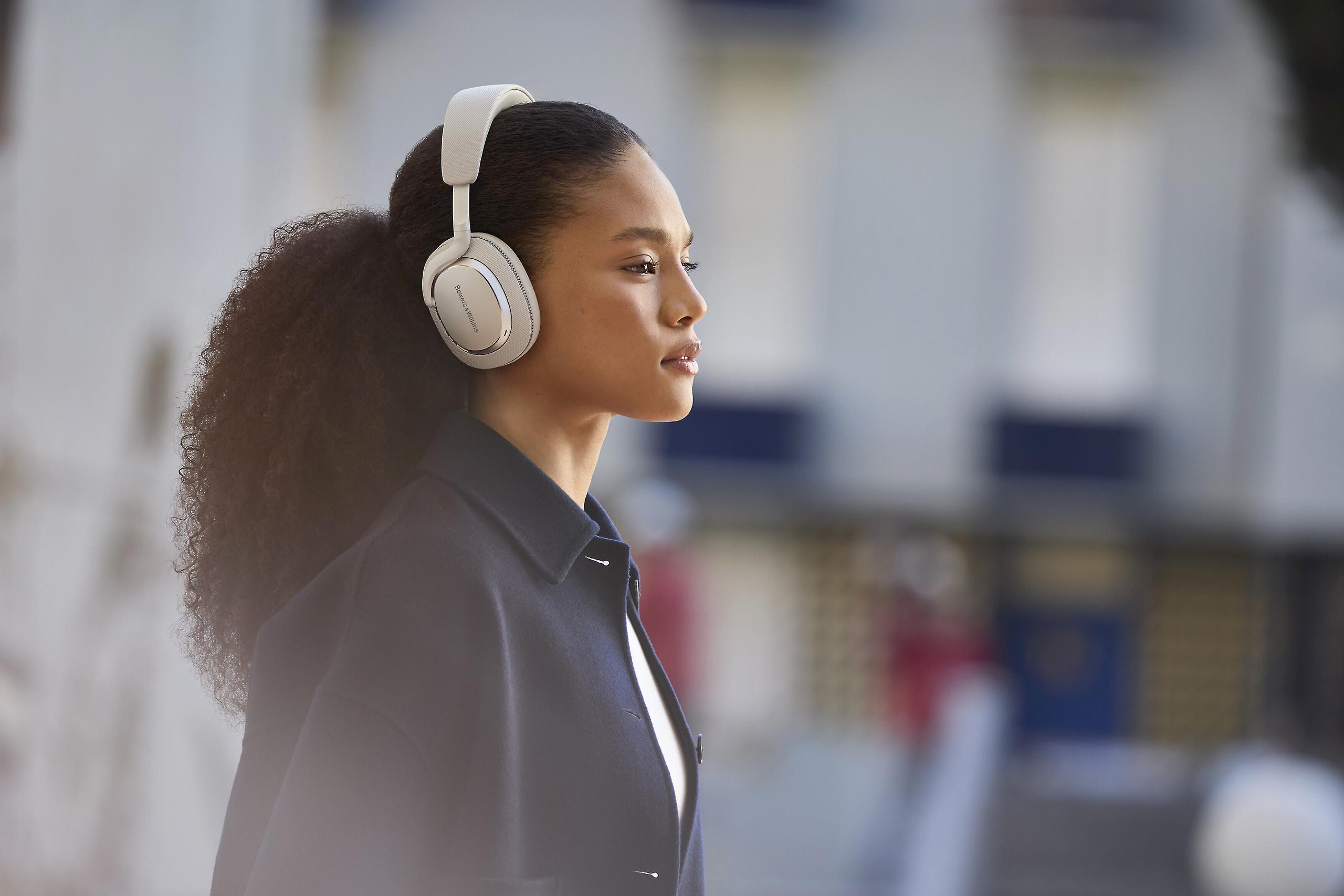
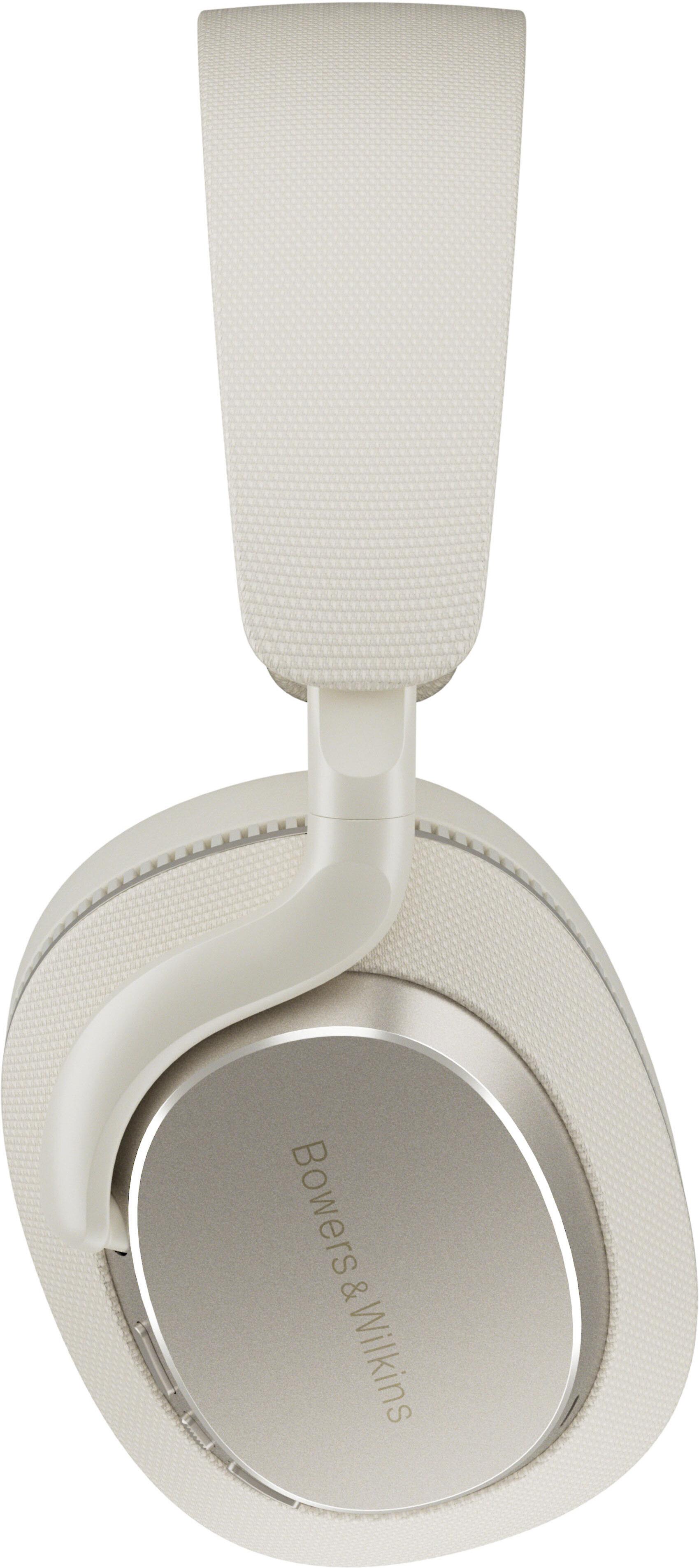
The Bowers & Wilkins Px7 S3 takes the traditional approach but executes it at an exceptionally high level. These headphones use 40mm bio-cellulose drivers—bio-cellulose is a material that's stiffer and lighter than traditional plastic, allowing for more precise sound reproduction with less distortion.
What sets the Px7 S3 apart is its acoustic architecture. Unlike many consumer headphones that emphasize certain frequencies to sound more "exciting," Bowers & Wilkins has tuned these for accuracy. They support high-resolution audio codecs including aptX Lossless, which can transmit CD-quality audio wirelessly without compression. The headphones also include a 24-bit digital signal processor (DSP)—essentially a computer dedicated to processing audio—that maintains signal quality throughout the entire audio chain.
The active noise cancellation system uses eight microphones total, with six dedicated specifically to noise cancellation. This hybrid ANC approach combines feedforward cancellation (microphones on the outside of the earcups) with feedback cancellation (microphones inside the earcups) to effectively reduce noise across a wider range of frequencies.
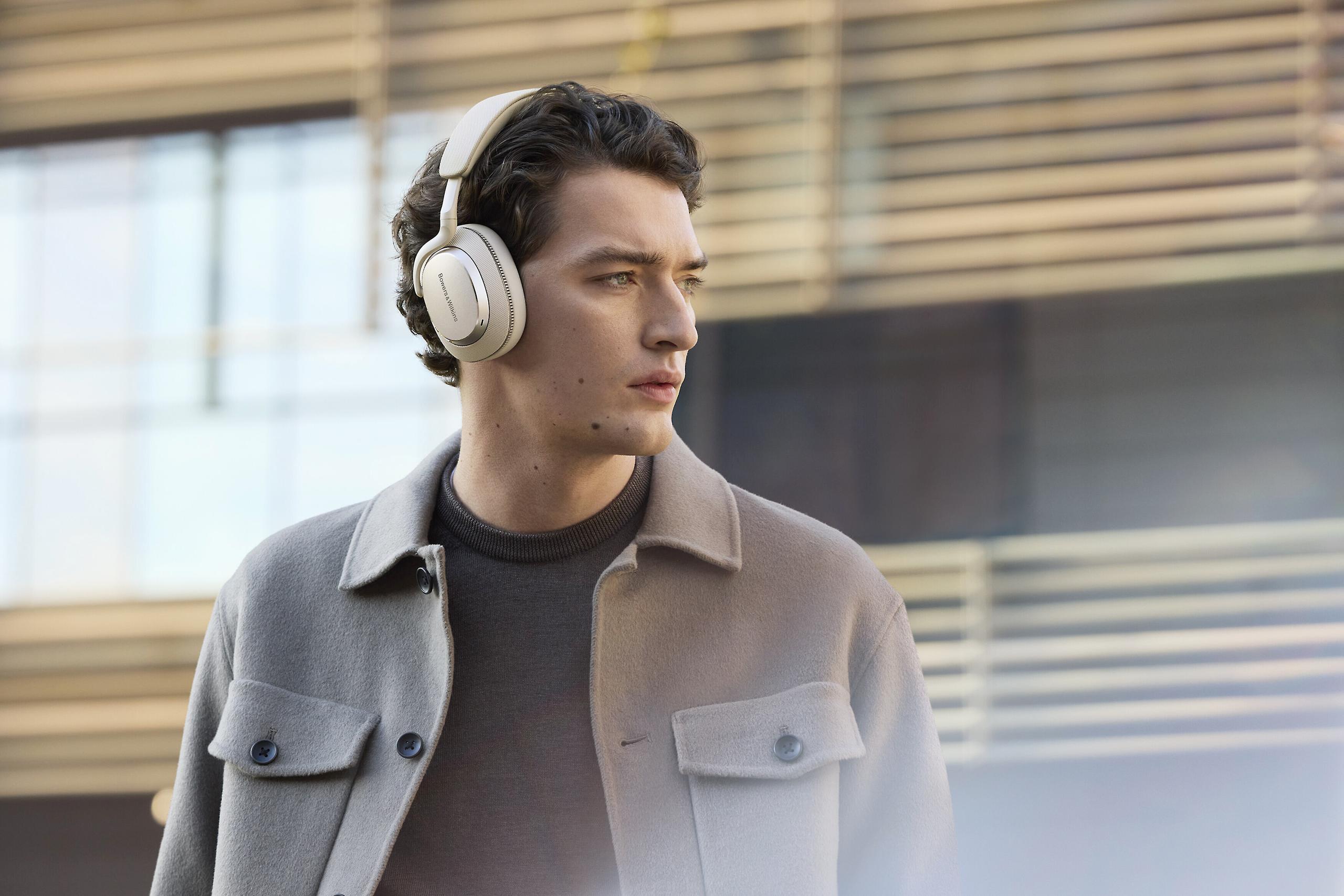
Released in 2024, the Px7 S3 represents significant improvements over previous generations, particularly in comfort and ANC performance. The redesigned earcups are slimmer and sit closer to your head, while memory foam padding ensures comfort during extended listening sessions.
Here's where the fundamental differences become most apparent. The Bowers & Wilkins Px7 S3 delivers what I'd call reference-quality audio. The frequency response is remarkably balanced, with excellent detail retrieval across the entire spectrum. Bass extension is substantial and controlled, mids are clear and present, and highs are crisp without being harsh. The soundstage—the perceived spatial arrangement of instruments and vocals—is wide and immersive.
When I listen to complex orchestral pieces or dense rock recordings on the Px7 S3, individual instruments remain clearly separated and positioned. This level of detail comes from the sealed acoustic environment and precision-engineered drivers working together.
The nwm ONE, by contrast, faces inherent physics limitations. Open-ear designs simply cannot produce the same bass response as sealed designs because low frequencies need enclosed air space to develop properly. Bass presence is noticeably limited—not absent, but definitely restrained compared to traditional headphones.
However, the nwm ONE excels in other areas. The clarity in mid and high frequencies is genuinely impressive for an open design. Vocals sound natural and present, and the dual-driver system provides better frequency separation than single-driver open-ear competitors. The soundstage feels more natural and speaker-like, though without the depth and imaging precision of the Px7 S3.
For most casual listening—podcasts, calls, background music while working—the nwm ONE performs admirably. For critical listening or bass-heavy genres like electronic music or hip-hop, the Px7 S3 is in a different league entirely.
This is where the philosophical differences become most practical. The Bowers & Wilkins Px7 S3 excels at creating audio isolation. The ANC system effectively reduces low-frequency noise like airplane engines, air conditioning, and traffic. Combined with the passive isolation of the over-ear design, you get excellent performance for commuting, flying, or working in noisy environments.
The nwm ONE takes the opposite approach—it's designed to keep you aware of your surroundings. This is actually a significant safety advantage for activities like cycling, running, or walking in urban environments. You can enjoy your music while remaining alert to traffic, approaching pedestrians, or emergency vehicles.
The PSZ technology in the nwm ONE is remarkably effective at preventing sound leakage, addressing the main weakness of open-ear designs. During testing, even at higher volume levels, sound leakage was minimal—a significant achievement for this type of design.
Comfort is where the nwm ONE truly shines. The lightweight design and complete lack of ear contact makes them ideal for extended wear. I've worn them for entire workdays without the fatigue that often comes with traditional headphones. They don't trap heat, making them particularly appealing in warm weather or during physical activity.
The over-ear design of the Px7 S3 is comfortable for what it is, but physics dictates certain limitations. At around 300 grams, they're noticeable on your head during long sessions. The memory foam padding helps, but sealed designs inevitably trap some heat around your ears.
For all-day wear in office environments or at home, the nwm ONE has a clear advantage. For dedicated listening sessions or travel, the Px7 S3 provides superior isolation and audio quality that justifies the slight comfort trade-off.
Both headphones excel at voice calls, but through different approaches. The nwm ONE uses its Magic Focus Voice technology and open design to provide natural-sounding calls. Because your ears aren't sealed, you don't experience the "talking in a tunnel" effect common with traditional headphones. The beamforming microphones effectively isolate your voice while maintaining awareness of your environment.
The Px7 S3 uses its eight-microphone array and ADI Pure Voice algorithm to deliver clear calls even in noisy environments. The sealed design provides better isolation from background noise, though some users prefer the more natural sound quality of open-ear designs for extended conference calls.
For home theater use, the choice depends on your living situation and preferences. The Bowers & Wilkins Px7 S3 provides an immersive, cinema-like experience with excellent detail retrieval and bass response that enhances movie soundtracks. The ANC capability means you can enjoy films without disturbing others, even at lower volumes.
The nwm ONE offers a unique advantage for home theater: you can enjoy your content while remaining aware of family members, doorbells, or other household sounds. This makes them ideal for parents or anyone who needs to maintain situational awareness while watching content.
However, for pure cinematic impact and audio quality, the Px7 S3 is the clear winner. The sealed design and superior bass response provide a more engaging experience for movies with dynamic soundtracks.
Both headphones offer excellent battery performance. The Px7 S3 provides up to 30 hours of playback with ANC enabled, while the nwm ONE offers around 20 hours. Both support quick charging—the Px7 S3 gains seven hours from a 15-minute charge, while the nwm ONE provides one hour from a five-minute charge.
Connectivity-wise, both support Bluetooth 5.3 with multipoint connectivity, allowing simultaneous connection to multiple devices. The Px7 S3 supports a wider range of high-resolution codecs, making it more appealing for audiophiles with high-quality source material.
The choice between these headphones ultimately comes down to your primary use cases and priorities.
Choose the nwm ONE Wireless Open-Ear Headphones if you:
The nwm ONE represents excellent value at the time of writing, offering breakthrough technology at a reasonable price point for the innovation involved.
Choose the Bowers & Wilkins Px7 S3 Wireless Over-Ear Headphones if you:
The Px7 S3 commands a premium price at the time of writing, but delivers exceptional value for listeners who prioritize audio quality and comprehensive features.
After extensive experience with both headphones, I believe they serve fundamentally different needs rather than directly competing. The nwm ONE excels as an all-day companion that keeps you connected to your environment while providing surprisingly good audio quality. The Px7 S3 delivers reference-quality audio for dedicated listening sessions and challenging acoustic environments.
If I had to choose just one, my decision would depend entirely on my primary use case. For office work, exercise, and general daily use, the nwm ONE would be my choice. For music appreciation, travel, and home theater, the Px7 S3 would win.
The good news is that both represent significant advances in their respective categories, released in 2024 with technologies that weren't available even a few years ago. Whether you choose the innovative openness of the nwm ONE or the premium traditional approach of the Px7 S3, you're getting headphones that push the boundaries of what's possible in personal audio.
| nwm ONE Wireless Open-Ear Headphones | Bowers & Wilkins Px7 S3 Wireless Over-Ear Headphones |
|---|---|
| Design Philosophy - Determines your entire listening experience | |
| Open-ear design with complete environmental awareness | Traditional over-ear with active noise cancellation and isolation |
| Driver Configuration - Affects sound quality and frequency response | |
| Dual-driver: 35mm woofer + 12mm tweeter (limited bass due to open design) | Single 40mm bio-cellulose driver with dedicated amplification (full frequency range) |
| Weight - Critical for all-day comfort | |
| 185g (ultralight, barely noticeable) | 298g (heavier but still comfortable for premium over-ears) |
| Sound Leakage Control - Important for public use | |
| PSZ technology virtually eliminates leakage despite open design | Sealed design prevents any sound leakage |
| Bass Response - Key difference for music enjoyment | |
| Limited bass due to open-ear physics | Deep, controlled bass extension with sealed acoustic chamber |
| Environmental Awareness - Safety and social considerations | |
| Complete situational awareness by design | ANC blocks environment; transparency mode available when needed |
| Call Quality Technology - Important for work and communication | |
| Magic Focus Voice with beamforming (excellent wind resistance) | 8-microphone array with ADI Pure Voice (better noise isolation) |
| Battery Life - Affects daily usability | |
| 20 hours (excellent for open-ear category) | 30 hours with ANC (industry-leading for premium over-ears) |
| Audio Codec Support - Affects wireless sound quality | |
| SBC, AAC, LC3, LE Audio (no high-res codecs) | aptX Lossless, aptX Adaptive, aptX HD, AAC, SBC (comprehensive high-res support) |
| Active Noise Cancellation - Determines isolation capability | |
| None (open design maintains awareness) | Advanced hybrid ANC with 8 microphones (excellent isolation) |
| Comfort for Extended Use - Crucial for all-day wear | |
| No ear contact, no heat buildup (ideal for hot weather) | Memory foam padding, some heat buildup (comfortable for sessions) |
| Build Quality and Materials - Affects durability and premium feel | |
| Lightweight plastic construction, functional design | Premium materials with metal construction, luxury finish |
| Quick Charging - Convenience factor | |
| 5 minutes = 1 hour playback | 15 minutes = 7 hours playback |
| Customization Options - Personalization capability | |
| Basic EQ via nwm Connect app | 5-band EQ plus TrueSound mode via B&W Music app |
| Ideal Use Cases - Who should choose each | |
| All-day office work, outdoor activities, hot climates, safety-conscious users | Audiophiles, commuters, home theater, critical listening, noisy environments |
The Bowers & Wilkins Px7 S3 delivers superior sound quality with its 40mm bio-cellulose drivers and sealed acoustic design. It offers deeper bass, better detail retrieval, and more accurate frequency response. The nwm ONE provides good clarity in mids and highs but has limited bass due to its open-ear design. For pure audio quality, the Px7 S3 is the clear winner.
No, the nwm ONE Wireless Open-Ear Headphones use proprietary PSZ (Personalized Sound Zone) technology that virtually eliminates sound leakage. This technology creates inverse phase waves that cancel out escaping audio, making your listening experience private despite the open design. The Bowers & Wilkins Px7 S3 also prevents sound leakage through its traditional sealed design.
The nwm ONE excels in all-day comfort at just 185g with no ear contact, making them ideal for extended use without heat buildup or pressure. The Bowers & Wilkins Px7 S3 is comfortable for over-ear headphones with memory foam padding, but at 298g, they're more noticeable during long sessions and can trap some heat around your ears.
Yes, the nwm ONE Wireless Open-Ear Headphones are excellent for outdoor activities because they maintain complete situational awareness. You can hear traffic, approaching pedestrians, and other important environmental sounds while enjoying your music. The Bowers & Wilkins Px7 S3 blocks external sounds with active noise cancellation, which isn't ideal for safety-conscious outdoor activities.
The Bowers & Wilkins Px7 S3 offers superior battery life with up to 30 hours of playback, while the nwm ONE provides up to 20 hours. Both offer quick charging, but the Px7 S3 gives you 7 hours from a 15-minute charge compared to 1 hour from 5 minutes with the nwm ONE.
Both excel at calls but use different approaches. The nwm ONE uses Magic Focus Voice technology with beamforming for natural-sounding calls without the "tunnel effect." The Bowers & Wilkins Px7 S3 uses an 8-microphone array with noise suppression algorithms for clear calls in noisy environments. The nwm ONE is better for extended conference calls due to its open design.
The nwm ONE Wireless Open-Ear Headphones are ideal for home office use because you can hear doorbells, family members, and deliveries while staying focused on work. Their lightweight design and lack of heat buildup make them perfect for all-day wear. The Bowers & Wilkins Px7 S3 is better when you need complete focus and audio isolation for important calls or deep work sessions.
The Bowers & Wilkins Px7 S3 provides a more cinematic experience with deep bass, detailed soundstage, and immersive isolation perfect for movie soundtracks. The nwm ONE offers a unique advantage for families, allowing you to enjoy content while remaining aware of household activities, though it lacks the bass impact for action movies.
The Bowers & Wilkins Px7 S3 features advanced active noise cancellation with 8 microphones that effectively blocks external noise, making it excellent for commuting, flying, or noisy offices. The nwm ONE Wireless Open-Ear Headphones doesn't block any outside noise by design—this is a feature, not a flaw, as it maintains environmental awareness for safety and social interaction.
Yes, both the nwm ONE and Bowers & Wilkins Px7 S3 support multipoint connectivity, allowing you to connect to multiple devices simultaneously and switch between them seamlessly. Both use Bluetooth 5.3 for reliable connections and support various audio codecs, though the Px7 S3 offers more high-resolution codec options.
The Bowers & Wilkins Px7 S3 is significantly better for bass-heavy genres like hip-hop, electronic, and rock music due to its sealed acoustic design and 40mm drivers that can produce deep, controlled bass. The nwm ONE has limited bass response due to the physics of open-ear design, making it less suitable for bass-focused music genres.
The value depends on your priorities. The nwm ONE Wireless Open-Ear Headphones offers innovative technology and all-day comfort at a lower price point, making it excellent value for users prioritizing comfort and environmental awareness. The Bowers & Wilkins Px7 S3 commands a premium for superior sound quality, build materials, and comprehensive features, justifying the higher cost for audiophiles and those needing versatile noise control.
We've done our best to create useful and informative comparisons to help you decide what product to buy. Our research uses advanced automated methods to create this comparison and perfection is not possible - please contact us for corrections or questions. These are the sites we've researched in the creation of this article: gamerant.com - besttechradar.com - gamerant.com - tomsguide.com - newegg.com - youtube.com - head-fi.org - mumas.in - forum.headphones.com - soundguys.com - youtube.com - shop.imgacademy.com - us.nwm.global - us.nwm.global - thegadgetflow.com - seeyoutmrw.com - shop.imgacademy.com - techradar.com - recordingnow.com - tomsguide.com - tomsguide.com - loudersound.com - whathifi.com - headphonecheck.com - loudnwireless.com - recordingnow.com - techradar.com - bowerswilkins.com - bhphotovideo.com - audio46.com - bowerswilkins.com - smarthomesounds.co.uk - audioadvisor.com - audiograde.uk - bowerswilkins.com - my.tcacoustic.asia - whathifi.com

Privacy Policy
Terms and Conditions - Affiliate Policy
Home Security
© Copyright 2008-2026.
11816 Inwood Rd #1211, Dallas, TX 75244